“Mother Ship” war 1969 das sechste und letzte Album des experimentierfreudigen Hammond-Organisten
Larry Young für das Label Blue Note. Zu hören ist er hier mit einem Quartett, aus dem insbesondere
der brillante Trompeter Lee Morgan hervorsticht. Obwohl das Album vor unbändiger kinetischer Energie
strotzte und auch eine paar gefühlvollere groovende Stücke aus der Feder des Organisten bot, wurde es
erst 1980, zwei Jahre nach Youngs Tod, veröffentlicht.
Suche:larry young
- A1: Hello To The Wind
- A2: The Orge
- A3: Mind Rain
- B1: After The Rain
- B2: Message From Mars
- B3: Rock Pile
Joe Chambers ist ein US-amerikanischer Jazz-Schlagzeuger, Pianist, Vibraphonist und Komponist. In den 1960er- und 1970er-Jahren spielte Chambers mit vielen namhaften Künstlern wie Eric Dolphy, Charles Mingus, Wayne Shorter und Chick Corea zusammen und wirkte an mehreren legendären Blue-Note-Alben der 1960er-Jahre mit. Double Exposure, ursprünglich 1978 bei Muse Records veröffentlicht, ist eine seltene und genreübergreifende Session, die zwei visionäre Musiker in einem sehr persönlichen, experimentellen Rahmen zusammenbringt. Der Schlagzeuger und Komponist Joe Chambers wird von Larry Young begleitet, einem wegweisenden Jazzorganisten, dessen modale und avantgardistische Neigungen Tony Williams' Lifetime und Miles Davis' Bitches Brew-Ära mitprägten. Remastered & Cut AAA direkt von den originalen Analogbändern durch Matthew Lutthans bei The Mastering Lab. Gepresst auf 180g-Vinyl und verpackt in Stoughton Old Style® Tip-On Jackets. Enthält ein Insert mit neu verfassten Liner Notes von Bill Milkowski und Barney Fields sowie seltenen Fotos von Jan Persson und Raymond Ross.
Dynamite Cuts are proud to add these two wicked bangers to the Dynamite Cuts 45s series. The Legendary ‘Larry Young’s Fuel’, club classic “Turn of the Lights” mega rare 7” version, which was issued back in the 70’s on the dreaded Styrene (which always snapped so easily). Now for the first time on vinyl with its iconic sleeve. Plus, a quirky, funky vocal track “People do be funny” first time on 45. Another must-have 45.
Two essential and eternal classics from New York Hammond legend Larry Young with vocals by the talented Linda "Tequila" Logan.
Rare groove standard "Turn of the Lights" I would hope needs no introduction, I well known album track that does actually exist on a rare promo arista 45 but it is HARD to find and goes for around $250+ when it turns up once in a blue moon (probably more now people know it exists).On the flip Linda's amazing free vocal on "Fuel for the Fire" is cut on 45 for the first time, one of those out there records you play on a good night when people are feeling open and it all comes together. I have spun both these records for over 20 years and no format surpasses the cut done here by Timmion Lab from the new Sony masters, I'm very happy I don't have to break out the album tracks any more.
Larry died in 1978 from untreated pneumonia and Linda disappeared from music apart from a few writing credits on 90s pop artist Betty Boo's tracks. If you love that voice be sure to check out her great vocal on Tony Williams Lifetime track 'You Make It Easy', great folky Jazz.
The interstellar electronics are once more pushed to the fore on closer '80 Axes', where jaunty synth lines combine with soft bongo hits to create an instinctive rhythm, and intergalactic melodies sprint between the speakers. You can dance if you want to, but lying down is very much encouraged.
As part of the label's mission to champion Dutch talent, Voyage Direct has always promoted new, up and coming, and little-known producers. Boss Tom Trago's master plan includes building a family of artists, in part through helping unheralded local producers to fulfill their potential.
On the label's latest release, he continues that approach, serving up a debut 12' from a mysterious young producer known only as Darling. Those paying close attention to the wider Dutch house and techno scene may have spotted his recent rework of Awanto3's 'Star Butchers' on Dekmantel, in which the man or woman of mystery added some killer keys to the Amsterdam legend's woozy, deep house original.
While that rework was undoubtedly superb, Jacob's Lead offers a truer reflection of the shadowy producer's previously hidden talents. As debut EPs go, it's a bit of a cracker.
The title track, in particular, is a beauty. Its' restless, hypnotic rhythm tips a wink to classic Dutch techno of old, while the undulating, analogue electronics and swirling pads recall the far-sighted retro-futurism of vintage Motor City material. Throw in some of Darling's trademark spine-tingling keys and a deliciously loved-up breakdown, and you have a choice chunk of life-affirming techno.
On the flip, Darling heads towards deeper territory with the bubbling melodies, starburst electronics and saucer-eyed chords of 'Video'. Unashamedly positive in sound and intent, it sounds like the kind of track that will be cited as a classic in two decades time. Melodious and infectious, it casts Darling as the Netherlands' answer to Larry Heard.
- A1: I Missed The Target Again (Radio Edit) 3.40
- A2: It's Gonna Rain 4.06
- A3: Hang On In There 3.59
- A4: Shine A Light 4.26
- A5: The Lord Will Make A Way 4.56
- B1: There Will Be Peace In The Valley 3.26
- B2: 1963 5.20
- B3: Reach Down And Touch Heaven For Me 2.48
- B4: Love Breakthrough 3.46
- B5: In God's Hands We Rest Untroubled 4.58
- A1: My God Has A Telephone 3.25
- B1: God's Gonna Use Me Anyway 4.02
Soul Music legend Candi Staton returns to her down-home Alabama roots on her 32nd album, Back to My Roots. The twelve-track Americana set features an array of Staton-penned originals and some well-chosen covers.
"These songs represent my roots," Staton adds as she reflects on her many trials and triumphs. "Even the new songs on some level represent something I've experienced and that's what real soul music is about." Back to My Roots was produced by Staton with her second eldest son, Marcus Williams, a professional drummer who has toured with the likes of Peabo Bryson, Isaac Hayes, and Tyler Perry. They brought in Mark Nevers of Lambchop fame, who produced three of Staton’s prior Americana albums for Honest Jon’s and Thirty Tigers, to sweeten certain tracks. “Some of the first songs I ever heard were songs like `Peace in the Valley’ and `It’s Gonna Rain,’” says Staton. “The new songs or cover songs are tracks that remind me of that era when I was growing up as a child and evolving as a young woman. That’s why I named the album Back to My Roots because I’m going back to the roots that made me who I am.”
Staton received the Americana Music Association UK’s highest honour, the International Lifetime Achievement Award, at the UK Americana Music Awards ceremony at Hackney Church in London last year for her southern soul work that stretches from her 1969 Muscle Shoals hits to her more recent collaborations with the likes of Americana kings Jason Isbell and John Paul White.
The album opens with a mid-tempo Bonnie Raitt-styled contemporary blues “I Missed the Target Again” that finds Harry Connick Jr.’s longtime guitarist Jonathan DuBose Jr. (aka the Prophesying Guitarist) showing off his skills that set the tone for the song and the album.
Staton’s older sister, Maggie Staton Peebles (who alongside Staton was a member of the Jewel Gospel Trio in the 1950s), joins her for two duets. The first, “It’s Gonna Rain,” features just a drum, steel guitar and vocals. “My mother used to sing that song to us all the time when I was a child,” Staton recalls. “It’s a really soulful kind of song I wanted to revisit.” They then take turns leading Thomas Dorsey 1939 gem “There Will Be Peace in the Valley” that Elvis Presley popularized in the 1950s.
“Hang on in There” is a new, mid-tempo song that has an old school gospel flavour and features vocals from veteran bluesman, Larry McCray.
While in Europe in 2023 for her farewell concert tour that took her to the Glastonbury Festival and Love Supreme, Staton and her British band, PUSH, went into a London studio to record a new version of The Rolling Stones’ 1972 gem, “Shine A Light.” “I love the way that came out,” Staton says. “We put a big choir on it and put our own twist on it.”
From there, Staton revives another Thomas Dorsey classic, “The Lord Will Make a Way Somehow,” with a bluesy vibe. When Al Green started recording gospel in the early 1980s, he re-introduced this song into the culture.
“God’s Gonna Use Me Anyway” is a new mid-tempo blues with subtle Caribbean influences.
The mood takes a turn on “1963.” It’s a poignant, spoken-word reflection on September 15, 1963, when four black girls were killed in the Birmingham Church bombing. “I was in the city that day and I remember the chaos and horror after the bombing,” Staton recalls. “Just thinking of how racism and hatred caused those men to kill those girls was so emotional for me that I could only do it in one take.”
It's a perfect segue into "Reach Down and Touch Heaven," a haunting, plea for divine intervention into the affairs of mankind. "That's straight Baptist," she says. "I used to be a church pianist back in the 1960s. I've never played piano on one of my records before so that's a unique song for me because I’m finally playing on one of my records. The message of that song is about the homeless. It came to me when a homeless person on the street asked me for $5. When God touches your heart to help somebody else that’s heaven to God’s hears. So, when we reach into our purse or wallet to help someone, we’re touching heaven."
Staton offers love as an antidote to hate on the bouncy, Motown-styled, “Love Breakthrough.”
Her publicist brought Aaron Frazer & the Flying Stars of Brooklyn NY’s 2017 cut “My God Has a Telephone” to Staton’s attention. She shifts the track from a retro 1960s groove to more of a 1980s Malaco Records arrangement, a subtle but distinct variation. Staton brought in her longtime friend and STAX Records legend, William Bell (“I Forgot to Be Your Lover” and “Trying to Love Two”), to add raspy seasoning to the track.
The album closes with the wistful, “In God’s Hands We Rest Untroubled,” that was originally written and recorded by the late country star, Lari White, who died in 2017 at the age of 52. “Lari sent me that song to consider at least ten years ago and I always loved it,” Staton says. “The record label didn’t want it on the album or something, so I just held it.”
Staton says, “I grew up hearing a lot of these old songs when they were new songs. I toured with the Jewel Gospel Trio in the 1950s and we got to know people like Mahalia Jackson, Sam Cooke and others who sang these types of songs. So, I’m sort of paying tribute to them and the influence they had on me by refreshing these songs and making new songs in the old style.”’
In 1982, the elite, core musicians (MFSB / The Salsoul Orchestra) behind the soulful Sound of Philadelphia - Earl Young (drums), Ron Baker (bass), Norman Harris (guitar), Lenny Pakula (organ), Larry Washington (percussion), Vince Montana, Jr. (vibes) - and powerhouse vocalists Joe Freeman, David Simmons, Ron Tyson and Bobby Love convened at Philadelphia’s historic Virtue Studios to record some of the genre’s most iconic hits. This small, but amazing set of lush recordings, which were mixed at Alpha Studios - ensuring that every note and nuance was captured with the highest fidelity, recently caught the attention of the famed producer and remixer Eric Kupper. Kupper got his start working as a keyboardist and guitarist for such producer/remixers as David Morales, Arthur Baker, Frankie Knuckles, Peterauhofer, and Richie Jones, just to name a few. Since 1986, he has played on, remixed, and/or produced over 1400 records for artists spanning all contemporary musical genres. Presented here is Kupper stellar remix of “Back Stabbers” which features Freeman’s impassioned lead vocals. This release is not just a tribute to the past, but a vibrant continuation of the legacy
Marbles is the legendary 1970 proto punk / dance classic from John McLaughlin’s US debut album 'De?otion', recorded at the time in which he played on Miles Davis' Bitches Brew and taped the Record Plant session with Jimi Hendrix.
Marbles didn't just deliver jazz rock's most danceable 4/4 beat, played by Band of Gypsies / Electric Flag drummer Buddy Miles. It is also centered with a once-in-ageneration bass line performed by Billy Rich. Larry Young's otherworldly Hammond textures predate a lot of what synthesizers were about to do much later, and the blowtorch energy emanating from John McLaughlin's cranked amp went beyond what most would had dared during the defining era of heavy rock guitar. An apex achievement at the intersection of jazz rock, guitar rock and dance music without parallel, before or since.
Background: John McLaughlin arrived in New York in 1969 to join Tony Williams' new group Lifetime which also featured Larry Young and eventually Jack Bruce (of Cream). On the second day in town he found himself in the studio with Miles Davis, recording 'In a Silent Way.' His playing would also take center stage in Bitches Brew, Jack Johnson, On The Corner and several other Davis key works of his much beloved first electric era. In between a busy schedule with Lifetime and Davis, McLaughlin also recorded two solo albums in 1970, 'De?otion' with an all-electric group and ‚'My Goa|’s B?y?nd' as its acoustic counterpart. By the time he formed his group Mahavishnu Orchestra in 1972, John McLaughlin was firmly established as the most important practitioner of his instrument of his generation within and well beyond the emerging jazz rock / fusion genre, and he has continued to evolve and surprise until today.
Here, a thorough remaster is supplemented by a new and throbbing techno version by Stefan Goldmann.
- A1: Saylo
- A2: Can't Take The Hood To Heaven
- A3: Attack Of The Dreadlocks (Feat Rae Khalil)
- A4: Lynn's Lullaby (Interlude)
- A5: Brownskin Cinnamon
- A6: Grey Seas (Feat Reaper Mook)
- A7: Cowboy Leather (Feat Pink Siifu)
- A8: Overseas Sam
- B1: Bullets From A Butterfly
- B2: Pearly Gates Playlist
- B3: Things Grandma Told Me
- B4: Bygones
- B5: Lagonda (Feat Goya Gumbani)
- B6: The Card Players (Feat Jayellz)
- B7: When I Met Rose
Cassette[10,88 €]
Forest Green Vinyl
Seafood Sam is a futuristic artifact. If that description might sound confusing at first, it matches the eclectic dualities found in true originals. With his effortless cool and timeless style, the North Long Beach native defies convention and exact comparison. He's a virtuosic rapper, a stop-you-in-your tracks singer, and a symphonic producer. Welcome to the lavish life of a laid-back transcontinental man of mystery, rolling in old school Cadillacs, eating caviar with a blade in his pocket, and making plays in vintage Pelle Pelle gear. A blaxploitation icon for the Instagram age, blessed with the bars of a `90s legend and 23rd century swagger. Seafood Sam is a true hero of modernity. On his full-length album debut for up-and-coming label drink sum wtr (Kari Faux, Deem Spencer, Aja Monet) debut, Standing on Giant Shoulders, Sam splits the difference between Snoop Dogg and D' Angelo, Curren$y and David Ruffin. The songs reveal a forward-thinking sensibility rooted in ancestral soul. He creates spiritual hymns for the streets that tap into universal ideals and irrepressible groove. In an era plagued by short-term thinking, his ambitions reveal a crate-digging depth of music history and a meticulous ear for detail. The giant shoulders in the album's title refer to James Brown, Bobby Brown, and Miles Davis - the holy trinity who inspired Sam's process. From the Godfather of Soul, Sam took a perfectionist's rigor and focus. The example of Bobby Brown lent an unshakeable confidence and self-belief. While the constant artistic left turns of the trumpeter that birthed Ccool offered an aspirational archetype. The story starts in the glory days of Long Beach hip-hop. As a young child, the G-Funk era soundtracked rides in Sam's father's car. Some of his earliest memories are trying to memorize Snoop's verse on "Nuthin' But a "G" Thang." Beyond gangsta rap, the LBC has historically doubled as a capital of lowrider soul and carwash oldies. At any intersection, you could hear Dogg Food or Brenton Wood, Warren G or Barbara Lynn. This too was absorbed via osmosis. It also just so happened that the art of performance was always in Sam's blood. So at family functions, he and his sister supplied entertainment by singing karaoke renditions of The Isley Brothers. While his Harlem Shake remains a thing of local lore. Long Beach is a culturally diverse mecca of skate parks and gang life, street fashion and tricky dance moves. This is the place that raised Sam on a diet of Wu-Tang and Nelly Furtado, Lil Bow Wow and Allen Iverson. He was the middle ground between his two older brothers: one who gangbanged, the other who graduated with a master's degree from UC-Santa Barbara. But it wasn't until the end of high school that Sam started to take rap seriously. Alongside long-time collaborators like Huey Briss and Reaper Mook, Sam's name began to make waves on the northside of the city, but he was partially distracted by a modeling career that paid the bills and took him all to way to walk in Paris' fashion week. The first turning point arrived with 2018's "Ramsey," a self-produced, slick-talk anthem with over 10,000,000 streams across all platforms. With each subsequent release, Sam showcased his peerless consistency, building buzz both online and in the city streets. Spin hailed his "smooth and unhurried cadences and understated lyricism_ that sounds like nothing else in Long Beach." Clash raved about Sam's "evolution as an artist, cruising through nostalgic production with slick, witty rhymes." The culmination arrives with Standing on Giant Shoulders. It's the evidence of a master, a young sensei in the model of Quincy Jones. All rhymes, singing, production, and arrangements were handled by Sam - with an assist from his close Long Beach kinsman Tom Kendall from the group Soular System. It's hard-edged and lyrical enough for disciples of Larry June and Roc Marciano, but orchestral and melodic enough for fans of Anderson .Paak and H.E.R.
Black Magic Woman, birthed out of the production outfit of Ron Trent featuring Harry Dennis most known for his previous work with Larry Heard. Harry Dennis one of the leading poets to come out of house and contemporary music in the 80's and 90's.
Being on the forefront of songs by storefront groups powered by both Larry Heard and Marshall Jeffereson The IT and Jungle Wonz critically acclaimed dance classics "Donnie" and "Time Marches on" helped revolutionize dance inteligenca world wide . Together with Trent's production they weave a spell with this ode to the power of the feminine form " Black Magic Woman".
Previously released and powering dance floors globally, Sacred Medicine brings you a set of revisions by production and DJ master Joe Jouquin Claussell who's edit and revision has been highly sought after for the past 4 years along with our young and upcoming talent producer and DJ Coflo. By the introduction of Casmena from Ocha records Coflo first approached us with his remix 4 years ago and now under our direction we are putting it to work. These magical forms are now ready for you to explore and generate power into your world.
The new batch from the bottomless edit archives of Danny Krivit is an uptempo, guitar-heavy excursion into two cuts of danceable rock from opposite sides of a decade.
“Marbles” originally came out late in 1970, the result of a collaboration between the fiery British guitarist John McLaughlin and drummer Buddy Miles. Miles was hot off his time with Jimi Hendrix, and producer Alan Douglas, who’d been instrumental in putting together the Band of Gypsys group, attempted another crossover combination with a brand new, blazing guitar god. Also on the date was Larry Young, an organ player best known for his expansive jazzy albums on Blue Note, and several veterans of Buddy Miles’ funk-rock combos. The resulting mixture produced in “Marbles” a powerful, driving rhythm anchoring an addictive riff that steamrolls through the cut in a fashion not unlike the motorik sound of Velvet Underground or Can. Mr. K’s edit leans heavily on the drums, naturally, with a long, tailor-made intro and a mesmerizing focus on the main riff, extending things well past the seven-minute mark.
Ten years later, the world of music was in an entirely different place but a good guitar riff coupled with a driving beat was still powerful currency on the dancefloor. This time, the group was Scottish new wave-punk group APB, whose single “Shoot You Down” had garnered unexpected peak time play in cutting edge NYC hotspots Danceteria, the Peppermint Lounge, the Ritz and the Mudd Club. “Shoot You Down” combines the urgency of the Clash with the free for all vibe that characterized the downtown scene (and throws in a chant borrowed from P-Funk for good measure). Mr. K has created a long instrumental opening that leads into the vocals, giving the tightly-wound 7-inch single a proper extended 12-inch treatment it deserved but never had before.
The sound is crisply remastered for club play, and stretched over the breadth of a 12-inch single. Both of these tracks are appearing on the long-format player for the first time.
Die brandneue Kollaboration zwischen Freddie Gibbs und The Alchemist, „Alfredo 2”, ist der offizielle Nachfolger der gefeierten „Alfredo”-Veröffentlichung des Duos aus dem Jahr 2020.
Der Rapper Freddie Gibbs wird für sein technisches Können und seine provokanten Texte gelobt und hat sowohl Fans des Gangsta-Rap als auch des Underground-Hip-Hop für sich gewonnen. Er reimt sowohl auf dröhnende Breakbeats als auch auf Trap-Beats und hat mit zahlreichen Rappern und Produzenten zusammengearbeitet, darunter Young Thug, Jeezy, DJ Drama und Statik Selektah. In den 2000er- und frühen 2010er-Jahren machte er sich mit einer Reihe von selbst veröffentlichten Mixtapes einen Namen. Nach seiner ersten offiziell veröffentlichten EP Str8 Killa (2010) begann er, richtige Studioalben zu veröffentlichen, darunter die gut angenommenen Kollaborationen mit Madlib Piñata (2014) und Shadow of a Doubt (2015) sowie You Only Live 2wice (2017). Nach dem kommerziellen Mixtape Freddie (2018) tat er sich für Bandana (2019) wieder mit Madlib zusammen und produzierte mit The Alchemist das Album Alfredo (2020). Letzteres wurde seine erste LP, die die Top 20 der Billboard 200 erreichte und anschließend für einen Grammy Award nominiert wurde.
- A1: Raw Movements 5 52
- A2: Love Train Ii 4 47
- A3: Palace Strut 4 10
- B1: Coral Reef 4 52
- B2: Street Beat 4 41
- B3: What's The Time 5 53
- Rude | Movements
- C1: Rude Movements 7 49
- C2: Movement I 6 10
- D1: Movement Ii 7 40
- D2: Movement Iii 7 59
Repress !
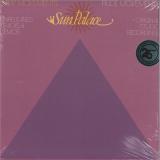
Way back in 1981, two musicians got together to make a record. Mike Collins played guitar and had just bought a Roland CR78 - the first programmable drum machine. Keith O'Connell played Fender Rhodes piano and Prophet 5 synthesizer. Excited about the quirky and unusual instrumental track they'd composed, when the duo entered London's Utopia Studios to finish off their creation, neither could have predicted what was to follow... Now viewed by many as one of the most influential early electronic dance records, 'Rude Movements' was swiftly picked up on by David Mancuso, who used it to devastating effect at his infamous 'Loft Parties', in turn introducing it to Larry Levan, Frankie Knuckles, David Morales and Kenny Dope, a group of young DJs who would go on to write the blueprint for dance music as we know it.
In the more than 35 years since its release, 'Rude Movements' has continued to inspire and excite, sampled by The Bucketheads' classic House track 'Whew!' (featured on recent BBE compilation '20 years of Henry Street Records') and listed by a veritable 'who's who' of dance music's elite as an all-time favourite. Rare and much sought-after on vinyl, BBE are happy to announce the release of a fully remastered version of 'Rude Movements' presented alongside the original demo version 'Raw Movements', plus three other versions of the iconic track. Also included on the vinyl package are the Afrika Bambaata inspired 'Street Beat' and 808/MiniMoog workout 'Palace Strut', as well as three other 80s SunPalace compositions. CD and digital versions expand the catalogue still further, with more experimental SunPalace magic. Timeless original, quirky and unique, these recordings are set to inspire yet another generation of DJs,
producers and music fans.
- A1: Bad Luck (Eric Kupper Remix)
- A2: Bad Luck (Eric Kupper Remix Instrumental)
- A3: Love Train (Eric Kupper Remix)
- B1: Love Train (Eric Kupper Remix Instrumental)
- B2: The Love I Lost (Eric Kupper Remix)
- B3: The Love I Lost (Eric Kupper Remix Instrumental)
- C1: Back Stabbers (Eric Kupper Remix)
- C2: Back Stabbers (Eric Kupper Remix Instrumental)
- D1: I Don't Love You Anymore (Eric Kupper Remix)
- D2: I Don't Love You Anymore (Eric Kupper Remix Instrumental)
- E1: Love Is The Message (Eric Kupper Remix)
- E2: Love Is The Message (Eric Kupper Vocal Remix)
- F1: Do It Any Way You Wanna (Eric Kupper Remix)
- F2: Do It Any Way You Wanna (Eric Kupper Remix Instrumental)
Remixer extraordinaire Eric Kupper takes a set of epic, lost recordings from 1982, that feature the cream of the crop session musicians behind the soulful sound of Philadelphia - Earl Young (Drums), Ronnie Baker (Bass), Norman Harris (Guitar), Lenny Pakula (Organ), Larry Washington (Percussion), Vince Montana, Jr (Vibes, Keyboards), John Bonnie (Saxophone) - along with powerhouse vocalists Joe Freeman, David Simmons, Bobby Love and Ron Tyson, and lovingly applies his own modern sheen, spinning them into ear candy for today’s listener as well as those who were there from the very beginning. These incredible remixes, which have individually been topping the charts on Traxsource, can now be had in one place - this exclusive 3-LP vinyl collection that is not just a tribute to the past, but a vibrant continuation of the legacy these legendary musicians helped create.
“Diesmal bin ich mit dem Wunsch an meine Musik herangegangen, sie als etwas Gleichberechtigtes zu
verstehen, nicht als etwas nach dem Motto ’Ich bin der Chef’”, sagt Julian Lage über sein fünftes BlueNote-Album und Nachfolger des GRAMMY-nominierten ”Speak To Me”, erneut produziert von Joe Henry.
Diesmal wird der Gitarrenvirtuose mit einer neuen Band feat. John Medeski (Hammond B3, Piano), Jorge
Roeder (Double Bass) und Kenny Wollesen (Drums, Percussion) zu hören sein.
Während „Speak To Me“ Lages großes Statement als improvisierender Bandleader war, geht es ihm auf
seinem neuen Album darum, sich selbst mehr als Bandmitglied zu verstehen und die von ihm geschriebenen Stücke gemeinsam mit seinem neuen Ensemble zu erkunden. Ein prominenter Teil des neuen Sounds
ist dabei Organist John Medeski. Julian Lages moderner Gitarren-Sound trifft in dieser Kombination auf
Anklänge klassischer Gitarre/Orgel-Sessions der Jazzgeschichte, wie z.B. von Grant Green & Larry Young,
Wes Montgomery & Jimmy Smith oder Kenny Burrell & Jack McDuff.
Limited Edition Eric Kupper Mix Of This Lost Classic From The Vaults Of America, Fully Licensed 100 Demos Only
The musical cream of the crop (MFSB / The Salsoul Orchestra) behind the soulful Sound of Philadelphia - Earl Young (drums), Ron Baker (bass), Norman Harris (guitar), Lenny Pakula (organ), Larry Washington (percussion), Vince Montana, Jr. (vibes) - joined forces with powerhouse vocalists David Simmons, Joe Freeman, Ron Tyson and Bobby Love at Philadelphia's historic Virtue Studios in 1982 to record some of the genre's biggest hits. This small, but sensational set of lush recordings, which were mixed at Alpha Studios - ensuring that every note and nuance was captured with the highest fidelity, recently caught the attention of the famed producer and remixer Eric Kupper. Kupper cut his teeth working as a keyboardist and guitarist for such producer/remixers as David Morales, Frankie Knuckles, Arthur Baker, Peter auhofer, and Richie Jones to name a few. Since 1986, he has performed on, remixed, and/or produced over 1400 records for artists spanning all contemporary musical genres. Presented here is "The Love I Lost"
- Act Like You Know
- Act Like You Know (Dub)
The first single from the forthcoming Skinshape x Horus dub album, "Act Like You Know" is a soulful reggae reworking of Fat Larry's Band's 1982 classic, featuring smooth vocals from Andy Platts (also Mama's Gun, Young Gun Silver Fox). Produced using fully analogue techniques and recorded in the spirit of vintage Jamaican dub, this 7" is a perfect blend of oldschool authenticity and modern production finesse. Skinshape (Will Dorey) and Ben Bell (Horus Records / Lion Vibes) bring over two decades of collaboration and deep roots to this project. Known for their love of rare roots reggae and dub, the pair are now crafting original material with the same dedication to sound and detail that defined the golden era of Jamaican music. Released as white label 7" vinyl in plain white sleeve with dub version of Act Like You Know on the flipside.
In 1982, the elite, core musicians (MFSB / The Salsoul Orchestra) behind the soulful Philly Sound - Earl Young (drums), Ron Baker (bass), Norman Harris (guitar), Lenny Pakula (organ), Larry Washington (percussion), Vince Montana, Jr. (vibes) - and powerhouse vocalists David Simmons, Joe Freeman, Ron Tyson and Bobby Love convened at Philadelphia’s historic Sigma Sound and Virtue Studios to record some of the genre’s biggest hits. This small, but amazing set of lush recordings, which were mixed at Alpha Studios - ensuring that every note and nuance was captured with the highest fidelity, recently caught the attention of the famed producer and remixer Eric Kupper. Kupper got his start working as a keyboardist and guitarist for such producer/remixers as David Morales, Frankie Knuckles, Arthur Baker, Peter Rauhofer, and Richie Jones, just to name a few. Since 1986, he has played on, remixed, and/or produced over 1400 records for artists spanning all contemporary musical genres. Presented here is “Bad Luck” which features Simmons’ incomparable lead vocals and a brilliant remix by Kupper. This release is not just a tribute to the past, but a vibrant continuation of the legacy these legendary musicians helped create.
Jackie Mittoo’s ‘Reggae Magic’ is a new collection from the great Jackie Mittoo. The album features a mixture of classic tunes and rarities from the period 1967-74, when Mittoo was at the height of his musical powers. Mittoo’s solo career began after the end of The Skatalites in 1965. He began pushing new musical boundaries, creating a uniquely identifiable organ-led funky reggae sound that owed as much to Booker T and The MGs, Jimmy Smith, Stax and Motown as to the post-ska and emergent rocksteady island rhythms of Kingston, Jamaica. His solo work at the legendary Studio One spanned seven albums and hundreds of singles.
Aside from producer and founder Clement ‘Sir Coxsone’ Dodd, it’s hard to think of anyone more central to the sound and success of Studio One than Mittoo; keyboard player extraordinaire, songwriter, arranger, musician, truly the Keyboard King at Studio One. Jackie Mittoo had been the youngest founding member of The Skatalites (at age 16), probably the most important group in Jamaican music. After they split, he became leader of the three pivotal groups at Studio One – The Soul Brothers, The Soul Vendors and Sound Dimension. He also became musical director for Studio One, helping create countless hits for singers Ken Boothe, Bob Andy, The Wailers, John Holt, Delroy Wilson and more – unforgettable tunes like Alton Ellis’ ‘I’m Still in Love with You’, Marcia Griffiths’ ‘Feel Like Jumping’, The Heptones’ ‘Baby Why’ and others. Between 1965 and 1968, many of the tunes created at Studio One can be attributed to Mittoo – timeless instrumental tracks, recorded either under his own name or those of The Soul Brothers, Soul Vendors and Sound Dimension, that have become the basis for literally 1000s and 1000s of Jamaican songs over many decades, giving the music an unsurpassed longevity.
The endurance of his music was as a direct result of significant developments in Jamaican music in the 1970s, namely the creation of three important new styles: Dub, Deejay and Dancehall. In the early 1970s Mittoo’s instrumental tracks were used as the musical source for a series of classic Studio One dub albums. At the same time Deejays at Studio One, including Dillinger, Prince Jazzbo and Dennis Alcapone, began toasting over these same popular rhythms to create their own new songs. In the mid-70s, a new generation of Studio One singers and deejays, including Sugar Minott, Freddie McGregor, Johnny Osbourne, Michigan & Smiley and others, began once again creating new melodies over these original instrumentals, signalling the birth of a new Jamaican style that became known as ‘dancehall’.
As dancehall swept across the island, rival producers copied these now classic rhythms. These original Jackie Mittoo-driven tunes spread like a virus throughout Jamaican music; be they the instrumental cuts to tunes such as Alton Ellis’ ‘Mad Mad’ , ‘I’m Just A Guy’, Larry Marshall’s ‘Mean Girl’, Slim Smith’s ‘Rougher Yet’, and instrumentals such as Mittoo’s classic ‘Hot Milk’ or ‘One Step Beyond’, The Sound Dimension’s ‘Real Rock’, ‘Heavy Rock’, ‘Full Up’, ‘Drum Song’, ‘Rockfort Rock’ … and the list goes on. These tracks became a constant soundtrack to the island, emitting from the ever-present sound of speaker boxes strung up around dancehalls. This recycling travelled even farther afield; The Sound Dimension’s instrumental ‘Real Rock’, updated by Willie Williams on his classic ‘Armageddon Time’ was in turn covered by The Clash. Lily Allen sampled Mittoo’s debut solo single ‘Free Soul’ for number one hit ‘Smile’; Dawn Penn’s ‘You Don’t Love Me (No, No, No)’, accompanied by The Soul Vendors, was revived by Penn and producers Steely & Cleevie in 1994, since covered by Rihanna, Ghostface Killah, Stephen Marley, Damian Marley and Beyonce. And so it goes; an endless time-leaping, continent-hopping diasporic musical map of the world with all roads essentially leading back to one man – Jackie Mittoo.
- Roadwork Rappin' - Main
- Roadwork Rappin' - Instrumental
After delighting fans of all ages with the surprise children's hit "Long Legged Larry," underground hip-hop icon Aesop Rock returns with "Roadwork Rappin'," a joyful ode to construction vehicles and the kids who love them. Inspired by the fascination many children have with bulldozers, front loaders, and cranes, the track delivers clever rhymes and vivid descriptions in classic Aesop fashion_this time with a whimsical twist. Over a minimal beat with a bouncing bass line that evokes the lumbering roll of oversized construction tires, Aesop celebrates the sights and sounds of work zones, bringing dump trucks and backhoes to life with vivid wordplay. The song is part educational, part imaginative world-building, capturing the wonder of watching giant machines reshape our surroundings. What makes it shine is Aesop's funny and wildly specific wit, packaged in a format that's approachable for younger listeners but still rewarding for longtime fans. With "Roadwork Rappin'," Aesop continues to expand his creative universe in unexpected ways, proving once again that his pen knows no bounds. Whether it's blaring from a car seat playlist or sparking nostalgia in adults who once chased garbage trucks down the block, this track is a joyful celebration of curiosity, machinery, and the poetry hiding in plain sight.
- 1: Coyote
- 2: Amelia
- 3: Furry Sings The Blues
- 4: A Strange Boy
- 5: Hejira
- 6: Song For Sharon
- 7: Black Crow
- 8: Blue Motel Room
- 9: Refuge Of The Roads
Mobile Fidelity's UltraDisc One-Step 180g 45RPM 2LP Set Plays with Authoritative Tonality, Airiness, and Clarity:
Pressed on MoFi SuperVinyl and Strictly Limited to
3,000 Numbered Copies
1/4” / 15 IPS Dolby A analogue master to DSD 256 to analogue console to lathe
Joni Mitchell is the only artist who could’ve made Hejira. The legendary singer-songwriter said as much when discussing the album decades after its release. Yet that fact seemed obvious from the moment the gold-certified effort streeted in fall 1976. An adventurous travelogue, probing narrative, and offbeat homage to freedom, Hejira remains an inimitable entry in the catalog of recorded music — a spare, gorgeous, meditative series of sonic vignettes comprised of floating harmonic pop, cool jazz, soft rock, and sensitive vocal elements that beckon feelings of motion, discovery, and self-examination.
Sourced from the original analog master tapes, pressed at Fidelity Record Pressing on MoFi SuperVinyl, and strictly limited to 3,000 numbered copies, Mobile Fidelity's UltraDisc One-Step 180g 45RPM 2LP set presents the record ranked the 133rd Greatest of All Time by Rolling Stone with definitive detail, richness, accuracy, and directness. Marking the first time the revered LP has received audiophile treatment, it's one of six iconic 1970s Mitchell records Mobile Fidelity is reissuing on vinyl and SACD.
Playing with a virtually nonexistent noise floor, dead-quiet surfaces, and superior groove definition, this collectible reissue reproduces in enveloping fashion the tones, textures, and craftsmanship that help Hejira function as the equivalent of a liberating trip down an open road with nothing but blue sky, natural landscape, and fresh air in the immediate vicinity. Passages bloom, carry, decay as they do amid an acoustically optimized environment. Soundstages extend far, wide, and deep, with black backgrounds and pinpoint images adding to the realism.
The reference-grade immediacy, airiness, and presence put in transparent perspective Mitchell’s dense strings of words, stream-of-conscious-like phrasing, and unhurried albeit forward momentum. Likewise, the instrumental contributions of her A-list support musicians — a cast that includes L.A. Express members John Guerin, Max Bennett and Tom Scott, plus Neil Young, Victor Feldman, and Abe Most — emerges with breathtaking clarity and dimensionality.
While Mitchell, whose intimate vocals and abstract guitar parts center everything, Mobile Fidelity's restoration of Hejira further reveals the visionary breadth of guitarist Larry Carlton and bassist Jaco Pastorius. Though heard on only four tracks, Pastorius' fretless bass epitomizes the fluid, subtle, flexible, roomy, and shape-shifting characteristics of songs that often appear to transpire out of nowhere akin to the formation of a puffy cumulus cloud overhead. In sync with Mitchell’s voice, Pastorius’ fusion hovers and floats, suspended in a fog you want to deeply inhale. The "grace notes" Mitchell desired on Hejira can now be heard in full. Ditto the luxurious tapestries of alinear lines, fills, and supplements unreeled on Carlton’s six-string.
Visually, the packaging of this UD1S set complements its identity as the copy to own. Housed in a deluxe slipcase, the LPs come in foil-stamped jackets with faithful-to-the-original graphics. This version is for listeners who desire to become immersed in everything about Hejira, including the unforgettable album cover — a pastiche of 14 different photos Mitchell used a Camera Lucida to assemble into one image that’s anchored by a portrait of her in a stoic pose — and the interior shots of Mitchell skating on a frozen Wisconsin lake wearing a pair of black skates, black shirt, and fur cape.
The notion of skating, feeling an awakening wind whipping against your face, and losing yourself to the surroundings are extremely apt for Hejira, which Mitchell wrote after a sequence of trips and relationships prompted her to reflect on the complicated conflicts between independence and marriage, success and satisfaction, duty and desire — and, more specifically, “the cost of being a woman.” The Canadian native delved into such themes before. But never as she does on Hejira, whose liberating, running-away aura doubles as another of Mitchell’s rejections of tradition as well as a suggestion of a better alternative.
At once observational and personal, expansive and insular, cheerful and poignant, Hejira spans a sea of human conditions, emotions, and circumstances. It addresses drifting, isolation, pleasure, place, time, and surroundings with strikingly poetic discourse matched with music that, save for the crooned ballad “Blue Motel Room,” forgoes conventional structures and choruses.
The jazz-based arrangements, marked by scaled-down percussion and all manner of bent, rounded, and unsettled notes, hint that Mitchell has no exact destination in mind. Excursions such as the moody “Furry Sings the Blues,” funky “Coyote” and edgy “Black Crow” throw open previously locked doors to possibility and journey. They signal it’s time for a welcome departure from norms and the past, one that leads to a heightened sense of clarity and perspective. Or, as Mitchell said upon choosing the album title, it’s time for “leaving the dream, no blame.”
- 1: The Flute In The Blues
- 2: Spring Can Really Hang You Up The Most
- 3: Happy Girl
- 4: Evolution
- 5: Theme From Zoltan
- 6: Along Came Byrd
- 7: Mister E
"Happy Girl" aus dem Jahr ȒȚȗȖ ist eines der frühesten Alben im MPS Katalog und ein echtes Sammlerɏinnenstückɍ Es zeigt eindrucksvollɎ warum Nathan Davis zu den großen Jazzmusikern seiner Zeit zählt – auch wenn er nie breite Anerkennung fandɎ da er sich auf seine Lehrtätigkeit an der University of Pittsburgh konzentrierteɎ wo er ein bedeutendes Jazzstudienprogramm gründeteɍ Während seiner Zeit in Europa in Villingen aufgenommenɎ wird Davis von einer TopɞBesetɞ zung begleitetɏ Woody Shaw (Trompete)Ɏ Larry Young (Klavier)Ɏ Jimmy Woode (Bass) und Billy Brooks (Schlagzeug)ɍ Davis glänzt an Tenorɞ und Sopransaxophon sowie Flöteɍ Zu hören sind fünf DavisɞKomposiɞ tionenɎ Shaws "Theme From Zoltan" und ein Standard – bei den ersten beiden Stücken spielt Shaw nicht mitɍ Remastert vom Grammyɞnominiertem Toningenieur Christoph StickelɎ erscheint das Album nun uɍaɍ in hochwertigem AAAɞMPSɞVinyl – eine intensive Klangreise durch Davis’ vielseitiges Spielɍ
- A1: Chupacabra (Feat The Game)
- A2: Dern & Spruce
- A3: Eazy Call (Feat The Game & Big Hit)
- A4: Cold Ass 2 Step (Feat The Game & Suga Free)
- A5: Meet The Whoops (Feat Meet The Whoops)
- A6: She's Not Around Pt Ii (Feat The Game)
- A7: Gurbs & Youngs (Feat Larry June & Jay Worthy)
- A8: Workout (Feat Lil Jon & Rodney O)
- A9: Chupa’s Groove (Feat Thundercat & Channel Tres)
- B1: Two Hi (Waves)
- B2: Fresh White T (Feat Shiro & D. Blake)
- B3: A Quik Message (Feat Dj Drama)
- B4: Since I Was Lil (Feat Curren$Y, Bun B & Jay Worthy)
- B5: Money, Cars & Guns (Feat Dom Kennedy)
- B6: Ayo (Feat Kaytranada & Barney Bones)
- B7: Ditto (Feat Ceelo Green, Shiro & Gwen Bunn)
- B8: Soul Circus/Chupacabra Outro (Feat. Ab-Soul)
DJ Quik & JasonMartin (formerly known as Problem), are back with their second collaborative project, Chupacabra. As can be the fear with fan-favorite follow-ups, Chupacabra refuses to copy the formula laid out on Rosecrans yet shares the same soul, steeped in the cores of West Coast G-Funk, but alive and grown up, in a more sophisticated tone. With an album that is LA to it’s core (sans a few tasteful features from artists that would get the nod despite not being from there), Chupacabra provides the sounds to a golden summer in the city of Angels. Like the chupacabra, JasonMartin & DJ Quik are both enigmatic and mystical figures in the hip-hop space. A star-studded list of features include The Game, Suga Free, Jay Worthy, Larry June, Channel Tres, Bun B, DOM KENNDEY, & more. 1xLP, pressed on Blue Vinyl.
j B1 | TWO HI (WAVES) feat Wiz Khalifa, Channel Tres, Free Nationals & George Clinton
- Solid Jackson
- The Things That Fall Away
- Angola
- Soft Impression
- 1946:
- Maury S Grey Wig
- Ditty For Dewey
- Ode To Angela
Wenn herausragende Jazzmusiker mit einer gemeinsamen Geschichte im Studio zusammenkommen, ohne zu proben oder vorbereitende Auftritte zu absolvieren, ist das Ergebnis oft eine oberflächliche, nummerierte Session. Das ist bei Solid Jackson ganz und gar nicht der Fall.
Die vier Musiker, die an dem gelungenen Nachweihnachtsalbum Consenting Adults von Criss Cross aus dem Jahr 1994 mitgewirkt haben, gehören zu den »Top Five« eines jeden eingefleischten Jazz-Kenners. Dieses zweite Treffen von M.T.B. (benannt nach den Nachnamen von Brad Mehldau, Mark Turner und Peter Bernstein und in Anlehnung an die »Young Lion«-Band OTB aus den späten 80er Jahren) ist ein intensives, konzentriertes Konzert, das die herausragende Stellung jedes Mitglieds in der Jazzlandschaft von 2024 unterstreicht. Jeder hört zu. Keiner übertreibt es mit dem Spielen oder setzt auf »House«. Die Atmosphäre ist von konzentrierter Exzellenz.
Consenting Adults wurde erst 2000 veröffentlicht, sechs Jahre nach seiner Entstehung. In den Liner Notes werden die Protagonisten (Larry Grenadier, damals wie heute, spielt Bass; Leon Parker, der Schlagzeuger von 1994, weicht Bill Stewart) als »junge Elite-Improvisatoren, die nach Abschluss ihrer Ausbildung zu den Machern des Jazz des 21. Jahrhunderts gehören werden« beschrieben.
Kurz gesagt, so Mehldau in einer E-Mail-Konversation für diesen Text, waren Turner, Bernstein und Grenadier - der in den letzten drei Jahrzehnten in einer Vielzahl von Kontexten immer wieder wunderbare Entscheidungen getroffen hat, nicht zuletzt in Mehldaus Trio mit Jeff Ballard, im kollektiven Trio Fly mit Turner und Ballard, an der Seite von Stewart in Trios unter der Leitung von John Scofield und Pat Metheny und auf 15 früheren Criss-Cross-Alben - 1994 ›voll ausgebildet‹ und ‹haben an der Identität gefeilt, die sie damals schon hatten.‹ Dasselbe gilt für Stewart, der auf Solid Jackson seinen 26. Auftritt mit Criss Cross hat.
- 1: I Can See Him Loving You
- 2: Love Music
- 3: My Hang Up Is You
- 4: Halos Are For Angels
- 5: Somebody, Someplace
- 6: Do I (Love You Like You Like It)
- 7: That's Groovy
- 8: Can't Live Without You
- 9: A Toast (May There Be No Last Time)
- 10: Don't Spread Your Love Around
- 11: Trust Me
- 12: Give Him Up
- 13: That's All That's Required
- 14: Young Girl (In Your World)
Rare Seventies Big City Street Soul
In 1971, film producer David Gil and his business partners Robert S Sinn and Paul Frankenberg launched a film company called GSF. Over the next few years, it would be involved in a small number of productions. But, in 1971 the movie business was kind of old-hat, music was where it was at, and so GSF Records, a well-funded label, headed by Larry Newton was formed. Today Newton is largely remembered for his attempts to prevent Louis Armstrong from recording 'What A Wonderful World' but that didn’t stop him from growing ABC from a second division company to an industry leader. As he approached his 52nd birthday he was unveiled as GSF Records’ president a full-service music company, involved in records and publishing across all genres. Through a joint venture with drummer Bernard Purdie the label targeted the R&B charts and soul & funk dominated GSF's release schedule.
Black music ruled and this was reinforced by the hiring of Lloyd Price as head of A&R (veteran R&B star), and producers George Kerr (All-Platinum), Mickey Stevenson (Motown) and Jerry 'Swamp Dogg’ Williams. No wonder then, unintentional as it was, that GSF left behind such an extraordinary legacy of rare soul treasures.
NEW YORK’S BEST KEPT SOUL SECRET Features legendary Northern Soul classics courtesy of Anderson Brothers, Skull Snaps and Connie Laverne Produced by hit makers George Kerr and Motown veteran Mickey Stevenson Starring the Whatnauts and Eddie “Hey There Lonely Girl” Holman
- A1: Welcome (Feat. Brittney Carte)
- A2: All Live (Feat. Abstract Orchestra)
- A3: All Live Pt. 2 (Feat. Sango, Phat Kat, & Daru Jones)
- A4: To The Disco (Feat. Abstract Orchestra)
- A5: Yeah Yeah (Feat. Karriem Riggins)
- A6: Just Like You (Feat. Larry June & The Dramatics)
- A7: F.u.n
- B1: Request (Feat. Abstract Orchestra & Earlly Mac)
- B2: So Superb (Feat. Cordae & Earlly Mac)
- B3: Keep Dreaming (Feat. Karriem Riggins & Fat Ray)
- B4: Factor (Feat. Elijah Fox & Eric Roberson)
- B5: Since 92 (Feat. Robert Glasper)
F.U.N. Is Now Available In A Limited Frosted Shadow Colored Vinyl Pressing!
The latest full length album from Detroit mainstays Slum Village, F.U.N., has now made its way to vinyl. The 12-track project is their first album in nearly ten years and includes fresh collaborations with Larry June, Cordae, Eric Roberson, Robert Glasper , Karriem Riggins, Abstract Orchestra, Sango, Phat Kat, Daru Jones, Earlly Mac, The Dramatics and more. 2015's critically acclaimed Yes! further cemented T3 and Young RJ's ability to effectively carry on the legacy of the seminal rap group, retaining its essence while evolving its sound with fresh new energy. However, with last year's sold out tour in Europe, and the release of the Larry June and The Dramatics-assisted "Just Like You", it was revealed that the duo was back in the lab together working on a new Slum Village album. F.U.N. finds Slum Village expanding on their signature certain sound, but still staying close to their hometown roots: Young RJ explains- “We wanted to just try something new, so we focused on making Disco-inspired music,” and T3 notes that the recording process all “began with collecting old Disco records.” For fans who wonder why the sonic shift, and why the long hiatus between proper albums, T3 says “Slum is still here. We’re still relevant and we’re still trying to push the envelope. Sometimes people put too many rules on music, and without sounding cliche, we wanted to just have fun with this album.” F.U.N., indeed.
In what many consider to be the birth of jazz fusion, Emergency!, led by Tony Williams (drums) with bandmates John Mclaughlin (guitar) and Larry Young (organ), is a true adventure in the beginning of the jazz-rock blend that would take shape in late 1960s and beyond. From the opening title track, the direction is decisive and commands attention as Williams leads his crew through a mixture of swing, rock and free jazz that cements its place as one of the most influential albums of the time. This Verve By Request title is pressed on 180-gram vinyl at Third Man in Detroit.
- Terminator (Intro)
- How To Survive (Feat. Zoe Osama, Caleigh Pen)
- Real La (Feat. Meaku & Dreebo)
- Do Anything (Feat. Bale & Trizz)
- Curbside Pickup (Feat. Flee Lord)
- Tryna Get Rich
- Makin A Run Wit Slink (Skit) (Feat. Slink Johnson)
- Yea Yea Yea (Feat. Meaku & Selly Sel)
- Toast (Feat. Larry June, Jay Worthy, Washeyi Choir)
- Born Blue (Feat. Space Monsta, Lilbunko)
- Dick Tracy (Feat. Tiona Deniece)
- Home (Feat. Lovey Jean)
- House Party (Feat. Dreebo, Legree Shine)
- Full Circle (Feat. Westside Traffic)
- Slaves (Feat. Hydeparkfb)
- Stuck In The Ways (Feat. Bale, Jameel Na'im X, Young Roddy)
"SKANLESS SUMMER: 80Z BABYZ (RE-ROCK EDITION)" takes you on a nostalgic yet groundbreaking musical journey, masterfully curated by the LA up-and-coming star T.F. In this innovative album, T.F. seamlessly fuses the raw energy of 80s hip-hop with contemporary beats, re-rocked by Local Astronauts, redefining the very essence of rap music and featuring guest appearances by Larry June, Jay Worthy, Flee Lord, Tiona Deniece and more!
Keyboardist/composer Doug Carn was the
biggest star on the legendary Black Jazz Records
label, with four releases to his credit (all reissued
by us at Real Gone Music), and remains a
touchstone for spiritual jazz fans and musicians
alike. But very, very few folks have heard his
debut record, cut for the venerable Savoy label
back in 1969. In fact, it’s so rare that we couldn’t
even find a copy to use for artwork, so, with
Doug’s help, we enlisted his daughter Eroniffa
Ibrahim to create illustrations for our reissue
based on the original cover photos. But you know
what we did find? That’s right…the original master
tapes! So, not only is this the first LP reissue for
The Doug Carn Trio, but it’s an all-analog edition to
boot, pressed at Gotta Groove Records with their
proprietary GrooveCoated stampers to minimize
high-frequency loss with each successive pressing.
And, we’ve added an insert with liner notes by Aaron
Cohen based on an exclusive interview with the man
himself. As for the music, it’s a tight organ trio set
that starts cooking right from the get-go with a groovin’ cover of Gus Cannon’s “Walk
Right In,” which became a folk hit for The Rooftop Singers. Carn’s fluid, forward-thinking
playing anticipates Larry Young’s future keyboard forays, and originals like “Butter from
the Duck” and “Yna Yna’s Delight” presage the compositional prowess he flashed on the
Black Jazz releases (note: that’s Don Hales on guitar, not Gary Starling as credited on the
original record). The opening salvo from a scintillating career, finally available again!
- A1: Welcome (Feat. Brittney Carte)
- A2: All Live (Feat. Abstract Orchestra)
- A3: All Live Pt. 2 (Feat. Sango, Phat Kat, & Daru Jones)
- A4: To The Disco (Feat. Abstract Orchestra)
- A5: Yeah Yeah (Feat. Karriem Riggins)
- A6: Just Like You (Feat. Larry June & The Dramatics)
- A7: F.u.n
- B1: Request (Feat. Abstract Orchestra & Earlly Mac)
- B2: So Superb (Feat. Cordae & Earlly Mac)
- B3: Keep Dreaming (Feat. Karriem Riggins & Fat Ray)
- B4: Factor (Feat. Elijah Fox & Eric Roberson)
- B5: Since 92 (Feat. Robert Glasper)
The latest full length album from Detroit mainstays Slum Village, F.U.N., has now made its way to vinyl. The 12-track project is their first album in nearly ten years and includes fresh collaborations with Larry June, Cordae, Eric Roberson, Robert Glasper , Karriem Riggins, Abstract Orchestra, Sango, Phat Kat, Daru Jones, Earlly Mac, The Dramatics and more. 2015's critically acclaimed Yes! further cemented T3 and Young RJ's ability to effectively carry on the legacy of the seminal rap group, retaining its essence while evolving its sound with fresh new energy. However, with last year's sold out tour in Europe, and the release of the Larry June and The Dramatics-assisted "Just Like You", it was revealed that the duo was back in the lab together working on a new Slum Village album. F.U.N. finds Slum Village expanding on their signature certain sound, but still staying close to their hometown roots: Young RJ explains- “We wanted to just try something new, so we focused on making Disco-inspired music,” and T3 notes that the recording process all “began with collecting old Disco records.” For fans who wonder why the sonic shift, and why the long hiatus between proper albums, T3 says “Slum is still here. We’re still relevant and we’re still trying to push the envelope. Sometimes people put too many rules on music, and without sounding cliche, we wanted to just have fun with this album.” F.U.N., indeed.
The Scientists' 1981 wild debut bewildered Perth, Australia's punters with its charging anthems centered on themes of young love and alienation. Obvious in its rebellion yet more pop than punk, the self-titled "Pink Album" deftly embodied the tough-yet-danceable outsider aura of The Ramones, and its unheard of, feverish clip shook the shores of the geographically confined Swan Coastal Plain of down under. Recorded just as the lineup of guitarist-vocalist Kim Salmon (The Cheap Nasties), drummer James Baker (The Victims) and bassist Ian Sharples were breaking up, the album stands as a testament to the contagious chops of Perth's swelling pool of musical talent, and to the promise of Salmon's unwavering vision that would become one of the most celebrated acts of the Aussie underground.
The latest release on Jai Alai follows the format of forgotten vinyl tracks never before released on 7” format, or previously CD only album tracks, and will raise some eyebrows in artist selection and pairing.
Donaldson Toussaint L’Ouverture Byrd II was one of the most significant jazz artists of all time having joined Art Blakey’s Jazz Messengers in the mid-50s and establishing himself as one of the best hard bop trumpeter/flugelhorn players. His progression was continuous through the 50s/60s working with John Coltrane, Gigi Gryce, Pepper Adams, Thelonius Monk, Sonny Rollins as sideman, and became one of Blue Note Records leading artists.
By the end of the 60s Byrd decided to move away from that idiom, experimenting with jazz fusion, African music and Rhythm & Blues. He worked hard to make jazz and its history part of the curriculum in US music colleges and he taught at many including Rutgers, Hampton, Howard, and Columbia, the latter from who he received his PhD in music.
Byrd took a great interest in how Miles Davis’ experimentation was resonating with a younger audience, and despite being castigated by his musical peers, his development of jazz fusion changed the jazz scene forever. His work with the Blackbyrds was a cornerstone for the progression of jazz funk in the UK.
The effect of his hook-up with brothers Larry & Fonce Mizell was immediate and his Blue Notes albums “Black Byrd” (1973), “Street Lady”, “Stepping Into Tomorrow” (1974), “Places & Spaces” (1975) and “Caricatures” (1976) became legendary on the newly evolving jazz funk scene with certain tracks such as “Change (Makes You Wanna Hustle)” normalising dance jazz on the disco floors, not to mention being a rich source for many hip-hop samples.
A slightly leaner period followed when he moved to Elektra Records and of the three albums with his new incarnation 125th Street NYC, a group of musicians he taught at North Carolina Central University, two were produced by Isaac Hayes including “Words”, “Sounds, Colors & Shapes” (1982) from which “Everyday”, a fabulous forgotten piece of mellow jazz funk derives.
By the end of the 80s he had returned to his harder straight-ahead jazz roots, but his place in history and the evolving of jazz as a dance culture in our clubs should never be forgotten.
- Saylo
- Can't Take The Hood To Heaven
- Attack Of The Dreadlocks (Feat. Rae Khalil)
- Lynn's Lullaby (Interlude)
- Brownskin Cinnamon
- Grey Seas (Feat. Reaper Mook)
- Cowboy Leather (Feat.pink Siifu)
- Overseas Sam
- Bullets From A Butterfly
- Pearly Gates Playlist
- Things Grandma Told Me
- Bygones
- Lagonda (Feat. Goya Gumbani)
- The Card Players (Feat. Jayellz)
- When I Met Rose
Forest Green Vinyl[27,31 €]
Seafood Sam is a futuristic artifact. If that description might sound confusing at first, it matches the eclectic dualities found in true originals. With his effortless cool and timeless style, the North Long Beach native defies convention and exact comparison. He's a virtuosic rapper, a stop-you-in-your tracks singer, and a symphonic producer. Welcome to the lavish life of a laid-back transcontinental man of mystery, rolling in old school Cadillacs, eating caviar with a blade in his pocket, and making plays in vintage Pelle Pelle gear. A blaxploitation icon for the Instagram age, blessed with the bars of a `90s legend and 23rd century swagger. Seafood Sam is a true hero of modernity. On his full-length album debut for up-and-coming label drink sum wtr (Kari Faux, Deem Spencer, Aja Monet) debut, Standing on Giant Shoulders, Sam splits the difference between Snoop Dogg and D' Angelo, Curren$y and David Ruffin. The songs reveal a forward-thinking sensibility rooted in ancestral soul. He creates spiritual hymns for the streets that tap into universal ideals and irrepressible groove. In an era plagued by short-term thinking, his ambitions reveal a crate-digging depth of music history and a meticulous ear for detail. The giant shoulders in the album's title refer to James Brown, Bobby Brown, and Miles Davis - the holy trinity who inspired Sam's process. From the Godfather of Soul, Sam took a perfectionist's rigor and focus. The example of Bobby Brown lent an unshakeable confidence and self-belief. While the constant artistic left turns of the trumpeter that birthed Ccool offered an aspirational archetype. The story starts in the glory days of Long Beach hip-hop. As a young child, the G-Funk era soundtracked rides in Sam's father's car. Some of his earliest memories are trying to memorize Snoop's verse on "Nuthin' But a "G" Thang." Beyond gangsta rap, the LBC has historically doubled as a capital of lowrider soul and carwash oldies. At any intersection, you could hear Dogg Food or Brenton Wood, Warren G or Barbara Lynn. This too was absorbed via osmosis. It also just so happened that the art of performance was always in Sam's blood. So at family functions, he and his sister supplied entertainment by singing karaoke renditions of The Isley Brothers. While his Harlem Shake remains a thing of local lore. Long Beach is a culturally diverse mecca of skate parks and gang life, street fashion and tricky dance moves. This is the place that raised Sam on a diet of Wu-Tang and Nelly Furtado, Lil Bow Wow and Allen Iverson. He was the middle ground between his two older brothers: one who gangbanged, the other who graduated with a master's degree from UC-Santa Barbara. But it wasn't until the end of high school that Sam started to take rap seriously. Alongside long-time collaborators like Huey Briss and Reaper Mook, Sam's name began to make waves on the northside of the city, but he was partially distracted by a modeling career that paid the bills and took him all to way to walk in Paris' fashion week. The first turning point arrived with 2018's "Ramsey," a self-produced, slick-talk anthem with over 10,000,000 streams across all platforms. With each subsequent release, Sam showcased his peerless consistency, building buzz both online and in the city streets. Spin hailed his "smooth and unhurried cadences and understated lyricism_ that sounds like nothing else in Long Beach." Clash raved about Sam's "evolution as an artist, cruising through nostalgic production with slick, witty rhymes." The culmination arrives with Standing on Giant Shoulders. It's the evidence of a master, a young sensei in the model of Quincy Jones. All rhymes, singing, production, and arrangements were handled by Sam - with an assist from his close Long Beach kinsman Tom Kendall from the group Soular System. It's hard-edged and lyrical enough for disciples of Larry June and Roc Marciano, but orchestral and melodic enough for fans of Anderson .Paak and H.E.R.
Reissue of early Japanese house outing by Junichi Soma, Shuji Wada and Katsuya Sayo. Comes with insert with liner notes.
All musical movements require a spark to set them alight; in the case of Japanese house music, that spark was provided by the forward-thinking resident DJs of The Bank in Roppongi, Tokyo. In 1989, to celebrate the ground-breaking club’s first birthday, the venue released a 12” EP featuring first-time productions from three of its DJs, Junichi Soma, Shuji Wada and Strong Katsuya AKS Katsuya Sayo.
Widely considered to be one of the first ever EP of house music produced in Japan, 1st Unit was never officially released. Instead, 500 of the 1000 copies pressed were given away at The Bank’s first birthday party, with the rest initially being sold not in local record stores, but rather the venue’s own in-house shop. Three decades on, the 12” is finally set to get its first worldwide release via Rush Hour’s Store JPN Series.
The record has its roots in The Bank’s willingness to give its ever-changing roster of DJs a free hand to play what they liked – at the time a rarity in Tokyo nightclubs, whose musical offerings usually revolved around strictly defined playlists. At The Bank in 1989, it was not only common to hear European body music and the kind of post-disco New York productions associated with Larry Levan’s sets at the Paradise Garage, but also acid house – something not offered at the time by other clubs in the city.
This cutting-edge blend of sounds, combined with the venue’s unique decor (it was modeled on the inside of a London bank, complete with a cashier’s window to take entrance fees), made The Bank a go-to spot for young party-goers, celebrities and forward-thinking Japanese musicians (Ryuichi Sakamoto was reportedly a weekly visitor).
When it came to celebrating the club’s birthday by cutting a unique record, it made sense for The Bank’s owners to turn to three of their most exciting resident DJs, who were assisted by Heigo Tani and Jun Ebi. The collective name, 1st Unit, was chosen to reflect the fact that all three resident DJs were debutants with no previous studio experience.
As this reissue proves, the music remains timeless, magical, and authentic to the sound of American house productions of the period – albeit with occasional twists,. Katsuya Sano’s EP opener, ‘I Need Love’, sounds like a twist on Larry Heard productions of the period – all jacking TR-909 drums, undulating analogue bass, dreamy JUNO synthesizer chords and evocative vocal samples.
The influence of Chicago acid house is also evident on Junichi Souma’s ‘Ubnormal Life’, whose unusual title contains what he says was an intentional misspelling. Driven forwards by restless drum machine handclaps, sweet chords and rising and falling melodic motifs, the track is an energetic and uplifting treat.
Perhaps the most influential of the three tracks at the time – within Japan at least – was Shuji Wada’s similarly misspelled ‘Endless Load’. Deeper and more melodic with a more expansive arrangement, the track’s combination of marimba-style lead lines, tribal drum patterns, dreamy chords and jazz-funk influenced bass offered a loose blueprint for the more successful and better-known Japanese deep house tracks that followed.
Reggae and Jamaican music have long embraced a symbiotic relationship with the movies. Rooting back to the island's golden era, countless arrangements have either been direct covers, or inspired by, the musicality and mood found in both cinema and television. These reinterpretations would become part of the backbone of the instrumental sound that accompanied the Jamaican record industry's acceleration from the mid-60s and beyond. Talented young musicians, rising from Alpha Boys School and the early studios of Coxsone, Duke Reid and others, found a showcase for their unique playing style on hundreds of different recordings, while appealing to the country's own love affair with Westerns, James Bond canon, and other rebellious themes and motifs that were projected from Hollywood during this time.
In this same tradition, in a new interval, arrives the debut release of Anant Pradhan and Larry McDonald, the latter a master percussionist with direct participation in some of Jamaica's earliest recordings. McDonald, although often uncredited, was a legitimate influence in helping to bridge the Afro-Caribbean sound from calypso into ska and later reggae with his iconic style on hand drums and percussion. A kindred spirit of McDonald, despite 50 years separating them, Anant Pradhan is a bonafide member of the next generation. Although this is his first "solo" record, the talented saxophonist has already played on dozens of incredible sessions for the likes of Victor Axelrod, The Inversions, Andy Bassford, Channel Tubes, Ralph Weeks and Combo Lulo. As an official member of the current touring group of the legendary Skatalites, Pradhan has honed his musicianship under some of the greats of reggae music. His particular soulful, instrumental arrangements are an homage to that influential era of Jamaican music. Pradhan and his band's performance retain the skill and innovation of the old vanguard, and like the generations before, capture a magic that may only be possible when cinema goes reggae.
A cult favorite from A Nightmare Before Christmas, Danny Elfman's "Sally's Song" was immortalized in Tim Burton's 1993 classic stop-motion film. It's immediately recognizable in all its haunting charm, and now, Pradhan and McDonald have managed to transform it into an irrefutable reggae classic, reinvented with its melancholic lead sax and bombastic percussion. The prolific Henry Mancini is already entrenched in the Jamaican canon, yet nobody has knowingly attempted to recreate one of his most magical numbers, "Meglio Stasera" aka "It Had Better Be Tonight," that of the riveting one-take scene in 1963's The Pink Panther. The galloping percussion of the original is transposed through a cloud of smoke, slow and low in a roots style at the hands of McDonald. Pradhan's sax leads the way over the locked-in rhythm section, both deep and cheeky all at once. These first two productions of Anant Pradhan and Larry McDonald are a deserving entry into the canon of reggae covers, and are equally adept to be heard on the screen and or at the dance alike.
Essence of Life was formed in 1973 in Charlotte North Carolina at Johnson C Smith University.
Towan Butler and Craig Young were basketball players on scholarship who were singing in the shower after practice, when a man named Jock Johnson who was a business major who had graduated heard Towan and Craig singing in the shower and asked if we would like to be in a singing group that he was putting together, if we did he asked us to meet him later that evening at a location on campus.
When we arrived we were introduced to Jerry Johnson, who is Jocks brother, Kenny Lock and Larry Graves and Essence Of Life was formed. Essence Of Life has performed with such groups as Blue Magic, The Whispers and The Barkays to name a few.
Essence Of Life sang and danced their way into the hearts of fans all over the United States spreading love through high impact performances.