Originally released in 1981, Mr. Circle’s Thi Nam should really have been recognised decades ago as a jazz dance classic. A beautiful example of European jazz fusion at its most sophisticated and optimistic, the album is immersed in the sonics and rhythms of pan-Latin fusion and Brazilian samba, but with one foot in the upful jazz fusion exemplified by Roy Ayers or the Mighty Ryeders.
Taking inspiration from Ursula Dudziak, Flora Purim, and Norma Winstone, singer Monika Linges uses the crystalline tone of her voice as an instrument within the ensemble. The LP is built around the interaction of her vocalising with bandleader Mikesch van Grümmer’s keyboard versatility, all underpinned by the surging Brazilian rhythms laid down by drummer Gerd Breuer and percussionist Ponda O’Bryan.
The result is a unique set of sunlit, Brazilian-inspired jazz fusion. Aimed squarely at the feet throughout, the album kicks off with a double whammy: the funky title track, followed by. the percussion-rich Juntos. The long form Suka begins with a shimmering intro before taking flight halfway through into an urgent jazz samba with Linges’ vocals to the fore. Featuring the vocals of Bill Ramsay, Tides is another driving jazz-dancer with a Brazilian twist, while the summery, propulsive Schoch-Schach features virtuosic interplay between Linges and alto saxophone.
Suche:latin dance
"Que Se Sepa Pt. 1 & 2" by Kenny Dope Featuring Daniel Rojo
Released on Kay-Dee Records, "Que Se Sepa Pt. 1 & 2" is a vibrant, rhythm-driven collaboration between the legendary Kenny Dope and talented vocalist Daniel Rojo. This two-part single captures the essence of Latin breakbeats, infused with the unmistakable flair of Roberto Roena’s cover song influence, creating an energetic fusion of tropical percussion and funky beats.
Kenny Dope, known for his work with Masters at Work and his extensive influence on the house and hip-hop scenes, produces a dynamic track that combines smooth rhythms with infectious hooks. The sound is an irresistible blend of classic Latin grooves and modern, dancefloor-friendly beats, perfect for both the old-school salsa lover and the contemporary club crowd.
The release is an homage to Roena's legacy, infused with breakbeats and explosive percussive elements that pay tribute to the genre's rich history. The energy and rhythms of "Que Se Sepa Pt. 1 & 2" are destined to bring the heat to any playlist, with Daniel Rojo’s vocal contributions adding the finishing touch to this unforgettable Latin-influenced masterpiece.
This release marks yet another impressive addition to Kay-Dee Records, known for curating tracks that bridge the gap between classic sounds and modern production, celebrating the vibrance of Latin music while keeping it fresh and exciting for today’s audience.
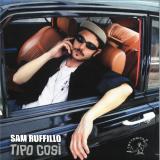
Italian producer, musician, DJ, and groove architect Sam Ruffillo drops his long-awaited debut album Tipo Così on Toy Tonics – a sun-drenched, genre-blurring statement that blends classic house with Mediterranean flair, romantic funk, and tongue-in-cheek Italo vibes. Over 11 expertly crafted tracks, Ruffillo delivers a dancefloor-ready, emotionally rich LP that connects deep musicality with irresistible rhythm and light-hearted elegance.
After three acclaimed EPs and collaborations with revered artists such as Barbara Boeing, Kapote, and Fimiani, Ruffillo has firmly cemented himself as a core artist on the Berlin-based label. Known for his unmistakable signature sound — a warm mix of vintage disco, 90s house, and Italian vocals — Sam’s music has garnered widespread DJ support from tastemakers like Gerd Janson, Palms Trax, Seth Troxler, and DJ Tennis, while becoming a staple on Italian airwaves. His infectious summer anthems like Danza Organica and Perfetta Così have soundtracked countless club nights and festivals, creating a loyal following that eagerly awaited this full-length debut.
Tipo Così is the natural culmination of a musical journey that’s both playful and profound — a travel diary written in grooves, synth stabs, and melodies that feel like postcards from a parallel Mediterranean universe. The album expands and deepens Ruffillo’s world into a fully immersive experience: lush emotional chords meet tight syncopated grooves, vintage synth textures collide with irresistibly catchy pop refrains, and the boundary between sincerity and playful irony is exquisitely blurred.
Entirely written, produced, and recorded in Italy, in his beloved hometown of Bologna, the album finds Ruffillo at the helm on keys, drum machines, and production, supported by a talented cast of musicians contributing live bass, guitar, and other organic elements — further enriching his trademark fusion of electronic grooves and natural instrumentation. There’s a tactile warmth in these tracks, a hands-on feel that adds soul and depth to every beat.
This album also marks Ruffillo’s heartfelt return to singing in Italian, with standout tracks like House Tipo Così, Mi Fa Volare, Ancora, and Dentro Di Me, where romantic naïveté meets pulsing club energy in a way that feels both timeless and refreshingly new. The vocal performances add an intimate, human touch to the music, reinforcing the personal stories woven into each song. There’s poetry in the casual, a bittersweet elegance in the way the lyrics float over groove-heavy production.
Having toured extensively across Europe, Australia, Indonesia, New Zealand, and Mexico — with sets at iconic venues like Panorama Bar and festivals such as Sónar Barcelona — Ruffillo has fine-tuned much of this album in front of live audiences. The real-world testing ground infused the record with a dynamic energy and immediacy that only comes from genuine crowd interaction. These songs weren’t just made in the studio — they were lived on dancefloors around the world.
Tipo Così is not just a collection of tracks. It’s a philosophy — playful, stylish and unmistakably personal. A modern club album bursting with heartfelt emotion and sophistication. Music for dancers with taste; for lovers of beauty, rhythm, and the little imperfections that make things feel real.
But what exactly is Tipo Così? More than just a phrase, it’s a way of being. It’s about embracing elegance without effort, mixing irony with sincerity, and letting nostalgia slip into the room without taking over the party. It’s Sam Ruffillo’s signature language: relaxed, confident, meticulous yet never rigid — where a chord progression can say as much as a lyric, and every beat carries intention.
The album’s visual identity complements this vision perfectly. The artwork and promotional materials lovingly reference Italian design from the ’80s and ’90s, combining bold graphic elements with playful pop culture nods. This aesthetic mirrors Ruffillo’s music — a fusion of vintage warmth and contemporary freshness, delivered with authenticity and charm.
Sam Ruffillo belongs to a new generation of European artists who are reshaping electronic music by blending past and present, analog and digital, groove and emotion — without nostalgia or pose. His artistic universe is coherent, vibrant, and alive; a rich tapestry of sound, images, and stories that coexist with lightness, precision, and a distinctive voice.
Reflecting on his artistic journey, Sam describes music as a vital, deeply human impulse — a tribal connection to rhythm and body that has driven him since he was a teenager. His creative process balances meticulous planning with room for spontaneity, usually sparked by clear melodic ideas that evolve naturally. Collaborations with close friends, especially vocalists like Ninfa, add warmth and authenticity, exemplified in tracks like “House Tipo Così.” For Sam, music is honest self-expression — crafted for listeners who crave memorable melodies and rhythms imbued with genuine feeling.
While technical perfection is tempting, Sam prioritizes emotion, knowing that what truly resonates is the soul behind the sounds. His long-standing partnership with Toy Tonics has been key in nurturing his vision, offering a blend of creative freedom and professional support. Looking ahead, Sam Ruffillo is excited to broaden his live performances, and release new projects that continue to blend electronic grooves with organic, heartfelt sounds — maintaining the delicate balance between playful irony and sincere emotion that defines Tipo Così.
Kurzversion:
Italian DJ, producer and musician Sam Ruffillo drops his debut album Tipo Così on Toy Tonics - a sunny blend of house, funk, Italo and pop, full of groove and emotion. Written and recorded in Bologna with live instruments and Italian vocals, it’s a playful, elegant journey shaped on dancefloors worldwide. A stylish, sincere club album where nostalgia, irony and rhythm meet in perfect harmony.
- Mi Fa Volare
Road-tested across continents and now finally released, “Mi Fa Volare” channels 90s uplifting euphoria with big breakbeats, lush chords, and Italian vocals built to stick. Somewhere between balearic bliss and piano house nostalgia, it’s a feel-good club weapon made for peak-time moments - already sung back by crowds after just one listen.
- Ancora
“Ancora” is a vibrant hi-NRG track inspired by 80s Italo disco, sung entirely in Italian. It blends driving rhythms with dreamy melodies, capturing the radiant spirit of the decade. This fresh yet nostalgic song delivers euphoric vibes and timeless energy, making it a perfect fit for both dancefloors and reflective listening moments worldwide.
- Dentro Di Me
“Dentro Di Me” channels ‘90s sensuality through a fast-paced, UK house-inspired lens. Entirely in Italian, it’s a bold and contemporary dance track where hypnotic vocals meet high-energy grooves. Blending nostalgic textures with forward-thinking production, the result is a seductive and euphoric trip - equal parts emotional and club-ready.
- Amigo
“Amigo” blends Latin groove, acoustic guitar-driven rhythm, and Mediterranean flair into a warm, magnetic, cross-cultural dance anthem. Sung in Spanish and Italian, it celebrates connection, inclusivity, and the joy of moving together - whether stranger or friend. With its unstoppable rhythm and vibrant energy, it’s a feel-good track with a unifying spirit.
- Ma Sei Fuori
“Ma Sei Fuori” is a tongue-in-cheek dancefloor bomb blending raw house energy with catchy vocal phrases and a nod to classic French touch. Driven by hypnotic vocal lines and a playful attitude, it doesn’t take itself too seriously - while still proving serious club impact. Built for late-night moments, it’s bold, bouncy, and impossible to ignore.
- A1: La Muchacha Y Santiago Navas – No Me Toques Mal
- A2: Gato 'E Monte – Cumbia Fumanchera
- A3: Conjunto Media Luna – Cumbia Providencia
- A4: Felipe Orjuela – Manos Limpias (Cuentas Claras)
- A5: Mau Gatiyo – Telekinea
- A6: Las Hermanas – Laura Palmer
- A7: Karen Nerak Y Cristal Prodigia – Pa La Calle
- B1: Briela Ojeda – Doña Justicia
- B2: Julián Mayorga – La Gente Que Yo Conocía Toda Se Está Muriendo
- B3: Mariscos - Garotinha
- B4: Buha 2030 – Dolor Internacional
- B5: Los Clamores – Insectos De La Asamblea
- B6: Zarigüeya – El Arriendo
- B7: Ana Mariía Vahos – Los Días
In-Correcto 15–25 marks the first vinyl compilation by Bogotá’s independent label InCorrecto, created in collaboration with Austrian imprint discos elgozo. Celebrating ten years of sonic exploration and creative resistance from the Global South, this special edition brings together a vibrant constellation of artists that define the label’s sound: La Muchacha, Ana María Vahos, Felipe Orjuela, Mau Gatiyo, Conjunto Media Luna, Briela Ojeda, Zarigüeya, Buha 2030, and many more. Between mutant cumbia, Latin American folk, introspective electronics, and borderless sonic experiments, 15–25 is both a party and a statement: a manifesto of the in-correct as an artistic and collective force.
Since 2015, In-Correcto has grown from a cultural magazine into one of Latin America’s most vital independent hubs, operating as a record label, publishing house, and creative collective. With more than 160 releases ranging from punk and ambient to trip-hop and experimental cumbia, the label has supported a generation of artists whose work is as socially engaged as it is sonically daring. Through compilations, anniversary concerts, and political projects, In-Correcto has solidified its reputation as a catalyst for collaboration, solidarity, and cultural cross-pollination in Bogotá and beyond. Based in Vienna with roots on Colombia’s Caribbean coast, discos elgozo shares this vision. Founded in 2024, the label works with Colombian artists and their diaspora, releasing music that fuses ancestral knowledge, queer-feminist expression, sonic experimentation, and joy as a political force—as a way to resist cultural erasure, reactivate traditions, and recover collective vitality. Its catalog spans salsa brava, bullerengue, psychedelic cumbia, and experimental jazz, with a strong focus on vinyl as an act of listening, memory, and resistance.
Carefully pressed, In-Correcto 15–25 is more than a record: it is a bridge between Bogotá’s underground and a global network of listeners. A sonic archive and an invitation to dance, it reaffirms that joy, experimentation, and community remain powerful tools to imagine the world otherwise.
The Rhythm Makers's Soul On Your Side is flawless proto-disco funk. The Bronx-based band - that later went on to form heavyweight disco outfit GQ - originally released this treasure in 1976 and it's long been a hard to find record. It's also rare to find a record this hard. Captivating funk at its rawest, no doubt.
Storming out the gate with the rollicking Loft/Garage staple "Can You Feel It (Part 1)", the listener is immediately put on notice that this LP is just a little bit special. The title track, "Soul On Your Side", is a classic dancer and the basis of GQ's future hit "Disco Nights". But it's perhaps "Zone", a huge Baldelli track, that the record is best known for. Hypnotic psyched-out cosmic-disco / cosmic funk, it's an unrelenting groove that really thrusts the party into hyperdrive. With doses of scintillating Latin and pulsating African rhythms driving the pumping tune, atop an unstoppable bassline and imaginative, soul-slathered keyboard figures, it's basically a full-on funk assault. You might need a lie-down after this.
But there's no let-up on the B-Side, immediately grooving thanks to "Funk-N-You", a laidback glider that just rolls in the sleek style. Gorgeous harmony skills are displayed on "Street Dreamin'". Beautiful and gritty funk, by turns. "You're My Last Girl" is an airy ballad with two leads before the legendary "Monterey" enters the fray. A much-sampled instrumental and heavy disco-funk nugget, it contains an amazing B-Boy drum break making the whole LP worth the price of admission. "Can You Feel It (Part 2)" closes out this spectacular set.
The Rhythm Makers had been gigging around New York City since the late ’60s, having initially come together as Sabu and the Survivors, named after bassist Keith “Sabu” Crier. They eventually - for this album at least! - settled on The Rhythm Makers and cut one record for the small De-Lite subsidiary Vigor. The core lineup featured Crier, keyboardist Herb Lane, drummer Kenny Banks and rhythm guitarist Rahiem Leblanc.
Mastered for vinyl by Simon Francis, cut by Cicely Balston for Alchemy at AIR Studios with artwork restored at Be With HQ, this new edition should hopefully bring this album into the homes and record boxes of many more people.
- A1: Echoes Of Disintegration
- A2: Language Of Beings
- A3: Static Meditation
- A4: Irreversible Flow
- A5: Scattered Information
- A6: Crystalline Dissolution
- A7: Closed System
- B1: The Observer’s Dance
- B2: Animistic Resonance
- B3: The Assemblage
- B4: Living Systems
- B5: Sentient Horizons
- B6: Patterns Of Reciprocity
- B7: Stillness Beneath
Animistic Resonance marks a new stage for artist and electronic musician Leslie García, as it is her first album under her own name, following several releases as Microhm and her parallel work as founder of the contemporary art studio Interspecifics, where she has developed an extensive body of sonic projects presented in major museums and programs around the world. The album is the culmination of a profound and extended exploration of sound as language. It is also a statement against the classicism of long-form ambient pieces. Narratively, each track is conceived as a finely detailed work that functions as a condensed temporal fragment, each with its own individuality while simultaneously forming part of a broader universe.
The compositional language of the album draws on minimalist structures, deep listening strategies, and experimental approaches to electronic sound. Each track offers a meditation on repetition, density, and micro-variation, unfolding like a sonic landscape shaped by temporal tension and perceptual ambiguity. Animistic Resonance resists categorization, situating itself between ambient, noise, and abstract rhythm, while grounding its aesthetic in a Latin American sensibility that embraces technological poetics, affective depth, and critical imagination.
The album invites listeners to move beyond the surface and inhabit a world of vibrational and animistic temporalities. It offers a refuge in sound, a suspended space where calm can emerge. In the midst of contemporary turbulence, Animistic Resonance opens the door to imagining new ways of listening and feeling, demanding an embodied and visceral form of engagement.
Composition sound synthesis and programming by Leslie García. Composed between 2022—2024 in Mexico City.
Mastered by Rafael Anton Irisarri at Black Knoll Studio, NY. Artwork by Daniel Castrejón.
A new label is born. With artists based both in Barcelona and São Paulo, CAMPANA Records' first release showcases the personalities of two of its members with a split EP. On the A side, Villaça brings two techno-trance tracks made in 2023 for his live act, and after two years of testing these tracks all around Latin and North America, he arranged these high-energy pieces for this release!
And on the other side, we have the always evolving, fresh, and intelligent dark grooves from Trajano - two tracks made with care that showcase his unique vision for dance floors. Above all, this release is about resilience, friendship, and dedication from two Brazilian artists who have a deep love for making people dance with underground music.
Maggid Tewfik – Mazzika Nicab Parts 1 & 2:
Released in 1973, Mazzika Nicab by Egyptian film director and iconic figure Maggid Tewfik is a trippy instrumental journey into the experimental realms of baladi music. Known for his prolific career as a director and DOP in over 30 Coptic films, Tewfik’s composition, split in two parts, presents a moody yet undeniably cheeky tune that is unlike anything found in Egyptian music over the ages.
The track is a hypnotic blend of Eastern rhythms and Latin grooves, featuring an early drum machine that guides the track through its jubilant and stormy atmosphere. This mechanical beat is paired with funky garage sounds, creating a psychedelic fusion that evokes images of an epic cinematic score, where belly dance meets the raw energy of late-60s experimental rock. Belly-dance sci-fi perhaps..?
Muhammad Al-Najjar
London, April 2025
credits
Audio restoration and vinyl mastering: Colin Young
Lacquer cut: Timmion cutting lab
Sleeve and label artwork: Grotezk Studio
Under License of Sono Cairo
- A1: Super Strut - Apostles
- A2: Escucha Mi Funk - The Hightower Set
- A3: Testify - Mains Ignition
- A4: Russian Roulette - Night Trains Featuring Afrika Bambaataa
- B1: From The Ghetto (Modern Tone Family Mix) - Dread Filmstone
- B2: Delancey Street .. The Theme - The Ballastic Brothers
- B3: Trans Euro X-Press (Ballistic Step) - X-Press 2
- B4: Farside - Jaziac Sunflowers
Back in the early 1990s as Acid Jazz began a period of extraordinary commercial success where acts like the Brand New Heavies and Jamiroquai sold millions of records, and US groups such as A Tribe Called Quest, The Roots and Digable Planets were actively influenced by what was being played in London, the whole scene was being fuelled by a small number of clubs, led by Gilles Peterson’s Sunday afternoons at Dingwalls but taking in nights in Leeds, Bari, Munich, Tokyo, Stockholm and New York. In those clubs funky jazz, latin boogaloo and 70s soul soundracks competed for time on the dance floor with import records from New York, and the latest sounds coming out of bedrooms and makeshift basement studios that created contemporary sounds out of the past.
Acid Jazz’s Eddie Piller and Dean Rudland have put together this compilation of the sort of sounds that we were playing at the time. They are releases on Acid Jazz and other label’s that surrounded the scene and they were mainly made by people we knew from either around the club scene, behind the counters of our favourite record shops, or from trips to New York or Europe. They range from The Ballistic Brother anthem ‘Blacker’ to the jazz house of A-Zel - a Roger Sanchez mix that still sounds fresh today. We have the Humble Soul’s instrumental version of ‘Beads Things And Flowers’ which at the time was only available as a DJ special on Acetate. There is the presence of A Man Called Adam before they went to Ibiza, and the early Mo’ Wax (before they went Trip Hop) single by Marden Hill ‘Come On’.
These records could fill a dance floor in seconds and we feel that they are today largely forgotten, as they were non-album, underground club records. It’s time to celebrate them!
- A1: Malavoi - Te Traigo Guajira
- A2: Los Caraibes - Donde
- A3: Tropicana - Amor En Chachacha
- A4: Ryco Jazz - Wachi Wara
- A5: Eugene Balthazar - Dap Pignan
- A6: Roger Jaffort - Oye Mi Consejo
- A7: Les Kings - Oriza
- B1: Les Supers Jaguars - Tatalibaba
- B2: Super Combo De Pointe A Pitre - Serrana
- B3: L'ensemble Abricot - Se Quedo Boogaloo
- B4: Henri Guedon - Bilonga
- B5: Les Aiglons - Pensando En Ti
- B6: Los Martiniquenos - Caterate
In Guadeloupe, many people think that jazz and ka music are like a ring and a finger. To some extent, the same could be said about so called Latin music and the music played in the French West Indies.
Both aesthetics were born in the Caribbean and bear so many connections that they can easily be considered cousins. In constant dialogue, there are lots of examples of their fruitful alliance and have been for a while. The English country dance that used to be practiced in European lounges came to be called kadrille in Martinique and contradanza in Cuba. They both featured additional percussion instruments inherited from the transatlantic deportation. Drawing from shared feelings about the same traumatized identity – later to be creolized – it would be hard not to assume that they were meant to inspire each other. The golden age of the orchestras that graced the Pigalle nights during the interwar period further proves the point. As soon as the 1930s, Havana-born Don Barreto naturally mixed danzón and biguine music in a combo based at Melody's Bar. In the following decade, Félix Valvert, a conductor who was born and raised in Basse-Terre in Guadelupe, also worked wonders in Montparnasse with La Coupole, which was an orchestra made up of eclectic musicians. Afro- Caribbean performers of various origins were often hired on rhythm and brass sections in jazz bands, which used to enliven the typical French balls of the capital. In the 1930s and onwards, Rico’s Creole Band was one of them.
Martinican violinist-clarinettist Ernest Léardée, who would become the king of biguine music as well as the main figure of French Uncle Ben's TV commercials (a dark stigma of post-colonial stereotypes), had musicians from the whole Caribbean sphere play at his Bal Blomet – and they all enchanted "ces Zazous-là" (according the words of Léardée's biguine-calypso piece). In les Antilles (French for French West Indies), music history started to speed up in the 1950s, when trade expanded and radio stations grew bigger. The Guadelupean and Martiniquais youth tuned in their old galena radio sets to South American and Caribbean music. As for the women traders, les pacotilleuses, they bought and sold goods across different islands (the "passing of items through various hands" was thought to be most pleasurable) and brought back countless sounds in their luggage. Such was the case of Madame Balthazar, who once returned from Puerto Rico with the first 45rpm and 33rpm to ever enter Martinique.
Out of this adventure was created the famous Martinican label La Maison des Merengues, a music business she opened and undertook with her husband and which proved to be a major landmark. At the end of the 1950s, in Puerto Rico, Marius Cultier competed in the Piano International Contest playing a version of Monk's Round 'Midnight. He won the first prize and this distinction foreshadowed everything that was to come. Cultier, the heretic Monk of jazz, was quickly praised for writing superb melodies, always tinged with a twist that conferred a unique sound to his music. It didn't take long for the gifted self-taught musician to get to play with Los Cubanos, making a name for himself thanks to his impressive maestria on merengues.
The rest is history. Besides, in the late 1950s, Frantz Charles-Denis, born into the upper middle class in Saint-Pierre and better known by his first name Francisco, went back home after working at La Cabane Cubaine – a club located rue Fontaine where he had caught the Latin fever. Francisco's music was therefore heavily marked by his Cuban cousins' influence, which gave the combos he led a specific style and also led to renewal. Things were swinging hard in La Savane, located in the main square in Fort-de-France. He set up the Shango club close by and tested out the biguine lélé there, a new music formula spiced up with Latin rhythms. Soon afterwards, fate had him fly to Puerto Rico and Venezuela.
As for percussionist Henri Guédon (percussions were only a part of his many talents), he was born in Fort-de-France in May 22nd 1944, the day marking the celebration of the abolition of slavery. As an old man, he could remember that in " his father's Teppaz, a lot of hectic 6/8 music was constantly playing...". In the opening lines of his Lettre à Dizzy, a small illustrated collection of writings published by Del Arco, he highlighted the huge impact that cubop had on him as a teenage boy, around 1960. He eventually turned out to be the lider maximo in La Contesta, a big band steeped in Latin jazz. He was also the one who originated the word zouk to describe music which brought the sound of the New York barrio to Paris. It was the culmination of a journey that started in Sainte-Marie: "a mythical place for bélé, the equivalent of Cuban guaguancó". In the early 1960s, the tertiary economy developed to the detriment of agriculture. Yet rural life was where roots music emerged in Martinique and in Guadeloupe.
Record companies played a major part in the process of Latin versions sweeping across the islands – before reaching everywhere else. Producer Célini, boss of the great Aux Ondes label, and Marcel Mavounzy, both the head of Émeraude records - a firm which was founded in 1953 - as well as the brother of famous saxophonist Robert Mavounzy, were big names to bear in mind. Although there were many of them - all of whom are featured on this record - Henri Debs was definitely the major figure in the recording adventure. He proved to be so influential that he even got compared to Berry Gordy. In the mid 1950s, when he acquired his first Teppaz, he worked on his first compositions: a bolero and a chachacha. Then, he became the one man who made people discover Caribbean music, from calypso to merengue. He was among the first ones to rush out to San Juan, Puerto Rico, to buy records and distribute them through a store run by one of his brothers in Fort-de-France. He had members of the Fania All Star come and perform there, which he was madly proud about. He was also the first one to pay attention to Haitian music, such as compas direct and various other rhythms which would soon flood the market. As a result, many of the combos hitting his legendary studio would end up boosted by widespread "Afro-Latin" rhythms. However, he never denied his identity: gwo ka drums were given a major role, although they were instruments which had long been banned from the "official" music spheres. The present selection bears witness to such a creative swarming. Here are fourteen tracks of untimely yet unprecedented cross-fertilization: all types of music rooted in the Creole archipelago have found their way, whatsoever, to the tracklisting. Whether originating from the city or being more rural, they all go back to what Edouard Glissant, in an interview about the place of West Indian music in the Afro-American scope, called "the trace of singing, the one which got erased by slavery." "It is so in jazz, but also in reggae, calypso, biguine, salsa... This trace also manifests through the drums, whether Guadelupean, Dominican, Jamaican or Cuban... None of them being quite the same. They all point to the idea of a trace, seeking it out and connecting to each other through it. This is the hallmark of the African diaspora: its ability to create something new, in relation to itself, out of a trace. It may be the memory of a rhythm, the crafting of a drum, a means of expression which doesn't resort to an old language but to the modalities of it." The opening track features one of the emblematic orchestras of this aesthetic identity, criscrossing many music types from the archipelago. The 1974 Ray Barretto guajira – Ray Barretto was a major New York drummer influenced by Charlie Parker and Chano Pozzo – is magnificently performed by Malavoi, a legendary Fayolais group (i.e from Fort-de-France). Additionally, the compilation ends on a piece by Los Martiniqueños de Francisco. It symbolically closes the circle as it is a genuine potomitan of Martinique culture which also functions as a tireless campaigner for Afro-Caribbean music. Practicing the danmyé rounds (a kind of capoeiria) to the rhythm of the bèlè drum, it delivers a terrific Caterete, a kind of champeta of Afro- Colombian obedience which was originally composed by Colombian Fabián Ramón Veloz Fernández for the group Wgenda Kenya. The icing on the cake is Brazilian Marku Ribas, who found refuge in Martinique in the early 1970s, bringing his singing to the last trance-inducing track. These two "versions" convey the whole tone of a selection composed of rarities and classics of the tropicalized genre, swarming with tonic accents and convoluted rhythms. It is the sort of cocktail that the West Indians never failed to spice up with their own ingredients. For instance, the Los Caraïbes cover of Dónde, a famous Cuban theme composed by producer Ernesto Duarte Brito, has a typical violin and features renowned Martinique singer Joby Valente and his piquant voice.
The track used to be – or so we think – their only existing 45rpm. The meaningful Amor en chachachá by L'Ensemble Tropicana, a band which included Haitian musicians among whom was composer and leader Michel Desgrotte, also recalls how Latin music was pervasive in the tropics in the mid-1960s. They were the ones keeping people dancing at Le Cocoteraie in Guadelupe and La Bananeraie in Martinique. Around the same time, another "foreign" band, Congolese Freddy Mars N'Kounkou's Ryco Jazz, achieved some success on both islands by covering Latin jazz classics – such as their adaptation of Wachi Wara, a "soul sauce" by Dizzy Gillespie and Chano Pozo whose interweaving of strings and percussions can have anyone hit the dancefloor. How can you resist Dap Pinian indeed, a powerful guaguancó by Eugene Balthazar, performed by the Tropicana Orchestra and published by the Martinique-founded La Maison des Merengues? It also acts as a symbol of the maelstrom at work. Going by the name Paco et L'orchestre Cachunga, Roger Jaffory used to play guaguancó too: his Fania-inspired Oye mi consejo is one example of his style. Baila!!!!! Dancing was also one of the Kings' focus points. Oriza is a Puerto Rican bomba and a "classic" originally composed by Nuevayorquino trumpeter Ernie Agosto, which reserves major space for brasses, giving it a special sheen.
Emerging from the New York barrios crucible was also La Perfecta, a Martinique group originating from Trinidad, whose name directly references the totemic Eddie Palmieri figure as well as his own band, also called La Perfecta. Here they borrow Toumbadora from Colombian producer and composer Efraín Lancheros and interpret it by emphasizing percussions, which set fire to the track even more than the wind instruments. The same goes for Martinique's Super Jaguars, who use Tatalibaba – a composition by Cuban guitarist Florencio "Picolo" Santana which was made famous by Celia Cruz & La Sonora Matencera – as a pretext for sending their cadences into a frenzy. In a more typically salsa vein, the Super Combo, a famous Guadelupean orchestra from Pointe-Noire that was formed around the Desplan family and had Roger Plonquitte and Elie Bianay on board, adapt Serana, a theme by Roberto Angleró Pepín, a Puerto Rican composer, singer and musician also known for his song Soy Boricua. Here again, their vision comes close to surpassing the original. In the 1970s, L'Ensemble Abricot provided a handful of tracks of different syles, hence reaching the pinnacle of the art of achieving variety and giving pleasure. They played boleros, biguines, compas direct, guaguancó and even a good old boogaloo - the type they wanted to keep close to their hearts for ever, "pour toujours", as they sang along together in one of their songs. Léon Bertide's Martinican ensemble excelled at the boogaloo which had been composed by Puerto Rican saxophonist Hector Santos for the legendary El Gran Combo.
Three years later, in 1972, Henri Guédon, with the help of Paul Rosine on the vibraphone, tackled the Bilongo made famous by Eddie Palmieri. Such a classic!!!!! And so were the Aiglons, the band from Guadelupe: choosing to execute Pensando en tí, a composition by Dominican Aniceto Batista, on a cooler tempo than the original, they noticeably used a wonderfully (un)tuned keyboard in place of the accordion. On the high-value collectible single – the first one released by Les Aiglons under the Duli Disc label – there is a sticker classifying the track under the generic name "Afro". Now that is what we call a symbol. Jacques Denis
A Side: Er Mar (Submarine Mix) "Maracaibo, dance to the barracuda, yes but dance naked, zà zà! " So sang Maria Luisa Colombo, known to all of us as Lu Colombo. It was 1982, the meteoric song became and still is today a worldwide Hit that everyone has sung at least once in their life and almost never sober. Let's make a leap in time, we are in 1993 the track is taken up and remixed in several versions between Latin and Euro House, we have taken up the track Er Mar (Submarine Mix), dreamy, lustful, psychedelic, evocative, Summer in its purest form. To dance on the beach, preferably in company of Miguel and naked
B Side: FeelFly – Onda Erotica Remix A Cosmic sabba in the forest. You’ll get lost with this hypnotic sound and a minute later you’re ready for a proper trip into your hidden Erotic Dreams. With this almost ten minutes long and original version, Feel Fly delivers to all of us a signature track of the highest order. Feel Fly is an Italian electronic musician and DJ. Defined by Gerd Janson as a linchpin of the underground scene, he recently released some Balearic trance tracks on International Feel and Internasjonal by Prins Thomas, as well as transversal EPs on New Interplanetary Melodies and Hell Yeah.
- A1: Talco - Noche Especial
- A2: Dj Lelewel - Piano Dub (Milord Remix)
- A3: El Latino Man - Boss En San Andrés
- A4: Ray Ridha - Non Va Bene (Luca Sorrentini Remix)
- B1: Vanitas By Contessa Pinina Garavaglia - Audace Ci Piace (New Sound Mix)
- B2: Tonny Montana - Amore Me Conbenso
- B3: All Trouvee - Darling (Instrumental)
- B4: Gabriella Bove - Autoblu
An incredible journey through the dark and seductive soundtracks of the Italian nights, this compilation takes you deep into the after-hours soul of Rimini, Riccione, and Milan between the late 1980s and the early 1990s — a period of wild experimentation, underground parties, and sonic exploration. Eight rare and visionary tracks, all produced in the Belpaese, reflect a sound that was too ahead of its time to be fully appreciated back then, yet feels incredibly fresh and relevant today, as if they were made for the dancefloors of now.
In the middle of this evocative collection, a blasting remix by Milord stands out — a peak-time weapon that has already destroyed dozens of dancefloors with its hypnotic energy and raw power. Also featured is the stunning debut of Luca Sorrentini, who breathes new life into an obscure Italo-Arabic track originally composed by Ray Ridha
Credits.
The faultless Funkyjaws music rolls out another irresistible disco dazzler in its Discolifting series with Enigmatic producer Black Truffle at the helm. He debuted in 2023 and has landed on labels like Gamm and this one before now, always making a mark in the process. 'Ti Voglio' starts with some fiery Latin vocals and big strings straight from a Philly disco classic. 'Venus' has a fat low end and stepping groove with plenty of lavish instrumental flair, and 'To Be The One' is a filter-heavy, funky-disco cruiser for good times only. 'Cassandra' slows things down with some steamy sexual energy from the horns and rich chord stabs, sure to get any dance floor heated right up.
- Llego La Banda
- Soul Sauce (Feat. Felipe Fournier)
- Taboga
- La Mucura
- Lluvia Con Nieve
- Mujer Divina
- Salsa Na' Mas
- Bemba Colora (Feat. Chico Raro)
- Ay Que Rico (Feat. José Benjamín)
This isn't your abuela's salsa night - this is CHEO Y LOS CONSENTIDOS DE LA CASA. Funk-forward. Rhythm-obsessed. 100% dance floor approved. Cheo y Los Consentidos de la Casa is a dynamic, funk-infused Latin music project led by Cheo Pardo (of Los Amigos Invisibles). Serving as the house band for a bi-weekly dance night at NYC's Nublu, the group blends salsa, boogaloo, cha-cha-cha, and bolero with psychedelic effects and deep grooves. Their debut live album captures this high-energy fusion, reimagining Latin classics with a modern, electrifying twist that honors tradition while pushing boundaries. Born from a love of vintage Latin soul and the raw energy of NYC's dance floors, Cheo assembled an all-star crew of the city's hottest Latin players to cook up a high-octane blend of salsa, boogaloo, cha-cha-cha, and bolero - all filtered through wah-wah pedals, space echoes, fuzzy guitar solos, and a deep, unshakable groove. The result? A psychedelic, percussive party that's equal parts tradition and funked-out future. Their debut album, recorded live at Nublu, captures the heat, sweat, and sabor of their wildest nights - reimagining classics from Joe Cuba, Willie Colón, Eddie Palmieri, Mon Rivera, and more. Each track is a tribute and a reinvention, breathing new life into the old- school with a cosmic twist, and opening the doors for a whole new generation to feel that sabrosura in their bones.
- D1: General Public - Tenderness
- D2: Colourbox Featuring Lorita Grahame– Baby I Love You So
- A1: The Style Council – Mick’s Up
- A2: Working Week – Venceremos (We Will Win)
- A3: Pressure Point – Mellow Moods
- A4: Altered Images – Thinking About You
- A5: The Friday Club – Window Shopping
- A6: Fine Young Cannibals – Blue
- B1: The Style Council – Mick’s Up
- B2: Working Week – Venceremos (We Will Win)
- B3: Pressure Point – Mellow Moods
- B4: Altered Images – Thinking About You
- B5: The Friday Club – Window Shopping
- B6: Fine Young Cannibals – Blue
- C1: Kid Creole And The Coconuts – Latin Music
- C2: Funkapolitan – As The Time Goes By
- C3: B.e.f. Featuring Billy Mackenzie – The Secret Life Of Arabia
- C4: The B-52’S – Legal Tender
- C5: Wide Boy Awake – Slang Teacher
- C6: World’s Famous Supreme Team – Hey! Dj
- D3: Big Audio Dynamite – Medicine Show
The follow up the successful ‘Gary Crowley’s Lost 80s’ released in 2019
“I count myself incredibly lucky when I think back to my 1980’s. A lot of those bands and artists that
resonated with me during that time are featured on this, our sequel to our first Lost 80s collection, which we
have inspiringly titled “GC Lost 80s Two”!
I must be honest and say as soon as I delivered the track listing for the first compilation, I already had a
selection in mind for a sequel (if ever I was asked by those cool folks at Demon). Thankfully, they asked...and
this is it.” Gary Crowley
21 tracks compiled and themed by Gary Crowley side-by-side. Many of these tracks are rare and hard to find,
the better-known artists appearing represented by some of their lesser-known (‘lost’) tracks.
Presented on 2 x 180g Clear Heavyweight vinyl, includes an introduction and track-by-track notes by Gary
Crowley, plus memories of the era from Mick Talbot (The Style Council) and more.
“Expect a selection of not only the bigger names with some of their ‘lost’ gems, but also a raft of lesserknown artists. Many of the latter came nowhere near the mainstream but most certainly (IMHO) deserve
another chance to shine under the spotlight. It was such a diverse and eclectic time for music, hopefully this
box set mirrors that.” Gary Crowley
b a2. Working Week – Venceremos (We Will Win) 7” version
h b2. Working Week – Venceremos (We Will Win) 7” version
r c6. World’s Famous Supreme Team – Hey! DJ 7” version
[s] d1. General Public - Tenderness [Special Dance Mix]
[t] d2. Colourbox featuring Lorita Grahame– Baby I Love You So [12” Version]
[12” Remix]
The ‘Split EP’ is a collaborative release with James Hayford and BiggaBush, as well as labels Filtered Deluxe and Tru Thoughts Recordings.
The collaboration commenced several years back, when Glyn ‘Bigga’ Bush reached out to James (known for his Shoes Edits series), one conversation led to the next, and a remix exchange was initiated.
In 2022, James contributed a remix to BiggaBush’s ‘A Different Style’ remix collection, released on Tru Thoughts Recordings - followed by Bigga’s version of James Hayford’s ‘Flower Of Thy Womb’, released via Filtered Deluxe Recordings in the spring of 2025.
The ‘Split EP’ is presented as a vinyl-only release, including the previously unreleased ‘Come To Crunch’ by
BiggaBush.
-
James Hayford is a sample-based producer best known for his unparalleled series of Shoes edits (feat. Al Green, Miles Davis, Roy Ayer, and more), plus remixes released under his own Shoes and Plimsoll labels - as well as for the Numero Group.
James continues to release original downtempo and leftfield dance music on labels Filtered Deluxe Recordings, and Growroom Productions.
Glyn ‘Bigga’ Bush launched his career as half of Rockers Hi-Fi, and co-founded the Magic Drum Orchestra. He’s
released as BiggaBush and Lightning Head through the ever-evolving Tru Thoughts Recordings, and many more.
His influences range from afrobeat, dub and funk, to library music and soundtracks - as well as electronic, Latin, and jazz music.
Experience the magic of a timeless classic reborn: this exclusive 7" vinyl features a brand-new remake of the iconic "I Believe in Miracles", produced by French groove maestro MonsieurWilly and performed by the radiant soul vocalist Natalie Nova. With a perfect balance of vintage disco vibes and fresh production finesse, this release breathes new life into the legendary track, making it both nostalgic and clubready. Adding to its irresistible charm, the remake is infused with a Latin summerinspired rhythm—a driving, syncopated beat that designs the heartbeat of Latin music. Ment to be upbeat and danceable, the track incorporates percussive grooves, rhythmic guitars, and tasteful electronic elements to create a vibrant, sun-soaked atmosphere that feels right at home from beach bars to dancefloors. The collaboration between MonsieurWilly and Natalie Nova delivers a unique blend of soulful warmth, infectious energy, and rhythmic flair. Natalie Nova’s powerful vocals shine with emotion and style, while MonsieurWilly’s production wraps it all in a groove-heavy, analog-inspired soundscape. This 7" is pressed on high-quality vinyl and is ideal for collectors, DJs, and lovers of soul, disco, and feel-good summer anthems. Don't miss this limited edition release - proof that miracles still happen on wax.
- 1: Chichibu - 秩父
- 2: Watatsumi - ワタツミ
- 3: Cuba - キューバ
- 4: 15 Eunomia
- 5: Gandhara - ガンダーラ
- 6: Sora Tobu Tokyo - 空飛ぶ東京
- 7: Ātman - アートマン
- 8: Tradition
- 9: Moon Dance
- 10: Kayohnenka - 花様年華
- 11: Quarantine Mood
- 12: Ryukyu Boogie Woogie - 琉球ブギウギ
Japanese acid pop outfit Cho Co Pa Co Cho Co Quin Quin channel the globe-trotting spirit of Haruomi Hosono’s 1970s tropical boogie on their debut album, Tradition.
Named after one of the basic rhythms of Cuban folk music and drawing on influences from across the globe, Cho Co Pa Co Cho Co Quin Quin are quite simply a world unto itself.
Comprised of three childhood friends, Daido, Yuta and So, who reconnected during the coronavirus pandemic, Cho Co Pa initially emerged as a playful way for the three 23-year-olds to pass the time. Tapping into their youthful connection, they created a sound that exudes confidence and curiosity, a homage to the masterful world of YMO’s and Happy End’s Haruomi Hosono, rooted in the trio’s own idiosyncratic experience of the present.
Recorded at home and promoted on hugely popular DIY TikTok videos, their debut album Tradition is a technicolour exercise in armchair travelling – a kind of lockdown exotica for the housebound whose nostalgic flights of fancy are laced with a sense of whimsical melancholy for the lost freedoms of youth.
Referencing everything from Afro-Cuban percussion to lo-fi beats, Buddhist spirituality to trap, each member of the band brings different musical inspirations to the table. Latin American and Middle Eastern styles sit adjacent to a fascination for the electronic music of Aphex Twin, Dorian Concept, Underworld and Daft Punk. At times, the music verges on acid pop bliss, at others, it grooves with the instrumental funk sensibility of BADBADNOTGOOD.
“In the first place, when I create a song, my goal is to transport the listener to a mysterious place,” vocalist Daido explained in a recent magazine interview. Using lyrics as another sonic texture in the composition of ideas, Cho Co Pa paint beguiling sonic postcards of far-flung moods across 12 highly original tracks.
Marrying the organic and the electronic on rhythmically sophisticated compositions like ‘Chichibu’ and ‘Watatsumi’, it is on the album’s standout track ‘Gandhara’ that the experimental sound of Cho Co Pa comes to the fore. Referencing the ancient city of Gandhara through which Buddhism made its way from India to China, the track is a vocoder-trap-inspired, Udu drum-driven pop jam that lilts with unmistakable Balearic flair. If that’s difficult to imagine, then know simply that ‘Gandhara’ sounds like nothing else on this side of Saturn. Even Daido seemed surprised by the outcome: “I feel like we were able to create something that exceeded our abilities. That was huge!”
Hugely popular in Japan, with festival appearances lined up alongside BADBADNOTGOOD at Asagiri Jam in October, it's safe to say the success of Tradition has taken Cho Co Pa by surprise. You won’t have heard anything like it."
148 pages - Heavyweight paper
Exploring the great Louis Vega's legacy and re-visiting the raw impact and enduring influence of Mobb Deep, tracing their blueprint on East Coast hip-hop and beyond.
Wax Poetics is back with Volume 3, Issue 1. We've been away for a minute with fresh words but this Summer we return and return hard.
Our spiritual home is New York and in this issue the city is a character and the mag is a movie. With our cover star Louie Vega we explore his legacy - from Bronx discos to the highs of house via Latin, hip-hop, freestyle and New York club culture. This is a trademark Wax Poetics deep-dive, with classic photos provided by the man himself. Then we flip from the dancefloor to the street with our second cover stars of Mobb Deep. We go hard on their career, their role in defining that 90's gritty, loopy, heavy heavy heavy hip-hop sound. With unique photos and ephemera lifting the story, there has never been a piece like this about the duo.
Wider articles include: Ace Records, Arthur Baker, Chris Clark, Dante's HiFi, Daupe!, Jazzy Joyce, Lotti Golden, Re:Discoveries, Record Rundowns and Tony Wilson... You know the score, the best god damn music journalism around.
Highly respected Brooklyn-based record store Archivio Records launches its flagship label, with the help of legendary UK Tech House pioneer Affie Yusuf.
This remarkable four track EP made up of previously unheard and unreleased gems, captured from DATs long thought lost during the mid-90s golden era of Swag Records, Wiggle, Surreal and co. delivers four distinct tracks, perfectly curated to suit the mood of the most discerning dance floors, at any time of the night!
Uba Cuba sees Affie transport you to pre-Revolution Havana, where the rum flowed and the good times rolled. A playful Latin-infused tech house roller, this track is guaranteed to put a smile on the face of everyone on the dance floor!
For the first track under his Parkwalker alias, Pashtwo is a decidedly deeper and darker excursion with a driving bassline, trippy vocals and a constant forward motion, perfect for those moments when you have the crowd really locked in.
Urgez Untold, the second Parkwalker contribution to the EP is an airy, groovy journey designed for those after hours moments when the sunlight is creeping in and the crowd is ready to let it all go in the pursuit of euphoria. Hypnotic bass, ethereal synths and bouncy, tropical drums give this one a universal appeal and a timeless feel.
Finally, Ode Reticular is Affie Yusuf at his brilliant, inventive best, crafting an epic track with three distinct phases. Starting as a dubby minimal chugger before morphing in to a quirky, playful tech house roller, then final chapter sprinkles mystical progressive elements to take you to another dimension, without ever needing to lose your spot on the dance floor.
An essential release for lovers of the early UK Tech house sound, seeking out undiscovered gems from the glory days of mid-90s London.
With future releases featuring Mark Ambrose, Pure Science, Carl Finlow and more, this is a label to watch closely and collect religiously.
- A1: Cao Cao, Maní Picao
- A2: Burundanga
- A3: Dile Que Por Mi No Tema
- A4: El Que Siembra Su Maiz
- A5: Rico Changui
- A6: Mi Bomba Sono
- A7: Suavecito
- A8: Juntitos Tu Y Yo
- A9: Facundo
- B1: Yerbero Moderno
- B2: Me Voy A Pinar Del Rio
- B3: El Merengue
- B4: Baho Kende
- B5: Contestacion De El Marinero
- B6: Desvelo De Amor
- B7: Cuidate Bien
- B8: Baila, Baila Vicente
- B9: Palmeras Tropicale
Celia Cruz was the undisputed Queen of Salsa. 23 gold albums and seven Grammy Awards attest to her longevity and popularity, and she was active right up until the year before her death in 2003. Eight years later, the United States Postal Service celebrated her life and legacy with a commemorative postage stamp, one of five honouring Latin music greats. She was the most influential female in the history of Afro-Cuban Music (as the Virgin Encylopedia of `Popular Music termed her) and her music lives on. Enjoy this 180g vinyl release and dance and drink a toast to her memory.
Proudly presenting Maravilhosamente Bem the powerful, female-centred third album by Brazilian singer, songwriter, actress, and creative director, Julia Mestre.
Alongside being a member of the Latin Grammy-winning Brazilian supergroup, Bala Desejo, Julia has been steadily building a solo career where her unique vision and alluring soft, sultry voice take centre stage. Drawing inspiration from ‘80s ballads, MPB, pop and disco productions, each song on this third album finds Julia creatively exploring different characters and tones.
A love-song-driven LP at its core, Maravilhosamente Bem holds a playful mirror up to blissful days gone by, artfully reimagined with Julia’s own modern twist. An album filled with love and nostalgia, it pays homage to her love of classic female disco divas such as Donna Summer, Sade, Alcione, Lady Zu, and the Brazilian rock queens Rita Lee and Marina Lima. Of that latter pairing, the late iconic Brazilian vocalist and musician Rita Lee (Os Mutantes) is referenced in the music video for the first single, ‘Sou Fera’, blessing Julia with a magical guitar. Marina Lima then provides guest vocals on the album’s closing track, ‘Marinou, Limou’, with her name transformed into a mantra by Julia.
Channelling a lo-fi ‘80s ballad aesthetic, Julia navigates a multitude of themes across the nine sublime tracks. From the sexy, whispered performances on vintage horror movie-inspired tunes ‘Vampira’ and ‘Pra Lua’ to the delicate, fragile love lullabies of ‘Sentimento Blues’ and ‘Cariñito’, and the seductive disco diva embodiment on dance tracks ‘Veneno de Serente’ and title track ‘Maravilhosamente Bem’. Another hidden highlight is the palette-cleansing mini-suite, ‘Interlúdio dos Amantes’. A luscious strings instrumental piece that lends to the beautiful Sade-esque ‘Seu Romance’.
Produced by Julia and longtime collaborators Gabriel Quirino, Gabriel Quinto, and João Moreira, Maravilhosamente Bem sees Julia embarking on a new era of her musical career. This sensational third album is a captivating showcase of the creative vision and versatility of one of Brazil’s finest stars.
Released on Mr. Bongo (ROW) and Altafonte (Brazil).
Yes Amigos!
The Debut Album "Latin Freaks" by Funkool Orchestra is finally out!
Get ready for another dose of Neapolitan Funky Disco Boogie madness with a Latin touch and a glorious featuring by the one and only Latin soul King : JOE BATAAN.
The Long Playing is a mixture of Rare Grooves, Napoli Sound, Disco Boogie, Latin Soul and Boogaloo, ideal for a trip to Nueva York and back to Naples just to say hello to your Puertorican uncle Manolito "Gennaro" Marròn.
A gozar!
Syz launches his new label Vitalizm with VTLZM001, a 4 track sure-shot from its founder of wily club rhythms mutated anew through adventurous construction and intuitive dancefloor nous.
Club rhythms for the soul; a nourishing manifesto for the rave, and for Syz a vital spark through which energy and groove emanate. A prolific producer with a beloved back catalogue, he is no stranger to the sounds that embody the propulsive nature of UK club rhythms. Vitzalizm though is a new venture, his inaugural label founded on the promise of showcasing new and varied developments along the Syz sonic journey. It’s a wide-ranging ethos informed via a complex web of influences that continue to make afresh of club music, while also paying homage to the culture of yesteryears with small vinyl runs and limited lathe-cut dubplate specials.
On VTLZM001, the label’s inaugural release, its founder gets right to it. Down & Twist steps first with an all-round sexy affair, a 2 step mover that swivels deftly on its latin inclinations while updating the early 00’s garage template with fwd> attitude. Next, Bakayadaskunka writhes as a complex beast, busy through the broken beat while its tactile low end purrs and throbs within. Fidget goes faster, a tribal wonderland that pumps giddy yet nimble across its myriad of basslines. The Lizm sees us off, a supple percussive playground which swings playful and loose amongst a livewire of subs, weightless pads and a faint dub echo.
A succinct dancefloor statement of intent from Syz, and an exhilarating beginning for Vitalizm.
- A1: Dawn/Go Within
- A2: Carnaval
- A3: Let The Children Play
- A4: Jugando
- A5: I’ll Be Waiting
- A6: Zulu
- B1: Bahia
- B2: Black Magic Woman/Gypsy Queen
- B3: Dance Sister Dance (Baila Mi Hermana)
- B4: Europa (Earth’s Cry Heaven’s Smile)
- C1: She’s Not There
- C2: Flor D’luna (Moonflower)
- C3: Soul Sacrifice/Head, Hands & Feet
- D1: El Morocco
- D2: Transcendence
- D3: Savor/Toussaint L’overture
Santana Bridges the Divide Between Live and Studio Material on Moonflower: 1977 Double Album Features Extraordinary Performances, Soulful Vibes, and Dynamic Mix of Latin, Rock, Funk, and Blues
Sourced from the Original Master Tapes and Strictly Limited to 3,000 Numbered Copies: Mobile Fidelity’s 180g 33RPM 2LP Set Plays with Audiophile-Quality Detail, Balance, and Imaging
1/4” / 15 IPS original analogue non-Dolby master to DSD 256 to analogue console to lathe
Though it may seem strange now, Moonflower stood for nearly 15 years as Santana’s first and only live record released in the United States. This despite the fact that roughly half of the double album consists of new studio songs, including a zesty cover of the Zombies classic “She’s Not There” that reached the Top 30 of the singles charts.
However unconventional, the “split” strategy went over like gangbusters. Moonflower reached the Top 10 of the Billboard Top 200 and achieved double-platinum status — feats the group would not again replicate for 22 years. These, and the beautiful quality of the program itself, are among the reasons why the 1977 effort remains viewed by critics and fans alike as must-have Santana.
Sourced from the original master tapes, pressed at Fidelity Record Pressing in California, housed in a Stoughton jacket, and strictly limited to 3,000 numbered copies, Mobile Fidelity’s 180g 33RPM 2LP set of Moonflower presents the record in audiophile sound for the first time on a domestic reissue. Part of the MoFi’s Santana catalog restoration series, this collectible version features quiet surfaces and black backgrounds that expose the critical details, liquid tones, and dynamic interplay central to Santana’s music.
The enhanced sonics extend not only to Carlos Santana’s six-string wizardry, but to the rhythmic, melodic, and vocal elements that course throughout both the studio and live cuts on Moonflower. The grip and depth of the bass lines; the wash of the organ; the scope and carry of the vocals; the extension and weight of the low-end frequencies; the rich textures of the guitars, percussive devices, and keyboards: all appear amid wide, balanced soundstages and image with right-sized dimensionality.
Significantly rooted in the styles and approaches that inform the group’s first three records, Moonflower captures the final appearances of iconic percussionist Jose “Chepito” Areas and go-to keyboardist Tom Coster on a Santana album. As he did during the preceding five-year stretch, Coster inhabits a large role here, sharing songwriting credits on a majority of the new cuts and helping steer the arrangements toward spiritually minded albeit concise directions that encompass vibrant Latin, rock, and blues themes that began to escape the ensemble shortly after his departure.
Close your eyes and feel the warmth of the sun on the R&B-kissed “I’ll Be Waiting,” anchored by Carlos Santana’s gliding fretwork and Greg Walker’s creamy vocals. Enter the cosmic universe of “Zulu,” on which Coster’s nimble phrasing opens the gate to polyrhythmic beats, knotty grooves, and interlocking funk. Grab the album cover and drift off to paradise amid the equally evocative “Flor d’Luna (Moonflower),” a romantic slow dance that Carlos Santana ensures tiptoes en route to its blissful destination. Channeling a different spirit animal, the guitarist later lets loose on the hard-hitting “El Morocco,” on which he seemingly engages in a shootout with himself and wades into the rippling psychedelia that elevated the band’s early material.
Speaking of the past, Moonflower triumphs on that level as well. In more ways than one, the live selections — and the caliber of the performances — chosen for inclusion represent an abbreviated greatest-hits survey of the band up to that point. And, at the very least, a convincing argument about why Santana had progressed into one of the most formidable bands you could hope to see on a stage in the mid ‘70s.
Simultaneously representative and illustrative of the group’s breadth, tracks stem from the collective’s eponymous debut, Abraxas, and Santana III as well as the then-more recent Amigos and Festival. Whether you fall for the sidewinding spell of a spicy rendition of “Black Magic Woman/Gypsy Queen,” lose your head to the positively epic momentum of “Soul Sacrifice/Head, Hands & Feet,” or keep dropping the needle on the savory grace of the brilliant reading of “Europa (Earth’s Cry Heaven’s Smile),” this pressing of Moonflower puts you — and Santana’s first-chapter legacy — in good hands.
- A1: Intro
- A2: New Day (Feat. Ryan Roush & John Ve
- A3: So High (Feat. Jim Hast)
- A4: I'm Out To Catch (Feat. Londen)
- A5: Push Pop (Feat. Nikola)
- A6: Singing For You (Feat. John Vermont)
- A7: Prendan Un Fokin Abanico (Feat. Leton
- B1: Interludio
- B2: You Give Me Love (Feat. Ela Frenk)
- B3: Playa Bonita
- B4: Music Sounded Better With U
- B5: Celebrate (With Carlo)
Already supported by Don Letts on BBC Radio 6, NTS, KEXP, Radio 3 and featured on Mixmag and Les Yeux Orange. Celebrate marks the beginning of a new chapter in PIEK’s artistic evolution.
Eight years after his debut LP "Despertar" , he returns with a radiant, emotional, and dancefloor-ready album that explores the uplifting power of electronic music. Celebrate is liberating. It’s also spicy, at times irreverent, emotional, and brutally honest. Above all, it’s a celebration and a beautiful journey through decades of dance music, drawing inspiration from 70s Latin and tropical sounds, 80s Disco, 90s Dance and even 2000s R&B and Hip Hop
- La Reina Nocturna
- La Danza Del Camaleón
Random Coloured Vinyl
Nu-Tone presents Combo Tezeta's debut 7" vinyl record! The A-side, "La Danza Del Camaleón" is an instrumental cumbia-salsera that takes you on a tropical trip with a touch of psychedelia. On the flip side, a dark mid-tempo bolero called, "La Reina Nocturna". Remastered from the original verion, released by Discos Más in 2020. Based out of the Bay Area, Combo Tezeta plays a highly danceable blend of instrumental Cumbias, Chichas, and Musica Tropical inspired by the late 60's and early 70's era of psychedelic Peru. Layering the reverb-fueled sounds of surf rock onto the foundations of Cumbia, the band's focus is to highlight the rich melodies and hypnotic rhythms birthed from the Afro-Latin diaspora. Along with its appreciation of world music and its diverse cultures, Combo Tezeta's mission is to deliver the sounds and musical echoes of the past to the present through a combination of traditional and original music. Combo Tezeta was featured in Noise Pop 2023 and has played Pacific Northwest tours with Satan’s Pilgrim and Thomas Lauderdale of Pink Martini 2023. The band has played famed Bay Area Venues the Chapel, Eli’s Mile High Club and the Ivy Room. In Summer of 2024 they toured the Pacific Northwest and Southern California, including an appearance at The Hardly Strictly Bluegrass Festival in San Francisco's Golden Gate Park. The band was chosen by NPR’s Tiny Desk Concerts to be one of 20 finalists (out of 7000), and featured them in the Northern California showcase of finalists at Lagunitas Brewery in 2024. “Oakland seven-piece Combo Tezeta kicked off the baile with a garage-band take on ’60s and ’70s classics and originals, with distorted guitars and jangly synths layering psychedelic ooze onto timbales and güiras. The musician’s solos revealed hard-won skills, but the band members looked remarkably chill as they played together fluidly.” – KQED
Michi Sarmiento takes center stage on this explosive double-sider from PANORAMA Records, the third release in their 'DISCOS PANORAMA' series, created in collaboration with the legendary Discos Fuentes from Colombia. On the A side, 'Mirame San Miguel' by Michi Sarmiento Y Sus Bravos (1972) brings that irresistible Colombian groove, full of energy and horn-driven soul. Flip it over for 'Cumbia Raja' by Michi Sarmiento Y Su Combo Bravo (1970), a classic cumbia weapon that’s been igniting dancefloors for decades. The Combo Bravo, led by Blas 'Michi' Sarmiento, was a pioneering force in the rise of salsa and tropical sounds in Colombia during the late '60s and early '70s. This reissue delivers absolute Colombian dancefloor HEAT—killer Latin music, built for DJs, collectors, and anyone who loves it loud.
-Combo Chimbita formed in 2016 as a loose combination of friends and bandmates, many of whom had played together in other groups, all of whom were products of the Colombian diaspora who ended up as first generation New Yorkers making their way in the city's fertile music scene
-Dímelo marks the group's first release on Wonderwheel Recordings and in many ways marks a return to the band's roots, as well as a hint of what's to come
-The track was recorded in late 2023 alongside their last single "Margarita" with Victor Axelrod aka Ticklah (Antibalas, Sharon Jones & the Dap-Kings)
-Busy Twist is one of the leading artists of the new global dance underground with his sophisticated fusion of Afro, Latin and UK bass
-Busy Twist has worked with artists like Bomba Estereo, Alewya, Kevin Flores to name a few, and released music on labels like Soundway, Sony Colombia, Because London, and Jamz Supernova's Future Bounce
-They have released music on iconic and cult-favorite labels such as Anti- Records, Names You Can Trust and Figure & Ground
- A1: Paraiso
- A2: Otxie Otxia
- A3: Bambeo
- A4: Interlude Bossa
- A5: Demain
- A6: Sem Seu Amor
- B1: O Luna
- B2: Roda Do Lapa
- B3: Amaya
- B4: I Just Wanna Dance
- B5: La Noche De La Bruja
Behind the pseudonym INVIGO lies Venceslas Catz. In 2016, he caught the attention of Les Inrocks with his electro-pop single "Gravity," then in 2018, he conquered the Parisian public with his track "LAtely." He then performed in several Parisian venues for a few concerts (Silencio, Glazart, etc.).
Since 2019, he has composed for film, television, and advertising. In September 2020, he launched his neo-classical project, under his name Venceslas Catz, blending classical and electro influences. A new signing to Partyfine, INVIGO returns with a debut album with Latin sounds on May 16, 2025. INVIGO works in his Paris studio, where he composes and records his projects.
A-Trak, Mele, Aroop Roy, Josh Ludlow, ALOT on Toy Tonics? Yes! The Berlin label comes up with a heavy package of remixes for Sam Ruffillo & Kapote’s „Robot Salsa“ EP. The Latin House EP by the 2 Italian producers. This stuff is the perfect floor fillers for the summer of 2025. While the Afrohouse wave has reached its peak and is becoming a bit „tacky“ a lot of underground DJs turned into playling different styles of latin music connected to electronic dance. And here we got Salsa and Boogaloo turned into 90’s house and indie dance. All of these will make the dancers get their hands in the air. Smiling faces and lot of endorphins secured.
Galletas Calientes Records, french label settled in Colombia, proudly present their new 7-inch vinyl label, Galletas Bailables. These delicious cookies to dance to will take you to a journey into Colombian, latin american and european modern folklore :
Champeta, Cumbia, Balkanica, Porro, Currulao, Bullerengue, Salsa, Charanga, Descarga, Pachanga, blended with electronic music and Hip hop are among the genres we’ll try to compile for you.
First volume, by SYSTEMA SOLAR, includes the already well-known Champeta hit “El Boton Del Pantalon” and “El Piko Electriko”, an unreleased electronic Gaita tune, inspired by Eddy Grant’s “Electric Avenue”.
SUPERVIVENXIA is Baby Volcano’s second EP, an intoxicating mix of hybrid pop, experimental reggaeton, Latin music, and chanson – it is a testament to Baby Volcano’s evolving artistry. The title is a blend of the Spanish words "sobrevivencia" (survival) and "supervivencia" (super-alive), encapsulating the EP’s essence: living life fully, embracing its sorrow as much as its joyous madness.
Baby Volcano is a Swiss-Guatemalan artist who erupted onto the Swiss underground scene with her debut EP Síndrome Premenstrual (2021). Trained in contemporary dance and performance in Buenos Aires, she has captivated audiences powerful live shows at festivals including Roskilde, Eurockéennes de Belfort, Paléo Festival, Dour Festival, Les Vieilles Charrues, Transmusicales, and many more.
2025 marks the triumphant return of Sitaro, the iconic track that once lit up dancefloors worldwide. Originally released in 2007 and championed by the likes of Carl Cox—earning its place on Carl Cox Ultimate (Universal Music)—Sitaro is back with a fresh 2K25 Edition on Move Recordings.
The Belgian techno duo End-Jy & Dimitri Andreas, known for their heavyweight releases on Lupp, Intec, Terminal M, Music Man, and Systematic, deliver an updated version of this melodic anthem. The remastered original brims with Sitaro's signature sound: hypnotic sitar riffs, emotive atmospheres, and a groove that’s as irresistible as ever—a true dancefloor odyssey packed with intensity and raw emotion.
And for the remix? Who better than Dimitri Andreas himself. With an illustrious career spanning decades and releases on Systematic, Music Man, Kling Klong, and Token, Andreas takes Sitaro to new heights. His remix is a masterclass in contemporary melodic techno, drawing comparisons to the work of Guy J, Sébastien Léger, and Roy Rosenfeld. Expect driving Latin-inspired percussion, lush synths, and dreamy soundscapes that seamlessly blend piano-laden breakdowns with deep, pulsating grooves.
The result is a stunning reinterpretation—eclectic yet cohesive, powerful yet delicate. Dimitri Andreas once again proves why he remains a pivotal figure in the global techno landscape.
Press play, and let the journey begin.
Early support from Lost Desert (All Day I Dream), Timo Maas (Systematic), Adriatique (Afterlife), Nick Varon (Sudbeat), Raw Main (Lost Miracle), Dclviii Ofc (Cod3qr), Alex Neri (Wildflower)…
Français
End-Jy - Sitaro (2K25 Edition) featuring Dimitri Andreas Remix
2025 marque le retour triomphal de Sitaro, le morceau emblématique qui a illuminé les pistes de danse du monde entier. Initialement sorti en 2007 et soutenu par des DJ comme Carl Cox—qui l’a même inclus dans Carl Cox Ultimate (Universal Music)—Sitaro fait son grand retour avec une toute nouvelle édition 2K25 sur Move Recordings.
Le duo techno belge End-Jy & Dimitri Andreas, connu pour leurs sorties majeures sur Lupp, Intec, Terminal M, Music Man et Systematic, propose une version actualisée de cet hymne mélodique. L’original remasterisé regorge de la sonorité signature de Sitaro : des riffs hypnotiques de sitar, des atmosphères émotionnelles, et un groove aussi irrésistible que jamais—une véritable odyssée sur la piste de danse, remplie d’intensité et d’émotion brute.
Et pour le remix ? Qui de mieux que Dimitri Andreas lui-même ? Avec une carrière illustre qui s’étend sur plusieurs décennies et des productions sur Systematic, Music Man, Kling Klong et Token, Andreas emmène Sitaro vers de nouveaux sommets. Son remix est une véritable masterclass de techno mélodique contemporaine, qui rappelle le travail de Guy J, Sébastien Léger et Roy Rosenfeld. Attendez-vous à des percussions latines entraînantes, des synthés luxuriants et des paysages sonores oniriques qui fusionnent parfaitement des breakdowns pianistiques avec des grooves profonds et pulsants.
Le résultat est une réinterprétation impressionnante—éclectique mais cohérente, puissante mais délicate. Dimitri Andreas prouve une fois de plus pourquoi il reste une figure incontournable du paysage techno mondial.
Appuyez sur play et laissez le voyage commencer.
Support de Lost Desert (All Day I Dream), Timo Maas (Systematic), Adriatique (Afterlife), Nick Varon (Sudbeat), Raw Main (Lost Miracle), Dclviii Ofc (Cod3qr), Alex Neri (Wildflower)…
- Maravilhosamente Bem
- Sou Fera
- Vampira
- Pra Lua
- Veneno Da Serpente
- Canto Da Sereia
- Sentimento Blues
- Interlúdio Dos Amantes
- Seu Romance
- Marinou, Limou Feat Marina Lima
- Cariñito
Light Blue VInyl[27,52 €]
Proudly presenting Maravilhosamente Bem the powerful, female-centred third album by Brazilian singer, songwriter, actress, and creative director, Julia Mestre.
Alongside being a member of the Latin Grammy-winning Brazilian supergroup, Bala Desejo, Julia has been steadily building a solo career where her unique vision and alluring soft, sultry voice take centre stage. Drawing inspiration from ‘80s ballads, MPB, pop and disco productions, each song on this third album finds Julia creatively exploring different characters and tones.
A love-song-driven LP at its core, Maravilhosamente Bem holds a playful mirror up to blissful days gone by, artfully reimagined with Julia’s own modern twist. An album filled with love and nostalgia, it pays homage to her love of classic female disco divas such as Donna Summer, Sade, Alcione, Lady Zu, and the Brazilian rock queens Rita Lee and Marina Lima. Of that latter pairing, the late iconic Brazilian vocalist and musician Rita Lee (Os Mutantes) is referenced in the music video for the first single, ‘Sou Fera’, blessing Julia with a magical guitar. Marina Lima then provides guest vocals on the album’s closing track, ‘Marinou, Limou’, with her name transformed into a mantra by Julia.
Channelling a lo-fi ‘80s ballad aesthetic, Julia navigates a multitude of themes across the nine sublime tracks. From the sexy, whispered performances on vintage horror movie-inspired tunes ‘Vampira’ and ‘Pra Lua’ to the delicate, fragile love lullabies of ‘Sentimento Blues’ and ‘Cariñito’, and the seductive disco diva embodiment on dance tracks ‘Veneno de Serente’ and title track ‘Maravilhosamente Bem’. Another hidden highlight is the palette-cleansing mini-suite, ‘Interlúdio dos Amantes’. A luscious strings instrumental piece that lends to the beautiful Sade-esque ‘Seu Romance’.
Produced by Julia and longtime collaborators Gabriel Quirino, Gabriel Quinto, and João Moreira, Maravilhosamente Bem sees Julia embarking on a new era of her musical career. This sensational third album is a captivating showcase of the creative vision and versatility of one of Brazil’s finest stars.
Released on Mr. Bongo (ROW) and Altafonte (Brazil).
La Pambelé Unveils Nací Mestizo, A Bold New Album Reviving Salsa with a Contemporary Twist Bogotá’s heavy guaguancó orchestra, La Pambelé, proudly presents their highlyanticipated second studio album, Nací Mestizo, now available on all major digital platforms as of November 27th. This album pays tribute to the golden era of salsa, particularly the 1970s, while breathing new life into the genre with modern lyrics and stories that resonate deeply with Latin communities.
All while maintaining a distinct Bogotan essence that highlights the city’s unique cultural flavor. Nací Mestizo seamlessly blends the timeless salsa brava sound with contemporary themes, reflecting the everyday lives of people across Latin neighborhoods. The album’s songs capture the struggles, passions, and joys of ordinary people, presented through the vibrant rhythms of salsa, creating a musical experience that connects the past with the present. Building on Their Rising Popularity Prior to the album’s release, La Pambelé debuted the singles “Amargura” and “Perdí mi Corazón”, which quickly captivated audiences and set the stage for the full album's success. The band’s electric performance of these tracks at the MedPlus Coliseum in Bogotá, before an audience of 22,000 attendees awaiting Marc Anthony, was met with enthusiasm as fans danced and applauded.
This moment marked a significant milestone for the orchestra, cementing their place as a rising force in the global salsa scene. Additionally, La Pambelé’s growing visibility has been marked by their appearances at major festivals such as Salsa al Parque and features on prominent radio stations, including Radio Nacional de Colombia and Latina Stereo. These platforms have helped introduce La Pambelé’s signature sound to a wider audience, building anticipation for the release of Nací Mestizo and reaffirming their influence in Colombia’s tropical and alternative music scenes. A Contemporary Salsa Sound with Classic Roots La Pambelé’s unique blend of traditional salsa brava and contemporary Latin storytelling is showcased through their distinctive nine-piece orchestra, which includes piano, conga, flute, trumpet, trombone, timbales, bongos, and baby bass. The dynamic vocals of Miguel RoRebolledo and Lorena Contento elevate the album’s themes, creating a sound that invites listeners to their feet and onto the dance floor. Under the direction of Camilo Toro Morato, the orchestra has honed its signature style, pushing the boundaries of salsa while staying true to its roots. As a proud defiance of stereotypes about Bogotá’s musical abilities, La Pambelé’s name pays homage to legendary Colombian boxer Kid Pambelé, symbolizing resilience and strength.
The name also draws from the Bantú language, meaning "defender of one's own," reinforcing the band’s connection to their Colombian heritage and pride in their distinctive sound. Global Recognition and Continuing Influence Since the release of their self-titled debut album in 2022, La Pambelé has gained international recognition, especially within the vinyl collector community. Theirdebut album was released in both 45” and LP vinyl editions, further solidifying their unique position in the contemporary salsa movement. Influenced by salsa greats such as Markolino Dimond, Eddie Palmieri, Edy Martínez, and Ismael Miranda, La Pambelé has carried forward the torch of salsa brava with passion and innovation. Nací Mestizo marks a significant evolution in the orchestra’s journey, melding the old and the new, and cementing La Pambelé as a driving force in the future of salsa music. A Collector’s Dream With their 2022 debut album garnering international recognition, La Pambelé’s vinyl releases—including 45” and LP editions—have become coveted items for salsa collectors worldwide. Their music is a bridge between classic salsa traditions and a modern vision, appealing to seasoned fans and new listeners alike. About La Pambelé La Pambelé is a heavy guaguancó orchestra from Bogotá, Colombia, known for their vibrant, rhythm-driven sound that blends 1970s salsa brava with modern Latin influences. With a unique nine-piece lineup and powerful vocals, the band continues to break boundaries, defying expectations and inspiring audiences around the world
Sonic Interventions is a diaspora-futuristic band of interdisciplinary artists from five continents. Emerged in 2020 from the transcultural Berlin Jazz scene, the group unites diverse languages, instruments, rhythms and dance for collective meditation and healing, improvisation and groove.
Since then, the band has established itself as one of Berlin's most acclaimed underground Jazz collectives. Known for inclusive live spectacles, in which moments of meditation and trance rise into heavy grooves, traditional rhythms of the African and Latin American continents coalesce with urban styles such as Hip Hop, Trap and House. The band combines poetry and dance inspired by the cosmos, ancient alchemy and world mythologies.
- Rumbon En Casa De Cando
- Afro Funky
- Sabor A Mantecado
- Abacua
- Son Montuno
- Cosas De Manteca
- Gozando El Timbal
Proudly presenting our reissue of the sought-after 1978 album 'Ritmo Y Sabor' from Cuban, master bongo player, Manteca. A deep, hypnotic, sonic excursion of Afro-Cuban/mambo rhythms to get lost within. Released in 1978, there are a number of different pressings of the album coming out on labels including GRC, Desca Records and Sound Triangle Records. Stripped-back and low-fi, this is a pulsating hit of instrumental Latin-jazz dance magic.
Predominantly made up of just percussion and bass, the album comes courtesy of Carlos "Rico" Ramirez on bass, Carlos Patato on congas, timbales by Nelson Padron and Lazaro Pla aka Manteca as band leader. A Cuban legend, Manteca rose to fame playing with Ernesto Lecuona and the Cuban Boys. Although he featured on numerous recordings in his home of Cuba, only a handful exist of his as featured soloist or band leader.
A whirlwind of percussive brilliance, ‘Ritmo Y Sabor’ is brimming with energy regardless of the tempo of the track. An instantaneous ability to make you move, the grooves come alive with each new rhythm introduced. Take for instance, the track 'Afro Funky' that more than lives up to its name. A breakbeat Latin-funk workout, with a mighty fine walking bass line that provides the basis for the drummers to vibe off. Elsewhere, 'Rumbon En Casa De Cando' is fast and furious perfect for the jazz dance specialist, whilst 'Sabor A Mantecado' keeps you on your toes with its trance-like repetitive bassline and percussive interplay. 'Cosa De Manteca' is another heavy-Latin funk gem with a rough and raw feeling of relentless yet groove-driven percussion.
A must-have Afro-Cuban, rhythmic funk triumph, that shows Manteca and his band in full flight
After the dazzling debut of their first LP "Latin Freaks", the Funkool Orchestra is back with a brand new single that anticipates the release of their second studio album. A pure adrenaline double sider 7" vinyl with two dancefloor killer tracks.
"Tengo che ffà"
A dancefloor where the sun never sets, pulsing with a Mediterranean heartbeat. Funkool Orchestra return with "Teng Che Fa", a vibrant fusion of funk, disco, and Neapolitan groove. Following their sold-out debut Latin Freaks, this Maledetta Discoteca production delivers pure feel-good energy: sweaty, euphoric and made for endless dancing under golden skies. Perfect for global grooves, nu-disco, and upbeat funk playlists.
"P-Funk (Dance with Pezz)"
A rhythm that grabs your hips and won’t let go, while you smile to the world. Funkool Orchestra set the dancefloor on fire with ‘2-P–Funk’, a percussive, Latin-infused groove drenched in funk and soul. This Maledetta Discoteca production is built for shaking and radiating pure joy, packed with irresistible horns and unstoppable rhythm. Perfect for Latin funk, soulful disco, and global grooves playlists.
FUNKOOL ORCHESTRA: Valentina Conte – Voice; Daniele Mango – Voice; Pask Bluenne – Voice; Adriano Rubino – Trumpet; Riccardo Colicchio – Saxophones; Mario Tammaro – Trombone; Enrico Pizzuti – Guitar; Mattia Leone – Keyboards; Dario 'Pezz' Gessato – Bass; Peppe Shaf – Drums; Paolo 'Batà' Bianconcini - Percussions
Recorded, mixed and mastered by Fabrizio Piccolo at Auditorium Novecento (Naples)
Graphics and Illustrations by Jack Bulgaro