múm are returning with a new album on Morr Music. »History of Silence« is the first full body of work by the Icelandic collective since 2013's »Smilewound« and their seventh studio album to date—recorded, deconstructed, put back together again, refined and finished over the course of two years. Vibrantly oscillating around a carefully curated palette of electronic and analogue sounds, the eight new tracks reflect the group's continuous strive to explore sonic spaces through subtle yet gripping songwriting.
For a long time now, múm have been exploring the idea of distance in their music. In the beginning, this was born purely out of necessity. Founded in Iceland in the late 1990s, the members soon began embarking on journeys across the world—collectively while touring, but also individually, exploring new places to live and create. Settling in, moving on, catching up: The concept of distance soon became an integral part of the collective's process. »History of Silence« leans into this idea, with space and time becoming indispensable pillars of the arrangements. While being coherent and structured, they echo their origins from different seasons, cities, and spaces—neatly stitched together with unparalleled craftsmanship. They breathe an overall airy and intimate atmosphere, yet resonate with the structural heft of time.
On »History of Silence« time manifests in unexpected, liberating, and mesmerizing ways. It does not move reliably forward; it drifts, takes twists and turns, even disappears completely. Electronic textures blur into acoustic sounds, voices flicker and dissolve, melodies stumble and repeat. The arrangements often feel like they’re wandering, gently resisting direction. »Our Love is Distorting,« for instance, begins with a subtle piano motif, playing hide and seek with feedback noises, digital artefacts, and lush—yet very quiet—string arrangements, before gradually forming into a distinctive song. It's a perfect illustration of múm's general approach on this album. »Mild at Heart« turns this idea upside-down, flowing freely from start to finish with moments of silence sprinkled in—serving to emphasize the musical elements. The music on »History of Silence« moves like weather: unexpected, intimate, quietly detailed. Contrasted with vivid phrases, rhythmic shifts, and small hooks, the album offers a new angle of compositional clarity and vision.
Work on »History of Silence« began at Sudestudio in southern Italy. Additional recordings were made in Reykjavík, Berlin, Athens, Helsinki, New York, and Prague. The strings were recorded by Sinfonia Nord at the Hof concert hall, Akureyri, arranged and conducted by Ingi Garðar Erlendsson, who has worked with the band for many years. The orchestral elements don’t dominate the record—instead, they surface gently, adding depth and resonance to the songs without disturbing the songs' fragility.
Contrary to what the album title suggests, »History of Silence« is a collection of bold and colorful songs, no matter how muted they might sound at times. They tickle like a feather drifting through the wind, ending up in unexpected places, stimulating long-forgotten thoughts and feelings, intimate moments of introspection. The songs move through the echoes those moments leave behind: the emotional traces of things unsaid, the weight of stillness. Offering closeness by means of distance and much-needed support.
Cerca:light year
Ostinato as resistance: Rafael Anton Irisarri’s landmark work reimagined. Marking the tenth anniversary of the American composer’s critically acclaimed album 'A Fragile Geography', this new edition arrives renewed, both sonically and visually.
First released in 2015 (Room40) during a period of personal upheaval and creative reinvention, it endures as a testament to resilience, transformation, and the connection we hold with the places that shape us.
Written in the aftermath of a devastating theft, A Fragile Geography was born out of loss. Just days before a cross-country move to New York, Irisarri’s entire Seattle-based studio was wiped out. Instruments. Recordings. Archives. Gone without a trace. He arrived on the East Coast to an empty room and the daunting task of starting over.
“This album wasn’t just a record; it was a lifeline,” Irisarri reflects. “It became a way to process the emotional chaos that followed: uprooting, instability, and ultimately, the slow, intuitive rebuilding of a life.”
Composed and recorded in the rural woods of the Hudson Valley, the album took shape in seclusion, surrounded by nature, and through a process guided by improvisation. Embracing limitations, Irisarri wove textural layers of field recordings with half-remembered melodies from his Seattle years, piecing them together like fragments of memory. Tracks like “Displacement,” “Hiatus,” and “Persistence” juxtaposed haunting stillness with restless momentum, mapping an inner terrain of grief, catharsis, and rebirth.
Among its defining sounds is “Empire Systems,” a monumental centerpiece built around a simple four-chord progression, organ textures, and guitar drones. Gradually, the track expands into layers of immersive loops and thick, enveloping distortion that wash over the listener like a rolling wave. Often cited as the album’s most majestic passage, it captures Irisarri at his most sonically ambitious. With a harmonically saturated structure crafted from restraint and repetition, it remains one of his most recognizable compositions: an exercise in the art of maximal minimalism.
From the outset, “Reprisal” received praise from BBC’s Mary Anne Hobbs, who championed the track on her radio show. Her support played a key role in introducing Irisarri’s work to wider audiences and solidifying his place within the lineage of electronic, drone, and experimental sound artists. A slow-burning elegy, the piece emerges from a haze of distortion and sub-bass, with dense, unrelenting drones carrying a sense of mounting tension. Just as it seems to collapse under its own weight, flickers of guitar emerge like distant light through fog. It’s a meditation on dissonance, resolve, and the elusive possibility of release.
The closing track, “Secretly Wishing for Rain,” is steeped in saudade: a longing for Seattle’s dour grey skies, lush green landscapes, and desaturated sunsets. Through it, Irisarri mourns a vanished chapter of life bound to the city, a time documented in scattered mementos and cherished collections, now permanently gone. A reflection on what could never be recovered: an era lost to time. Julia Kent’s looped cello motifs added a melancholic warmth to the track, marking the first collaboration between the two artists and sparking a musical dialogue that would keep growing in the years that followed.
More than a career highlight, A Fragile Geography has laid the foundation for Black Knoll studio, which Irisarri rebuilt from the ground up. The studio has since grown into a creative hub for countless projects, with Irisarri engineering records for iconic music figures like Terry Riley, Ryuichi Sakamoto, William Basinski, MONO, Devendra Banhart, Grouper, Emeralds, Steve Hauschildt, Julianna Barwick, and many others. Carried by its lasting influence, the album has quietly captured the ear of a younger generation, its sound and emotional arc finding new listeners in unexpected corners.
The album’s new visual language was reimagined in collaboration with Mexico City–based designer Daniel Castrejón. Irisarri captured ghostly images at Gaztelugatxeko Doniene, a historic coastal site in Bermeo, Euskal Herria. Castrejón then treated the photographs with distressed textures and spectral overlays. The final artwork channels the rugged, elemental forces that shaped both the music and Irisarri’s aesthetic, renewing his ties to ancestral ground inspired by the Basque homeland of his bloodline.
Mastered by Stephan Mathieu with exceptional attention to detail, this anniversary edition uncovers every nuance in the sound design, enhancing clarity and presence. With each listen, new elements emerge, inviting discovery and reconnection.
“I don’t experience this album as a document of grief anymore,” says Irisarri. “I hear adaptation and I'm reminded that when everything falls apart, something meaningful, maybe even beautiful, can emerge.”
François and Sylvain Rabbath have turned six years of touring into a joint album that patiently and intensely distills a variety of musical flavors gathered from around the world.
Since the early 1960s, François Rabbath's double bass has resonated through enough landmark recordings to fill several shelves in a record collection. As an arranger, composer, and musician, his imprint on music goes far beyond his collaborations with Barbara, Paco Ibáñez, Charles Aznavour, or Édith Piaf. Aspiring double bassists owe him a groundbreaking method for learning the instrument. Born into a lush musical universe that quickly became his own, his son Sylvain first accompanied him on his travels before settling at the piano and sharing stages around the world at his side.
Those years of accumulating visas in their passports were put to good use by father and son. The continents, countries, and cities they passed through became a rich source of inspiration for composing Amall, the album by the Rabbath Electric Orchestra.
Long hours spent in the air or on the road, watching passing landscapes that never stayed the same, were transformed into compositions imbued with the atmospheres of the places they crossed or visited. Inspiration sometimes struck with force, like a green oasis appearing in a desert of stone—unexpectedly, as glowing red rocks suddenly dominated an otherwise open landscape with an endless horizon, while the mind wandered into a state between meditation and introspection.
Born from these travels, the pieces took on their final colors once brought into the studio, refined, and finally arranged to welcome the guitars of Keziah Jones and Matthieu Chedid, the piano of Laurent de Wilde, the bass of Victor Wooten, the saxophone of Raphaël Imbert, and the percussion of Minino Garay. Enhanced by the scale of the jazz-soul orchestrations, by the richness of arrangements bursting from strings, brass, rhythms, or keyboards, the epic breath of vast plains became ingrained. The urban tension of funk, echoing their movements, found its place—alongside more electric expressions or the ambience of a darkened room.
Melancholic and melodious, expressive and edgy, the bowed double bass—played in the high register where few dare to go—emerged as the musical guide. One that draws a path between Seville and Minneapolis, connects François Rabbath's native Syria to France, and bridges South America to Europe. It sets the tone to follow—the emotion that will carry the piece, and if not filled with light, will carry it there nonetheless.
Musical visions packed in luggage, transported in cargo holds, or imprinted in their minds just long enough to cover the distances to the next stop—father and son deepened their bond, beyond family and art. And their hands have never held each other more tightly.
François et Sylvain Rabbath ont fait fructifier six ans de tournées pour un album commun distillant patiemment et intensément la variété de parfums musicaux récoltés autour du monde.
Depuis le début des 60’s, la contrebasse de François Rabbath résonne dans assez de références pour combler plusieurs étagères d’une collection de disques. Arrangeur, compositeur, musicien, l'empreinte laissée dans la musique va bien au-delà de ses collaborations avec Barbara, Paco Ibanez, Charles Aznavour, ou Edith Piaf. C’est à lui que les
apprentis contrebassistes doivent une méthode novatrice pour apprendre l’instrument.
Né dans un univers musical luxuriant qui est vite devenu aussi le sien, c’est d’abord dans ses voyages que son fils Sylvain l’a accompagné, avant de s’installer au piano, et parcourir les scènes du monde à ses côtés. Ces années où les visas se sont entassés sur leurs passeports, père et fils les ont mises à profit. Continents, pays, et villes qui se sont succédés sont devenues un gisement pour composer Amall, l’album du Rabbath Electric Orchestra.
Les longs moments passés dans les airs ou sur la route à contempler un paysage qui défile sans pour autant rester le même, se sont convertis en compositions habitées par les ambiances de ces endroits traversés ou visités. Là où l’inspiration s’est imposée parfois brutalement, sous
la forme d’un oasis de verdure surgissant au milieu d’un désert de pierres. Au hasard d’imposantes roches rougeoyantes s’invitant dans un paysage jusqu’alors dégagé sur un horizon sans fin, quand l’esprit se laisse aller à un mélange de méditation et d'introspection.
Nés de ces pérégrinations, les titres ont pris leurs couleurs définitives une fois ramenés en studio, peaufinés puis, enfin, pensés pour y inviter les guitares de Keziah Jones et de Matthieu Chedid, le piano de Laurent de Wilde, la basse de Victor Wooten, le saxophone de Raphaël Imbert, les percussions de Minino Garay. Sublimé par la dimension des orchestrations jazz-soul, par la richesse des arrangements jaillissant des cordes, des cuivres, des rythmiques ou des claviers, le souffle épique des plaines immenses s’est imprimé.
La nervosité citadine du funk rythmant les déplacements a trouvé sa place, non loin d’une expression plus électrique ou d’une atmosphère de salle obscure.
Mélancolique et mélodieuse, expressive et nerveuse, la contrebasse jouée à l’archet, dans les notes hautes du manche où peu s’aventurent, s’est érigée en guide musical. Celui qui trace le chemin entre Séville et Minneapolis, relie la Syrie natale de François Rabbath à la France,
réduit la distance entre l’Amérique du Sud et l’Europe. Donne la note à suivre, l’émotion qui traversera le morceau qui, s’il n’est pas habité par la lumière, le portera néanmoins jusque là.
Visions musicales mises dans le coffre, transportées en soute ou imprimées dans l’esprit le temps de couvrir les distances qui les mèneront aux prochaines, c’est côte à côte que père et fils ont prolongé leur lien par delà des seules limites familiales et artistiques. Et leurs mains ne se sont jamais serrées aussi fort.
credits
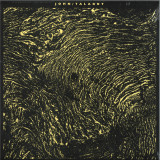
If there is one person, who has been causing a stir on the international club circuit recently, it is Barcelona's John Talabot. Already his debut “My Old School“ (which is meant literally by the way) on Permanent Vacation in 2009 and shortly after that the single “ Sunshine”, which he put out on his own Hivern Disc imprint, made him one of the most promising musicians of the Spanish electronic scene. And those two releases also already set the mark for John Talabot’s unparalleled music: raw, loopy, heavy on the kick drum, sample based, moderate on the tempo, distorted on the drums and light years away from the clean and ever revolving house sound of today. This unique style which also blends influences from afro beat, Detroit techno, Chicago house and cosmic disco, but also northern soul or the energy of Flamenco, immediately turned some heads around. James Murphy, Âme and Aeroplane started including Talabot music in their sets like it was the most natural thing. However - and this is quite rare - he not only gained legions of fans in the house and disco community, but also amongst the leftfield pop and indie rock followers. NME and Resident Advisor both had “Breakthrough“ features on John Talabot and he can be proud of a “Best New Music“ dubbing on
Pitchfork. (Being rather elusive on showing his face in magazines or the web it also came to some funny rumors that John Talabot was the alter ego of a well-known techno producer from Detroit).
At the same time he drew the attention of like-minded artists like James Holden and Luke Abott from Border Community, Blondes or Delorean, which lead to a bunch of fertile collaborations: Luke Abbott and Blondes remixed Talabot’s “Sunshine“ single , John Talabot remixed a track by Delorean and vice versa Delorean’s Ekhi contributed vocals to the track “Journeys “ on John’s album). Another example is the Young Turks Label (home of Jamie XX, Holy Fuck, El Guincho or SBTRKT ) on which he released the “Families“ EP in 2010. It was praised beyond limits. Pitchfork for
instance hailed: “… where pop and house influences sweetly buffer up against one another to provide an unyielding sense of elation“ and even brought Talabot a comparison with artists like Four Tet or Caribou.
While staying true to his sound, John Talabot has nevertheless shown a constant evolution as a producer since his first release. He has traced a solid musical path that has turned him into one of the big references of European House and has made him also a highly in demand Remixer (for the likes of The XX, Francesco Tristano’s “Aufgang” project, Shit Robot on DFA, Thaiti 80, Joakim or Teengirl Fantasy to name just a few ).
A progression that now crystallizes in “ƒin”, his first full-length album for Permanent Vacation. A record, in which the Barcelona mastermind sets aside the danceable immediacy to expand his stylistic palette more than ever. For that purpose, Talabot melts all the elements that have constructed his distinctive sound until now and makes them emerge from a new perspective, in which the construction of complex song structures, intricate rhythms and superpositions of ever-evolving melodies and atmospheres pick up the baton of the “a kick-drum and a sampler” philosophy of his initial productions. The result brings us 11 tracks (we should call them songs really!) dominated by dark ambiances, gaseous textures and bittersweet moods that, above all, reveal a kind of vivacity that’s really hard to find in contemporary electronics. “Fin” is far from being a track collection. From the majestic opener “Depak Ine“ to it’s solemn ending with
“So Will Be Now“ , one of the two tracks that features Talabot’s soul and label mate Pional, each song traces an overall dialogue with the rest, culminating a highly emotional journey through Talabot’s always compelling and unique musical vision.
- A1: Zombie Radio
- A2: In My Cage
- A3: Demon Possession
- A4: Corpus Domini (Instrumental Version)
- B1: Lobotomics
- B2: Vortex
- B3: A Sakris (Instrumental Demo Version)
- B4: Mother Church Klinik (Instrumental Version)
- C1: Blind Oracle (Instrumental Version)
- C2: Tranz Anima (Instrumental Version)
- C3: The Lost Tribes
- D1: Mindgun (Instrumental Version)
- D2: Super Collider
- D3: Silent Mind
Infoline proudly presents a compilation of tracks by Deo Cadaver on double 12' inch vinyl LP! Active from 1987 to 1993, Geneva-based trio Deo Cadaver stood at the vanguard of Switzerland’s electronic body music scene. Formed at just 17 years old, the group drew early influence from the visceral intensity of acts like The Young Gods, Front 242, Laibach, and Skinny Puppy—but quickly forged a sound and performative presence entirely their own. Their live shows became infamous: loud, theatrical, and uncompromising. Covered in grey-green clay and fake blood, suspended from chains, or locked in cages wired with sensors, projections, and video monitors, Deo Cadaver unleashed chaotic storms of samples, distorted drum machines, live percussion, and seismic basslines. At the center stood a vocalist whose voice and energy pushed the limits of physical endurance. Despite their undeniable force, Deo Cadaver remained largely unknown beyond their immediate circles. “There was no support structure—barely any venues, press, or labels for what we were doing,” they reflect. “Apart from our parents and a few community associations, we were completely on our own.” The internet, still confined, offered no relief. Connections were built face-to-face, and tapes were copied by hand. Still, the band found kinship in the Swiss experimental collective MXP, alongside other likeminded outliers pushing electronics beyond the dancefloor. Their spirit was one of invention, defiance, and independence.
While Belgium reveled in its New Beat wave and the UK fell into euphoric ecstasy, Deo Cadaver raged in the shadows—loud, isolated, and ahead of their time. This compilation finally brings their work into the light: a long- overdue snapshot of an uncompromising force from the margins of EBM history
- 1: Blackmail David Ruffin
- 2: Crime In The Street David Ruffin
- 3: Look Out Your Window Frank Wilson
- 4: Just To Keep You Satisfied The Originals
- 5: I Pray You Still Love Me Jimmy Ruffin
- 6: I Hate Myself For Loving You The
- 7: If I Can´t Love You Then I Can´t Love Me Eddie
- 8: When The Lights Come Down On Love Dennis
- 9: You Are The Way You Are Leon Ware
- 10: Don´t You Wanna Come Leon Ware
Satisfaction comes in many forms. When the magical word Motown is uttered, most people are hard-wired to The Four Tops, the Temptations and The Supremes. But to reduce Motown to the effervescent sixties is only part of the label’s remarkable legacy.
By the 1970s, a different sound was gathering. America was on the verge of a nervous breakdown. The Vietnam War had been a disaster, urban street crime was epidemic and the nation’s college campuses were alive with political resistance. The joyful hope that had inspired “Baby Love” now felt anachronistic and out of time.
The music industry was changing too. The vinyl pop single on 45rpm which had been the staple of Motown’s success was being challenged by concept albums. This was the era of Edwin Starr’s anti-war album War and Peace (1970), The Temptations mind-bending Psychedelic Shack (1970) and Marvin Gaye’s state-of-the-nation classic What’s Going On (1971).
By the early 1970s Motown had a stable of male vocalists that was arguably the best in the world, among them former lead singers from The Temptations - David Ruffin, Dennis Edwards and Eddie Kendricks. Alongside them singer-producers like Leon Ware and Frank Wilson were asserting their presence.
David Ruffin’s “Crime in the Street” captured the epidemic of violence in Detroit allowing his exquisite voice to quietly rage against gun crime. Recorded a few years before his underground classic “Rode by the Place”, both sound more modern today than when they were recorded.
If there is a common thread here, it’s the mid-tempo shifting soul soon to be christened as “quiet storm” including groups on the margins of Motown such as The Originals and The Fantastic Four led by the impassioned “Sweet” James Epps.
Just to keep you satisfied, immerse yourself in the overlooked creativity of Detroit’s male voices in the early 1970s.
New label RUKI launches with a warm and immersive debut from Finn Logue, shaped by a year of experiments with texture, field recordings, and acoustic elements. The four-track EP blends electronic production with live sounds to create something both personal and playful.
The EP opens with the dreamy, layered percussion of “Delinquence”, followed by the earthy and uplifting “Ocean Forest” with saxophone from Dom the Hopeful. Flip the record and the refreshing downtempo of “Dim Light” lays the path for “Confused Apathetic,” an ethereal, ambient closer steeped in nostalgia.
A bright opening statement from a label rooted in nature and built from the ground up.
"Hyperglyph" is the first new album in 11 years from composer/trumpeter/synthesist Rob Mazurek and composer/percussionist Chad Taylor"s long-running Chicago Underground Duo project. Mazurek and Taylor have played music together in a multitude of formations over nearly three decades, including their ongoing partnership in Mazurek"s large-format-skyward-expressionism vehicle Exploding Star Orchestra, in the expanded Chicago Underground Trio, Quartet and Orchestra (all with guitarist Jeff Parker), as well as a plethora of other assemblages. The early albums by the Duo have proven to be embryonic blueprints for the avant-jazz / electronic / indie rock hybridizing of the time, making them majorly important moments in the articulation of the "jazz" dimensionality of the then-burgeoning "post rock" sound. That sound, of course, was being transmitted far and wide due to the success of these groups as well as the Mazurek/Parker project Isotope 217, and the Chicago Underground"s frequently-intersecting collaborators in Tortoise. Just as most of the still-working projects born of that era have evolved, reconfigured, and grown, the Chicago Underground Duo has undergone a number of musical moltings, with the project always in the background of disparate individual aural investigations. The concurrent personal evolutions of Mazurek and Taylor as the Duo project drops off and picks back up makes it a true reflection of their own lives and friendship.
When I played b2b with Sonar's Ghost on my radio show on NTS last year, he played a new tune entitled "Eggs2C" and it sounded really good, so I asked him what the deal with it was. He said that he was working on it with Outrage and that it was going to be part of an EP they were working on, with Future Retro London in mind for releasing it on. It was the first I'd heard of this EP being made for me haha, but I was curious about what the rest of the release sounded like. He sent me the rest of the tunes and I was into them, so here it is!
- Memory Eraser
- The Derelict
- Sorrowed
- Periastron
- Apastron
- No Light
- Collapsar
- Remnants
- A Nothing Expands
LTD PERIASTRON ED[24,79 €]
Gothenburg/Malmö-based post rock power trio Barrens return with Corpse Lights, the band's second full-length release following their critically-acclaimed 2020 debut Penumbra. Five years in the making, Corpse Lights sees Barrens strike a breathtaking balance between light and dark, beauty and brutality. Corpse Lights, Barrens' sophomore album, is somehow deeper, richer and headier; imbued with an alluring compositional patience that serves as unspoken testament to the combined creativity of the trio in their element, as something so much greater than the sum of its parts. Recorded and produced by Kristofer Jönson, who also helmed Penumbra, and mixed and mastered once again by Cult of Luna's Magnus Lindberg, shimmering synthesizers and sprawling guitars lead the charge propelled by exhilarating drums and percussion but Corpse Lights also finds Barrens using space, silence and atmosphere as another instrument if not as another band member entirely. `Corpse Lights' is the name given to the folk belief that small coloured lights often appear near the home of someone about to die, leading them along the path to their eventual resting place. Often considered to be evidence of the soul leaving the body, the concept of corpse lights embodies Barrens' approach to creating music as a cathartic release; not just writing music because they want to but because they have to. Their writing process is one of joy, light and release as much as it is dark, heavy and tense. The result is Corpse Lights, a collection of nine pieces that guide us through five tumultuous years of highs and lows, of loves and losses and victories and defeats without ever needing to say a word. FOR FANS OF Mono, PG.LOST, Caspian, Mogwai, This Will Destroy You, Russian Circles, Pelican, Scraps Of Tape, God Is An Astronaut. Vinyl is a gatefold, the sleeve comes with metalic ink
BLACK VINYL[21,81 €]
Gothenburg/Malmö-based post rock power trio Barrens return with Corpse Lights, the band's second full-length release following their critically-acclaimed 2020 debut Penumbra. Five years in the making, Corpse Lights sees Barrens strike a breathtaking balance between light and dark, beauty and brutality. Corpse Lights, Barrens' sophomore album, is somehow deeper, richer and headier; imbued with an alluring compositional patience that serves as unspoken testament to the combined creativity of the trio in their element, as something so much greater than the sum of its parts. Recorded and produced by Kristofer Jönson, who also helmed Penumbra, and mixed and mastered once again by Cult of Luna's Magnus Lindberg, shimmering synthesizers and sprawling guitars lead the charge propelled by exhilarating drums and percussion but Corpse Lights also finds Barrens using space, silence and atmosphere as another instrument if not as another band member entirely. `Corpse Lights' is the name given to the folk belief that small coloured lights often appear near the home of someone about to die, leading them along the path to their eventual resting place. Often considered to be evidence of the soul leaving the body, the concept of corpse lights embodies Barrens' approach to creating music as a cathartic release; not just writing music because they want to but because they have to. Their writing process is one of joy, light and release as much as it is dark, heavy and tense. The result is Corpse Lights, a collection of nine pieces that guide us through five tumultuous years of highs and lows, of loves and losses and victories and defeats without ever needing to say a word. FOR FANS OF Mono, PG.LOST, Caspian, Mogwai, This Will Destroy You, Russian Circles, Pelican, Scraps Of Tape, God Is An Astronaut. Vinyl is a gatefold, the sleeve comes with metalic ink, the Periastron edition is transparent "white" Vinyl
- Let You People Down
- Two Thousand Four
- Stuck In My Head Again
- Baby Man
- Creature From The Wild
- Puddle Jumper
- First Girl I Loved
- Moon's Too Bright
- Building A Cathedral
- Year Of The Crow
Hinter dem gefeierten Indie-Folk-Künstler FRUIT BATS verbirgt sich der GRAMMY-nominierte Singer/Songwriter Eric D. Johnson aus Nashville, Tennessee. Mit "Baby Man" hat Johnson ein Album geschaffen, das sich von allen anderen FRUIT BATS-Alben abhebt. "Baby Man" setzt sich aus zehn fesselnden Solodarbietungen mit minimalistischer Instrumentierung (Gitarre, Klavier und gelegentlich Synthesizer) und maximaler Ausführung zusammen und Johnsons Raumnutzung auf dem gesamten Album ist oft ebenso bezaubernd wie die Musik und seine stets bemerkenswerte Stimme. Für die Produktion von "Baby Man" hatte sich Johnson wieder mit Thom Monahan zusammengetan. Das Ergebnis dieser Zusammenarbeit ist das intimste Werk, das FRUIT BATS bisher aufgenommen hat. "Baby Man" überrascht mit einigen der rauesten Stücke, die bisher unter dem Pseudonym FRUIT BATS entstanden sind. Monahan hat die Vocals im Mix nach vorne geschoben, was sowohl die Souveränität als auch die Verletzlichkeit jeder Darbietung hervorhebt. Zwischen der Substanz und dem Klang ist das Hören von "Baby Man" eine kraftvolle und gefühlvolle Erfahrung. Das spürt man gleich beim Album-Opener "Let You People Down" und auch beim nachdenklichen Titeltrack. Johnson ehrt den kürzlichen Verlust eines besonderen Freundes in dem wunderschönen "Creature From The Wild", einer zu Herzen gehenden Hommage, mit der sich leidenschaftliche Hundeliebhaber sofort identifizieren werden. Das philosophische "Building A Cathedral" stellt die Frage, was einem im Leben wirklich wichtig ist und was nicht, während der letzte Song "Year Of The Crow" mit einer stimmungsvollen, bluesigen Klaviereinleitung daherkommt und das Album schmerzhaft und gefühlvoll abschließt. Der Song ist ein passendes Finale eines bemerkenswerten Albums eines geliebten und verehrten Künstlers, der weiterhin Musik konzipiert, Emotionen vermittelt und Verbindungen auf sinnvolle Weise herstellt. "Baby Man" ist der Nachfolger des von der Kritik hochgelobten Albums "A River Running to Your Heart" aus dem Jahr 2023. Johnson ist auch Mitglied des GRAMMY-nominierten Indie-Trios Bonny Light Horseman.
- New Train
- Ain't Hurtin' Nobody
- All The Way With You
- We Are The Lonely
- Lake Marie
- Humidity Built The Snowman
- Day Is Done
- Quit Hollerin' At Me
- Big Fat Love
- Same Thing Happened To Me
- This Love Is Real
- Leave The Lights On
- He Forgot That It Was Sunday
- I Love You So Much It Hurts
BUTTERED POPCORN VINYL[32,35 €]
Anlässlich des 30-jährigen Jubiläums von ,Lost Dogs & Mixed Blessings" erscheint über Oh Boy Records eine Deluxe-Edition von John Prines beliebtem Album mit fünf bisher unveröffentlichten Demos und alternativen Takes sowie dem bisher unveröffentlichten Titel ,Hey Ah Nothin'". Dieses lange verschollene Juwel wird sowohl langjährige Fans als auch Neulinge begeistern und bietet einen intimen Einblick in die Entstehung des Albums und den spontanen Geist, der die Sessions geprägt hat. Das für einen Grammy nominierte Album wird außerdem zum ersten Mal auf Vinyl veröffentlicht, neu gemastert von den Originalbändern. ,Lost Dogs & Mixed Blessings" wird wegen seiner Wärme, seinem Witz und seiner Tiefe sehr geschätzt, und diese Neuauflage bietet einen noch genaueren Einblick in eine der fröhlichsten und kreativsten Phasen in Prines legendärer Karriere. "Lost Dogs & Mixed Blessings" erschien ursprünglich 1995 nach Prines Grammy-prämiertem Album "The Missing Years" und festigte seinen Ruf als einer der größten Songwriter Amerikas. Produziert von Howie Epstein von Tom Petty and the Heartbreakers, zeigt das Album Prine auf einem persönlichen und künstlerischen Höhepunkt, erfüllt von der Freude über eine neue Liebe, seine Vaterschaft und einer unerschütterlichen kreativen Chemie. Unterstützt von einem All-Star-Ensemble, darunter Heartbreakers-Pianist Benmont Tench und Gastsängerinnen Carlene Carter und Marianne Faithfull, ist ,Lost Dogs & Mixed Blessings" ein lebendiges Beispiel für Prines unvergleichliches lyrisches Talent. Das Album fließt mühelos von der ironischen Zufriedenheit von ,Ain't Hurtin' Nobody" zu der epischen Erzählung von ,Lake Marie", einem Song, den Bob Dylan einmal als einen seiner Lieblingssongs bezeichnet hat. Mit seiner Mischung aus herzlichen Balladen, surrealen Erzählungen und verspieltem Humor bleibt ,Lost Dogs & Mixed Blessings" eines der umfangreichsten und beliebtesten Werke von Prine. Mit 14 Titeln und einer Länge von fast einer Stunde fängt es die Fülle der Erfahrungen der Lebensmitte ein, ehrlich, entspannt und voller Leben. Dreißig Jahre später lädt diese Veröffentlichung dazu ein, ein Album wiederzuentdecken, das weiterhin tröstet, überrascht und inspiriert.
- Hiraeth
- Fills The Well
- Cantor Dew
- Vanishing Point
- Light In August
- Heim
- Dispossessed
- Aftenstjerne
Stripping away excess layers, Dispossessed lives up to its title. The band went into Causa Sui's Jonas Munk's studio on the last day of February 2025. In an a priori session, the first note played together since 2023's Dens - the conclusion of a trilogy and a live album all in less than a year. Has something shifted during the silence? Added aggression? Faster tempo? Darker ambiance? The feeling of losing time? Or is it simply the listener who's world has tilted? In a fast paced world, Edena Gardens shows us how to resist and tune to our own inner chord. Edena Gardens deals in subtle shifts that can only be summoned from something played for the first time. From the sludgy blasts of opener Hiraeth to the droning ambience of 10-minute ender Aftenstjerne. As always, the band travels far yet stays in the same internal realm. The band's own Jakob Skott has made minor edits to cut a record from hours of free improvisation, and every dubbed ambience has been culled directly from the material recorded that day, bringing into play the band's gestalt in a way that shows their both outer and inner workings: Dispossessed. Edena Gardens is: Jakob Skott: Drums (Causa Sui) Nicklas Sorensen: Guitar (Papir) Martin Rude: Baritone guitar & Bass (London Odense Ensemble)
- A1: The Look
- A2: The Bay
- A3: Heartbreaker
- A4: Lately
- A5: A Thing For Me
- B1: Love Letters
- B2: My Heart Rate Rapid
- B3: I'm Aquarius
- B4: Reservoir
- B5: The Light
- C1: Salted Caramel Ice Cream
- C2: Everything Goes My Way
- C3: Corinne
- C4: This Could Be Beautiful (It Is)
- C5: Night Owl
- D1: Old Skool
- D2: Walking In The Dark
- D3: Things Will Be Fine
- D4: Right On Time
- D5: You Could Easily Have
Yellow & Blue 2x12" Limited Edition[34,66 €]
Celebrating 20 years of defining, and redefining, electronic alt-pop - Metronomy ‘GREATEST HITS’ is the first comprehensive collection of their “smash hits” spanning across all 7 studio albums, and will be release alongside a separate album of BBC Sessions.
Formed in 1999 by Joseph Mount, Metronomy has released six acclaimed studio albums and become one of the UK's most influential electronic acts. Known for their distinctive visual aesthetic, innovative production techniques, and energetic live shows, Metronomy continues to bridge the gap between experimental electronic music and accessible pop. From the charm of early tracks like "You Could Easily Have Me" to the sophisticated pop of "The Look" and the dance floor magic of "Love Letters," Metronomy's distinctive sound has consistently pushed boundaries while maintaining their unmistakable identity.
The previously unreleased BBC Sessions reveal another dimension to these songs, capturing their magnetic live energy and Joe’s evolving approach to arrangement and performance, all recorded between 2009-2019 across BBC6Music, BBC Radio 1 & BBC Radio 2.
- A1: The Look
- A2: The Bay
- A3: Heartbreaker
- A4: Lately
- A5: A Thing For Me
- B1: Love Letters
- B2: My Heart Rate Rapid
- B3: I'm Aquarius
- B4: Reservoir
- B5: The Light
- C1: Salted Caramel Ice Cream
- C2: Everything Goes My Way
- C3: Corinne
- C4: This Could Be Beautiful (It Is)
- C5: Night Owl
- D1: Old Skool
- D2: Walking In The Dark
- D3: Things Will Be Fine
- D4: Right On Time
- D5: You Could Easily Have
Black 2x12" Vinyl[32,35 €]
Celebrating 20 years of defining, and redefining, electronic alt-pop - Metronomy ‘GREATEST HITS’ is the first comprehensive collection of their “smash hits” spanning across all 7 studio albums, and will be release alongside a separate album of BBC Sessions.
Formed in 1999 by Joseph Mount, Metronomy has released six acclaimed studio albums and become one of the UK's most influential electronic acts. Known for their distinctive visual aesthetic, innovative production techniques, and energetic live shows, Metronomy continues to bridge the gap between experimental electronic music and accessible pop. From the charm of early tracks like "You Could Easily Have Me" to the sophisticated pop of "The Look" and the dance floor magic of "Love Letters," Metronomy's distinctive sound has consistently pushed boundaries while maintaining their unmistakable identity.
The previously unreleased BBC Sessions reveal another dimension to these songs, capturing their magnetic live energy and Joe’s evolving approach to arrangement and performance, all recorded between 2009-2019 across BBC6Music, BBC Radio 1 & BBC Radio 2.
- A1: ) It's Only Obvious
- A2: ) A Place Called Home
- A3: ) Caveman
- A4: ) The York Song
- B1: ) Carrole-Anne
- B2: ) Hold On
- B3: ) Blue Light
- B4: ) If You Can't Find Love
- C1: ) I've Got A Habit
- C2: ) Apologies
- C3: ) Give Me Some Peppermint Freedom
- C4: ) Defy The Law
- C5: ) Underneath The Window, Underneath The Sink
- D1: ) Tiny Words
- D2: ) Walter
- D3: ) What Will We Do Next?
- D4: ) As Time Goes By
- D5: ) Yawn
“'Lyceum' is a fountainhead of unqualified greatness. It’s a strange, sad sound harking back to old school tunesmanship – Aztec Camera, ‘Rattlesnakes’, prime-time Felt – but the whole affair is permeated with a resonant, almost tearful quality. ‘Lyceum’ is reminiscent of Galaxie 500’s ‘Today’ in that it sounds like it cost less than a round of drinks to produce. But the lo fi sound merely enhances the misty glazed-pop sound and raises the hallelujah choruses to the forefront. Rather than drowning them in production mush. Don’t pass it by”.
– Bob Stanley, Melody Maker 1989
Hailing from the suburbs of Glasgow, this five-piece are best known for their three starry-eyed albums on the renowned Sarah Records - this being an expanded version of their first (an eight-track 10” at the time).
By the tail end of the 1980s the independent music scene in the UK was turning its back on the polish and over-indulgence of the mid-80s with its gated drums and wallpaper production. And those who weren’t stretching the boundaries of sonic innovation had tuned back to the post-punk ethos of ramshackle charm and zealous melody, even dousing the spirit with some political fervour once more. Influences were more likely to be Television and the Television Personalities than MTV.
The Orchids and The Sea Urchins were the first two bands to release 7” singles on the Sarah label having previously begun their recording existence on a shared flexi disc in 1987 (The Sea Urchins went on to become Delta, whose classic album ‘Slippin' Out’ from 2000 will be the second release on Circuitry). The Scottish five-piece released ‘I’ve Got a Habit’ and ‘Underneath the Window, Underneath the Sink’ as EPs before really finding their feet with ‘Lyceum’; the tracks, remastered from the original Toad Hall tapes are included on this reissue as are the three songs from the ‘What Will We Do Next?’ 7” (this collection closes with the frazzled stretch that is ‘Yawn’). 'Lyceum' was originally released in August 1989.
The album opens with ‘It’s Only Obvious’ and its gloriously youthful chorus of “who needs tomorrow when all I need, all I needed was you”. James Hackett somehow appears both forthright and rejected, something that one of their musical heroes The Go-Betweens also had down to a fine art. It barely takes a breath until midway through side two where ‘Hold On’ (sounding suspiciously like an unlikely objective) descends into the intro of ‘Blue Light’, the counted-in ‘1, 2, 3, 4’ whispered like the most hopelessly dejected rally. If that sounds depressing it isn’t. This record by The Orchids was a spirited source of comfort for an 18 year old at the time and still shudders with the best type of melancholy, one that’s spirited not indulgent. If you’re not familiar with the band’s charm, this is where you should begin.
'Lyceum' is released on double black vinyl by new label Circuitry.
- A1: Flowering On The Threshold
- A2: Water Under Birth
- A3: Dreamtime
- A4: Thinking Of You
- B1: Alive And Well
- B2: The Beautiful Side Of Loneliness
- B3: Time For A Change
- B4: Get Back Today
- C1: Time To Wake
- C2: Lust Wonderlust Wonder
- C3: Trying To Discover
- C4: The Light
- C5: Lost And Found In The Sun
- D1: Universe
- D2: Crystal Clear Eyes
- D3: Loves Return
- D4: You Have Always Known The Way
Emerging from the shadows of a small apartment in Chicago’s South Side Pilsen neighborhood in 1999, Winterlight was produced and mixed by Daniel Thompson over the course of three years, from 1999 to 2002. It’s an intimate and evocative album that captures a pivotal chapter in Thompson’s life and echoes the spirit of a formative era in the underground music scene.
Thompson’s journey began in the heat of Houston, Texas, where his love for sound quickly became an obsession. By the late ’90s, he was among the first DJs in Houston to champion the sound of Chicago house, often driving long distances from Texas to Chicago in search of records, inspiration, and connection. These trips—equal parts pilgrimage and education—eventually led him to relocate to Chicago, where his artistic vision would fully take shape. Winterlight is the direct result of that move. Crafted over several years, the album embodies a raw, hands-on approach to production, built from analog synths, outboard gear, and hours of meticulous layering. Thompson leaned on tools like the Kurzweil K2000, SE-1, Juno-106, and classic processors such as the DP4 and TC Electronic units, shaping each track with
care and intention.
Blending atmospheric textures with hypnotic rhythm and subtle experimental flourishes, Winterlight captures the sound of an artist deeply engaged with his tools and surroundings. His extensive vinyl collection—over 3,000 records—served as both palette and inspiration, with carefully chosen samples lending further depth and narrative to the music. Now set for release across all digital platforms and as a limited double 12" vinyl edition through Berlin’s Word & Sound, Winterlight invites listeners into a soundscape that is both immersive and personal. More than just an album, it is a sonic document of a moment in time—rich in tone, memory, and intent. For those willing to listen deeply, Winterlight offers a rare window into the underground spirit of the early 2000s and the inner world of a producer finding his voice.