Search:lipp

Styles
All
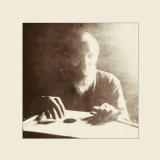
Iivana Mišukka & Arja Kastinen - Iivana Mišukka (Tape)
  • 01: Maanitus &Amp; Tšiižik
  • 02: Markka
  • 03: Melkutus
  • 04: Letška
  • 05: Kuuen Parin Hoirola
  • 06: Brišatka
  • 07: Tšiižik
  • 08: Kirkonkellot
  • 09: Kirkonkellot Korkea
  • 10: Hoirola, 3 Parin
  • 11: Lippa
  • 12: Kyngäkiža
  • 13: Ristakondra
  • 14: Vanha Polkka
  • 15: Viistoista
  • 16: Vanha Valssi
  • 17: Kiberä
  • 18: Maanitus Kuokan Kanteleella
  • 19: Tuuti Lasta Nukkumahe
also available

Vinyl[22,65 €]


Death Is Not The End present a further volume of Arja Kastinen's eerie amalgamations of 110 year old wax cylinders with her own meticulously transcribed takes, this time focussing in on Armas Otto Väisänen's field recordings of kantele player Iivana Mišukka (b. 1861 d.1919).

"Ivana Mišukka (1861–1919) was one of the Karelian kantele players recorded by the folk music researcher Armas Otto Väisänen on wax cylinders in 1916 and 1917. In the early 20th century, the remote areas of Border Karelia were undergoing the final phase of a transformation in musical culture, with the ancient runo song tradition giving way to newer forms of music. This transition is reflected in Mišukka's repertoire and choice of instrument. The ancient small kantele, hollowed out of a single piece of wood, was already rare at the turn of the century. Mišukka's kantele was a new type of instrument with 26 strings, constructed of several parts, but he played it using the traditional plucking technique. Like other Border Karelian kantele players, his repertoire consisted of music rooted in runosong culture, as well as newer dances and songs from the east and west. Most of the recorded material falls into the latter category.

Ivan Bogdanov Mišukka was born out of wedlock in Suursara village, Suistamo, on 1 May 1861. He began playing the kantele at the age of five or six, quickly mastering the instrument. In adulthood, he was considered one of the area's best master players. Mišukka was landless for most of his life and lived in different parts of the Suistamo parish. His first wife, Tekla Markintytär, died in 1897 at the age of 40, and his second wife, Jevdokia Filipintytär Jeminen, died in 1907 at the age of 50. Seven children were born from the first marriage, two of whom died young. The third wife, Maria Ignatintytär Gurnan (Kuurnanen), was a well-known master of lamentations. Together with Maria, Iivana Mišukka worked as a tenant farmer in the village of Suursara. Mišukka suffered from rheumatism, which prevented him from participating in physical work like Maria. This was apparently partly the reason why Iivana Mišukka went to earn extra money by playing the kantele on gig trips. He often had other traditional artists from Suistamo as his travelling companions, such as the runosingers Konstantin Kuokka and Iivana Onoila. Iivana Mišukka died in Leppäsyrjä village, Suistamo, on 18 May 1919 at the age of 58, and his kantele was donated to Teppana Jänis.

Mišukka only used 14 of the 26 strings on his kantele, playing the same tunes either a fourth higher or lower. He tuned his kantele to the major scale using fifths, except for a low seventh scale degree on the upper strings, but not below the fundamental. Since he did not use the seventh note of the scale on the upper strings at all, he could use the major scale both lower and a fourth higher with this tuning. According to Mišukka, the sound of higher, or 'finer', strings is 'more beautiful', while that of lower ones is 'greater'. Among runosingers, the size of the thirds varied, ranging from major to minor to neutral. A similar phenomenon can be observed in kantele tunings, where the third, sixth and seventh scale degrees vary in a comparable way.

During a meeting, Väisänen suggested that Mišukka play the smaller kantele belonging to Konstantin Kuokka. The idea was to bring it closer to the horn to improve the recording quality. However, the kantele was completely out of tune, and now Mišukka tuned it to the Lydian scale (track 18).

Using the old plucking technique, Mišukka placed his right middle finger on the fundamental tone, his right index finger on the second scale degree, his left middle finger on the third scale degree and his left index finger on the fourth scale degree, and his right thumb on the fifth. The thumb also played the notes above the fifth note of the scale. As Mišukka remarked to Väisänen: 'Peigaloll' tuloo enemb ruadoa' (the thumb has to do more work). However, he did not use the seventh note of the scale on the upper strings at all. Below the fundamental note, he played the seventh and sixth notes of the scale with his right middle finger of and the fifth note of the scale with his right ring finger. This fifth scale degree below the fundamental is almost always used as a drone. Sometimes, when the melody required it, Mišukka, like other players, also varied the fingering. He would also occasionally strike the same string with the side of his fingernail after plucking it.

The wax cylinder recordings of Karelian kantele players are kept in the archives of the Finnish Literature Society in Helsinki, Finland. Copies were made of them onto reel-to-reel tapes in both the 1960s and 1980s. The 1960s copies are mono and the 1980s copies are stereo. However, not all kantele recordings from these decades have survived.

The sound of the kantele is difficult to hear in wax cylinder recordings due to its low volume, and it occasionally becomes completely obscured by noise. During the copying process, the cylinder sometimes rotates unevenly, resulting in breaks or jumps in the music. Additionally, the rotation speed of the cylinder in the copies does not correspond to the performance speed of the original music, which alters the pitch. However, since Väisänen's precise notes are available in the archive, it is possible to deduce the melodies, their speed, and the tuning level of the kantele in the recordings. Of the copies of the original recordings from the 1960s and 1980s, I have selected the one that best met the requirements of this publication and adjusted the speed of the recording to align with Väisänen's notes. To enhance the listening experience, I have replayed the songs, which now partly overlap the old recordings on this release."

— Arja Kastinen

pre-order now27.03.2026

expected to be published on 27.03.2026
16,39
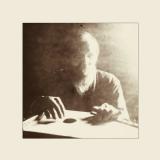
Iivana Mišukka & Arja Kastinen - Iivana Mišukka LP

Death Is Not The End present a further volume of Arja Kastinen's eerie amalgamations of 110 year old wax cylinders with her own meticulously transcribed takes, this time focussing in on Armas Otto Väisänen's field recordings of kantele player Iivana Mišukka (b. 1861 d.1919).

"Ivana Mišukka (1861–1919) was one of the Karelian kantele players recorded by the folk music researcher Armas Otto Väisänen on wax cylinders in 1916 and 1917. In the early 20th century, the remote areas of Border Karelia were undergoing the final phase of a transformation in musical culture, with the ancient runo song tradition giving way to newer forms of music. This transition is reflected in Mišukka's repertoire and choice of instrument. The ancient small kantele, hollowed out of a single piece of wood, was already rare at the turn of the century. Mišukka's kantele was a new type of instrument with 26 strings, constructed of several parts, but he played it using the traditional plucking technique. Like other Border Karelian kantele players, his repertoire consisted of music rooted in runosong culture, as well as newer dances and songs from the east and west. Most of the recorded material falls into the latter category.

Ivan Bogdanov Mišukka was born out of wedlock in Suursara village, Suistamo, on 1 May 1861. He began playing the kantele at the age of five or six, quickly mastering the instrument. In adulthood, he was considered one of the area's best master players. Mišukka was landless for most of his life and lived in different parts of the Suistamo parish. His first wife, Tekla Markintytär, died in 1897 at the age of 40, and his second wife, Jevdokia Filipintytär Jeminen, died in 1907 at the age of 50. Seven children were born from the first marriage, two of whom died young. The third wife, Maria Ignatintytär Gurnan (Kuurnanen), was a well-known master of lamentations. Together with Maria, Iivana Mišukka worked as a tenant farmer in the village of Suursara. Mišukka suffered from rheumatism, which prevented him from participating in physical work like Maria. This was apparently partly the reason why Iivana Mišukka went to earn extra money by playing the kantele on gig trips. He often had other traditional artists from Suistamo as his travelling companions, such as the runosingers Konstantin Kuokka and Iivana Onoila. Iivana Mišukka died in Leppäsyrjä village, Suistamo, on 18 May 1919 at the age of 58, and his kantele was donated to Teppana Jänis.

Mišukka only used 14 of the 26 strings on his kantele, playing the same tunes either a fourth higher or lower. He tuned his kantele to the major scale using fifths, except for a low seventh scale degree on the upper strings, but not below the fundamental. Since he did not use the seventh note of the scale on the upper strings at all, he could use the major scale both lower and a fourth higher with this tuning. According to Mišukka, the sound of higher, or 'finer', strings is 'more beautiful', while that of lower ones is 'greater'. Among runosingers, the size of the thirds varied, ranging from major to minor to neutral. A similar phenomenon can be observed in kantele tunings, where the third, sixth and seventh scale degrees vary in a comparable way.

During a meeting, Väisänen suggested that Mišukka play the smaller kantele belonging to Konstantin Kuokka. The idea was to bring it closer to the horn to improve the recording quality. However, the kantele was completely out of tune, and now Mišukka tuned it to the Lydian scale (track 18).

Using the old plucking technique, Mišukka placed his right middle finger on the fundamental tone, his right index finger on the second scale degree, his left middle finger on the third scale degree and his left index finger on the fourth scale degree, and his right thumb on the fifth. The thumb also played the notes above the fifth note of the scale. As Mišukka remarked to Väisänen: 'Peigaloll' tuloo enemb ruadoa' (the thumb has to do more work). However, he did not use the seventh note of the scale on the upper strings at all. Below the fundamental note, he played the seventh and sixth notes of the scale with his right middle finger of and the fifth note of the scale with his right ring finger. This fifth scale degree below the fundamental is almost always used as a drone. Sometimes, when the melody required it, Mišukka, like other players, also varied the fingering. He would also occasionally strike the same string with the side of his fingernail after plucking it.

The wax cylinder recordings of Karelian kantele players are kept in the archives of the Finnish Literature Society in Helsinki, Finland. Copies were made of them onto reel-to-reel tapes in both the 1960s and 1980s. The 1960s copies are mono and the 1980s copies are stereo. However, not all kantele recordings from these decades have survived.

The sound of the kantele is difficult to hear in wax cylinder recordings due to its low volume, and it occasionally becomes completely obscured by noise. During the copying process, the cylinder sometimes rotates unevenly, resulting in breaks or jumps in the music. Additionally, the rotation speed of the cylinder in the copies does not correspond to the performance speed of the original music, which alters the pitch. However, since Väisänen's precise notes are available in the archive, it is possible to deduce the melodies, their speed, and the tuning level of the kantele in the recordings. Of the copies of the original recordings from the 1960s and 1980s, I have selected the one that best met the requirements of this publication and adjusted the speed of the recording to align with Väisänen's notes. To enhance the listening experience, I have replayed the songs, which now partly overlap the old recordings on this release."

— Arja Kastinen

pre-order now27.03.2026

expected to be published on 27.03.2026

22,65
HATCHIE - LIQUORICE

HATCHIE

LIQUORICE

12inchSCLPC1503
Secretly Canadian
09.01.2026

Das Cover von ,Liquorice", dem dritten Album der australischen Indie-Pop-Künstlerin Hatchie, zeigt ein Nahporträt von Harriette Pilbeam, die lächelt, wobei ihr verschmierter roter Lippenstift auf die glorreiche Folge eines Kusses hindeutet. Das Bild wurde während eines spontanen Fotoshootings im Hinterhof mit einer einfachen Digitalkamera aufgenommen und fängt eine Erinnerung ein, die etwas unvollkommen ist und von Sehnsucht, Begierde und Bedauern geprägt ist Das Bild wurde während eines spontanen Fotoshootings im Hinterhof mit einer kleinen Digitalkamera aufgenommen und verkörpert ein Album, das rau und voller Freude ist und sich mit Themen wie Sehnsucht, Begierde und Reue befasst. Pilbeam begann ernsthaft mit dem Schreiben von ,Liquorice", während sie von 2022 bis 2023 in Brisbane lebte, und später in einem gemeinsamen Haus mit Agius in Melbourne, wo sie die Demos schließlich Mitte 2024 fertigstellte. Als Musikerin, die ihre Einflüsse bisher offen zur Schau gestellt hat, bemühte sich Pilbeam, von Grund auf neu zu schreiben, ohne bestimmte musikalische Einflüsse im Hinterkopf zu haben. Pilbeam begann ernsthaft mit dem Schreiben von ,Liquorice", während sie von 2022 bis 2023 in Brisbane lebte, und später in einem gemeinsamen Haus mit Agius in Melbourne, wo sie die Demos schließlich , und stellte die Demos schließlich Mitte 2024 fertig. Als Musikerin, die ihre Einflüsse bisher offen zur Schau gestellt hatte, bemühte sich Pilbeam, ganz von vorne anzufangen, ohne bestimmte musikalische Einflüsse im Hinterkopf zu haben, und ließ den Songs wochenlang Zeit zum Atmen, anstatt Ideen zu überstürzen. Sie fühlte sich von der melodischen Einfachheit ihrer frühen Songs angezogen und akzeptierte ihre musikalischen Unsicherheiten: ,Ich wollte meine Grenzen als Stärken betrachten, die meinen Stil prägen." Nachdem sie mit den Produzenten Jorge Elbrecht (Caroline Polachek, Japanese Breakfast, Sky Ferreira) und Dan Nigro (Olivia Rodrigo, Chappell Roan) an ,Giving the World Away" gearbeitet hatte, wollte Pilbeam ,Liquorice" mit einem einzigen Kollaborateur fertigstellen, idealerweise einem nicht-männlichen Produzenten, der auch sein eigenes Musikprojekt vorantreibt. Im September 2024 kehrten Pilbeam und Agius nach Los Angeles zurück, um mit Melina Duterte zusammenzuarbeiten, die unter dem Namen Jay Som Indie-Rock aufnimmt und an einer Reihe von Projekten mitgewirkt hat, darunter das mit einem Grammy ausgezeichnete Album ,The Record" von boygenius. ,Mein letztes Album ist sehr düster und introspektiv geworden, und das ist zwar ein Teil von mir, aber es gab noch eine ganz andere Seite, die ich nicht zum Ausdruck gebracht habe", sagt Pilbeam. ,Ich bin eine hoffnungslose Romantikerin und eine sehr alberne Person, manchmal sogar bis zum Äußersten." Die heute 32-jährige, verheiratete Pilbeam stellte fest, dass ,ewige Gefühle" der Sehnsucht und des Herzschmerzes schnell zurückkehrten, als sie über ihre Erfahrungen als jüngere Frau nachdachte. Gleichzeitig ließ sie ihre Vorliebe für tragische Liebesfilme einfließen, in denen die Figuren nicht unbedingt ein gemeinsames Happy End finden. Liquorice beschäftigt sich mit der Endlichkeit des Ewigen. Diese Songs fangen die überwältigenden, berauschenden und transformierenden Nebenwirkungen der Verliebtheit ein, auch wenn die gesamte Liebesgeschichte nur eine einzige magische Nacht dauert. Wie die reichhaltigen Aromen der gewundenen, titelgebenden Süßigkeit - süß, salzig und bitter in einem Bissen - bestätigt Liquorice, wie Sehnsucht und Besessenheit in der Selbstfindung einer jungen Frau miteinander verflochten sind.

out of Stock

Order now and we will order the item for you at our supplier.

26,01

Last In: 5 months ago
Udo Lindenberg - Der Exzessor LP

Udo Lindenberg

Der Exzessor LP

12inch19802956501
Sony Music
12.12.2025
  • A1: Udo Lindenberg Seid Willkommen In Berlin 3:40
  • A2: Udo Lindenberg Der Exzessor 5:02
  • A3: Udo Lindenberg Gegen Den Strom, Gegen Den Wind 4:41
  • A4: Udo Lindenberg Berlin Light My Fire 3:37
  • A5: Udo Lindenberg & Dorkas Kiefer Und Trotzdem Lieb Ich Dich So Sehr 4:35
  • A6: Udo Lindenberg Süße Lippen 3:51
  • B1: Udo Lindenberg I'm On My Way 3:23
  • B2: Udo Lindenberg Der Panther 3:23
  • B3: Udo Lindenberg Gott Wenn Es Dich Gibt 5:33
  • B4: Udo Lindenberg Mackie Messer 3:26
  • B5: Udo Lindenberg & Eddy Kante Mama 3:33
  • B6: Udo Lindenberg Sie Brauchen Keinen Führer
pre-order now12.12.2025

expected to be published on 12.12.2025

27,69
Various - NOW That's What I Call An Era - Disco: 1973-1980 (3x12")
  • A1: Chic – Le Freak (Edit)
  • A2: Sister Sledge – We Are Family (Single Edit)
  • A3: Gloria Gaynor - I Will Survive (Single Version)
  • A4: Sylvester – You Make Me Feel (Mighty Real)
  • A5: Chaka Khan – I'm Every Woman
  • A6: Candi Staton – Young Hearts Run Free
  • A7: Diana Ross - Upside Down
  • A8: Sheila & B. Devotion – Spacer (7'' Edit)
  • B1: Amii Stewart – Knock On Wood (7” Edit)
  • B2: The Three Degrees - Givin' Up Givin' In
  • B3: Eruption - I Can't Stand The Rain
  • B4: Boney M. - Daddy Cool
  • B5: Village People – Ymca
  • B6: Michael Zager Band - Let's All Chant
  • B7: Lipps Inc. - Funkytown (Single Version)
  • B8: Dee D. Jackson - Automatic Lover
  • C1: Donna Summer - Macarthur Park (Single Version)
  • C2: Earth, Wind & Fire With The Emotions - Boogie Wonderland
  • C3: Mcfadden & Whitehead - Ain't No Stoppin' Us Now (Single Version)
  • C4: Marvin Gaye - Got To Give It Up
  • C5: Harold Melvin & The Blue Notes Featuring Teddy Pendergrass - The Love I Lost (Single Version)
  • C6: George Mccrae – Rock Your Baby
  • C7: Tina Charles - I Love To Love
  • C8: Andrea True Connection - More, More, More (Single Version)
  • D3: A Taste Of Honey - Boogie Oogie Oogie
  • D4: Diana Ross - Love Hangover
  • D5: Grace Jones - I Need A Man
  • D6: Amanda Lear - Follow Me (Single Version)
  • D7: Patrick Juvet – I Love America
  • D8: Frantique - Strut Your Funky Stuff (Single Version)
  • E1: Baccara - Yes Sir, I Can Boogie
  • E2: Belle Epoque – Black Is Black
  • E3: Alicia Bridges - I Love The Nightlife (Disco 'Round) (Single Version)
  • E4: Rose Royce - Car Wash (Single Version)
  • E5: The Real Thing – Can You Feel The Force (7” Single Version)
  • E6: Kool & The Gang - Ladies Night (Edit)
  • E7: Barry White - You See The Trouble With Me (Single Version)
  • E8: Yvonne Elliman - If I Can't Have You
  • F1: Elton John - Are You Ready For Love ('79 Version Radio Edit)
  • F2: Heatwave - Boogie Nights
  • F3: The Emotions - Best Of My Love
  • F4: Labelle - Lady Marmalade (Single Version)
  • F5: Cheryl Lynn - Got To Be Real
  • F6: Odyssey - Native New Yorker
  • F7: Thelma Houston - Don't Leave Me This Way (Single Version)
  • F8: Donna Summer - Last Dance (Single Version)
  • D1: Frankie Valli & The Four Seasons – December, 1963 (Oh, What A Night)
  • D2: The Trammps – Disco Inferno (Single Edit)

NOW Music proudly presents the next release in our “NOW That’s What I Call An Era” series – NOW That's What I Call An Era - Disco: 1973-1980 – a dazzling celebration of the golden age of disco.


This stunning 3LP set, pressed on blue, violet and pink vinyl, showcases 48 essential tracks that lit up the dancefloors, charts, and airwaves at the height of disco fever — an era when glittering anthems, euphoric grooves, and iconic vocal performances defined nightlife around the world.


LP1 opens in iconic style with Chic’s monumental ‘Le Freak’ followed by Sister Sledge’s equally legendary ‘We Are Family’, and Gloria Gaynor’s empowering #1 ‘I Will Survive’. Anthems follow from Sylvester with ‘You Make Me Feel (Mighty Real)’ and Chaka Khan with ‘I’m Every Woman’, ahead of the timeless ‘Young Hearts Run Free’ by Candi Staton and the first side finishes with production by Chic’s Nile Rodgers and Bernard Edwards on massive hits for Diana Ross with ‘Upside Down’, and Sheila & B. Devotion with ‘Spacer’. Flip the LP over for Amii Stewart’s version of ‘Knock On Wood’ followed by The Three Degrees, Eruption and the first smash from Boney M., ‘Daddy Cool’. The Village People topped the chart with ‘YMCA’ which has become an enduring party favourite, which leads to the infectious ‘Let’s All Chant’ from the Michael Zager Band, Lipps Inc. with ‘Funkytown’ and to close the first LP, sci-fi disco from Dee D. Jackson with ‘Automatic Lover’.


LP2 begins with Donna Summer’s epic version of ‘MacArthur Park’, before Earth, Wind & Fire with The Emotions bring pure euphoria on ‘Boogie Wonderland’, and McFadden & Whitehead with the floor-filling ‘Ain’t No Stoppin’ Us Now’. Great vocals from Marvin Gaye and Harold Melvin & The Blue Notes come ahead of George McCrae’s ‘Rock Your Baby’, one of the collections’ earliest and inspirational moments. UK artist Tina Charles hit the top with ‘I Love To Love’, and Andrea True Connection complete the side with the ear-worm ‘More More More’ whilst over on the other side legends Frankie Valli & The Four Seasons hit dancefloor gold and the #1 spot with ‘December, 1963 (Oh, What A Night)’, ahead of The Trammps with their era-defining ‘Disco Inferno’. A Taste Of Honey, Grace Jones and a second appearance from Diana Ross are up next – before the LP closes with an enduring classic, ‘Follow Me’ from Amanda Lear, Patrick Juvet’s ‘I Love America’, and Frantique with ‘Strut Your Funky Stuff’.


LP3 bursts to life with the international smash and UK #1, ‘Yes Sir, I Can Boogie’ from Baccara, before a huge hit cover from Belle Epoque with ‘Black Is Black’. Next; Alicia Bridges, Rose Royce and UK chart toppers The Real Thing, ahead of funk-infused disco brilliance from Kool & The Gang and Barry White – whilst the side closer is Yvonne Elliman’s ‘If I Can’t Have You’, from the Saturday Night Fever soundtrack and over on the final side there’s a stellar run of Disco nuggets: kicking off with Elton John’s irresistible ‘Are You Ready For Love’, originally released in 1979 and a #1 in 2003 along with ‘Boogie Nights’ from Heatwave, The Emotions with ‘Best Of My Love’, and LaBelle’s influential ‘Lady Marmalade’. The anthemic ‘Got To Be Real’ from Cheryl Lynn is next ahead of the trio of closing tracks: Odyssey with the sublime ‘Native New Yorker’, Thelma Houston’s Grammy-winning ‘Don’t Leave Me This Way’, and fittingly, Donna Summer’s iconic ‘Last Dance’, ending the collection in perfect style.


An unforgettable journey through the songs that defined the dancefloor: NOW That’s What I Call An Era – Disco: 1973-1980 — the definitive celebration of disco’s golden age.

out of Stock

Order now and we will order the item for you at our supplier.

37,19

Last In: 6 months ago
HATCHIE - LIQUORICE

HATCHIE

LIQUORICE

12inchSCLP503
Secretly Canadian
07.11.2025
  • Anemoia
  • Only One Laughing
  • Liquorice
  • Carousel
  • Sage
  • Someone Else's News
  • Wonder
  • Lose It Again
  • Anchor
  • Part That Bleeds
  • Stuck
also available

LIPSTICK RED VINYL[26,01 €]


Das Cover von ,Liquorice", dem dritten Album der australischen Indie-Pop-Künstlerin Hatchie, zeigt ein Nahporträt von Harriette Pilbeam, die lächelt, wobei ihr verschmierter roter Lippenstift auf die glorreiche Folge eines Kusses hindeutet. Das Bild wurde während eines spontanen Fotoshootings im Hinterhof mit einer einfachen Digitalkamera aufgenommen und fängt eine Erinnerung ein, die etwas unvollkommen ist und von Sehnsucht, Begierde und Bedauern geprägt ist Das Bild wurde während eines spontanen Fotoshootings im Hinterhof mit einer kleinen Digitalkamera aufgenommen und verkörpert ein Album, das rau und voller Freude ist und sich mit Themen wie Sehnsucht, Begierde und Reue befasst. Pilbeam begann ernsthaft mit dem Schreiben von ,Liquorice", während sie von 2022 bis 2023 in Brisbane lebte, und später in einem gemeinsamen Haus mit Agius in Melbourne, wo sie die Demos schließlich Mitte 2024 fertigstellte. Als Musikerin, die ihre Einflüsse bisher offen zur Schau gestellt hat, bemühte sich Pilbeam, von Grund auf neu zu schreiben, ohne bestimmte musikalische Einflüsse im Hinterkopf zu haben. Pilbeam begann ernsthaft mit dem Schreiben von ,Liquorice", während sie von 2022 bis 2023 in Brisbane lebte, und später in einem gemeinsamen Haus mit Agius in Melbourne, wo sie die Demos schließlich , und stellte die Demos schließlich Mitte 2024 fertig. Als Musikerin, die ihre Einflüsse bisher offen zur Schau gestellt hatte, bemühte sich Pilbeam, ganz von vorne anzufangen, ohne bestimmte musikalische Einflüsse im Hinterkopf zu haben, und ließ den Songs wochenlang Zeit zum Atmen, anstatt Ideen zu überstürzen. Sie fühlte sich von der melodischen Einfachheit ihrer frühen Songs angezogen und akzeptierte ihre musikalischen Unsicherheiten: ,Ich wollte meine Grenzen als Stärken betrachten, die meinen Stil prägen." Nachdem sie mit den Produzenten Jorge Elbrecht (Caroline Polachek, Japanese Breakfast, Sky Ferreira) und Dan Nigro (Olivia Rodrigo, Chappell Roan) an ,Giving the World Away" gearbeitet hatte, wollte Pilbeam ,Liquorice" mit einem einzigen Kollaborateur fertigstellen, idealerweise einem nicht-männlichen Produzenten, der auch sein eigenes Musikprojekt vorantreibt. Im September 2024 kehrten Pilbeam und Agius nach Los Angeles zurück, um mit Melina Duterte zusammenzuarbeiten, die unter dem Namen Jay Som Indie-Rock aufnimmt und an einer Reihe von Projekten mitgewirkt hat, darunter das mit einem Grammy ausgezeichnete Album ,The Record" von boygenius. ,Mein letztes Album ist sehr düster und introspektiv geworden, und das ist zwar ein Teil von mir, aber es gab noch eine ganz andere Seite, die ich nicht zum Ausdruck gebracht habe", sagt Pilbeam. ,Ich bin eine hoffnungslose Romantikerin und eine sehr alberne Person, manchmal sogar bis zum Äußersten." Die heute 32-jährige, verheiratete Pilbeam stellte fest, dass ,ewige Gefühle" der Sehnsucht und des Herzschmerzes schnell zurückkehrten, als sie über ihre Erfahrungen als jüngere Frau nachdachte. Gleichzeitig ließ sie ihre Vorliebe für tragische Liebesfilme einfließen, in denen die Figuren nicht unbedingt ein gemeinsames Happy End finden. Liquorice beschäftigt sich mit der Endlichkeit des Ewigen. Diese Songs fangen die überwältigenden, berauschenden und transformierenden Nebenwirkungen der Verliebtheit ein, auch wenn die gesamte Liebesgeschichte nur eine einzige magische Nacht dauert. Wie die reichhaltigen Aromen der gewundenen, titelgebenden Süßigkeit - süß, salzig und bitter in einem Bissen - bestätigt Liquorice, wie Sehnsucht und Besessenheit in der Selbstfindung einer jungen Frau miteinander verflochten sind.

pre-order now07.11.2025

expected to be published on 07.11.2025

24,79
Anushka Chkheidze + Robert Lippok - Uncontrollable Thoughts

Anushka Chkheidze + Robert Lippok’s »Uncontrollable Thoughts« on Morr Music is the duo’s debut joint release. The Netherlands-based Georgian composer and the German sound artist from Berlin first met in 2019 in the context of a workshop programme that took place in Tbilisi, and later worked with Eto Gelashvili, Hayk Karoyi, and Lillevan on the massive »Glacier Music II« music and book project, released in 2021. This led them to engage in a less conceptually driven form of musicking and real-time composition that corresponds with their respective environments. They draw on traditions such as minimal music or late 1990s and early 2000s electronica to integrate subtle beats with elegiac organ drones, playful melodies with lush textures. The first document of an ever-shifting intergenerational dialogue, »Uncontrollable Thoughts« is a product of mutual listening outside time.

Though Chkheidze and Lippok had access to professional studios, they chose to rent a simple rehearsal space, equipped with only the bare essentials—bass and guitar amps as well as a small PA—to maintain immediacy in their working process. The music they made together corresponded to and drew on the respective possibilities and shortcomings of this studio, much like their collaboration in general is characterised by the care with which they approach each other's talents and ideas. While both had loosely defined roles—Chkheidze was responsible for the free-flowing beat programming and the evocative distortion came courtesy of Lippok, for example—they individually contributed in different ways to their joint process, which is as free of hierarchies as it is limitless. Hence, the duo’s focus on spontaneity and out-of-the-moment emergence makes them organically move beyond tried and tested conventions, resulting in music that seems to suspend time altogether.

When the first chimes on »Bird Song« announce a piece that sets rattling kickdrums against a backdrop of layered drones and rhizomatically entangled melodic elements, it becomes clear why »Uncontrollable Thoughts« carries this title: The album follows the constant detours of the subconscious of its makers, letting them explore moments of ecstasy such as on »Rainbow,« melancholy with »Field,« and the interplay of suspense and release through the ten-minute-long title track. But the different pieces also tie into one aother in various ways. The dirge-like organ drones on which »Rainbow Road« ends reappear in the beginning of »Uncontrollable Thoughts,« much like Chkheidze’s gentle yet emphatic piano chords on »Field« seem to provide the starting point from which the artist develops the striking motifs of the final piece »Opening«, whose title itself suggests that the record as a whole can and should be enjoyed as a loop. All this creates a unique, idiosyncratic temporal logic.

While there is much that sets Chkheidze and Lippok apart as solo artists, the major shared leitmotif in their respective bodies of work is the sonic engagement with space. »Uncontrollable Thoughts« is hence best understood as an extension of this practice; as an album that maps the geographies of their minds in motion, tracing musical movements as they melt into each other.

out of Stock

Order now and we will order the item for you at our supplier.

26,47

Last In: 59 days ago
SLEEPYTIME TRIO - Memory Minus Plus Minus

Sleepytime Trio was a post-hardcore band that formed in 1995 in Harrisonburg, Virginia. Originally a side project of the band Maximillian Colby, they quickly took off as they played shows around the mid-Atlantic region; building a reputation for their volatile, emotional sound and unpredictable live energy. Their shows were notorious for exploding into controlled chaos. They were a cacophony of tangled limbs, busted gear, and a visceral sense that everything might combust in a split second. In 2024, Solid Brass Records partnered with Sleepytime Trio and their longtime label, Lovitt Records, to begin work on a discography to memorialize this important band. 'Memory Minus Plus Minus' is a 14 track collection. Numerous songs have been remixed by J. Robbins at Magpie Cage Studio for improved quality and everything has been remastered by TJ Lipple. Limited edition opaque bublegum colored vinyl comes in a gatefold jacket and includes a booklet with extensive liner notes and full “gigography” documenting their shows from 1995-2018.

pre-order now17.10.2025

expected to be published on 17.10.2025

25,00
Connie Francis - Christmas In My Heart

Jahre vor Connie Francis’ viralem TikTok-Moment mit ”Pretty Little Baby” war sie die fleißigste Frau im
Showbusiness: Mit 24 Jahren hatte sie bereits drei Nr. 1-Hits in den Hot 100, war zwischen 1959 und 1964
die meistverkaufte Sängerin und verkaufte im Laufe ihres Lebens weit über 100 Millionen Platten.
Dieses Weihnachtsalbum, das ursprünglich 1959 veröffentlicht wurde, zeigt die Königin auf dem Höhepunkt
ihrer Herrschaft über die globale Popkultur.
Ab jetzt erhältlich als Standard 1LP auf schwarzem Vinyl, als 1LP auf Lippenstift roter Vinyl und auf einer
CD mit zusätzlichen zwei Bonustracks.

pre-order now17.10.2025

expected to be published on 17.10.2025

25,63
BENDIK GISKE - BENDIK GISKE LP

Der norwegische Saxophonist Bendik Giske steht an der Schwelle zu seinem dritten Soloalbum und kennt sich selbst gut. Mit seinem neuen, selbstbetitelten Album befindet er sich in seiner Blütezeit als Künstler: selbstbewusst in Bezug auf seine Stimme und seine Fähigkeiten, beflügelt von Kritikerlob aus allen Ecken - einschließlich zweier norwegischer Grammy-Nominierungen - und einer Welle von Zuhörern überall. Mit der Wahl von Beatrice Dillon als Produzentin des Albums - die britische Elektronikmusikerin ist eindeutig eine Weggefährtin in der Praxis des originellen ästhetischen Ausdrucks - ist ihr Einfluss unmittelbar und deutlich spürbar. Gemeinsam entfernen sie eine Schicht des Melodismus und konzentrieren sich auf Muster und Rhythmus, um eine andere Dimension seines faszinierenden Sounds hervorzuheben. Da er wieder mit Einzelaufnahmen arbeitet, ohne Overdubs, nur mit Saxophon und seinem Körper, sind der hallige Raum und der liebliche Glamour verschwunden. Für Giske kommt das Ergebnis einer musikalischen Nacktheit von ganz vorne gleich - jedes Detail, jedes Röcheln und Schnaufen ist hörbar, nichts wird verdeckt, nichts ästhetisiert. Die Leute schauen vielleicht weg, wenn es nicht so schön ist, aber was übrig bleibt, fühlt sich präsenter und stärker an. Es ist konfrontativ, verlangt mehr Aufmerksamkeit, aber durch seine Körperlichkeit - man kann seinen Körper in der Musik hören und fühlen - versetzt es einen in einen Flow-Zustand, irgendwo zwischen Ekstase, Hochgefühl und spirituellem Erwachen. Es ist sehr menschlich, aber es gibt auch eine starke Spannung - die es immer geben wird, wenn man um Existenz und Gültigkeit kämpft - elegant illustriert durch Florian Hetz' eindrucksvolle Fotografien des Künstlers zu der Veröffentlichung. Zum Teil ist Giske von Judith Halberstams The Queer Art of Failure inspiriert. So sehr er auch von seiner Ausbildung und Teilnahme am Umfeld des Jazz-Konservatoriums profitiert hat, führte ihn sein Weg doch weit über dessen Grenzen hinaus. Die Arbeit an diesen neuen Erkundungen mit seinem Instrument war ein zehnjähriger Prozess, in dem er das, von dem er wusste, dass es letztlich nicht passte, abstreifte und das klangliche Territorium seiner gelebten Erfahrung fand. Daraus entstanden Systeme, die Studien von Tempo und Proportionen ermöglichten, ein Ausgangspunkt für einen immersiven improvisatorischen Ansatz, der jahrelange musikalische Erkundungen abbildet. Es ist der Klang von sozialer Emanzipation durch den meditativen Puls und die Geschwindigkeit der Zirkularatmung und den Tanz des Körpers, insbesondere der Finger, der Zunge und der Lippen. Giske weiß, dass Musik ein mächtiges Werkzeug sein kann, um Menschen zusammenzubringen und Ideen zu finden, und die Langlebigkeit seines Projekts ist vor allem ein Aufruf zu Fürsorge, Zusammengehörigkeit, Geschichtenerzählen und der Fähigkeit, sich für eine gemeinsame Sache zu versammeln. In aller Ernsthaftigkeit ist BendikGiske ein Vorschlag für Wahrhaftigkeit und Existenz, ein Raum für jemanden, der sein tiefstes Selbst ausdrücken kann.

out of Stock

Order now and we will order the item for you at our supplier.

22,06

Last In: 8 months ago
Bendik Giske - Remixed

Bendik Giske

Remixed

12inchSTSLJN444LP
SMALLTOWN SUPERSOUND
05.09.2025

Bendik Giske’s Beatrice Dillon-produced 2023 album gets an addendum with reworks from Carmen Villain, aya, Hanne Lippard, Hieroglyphic Being, Wacław Zimpel and Dillon herself.

Giske’s clearly got his ear to the ground; his last remix record was an invitation for Laurel Halo to put her stamp on »Cruising«, while 2018’s »Adjust EP« roped in Deathprod, Total Freedom, Lotic, and Rezzett. Now comes this new LP of remixes and it’s one of the best we’ve heard in aeons. Carmen Villain boots things off with a remix of »Slipping«, following her excellent (and way, way too underrated) »Nutrition EP« with a giddy, subtle roller that sounds as if it’s been constructed using only Giske’s raw stems. His breaths and leathery key presses – already amped up by Dillon’s detailed recording – are magicked into a dubby concrète groove that’s enhanced with the sparest melodic elements: echoing rainforest-at-night horn blasts, and lopped off decay trails that help fuel the momentum.

aya’s revision of the same track takes a different approach, forming forceful overlapping polyrhythms from Giske’s clanks, using the gamelan-like arpeggios for melodic weight and repetition. The result is a constantly shifting, hypnotic trancer that’s achingly organic – more Raja Kirik than Paul Van Dyke. Polish clarinetist and producer Wacław Zimpel, meanwhile, supplements his trippy recent collaboration with James Holden on a similarly levitational wrinkle of »Slipping« that twists Giske’s quivering sequences with microtonal synth prangs, and gusty echoes. But it’s Jamal Moss who plays fastest and loosest with Giske’s source material, calling back to April’s psy-house stunner »Dance Music 4 Bad People« with a powdery, sexualised banger that buries the breathy »Start« stems underneath neon synths, and brittle drum loops.

»I’m a digital nomad,« Lippard deadpans over Giske’s »Not Yet«. »I’m addicted you know that.« It’s a typically dry treatment from the conceptual artist that unexpectedly amps up the hypnotic qualities of Giske’s original, adding her circuitous charm to his concertina-ing sax sequences. And to tie things up perfectly, Beatrice Dillon returns with her diaphanous remix of »Rise and Fall«, built to emphasise the radically different approaches of each artist.

pre-order now05.09.2025

expected to be published on 05.09.2025

24,79
Teppana Jänis & Arja Kastinen - Teppana Jänis LP

Teppana Jänis was born in the village of Uuksujärvi in Suistamo on 21 June 1850. After becoming blind in the late 19th century, he went house to house, supporting himself by playing the kantele, a traditional Finnish and Karelian plucked string instrument belonging to the southeast Baltic box zither family. He performed at dances and in schools, and also participated in the Suistamo kantele and runosong competitions in 1911.

In the summers of 1916 and 1917, the young folk music researcher Armas Otto Väisänen (1890-1969) made collecting trips to Border Karelia. His aim was to collect kantele tunes, laments and shepherd melodies, which were confusingly few in the archives. The 1916 trip was financed by the Finnish Literature Society, who provided a phonograph for recording purposes. In 1917, the trip was financed by the Kalevala Society and the recording was carried out using a parlograph. During these two summers, Väisänen recorded kantele players in the parishes of Suojärvi, Korpiselkä, Suistamo, Tuupovaara, Kitee and Impilahti. Väisänen met Teppana Jänis in both summers and transcribed 22 kantele melodies from him. He recorded 14 of these on wax cylinders.

This LP, titled simply 'Teppana Jänis' fuses and intertwines the original raw cylinder recordings with replayed pieces by Kantele player and researcher Arja Kastinen together with the now late Finnish folk musician Taito Hoffrén, taking into account the additional information and notes found in Väisänen's sheet music manuscripts. Warm thanks to the Finnish Literature Society for permission to use the archive recordings, to Risto Blomster for his invaluable assistance, and to the Karelian Cultural Foundation.

pre-order now05.09.2025

expected to be published on 05.09.2025

23,49
Cherrystones x Demdike Stare - Who Owns The Dark?

Demdike Stare & Cherrystones unveil a long-in-the-making darkside fantasy weaving atmospheric and loose-limbed cuts recorded at labs in London and Manchester, brilliantly shaking a bush of ghostly trig points ranging from the Mars rehearsal tapes to Minimal Man, Randy Greif’s cut-ups, Conrad Schnitzler’s industrial prototypes and ‘70s ECM sides – with vocal contributions from Ssabae’s mesmerising Laura Lippie.

In dazed pursuit of styles heard on Cherrystones’ DDS tape ‘Peregrinations in SHQ (Super High Quality)’, the renowned London digger properly hexes sonic leylines with his label bosses on 10 wickedly grubby and hazed sound experiments. They tumble down the rabbit hole like some sixth sense-guided call-and-response, resulting in an exquisite unfolding of psychoacoustic spaces familiar to their mutually spirited sounds.

Honestly it's some of the dirtiest and most esoteric gear we've heard from Demdike; you can sense a lifetime of incessant digging drip through every loop and crack; grotty no-wave, industrial noise, DIY psych, proto-techno and gnarled concrète, further bolstered by Cherrystones’ perpendicular, equally insatiable and fathoms-deep areas of interest. With a focus on scrappy, feral cuts and hastily recorded edits, the trio roughly re-draw wordless chants and hyper-compressed knocks over a vortex of found sounds that curdle in rhythmic heat. Never staying sill for long, the trio get drowned by watery ambience, then shredded loops, Technoid shrapnel and electric bass prangs dancing into the aether.

The crankiest spirit perfuses the whole thing, evoking states of unravel and psychic distress as they pit a near-peerless collective knowledge into the void. Laura Lippie acts as human ligature to sanity, a fleeting constant found smudged into the hip hop chops of ‘Familiar Unfamiliarity’, spectral incantations of ‘Prophet in View’, or a channelling of Ozzy in ‘Thee Oath’, among more deranged tongues on ‘Observing the Crux’.

It’s the missing link between ECM, Earth and Dilloway we didn’t know we needed - up there with some of the most satisfyingly deep and frazzled gear this century.

out of Stock

Order now and we will order the item for you at our supplier.

28,99

Last In: 10 months ago
Final Error - Necromantic Rituals
  • Bloodrush
  • Longpig
  • Soldiers
  • Sinner
  • Salt In Your Wounds
  • New World Order
  • Blind By Prophecy
  • Chaos Is My Name
  • Sickness Of Life / Kill

Final Error is a death- thrash metal band from Lippstadt, North Rhine- Westphalia
(Germany), founded in 2014. The original lineup included Jens "Hammer"
Schillhammer (bass), Chris Krause (guitar), Achim Kietz (vocals), and Michael "Mieke"
Joachimsmeier (drums).
In 2016, they released their frst EP, "Sick of Your Lies". After several lineup changes -
Krause and Kietz both left - the band evolved further toward a pure metal sound,
moving away from their early hardcore punk infuences. New members like Fabian
Sendfeld, Juan Manuel Fuentes, Nico Paiva, and Andreas Kramer shaped this new
direction.
Their debut album "The Blind Lead the Blind" was released in 2019 via Dedication
Records, followed by the EP "Dead Man Walking" (2021) on KKR Records, both
accompanied by professional music videos directed by Matthias Kollek. In 2022, they
released their second full- length album, "Necromantic Rituals". After Kramer's
departure in 2023, the band welcomed seasoned drummer Burkhard "Borgy" Fabian

pre-order now18.07.2025

expected to be published on 18.07.2025

26,85
VARIOUS - Goldene Schlager der 50er & 60er Jahre 4x12"
  • Mina - Heisser Sand
  • Freddy Quinn - Alo-Ahe
  • Petula Clark - Monsieur
  • Gerd Böttcher - Geld Wie Heu (Johnny Will)
  • Connie Francis - Paradiso
  • Gerhard Wendland - Tanze Mit Mir In Den Morgen
  • Caterina Valente & Silvio Francesco - Quando, Quando, Quando
  • Friedel Hensch & Die Cyprys - Egon
  • Peter Alexander - Die Süssesten Früchte Fressen Nur Die Grossen Tiere
  • Lale Andersen - In Unserem Garten Blühen Rosen
  • Rene Carol - Rote Rosen, Rote Lippen, Roter Wein
  • Bruce Low - Tabak Und Rum
  • Zarah Leander - Wunderbar
  • Connie Francis - Schöner Fremder Mann
  • Freddy Quinn - Wenn Die Sehnsucht Nicht Wär‘
  • Jan & Kjeld - Hello, Mary-Lou
  • Nana Mouskouri - Weisse Rosen Aus Athen
  • Ralf Bendix - Babysitter Boogie
  • Lolita - Über Alle Sieben Meere
  • Rex Gildo - Zarina
  • Vico Torriani - Bolero (Hörst Du Nicht, Wie Der Bolero Klingt)
  • Renee Franke & Detlev Lais - Eine Weisse Hochzeitskutsche
  • Rudi Schuricke - Florentinische Nächte
  • Bruce Low - Leise Rauscht Es Am Missouri
  • Rene Carol - In Der Taverne Von San Remo
  • Lale Andersen - Blaue Nacht Am Hafen

Diese exklusive 4 LP Box ist ein wahres Juwel für alle Schlagerfans und Nostalgieliebhaber: Eine sorgfältig zusammengestellte Sammlung unvergesslicher Hits aus den 1950er und 1960er Jahren – die goldene Ära des deutschen Schlagers!

Erleben Sie noch einmal die Zeiten großer Gefühle, heiterer Melodien und legendärer Stimmen. Ob fröhliche Tanznummern oder romantische Evergreens – diese Box bietet eine abwechslungsreiche Reise in die Anfänge des modernen Schlagers. Sichern Sie sich ein Stück Musikgeschichte, solange der Vorrat reicht – und lassen Sie die unvergessliche Atmosphäre der Wirtschaftswunderjahre und frühen Beat-Zeit wieder aufleben

pre-order now13.06.2025

expected to be published on 13.06.2025

35,71
LIPPARD ARKBRO LINDWALL - HOW DO I KNOW IF MY CAT LIKES ME
 
5

"How do I know if my cat likes me?" ist die erste Zusammenarbeit der Organisten Ellen Arkbro und Hampus Lindwall mit der bildenden Künstlerin Hanne Lippard, eine existenzielle Meditation über die leeren Weiten unseres automatisierten Alltags. Das Stück entstand während Arkbro und Lippards Residenz 2023 im La Becque in La Tour-de-Peilz, Schweiz, Das Album persifliert die lähmende Ästhetik des Geschäftslebens, von der Warteschleifenmusik bis zum Onlinebanking. "How do I know if my cat likes me?" führt die Linie von Roberts Ashley von Roberts Ashley und Barry fort und hämmert auf die Klänge der Sprache ein, bis sie alle Bedeutungen durch angenehm betäubende Wiederholungen verdrängen. Die Platte zu hören ist, als würde man ein Captcha wieder und wieder lösen bis alle Zeichen zu Hieroglyphen verschwimmen, oder man findet sich in einem tautologischen Kundendienst-Argument verstrickt, nur dass man, nachdem man in der Sackgasse des Unsinns gelandet ist, eine unerwartete transzendente Schönheit findet, in der die Sprache von der reinen Funktion zur reinen Ästhetik umschlägt und vor Möglichkeiten schimmert. Selbst subtile Brüche in lyrischen oder musikalischen Mustern können eine grundlegende Veränderung in der Welt des Songs auslösen. Auf der gesamten Platte begründen strenger Formalismus und Minimalismus eine Erzählung. ,The Long Goodbye" stellt sich einen quälenden Dialog zwischen Bekannten vor, die sich nicht höflich voneinander lösen können: ,It's my pleasure!", stöhnt Lippard, die sich selbst antwortet: "Pleasure is all mine! / See you soon! / See you next time! / See you then!". Obwohl die Zeilen immer wieder dieselben wenigen Abschiedsworte wiederholen, akkumuliert sich eine geheimnisvolle Kausalität in den winzigen Variationen, die einen erzählerischen Bogen kreieren, weniger für die Figuren des Liedes, sondern für den Zuhörer, der sich mit Verzweiflung, nihilistischem Humor oder tiefer Dankbarkeit über die Fähigkeit der Kunst konfrontiert sieht. An anderer Stelle, als ,Modern Spanking" sich frei assoziierend von der Phrase "Online-Banking" in Richtung "breathing down your neck banking" und ,sexy but bankrupt banking" wandelt, wird eine ganze Welt oberflächlicher Vergnügungen ins Blickfeld gerückt. Während minimalistische Bewegungen in der Musik und der bildenden Kunst eine gewisse Situiertheit des Blicks fördern, erinnert ,Modern Spanking" an den glatten, reibungslosen Minimalismus eines gehobenen Einkaufszentrums: eine Menge wahlloser Passanten, die sich zwischen Sex und Geld, Fantasie und Realität, zerstreuter Aufmerksamkeit und intensiver Ablenkung befinden. In einer Welt wie dieser ist der Unterschied zwischen Bankgeschäften und Prügelstrafe zu vernachlässigen.

pre-order now30.05.2025

expected to be published on 30.05.2025

24,79
Various - Deep House Gems vol.1

Groovin proudly presents a new EP from the vaults of the well renowned italian label d.vision. Four gems of 90's italian deep-house made by seminal producers like Massimino Lippoli and Andrea Gemolotto, also including a huge mix by Kerri Chandler on side A1.

out of Stock

Order now and we will order the item for you at our supplier.

12,19

Last In: 9 months ago
The Local Moon - The Local Moon 2x12"

The Local Moon (East Berlin 1987/88) The name The Local Moon originated from an intimation by the oriental jester Nasreddin that every city had its own moon. This idea did not go without a certain local colour in the bipolar frontline city of Berlin; from an astropolitical view, its divided sky never saw a full moon, the light conditions were ideologically broken. From the black light of those years emerged The Local Moon. René Le Doil and Ronald Lippok took wings like two crows from a pigeon’s nest when quite suddenly in 1987 light entertainment permeated East Berlin’s Offground and the two musicians were hired for the New Romantic revue New Affair. Before that, Le Doil had been involved in the Stattgespräch fashion spectacle and in Allerleirauh, the “thing of light, space, sound and leather”. Lippok had been the drummer for Rosa Extra, one of the earliest punk rock bands in East Berlin. Together with his brother Robert, who had already come into the picture with an avant-punk project named after the Jules Verne novel Fünf Wochen im Ballon (Five Weeks in a Balloon), Ronald Lippok then founded the post-punk commune Ornament & Verbre- chen, for whom Le Doil would occasionally guest as an... more credits released July 20, 2022 Tape (Side A, B, C – Track #1 - #16) Music by The Local Moon, recorded in April 1987 René Le Doil: accordion, bass, guitar, keyboards, piano, voice Ronald Lippok: acoustic guitar, keyboards, percussion, voice Produced by The Local Moon Single (Side D – Track #17 - #19) Music by The Local Moon, recorded in May 1988 René Le Doil: keyboard Ronald Lippok: keyboard, voice Charlotte Jansen: oboe, voice Alex Wolf: percussion Bo Kondren: emax, traktor Detelf Pegelow: guitar Robert Lippok: clarinet, ethno brass Produced by Bo Kondren Recorded at Gunther Krex Studio

out of Stock

Order now and we will order the item for you at our supplier.

37,77

Last In: 15 months ago
Pierre Lapointe - Dix chansons démodées pour ceux qui ont le coeur abîmé

In seiner über 20-jährigen Karriere hat Pierre Lapointe, einer der produktivsten Singer-Songwriter der Frankophonie, 15 Alben veröffentlicht, ebenso
viele brandneue Shows kreiert und mit international renommierten Künstlern zusammengearbeitet. Sein neues Album, das von dem
unvergleichlichen Philippe Brault produziert und während der Pandemie geschrieben und komponiert wurde, ist vollgepackt mit neuen
Chanson-Klassikern, die Ihnen ein Lächeln auf die Lippen und Tränen in die Augen zaubern werden.

pre-order now24.01.2025

expected to be published on 24.01.2025

26,68
Items per Page:
N/ABPM
Vinyl

