M. Ward returns with a stunning new album, More Rain, for release on Merge Records on March 4, 2016. Ward has released a string of acclaimed solo albums over the past several years, along with five LPs with Zooey Deschanel as She & Him and a 2009 collaborative album with My Morning Jacket's Jim James and Bright Eyes' Conor Oberst and Mike Mogis under the moniker Monsters of Folk. In addition to his celebrated work as a musician, Ward is an accomplished producer, handling those duties for such luminaries as Mavis Staples, Jenny Lewis, and Carlos Forster as well as his own musical projects.This album, Ward's eighth solo affair, finds the artist picking up the tempo and volume a bit from his previous release, 2012's A Wasteland Companion. Where that record introspectively looked in from the outside, More Rain finds Ward on the inside, gazing out. Begun four years ago and imagined initially as a DIY doo-wop album that would feature Ward experimenting with layering his own voice, it soon branched out in different directions, a move that he credits largely to his collaborators here who include R.E.M.'s Peter Buck, Neko Case, k.d. lang, The Secret Sisters, and Joey Spampinato of NRBQ. The result is a collection of upbeat, sonically ambitious yet canonically familiar songs that both propel Ward's reach and satisfy longtime fans.
a [MORE RAIN]
[a] [MORE RAIN]
quête:little buck
- Little Pink Mack
- Roll Out The Red Carpet
- Let The Good Times Roll
- Silver Threads And Golden Needles
- Terrible Tangled Web
- Anymore
- Rocks In My Heart
- I Let A Stranger Buy The Wine
- Bottle Baby
- Get Out Of My Heart
- Big Mack
- A Devil Like Me (Needs An Angel Like You)
- Number One Heel
- Old Heart Get Ready
- Six Days A'waiting
- Down, Down, Down
- Loose Talk
- You Don't Have Very Far To Go
- Honky Tonk Heartache
- Be Nice To Everybody
- She Didn't Color Daddy
- Walk The Floor
- Toy Heart
Highway Heroine Bakersfield Twang backed by the Buckaroos! - Got your ears on? This album collects Kay Adams' live studio cuts from the Buck Owens Ranch Show - Along with Tammy, Patsy and Loretta, Kay was one of country's first female artists who elevated women in the genre - Gritty and country-to-the-bone, let this one spin & cut a rug! Includes 3 bonus tracks!
- Intro
- Chemistry 101
- He's Back
- Now A Dayz (That's What's Up)
- Slippin
- Side Talk
- The Ghetto
- Food For Thought
- No Comparison
- Birdz (Fly The Coup) (Featuring Phonte And Keisha Shontelle)
- U Wonderin' (Featuring Rapper Big Pooh And Sean Price)
- Out Of Town (Featuring L.e.g.a.c.y. And Joe Scudda)
- I Don't Know Why (Featuring Keisha Shontelle)
- Money Makes The World Go Round (Featuring Starang Wondah)
Reissued on vinyl for the first time since its original release in 2005
Fresh off of his breakthrough success producing for underground acts like Little Brother as well as mainstream leaders like Jay-Z and Destiny's Child, North Carolina's hottest producer 9th Wonder cemented his name as a force in hip hop in 2005 with this collaborative LP with Buckshot of Black Moon.
Dicks’ debut LP has been acknowledged as a foundational statement in Punk ever since its initial 1983 release. Following their first single, 1980’s “Dicks Hate The Police,” and a live split with fellow Austinites the Big Boys, Kill From The Heart does not disappoint. Originally released on SST, the album stands apart from the mass of generic thrash-hardcore contemporaries— fueled by the manic, but controlled power of singer Gary Floyd along with the original lineup of guitarist Glen Taylor, bassist Buxf Parrot and drummer Pat Deason. Dicks were operating at an absolute peak at this point, alternating damaged workouts that suggest Flipper or No Trend on one end and highly charged tracks in the vein of Minutemen or Tales of Terror on the other. Straight out of the gate on “Anti Klan,” the band trades blues-grounded guitar with squealing feedback and intensely political lyrics. The raw emotional sincerity of Floyd, who was openly gay in Reagan-era Texas, provides unmistakeable urgency to songs such as “No Nazi’s Friend,” “Rich Daddy” and the title track, which remains one of the stone-cold classic punk anthems. Forty years on, Kill From The Heart continues to smolder—an arresting testament to the possibilities embodied in creative rage. It is no surprise that Dicks have been covered by Mudhoney, Jesus Lizard and more. Superior Viaduct is honored to present this truly essential reissue. Comes with original tracklist, insert and download card.
Open Mics might not always have a great reputation but for Merlin Hydes it brought some good things. On one hand he met his producer Jon Kenzie who is hosting "Bring Your Own Song" in Hamburg and on the other hand playing that Open Mic put him in touch with DevilDuck Records because they are good friends with Jon Kenzie and he told them to check this boy out. A couple of months later the debut album "In Plain Sight" was recorded at Kenzie"s home studio in just three days and is now ready to conquer the world... or at least a little part of it. The idea was to just record the songs in a cosy and easy set up just as in the good old days without thinking too much about it and avoid any perfectionism. "In Plain Sight" describes the balancing act between the peaceful country life, the desire to have a yard and a garden and the supposedly exciting and urban city in which you always might feel a bit strange and as you have chicken poop under your shoes", as Hydes explains....
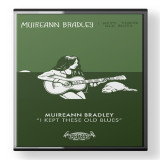
Muireann Bradley is a young blues, ragtime, roots and folk guitarist and singer based in Ballybofey in County Donegal Ireland. “This is my first album. Most of these tunes were originally recorded by the great blues men and women who were making records from the 1920s and 1930s right up in some cases to the early 1970s. I have also found inspiration for the renditions recorded here in the playing of some of the musicians who began recording this music in the 1960s and later, and who in some cases learned at the feet of the greats. Many of these guitarists played pivotal roles in the 1960s blues revival and subsequent “rediscovery” of many of the greats of country blues. I grew up steeped in these old blues in the hills overlooking the valley of the River Finn just outside the town of Ballybofey in County Donegal. My father would play this music constantly at home and wherever we went in the car and talk about it endlessly whether anyone was listening or not, telling stories about the lives of these musicians as if they were legend, mythology or the evening news. My father could of course play all this stuff on guitar, I remember watching him when I was very young and thinking “I want to be able to do that”. When I was nine he agreed to teach me and bought me my first little travel guitar. I worked hard to learn how to play but as time wore on I seemed to have less and less time to practice as I became more and more invested in the combat sports I was regularly training and competing in. Then in March 2020 the first Covid lockdowns happened and all contact sports were shut down. I was lost for a while but soon found my way back to the guitar. I was now listening, playing and practicing with a new intensity and focus. In a very serious moment, I wrote out a list of tunes I was going to learn. The first tune on that list was Blind Blake’s “Police Dog Blues”. I’m not sure now how long it took to get that arrangement together but when it was ready we videoed me performing it and posted it on YouTube. It ended up getting a lot of attention, I remember my parents being quite shocked and soon after that Josh Rosenthal got in touch… and here we are! Each individual track on this album was recorded live in the studio and represents one entire take with me singing and backing myself up on guitar simultaneously. Most are either first or second takes. Nothing has been added or taken away, no overdubs or modern recording tricks of any kind have been used at all so at least in some respects this album has been recorded in the same way as those classics of the 1920s and 1930s
Big Thief's music, rooted in the songs of Adrianne Lenker, paints in vivid tones "the process of harnessing pain, loss, and love, while simultaneously letting go, looking into your own eyes through someone else's, and being okay with the inevitability of death," says Adrianne.
Masterpiece, Big Thief's debut album, is -lled with characters and visceral narratives, songs that pivot in the space of a few words. Adrianne's voice and guitar playing speak of rich emotional territory with grace and insight. In her words, the record tracks "the masterpiece of existence, which is always folding into itself, people attempting to connect, to both shake themselves awake and to shake o the numbness of certain points in their life. The interpretations might be impressionistic or surrealistic, but they're grounded in simple things.'
Adrianne met her longtime musical partner, guitarist and singer, Buck Meek, in Brooklyn a few years ago, and they quickly formed a creative bond tempered by the experience of traveling and performing for months on end in old dive bars, yards, barns, and basements together. They recorded a pair of duo albums (A-Sides and B-Sides), and Adrianne showcased her songs on a solo album, Hours Were The Birds.
Now, as a full rock and roll band, with Buck on guitar, Max Oleartchik on bass, and James Krivchenia on drums, they bring a steady wildness, giving the songs an even deeper layer of nostalgia. "These guys feel like a pack of wolves at my back," says Adrianne, "they make the songs howl and bark with a fierce tenderness that gives me courage."
After spending last July in an old house that they turned into a studio on Lake Champlain with producer Andrew Sarlo, the resulting collection soars on what Big Thief fan Sharon Van Etten calls "...a real journey, with intelligent stories and twist-and-turn melodies.
- Guitars, Cadillacs 4:01
- Smoke Along The Track 3:41
- T Know 4:07
- Home Of The Blues 3:10
- 1: 00Miles 4:24
- Please, Please Baby 3:22
- Little Ways 3:03
- Honky Tonk Man 3:02
- Streets Of Bakersfield 3:29
- Buenas Noches From A Lonely Room (She Wore Red Dresses) 4:37
- Always Late With Your Kisses 2:29
- Little Sister 3:52
- I Sang Dixie 3:23
- Will Kill Me 4:23
Twentysomething Dwight Yoakam was literally the new kid in country music when he stepped onto the Austin City Limits stage in October 1988. But even then, as he has ever since, he was doing things his own way. Dwight was born in a small Kentucky town and grew up listening to mountain and bluegrass music, and unlike most of the mainstream country-pop crooners of the eighties, he almost single-handedly revived the rockabilly / honky tonk / hillbilly sound that was one of the cornerstones of country music’s formative years. Early on he discovered the fabled “Bakersfield” sound of the 60’s and adopted it as his own, in the tradition of country legends Merle Haggard and Buck Owens. Buck, in fact, became his hero and friend. When Dwight was playing a fair in Bakersfield, he stopped by Buck’s office and coaxed him into playing a few songs with him onstage that night. The result was a lasting friendship and their historic duet, “Streets Of Bakersfield.” Much like his heroes, Dwight has been true to his roots and breaking new ground for almost 20 years. - Terry Lickona (Producer Austin City Limits)
- Rare and Unreleased New Orleans Funk 1968
Tuff City’s Funky Delicacies imprint has issued the 7th volume in its New Orleans Funk series. This edition has a side of vocal tracks and a side of instrumental ones. These tracks have been hard to find and many were CD only bonus tracks on earlier editions of the series now out of print.
Noted guitarist Little Buck Sinegal opens the record with “Little Boy Blue.” This was first issued in 1969 on the Seven B label. Little Buck (as he was credited on the original record) passed in 2019 after a lengthy career dating back to the late 50’s as a session man for Slim Harpo & Lazy Lester. He also was a touring member of various Zydeco legends like Clifton Chenier, Rockin’ Dopsie and Buckwheat Zydeco. Drummer Chuck Conway leads the next track with the Amars, “Get On Up.” Cover feature Deacon John Moore still lives today. “You Don’t Know (How To Turn Me On)” was a 1970 B-side on the Bell label. Brotherhood issued “Suckey Suckey Feeling” as a 2-sided single in 1974. At some point the track was renamed “Sooky Feeling” and we have Part 2 here. Singer and Pianist Tommy Ridgley’s track “Fly In My Pie” was originally issued on our sister imprint Soul-Tay-Shus on The Best of International City compilation as well as a 7” on that imprint in 1968. Lonnie Jones recorded several singles for Jenmark in the early ‘70’s including the B-side “You Got To Do Better” originally released in 1972. Sam Henry of Sam and the Soul Machine closes out the side with “Loving You.” This track was originally a CD-only bonus track on our Po’k Bones and Rice compilation of that group we issued on Funky Delicacies in 2002.
Kicking off the instrumental second side is a recently located master by Anthony Butler and the Invaders covering the Otis Redding classic “Hard To Handle.” A bit of organ Funk here. Larry Jones jams out the “Funky Jaws.” The exact year is unknown, but the J.B.’s label that issued the original record put their releases out primarily from 1974-1976. Tyrone Chestnut’s B-side of 1969’s “The Bump” is called “Bumping.” Hook and Sling piano legend Eddie Bo has two appearances. The first is the second part of the “Getting To The Middle” single that came out on Bo-Sound in 1970. Louisiana Purchase have “Accept What You Expect” before they moved from New Orleans to Detroit. The Scram Band that backed vocalist Mary Jane Hooper on her “Don’t Change Nothin’” single are here in an instrumental version of that song. The album closes with a 5-minute combined version of Eddie Bo’s “If It’s Good To You (It’s Good For You)” single, issued in 1969 on Scram.
Overall, this album contains 14 previously hard-to-find tracks that would take hundreds if not thousands of dollars to track down the original singles on the used market. These tracks have been recently remastered, including tracks that were issued as CD bonus tracks on earlier volumes.
- A1: Quality Over Opinion 03 39
- A2: Dead Inside Shuffle 03 20
- A3: Not Needed Anymore 01 32
- A4: Shallow Laughter 01 48
- A5: Bitches (Feat. Sam Gendel) 02 35
- A6: Message (Feat. Chris Fishman & Nate Wood) 04 28
- B1: Failing In A Cool Way 03 15
- B2: Disappear 03 53
- B3: I’m Tight 07 00
- B4: True Love 03 41
- C1: Planet X 02 47
- C2: Let Me Snack (Feat. Marlon Mackey) 02 18
- C3: Forgetting 01 55
- C4: Park Your Car On My Face 03 36
- C5: Don’t Care (Feat. Genevieve Artadi) 05 22
- D1: Laughing In Her Sleep 03 33
- D2: Outer Moat Behavior 01 51
- D3: When (Feat. Kurt Rosenwinkel) 04 27
- D4: Let It Happen 06 43
- D5: Little Piano Thing 02 11
Louis Cole ist ein Singer-Songwriter und unverschämt talentierter Multiinstrumentalist mit einem ausgeprägten DIY-Ethos aus Los Angeles, Kalifornien. Er ist auf der Mission, tiefe Gefühle durch Musik zu erzeugen und ist das Aushängeschild einer allgemein dem Jazz nahestehenden Szene in L.A., zu der Genevieve Artadi (mit der Cole 2009 die Alt-Pop/ Elektrofunk-Band KNOWER gründete), Sam Gendel, Sam Wilkes, Jacob Mann, Thundercat-Keyboarder Dennis Hamm, Pedro Martins und viele mehr gehören. Sein neues Album, „Quality Over Opinion“, erscheint Mitte Oktober 2022 auf Brainfeeder Records.
Die 20 Tracks des Albums wurden von ihm selbst in seinem bescheidenen Heimstudio geschrieben, eingespielt und produziert, aber Louis lud eine Handvoll enger Freund*innen ein, ihren Beitrag zu leisten, u.a. Genevieve Artadi, den Saxophonisten Sam Gendel, den Pianisten Chris Fishman, Nate Wood von der Band Kneebody, Marlon Mackey und den Gitarristen Kurt Rosenwinkel. Louis' Hauptinstrument ist das Schlagzeug, und er hat einen Hintergrund im Jazz, obwohl die Musik, die er schreibt, wenig Ähnlichkeit mit Jazz im reinen oder klassischen Sinne hat. Dementsprechend gehören zu Coles Maßstäben für „Quality Over Opinion“ neben Jazz-Ikonen wie Miles Davis, der schwedischen Experimental-Metal-Band mit einem ausgeprägten Hang zu Jazz, Meshuggah, Morten Lauridsen und Super Mario Kart auch grenzüberschreitende Komponisten wie Gustav Mahler und György Ligeti. Coles verrückte Musikalität ist kein Geheimnis - seit einem Jahrzehnt lädt er Performance-Videos auf Youtube hoch und hat sich so eine treue Fangemeinde aufgebaut, die sowohl sein Handwerk als auch seinen ausgefallenen Stil zu schätzen weiß. Schlagzeug, Bass, Tasten... er hat eine sehr strenge Einstellung zum Üben und zur Perfektionierung seiner Kunst. Thundercat beschreibt ihn als „einen der größten Musiker von Los Angeles“ und lud ihn Anfang des Jahres ein, auf seiner jüngsten Japan-Tour Schlagzeug zu spielen. Die beiden haben häufig zusammen geschrieben, unter anderem auf Thundercats Liebeserklärung an Cole, „I Love Louis Cole“, aus seinem Grammy-gekröntem Album, „It Is What It Is“, auf „Bus In The Streets“ und „Jameel's Space Ride“ (aus Thundercats 2017er Werk, „Drunk“) und „Tunnels In The Air“ für Louis' 2018er Album, „Time“. Auch Flying Lotus hat seine Bewunderung für Louis zum Ausdruck gebracht und ihn während der Arbeit an seinem 2019er Album, „Flamagra“ als „super inspirierend“ bezeichnet. Im vergangenen Jahr begann Louis seine bisher größte Zusammenarbeit mit dem Grammy-prämierten Metropole Orkest, unter der Leitung von Jules Buckley, für eine Reihe einzigartiger Konzerte in den Niederlanden, die 2023 fortgesetzt werden, bevor er im Oktober dieses Jahres mit seiner Big Band durch die USA touren wird.
The first witnesses to Samuels' new beginnings fittingly became part of
the sound of the album - During her darkest moments, while writing in
isolation, her old friends in the band Bonny Light Horseman offered to
take her out on tour in early 2020
"They re-contextualized music for me all over again," she says. Observing a truly
kind and compassionate music community brought Samuels out of herself even
more. Inspired by conversations with producer Josh Kaufman (The Hold Steady,
Bob Weir, Cassandra Jenkins) on the road, Samuels took him up on his offer to
produce her new songs and retreated to Isokon Studios in Woodstock, NY in the
summer of 2021. They made the album as a duo, with Matt Barick (The Walkmen,
Fleet Foxes) contributing drums on the entirety of the record. The result is a sonic
template that ranges from the soaring and orchestral to the understated and
confessional; at turns free- wheeling and filled with swagger then sincere and
precise, with each subtle movement serving to highlight Samuels' lyrical journeys.
Sharing a mutual love for Dance Music in all its shapes and forms please welcome Philipp Lauer & Johannes Albert for the first time together. These Bucketheads overcame the franko-hessian border and give us a 3-Tracker on the A side that is "Based On Boss". The title track swims in 909 Drums, vocal samples shine through, and organ chords lead the way. You will be moving your feet with "Four 44", still all about a basement, a red light and lots of feeling. Rounding things up with the loopy powers of "Posh-O-Rama", if you are in need of soft breaks with a lovely twist. Now who's the boss?
Speaking B sides: Hamburg-Moenchengladbach-London? Probably not your everyday route. Three pillars in their own leagues team up for "Survivor": Boris Dlugosch, Marc Romboy and C.A.R. on vocal duties. Created in times of lockdowns and standstills "Survivor" is a midtempo stomper, slightly dark yet extra moving. Clocking in at 110 BPM a percussive beat is haunted by C.A.R.'s voice and a hypnotic robot bassline. Occuring melodies and pads do the rest. Remix time? Oh yes! Spicing and speeding things up a little the Johannes Albert remix arrives with additional chords, gated snare drums and maybe even happiness.
The Origins of Power Pop.
Remastered and pressed on Gold Vinyl. Includes printed inner sleeve.
In these songs you’ll find the DNA of The Direct Hits. Although very Elvis Costello like in both style and vocal delivery, these early recordings, dating from 1979 show a remarkable pop sensibility that had come on leaps and bounds since the release of the band’s first single, the now highly sought after ‘Fashion Plague’ b/w ‘Cheam’ released a year prior to these being recorded. Songs like ‘We broke up today’ have all the hallmarks of classic merseybeat, while out and out power pop like ‘Holiday Shots’ and ‘Fool to fall in love’ encapsulate perfectly the sheer exuberance of the genre.
More than a few steps ahead of several of their contemporaries, the band’s built in tunesmiths Buckmaster and Swan were writing catchy songs that carried a powerful punch performed with the energy and excitement of the period. The Exits left behind a wonderful set of recordings that are worthy of a comprehensive vinyl retrospective release,
These recordings first saw the light of day on a CD only release back in 2007 when Cherry Red released the CD ‘The Legendary Lost Exits album’ through its Rev-Ola offshoot. Reportedly the band members were disappointed with the overall mix on the finished release for being a little Lo-Fi . There are no such issues with this specially remastered version for vinyl. The tracks sound fresh, punchy and full of annoyingly great hooks! We are delighted to bring you yet another great addition to our catalogue of long since undisturbed sleeping giants, the Exits, and their Legendary Lost album!
The Person is back on the dancefloor and she brought the delicious Australian version of a good old Italian recipe - ITALOZ DISCO. Mouthwatering rhythms spiced with everyday hustle, cosmic boogie and the extra dose of synthesizer! Changing the Meatballs for Oddballs to worship the Magic $ properly. Sull' alto lato (aka on the B-Side) we're changing the Oddballs for the Mothballs as the one and only Hysteric warms up the magic ragout in his unique steam-powered kitchen. Now go to work!
You still need to be convinced? Take these great lines by Patrick:
"Magic $" beams into the discotheque direct from deep space; a shimmering body of squelching bass, nebulous pads and snapping percussion which hosts Minna's bewitching vocals. The arch delivery and vintage sequences flirt with kitsch, but that playful genius particular to The Person pushes this into wonderfully wonkier territories. Basslines climb, keys collapse and the whole thing chugs and bubbles through a flawless arrangement. We thought they didn't make them like this anymore, but we were wrong. Stepping in on remix duty, renowned (Moth)baller Hysteric turns out a treatment that's worth a million bucks, boosting the bottom end with an acidic sequence, supercharging the percussion and punching in some strange sampler fun to guarantee utter club chaos.
Every superhero needs a theme song, and "The Person" sees Minna step away from the dancefloor to deliver a synthetic ballad for lucid dreamers everywhere. Jamming on top of a malfunctioning Jomox, Minna channels chimes, piano and a gentle chug into the classiest chord progression this side of Mike Francis. Closing cut "Go To Work" gives us neon lights and nighthawks as The Person indulges in a little Antipodean electro, proving once and for all that Australians Do It Better.
Charbel Haber is Lebanese musician, performer, visual artist and composer from Beirut. His work has seen him collaborate with artists from a wide range of disciplines - film, video art, visual art, theatre, dance - both in Lebanon and abroad.
As a solo artist and as a member of post-punk band Scrambled Eggs, he has composed music for directors Khalil Joreige and Joana Hadjithomas, Ghassan Salhab, Mohamad Malas, video artists Lamia Joreige and Akram Zaatari, Maqamat dance company and playwrights Rabih Mroueh and Lina Saneh, to name but a few. His prolific and collaborative career includes free improv group Johnny Kafta Anti-Vegetarian Orchestra, psychedelic Arabic music ensembles Malayeen and Orchestra Omar, cold wave band The Bunny Tylers and minimal ambient duo Good Luck In Death. He is the founder of Those Kids Must Choke and co-founder of Johnny Kafta's Kids Menu - two experimental record labels - and he has recorded and collaborated with notable artists from the fields of free rock and improv such as Oiseaux-Tempête, Radwan Moumneh, Tarek Atoui, Jean Francois Pauvros, The Ex, Michael Zerang, Mats Gustafson, Eddie Prevost, Xavier Charles and Tony Buck.
And once again, here I am telling you to go look for the truth and its beauty in the words of dead poets, in the little tales of ravaged cities, in aborted dreams, in the melancholy of the ruins of tomorrow, in meaningless plastic totems, in the enigmatic end of restless fools.
I'll be here long after you all disappear.
These are the first and last sentences from Charbel Haber's latest offering, A Common Misunderstanding of the Speed of Light: a multi-media musing on the chronic and the chronological, the subversive nature of time. This combination of a record and book observes the slow passing of life and the illusion of retrogradation in his every day. Simply by documenting - via image, text and tune - Haber assigns value to everything that is cast in amber by this project. There's an acceptance and appreciation of the destitution he witnesses, it is an homage given in overlapping forms.
ACMOTSOL has two parts. The book, hardcover in an embossed orange, features photographs and texts taken from Haber's personal digital diary spanning from 2020 to the start of 2022. Broken into six chapters - named for the six tracks on the record - the entries are an artist's log of sorts during a peculiar period of global hyper stagnation and navigating the aftermath of the Beirut explosions. The 96 pages highlight Haber's interest in decay, negative space and the temporality of the human condition. Instead of presenting the images and texts as they were originally paired online, they're reordered and recontextualized in the book. New connections are formed, as tenuous and fleeting as the content they surround. The images interrupt the texts in many instances, forcing pauses and inviting distraction.
At the center of the book is a sudden burst of orange pages, with stylized pluckings of the text framing a QR-code that grants access to the record. With the brilliant orange covers and matching innards, pregnant with the music at the core, it's almost as if these central pages act as a way to turn the book inside out. There, the book's purpose is altered, fixated on a mirror image of itself. It forms a self-completing arc for the project, a loop.
ACMOTSO's second half is that mirrored album. Six tracks totalling just under 52 minutes. The music could be a continuation of his solo albums Of Palm Trees and Decompositions (2016) and It Ended Up Being a Good Day Mr. Allende (2012), an exploration into the expansiveness of seemingly simple loops of a lilting guitar. Careful electronic effects add dimensions or reground the listener. There's a swelling of sound, the illusion of the push of space before it retracts back into itself or fades into the distance. Much like the images and texts the music complements, the songs challenge the purity of cycles. Endings are beginnings, beginnings are endings or is everything just the middle? Haber is quietly and elegantly grappling with the troublesome act of place-making. In music, in words and in visual storytelling.
ACMOTSOL is a work that can be calming or disorienting, depending on what is requested of it. Similar to the way loops and cycles can signify both meditation and mania. The tendrils of Haber's past - his home of Beirut, fictional and real characters encountered, authors read, films watched, composers listened, walks taken - knit themselves together for a presentation of our immediate present. An evidence of a happening. A considered project of time.
All photographs, texts and music by Charbel Haber. Album mixed by Radwan Ghazi Moumneh. Design by Maziyar Pahlevan. Printed by Albe De Coker in Belgium.
This dual-part project will be released on XX XXX 2022 on 'Other People.'
Description by Nereya Otieno.
Sub Pop are excitedly finally repressing vinyl versions of three scorching ‘90s
psychobilly classics by Reverend Horton Heat. All three have been out of print on
vinyl since the mid-1990s, with original pressings going for considerable amounts at
the ol’ junk shop.
1994’s ‘Liquor In The Front’ gets even more aggressive - heavy, even - sonically,
with production by Ministry’s Al Jourgensen and the high-velocity opening pairing of
the high-velocity instrumental ‘Big Sky’ and the blistering lament ‘Baddest Of The
Bad’. The highest selling of the Rev’s first three albums, ‘Liquor In The Front’ was
originally co-released with Interscope Records, with the album hitting #18 on the
Billboard Heatseekers chart and the single ‘One Time For Me’ hitting #40 on the
Modern Rock chart. In the words of AllMusic, “for sheer crank, nothing in his catalog
can touch it.”
Remastered
Die Siebzigerjahre prägen Tom Waits' Image bis heute. Obwohl der 1949 in Pomona, Kalifornien, geborene Sänger, Komponist, Schauspieler und Autor seit Jahrzehnten relativ gut situiert in aufgeräumten bürgerlichen Verhältnissen lebt, hängt ihm noch immer der romantische Ruf eines vagabundierenden, exzentrischen und trinkfreudigen Sonderlings an, der als Mischung aus Charles Baudelaire und dem jungen Charles Bukowski den Menschen im Straßengraben der Wohlstandsgesellschaft seine Reibeisenstimme schenkt. Ausgangspunkt dessen war Waits' im März 1973 veröffentlichtes Debüt "Closing Time". Dieses wurde im Jahr zuvor in nur zehn Tagen unter Anleitung des Produzenten Jerry Yester mit einer Studioband eingespielt. Auch wenn die Waits-Mixtur aus Jazz, Folk, Blues, R'n'B, Vaudeville und Theatermusik stilistisch nicht so recht in die Zeit passte, kam das Album allenthalben gut an. 1974 coverten die Eagles den Song "Ol' 55", später widmeten sich Lee Hazlewood und Tim Buckley dem herzzerreißenden Stück "Martha". Ebenfalls findet sich auf "Closing Time" die Akustiknummer "I Hope I Don't Fall In Love With You".
He may not have known it before, but Toronto-born, New York-based
guitarist Matthew Stevens, prized for his forceful, distinctive electric
sound was an ideal candidate to make an album fully devoted to solo
acoustic guitar: the intimate, unadorned, straightforwardly titled
'Pittsburgh'
September 2020, Stevens was hunkering down in his wife's family's hometown of
Pittsburgh, while navigating his way through the crisis. He had with him a vintage
Martin 00-17, a small- body mahogany guitar. Practicing daily on the Martin, he
began generating a series of short song "starts" - ideas and sketches he thought
might lead somewhere. Then one rainy Pittsburgh day, Stevens' bike slid out from
under him and he broke his right elbow. Rather than getting derailed musically, he
became immersed in a creative process that led straight to 'Pittsburgh': a
document of those short song "starts" from the notebook, now hatched as
completed compositions. "Playing this music became a big part of my rehab,"
Stevens recalls.
As the album took shape, it became clear to Stevens that he was headed in the
direction of a wholly unaccompanied recital, with no overdubs or sound layering
of any kind. Just him and this special Martin, two Neumann U89 mics and enough
peace of mind across two separate sessions to make 'Pittsburgh' the triumph that
it is.
In addition to his extensive high-profile work with Esperanza Spalding (serving as
co- producer on 'Exposure' and '12 Little Spells'), Stevens is also a member,
songwriter and co-producer of Terri Lyne Carrington's GRAMMY-nominated Social
Science band. He has made vital contributions to groups led by Dave Douglas,
Linda May Han Oh, Christian Scott aTunde Adjuah, Ben Williams and more. With
tenor saxophonist Walter Smith III he co-leads the In Common collective. Stevens
has also amassed many credits beyond the jazz world, collaborating on
forthcoming releases by Anna B Savage, Jamila Woods, Tyler Armes
(Murdagang) and Berlin-based electronic artist Robag Wruhme.
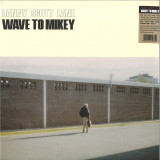
Wave to Mikey, the fourth album from the Los Angeles-based actor, musician and photographer Danny Lane is a nocturnal, neon-lit ode to the friendships that shape us. “I made this album for my friend Mikey from back home,” Danny explains. “We were pretty much inseparable for a large part of our lives, and our musical and social minds were always in sync in a special way. Then with age, we drifted apart, especially since I moved to Los Angeles. This album is just a little wave hello to an old friend and a kindred spirit.”
Equal parts avant-garde composition, instrumental city-pop, ambient, Kankyō Ongaku (environmental music) and Fourth World music, Wave to Mikey is an impressionistic and reflective cycle of eleven richly detailed memory portraits. Throughout the album, the influence of Jon Hassell, Arthur Russell, Hiroshi Yoshimura and Yellow Magic Orchestra hangs in the air like late-night mist, adding character but never overshadowing the rhythmic ambience of Danny’s musical visions.
Wave To Mikey began as a series of sketches on analog synthesisers, guitar, sample and found percussion sketches, initially recorded in Danny’s home studio. Once he’d located the vibe, Danny called on his friends E Talley II, Solange collaborator John Carroll Kirby and Destroyer session musician Joseph Shabason, who respectively added flute, spiritual synth textures and saxophone to the record.
For Glossy Mistakes founder Mario G.R., who originally discovered Danny through his photography, Wave To Mikey captures a vivid feeling of melancholy and peace. “He's able to encapsulate emotions in a very straightforward way, either in his portrait or songs,” Mario says. “I think that's a kind of virtue or skill given to talented artists, no matter the field.”
Born and raised in Staten Island, New York, Danny began playing music with his friends when he was thirteen, before putting that passion on pause to study Fine Arts (Theatre) at Rider University in Lawrence Township in pursuit of an acting career. Acting led him to photography, after playing a photographer in a film, he was inspired to pursue the medium. Danny began shooting photos on film for magazines and lifestyle brands, spent a stint living in New York’s Chinatown neighbourhood, and eventually relocated to Los Angeles in 2017.
Four years ago, Danny started recording and releasing music under his own name, leading to the trilogy of releases that preceded Wave To Mikey, How To Empty A Cup (2019), Memory Record (2019) and CAPUT (2021). Over the course of these releases, he’s revealed himself to be a sophisticated composer and producer with a studied ear from years spent digging through record bins for ambient, experimental, new age, jazz and electronica records from around the globe, with a particular emphasis on Japan.
“Music is something that’s always been involuntary for me,” Danny reflects. “It’s unconditional, always there. It’s something I just have to do. I’ve taken breaks and it’s always gloomy when I’m not playing. I just want to get better and better and understand more and more.”
Here at Glossy Mistakes, Wave To Mikey marks our second contemporary album release, following on from Evenings by Japanese composer Metoronori. We’re proud to be able to present Danny, Metoronori and other modern musicians' work alongside reissues of classic works from Stevia aka Susumu Yokota, Akira Ito, Yuji Toriyama & Ken Morimura, and Takashi Kokubo.
Mastered by Damian Schwartz, Wave To Mikey will be released on Vinyl LP Glossy Mistakes on June 27 2022. Besides the regular black vinyl, a limited clear vinyl will be available in an edition of 100 copies. Both editions come packaged with original cover art photography shot by Danny.
- A1: Bustin'stronghodes
- A2: Trickmonks
- A3: Swallowing The Water You Walk On
- A4: Can Shadows Praise You?
- A5: The Netherworld Squints At The Sight Of You
- A6: Trick Leash
- A7: Anamnesis
- A8: Asking For Fish
- A9: I'm The Weakest Link
- A10: Under Your Breath
- B1: Handles
- B2: What's Illumined Becomes Visible
- B3: Someone You Can Use
- B4: About Face
- B5: Periodically Yours
- B6: We Won't Survive This
- B7: Project Yourself Alive Onto My Corpse
- B8: We Belong To You, But How Now Is Soon?
The (seventh) new Half-handed Cloud album, ‘Flutterama’, is
a record of 18 jubilant indie-pop songs by John Ringhofer
that investigate spiritual incompetence with lively
arrangements and radiant melodies that skilfully dissolve into
deterioration using herky-jerky tape manipulation, analogue
wow-and-flutter, and an animated orchestra of homerecorded sound effects.
Ringhofer’s work on ‘Flutterama’ was inspired by Frances
Mary Hunter Gordon’s adolescent liturgies (recorded at
Abbey Road during The Beatles era), turbid sights and
sounds in Guy Maddin films, audaciously bold forms in Sister
Corita Kent’s devotional printmaking, the exquisite brittleness
of Elizabeth Cotten’s voice, Alberto Burri’s stitched wound
burlap assemblages, Alvar Aalto church design, Andrea
Büttner’s poverty-informed artwork, Lou Barlow/Dinosaur Jr’s
lo-fi ‘Poledo’ sound collage (which namechecks Jesus), Julie
Canlis book ‘A Theology of the Ordinary’, Wallace Berman’s
visual collage, and The Raincoats’ magnificently shaky DIY
aesthetic.
The album’s tape-fiddled tunes - recorded on the very same
16-track recorder last serviced by a sound technician who
also worked with The Beach Boys in their home studio -
employ surprisingly little synthesizer (“it felt like cheating,”
says Ringhofer) - he preferred to craft most of the album’s
effects the long way, frequently going behind the back of rock
instrumentation by hand-feeding ½” magnetic reel recordings
of chord organs, deflating balloons, some guitars, piano
(occasionally tracked with a baby on his lap), brass,
tablecloth swipes, and a quickly-cranked half-speed music
box. He was assisted by long-time Half-handed Cloud
contributor Brandon Buckner on drums, and single song
backing vocals from Anacortes, WA songsmith John Van
Deusen.
LP pressed on Opaque Brown vinyl
New Heavy Sounds is proud to present the new album by Mammoth Weed Wizard Bastard. now known simply as MWWB. There has been some speculation amongst fan circles that the final part of the trilogy of albums that preceded this, marked the end of Mammoth Weed Wizard Bastard’s five-year mission. Not so. We can categorically confirm that having officially slimmed their name down to the acronym, MWWB are continuing their voyage through the far reaches of the galaxy. The first phase of that journey is their new album ‘The Harvest’. ‘The Harvest’ is the band’s fourth album, and of course it is a record shot through with the trademark heavy MWWB sound, and their unique blend of metal and shoegaze. However it also sees the band adding more experimentation, a progressive approach, and going a bit more left field conceptually. To some extent, it shares similarities with Pink Floyd’s ‘Dark Side Of The Moon’. Not only by having the mix of experimentation and melodicism as that seminal record, but also in the way that it has been engineered and constructed as a seamless piece. Nine tracks flowing into one another. Space age riff monsters segueing into shorter musical interludes, where John Carpenter, rubs shoulders with Pink Floyd and a maelstrom of moog and mellotron. There are surprises, and of course a bucketload of heavy shit. With ‘The Harvest’ MWWB have refined and honed their sound, it’s a carefully crafted distillation of ideas, written, conceived and sequenced to be listened to in its entirety (preferably in one sitting). MWWB have always loved film scores and this new album is in many ways, the soundtrack to a film. MWWB provides the musical narrative (the song titles also provide a pointer) and the listener's imagination does the rest. ‘Oblok Magellana’ and its spooky atmospherics set the scene. before things really kick in with the riffs of title track ‘The Harvest’. A grooving Sabbathian chug intro’s Jessica Ball, who at the top of her game throughout. Her voice simultaneously sweet yet dark; almost neofolk; which when put against those riffs, is always a startling juxtaposition, nevertheless it perfectly crystallises MWWB’s distinctive dynamic. ‘Interstellar Wrecking’ is a succinctly crafted nugget of John Carpenter-esque drama, you can imagine the thundering mothership forging its way through the universe on some nameless quest before encountering ‘Logic Bomb’ and its fat fuzzed-up ride through light and shade guitar/vocal interplay. Ball’s voice soaring and shimmering throughout. ‘Betrayal’ gives a nod to Pink Floyd’s ‘On The Run’ but with its freaky spoken word and four on the floor kick it’s almost a dance track, yet there’s no incongruity here. ‘Altamira’ is epic MWWB, adding large doses of psych into a melodic concoction of dreampop and metal. Ball’s vocals here are many layered and textured effortlessly gliding through the weight of the backing. ‘Let’s Send The Bastards Whence They Came’ is another little gem. A plaintive repeating synth figure that builds with bass, drums, mellotrons and synths into ‘Strontium’ which rounds off the album’s ‘heavy’ numbers, a blend of monster grooves, and Ball’s swooning vocals. Finally, and outstandingly, Jessica strips things back to a distorted guitar and voice on ‘Moonrise’. Shorn of the layers of fuzz, it is a simple, beautiful and fitting catharsis to an epic voyage. MWWB are a thrilling proposition. They demonstrate that you can seamlessly mix crushing power, experimentation and delicate vulnerability into something that transcends any genre.
Dena Miller grew up on a diet of folk before spending 6 years writing and exploring projects through Philly's punk scene, Oberlin's conservatory experimentalist and NY's DIY history before arriving at her debut album 'Woodpecker' . Think Waxahatchee, Told Slant & Moldy Peaches...
Black vinyl with inner sleeve lyrics & download.
Deer Scout’s debut full length Woodpecker is a record about memory and the subconscious. And like an unforgettable dream that keeps you puzzling over its riddles for days, it’s as packed with direct symbols as it is with ruminative haze. “I approach songwriting as a process of boxing things up, or putting away a time capsule,” explains front person Dena Miller, who wrote the album over a period of six years. It’s a culminating collection of the project’s many sounds and influences to date, from Philly’s punk cooperatives to Oberlin’s conservatory experimentalism to New York’s DIY history. At the center is Miller’s assured guitar fingerpicking and boldly clear voice, firmly grounded even as it gently probes uncertain emotional and musical terrain.
Raised by two folk musicians in Yonkers, Miller began recording songs as Deer Scout her freshman year of college in Philadelphia. There, she wrote Woodpecker’s earliest song “Synesthesia” about a train ride home from a basement show: “Night in the city / Big house on the corner / Her voice has the timbre of summers ago,” recalls Miller resonantly. After Miller’s transfer to Oberlin College, Deer Scout began touring DIY venues around the country and sharing stages with favorite artists including Waxahatchee and Told Slant. The twinned intimacy and intricacy of those two influences is reflected in the carefully adventurous arrangements on Woodpecker, which features, among other contributors, bass from close collaborator Ko Takasugi-Czernowin, cello from Zuzia Weyman, drums from Madel Rafter, and guitar from Miller’s father Mark—who also wrote the song “Peace with the Damage” and originally released it with his band Spuyten Duyvil in 2011.
Many of the songs on Woodpecker were written during periods of grief or change. “I used to sing myself to sleep as a baby and I think music still plays the same role in my life—it’s a way of self-soothing or seeking comfort,” explains Miller. “But there’s also part of it that comes from wanting to connect with people." Recorded and mixed primarily by Heather Jones at So Big Auditory in Philly with overdubs by Miller at home, Woodpecker is an exercise in portraying the incommunicable. “Cup”—about a relational psychology test called “a walk in the woods” that turns encounters with symbols into meaning—uses watery arpeggios, wintry strings, and roving bass to create a liminal sonic space, optimistic but tense. “Cowboy,” with airy layers of acoustic guitar riffs and Miller’s charmingly double tracked voice, takes its little fish, big pond inspiration from the character Joe Buck in Midnight Cowboy. And “Afterthought,” with its unexpectedly bright resolutions, is about God, love, and the complexity of empathy; “Heaven isn’t watching us,” sings Miller candidly over pedal steel.
Though Woodpecker is a record about uncertainty and the unknown, it’s also about compassion and connection—as Miller was able to find over the course of writing and recording this next chapter for Deer Scout and first release for Carpark, which she’s excited to at last share with the world.
- A1: Change
- A2: Time Escaping
- A3: Spud Infinity
- A4: Certainty
- A5: Dragon New Warm Mountain I Believe In You
- B1: Sparrow
- B2: Little Things
- B3: Heavy Bend
- B4: Flower Of Blood
- B5: Blurred View
- C1: Red Moon
- C2: Dried Roses
- C3: No Reason
- C4: Wake Me Up To Drive
- C5: Promise Is A Pendulum
- D1: 12,000 Lines
- D2: Simulation Swarm
- D3: Love Love Love
- D4: The Only Place
- D5: Blue Lightning
‘Dragon New Warm Mountain I Believe In You’ is a sprawling album exploring the deepest elements and possibilities of Big Thief. To truly dig into all that the music of Adrianne Lenker, Max Oleartchik, Buck Meek and James Krivchenia desired in 2020, the band decided to write and record a rambling account of growth as individuals, musicians and chosen family over four distinct recording sessions.
In Upstate New York, Topanga Canyon, The Rocky Mountains, and Tucson, Arizona, Big Thief spent five months in creation and came out with 45 completed songs. The most resonant of this material was edited down into the 20 tracks that make up ‘Dragon New Warm Mountain I Believe In You’, a fluid and adventurous listen.
The album was produced by drummer James Krivchenia, who initially pitched the recording concept for ‘Dragon New Warm Mountain I Believe In You’ back in late 2019 with the goal of encapsulating the many different aspects of Adrianne’s songwriting and the band onto a single record.
The attempt to capture something deeper, wider and full of mystery points to the inherent spirit of Big Thief. Traces of this open-hearted, non-dogmatic faith can be felt through previous albums but here on ‘Dragon New Warm Mountain I Believe In You’ lives the strongest testament to its existence.
- A1: Deep Sea Pastures
- A2: Mother Of The Sea
- A3: Encounter
- A4: Ura Town
- A5: Kumiko
- A6: Ponyo & Sosuke
- A7: Empty Bucket
- A8: Flash Signal
- A9: I Become Human!
- A10: Fujimoto
- B1: Little Sisters
- B2: Flight Of Ponyo
- B3: The Sunflower House Caught In The Storm
- B4: Ponyo Rides A Sea Of Fish
- B5: Ponyo & Sosuke Ii
- B6: Lisa's House
- B7: A New Family Member
- B8: Ponyo's Lullaby
- B9: Lisa's Resolve
- B10: Gran Mamare
- B11: A Night Of Shooting Stars
- C1: The Toy Boat
- C2: Towards The Sea Of The Dipnorhynchus
- C3: March Of The Boats
- C10: The Tunnel
- C11: Toki
- C12: Ponyo's Sisters Lend A Hand
- C13: A Song For Mothers & The Sea
- C14: The Grand Finale
- C15: Ponyo On The Cliff By The Sea (Movie Version)
- C4: The Baby & Ponyo
- C5: March Of The Boats Ii
- C6: Sosuke's Voyage
- C7: Sosuke's Tears
- C8: Underwater Town
- C9: A Mother's Love
First vinyl pressing is Limited to 1500 copies in 2 Colour variants. Transparent Aquamarine and green twisted stripe and transparent blue and cherry twisted stripe vinyl (Indies Only). Gatefold sleeve. Full download included as well. CD package is a 4 panel digipack, with a 4 page booklet. New Heavy Sounds is proud to present the new album by Mammoth Weed Wizard Bastard. now known simply as MWWB. There has been some speculation amongst fan circles that the final part of the trilogy of albums that preceded this, marked the end of Mammoth Weed Wizard Bastard’s five-year mission. Not so. We can categorically confirm that having officially slimmed their name down to the acronym, MWWB are continuing their voyage through the far reaches of the galaxy. The first phase of that journey is their new album ‘The Harvest’. ‘The Harvest’ is the band’s fourth album, and of course it is a record shot through with the trademark heavy MWWB sound, and their unique blend of metal and shoegaze. However it also sees the band adding more experimentation, a progressive approach, and going a bit more left field conceptually. To some extent, it shares similarities with Pink Floyd’s ‘Dark Side Of The Moon’. Not only by having the mix of experimentation and melodicism as that seminal record, but also in the way that it has been engineered and constructed as a seamless piece. Nine tracks flowing into one another. Space age riff monsters segueing into shorter musical interludes, where John Carpenter, rubs shoulders with Pink Floyd and a maelstrom of moog and mellotron. There are surprises, and of course a bucketload of heavy shit. With ‘The Harvest’ MWWB have refined and honed their sound, it’s a carefully crafted distillation of ideas, written, conceived and sequenced to be listened to in its entirety (preferably in one sitting). MWWB have always loved film scores and this new album is in many ways, the soundtrack to a film. MWWB provides the musical narrative (the song titles also provide a pointer) and the listener's imagination does the rest. ‘Oblok Magellana’ and its spooky atmospherics set the scene. before things really kick in with the riffs of title track ‘The Harvest’. A grooving Sabbathian chug intro’s Jessica Ball, who at the top of her game throughout. Her voice simultaneously sweet yet dark; almost neofolk; which when put against those riffs, is always a startling juxtaposition, nevertheless it perfectly crystallises MWWB’s distinctive dynamic. ‘Interstellar Wrecking’ is a succinctly crafted nugget of John Carpenter-esque drama, you can imagine the thundering mothership forging its way through the universe on some nameless quest before encountering ‘Logic Bomb’ and its fat fuzzed-up ride through light and shade guitar/vocal interplay. Ball’s voice soaring and shimmering throughout. ‘Betrayal’ gives a nod to Pink Floyd’s ‘On The Run’ but with its freaky spoken word and four on the floor kick it’s almost a dance track, yet there’s no incongruity here. ‘Altamira’ is epic MWWB, adding large doses of psych into a melodic concoction of dreampop and metal. Ball’s vocals here are many layered and textured effortlessly gliding through the weight of the backing. ‘Let’s Send The Bastards Whence They Came’ is another little gem. A plaintive repeating synth figure that builds with bass, drums, mellotrons and synths into ‘Strontium’ which rounds off the album’s ‘heavy’ numbers, a blend of monster grooves, and Ball’s swooning vocals. Finally, and outstandingly, Jessica strips things back to a distorted guitar and voice on ‘Moonrise’. Shorn of the layers of fuzz, it is a simple, beautiful and fitting catharsis to an epic voyage. MWWB are a thrilling proposition. They demonstrate that you can seamlessly mix crushing power, experimentation and delicate vulnerability into something that transcends any genre. MWWB are Jessica Ball, vocals and synths. Paul Michael Davies, guitar and synths. Stuart Sinclair, bass and Dom McCready, drums.
- A1: The Exceptions - So Much In Love
- A2: Lee Williams & The Cymbals - Please Say It Isn't So
- A3: The Vanguards - Somebody Please
- A4: The Manhattans - Follow Your Heart
- A5: The Lovers - Someone
- A6: The Superbs - It Hurts So Much
- A7: Little Ben & The Cheers - (I'm Not Ready To) Settle Down (I'm Not Ready To)
- B1: The Radiations - That's The Way Our Love Is
- B2: Reuben Bell - It's Not That Easy (With The Casanovas)
- B3: The Esquires - No Doubt About It
- B4: Bobby Burn - I'm A Lonely Man
- B5: The Persians - Here It Comes
- B6: Melvin Hicks & The Versatiles - I'm Just Passing Time
- B7: Houston Outlaws - What Am I Gonna Do
Our Lowriders album is an amalgam of the two “This Is Lowrider Soul” CDs. We have chosen 14 tracks that represent the sounds loved by Los Angelenos, often of Mexican descent, that emanate from their fabulously designed motors while cruising Whittier Boulevard in East LA or, say, Van Nuys Boulevard in the northwest of the city.
The classic Los Angeles vocal group the Superbs are featured here on their glorious ‘It Hurts So Much’, but it is mainly the records discovered by sweet soul collectors that dominate. The Carnival label has a great reputation on this scene; Lee Williams & the Cymbals’ ‘Please Say It Isn’t So’ and ‘Follow Your Heart’ by the Manhattans are a pair of killer ballads perfect in tempo and harmony for the cruisers. Other East Coast offerings include the Persians’ captivating ‘Here It Comes’ and two gems which were only on master tape prior to their Kent releases – Melvin Hicks & The Versatiles’ ‘I’m Just Passing Time’ and the similarly unknown outfit the Exceptions, with the wailing ‘So Much In Love’.
Chicago has always been a breeding ground for black harmony groups. The Esquires saw much success at Bunky; ‘No Doubt About It’ was their equally great first release at Wand. Little Ben & The Cheers hailed from the same city; their ‘I’m Not Ready To Settle Down’ fetches big bucks due to Lowrider demand, as does ‘What Am I Gonna Do’ by the mysterious Houston Outlaws – their origins are uncertain, but must be Midwestern. The Vanguards hailed from Indianapolis and deservedly charted with ‘Somebody Please’, licensed to LA’s Whiz label. All of their seven singles on Lamp are also fine, harmonic soul tracks. The Lovers were a Bay Area group who recorded in Los Angeles with the maestro Arthur Wright; their ‘Someone’ was tipped for the charts when licensed to Philips, but flopped, leaving it ripe for revival by the soul connoisseurs. Like the Lovers, the reputation of Reuben Bell’s ‘It’s Not That Easy’ has grown over the decades and a record once considered common can now fetch hundreds of dollars – class will out.
Pressed on 140g Black Vinyl Including a signed print from Eddie Piller, limited to 750.
Demon are proud to release “Eddie Piller Presents British Mod Sounds Of the 1960s”, the follow up the “The
Mod Revival”. Featuring 100 original tracks across 6LPs, its a deep dive into the Mod scene in '60s Britain.
Including a selection of classic and rare tracks, tracing the scene from its R&B rootsto a soulful finale
Curated by Acid Jazz Records and Modcast founder Eddie Piller, and featuring new sleeve notes from
respected author and broadcaster Paul 'Smiler' Anderson.
As Eddie Piller points out in the forward to the extensive sleeve notes that accompany this collection, he
chose the word 'Sounds' carefully, reflecting the variety of talent contained here, from uncool session
musicians without an ounce of style in them, acts who saw an opportunity to jump on the Mod bandwagon
and bands who whole heartedly embraced Mod way of life.
And so this new collection mixes the Mod mainstays (Small Faces, The High Numbers The Action, The Fleur
De Lys), with a generous selection of future superstars (David Bowie, Rod Stewart, Elton John, Marc Bolan,
Jeff Beck and Graham Gouldman of 10cc are all represented here), and a few artists so obscure, so rare, that
they never got to release a record in the '60s, but Eddie has tracked down the tapes nonetheless.
"Be in with the In Crowd once more."
Every great youth cult deserves a great soundtrack, and when the '60s Mods adopted classic American R&B,
with a side order of hip Jazz, they undoubtedly found the right music for their exuberant and stylish way of
life. And yet, buying expensive imports, hoping for a local release or praying for a rare visit from overseas
talent was never going to be enough to satisfy British youth with a thirst for the latest sounds. Certainly not
those on the dancefloor and definitely not those with their own musical ambitions.
It was a music scene that began with imitation, before skill and imagination lead curious minds to innovation,
a scene that evolved from average (at best) copies of releases on the Chess, Motown and Stax labels, to
become something more sophisticated,something quite unique, something very British.
All formats are stylishly packaged (of course) and include new sleeve notes by Paul 'Smiler' Anderson, author
of the best-selling and highly regarded books'Mods: The New Religion' and 'Mod Art'.
wars will release their second studio album 'A Hundred Shivers' on 26th November 2021 via A Wolf At Your Door Records. Not afraid to buck the trends the band have been releasing tracks from the record in ‘chapters’, which although untraditional, according to vocalist Rob Vicars, that was part of the appeal, “It’s meant we have been able to wrap all our little communications around each individual selection of songs really tightly, and be creative in a tonne of different spaces, all over the course of this one record. “Getting to release what we’ve been working on, putting more music out frequently feels like the perfect complement to the way we write and create.”
- A1: Money Is
- A2: Snow Creatures
- A3: Rubber Ducky
- A4: Redeye Runnin' Train
- A5: Shady Lady
- A6: Money Runner
- A7: When You're Smiling (The Whole World Smiles With You) (The Whole World Smiles With You)
- B1: Do It - To It! (Feat Little Richard)
- B2: Candy Man
- B3: Passin' The Buck
- B4: Kitty With The Bent Frame
- B5: Brooks' 50C Tour (Main Title Collage)
$ (Original Motion Picture Soundtrack) is the soundtrack to the 1971 movie of the same name. The soundtrack was composed and produced by Jazz legend Quincy Jones and includes performances from Roberta Flack, Little Richard and Doug Kershaw. This version will be the first repressing since 2002, and will be pressed the color of money on mint green vinyl.
Hannes Buder (born 1978 in the former GDR) is a musician, composer and improviser in the field of experimental music. His works concentrate on issues of movement, authenticity, intuition, minimalism, and slowness.
Buder's current projects include the bands 'Zug Zug' with Todd Capp and Andrew Lafkas, 'Gravity' with Hannes Lingens and Andrew Lafkas, the duo Nothingness with Sarah Jegelka, and his solo projects. Beyond that he has collaborated with Audrey Chen, Tony Buck, Audrey Lauro, Hilary Jeffery, Mike Majkowski, Steve Heather, Nicole Mitchell's Black Earth Ensemble, the Berlin Improvisers Orchestra and many others. Hannes Buder's Solo recordings include "Changes" (2000), "Dunkelbunt" (2004), "Openyoureyescloseyoureyes" (2006), "Changes II" (2015) and "Oustide WOrds" (2021). He performed concerts in Europe, Australia and in the USA.
Buder has also composed, improvised and recorded music for different dance (Oxana Chi, Judith Sanchez Ruìz), theater (Jörg Mihan, Johannes Maria Schmit) and film projects (Barbara Lubich, Annick Gaudreault). He's been giving workshops at festivals, music schools and with prisoners in jail. He studied guitar in Weimar and Dresden.
British duo The Boy Least Likely To are not new to Christmas music. It started in 2005 with a charming cover version of ‘Little Donkey’ on a give away CD single, followed three year later by the first Christmas original they recorded, ‘The First Snowflake’, that made it into an episode of Grey's Anatomy. In 2010, the band released the album ‘Christmas Special’, with mostly originals, including the single ‘George And Andrew’, that came with a much watched and liked video. Last year, The Boy Least Likely To released a new Christmas song ‘It Will Still Be Christmas’, that reflected the difficult time the world was going through in 2020. What was still lacking in The Boy Least Likely To Christmas discography was a Christmas 7”. That is now also taken care of, as the band recorded two new Christmas songs for the ninth edition of the Snowflakes Christmas Singles Club. The nostalgic sounding original ‘Two Christmases’ is typical for the somewhat bittersweet nature of many of the duo’s songs, as it is about a recently divorced couple who, for the first time, will celebrate Christmas separately, one after the other, so that their children can celebrate Christmas with both their parents. On the flipside of the record, The Boy Least Likely To rework Shakin’ Stevens number one hit ‘Merry Christmas Everyone’ into an uptempo cross between indie pop and western swing. The record comes on white vinyl and is limited to 300 copies.
The Boy Least Like To are composer/multi-instrumentalist Pete Hobbs and lyricist/singer Jof Owen, both originally from Wendover in Buckinghamshire, England, who met at school and began making music together in 2002. They debuted in 2003 with the 'Paper Cuts' 7” on their own label To Young To Die. In 2005 the duo released their first album, 'The Best Party Ever', that made it into Pitchfork's top 50 albums of 2005. Three more albums followed (2009's 'Law Of The Playground', 2010's 'Christmas Special' and 2013's 'The Great Perhaps') and in 2018 the career spanning collection 'The Greatest Hits', including classic tracks like 'Be Gentle With Me' and 'Hugging My Grudge' was released. Their music, once described in Rolling Stone as sounding like what would happen "if all your childhood stuffed animals got together and started a band.” incorporates influences from all over the indie landscape (twee pop, indie country, jangle pop, piano pop) and blends it into something that is unmistakingly To Boy Least Likely To – often joyous and uplifting, sometimes melancholic, with lyrics that reflect our everyday fears and anxieties, as it’s not all sunshine in our lives. In 2021 the band celebrated the slowly opening world by releasing a new digital single, 'Get Into The Summer', a joyous burst of fresh energy, showing that the band’s music is for all seasons
Sometimes, the best place to begin is at the end. If you really want to dig deep into Illusory Walls, the fourth album by THE WORLD IS A BEAUTIFUL PLACE & I AM NO LONGER AFRAID TO DIE, it definitely helps to do that. That's because epic closer "Fewer Afraid" -all 19 minutes, 44 seconds of it-doesn't just revisit the themes and ideas on the ten songs that precede it, but also offers a self-aware summary of the Connecticut band's entire history. It's the conclusion of all the stories within the record as well as a nod to all the lives that helped make them-little glimpses of everything that's come before, on both a micro, immediate level, and a more universal one. "That song is a higher level look at my whole life and the whole world," explains vocalist/guitarist David F. Bello, "as well as the album, our band and our discography. It places the band in the context of the rest of the world, as if we're listening to everything that came before. It touches on all the themes of the previous songs, but there are also callbacks to songs from earlier in our career. But in this song, they're the object, not the subject-I'm talking about a world in which these things happen, not talking about these things happening." Due to the coronavirus pandemic, the band-completed by Steven K. Buttery (drums and percussion), Joshua Cyr (bass/vocals) and Katie Dvorak (vocals/synth)-had nothing but time to realize the full extent of their musical and thematic aspirations. And so, four years on from lauded third album Always Foreign, they were able to make what is undoubtedly the band's most ambitious and epic record to date. Written and recorded remotely-a first for the band-Illusory Walls takes on the weight of human existence while it's buckling under the pressure of today's near-dystopian society. Personal anxieties and political struggles collide with a series of portentous, apocalyptic and dramatic tunes, resulting in some of the darkest music the band has made since forming in 2009.
When you’re trying to make it through tough times, you need a little light to find your way. That light blazes brightly on the alchemical second album from Penelope Isles, an album forged amid emotional upheaval and band changes. Setting the uncertainties of twentysomething life to alt-rock and psychedelic songs brimming with life, colour and feeling, ‘Which Way to Happy’ emerges as a luminous victory for Jack and Lily Wolter, the siblings whose bond holds the
band tight at its core.
Produced by Jack and mixed by US alt-rock legend Dave Fridmann, the result is an intoxicating leap forward for the Brighton-based band, following the calling-card DIY smarts of their 2019 debut, ‘Until the Tide Creeps In’. Sometimes it swoons, sometimes it soars. Sometimes it says it’s OK to not be OK. And sometimes it says it’s OK to look for the way to happy, too. Pitched between fertile coastal metaphors and winged melodies, intimate confessionals and expansive cosmic pop, deep sorrows and serene soul-pop pick-you-ups, it transforms ‘difficult second album’ clichés into a thing of glorious contrasts: a second-album surge of up-close, heartfelt intimacies and expansive, experimental vision.
Field recordings were made during a stay at a small cottage in Cornwall, where Penelope Isles began work on the album. With romantic heartache already in the air, things swiftly got worse:
lockdown began, claustrophobia kicked in and emotions ran high. As Jack puts it, “We were there for about two or three months. It was a tiny cottage with four of us in and we all went a bit bonkers, and we drank far too much, and it spiralled a bit out of control. There were a lot of emotional evenings and realisations, which I think reflects in the songs.”
At different points along the way, Jack Sowton and Becky Redford left the Isles. An old friend, multi-instrumentalist Henry Nicholson, stepped in swiftly - “A godsend after a low time,” says Lily. Another friend, Hannah Feenstra, contributed drum parts; now, Joe Taylor is the band’s drummer. After Cornwall, the band redid many of the rhythm tracks, recorded a little in Brighton, then recorded more in Cornwall at their parents’ house. “It was,” says Jack, “a proper
rollercoaster ride.”
The ride continued with Fridmann, whose recent credits include Isles’ favourites Mogwai’s No 1 album, ‘As the Love Continues’. As Lily puts it, the process of sending Fridmann a mix, receiving it back in the morning and then having five hours to make decisions on it resulted first in stress, then in something sublime. “I love everything he’s touched - MGMT, Mogwai, Mercury Rev. He would turn our mix into this electric, fiery thing. There were some moments that were
initially hard, like on ‘Miss Moon’, where he took out the bass when it gets to the chorus. But now it’s my favourite bit on the record. He made everything so colourful. It’s an intensesounding record - a hot record. It was so refreshing to have that blast of energy from Dave - it’s like he framed our pictures.”
Away from the confines of the cottage, the Wolters also opened the door to a collaboration with storied composer Fiona Brice, whose credits include John Grant, Lost Horizons and Placebo. A
“big bucket-list tick” for Jack and Lily, the team-up results in glorious arrangements across the album: for Lily, ‘11 11’ stood out. “I was in absolute tears when she sent back the strings for ‘11 11’. It was like, oh my goodness, she’s nailed it.”
On its release, ‘Until the Tide Creeps In’ received rave reviews from Q, DIY, The Line of Best Fit and many others, while finding champions in Steve Lamacq and Shaun Keaveny. It also become part of a lifeline for music fans during the 2020 lockdown when the band participated in Tim Burgess’s Twitter Listening Party. Meanwhile, extensive touring saw the Isles develop into a formidable live force, with ‘Gnarbone’ emerging as a sure-fire showstopper.
Now, the Isles have 11 more showstoppers to add to the mix. At the album’s heart, the band’s core traits have never been stronger: the bond between the Wolters, a sensitivity towards complex feelings, a desire to celebrate life in all its facets and an ambitious reach combine to create an album that feels utterly, emphatically present on every front, rich in depth and uplift.
LP pressed on 180g clear vinyl with A4 print.
The forthcoming latest edition of the popular compilation series featuring long-lost vintage 60s-70s proto-metal and stoner rock singles, Brown Acid: The Thirteenth Trip will be available on Halloween 2021. Check out the first single "Run Run", released in 1970 by Montreal hard rockers Max is available to hear & share via Metal Injection HERE. (And, direct YouTube and Bandcamp)
The Brown Acid series is curated by L.A. label RidingEasy Records and retailer/label Permanent Records. Read interviews with the series curators via Paste Magazine HERE and LA Weekly HERE.
About The Thirteenth Trip:
Max, from Montreal, QC — originally known as Dawn, before Tony Orlando & Dawn forced a name change — kick things off with “Run Run” from their lone 1970 single. It’s a hard-hitting rocker with scale climbing crunching guitars and powerful Bonham-esque drumming. Sadly, the band didn’t last long due to poor management and various other factors, so this is the only surviving document according to guitarist Gerry Markman. And what a document it is, paired with the A-side “The Flying Dutchman.”
You might remember Ralph Williams and the Wright Brothers from their track “Never Again” on Brown Acid: The Tenth Trip. Here they make their return to the series with the A-side of their 1972 Hour Glass Records 45, which sounds like Blue Cheer mangling Roy Orbison’s “Pretty Woman” (that’s right, several years before Van Halen actually did so.) Alas, Ralph and these Wright Brothers soon disappeared from terrestrial airspace.
“Feelin’ Dead” is extremely heavy blues from this also extremely rare 1974 single by Detroit, MI’s Master Danse, which was only released as a promo 45. Think Led Zeppelin’s “Since I’ve Been Loving You” and you’re on the right track. A little dose of Hendrix acid blues and a heartfelt groove, and you’ll wonder why this single never even made it to official release. The unavoidable tell in the lyric, “help me get this damn thing out of my arm” hints at the post-Vietnam heroin epidemic as a potential clue why we never heard more from Master Danse.
Folks, Gary Del Vecchio is “Buzzin’” hard on this one, and from what sounds like an in-studio party of yelps and chatter at the start of the song, it seems that the whole band was in on the festivities. The funky blues riff, reminiscent of Led Zeppelin’s “Heartbreaker” and rollicking rhythmic changes certainly keep the buzz a rollin’.The recording is technically credited as Gary Del Vecchio with Max, though not the same band as the one that kicks off this Trip.
John Kitko’s 1973 heavy psychedelic rager “Indecision” is the only recording known to exist by the mysterious artist. The Twin Record Productions release features a different artist, Tom Poff on the B-side, which is truly a shame, considering the smoldering ashes Kitko leaves of the turntable by song’s end. It starts out more like a late 60s Acid Rock jam before leaping into a blazing double-time gallop, whipped into a frenzy by wailing, neck-pickup guitar squeals and Kitko’s barely audible howls.
Tampa, FL’s Bacchus made their Brown Acid debut way back on the very first Trip with “Carry My Load.” This 1972 B-side, “Hope” is a huge sounding swinging rocker replete with roadhouse piano bolstering the chunky riffs and confident vocals. After relocating to Southern California a few years later, the band morphed into Fortress, an 80s melodic metal act whose Hands In The Till album of Pomp Rock on Atlantic Records still draws chatter today.
Orchid’s “Go Big Red” is perhaps the most garage-y sounding offering here, with loose rhythms and straightforward stop-and-start riffing. Nonetheless, the stomping energy and fried-amp guitar tone make this one a charming skull thwack. The band’s 1973 single on American records, backed with a cover of Johnny Russell and Voni Morrison’s “Act Naturally” (popularized by Buck Owens and the Buckaroos) is their only release, so the world never did see this Orchid fully blossom.
By the title alone of Dry Ice’s “Don’t Munkey with the Funky Skunky” you know you’re in for a good time. The 1974 barnstormer seems aimed to the novelty tunes crowd, with its kooky lyrics and silly-voiced spoken catchphrase break, “peeyew, you’ll be sorry if you do.” But, the Ohio band’s maniacal drumming, crunching guitars and, of course, drug euphemistic lyrics make it a shoo-in for the Brown Acid series of erudite rock’n’roll.
Good Humore’s swaggering 1976 rocker “Detroit” is a slick and smooth paen to the Motor City. It most likely doesn’t predate “Detroit Rock City” by Kiss, also released in 1976, and it has more rock’n’roll swing, but it could fit comfortably alongside the era’s arena anthems. Not much else is known about the one-off release on P.V. Records, but songwriter Mike Moats is noted to also have been a recording engineer in later years and this well produced track sounds like a labor of love.
The forthcoming latest edition of the popular compilation series featuring long-lost vintage 60s-70s proto-metal and stoner rock singles, Brown Acid: The Thirteenth Trip will be available on Halloween 2021. Check out the first single "Run Run", released in 1970 by Montreal hard rockers Max is available to hear & share via Metal Injection HERE. (And, direct YouTube and Bandcamp)
The Brown Acid series is curated by L.A. label RidingEasy Records and retailer/label Permanent Records. Read interviews with the series curators via Paste Magazine HERE and LA Weekly HERE.
About The Thirteenth Trip:
Max, from Montreal, QC — originally known as Dawn, before Tony Orlando & Dawn forced a name change — kick things off with “Run Run” from their lone 1970 single. It’s a hard-hitting rocker with scale climbing crunching guitars and powerful Bonham-esque drumming. Sadly, the band didn’t last long due to poor management and various other factors, so this is the only surviving document according to guitarist Gerry Markman. And what a document it is, paired with the A-side “The Flying Dutchman.”
You might remember Ralph Williams and the Wright Brothers from their track “Never Again” on Brown Acid: The Tenth Trip. Here they make their return to the series with the A-side of their 1972 Hour Glass Records 45, which sounds like Blue Cheer mangling Roy Orbison’s “Pretty Woman” (that’s right, several years before Van Halen actually did so.) Alas, Ralph and these Wright Brothers soon disappeared from terrestrial airspace.
“Feelin’ Dead” is extremely heavy blues from this also extremely rare 1974 single by Detroit, MI’s Master Danse, which was only released as a promo 45. Think Led Zeppelin’s “Since I’ve Been Loving You” and you’re on the right track. A little dose of Hendrix acid blues and a heartfelt groove, and you’ll wonder why this single never even made it to official release. The unavoidable tell in the lyric, “help me get this damn thing out of my arm” hints at the post-Vietnam heroin epidemic as a potential clue why we never heard more from Master Danse.
Folks, Gary Del Vecchio is “Buzzin’” hard on this one, and from what sounds like an in-studio party of yelps and chatter at the start of the song, it seems that the whole band was in on the festivities. The funky blues riff, reminiscent of Led Zeppelin’s “Heartbreaker” and rollicking rhythmic changes certainly keep the buzz a rollin’.The recording is technically credited as Gary Del Vecchio with Max, though not the same band as the one that kicks off this Trip.
John Kitko’s 1973 heavy psychedelic rager “Indecision” is the only recording known to exist by the mysterious artist. The Twin Record Productions release features a different artist, Tom Poff on the B-side, which is truly a shame, considering the smoldering ashes Kitko leaves of the turntable by song’s end. It starts out more like a late 60s Acid Rock jam before leaping into a blazing double-time gallop, whipped into a frenzy by wailing, neck-pickup guitar squeals and Kitko’s barely audible howls.
Tampa, FL’s Bacchus made their Brown Acid debut way back on the very first Trip with “Carry My Load.” This 1972 B-side, “Hope” is a huge sounding swinging rocker replete with roadhouse piano bolstering the chunky riffs and confident vocals. After relocating to Southern California a few years later, the band morphed into Fortress, an 80s melodic metal act whose Hands In The Till album of Pomp Rock on Atlantic Records still draws chatter today.
Orchid’s “Go Big Red” is perhaps the most garage-y sounding offering here, with loose rhythms and straightforward stop-and-start riffing. Nonetheless, the stomping energy and fried-amp guitar tone make this one a charming skull thwack. The band’s 1973 single on American records, backed with a cover of Johnny Russell and Voni Morrison’s “Act Naturally” (popularized by Buck Owens and the Buckaroos) is their only release, so the world never did see this Orchid fully blossom.
By the title alone of Dry Ice’s “Don’t Munkey with the Funky Skunky” you know you’re in for a good time. The 1974 barnstormer seems aimed to the novelty tunes crowd, with its kooky lyrics and silly-voiced spoken catchphrase break, “peeyew, you’ll be sorry if you do.” But, the Ohio band’s maniacal drumming, crunching guitars and, of course, drug euphemistic lyrics make it a shoo-in for the Brown Acid series of erudite rock’n’roll.
Good Humore’s swaggering 1976 rocker “Detroit” is a slick and smooth paen to the Motor City. It most likely doesn’t predate “Detroit Rock City” by Kiss, also released in 1976, and it has more rock’n’roll swing, but it could fit comfortably alongside the era’s arena anthems. Not much else is known about the one-off release on P.V. Records, but songwriter Mike Moats is noted to also have been a recording engineer in later years and this well produced track sounds like a labor of love.
One of the beautiful qualities of the Bellingham music community was the fact that many different groups of various genres could coexist and even perform comfortably throughout the half-dozen venues in this little Northwest college town in the most northwest corner of the most northwest state in the lower 48.
The original roots soulfunk juggernaut of Joel Ricci's "The Lucky Seven" known in their town as "The Leaders of the Funk Revolution," attracted a certain cadre of party goer, as did Dan Lowinger's rugged rockabilly quartet "The Foot Stompin' Trio". At Footstompin gigs, Lowinger would be found deftly chicken pickin' that honky tonk tele' and was known to impress the audience so much with his licks, they would throw buckets of beer on him as a show of their love and appreciation. It was only a matter of time before Dan and Joel were lucky enough to get the chance to perform together and toured the States for a few years together with a fiery ska/reggae/rocksteady powerhouse also out of the Bellingham area, "The Yogoman Burning Band". Dan and Joel recorded many demos together and contributed original material to the Burning Band, but the proto-rock of "Please Some", is pure Royal Dees. This tune, composed and recorded by Ricci, was actually conceived as a submission to Tramp Records and remained unfinished for many years while also suffering from the degradation of the original cassette it was recorded on. The Duo re-recorded again 4 years later when they were both living in Portland, Oregon and that version lives today as side D's "alternate take" which Ricci found in his cassette archive over the summer. This version also came with it's own set of audio issues, notwithstanding the botched ending, which we have retained here for you as the loose and roots funky vibe of the whole take justifies it's inclusion.
Finally, Joel and Dan's friend and comrade Doug Krebs, who happened to also be a well-loved member of that same Bellingham music community, especially as the go-to sound and mastering engineer, came through in spades to rescue the two pieces and prepare them for proper release on this, the one and only Royal Dees release to see the light of day on the bold and inimitable Tramp Records.
Transmeridian is the first album from Departure Lounge (ex-Bella Union) in 19 years. It features all four original members plus a guest appearance from legendary REM guitarist, Peter Buck, one of many long-standing admirers of a band that embodied a lost age of reflective, experimental pop music coming to the fore at the turn of the Millennium alongside The Beta Band, Tunng, Boards Of Canada and Gorky’s Zygotic Mynci.
The surprise new album, named after the defunct ‘golden age of aviation’ cargo airline for which singer/guitarist Tim Keegan’s dad was chief pilot, is released on Violette Records (formed by Michael Head (Shack, The Pale Fountains) and Matt Lockett ) on digital and vinyl formats on Fri 26 March 2021.
Originally scooped up by Simon Raymonde’s Bella Union label (labelmates with John Grant’s Czars) following the self-funded release of their debut album Out Of Here (1999), Departure Lounge’s sophomore outing, Too Late To Die Young (2002) was equally acclaimed and was honoured as the first ever Album Of The Week on the emergent BBC 6 Music. The band toured extensively in the UK, Europe and the US, including outings with The Go-Betweens, Morcheeba, Paul Heaton and Robyn Hitchcock, peers whose stylistic contrasts reflect the eclectic nature of Departure Lounge themselves.
Calling a halt in late 2002, citing family and geographical reasons (drummer Lindsay lives in Nashville, where their second album Jetlag Dreams (2001) was recorded), the four members remained firm friends and occasional collaborators, before reuniting in late 2019 for shows at The Green Door Store, Brighton and The Lexington, London, ostensibly to support the digital reissues of their first three cult-classic albums. With no plans other than to make some new music, the next day they set off for Middle Farm Studios, Devon.
Tim Keegan (vocals/guitar), Chris Anderson (lead guitars/keyboards/bass), Lindsay Jamieson(drums/keyboards) and Jake Kyle (bass/guitar/drums) channelled their evident joy at being back together into a complete 13-track album, largely conceived and recorded in just one 24-hour session in the company of studio owner and co-producer, Peter Miles. Ranging from soulful Americana to piano and mellotron-fuelled melancholia via pastoral musings on the nature of post-youth and eerie Spaghetti Western-tinged instrumentals, the next leg on the Departure Lounge journey is a multi-mood expression of pure artistic freedom.
The ‘leak’ of instrumental track Al Aire Libre (remixed by Parisian groovemeister Kid Loco) in October 2020 gave little away as to what fans could expect from a new Departure Lounge record, the track going gracefully everywhere and nowhere on a whistled Latino breeze. First single proper, Mercury In Retrograde, covered in the twinkling lights of a music box Casio CZ101 melody, turned the clock back - this was an old live favourite that never got past the studio door. Unfinished business brought to a happy conclusion, the single returned Keegan’s honest and distinctive lyrical voice back to British music at just the time listeners needed it.
It was an emotional thread, rather than one musical style, which gave the first three Departure Lounge albums their coherence. The songs told the story of the band. Transmeridian has the same sense of deeply connected musical energy. The purring, campfire acoustica of Timber and So Long bear no obvious resemblance to the ethereal, end-of-the-evening, piano-led interlude Paging Marco Polo, whilst the quasi-glam stomp of Mr Friendly would normally have no business sharing space with the strange, spacey Gurnard Pines (named after an abandoned holiday camp on the Isle Of Wight). Yet the journey’s ebb and flow, accelerations and pauses make for compelling, grown-up listening. Australia, showcasing the chiming Rickenbacker 12-string of Athens, GA’s finest guitar slinger, leaves no doubt that Departure Lounge’s pop sensibilities also remain solidly intact.
These four friends from different musical backgrounds came together originally with the stated aim of ‘creating music to soothe the troubled soul’. Citing their love of (and placing on record their debt to) influences including Robert Wyatt, Nick Drake, Talk Talk, Lou Reed, Arvo Pärt and Cocteau Twins, the band’s diversity of taste is reflected in the music they create.
Transmeridian is only the second full-length LP released by Violette Records, formed by Michael Head (Shack, The Pale Fountains) and Matt Lockett as a platform for Head’s work and developing into a respected independent label as well as multi-disciplinary event organiser, drawing in outsiders working in music, literature, art and design. The label continues to host live events whenever possible and recently initiated an ELP (halfway between and EP and an LP) vinyl series, putting out acclaimed releases by The Pistachio Kid and Studio Electrophonique.
In the midst of a global pandemic John Hiatt
walked into Historic RCA Studio B and opened up
a lifetime full of leftover feelings. A half-century
ago, Hiatt lived in a ratty, $15-a-week room on
Nashville’s 16th Avenue, less than a mile away
from the RCA and Columbia studios that were the
heartbeat of what had come to be known as ‘Music
Row’. In the ensuing 50 years, he went from a
scuffling young buck to a celebrated grand master
of song.
With ‘Leftover Feelings, Hiatt teamed up with multiGrammy winning artist and producer Jerry Douglas
and his band, The Jerry Douglas Band. There’s no
drummer, yet these grooves are deep and true.
And while the up-tempo songs are, as ever, filled
with delightful internal rhyme and sly aggression,
the Jerry Douglas Band’s empathetic musicianship
nudges Hiatt to performances that are startlingly
vulnerable.
In life, leftover feelings can remain unresolved, no
matter how often explored. Explicated in a place of
history, a place of comfort. A sacred place, if you
believe the documentation of human expression to
be a holy thing. Here then, with this album, there is
a meeting of bruised and triumphant American
giants. Here are Hiatt and Douglas, creating the
meant-to-be: Love songs and road songs, sly
songs and hurt songs. Their songs and now our
songs. Leftover feelings that edify and sustain.