Originally released in 95’ via CD on the seminal U.S ambient label, Silent, Numinous Island is the result of live jam sessions between Yokota and Castle. Several original tracks were recorded to DAT tape and then mixed to create a long form audio travelogue to an otherworldly destination. The result is something similar to the KLF’s Chill Out paired with Yokota’s unmistakable sound palette and Castle’s gift for storytelling.
The vinyl edition has been faithfully edited by David Fogarty for uninterrupted hi–fidelity vinyl playback, maintaining the original track sequencing and energy of the CD version.
Buscar:live island
- A1: Dry (Demo - Lp1 - B Sides Demos & Rarities - Record 1)
- A2: Man-Size (Demo)
- A3: Missed (Demo)
- B1: Highway '61 Revisited (Demo)
- B2: Me-Jane (Demo)
- B3: Daddy (Demo)
- C1: Lying In The Sun (Lp2 - B Sides Demos & Rarities - Record 2)
- C2: Somebody's Down, Somebody's Name
- C3: Darling Be There
- C4: Maniac
- C5: One Time Too Many
- D1: Harder
- D2: Naked Cousin
- D3: Losing Ground
- D4: Who Will Love Me Now
- D5: Why D'ya Go To Cleveland
- E1: Instrumental #1 (Lp3 - B Sides Demos & Rarities - Record 3)
- E2: The Northwood
- E3: The Bay
- E4: Sweeter Than Anything
- E5: Instrumental #3
- E6: The Faster I Breathe The Further I Go (4 Track Version)
- E7: Nina In Ecstasy 2
- F1: Rebecca
- F4: Memphis
- F5: 30
- G1: 66 Promises (Lp4 - B Sides Demos & Rarities - Record 4)
- G2: As Close As This
- G3: My Own Private Revolution
- G4: Kick It To The Ground (4 Track Version)
- H1: The Falling
- H2: The Phone Song
- H3: Bows & Arrows
- H4: Angel
- H5: Stone
- I1: 97° (Lp5 - B Sides Demos & Rarities - Record 5)
- I2: Dance
- I3: Cat On The Wall (Demo)
- I4: You Come Through (Demo)
- I5: Uh Huh Her (Demo)
- I6: Evol (Demo)
- J1: Wait
- J2: Heaven
- J3: Liverpool Tide
- J4: The Big Guns Called Me Back Again
- J5: The Nightingale
- J6: Shaker Aamer
- K1: Guilty (Demo - Lp6 - B Sides Demos & Rarities - Record 6)
- K2: I'll Be Waiting (Demo)
- K3: Homo Sappy Blues (Demo)
- F2: Instrumental #2
- K4: The Age Of The Dollar (Demo)
- K5: The Camp
- L1: An Acre Of Land
- L2: The Crowded Cell
- L3: The Sandman (Demo)
- L4: The Moth (Demo)
- L5: Red Right Hand
- F3: This Wicked Tongue
Am 4. November veröffentlicht PJ Harvey eine Sammlung von B-Seiten, Demos und Raritäten.
Die Sammlung beinhaltet 59 Tracks der letzten drei Jahre und wurde von Jason Mitchell zusammen mit dem langjährigen Produzenten von PJ Harvey neu gemastered. Zusätzlich enthält die Sammlung 14 zuvor unveröffentlichte Songs und gibt Fans die Möglichkeit, die bereits veröffentlichten Songs erneut zu genießen.
Zudem zeigt das Artwork bisher unveröffentlichte Archivfotos.
Diese Sammlung ist als 3CD und LP Box Set erhältlich.
- Musical Train – Roy Shirley
- Conversation - Uniques
- Till I Die- Delroy Wilson
- Daddy’s Home – Pat Kelly
- Run Come Dance – Glen Adams
- Forst Gate Rock- Lester Sterling
- Rock, Rock And Cry – Raving Ravers
- Trying To Find Me A Home - Uniques
- Warming Up The Scene- Roy Shirley
- I’ll Get You – Dawn Penn
- It’s Been So Long – Winston Samuels
- Long Life – Bill Gentiles
- She’s So Fine – Glen Adams
- Forever – Cynthia Richards
- How Could I – Ken Parker *
- Super Special – Lester Sterling
Fever hit Jamaica around 1966 when the jerky Ska rhythms slowed down to a more leisurely, sexy pace. Some say due to the extreme heat that hit the island that year, making frenzied dance routines of the earlier sounds seem like hard work in the all night Sound System Sessions. Others would say Reggae’s beat is always evolving and changing into something slightly different and moving with the times.
Whatever the reasons were, this two year period that ran until 1968, would see some of the power escape from then big three producers, Clemet ‘Coxone’ Dodd, Prince Buster and Duke Reid, who ruled the airwaves. They had to finally make room for the new wave of up and coming producers who had something to say.
Such names as Joel Gibson (Joe Gibbs), Sonia Pottiger, Derrick Harriot and the most prolific of them all, Mr Bunny Lee, would unleash some fine music in this fascinating, if short lived period in Reggae;s history. We have compiled some of the biggest hits from the Rocksteady era alongside some lesser known cuts we believe deserve to be re-evaluated.
Rocksteady was an inspirational time and some may say a little overlooked, but we hope you agree with us when we say that it brought us some outstanding music. So sit back and enjoy some Rocksteady straight from the dancefloors of Jamaica.
Hope you enjoy the set…..
Tammy Lakkis is a singer, songwriter, producer, and DJ, who embodies the whole spectrum of the modern musician. The daughter of Lebanese immigrants, she grew up in Windsor, Ontario Canada and Dearborn Heights, Michigan and is now based in Hamtramck, Michigan. Over the past 3 years, Lakkis been on the rise in Detroit's underground music community, becoming known as a versatile DJ and performing all-hardware live sets with a hauntingly beautiful, one-of-a-kind voice.
"Notice" is the first vinyl release from Tammy, four tracks across the spectrum of dance music, each track a unique color.
- A1: The Uniques - Love And Devotion
- A2: Roy Shirley - If I Don't Know
- A3: Glen Adams - Taking Over Orange Street
- A4: Lester Sterling - It Might As Well Be Spring
- A5: The Uniques - Girl Of My Dreams
- A6: Roy Shirley - Good Ambition
- A7: Lester Sterling - Soul Voyage
- B1: Glen Adams - Hold Down Miss Winey
- B2: Errol Dunkley - I'm Going Home
- B3: George Dekker - Foey Man
- B4: The Uniques - Hooray
- B5: Don T Lee - It's Reggae Time
- B6: Webber Sisters - My World
Rocksteady took Over Orange Street, Jamaica around 1966, the same time that an extreme heatwave hit the Jamaican island. Some say the previous jerky Ska Rhythms proved too strenuous of an activity to partake in, during the all night Sound System sessions .So it proved a winning formula to slow the beat down to a more leisurely pace.
Whatever the reasons were this two year period that ran until 1968, would see some of the power escape from the big three producers, Clement ‘Coxone’ Dodd, Prince Buster and Duke Reid, who up until this period had ruled the airwaves .It was time to make room for a new wave of up and coming producers that also had something to offer the people. Such names as Joel Gibson ( Joe Gibbs ), Sonia Pottinger, Derrick Harriott and most prolific of them all Mr Bunny Lee.
These new names would unleash some fine music in what would be a short lived chapter in the ever changing and moving beat that is reggae’s history. We have compiled some of the biggest hits from the Rocksteady period, alongside some lesser known cuts we believe deserve to be re-evaluated. Rocksteady was an inspirational and somewhat over looked sound that provided us with some outstanding music. So sit back and enjoy some Rocksteady straight from the dances of Jamaica.
El Nido: a welcoming embrace in uncertain times. The world changed forever in the second quarter of 2020. The life we were used to ceased to be, as we were overcome by constant fear, distrust in all that surrounded us and a fatalist attitude towards the world we lived in. With the pandemic came lockdown, mandatory isolation for months, empty streets, face masks, hand sanitizer, the fear of going out, an absurd roll call of Covid fatalities, the daily tension of not knowing when it would all end and the urge to "get back to normal," something that certainly never happened. Out of that pandemic saturation and that urge for "normality" came El Nido ("The Nest"), the third album by Italy-based Colombian producer Montoya, who describes this record as "becoming virgins of destiny again, facing up to that fatalist world and creating that longing for tranquility. Savoring that moment prior to the pandemic, that instant when the most important thing wasn't the immediate reality or the global situation." Montoya sees El Nido as that quiet place that you think of when you close your eyes; it is a beach or a mountain, a sunrise or a sunset, a wave in the sea refreshing your body, or an almost-whispering wind that immediately silences everything around you. On his previous records, Iwa in 2015 and Otún in 2019, his work as a producer prevailed, feeding the growing wave of Latin American electronica, fusing IDM and techno with indigenous root music, Andean folklore and rhythms from the tropical Caribbean coast and ancestral Pacific in terms of instrumentation. But on El Nido Montoya splits the balance, offering us five merely instrumental tracks and six collaborations with Latin American artists, including Colombians Nidia Góngora on "Soñé," Montañera on "Sierra" and Pedrina on "Nubecita." It also features Mexican artist Pahua on "Flor del Mar," the Peruvian Lara Nuh on "El Faro" and the Franco-Venezuelan La Chica on "Palosanto." Starting from the name itself ("The Nest"), an evocation of home, El Nido is also a Filipino municipality on the island of Palawan, a place that turned out to be Montoya's last live experience before the pandemic. That place with crystal clear seas and white sand became the scene and starting point for this work, reflecting on the abstraction of a chaotic world and proposing blurred destinations with each song, like places that exist within memories when we close our eyes, letting us inhabit them, for a couple of minutes at least. On the other hand, it's a record that approaches love; as a yearning and a refuge, as a guide and an anchor, but also as a rhetorical figure that makes us vibrate and elevates us, while at the same time keeping us grounded and letting us settle in the place that we can use as our shelter.
A wild and funky collection of Afro grooves that was ahead of its time in 1977 and has become a collector’s item in recent years, especially due to the growing international interest in Colombian picó sound system culture. Fruko and his studio bands Wganda Kenya and Kammpala Grupo treat us to a diverse set of African and Caribbean styles, laced with crazy synths, psychedelic guitar and infectious pan-African polyrhythms. By the time Discos Fuentes released the album “Wganda Kenya Kammpala Grupo” in 1977, Wganda Kenya’s discography was expanding with many 45 singles and appearances in various artists collections. The group’s 1975 debut record “África 5.000” was a full length LP in the U.S. and a various artists compilation in Colombia, which was followed by the self-titled long player the following year. However, Kammpala Grupo, which shared the album’s title and was credited to three songs on the record, had never appeared before, yet was basically the same studio group as Wganda Kenya. Most likely the creation of this short-lived studio band was just a ploy by the label to make it seem like there were more groups playing the type of exotic afro tracks favored by the picotero DJs of Colombia’s Caribbean coast (especially in Barranquilla and Cartagena). 1974 Discos Fuentes’ management had sent musician, band leader and producer Julio Ernesto “Fruko” Estrada to the coast on an A&R mission to discover what people were dancing to in the verbenas (communal open air neighborhood parties) run by the owners of picó sound systems (decorated mobile DJ rigs). Always game for an adventure, Fruko was tasked with bringing some popular examples of these esoteric, hard-to-find African, French and Dutch Antillean records back to Medellín to serve as inspiration (or to outright copy) so that the label could enter into the growing regional market and spread its popularity to the interior of Colombia and other Latin American countries via its own studio creation, Wganda Kenya. Fuentes was always returning to exploit the rich African-rooted culture of the coast as it had with the cumbia and other regional genres before, so in a way it was not surprising that they were attuned to this particular niche phenomenon from a marginalized sector of the population. The most popular genres with the champeta dancers in the 70’s and 80’s were styles like Congolese rumba, highlife, afrobeat, juju, mbaqanga and soukous as well as the music of Haiti, Guadeloupe, Martinique, Curaçao and Dominica, all of which were fiercely guarded by the DJs who had managed to acquire them often through extreme means of travel, barter and intense digging. The record kicks off with the joyful ‘El Gallo Africano’ which features exquisite interplay between Sepúlveda’s highlife style guitar and an authentic-sounding African style saxophone, perhaps played by Carlos Piña. In reality it was ‘Go Call Police Chief’ by prolific Nigerian highlife guitarist Chief Oliver Sunday Akanite, aka Oliver De Coque. Next up is Kammpala Grupo’s ‘La Yuca Rayá’ (‘Grated Yuca’), written by Isaac Villanueva in a style he termed son haitiano which sounds much more like Zimbabwe Shona mbira music. Wganda Kenya’s ‘Caimito’ (star apple, a type of tropical fruit), on the other hand, is actually a cover of a relatively well-known Haitian merengue song. Kammpala Grupo then takes us from the French Antilles to the multi-cultural discotheques of Paris, where a cover version of Black Soul’s Afro-boogie anthem ‘Black Soul Music’ is retooled and renamed ‘King Kong’, perhaps in a nod to the 1976 remake of the monster flick of the same name. Side two introduces us to the infectious merengue rebita of Angola via ‘La riphyta’ with “Paparí”, aka Mariano Sepúlveda, doing the vocals and faithfully replicating the Angolan guitar style. ‘La Trompeta Loca’ (‘The Crazy Trumpet’), probably the nuttiest track on the album, is an ingenious cover of ‘Ye Gbawa Oo Baba (Tribute To Nigeria)’ by Joe Mensah of Ghana. As with all their covers of African tunes, this rendition tightens up the original with some pop sheen, more consistent drumming and higher production values, remaking it into a powerful slow-burning dance floor filler. This is followed by one of the most powerfully original songs to come out of the entire Wganda Kenya project, Mike Char’s reggae anthem ‘El Nativo’ with Joe Arroyo on vocals. The record ends on a more authentically Caribbean sounding note with the instrumental ‘El testamento’, a cheerful islands banger with bright brass, syncopated calypso beats and chunky cuatro guitar (or ukulele). The original was in the mento genre and titled ‘Sweet meat’, written and recorded by Jamaican trumpeter Bobby Ellis. First time reissue. 180g vinyl.
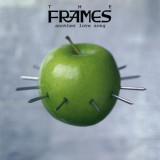
"Another Love Song - The Frames are an Irish indie rock band formed in Dublin in 1990. The band is known for their passionate and emotive sound, which blends elements of rock, folk, and traditional Irish music. Over the years, they have released several critically acclaimed albums, including ""Another Love Song,"" which is widely regarded as one of their most influential works.
""Another Love Song"" was released in 1991 and marked a turning point in the band's career. The album featured a raw, stripped-down sound that was a departure from their earlier, more polished work. The songs on the album were deeply personal and introspective, exploring themes of love, loss, and the complexities of human relationships. The album's title track, ""Another Love Song,"" became an instant classic, showcasing the band's signature sound with its driving rhythms and soaring vocals. The song's bittersweet lyrics and haunting melody struck a chord with listeners and quickly became a fan favourite.
In addition to ""Another Love Song,"" the album features several other standout tracks, including ""Say It to Me Now,"" ""The Dancer,"" and ""Downhill."" Each song on the album showcases the band's dynamic musicianship and poetic lyricism, earning the album a reputation as a seminal work in the Irish indie rock scene. Over the years, The Frames have continued to evolve and innovate, releasing several more critically acclaimed albums and earning a dedicated following of fans around the world. With their unique blend of raw emotion and musical artistry, The Frames continue to inspire and captivate audiences with their powerful, soulful music.
Fitzcarraldo - ""Fitzcarraldo"" is the sixth studio album by the Irish rock band The Frames, released in 1995. The album marked a significant departure from the band's earlier work, with a more experimental sound that blended rock, folk, and experimental elements.
The album takes its name from the Werner Herzog film of the same name, which tells the story of a man who attempts to build an opera house in the Amazon jungle. This theme of ambition and perseverance in the face of adversity runs throughout the album, as frontman Glen Hansard explores themes of love, loss, and the human experience. The album opens with the hauntingly beautiful track ""Revelate,"" which sets the tone for the rest of the album with its soaring vocals and intricate guitar work. From there, the album takes the listener on a journey through a diverse range of sounds and emotions, from the upbeat rock of ""What Happens When the Heart Just Stops"" to the melancholic balladry of ""Fitzcarraldo.""
One of the standout tracks on the album is ""Lay Me Down,"" a tender and heartfelt ballad that showcases Hansard's powerful vocals and poetic lyricism. The song has become a fan favourite and is often performed live by the band. Another highlight of the album is the epic nine-minute track ""Fitzcarraldo,"" which features lush instrumentation and intricate guitar work. The song is a tribute to the film of the same name and explores themes of ambition and determination in the face of seemingly insurmountable obstacles.
Overall, ""Fitzcarraldo"" is a powerful and deeply personal album that showcases The Frames at their most ambitious and experimental. With its diverse range of sounds and emotions, the album remains a fan favourite and a landmark in the Irish rock canon.
Dance the Devil
Dance the Devil is the fourth studio album by the Irish rock band, The Frames. Released in 1999, it marked a significant departure from the band's earlier sound and was a critical and commercial success.
The album features 10 tracks, including the hit single ""Pavement Tune,"" which received extensive radio play and helped to propel The Frames to greater prominence in the music industry. Dance the Devil showcases the band's versatility and musical prowess, blending elements of rock, folk, and pop to create a unique and compelling sound. The lyrics are introspective and poetic, exploring themes of love, loss, and self-discovery.
Produced by Steve Albini, the album was recorded in just five days, giving it a raw and unpolished feel that perfectly captures the energy and passion of The Frames' live performances.
Dance the Devil remains a beloved album among fans of Irish music and continues to inspire new generations of musicians. Its enduring popularity is a testament to the artistry and vision of The Frames and their commitment to pushing the boundaries of what is possible in rock music.
"
"Another Love Song - The Frames are an Irish indie rock band formed in Dublin in 1990. The band is known for their passionate and emotive sound, which blends elements of rock, folk, and traditional Irish music. Over the years, they have released several critically acclaimed albums, including ""Another Love Song,"" which is widely regarded as one of their most influential works.
""Another Love Song"" was released in 1991 and marked a turning point in the band's career. The album featured a raw, stripped-down sound that was a departure from their earlier, more polished work. The songs on the album were deeply personal and introspective, exploring themes of love, loss, and the complexities of human relationships. The album's title track, ""Another Love Song,"" became an instant classic, showcasing the band's signature sound with its driving rhythms and soaring vocals. The song's bittersweet lyrics and haunting melody struck a chord with listeners and quickly became a fan favourite.
In addition to ""Another Love Song,"" the album features several other standout tracks, including ""Say It to Me Now,"" ""The Dancer,"" and ""Downhill."" Each song on the album showcases the band's dynamic musicianship and poetic lyricism, earning the album a reputation as a seminal work in the Irish indie rock scene. Over the years, The Frames have continued to evolve and innovate, releasing several more critically acclaimed albums and earning a dedicated following of fans around the world. With their unique blend of raw emotion and musical artistry, The Frames continue to inspire and captivate audiences with their powerful, soulful music.
Fitzcarraldo - ""Fitzcarraldo"" is the sixth studio album by the Irish rock band The Frames, released in 1995. The album marked a significant departure from the band's earlier work, with a more experimental sound that blended rock, folk, and experimental elements.
The album takes its name from the Werner Herzog film of the same name, which tells the story of a man who attempts to build an opera house in the Amazon jungle. This theme of ambition and perseverance in the face of adversity runs throughout the album, as frontman Glen Hansard explores themes of love, loss, and the human experience. The album opens with the hauntingly beautiful track ""Revelate,"" which sets the tone for the rest of the album with its soaring vocals and intricate guitar work. From there, the album takes the listener on a journey through a diverse range of sounds and emotions, from the upbeat rock of ""What Happens When the Heart Just Stops"" to the melancholic balladry of ""Fitzcarraldo.""
One of the standout tracks on the album is ""Lay Me Down,"" a tender and heartfelt ballad that showcases Hansard's powerful vocals and poetic lyricism. The song has become a fan favourite and is often performed live by the band. Another highlight of the album is the epic nine-minute track ""Fitzcarraldo,"" which features lush instrumentation and intricate guitar work. The song is a tribute to the film of the same name and explores themes of ambition and determination in the face of seemingly insurmountable obstacles.
Overall, ""Fitzcarraldo"" is a powerful and deeply personal album that showcases The Frames at their most ambitious and experimental. With its diverse range of sounds and emotions, the album remains a fan favourite and a landmark in the Irish rock canon.
Dance the Devil
Dance the Devil is the fourth studio album by the Irish rock band, The Frames. Released in 1999, it marked a significant departure from the band's earlier sound and was a critical and commercial success.
The album features 10 tracks, including the hit single ""Pavement Tune,"" which received extensive radio play and helped to propel The Frames to greater prominence in the music industry. Dance the Devil showcases the band's versatility and musical prowess, blending elements of rock, folk, and pop to create a unique and compelling sound. The lyrics are introspective and poetic, exploring themes of love, loss, and self-discovery.
Produced by Steve Albini, the album was recorded in just five days, giving it a raw and unpolished feel that perfectly captures the energy and passion of The Frames' live performances.
Dance the Devil remains a beloved album among fans of Irish music and continues to inspire new generations of musicians. Its enduring popularity is a testament to the artistry and vision of The Frames and their commitment to pushing the boundaries of what is possible in rock music.
"
- 1: Secretly Bad 03:08
- 2: I Like To Pretend 0:53
- 3: Rude Body 02:57
- 4: If I Ask Her 02:18
- 5: Stripey Horsey 03
- 6: Lean 03:2
- 7: I Have A Lot To Say 03:09
- 8: Born To Care 03:00
- 9: Done With The Day 03:30
- 10: Lighter Better 03:12
- 11: Wakey Wakey 01:57
PURPLE VINYL[22,65 €]
In a world of endless, bottomless content, to find something that stands out from the crowd is a rare thing. But it’s something that 7ebra manage without breaking a sweat. Based in Malmö, twin sisters Inez and Ella Johansson deal in sparkling indie-rock that’s pretty without being soft, sweet without losing its edge and catchy without being cheap. With Inez on guitar and vocals and Ella on keys, organ and Mellotron, their minimal set-up makes a virtue of simplicity – with a sliver of guitar fuzz, and organ lines snaking around stark, striking vocals, augmented by shivering harmonies, they don’t need a lot to make music that’s colourful, kaleidoscopic, and effortlessly original.
7ebra debuted in 2022 with the double-single “I Have A Lot To Say”/ “If I Ask Her”, two helpings of psych-tinged, street-smart rock and roll, and the music scene around them wasn’t slow to notice. They opened for the Future Islands and the Dandy Warhols, were picked out by Apple Music’s Matt Wilkinson as a Hidden Gem of 2022 and were booked for prestigious showcases SXSW and Eurosonic. With a packed schedule of shows across Europe and the UK already planned for 2023, their world looks set to get a lot bigger – something that their debut album Bird Hour makes certain. The record is a warm, elegant introduction to the sound 7ebra have crafted. The songs are full of personality and character, but also retain a little bit of enigma, a sense of keeping something secret to themselves. To unwrap that elusiveness is a daunting task, but one the listener can’t resist leaping into.
Ella and Inez’s parents played in bands as they were growing up, so picking up music was a natural thing for them. The origins of 7ebra start with Inez whiling away the hours playing guitar in her bedroom. “I learned by playing covers by myself in my room”, she says. “Ella didn’t do that as much, but we sometimes played and sang together, country songs”. Eventually she would start writing her own. Ella wasn’t involved originally (“we did play together a few times”, she says, “and it just went to shit laughs. We fought a lot”), and Inez was originally reluctant: “I was a bit unsure whether I wanted to be in a band with my sister. Because you get clumped together all the time, when you’re twins”. But Ella was keen to join, and eventually persuaded Inez to let her join for a show. It went – so well that producer Tore Johansson (The Cardigans, Franz Ferdinand), saw it and asked if they’d like to record with him. That changed things, says Ella: “It made us think there might be something in this music”. As a duo, 7ebra were in flight. “In the end, it’s kind of a nice thing too being sisters in a band”, Inez says. “It doesn’t bother me anymore. It just made sense to play together”.
On the album that they eventually came up with, the talent that caught Johansson’s eye is immediately obvious. Opener “Secretly Bad” has a way of walking along your nerves, an eerie echo of a hymn in Inez’s vocal backed by a swirl of woozy blend of guitars and organ. That’s followed up by “I Like To Pretend”, an easily charming song that has a sleepy brightness about it, like morning sunlight breaking through a window. They take a couple of different genres for a whirl on Bird Hour – they’re tense and snappy on “If I Ask Her”, breezy and cocky on “Lighter Better”, and there’s even a couple of droplets of blues and folk in the mix, in the raw intensity of the emotions in the slower songs, the vulnerability and aching of songs like “Lean” and “Stripey Horsey”. The record has a way of sweeping you along in its mood and tones, fuelled in part by the band’s use of repetition, sometimes fast and fevered, sometimes crawling and hypnotic. The duo’s musical input blends perfectly, with Inez’s guitar and vocals forming the core, and Ella drawing in the detail with keys, organ, and harmonies, to really bring out the vivid nature of the songs. Indie rock that’s melodic and sweet, but with enough shadow mixed in to make it really compelling.
On Bird Hour, what strikes you first about 7ebra’s sound is how fully formed it is, how much they’ve carved out their own sonic territory, perfected by trial and error in the studio with Johansson. “Tore wanted us to try everything possible”, says Ella. “We had moments where things weren’t working. But that was necessary in order to find the good stuff”. 7ebra’s signature might be found in the deft way they deal with emotion – unafraid of being open, but a little too clever to make things too clear cut: “You can’t take yourself that seriously. It’s too emotional to take it seriously, to start hating yourself. But at the same time, it is quite serious”, says Ella. Another trademark is the simplicity – a 7ebra song has just enough to make it work, and nothing more. “I think it was important for me that our voices were at the centre of the songs”, says Inez, “that all the little melodies have their place, and don’t get overwhelmed. With lyrics, I sometimes come up with something, and just feel ‘there’s no need to add more to this’. Sometimes a line works by itself. You don’t have to add a bunch of lyrics”. Finally, the album’s themes are ones that will resonate with most people that have set foot on this planet. “I guess it’s about trying to understand yourself, in relation to others. Just life. ‘Why am I not good at this, why is this thing happening to me, why is this thing so hard, why am I so stupid?’”, laughs Ella.
7ebra haven’t been around for very long – but a handful of songs and their fizzing live shows have stirred up the biggest buzz in Scandinavian music in quite a while. Their debut album justifies it all. It showcases the magic they’re capable of conjuring up, and hints at even more to come in the future. But from where they are right now, they’ve made something very special. Bird Hour takes all that promise and turns it into something concrete, in the form of one of the year’s best rock debuts.

In a world of endless, bottomless content, to find something that stands out from the crowd is a rare thing. But it’s something that 7ebra manage without breaking a sweat. Based in Malmö, twin sisters Inez and Ella Johansson deal in sparkling indie-rock that’s pretty without being soft, sweet without losing its edge and catchy without being cheap. With Inez on guitar and vocals and Ella on keys, organ and Mellotron, their minimal set-up makes a virtue of simplicity – with a sliver of guitar fuzz, and organ lines snaking around stark, striking vocals, augmented by shivering harmonies, they don’t need a lot to make music that’s colourful, kaleidoscopic, and effortlessly original.
7ebra debuted in 2022 with the double-single “I Have A Lot To Say”/ “If I Ask Her”, two helpings of psych-tinged, street-smart rock and roll, and the music scene around them wasn’t slow to notice. They opened for the Future Islands and the Dandy Warhols, were picked out by Apple Music’s Matt Wilkinson as a Hidden Gem of 2022 and were booked for prestigious showcases SXSW and Eurosonic. With a packed schedule of shows across Europe and the UK already planned for 2023, their world looks set to get a lot bigger – something that their debut album Bird Hour makes certain. The record is a warm, elegant introduction to the sound 7ebra have crafted. The songs are full of personality and character, but also retain a little bit of enigma, a sense of keeping something secret to themselves. To unwrap that elusiveness is a daunting task, but one the listener can’t resist leaping into.
Ella and Inez’s parents played in bands as they were growing up, so picking up music was a natural thing for them. The origins of 7ebra start with Inez whiling away the hours playing guitar in her bedroom. “I learned by playing covers by myself in my room”, she says. “Ella didn’t do that as much, but we sometimes played and sang together, country songs”. Eventually she would start writing her own. Ella wasn’t involved originally (“we did play together a few times”, she says, “and it just went to shit laughs. We fought a lot”), and Inez was originally reluctant: “I was a bit unsure whether I wanted to be in a band with my sister. Because you get clumped together all the time, when you’re twins”. But Ella was keen to join, and eventually persuaded Inez to let her join for a show. It went – so well that producer Tore Johansson (The Cardigans, Franz Ferdinand), saw it and asked if they’d like to record with him. That changed things, says Ella: “It made us think there might be something in this music”. As a duo, 7ebra were in flight. “In the end, it’s kind of a nice thing too being sisters in a band”, Inez says. “It doesn’t bother me anymore. It just made sense to play together”.
On the album that they eventually came up with, the talent that caught Johansson’s eye is immediately obvious. Opener “Secretly Bad” has a way of walking along your nerves, an eerie echo of a hymn in Inez’s vocal backed by a swirl of woozy blend of guitars and organ. That’s followed up by “I Like To Pretend”, an easily charming song that has a sleepy brightness about it, like morning sunlight breaking through a window. They take a couple of different genres for a whirl on Bird Hour – they’re tense and snappy on “If I Ask Her”, breezy and cocky on “Lighter Better”, and there’s even a couple of droplets of blues and folk in the mix, in the raw intensity of the emotions in the slower songs, the vulnerability and aching of songs like “Lean” and “Stripey Horsey”. The record has a way of sweeping you along in its mood and tones, fuelled in part by the band’s use of repetition, sometimes fast and fevered, sometimes crawling and hypnotic. The duo’s musical input blends perfectly, with Inez’s guitar and vocals forming the core, and Ella drawing in the detail with keys, organ, and harmonies, to really bring out the vivid nature of the songs. Indie rock that’s melodic and sweet, but with enough shadow mixed in to make it really compelling.
On Bird Hour, what strikes you first about 7ebra’s sound is how fully formed it is, how much they’ve carved out their own sonic territory, perfected by trial and error in the studio with Johansson. “Tore wanted us to try everything possible”, says Ella. “We had moments where things weren’t working. But that was necessary in order to find the good stuff”. 7ebra’s signature might be found in the deft way they deal with emotion – unafraid of being open, but a little too clever to make things too clear cut: “You can’t take yourself that seriously. It’s too emotional to take it seriously, to start hating yourself. But at the same time, it is quite serious”, says Ella. Another trademark is the simplicity – a 7ebra song has just enough to make it work, and nothing more. “I think it was important for me that our voices were at the centre of the songs”, says Inez, “that all the little melodies have their place, and don’t get overwhelmed. With lyrics, I sometimes come up with something, and just feel ‘there’s no need to add more to this’. Sometimes a line works by itself. You don’t have to add a bunch of lyrics”. Finally, the album’s themes are ones that will resonate with most people that have set foot on this planet. “I guess it’s about trying to understand yourself, in relation to others. Just life. ‘Why am I not good at this, why is this thing happening to me, why is this thing so hard, why am I so stupid?’”, laughs Ella.
7ebra haven’t been around for very long – but a handful of songs and their fizzing live shows have stirred up the biggest buzz in Scandinavian music in quite a while. Their debut album justifies it all. It showcases the magic they’re capable of conjuring up, and hints at even more to come in the future. But from where they are right now, they’ve made something very special. Bird Hour takes all that promise and turns it into something concrete, in the form of one of the year’s best rock debuts.
- A1: Sturm
- A2: Fallschirm
- A3: Das Haus
- A4: Aufruhr
- A5: Immer Wieder
- A6: Am Tag Danach
- B1: Rien Ne Va Plus
- B2: Der Einzige
- B3: Musik
- B4: Brüchiges Eis
- B5: La Boom
- C1: Sturm (Live)
- C2: Fallschirm (Live)
- C3: Kapitän (Live)
- C4: Verrückt (Live)
- C5: Zirkus (Live)
- D1: Machtspiele (Live)
- D2: Hungriges Herz (Live)
- D3: Alles Neu (Live)
- D4: Tanz Der Moleküle (Live)
10 Jahre Tacheles – das MiA. Erfolgsalbum erscheint als Vinyl Neuauflage “Unser fünftes Album fühlt sich an wie unser erstes“, beschrieb Frontfrau Mieze das Gefühl zum Album, welches mit Tacheles einen Titel trägt, das einen Zustand beschreibt, den sie mit den Worten „Geradeaus, direkt, unmittelbar“ definiert. Es herrsche ein „absolutes Jetzt-Gefühl, ich fühle mich Tacheles“.
Genau 10 Jahre später lässt sich festhalten, das hat wunderbar funktioniert. Tacheles ging in den deutschen Charts hoch bis auf Platz 3 und die Single Fallschirm wurde zum Hit. Eingängiger, aber doch außergewöhnlicher, farbenfroher Pop, getragen durch Miezes einprägsame Stimme. Eine Rezeptur, welche Nostalgie mit Moderne vereint, und eben jenen Jetzt-Zustand zeitlos erscheinen lässt.
Zur Feier dieses runden Geburtstages und pünktlich zur kommenden MiA. LIVE Tour, erscheint das Album nun erstmalig als (Doppel-)Vinyl. Neben dem Studio Album veröffentlicht die Band erstmals einen KonzertMitschnitt aus der ausverkauften Max-Schmeling-Halle in Berlin aus der Tacheles Tour 2012, einem für MiA. absolut einzigartigen Konzerterlebnis.
Fans erhalten ab dem Start der Vorbestellungen am 14. Oktober 2022 die Chance, sich das limitierte Stück für ihre Sammlung zu sichern, offizieller Release der Re-Issue ist am 11. November.
Show Me The Body ist ein in New York City ansässiges Hardcore-Trio, bestehend aus Julian Cashwan Pratt (Gründer; Banjo und Gesang), Harlan Steed (Gründer; Bass) und Jackie McDermott (derzeitiger
Schlagzeuger). Die Band organisiert seit 2015 nicht-traditionelle DIY-Räume für Jugendliche in New York und hat diese Arbeit seither durch ihre zeremoniellen Live-Shows, die Punk-/Hip-Hop-Mischtouren und
ihre CORPUS NYC-Plattform auf eine globale Bekanntheit ausgeweitet. ”Trouble the Water” ist der Höhepunkt von fast einem Jahrzehnt des Kampfes gegen die Gleichgültigkeit von New York City; zugleich eine Aufforderung an eine gleichgesinnte globale Gemeinschaft, die Alchemie der Familienbildung zu fördern.
Trouble The Water wurde komplett in den CORPUS Studios in Long Island City mit dem Metal-Veteranen Arthur Rizk (Code Orange, Power Trip, Ghostemane, Turnstile, Candy, Xibalba, Pissed Jeans) aufgenommen und von Studio-Mitbegründer Aidan Bradley mitproduziert.
BBE Music are proud to reissue one of the most elusive and sought-after Afro-Funk LPs of all time: SON OF AFRICA, by REMI KABAKA.
Now a proud 85 years of age and enjoying retirement in America, Remi was the cornerstone of British West African music in the 50s, 60s and 70s, along with Ginger Oloronso Johnson, Fela Kuti and others. But while Ginger played mambo and cha cha cha in Soho clubland and Fela released his early ‘highlife jazz’ records on the Melodisc label, Remi Kabaka was fully ensconced in the UK Rock world, playing sessions and live shows with The Rolling Stones, Paul McCartney, Ginger Baker, Steve Winwood and countless others.
As the 60s became the 70s, Kabaka developed yet another string to his bow: the development of a UK based West African Funk scene, that found its genesis in the legendary Osibisa, but with an influence and an inspiration that spilled over into every contemporary Brit Funk band from Cymande and the Equals to The Average White Band, Matata and beyond.
SON OF AFRICA was originally released by Chris Blackwell’s Island records in 1976, to little acclaim, very few reviews, and with almost no promotion. African music was a hard sell when the 70s Black British record market wanted reggae first and foremost, and with Bob Marley on the books, Island understandably had other priorities at the time. The record disappeared. Until it reappeared in the early 2000s, as a £700-plus collectors’ item.
It’s barely 30 minutes long. But every single minute is drenched with sinuous, spare funk: no spacey psych rock, no disco, no boogie, no over-the-top production: just 90-110 BPM grooves that go straight to the body.
So: whether you’re a turntablist, a hip hop sampler, or just an honest-to-goodness African Funk lover, catch this limited reissue (with full, updated liner notes) while you can. There won’t be another chance.
Critically acclaimed composer, producer and electronic musician Mark Barrott is set to release his new album ‘Jōhatsu (蒸発)’ in April via Reflections, the new imprint from the Anjuna family, which focuses on downtempo, ambient, and alternative releases. An artist that creatively speaking, never stops moving, Barrott’s musical career has taken many forms. From Future Loop Foundation, the alias he used to create and perform ambient drum and bass from the mid-90s, to his Sketches from an Island albums released under his own name, and as founder of the highly influential International Feel label, Barrott has spent close to four decades exploring new sonic territory and pushing the boundaries of various genres, and is considered a pivotal figure in the revival of the Balearic music scene of the last decade. Barrott’s new album, ’Jōhatsu (蒸発)’, is predictably unpredictable. Released on Reflections, the new downtempo label from the Anjuna family, it’s a full departure from anything Barrott’s written before, partly because he was writing to moving picture. Towards the end of 2019, he had been working so relentlessly as a record producer for artists such as South African DJ Themba and the late Virgil Abloh, that he developed Repetitive Strain Injury, and was forced to take time off, and it was during this down-time he received an email from a director asking him to write the score for his new documentary, ‘Jōhatsu... the art of Evaporation’. ‘Jōhatsu (蒸発)’ is an 8-track journey through the sounds, sights, smells and sensations of traditional and contemporary Japanese culture. “What came home to me during the scoring process, was how much shame is a huge part of Japanese culture. There’s a lot of shame surrounding losing your job and around things like divorce & bankruptcy, and it’s been there for centuries, since the Samurai and Bushido.” Some take their own lives, while others decide to simply… evaporate. Jōhatsu refers to these people who decide to purposely disappear, leaving their lives they knew behind without a trace.
"One of the world’s finest purveyors of music to chill out to - he is the master of sunset music" (Pitchfork).
The duo WILDES from the south of Germany, consisting of Jana Pantha and Jenny Tulipa, presents a musical mix of electro-synth-pop, post-punk and dark disco influences. After the release of their first EP “RAWWR” in 2021, their debut album entitled “KLISCHEE” will be released on 3 February 2023. Released via the Kommando 84 label, the album features 11 songs and a musical re-interpretation of German-language Neue Deutsche Welle sounds. The songs combine spoken word passages in which the singers combine a certain irony with word-playful rhymes. In addition to world-political, social issues, the songs revolve around the complexity of the new romance in love - between cosmos and stereo. The strong and experimentally avant-garde lyrics accompany the danceable pulse of the drum computer, melodic synth waves and the shimmering solos of the lead guitar.
The album “Klischee” begins with an electro-pop track that combines consistent grooves with atmo- spheric sound arrangements and a lead guitar that accompanies our journey to the moon. With the chorus’ high-pitched words, „Konsum - leg mich auf den Moon“ (“Consumption - put me on the Moon”), WILDES dryly yet humorously allude to a society that couldn’t fly “higher”.
The following cheeky song Leger in Schwarz combines impeccable post punk with influences from the NNDW scene. A short love story led by the electronic beat of the synthesizer makes the hearts of the night beat faster. With casual reduction, a guitar riff leads through the song. The guitar solo finally rounds off the plea about the longing for a good flirt.
Italo disco shimmers and pulsates on the driving song Capri. With lyrics like “Pack the boats - Vai a bordo”, Capri is a homage to the tried and tested Italo feeling with a cappucino on the terrazza, or indeed on the yacht with a view of the rocky walls of the island. An electric charge of sequencers and synth tracks acts here as a lightness of being in contrast to the porosity of the rock.
An electrifying electric guitar solo kicks off the fourth track with a mysterious invitation to Steig ein translated, get in. Hypnotised by the lights of the road, dazzled in the side mirror, a clearly repeating rhythm leads into the chorus and through the coming verses. English spoken-word lyrics add to the stoicism of the German language. The song’s great power ends with the line Lost in the dark, holding open the finale of the “Night Drive” encounter.
Digital and stereo on all channels, the distinctly tight and robust rhythm sounds in the song Apparat. A clear and simple synth melody is heard as a contrast and the electric bass gives the balance of the machine at points. Hiddenly, WILDES points here to the superior power that can control human action beyond all limits. A piece as a laudation to all the science fiction novels that play with the switching of the individual parts.
Side One of the vinyl is finalised by a song called La Grande Bellezza that motivates to dance and sing along. The punky pop craft lives through the recurring beat of the rhythm guitar. Here the focus is on the woman in all her facets. The great beauty, una donna, who can do everything as well as wanting everything and nothing...a strong woman who, however, also staggers and wants to jump off the cliff. Clearly and distinctly, the musical accompaniment of the drum machine and the accompanying synth melody reflect hidden parallel worlds and the ambiguity of character - of life? We get a desire for more and turn the round record.
The B side starts with a powerful guitar riff, complemented by a catchy and strong bassline that runs through the song. In this work, WILDES provocatively describes the West’s lust for the much-cov- eted Schwarzes Gold black gold. The song is reminiscent of the works of the band D.A.F. and thus ties in with the electronic punk sound spate.
The driving guitar riff joins in with the reduced synth bass sequence - the electro-pop song with the title Hitze (Heat) came onto the digital music market as the first single from the LP in the summer of 2022. Pulsatingly, the drum computer lets the beats vibrate to the rhythm of heated air. The duo po- etically describes heat with supercooled voices, a clarity in the sky that makes everything flow, that makes the breath dry. The work ends with a melodic synth solo.
Ich lad dich ein, I invite you - we have all said or heard this sentence before. A chance meeting of two people later leads to the altar in love. A far-reaching question that more or less arises in many love relationships at some point “Do you dare?” positions itself in lyrical contrast to the simple ques- tion in the refrain “Do you need sugar?”. WILDES plays with laconic poetry and, full of irony, makes the listeners think about living together. Krautrock contours are skilfully used in this piece. Reduced to the essentials, the chorus immediately sticks in the ear. A cheerful mix of steel drums and infec- tious solo.
Toccami - touch me! We sit on padded leather chairs - “you’re a rocket! Peng Puff Peng” - this song by the band WILDES joins experimental art-punk-pop, electronically with flowing synth waves we take off immediately. Melodically sung, lyrical layers of lyrics dance loosely light and gracefully in the ears of the viewer. The rhythmic beat visualises the feeling of floating in a spaceship. It’s love in the universe - “I love you, my darling” sounds tipsy in the beat-heavy disco refrain.
Hypnotically, WILDES launches into the final song of the entire LP. The title Zone takes us on a journey through time. Inspired by the film Stalker, we find ourselves in a science fiction setting that couldn’t be more present in today’s European events. The musicality of the electric guitar riffs ac- companied by simple new wave drums drives the listener into unknown realms.
Repetition and electronic synth sounds play a compositional role alongside rocking guitar riffs like their forerunners in the NDW scene. Lyrically, each song varies between pop-romantic and politically critical passages. Listeners start pondering about hedonistic life and its consequences. Sometimes it feels like listening to a Tarantino soundtrack in German, other times it feels like listening to an 80s track by a James Bond. Science fiction fantasies and reality add up in dadaistic theatricality to spir- ited synthpunk of the New German Wave from the South. Discoid beats and driving drums in digital are included.
The one arm keyboard luminary is well known in the entertainment circle of Western Jamaica. Born on the 2nd of March 1954, the accomplished singer and musician hails from Hayes, Clarendon. In 1969 he went to live in Kingston until 1973. Ancel's first effort in a recording studio was inside the popular Randy's in downtown Kingston. He did a single called 'Riding On' on the Musical Barber label out of Mandeville.
In 1977 he joined a group called Solid Foundation and stayed with them for two years. After that he moved to Montego Bay to sing with Stamma and the Sounds of Mobay, with who he appeared on Reggae Sunsplash festival in 1980.
Johnny made the move for the United States in 1982, and formed his first own band 'Uprisers' in Pittsburgh city.
One of the things he likes to talk about is how he once reunited the famed Clarendonians with Peter Austin and Ernest Wilson. Both pioneer icons were at irreconcilable odds with each other for quite some time. When he came back to Jamaica in 1985, he invited Ernest Wilson to do back-up vocals for him. For the same studio session, he also invited Peter Austin for the same back-up duties, and that was how the reunion came about. Inside famous Aquarius studio, there was Burning Spear's personal Band called Burning. The songs recorded there were 'Moving Out' and 'True Love' with top musicians : Tony Green on the saxophone, Bobby Ellis on the trumpet, Dwight Pinkney on the guitar, Calvin on percussion, Nelson Miller on the drums and Maurice Gordon on bass. This was not the first time Ancel was working with Peter Austin. When the split came in the ranks of the Clarendonians, Ancel was asked to fill the breach. He thus teamed up with Peter Austin and their first single together was entitled 'Out Of Sight'. They later entered the annual Jamaica Festival Song competition in 1975. Their entry was entitled 'Paradise On Earth' which Ancel said was quite popular. However, it was not popular enough to prevent the late Roman Stewart from copping the award with 'Hooray Festival'.
After the release of 'Moving Out', Johnny moved to Miami and continued his career as a solo artist, singing with different local bands. He did a number of singles, notably were 'Faith, Patience and Love' and 'Stand Back' for a producer called Jolly in Miami. In 1988 Powell formed his second band Benja, a band which gained increasing popularity in the time in South Florida. They have performed on several festivals, played in most major clubs and were a big success in Andros Island in the Bahamas for an audience who not necessarily consider Reggae their prime choice of music.
The saddest part of his life was when he lost his left hand to what doctors termed as a cancerous situation in 1977. This did not, however, stop him from learning how to play keyboards. Initially he was taught by the late Bobby Vaugh in Montego Bay and also got further teaching from jamaican saxophinist Reuben Alexander.
Now approaching 70 years old, Ancel is still very active in his music. In previous years he performed at the Marcus Garvey Celebration and is currently working with the “Synergy Band” at Royalton Hotel in Negril under the stage name “Ancel P.” Let the one arm keyboard luminary life and music live eternally !
Produced by Ancel "Johnny" Powell & Patricia Wallace
Engineer: Melvin Williams
Recorded at Aquarius Studio (Kingston, JA) in 1985
Bass: Maurice Gordon
Drums: Nelson Miller
Guitar: Dwight Pinkney
Saxophone: Tony Green
Trumpet: Bobby Ellis
Percussion: Calvin
Keyboards: Winston Wright
Backing vocals: Ernest Wilson & Peter Austin from the Clarendonians
Eliott Litrowski and Voiski’s could have done so 15 years ago, after a first meeting in Paris on the Island of Swans, during a ‘Free Party’ event shut down by the police. But it didn’t. Each one followed his own way, and if their paths crossed many times, they only began collaborating in 2021.
Cracki Records’s 10th anniversary Compilation was the trigger: the two artists locked themselves in the studio to create what has become since their signature sound: The Friendship Spacecake, a perfect alliance, driven by their common love for analogic synthesizers, between Eliott Litrowski’s hybrid electro and Voiski’s post-trance.
Neither of them wanted to stop at this stage. One is living in Copenhagen, the other in Paris, yetcreating an album together quickly became the next obvious step.
This common desire led to the beginning of the suitably called Superski duo: a great name that encapsulates both artists’ committed live performances, their unusual musical language, between electro, trance and Italo, and their vision of an uncompromising, colorful and positive club culture.
Oberheim 6, Jupiter 8, TR808, Roland JX8P, Microwave XT and FutureRetro XS, all synthesizers are limitlessly pushed to their last breath, creating an almost retro-futuristic decor for the artiststo evolve in.
Their debut album “Mondo Moderno” will be out March 31st
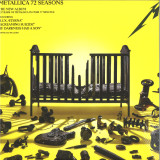
Metallica melden sich mit einem Knall zurück!
Die achtfachen GRAMMY-Gewinner veröffentlichen ihr langersehntes 12tes Studioalbum mit dem Titel „72 Seasons“.
Das Album beinhaltet 12 brandneue Songs, produziert von James Hetfield, Lars Ulrich und der Rock-Produzenten-Ikone Greg Fidelman (U2, Slipknot, Johnny Cash, Slayer, Red Hot Chili Peppers, uvm.) Als Vorgeschmack auf das Gesamtwerk dient der bereits veröffentlichte Song „Lux Æterna“. Mit 77 abwechslungsreichen Minuten bietet das Album darüber hinaus jedem Fan die Möglichkeit, sich vollkommen in das Werk fallenzulassen.
Den Titel erklärt James Hetfield wie folgt: „72 seasons. The first 18 years of our lives that form our true or false selves. The concept that we were told ‘who we are’ by our parents. … Prisoners of childhood or breaking free of those bondages we carry.”
Zusatzinfo:
Zeitgleich mit der Bekanntgabe des Albums und dem Release von „Lux Æterna“ kündigen Metallica auch ihre M72 Welt-Tournee an, die sich über die Jahre 2023 und 2024 erstrecken wird. Im Zuge dessen werden jeweils 2 Shows in Hamburg und München gespielt, jede davon mit einer gänzlich anderen Setlist und Support-Acts.
Metallica melden sich mit einem Knall zurück!
Die achtfachen GRAMMY-Gewinner veröffentlichen ihr langersehntes 12tes Studioalbum mit dem Titel „72 Seasons“.
Das Album beinhaltet 12 brandneue Songs, produziert von James Hetfield, Lars Ulrich und der Rock-Produzenten-Ikone Greg Fidelman (U2, Slipknot, Johnny Cash, Slayer, Red Hot Chili Peppers, uvm.) Als Vorgeschmack auf das Gesamtwerk dient der bereits veröffentlichte Song „Lux Æterna“. Mit 77 abwechslungsreichen Minuten bietet das Album darüber hinaus jedem Fan die Möglichkeit, sich vollkommen in das Werk fallenzulassen.
Den Titel erklärt James Hetfield wie folgt: „72 seasons. The first 18 years of our lives that form our true or false selves. The concept that we were told ‘who we are’ by our parents. … Prisoners of childhood or breaking free of those bondages we carry.”
Zusatzinfo:
Zeitgleich mit der Bekanntgabe des Albums und dem Release von „Lux Æterna“ kündigen Metallica auch ihre M72 Welt-Tournee an, die sich über die Jahre 2023 und 2024 erstrecken wird. Im Zuge dessen werden jeweils 2 Shows in Hamburg und München gespielt, jede davon mit einer gänzlich anderen Setlist und Support-Acts.