Power Ballads and The Wash is the sophomore album from London-based multi instrumentalist James Howard, due for release on 6th November 2026 via boutique
label Faith & Industry. James is known as founder of critically acclaimed 2010’s band Blue House and collaborator with luminaries such as Rozi Plain, Dana Gavanski, Kate Bollinger and Alabaster Deplume.
For Power Ballads and The Wash James has worked with producer Mike Lindsay, co-founder of folktronica group Tunng. Power Ballads and The Wash follows James's debut solo album Peek-A-Boo, released to great acclaim in April 2023.
All eight songs of Power Ballads and The Wash began life as intimate live takes of
guitar or piano and voice, recorded at Howard’s studio in Deptford, south London.
Steeped in the energy of the local environment, each session was preceded by a visit to the Thames to ask for its muddy blessing, with the DLR rumbling by. The sessions at Lindsay’s Margate studio built a widescreen world around Howard’s original performances, from the restless Eventide vocal treatments on Seven Seconds to the Hollywood string samples of The Moon In The Movies and the Moog bass that quietly anchors the record throughout. Howard also praises violinist Magdalena MacClean's (Caroline) contributions.
Beneath this gentle absurdity, though, lies something quietly powerful. Howard’s
song-writing explores the notion that, despite our ever-shortening attention spans,
there is still the possibility of quiet reflection and the discovery therein of revelations hidden in plain sight. The world of these lucid dream-esque reveries is unmistakably London. The record began with a wing-and-a-prayer visit to the Thames, and ends there too: the wash from the Thames Clipper / nearly breaks through your shoe / like some feelings sometimes do.
"Thank Goodness brings together an overdubbed ‘chamber band’ of bass guitar, viola, piano, harpsichord, voice and drums. Made on my own in London and Ireland between 2023-26 as a slow channelling inward of a lot of social energy.”
Seán Being is a committed figure at the sharp edges of Irish music, including being the key instigator of the band Princ€ss, touring bass player with Maria Somerville, and a long-time affiliate of Dublin label wherethetimegoes. Their various collaborations include contributions to live and recorded projects with the likes of Spellcaster, Nashpaints, Florian TM Zeizig, Jennifer Moore, Olan Monk, Dylan Kerr, Asa Nisi Masa, Life is Beautiful, Polido, Adriana João and Usof.
Not always in the business of ‘popular music’, Seán also has Gregorian Chant and car horn performances in their repertoire.
Aspects of all of this activity have made their way, directly or otherwise, into this first full-length album.
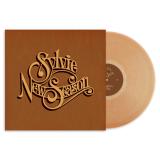
If Sylvie’s New Season were a movie, Ben Schwab would be the auteur, screenwriting and directing the vision, articulating his story through a cast of actors. In truth, New Season is a record of the freewheeling country-rock variety, Sylvie’s first with Ghostly International, and it finds the Los Angeles-based artist at the helm of a rotating ensemble, arriving at pure, joyous expression and renewed faith in the face of hardship. It’s a rare and refined kind of musical gesture, both intimate and all-embracing, self-produced, penned singularly, delivered collectively. An invitation to find beauty in life's trials and to trust that even the longest winters can give way to a new season. Like Sylvie’s self-titled effort, New Season still rings of the sunny, lighthearted, and smooth 1960s and ’70s pop, rock, and country sonics that have become the project’s signature. While Schwab constructed that 2021 project mainly with friends in his orbit, stemming from his time playing in Drugdealer’s band and other peripheral projects, he has broadened the scope tenfold for his full-length debut, New Season. The shapeshifting collective executes on an alluring mix of nostalgic and modern sensibilities, recalling the free-spiritedness of Laurel Canyon and bohemian-era Nashville with a contemporary sheen.
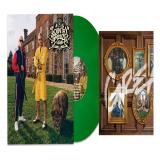
Celestial Echo Records presents Nathaniel Best – Set Your House In Order, an incredible gospel soul LP from 1986, finally back in circulation.
Originally released on Spirit Records of Nevada, the album is very much of its time in the best way — gospel music with drum machines, warm synths and basslines that push it right into modern soul and boogie territory. Nathaniel Best’s voice carries the whole record with real conviction, joined by group vocals and arrangements that give the album that rich, uplifting 80s gospel soul sound.
For us, the standouts are clear. “Call Him” is the boogie dancer — bright, driving and full of movement, the kind of gospel cut that sits perfectly in a modern soul or boogie set. The title track, “Set Your House In Order”, is something else entirely: a beautiful downtempo soul glider, deep and heartfelt, with that slow-burning quality that makes the whole LP feel so special.
Those two tracks tell the story, but the magic runs through the whole record. Scattered across the album are these amazing slower gospel soul moments, balanced with enough groove and lift to keep it moving. It’s not just a one-tracker, it’s a proper LP with feeling, range and a sound that collectors have been chasing for years.
Best’s musical story runs deep. He grew up around gospel, recorded from a young age, played piano in church, sang with the Love Center Choir under Bishop Walter Hawkins, and later worked with names including The O’Jays and The Fairfield Four.
Original copies have always been hard to come by, and the album has built a serious reputation with gospel, soul and boogie collectors over the years.
DJ Support: Ben Wal, Lammer, Helena Lauwaert, Kyle Starkey, Two Faced, OLLIE LISHMAN
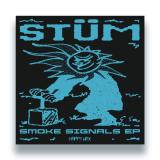
Smoke Signals is a cornerstone release in my discography — five tracks that trace the arc of the biggest run of my career to date, from the closing weeks of his second European tour through into an Australian summer that felt like a genuine turning point for me personally. The A-side carries three of the biggest tracks from that run, road-tested in front of crowds from Europe to home soil long before they ever had a release date. The B-side turns inward, a more introspective look at his sound and the world behind it. Five tracks, one defining period of my life.
Celestial Echo Records presents Nathaniel Best – Set Your House In Order, an incredible gospel soul LP from 1986, finally back in circulation.
Originally released on Spirit Records of Nevada, the album is very much of its time in the best way — gospel music with drum machines, warm synths and basslines that push it right into modern soul and boogie territory. Nathaniel Best’s voice carries the whole record with real conviction, joined by group vocals and arrangements that give the album that rich, uplifting 80s gospel soul sound.
For us, the standouts are clear. “Call Him” is the boogie dancer — bright, driving and full of movement, the kind of gospel cut that sits perfectly in a modern soul or boogie set. The title track, “Set Your House In Order”, is something else entirely: a beautiful downtempo soul glider, deep and heartfelt, with that slow-burning quality that makes the whole LP feel so special.
Those two tracks tell the story, but the magic runs through the whole record. Scattered across the album are these amazing slower gospel soul moments, balanced with enough groove and lift to keep it moving. It’s not just a one-tracker, it’s a proper LP with feeling, range and a sound that collectors have been chasing for years.
Best’s musical story runs deep. He grew up around gospel, recorded from a young age, played piano in church, sang with the Love Center Choir under Bishop Walter Hawkins, and later worked with names including The O’Jays and The Fairfield Four.
Original copies have always been hard to come by, and the album has built a serious reputation with gospel, soul and boogie collectors over the years.
built on the stripped-down, sinister production and uncompromising lyricism that have become signatures of both artists.
A longtime collaborator within the Real Bad Man universe, Mooch previously appeared alongside Rigz on Real Bad Boldy and the On High Alert series, steadily establishing himself as one of the sharpest voices to emerge from Rochester’s underground scene. Across Terminator Shit, Real Bad Man provides a dark, cinematic backdrop for Mooch’s precise, hard-edged writing, with “Mercy” setting the tone for the project’s grim and focused sound.
The album features guest appearances from Boldy James, Your Old Droog, Estee Nack and Deener, bringing together a tightly curated cast of some of contemporary underground hip-hop’s most distinctive voices.
The comic book-inspired artwork was created by underground comics legend Lawrence “Rawdog” Hubbard of REAL DEAL COMIX, extending the album’s dystopian aesthetic beyond the music itself.
Coming from deep within the city that brought us Master P’s legendary No Limit Dynasty and Lil Boosie comes an artist who uniquely encapsulates the crossing point between lowslung Hip Hop and forward thinking, emotive electronic music. 22-year-old New Orlean’s based Suicideyear AKA James Prudhomme brings his own Southern Gothic perspective to the table with new album ‘Color The Weather,’ set for release on July 6th via LuckyMe. Although not his debut album per se - 2015’s ‘Japan’ on OneOhTrix Point Never's Software label was a collection of previously released beats – ‘Color The Weather’ represents the first time Suicideyear has specifically sought to create a complete body of work, further developing different textures and sounds that were hinted on last year’s critically acclaimed ‘Hate Songs’ EP. Within these tracks lie the ghosts of Prudhomme’s past - a difficult childhood truncated in his teens by his family home burning down. When he left Baton Rouge for his new home in New Orleans he found himself further entrenched in the Southern Rap scene whilst he soaked up the avant-garde electronic music he found online. Balancing his tender instrumentation alongside some of the tightest drum programming in the game - these tracks twist and turn - new elements are built and destroyed constantly encompassing a huge emotional range. On the records’ two vocal features he expounds on this innovative and ambitious duality – Domino Records own Georgia filling the track with longing and hope whilst Prudhomme deconstructs the track around her. The Casey MQ featured ‘Said and Done’ goes further - the last third of the track slowing to a codeine induced haze paying a nod to the Chopped and Screwed sound of James youth. “Color The Weather is about the ability to build or form security after trauma/betrayal & building personal coping mechanisms to get through said traumas. Doing what it takes to control your life when powers are working against it. The total resilience of the human spirit.” James Prudhomme
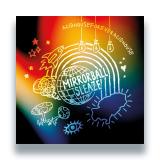
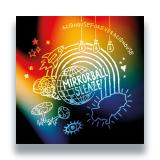
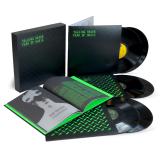
Almost four decades in the making, Dave Seaman’s very first artist album ‘Mirrorball Sleaze’ has finally been completed and will arrive on Selador on November 6th. Featuring a heady mix of both new and old recordings, all created, revised and / or re-purposed especially for this project, this assemblage represents the best of Dave’s sprawling oeuvre, joining the dots between the some of his most celebrated past glories right up to the present day, where he remains on the frontline of electronic club music. A culmination of a life lived and breathed in the trenches of acid house.
This limited vinyl edition will feature all 11 tracks especially segued together, split into two flowing listening pieces across sides A and B. After a long and storied vocation in music, his own artist album was the one itch Dave has long wanted to scratch. And now, at long last, it has arrived - a sultry, shimmering beauty, by turns deep and euphoric. A career milestone.
Almost four decades in the making, Dave Seaman’s very first artist album ‘Mirrorball Sleaze’ has finally been completed and will arrive on Selador on November 6th. Featuring a heady mix of both new and old recordings, all created, revised and / or re-purposed especially for this project, this assemblage represents the best of Dave’s sprawling oeuvre, joining the dots between the some of his most celebrated past glories right up to the present day, where he remains on the frontline of electronic club music. A culmination of a life lived and breathed in the trenches of acid house.
This limited vinyl edition will feature all 11 tracks especially segued together, split into two flowing listening pieces across sides A and B. After a long and storied vocation in music, his own artist album was the one itch Dave has long wanted to scratch. And now, at long last, it has arrived - a sultry, shimmering beauty, by turns deep and euphoric. A career milestone.
Thirty tracks to celebrate three decades in the game, the LP is home to music from artists that have helped shaped the sound of the label over the years. Featuring a mixture of both original tracks and iconic catalogue remixes, expect to hear top-shelf cuts from the likes of Netsky, Grafix, S.P.Y, Etherwood, Nu:Logic, Lens, Hoax, Gabriella Bongo and more.
Pressed across five 12" white vinyl records and housed in a premium two-piece lift-off box, this special 30th anniversary edition is the ultimate collectors item.
“These songs were written just before and while in my first stint in rehab at 20 years old. They were recorded about 4 days after I got out. Broke, walking on freshly sober baby giraffe legs, I sold my car and moved back in with my mom to make that recording happen. At a time where I had no direction, the mission of capturing sonically the love that unraveled my heart at that age became my North Star. These songs have sat in the vault for 8 years, and somehow never managed to collect dust. Anytime I’d revisit them, the glow they carried upon conception still shined bright. For years I’ve known there would be a time to let them loose, and that time has finally come. It took nearly a decade of gaining life experience and perspective to truly appreciate the beauty of young love, courage in the face of unknowning at such a formative time in a lifespan, and belief in magic that can break your heart as quickly as it can mend it. I hope these songs can serve as a reminder of the lessons we all learn from early heartbreak and that belief, and even more so, a looking glass at how our hearts are capable of forever expanding to find love that’s true.”
— Briston Maroney
“These songs were written just before and while in my first stint in rehab at 20 years old. They were recorded about 4 days after I got out. Broke, walking on freshly sober baby giraffe legs, I sold my car and moved back in with my mom to make that recording happen. At a time where I had no direction, the mission of capturing sonically the love that unraveled my heart at that age became my North Star. These songs have sat in the vault for 8 years, and somehow never managed to collect dust. Anytime I’d revisit them, the glow they carried upon conception still shined bright. For years I’ve known there would be a time to let them loose, and that time has finally come. It took nearly a decade of gaining life experience and perspective to truly appreciate the beauty of young love, courage in the face of unknowning at such a formative time in a lifespan, and belief in magic that can break your heart as quickly as it can mend it. I hope these songs can serve as a reminder of the lessons we all learn from early heartbreak and that belief, and even more so, a looking glass at how our hearts are capable of forever expanding to find love that’s true.”
— Briston Maroney
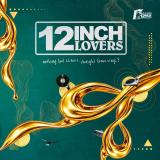
12 Inch Lovers - Celebrating 15 Years of Vinyl Culture!
Belgian vinyl-only event concept 12 Inch Lovers celebrates its 15th anniversary with two new additions to its established sampler series. Now entering its seventh year, the series reflects the music and atmosphere of the events, combining dancefloor favourites with carefully selected discoveries.
Samplers 13 & 14 bring together sought-after classics, hard-to-find gems and selected tracks and versions making their vinyl debut. Each volume features nine full-length tracks across two 12-inch records, making both releases essential additions for DJs and collectors alike.
Sampler 13 includes Sorry I Am Late by Kollektiv Turmstrasse, Marea (We've Lost Dancing) by Fred again.. & The Blessed Madonna, and Lifetimes by Slam feat. Tyrone Palmer. Further highlights include Tocadisco's Morumbi and the Martijn ten Velden Remix of Guitarra G.
Sampler 14 features Dreams by Deep Dish feat. Stevie Nicks, All That Matters by Kölsch feat. Troels Abrahamsen, and the NiCe7 Remix of It's Yours by Jon Cutler feat. E-Man. Belgian favourites Decoy & Roy with Inner Life and The Mackenzie with Higher In The Sky add to the selection.
Rooted in 15 years of vinyl-only events, these two compilations capture the distinctive sound of 12 Inch Lovers, offering lasting appeal for long-time fans, record collectors and DJs looking to bring proven classics back to the dancefloor.
Nothing But (Future) Classix, Straight From Vinyl!
Sampler 13 opens with Kollektiv Turmstrasse - Sorry I Am Late, the club track many will recognise from Solomun's legendary Boiler Room set in Tulum. Its unmistakable bassline sets the mood straight away. Next comes Skape D'Jear - Everything In You (Dedicated Clubba Mix), a
lesser-known house gem making its first appearance on vinyl.
Side B features Karmon feat. Terry Shand - Take My Hand, a melodic house track with a strong vocal performance that remains hard to find on vinyl. Tocadisco - Morumbi then takes things up a notch. With its driving percussion, this is a record that has blasted through the speakers of countless Belgian clubs and beyond.
Side C brings Fred again.. x The Blessed Madonna - Marea (We've Lost Dancing). A track about missing the shared experience of dancing, it became closely linked to the return to the dancefloor for many. Next, we head to Berlin with Kotai - Sucker DJ (Marcin "Highfish" Kozlowski Remix), a distinctive club classic that still holds its own. Daddy's Groove & Little Nancy - It's Not Right, But It's Okay closes this side with a groovy reworking of Whitney Houston's well-known song, now available on vinyl for the first time.
Side D captures the spirit of Ibiza with G Club presents Banda Sonora - Guitarra G (Martijn ten Velden Remix). Its recognisable guitar lines and gradual build make this a track to lose yourself in. This remix makes its vinyl debut here. Closing the sampler is Slam feat. Tyrone Palmer -
Lifetimes. Palmer's distinctive voice and the Scottish duo's outstanding production make this a record that still hits home after all these years.
Nine tracks across two 12-inch records, each in its full-length version. Much-loved classics, lesser-known gems and tracks making their vinyl debut. Selected with the same love for music that has driven 12 Inch Lovers' events for 15 years.
Immersive, roots-infused dub-reggae power from Jamaica meets heavyweight instrumentation from Denmark on a landmark collaborative album out now via Recall Reality.
Rooted in the rich traditions of classic Jamaican sound yet pulsing with a hypnotic, contemporary organic weight, Signs of the Time brings together the evocative vocal artistry of rising roots talent Azizzi Romeo and the master craftsmanship of Denmark's formidable instrumental 11 piece band Guiding Star Orchestra. Built for sound systems and vinyl purists alike, featuring lush tape saturation, spring reverbs, and spacious dub mixes.
Released on Recall Reality, the album is a masterclass in modern roots reggae and deep dub dynamics. Rather than relying on rigid digital presets, Signs of the Time champions warm analogue textures, sprawling horn arrangements, and rolling basslines that echo the golden age of Studio One, Joe Gibbs, Bunny Lee and Channel One while carving out an entirely fresh, meditative space for the listener.
Azizzi Romeo carries forward a legendary musical lineage as the son of the late roots icon Max Romeo, bringing a captivating blend of spiritual urgency, conscious lyricism, and soulful conviction to the microphone. His delivery cuts straight through the mix, offering profound reflections on modern society, unity, and resilience in a changing world.
Backing him are the Guiding Star Orchestra, renowned for their authentic analog production ethos, deep-crate sensibilities, and musicianship that treats the mixing board as an instrument in its own right. The result is a seamless symbiotic project where every bubbling organ skank, hypnotic drum drop, and reverberating tape delay serves the song's core message.
To bring the record home, producer CHLLNGR spent a week in the spring working alongside UK dub maestro in his London studio - Prince Fatty, who mixed the entire album. Fatty invited legendary drummer Winston "Horseman” Williams into the sessions, and Horseman percussion added the final glue to the record.
Track highlights:
"Signs of the Time": Azizzi is joined by his late father, the legendary Max Romeo, on a prophetic warning of what awaits the world if we don't soon unite in peace and love.
"Thanks and Praises": An anthem of gratitude for everything life brings, and of rising up even when others want to see us fail.
"Jah Jah Disciples": A meditation on following Jah, and the strength that faith gives in the midst of adversity.
Signs of the Time is available now on Vinyl LP and Digital streaming platforms via Recall Reality.
On Rent Due, Chattanooga’s BbyMutha turns the pressure, exhaustion and absurdity of everyday life into a distinctly Southern rap record that could only come from her world. Raw, funny, confrontational and deeply personal, the album finds Bbymutha operating completely outside of the conventions of mainstream rap, filtering Southern tradition through the DIY spirit and fractured energy of the internet underground.
Across 15 tracks, Rent Due pairs heavy low-end and stripped-back drums with eerie, spacious production that draws from the darker lineage of Memphis and Southern rap without ever becoming nostalgic. BbyMutha's unmistakable delivery sits at the center of it all: deadpan one moment and explosive the next, moving effortlessly between money problems, motherhood, relationships, sex, frustration and survival with the same unfiltered humor that has defined her music from the beginning.
Production comes largely from Rock Floyd alongside Foisey, Paris Aden, Vile and Popstar Benny, while Lisha G, Vayda and Fly Anakin make guest appearances throughout the record.
Originally released digitally in April 2026, Rent Due captures BbyMutha at her most focused while retaining everything that has made her one of the most singular voices to emerge from the American underground: uncompromising, unpredictable and completely herself. Now available on limited edition vinyl!
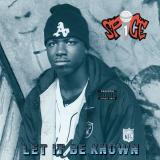
“Let It Be Known” sits at a pivotal moment in Spice 1’s catalog — bridging the raw street energy of his independent Bay Area beginnings with the darker, more polished sound that would define West Coast gangsta rap in the early ’90s. This release captures the foundation of what made him one of the most respected voices to come out of the Bay Area scene.
Raised between Hayward and Oakland, Spice 1 helped shape the sound and attitude of West Coast rap during a period when the Bay was developing its own identity alongside Los Angeles. His delivery combined cold realism, street storytelling, and paranoia-laced lyricism in a way that influenced an entire generation of rappers across Northern California and beyond. At a time when gangsta rap was becoming national, Spice brought a distinctly Bay Area perspective — darker, more introspective, and rooted in the realities of East Bay street life.
This reissue highlights an important chapter in that evolution, featuring early versions of songs that would later become staples of his catalog. Tracks like “Ghetto Thang,” “187 Proof,” and “In My Neighborhood” reveal how Spice’s sound was already fully formed from the beginning. For collectors and longtime fans, Let It Be Known offers a rare look at the raw blueprint behind one of the defining voices of ’90s West Coast hip-hop.
TIN081 lands from Norwegian ‘V.Christie’ & Dane ‘ELOQ’ who connected via TikTok before quickly realising in ELOQ’s Copenhagen studio that their connection was gonna spark something truly incendiary.
By now we all know about the Danish capital's bass fuelled garage scene – thanks in no small part to their now TIN label mate & ATW boss Main Phase amongst others – well now it’s time to add ELOQ & V.Christie to the list of Copenhagen based producers shaping the future of the sound. Over four tracks the pair show a preternatural ability for speed garage and bassline and a deep grasp of rolling two-step flow. Their sound is full of life and is pushing UKG forward.
Run the tracks…
‘Coldsnap’ is a bouncy af Speedy G chune, packed full of stabs and vocal chops but it’s the bassline that makes this one cook. The bones are classic speed garage but that bassline is something new. Chef’s kiss.
When ‘Fools’ starts with that phone ringing and you know these two are up to no good. Icy, crowd tested and with a vertigo inducing buildup this is club-ready, peak-time business. And when that bassline collides with the reese… Ignition.
‘Nightshifter’ is a BIG WARPER.. ominous and spooky. Watch for the bells.. annnd the bassline.
Copenhagen’s contributions to electronic music are many. The Copenhagen ‘Fast Techno’ sound championed by artists like Mama Snake & Courtesy has been long applauded so when ELOQ & V.Christie close out the EP in euphoric style it makes total sense. ‘Anchor’ is a fast, hands up crescendo of hard house, trance and speed garage. A proper set closer. Hug your pals. Another lethal combo: huge chords & reese bass.
From heads down to hands up ELOQ & V.Christie got you covered.
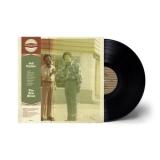
Jeff Parker's 2016 album The New Breed was a turning point for both Parker and International Anthem, changing the trajectory of his solo career as well as drawing an abundance of attention to our fresh imprint despite our then very limited catalog. Most importantly though, the album is the first to give voice to Parker's wholly unique take on sample-based beat construction augmented by improvisation and live instrumentation (performed in this case by the high-level crew of Paul Bryan on bass, Josh Johnson on alto saxophone and keys, Jamire Williams and Jay Bellerose on drums, Parker's daughter Ruby on vocals, and Parker himself on guitar, synths, and other instruments). What began as Jeff's interest in understanding his own idea of hip-hop processes (and how they related to his work in jazz) expanded into a blueprint for much of his work since then. (Hear also: The New Breed's expansive followup Suite For Max Brown, the gentle deconstructionist solo guitar of Forfolks, and the long-form slow bloom improvisation of
DJ Support: Mochakk, Joseph Capriati, Jamie Jones, Purple Disco Machine, Groove Armada, Marco Carola ,keinemusik, Adrian Roman, Bill Brewster, Rino, Ruben Mandolini, Terry Farley, Nicolas Masseyeff, Echonomist, Robosonic, Nuno Dos Santos, diskJokke, Dan Marciano Jody Wisternoff / Way Out West, Eelke Kleijn, Henry Saiz, Digitalism, Sister Bliss / Faithless, Innellea, Adriatique, Judge Jules, Sam Divine, TSHA, Simone Vitullo, Joris Voorn, Tommie Sunshine, Fahlberg, Stijn D'hont / DJ Neon
D Stone is a rising force in Amsterdam’s electronic music scene, blending live instruments with electronic production to create his unique take on house music. His sound bridges true house to proto-disco and deeper percussive elements, as showcased in his release Total Unison. A passionate DJ and producer, D Stone crafts infectious tracks by combining samples with live instruments, driving dance floors with his grooves. Born into a musical family, D Stone was immersed in sound from an early age. His father’s influence exposed him to diverse musical styles, sparking his lifelong curiosity. He began playing piano at eight, learned guitar at twelve, and by fifteen discovered electronic music, exploring house as a DJ. A year later, he ventured into production, gaining recognition and landing his first gigs. Inspired by 70s and 80s disco, funk, garage, and 90s tech house, his music blends energy, groove, and soul. With his foundation in live instruments and his forward-thinking approach to electronic music, D Stone strives to create more than tracks—he’s shaping moments that linger in the minds of his listeners.
Envision remixed by DJ & producer Julya Karma Emerging from Brooklyn’s underground and now rooted in Berlin, her practice isn’t about fitting into a lane, it’s about finding what is alive and letting it shape the moment.
Across diverse stages and platforms from Coachella and Lost Village to Berghain, Cercle, Space, The Brooklyn Mirage, DGTL, Time Warp, Audio Obscura, Tomorrowland, and within the orbit of Innervisions, Julya’s performances reflect a commitment to exploration over formula, earning recognition from artists like Laurent Garnier, Dixon, Âme, Adriatique, Rüfüs Du Sol, and Sven Väth.
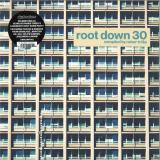
DAYBREAKERS Records proudly presents ROOT DOWN 30, a celebration of one of Europe's most influential club institutions. Curated by legendary DJ, producer and tastemaker Rainer Trüby, the compilation marks three decades of Root Down, the Freiburg party that has quietly shaped dancefloors, record collections and musical conversations since 1996.
Long before genre boundaries dissolved into today's eclectic club culture, Root Down championed a unique musical vision. Jazz, Brazilian grooves, soulful house, broken beat, Afro-Latin rhythms and future-facing electronic sounds were brought together under one roof, creating a community that became a vital meeting point for adventurous dancers and deep music lovers alike.
Across thirty years, Root Down has hosted an extraordinary roll call of artists and DJs including Jazzanova, Gilles Peterson, Theo Parrish, Kyoto Jazz Massive, Jimpster, Laurent Garnier, Dixon, Peter Kruder, Richard Dorfmeister and countless others, helping establish Freiburg as an unlikely but essential stop on the global underground music map.
ROOT DOWN 30 captures that spirit perfectly. Handpicked by Trüby, the collection brings together a selection of artists whose music embodies the warmth, sophistication and dancefloor energy that have defined the party since day one. Featuring music and remixes from Jimpster, Osunlade, Da Lata, Jazzanova, Crackazat and more, the compilation moves effortlessly between soulful house, jazz-inflected club music, Brazilian influences, broken beat rhythms and deep electronic grooves.
ROOT DOWN 30 is a snapshot of an enduring musical philosophy. Thirty years after the first Root Down dancefloor came to life in Freiburg, the spirit remains unchanged: open-minded, soulful and rooted in discovery.
ROOT DOWN 30 stands as both a celebration of that remarkable journey.
byt’ continues its eclectic journey with the third release in its catalogue. This chapter sees the return of Telva, shifting into a new frequency with a story born between 11.11 and a full Taurus moon back in 2024 in Berlin. The composition recorded in a single take, is articulated through a dreamy, electronic, minimal house, and vocal infusion. Left as romantic and unrestrained as the artist’s reverie, it is preserved in its raw form to protect its intimacy.
“Every record I make is a guide towards a better understanding of all that I can be. 11:11 is a fragment of a special spark I experienced, which peeled back another layer of myself enriched by the lessons along the way, until finally holding it in my hands today. What started as an epiphany on Heideglühen’s dance-floor unfolded into a kiss of destiny, a fleeting delirious love affair, and a quest of passion that hugged my memory, compelling me to revisit my early days. An endeavor of surrender, no matter how unknown, unconventional or uncertain it all may feel. To finally have the courage to let it be messy, raw and true, so that I stand naked once again, while daring to honor the absence of order as part of the magic and mystery of life.” - Telva
The intriguingly named Pigeon Steve joins Especial for an EP of trippy, psychedelic electronic dance music that goes far beyond its origin – a thirst for all forms of movement – a struggle filled with all possibility.
Since its inception, the label has sought to take inspiration from a wide range of music genres – new wave and new beat to disco-not-disco, post punk and proto-house – never looking for a trend. This belief system expressed is human; intimate and authentic, dissolving and uniting around shared truths and universal values.
Music as ecstasy, the flux of rhythm and sound, to find and be yourself; no guilt, no competition, no games. It is phenomenon – magick – that short circuits through human (emotional) response.
Relocated to South-East London, Glaswegian DJ and producer, Pigeon Steve aka Adam Low, showcases his talent. A dubby, trippy approach to DJing mirrored in his productions; the recent, well-received EPs on the esteemed Offen Music and Weirdos Inc lead here – an EP of sample heavy cuts, wrapped in echo-laden grooves, the beats dripping in psychedelic, new beat and steppers electronica.
Dialect locates us, through its cadences, inflections and intonations we journey through life. Language allows us to escape the lion in a cage. The moment we forget ourselves, we can reach joy and clarity. To live is to exist, the struggle against controls, fighting for an individual destiny.
Nu Vision is a modern salon for visionary leaders, fighting for their art, standing by truths, defending voices, honoring progenitors, whilst pushing forwards towards a new paradigm. The band all have their own stories and extensive discographies, records released on labels you might know, gigs played in places you might have attended but none of that matters. This is a new beginning. A group. A collective.A movement. Nu Vision is a band in the classic do-you-believe-in-alchemy sense. Equal parts rhythm, damage, and deep feeling. Their friends at DFA noted that the album “sounds like Depeche Mode scoring a Michael Mann montage: brooding,motorik, and shot through with black-and-blue beauty.” this idea is taken further in the first video from the album for track one / side one “Time” that launches the project publically along with the albums announcement. The palette of ‘The Seed’ is defined and refined in the best way. It’s an album that opens up many pathways. Brisker, freakier tracks like “Shadow In The Dark,” “R U Serious?” and “Humanity” run towards a softer finish with “Somedays” and the seven-minute, eyeliner-smearing closing ballad, “Lullaby Garden.” These are proper songs made with vintage machines, with a sound that carries obvious influences. ’ The Seed’ pulses forward as the body of the beast is turned inside out, wearing a beating heart on its sleeve, honoring those who left us too soon - DAF’s Gabi Delgado, Nitzer Ebb’s Douglas McCarthy, Depeche Mode’s Andrew Fletcher, and Sandwell District’s Juan Mendez. It’s important to note the emotional core of ‘The Seed’ album is the song ‘Synchronicity’ that is filled with both love and regret, the story of losing a friend without properly making amends. It is unquestionably heartbreaking, but is also delivered with a pang of hope, the feeling that with so many sunrises caught, so many additions and subtractions in life, a perspective has been gained. This is no freshman effort; but rather, a masterclass in continuing sonic education, delivering a unified experience from beginning to end. A New Vision
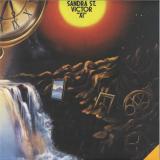
Powerhouse vocalist Sandra St. Victor returns with Eleven, her eleventh studio album and first solo release in over a decade. From her years with The Family Stand to collaborations with Roy Ayers, Curtis Mayfield, Chaka Khan, Prince and Lalah Hathaway, Sandra has built a remarkable career that has consistently blurred the lines between soul, funk, jazz and gospel.
Executive produced by Sandra St. Victor and Patrick Gibin for Mother Tongue, Eleven brings together Sandra's longtime collaborators alongside the Mother Tongue family, bridging her rich musical legacy with a fresh, forward-looking sound rooted in soul, jazz, boogie and soulful dance music.
The album combines brand new compositions with inspired reinterpretations, from Kaidi Tatham's stunning reimagining of Captain Sky's Moonchild and his masterful reinvention of the Leon Ware/Syreeta underground gem Tiki Tiki Donga, to a beautifully understated new version of Sandra's own Dizzy, originally released on Gemini: Both Sides in 2001 featuring Questlove, Roy Ayers and Donald Byrd, here reimagined by Mark de Clive-Lowe. Along the way, the lo-fi soul of Black Ice, the timeless duet No More Water featuring Lalah Hathaway, and the straight-up funk of Makes Me Wanna Fall In Love Again and What Would Miles Do showcase an artist continuing to evolve while remaining true to her artistic voice.
Rooted in experience yet driven by curiosity, Eleven bridges Sandra's remarkable musical legacy with the creative vision of Mother Tongue, resulting in an album that feels both timeless and unmistakably
With World Beats Vol. 3, Lello Di Franco recruits a powerhouse team of remixers known for their dancefloor instinct—featuring Gerd Janson, Johannes Albert, Ben Hixon, and Gerd. Together, they preserve the cosmopolitan, percussive pulse of the original tracks while elevating them into peak-time club anthems. This masterfully crafted remix EP breathes new life into the project through diverse yet seamlessly cohesive interpretations. A must-listen for lovers of sophisticated house, nu-disco, and forward-thinking global sounds.
Year 3673. The frequencies have taken hold. What began as scattered transmissions from the underground has become an infection. Across the dead zones, abandoned receivers flicker back to life. Forbidden rhythms bleed through the static. Citizens once numb to the Global Order's neural grip are beginning to move again. But something else has awakened with them. Deep beneath the ruins, an unknown signal has begun answering SHIFT's transmissions. Its origin is untraceable. Its frequency predates the network. Those exposed report visions, lost time and an uncontrollable urge to follow the sound. The Global Order calls it contamination. SHIFT calls it evolution. A new generation has been born into the resistance; raised on distorted circuitry, machine funk and frequencies never meant for human ears. The signal is spreading. Do not adjust your receiver.
Life is like a mirror ball! The first one in a hopefully long-lived series of disco and pop influenced Super Sound Singles on Running Back, comes courtesy of the unmistakeable Gibson Brothers. Leaving their biggest wedding hits "Cuba" and "Que Sera Mi Vida" to the side, the philanthropic and smile-forcing "Ooh, What A Life" gets an extended edit service by Shan & Gerd Janson, who cut away some of the fat and make it fit for fun on contemporary dance-floors. The flip side sees them remixing and sandpapering "Heaven" into a disco-house interbred (filters and looping mandatory). To quote John Lyndon: "Disco sucks You never heard that from me."
London mainstays Half Baked push beyond a quarter of a century here with Romanian house favourite Dan Andrei debuting on the label. He offers the beautifully clean and serene ambient, minimal and tech fusion that is 'Orange Sunshine' - the sort of 5am gem that soundtracks deep immersion in an alternative world, complete with real beauty in the chords. Sticky' has a more pronounced rhythm and bubbly blend of rubbery drums and bass, while spacecraft-life synths circle the groove and neat melodic patterns unfold with a curious nature. London duo Brainsurfers aka Harry McCanna and Sam Bangura add more drive but keep things deep and crank up the cerebral details.
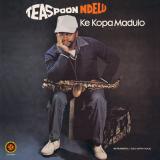
In recent years, Teaspoon Ndelu’s work has found a new audience through reissues from labels such as Mr Bongo and Sofrito Super Singles. Mr Bongo’s 2021 reissue of Teaspoon & The Waves brought his 1977 jazz-funk classic back into circulation, while Sofrito’s Soweto Disco featured two tracks from the album, Oh Yeh Soweto and a re-edit of Friday Night, introducing Ndelu’s music to a new generation of listeners and selectors.
Originally released in 1981, Ke Kopa Madulo is a beautiful slice of South African funk from the late Teaspoon Ndelu, sitting somewhere between township soul, funk and gospel. At its heart is Ndelu’s unmistakable voice and this hypnotic electric piano, carried by a deeply infectious groove.
Long sought-after by collectors, the original has become increasingly difficult to find. We’re very happy to bring Ke Kopa Madulo back to vinyl for the first time in nearly five decades with this officially licensed reissue, giving this remarkable piece of South African musical history a new life.
For the dancers, the selectors and the listeners — Ke Kopa Madulo is back.
Mastered by Simbad
Executive producer : Fred “Spider” Jacquier
Graphic Design by Graeme Arendse
Notes : Marc Linge
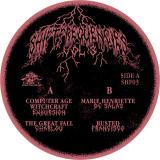
Across the cosmic boundaries via spiritual exploration and in the void between shimmer and shadow you will find the astral soundscapes of Birds Of Pandaemonium...
Emerging from Brooklyn's late-night music ecosystem, 'Hazy James' Armstrong and Tim Wagner met nearly 20 years ago through the city's DJ and club scene. Each with different but complementary musical backgrounds which included a mix of folk, guitar, DJing, synths, drum machines, country rock, disco, jazz, and rhythm-heavy club music (being just a few!), the duo began various musical endeavours together & "exploring the darkness while pursuing light" which eventually lead to the birth of Birds Of Pandaemonium.
It was only a matter of time that the stars aligned (via an introduction from Shane Watson of Causeway) to bring the Birds onto the musical radar at Sprechen which led to the release of 3 renowned E.Ps and ultimately, their debut album, Eudaemonia. Obscure covers including Idris Muhammed's Loft classic 'Could Heaven Ever Be Like This', the rave defining Born Slippy by Underworld and the post punk/new wave 'On Islands' by New Musik sit alongside original songs shaped by fresh reflections on life, grief, and love with elements of dream pop, shoe-gaze & gothic pop to give wistful and pulse-driven listening experience that is hazy, romantic, and deliberately genre-blurring.
A truly unique listening experience that delivers broad strokes of sunsetting psychedelia and bleary-eyed optimistic, astral dream-pop across all 8 tracks.
Is it balearic? Not really, it's pretty much a genre all on its own (answers on a postcard).
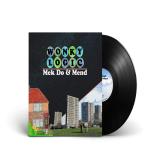
This November, Brownswood Recordings will release Mek Do & Mend, the debut album from self-taught producer, multi-instrumentalist, composer and artist Wonky Logic. Although his name may not yet be familiar to everyone, Wonky Logic (AKA Dwayne Kilvington) has spent the past two decades quietly becoming one of the UK's most respected musical collaborators. His career has moved comfortably between London's jazz, electronic and contemporary music scenes, performing and recording with artists including Nala Sinephro, Yussef Dayes, Nightmares On Wax, Shabaka Hutchings and Emma-Jean Thackray. Alongside his work as a producer and composer, he's been musical director for projects with Eddie Chacon, John Carroll Kirby and I.G Culture's LCSM, scored the feature documentary Zandra With A Zed, contributed music to A24's The Smashing Machine, and continues to lead music workshops with young people, refugees and people experiencing incarceration.
Far more than a collection of compositions, Mek Do & Mend is a deeply personal reflection on the people, places and experiences that have shaped Kilvington throughout his life. It's the story of growing up on a Leeds council estate, where music became both a creative outlet and a way of understanding the world. Making music often meant working with whatever was available: a second-hand keyboard, a makeshift studio desk or ageing equipment that simply had to last a little longer. The title itself came from a conversation with his mother, capturing the resourcefulness that defined his upbringing and continued into the making of the album itself, which was written and produced to a tight deadline around touring, family life and Kilvington's work as a musician and educator.
Built from material spanning more than fifteen years, Mek Do & Mend brings together some of Wonky Logic's earliest compositions alongside brand new pieces written during the making of the record itself. Childhood ideas sit alongside music conceived only months before recording, creating an album that draws together a lifetime of writing rather than documenting a single moment. Running throughout are voice notes from family members, teachers, friends, mentors and collaborators—not simply as interludes, but as a reminder that no creative life is ever self-made. Rather than telling his own story outright, Kilvington invites listeners to discover him through the people who've shaped him: an aunt remembering him playing in church as a child, lifelong friends recalling early experiments making beats together, fellow musicians from different stages of his career and his mother describing him in her own words. Together they reveal the invisible network of relationships, philosophies, communities and experiences behind the music. "The album exists somewhere between being a biography and an autobiography," says Dwayne. "The biography is in the voice notes and how other people see me. The autobiography is in the music."
That same philosophy extends to the musicians who appear on the record. Every contributor has played a meaningful role in Wonky Logic's life beyond the studio. Long-time collaborator Luke Wynter, Steam Down drummer Benji Appiah, partner Vanessa Rani, Jonathan Enser, Joe Bristow, Brother Portrait and Nubiya Imani all feature not simply because of their musicianship, but because they form part of the album's story.
Across its fourteen tracks, Mek Do & Mend moves effortlessly between dynamic jazz arrangements, pulsating broken rhythms, delicate, twinkling piano passages, interstellar synth textures and elegant brass lines. Album opener and first single 'Strange Attractor' begins with a shimmering introduction before unfolding into an exhilarating surge of rhythm and momentum. Named after the mathematical concept of the same name, it serves as the conceptual point of origin for the album. Written when Kilvington was just seventeen, the composition reflects the idea that even the most unpredictable lives are guided by hidden patterns that often only become visible with time. Second single 'A Thousand Hands' features the unmistakable vocal tones of Brother Portrait, whose cerebral lyricism drifts over a low-slung, constantly shifting groove as woozy synth lines ebb and flow overhead. At its heart, the track celebrates the family, friends, mentors and collaborators whose often unseen influence shapes who we become, echoing the album's belief that every achievement is, in some way, a collective one. LP focus track 'BAME (Beyond All Marginalised Expectations)' is a lush, spiralling composition, brimming with both emotion and resolve. Reclaiming an acronym long imposed on racialised communities in the UK, the piece transforms it into a statement of possibility rather than limitation: a defiant rejection of stereotypes and a refusal to let identity be defined by other people's expectations.
The album itself only exists because other people believed in it. Isabel Gracefield made the RAK sessions possible, Rick David brought the record together with his characteristically thoughtful mix, and Gilles Peterson committed to releasing it on Brownswood before hearing any of the music. Away from the stage, Kilvington works with the charity Finding Rhythms, writing and producing original records with people experiencing incarceration, while also leading workshops with Arts Train and Dovetail Orchestra.
Recorded live in a single day in Studio One at RAK, Mek Do & Mend was mixed by Rick David through an analogue Cadac console before being mastered by Stuart Hawkes at Metropolis. The aim wasn't nostalgia or audiophile perfection, but to create a record people could return to throughout their lives, discovering something new with each listen.
As Dwayne puts it: "I don't want this body of work to be reduced to a jazz record. It's more like a novel about life told through music."
COUNTRY GREAZE is the 2nd independent album released by multi-Platinum-selling artists, Sigma - their 5th studio album overall. COUNTRY GREAZE is a bold, high-concept body of work that visually and sonically collides the raw, underground energy of Drum & Bass with the refined grandeur of a country manor backdrop. Sigma’s idea of blending high-octane basslines, heavyweight lyricism and tongue-in-cheek cultural contrasts flips expectations — pairing gritty rave culture with aristocratic imagery to create a striking, rebellious aesthetic. Its muddy boots on marble floors, signet rings next to gold chains. Sigma say, “The COUNTRY GREAZE concept was to create an exaggerated version of our lives in the countryside and then pull our guest vocalists into to it to see what happened. Obviously, we don’t live in grand manors, but for this we do! Its great having the creative freedom to bring an idea like this to life and we’ve had a lot of fun making it.”
The 12 tracks incorporate a variety of influences including the reggae-infused WATCHIN’ U, the hip-hop inspired NEED U NOW and BACK 2 LIFE featuring legends of UK Sound System culture, Soul II Soul. These influences, together with garage, jungle and grime, can be heard throughout the album. One of Sigma’s aims for this album was to celebrate the scenes and artists that have shaped their journey whilst pushing their sound firmly forward. COUNTRY GREAZE has certainly delivered on this with the project showcasing fresh sounds whilst bringing together a heavyweight cast of UK talent including Danny Byrd, Professor Green, Kurupt FM, Basslayerz, Dutch & Graft and many more. In addition to the 6 singles that Sigma have released in 2026, COUNTRY GREAZE unleashes another 6 bangers which have only been heard in their DJ sets this Summer and whose release has been highly anticipated by many fans of Drum and Bass. In addition to the 6 singles that Sigma have released in 2026, COUNTRY GREAZE unleashes another 6 bangers whose release has been highly anticipated by DnB fans since Sigma started playing them at their 45 gigs this Summer.
The first of these is the album’s focus track, THE DAYZ, featuring the spoken words of Jude Moore who hits the proverbial nail on the head with his nostalgic look back at life growing up in the UK around the turn of the millennium. It’s no surprise that he has a massive 670k TikTok followers as his words speak profoundly to an entire generation. With talk of house parties and care-free fun layered over space-disco synths, THE DAYZ exudes a nostalgic vibe before skilfully blending it with punchy drums and a chunky bassline bringing it straight to the here and now. This uplifting track is guaranteed to inspire any listener to think about the best nights of their lives and say, “Ah geez, those were the days!” Similarly, FABRIC, named after the club that helped shape the Sigma sound back in the 2000s, has the same ethos – classic sounds with cutting edge production. Its euphoric multi-layered synths and deep sub bass fully encapsulate the many late nights spent by Cam and Joe in Room 2.
Sigma also unleash the mighty ALLIGATOR. This much-hyped track has been killing dancefloors one snap at a time since the start of the Summer. The old movie samples and ominous synths in the intro give warning of the impending doom before attacking the listener with its enormous bassline and ferocious drums. Its 36ft long and weighs over 2000lb and its coming to a dancefloor near you.
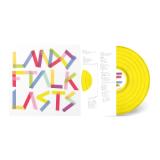
Land of Talk is still here. That wasn’t always a guarantee. Over the multi-faceted twenty year history of their project, Lizzie Powell has drifted from and back to music, always interrogating their role as an artist. In the time since 2023’s Performances, they found themselves utterly worn down by the vicissitudes of the music industry and wracked with worry around their aging parents. Yet the music didn’t stop: Powell heard songs in traffic and in birds chirping, in their downstairs neighbor’s daily prayers and in the babble of children on the street. Melodies slowly cohered over time. “Life can become so unbearable, and music is where I go to metabolize it,” they explain. “I know the music was the only thing that was going to help me.” Soon Powell reemerged with the sixth Land of Talk album, LASTS.
LASTS is full of double meanings — both resilience and finality, acting as a noun and a verb. Though LASTS is haunted by crises including climate collapse, political upheaval, and genocide, the mangitude of global turmoil led Powell towards smaller, humane depictions of suffering and grief. As both their parents became ill, Powell reflected on the last time a person might walk, might talk to a loved one. Yet watching their parents near the other side of life’s arc also made Powell consider all they had survived across their own decades on this earth, their new songs channeling both gratitude and rage. LASTS became a phrase, honoring Land of Talk’s circuitous route and all Powell’s reckoned with through the years. “I think of this record as a love letter to life,” they say.
The end result is an album both lean and winding, allowing Powell’s words and melodies to take centerstage, uncrowded in visceral, shot-no-chaser arrangements. LASTS jumps right in with “Broken Tongue,” a wiry track built on thrumming electric guitar and ghostly synths as Powell rails against the lack of justice for victims of abuse. The trio’s interplay is readily evident in “Saffron” and “4:44,” two earworm songs that also allow themselves to unspool into extended instrumental codas. Early in the record, there are seething tracks like “Dogs” — “Just your basic instinct / Even dogs know better,” Powell growls in the chorus, before the song quiets into a plaintive plea of “Leave us alone now” — and later there are more vulnerable, wandering moments. In “Projections” and “Cedars,” Powell ventures deep into their head, inviting their co-conspirators and listeners alike to follow the songs wherever they meander.
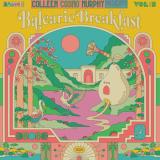
Take a look at the sonic landscape of club culture today and Colleen ‘Cosmo’ Murphy stands out as one of the pioneers on many fronts. Whether she’s dropping Cosmedelica remixes on her Love Dancin’ sound system at We Out Here festival, hosting listening sessions for her hugely influential Classic Album Sundays, or telling Turntable Tales for BBC’s Radio 4, she has created new avenues for experiencing music and thinking deeply about how it affects us and our communities.
· So here we are at ‘Volume 5’ of this series that once again captures Colleen’s unique take on Balearic. “Anger is Divisive,” runs the spoken word sample weaved into the pastoral ambience of ‘Quiet Storm’ from Sewell and The Gong’s ‘Patron Saint Of Elsewhere’ on Chris Coco’s DSPPR label from 2025. It’s a fitting opening to a collection put together with and for love.
· Born from the same lockdown isolation as ‘Balearic Breakfast’, ‘Fruits of Life’ from Sakura Murakami’s 2020 album ‘Hot Liquor’ offers a Tiki flavoured cocktail of tropical psychedelia.
· Digging deeper into her crates, Colleen then uncovers Flayer’s ‘Wanna Get Back Your Love’, a slow and sleazy piece of cosmic soul from Italy in 1983.
· Richard Earnshaw’s ‘Rise’, featuring Roy Ayers and spoken word artist Ursula Rucker, was hidden away on his only album from 2019.This slow jazz infused groover proves to be the perfect segue record as the collection hits the dancefloor with the Spiritual Life style deepness of ‘Ore Yeye O’ by Moroccan house producer Cee El Assaad and vocalist QVLN (Quetzal Guerrero).
· We then return to spoken word with Joshua Idehen’s diasporic club anthem ‘Everything Everywhere All At Once’. You’re in it deep now, head down next to the speakers as The Seven Ups bring you ‘A Cosmic Scale’, a heavy slab of psych rock meets Afrobeat by way of Melbourne. We then take a trip over to Sheffield where Richard Barratt under his Crooked Man alias reunites with his dance music subverters All Seeing I for a wonderfully skewed mutant disco classic.
· Bringing things down gently with the sun kissed 1980s soul of Lovetempo ft Wattison’s ‘Wanna Be With You’ (ft. Mattison) out of Brooklyn, Colleen eases into the perfect exit to her eclectic journey with Santana drummer Michael Shrieve joined by Kevin Shrieve and the great Klaus Schulze for the Berlin new age cosmic epic from 1984, Transfer Station Blue’. Music for the head and feet brought to you with love by one of our masters of sonics and selection.
LIP020: Ferdinger – Easy Warmth & Quiet Menace Life In Patterns marks its 20th release, and its last of 2026, with an EP from label head Ferdinger himself. "Easy Warmth & Quiet Menace" sees him move into darker, more textured territory without losing his signature relentless drive. From the sombre melodies of "Tears Will Dry" and the distorted, haunting synths of "Back At It" to the analogue modular textures of "Front Toward Enemy" and the gritty dub stabs of "Ruminations", the EP covers a lot of ground across its moods. Closing track "Fresh Impetus" ends things on a different note, with a driving old-school electro groove. "Easy Warmth & Quiet Menace" is out on 13 November 2026 on vinyl and digital.
Sentimental Ultra marks DJ HEARTSTRING’s debut proper on Steel City Dance Discs, and their first album project, releasing November 13th 2026. Starting life as a mixtape before a happy accident or two took it down a different path, the 15-track album finds the pair chasing not just peak-time euphoria and what they can conjure in a club setting, but everything around it, too. The befores and the afters. The soft and the supercharged. What life felt like when they were young. Featuring collaborations with SWIM, Spriitzz, BAUGRUPPE90, Sam Gellaitry, Saidah, DMA’S, KennyHoopla, Monk, 3NDLES5, David Jackson and secret act, they fold formative years influences such as indie rock, rap, ambient and breakbeat into their sought-after sound, and balance them with contemporary-coded ideas.
This blend of worlds is at the crux of the album’s concept visually as well. Sentimental Ultra is an exploration blurring the lines of hard and soft, taking inspiration from subculture communities around football hooliganism and skateboarding. The cover is shot by iconic British photographer Ewen Spencer, renowned for his work around Skins, The Streets and more. The collaboration has seen DJ HEARTSTRING land features in Numero Berlin, Notion Mag and other cross-cultural editorial platforms ahead of the album announcement.
To date, the project has already received various milestones across international radio, including Arielle Free’s Big Whopper for third single ‘Another Year Alone’ and DJ HEARTSTRING landing a coveted BBC R1 Residency in November. Adding to this is the slew of digital looks and accolades for DJ HEARTSTRING’s set recordings including their closing set at Soenda Festival earlier this year which is on 115k views since being published in May 2026, their Melbourne Boiler Room published in 2025 with +1 million views and their Belfast Boiler Room published in 2023 with +1.1 million views.
Since DJ HEARTSTRING’s 2021 debut, when they rollicked through the club door with their Destiny of the Moment and Eternal Euphoria EPs, alongside a slew of self-released, pop-and-R&B-indebted edits, DJ HEARTSTRING have followed their hearts and won over legions more with an emotional dance music style that’s fast become synonymous with their name.
There’ve been big releases such as 2025’s You Are The Sun, I Am The Sky EP, and buzzy collaborations with fellow synapse-igniters like SWIM, Narciss, southstar and S.C.D.D.’s KETTAMA. The past few years have also seen remixes for Charli XCX and Sam Smith, Romy, Sugababes and Empire of the Sun, sets everywhere from Berghain to London’s 3000-capacity Roundhouse, their own Teenage Dream parties and a must-listen contribution to the BBC Radio 1’s Essential Mix series, which showcased just some of the sonic inspirations behind their signature, like Eurodance and trance, plus heaps of DJ HEARTSTRING material.
And now, Sentimental Ultra arrives off the back of DJ HEARTSTRING’s busiest summer to date with landmark festival plays at Awakenings in the Netherlands, Lost Village and Maiden Voyage in the UK, We Love Green in France, Lost Paradise in Belgium, Movement Festival in Detroit and Arc Festival in Chicago. Hot off the heels of their festival run, the Berlin duo show no signs of slowing down with a 3-date Australia tour at the end of September whereby they sold a cumulative 15,500 tickets across Melbourne, Sydney and Perth shows, all on presales. In addition to some pop-up in key markets around album release including Ireland, Scotland, Berlin and London, the Sentimental Ultra official tour also encompasses a European hard ticket run including Belfast’s Telegraph Building (2,000 cap), Brussels’ Braindance (2,000 cap), Paris Phantom (3,400) and DJ HEARTSTRING’s biggest London show to date - Brixton Academy (5,000) - an apt follow-up after selling out Magazine (4,000 cap) weeks in advance in February 2026.
There’s plenty still in store, and plenty of places to catch them throughout the rest of what’s set to be a landmark year. Shows from Miami to Manchester (for the sold-out KETTAMA presents Steel City Dance Discs WHP takeover) to Dublin’s District X, a hometown Teenage Dreams event and 2 colossal ADE headlines at Dockyard and Sugar Factory - with more plans bubbling behind the scenes. DJ HEARTSTRING season is well and truly upon us.
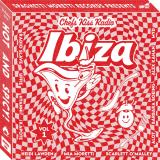
Chef’s Kiss Radio Vol. 1: Ibiza versammelt zehn handverlesene Tracks auf einer stilvollen 12"-Compilation von Spaghetti Moretti Records. Mit Beiträgen von Mia Moretti, Myd, Kapote & ALOT, Radio Slave, Heidi Lawden, Cesária Évora, Uffie und weiteren Künstler:innen verbindet die Sammlung House, elektronische Sounds und unverwechselbares Ibiza-Feeling.
Entstanden aus der Chef's Kiss Radio-Residency im Nocturna Ibiza, vereint das Album exklusive Originale und hochkarätige Remixe zu einem perfekten Soundtrack für endlose Sommertage und lange Nächte. Die limitierte Vinyl-Edition macht diese Veröffentlichung zugleich zu einem attraktiven Sammlerstück für DJs, Vinyl-Fans und Liebhaber moderner Clubmusik.
'Carnaval De Luz' is the exhilarating 16th studio album from U2, 12 melodically rich new songs from one of the most celebrated & enduring bands of all time. Acknowledged as one of the best live acts in the world, U2 has sales of over 175m & won numerous awards, incl. 22 Grammys. Set for release in the year Bono, The Edge, Adam Clayton & Larry Mullen Jr. will mark 50 years together in U2, 'Carnaval De Luz' includes lead tracks 'Street of Dreams', 'Silencio' and the extraordinary 'Torn (ft. Dolly Parton)'.











![Ferdinger - Easy Warmth & Quiet Menace [Incl. DL Codes]](https://www.deejay.de/images/l/0/4/1268804.jpg)