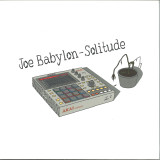
California's Joe Babylon has been steering his own Roundabout Sounds through some lovely deep house waters over the last few years. Now the producer makes a big statement with his own debut album. He is something of a veteran having co-founded Plug Research back in 1994 and hosted underground events in Los Angeles during the mid '90s. Following on from outings alongside the likes of Rick Wilhite and Rondenion he now brings his own dusty, carefully disheveled house sounds to the fore. They have been crafted using an MPC which gives them their rough-edged appeal and they go from heads down back room joints to dubbed-out minimalism via dream late-night reveries. It makes for a fresh take on a tried and tested house template.
Cerca:los angeles t f
LOS ANGELES BASED PRODUCER MINION DEBUTS ON EVAR RECORDS WITH THE FOUR-TRACK EP 'NITE LYFE.' RELEASED ON AURA T-09 AND TRICKFINGER'S REVERED RECORD LABEL, 'NITE LYFE' MERGES HARDCORE, TECHNO AND GABBER WITH SOFT TEXTURES AND GOSSAMER SHEENS, EVOKING AN INTENSE, WAVEY TRIP. THIS ONE IS SUITED TO A CHURNING, POST-3 AM DANCEFLOOR, OR IN MINION'S OWN WORDS, "WARM SUMMER NIGHTS IN LOS ANGELES WAREHOUSES."
OPENER 'SAD B0I MASSIVE' BLENDS DISTORTED, GABBER-FLECKED DRUMS WITH CRUNCHY SNARES, WHILE A HAZY, DAFT PUNK-ESQUE SYNTHLINE CONJURES A DREAMY VIBE. THIS SIGNATURE MINION MOVE CONVEYS HIS KNACK FOR SERVING UP HARSH YET ROMANTIC ATMOSPHERES, PAIRING TWO OPPOSITE MOODS THAT MELT INTO ONE ANOTHER LIKE ACETONE AND WATER.
ON 'MAGNETAR', WE'RE CAUGHT UP IN THE THUNDERDOME CIRCA 1990, BUT JUST FOR A MOMENT. WHILE RUBBERY KICK DRUMS AND WHOOSHING HOOVER SOUNDS SHAPE THE TRACK, MINION COMBINES THESE OLD-SKOOL ELEMENTS WITH A MORE MODERN QUIRK, PRODUCING A TWINKLING MELODY THAT AROUSES EMOTION AND EUPHORIA.
THE PENULTIMATE TRACK 'GREY GOO' IS THE TOUGHEST OF THE FOURSOME. BUILT WITH OFF-KILTER, GRAINY KICKDRUMS AND CINEMATIC PADS THAT SLINK BETWEEN RUSTY BEATS, IT BRIDGES HARDCORE MOTIFS WITH DELICATE SHADES OF GREY, MINION-STYLE.
FINAL TRACK 'SATURDAY NIGHT IN A PARALLEL UNIVERSE' DISPLAYS MINION'S VERSATILITY AS A PRODUCER. DELVING INTO A POTENT PALETTE OF ELECTRO, BREAKBEAT, TECHNO AND 2-STEP, HE WELDS RAPID-FIRE CLAPS, FIZZING HI-HATS AND A HEARTFELT MELODY, WEAVING THROUGH BLEEPS AND A CHUNKY BASSLINE—A SIGNAL TO END A LONG TRIP, SOMEWHERE IN A PARALLEL UNIVERSE.
ALTHOUGH MINION PRODUCED THE TRACKS FOUR YEARS AGO, 'NITE LYFE' STANDS THE TEST OF TIME AND DOESN'T FOLLOW ANY ONE TREND OR GENRE. INSTEAD, IT'S AN ALCHEMY OF SONIC PATTERNS AND CONTRASTING COLOURS, NODDING TO MINION'S PUNK, HARDCORE AND EXPERIMENTAL INFLUENCES THAT CULTIVATED ODDBALL ELECTRONIC MUSIC IN THE 80S. THE AFTERGLOW OF THESE SOUNDS CULMINATES IN AN EP THAT RIPPLES WITH INTRIGUING HOOKS, CORROSIVE QUALITIES AND STRANGELY BLISSFUL MELODIES. IT REFLECTS THE EXPANSIVE ETHOS OF EVAR DOWN TO THE FINAL BAR.
- A1: Pigs
- A2: How I Could Just Kill A Man
- A3: Hand On The Pump
- A4: Hole In The Head
- A5: Ultraviolet Dreams
- A6: Light Another
- A7: The Phuncky Feel One
- A8: Break It Up
- B1: Real Estate
- B2: Stoned Is The Way Of The Walk
- B3: Psycobetabuckdown
- B4: Something For The Blunted
- B5: Latin Lingo
- B6: The Funny Cypress Hill Shit
- B7: Tres Equis
- B8: Born To Get Busy
Cypress Hill’s self-titled debut album was hard as nails, with very few pop concessions. There was humor, but it was laced by cackling, homicidal sneering. Not well known outside of the hardcore hip-hop scene at first, faces of the three group members weren’t usually shown clearly in press photos; they preferred the shadows. As their first singles began hitting the airwaves and record racks, the press and music fans started to take notice.
From the opening notes of the group’s first single, “The Phuncky Feel One,” to deeper album cuts like “Stoned Is The Way Of The Walk” and “Tres Equis,” it was clear that Cypress Hill was something different. And very, very dope. The world Cypress Hill espoused was gang-ridden and far from cheery, but they managed to laugh through the pain. Lead rapper B-Real took each fuzzed-out, rock-hard DJ Muggs beat as a challenge, jumping around it like a spark off a joint as it makes its way to the concrete. MC Sen Dog always had B-Real’s back, to bring intensity and a no-bullshit gruffness that made the group both menacing and unpredictable.
When they introduced percussionist Eric Bobo to the mix in the early 90s, it brought new dimension to the band, making their live performances one of the most unique and accomplished shows in hip-hop. Journalist and author Chris Faraone highlights the group’s relationship in the reissue’s liner notes (which is included only in limited edition Skull) saying, “By the late ‘80s the undisputed Cypress unit finally formed. B and Sen realized that their diametric styles - the latter’s deep wrangle, the former’s inimitable high notes - complemented one another righteously. By then Muggs had bangers in the bag, as well as industry experience from a jaunt with the New York duo 7A3. B and Sen waited while Muggs messed with 7A3, and in that time began to build the blueprint for their raucous and weeded no-holds-barred style. Besides getting schooled on industry pitfalls, Muggs had also grown into hip-hop’s most formidable young producer, while straddling the bi-coastal gap.”
Cypress Hill’s debut went gold by the end of 1991 and has since pushed past double platinum status, making it the first album for a Latino-American hip hop group to do so. The album received raves from the likes of Rolling Stone and the Los Angeles Times, saw a #1 Hot Rap Single with the release of “The Phuncky One” and helped the band win Artist Of The Year at the 1992 Source Awards. After 25 years, it should come as no surprise that Cypress Hill is a cornerstone of the group’s live set to this day.
- A1: Can I Talk My Shit?
- A2: Carpenter
- A3: You Know How
- A4: Lexicon
- A5: Passing Me By
- A6: Autobahn
- B1: Nothing To Lose
- B2: It’s A Crisis
- B3: Do Your Worst
- B4: Interlude
- B5: Made Out With Your Best Friend
- B6: Anti-Fuck
Nonesuch releases Sorry I Haven’t Called, the new album by Vagabon, the moniker of Lætitia Tamko. Co-produced by Tamko and Rostam (Vampire Weekend, Haim, Clairo), it finds Tamko reinventing herself once again and features the most playful and adventurous music of her career, as evidenced by its lead track and opening song ‘Can I Talk My Shit?’. Vagabon has also announced an autumn tour that includes a headline run in the US, as well as European dates with Weyes Blood.
“I didn’t feel like being introspective,” says Tamko of her new album. “I just wanted to have fun.” Following her intimate 2017 debut Infinite Worlds, the New York artist favoured expansive and evocative electronic textures in her breakthrough 2019 self-titled follow-up. But her latest album feels like a wholly new era for Tamko, one that’s transformational and uncompromising. Across 12 vibrant tracks she wrote and produced primarily in Germany, she channels dance music and effervescent pop through her own confident sensibilities. These conversational songs are alive and unselfconscious, a document of an artist fully embracing her vision and reclaiming her joy.
The first words she sings on the album are, “Can I talk my shit? / I got way too high for this.” It’s a statement of purpose for the rest of the album that this is an unapologetic artist. “This whole record is how I talk to my friends and how to talk to my lovers,” says Tamko. “I think honesty and conversational songwriting can become poetry. There’s beauty in plainly speaking without metaphors and without flowery imagery.”
The story of Sorry I Haven’t Called started in grief after Tamko’s best friend died in 2021. This devastating and unexpected loss unmoored Tamko but also gave her a newfound clarity. “The things that I thought I cared about, I no longer cared about,” she says. “I had a realization that I need to make sure to feel everything that comes my way.” She decided to sell her things and move to a small lakeside village a few hours north of Hamburg in northern Germany to process everything. “There's no linear path to grief, and everyone handles it differently, but uprooting my life just felt like exactly what I had to do,” says Tamko. “I needed a place to think and go through my discomfort privately but to also explore the newness and urgency I was feeling in my life.” In the village, her phone didn’t work and there were no close grocery stores or restaurants, so she spent her time alone working on music.
Despite the palpable absence in her life, her new songs were her most disarming and ebullient yet. The first one she wrote was ‘Carpenter’, a mesmerizing track anchored by a tangible bass groove, where she sings, “I wasn’t ready to move on out / but I'm more ready now.” It’s a fully-realised track and feels like the culmination of her catalogue so far. “A lot of the music that I was making there had nothing to do with my grief at all,” says Tamko. “Once I gave myself permission to make a record that's full of life and energy, I realized that’s the point of this album. In the midst of going through all of these tough things, it became a record because of the vitality that these songs had.” For Tamko, there’s power in pursuing happiness.
While writing in Germany, Tamko nurtured her love for dance music and let it seep into her new songs. “The only things that were giving me access to a feeling were dance music and going to a rave in an extremely dark club where if I wanted to cry, I could do it and be around other people,” she says.
After a few months in Germany that included marathon writing sessions and a whirlwind romance, Tamko decided to stay with friends in Los Angeles and finish her record. She enlisted co-producer Rostam to help her unify her vision.
Sorry I Haven’t Called is a warm and resilient album about embracing the ecstatic moments wherever you can by knowing how you love and how you mourn. It’s an album born of both communal dancefloor revelations and the clarifying peace from solitude, an emotional rebirth as well as an artistic one. “This record feels like what I've been working towards,” says Tamko. “When I think of this album, I think of playfulness. It's completely euphoric. It's because things were dark that this record is so full of life and energy. It’s a reaction to what I was experiencing at the time, not a document of it.”
Woods are in bloom again, inviting you to disappear into a new spectrum of colors and sounds and dreams on Perennial. Formed in Brooklyn in 2004, Woods have matured into a true independent institution, above and below the root, reliably emerging every few years with new music that grows towards the latest sky. Operating the Woodsist label since 2006 and curating the beloved homespun Woodsist Festival for the musical universe they’ve built, Perennial is the sound of a band on the edge of their 20th anniversary and still finding bold new ways to sound like (and challenge) themselves. Perennial grew from a bed of guitar/keyboard/drum loops by Woods head-in-chief Jeremy Earl, a form of winter night meditation that evolved into an unexplored mode of collaborative songwriting. With Earl’s starting points, he and bandmates Jarvis Taveniere and John Andrews convened, first at Earl’s house in New York, then at Panoramic House studio in Stinson Beach, California, site of sessions for 2020’s Strange To Explain. With a view of the sparkling Pacific and tape rolling, they began to build, jamming over the loops, switching instruments, and developing a few dozen building blocks. The album’s resulting 11 songs, 4 of them instrumental, are in the classic Woods mode--shimmering, familiar, fractionally unsettling--but with the half-invisible infinity boxes of Earl’s loops burbling beneath each like a mysterious underground source. From source to seed to bloom, each loop unfolds into something unpredictable, from the jeweled pop of the aching “Little Black Flowers” to the ecstatic starlit freak-beat of “Another Side.” They are blossomings both far-out and comforting, like the Mellotronic cloud-hopping of “Between the Past,” or sometimes just plain comforting, like the widescreen snowglobe fantasia of the instrumental “White Winter Melody,” touched by Connor Gallaher’s pedal steel. Woods have long used the studio as a place of songwriting, naming 2007’s At Rear House after their shared dwelling and recording space. But Perennial also carries with it an even longer view of Woods. Emerging from the process alongside the music was Earl’s reflection that “perennial plants and flowers are nature’s loops,” an idea rolling under the album’s lyrics like the loops themselves. It certainly applies to the band, too, who have quietly tended to a long, committed project of being a band in the weird-ass 21st century, both individually and communally. Though separated by coasts, the communal sprit carries through Earl, Taveniere, and Andrews’ collaboration, a living embodiment of the freedoms rediscovered every time a new collectively created piece of music emerges. For nearly two decades, Woods have survived subgenres, anchored in the fertile soil below hashtags like lo-fi and freak-folk and psychedelic and indie, and built a shared history that’s something to marvel at. As the flagship band for Woodsist, they’ve accumulated a striking extended family of collaborators (and Woods alum) that have made the label one of the most dependable imprints in the kaleidoscopic low-key underground. It’s a glow that’s transferred whole to the blissed-out Woodsist Fests held in Accord, New York in recent years, which have folded in a wide range of diverse sounds, from the the jazz cosmoverse of the Sun Ra Arkestra and adventurous legends Yo La Tengo, to a hard-to-even-count family tree of contemporaries, like Kevin Morby (who served a few tours of duty as Woods bassist) and Kurt Vile (who released his 2009 debut on Woodsist), a living community in sound. Perennial carries all of this, shaped by decades, but made in the moment, and here right now. The smell of the flowers doesn’t remain, but sometimes the flowers do. Jesse Jarnow Recorded and mixed by Jarvis Taveniere at Panoramic House in Stinson Beach, CA with additional recording at The Ship in Los Angeles, CA and Cottekill Bird Sanctuary in Stone Ridge, NY. Produced by Jarvis Taveniere and Jeremy Earl. Mastered by Timothy Stollenwerk at Stereophonic Mastering in Portland, OR. Jeremy Earl - vocals, guitars, drums, percussion, sk-5, mellotron, vibraphone, autoharp, loops Jarvis Taveniere - guitar, bass, upright bass, hammond, vocals John Andrews - piano, organs, mellotron, drums, vocals Connor Gallaher - Pedal Steel Kyle Forester - sax, wurlitzer
- 1: Springtime
- 2: The Returner
- 3: All Without Within
- 4: Demons
- 5: Eve Was Black
- 6: Stay Right Here
- 7: Shadowlands
- 8: Rag Child
- 9: Snake Life
- 10: Requiem
Die 4x GRAMMY-nominierte Sängerin, Songwriterin, Dichterin und Aktivistin Allison Russell hat ihr neues Album ”The Returner” angekündigt. Das Album wird am 8. September 2023 über Fantasy Records veröffentlicht . ”The Returner” wurde von Allison zusammen mit Dim Star (ihrem Partner JT Nero und Drew Lindsay) geschrieben und co-produziert und wurde in der Woche der Sonnenwende im Dezember 2022 in den Henson Recording Studios in Los Angeles, CA aufgenommen. Mit dabei ist Russells ”Rainbow Coalition”-Band, die ausschließlich aus weiblichen Musikern besteht, sowie spezielle Gastauftritte der legendären Wendy & Lisa, Brandi Carlile, Brandy Clark und Hozier.
”Mein Ziel mit The Returner ist - klanglich, poetisch und spirituell - eine radikale Rückgewinnung der Gegenwart, eine Echtzeit-Vereinigung von Körper, Geist und Seele. Dieses Album ist eine viel tiefere Artikulation von Rhythmus, Groove und Synkopierung. Groove, der das Selbst zurück in den Körper bringt, Groove, der sinnliche und sexuelle Handlungsfähigkeit und Entfaltung feiert, Groove als dringender Aufruf zum Handeln und zum politischen Aktivismus.
Mit einem Wort, es ist funkiger. Aber wie in der Geschichte von allem, was funky ist, geht es nie nur um eine Party. Es ist ein Multiversum von Energien, das die Feier und den Kampfschrei miteinander verbindet.
Denn während die Umarmung der Gegenwart eine Feier ist, ist sie gleichzeitig ein bedingungsloser Sprung in die Schlacht - kulturell, politisch, ökologisch.”
Gebürtig aus North Carolina, zog Jonathan Wilson schon vor gut 15 Jahren nach Los Angeles, wo er als gefragter Produzent, Multiinstrumentalist und Komponist zentrales Mitglied der Songwriter-Community wurde. Schon auf den gefeierten Alben Gentle Spirit (2011), Fanfare (2013) und Rare Birds (2018) erledigte er so gut wie alles im Alleingang, spielte fast alle Instrumente selbst ein und übernahm auch die Produktion. Kurz vor Beginn der Pandemie ging er nach Nashville, um dort im legendären Sound Emporium Studio von "Cowboy" Jack Clement das Album Dixie Blur (2020) aufzunehmen - eine Sammlung von Songs, mit denen sich Wilson sowohl klanglich als auch inhaltlich ganz klar auf seine Südstaaten-Wurzeln bezog.
Einerseits eine Rückbesinnung auf seine musikalischen Roots im US-Süden, machte er mit dem Vorgänger zugleich auch einen Schritt nach vorn, indem er auch zeitgenössische Sounds ins Spiel brachte. Als gefragter Live-Musiker regelmäßig auf den größten Bühnen der Welt zu sehen, hat Jonathan Wilson parallel zu seinen Solo Veröffentlichungen in den letzten Jahren auch als Produzent für etliche hochkarätige Kolleg:innen gearbeitet, unter anderm für Father John Misty, Margo Price, Billy Strings, Conor Oberst, Roy Harper, Dawes und Angel Olson.
Auf dem gesamten Album, hat Wilson so gut wie alle Instrumente selbst eingespielt und dazu auch die Rolle des Produzenten selbst übernommen. Während er sich unter anderem um Gitarre, Klavier, Schlagzeug und Keyboards kümmerte, schaute neben dem Bassisten Jake Blanton (The Killers) auch eine Auswahl von renommierten Streicher:innen und Bläser:innen im Studio vorbei.
Black Vinyl[27,52 €]
Mit der ersten Single „vampire“ läutete die dreifache GRAMMY Gewinnerin Olivia Rodrigo das zweite Kapitel ihrer Karriere ein – und nimmt ab sofort Kurs aufs zweite Album: GUTS erscheint am 08. September!
Emotional noch intensiver und extrem abwechslungsreich arrangiert, setzt die 20-Jährige für „vampire“ auf eine ähnliche Dynamik wie bei ihrer Single „drivers license“, mit der sie 2021 den internationalen Durchbruch schaffte. Kein Wunder also, dass „vampire“ sofort als „Monster Power Ballad“ (Pitchfork) gefeiert wurde. Zeitgleich kündigte Olivia Rodrigo mit GUTS ihr zweites Album an. Zum Teil auch in den New Yorker Electric Lady Studios geschrieben, entstand das neue Album größtenteils mit Dan Nigro in dessen Garagenstudio in Los Angeles, mit dem die 20-Jährige bereits für ihr Debütalbum SOUR zusammengearbeitet hatte. Während Olivia in den vergangenen 24 Monaten selbst „gefühlt 10 Jahre“ reifer geworden sei, klingt auch ihr Songwriting sehr viel ausgereifter und selbstbewusster als zuvor: „Dieses Mal ging’s viel mehr ums eigentliche Songwriting – was manchmal auch bedeutete, dass ich mich selbst gar nicht so ernst nehmen durfte. Wir haben wahnsinnig viel ausprobiert und sind schließlich bei einem Sound gelandet, der viel mehr Rockeinflüsse hat als meine älteren Sachen“, so Rodrigo. ”GUTS” erscheint auf CD und Vinyl in diversen Formaten.
"With this solo piano performance, he romps, he stomps, he lays back, he makes the keys cry and he makes them jump for joy" - Randy Lewis (Los Angeles Times).
This double CD treasure takes The Legendary Sessions Vol 1 and adds five unissued cuts to the bounty, including two cuts exclusive to this CD version!
- A1: Us Against The World
- A2: Holding On
- A3: Candle Flame - Jungle, The Architect
- A4: Dominoes
- A5: I've Been In Love - Jungle Featuring Channel Tres
- A6: Back On 74
- A7: You Ain't No Celebrity - Jungle Featuring Roots Manuva
- B1: Coming Back
- B2: Don't Play - Jungle Featuring Mood Talk
- B3: Every Night
- B4: Problemz
- B5: Good At Breaking Hearts
- B6: Palm Trees
- B7: Pretty Little Thing - Jungle Featuring Bas
‘VOLCANO’ follows Jungle’s previous album ‘Loving In Stereo’, which proved to be a landmark moment for the acclaimed UK duo. It achieved their highest domestic UK chart position to date debuting at #3, while also achieving their best ever album chart positions in key international territories such as Australia, Germany, Switzerland, Belgium, Netherlands; and in the US it catapulted to #1 on the Billboard Dance Albums chart which led to major Arena shows as guests to Billie Eilish.
The free-spirited energy that runs right through ‘VOLCANO’ reflects how organically it came together. J and T had written most of the record on tour before starting the recording process while staying in an Airbnb in Los Angeles. It was later completed back home in London at their favourite location, Studio B at Metropolis Studios. This time around, the duo wanted to include a wider variety of voices within the album. In addition to Erick The Architect, they reunited with Bas (who previously featured on the ‘Loving In Stereo’ single ‘Romeo’) for ‘Pretty Little Thing’, as well as calling on talents in the shape of Roots Manuva, Channel Tres and JNR Williams.
In Rumi's poem A Great Wagon he writes of a place of total acceptance. "Out beyond ideas of wrongdoing and rightdoing, there is a field. I'll meet you there," It is a boundless, liminal space where we can release the judgments we make and carry of ourselves, and the comparisons to others. When we think of this field, there is a sense of tranquility that only comes when we are undisturbed by the shadow self and see existence as neither bright nor dim, white nor black. But as lead singer Greg Bertens explains, arriving there is a whole different story. "This is a poem I've returned to over the years, and I love the idea of this place, but getting there is life's journey." Bertens adds "I think the longing for and elusiveness of this field is a recurring theme in our music." Field is enveloped by themes of regret, disconnection and frustration but with the space to understand that these feelings are a natural part of the struggle between reconciling the inner and outer self. The Los Angeles/San Francisco-based group have been indie shoegaze stalwarts since their formation in 2001. After two decades and a handful of line-up changes, their extensive discography presents a dynamically textural, lush psychedelic rock that has featured guest appearances by members of Pavement, My Bloody Valentine, and Snow Patrol, among others. 2021's LP We Weren't Here was hailed for its dense instrumental blanket, where unrelenting hi-hats and heavy kicks exist alongside dreamy drone guitar. This propulsive nature permeates Field, as members Bertens, Noël Brydebell (vocals), Nyles Lannon (guitar), Jason Ruck (synths), Justin LaBo (bass), and Adam Wade (drums) produce a kaleidoscopic sonic landscape. Patient, sprawling instrumentation builds a foundation in which Bertens' themes of endurance, perseverance and clarity can bloom with a considered poise. As a lyricist who writes in response to the instrumental arrangements, rather than a focus on a specific theme or person, Field is a testament to Film School's ability to create in the moment, and to showcase the magic that stems from when we are truly present. Album opener "Tape Rewind" is a swirling rush of color, as sustained guitars, darkened bass lines and urgent, percussive swells dance alongside each other. "This is the newest of all the songs on the record and feels like a new level of heaviness for the band," Bertens explains, noting that its lyrical context of struggling to move past trauma adds to its cathartic essence. Field is bookended by heavier themes, with closer "All I'll Ever Be" taking on the perspective of those we hurt when we embrace our own toxic behaviors. Originally written to be a simple acoustic guitar and vocals song soon turned into an ethereal, effects-laden composition, with Noël's hazy lead vocals ushering in a new-found acceptance. "It's all I want / To be released / And all I can be," she laments, cementing Field's message of accepting ourselves in whatever form we find ourselves in. "Defending Ruins" is a murky relentless underworld, inspired by the freewheeling tones of Texas-based band Holy Wave. "Defending the ruins, defending remains," Bertens spits, among a richly-layered outro. "Don't You Ever" confirms Film School's ability to merge both delicate and growling instrumentation throughout the album, with the song's softly spoken section hovering above sparkling guitar. "Is This A Hotel" bends towards the electronic aspects of the band, with wailing synths accompanying a story of bitter desire. With over two decades in the industry, Field cements Film School as a distinct, dominant force in the shoegaze scene. Soaked in an emotionally open, imaginative atmosphere, the album is both singular and expansive, and leaves the door open for a constantly evolving interpretation. Film School have never confined themselves to the rigidity of specifics, and it's on Field that they urge us to look beyond the binary of certainty, and to take a second look
Los Angeles rapper Earl Sweatshirt releases his new project SICK!, out now via Tan Cressida / Warner Records. The new 10-track project includes previously released singles "2010," "Tabula Rasa (feat. Armand Hammer)," and "Titanic" and features collaborative contributions from artists and producers Zelooperz, Nak-el Smith, Armand Hammer, Black Noi$e, and The Alchemist.
Speaking about the new project, Earl says:
"SICK! is my humble offering of 10 songs recorded in the wake of the worldwide coronavirus pandemic and its subsequent lockdowns. Before the virus I had been working on an album I named after a book I used to read with my mother ('The People Could Fly'). Once the lockdowns hit, people couldn't fly anymore. A wise man said art imitates life.
People were sick. The People were angry and isolated and restless. I leaned into the
chaos cause it was apparent that it wasn't going anywhere. these songs are what happened when I would come up for air. Peace and love to Zelooperz the enigma, The Armand Hammer, and my good friends Alchemist and Black Noi$e. Peace and love to u."
Following the project's release, Earl Sweatshirt will embark on his North American 2022 NBA Leather Tour later this month with Action Bronson, and The Alchemist with Boldy James. The 19-date run will see stops in Los Angeles, Chicago, and New York City before wrapping up in Austin in February. Tickets are available here.
Listen to SICK! above and find full album details and upcoming live dates below. Stay tuned for more from Earl Sweatshirt coming soon.
Wewantsounds Is Pursuing Its Ambitious Akiko Yano Reissue Program With The Release Of "japanese Girl", Her Landmark Debut Album From 1976. Backed By Little Feat With Lowell George And By The Cream Of Japanese Musicians (including Haruomi Hosono), Japanese Girl Is One Of The Most Important Japanese Albums Of The 70s, Mixing Pop, Rock, Japanese Folk Together With Little Feat's Superb Classic Sound. This Is The Very First Time The Album Is Released Internationally. The Deluxe Lp Edition Includes Remastered Sound, Tip-on Lp Sleeve, Download Card Plus The Original 4-page Insert With Lyrics And Full Line-up!
When Akiko Suzuki Left Her Home Town Of Aomori For Tokyo In The Early 70s Aged Just 15 To Become A Professional Musician, She Quickly Started Making Waves On The Local Music Scene Performing At The Jazz Club Rob Roy. In 1973 She Released A 7" With The Group Zariba And Caught The Attention Of A&r Man Koki Miura. She Then Recorded One Song, "oinaru Shiino-ki" With Haruomi Hosono On Bass And Drummer Tatsuo Hayashi (who Features On Many Hosono Albums And Also Hiroshi Sato's 1979 Album Orient) With A Full Album In Mind.
After A Marriage With Musician/producer Makoto Yano And The Birth Of Her Son (named Fuuta), Yano And Her Team Resumed The Recording Of The Album And Decided To Pitch Little Feat For A Collaboration As She Loved The Group. Against All Odds They Said Yes And Yano Left Tokyo For Los Angeles In March 1976 To Record A Full Side With Them. The Legend Has It They Found It So Difficult To Keep Up With Yano's Compositions They Returned Some Of Their Fee. The Session Was Nevertheless Stunning And Lowell George Even Compared Yano To Stevie Wonder. The Little Feat Blend Of New Orleans Groove Matched Yano's Melodies Perfectly, As Witnessed On "funamachi-uta Part 2." Originally A Traditional Song From The Nebuta Festival In Her Hometown Of Aomori (part I On Side 2 Gives A Good Idea Of What The Original Form Sounds Like), The Little Feat Version Is A Formidable Slow-funk Workout Not Dissimilar To Their Classic, "spanish Moon", Serving Yano's Beautiful Vocals And Sense Of Groove To Perfection. The Whole Side Is A Match Made In Heaven, Showcasing The Classic Little Feat Line Up At Their Funkiest With Yano's Unique Japanese Twist.
The Japanese Side On The Album Gives A Great Snapshot Of The Tokyo Music Scene Of The 70s With Many Musicians Gravitating Around Haruomi Hosono (and Present On His 1973 Classic Album 'hosono House' Including Sound Engineer Kinji Yoshino) And Also Several Musicians From Japanese Band, The Moonriders.
Recorded At The Legendary Onkyo Haus Studio In Tokyo, The Sessions Mix Singer-songwriter Sensitivity And Pop With Traditional Japanese Sounds And Instruments Like The Shinobue Transverse Flute, The Koto String Instrument Or The Tsuzumi Hand Drum As Played On "hekoriputaa" By The Legendary Percussionist Kisaku Katada Who Was Appointed Living National Treasure By The Japanese State In 1999; Together They Create A Beautiful East-meets-west Mix Masterfully Driven By Yano's Creativity And Unique Talent.
A Breathtaking Debut Album That Made Akiko Yano One Of The Most Important Artists To Emerge From The 70s, Japanese Girl Has Since Become A Milestone In Japanese Music With A Recent Documentary On Nhk Tv Telling The Whole Story Behind This Classic. Wewantsounds Is Now Proud To Present This Essential Album To The Rest Of The World.
teely Dan's gold-selling third studio album Pretzel Logic, charted at No. 8 on the Billboard 200 and restored the group's radio presence with the single "Rikki Don't Lose That Number," which became the biggest pop hit of their career and peaked at No. 4 on the Billboard Hot 100. The 1974 album was produced by Gary Katz and was written primarily by Walter Becker (bass) and bandleader Donald Fagen (vocals, keyboards). The album marked the beginning of Becker and Fagen's roles as Steely Dan's principal members.
They enlisted prominent Los Angeles-based studio musicians to record Pretzel Logic, but used them only for occasional overdubs, except for drums, where founding drummer Jim Hodder was reduced to a backing singer, replaced by Jim Gordon and Jeff Porcaro on the drum kit for all of the songs on the album. Steely Dan's Jeff "Skunk" Baxter played pedal steel guitar and hand drums.
Pretzel Logic has shorter songs and fewer instrumental jams than the group's 1973 album Countdown to Ecstasy. Steely Dan considered it the band's attempt at complete musical statements within the three-minute pop-song format. The album's music is characterized by harmonies, counter-melodies, and bop phrasing. It also relies often on straightforward pop influences. The syncopated piano line that opens "Rikki Don't Lose That Number" develops into a pop melody, and the title track transitions from a blues song to a jazzy chorus.
Other standout tracks include "Any Major Dude Will Tell You," a reflective ballad with lush harmonies, and "Parker's Band," a playful ode to the jazz great Charlie Parker.
Lyrically, the album explores themes of nostalgia, lost love, and the struggles of the creative process. In "Barrytown," the band reflects on their early days as struggling musicians, while in "Through with Buzz," they offer a biting critique of the music industry and the pressure to conform to commercial expectations.
One of the defining characteristics of Pretzel Logic is its use of unusual chord progressions and unexpected musical twists and turns. The band's intricate arrangements and skilled musicianship are on full display throughout the album.
Rolling Stone praised the album, calling Steely Dan the "most improbable hit-singles band to emerge in ages."
"When the band doesn't undulate to samba rhythms (as it did on 'Do It Again,' its first Top Ten single), it pushes itself to a full gallop (as it did on 'Reelin' in the Years,' its second). These two rhythmic preferences persist and sometimes intermingle, as on 'Rikki Don't Lose That Number,' which jumps in mid-chorus from 'Hernando's Hideaway' into 'Honky Tonk Women.' Great transition." — the review said.
AllMusic gave the album 5 stars, with reviewer Stephen Thomas Erlewine noting that "instead of relying on easy hooks, Walter Becker and Donald Fagen assembled their most complex and cynical set of songs to date." Dense with harmonics, countermelodies, and bop phrasing, Pretzel Logic is vibrant with unpredictable musical juxtapositions and snide, but very funny, wordplay.
The album's cover photo featuring a New York pretzel vendor was taken by Raeanne Rubenstein, a photographer of musicians and Hollywood celebrities. She shot the photo on the west side of Fifth Avenue and 79th Street, just above the 79th Street Transverse (the road through Central Park), at the park entrance called "Miners' Gate."
After a brief battle with esophageal cancer, Walter Becker died on September 3, 2017 at the age of 67. Steely Dan has sold more than 40 million albums worldwide and were inducted into the Rock and Roll Hall of Fame in March 2001. VH1 ranked Steely Dan at No. 82 on their list of the 100 Greatest Musical Artists of All Time. Rolling Stone ranked them No. 15 on its list of the 20 Greatest Duos of All Time.
This stereo UHQR reissue will be limited to 20,000 copies, with gold foil individually numbered jackets, housed in a premium slipcase with a wooden dowel spine.
Overall, Pretzel Logic is a standout album in Steely Dan's discography. The album's blend of catchy hooks, complex arrangements, and thoughtful lyrics has made it a favorite among fans of classic rock and pop music.
"Featuring Nate Morgan on piano, Jesse Sharps on reeds, Danny Cortez on trumpet, Rickey Kelly on vibes, Joel Ector on bass and Derek Roberts on drums. This music was recorded in Santa Barbara in July of 1987. Since the passing of the great pianist /composer / bandleader Horace Tapscott, the Nimbus West label has continued to document the underground L.A. jazz scene that Mr. Tapscott was once at the center of. A number of great musicians who once collaborated
with Tapscott, like Jesse Sharps & Nate Morgan, have recorded albums as leaders on Nimbus West. The short liner notes state that "trying to play serious music in an area as shallow & fad-driven as Los Angeles, were too much for this band to deal with..." so they didn't last too long. No doubt. This LP is proof that this collective's music was strong, spirited, original and had a great deal to offer. I
can't say that I've heard of any of the rhythm section players but all six members of the collective are excellent musicians nonetheless.
Nate Morgan's "Retribution, Reparation" is first and it has one of those McCoy Tyner-like 70's ensemble vibes with spirited piano and Trane-ish tenor sax sailing on top. The entire sextet is in great form with impressive solos from trumpeter Danny Cortez, vibist Rickey Kelly and pianist Nate Morgan. How musicians as incredible as this escaped notice, I will never understand. The sextet is ultra-tight and swings furiously throughout. Bassist John Ector's "Big Spliff" has a most memorable theme that had me smiling all the way through. The long & inspired soprano solo by Jesse Sharps and that great piano interplay & solo makes this piece even more special. The only cover on this LP is Monk's "Well You Needn't" and it too is done exuberantly. There are over 100 minutes of outstanding music on this wonderful release. Another buried treasure to add to your collection of great gifts from the gods." - Bruce Lee Gallanter, Downtown Music Gallery
- Intro
- Homestead
- Nibble
- Jim Thorpe
- Pause
- Springboy
- Trout
- Hickory
- Anthem
- Void
- The Thrills Of A Race Care Driver
Grain typified the sound of Rust Belt youth in the mid 90s. With slow builds, fast/ slow time signatures, dissonant guitar work with melodic, catchy undercurrents, and just enough breakdowns to keep the hardcore purists happy, these recordings are simultaneously angry, urgent and beautiful. Remastered by Dave Gardner at Infrasonic Mastering in Los Angeles.
- A1: Just Like Honey
- A2: Sometimes Always (Feat Isobel Campbell)
- A3: Black And Blues (Feat Isobel Campbell)
- A4: Amputation
- A5: All Things Pass
- B1: Some Candy Talking
- B2: Head On
- B3: The Living End
- B4: Cracking Up
- C1: Teenage Lust
- C2: I Hate Rock 'N' Roll
- C3: Reverence
- D1: Blues From A Gun
- D2: Far Gone And Out
- D3: Between Planets
- D4: Half Way To Crazy
- D5: In A Hole
red 2x12"[26,85 €]
Recorded at the Hollywood Palladium, Los Angeles in 2018, "Sunset 666" is a new live album from The Jesus and Mary Chain on Fuzz Club. In 1990, a young American band, full of a precise kind of noise and darkness, were special guests on the US tour being undertaken by a group who had noise and darkness, poise and catharsis of their own. The young band: Nine Inch Nails. Those headliners: The Jesus and Mary Chain. Almost thirty years later, an invitation was extended. The resulting tour ended with a run of six shows at LA"s Hollywood Palladium and the seventeen tracks captured on the "Sunset 666" double album were recorded from the desk on two of those nights. Sides A, B and C are from the final show, December 15. Those twelve songs were the full set that night, in sequence, meaning the show began with the here-we-f*cking-go drums of "Just Like Honey" and ended with the ferocious euphoria of an eight-and-a-half minute "Reverence". Side D of the vinyl record is taken from the December 11 show and serves almost as a mini-showcase of the "Automatic" album, featuring versions of "Blues From A Gun", "Between Planets" and "Halfway To Crazy".
- A1: Just Like Honey
- A2: Sometimes Always (Feat Isobel Campbell)
- A3: Black And Blues (Feat Isobel Campbell)
- A4: Amputation
- A5: All Things Pass
- B1: Some Candy Talking
- B2: Head On
- B3: The Living End
- B4: Cracking Up
- C1: Teenage Lust
- C2: I Hate Rock 'N' Roll
- C3: Reverence
- D1: Blues From A Gun
- D2: Far Gone And Out
- D3: Between Planets
- D4: Half Way To Crazy
- D5: In A Hole
black 2x12"[25,17 €]
Recorded at the Hollywood Palladium, Los Angeles in 2018, "Sunset 666" is a new live album from The Jesus and Mary Chain on Fuzz Club. In 1990, a young American band, full of a precise kind of noise and darkness, were special guests on the US tour being undertaken by a group who had noise and darkness, poise and catharsis of their own. The young band: Nine Inch Nails. Those headliners: The Jesus and Mary Chain. Almost thirty years later, an invitation was extended. The resulting tour ended with a run of six shows at LA"s Hollywood Palladium and the seventeen tracks captured on the "Sunset 666" double album were recorded from the desk on two of those nights. Sides A, B and C are from the final show, December 15. Those twelve songs were the full set that night, in sequence, meaning the show began with the here-we-f*cking-go drums of "Just Like Honey" and ended with the ferocious euphoria of an eight-and-a-half minute "Reverence". Side D of the vinyl record is taken from the December 11 show and serves almost as a mini-showcase of the "Automatic" album, featuring versions of "Blues From A Gun", "Between Planets" and "Halfway To Crazy".
The free folk/jazz sound of modern Los Angeles. Featuring a heavy bunch of musicians and vocalists including Moor Mother.
"Fearlessly Accessing the Divine Spirit From Here on Out" is the vinyl debut from pianist, composer, and producer Diego Gaeta. He has previously released projects as Club Diego and with the trio Human Error Club (whose members Mekala Session and Jesse Justice helped produce this record). He has quickly become a fixture in a number of Los Angeles musical environments, working with Lionmilk, The Pan Afrikan Peoples Arkestra, Carlos Niño, Black Nile among others. This album is a synthesis of these many LA environments, and carries chamber, jazz, ambient, and folk influences, ultimately giving it an uncategorizable feel similar to works by Arthur Verocai or David Axelrod.
Gaeta recorded the initial ideas for the album by himself after experiencing a burst of creativity during the lockdown of 2020, in the aftermath of a season of protests in Los Angeles, on a piano at his home in El Sereno. "I was constantly not in tune with myself, always awaiting outrage and tragedy in a very unstable world. However, hitting the streets in support of various ongoing pandemic community actions felt necessary and it marked a point in time that ushered in large societal changes. The weight of that era made me feel allergic to making art at the time. All of these ideas came after that period, expressing my reflections subconsciously. I remember that the ideas came in a short amount of time, and then they developed."
Once he had created the tracks as Ableton sessions, he realized the gravity and context of how he was processing his ideas so he, as he puts it, "felt like taking them outside the hands of midi and into the hands of friends." Gaeta was able to assemble his dream band, which ended up being a 9-piece ensemble, or a nonet. "I felt that at some point I was channeling the geometrical balance of that nonet...it's almost as if I had a sextet and then the three of the sextet that's not the rhythm section were doubled. It's a really dense sextet, that's how I see it."
The recording process began the following summer in June 2021 as the musicians were all adjusting to the newfound dynamic of getting tested for COVID, waiting a few days, and then meeting up to record. "We were eating Indian food, some of us were smoking, it was a nice memory, but I felt a little stressed, because I was the bandleader, and I felt the emotional weight of my music."
The title track and single, featuring vocals by Jimetta Rose, begins with a speech by Gaeta delivered when playing with Black Nile in 2019 at the Levitt Amphitheatre in MacArthur park. Gaeta provides the following account: "Even though it was in 2019, socio-political tensions and issues were at the forefront for me at that time. I wrote a speech that was intended to be critical of the US but it ended up becoming a collage inspired by different women that had messages of freedom that spoke to me the most. I quoted Nina Simone and Georgia Anne Muldrow, it wasn't something that I read but something that she said "kicking it with consciousness and style" that phrase stuck with me, so I used it in that speech. Although critical, the speech had a positive feeling to it, and it was hopeful. I gave that speech while fireworks were going off."
Moor Mother & Zeroh are found on their respective tracks, Memory Screen & Eccolo - both delivering a distinct, commanding vocal performance. Low Leaf colors the track Soft Spot with harp, a beautiful ballad nestled in the center of the album. Other players include Gregory Uhlmann on guitar, Jon Kaye on violin, Devin Daniels on alto saxophone, Caleb Buchanan on bass, Dante Luna on vibraphone, Patrick Behnke on viola, Bryan Baker on tenor saxophone/flute, and Mekala Session on drums.
"I’d like for us tonight to embody a freedom oriented life. Freedom isn’t just a dream, it’s a place we must all arrive at together, as one by one the people of the Earth help each other to be Free of power, hate, and insecurities. Let’s kick it with consciousness and style. Can y’all dig that? YEAH. I can too. So now we’d like to present to you a spiritual transmission I like to call: 'Fearlessly Accessing the Divine Spirit of Freedom From Here On Out.' YEAH" - Diego Gaeta