Виниловые новинки и релизы Pop & Rock - Предпродажа
[folk]
Звуковые файлы от 25.09.2026
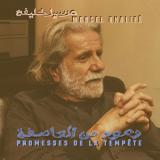
- A1: Rita
- A2: Promesses de la tempête
- B1: Oummi
- B2: Passeport
Half a century after its original release, legendary Lebanese musician and singer Marcel Khalife—renowned oud player and global icon of both music and activism—returns with a new recording. On this album, he reinterprets four of the five tracks from his debut, Promises of the Storm. A bold defiance of time and history.
Why revisit the same album, 50 years later? The reasons are many, but one stands above the rest: history itself seems to be repeating. The narrative unfolds once more in the same dire circumstances as half a century ago, as if time has folded in on itself, returning everything to its starting point. The urgency, the necessity—it all remains, pressing and inescapable. We must begin again.
In 1976, a young Marcel Khalife found himself exiled in Paris, fleeing the Lebanese Civil War and his family’s Christian village, where his progressive, left-wing ideas had placed him under a kind of house arrest. He was one of the few to openly and unwaveringly champion the Palestinian cause. The situation quickly became untenable, especially since, just a month before the war began in March 1975, Khalife—fresh out of the conservatory—had given his first public concert to great acclaim. Then, everything collapsed. What does one do when trapped at home? Read books, play the oud, and turn those readings into songs. In his family’s de facto prison, Khalife began setting the poetry of the great Palestinian poet Mahmoud Darwish to music. These songs, born of confinement, he carried with him into exile, driving to Paris where a producer offered him the chance to record an album. Naturally, the tracks were the ones he had been improvising at home from Darwish’s poems. The album’s title, Promises of the Storm, echoed the war that was just beginning. Khalife recalls that the album became a hit after a concert at the Fête de l’Huma, where 500 copies were sold in a single day. “Everything started there, and it never stopped,” he remembers. He would meet Mahmoud Darwish shortly after, at a dinner organized by mutual friends. From that moment, a deep friendship blossomed between the two men.
With Darwish’s words and Khalife’s music, the songs of Promises of the Storm are imbued with a powerful evocative force—melancholy, tenderness, and poetic resistance in the face of violence. The album catapulted Khalife to international stardom, leading to endless tours and recordings, yet he never abandoned his commitments.
Now, 50 years later, Promises of the Storm returns in a fresh recording, because history is repeating itself. After the Israeli bombings in Lebanon at the end of 2024, Khalife, who was on tour, found himself stranded in Paris. He remembered a recurring request from his son, musician Bachar Mar-Khalife, who had often urged him to re-record his now-classic debut album. One morning, oud in hand, Marcel knocked on his son’s door and said, “Shall we? I’m ready to record.”
These new versions are stripped down, raw, and intimate—just the solitary strings of the oud. Khalife sings as never before, his voice no longer marked by the fragility of youth but imbued with something deeper, freer, unshackled. It soars high yet resonates low, always clear, as if to escape sadness, to evoke love and violence, desire and exile. In just four songs, Khalife encapsulates a lifetime, and a philosophy of life. Rita tells of a love of Darwish’s, with the haunting line (translated from Arabic): “Between Rita’s eyes and mine, a rifle.” Oummi invokes the figure of the mother as a metaphor for the lost land. Promises of the Storm is a meditation on revolution, the hope for change, the melancholy of defeat, and the power of thought. Passport captures, through poetry, the feeling of being stateless—a citizen of everywhere and nowhere.
Time has only strengthened these texts and this music. History never repeats itself without a valid, indispensable reason for the present. That reason is fully contained in Marcel Khalife’s new interpretations, which have never sounded so clear, so right, so essential.
он должен быть опубликован на 20.11.2026

он должен быть опубликован на 16.10.2026
Звуковые файлы от 24.09.2026

2026 Repress
Folksongs and Ballads by Tia Blake & Her Folk-Group, is more than just a “lost classic”. As clear and honest as can be, Folksongs and Ballads is a magnetic record, a refuge like only Nick Drake, Nico, and a few others have been able to create. A graceful, delicately minimalist approach to classic Appalachian and British folk songs.The perfect balance between melancholy and daydream. Originally released only in France in 1971, Ici Bientôt is very pleased to present the first-ever reissue on vinyl.
When she recorded her only album, Tia Blake was nineteen years old and had just arrived in Paris a year and a half beforehand. She spent most of her time at Disco’Thé, a record shop in the Latin Quarter, a free space, peaceful and inspiring, a hub for students as well as the local artistic community.
There, Tia would occasionally sing—when she managed to overcome her shyness. Two young guitarists who were passionate fans of folk music and regulars at the shop began to accompany her, forming “Her Folk Group.” One year later, they cut 11 tracks at Pierre Barouh’s Studios Saravah.
Folksongs and Ballads is composed of traditional tunes that have been covered many times, but they’re not the best-known folk standards. A collection of stories ranging from the Middle Ages to the 1960s, bringing together sublimely doleful ballads, lamentations for a lost lover, and an unexpected, brilliant version of the road anthem “Plastic Jesus.”
Tia Blake's haunting, unaffected voice captivates and comforts us, wrapping us in its cool embrace. Meanwhile, the tasteful, stripped-down, mellow acoustic arrangements provided by the guitarists, reminiscent of Bert Jansch and John Renbourn, occasionally supported by a kena flute, have created the space Tia Blake needed to reinvent these traditional songs.
Folksongs and Ballads is a timeless record, deep and unique, a longtime companion for repeated listening, in the vein of works by Sibylle Baier, Bridget St. John and Vashti Bunyan.
он должен быть опубликован на 16.10.2026
Звуковые файлы от 23.09.2026
- Battle of Clontarf I
- Battle of Clontarf II
- Battle of Clontarf III
- Battle of Clontarf IV
- Battle of Clontarf V
- Battle of Clontarf VI
- Untitled
- Brigid's Air
- A Way Home
- Arrival
- The Five Points
- Moonyean
- Saoirse ("Freedom")
- Little Shoes
- Star of Bethlehem Part I
- Star of Bethlehem Part II
- I Love You Porgy
Battle of Clontarf collects a remastered series of late-90s guitar jewels by Loren Connors, most appearing on vinyl for the first time. At its center is an unrealized double 7" from 1996, Battle of Clontarf, named after the bloody battle fought outside Dublin in 1014. Gestures of blistered guitar billow, but underneath a defiant elation prevails. Loren’s partner Suzanne Langille composed and performed the poem in Part II and the song in Part V of the Clontarf sequence. The six pieces are followed by a curated circlet of recordings from around the same period, including the complete 1994 EP The Five Points (originally issued by Table of the Elements) and several other short works from the years surrounding Connors’ notable albums Airs (1999) and Lullaby (2001). These recordings occupy only a few minutes at a time, but manage to convey such vulnerability. Each seems to find its way toward the next, like a chain of small amulets.
The collection continues with the Star of Bethlehem suite from 2000, and concludes with Connors’ arrangement of Gershwin’s “I Love You, Porgy.” The latter is a personal favorite, with a breathtaking cadence that shares the beauty of Billie Holiday’s version, but transmitted from the solitude of a dream. Battle of Clontarf gathers all these scattered parcels of Connors’ work into one fluent LP, released on Recital alongside Connors’ new art book Wildweeds Vol. II in celebration of his 77th birthday in late October.
он должен быть опубликован на 30.10.2026
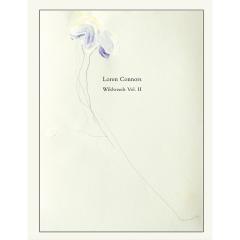
Wildweeds Volume II is the followup to Wildweeds (2021), Loren Connors’ first art book, and continues a series of limited artist’s books from Recital devoted to his work outside of music. Following Night of Rain, the book returns to the fragile flower forms of the original Wildweeds, but in a more expansive and varied collection of paintings, drawings, and haiku. Across 108 pages of full-color, hardbound printing, thin stems wander through enormous fields of white, blooming in eruptions of radiant yellow, blue, green, red, and violet. Some pages are nearly empty. Others retain stains, folds, shadows, and the physical disturbances of the original works. The result is a rare survey of Connors’ art, gathering years of paintings and drawings that have largely existed in isolation into one continuous sequence.
The haiku appear throughout the white space as small interruptions, sometimes nearly swallowed by the page. “wandering / into the sky / April mist.” They do not caption the paintings so much as drift alongside them, creating another kind of line, pause, and disappearance. The effect is deeply consonant with Connors’ music: the brief guitar poems of Airs, the shadowed miniatures of Lullaby, and the many other recordings and editions that have established his singular language across decades. A note from Connors’ guitar can hover on the edge of audibility, its beauty emerging through restraint and duration; the paintings possess the same fragility. A line bends, a flower appears. Colors pool and then recede into the surrounding white.
For this volume, Connors mailed hundreds of paintings and drawings as they were being made, arriving in folders with little concern for preservation or presentation. New drawings arrived often, another envelope every few weeks for a year. From this accumulation, the book was photographed, edited, sequenced, and arranged into its present form. In the preface, Yuko Otomo places Connnors’ work within the tradition of Haiga, the Japanese practice of bringing haiku and visual art together. She writes of Mujo, or impermanence, and Ku, or emptiness: the open, shifting space in which things appear and disappear. A flower blooms, a leaf falls, a line fades into the page. Francis T. Patnaude, Jr. describes Connors’ artistic impulse as an attempt to “give form to the formless.” Wildweeds Volume II is an opportunity to spend time inside his quietly accumulated body of visual work: a monograph giving sustained form to years of paintings and drawings. Portrait photograph by Suzanne Langille; art photography and design by Sean McCann.
он должен быть опубликован на 30.10.2026
Звуковые файлы от 21.09.2026

Spring Back, Ball Forward is the Soda Gong debut from Jung dj, nom de plume of shapeshifting multi-instrumentalist Randy Riback. Following a series of uniformly great self-releases and cassettes on the dearly missed Lillerne Tapes, this collection observes the spacious and angular dynamics of 1990s Midwestern post-rock through the lens of the bedroom electronic music producer.
Perhaps surprisingly, amp worship lies at the center of the album: a fascination with the grain, pressure, and emotional charge of amplification and gain, refracted through the strange remove of digital amp modeling. Tubes, speakers, sag, and in-the-red textures are a critical part of the album’s expressive vocabulary, imparting density and colorful saturation while lending even its most weightless passages a vital sense of physical presence. Over the course of twelve tracks, wistful ambience gives way to blunt heaviness and roiling catharsis, underpinned by a palpable sense of loss and grief.
The album’s auspicious cast of collaborators further complicates its emotional terrain. Spoken contributions from Natalia Panzer and Angelina Nonaj occupy strikingly different registers: Panzer’s diffuse and oblique, drifting in and out of the music’s contours; Nonaj’s a vivid travelogue, grounding the record in place and lived experience. Elsewhere, Soda Gong veteran Mister Water Wet joins a small constellation of guests whose playing folds naturally into Riback’s arrangements, blurring the boundaries between computer and ensemble music.
For all of its attention to texture, process, and the material qualities of sound, Spring Back, Ball Forward is first and foremost an emotionally potent work, possessed of a directness that can feel rare within experimental electronic music. Riback draws from a rich and idiosyncratic musical vernacular, arriving at something deeply felt and difficult to place: a singular statement whose pathos exceeds the sum of its references.
он должен быть опубликован на 13.11.2026
Tara Cunningham’s guitar glitch miniatures draw patterns in negative space on new mini-album Warm Ground. Operating predominantly within improvisational and experimental music, guitarist Tara Cunningham has developed a discrete sonic language that reveals the full textural and timbral range of her instrument.
Marking a new chapter for Cunningham that builds on her solo debut, Almost – Not Exactly, released on Non Classical in 2025, Warm Ground unfolds across seven compelling instrumental dialogues - each a conversation of rhythms and found sounds, syncopated and juxtaposed, open to encounter.
Implied by the title of first single ‘Following a Thought’, Cunningham weaves an exploratory melody into the spaces between field recordings. At once introspective and highly relational, each track ushers the listener into a world of different scales, seeking beauty and meaning in the everyday, from the discrete mechanisms of ‘Fridgelight’ to the delicately unhinged organism of ‘Flying Ant Day’.
Cunningham finds a natural home on Odda’s roster of artists sensitive to the details of their materials and surroundings, finding kinship alongside the intimate songcraft of Kirk Barley and Fohn in the gaps between composition and improvisation.
In 2026 she released a self-titled LP as The Sleeves with Jack Cooper, performing at Cafe Oto ahead of a US tour in the autumn. She continues to pursue a range of projects as collaborator and side person with Modern Nature, Sebastian Rochford, Red Snapper, Liam Noble, Laura Jurd and Caius Williams.
он должен быть опубликован на 13.11.2026
Звуковые файлы от 18.09.2026
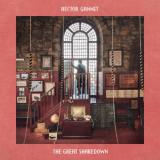
- The Great Shakedown
- Let It Pour
- Seven Signs
- Boat in The Bottle
- Full Circle
- Big White Telephone
- The Mother Tongue
- The Jetty's End
- A Stitch in The Fold
- No Money, No Time (The Great Reprise)
Hector Gannet have always known that place and music are inseparable. For songwriter and guitarist Aaron Duff, North Shields high on England’s north east coast, shaped by fishing, shipbuilding, and the sea, is not just a backdrop but a source. Everything flows from it: the imagery, the politics, the particular stoicism of people who absorb more than their share and keep moving anyway.
‘The Great Shakedown’, their third album, is where that source runs deepest. Featuring bold brass arrangements alongside choir and church bells recorded live at the 17th-century Christ Church in North Shields, the album is Hector Gannet’s most ambitious and most searching work. The brass is a constant throughout: driving the Dexys-style urgency of the title track, lounging through the jazz-tinged Big White Telephone, surging euphorically through singles The Mother Tongue and Seven Signs.
The singles capture something essential about the album, euphoric on the surface, quietly devastating underneath. Beneath its propulsive brass lies an examination of stoicism as both armour and wound, of shared language used to avoid saying the very things that need to be said. It’s a quality that runs through the whole record, which looks at human history and art, the ordinary and the extraordinary, the actions of those in power and the communities who live with the consequences. It is both communal and euphoric - a powerful rallying cry for people at a time when we need it most.
он должен быть опубликован на 23.10.2026
Звуковые файлы от 17.09.2026
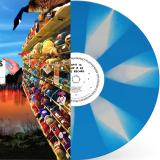
- 1: !Ed Buys Houses!
- 2: Midnight Jingle
- 3: Buckets of Fun
- 4: Homecoming Serf
- 5: Vaudeville
- 6: Friday Night Placebo
- 7: Hexagons and Other Fun Materials
- 8: Cokesbury
- 9: It's Afternoon, I'm Feeling Sick
- 10: Presumably Dead Arm
- 11: What Do You Want From Me Tonight?
Sidney Gish is a songwriter and producer based in Brooklyn, NY. Her first album, Ed Buys Houses, was self-released on Bandcamp in 2016. Her second album, No Dogs Allowed, was released on New Year's Eve in 2017, receiving a 7.7 rating on Pitchfork and winning Album of the Year at the 2018 Boston Music Awards. Gish has toured with artists like Mitski, Cavetown, The Beths, and Jeff Rosenstock. She has a cult following and now a hugely viral song.
он должен быть опубликован на 30.10.2026
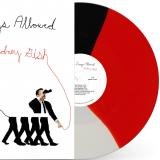
- 1: Bird Tutorial
- 2: Sin Triangle
- 3: Good Magicians
- 4: Sophisticated Space
- 5: I'm Filled With Steak, and Cannot Dance
- 6: Where The Sidewalk Ends
- 7: Mouth Log
- 8: I Eat Salads Now
- 9: Rat Of The City
- 10: Not But For You, Bunny
- 11: Persephone
- 12: Impostor Syndrome
- 13: New Recording 180 (New Year's Eve)
Red Vinyl[28,99 €]
Sidney Gish is a songwriter and producer based in Brooklyn, NY. Her first album, Ed Buys Houses, was self-released on Bandcamp in 2016. Her second album, No Dogs Allowed, was released on New Year's Eve in 2017, receiving a 7.7 rating on Pitchfork and winning Album of the Year at the 2018 Boston Music Awards. Gish has toured with artists like Mitski, Cavetown, The Beths, and Jeff Rosenstock. She has a cult following and now a hugely viral song.
он должен быть опубликован на 30.10.2026
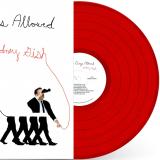
- 1: Bird Tutorial
- 2: Sin Triangle
- 3: Good Magicians
- 4: Sophisticated Space
- 5: I'm Filled With Steak, and Cannot Dance
- 6: Where The Sidewalk Ends
- 7: Mouth Log
- 8: I Eat Salads Now
- 9: Rat Of The City
- 10: Not But For You, Bunny
- 11: Persephone
- 12: Impostor Syndrome
- 13: New Recording 180 (New Year's Eve)
Red+Black+White Tricolor Vinyl[28,99 €]
Sidney Gish is a songwriter and producer based in Brooklyn, NY. Her first album, Ed Buys Houses, was self-released on Bandcamp in 2016. Her second album, No Dogs Allowed, was released on New Year's Eve in 2017, receiving a 7.7 rating on Pitchfork and winning Album of the Year at the 2018 Boston Music Awards. Gish has toured with artists like Mitski, Cavetown, The Beths, and Jeff Rosenstock. She has a cult following and now a hugely viral song.
он должен быть опубликован на 30.10.2026
Звуковые файлы от 16.09.2026
Oxblood Vinyl[33,82 €]
он должен быть опубликован на 13.11.2026

Black Vinyl[29,37 €]
он должен быть опубликован на 13.11.2026
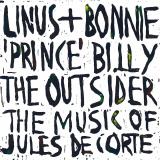
The songs of Jules de Corte are condensed, folky gems with an almost effortless charm. Poised between the intimate and the universal, between lightness and darkness, they touch on religion, love, loss, and the small dramas of everyday life. Yet they resist easy translation. Packed with wordplay, de Corte’s signature alliterations, humor, and local cultural references, the songs inevitably lose something in another language. Still, when a Belgian quartet of improvisers takes them on, joined by American songwriter Bonnie ‘Prince’ Billy, the songs are reborn rather than merely transposed: literal fidelity gives way to interpretation, and what is lost in words is often gained in spirit.
Even without tracing every change, their overall effect is fascinating. Songs are slowed down, often doubled in length, and filled with unexpected musical intrusions. They gain fuller arrangements and are placed in an entirely new context. Replacing de Corte’s piano with guitar can create a radically different vibe, as in “Mariska.” An added solo can heighten the contrast between childlike perspective and the almost matter- of-fact brutality of “Little Anita.” In “The Stranger,” another use of contrast unsettles the everyday harmony, transforming it with a subtle, disorienting twist.
Ultimately, these performances show that interpretation is not successful simply because it is literal. With the groundwork laid by Linus, Bonnie ‘Prince’ Billy further liberated the songs from their original versions. Lyrics and melodies become malleable, shaped by his recognizable cadences, timbre, and personal quirks. Like his collaborators, he allows himself the freedom to bend the material to his own approach. There is no radical break between this performance and his other records. Listeners familiar with the originals may be puzzled at first; for those new to de Corte, it is a wholly different experience.
Does it really matter that the original “Little Jesus, Mighty God” is a 100-second nugget combining playful naivete with biblical fervor? In the hands of these five explorers, the song becomes an intriguing contemplation, with subtle musical shades and a recitation in which every syllable carries a maturity that offers a new perspective. Then there is “The Outsider,” which feels as genuine as any original American folk song. The musicians’ process is more than reinterpretation—it is reimagination, bringing new musical compatibility and emotional depth. Whether that depth was there from the start, waiting to be uncovered, or created in the process is beside the point. What matters is that Linus and Bonnie ‘Prince’ Billy have made the essence of these songs their own, paying homage yet dancing to their own tune.
Linus is the Belgian duo of guitarist and banjo player Ruben Machtelinckx and reedist and synthesiser player Thomas Jillings. Across five previous albums — Onland (2014), Linus + Skarbø / Leroux (2015), Felt Like Old language at the crossroads of folk, jazz, minimalism, chamber music and free improvisation. Their music is adventurous, shaped by a particular sensitivity to texture, timbre and the subtle interaction between musicians.
What began as a duo gradually grew into a flexible musical world, bringing Linus together with musicians such as Nils Økland, Ingar Zach, Niels Van Heertum, Øyvind Skarbø and Frederik Leroux. Yet each new constellation has remained recognisably Linus: music in which carefully considered forms leave space for intuition, interaction and the unexpected.
For their sixth album, Linus takes a new step by moving into the world of song and text. Inspired by a shared love for the late Dutch songwriter Jules De Corte, the album is a reimagining of De Corte’s unique repertoire. More than simply interpreting De Corte’s songs, they absorb and reshape them, bringing them into dialogue with their own musical language. In keeping with this open approach, they are joined by celebrated vocalist Bonnie “Prince” Billy. With albums such as 1999’s I See a Darkness appearing on several greatest album lists, Bonnie “Prince” Billy is a cult figure in the alternative folk scene, and his highly intuitive way of singing seamlessly matches the subtle interplay Linus has developed over more than a decade.
он должен быть опубликован на 23.10.2026

- 1: Hares on the Mountain
- 2: The Moon and Stars
- 3: Willow Garden
- 4: Luisne
- 5: Same Old Man
- 6: Dark Hore on The Wind
- 7: Still I Love Him
- 8: Bonnie Boy
- 9: Cailin Deas
PEARL ARCTIC VINYL[33,57 €]
Mit ihrem Solodebut "No Human Tongue Can Tell" gelingt Radie Peat eine eindrucksvolle Auseinandersetzung mit der Essenz der Folk Music. Die Sangerin von Lankum zahlt zu den pragenden Stimmen der sogenannten "Irish Green Wave" und verbindet auf diesem Album ihre außergewohnliche Kontra-Alt-Stimme mit tiefem Respekt fur die irische Gesangstradition. Als Interpretin und Multiinstrumentalistin haucht sie uberlieferten Liedern neues Leben ein und macht sie fur die Gegenwart relevant. Die ausgewahlten Songs erzahlen von Liebe, Verrat, ungewollter Schwangerschaft, Gewalt, Verlust und Widerstandskraft. In Stucken wie "The Moon and Stars" oder "Willow Garden" ruckt Peat weibliche Perspektiven in den Mittelpunkt und verleiht historischen Erzahlungen neue emotionale Kraft. Ihre prazise Stimmfuhrung, vielschichtigen Harmonien und sparsam eingesetzten Arrangements schaffen einen Raum, in dem individuelle Erfahrungen zu universellen Geschichten werden. Zugleich versteht Peat Folk als generationsubergreifenden Speicher menschlicher Erinnerung. Die Lieder tragen Spuren zahlloser Leben in sich, und genau diese Verbindung macht sie zeitlos. Atmospharische Stucke wie "Luisne", das melancholische "Same Old Man" oder das historische "Dark Horse on the Wind" zeigen ihre Fahigkeit, Tradition, Geschichte und personliche Interpretation miteinander zu verweben. Ein weiterer Hohepunkt ist "Still I Love Him", das die Ambivalenz von Liebe und Leid beleuchtet und aus einer Geschichte emotionaler Abhangigkeit eine Erzahlung uber Starke und Selbstbestimmung macht. Auch "Bonnie Boy" und das abschließende Triptychon "Cailin Deas" kreisen um weibliche Autonomie, gesellschaftliche Erwartungen und den Wert personlicher Freiheit. So entsteht ein Album, das archaisch und zeitgenossisch zugleich wirkt. Mit großer Empathie, musikalischer Raffinesse und kunstlerischer Eigenstandigkeit macht Radie Peat die Stimmen vergangener Generationen horbar und schafft eine Sammlung von Liedern, die Trost, Erkenntnis und Verbundenheit vermitteln. "No Human Tongue Can Tell" ist damit weit mehr als eine Bewahrung von Tradition: Es ist deren lebendige Weiterentwicklung.
он должен быть опубликован на 13.11.2026
Mit ihrem Solodebut "No Human Tongue Can Tell" gelingt Radie Peat eine eindrucksvolle Auseinandersetzung mit der Essenz der Folk Music. Die Sangerin von Lankum zahlt zu den pragenden Stimmen der sogenannten "Irish Green Wave" und verbindet auf diesem Album ihre außergewohnliche Kontra-Alt-Stimme mit tiefem Respekt fur die irische Gesangstradition. Als Interpretin und Multiinstrumentalistin haucht sie uberlieferten Liedern neues Leben ein und macht sie fur die Gegenwart relevant. Die ausgewahlten Songs erzahlen von Liebe, Verrat, ungewollter Schwangerschaft, Gewalt, Verlust und Widerstandskraft. In Stucken wie "The Moon and Stars" oder "Willow Garden" ruckt Peat weibliche Perspektiven in den Mittelpunkt und verleiht historischen Erzahlungen neue emotionale Kraft. Ihre prazise Stimmfuhrung, vielschichtigen Harmonien und sparsam eingesetzten Arrangements schaffen einen Raum, in dem individuelle Erfahrungen zu universellen Geschichten werden. Zugleich versteht Peat Folk als generationsubergreifenden Speicher menschlicher Erinnerung. Die Lieder tragen Spuren zahlloser Leben in sich, und genau diese Verbindung macht sie zeitlos. Atmospharische Stucke wie "Luisne", das melancholische "Same Old Man" oder das historische "Dark Horse on the Wind" zeigen ihre Fahigkeit, Tradition, Geschichte und personliche Interpretation miteinander zu verweben. Ein weiterer Hohepunkt ist "Still I Love Him", das die Ambivalenz von Liebe und Leid beleuchtet und aus einer Geschichte emotionaler Abhangigkeit eine Erzahlung uber Starke und Selbstbestimmung macht. Auch "Bonnie Boy" und das abschließende Triptychon "Cailin Deas" kreisen um weibliche Autonomie, gesellschaftliche Erwartungen und den Wert personlicher Freiheit. So entsteht ein Album, das archaisch und zeitgenossisch zugleich wirkt. Mit großer Empathie, musikalischer Raffinesse und kunstlerischer Eigenstandigkeit macht Radie Peat die Stimmen vergangener Generationen horbar und schafft eine Sammlung von Liedern, die Trost, Erkenntnis und Verbundenheit vermitteln. "No Human Tongue Can Tell" ist damit weit mehr als eine Bewahrung von Tradition: Es ist deren lebendige Weiterentwicklung.
он должен быть опубликован на 13.11.2026
Звуковые файлы от 15.09.2026

Das im März 1983 veröffentlichte Album *Magical Ring* ist das siebte Studioalbum der irischen FolkGruppe Clannad und markiert einen entscheidenden Wendepunkt in der Entwicklung der Band – weg
vom traditionellen keltischen Folk hin zu jenem atmosphärischen Klang, der später einen Großteil ihres
internationalen Erfolgs ausmachen sollte. Das Album verbindet Lieder in irischer Sprache, traditionelle
Melodien und eine moderne Produktion zu einem facettenreichen und stimmungsvollen Hörerlebnis.
Der herausragende Titel des Albums, das eindringliche „Theme from Harry’s Game“, entwickelte sich
zu Clannads Durchbruchshit; er erreichte Platz 5 der britischen Single-Charts und machte ein breiteres
Publikum mit dem unverwechselbaren Sound der Band bekannt.
Zu den weiteren bemerkenswerten Stücken zählen „Newgrange“ – ein bei Fans beliebter Song, der den
ätherischen Gesang und die vielschichtigen Arrangements der Band zur Geltung bringt – sowie „I See
Red“, eine seltene Coverversion, die ebenfalls als Single in die Charts gelangte. Das Album selbst erreichte
Platz 26 der britischen Album-Charts; es war Clannads erster großer kommerzieller Erfolg und legte den
Grundstein für spätere Klassiker wie *Legend* und *Macalla*.
он должен быть опубликован на 02.10.2026

'Music aged in time, resonating from the surface to the core through layers and sediments of stones - the strata. Four morning recording sessions with a separation between them of between three and ten months - a chronozone that will rest for a time and on which the next one will be added, thus forming the total of the six pieces of the album - becoming six strata.
'A slow-moving album that develops landscapes of subtle but continuous evolution, where we find layers of diverse nature created from different procedures, bathed in the calm waters of wabisabi, where melancholy, immensity, insignificance, the potential of the unemerged, coexistence and simplicity converge at the same time.'
он должен быть опубликован на 30.09.2026
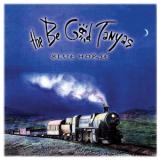
- 1: THE LITTLEST BIRDS
- 2: BROKEN TELEPHONE
- 3: RAIN AND SNOW
- 4: LAKES OF PONTCHARTRAIN
- 5: ONLY IN THE PAST
- 6: THE COO COO BIRD
- 7: DOGSONG
- 8: MOMSONG
- 9: DON'T YOU FALL
- 10: UP AGAINST THE WALL
- 11: OH SUSANNA
- 12: LIGHT ENOUGH TO TRAVEL
Das bahnbrechende Debütalbum ,Blue Horse" der Be Good Tanyas erscheint anlässlich des 25-jährigen Jubiläums als Vinyl-Ausgabe bei Birthday Cake Records. Das Album wurde im Jahr 2000 in Vancouver mit nahezu keinem Budget aufgenommen, und das Trio aus Frazey Ford, Trish Klein und Samantha Parton verwandelte Old-Time-, Folk- und Country-Blues-Klänge in etwas Unheimliches, Intimes und ganz Eigenes - und gelangte dank der Ausstrahlung im CBC von einer Independent-Veröffentlichung zu einem internationalen Publikum. ,Blue Horse" machte die Band in Großbritannien zu einem Phänomen: 83 Wochen in den offiziellen britischen Country-Künstler-Albumcharts (mit Platz 3 als Höchstplatzierung), ein Platz in den Top 50 der Alben des Jahres des Q Magazine, ein Auftritt auf der Acoustic Stage in Glastonbury und ein Auftritt bei ,Later_ with Jools Holland". Die Zeitung ,The Independent" lobte es als ,eines der bezauberndsten Debüts", während ,The Littlest Birds" zu einem Markenzeichen einer ganzen Generation wurde und später in der Showtime-Serie ,Weeds" zu hören war. Die Musik der Band hat seitdem ihren Weg in epochale Fernsehserien wie ,Breaking Bad", ,The L Word" und ,Hell on Wheels" gefunden. Ein Vierteljahrhundert später ist dies ein lebendiges Werk, kein Nostalgieobjekt: Die Band zieht monatlich rund 510.000 Spotify-Hörer mit über 139 Millionen Streams des Gesamtkatalogs an, und Frazey Fords gefeierte Solokarriere führt immer wieder neue Hörer dorthin zurück, wo alles begann. Gepresst von neu aufbereiteten Vinyl-Masterbändern aus dem Jahr 2026 bringt diese Single-LP-Ausgabe ,Blue Horse" zum ersten Mal seit 15 Jahren wieder auf Vinyl heraus.
он должен быть опубликован на 13.11.2026
Звуковые файлы от 10.09.2026
- 03: Apology
- 04: Black Roses
- 05: On Twofold Nature
- 06: Pour Deux Femmes
- 07: In Bocca Al Lupo
- 01: In A
- 02: Massa Damnata
- 01: Only Lovers Left Alive
- 02: Never Like You Said
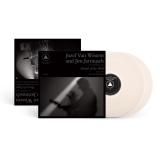
Jozef Van Wissem and Jim Jarmusch’s Bocca di Lupo and Mouth of the Wolf were recorded in July 2025 in Bologna, Italy. The recording sessions took place just after several live dates in New York and Chicago, and a week before they began a short European tour which included Paris, London, Ghent, Porto, and a first date in Bologna.
Below are notes from Jozef and Jim directly.
“With thanks to Gian Luca Farinelli and Rosanna Mordini from the extraordinary Cineteca di Bologna, we were able to secure recording days in the very cool Fonoprint Studios — located on Via Bocca di Lupo in Bologna, hence the titles of these two LPs. (“In bocca al lupo” — in the mouth of the wolf — is the Italian idiom for wishing one good luck; equivalent to “break a leg” in English.)
Bocca di Lupo starts with a new version of our own “Only Lovers Left Alive,” and “Apology” is a new version of a pre-existing piece by Jozef. All other tracks are new originals. We were honored to have guest duet vocals from the iconic Courtney Barnett on “Never Like You Said.” The lyrics of the song arrived spontaneously in a single take in the studio. It’s not directed at a specific person, but more an emotional response to several disingenuous, deceitful people — a closing of the door on their toxic behavior. And a casually recorded conversation (concerning the haunted auras of particular pieces of vintage women’s clothing) between Adriana Coppi and Veronica Mayrr (from Deux Femmes) is woven as a background into the track titled “Pour Deux Femmes.” “Black Roses” is an original poem written in Bologna, and recited from within its own musical setting. All other tracks are instrumentals.
Mouth of the Wolf, the second LP, consists of two longer, darkly ecstatic instrumental studio tracks — “In A” and “Massa Damnata.” Both were created with two electric guitars, and derived from our live performances. We consider it to be a musically separate album, and is therefore presented in its own sleeve and with its own artwork.
Our music has many inspirations — everything from our friends in Sunn O))) and Swans to Terry Riley and Morton Feldman; from Hildegard Von Bingen and WIlliam Lawes to Psychic Ills and Spacemen 3; from Les Rallizes Dénudés and NEU! to Nadja and Glenn Branca; from Ian Svenonius and Dead Skeletons to Son House and Gwenifer Raymond…from sunset to sunrise…full moon to new moon…”
a 01. Only Lovers Left Alive 4:36
b 02. Never Like You Said 5:23
[c] 03. Apology [5:11]
[d] 04. Black Roses [2:44]
[e] 05. On Twofold Nature [9:37]
[f] 06. Pour Deux Femmes [8:09]
[g] 07. In Bocca Al Lupo [5:58]
[h] 01. In A [12:56]
[i] 02. Massa Damnata [17:51]
[a] 01. Only Lovers Left Alive [4:36]
[b] 02. Never Like You Said [5:23]
[c] 03. Apology [5:11]
[d] 04. Black Roses [2:44]
[e] 05. On Twofold Nature [9:37]
[f] 06. Pour Deux Femmes [8:09]
[g] 07. In Bocca Al Lupo [5:58]
[h] 01. In A [12:56]
[i] 02. Massa Damnata [17:51]
[a] 01. Only Lovers Left Alive [4:36]
[b] 02. Never Like You Said [5:23]
[c] 03. Apology [5:11]
[d] 04. Black Roses [2:44]
[e] 05. On Twofold Nature [9:37]
[f] 06. Pour Deux Femmes [8:09]
[g] 07. In Bocca Al Lupo [5:58]
[h] 01. In A [12:56]
[i] 02. Massa Damnata [17:51]
[a] 01. Only Lovers Left Alive [4:36]
[b] 02. Never Like You Said [5:23]
[c] 03. Apology [5:11]
[d] 04. Black Roses [2:44]
[e] 05. On Twofold Nature [9:37]
[f] 06. Pour Deux Femmes [8:09]
[g] 07. In Bocca Al Lupo [5:58]
[h] 01. In A [12:56]
[i] 02. Massa Damnata [17:51]
[a] 01. Only Lovers Left Alive [4:36]
[b] 02. Never Like You Said [5:23]
[c] 03. Apology [5:11]
[d] 04. Black Roses [2:44]
[e] 05. On Twofold Nature [9:37]
[f] 06. Pour Deux Femmes [8:09]
[g] 07. In Bocca Al Lupo [5:58]
[h] 01. In A [12:56]
[i] 02. Massa Damnata [17:51]
он должен быть опубликован на 06.11.2026

Debut album by Pissoir des Dieux — Melancholic Noir Folk
A collaboration between three highly talented musicians: Larissa Iceglass, Vincenzo Wieczerzynski, and Owen Pratt.
Recorded in Occitanie, France, and at Trixx Studios, Berlin.
A haunting journey through melancholic noir folk, dark, intimate, and deeply atmospheric.
он должен быть опубликован на 20.11.2026

- 1: Casino Piss
- 2: I Should Be Shot
- 3: Hotel Grand Amour
- 4: 2-7
- 5: Vultures
- 6: Jack Nicholson
- 7: Internet Cafe
- 8: Triple Sized Cocktail
Ultra Pink Vinyl[23,95 €]
Debut album by Pissoir des Dieux — Melancholic Noir Folk
A collaboration between three highly talented musicians: Larissa Iceglass, Vincenzo Wieczerzynski, and Owen Pratt.
Recorded in Occitanie, France, and at Trixx Studios, Berlin.
A haunting journey through melancholic noir folk, dark, intimate, and deeply atmospheric.
он должен быть опубликован на 20.11.2026

- A1: ) Connie Converse - Down This Road
- A2: ) Susan Christie - Ghost Riders in the Sky
- A3: ) Annette Peacock - Pony
- A4: ) Linda Perhacs - Paper Mountain
- A5: ) Linda Martell - Color Him Father
- A6: ) Catherine Ribeiro + Alpes - Alpinette
- A7: ) Bridget St John - Lazarus
- B1: ) Nancy Priddy - On the Other Side of the River
- B2: ) Bobbie Gentry - Mississippi Delta
- B3: ) Loretta Lynn - It'll Be Open Season on You
- B4: ) Kay Adams - Maybe You'll Appreciate Me Someday
- B5: ) Mistress Mary - My Country Bo
- B6: ) Brigitte Fontaine - Le Goudron
- B7: ) The Kossoy Sisters - Bowling Green
- B8: ) Nancy Lee Jordan - Gentle on My Mind
он должен быть опубликован на 16.10.2026
Звуковые файлы от 09.09.2026

- 01: Familiar Strangers
- 02: Louisiana Song
- 03: When You Look Down
- 04: The World is Dark, but I Want It to Be Funny
- 05: A Size 2 Big 4 U
- 06: My Very Best Friend
- 07: Who Do You Know
- 08: Changing
- 09: All I Wanna Do Is Shine
Nashville’s Jess Kerber focuses on the profound resonances of simple moments, pairing delicate acoustic guitar lines with her rich and captivating tenor. The World Is Dark, but I Want It to Be Funny, her second LP for Felte, is a deeply affecting collection of homespun poetry and natural artistry that finds the artists reflecting on personal history, the emotional intricacies of relationships, and the value of cosmic perspective. She explains,“These songs come from a space of feeling a little left behind, so a lot of the album is about realizing and accepting impermanence, and learning how to be good to yourself and to others.”
Opening with “Familiar Strangers”, Kerber gets to the heart of her greatest talents: fluid fingerpicking, emotive vocal cadences, feather-light touches of piano, and subtle harmonies. “Louisiana Song” positions a lyrical chain of childhood recollections up against the literal rising waters that will one day submerge a cherished place: “I think about being southern / and the sand on the gulf coast / When I think about returning / I am wading in a graveyard”.
Throughout The World Is Dark, Kerber navigates an emotional tightrope, fully aware of the ills of the world while trying to find connections and peaceful corners. Even with all their nuances and challenges, she suggests, our relationships are essential to staying grounded, even when we lose them. “Much of my writing is about facing the struggles head-on, balancing what you need to do to survive while remaining true to yourself,” she says. There are echoes of influences like Joni Mitchell, Gillian Welch, and Lomelda, though Kerber injects her own unique wit, wonder, and humility into every passage, allowing the listener into her head for a spell while quietly taking up residence in theirs.
он должен быть опубликован на 06.11.2026
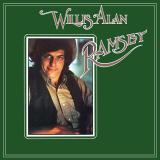
Singer-songwriter Willis Alan Ramsey was 20 years old when he became the third signing to Leon Russell and Denny Cordell's Shelter Records – after Russell himself and the legendary J.J. Cale. The result was Ramsey's 1972 eponymous debut, a masterpiece of laid-back Texas country-rock, blues-inflected folk and outlaw ballads.
As a child, Ramsey was an obsessive radio listener – from Elvis and the Beatles to Delta blues, country and even classical music. By middle school, he had formed his first garage band and started writing songs. After a brief stint at the University of Texas, he took to the burgeoning coffeehouse circuit where he toured alongside folks like Townes Van Zandt, Jerry Jeff Walker and Keith Sykes. It was during these shows that Ramsey developed much of the material for his LP, a diverse yet coherent mix that revealed his varied influences.
Recorded in Memphis, Nashville and at Russell's home studio in the Hollywood Hills, the album features some of the era's greatest session musicians: Eddie Hinton on guitar, Red Rhodes on pedal steel and the rhythm section of Leland Sklar and Jim Keltner. A true songwriter's songwriter album, its tunes have been covered by Waylon Jennings ("Satin Sheets"), Jimmy Buffett ("The Ballad of Spider John") and, most famously, Captain & Tennille ("Muskrat Love"), but no cover can beat the originals from the wise-beyond-his-years Ramsey.
Though Willis Alan Ramsey has continued to perform regularly and write new songs, a second album is yet to be released. For years, whenever someone asked about it, Ramsey was known to answer "What's wrong with the first one?" The answer is, of course, absolutely nothing. In fact, it's perfect.
This first-time vinyl reissue reproduces the original lyric sheet. Includes new interview with Ramsey and liner notes by author Richie Unterberger.
он должен быть опубликован на 16.10.2026
Звуковые файлы от 07.09.2026
- A1: On Each Branch
- A2: Flowers In The Ruin
- A3: Together We Lost
- A4: Truth & Consequences
- A5: Ever Treat You Cruel Again
- B1: Days
- B2: Now We Are Less Afraid
- B3: Joy Is The Aim
- B4: Soft Tissue Injury
- B5: Rain For Roses
- B6: While We May All
- B7: Reprise
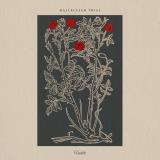
Hallelujah Trial is Tom Roberts (Cranebuilders, Beatowls) and John Canning Yates (Ella Guru): two Liverpool songwriters who knew each other for twenty years before they ever played a note together. Roberts brought a folder of songs to Yates' front room. Yates answered with piano. A weekly ritual of tea and talk became a repertoire, the repertoire became a debut performance at the final La Violette Società, and a few weeks later the songs became an album, recorded in May 2026 in the Gustav Adolf Church, the Scandinavian seamen's church on the edge of Liverpool's Baltic Triangle.
The sound is spacious, stripped back and gloriously melodic: voice, guitar and piano, songs in a room, storytelling that recalls Bill Callahan, Lee Hazlewood and the late Johnny Cash records. Yates' Ella Guru drew a Peel session and 'the best debut album since Marquee Moon' from the Independent on Sunday. Roberts' Cranebuilders recorded two Peel sessions of their own. The pedigree is genuine. The songs are better.
Recorded, mixed and produced by John Canning Yates. Mastered by Jason Mitchell (PJ Harvey, Aldous Harding). Sleeve by Pascal Blua, after a rose from William Turner's herbal of 1568. The closing 'Reprise' carries a hallelujah chorus of friends and family, recorded live in the ch
он должен быть опубликован на 16.10.2026

- A1: Seven Seconds
- A2: Power Ballads
- A3: Low Winter Sun
- A4: The Ancient Wisdom
- B1: The Moon In The Movies
- B2: Mm Mm Mm
- B3: Thames Clipper
- B4: Version Song
Power Ballads and The Wash is the sophomore album from London-based multi instrumentalist James Howard, due for release on 6th November 2026 via boutique
label Faith & Industry. James is known as founder of critically acclaimed 2010’s band Blue House and collaborator with luminaries such as Rozi Plain, Dana Gavanski, Kate Bollinger and Alabaster Deplume.
For Power Ballads and The Wash James has worked with producer Mike Lindsay, co-founder of folktronica group Tunng. Power Ballads and The Wash follows James's debut solo album Peek-A-Boo, released to great acclaim in April 2023.
All eight songs of Power Ballads and The Wash began life as intimate live takes of
guitar or piano and voice, recorded at Howard’s studio in Deptford, south London.
Steeped in the energy of the local environment, each session was preceded by a visit to the Thames to ask for its muddy blessing, with the DLR rumbling by. The sessions at Lindsay’s Margate studio built a widescreen world around Howard’s original performances, from the restless Eventide vocal treatments on Seven Seconds to the Hollywood string samples of The Moon In The Movies and the Moog bass that quietly anchors the record throughout. Howard also praises violinist Magdalena MacClean's (Caroline) contributions.
Beneath this gentle absurdity, though, lies something quietly powerful. Howard’s
song-writing explores the notion that, despite our ever-shortening attention spans,
there is still the possibility of quiet reflection and the discovery therein of revelations hidden in plain sight. The world of these lucid dream-esque reveries is unmistakably London. The record began with a wing-and-a-prayer visit to the Thames, and ends there too: the wash from the Thames Clipper / nearly breaks through your shoe / like some feelings sometimes do.
он должен быть опубликован на 06.11.2026
Звуковые файлы от 04.09.2026
- 1: The Wildest Of His Dreams
- 2: Colors
- 3: We Got The Pony
- 4: Scully, It's Me
- 5: Just Beyond Endless Mountain
- 6: Overboda
- 7: Deliver Me From Trying
- 8: Times
- 9: The Forest Keeper
- 10: In The Silver Wire Up The Hill
- 11: The Village
GREY COLOURED EDITION[23,74 €]
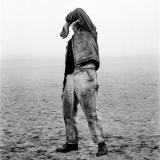
For nearly twenty years, Swedish singer-songwriter Kristian Matsson has played his way around the world as The Tallest Man on Earth, carving out a singular place in contemporary folk music. His discography has long been heard through the lens of the American folk tradition. But Just Beyond Endless Mountain, out October 9th on Anti- Records, quietly turns that perspective on its head. After returning to his native Dalarna in central Sweden, Matsson found himself listening to the music he had spent years trying to leave behind: the polskas, the old field recordings and the sounds of the local traditions that had surrounded him since childhood. The result is not a return to the past, but a step into new musical territory. Swedish folk music has reshaped his melodies, his voice, and the way he writes songs. The Tallest Man on Earth is back with his most deeply rooted album to date. Just Beyond Endless Mountain opens an unexpected new chapter in a career that has never settled for familiar ground.
он должен быть опубликован на 09.10.2026
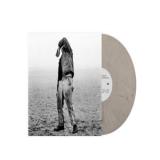
For nearly twenty years, Swedish singer-songwriter Kristian Matsson has played his way around the world as The Tallest Man on Earth, carving out a singular place in contemporary folk music. His discography has long been heard through the lens of the American folk tradition. But Just Beyond Endless Mountain, out October 9th on Anti- Records, quietly turns that perspective on its head. After returning to his native Dalarna in central Sweden, Matsson found himself listening to the music he had spent years trying to leave behind: the polskas, the old field recordings and the sounds of the local traditions that had surrounded him since childhood. The result is not a return to the past, but a step into new musical territory. Swedish folk music has reshaped his melodies, his voice, and the way he writes songs. The Tallest Man on Earth is back with his most deeply rooted album to date. Just Beyond Endless Mountain opens an unexpected new chapter in a career that has never settled for familiar ground.
он должен быть опубликован на 09.10.2026
Звуковые файлы от 01.09.2026

- A1: REVOLUÇÃO ORGÂNICA
- A2: MALENA
- A3: PISTA 02
- A4: VÔO CEGO
- A5: BÔDAS DE SANGUE
- A6: DEMOCÚSTICO
- B1: VENTO SUL
- B2: ROSTO BARBADO
- B3: MI HERMOZA
- B4: PAISAGEM DE MARIANA
- B5: DEIXA O MUNDO E O SOL ENTRAR
Marcos Valle is one of those artists you simply can't overlook if you have even a passing interest in Brazilian music. Whether your taste leans toward bossa jazz, samba, psychedelic folk, or modern soul, Valle has surely recorded a great album for you. By the late 1960s he had already released enough outstanding records to secure a place among the greatest Brazilian artists of all time, but fortunately his career didn't stop there. He has continued recording fabulous albums over the following decades, right up to the present day. Widely regarded as one of the finest recordings in Marcos Valle's catalog, Vento Sul (1972) represents a pivotal moment in his artistic evolution, revealing a composer unafraid to reinvent himself and push the boundaries of Brazilian popular music. From the hypnotic title track to highlights such as "Democústico," "Revolução Orgânica," "Paisagem de Mariana," and "Pista O2," the album remains a breathtaking achievement whose influence continues to resonate more than five decades later. This reissue shines a well-deserved spotlight on a landmark recording -- an essential chapter in Brazilian music and an indispensable addition to any collection of psychedelic, progressive, jazz, or MPB classics. Pressed on 180g vinyl.
он должен быть опубликован на 16.10.2026
Звуковые файлы от 28.08.2026
Ultra Clear Vinyl[40,55 €]
он должен быть опубликован на 20.11.2026

Black Vinyl[36,35 €]
он должен быть опубликован на 20.11.2026

он должен быть опубликован на 02.10.2026
Звуковые файлы от 27.08.2026
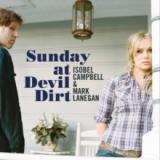
он должен быть опубликован на 06.11.2026
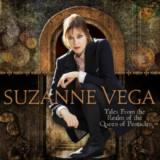
он должен быть опубликован на 23.10.2026
Звуковые файлы от 21.08.2026
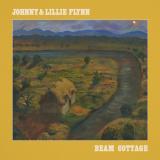
Black Vinyl[32,35 €]
он должен быть опубликован на 06.11.2026
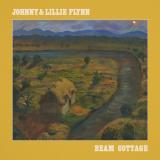
Yellow Indie Exclusive Vinyl[32,98 €]
он должен быть опубликован на 06.11.2026
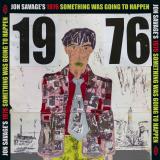
- A1: Roxy Music - Both Ends Burning
- A2: Burning Spear - Old Marcus Garvey
- A3: Max Romeo & The Upsetters - War In A Babylon
- A4: Patti Smith Group - My Generation
- A5: 10cc - I'm Mandy Fly Me
- B1: Candi Staton - Young Hearts Run Free
- B2: Banbarra - Shack Up
- B3: Hello - Teenage Revolution
- B4: Ramones - Havana Affair
- B5: The Runaways - Cherry Bomb
- B6: Blondie - In The Sun
- B7: The 101'ers - Keys To Your Heart
- C1: Eddie & The Hot Rods - Horseplay (Weary Of The Schmaltz)
- C2: Junior Murvin - Police And Thieves
- C3: The Flamin' Groovies - Shake Some Action
- C4: Hot Blood - Soul Dracula
- C5: Blue Öyster Cult - (Don't Fear) The Reaper
- C6: Nick Lowe - Heart Of The City
- D1: Lewis Furey - Top Ten Sexes
- D2: Miami - Kill That Roach
- D3: The Saints - (I'm) Stranded
- D4: The Damned - New Rose
- D5: Pere Ubu - Street Waves
- D6: Buzzcocks - Time's Up
он должен быть опубликован на 30.10.2026
Звуковые файлы от 17.08.2026
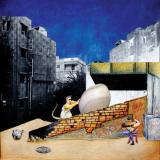
‘Oud-player with The Handover, Eissa was mentored by two legendary figures in Egyptian music: composer and multi-instrumentalist Abdo Dagher, and oud master Hazem Shahin. The music here is heavily rooted in both Egyptian classical music and a number of different folk music traditions, but it goes its own way, through expansive and intricate original compositions.
‘The epic title track, with Eissa playing oud exclusively, takes up two thirds of the album. It seamlessly transitions into heart-stopping recitation of the thirteenth century poet Baha´ al-din Zuhayr… serious, loving, tender and insistent, all at once. Visionary and virtuosic, but at the same time warm and close.
‘A future classic.’
он должен быть опубликован на 30.09.2026
