Plastic Crimewave Syndicate returns with one collective foot in overdriven space-biker scuzz rock, but the other bigfoot kicking upward into new galaxies of synth punk, no-prog, and freek funk. Yes, dare we say it, the new PCWS LP, Tales From the Golden Skull, GROOVES--but from the perspective of the Japan n' Kraut/Eurorock undergrounds, coated in some nasty Windy City grime. Aided by the Chicago Cosmonaut Couriers Crew, ala famed renaissance man Mac Blackout (synths/horns/electronics), Przemyslaw Krys Drazek (trumpet) of longtime zone-jammers Drazek Fuscaldo/Mako Sica, Will MacLean on Moog keytar (!-- of local Silver vocoder-ed Apples lovin' treasures Protovulcan), plus the oldest-school synthlord Bil Vermette, who's been modulating since the 70s. We'll call Tales From the Golden Skull a near-concept lp (aren't they always?) that looks back at fallen friends and collaborators, and then into the unwritten golden future (as PCW himself hit the golden 50). The sonic journey dips into dark textural valleys, and chugging riffs rising to thee fiery heavens, as the thundering-but-subtle rhythm section of Jose "Beast but Best" Bernal and Rob "Dead Feathers" Rodak know when to crash and when to burn (one). Sir PCW lays down his trademark big muff-blastage and echo-cries, to channel the despair and feral bark of the mighty Vega/Hammill/Iggy/Dickie P/Haino/Mojo-Risin/Mizutani, but also knows when to shut up for some layered instrumental Embryo/Harvester/Fausty trance rock and dabbed/dubbed out "not-quite-shoegazin" calmness in the eye of the Ur-storm. This might be the most expansive, detailed yet furious PCWS LP yet, recorded at Rec Room studios with Eric Block, who has done all from a band with Sonic Youth's Steve Shelley to recorded Rhys Chatham 100+-peeps guitar orchestras. So strap the headphones on and absorb the tales of this spaced ritual-rock opus. Artwork - Steve Krakow
Suche:mac
Keshavara tragen prächtige Schnurrbärte, verwegene Kopfbedeckungen und sprechen ein abenteuerliches Patois aus Englisch, Hindi, Deutsch und Gibberish. Auf ihrem neuen Album "III" kreieren die Kölner um den deutsch-indischen Musiker Keshav Purushotham Klänge, wie andere Leute Drinks mixen, nachdem sie schon drei genossen haben: Verwaschener Kraut-Pop und diasporische Dub-not-Dub-Exkursionen werden nach Augenmaß miteinander kombiniert und wild geschüttelt. Zuckersüß mäandernde Melodien, entlehnt einem fantastischen Niemandsland in der Grenzregion zwischen exotischen Library-Kompositionen und psychedelischen Soundtracks, verschmelzen mit den Grooves einer Rhythmusgruppe, die sich auch in den Tonstudios des funky Beirut der Mittsiebziger Zuhause gefühlt hätte. Das Ergebnis sind mit surrealistischem Zuckerrand gekrönte Cocktails mit der Wirkung einer halluzinogenen Götterspeise. Musik, die schillert und flirrt, wie eine Fata Morgana in der Wüste. Keshavara klingen in einem Moment, als hätte Ennio Morricone einen Bollywood-Film vertont, und im nächsten wie ein von Curt Boettcher produzierter Eden-Ahbez-Song, oder - nicht ganz so spinös aber nichts desto weniger fantastisch - als hätten Khruangbin und Sven Wunder endlich ein gemeinsames Album aufgenommen. In den glanzvollsten Momenten fügt sich das alles wie von magischer Hand zusammen und kulminiert dann in Songs wie "Spiegelmann" und "Tableau Vivant" - fantasmorgiastischen Partys voller transkultureller Clashes, die uns Hörer dazu einladen, sie in farbenprächtige Gruppenchoreografien zu überführen.
War das Debüt von Keshavara noch ein Solo- und der Nachfolger "Kabinett der Fantasie" im Kern ein Duo-Album, so sind Keshav Purushotham, Niklas Schneider, Benedikt Filleböck und Christopher Martin mit ihrem selbstproduzierten, schlicht "III" betitelten dritten Album endgültig zu einer vierköpfigen Band zusammengewachsen … und zwar um eine alte Farfisa-Orgel herum, die eines Tages als Geschenk im Proberaum gelandet ist: Ein, auf sämtlichen Songs mal mehr, mal weniger präsentes UFO aus einer Zeit der Slow-Jams, Live-Takes und des exzessiven Space-Echo-Einsatzes. Sein analoges Blubbern und sein wabernder Funk rollt dem warmen, organischen Bandsound den roten Teppich aus, und verpasst ihm einen zärtlichen Schubs Richtung 70er. Erfrischenderweise kommt er dort niemals so richtig an, sondern bleibt immer im Fluss. Denn das eigentliche Ziel der halldurchtränkten Korridore dieses Albums ist stets der Weg, genau genommen der kunstvoll gezimmerte Holzweg, der phantastische Irrpfad. "III" ist eine Reise, auf der Zeiten und Orte keine Fixpunkte sind, sondern austauschbare Koordinaten eines augenzwinkernden Vexierspiels. Da ist es nur folgerichtig über "Indische Götter im Sauerland" zu singen. Dass ungeachtet der Nostalgie, die alle neun Songs durchweht wie ein warmer Mittelmeerwind, niemals Sentimentalität aufkommt, ist nicht zuletzt diesem Humor geschuldet.
Die ätherischen Drones, sanft nuschelnden Akkorde und geisterhaft seufzenden Soundschwaden, die Keyboarder Benedikt Filleböck seiner altersschwachen Farfisa bevorzugt in den ruhigeren Momenten und den Instrumentalnummern des Albums entlockt, bilden einen stimmungsvollen Kontrast zu den beiden anderen Säulen des Keshavara-Sounds: Christopher Martins leichtfüßig hüpfenden Bass-Dreiecken und Keshavs sonnendurchfluteten Gitarren-Ornamenten. Im Zusammenspiel mit Niklas Schneiders crispen Drumbeats entsteht ein Fundament, mit dem die kaleidoskopischen Texturen und Melodien vollständig verschmelzen.
Das Ergebnis ist das bisher homogenste Album des Quartetts. Mit "III" erweisen sich Keshavara als gewiefte Soundalchemisten und Weltenwanderer, als eine softe Macht, deren Stärke sich aus ihrer enormen Musikalität, ihrer Fabulierlust und ihrem surrealistischen Witz speist.
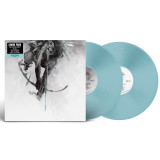
The Hunting Party wurde im Juni 2014 veröffentlicht und ist das sechste Studioalbum von Linkin Park. Das 12-Track-Album enthält die Singles „Final Masquerade“, „Until It's Gone“ und „Guilty All The Same“. Auf diesem Album sind mehrere Gastmusiker von Linkin Park zu hören: Daron Malakian (System of a Down), Page Hamilton (Helmet), Tom Morello (Rage Against The Machine / Audioslave) und Rakim. Diese limitierte Auflage ist auf blauem, durchscheinendem Vinyl gepresst.
Reissue eines der wegweisendsten Dub-Alben ever: King Jammys "Kamikaze Dub" (1979, Trojan Records), aufgenommen mit einer Reihe von Dub-Stars wie Sly & Robbie, Augustus Pablo, "Deadly" Headley Bennett und Bobby Ellis. Prince Jammy und Scientist, Zöglinge des Dub-Innovators King Tubby, traten aus dem Schatten ihres Meisters hervor und machten sich selbstständig. Prince Jammys LP erschien zuerst und legte die Messlatte für immer höher, so dass viele jamaikanische Produzenten sich von diesem wirbelnd-psychedelischen Minimal-Sound inspirieren liessen. Der Rest ist Geschichte.
Forging his own path into the future... With roots in the U.K. club and hip-hop scenes, drummer Richard Spaven brings a fresh approach to the instrument that's at once modern and traditional. Combining machine-like accuracy with jazz-influenced improvisational sensibilities, Spaven's drumming has landed him gigs with vastly varied artists such as UK rapper Loyle Carner, Guru of hip-hop duo Gang Starr, producer Flying Lotus, vocalist José James and Brainfeeder artist Jameszoo. Spaven's brilliance is evident beyond his world-class performance abilities; he's equally impressive in production and compositional territories.
Sole Subject, a captivating crossover of electronica, hip hop, and jazz, explores the nuanced relationship between live drumming and electronic elements, a theme intricately woven throughout Spaven's sixth solo record. Originating from deep, rhythmic ideas, each track is a testament to intense experimentation and precision. At the core of the album are the drums, captured as full live takes which often blur the lines, appearing as if they were programmed or sampled. Dive into Sole Subject and experience a musical journey where innovation meets tradition, and where each beat tells a story of relentless creativity and dedication. The release of the record will be celebrated with a headline show at Jazz Café October 30th.
Tristan Arp returns to Wisdom Teeth with his sophomore LP: ‘a pool, a portal’ - a vast, multi-dimensional record of pin-drop rhythms, hushed vocals and swirling ambience that maps out a vivid limbic space between the natural and the digital worlds. The LP began life while Tristan was still living in Mexico City, and was subsequently finished in New York. Carrying on from where his acclaimed debut ‘Sculpturegardening’ left off, the record marries hallucinatory modular synths with cello, found sound and spoken word, creating a rich sonic world in which machines mimic nature and acoustic instruments merge with their digital counterparts. Across the record’s narrative arc, listeners are invited to imagine a future world in which nature and machines collaborate to rewild and search for new modes of being. Far from apocalyptic, the artist’s vision is yearning and hopeful - a reflection on how we might evolve to overcome our very human limitations. “Hopefully we can all open a little portal into another world and integrate what we learn into our own”, Tristan offers. True to his word, Tristan shared much of the creative process with his machines, using modular generative processes to create randomised, improvisatory moments that he could collaborate on as artist and observer. Most of the tracks were captured in single takes as live performances and improvisations that were subsequently edited and cut down. Speaking of ‘Life After Humans’ - the record’s beguiling 10-minute centrepiece - Tristan recalls: “I neglected to record multi-track outs, but it was actually super empowering to be left with just a stereo track: I couldn’t mix individual elements even if I wanted to after the recording, but I’m happy I inadvertently limited myself in that way.” Alongside his own voice, the record features a stunning appearance from fast-rising Guatemalan cellist and vocalist, Mabe Fratti. The pair met in Mexico City in 2020, where she helped Tristan to learn cello - an encounter that ultimately went on to inform the recordings that made up ‘Sculpturegardening’. Her appearance on ‘a pool, a portal’ marks a full-circle moment in their creative relationship. The album’s artwork features photography by Zhang An - a photographer based in Nanjing, China. Despite their appearances, these are unmanipulated photos of real-world ice formations. As is the case throughout ‘a pool, a portal’, the lines between the natural and the artificial are playfully indistinct.
Having spent their formative years in São Paulo Brazil, as a teenager, Lau Ro found themself uprooted from their home. Moving with their family to Europe in search of a better quality of life, their story was like that of many immigrants in the same position. Lau Ro's parents found work in factories and cleaning jobs, for the first few years in the North of Italy and then in Brighton on England's Southern coast. "We never managed to visit back home, so my connection to Brazil became largely made up of childhood memories and my fascination with all the 60s and 70s music I could find from there."
In Brighton, the young non-binary singer and composer would immerse themself amongst the city's vanguard of free-thinking artists and musicians. Lau Ro formed Wax Machine whose prefigurative, psychedelic community provided a glimmer of countercultural hope amid a backdrop of national political decline. From 2020-23, Wax Machine birthed three cult-favourite albums in as many years; indebted in part to their British psychedelic forebears from progressive folk, rock and jazz yore. But the kernel of Lau's Brazilian sound was already beginning to blossom across Wax Machine's releases. Now, taking root deeper still, Lau Ro steps forward with their debut album: Cabana.
Named after the small wood cabin at the bottom of their garden where the album was recorded, Cabana is a deeply personal record of memory, self-discovery and imagination. Melancholy and hope combine across ten tracks of dreamy bossa, ambient folk, fuzzy tropicalia and majestic MPB. The music is swathed in masterful string arrangements and trippy electronics in equal part, while Lau Ro's delicate, yet quietly confident voice takes acerbic aim (in both English and Portuguese) at polluted city life, while dreaming of a utopia, rich with nature and wildlife.
Like the musical equivalent of semantic drift, Lau Ro's displacement led to the creation of another Brazil. A mythic place in Lau's soul, as they put it, "where the sunshine and joy of my childhood remained untapped." Lau continues: "It's music that might sound as if it came out of a parallel universe Brazil, rather than its modern day landscape. I am nowadays rediscovering Brazil, going back as often as I can and trying to stay connected to these different parts of the world and myself."
space•lab presents the Negen EP from Human Space Machine, a journey into Mike Jungerius’ unique take on the deeper shades of techno. Featuring four meticulously crafted tracks, this release showcases his signature sound—as rolling basslines and hypnotic acid lines weave seamlessly through intricate percussion, beautifully balanced with the perfect dose of melody and harmonics.
Each track offers a unique glimpse into Human Space Machine’s refined approach to techno: atmospheric yet grounded, minimal but rich in texture. With tracks ranging from 100BPM to 144BPM, this is the record you can reach for at any time of the night.
Blue vinyl repress
With a voice of pure gold and a startling sensitivity for heartfelt pop songwriting, on No Reino Dos Afetos (In the Realm of Affections), Berle firmly embraces earnestness, through starry-eyed Brazilian love songs, ambient vignettes, warm, home-cooked beats and gentle strokes of MPB genius.
Maceió, the capital of Brazil’s Alagoas state on its sprawling east-coast, is home to pastel coloured colonial houses, white sand beaches and a brilliant young composer, poet and multi-instrumentalist named Bruno Berle.
With a voice of pure gold and a startling sensitivity for heartfelt pop songwriting, on No Reino Dos Afetos (In the Realm of Affections), Berle firmly embraces earnestness, through starry-eyed Brazilian love songs, ambient vignettes, warm, home-cooked beats and gentle strokes of MPB genius.
“It’s an album that was built from my desire to find beauty”, Berle explains - his simple, graceful words mirroring the graceful simplicity in his music. But amongst the simplicity, the compositions, arrangements and productions on No Reino Dos Afetos tingle with nuance and detail.
On the contemporary R&B inspired lead single “Quero Dizer” - produced by Berle and longtime friend and collaborator Batata Boy - the swirling, lo-fi, kalimba and guitar-fronted beat is turned into a feel-good hit by the ingenuity of Berle’s honey-soaked vocal melody.
Powerfully intimate, “O Nome Do Meu Amor” (My Love’s Name) is a guaranteed tearjerker, with Berle’s stunning voice soaring over gently plucked acoustic guitar and the textural flutter of soft movement, as if we hear him writing the song in the moment.
Drawing upon a close-knit, collaborative scene of Maceió artists and musicians, (of which Berle and Batata Boy are vital members), Berle also recorded some of his friends songs on the album, including João Menezes’ “Até Meu Violao”, the album’s beautifully laid back sunshine soul opener, which has all the charm of early-70s João Donato.
Having cut his teeth in soft-rock group Troco em Bala, and more recently finding himself embedded in both Rio and Sao Paulo’s contemporary music scenes - collaborating with the likes of Ana Frango Eletrico, who took the photo for the album cover - No Reino Dos Afetos is as musically diverse as Bruno himself. It’s hazy indie rock (“É Preciso Ter Amor”), calming ambient and field recording (“Virginia Talk”) as well as Berle’s own take on West African High Life (“Som Nyame”).
Instantly recognisable as a truly special artist, Berle’s character fills every corner of the sound, which is unsurprising considering he played most of the instruments.
- Duke Ellington - Drop Me Off In Harlem 03:48:00
- Duke Ellington - I Let A Song Go Out Of My Heart 03:52:00
- Billy Strayhorn - Lush Life 06:40:00
- Duke Ellington - Come Sunday 04:57:00
- Duke Ellington - In A Mellow Tone 06:02:00
- Billy Strayhorn - Take The "A" Train 04:12:00
- Duke Ellington, Jonny Hodges, Don George, Harry James - I'm Beginning To See The Light 03:53:00
- Duke Ellington - Sophisticated Lady 04:19:00
- Duke Ellington, Don George - Ain't Got Nothing But The Blues 04:38:00
- Duke Ellington - I Got It Bad 06:20:00
- Duke Ellington, Billy Strayhorn - Satin Doll 03:56:00
Al Jarreau hat immer gesagt, dass er Al Jarreau-Musik singt, und er war wirklich einzigartig: Seine sechs Grammy-Awards und neunzehn Nominierungen als "Bester Sänger" decken nicht weniger als drei Kategorien ab – Jazz, Pop und R&B – mit anderen Worten, musikalische Genres interessierten ihn nicht wirklich. "Musik mag für andere Leute in Kategorien fallen, und ich verstehe das", sagte er, "aber für mich gilt: Wenn ich einen Song mag, muss ich ihn machen, und das war's. Wenn du zu meinen Konzerten kommst, setze ich mich auf deine Schulter und flüstere dir etwas ins Ohr. Ich öffne den Geist und gehe durch viele Türen." Diese Art von reichhaltigen, beschreibenden Bildern beschwört die Höhenflüge der stimmlichen Fantasie herauf, zu denen sein Gesang jederzeit fähig war. Er konnte einen Song plötzlich in neue und unerwartete Richtungen lenken. Er erklärte es immer so: "Wenn es ein Rückgrat für das gibt, was ich tue, dann ist es die Jazz-Umgangssprache."
Musik, Klänge und Rhythmus schienen ihn zu durchströmen, und das war kein Wunder. 1940 in eine musikalische Familie geboren, war er ein überdurchschnittlicher Student und schloss sein Studium mit einem Bachelor of Science in Psychologie und anschließend einem Master in beruflicher Rehabilitation ab. Und doch war die Musik nie weit von ihm entfernt. In den späten 1960er Jahren schloss er sich einem Trio an, das vom Pianisten George Duke geleitet wurde, und arbeitete daran, das Singen zu einer Vollzeitbeschäftigung in Los Angeles zu machen.
Zu diesem Zeitpunkt hörte ihn Siggi Loch, der damals ein hochkarätiger Manager bei Warner Brothers Records (WEA) war und später ACT Records gründete. "Ich sah Al Jarreau 1974 zum ersten Mal im Troubadour in Los Angeles und war sofort von seiner Stimme und seiner Bühnenpräsenz gefesselt", erinnert er sich. "Am nächsten Tag ging ich zu Mo Ostin, dem Präsidenten der WEA, um ihn davon zu überzeugen, ihn zu unterschreiben." Nach anfänglichen Widerständen erhielt Loch grünes Licht und 1975 erschien Jarreaus Debütalbum für WEA, "We Got By". "Ich habe Al nach Deutschland gebracht, bevor er in den USA Erfolg hatte", fährt Loch fort. "Al trat drei Nächte lang in Hamburg auf und ich schaffte es, Michael Naura, den Chef der Jazzabteilung des NDR, davon zu überzeugen, den dritten Abend für die Live-TV-Übertragung aufzunehmen." Diese Show machte Al über Nacht in Deutschland berühmt, und seitdem hat er immer einen besonderen Platz in den Herzen des deutschen Publikums. "We Got By" gewann den Preis der Deutschen Schallplattenkritik und seine erste Deutschlandtournee füllte große Konzertsäle.
Es folgte "Glow" (1976), das in Europa erneut gut ankam und einen zweiten Preis der Deutschen Schallplattenkritik gewann, in den USA aber nicht so gut ankam: "Das richtete sich an ein 'Smooth Jazz'-Publikum", so Loch. "Es hat Al nicht vor einem Live-Publikum eingefangen. Also bat ich darum, dass seine nächste Veröffentlichung ein Live-Album sein sollte. Mo Ostin stimmte widerwillig zu", und "Look to the Rainbow" wurde in Europa ein Riesenerfolg, "Als es in den USA veröffentlicht wurde, wurde es Al's Durchbruchsalbum und brachte ihm seinen ersten Grammy ein, also ist es wirklich richtig zu sagen, dass seine Karriere vor allem in Deutschland begann!", sagt Loch.
Jarreaus langjährige Zusammenarbeit mit dem NDR veranlasste Jörg Achim Keller, Chefdirigent der NDR Bigband, 2016 eine Zusammenarbeit mit dem Sänger vorzuschlagen: "Eine Produktion mit der Musik von Al und Ellington zu machen, war etwas, was ich schon seit Anfang der 2000er Jahre machen wollte", erinnert er sich. "Die Reaktion von Al war von Anfang an sehr positiv." Jörg bereitete eine Liste von einigen hundert Ellington-Titeln vor, und wie sich Jarreau später erinnerte: "Wir gingen einfach die Liste durch, und es war ein Fall von 'Oh, der funktioniert für mich' und 'Lass uns das als alten Darm-Blues machen – was für mich wichtig war, war, mich in der Musik wiederzufinden und vielleicht eine andere Art von Aussage über Ellington zu machen, damit die Leute die Musik auf eine andere Art und Weise hören konnten. alles, was sie vorher gehört hatten."
Beim Schreiben der Charts achtete Jörg darauf, Jarreaus Herangehensweise an das Material zu respektieren, indem er ihm Raum ließ. Tracks wie "I'm Beginning to See the Light" oder "I Got It Bad (and that Ain't Good)" geben den Solisten der Band ebenfalls Spielraum, um ihr Bestes zu geben. "Das sind hochentwickelte, intelligente Solisten, die mit jedem auf der Welt spielen können", sagte Jarreau. "Sie pushen mich, und ich liebe den Push, und sie lassen mich wie eine echte Sängerin klingen!"
Jarreau und die Band tourten in der zweiten Hälfte des Jahres 2016 mit der Musik, "Es gab immer noch einige Feinabstimmungen während der Tour, von Konzert zu Konzert", fügte Jörg mit einem Lächeln hinzu. "Er liebte es, diese Balladen zu singen – und jede hatte ein anderes Gefühl. "Am Sonntag" war ihm aber sehr wichtig. Diese Tabelle wurde zweimal überarbeitet, bevor er schließlich damit zufrieden war! Bei einigen Songs entschied er sich für einen reinen Balladenstil – 'I Got It Bad (and that Ain't Good)', einige Melodien wurden in eine Pop/R&B-Tasche gesteckt ('Lush Life', 'Come Sunday') und er liebte das 'Old Gutbucket Blues'-Feeling von 'I Ain't Got Nothing but the Blues'."
Rückblickend auf diese Sessions und Tour sagt Jörg: "Es waren Al's Stil und Persönlichkeit, die alles zusammenhielten. Das Ganze war eine echte Kombination aus der musikalischen Meisterschaft von Jarreau und Ellington – es hat das Publikum in ganz Europa angesprochen, sie liebten das Programm." Dieses Gefühl teilt auch Siggi Loch, der Jarreau mit der NDR Bigband in Paris erwischte: "Es war offensichtlich, dass er es wirklich genoss, diese Musik aufzuführen, und er tat es mit so viel Energie und Emotion, es war eine Freude zu sehen und zu hören. Leider verstarb Al nur wenige Monate später."
In vielerlei Hinsicht schließt sich mit "Ellington" ein Kreis: Es fühlt sich sehr richtig an, dass Jarreaus letztes Album auf ACT veröffentlicht wird, dem Label, das von Siggi Loch gegründet wurde, dessen starkes und unerschütterliches Eintreten für den Sänger ihn ursprünglich auf den Weg zum Superstar brachte. Und die Tatsache, dass es vom NDR und seiner hauseigenen Bigband aufgezeichnet wurde, ist eine passende Erinnerung daran, dass es sich um eben jenen Sender handelte, dessen TV-Sendung Jarreau einst über Nacht in Deutschland berühmt gemacht hatte. Darüber hinaus wurde "Ellington", genau wie "Look to the Rainbow", das Jarreaus internationales Durchbruchsalbum war, auch live aufgenommen. Manchmal gibt es Verbindungsfäden zwischen Ereignissen, die auf den ersten Blick in keinem Zusammenhang zu stehen scheinen, und das Ergebnis erweist sich nicht nur als besonders und magisch, sondern auch bedeutungsvoll und tief berührend. Das ist hier auf jeden Fall der Fall.
Stuart Nicholson, Musikjournalist und Autor
Alan-Parsons-Fans dürfen sich 2021 gleich über zwei besondere Reissues freuen: Der britische Musiker, Tontechniker und Produzent legt seine Alben »On Air« und »The Time Machine« noch einmal auf, und zwar auf CD und LP. Die beiden Vinyl-Versionen kommen auf Translucent Blue Vinyl bzw. Transparant Vinyl, sind nummeriert und auf jeweils 1500 Exemplare limitiert.
»The Time Machine« erschien 1999 und ist das dritte Soloalbum von Alan Parsons. Es handelt von Zeitreisen und von der Erinnerung an die Vergangenheit.
Der Gesang auf dem Konzeptalbum stammt unter anderem von Tony Hadley (Spandau Ballet), Colin Blunstone, Maire Brennan (Clannad), Beverly Craven und Neil Lockwood (ELO).
»The Time Machine« klingt wie eine Kombination aus dem Alan Parsons Project der 1970er-Jahre mit einer Prise Pink Floyd und ist ein Klangerlebnis, das Fans von Parsons, New Age und Electronica begeistern wird.
Das Album beginnt mit dem Instrumental »The Time Machine (Part 1)«, geschrieben von Cockney-Rebel-Schlagzeuger/Komponist Stuart Elliott (später Al Stewart und Kate Bush u. a.), das der Art und Weise ähnelt, wie das Project sein Album zu eröffnen pflegte. Es gibt den sanften Song »Out Of The Blue«, mit Leadgesang von Tony Hadley von Spandau Ballet. »Ignorance Is Bliss« ist einer der schönsten Songs mit dem Gesang des ehemaligen Zombies-Leadsängers Colin Blunstone.
- A1: The J.b.’s Gimme Some More
- A2: The J.b.’s Pass The Peas
- A3: Lyn Collins Think (About It)
- B1: The J.b.’s Givin’ Up Food For Funk (Part 1)
- B2: Lyn Collins Mama Feelgood
- B3: The J.b.’s Hot Pants Road
- C1: Lyn Collins Rock Me Again & Again & Again & Again & Again & Again
- C2: Fred Wesley & The J.b.’s Damn Right, I Am Somebody (Part 1)
- C3: Lyn Collins Take Me Just As I Am
- D1: Fred Wesley & The J.b.’s If You Donít Get It The First Time, Back Up And Try Again, Party
- D2: Maceo & The Macks Parrty (Part 1)
- D3: Fred & The New J.b.’s (It’s Not The Express) It’s The Jb’s Monaurail (Part 1)
- D4: Fred Wesley & The Jb’s Same Beat (Part 1)
Repress! Get On Down is bringing back one of the best James Brown funk compilations to vinyl. Funky People Part 1 features the top tier of artists from Brown's People Records label, including The J.B.s, Lyn Collins, Fred Wesley, and Maceo Parker. Some of the James Brown organization's all-time best material is collected here, including The J.B.'s "Pass The Peas" and "Hot Pants Road", Fred Wesley's in your face politics through funk statement "Damn Right, I Am Somebody", Lyn Collins' smash hit "Think (About It)" and many more. These songs have been sampled in countless hip-hop songs over the years. Newcomers and diehard fans alike continue to dig into the James Brown and People Records vaults, and the more they do so, the more they realize that it's a nearly never-ending source of truly next-level funk and soul music. Thanks to the exhaustive efforts of Get On Down, this aural goodness will keep flowing to the public.
Alternative Jazz. This is a 5 track EP of brand new, previously unreleased material from The Near Jazz Experience (Terry Edwards, Mark Bedford and Simon Charterton). Whilst recording the new album Terry asked pianist Mike Garson (best known for his work with David Bowie, Nine Inch Nails, Smashing Pumpkins) - whom Terry has toured with if he'd like to play on a track. Mike said yes, recorded a stupendous solo for Character Actor at his home studio and sent it over. All in the space of 24 hours! On hearing the piano part NJE bassist Mark Bedford came up with the idea of having the piano mixed with the original track (as intended) but also using it as the basis for a completely new recording with the piano leading rather than complementing the band. Side 1 of the EP has these two very different versions from the same seed. Unidentical twins indeed. Side 2 of the EP contains 4 outliers from the album sessions. These aren't out-takes or unfinished pieces. They simply couldn't find a place for themselves within the album - along the lines of the tunes Tom Waits put together for his Orphans compilation of 2006. They are standalone tunes which have found a home together on this EP because in some way they all have filmic qualities. Side 1 contains 2 takes on Character Actor (the title being a nod to Cracked Actor, a tune on Aladdin Sane, the album that introduced Bowie fans to Mike Garson), and Side 2 has The Loping Four; Projector; MacGuffin and Lockstep, all titles which contain strong cinematic elements, MacGuffin in particular. It was Alfred Hitchcock's favourite word for a red herring in the plot. The musical cast on this release has a remarkable pedigree. The NJE consists of Terry Edwards (solo artist and session player with PJ Harvey, Franz Ferdinand, Siouxsie, Jimi Tenor, Piroshka, Tindersticks etc); Mark Bedford (Madness, Robert Wyatt, Robyn Hitchcock, Nightingales etc); Simon Charterton (The Higsons, Alex Harvey, Zook, Serious Drinking etc). Alongside featured guest Mike Garson there is an appearance by Oliver Cherer (Aircooled, Miki Berenyi Band) on keys and synth. This is an RSD exclusive, 500 copies on black vinyl in full colour sleeve which reflects the filmic quality of the recorded material. No download. The title track will appear on the next Near Jazz Experience studio album. The 4 additional tracks, however, will remain exclusive to Record Store Day.
Trust Fund, hinter dem der britische Singer/Songwriter Ellis Jones steht, kehrt mit einer neuen LP zurück. Das fünfte Album "Has It Been A While?" wurde Anfang des Jahres in Sheffield gemeinsam mit dem Produzenten und engen Freund Joe Mackenzie Todd aufgenommen. Fans von Jones" feinfühligem, geistreichem und nahbarem Songwriting mussten sich für eine ganze Weile gedulden. Sein letztes Album ist vor sechs Jahren erschienen: "Bringing the Backline" erhielt Lob u. a. von Pitchfork, Rolling Stone und The Guardian, doch Trust Fund wurde direkt im Anschluss auf Eis gelegt, da einige Bandmitglieder Familien gründeten und Jones nach Norwegen (und dann nach Kanada) zog, um eine akademische Karriere zu verfolgen. Oder wie er selbst sagt: "Ich wurde 30, zog weg und dachte, dass ich das jetzt wohl bleiben lasse". Erfreulicherweise konnte er es nicht bleiben lassen Die Einsicht, dass es mit dem Musikmachen doch noch nicht vorbei sei kam einher mit der Entwicklung eines gereiften Stils. Während bei frühen Trust-Fund-Alben eine diffuse Indie-Rock-Ästhetik im Vordergrund stand, reduziert Jones seine Songs auf "Has It Been A While?" auf klassische Gitarre und Gesang, unterstützt von ergreifenden Streichquartett-Arrangements von Maria Grig. Geblieben ist die lyrische Finesse von Trust Fund, die sich hier besonders in Tracks wie "The Mirror" (ein Duett mit Celia MacDougall von Radiant Heart) zeigt, in dem der prahlerische Protagonist allzu gern den Spiegel als TV nutzen würde.
Die finnische Modern Metal-Band ARCTIS veröffentlicht ihr selbstbetiteltes Debütalbum Arctis über Napalm Records.
ARCTIS ziehen Inspiration aus der mythischen Natur des Nordens und ihren extremen Jahreszeiten, die sie in futuristisches Szenario übertragen. Einen
ebenso großen Spagat machen sie auf der Soundebene, wenn sie Modern Metal gekonnt mit Pop kombinieren und so ein episches und originelles
Klanguniversum erzeugen. Produziert wurde das Debüt von dem mehrfach mit Platin ausgezeichneten Jimmy Westerlund (Sturm und Drang), gemixt
von Stefan Glaumann (Rammstein) und gemastert von dem zweimal Grammy-nominierten Svante Forsbäck (Rammstein).
Mit dieser geballten Expertise als Rückenwind verspricht Arctis die Szene mit frischem Wind aufzuwirbeln, was sie unmittelbar im Anschluss an die
Veröffentlichung auf den Bühnen Europas beweisen werden. Denn ARCTIS haben die Ehre die legendären Metal Cellisten von Apocalyptica auf ihrer
Tour zu begleiten, was ihren Status als Senkrechtstarter unterstreicht.
Nachdem er 2022 "The Consistent Brutal Bullshit Gong" schrieb, hat sich Nate Mendelsohn immer mehr in seiner Musikgemeinde in Brooklyn, NY, verwurzelt. Er produzierte die letzten FRANKIE COSMOS- und DOUGIE POOLE-Alben, trat bei VAGABON und SAM EVIAN auf und machte Aufnahmen mit YAEJI und LADY LAMB. Diese Erfahrungen mit abenteuerlichen Künstler*innen sind in Mendelsohns Songwriting eingeflossen und haben, zusätzlich zu seinen frühen Jahren in der Jazz- und Avantgarde-Welt, ein Album hervorgebracht, das so manchem wahrscheinlich den Kopf verdrehen wird, wenn man Alben namens "Pet Sounds", "Fantasma", "Insignificance", "Blonde" oder "XO" mag. Wie auf einigen der genannten Alben verschmilzt auch auf "Well I Asked You A Question" das Physische mit dem Synthetischen: gesampelte Orchester duellieren sich mit echten Orchestern ("Fantasy"), die gesprochenen Worte eines Roboters duettieren sich mit einem menschlichen Chor ("Around"), und Geräuschexplosionen üben sich in Soli über traditionelle Rockinstrumente ("Rachel's Getting Married"). Obwohl viele der Sounds auf dem Album erweitert und gebrochen sind, arbeitete Mendelsohn mit der vollen MARKET-Band - Stephen Becker, Natasha Bergman und Duncan Standish - zusammen, um die Songs zu entwickeln. Er wollte "musikalische Unfälle mit ausgefransten Rändern - immer noch eine Gruppe von Leuten, die in einem Raum sind und Songs spielen". Neben der Kernband leisteten Katie von Schleicher, Mike Haldeman (MOSES SUMNEY, ALTO PALO), Justin Felton (L'RAIN, BIG THIEF), Rose Droll (FEIST, ART FEYNMAN) und Helen Newby mit der Technik von Adam Hirsch (Sam Amidon, Stephen Steinbrink) weltumspannende Beiträge.
- Silent Night
- Lumberjack Christmas / No One Can Save You From Christmases Past
- Coventry Carol
- The Midnight Clear
- Carol Of St. Benjamin The Bearded One
- Go Nightly Cares
- Barcarola (You Must Be A Christmas Tree)
- Auld Lang Syne
- Christ The Lord Is Born
- Christmas Woman
- Break Forth O Beauteous Heavenly Light
- Happy Family Christmas
- Jingle Bells
- Mysteries Of The Christmas Mist
- Lift Up Your Heads Ya Mighty Gates
- We Wish You A Merry Christmas
- Ah Holy Jesus
- Behold! The Birth Of Man, The Face Of Glory
- Ding-A-Ling-A-Ring-A-Ling
- How Shall I Fitly Greet Tree?
- Mr. Frosty Man
- Make Haste To See The Baby
- Ah Holy Jesus
- Hark! The Herald Angels Sing
- Morning (Sacred Harp)
- Idumea (Sacred Harp)
- Eternal Happiness Or Woe
- Ah Holy Jesus (A Capella)
- I Am Santa's Helper
- Maoz Tzur" (Rock Of Ages)
- Even The Earth Will Perish And The Universe Give Way
- Angels We Have Heard On High
- Do You Hear What I Hear?
- Christmas In The Room
- It Came Upon The Midnight Clear
- Good King Wenceslas
- Alphabet St
- Particle Physics
- Joy To The World
- The Child With The Star On His Head
- Christmas Infinity Voyage
- I'll Be Home For Christmas
- Santa Claus Is Coming To Town
- The Sleigh In The Moon
- Sleigh Ride
- Ave Maria
- X-Mas Spirit Catcher
- Let It Snow! Let It Snow! Let It Snow!
- A Holly Jolly Christmas
- Christmas Face
- Have Yourself A Merry Little Christmas
- It Came Upon The Midnight Clear
- Up On The Housetop
- Angels We Have Heard On High
- We Need A Little Christmas
- Happy Karma Christmas
- We Three Kings
- Justice Delivers Its Death
- Christmas Unicorn
Feiern Sie die Weihnachtszeit mit der beliebten Weihnachtssammlung von Sufjan Stevens, ,Silver & Gold: Songs for Christmas, Vols. 6-10", die jetzt zum ersten Mal seit ihrer ursprünglichen Veröffentlichung 2012 wieder auf Vinyl im Handel erhältlich ist. Dieses umfangreiche Set enthält fast drei Stunden festliche Musik, darunter 18 Eigenkompositionen und kreative Interpretationen von Weihnachtsklassikern. Die 6-LP-Kollektion (vier Einzel-LPs und eine Doppel-LP) im Schuber zeigt Stevens' einzigartige Herangehensweise an Weihnachtsmusik, die Folk, Indie-Rock und experimentelle Klänge miteinander verbindet. Von intimen Weihnachtsliedern bis hin zu ausgedehnten Orchesterarrangements zeigt ,Silver & Gold" Stevens' künstlerische Vielseitigkeit und seinen kollaborativen Geist, was es zu einer unverzichtbaren Ergänzung jeder Weihnachtsmusiksammlung macht.
- Make It Big (Ft. Khrysis)
- Band Practice (Instrumental)
- Enjoy (West Coastin’) (Ft. Warren G, Murs, & Kendrick Lamar)
- Streets Of Music (Ft. Tanya Morgan & Enigma Of Actual Proof)
- Hearing The Melody (Ft. Skyzoo, Fashawn, & King Mez)
- Loyalty (Ft. Masta Killa & Halo)
- Now I’m Being Cool (Ft. Mela Machinko & Median)
- Never Stop Loving You (Ft. Terrace Martin & Talib Kweli)
- Band Practice Pt. 2 (Instrumental)
- Piranhas (Ft. Blu & Sundown Of Actual Proof)
- Peanut Butter & Jelly (Ft. Marsha Ambrosius)
- Your Smile (Ft. Holly Weird & Thee Tom Hardy)
- No Pretending (Ft. Raekwon & Big Remo)
- 20: Feet Tall (Remix) (Ft. Erykah Badu & Rapsody)
- That’s Love (Ft. Mac Miller & Heather Victoria)
- A Star U R (Ft. Terrace Martin, Problem, & Gq)
Finally back on vinyl, this 2011 release was the first proper full-length showcase for the Grammy Award-winning superproducer. The signature soulful style of 9th’s beats was a sensation in hip hop and R&B--for underground fans and in the mainstream--and he played a leading role in bringing North Carolina to the forefront of American music culture in the 21st century.
Duke Pearson’s great 1964 album Wahoo! was a perfect encapsulation of his talents as a pianist, composer and bandleader. Writing for a sextet featuring Donald Byrd on trumpet, James Spaulding on alto, Joe Henderson on tenor, Bob Cranshaw on bass, and Mickey Roker on drums, Pearson presents evocative originals including ‘Amanda’, ‘Bedouin’, and ‘ESP’. This Blue Note Classic Vinyl Edition is stereo, all-analog, mastered by Kevin Gray from the original master tapes, and pressed on 180g vinyl at Optimal.
- A1: Blood For Blood
- A2: Skullblast
- A3: In And Out By The Tide
- B1: Cut Your (Own) Throat
- B2: The Green Manalishi (With The Two Prong Crown) (Peter Green Cover)
ASSASSIN veröffentlichen ihre erste EP überhaupt - freut euch auf vier neue, knallharte Thrash Metal-Songs, die vor Härte und Groove nur so strotzen, sowie eine Thrash Metal-Coverversion eines Fleetwood Mac Songs!