Vanishing Twin is songwriter, singer and multi-instrumentalist Cathy Lucas, drummer Valentina Magaletti, bassist Susumu Mukai, synth/guitar player Phil MFU and visual artist/film maker Elliott Arndt on flute and percussion; and on this album they have made their first artistic statement for the ages.
Some of its great power comes from liberation. The album was produced by Lucas in a number of non-standard, non-studio settings. 'KRK (At Home In Strange Places)' summons up the spirit of Sun Ra's Lanquidity and Broadcast And The Focus Group Investigate Witch Cults Of The Radio was simply recorded on an iPhone during a live set which crackled with psychic connectivity on the Croatian island of Krk.
The magical Morricone-esque lounge of 'You Are Not an Island', the blissed-out Jean-Claude Vannier style arrangement of 'Invisible World' and burbling sci fi funk ode to a 1972 cult French animation, 'Plane`te Sauvage', were all recorded in nighttime sessions in an abandoned mill in Sudbury. The only two outsiders to work on the recording were '6th member' and engineer Syd Kemp and trusted friend Malcolm Catto, band leader of the spiritual jazz/future funk outfit The Heliocentrics, who mixed seven of the tracks (with Lucas taking care of the other three).
Vanishing Twin formed in 2015 - their first LP, Choose Your Own Adventure, which came out on Soundway in 2016; followed by the darker, more abstract, mostly instrumental Dream By Numbers EP in 2017. The band explored their more experimental tendencies on the Magic And Machines tape released by Blank Editions in 2018, an improvised session recorded in the dead of night, offering a glimpse into their practice of deep listening, near band telepathy, and ritually improvised sound making. These sessions formed the basis of The Age Of Immunology.
Buscar:mach 2
Pull the Rope, the new record by Ibibio Sound Machine, casts the Eno Williams and Max Grunhard-led outfit in a new light. The hope, joy, and sexiness of their music remain, but, further honing the edge of their acclaimed 2022 album Electricity, the connection they aim to foster has shifted venues from the sunny buoyancy of a sunlit festival to a sweat-soaked, all-night dance club. Williams and Grunhard attribute this shift to a matter of collaborators, recording Pull the Rope with Sheffield-based producer Ross Orton (Arctic Monkeys, M.I.A.) over the course of two weeks. The way the pair wrote songs changed significantly_rather than Eno penning lyrics to music generated by Max and company's jamming, Orton started with Eno and Max writing together before adding the band. With less time in the studio and a new way of considering how they built songs, the duo found making decisions about Pull the Rope's sound quicker and more instinctual than before. "Ross is from Sheffield, which has an edgier, more industrial vibe than London," Grunhard explains. "He hears things differently than us, is more grounded in rave and grungier sounds, and knew when to add drums or push the instrumentation more. It was very different for us, but it lends itself to where Ibibio Sound Machine is going." In melding their songwriting process, Grunhard and Williams have, impossibly, pulled the trick of making Ibibio Sound Machine a tighter band than ever before, building out from their core in a way that highlights the electrifying group of musicians they play with. Rather than recording with the full band in the room, Pull the Rope was sculpted, elements added and shaped by Grunhard, Williams, and Orton along the way. As a result, Pull the Rope is a nimble, sleek machine that's thrilling from the first note of the opening title track, Eno's otherworldly voice and PK Ambrose's throbbing bass driving through a kaleidoscopic array of house, post-punk, funk, Afrobeat and disco, bangers and ballads, making an argument for unity that begins on the dancefloor. "We are the places we grew up, the places we've been, and the people we've met along the way," Williams says. "Hopping around the globe, we've found that people are fundamentally the same_they're people. Opposing sides push and pull, but there is an alternative to war, violence, and suffering." Lead single "Got to Be Who U Are" literally globetrots, name checking locales across the world that would feel disparate were it not for how well-traveled they are. Eno growing up in the musical melting pot of the Ibibio region of Nigeria and Max being a conservatory-trained musician from Australia, one could call their meeting in London and formation of Ibibio Sound Machine predestined. "Mama Say" and "Let My Yes Be Yes" touch themes of female empowerment. They're indicative of the band's depth as they push further into the electronic; "Mama Say" hits notes of electropop while "Let My Yes Be Yes" fuses electro to Afrobeat. Ibibio Sound Machine have always imbued their music with political consciousness, and the light that shines through in Williams' vocals and voice has never felt more necessary. The sound of Pull the Rope, then, is hope in darkness, bliss in spite of bleakness. Once again, Ibibio Sound Machine are here to provide the soundtrack to the best night of your life, and the better world to come.
Presenting 'Swinging Flavors #12,' the latest sonic exploration by Tokyo-based sound craftsman, T5UMUT5UMU. In the pulsating track "Bolt," he deftly blends elements of techno, breakbeat, and jungle, offering an intergalactic journey through the diverse universe of bass music. Released under Beat Machine Records'
Swinging Flavors series, this digital and 7" vinyl release invites listeners to embark on a cosmic adventure.
T5UMUT5UMU, a genre-defying producer, skillfully navigates the space between tracks united not by traditional genre labels but by vibe and style. With techno, breakbeat, and jungle as his guiding stars, his music draws inspiration from Eastern cultures, seamlessly woven into UK-style club tracks. Fusing elements like HARD DRUM, dark breakbeats, grime, and DnB, T5UMUT5UMU creates compositions that transcend boundaries, captivating audiences globally.
The remix of "Bolt" by Mani Festo mirrors the rapid and diverse stylings found in his towering catalog. Mani Festo, caught in the tension between futurism and tradition, is a champion for the transformative power of club music. As part of the Club Glow
collective, his dynamic sound ranges from breakbeat science to electro machine funk, elevating 'Swinging Flavors #12' to new heights. The remix, akin to a warp-speed journey, propels the original track into uncharted territories, delivering an electrifying experience anchored by heavyweight rhythm craft.
Together, T5UMUT5UMU and Mani Festo invite you to lose yourself in the cosmic magic of 'Swinging Flavors #12,' a release that transcends musical boundaries, celebrating the joy of exploration within the vastness of bass-infused soundscapes.
Soul Ex Machina is proud to announce its first vinyl release, featuring a hot three-tracker from Prague based producer with Slovak origins - EchoBoy. His background in digital reggae, as a former half of the Riddim Tuffa duo has clearly left its mark on the foundation of his current production. Delving in contemporary sounds from the deeper side of dubstep, infused with strong roots and dub influences, while keeping a steadfast focus on the current production standards. The EP is a testament to EchoBoy's skill as a producer, demonstrating his ability to weave together diverse elements into a cohesive result that is both innovative and deeply satisfying. The three tracks on "Roots of Dub EP" showcase his unique approach to his influences.
Ineinander verwobene Hammondorgel-Riffs, schwere E-Gitarren und melodische Basslinien machen Nucleus zu einem besonderen Erlebnis - die ungewöhnlichen Taktarten machen es zu einer akustischen Lobotomie! Gepresst auf weißem Vinyl! Die Ursprünge von Nucleus liegen in der Torontoer Combo The Lords Of London aus den späten 60er Jahren. Sie waren eine beliebte Live-Attraktion und traten bei der Canadian National Exhibition neben The Guess Who und Kensington Market sowie US-Bands wie Moby Grape auf. Obwohl sie kleinere kanadische Hits hatten, gelang ihnen der Durchbruch in den USA nicht, und im September 1968 entwickelten sie sich zu einer anderen Art von Band. Sie änderten ihren Namen in Nucleus und nahmen in tagelangen Proben einen jazzigeren, improvisierteren Ansatz auf, um ihre einzige LP mit ausschließlich eigenen Songs aufzunehmen. Ihr Sound reicht vom verrückten "Jenny Wakes Up" bis zum intensiven "Communication". Das Album wurde im April 1969 veröffentlicht (die Veröffentlichung wurde kurzzeitig durch eine "technische Komplikation" verzögert, wie Billboard es nannte) und erregte beträchtliches Kultinteresse, wobei die Single-Version von "Communication" im Untergrund viel gespielt wurde.
- Buried Dreams
- Carnal Forge
- 03: No Love Lost
- Heartwork
- Embodiment
- This Mortal Coil
- Arbeit Macht Fleisch
- Blind Bleeding The Blind
- Doctrinal Expletives
- Death Certificate
- This Is Your Life
- Rot N Roll
- Buried Dreams (Demo)
- Carnal Forge (Demo)
- No Love Lost (Demo)
- Heartwork
- (Demo)
- Deliverance (Demo)
- This Mortal Coil (Demo)
- Arbeit Macht Fleisch (Demo)
- 10: Blind Bleeding The Blind (Demo)
- Doctrinal Expletives (Demo)
- Death Certificate (Demo)
ULTIMATE EDITION[28,53 €]
Liverpool’s legendary Death Metal pioneers Carcass (who still tour
extensively to this day) are often credited with shaping the entire
death metal genre.
Pushing boundaries with their shocking imagery whilst evolving and innovating with each new album. Heartwork is widely renowned as the best Carcass album with its melodic intricacies.
These albums have been specially recreated using ‘FDR’ - full dynamic range mastering - pressed from the original master tapes, allowing the music’s nuance to shine through and giving these classic albums a more ferocious and dynamic sound, enabling the listener to immerse themselves in the full audio heaviness
Razor-sharp production of the highest order from two of the masters of the early 80™s Rio de Janeiro boogie sound, Robson Jorge and Lincoln Olivetti. Both were highly acclaimed music producers of the time, starting around the mid-70™s. Over the course of his career Olivetti worked with artists including Rita Lee, Erasmo Carlos, Don Beto, Marcos Valle, Tim Maia, Gilberto Gil, Gal Costa, Sandra Sa, Painel de Controle and many more. The album takes in mid-tempo, AOR, boogie and even latin all way through the tempo™s to ultra-quick Prince style disco-funk workouts. Includes several standout tracks ˜Aleluia™ and ™Ginga™ being our two favourites. Synths, horns, claps, drum machines, guitars, keys and vocal harmonies combine effortlessly.
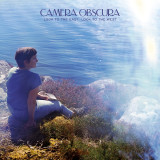
"Look to the East, Look to the West", das neue Album von Camera Obscura, ist eine Offenbarung. Die von Tracyanne Campbell geleitete Band hat sich wieder mit dem Produzenten Jari Haapalainen zusammengetan und ein Album geschaffen, das daran erinnert, warum die langjährigen Fans sie seit Jahrzehnten heiß und innig lieben, und das gleichzeitig ihr bisher anspruchsvollstes Werk ist. Es ist auch das am härtesten umkämpfte Album in der Karriere von Camera Obscura. Nach dem Tod von Gründungsmitglied, Keyboarder und Freund Carey Lander im Jahr 2015 (an den der vorletzte Track "Sugar Almond" gerichtet ist), ging die Band in eine längere Pause. Sie blieben in Kontakt, aber ihr Status war ungewiss. Nachdem sie eingeladen worden waren, im Rahmen von Belle & Sebastians Kreuzfahrtfestival Boaty Weekender 2019 aufzutreten, kündigten sie ihre Rückkehr an. Donna Maciocia (Keyboards und Gesang) stieß bei diesen Shows zu den Gründungsmitgliedern Kenny McKeeve (Gitarre und Gesang), Gavin Dunbar (Bass) und Lee Thomson (Schlagzeug und Perkussion) und ist seitdem Songwriting-Partnerin von Campbell. Aufgenommen im selben Raum, in dem Queen "Bohemian Rhapsody" schrieb, fühlt sich "Look to the East, Look to the West" groß an, eine Breitwand-Neuinterpretation des Camera Obscura-Sounds, bei der die Band paradoxerweise zu den Grundlagen zurückkehrte - es gibt keine Streicher- oder Bläserarrangements, der Schwerpunkt liegt auf Klavier, Synthesizern, Hammond-Orgel und Drumcomputern, und, was vielleicht am auffälligsten ist, die Gruppe hat den Hallschleier fallen lassen, der ihre früheren Alben charakterisierte. Der Hauch von Country und Soul, der Camera Obscuras barocke Interpretation von Popmusik so bittersüß macht, war noch nie so offensichtlich - die Gitarren schimmern in die Ferne, die Tasten spuken, und Campbells Stimme sucht nach dem Herzen, reflektiert über Liebe, Verlust und den Lauf der Zeit. "Look to the East, Look to the West" ist Camera Obscura in seiner besten und eindrucksvollsten Form, ein Album, das den emotionalen Kern des Hörers völlig neu ordnet und ihn gleichzeitig traurig und beschwingt zurücklässt. Der Katalog von Camera Obscura ist voll von Liedern, die Menschen als lebensverändernd bezeichnen, Lieder, die sie ihr ganzes Leben lang begleiten werden. "Look to the East, Look to the West" hat 11 davon zu bieten.
Galaxy Vinyl-
blue + white vinyl pressed galaxy effect in a gatefold jacket with lyrics.
"Look to the East, Look to the West", das neue Album von Camera Obscura, ist eine Offenbarung. Die von Tracyanne Campbell geleitete Band hat sich wieder mit dem Produzenten Jari Haapalainen zusammengetan und ein Album geschaffen, das daran erinnert, warum die langjährigen Fans sie seit Jahrzehnten heiß und innig lieben, und das gleichzeitig ihr bisher anspruchsvollstes Werk ist. Es ist auch das am härtesten umkämpfte Album in der Karriere von Camera Obscura. Nach dem Tod von Gründungsmitglied, Keyboarder und Freund Carey Lander im Jahr 2015 (an den der vorletzte Track "Sugar Almond" gerichtet ist), ging die Band in eine längere Pause. Sie blieben in Kontakt, aber ihr Status war ungewiss. Nachdem sie eingeladen worden waren, im Rahmen von Belle & Sebastians Kreuzfahrtfestival Boaty Weekender 2019 aufzutreten, kündigten sie ihre Rückkehr an. Donna Maciocia (Keyboards und Gesang) stieß bei diesen Shows zu den Gründungsmitgliedern Kenny McKeeve (Gitarre und Gesang), Gavin Dunbar (Bass) und Lee Thomson (Schlagzeug und Perkussion) und ist seitdem Songwriting-Partnerin von Campbell. Aufgenommen im selben Raum, in dem Queen "Bohemian Rhapsody" schrieb, fühlt sich "Look to the East, Look to the West" groß an, eine Breitwand-Neuinterpretation des Camera Obscura-Sounds, bei der die Band paradoxerweise zu den Grundlagen zurückkehrte - es gibt keine Streicher- oder Bläserarrangements, der Schwerpunkt liegt auf Klavier, Synthesizern, Hammond-Orgel und Drumcomputern, und, was vielleicht am auffälligsten ist, die Gruppe hat den Hallschleier fallen lassen, der ihre früheren Alben charakterisierte. Der Hauch von Country und Soul, der Camera Obscuras barocke Interpretation von Popmusik so bittersüß macht, war noch nie so offensichtlich - die Gitarren schimmern in die Ferne, die Tasten spuken, und Campbells Stimme sucht nach dem Herzen, reflektiert über Liebe, Verlust und den Lauf der Zeit. "Look to the East, Look to the West" ist Camera Obscura in seiner besten und eindrucksvollsten Form, ein Album, das den emotionalen Kern des Hörers völlig neu ordnet und ihn gleichzeitig traurig und beschwingt zurücklässt. Der Katalog von Camera Obscura ist voll von Liedern, die Menschen als lebensverändernd bezeichnen, Lieder, die sie ihr ganzes Leben lang begleiten werden. "Look to the East, Look to the West" hat 11 davon zu bieten.
Hana Vus "kontemplativer Indie-Pop fängt die Desillusionierung des jungen Erwachsenseins ein", schreibt der NME. Ihre neue LP Romanticism unterstreicht dieses Gefühl als ein Coming-of-Age-Werk, das die Vergänglichkeit der Jugend betrauert und nach einem Sinn sucht. Die in LA geborene Songwriterin macht seit der High School Musik und hat bereits ein Debütalbum und mehrere EPs mit glühenden, grüblerischen Hymnen voller Abstraktion und Emotionen veröffentlicht. Bei ihren früheren Arbeiten hat Vu immer wieder Feedback erhalten, aber für die Entwicklung von Romanticism hat sie sich von der Außenwelt abgeschirmt, um ihre eigene Vision zu bewahren. Das Ergebnis ist eine einheitliche Sammlung von Songs, die vor Tiefe und Intimität nur so strotzen. Die üppigen und lauten Songs erinnern sowohl an gitarrenlastigen Indie-Rock der späten Achtzigerjahre als auch an futuristisch anmutende Synthie-Bass-Schichten. Sie pulsieren vor Bedeutung und schütteln sich vor Verspieltheit, getragen von ihrer kraftvollen, sonoren Stimme und unterstrichen durch das von der Romantik inspirierte Artwork der Platte.
Before "Svengali" came to describe any vaguely megalomaniacal personality in the entertainment industry-from the genuinely evil Phil Spector and Colonel Tom Parker all the way to their Diet Rite equivalent Jack Antonoff-he was a literary character who was probably the prototypical megalomaniacal personality in the entertainment industry. The antagonist in the famously mid and otherwise unmemorable 19th century novel Trilby, Svengali is depicted as a machiavellian manipulator who transforms the guileless titular character into a famous singer. Mo Troper's Svengali is a deeply psychological record with the throbbing heart of a fragile giant. It is a meditation on evil-ness. At certain points across Svengali's 13 tracks, Troper relishes his own innate evil-ness; just as often he's repulsed by it. Like any Mxo Troper album, Svengali is a collection of razor-sharp pop songs that sound like they were written yesterday, or in 1990 by Paddy McAloon, or in 1966 by Brian Wilson, or in 1936 by some unheralded Tin Pan Alley great. Troper has always belonged in the Pop Hook Hall of Fame but his latest and sixth LP of original material is, lyrically, a "look, there are levels to this" moment.
"Charismatic Leaders" ist das dritte Studioalbum und gleichzeitig das InsideOutMusic-Debüt der finnischen Progressive Metaller Wheel aus Helsinki, Finnland. Seit ihrer Gründung im Jahr 2015 haben sich Wheel schnell von Underdogs zu einer internationalen Tour de Force entwickelt. Die kantigen Riffs, unvergessliche Melodien und die abenteuerliche Bandbreite des Trios auf ihrem Debütalbum "Moving Backwards" (2019) wurden von Fans der Megastars von TOOL bis COHEED & CAMBRIA spontan verehrt. Der Nachfolger "Resident Human" (2021) erhielt begeisterte Kritiken von Medien auf der ganzen Welt, die die klangliche Weiterentwicklung und die mutigen dystopischen Themen lobten. "Charismatic Leaders" wurde akribisch ausgearbeitet, um Wheel's immer höheren Maßstäben gerecht zu werden, wobei das Songwriting bis ins Jahr 2020 zurückreicht und die Aufnahmen sich von August bis Dezember 2023 erstreckten. "Das ist unser Heavy Album", erklärt Lascelles. "Für die Leute, die Metal mögen und auf Wheel-Musik stehen, ist es genau das Richtige. Es ist nicht so, dass wir zu einer Karikatur der vorherigen Alben geworden sind, aber wir haben uns definitiv in eine Metal-Richtung bewegt, und wir wollten ein Metal-Album machen." Charismatic Leaders" ist dazu bestimmt, ein Manifest zu werden, das seine Hörer gleichermaßen begeistert und sie zum Nachdenken über die Welt um sie herum anregt.
Cloudy Clear/Black Marbled[30,46 €]
BRUME (ausgesprochen wie das englische Wort "Broom") sind der lebende Beweis dafür, dass es auch in Kalifornien nicht nur Sonnenschein und Easy-Living gibt. Das aus San Francisco stammende Quartett verschmilzt Doom Metal, Gothic und Indie Rock zu einer oft monolithischen, aber ebenso auch zerbrechlich wirkenden Mischung aus harter Schwere, die von der dunklen Seite der Musik kommt. Nach einem Jahrzehnt verlockender Sounds und Gänsehaut-Crescendi treiben BRUME die Klangexperimente und spannenden Genre-Umdeutungen auf ihrem dritten Album "Marten" einen großen Schritt weiter voran. Die Erweiterung zum Vierer mit Jackie Perez Gratz an Cello und Gesang eröffnet den Kaliforniern einen Kosmos neuer Möglichkeiten, den sie zielstrebig erkunden. Durch das Verweben von aufsteigenden Melodien mit melancholischem Doom Pop entstehen Songs, die gleichermaßen intim und eindringlich, wie auch massiv und kraftvoll sind. BRUME gründeten sich im Jahr 2014 ursprünglich als Trio. Gitarrist Jamie McCathie aus Bristol, England kam musikalisch mit der Bassistin und Sängerin Susie McMullan aus Baton Rouge, Louisiana zusammen, nachdem die Beiden ihre gemeinsame Leidenschaft für Trip-Hop und Sludge entdeckt hatten. Die Besetzung wurde bald darauf von Jordan Perkins-Lewis am Schlagzeug vervollständigt, der mit seinem reichhaltigen und experimentellen Schlagzeugstil den Grundstein für die Studioaufnahmen der frisch gegründeten Band legte. Mit ihren Doom Metal Alben "Rooster" (2017) und "Rabbits" (2019) nahm das Trio schnell Fahrt auf, wobei ersteres von The Ripple Effect zum "Album des Jahres" gekürt wurde und letzteres den ersten Platz auf der "Best of 2019"-Liste von Wonderbox Metal einnahm. BRUME hinterließen auch auf der Bühne ihre Spuren und traten unter anderem sowohl beim Desertfest 2017 in London als auch im Jahr 2019 beim Desertfest New York und SXSW auf. Mit "Marten" machen BRUME einen mutigen Schritt in Richtung ihrer musikalischen Zukunft, indem sie zuerst sich selbst und nun auch ihre Zuhörer herausfordern, sich von vertrauten Sounds zu anspruchsvolleren, weniger vertrauten Klangräumen zu bewegen.
Trans Red Vinyl[27,94 €]
BRUME (ausgesprochen wie das englische Wort "Broom") sind der lebende Beweis dafür, dass es auch in Kalifornien nicht nur Sonnenschein und Easy-Living gibt. Das aus San Francisco stammende Quartett verschmilzt Doom Metal, Gothic und Indie Rock zu einer oft monolithischen, aber ebenso auch zerbrechlich wirkenden Mischung aus harter Schwere, die von der dunklen Seite der Musik kommt. Nach einem Jahrzehnt verlockender Sounds und Gänsehaut-Crescendi treiben BRUME die Klangexperimente und spannenden Genre-Umdeutungen auf ihrem dritten Album "Marten" einen großen Schritt weiter voran. Die Erweiterung zum Vierer mit Jackie Perez Gratz an Cello und Gesang eröffnet den Kaliforniern einen Kosmos neuer Möglichkeiten, den sie zielstrebig erkunden. Durch das Verweben von aufsteigenden Melodien mit melancholischem Doom Pop entstehen Songs, die gleichermaßen intim und eindringlich, wie auch massiv und kraftvoll sind. BRUME gründeten sich im Jahr 2014 ursprünglich als Trio. Gitarrist Jamie McCathie aus Bristol, England kam musikalisch mit der Bassistin und Sängerin Susie McMullan aus Baton Rouge, Louisiana zusammen, nachdem die Beiden ihre gemeinsame Leidenschaft für Trip-Hop und Sludge entdeckt hatten. Die Besetzung wurde bald darauf von Jordan Perkins-Lewis am Schlagzeug vervollständigt, der mit seinem reichhaltigen und experimentellen Schlagzeugstil den Grundstein für die Studioaufnahmen der frisch gegründeten Band legte. Mit ihren Doom Metal Alben "Rooster" (2017) und "Rabbits" (2019) nahm das Trio schnell Fahrt auf, wobei ersteres von The Ripple Effect zum "Album des Jahres" gekürt wurde und letzteres den ersten Platz auf der "Best of 2019"-Liste von Wonderbox Metal einnahm. BRUME hinterließen auch auf der Bühne ihre Spuren und traten unter anderem sowohl beim Desertfest 2017 in London als auch im Jahr 2019 beim Desertfest New York und SXSW auf. Mit "Marten" machen BRUME einen mutigen Schritt in Richtung ihrer musikalischen Zukunft, indem sie zuerst sich selbst und nun auch ihre Zuhörer herausfordern, sich von vertrauten Sounds zu anspruchsvolleren, weniger vertrauten Klangräumen zu bewegen.
Red Vinyl[26,26 €]
Deluxe edition Tan and Black Marble Vinyl[28,36 €]
Cassette[14,50 €]
It's been a decade since John Carpenter recorded the material that would become Lost Themes, his debut album of non-film music and the opening salvo in one of Hollywood's great second acts. Those vibrant, synth-driven songs, made in collaboration with his son Cody Carpenter and godson Daniel Davies, kickstarted a musical renaissance for the pioneering composer and director. In the years since, Carpenter, Carpenter, and Davies have released close to a dozen musical projects, including a growing library of studio albums and the scores for David Gordon Green's trilogy of Halloween reboots. With Lost Themes IV: Noir, they've struck gold again, this time mining the rich history of the film noir genre for inspiration. Since the first Lost Themes, John has referred to these compositions as "soundtracks for the movies in your mind." On the fourth installment in the series, those movies are noirs. Like the film genre they were influenced by, what makes these songs "noirish" is sometimes slippery and hard to define, and not merely reducible to a collection of tropes. The scores for the great American noir pictures were largely orchestral, while the Carpenters and Davies work off a sturdy synth-and-guitar backbone. The noir quality, then, is something you understand instinctively when you hear it, as in connected in an emotional way. The trio's free-flowing chemistry means Lost Themes IV: Noir runs like a well-oiled machine_the 1951 Jaguar XK120 Roadster from Kiss Me Deadly, perhaps, or the 1958 Plymouth Fury from John's own Christine. It's a chemistry that's helped power one of the most productive stretches of John's creative life, and Noir proves that it's nowhere near done yielding brilliant results.
Black Vinyl[24,79 €]
Deluxe edition Tan and Black Marble Vinyl[28,36 €]
Cassette[14,50 €]
It's been a decade since John Carpenter recorded the material that would become Lost Themes, his debut album of non-film music and the opening salvo in one of Hollywood's great second acts. Those vibrant, synth-driven songs, made in collaboration with his son Cody Carpenter and godson Daniel Davies, kickstarted a musical renaissance for the pioneering composer and director. In the years since, Carpenter, Carpenter, and Davies have released close to a dozen musical projects, including a growing library of studio albums and the scores for David Gordon Green's trilogy of Halloween reboots. With Lost Themes IV: Noir, they've struck gold again, this time mining the rich history of the film noir genre for inspiration. Since the first Lost Themes, John has referred to these compositions as "soundtracks for the movies in your mind." On the fourth installment in the series, those movies are noirs. Like the film genre they were influenced by, what makes these songs "noirish" is sometimes slippery and hard to define, and not merely reducible to a collection of tropes. The scores for the great American noir pictures were largely orchestral, while the Carpenters and Davies work off a sturdy synth-and-guitar backbone. The noir quality, then, is something you understand instinctively when you hear it, as in connected in an emotional way. The trio's free-flowing chemistry means Lost Themes IV: Noir runs like a well-oiled machine_the 1951 Jaguar XK120 Roadster from Kiss Me Deadly, perhaps, or the 1958 Plymouth Fury from John's own Christine. It's a chemistry that's helped power one of the most productive stretches of John's creative life, and Noir proves that it's nowhere near done yielding brilliant results.
Die britische Instrumentalband MAYBESHEWILL feiert das 10-jährige Jubiläum ihres vierten Studioalbums "Fair Youth" mit einer brandneuen Vinyl-Edition. Neu abgemischt und remastered von Jamie Ward erscheint diese Ausgabe in einer limitierten pink-schwarz marmorierten Edition (180g Vinyl), die auch digital erhältlich sein wird. Wie Jamie erklärt: "Fair Youth ist ein ziemlich ehrgeiziges Album. Die Arrangements sind maximalistisch, und mit der Instrumentierung haben wir Neuland betreten. Für diese Wiederveröffentlichung zum 10-jährigen Jubiläum hatte ich das Gefühl, dass ich mit einem kompletten Remix mehr aus dem Album herausholen kann als mit einem einfachen Remaster. Mit 10 Jahren mehr Erfahrung beim Abmischen fühle ich mich nun besser in der Lage, die Klangwand zu überwinden und die Instrumente etwas besser voneinander zu trennen, um die Details der Arrangements wirklich zur Geltung zu bringen. Generell habe ich mich bemüht, die Dinge ein wenig härter zu machen und ein bisschen lebendiger und farbenfroher zu sein." Bei der ursprünglichen Veröffentlichung im Jahr 2014 sagte das DIY Magazine, dass die Band "nie besser geklungen hat", während Rocksound das Album als "ein unbestreitbar fesselndes Hörerlebnis" bezeichnete. Und diese neue Version bietet jetzt eine neue Möglichkeit, die Musik zu erleben.