A synthesiser sighs up and down the scale, a cool electro beat is wrapped in cotton wool and Fabian Drung aka JFR MOON sings about life in a bubble. "In a Bubble" is the name of this beautifully sentimental synth pop number, to which JFR Moon's new album owes its name. Although JFR MOON produces his music more professionally from album to album, the indie pop characterised by synthesizers and electro beats never seems too pleasing, remains unruly. Sometimes the pieces wander through curious psychedelic harmonies ("Silver"), sometimes they remind us of the Smiths ("Turn Around"), sometimes they stumble onto the dance floor ("Experience"). Blurred chords flit through "Stereo Tap", a yearning guitar melody wanders through "Ready", a nervous synth bass twitches through "Hun I Wish". Grooves meet echoing atmospheric sound textures. "I used to do folk where there was no rhythm at all," he says, "this time I wanted to write more uptempo songs, pay more attention to the drum machine." All tracks written and performed by JFR Moon. Mixed and produced by Thomas Zehnle (All Diese Gewalt, Levin Goes Lightly). Mastered by Enyang Urbiks. Additional vocals on ,In A Bubble" by Martha Rose. Solo guitar on ,Silver" by Dandy Deniz.
quête:machine drum
Some things are just too good to be hidden from view. That's certainly the case with Things To Think About, the first album from Dutch electronic music legend Steve Rachmad's lesser-known Sterac Electronics project.
.
Rachmad first rose to prominence in the late 1990s, spearheading a surge in Dutch techno that was heavily inspired by the futurist intent and machine soul of Detroit. Since then, he has continued to successfully explore a wide range of dancefloor-centric electronic styles under a dizzying array of aliases.
It's a while, though, since the public has been treated to a heavy dose of Sterac Electronics material. He first established the alias at the turn of the millennium, primarily as an outlet for hardware-driven electro music shot through with funk and soul.
A handful of highly regarded 12' singles were released on Music Man and Interpersonal XP, before Rachmad began focusing on other projects. When inspiration struck, he returned to the project, jamming out tracks using a mighty collection of vintage synthesizers and drum machines.
Recently, Rachmad and Tom Trago decided to revisit the Sterac Electronics archive, discovering a killer collection of cuts created at different points over the course of the last 15 years.
Now 9 of those spellbinding hardware jams have been gathered together for the first time on Things To Think About, a warm, rich and evocative collection of electro-fuelled workouts that giddily pay tribute to the music of Rachmad's youth.
From the thrusting, synth-driven machine funk of Original Pattern' and mutant electrofunk revivalism of Game Changers', to the baggy West Coast boogie of Metratron' and intergalactic hustle of Archetype' (which sounds like Cybotron covering the 1988 version of The KLF's What Time Is Love'), Things To Think About is an lesson in the emotion-rich, mood enhancing possibilities of spontaneous hardware jams.
The highlights don't stop there, either. Check, for example, the crystalline synthesizer melodies, body popping drum hits and spacey chords of Tuning Into Frequencies' and the breezy humidity of opener Altruistic Endeavor'.
Like the rest of the tracks on the album, they feel timeless, as if they could have been made at any point during the last three decades. From Steve Rachmad, we wouldn't expect anything less.
Things To Think About will be released as a limited-edition double album, preceded by a 12' single featuring another previously unheard gem from the vaults.
- Begging Dog
- Cave In On Me
- Money Tree
- The Eel
- Laughing Boy
- Clamshell Tune
- Continuing Education
- Tell Me That You Love Me
- Common Place
- Here For A Good Time
RED VINYL[22,27 €]
Begging Dog ist das Indie-Punk-Projekt des in Los Angeles ansässigen Künstlers Jeff Kleinman. Als Ventil für seine Arbeit außerhalb der Band Choir Boy widmet sich Kleinman bei Begging Dog einem rohen, hausgemachten Sound mit Anklängen an Garage Punk und einer einfachen Sprache in den Texten. DEMO 1 ist 26 Minuten lang und voller rollender Bass- und Synthesizer-Linien, charismatischer Riffs und motorischer Drum-Beats. Textlich zeichnen die Songs eine Reihe von Beobachtungen, Szenen und Charakteren aus dem Leben: einen aufdringlichen Gewerkschaftsvertreter, einen Postboten mit einem festen Job bei der Bundesbehörde, einen zwanghaften Spieler und einen geliebten Obdachlosen aus der Nachbarschaft. Ehemalige Liebschaften werden zu einer Collage zusammengefügt, die mehrere Tracks begleitet, aus dem Zusammenhang gerissen, mit unverblümten, scharfsinnigen freien Versen. Kleinman nennt Bruce Springsteen als Inspiration dafür, wie seine Songs mit schlichter Tinte geschrieben sind, wobei er direkte Einfachheit gegenüber blumiger Prosa bevorzugt. Er greift eine gemeinsame Einsamkeit auf, die sowohl universell als auch vielleicht besonders einzigartig für das Leben in Los Angeles ist, mit schnörkellosen Nuancen und Verletzlichkeit. Im Titelsong singt Kleinman: ,Niemand liebt einen bettelnden Hund", eine Zeile, die er von einem Freund übernommen hat und die die Sichtweise des Projekts verkörpert: Die Welt kann einem das Gefühl geben, ein bettelnder Hund auf der Suche nach einem Zuhause zu sein. Auf dem Titelsong singt Kleinman ,no one loves a begging dog" (niemand liebt einen bettelnden Hund) in einer Zeile ,die er von einem Freund übernommen hat und die die Sichtweise des Projekts verkörpert: Die Welt kann einem das Gefühl geben, ein bettelnder Hund auf der Suche nach Zuneigung und Sicherheit zu sein, aber es liegt auch Schönheit in der Einsamkeit und der summenden Monotonie des Ganzen. Der synthlastige Titel ,Laughing Boy" reflektiert über den Sinn des Lebens, kritisiert hohe Mieten und erwähnt gleichzeitig den Duft von Jasminbäumen sowie die störende Präsenz der Polizei. In ,Common Place", umgeben von drängenden Drum-Machine-Kicks und Verzerrungen, singt er davon, wie er sich in einem 7-Eleven-Laden in der Innenstadt wirklich lebendig fühlt, um dann zwischen einer Tragödie, die er in einem Park miterlebt hat, und schönen Erinnerungen an das Leben in einer Wohngemeinschaft in Salt Lake City hin und her zu springen, bevor er sein neues Mantra verkündet: ,Es ist vorbei." Die Kontraste hier sind es, die diese Songs menschlich machen. Kleinman nahm DEMO 1 schnell und mit wenig mehr als sich selbst auf. Live übersetzt sich das dynamische Material von Begging Dog in eine siebenköpfige Band. Kleinman nahm DEMO 1 schnell und fast alleine auf. Live wird das dynamische Material von Begging Dog von einer siebenköpfigen Band umgesetzt. ,Egal, wie gut oder schlecht es einem geht, man sucht irgendwie nach etwas mehr", sagt Kleinman, ohne zu versuchen, eine größere Bedeutung in seiner Arbeit zu finden. ,Wenn ich über diese Dinge schreibe, versuche ich nicht, sie wichtiger zu machen, als sie sind." DEMO 1 profitiert von dieser geradlinigen, alltäglichen Bescheidenheit, die Offenheit mit Entschlossenheit und eingängigen Melodien verbindet.
French artist based in Brussels, Che Vuoi presents her first album Cinecittàx, a nod to the great Italian studio, and a tribute to false dreams.
A theatre at the back of a run-down piano bar, where surreal and intimate scenes unfold; words and stories drawn from disparate sources: Fellini, G. Réal, Diderot... or written by herself, spoken, shouted or barely whispered by an altered voice.
Noises, samples, a drum machine, a brush on a snare drum, a piano spinning round and round until it reaches delirium and its own abolition, leaving us suspended in a constant in-between or a time that never truly existed.
« This voice, gentle, mad, with lightning verve, tells between the lines and the echoes the presence of threatening shadows and ghosts. And it is Che Vuoi, her character, her world of images, that haunts us. It is a strange bewitchment that carries us beyond the words she has freed from "the stationery I stole from Bellavista the other night" ("le papier à lettre que j’ai chipé au Bellavista l’autre soir") into the lair of her universe, as whimsical as it is silky in which we let ourselves slip, as one would slip over the rock of an esoteric river, in the heart of a forest that makes music and has delirious things to tell us. »
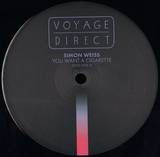
It was December 2015 when Simon Weiss delivered his first EP for Voyage Direct, an impressively intergalactic affair full of supersonic synthesizer arpeggio lines, Motor City influences and robotic drum machine hits. Two years on, the experienced Dutch producer returns to action for the first time since, in the process delivering another quartet of starry-eyed productions.
.
Through releases on Deepermotions, Rush Hour and Hometaping is Killing Music, Weiss has established a reputation for combining a deep understanding of dancefloor dynamics with a sci-fi inspired futurist aesthetic. Both of these complimentary traits are much in evidence on his second outing for Voyage Direct.
Weiss blasts off via Brain Fever', where raw, mind-altering arpeggio bass, fuzzy drum machine hits, spacey chords and alien electronics thrust our hero skywards. Think of it as techno for funk-fuelled, Italo-disco loving astronauts whose journey to the end of the universe is only just underway. This intergalactic funk blueprint is explored further on the deeper and more melodious You Want A Cigarette', where Weiss's vocoder vocals wrap themselves around mutant TB-303 lines, rush-inducing chords and clattering machine percussion.
On Space Ghetto (Booty)', our hero celebrates the discovery of previously unknown worlds in the only way he knows how. With kaleidoscopic, full-throttle electronic motifs and funk-fuelled synth-bass to the fore, Weiss offers his own unique take on electrofunk. Pleasingly fuzzy and tightly wrapped in the syncopated drum machine handclaps of ghetto-house, it's a typically far-sighted and attractive proposition.
With just two minutes to go until his spacecraft touches down on alien territory, Weiss rounds things off via the melancholic chord progressions and heartfelt vocoder vocals of Intro', a beat-free excursion just tailor made for dramatic set openings and spine-tingling mix endings. He may be stepping into unknown territory, but it won't be the last you'll hear from Simon Weiss.
- A1: Liminal – Tzatziki Bay
- A2: Joe Harvey-Whyte & Bobby Lee – Smoke Signals (Flying Mojito Bros Refrito)
- B1: Intrallazzi & Piana – Plutos
- B2: Tigerbalm – Mexicana Feat. Joi N’juno (Pete Herbert Remix)
- B3: Lex (Athens) – Stolen Dance
- C1: Payfone – Dime Algo
- C2: Emperor Machine – Eumig
- D1: 40 Thieves – Such A Great Trip
- D2: Bo Wosticz – Bs As
- Bonus | 10”
- A1: Tigerbalm - Mexicana Feat. Joi N’juno (Original)
- B1: Emperor Machine & Mudd – Road To Nikko
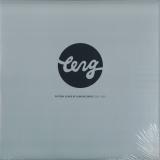
When Leng Records founders Paul ‘Mudd’ Murphy and Simon Purnell marked the imprint’s 10th birthday, they did so via a celebratory compilation that mixed classic catalogue cuts, remixes and exclusives. Five years on, and with the label’s 15th birthday upon us, they’ve decided to look to the future via a compilation made up entirely of fresh productions from Leng’s roster of current and new artists. Presented on limited-edition gatefold double vinyl with a bonus 10” single, the collection offers an updated showcase of Leng’s much-loved trademark sound, a distinctive fusion of mid-tempo sleazy-disco, Balearica and chugging house interspersed with elements of electronic psychedelia and synth-powered space disco. Fittingly for a compilation that wholeheartedly looks to the future, you’ll find first contributions from a handful of label newcomers.
Fast-rising duo Flying Mojito Bros give their spin on ‘Smoke Signals’ by label debutants Joe HarveyWhyte and Bobby Lee, turning in a heady and inspired revision that sits somewhere between dusk-ready cosmic disco and flash-fried desert blues. There’s also an appearance from Swedish producer Bo Wosticz with the dreamy and ultra-deep nu-jazz of ‘Bs As’. Naturally, you’ll also find plenty of heat from those who have already proved their mettle through prior releases on Leng. Danish duo Liminal, who made their debut earlier this year with the much-played ‘Keep Coming Back To Me’, open proceedings with the tactile, slow-disco flex of ‘Tzatziki Bay’ where sweet synth melodies and a heady electric piano riff ride a warming groove.
Roberto Intrallazzi and Dario Piana from Italy’s original Afro-cosmic movement return with ‘Plutos’, a typically deep dubbed-out cosmic chugger. Then there’s Rose Robinson AKA Tigerbalm, whose ‘Mexicana’ featuring singer Joi N’Juno is presented across the package in two different forms. Pete Herbert, who contributed to some of the earliest Leng releases, drops a driving dub disco take on the main compilation, while Robinson’s original mix – a more organic, percussive and horn-heavy affair blessed with plenty of hallucinatory intent – opens the bonus 10”.
There’s a welcome return to Leng for the brilliant Payfone, whose ‘Dime Algo’ is a typically classy, analogue-rich affair in which attractive Rhodes riffs, atmospheric female vocals and pitched-down house pianos rise above shuffling drum machine beats and a slow-motion bassline. Long-serving label contributor Lex (Athens) delivers the loose-limbed nu-disco breeze of ‘Stolen Dance’, while the imprint’s San Francisco connection – the ever-brilliant 40 Thieves collective – drop the dubbed-out Bay Area brilliance of ‘Such A Great Trip’.
Then there are the contributions of the label’s most storied artist, Andrew Meecham AKA Emperor Machine with ‘Eumig’, a deliciously slow, synth-rich chugger full of colourful chords, bubbly electronic melodies and jaunty electronic bass. Then, to round off the bonus 10” single, Meecham joins forces with Paul Murphy (as Mudd) on ‘Road To Nikko’, an extended, Japanese musical culture-influenced slab of pitched-down alien-funk packed to the rafters with squelchy synth sounds, effects-laden percussion, chiming melodies and rubbery bass guitar.
Another side of Steve Rachmad. Preceeds and album of archive tracks that shows the far reaching talents of this master producer.. TIP!
Some things are just too good to be hidden from view. That's certainly the case with 'Things To Think About', the first album from Dutch electronic music legend Steve Rachmad's lesser-known Sterac Electronics project.
Rachmad first rose to prominence in the late 1990s, spearheading a surge in Dutch techno that was heavily inspired by the futurist intent and machine soul of Detroit. Since then, he has continued to successfully explore a wide range of dancefloor-centric electronic styles under a dizzying array of aliases.
It's a while, though, since the public has been treated to a heavy dose of Sterac Electronics
material. He first established the alias at the turn of the millennium, primarily as an outlet for hardware-driven electro music shot through with funk and soul.
A handful of highly regarded 12' singles were released on Music Man and Interpersonal XP, before Rachmad began focusing on other projects. When inspiration struck, he returned to the project, jamming out tracks using a mighty collection of vintage synthesizers and drum machines.
Recently, Rachmad and Tom Trago decided to revisit the Sterac Electronics archive, discovering a killer collection of cuts created at different points over the course of the last 15 years.
Now 9 of those spellbinding hardware jams have been gathered together for the first time on 'Things To Think About', a warm, rich and evocative collection of electro-fuelled workouts that giddily pay tribute to the music of Rachmad's youth.
'Things To Think About' will be released as a limited-edition double album, preceded by this 12' single featuring another previously unheard gem from the vaults.
- A1: Jancen - Voided Oasis
- A2: Arthur Robert - Dyson Sphere
- B1: Vinicius Honorio - Tundra
- B2: A-Sts - Transit
- C1: Len Faki - Stardancer
- C2: Jeroen Search & Decoder - Fiber
- D1: Iglo - Paraphrase
- D2: Glaskin - User Illusion
- E1: Scheermann - Elura
- E2: Obscure Shape - Träume Im Nebel
- F1: Roman Poncet - Icelander
- F2: Arkan - French Kiss
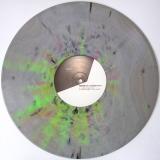
Figure is celebrating its 150th release with a loaded triple vinyl compilation, showcasing artists both old and new to the label – a testament to what the Figure sound is today. The cover art has been commissioned from Berlin-based graffiti artist Erik Winkler, whose spray-painted work is adorning the thick triple-pocket sleeve housing three colored records.
The compilation features some important recent additions to our growing roster: both Jancen and Arthur Robert deliver their unique take on tunneling techno, be it searing or psychedelic. And Brazilian shape-shifter Vinicius Honorio carves out his own gliding bass frequencies while A-STS relies classic drum machine bleep hypnosis.
Label head Len Faki’s own energetic appearance echoes his versatile style found on his recent album release. The all-out production featuring strings and quirky synths sits in contrast with Jeroen Search & Decoder - a pairing of veterans, whose minimal hardware sound slowly builds over trippy acid loops. The flipside belongs to a younger generation of producers, namely IGLO turning out a superb techno roller teeming with life and lush with details. The duo of Munich brothers Glaskin already remixed Faki for his Fusion album, their first original release on Figure comes a skillful blend of distorted stabs and deep grooves.
Equally refined but with a harder edge to it, Scheermann practices a dark, minimalist approach where each element gets time to shine for maximum effect. His bleak track is aptly paired with a rare solo release of Obscure Shape whose fractures of a dreamy, twinkly melody make for one of the most emotional moments of the compilation. The final side holds Roman Poncet’s seasoned understanding of groove, balancing perfectly the dubby stabs and vocal chops for a dazzlingly perfect loop. The final tones to this milestone release come courtesy of another of Figure’s bright new voices: Arkan manages to conjure up a powerful sense of progression, where colourful synths converge in harmonies over an effortlessly bouncing beat.
It is a rare moment for an independent label to make to number 150. But to keep finding new talent who help re-shape the signature sound while expanding the family roster, that’s a true blessing. This package shows how Figure is growing and adapting as a label, staying relevant as one of the leading voices in modern techno.
- A1: Hanto E. Rap (Skit)
- A2: Reading Bape Magazines (Feat. Raz Fresco)
- A3: Getting Baked In The Bakery (Feat. Raz Fresco)
- A4: Artifacts Out The Closet
- A5: Traintago (Skit)
- A6: 05 Baby Milo Camo
- A7: Favorite Sweater (Feat. Raz Fresco)
- B1: Patent Leather Bapestas (Feat. Jae Skeese)
- B2: Japanese Fabrics
- B3: Multiple Choice
- B4: Best Dressed Secrets
- B5: Style Warz
"The Cream Tape" is a gritty yet stylish showcase from Toronto’s The 6th Letter and Buffalo’s Billie Essco, entirely produced by Raz Fresco and released through his BKRSCLB label. Raz's signature production, which layers vintage soul and jazz samples with dusty drums and atmospheric textures, provides a cinematic backdrop that suits both MCs’ lyrical swagger and contemplative tones.
With sharp verses from Raz Fresco himself on select tracks, the album has a distinct cohesion that blends lyrical dexterity with refined production, and also featurwes Jae Skeese, a rising force from Conway The Machine's Drumwork crew, adding a potent Buffalo flavor.
The artwork by Harvey Dentist perfectly complements the album’s vibe, referencing the bold aesthetics of streetwear and modern art, with nods to BAPE and KAWS that echo the album's sense of style and substance. A project that brings together the best of both cities, "The Cream Tape" fuses grimy lyricism with artful production, creating a polished yet raw addition to the hip-hop landscape.
- A1: Willkommen Im Kurpark
- A2: Favoriten
- A3: In Der Nacht
- A4: Treibsand
- A5: Haus Aus Glas
- A6: Substanzen
- B1: Primaten
- B2: Das Gerät
- B3: Chaos
- B4: Jugend/Stil
- B5: Niemandes Problem
- B6: Nachtruhe
Getragen durch verzerrte Bässe und treibende Drum-Machines vereint sein Sound die unterschiedlichsten Einflüsse aus der punkigen Kindheit, der melancholischen Jugend und des durch Indie gezeichneten jungen Erwachsenenalters des Künstlers. Geprägt durch die triste Schönheit des suburbanen Wiens erschafft Kurpark damit atmosphärische und tanzbare Musik für dunkle Spaziergänge im Speckgürtel, verregnete Autofahrten im Licht der nächtlichen Stadt und unser traurig-schönes Leben im Allgemeinen.
The 9th Riddim Dub School psychonautic explorations in the 5th dubmension. The first side brings us DARE! VAMPIE, a tune made by Prince Istari and Nozomi in courtesy of the Dubstressors. This was done while Prince Istari holds a Dub Science seminar. Here you go with four versions in a strip down dub style. Flipside brings synth line driven stepper SONIC ATTACK OF THE CIRCADAS. that one and the following two versions of DUBMENSIONAL SACNTUARY are both supported by the old Hohner Rhythm 80 percussion machine. Is Prince Istari dropping out from mid highschool with this release? Or will he be back for the 10th grade? we may see.
a a1. Dare! Vampires Cut #1
[b] a2. Dare! Vampires [Cut #2]
[c] a3. Dare! Vampires [Cut #3]
[d] a4. Dare! Vampires [Cut #4]
Mette Sofie Breddam of Indie Noir rockers Le Corbeau"s own constellation. "Sofi Lofi"s Killer on the Loose is an Ode to Riot Grrrls and Rebels. The new track from the Norwegian four-piece is a growling piece of badassery." - Noisey "Buried is full of Riot Grrr, machine gun heavy drums and that rebel touch that make this Norwegian project, unique. A band you should definitely follow." - Bizzarre magazine (UK)
GATEFOLD DOUBLE VINYL WITH SPOT UV FRONT COVER
Following the skewed-unself-help-brilliance of ‘Sus Dog’ (which marked his first full foray into songs, abetted by Thom Yorke), and its companion piece ‘Cave Dog’, Chris Clark returns to the dancefloor’s simple, but no less affecting pleasures, with ‘Steep Stims’.
“I found it hard to pull away from listening to this record, hard to stop making it, I had to remove myself from the Stims and stop enjoying it at some point. The album feels like nature to me. I love it when electronic music feels more naturalistic than acoustic music, more potent, that’s the devil’s trick, the promise of electronic music.” comments Chris.
“I used an old synth - the Virus on all of the tracks. I used it at Mess in Melbourne - run by my friend Robin Fox - I loved it so much I had to buy one when I got back to the UK, it took a while to find. They’re a bit clunky to program but make some of my most favourite sounds.”
‘Steep Stims’ marks a back-to-basics approach, invoking the early years of gung-ho creativity enforced by limitations in technology at the time. “Most of the tracks on this album capture the spirit of making music on old samplers, which don’t have much memory time”, explains Clark. “It reminds me of making ‘Clarence Park’, my first album, where I would have to finish tunes in the session, as they would be saved on floppy disks and I couldn’t easily go between tracks. This new record is just a few synths and a few choice sounds; the writing is the important thing.”
Made quickly, ‘Steep Stims’ reflects the immediate rave energy of his live show, but that’s not to say it’s basic floor fodder, as it’s rife with personality, synth magic, and knack for melody. Although swift and impressionistically captured rather than laboured over, it’s still formidably deft, with plenty of oddball weirdness lurking beneath the dancefloor.
Soft, orange, scorched, brutal, the opening track ‘Gift and Wound’ captures the classic dance music dread / awe / euphoria combo perfectly, before ‘Infinite Roller’ merges sparkly-minimalism with snarling bass and soft sines, which turn more dense and metallic as it progresses.
The melancholic smoke belch of ‘No Pills U’ gives strong classic vibrations, which is belied by its creation, made in just 20 minutes. “I love working quickly sometimes”, comments Clark. “Inspiration hits, rough and ready. It’s off the cuff but also screams ‘don’t gild the lily with nonsense, keep it simple keep it clean’”. Segueing into its elder brother, the piece becomes bigger and beatier on ‘Janus Modal’, where it permutates for over 7 minutes of fluttering, beatific club majesty.
At ‘18EDO Bailiff’ you inexplicably find yourself at a clearing, things have suddenly got much quieter. You enter a decrepit and eerie old house, and as you move through its unsettling interior, you arrive at ‘Globecore Flats’. A real piano tuned to 18 notes per octave gives the pair of tracks a haunted, olde worlde feel, which promptly gets eaten by a huge tech step tearout monster, birthing a strange but exotic beast.
The white hot ‘Blowtorch Thimble’ is all hooktasm-rave-hyper-amen-energy, whilst acidic flute leaps around like Ian Anderson on pingers throughout the catchily simple jump-up lurch of ‘Civilians’.
“‘In Patient’s Day Out’ is like some sort of Morricone-does-kraut-rock-with-drum-machines, but that’s probably just in my head” says Clark. “I made several versions of this then went with the early mix but cranked through some choice outboard because it just had something.”
Drumless, yet still full of exhilarating-big-trance-drama, ‘Who Booed The Goose’ flashes by in stroboscopic fast forward, then ‘5 Millionth Cave Painting’ gives a palate cleanser, letting “the virus with its delicious broken, luxurious reverb have a moment”, before ‘Negation Loop’ swoops down in all its glory, with Clark’s tweaked vocals leading deconstructed trance breakdowns, tape edits and brutal noisebursts.
An antidote to the bombast of its predecessor is ‘Micro Lyf’, which closes the set on a poignant note, of sorts. Muted staccato gives way to field recordings “that gradually put it in this outside space; alien in a meadow somewhere nameless. It feels like a sinkhole. The record kinda swallows itself up and then is gone”, ends Chris.
Interstitial Spaces is Martin Brandlmayr’s debut release on Faitiche. In this award-winning radio collage, the well-known drummer and composer (Radian, Polwechsel) explores the quiet moments in music and film recordings.
The last notes of a piece of music fade out in the space. The pianist and the violinist remain frozen in place, holding their breath. The sound engineer sits silently at the desk. Once he has switched off his tape machine, the dull drone of a ship’s horn is heard in the distance. Otherwise, not a sound. Or was there something else hidden in the white noise?
Interstitial Spaces is based on short excerpts from music recordings, films, TV adverts and field recordings. Brandlmayr takes these quiet scenes, intervals in which nothing seems to happen, and brings them into the foreground, subjecting them to a microscopic spotlight. Moments in which one hears only the space itself, or the subtle presence of someone in the space: faint breathing, footsteps and the soft creak of a chair. We also hear preparations for an orchestra rehearsal: the musicians are all busy tuning their instruments, talking to each other, the concert has not yet begun.
This leads to a shift in perception: incidental details hidden in the hubbub of voices or in the silence suddenly take on a leading role. In the empty spaces, we discover various shades of noise, sharpening our awareness of sonic peculiarities. In a gentle rhythm, Brandlmayr’s radio collage offers a sequence of strange, not immediately identifiable sounds that are woven in the second part into a dense structure. At the end, the carefully captured sounds are released back into the empty space. Interstitial Spaces is a bold spectacle that celebrates the eventful uneventfulness.
- Roadmap
- Icebreaker
- Again
- New York Attitude
- Underground
- The Lemur
- Tilværelse
- What Get's You
The project is co-led by Copenhagen-born saxophonist Andreas Toftemark, a European Jazz Master and recipient of the Bent Jædig Prize, whose career has taken him from the Conservatorium van Amsterdam to The New School in New York. He is joined by Benny Benack III, the multi-award winning Emmy-nominated trumpeter and vocalist lauded for his charismatic performances with the likes of Christian McBride, Chad Lefkovitz-Brown, Peter Bernstein and more. Rasmus Sorensen adds a vital piano voice, fresh from winning a Danish Music Award in 2024 and releasing Balancing Act (2024) featuring modern drum icon Kendrick Scott. On bass, Finnish talent Kaisa Mäensivu - leader of her own project Kaisa"s Machine - brings international credentials shaped at the Sibelius Academy, Manhattan School of Music, and festivals including Pori Jazz. Completing the lineup is New York drummer Joe Peri, a Grammy-winning artist featured on Tony Bennett & Lady Gaga"s Love for Sale and a familiar face at Birdland, Mezzrow, and other NYC institutions. Together, they craft Roadmap - a set of originals born from tours around the Copenhagen Jazz Festival and honed on the road. Each member contributes compositions: from Toftemark"s modal-driven title track and brisk swinger What Gets You to Peri"s hard-hitting opener Icebreaker, Mäensivu"s funk-tinged The Lemur, and Sorensen"s harmonically dense New York Attitude. The quintet also delivers moments of intimacy, with Again - a co-write between Toftemark and Benack - adding lyrics penned on tour and sung with understated warmth. As Benack reflects: "When I play with Andreas, I"m thinking of Joe Henderson and Kenny Dorham, of Clifford Brown and Harold Land. But this isn"t just a revival of a classic hard bop record-the heart and soul of it is the Copenhagen-New York connection."
- A1: We Don't Give A Fuck
- A2: Come On Baby, Scrape My Data
- A3: Ignore The Vore
- B1: Rabbit Season
- B2: Creeping Up From The Pit
- B3: Psychowar
- C1: Innermission
- C2: Dual Wield
- C3: Id Crisis Angel
- C4: Down To The Essence
- C5: Despite Having No Money At All I’m Just Another Rat In The Mall
- D1: Phantom Doom
- D2: Dread Architect (Featuring Drumcorps)
- D3: I-Void Destroyer
Black Vinyl[23,95 €]
Doppel-LP auf Galaxy Opaque Vinyl im vollfarbigen Sleeve mit bedruckter Innenhülle
- A1: Disco Wich Aa
- A2: Nainan Da Pyar De Gaya
- A3: Par Toon Ki Janay
- A4: Pyar Mainu Kar
- A5: Aye Deewane
- B1: Soniya Mukh Tera
- B2: Mainu Apne Pyar Wich
- B3: Chum Chum Dil Nal
- B4: Ve Tu Jaldi Jaldi Aa
- B5: Dohai Ni Dohai
- C1: Disco Wich Aa (Peaking Lights Remix)
- C2: Turbotito & Ragz Featuring Piya Malik - Nainan Da Pyar De Gaya
- C3: Par Toon Ki Janay (Danger Boys Remix)
- D1: Nainan Da Pyar De Gaya (Psychemagik Remix)
- D2: Par Toon Ki Janay (Dexter+Franz Remix)
- D3: Mainu Apne Pyar Wich (Mystic Jungle Remix)
- D4: Disco Wich Aa (Baalti Remix)
Naya Beat is incredibly excited to announce the release of an astonishing lost “holy grail”, Mohinder Kaur Bhamra’s 1982 masterpiece ‘Punjabi Disco’. Unknown and inaccessible to even the deepest of diggers, it is the first British Asian electronic dance album recorded and a true lost relic. A chance find of the original multitrack masters during the Covid lockdown led to ‘Punjabi Disco’ being rediscovered. Lovingly mixed down and remastered from these very studio recordings, the reissue also includes remixes by Peaking Lights, Baalti, Mystic Jungle, Psychemagik, and Danger Boys, as well as a cover by Say She She’s Piya Malik and Turbotito & Ragz and a previously unreleased track. It is available for pre-order and out on x2LP vinyl and all digital platforms on October 31st, 2025.
Released the same year and into equal obscurity as ‘Ten Ragas To A Disco Beat’, Charanjit Singh’s acid house opus, the reissue of ‘Punjabi Disco’ is set to have similar reverberations in the world of dance music. Produced by Mohinder’s eldest son and legendary bhangra pioneer Kuljit Bhamra using a recently acquired Roland SH-1000 synthesizer and a CR-8000 CompuRhythm drum machine played by his then 11-year-old brother, the album was recorded at Roxy Music bass player Rick Kenton’s studio in London. The concept for a Punjabi disco album was subsequently stolen from the Bhamra’s by the very record label that had agreed to distribute the album. Eventually self-released with no label support, ‘Punjabi Disco’ vanished into complete obscurity.
A pivotal figure in British Asian music, West London-based vocalist and first-generation immigrant Mohinder Kaur Bhamra became the first woman to sing at Punjabi weddings and other community events in the UK. Her son, Kuljit, would accompany her, playing tabla at her events from the age of six. Wedding music was traditionally a tame, segregated affair: men and women seated and separated on opposite sides of the room. ‘Punjabi Disco’ was born out of a desire to create an unsegregated dancefloor and inspired by the sounds of disco from the era. A tapestry of electric drum rhythm, warbling bass, and psychedelic siren-like Roland synth melodies provide a vehicle for Mohinder’s powerful voice. Part disco, part funk, part acid house, and infused with Punjabi folk melodies, the sound of ‘Punjabi Disco’ is as mesmerising as it is undefinable.
Featuring an incredible gatefold package and exhaustive liner notes by the Guardian’s Global Music Critic, Ammar Kalia, the x2LP release has been cut to vinyl for the discerning listener and DJ by Grammy-nominated Frank Merritt from The Carvery, London.
This is Naya Beat’s ninth release in a series of reissues, remixes, and compilations dedicated to uncovering electronic and dance music from the subcontinent and South Asian diaspora.
- Fire (Luke 12:49)
- Nature Is A Song
- Springtime (In Australia)
- Mass-Emmanuel
- Messe Du Saint Esprit
- Light (John 8:12)
- O Brother (Matt. 7:1-5)
- Mary Was Here
- Teenager's Chorus
- O Great Mystery (John 6)
- Christ Our King (Col. 1:13)
- Keshukoran
FIRE VINYL[24,79 €]
Fire of God's Love ist das legendäre Album der australischen Nonne Schwester Irene O'Connor aus dem Jahr 1973 - eine aufrichtige, gefühlvolle und unbewusst psychedelische Songfolge, die der Selbstreflexion und dem Erwachen des inneren Geistes gewidmet ist. Das Album ist eine Sammlung von originellen spirituellen Folksongs, die von O'Connor geschrieben und mit Gitarre, E-Orgel, Drumcomputer und ihrer engelsgleichen Stimme interpretiert wurden. Es wurde von ihrer Mitschwester und Toningenieurin Sister Marimil Lobregat auf erstaunlich futuristische Weise aufgenommen und abgemischt. Freedom To Spend bietet die erste autorisierte Neuauflage dieses heiligen Grals seit 1976; das Album wurde mit Sorgfalt und Bedacht aus den besten verfügbaren Quellen restauriert und remastered. Als junge römisch-katholische Nonne im Orden der Franziskanerinnen von Maria begann Schwester Irene 1953 ihre musikalischen Aktivitäten, als sie von Sydney in ein Kloster in Singapur zog und begann, Kinder mit Lernschwierigkeiten zu unterrichten. Nachdem sie sich eine Akustikgitarre zugelegt und drei einfache Akkorde gelernt hatte, blühten Irenes Lieder dank der Begeisterung der Kinder auf. Durch einen glücklichen Zufall arbeitete ein Elternteil eines Schülers bei einem kommerziellen Radiosender in Singapur, und Irene wurde eingeladen, im Studio des Senders aufzutreten und aufzunehmen. Sie ging hin, trug ihre Ordenstracht und hatte ihre Gitarre dabei, und nahm dort 1965 ihren ersten eigenen Song auf. Unter dem Pseudonym Myiriam Frances, um innerhalb ihres Ordens anonym zu bleiben (,Nonnen machten so etwas nicht", bemerkte O'Connor), veröffentlichte Phillips Ende der 1960er Jahre eine Reihe von Platten von Schwester Irene. Im Kloster in Singapur lernte Schwester Irene Schwester Marimil Lobregat kennen, eine Mitbrüderin aus dem Franziskanerorden, die Anfang der 1960er Jahre von den Philippinen auf die Insel gezogen war. Mehr als ein Jahrzehnt später trafen sie sich, wie durch göttliche Fügung, in einem anderen Kloster in Point Piper in Sydney wieder. Marimil, ebenfalls Musikerin und Klangenthusiastin, arbeitete als Audio- und Videotechnikerin beim Catholic Radio and Television Centre in Homebush im Westen Sydneys. Schwester Irene, die treu an ihren musikalischen Fähigkeiten feilte, und Schwester Marimil schmiedeten den Plan, sich an mehreren Sonntagnachmittagen im Zentrum zu treffen und die Lieder zu komponieren, die später auf ,Fire of God's Love" erscheinen sollten. Die Lieder von ,Fire of God's Love" werden von Schwester Irene mit ihrer engelsgleichen Sopranstimme gesungen (mit Texten in Englisch, Latein und Malaiisch) und von Schwester Marimil produziert und auf einem Teac 3340S 4-Spur-Tonbandgerät aufgenommen. Marimil trug maßgeblich dazu bei, die unheimliche Jenseitigkeit zu zaubern, die das Album durchzieht. Die kristallklare Stimme von Schwester Irene wird exquisit von einem schimmernden Mosaik aus Hall und analogen Synthesizer-Klängen umhüllt, während sie wie eine Glocke in der Dunkelheit erklingt und so lange nachhallt, bis die Wahrheit oder das Göttliche erscheint. Themen wie Barmherzigkeit, Gnade, Licht und Geheimnis werden von sanften Akustikgitarrenklängen und ewigen Pianotönen untermalt, die sich langsam auf vibrierenden Fäden drehen. Bei den Songs mit Keyboards spielte Schwester Irene alle Parts live in Echtzeit, einschließlich der Basspedale. Die Drum Machine wurde von derselben Orgel erzeugt, die sie spielte, und gleichzeitig ausgeführt. All dies trägt zu einer Atmosphäre erhöhter Präsenz bei, einem organischen Blitz, der tief aus dem Unterbewusstsein kommt. Entstanden aus Ideen, die in einem ruhigen Kloster und abgeschieden von weltlichen Einflüssen entstanden sind, wird der liturgische Rahmen des Albums durch die innige Hingabe zweier Schwestern gefiltert - ihre eigene Interpretation von Popmusik, befreit von Anmaßung und oberflächlichem Glamour. Der Titel des Albums stammt, wie viele seiner Songs, aus einem Bibelvers, in diesem Fall Lukas 12:49. Aber Schwester Irene und Schwester Marimil haben ihn in einen Raum gebracht, in dem alle spirituell Suchenden die Übertragung oder: ungewöhnliche Hermeneutik schätzen können. Die Texte sprechen universelle Bedürfnisse, Wünsche und Sehnsüchte an: ewige Liebe und Zuneigung, ein Ende der Einsamkeit, eine neue Form der Erleichterung, Befreiung von der Angst vor dem Tod. Anstelle von Hymnenformeln bedient sich Schwester Irene, vielleicht unbeabsichtigt, der damals modischen Folk- und Psychedelic-Musik, um eine Predigt zu halten, die sich wie Liebesbriefe an eine göttliche Präsenz liest und über jede formale Religion hinaus zur Seele spricht. ,Fire of God's Love" ist ein inspirierendes Archiv früher elektronischer Experimente zwischen zwei befreundeten Frauen und Mystikerinnen, eine Dokumentation ihrer göttlichen Energie, die auf disziplinierte Weise kanalisiert wurde. Bei seiner Erstveröffentlichung war es weder ein durchschlagender Erfolg noch ein Misserfolg, sondern wurde vor allem mit Neugierde aufgenommen. Die beiden haben nie wieder gemeinsam Musik gemacht, und in den 50 Jahren seitdem zieht ihre einmalige Zusammenarbeit weiterhin Zuhörer an, die sie in Plattenläden entdecken (sei es die Originalpressung von Phillips oder die klanglich überlegene Neuauflage von 1976 bei Alba House Communications) oder eher über YouTube, als zufällig entdeckter und heiß diskutierter Kultklassiker. Heute lebt Schwester Irene in Sydney, Australien, und freut sich, dass ein neues Publikum in ihrer Musik mit Schwester Marimil einen Sinn findet. Ihre Geschichte ist ein Beweis dafür, dass man nicht viel braucht, um ein visionäres, zeitloses Album zu schaffen: ein Tonbandgerät, Freundschaft und ,The Fire of God's Love", um den Weg in die Zukunft zu ebnen. Das kann ein spiritueller Freund sein oder ein irdischer Begleiter direkt neben einem. Sister Irene O'Connors ,Fire of God's Love" wird am 14. November über Freedom To Spend auf Vinyl, CD und als digitale Ausgabe veröffentlicht.