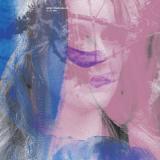
Niels Orens is an electronic producer and live performer working at the intersection of acoustic instrumentation and immersive electronic sound design, creating deeply textural compositions that prioritize atmosphere, space, and emotional weight overtraditional song structures. "Never Again EP" expands on the introspective tone of slow night/s, pushing further into rhythm and sonic detail while exploring themes of alienation, loneliness, and quiet internal violence.
After successful collaborations with Max Cooper, the new EP marks a pivotal moment in Orens' evolution. "Never Again EP" forms the foundation of a new live chapter currently unfolding across Europe, while signaling a deeper dive into experimentation, texture, and the evolving dialogue between acoustic sound and electronic manipulation.
Suche:mark i
- 1: Mojo Jam (Special Guest Dennis Gruenling)
- 2: Baby Hold Tight
- 3: House Full Of Love
- 4: That Smile (Special Guest Sue Foley)
- 5: The Man I Used To Be
- 6: Faith
- 7: Tooth And Nail (Special Guest Rick Vito)
- 8: Fate Is A Train
- 9: This Road (Special Guest Rick Vito)
- 10: What Has Happened Here?
- 11: Without You (Special Guests John Ginty And Mark Johnson
Peter Karp gehört zu den unverwechselbaren Stimmen der amerikanischen Americana-, Blues- und Roots-Szene. Seine Musik verbindet kraftvolle Emotionen, feines Storytelling und eine tiefe Verwurzelung in den Klangtraditionen des amerikanischen Südens. Aufgewachsen zwischen New Jersey, New York City und Alabama, entwickelte er früh ein Gespür für die Energie urbaner Songkultur ebenso wie für die Ursprünglichkeit des Blues. Künstler wie Robert Johnson, Muddy Waters oder Howlin" Wolf prägten ihn ebenso wie die poetische Kraft von John Prine und die erdige Direktheit von Joe Ely. Karp schreibt Songs, die das Leben so zeigen, wie es ist: ehrlich, rau, humorvoll und voller beobachteter Details. Seine markante Stimme, sein expressives Gitarren- und Pianospiel und sein Gespür für melodische Hooks machen ihn zu einem der respektiertesten Songwriter seines Genres. Kritiker loben seine Fähigkeit, Blues, Folk, R&B und Americana zu einem eigenen, zeitlosen Stil zu verbinden. Peter Karp steht für authentische amerikanische Musik - tiefgründig, mitreißend und voller Charakter. Ein Künstler, der die große Tradition des Songwritings fortführt und gleichzeitig seine ganz eigene Handschrift setzt.
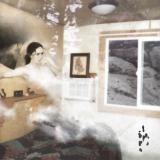
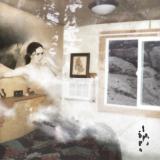
“III” is an intimate, cinematic and dream-like body of work — written, produced and mixed by Morita Vargas, and recorded in Buenos Aires between 2014 and 2025. The album was mastered by Rafael Anton Irisarri at Black Knoll Studio (NY), adding depth and clarity to its carefully built sonic landscape.
The visual world of the record is an essential part of the release. The cover artwork was crafted by Juliana Guglielmi, Ariadna Aylen Barrios, and Noelia Garreffa, whose combined vision creates a unified visual narrative that reflects the album’s emotional depth and atmospheric essence. The LP layout and full manufacturing realization were carefully executed by Ilja Tulit, translating the complex design ideas into their final tangible form of a vinyl release.
“III” marks a special release for Hidden Harmony Recordings. Morita Vargas was among the first artists released when the label began in 2020–2021, and her work played an important role in shaping the spirit and direction of Hidden Harmony.
- Amaliah - No Way Out
- Call Super - I Love Like Your Men
- Chaos In The Cbd - Orange Blank
- Charlie Dark - Foundation And History
- Dreamcastmoe - In And Out
- Isaac Carter - Take U There
- Joe Armon-Jones Maxwell Owin - Se Discoteque
- Kink Feat. Rachel Row - Its Already Here
- Manami - Scramble Clip
- Marcellus Pittman - #Eastsidechampions
- Mr. Redley Transatlantic Era
- Nat Wendell - Tell Me
- Niks - Lilac Skies
- Suze Ijó - Up There
- Yu Su - Flourish
GALA announce Ten Years of GALA – a compilation marking a decade of independent culture
Ten Years of GALA is both an archive and a horizon: a reflection on where GALA has come from, and a signal of what lies ahead.
Founded in 2016 as a one-day gathering in South London, GALA has grown into a global point of reference for dancers, artists and collectives drawn together by a shared commitment to independence, collaboration and underground music culture. Rather than charting success through scale alone, the festival has consistently prioritised integrity, community and musical curiosity – values that underpin this release.
Spanning fifteen tracks, Ten Years of GALA unfolds as a considered journey. It opens with an intimate spoken contribution from Charlie Dark, grounding the compilation firmly in GALA’s home of Peckham before gradually expanding outward into fuller, club-focused terrain. From there, the record moves between moods and tempos, tracing a path from reflective moments into the physical language of the dancefloor.
The compilation brings together longtime friends of the festival alongside newer voices drawn into its orbit in recent years. Each artist contributes a distinct perspective, but collectively the tracks form a coherent portrait – not of a single sound, but of a shared ethos shaped over ten years of gatherings, collaborations and days spent dancing together.
Rather than a retrospective in the conventional sense, Ten Years of GALA functions as a living document. It captures fragments of past editions, scenes and relationships, while remaining firmly oriented toward the future. These are not museum pieces, but records designed to be played, shared and folded back into the spaces from which they came.
Together, the compilation holds a piece of GALA’s first decade – not as a closed chapter, but as a foundation for what comes next.
- 1: I Don't Know Right From Wrong
- 2: Black
- 3: Spymaster
- 4: Let Me Sleep
- 5: Kindness Invites Abuse
- 6: Acid Test
- 7: I Don't Wanna Die In Mt Sleep Tonight
- 8: Army Now
- 9: Color Scheme
- 10: Leave Me Alone
- 11: Blood
- 1: Better Off Dead
- 2: Kill Me Now
- 3: Figure It Out
- 4: Truth
- 5: Whirlpool
- 6: The Road
- 7: Tko
- 8: Whites Of Their Eyes
- 9: Skintite
- 10: Not Today
- 11: After Dinner Crimes
- 12: Computer Love
La Peste war Bostons erste echte Punkband und hat die Lücke zwischen der einflussreichen Proto-Punk-Szene der Stadt in den 1970er Jahren und dem College-Rock und Hardcore-Punk der 1980er und 1990er Jahre gefüllt. Diese Sammlung will die ganze Geschichte von La Peste erzählen und zeigt die unveröffentlichten Studio- und Loft-Aufnahmen der Band zusammen mit den beiden offiziell veröffentlichten Tracks. Diese Tracks stammen aus der Studio-Session, aus der die 7"-Single ,Better Off Dead" (die einzige offizielle Aufnahme der Band) hervorging, aus ihrer Session mit Ric Ocasek von The Cars aus dem Jahr 1978, aus einer Session in den Electro Acoustic Studios aus dem Jahr 1978 und aus 4-Spur-Loft-Aufnahmen, die 1977 von den Bostoner Punks Billy Dafodil und Dave Cola gemacht wurden. ,Wenn du dir ,I Don't Know Right From Wrong" anhörst, wage ich zu behaupten, dass du nicht mehr aufhören kannst, sobald du angefangen hast - stell dir vor, diese Songs wären verfügbar gewesen, als La Peste sie aufgenommen hat. Stell dir vor, die atomaren Songs dieses Trios hätten aus den Plattenläden und Autoradios in ganz Boston, an der gesamten Ostküste und in ganz Amerika gedröhnt. Ich habe kaum Zweifel, dass genau das passiert wäre, wenn diese Musik Ende der 70er Jahre auf Platte erschienen wäre. Stattdessen müssen wir uns damit begnügen, sie jetzt zu hören - und wow, was für ein Trostpreis! Alles auf diesem Album kommt aus den Lautsprechern geflogen, macht Spaß, ist intensiv und so voller kaum zu bändigender Energie, dass man sich fühlt, als hätte man sich gerade Koffein gespritzt. Johnny Angels Beschreibung von La Peste als ,Black Sabbath meets Wire" trifft jetzt voll ins Schwarze: große, fette, dreckige Riffs zu einem umwerfenden Beat. Zwischen Peter Daytons feuriger Gitarre und seinen kehligen Schreien, Mark Andreassons tiefem Bass und Roger Tripps kraftvollen Drums gibt es in ,I Don't Know Right From Wrong" so viel Klanggewalt, dass der Typ in der Maxell-Werbung dagegen wie eingeschlafen wirkt" - Marc Masters
- 1: The Dead Ones
- 2: Make It To Heaven
- 3: Rat Trap
- 4: Freak Reflection
- 5: 1-800-Do You Want To Die?
- 6: Stiletto
- 7: Stereo
- 8: Dollar To A Dime
- 9: Corruption Concerto
- 10: Xxxxxxxxxx
Intense and intensely personal, The Dead Ones marks The Last Ten Seconds of Life’s Metal Blade label debut. 10 original tracks of pulverizing deathcore produced by Carson Slovak and Grant McFarland of Pennsylvania’s Atrium Audio. In creating The Dead Ones, “everyone took what we learned from the past two releases and assembled what we thought would bring out the best of us from song structure, tonality of instruments, the mix/master, and the lyrical themes,” furthers McLaughlin.
The end result reflects a more personal and human experience rather than the philosophical and fictional approach used on earlier releases. The Dead Ones follows 2024’s acclaimed No Name Graves in the theme of death and rebirth, but in contrast, is directly focused on the human experience and the band members’ own struggles.
- 1: Drag Me
- 2: Forever
- 3: Villain
- 4: Die For You
- 5: Black Hearts
- 6: Upside Down
- 7: (Not) Psycho
- 8: Parasite
- 9: New Disease
- 10: Darkside
- 11: Falling From Heaven
- 12: Your Ghost
After making their mark as a hugely successful band with a #1-charting album - 2023’s Blackout, From Ashes To New are set to release their highly anticipated follow-up, Reflections. The band returns with their high-energy fusion of rap, nu metal, electronic, and alternative rock. Reflections has 12 tracks and will be available Digital, CD and different colored vinyl variants.
- 1: Duck Pond
- 2: Across The Northern Border
- 3: Up The Country
- 4: The Ballad Of A Sometimes Traveller
- 5: Cannon Beach
- 6: Descending Star
- 7: Blue
- 8: Last In Line
- 9: You Make The Call
- 10: Shade Of Love
- 1127: Forever
- 12: Spin Your Wheels
- 1330: 0 Miles
- 14: Rockin' Chair
- 15: Lovely Today
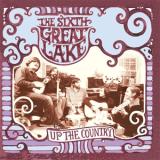
Originally released in 2001, Up The Country is the debut album by The Sixth Great Lake and a quietly revered title within the late-'90s / early-2000s indie scene. Rooted in jangly guitars, melodic songwriting, and a distinctly pastoral sensibility, the album sits at the intersection of indie pop, folk-rock, and classic guitar-driven pop. Although initially released with modest exposure, Up The Country steadily developed a loyal following, earning cult status among fans of understated, melody-focused indie. Its charm lies in its simplicity: clean arrangements, memorable hooks, and an unforced warmth that has allowed the record to age exceptionally well over the past 25 years. This 25th anniversary reissue presents an opportunity to reintroduce an overlooked catalogue gem to today's market, appealing both to original fans and to a new audience drawn to timeless, guitar-led indie records. With renewed interest in archival and heritage releases, Up The Country offers strong long-term catalogue potential beyond initial anniversary demand. A timeless, understated record with strong appeal for fans of melodic, guitar-driven indie.
- 1: Isla
- 2: Secuela. 03:13
- 3: Experiencia Av. 04:47
- 4: Auto Reverse. 0:6
- 5: Rotorama. 04:8
- 6: Por Un Perro. 04:57
- 7: Héroe Del Trabajo 2025. 05:00
- 8: Introspectivo 04:26
- 1: Control 04:59
- 2: Disco Rojo Fm. 04:34
- 3: Pak 2022. 04:59
- 4: Shinkansen. 0:59
- 5: Central 0:23
- 6: Raíl. 05:05
- 7: Trybuna V. 05:02
- 8: Renacer 05:52
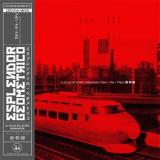
El Pulso del Acero: Shinkansen is Esplendor Geométrico's electrifying new album, blending trance-inducing industrial rhythms with bold voice and noise collages. Featuring 16 tracks, it revisits the raw power of their 80s classics while exploring futuristic industrial sounds, with recordings from Tokyo (2025) and a rare previously limited tracks now on vinyl for the first time. After over 40 years of continuous innovation, the influential Spanish duo continues to shape industrial, techno, and experimental noise music worldwide. Available on double vinyl and CD digipack. The raw power of their early work is also present here in some brilliant reconstructions of 80s tracks turning out very different from the originals (Rotorama, Trybuna V, Shinkansen, Héroe del Trabajo 2025, or Introspectivo). Songs such as Auto Reverse will be especially appreciated by the most avid fans of EG's early sound. Other tunes of futuristic industrial music closer to their previous album, Strepitus Rhythmicus, are also included (Experiencia AV, Isla, Por un Perro_) Ten tracks were recorded in 2025 in Tokyo, where Arturo Lanz (founding member of E.G.) currently resides. The other six were released, only on CD,in an ultra-limited edition shared with the group De Fabriek in 2023, long sold out, now finally on vinyl for the first time. Born in 1980 as a trio, and currently a duo formed by Arturo Lanz (founding member) and Saverio Evangelista (member since 1991), Esplendor Geométrico is an influential and international electronic cult band and also a rare case in the Spanish music scene, as they have developed their own independent path aside from tags, fashion or trends, in spite of being often classified as industrial music. Their career for more than four decades hasn't had interruptions. They haven't stopped composing, releasing albums or playing live.Their influence has marked many later artists, usually classified in the so-called industrial music or rhythm & noise, as well as artists from current techno and certain types of experimental noise music.
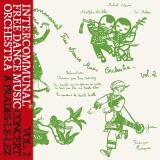
Concert at Prades-le-Lez marks the origins of the Intercommunal Free Dance Music Orchestra. In 1974, François Tusques and his companions (Michel Marre, Jo Maka, Adolf Winkler and Guem), in the spirit of Don Cherry or Chris McGregor, playfully dismantle all borders and all styles of creative music.
On this second volume, the Intercommunal builds unprecedented soundscapes around a song of revolt, a dance tune, or a burst of dissonance. The journey is unforgettable, no question about it. On repeat listening, it even becomes… lunar!
“The music that we make is primarily meant to be listened to live,” warned a leaflet from the Intercommunal Free Dance Music Orchestra. This is precisely why the (restored!) reissue of the two volumes of Concert at Prades-le-Lez, recorded on January 25 and 26, 1974 by François Tusques and his comrades, is such an important event.
In 1971, after recording a series of albums that would leave a lasting mark on French jazz (Free Jazz, of course, with Michel Portal, François Jeanneau, Bernard Vitet, Beb Guérin and Charles Saudrais, but also Le Nouveau Jazz with Barney Wilen, or the solo Piano Dazibao), François Tusques founded the Intercommunal—a grouping whose very name called for the fraternization of the various communities making up the country: Our music will help, we hope, to resolve the contradictions that exist between workers be longing to different communities, by breaking down various forms of national chauvinism, and more particularly the chauvinism of certain French people toward the cultures of Third World countries… Long live the friendship between the peoples of the whole world!
Among the great records made by the Intercommunal Free Dance Music Orchestra, the two volumes of Concert at Prades-le-Lez come first, before L’Inter Communal, Vol. 4, Le Musichien, and Après la marée noire (four titles already reissued by Souffle Continu). François Tusques and his companions (Michel Marre and Jo Maka on saxophones, Adolf Winkler on trombone, and Guem on percussion) performed on January 25 and 26, 1974 at the Moulin de Prades-le-Lez, a few kilometers from Montpellier. It was thus in the southern region of Occitanie that the first echoes of this musical vision of a borderless brotherhood were recorded.
“We’re not among the Colonels,” the Intercommunal reassures us right away, performing a stride piano tune carried by African winds that the audience cannot resist for long. The energy is already striking and it never lets up throughout these two recordings, from start to finish: jazz, blues, traditional music, minimalism, even funk… The musicians of the Intercommunal have heard a lot of great music and now delight in reinventing it by mixing it all together.
“We want the song form to take its place as a weapon in the struggle against capitalist exploitation and all those who oppress us morally and materially,” declared an Intercommunal leaflet, quoting Jean-Baptiste Clément, author of the lyrics to “Le Temps des cerises.” The struggle was therefore serious—but it did not prevent François Tusques and his group from waging it in a festive spirit: each piece on Concert at Prades-le- Lez sends out a call for love and fraternity. Fifty years later, the message remains as relevant as ever—and once again, it is François Tusques who makes it heard.
- On N'est Pas Chez Les Colonels
- Intercommunal Blues
- Mazir
- Kan-Ha-Diskan - We Shall Over Come
- African Rythm-N-Logy
2[23,95 €]
Concert at Prades-le-Lez marks the origins of the Intercommunal Free Dance Music Orchestra. In 1974, François Tusques and his companions (Michel Marre, Jo Maka, Adolf Winkler and Guem), in the spirit of Don Cherry or Chris McGregor, playfully dismantle all borders and all styles of creative music.
On this first volume, the Intercommunal takes its audience from New Orleans to Brittany and on to North Africa. The journey was bold, without a doubt—and its memory remains unforgettable.
“The music that we make is primarily meant to be listened to live,” warned a leaflet from the Intercommunal Free Dance Music Orchestra. This is precisely why the (restored!) reissue of the two volumes of Concert at Prades-le-Lez, recorded on January 25 and 26, 1974 by François Tusques and his comrades, is such an important event.
In 1971, after recording a series of albums that would leave a lasting mark on French jazz (Free Jazz, of course, with Michel Portal, François Jeanneau, Bernard Vitet, Beb Guérin and Charles Saudrais, but also Le Nouveau Jazz with Barney Wilen, or the solo Piano Dazibao), François Tusques founded the Intercommunal—a grouping whose very name called for the fraternization of the various communities making up the country: Our music will help, we hope, to resolve the contradictions that exist between workers be longing to different communities, by breaking down various forms of national chauvinism, and more particularly the chauvinism of certain French people toward the cultures of Third World countries… Long live the friendship between the peoples of the whole world!
Among the great records made by the Intercommunal Free Dance Music Orchestra, the two volumes of Concert at Prades-le-Lez come first, before L’Inter Communal, Vol. 4, Le Musichien, and Après la marée noire (four titles already reissued by Souffle Continu). François Tusques and his companions (Michel Marre and Jo Maka on saxophones, Adolf Winkler on trombone, and Guem on percussion) performed on January 25 and 26, 1974 at the Moulin de Prades-le-Lez, a few kilometers from Montpellier. It was thus in the southern region of Occitanie that the first echoes of this musical vision of a borderless brotherhood were recorded.
“We’re not among the Colonels,” the Intercommunal reassures us right away, performing a stride piano tune carried by African winds that the audience cannot resist for long. The energy is already striking and it never lets up throughout these two recordings, from start to finish: jazz, blues, traditional music, minimalism, even funk… The musicians of the Intercommunal have heard a lot of great music and now delight in reinventing it by mixing it all together.
“We want the song form to take its place as a weapon in the struggle against capitalist exploitation and all those who oppress us morally and materially,” declared an Intercommunal leaflet, quoting Jean-Baptiste Clément, author of the lyrics to “Le Temps des cerises.” The struggle was therefore serious—but it did not prevent François Tusques and his group from waging it in a festive spirit: each piece on Concert at Prades-le- Lez sends out a call for love and fraternity. Fifty years later, the message remains as relevant as ever—and once again, it is François Tusques who makes it heard.
- 1: The Promise
- 2: Longing
- 3: In The Wake Of Blue
- 4: Flux
- 5: Vapor
- 6: When Birds Flock
- 7: The Endless Thread
- 8: The Quiet Edge
- 9: Shadows In Bloom
April Records proudly presents the new album from Danish trombonist and composer Lis Wessberg. Her most personal album to date, In The Wake of Blue is a song-driven work exploring transience, love, and transformation. Expanding her writing while remaining rooted in her distinctive instrumental voice, Wessberg creates an intimate musical landscape where lyric, melody, and texture carry equal weight. Wessberg has established herself as a leading voice on the European jazz scene through her band Yellow Map and a series of acclaimed releases on April Records. Her previous album, Twain Walking (2024), marked her first step into English-language songwriting and earned a Danish Music Award nomination in 2025 for the track Behind the Walls. In The Wake of Blue develops this direction further. The album draws on images from nature - sea, tides, clouds, mist, and birds - used as emotional anchors rather than abstractions. These elements frame songs that move from uncertainty and loss toward openness, connection, and renewal. The title reflects this arc: "blue" as melancholy, depth, and memory, and what emerges in its wake. Vocalist Veronika Rud is central to the album"s sound, bringing vulnerability and clarity to the songs. Rather than a traditional singer-led project, the music unfolds as a dialogue between voice and trombone, with Wessberg"s warm, airy tone mirroring and extending each song"s emotional core. At times the two move in close unison; elsewhere, they diverge and reconnect. The core ensemble - Steen Rasmussen (piano and keys), Lennart Ginman (bass), and Jeppe Gram (drums) - provides a responsive, understated foundation, while string quartet Live Strings appear on two tracks, expanding the ensemble"s depth and resonce. In The Wake of Blue offers a quietly assured statement from an artist continuing to refine a voice that speaks as clearly through brass as it does through words.
- 1: Bitches Blues
- 2: Kompet Blir
- 3: For A Moment I Thought I Could Hear You
- 4: Limite
- 5: Dynamax
- 6: Recollection Of Sorrow
Clear Vinyl[25,00 €]
"Weejuns is all about interplay,"erklärt Gitarristin Mollestad. ,Bitches Blues besteht aus sechs Instrumentalstücken oder Musikabschnitten mit einer extremen Bandbreite an Dynamik. Einige basieren auf kräftigen Beats, während andere Stücke weitaus lyrischer und rubato sind. Die Bandbreite reicht von riffbasierten rockigen Stücken über lautes Chaos bis hin zu melancholischen Balladen und sogar völlig freien Improvisationen." Mit einem kultivierten und dennoch erfrischend instinktiven Ansatz, Instrumente und Einflüsse miteinander zu verflechten, wechselt Bitches Blues (ein ironischer Verweis auf Miles Davis' Album Bitches Brew) unvorhersehbar zwischen langsamen und sanften, klar gegliederten Songs mit disziplinierten Akkordfolgen und explosiven Ausbrüchen kathartischer und komplexer Strukturen. Weejuns (eine Slang-Abkürzung für ,Norwegians") stellten sich 2023 mit einem selbstbetitelten Doppel-Live-Album vor. Ursprünglich von Mollestad für das Kongsberg Jazz Festival zusammengestellt, wo sie mit dem renommierten Musicians Prize ausgezeichnet wurde, hat sich die Chemie innerhalb von Weejuns als dauerhaft und verlockend erwiesen, auch als Gegenpol zum bisher härtesten Album des Hedvig Mollestad Trios, Bees in the Bonnet aus dem Jahr 2025. Mollestad hat mit ihrem gleichnamigen Trio acht gefeierte Alben veröffentlicht. Das Markenzeichen ihrer 15-jährigen Karriere ist die Verschmelzung von ernsthaftem Können mit einem offensichtlichen Fokus darauf, Spaß am Klang zu finden. Als Tochter eines Jazzmusikers vertiefte sie sich in dessen Plattensammlung und studierte klassische Werke von Miles Davis, Charlie Parker, Joe Pass und Jim Hall, bevor sie in ihren 20ern Riff-gewaltige Titanen wie Led Zeppelin, Black Sabbath und Mahavishnu Orchestra entdeckte. Dies führte zur Gründung des Hedvig Mollestad Trios, dessen unermüdlicher Aufnahme- und Tourneeplan seit Anfang der 2010er Jahre der Gitarristin eine Reihe von Auszeichnungen einbrachte, darunter zwei norwegische Grammys (Spellemannprisen) und die Ernennung durch das DownBeat-Magazin zu einer der 25 Künstlerinnen, die ,den Jazz für Jahrzehnte prägen könnten". Ståle Storlokken (Bass, Synths) ist Gründer und langjähriges Mitglied von Supersilent und Elephant9, seit Mitte der 90er Jahre die ,rechte Hand" von Terje Rypdal und hat mit Motorpsycho auf Platte und auf der Bühne sowie mit unzähligen anderen zusammengearbeitet. Ole Mofjell (Drums) ist das jüngste Mitglied und spielt bei Krokofant, Signe Emmeluths Amoeba und seinem eigenen Free-Jazz-Trio 3 Days Of Maceration.
- 1: Bone Infection
- 2: Doorway
- 3: Angle Of Repose
- 4: Commit
- 5: Property
- 6: I Do
- 7: Idiocy
- 8: Owner
- 9: Cells
- 10: Chromium 6
- 11: Trouble Me
- 12: Crow Eyes
Carve is the second full-length by Bay Area artist Kathryn Mohr. Written over the course of five years and recorded over several weeks in a rural singlewide in the Mojave Desert, the album centers on love experienced as a form of grief, not as an aftermath of loss, but as a condition of intimacy itself.
Mohr describes Carve as an album about how memory exists outside the body, embedded in places and landscapes. It is shaped by her first return to the American Southwest since a childhood road trip at age five, and by the experience of moving through terrain that holds emotional weight long after its origins fade. The record considers how intimacy feels after years of isolation, and what it takes to carve out a life that allows for trust, presence, and feeling rather than mere survival. The project took form after a difficult tour that ended in Joshua Tree. Mohr pointed her car into the desert and drove alone, crisscrossing the Mojave on dirt roads. Months later, she returned to record the album, working alone with an acoustic guitar, a field recorder, and limited supplies. Following that period, Mohr began to allow for intimacy and connection. The time she spent recording Carve in the desert did not create isolation so much as mirror it. Working alone out of an old, western-themed jail Airbnb, the physical enclosure reflected the emotional conditions under which much of the record had been written: distance, restraint, and long stretches of stillness. In that context, love was not experienced as escape, but as something inseparable from impermanence and the awareness of loss.
This tension between connection and inevitability sits at the center of Carve. Some of the album’s songs were written earlier, during a prolonged period marked by emotional distance and apathy. Over those four years, Mohr was working through unprocessed childhood memories and their long-term effects on her ability to connect with others. The work was slow and difficult, involving a fundamental reshaping of how she related to herself and to the world. Carve was mixed by Richard Chowenhill of Flenser labelmates Agriculture. Rather than offering resolution, the album documents the act of remaining present within tension. Carve is not about escaping grief, but about accepting it as inseparable from love itself. Kathryn Mohr’s previous effort “Waiting Room” received the coveted ‘Best New Music' designation and a score of 8.4 from Pitchfork.
Carve is the second full-length by Bay Area artist Kathryn Mohr. Written over the course of five years and recorded over several weeks in a rural singlewide in the Mojave Desert, the album centers on love experienced as a form of grief, not as an aftermath of loss, but as a condition of intimacy itself.
Mohr describes Carve as an album about how memory exists outside the body, embedded in places and landscapes. It is shaped by her first return to the American Southwest since a childhood road trip at age five, and by the experience of moving through terrain that holds emotional weight long after its origins fade. The record considers how intimacy feels after years of isolation, and what it takes to carve out a life that allows for trust, presence, and feeling rather than mere survival. The project took form after a difficult tour that ended in Joshua Tree. Mohr pointed her car into the desert and drove alone, crisscrossing the Mojave on dirt roads. Months later, she returned to record the album, working alone with an acoustic guitar, a field recorder, and limited supplies. Following that period, Mohr began to allow for intimacy and connection. The time she spent recording Carve in the desert did not create isolation so much as mirror it. Working alone out of an old, western-themed jail Airbnb, the physical enclosure reflected the emotional conditions under which much of the record had been written: distance, restraint, and long stretches of stillness. In that context, love was not experienced as escape, but as something inseparable from impermanence and the awareness of loss.
This tension between connection and inevitability sits at the center of Carve. Some of the album’s songs were written earlier, during a prolonged period marked by emotional distance and apathy. Over those four years, Mohr was working through unprocessed childhood memories and their long-term effects on her ability to connect with others. The work was slow and difficult, involving a fundamental reshaping of how she related to herself and to the world. Carve was mixed by Richard Chowenhill of Flenser labelmates Agriculture. Rather than offering resolution, the album documents the act of remaining present within tension. Carve is not about escaping grief, but about accepting it as inseparable from love itself. Kathryn Mohr’s previous effort “Waiting Room” received the coveted ‘Best New Music' designation and a score of 8.4 from Pitchfork.
Carve is the second full-length by Bay Area artist Kathryn Mohr. Written over the course of five years and recorded over several weeks in a rural singlewide in the Mojave Desert, the album centers on love experienced as a form of grief, not as an aftermath of loss, but as a condition of intimacy itself.
Mohr describes Carve as an album about how memory exists outside the body, embedded in places and landscapes. It is shaped by her first return to the American Southwest since a childhood road trip at age five, and by the experience of moving through terrain that holds emotional weight long after its origins fade. The record considers how intimacy feels after years of isolation, and what it takes to carve out a life that allows for trust, presence, and feeling rather than mere survival. The project took form after a difficult tour that ended in Joshua Tree. Mohr pointed her car into the desert and drove alone, crisscrossing the Mojave on dirt roads. Months later, she returned to record the album, working alone with an acoustic guitar, a field recorder, and limited supplies. Following that period, Mohr began to allow for intimacy and connection. The time she spent recording Carve in the desert did not create isolation so much as mirror it. Working alone out of an old, western-themed jail Airbnb, the physical enclosure reflected the emotional conditions under which much of the record had been written: distance, restraint, and long stretches of stillness. In that context, love was not experienced as escape, but as something inseparable from impermanence and the awareness of loss.
This tension between connection and inevitability sits at the center of Carve. Some of the album’s songs were written earlier, during a prolonged period marked by emotional distance and apathy. Over those four years, Mohr was working through unprocessed childhood memories and their long-term effects on her ability to connect with others. The work was slow and difficult, involving a fundamental reshaping of how she related to herself and to the world. Carve was mixed by Richard Chowenhill of Flenser labelmates Agriculture. Rather than offering resolution, the album documents the act of remaining present within tension. Carve is not about escaping grief, but about accepting it as inseparable from love itself. Kathryn Mohr’s previous effort “Waiting Room” received the coveted ‘Best New Music' designation and a score of 8.4 from Pitchfork.
- 1: Odisea
- 2: The World
- 3: Shape Of Things To Come
- 4: Cielos
- 5: Doves (Ft. Hikari)
- 6: Sobre Las Ruinas
- 7: Outskirts
- 1: Just Us
- 2: Joven Pobre Y Sabio
- 3: Monte Calvario
- 4: Secret Admirer
- 5: Things That Burst" (Ft. Hitomitoi)
Odisea is the new album, actually the real debut from Los Retros, out in April on Stones Throw. It draws inspiration from 1980s Japanese City Pop, and marks a new creative chapter from Mauri Tapia shaped by growth, reflection, and renewed purpose. It's been a journey since Tapia first captured hearts with the lo-fi magic of "Someone To Spend Time With", recorded at the age of 17 on a humble four-track in his parents' living room. Now 25, the Oxnard native has stepped into an entirely new season of life - he married his high school sweetheart, became a father to two daughters, and embraced spiritual faith. Earlier this year, he revisited his start with Early Days (2016-2019), a compilation of unreleased music from Mauri's teen years. "Jazz fusion has become my favorite genre and greatest inspiration of all time," Mauri says. "I made this album for the version of me that first fell in love with music. It's my full-circle moment - a sonic hat tip to my beginnings - as well as a nod to the forefathers of jazz fusion and city pop for leaving us with great music." Through it all, he's kept the same DIY spirit, writing and recording every note himself, only now in a home studio of his own. On Odisea, Tapia blends neon-lit City Pop with the melodic sensibility of Latin American soft rock. Mauri's deep love for 70s and 80s jazz fusion records anchors the album, yet Tapia filters those influences through a modern lens. Odisea features two Japanese vocalists, - Hikari and HITOMITOI. Also check out Los Retros new compilation "Early Days" released simultaneously. RIYL soul, bedroom pop, indie, modern jazz, downtempo, soft rock, Mac DeMarco, Thee Sacred Souls, Skinshape, Men I Trust
- 1: The Show Ain't Over Till The Fatman Swings
- 2: Portrait Of A Fiend
- 3: Just Like A Niguh
- 4: From The Brick Jungle
- 5: It Ain't Easy Bein' Me
- 6: Only In America
- 7: Hustler
- 8: It's Getting Hard
- 9: T.h.i.c.k
- 10: Marrero
- 11: You Said It Couldn't Be Done
- 12: Leave 'Em Out There
- 13: Bitch Contro
Originally released in 1993 on Big Beat/Atlantic, MC Thick’s The Show Ain’t Over Till the Fatman Swings followed his 1991 underground single “Marrero (What the Fellas Be Yellin)” and marked a defining moment for the Marrero, Louisiana rapper. While early ’90s New Orleans was dominated by bounce, MC Thick stood apart with gritty, street-level storytelling and a raw, unapologetic voice.
Featuring “T.H.I.C.K.” and production work involving T-Ray (Todd Ray), known for his work with Cypress Hill, the album remains an important piece of Southern rap history.
Fully remastered and pressed on black vinyl, this is the first vinyl availability in decades. Housed in a full-color jacket with a printed insert and is limited to 500 copies worldwide.