New Heavy Sounds is proud to present the new album by Mammoth Weed Wizard Bastard. now known simply as MWWB. There has been some speculation amongst fan circles that the final part of the trilogy of albums that preceded this, marked the end of Mammoth Weed Wizard Bastard’s five-year mission. Not so. We can categorically confirm that having officially slimmed their name down to the acronym, MWWB are continuing their voyage through the far reaches of the galaxy. The first phase of that journey is their new album ‘The Harvest’. ‘The Harvest’ is the band’s fourth album, and of course it is a record shot through with the trademark heavy MWWB sound, and their unique blend of metal and shoegaze. However it also sees the band adding more experimentation, a progressive approach, and going a bit more left field conceptually. To some extent, it shares similarities with Pink Floyd’s ‘Dark Side Of The Moon’. Not only by having the mix of experimentation and melodicism as that seminal record, but also in the way that it has been engineered and constructed as a seamless piece. Nine tracks flowing into one another. Space age riff monsters segueing into shorter musical interludes, where John Carpenter, rubs shoulders with Pink Floyd and a maelstrom of moog and mellotron. There are surprises, and of course a bucketload of heavy shit. With ‘The Harvest’ MWWB have refined and honed their sound, it’s a carefully crafted distillation of ideas, written, conceived and sequenced to be listened to in its entirety (preferably in one sitting). MWWB have always loved film scores and this new album is in many ways, the soundtrack to a film. MWWB provides the musical narrative (the song titles also provide a pointer) and the listener's imagination does the rest. ‘Oblok Magellana’ and its spooky atmospherics set the scene. before things really kick in with the riffs of title track ‘The Harvest’. A grooving Sabbathian chug intro’s Jessica Ball, who at the top of her game throughout. Her voice simultaneously sweet yet dark; almost neofolk; which when put against those riffs, is always a startling juxtaposition, nevertheless it perfectly crystallises MWWB’s distinctive dynamic. ‘Interstellar Wrecking’ is a succinctly crafted nugget of John Carpenter-esque drama, you can imagine the thundering mothership forging its way through the universe on some nameless quest before encountering ‘Logic Bomb’ and its fat fuzzed-up ride through light and shade guitar/vocal interplay. Ball’s voice soaring and shimmering throughout. ‘Betrayal’ gives a nod to Pink Floyd’s ‘On The Run’ but with its freaky spoken word and four on the floor kick it’s almost a dance track, yet there’s no incongruity here. ‘Altamira’ is epic MWWB, adding large doses of psych into a melodic concoction of dreampop and metal. Ball’s vocals here are many layered and textured effortlessly gliding through the weight of the backing. ‘Let’s Send The Bastards Whence They Came’ is another little gem. A plaintive repeating synth figure that builds with bass, drums, mellotrons and synths into ‘Strontium’ which rounds off the album’s ‘heavy’ numbers, a blend of monster grooves, and Ball’s swooning vocals. Finally, and outstandingly, Jessica strips things back to a distorted guitar and voice on ‘Moonrise’. Shorn of the layers of fuzz, it is a simple, beautiful and fitting catharsis to an epic voyage. MWWB are a thrilling proposition. They demonstrate that you can seamlessly mix crushing power, experimentation and delicate vulnerability into something that transcends any genre.
French finest synth-pop band Bon Voyage Organisation release his second opus after a feature on Cocktail d'Amore 10 Years compilation.
"La Course" is a cinematic, synthesized and library-esque journey that could be a mixed-up between Italian early 80's productions and french 00's disco.
"This record marks the beginning of a new attitude towards recording," says Bon Voyage Organisation's Adrien Durand. "Switching from a busy studio that I shared to having my own very quiet cabin in the North West of Paris has inspired me to adopt a more meditative approach."
Whilst it's fair to say Durand has been constantly on the move for some time - be it touring or producing records for the likes of Amadou & Mariam, Papooz and Bagarre - there's a sense of new momentum, as well as stillness, that hangs over this record. One that's fully instrumental and as he describes being more free.
The band's trademark glistening production, disco flair, shimmering electronics and incandescent melodies still remain but a more intuitive and striped back approach was favoured this time around. Some of this attitude stemming from an evening opening for Kamasi Washington. "Because of the constraints of being an opening act we played as an instrumental quintet instead of our usual 9-piece band," says Durand. "We rehearsed the day before, our set opened with John Coltrane's 'Naïma' followed by a hard-bop ish version of Kraftwerk's 'Trans Europe Express'. It felt so good to perform that repertoire in that configuration that I had the vision of bringing this aspect of the band in the studio."
There was also a removed sense of pressure with this record - no major label expectation of a radio friendly record, combined with a deconstructed approach to songwriting. "Since 2014 I've been working mostly on projects involving a lot of conventional songwriting," Durand says. "I was keen on producing a record based on performance and atmospheres more than repertoire." He also sought inspiration from a perhaps unlikely source: The Arctic Monkeys. "I was really encouraged by them going out of their comfort zone on their last album - it really caught my attention in a Bowie / Berlin period way."
The result of the album is one that oozes the natural momentum of experimentation, texture, mood and intuition while managing to retain a sonic coherence. In a none-obvious and zeitgeist clichéd way, there is perhaps a more jazz-leaning approach to the record that weaves between soft subtle moments to the more atonal and experimental, all underpinned by sweeping, engulfing soundscapes and the usual touch of non-Western musical flourishes. This vibe came from a distinct lack of editing, says Durand. "In the studio we had everyone sitting in the same room - sometimes up to 6 players - and I never edited the playing. I just went on to record some additional synth and percussion, insert the soundscapes, and mix the record."
This less is more approach, avoiding indulgence and superfluousness, is something Durand can't help but feel is an artistic response to the pace of modern life. "There is a frenetic approach to everything," he says. "People want to binge on everything, expect ultra fast changes on any political cause etc. The response is a big comeback of things like the practice of meditation, yoga and ambient music." There are times when this record falls into the territory of meditative ambience, as on the immersive plunge one takes swimming through the beautiful 'Un Am Ricain En Danger'. It's an album to bathe in and to be carried along by, it's gripping by being so rather than fighting for your attention
Ultimately the record is one that feels it's been allowed room to breath, a sonic sphere in which musicians have been allowed to roam as freely and thoughtfully as the listener. "This record is about welcoming the music and being able to let each musician express themselves during the recording process," says Durand. "This is a valuable trade that takes time."
out of Stock
Last delivered 6 years ago available to reorder, subject to availability
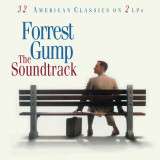
Double black vinyl LP format of the 1994 OST from one of the all time classic films. Features 32 songs including Elvis Presley, Aretha Franklin, The Four Tops, Bob Dylan, The Beach Boys, The Mamas & Papas, Simon & Garfunkel, The Byrds, Lynyrd Skynyrd, The Supremes, Willie Nelson, Joan Baez and more. Marketing activity.
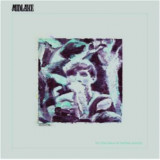
Cocteau Twins, Jefre Cantu-Ledesma, Julia Holter, DIIV, Washed Out, Broadcast, Insides, Beach House, Drug Store Romeos. Introducing Beneather, a BAFTA-nominated composer from North London obsessively crafting sad, lo-fi, cinematic, ambient scandi-dreampop submerged in gently fuzzy tape loops. Much like the paintings of Gerhard Richter or a heavy mist rolling through a familiar landscape, the debut long player from Beneather obscures and blurs ten beautiful tracks beneath washes of cinematic, ambient scandi-dreampop – details emerge and fade, voices ooze and flow, tunes soothe and unnerve, metronomic beats click and swing. It would not be out of place on a David Lynch or Jim Jarmusch soundtrack. Inspired by the likes of Jefre Cantu-Ledesma, Hammock, Grouper, Low, GAS, Huerco S., Emeralds, Jenny Holzer, William Basinski & ABBA!! Beneather is the solo project of Lewis Young - composer and collaborator in The Leaf Library, drone pop from north London. As a composer, Lewis recently scored the British short ‘Lucky Break’ which found its way into the BAFTAs short list only to narrowly miss out on the gong. Lewis is a multi-instrumentalist, producer, designer and filmmaker currently living in Walthamstow, London. He started as a guitarist in noughties math-rockers Tea with the Queen, shifting to bass for multi-harmonied Naomi Hates Humans before returning to thumping roots as drummer for The Leaf Library. Objects Forever - the imprint label created by The Leaf Library - has provided Lewis with the vehicle to jump back into experimental song craft, inspiring the genesis of Beneather. “I just needed to make a project which spoke to all the aspects of music I’ve loved creating as a multi-instrumentalist. Plugging things into things to make satisfying little electronic loops, then layering extremely minimal bass and guitar lines with a lo-fi aesthetic. Melinda and I spent a few days in the studio - picking out objects, patterns… items that could inspire a thread of instinctive wordless melody. I took that expressionism and sliced it to pieces, rearranging it into ambient vocal hooks.” Beneather is an exercise in hypnotic simplicity. Experimental, dream-like music built on layers of scratchy electronic tape loops, chiming spacious guitars and abstract pulsing vocals. These cinematic songs combine Grouper's wistful deviations with the warm fuzz of Jefre Cantu-Ledesma, the nocturnal hum of Emeralds, the crackling collapse of William Basinski and Low's glacial pop melancholy. Outside of compositions for film, TV and Podcasts - Lewis plays with the indie drone-pop band The Leaf Library, featuring Matt Ashton from John Peel faves Saloon (“World-weary yet innocent, blissful dream-pop” - UNCUT - 8/10). Lewis has supported the likes of Lali Puna, Joanna Newsom, Lætitia Sadier & Alexis Taylor.
Stars Are the Light, the luminous seventh album by the American psych explorers Moon Duo, marks a progression into significantly new territory. From a preoccupation with the transcendental and occult that informed Ripley Johnson and Sanae Yamada’s guitar-driven psych rock, and reached its apotheosis in the acclaimed Occult Architecture diptych, Stars Are the Light sees the band synthesize the abstract and metaphysical with the embodied and terrestrial.
Branching out from Occult Architecture Vol. 2, the album has a sonic physicality that is at once propulsive and undulating; it puts dance at the heart of an expansive nexus that connects the body to the stars. These are songs about embodied human experience — love, change, misunderstanding, internal struggle, joy, misery, alienation, discord, harmony, celebration — rendered as a kind of dance of the self, both in relation to other selves and to the eternal dance of the cosmos.
20 Jahre nach Erscheinen ihrer Debütsingle 'Very Loud', wendet sich das sechste Album der in Stockholm ansässigen Band bestehend aus Sänger Adam Olenius, Gitarrist Carl von Arbin, Bassist Ted Malmros und Keyboarderin Bebban Stenborg Themen wie seelischer Unruhe und Älterwerden sowie der Zerbrechlichkeit der Liebe mit einem unerschrockenen Realismus zu, der nur erhellt werden kann von den himmlischen Melodien und einem Sound, der wärmer nicht sein könnte.
Produziert von Peter Bjorn und Johns Björn Yttling (Lykke Li, Franz Ferdinand, Primal Scream usw.), der auch die Produktion ihres gefeierten zweiten Albums 'Our Ill Wills' mit Indie-Hits wie 'Tonight I Have To Leave It' und 'Impossible' übersah, markiert House eine bewusste Abkehr von der gewaltigen und üppigen Atmosphäre von Ease My Mind aus dem Jahr 2017. So entschied sich die Band, die Songs diesmal live aufzunehmen und machte sich dabei einen Post-Punk-inspirierten Minimalismus zu eigen, der die rohen Emotionen eines jeden Songs noch verstärkte. Die überschwängliche Energie, für die sich die Band bei Headliner-Tourneen rund um die Welt, als Support von The Strokes und Depeche Mode und auf großen Festivals wie Coachella einen Namen gemacht hat, bleibt so auch auf Band greifbar.
Wonderful, originally released in 1999 was the first studio album featuring the original Madness line-up since 1984’s Keep Moving.
Being released for the first time on vinyl (180gram heavyweight) the album includes the singles ‘Lovestruck’ and ‘Johnny The Horse’, as well as the fan favourite ‘Drip Fed Fred’, which features Ian Dury not long before he passed away.
This package includes exclusive liner notes by journalist Stevie Chick (MOJO, The Guardian & NME) including interviews with Lee ‘Kix’ Thompson, Chrissyboy Foreman and Mark Bedford, as well as an exclusive poem by Cathal Smyth (‘Chas Smash’).
Das brandneue Album des Songwriters, Produzenten, Multi-Instrumentalisten und langjährigem Bon Iver-Mitglieds ist sowohl persönlicher als auch kollaborativer, als er es je hätte vorhersagen können. In den vier Jahren seit seinem letzten Album "Hundred Acres" hat Sean Carey diese 10 Songs in der herausforderndsten und von Veränderungen geprägten Zeit seines Lebens geschrieben. Von der Aufnahme und Reflexion zu Hause in Eau Claire, über die Zusammenarbeit mit den Co-Produzenten Chris Messina und Zach Hanson in einem Studio-Außenposten in Gualala bis hin zu einer unvergesslichen Erleuchtung während eines ruhigen Moments beim Fliegenfischen in Montana - "Break Me Open" zeigt, wie Carey den Schmerz über das Auseinanderbrechen seiner Ehe, das Ableben seines Vaters und das Aufwachsen seiner Kinder verarbeitet, nur um mit einem überwältigenden Gefühl der Dankbarkeit und Großzügigkeit daraus hervorzugehen. Vor dem Hintergrund einer Pandemie erschütterten diese Erfahrungen von Trauer und Verlust S. Carey bis ins Mark und ließen ihn sich fragen, wer er war und wohin er gehen wollte. Doch mit dem Versprechen, präsent und verletzlich zu bleiben, ging er weiter nach vorne, fand heraus, wo die Angst schwelte, und kanalisierte diese Gefühle in die Musik. In den letzten zehn Jahren ist S. CAREY zu einem unverzichtbaren Kollaborateur innerhalb der Bon Iver-Gemeinschaft und darüber hinaus geworden. Er hat an Sufjan Stevens "Carrie & Lowell" mitgewirkt, mit Low und anderen Songs geschrieben und produziert, während er sein eigenes Werk durch Themen wie Natur und Nachhaltigkeit, Jazz-Anklänge und herzliche Lyrik vorantreibt. Auf "Break Me Open" öffnet er nicht nur sich selbst und die intime Inspirationsquelle für die meisten gemeinsam geschriebenen Songs, die er je auf einem Album hatte, sondern er heißt auch mehr Stimmen in seiner Welt willkommen als je zuvor. Bläser-Arrangements von CJ Camerieri (CARM), die Streicher kommen von dem meisterhaften Rob Moose, mit zusätzlicher Unterstützung von Ben Lester, Jeremy Boettcher, Nick Hall, John Raymond, Chris Thomson, Eli Teplin und Talyor Deupree.
Das brandneue Album des Songwriters, Produzenten, Multi-Instrumentalisten und langjährigem Bon Iver-Mitglieds ist sowohl persönlicher als auch kollaborativer, als er es je hätte vorhersagen können. In den vier Jahren seit seinem letzten Album "Hundred Acres" hat Sean Carey diese 10 Songs in der herausforderndsten und von Veränderungen geprägten Zeit seines Lebens geschrieben. Von der Aufnahme und Reflexion zu Hause in Eau Claire, über die Zusammenarbeit mit den Co-Produzenten Chris Messina und Zach Hanson in einem Studio-Außenposten in Gualala bis hin zu einer unvergesslichen Erleuchtung während eines ruhigen Moments beim Fliegenfischen in Montana - "Break Me Open" zeigt, wie Carey den Schmerz über das Auseinanderbrechen seiner Ehe, das Ableben seines Vaters und das Aufwachsen seiner Kinder verarbeitet, nur um mit einem überwältigenden Gefühl der Dankbarkeit und Großzügigkeit daraus hervorzugehen. Vor dem Hintergrund einer Pandemie erschütterten diese Erfahrungen von Trauer und Verlust S. Carey bis ins Mark und ließen ihn sich fragen, wer er war und wohin er gehen wollte. Doch mit dem Versprechen, präsent und verletzlich zu bleiben, ging er weiter nach vorne, fand heraus, wo die Angst schwelte, und kanalisierte diese Gefühle in die Musik. In den letzten zehn Jahren ist S. CAREY zu einem unverzichtbaren Kollaborateur innerhalb der Bon Iver-Gemeinschaft und darüber hinaus geworden. Er hat an Sufjan Stevens "Carrie & Lowell" mitgewirkt, mit Low und anderen Songs geschrieben und produziert, während er sein eigenes Werk durch Themen wie Natur und Nachhaltigkeit, Jazz-Anklänge und herzliche Lyrik vorantreibt. Auf "Break Me Open" öffnet er nicht nur sich selbst und die intime Inspirationsquelle für die meisten gemeinsam geschriebenen Songs, die er je auf einem Album hatte, sondern er heißt auch mehr Stimmen in seiner Welt willkommen als je zuvor. Bläser-Arrangements von CJ Camerieri (CARM), die Streicher kommen von dem meisterhaften Rob Moose, mit zusätzlicher Unterstützung von Ben Lester, Jeremy Boettcher, Nick Hall, John Raymond, Chris Thomson, Eli Teplin und Talyor Deupree.
Die Essenz der epischen John Williams-Orchestrierungen für die ersten drei Filme der 'Indiana Jones' Kinosaga aus 1981-1984-1989, die von George Lucas geschaffen und von Steven Spielberg inszeniert wurde. 16 Aufnahmen, eingespielt von den weltberühmten Prager Philharmonikern, inklusive des über die Filmreihe hinaus bekannten Themas 'The Raiders March' als Opener. Gatefold-Auflage auf rotem Doppelvinyl.
The Hill District were a group of working musicians assembled by bassist Walter “Sonny” Hughes who following one afternoon rehearsal session together the very same evening recorded their only ever 45 outing the somewhat elusive and now sort after amongst group harmony collectors “Your Scared Of Falling In Love”. The other group members were Sonny’s brother Richard Hughes (Lead Guitar), Anthony Law (Keyboards), William M. Standard Jr (Piano), Mark Smith (Drums) and Daniel S. Lee Jr (Lead Vocals). The groups name was taken from a grouping of African American neighbourhoods in the city of Pittsburgh P.A. locally referred to as ‘The Hill’. The recording session was held under the direction of record producer and song writer James Richard Calloway (A.K.A) Rich Calloway. Calloway would go on to release “Your Scared Of Falling In Love” on his own ‘C-Way Records’ label featuring a instrumental version on the flipside. Rich Calloway hailed from Uniontown P.A. with Uniontown being known affectionately by the local black community as ‘Oniontown’ the name which Calloway adopted for his publishing company. Unfortunately for the Hill District the final mastering of their song left something be desired (a scenario we’ve now rectified with our release) and as a result local Pittsburgh Disc jockeys refused to plug their song leaving their one and only 45 outing to fade into obscurity with the group members going their own separate ways to continue their careers as session musicians with other ensembles. Producer and lyricist Rich Calloway also continued with his own C-way Productions company later composing both sides of The Cleveland Ohio group ‘The Entertains’1975 outing for Steel Town records “Love Will Turn It Around/Why Couldn’t I Believe Them”. Calloway was no stranger to Cleveland having been earlier employed by Way Out Records owner Lester Johnson to compose the lyrics to Jesse Fisher’s “Your Not Loving A Beginner”, the songs arrangement’s being originally laid down by members of the Way Out group The Soul Notes, William Bell (A.K.A Bill Spoon), John Washington and Ricki Dannison under the working title of “I’ve Been Waiting For Your Love”. Prior to the Hill’s District release Rich Calloway had penned and released a 45 single on another local Pittsburgh artist Richie Merrett. The 1973 outing You’ll Always Have Yesterday Standing By” b/w “I Gave It Up” (C-Way 103). Merritt a professional singer who performed with several groups including The Electron’s on their 1968 outing “Turn On Your Lovelight (Shock 209) recorded his first solo outing on the Nashville Deltron label “Can I Get A Rebate/It’s Never Too Late” which he later released again on his own R.A.M label followed by two early 90’s outings, the modern soul favourite’s “Where Did I Go Wrong” and “You Got Problems”. Richie still performs today doing one off shows in between his solo performances aboard 7 Day Cruise ships travelling between Los Angeles and Sant Cabos, Mexico. “You’ll Always Have Yesterday Standing By” was later produced by Walt Maddox under the shortened title of “Yesterday’s Standing By” on his own group ‘These Gents’.
Therefore Soul Junction brings you two 70’s soul/Lowrider in demanders back to back for your delectation.
Growing up in the Californian sprawl and the vast suburbs of Phoenix, Arizona, Caleb Dailey largely dismissed the country and western music that surrounded him. Instead, he was drawn to independent rock, experimental zones, and other genre-defying forms, which led him to create skewed rock music with Bear State and establish the “minimal art label” Moone Records with his brother Micah Dailey in 2013. But in the early half of the 2010s, Dailey began to hear things differently. Drawn into the left-of-center works of artists like Gram Parsons and Blaze Foley, a more idiosyncratic take on country, folk, and roots music began to swirl in his imagination.
Wandering into the form’s cowboy chords and lonesome scenes, Dailey found himself wondering what his own country album might sound like. The result is his debut solo album, a collection of covers called Warm Evenings, Pale Mornings; Beside You Then. Produced by John Dieterich of Deerhoof, Keiko Beers, and Dailey himself, it’s a melancholy charmer, rooted in traditional ideas but free roaming in its scope. Laced with synths, pedal steel, acoustic guitars, and commanded by Dailey’s full and woozy voice, it owes as much to the busted waltzes of Lambchop and the homespun lo-fi folk of Little Wings (whose Kyle Field appears on the album via a spoken intermission) as it does to the songwriters and performers who provide its source material, which include Parsons, Foley, Elvis Presley associate Chips Moman, steel guitarist Buddy Emmons, and others.
“The subversive nature of country music isn’t as much at the surface as some other genres,” Dailey says. “But the deeper down the ‘country hole’ I went, the more I wanted to be part of it. It is truly a strange world.”
The hands of Dailey and his collaborators, which includes a wide roster of DIY experimentalists like James Fella of art punks Soft Shoulder, Jay Hufman (Gene Tripp), Lonna Kelley of Giant Sand, Japanese DIY hero’s Koji Shibuya and Tori Kudo, Nicholas Krgovich, Markus Acher of The Notwist, and more, that strangeness is accentuated. Dailey doesn't aspire to retro Nashville fetishism or sanctioned notions of “realness” so much as a genuine outsider authenticity. Take his version of Gordon Lightfoot’s “If You Could Read My Mind” for example: a highlight of the record, it pairs familiar genre signifiers like pedal steel and guitar strums with warbled synths. Then there’s his read of “Dreaming My Dreams,” originally made famous by Waylon Jennings (who also did time in the Arizona desert), which morphs from a mournful ballad into a wash of far-off sonic noise.
The attention here is on the songcraft itself, with Dailey inhabiting these songs and turning them inside out to reveal unexpected tenderness and playfulness.
Recorded at home with an acoustic guitar and 4-track, Dailey began open correspondences with his collaborators, who fleshed out ideas and added touches, often working with skeletal frames before Dieterich and Dailey shaped it into a cohesive whole. “John is the reason this album exists,” Dailey says. “He sculpted all these parts together in such an otherworldly way. He is truly a magician.” Deeply allergic to insincerity, Dailey avoids any trace of irony. He’s created a cohesive gem out of disparate parts, uniting Americana songcraft with experimental disassemblage. From this bric-à-brac, he’s made something touching and beautifully strange.
Ten years into his role as poster boy for pop soul and peak-hour R&B, Syl Johnson did an unlikely about-face and cut the most inspiring and powerful song he'd ever touch. Issued on 45 in September of 1969, "Is It Because I'm Black" struck an immediate chord within the black community, forcing the song up the charts by sheer volume of call-in requests. It would be Syl's biggest hit for Twinight, climbing as high as #11 on the Billboard R&B chart during its 14-week stay, marking the defining moment of what had become more than just an occupation. Syl had his hands on a career and worked tirelessly rehearsing his next opus, an album of songs reflective of the changing times. With "Is It Because I'm Black" still bolding the pages of Billboard, the coming LP's title appeared to Syl plain as day _ or, in this case, black as night. Issued in April 1970 _ a full 13 months before Marvin Gaye's What's Going On _ Is It Because I'm Black can rightly be called the first black concept album, a distinction few give it credit for. But that factoid, whatever its meaning then or now, failed to inspire music buyers: Johnson's record never got a whiff of the two million copies Gaye's did in its first year of availability. Syl lays the blame squarely on the record's lack of marketability to a white audience. The album's cover didn't exactly move units either. Photographer Jerry Griffith dragged Syl to a burned-out building on 43rd Street to shoot the back cover image, and he finger-painted the iconic title over a stock photo of an eroding brick wall. The title track, coupled with the politically charged "I'm Talking About Freedom" and ghetto conscious "Concrete Reservation" sealed the album's cool reception as the work of an "angry black man." Which is unfortunate, as "Together Forever," "Come Together," and "Black Balloons" are positively uplifting, forming their own pot of gold at the end of a grayscale rainbow. The album's closer burns the brightest. "Right On" devolves into a full-on party track, ending with Syl riffing on the line "I'm gonna keep on doing my thing," as if to answer his critics before their needles reached the run-out groove.
out of Stock
Last delivered 4 years ago available to reorder, subject to availability
First vinyl pressing is Limited to 1500 copies in 2 Colour variants. Transparent Aquamarine and green twisted stripe and transparent blue and cherry twisted stripe vinyl (Indies Only). Gatefold sleeve. Full download included as well. CD package is a 4 panel digipack, with a 4 page booklet. New Heavy Sounds is proud to present the new album by Mammoth Weed Wizard Bastard. now known simply as MWWB. There has been some speculation amongst fan circles that the final part of the trilogy of albums that preceded this, marked the end of Mammoth Weed Wizard Bastard’s five-year mission. Not so. We can categorically confirm that having officially slimmed their name down to the acronym, MWWB are continuing their voyage through the far reaches of the galaxy. The first phase of that journey is their new album ‘The Harvest’. ‘The Harvest’ is the band’s fourth album, and of course it is a record shot through with the trademark heavy MWWB sound, and their unique blend of metal and shoegaze. However it also sees the band adding more experimentation, a progressive approach, and going a bit more left field conceptually. To some extent, it shares similarities with Pink Floyd’s ‘Dark Side Of The Moon’. Not only by having the mix of experimentation and melodicism as that seminal record, but also in the way that it has been engineered and constructed as a seamless piece. Nine tracks flowing into one another. Space age riff monsters segueing into shorter musical interludes, where John Carpenter, rubs shoulders with Pink Floyd and a maelstrom of moog and mellotron. There are surprises, and of course a bucketload of heavy shit. With ‘The Harvest’ MWWB have refined and honed their sound, it’s a carefully crafted distillation of ideas, written, conceived and sequenced to be listened to in its entirety (preferably in one sitting). MWWB have always loved film scores and this new album is in many ways, the soundtrack to a film. MWWB provides the musical narrative (the song titles also provide a pointer) and the listener's imagination does the rest. ‘Oblok Magellana’ and its spooky atmospherics set the scene. before things really kick in with the riffs of title track ‘The Harvest’. A grooving Sabbathian chug intro’s Jessica Ball, who at the top of her game throughout. Her voice simultaneously sweet yet dark; almost neofolk; which when put against those riffs, is always a startling juxtaposition, nevertheless it perfectly crystallises MWWB’s distinctive dynamic. ‘Interstellar Wrecking’ is a succinctly crafted nugget of John Carpenter-esque drama, you can imagine the thundering mothership forging its way through the universe on some nameless quest before encountering ‘Logic Bomb’ and its fat fuzzed-up ride through light and shade guitar/vocal interplay. Ball’s voice soaring and shimmering throughout. ‘Betrayal’ gives a nod to Pink Floyd’s ‘On The Run’ but with its freaky spoken word and four on the floor kick it’s almost a dance track, yet there’s no incongruity here. ‘Altamira’ is epic MWWB, adding large doses of psych into a melodic concoction of dreampop and metal. Ball’s vocals here are many layered and textured effortlessly gliding through the weight of the backing. ‘Let’s Send The Bastards Whence They Came’ is another little gem. A plaintive repeating synth figure that builds with bass, drums, mellotrons and synths into ‘Strontium’ which rounds off the album’s ‘heavy’ numbers, a blend of monster grooves, and Ball’s swooning vocals. Finally, and outstandingly, Jessica strips things back to a distorted guitar and voice on ‘Moonrise’. Shorn of the layers of fuzz, it is a simple, beautiful and fitting catharsis to an epic voyage. MWWB are a thrilling proposition. They demonstrate that you can seamlessly mix crushing power, experimentation and delicate vulnerability into something that transcends any genre. MWWB are Jessica Ball, vocals and synths. Paul Michael Davies, guitar and synths. Stuart Sinclair, bass and Dom McCready, drums.
First vinyl pressing is Limited to 1500 copies in 2 Colour variants. Transparent Aquamarine and green twisted stripe and transparent blue and cherry twisted stripe vinyl (Indies Only). Gatefold sleeve. Full download included as well. CD package is a 4 panel digipack, with a 4 page booklet. New Heavy Sounds is proud to present the new album by Mammoth Weed Wizard Bastard. now known simply as MWWB. There has been some speculation amongst fan circles that the final part of the trilogy of albums that preceded this, marked the end of Mammoth Weed Wizard Bastard’s five-year mission. Not so. We can categorically confirm that having officially slimmed their name down to the acronym, MWWB are continuing their voyage through the far reaches of the galaxy. The first phase of that journey is their new album ‘The Harvest’. ‘The Harvest’ is the band’s fourth album, and of course it is a record shot through with the trademark heavy MWWB sound, and their unique blend of metal and shoegaze. However it also sees the band adding more experimentation, a progressive approach, and going a bit more left field conceptually. To some extent, it shares similarities with Pink Floyd’s ‘Dark Side Of The Moon’. Not only by having the mix of experimentation and melodicism as that seminal record, but also in the way that it has been engineered and constructed as a seamless piece. Nine tracks flowing into one another. Space age riff monsters segueing into shorter musical interludes, where John Carpenter, rubs shoulders with Pink Floyd and a maelstrom of moog and mellotron. There are surprises, and of course a bucketload of heavy shit. With ‘The Harvest’ MWWB have refined and honed their sound, it’s a carefully crafted distillation of ideas, written, conceived and sequenced to be listened to in its entirety (preferably in one sitting). MWWB have always loved film scores and this new album is in many ways, the soundtrack to a film. MWWB provides the musical narrative (the song titles also provide a pointer) and the listener's imagination does the rest. ‘Oblok Magellana’ and its spooky atmospherics set the scene. before things really kick in with the riffs of title track ‘The Harvest’. A grooving Sabbathian chug intro’s Jessica Ball, who at the top of her game throughout. Her voice simultaneously sweet yet dark; almost neofolk; which when put against those riffs, is always a startling juxtaposition, nevertheless it perfectly crystallises MWWB’s distinctive dynamic. ‘Interstellar Wrecking’ is a succinctly crafted nugget of John Carpenter-esque drama, you can imagine the thundering mothership forging its way through the universe on some nameless quest before encountering ‘Logic Bomb’ and its fat fuzzed-up ride through light and shade guitar/vocal interplay. Ball’s voice soaring and shimmering throughout. ‘Betrayal’ gives a nod to Pink Floyd’s ‘On The Run’ but with its freaky spoken word and four on the floor kick it’s almost a dance track, yet there’s no incongruity here. ‘Altamira’ is epic MWWB, adding large doses of psych into a melodic concoction of dreampop and metal. Ball’s vocals here are many layered and textured effortlessly gliding through the weight of the backing. ‘Let’s Send The Bastards Whence They Came’ is another little gem. A plaintive repeating synth figure that builds with bass, drums, mellotrons and synths into ‘Strontium’ which rounds off the album’s ‘heavy’ numbers, a blend of monster grooves, and Ball’s swooning vocals. Finally, and outstandingly, Jessica strips things back to a distorted guitar and voice on ‘Moonrise’. Shorn of the layers of fuzz, it is a simple, beautiful and fitting catharsis to an epic voyage. MWWB are a thrilling proposition. They demonstrate that you can seamlessly mix crushing power, experimentation and delicate vulnerability into something that transcends any genre. MWWB are Jessica Ball, vocals and synths. Paul Michael Davies, guitar and synths. Stuart Sinclair, bass and Dom McCready, drums.
We finally made it: BEWITH100LP! And what better way for a re-issue label to celebrate such a landmark catalogue number than to give it to a record of new music. We couldn’t resist when the artist is Official Be With Family Member Kenny Dickenson and when the music is his lovely, lovely score to French-Vietnamese artist Mai Hua's 2020 documentary film “Les Rivières”. If you enjoy the more minimal, intimate piano of the likes of Nils Frahm or John Carroll Kirby’s solo work, you’re certain to fall for this beautiful album.
Taking six years to make, Mai’s film explores what happened when she brought her dying grandmother to France, pulling together four generations of women from the same family. Kenny’s score accompanies all the pretty things, sad things, dirty, beautiful, happy, broken and reborn moments of these women’s experiences.
The whole score is built around delicate, sparkling piano motifs. At times they’re joined by cello and complemented with ambient chords and other flourishes. It’s a very particular palette that Kenny and Mai established early on, as Kenny explains: “We had agreed on a particular sonic aesthetic early on in the process - to use specific and relatively minimal instrumentation, reflecting the intimacy of the picture. So piano and cello were quite prominent in instructing a sense of space and immediacy. Until I had to get the junkyard percussion out… ”
When it comes to describing the end results, Kenny’s happy to wear his influences on his sleeve:
“When the director and I sat down for the creative meetings early in the process, we watched ‘Wolf Children’, a Japanese animation film by Mamoru Hosoda. The amazing soundtrack by Masakatsu Takagi was a launching point for me and thereafter I leaned into more modern classical composers - Reich, Sakamoto, Glass as well as Jon Hassell’s Fourth World output. Richard Reed Parry’s ‘Music for Heart and Breath’ was a good early touchstone for me and Mark Hollis’ sparse, considered and deliberate approach was a constant presence. Also labels like Ghostly, ASIP and the ubiquitous Erased Tapes should probably get a nod here too…”
We’d even suggest there’s the occasional Yann Tiersen moment in there too.
Out of sheer necessity the collaboration between Kenny and Mai continued beyond this initial creative direction. With Kenny speaking neither French nor Vietnamese, Mai acted as translator, a process that naturally lead to discussing the film beyond just what was being said in the footage. Mai herself explains just how successful this relationship felt to her: “Music plays a very important role in all my work, particularly in Les Rivières. I cried every time Kenny sent me a new composition. I felt understood in a way that words cannot describe. It was absolutely magical and I am so happy if this music can make your soul vibrate too.”
Kenny composed much of the music in London, at the same time that Mai was shooting and editing. As the film took shape and the music also evolved, another challenge presented itself when Kenny relocated to Los Angeles part way through, resulting in Arnulf Lindners beautiful cello taking on new shapes- multi sampled, played and manipulated by Kenny into new compositions.
What Kenny has put together for the film score release is definitely a “soundtrack LP”, with the music arranged to work as a proper album in its own right that should be listened to from start to finish. Indeed the album also includes a new piece “Pour Marthe” that Kenny composed in memory of Mai’s grandmother who died after the film was finished.
Kenny’s personal highlight is also ours: “When I listen back to the album as a whole now, I never want part II of the Trilogy (Belles Larmes) to end. I have fond memories of recording it and I love how the dynamic of the piece gradually evolves from falling on the ‘1 and the 3’ to the ‘1 and the 2’. It’s so short and sweet, I keep wanting it to last for longer. But it’s kind of perfect as it is.”
Pretty much our sentiment for the album as a whole.
Running a record label means we often get asked advice about pressing a record. In this case the music was too good not to offer to release it ourselves. To Kenny, having the Les Rivières score on vinyl also feels like the final part of the project.
“It’s a beautiful thing to have it on vinyl. It’s quite an intimate soundtrack so there’s something really perfect about being able to listen to it on that format. When I was a kid, my Uncle Pat who used to work at Woolworths would visit and bring random records from their record department over to us. I can remember listening to “Theme From Exodus” by Ernest Gold. I had no idea what it was about but the imagery it conjured up when listening to that record was just mind blowing to me at that age. Soundtracks can have their own life on vinyl I think, and removed from their original context is this unique format for reinvention. So I’m excited that people who haven’t (and have for that matter) seen the film can have that experience.”
This might not be a re-issue, but the Les Rivières film score album has still been given the full Be With treatment. The vinyl has been mastered by Simon Francis (under Kenny’s ever-watchful eye/ear, of course), cut by Pete Norman and pressed at Record Industry. The sleeve follows the film’s poster and other promotional material, including Lucile Gomez’s almost magical illustration.
We’re under no illusions that many people reading this will have seen “Les Rivières”, but that doesn’t really matter when it comes to listening to the score. Just on its own, Kenny’s music still captures the robustness and the delicacy of lives lived.
out of Stock
Last delivered 3 years ago available to reorder, subject to availability
Loss and hope, isolation and communion, the cessation and renewal of purpose. Timeless and
salient, these themes echo throughout the fifth album from Midlake, their first since ‘Antiphon’
in 2013.
From the cover to the title and beyond, a longing to reconnect with that which seems lost and
seek purpose in its passing sits at the record’s core. The cover star is keyboardist/flautist Jesse
Chandler’s father, who, tragically, passed away in 2018. As singer Eric Pulido explains, “He
was a lovely human, and it was really heavy and sad, and he came to Jesse in a dream. I
reference it in a song. He said, ‘Hey, Jesse, you need to get the band back together.’ I didn’t
take that lightly.”
A desire to commune with the past and connect with present, lived experience asserts itself
from the opening of the album. ‘Bethel Woods’ sustains and develops that reconnection,
evoking the steadfast and contemplative urgency of ‘The Trials of Van Occupanther’ to back a
lyric steeped in yearning for a paradisal time and place of hope and optimism. Soaring guitars
and atmospheric noise effects extend a sonic scope further developed by ‘Glistening,’ where
arpeggios dance like light glancing off a lake. In just three songs, Midlake reintroduce
themselves and reach out into fresh territory with a richly intuitive dynamism, honouring their
past as a seedbed of possibility.
Elsewhere, the prog-enhanced funk-rock of ‘Gone’ seeks to find hope in relationships that
seem fragile. The ELO-esque ‘Meanwhile…’ draws inspiration from what happened when
Midlake paused after ‘Antiphon’, developing universal resonance as a song about the beautiful
growths that can emerge from the cracks and gaps between things. ‘Dawning’ draws on 1970s
soft-rock stylings for another song searching for hope, its keyboard line reaching out towards
an uncertain future while everything seems to collapse around it; ‘The End’ reflects on the
difficulties of partings.
On-hand was new collaborator John Congleton, who produced, engineered and mixed the
album, marking Midlake’s first record with an outside producer. “I can’t say enough just how
much his influence brought our music to another sonic place than we would have,” says Pulido.
“I don’t want to record without a producer again. Part of that is the health of the band, because
as you get older you get more opinionated and you kind of need that person who says, ‘No, it’s
going to be this way!’ It’s hard to do that with your friends.”
The result is a powerful, warming expression of resolve and renewal for Midlake, opening up
new futures for the band and honouring their storied history. Formed in the small town of
Denton, with roots in the University of North Texas College of Music, Midlake delivered an
auspicious debut with 2004’s ‘Bamnan and Slivercork’. For the follow-up, they looked further
afield and deeper within to deliver 2006’s wondrous ‘The Trials of Van Occupanther’, a modern
classic pitched between 1871, 1971 and somewhere out of time: between Henry David
Thoreau and Neil Young’s ‘After the Gold Rush’, between 1970s Laurel Canyon thinking and a
longing for something more mysterious.
Confidence bolstered by a growing fanbase and a developed sense of their own far-reaching
abilities, Midlake - a band acutely attuned to seasonal shifts - then embraced change. In 2010,
they visited darker psych-folk thickets for ‘The Courage of Others’ and backed John Grant on
his lustrously spiky breakthrough album, ‘Queen of Denmark’. When singer Tim Smith departed
Midlake in 2012, Pulido stepped up to the lead vocal role for 2013’s freshly exploratory
‘Antiphon’, teasing out singular routes through vintage electric-folk pastures.
In reuniting, the bandmates were adamant that Midlake needed their absolute focus. The result
is an album of tremendously engaged thematic and sonic reach with a warm, wise sense of
intimacy at its heart: an album to break bread and commune with, honour the past and travel
onwards with. In ‘Bethel Woods’, Pulido sings of gathering seeds. On ‘For the Sake of Bethel
Woods’, those seeds are lovingly nurtured, taking rich and spectacular bloom.
LP pressed on 180g vinyl in a gatefold sleeve printed on matt card and printed inner sleeve
with lyrics and digital download card.
Loss and hope, isolation and communion, the cessation and renewal of purpose. Timeless and
salient, these themes echo throughout the fifth album from Midlake, their first since ‘Antiphon’
in 2013.
From the cover to the title and beyond, a longing to reconnect with that which seems lost and
seek purpose in its passing sits at the record’s core. The cover star is keyboardist/flautist Jesse
Chandler’s father, who, tragically, passed away in 2018. As singer Eric Pulido explains, “He
was a lovely human, and it was really heavy and sad, and he came to Jesse in a dream. I
reference it in a song. He said, ‘Hey, Jesse, you need to get the band back together.’ I didn’t
take that lightly.”
A desire to commune with the past and connect with present, lived experience asserts itself
from the opening of the album. ‘Bethel Woods’ sustains and develops that reconnection,
evoking the steadfast and contemplative urgency of ‘The Trials of Van Occupanther’ to back a
lyric steeped in yearning for a paradisal time and place of hope and optimism. Soaring guitars
and atmospheric noise effects extend a sonic scope further developed by ‘Glistening,’ where
arpeggios dance like light glancing off a lake. In just three songs, Midlake reintroduce
themselves and reach out into fresh territory with a richly intuitive dynamism, honouring their
past as a seedbed of possibility.
Elsewhere, the prog-enhanced funk-rock of ‘Gone’ seeks to find hope in relationships that
seem fragile. The ELO-esque ‘Meanwhile…’ draws inspiration from what happened when
Midlake paused after ‘Antiphon’, developing universal resonance as a song about the beautiful
growths that can emerge from the cracks and gaps between things. ‘Dawning’ draws on 1970s
soft-rock stylings for another song searching for hope, its keyboard line reaching out towards
an uncertain future while everything seems to collapse around it; ‘The End’ reflects on the
difficulties of partings.
On-hand was new collaborator John Congleton, who produced, engineered and mixed the
album, marking Midlake’s first record with an outside producer. “I can’t say enough just how
much his influence brought our music to another sonic place than we would have,” says Pulido.
“I don’t want to record without a producer again. Part of that is the health of the band, because
as you get older you get more opinionated and you kind of need that person who says, ‘No, it’s
going to be this way!’ It’s hard to do that with your friends.”
The result is a powerful, warming expression of resolve and renewal for Midlake, opening up
new futures for the band and honouring their storied history. Formed in the small town of
Denton, with roots in the University of North Texas College of Music, Midlake delivered an
auspicious debut with 2004’s ‘Bamnan and Slivercork’. For the follow-up, they looked further
afield and deeper within to deliver 2006’s wondrous ‘The Trials of Van Occupanther’, a modern
classic pitched between 1871, 1971 and somewhere out of time: between Henry David
Thoreau and Neil Young’s ‘After the Gold Rush’, between 1970s Laurel Canyon thinking and a
longing for something more mysterious.
Confidence bolstered by a growing fanbase and a developed sense of their own far-reaching
abilities, Midlake - a band acutely attuned to seasonal shifts - then embraced change. In 2010,
they visited darker psych-folk thickets for ‘The Courage of Others’ and backed John Grant on
his lustrously spiky breakthrough album, ‘Queen of Denmark’. When singer Tim Smith departed
Midlake in 2012, Pulido stepped up to the lead vocal role for 2013’s freshly exploratory
‘Antiphon’, teasing out singular routes through vintage electric-folk pastures.
In reuniting, the bandmates were adamant that Midlake needed their absolute focus. The result
is an album of tremendously engaged thematic and sonic reach with a warm, wise sense of
intimacy at its heart: an album to break bread and commune with, honour the past and travel
onwards with. In ‘Bethel Woods’, Pulido sings of gathering seeds. On ‘For the Sake of Bethel
Woods’, those seeds are lovingly nurtured, taking rich and spectacular bloom.
LP pressed on 180g vinyl in a gatefold sleeve printed on matt card and printed inner sleeve
with lyrics and digital download card.
BLACK DIAMOND HEAVIES is a punk-ass blues duo from the South
featuring John Wesley Myers a.k.a JAMES LEG (vocals/ keys), and VAN CAMPBELL (drums/ vocals). 'All To Hell -
Their Baddest and Greasiest' includes 3 tracks released on vinyl for the first time and 2 previously unreleased live tracks featuring founding member Mark 'Porkchop' Holder (guitar/ vocals). All the material on this release has been remastered. 'Their attack of drums and keyboards is a mean, f*cked up, gospel punky hybrid and rocks with ragged, soulful passion.' ' ROCK SOUND. Pressed on Clear Orange Color Vinyl.
Following the release of his exhilarating recent album Bring Backs, London based producer, pianist, bandleader and MC Alfa Mist today announces news of an upcoming EP, Two For Mistake alongside the track 'Bumper Cars'. The EP, out via ANTI-, will be available digitally on 17th November before getting a physical 10" vinyl release on 18th March 2022. Alfa's upcoming tour will be starting in November in the UK and starting Janaury for mainland Europe. The run will be the first time fans will be able to hear tracks from Bring Backs, and Two For Mistake, in a live setting. Bring Backs marked Alfa's first release for the label ANTI- and is also the most detailed exploration of his upbringing in musical form, one which has resonated with audiences to the tune of 7.5 million culuated streams to date. The album's nine tracks of groove-based intricacies, lyrical solipsism and meandering fragmentations are tied together by a remarkable poem written by Hilary Thomas expressing the sensuous realities of building community in a new country. Entirely written and produced by Alfa, the album was recorded in London with a core band of longtime collaborators including Jamie Leeming (guitar), Kaya Thomas-Dyke (bass and vocals) and Johnny Woodham (trumpet).
out of Stock
Last delivered 4 years ago available to reorder, subject to availability
John Illsley, Bassist der Dire Straits, meldet sich mit seinem 8. Studioalbum 'VIII' zurück, das nach Veröffentlichung seiner erfolgreichen Autobiographie 'My Life in Dire Straits' Ende 2021 ohne Umschweife an den legendären Sound der Band erinnert und alte und neue Fans begeistern wird. Das neue Werk enthält 8 brandneue Songs sowie eine neu aufgenommene Studioversion des Beatles-Klassikers 'I'm Only Sleeping', den John auf dem virtuellen 'Dear John' Konzert im Jahr 2020 anlässlich des 80. Geburtstags von John Lennon zum besten gab.
Originally released in 1999, Vagabond Ways was recorded at Teatro Studios in California and produced by Daniel Lanois and Mark Howard.
Vagabond Ways is a collection of original material; including Faithfull’s own compositions as well as interpretations of songs written by some of the finest songwriters of her generation such as Elton John and Bernie Taupin, Leonard Cohen and Roger Waters.
The vinyl format is issued here for the very first time on heavyweight vinyl.
The reissued CD format includes a selection of previously unreleased bonus material of demos and an unheard studio recording and features new liner notes.
Additional Artists: McCoy Tyner Wynton Kelly Paul Chambers Jimmy Cobb Elvin Jones Steve Davis
John Coltrane's Coltrane Jazz on 180g 45RPM 2LP from ORG Music!
180g 45rpm Double LP Mastered From Original Analog Tapes!
Pressed at Pallas and Mastered by Bernie Grundman!
Mastered from the Original Master Tapes : You Will Not Hear a Better Analog Version
Meticulous LP Pressing Boasts Incredible Tones and Presence
1960 Atlantic Set Followed Groundbreaking Giant Steps
Originally released in 1960, and on the heels of Giant Steps, Coltrane Jazz came in the midst of the saxophonist's peak Atlantic period. The album is among several recordings that Coltrane issued from 1959-1961, and which, ultimately, forever changed the face of music.
Featuring pianists Wynton Kelly and McCoy Tyner, bassists Paul Chambers and Steve Davis, and drummers Elvin Jones and Jimmy Cobb, the set was recorded at three separate sessions. The expert personnel are a harbinger of the great quartet Coltrane soon would assemble for 1960's My Favorite Things. And while not as famous as that iconic title, Coltrane Jazz belongs in the pantheon of phenomenal jazz albums and is an absolute must for any music fan.
In addition to boasting superior performances and playing, the set marks Trane's first use of multiphonics, the practice of extracting more than one tone at a time from the horn, which here, and unlike on any other Coltrane record, is querulously pitched, allowing him to explore new tonalities on tracks such as "Harmonique." Innovations abound. Every cut is an original composition save for Johnny Mercer's "My Shining Hour." Not surprisingly, Miles Davis' influence is felt throughout; his rhythm section is used on all but one selection.
ORG Music continues its praiseworthy archival vinyl series, presenting this landmark jazz effort cut at 45RPM and on first-rate 180g vinyl. Mastered from the original master tapes with meticulous care, Coltrane Jazz teems with new life, with the headliner's horn playing and tonalities assuming lifelike richness, boldness, and presence. The supporting cast's movements and fills are heard in pristine clarity, and the airiness that all jazz lovers prize is here in spades.
Musicians:
John Coltrane, tenor sax
McCoy Tyner, piano (on "Village Blues")
Steve Davis, bass (on "Village Blues")
Elvin Jones, drums (on "Village Blues")
Wynton Kelly, piano
Paul Chambers, bass
Jimmy Cobb, drums
Led By Saxophonist Rob Mitchell, Abstract Orchestra Have Been A Consistent Presence On The U.k. Music Scene, Touring Constantly In Promotion Of Their Debut Lp "dilla" And Follow Up 45 "new Day Feat. Illa J", Steadily Building A Loyal And Supportive Fanbase.inspired By The Legendary Live Performances Of The Roots With Jay-z And The 40 Piece Orchestral Arrangements By Miguel-atwood Ferguson Of The Work Of J Dilla, Classic Arranging Techniques Underpin Modern Loop-based Structures, Breathing New Life Into Familiar Material.
The Band Itself Is Based On The Classic Jazz Big Band Instrumentation Of Saxes, Trumpets And Trombones And Features The Cream Of The North Of England's Jazz Scene Who Collectively Have Played With Jamiroquai, Corinne Bailey Rae, Mark Ronson, Martha Reeves, John Legend & The Roots, Roots Manuva And Amy Winehouse.
"madvillain Vol. 1" Takes The Template Of Their Debut Lp "dilla" And Applies The Same Approach To The Collaboration Ofmf Doomandmadlib, Akamadvillainand Their Albumsmadvillainyandmadvillain 2. Sampling The Likes Of Sun Ra, Bill Evans, Freddie Hubbard, George Duke, Dr. Lonnie Smith, Quincy Jones And Stevie Wonder Gave The Albums A Jazz Oriented Feel And Ethos Which In Turn Lend Themselves Perfectly To The Deconstruction And Re-imagining Of Abstract Orchestra. As With Their Debut, All The Tracks Were Recorded Live In The Studio With Very Few Overdubs.
Abstract Orchestra'smadvillain Vol 1. Explores The Jazz, Tv Soundtrack And Film Score Aspect Of The Original Work, Combining It With Classic Big Band Writing And A Focus On Improvisation. There Is A Strong Influence Ofquincy Jones, Lalo Schifrinanddavid Shire(composer Of The Soundtrack Tothe Taking Of Pelham 123) On The Album, And The Arranger Rob Mitchell Crafts His Own Sound That Inhabits The Space Between Madlib's Production And Quincy Jones' Writing. Bandleader And Arranger Rob Mitchell Says Of The Record: "'madvillainy' Is A Jazz Album As Much As It Is A Hip-hop Album And I Wanted To Explore This Reciprocal Territory There Has Always Been Between Jazz And Hip-hop. 70's Cop Show Soundtracks Have Always Captured My Interest And Imagination, And I Discovered So Much Amazing Music Through Tv Themes, Quincy Jones And Lalo Schifrin In Particular. They Explored Sounds That Were Menacing, Angular, Dissonant, Frantic And Yet Captivating. They Were Also Able To Write Music That Was The Flip Side Of All That Dark Chaos, And Write Lush And Beautiful Music. Arranging And Scoring Up Madvillain Vol 1. Has Allowed Me To Explore These Sounds That I've Always Loved, Yet Keeping A Strong Hip-hop Identity As The Core Of Its Sound."
out of Stock
Last delivered 4 years ago available to reorder, subject to availability
Sony CMG label release. Pitch perfect whether hitting magnificent highs or sliding into sultry depths, Judi’s voice recalls some of music’s great divas. The majority of this album was recorded in London or Milan between 2019 and 2021, with all fifteen songs written or co written by Judi. Other notable collaborators include Reuben James (John Legend, Nile Rodgers),Tim Baxter (Jasmine Thompson, Muse) and Tom Excell, leader of the UK’s acclaimed afro jazz collective Nubiyan Twist. Specialist promo/marketing activity across all media outlets.
Kapingbdi came together in Liberia, West Africa, during the late 1970’s and had their own unique style. This six to seven-piece band played original compositions in a vibrant mix of African Rhythms, Soul, Spiritual Jazz, Funk and Rock. Led by Kojo Samuels on sax, flute and vocals “Born in The Night” presents the essential tracks from their rare studio LPs produced between 1978-1981. The work has been carefully edited and remastered in 2019 for vinyl LP and a 6-Page Digipack CD, which includes two additional recordings. Kapingbdi toured through Europe and the U.S. and were the only Afro funk band to ever come out of Liberia.
Kapingbdi hail from Liberia, West Africa and have their own imitable style. They effortlessly combine traditional African music in a modern mix of Jazz, Funk, Soul and Rock. The band is a fusion of the old and the new.
The word "Kapingbdi" is taken from the Sierra Leone language Mende and means "born in the night". Kojo Samuels was given the name by his Latin teacher whilst attending high school in Freetown, They often meet and debate at night in the city and soon after Kojo is called Kapingbdi. The name serves as a description of his origin. Born In Lagos, Nigeria in 1943. The son of slave children. His mother from Nigeria and father from Sierra Leone who moved the family to Liberia, during the 1950’s.
Kojo has played music for as long as he can remember. He starts with the harmonica and later becomes a drummer and percussionist in his first band at school. During his art studies 1965-1972, he tours Germany and works as an art teacher in the USA. His band Kapingbdi is reorganized five times and consists of up to seven musicians. In a VW-Bulli he drives the group from concert to concert and if the drummer fails, he jumps in himself. Between 1978 and 1981 three Kapingbdi LPs are produced for the independent label Trikont, recorded in Hamburg and Munich. During this creative period, the band plays at festivals in Africa and Europe. In 1984, the band tours the United States and shortly after, they came to an end.
At their best, Kapingbdi would rouse the audience with original compositions like "Human Rights", justice for all, especially for South Africans, and "You Go Go You Go Come". The officials and employees in the government departments have no time for the common man, for any questions such as job search, scholarship or similar, he receives the answer "go, come back tomorrow" and the same thing the following day. Or "Now Is The Time For Cry For Love." Now it is time to scream for love and finally, time for humanity and justice. Despite immense difficulties, the musicians consciously live and work in Africa and are at home in Liberia.
On April 12, 1980, ordinary soldiers and non-commissioned officers organize a coup against the government. This is an attempt to put an end to a policy of exploitation of the Liberian people. Whilst efforts to eradicate poverty, lawlessness and illiteracy are obvious throughout the country, Liberia is still Americanized to a high degree. This is evident, as the radio programs of that time almost exclusively played American disco music. Under these conditions, the people seek a reconnection to their folk music, and Kapingbdi were aware of this. Kojo tried many times to come together with traditional Liberian musicians. This passion takes him north of the country. Meeting and playing with the old hornblowers and playing music on traditional instruments, such as the elephant tusk.
Kapingbdi make high quality tape copies of their own vinyl LPs and patiently try to displace all unauthorized tapes from the domestic "market". Nevertheless, it is hard to make a living through music in Liberia. Kapingbdi, is now celebrated. The radio plays are in abundance, but royalties are not forthcoming. Their musical link is the feeling of Afrobeat and Highlife, which is found in each of the many Kapingbdi pieces. They embody Jazz, which is understood to be the most refined example of black music outside of Africa. In Liberia, Jazz is virtually impossible to hear. Bright shining names such as John Coltrane, Charlie Parker or Miles Davis were widely unknown. Thus, the Black Jazz, including its Back-To-Africa movement of the 60’s and 70‘s, passes by without leaving a trace in Africa itself.
Kojo's claim at the time, was to make African music with the depth, sensitivity and the freedom of the technical level of Jazz. This makes Kapingbdi the torchbeares. The underpaid prophets in small Liberia. It is the passion with which the founder of the band continues to work on their music for years. Tirelessly, stimulating and encouraging his fellow musicians. This is ultimately responsible for the success of Kapingbdi in Liberia itself. The local audience seems to listen to the band in fascinated astonishment. One wonders about the ability to develop as demonstrated by Kapingbdi on the basis of their music. It is African and unusually jazzy, danceable and better than the American disco music heard on the radio.
Rather than chase the money and the job opportunities in Europe, Kapingbdi are firmly rooted in Africa. The musicians live in Monrovia, the capital of Liberia, at the Kabingbdi workshop, located in the Congotown area on the eastern edge of the sprawling city. Kojo works here as a sculptor, painter, batik artist and musician. The sales revenue that his activities generate, gives him the opportunity to support the development of African Jazz music. The highest percentage of funds are from Germany and Kojo’s work ethic is “to work on your own thing“. The stance taken aims to support the welfare of Liberians and Africans. The other musicians of the group live in a second house that is nearby.
For the sake of consistency, Kapingbdi is a full-time band. However, the revenue, from all of the sources, could not keep them afloat. Equally, as important to the group are Kojos's knowledge of traditional African music and his sculpting skills. His knowledge is shared with others at the afternoon workshops. It is here that they discuss new lyrics, engage in political debate and the self-imposed task of improving conditions in Africa. At times the debate became heated, especially during rehearsals. This was regarded as good and integrative, sowing the seeds of innitiative to keep the band together.
From 1980 to 1985 Kojo also opened and ran the club "Panjebota", located on the grounds of the U.S. Consulate in Monrovia. Almost every evening Kapingbdi perform the song "Wrong Curfew Walk", whose lyrics lament the killing of citizens during the curfew imposed by the Liberian government. When the head of state Samuel Doe hears the song, he behaves agressively and forces Kojo to close the "Panjebota". Kojo had already moved on. Soonafter he meets Fela Kuti at the Africa-Festival and plays concerts in Germany with Cecil Taylor's workshop band.
Kapingbdi is for thinking, dreaming, dancing. What they sing about is what they have experienced. Kojo Samuels is 76 years old today and still follows his vocation as a critical musician, artist and activist.
Ekkehart Fleischhammer / Sonorama 2019 (with the help of original press sheets and the memories of Kojo Samuels)
out of Stock
Last delivered 4 years ago available to reorder, subject to availability
The eagerly awaited second release from Roland Johnson, backed with the equally brilliant “Can’t Get Enough” on our Yellow series brings the fabulous Yours and Mine from the first album – Imagine this – to vinyl. Elmore magazine said; “Yours and Mine” and “Promised Land” bring to mind the loving duets of Marvin Gaye and Tammi Terrell, sounding perfect for film.
and when reviewing the flip; The horns and saxes are crisp and energetic. Johnson co-wrote 9 of the 10 songs including the inviting up-tempo opener “Can’t Get Enough” with its O’Jays influence.
Source:
Roland’s first album, “Imagine This” was released by Blue Lotus Recording studio in 2016. This album was a deliberate move into mainly self-written songs and marked the desire by Roland to break out to wider audiences, gaining even more success than that shown by his live performances appreciated by all on the St Louis and Beale street Blues and Soul Scene.
Often compared to Otis Redding and Sam Cooke, which you can hear the influence, but Roland Johnson is a singer destined to come out of the shadows.
ROLAND-JOHNSON-MD-RECORDS-1.jpg
The success and increased interest in Roland’s first album bright about more interviews with the Missouri press and News, with interviews and award nominations celebrating his highly successful blend of heartfelt Southern Soul with a classic vintage delivery in a new way. In the UK Brian Goucher of Vibe UK picked up on the album and reviewed it excellently.
I dot think we need to add much more than that in all honesty, Roland is the real deal, hit the play buttons and decide for yourself.
Pressed on 140g Black Vinyl Including a signed print from Eddie Piller, limited to 750.
Demon are proud to release “Eddie Piller Presents British Mod Sounds Of the 1960s”, the follow up the “The
Mod Revival”. Featuring 100 original tracks across 6LPs, its a deep dive into the Mod scene in '60s Britain.
Including a selection of classic and rare tracks, tracing the scene from its R&B rootsto a soulful finale
Curated by Acid Jazz Records and Modcast founder Eddie Piller, and featuring new sleeve notes from
respected author and broadcaster Paul 'Smiler' Anderson.
As Eddie Piller points out in the forward to the extensive sleeve notes that accompany this collection, he
chose the word 'Sounds' carefully, reflecting the variety of talent contained here, from uncool session
musicians without an ounce of style in them, acts who saw an opportunity to jump on the Mod bandwagon
and bands who whole heartedly embraced Mod way of life.
And so this new collection mixes the Mod mainstays (Small Faces, The High Numbers The Action, The Fleur
De Lys), with a generous selection of future superstars (David Bowie, Rod Stewart, Elton John, Marc Bolan,
Jeff Beck and Graham Gouldman of 10cc are all represented here), and a few artists so obscure, so rare, that
they never got to release a record in the '60s, but Eddie has tracked down the tapes nonetheless.
"Be in with the In Crowd once more."
Every great youth cult deserves a great soundtrack, and when the '60s Mods adopted classic American R&B,
with a side order of hip Jazz, they undoubtedly found the right music for their exuberant and stylish way of
life. And yet, buying expensive imports, hoping for a local release or praying for a rare visit from overseas
talent was never going to be enough to satisfy British youth with a thirst for the latest sounds. Certainly not
those on the dancefloor and definitely not those with their own musical ambitions.
It was a music scene that began with imitation, before skill and imagination lead curious minds to innovation,
a scene that evolved from average (at best) copies of releases on the Chess, Motown and Stax labels, to
become something more sophisticated,something quite unique, something very British.
All formats are stylishly packaged (of course) and include new sleeve notes by Paul 'Smiler' Anderson, author
of the best-selling and highly regarded books'Mods: The New Religion' and 'Mod Art'.
Originally released in 1986, the debut album by My Dad
Is Dead is remarkable not only for its strong and varied
material, but also how the aesthetic of MDID’s music was
fully formed and instantly recognizable from the git-go.
Here are the open modal guitar tunings, the primitive
drum machine paired with live drums, the complete
rejection of the pentatonic scale and related 1970s guitar
techniques, and the dry, journalistic language that brings a
distanced, subdued pathos to the harrowing characters and
their situations.
Few artists who traffic in the darker realms of the human
condition do so without some degree of melodrama; Mark
Edwards’s penchant for understatement and distance
brings even more gravity and impact to these songs of lost
souls in a dying city. All these qualities would become
hallmarks of the My Dad Is Dead sound for years to come.
Like Edwards’s next few albums, ...And He’s Not Gonna
Take It Anymore was performed and written entirely by
himself, which only deepens the feeling of isolation that
permeates the album.
This 2021 reissue was remastered by John Golden Sr.
and is a huge sonic improvement over the original pressing
and early ’90s European editions. Best of all, it includes
an entire bonus LP of rare 1985 recordings that were only
issued on cassette at the time. These are raw, primitive
4-track recordings that ooze with post-industrial Cleveland
malaise. They include nine previously unnreleased songs,
and early versions of four songs that were re-recorded for
the album. Fans are certain to find some new favorites here.
The Slow Show release their fourth studio album, their first for three years, entitled ‘Still Life’,
via PIAS. The four-piece, who first formed in Manchester, will support the release with a
European tour in February and March 2022, culminating in an already sold-out hometown show
at Manchester’s Hallé St Peters on 4th March.
Lead track ‘Blinking’ is a perfect taster to the new direction ‘Still Life’ offers. Same but different
again. “An ode to love and loyalty. The song is a defiant pledge to never giving up on the
people you love. Musically we wanted the song to have impact, a directness and powerful
punch that we’d previously shied away from.” - Robert Goodwin (vocals)
The making of ‘Still Life’ has been quite the ride. Following their breakthrough album, ‘White
Water’, it was clear The Slow Show were not just ‘another band from Manchester’. The legacy
of The Smiths, Joy Division and all those other great predecessors is not something to be trifled
with, but The Slow Show didn't need to wear their address on their sleeve: this was something
else, fully formed, with a mesmerising sound, rich in atmosphere and melody.
With the band’s desire to push each other outside of their respective comfort zones during the
recording process, ‘Still Life’ subsequently offers a more diverse, rich and interesting sound
than previous albums.
“We did develop our sound,” says Rob Goodwin. “We had to try something else. We felt we
owed that to ourselves, and to the people that come and enjoy the music. We explored a lot of
stuff: different sounds, different feelings, different ideas, different processes as well. Some of
them didn’t work at all, but some did. It was difficult and challenging, but it felt good in the end.”
This experimental side to the creative process allowed the band to introduce new elements to
their work. “Some new approaches and sounds crept in,” keyboardist Frederik ‘T Kindt admits.
“Some were far from our older work. For instance: after some initial encouragement from me,
Rob was keen to sing a bit higher on this record. Chris was encouraged to make his drums a
bit more present; some things almost sound like a breakbeat to my ears.”
Recorded remotely over the course of the past year, with Goodwin recording vocals from
Dusseldorf in Germany and the rest of band recording in the UK, ‘Still Life’, as a concept, takes
inspiration from the experiences of lockdown: “Before the virus arrived, I had a busy life;
spending two weeks in Germany with my girlfriend, and then flying to Manchester to work with
Fred or to a gig.” Goodwin remarks: “And then all of a sudden, life came to a halt. It took a little
getting used to, but I actually had a really nice realisation during that time. I understood that the
slower life got, the more I saw. I spent a lot of time in nature, seeing things in a different
perspective. And that's what you need when you're trying to create. You have to really look,
and then you see things happening everywhere.”
The tracks themselves are brimming with emotion and reverence towards the significant
relationships we encounter in life. Stand-out anthem ‘Blinking’ is a defiant pledge to never
giving up on the people you love. Musically the band wanted the song to have impact, a
directness and powerful punch that they’d previously shied away from. Whilst ‘Woven Blue’
deals with the aftermath of uncoupling. The idea that meaningful relationships are very often
woven and complex, making resolve difficult.
These very personal tracks are counterbalanced with the more topical, ‘Breathe’, which
documents some of the unjust and heart-breaking scenes of 2020 with spoken word references
to John Boyega’s emotional rallying cry in support of Black Lives Matter movement in London’s
Hyde Park.
In all, Still Life marks another evolution of a band that have never tried to fit in any particular
box but have inhabited their own unique universe.
LP pressed on white viny
EELS release their fourteenth studio album, ‘Extreme
Witchcraft’, via PIAS and the band’s own E Works
Records.
EELS leader Mark Oliver Everett, aka E, co-produced the
record with PJ Harvey producer and guitarist John Parish,
marking the first time the two have recorded together since
2001’s ‘Souljacker’ album.
EELS have had one of the most consistently acclaimed
careers in music. The ever-changing project of principal
singer / songwriter E (Mark Oliver Everett), EELS have
released 13 studio albums since their 1996 debut,
‘Beautiful Freak’. In 2008, E published his highly acclaimed
book ‘Things the Grandchildren Should Know’ and starred
in the award-winning ‘Parallel Worlds, Parallel Lives’
documentary about the search to understand his quantum
physicist father, Hugh Everett III. 2020’s ‘Earth To Dora’
album, received extensive critical praise, and was
described as “their sweetest natured album ever” by The
Independent and awarded four stars in MOJO and NME.
Deluxe box set features 45rpm 180g translucent yellow
double vinyl LP in heavy cardboard packaging, lenticular
print, custom EELS Ouija board, CD with booklet and an
A5 sticker sheet.
Single LP format pressed on 180g vinyl with screen printed
poster and digital download.
Tourdates - March 11 Telegraph Building Belfast, 12 Olympia
Theatre Dublin, 14 Roundhouse London, 15 Albert Hall
Manchester, 16 Barrowland Glasgow, 17 Rock City Nottingham,
18 O2 Guildhall Southampton.
EELS release their fourteenth studio album, ‘Extreme
Witchcraft’, via PIAS and the band’s own E Works
Records.
EELS leader Mark Oliver Everett, aka E, co-produced the
record with PJ Harvey producer and guitarist John Parish,
marking the first time the two have recorded together since
2001’s ‘Souljacker’ album.
EELS have had one of the most consistently acclaimed
careers in music. The ever-changing project of principal
singer / songwriter E (Mark Oliver Everett), EELS have
released 13 studio albums since their 1996 debut,
‘Beautiful Freak’. In 2008, E published his highly acclaimed
book ‘Things the Grandchildren Should Know’ and starred
in the award-winning ‘Parallel Worlds, Parallel Lives’
documentary about the search to understand his quantum
physicist father, Hugh Everett III. 2020’s ‘Earth To Dora’
album, received extensive critical praise, and was
described as “their sweetest natured album ever” by The
Independent and awarded four stars in MOJO and NME.
Deluxe box set features 45rpm 180g translucent yellow
double vinyl LP in heavy cardboard packaging, lenticular
print, custom EELS Ouija board, CD with booklet and an
A5 sticker sheet.
Single LP format pressed on 180g vinyl with screen printed
poster and digital download.
Tourdates - March 11 Telegraph Building Belfast, 12 Olympia
Theatre Dublin, 14 Roundhouse London, 15 Albert Hall
Manchester, 16 Barrowland Glasgow, 17 Rock City Nottingham,
18 O2 Guildhall Southampton.
Cardinal Fuzz are pleased to bring your way The Band Whose Name Is A Symbol – Ensemble 2016. Eight players made up the iteration of the always mutating ensemble cast, who were as follows for this recording - John Westhaver, Nathaniel Hurlow, Bill Guerrero, Jason Vaughan, Dave Reford, Scott Thompson, Mark McIntyre and Eric Larock.
The session for Ensemble went down at their spiritual home of Birdman Sound in Ottawa in August 2016 where what you hear on record was recorded direct from the floor (and mastered/tweaked by Chris Hardman).The whole session (and note this is an edit to fit the constraints of vinyl) - flies by with a reckless, organic abandon, as at times 8 players fly off in different dynamic directions of abstract playing and improvisation with trumpet player Scott Thompson much to the fore and blowing wild.
At times the feel of this recording is like a collision between a 70s album on the German Sky transported to a San Franciscan Ballroom is ’68 as the audience are peaking on ‘Orange Sunshine’ as Ensemble finishes up like a beautiful trip, well taken.
First ever box set from one of the most thrilling bands of the Twentieth
Century.
Deluxe 7” singles box set featuring the phenomenal original run of singles
with two bonus singles exclusive to this set. Seven 7” singles housed inside
a lift-off lid box with a booklet featuring an essay by Clinton Heylin,
reminisces from Thurston Moore, Henry Rollins, Mark Lanegan X and Dan
Stuart, rare photographs and flyers, new exclusive issue of the ‘Fire of Love’
fanzine, Ruby Records postcard and a ‘Gun’ button badge.
If ever there was a band seemingly determined to come from nowhere and
go straight back there, it was The Gun Club. Jeffrey Lee Pierce’s search and
destroy combo was spawned by the LA punk scene in 1979. Two years later
their first LP, the incendiary ‘Fire Of Love’, was spewed out by Slash
Records, a matter of months after the punk zine Pierce wrote for, and the
label named itself after, breathed its last. ‘Fire Of Love’ was one of the 80’s
genuinely shape-shifting US debuts, igniting post-punk depth and minting
genres including blues, psychobilly and Americana.
Jeffrey Lee Pierce was an extraordinary character. Learning to play guitar at
the age of 10, he quickly immersed himself firstly in reggae and later the
Delta Blues, particularly works by Tommy Johnson and Robert Johnson. By
1976, he had become obsessed with Blondie, going on to become President
of the West Coast Blondie Fan Club. It was Jeffrey Lee Pierce who
suggested to the band they cover ‘Hanging On The Telephone’. The Blondie
connection would later resurface in 1982 when Chris Stein signed and
produced The Gun Club for his Animal Records label. In 1996 after releasing
seven studio albums, 37-year-old Jeffrey Lee Pierce sadly passed away
following a stroke. What he left behind is a legacy of work that has had a
prolific effect on some of the most distinguished rock acts of the past 20+
years, these include Nick Cave & The Bad Seeds, Sonic Youth, The White
Stripes, Mark Lanegan, Primal Scream and The Black Keys.
“Jeffrey was a human tornado. Yet during the most turbulent points in his life,
he was able to tap what seemed to be a limitless supply of astonishingly
beautiful music. Even now, songs like ‘Flowing’ and ‘Desire’ catch me up.
The immense power that passed through Jeffrey, like an electrical current,
informed his amazing body of work. That level of unrelenting heat and
incandescence is simply not survivable. I wouldn’t wish it on anyone.” -
Henry Rollins (April 2021)
Six 7” singles reprinted with original artwork. Additional ‘Miami Demos’ 7”
exclusive to this box set. All singles remastered especially for these vinyl
editions.
Auf Deerhoof ist Verlass: 2020 veröffentlichte die Band "Future Teenage Cave Artists" und überraschte mit dem Gratis-Album "Love-Lore" (auf dem sie 43 Songs in 35 Minuten coverten!), schon lassen die experimentellen Indie-Rocker bereits ihr nächstes Werk folgen. Mit "Actually, You Can", ihrem insgesamt 18. Studioalbum, beweisen Deerhoof, dass - von der kreativen Neuerfindung nach 25 Jahren Karriere bis zur Selbstverwirklichung inmitten einer globaler Umwälzung - alles möglich ist. Das Ergebnis ist Deerhoofs "Barock goes DIY"-LP, die von der Band selbst produziert wurde und mit nur nur zwei Gitarren, Bass, Schlagzeug und Gesang auskommt. Dabei nutzen Satomi Matsuzaki, Ed Rodriguez, John Dieterich und Greg Saunier ihren Witz und ihre Skurrilität, um eine neue gemeinsame Sprache der Revolution zu erschaffen. Eine, die von lyrischen Labyrinthen und thrashigen Melodien angetrieben wird. Das Album markiert außerdem Deerhoofs Rückkehr zu biblischen Referenzen, wie man sie von ihren früheren bahnbrechenden Noise-Rock-Werken kennt. Während das gefeierte "Future Teenage Cave Artists" märchenhafte Visionen der Post-Apokalypse und den Anti-Helden als Retter der Menschheit erforschte, schlägt die Band auf "Actually, You Can" optimistischere Töne an.
Miles Davis Kind of Blue meets Analogue Productions' UHQR, the pinnacle of high-quality vinyl!
Best-selling album in jazz history; mastered from the original master tapes by Bernie Grundman
Pressed at Quality Record Pressings using Clarity Vinyl® on a manual Finebilt press
Purest possible pressing and most visually stunning presentation and packaging!
Dream team of Davis, Adderley, Coltrane, Evans, Kelly, Chambers, Cobb make history.
Legends have a way of sticking around. If there was ever an album awaiting a high-fidelity, custom-pressed vinyl treatment of the level you now hold in your hands, it is Miles Davis' Kind of Blue. The top-selling jazz album of all time, it has been lauded, entered into "Best Of" lists and Halls of Fame, and universally acknowledged as a landmark recording — a five-track masterpiece of melancholy mood and melody.
It continues to be one of the most listened-to and studied recordings of all time, a required primer for many young musicians, and one of the most transcendent pieces of music ever recorded. Davis played trumpet sublime with his ensemble sextet featuring pianist Bill Evans, drummer Jimmy Cobb, bassist Paul Chambers, and saxophonists John Coltrane and Julian "Cannonball" Adderley with Wyton Kelly playing piano on "Freddy the Freeloader."
Now Analogue Productions, together with Quality Record Pressings, is putting Kind of Blue where it belongs: the Ultra High Quality Record (UHQR) pressed on Clarity Vinyl on a manual Finebilt press with attention paid to every single detail of every single record.
The 200-gram records will feature the same flat profile that helped to make the original UHQR so desirable. From the lead-in groove to the run-out groove, there is no pitch to the profile, allowing the customer's stylus to play truly perpendicular to the grooves from edge to center. Clarity Vinyl allows for the purest possible pressing and the most visually stunning presentation. Every UHQR will be hand inspected upon pressing completion, and only the truly flawless will be allowed to go to market. Each UHQR will be packaged in a deluxe box and will include a booklet detailing the entire process of making a UHQR along with a hand-signed certificate of inspection. This will be a truly deluxe, collectible product.
Kind of Blue is more than Miles Davis's most enduring recording, it's a testament to Miles' experimental approach, drastically simplifying modern jazz by returning to melody unlike the chord complexity more often heard at the time. "The music has gotten thick," Davis complained in a 1958 interview for The Jazz Review. "... There will be fewer chords but infinite possibilities as to what to do with them." Kind of Blue is, in a sense, all melody — and atmosphere.
None of the musicians had played any of the tunes before heading into the first of two recording sessions in early spring of 1959. In fact Miles had written out the settings for most of them only a few hours before the session. Miles also stuck to his old recording procedure of having virtually no rehearsal and only one take for each tune.
Miles remained proud of the album, performing at least two of its tracks — "So What" and "All Blues" — for years after, until his musical path took him in a different direction.
History was on the side of Kind of Blue; it was born in 1959, at the peak of the golden age of high-fidelity, featuring innovations in studio equipment (magnetic tape, high-quality condenser microphones), matched by advancements in home audio reproduction (long-player records — LPs; high-end turntables, and other stereo components). Kind of Blue also benefited from Miles' being signed to the leading major record company of the day — Columbia Records, a part of the CBS media conglomerate. Columbia had the means and wisdom to invest in cutting edge recording technology, and their own professional recording studio.
A minor audio complication with Kind of Blue has been addressed with this UHQR edition. The motor on the studio's 3-track master recorder was running slowly the day of the album's first session. This speed issue affected the album's first three tracks, "So What," "Freddie Freeloader" and "Blue in Green," making them a barely perceptible quarter-tone sharp. Before now, it was only addressed in 1995 for the Classic Records edition and by Columbia Records — or their latter-day parent, Sony Music — on a CD reissue in the late '90s.
Sixty years have passed; this LP bridges that time span in the best way possible, struck from the master reel of Kind of Blue, free of speed issues and replete with all the instrumental detail, sonic environment and minimal noise. As we set out to make our UHQR series the world's best-sounding vinyl records, we have also used Clarity Vinyl, which is free of any carbon black pigment which might introduce surface noise. All-in-all this edition of Kind of Blue meets the highest audiophile standards and offers the truest sound for the most enjoyment.
This is the second issue of the new We Jazz Magazine, 128 pages 174 x 250 mm in size and printed on 140g Edixion paper with laminated 300g Invercote covers. All articles presented IN ENGLISH. Includes inspiring stories on music including John Coltrane by Ashley Kahn, Irreversible Entanglements by Daniel Spicer, Ben Lamar Gay by Stewart Smith, Linda Fredriksson by Arttu Tolonen, Marshall Allen by David Mittleman, French Caribbean Music by Markus Karlqvist, Pablo Held by HT Nuotio, record reviews, book reviews, plus more. This is a magazine put together by a quality cast of writers and illustrators/photographers with references such as The Wire, The Quietus, Pitchfork, Jazzwise, etc.
Due for release on December 17th, the ‘Fever Dreams Pt 2’ EP will preview four brand new tracks that make up the second quarter of Marr’s forthcoming double album, ‘Fever Dreams Pts 1-4’. Sensory Street, Tenement Time, Lightning People and Hideaway Girl. The ‘Fever Dreams Pt 2’ EP is released digitally and on very limited edition 12” transparent violet vinyl, exclusively through his webstore and UK RSD Stores – limited to 750 copies.
Early previews of ‘Fever Dreams Pts 1-4’ (due February 25th 2022) have been met with widespread acclaim. ‘Spirit, Power and Soul’ was playlisted by BBC Radio 6 Music and BBC Radio 2, described as “his strongest solo composition yet” by the Evening Standard, “an exercise in progressive creative ambition” by DIY, “invigorating” by Uncut, with “defiance in its DNA” by CLASH and simply “banging” by The Telegraph.
Led with the singles ‘Sensory Street’ and ‘Tenement Time’, the second EP is set for another outstanding launch, with ‘Sensory Street’ confirmed for a premiere with Steve Lamacq on BBC 6Music. ‘Sensory Street’ follows on electro soul album opener ‘Spirit, Power and Soul’s anthemic strand, a startling track with strident electronics, whilst ‘Tenement Time’ marks the end of the double album’s first half. A rousing, reflective creation fusing sonic power with an emotional potency. Both highlight ‘Fever Dreams Pts 1-4’s sheer sonic scale.