Balmat 17 marks both a return and a new frontier. It is the second album on the label from Patricia Wolf, whose 2022 album See-Through is one of the most beloved in Balmat’s catalog; it also marks the first time that Wolf has turned her hand to a film soundtrack. The results are every bit as magical as fans of the Portland, Oregon, composer’s music might expect.
Hrafnamynd—Icelandic for “raven film”—is a new feature-length documentary by experimental filmmaker Edward Pack Davee. Shot on a mix of film and digital formats, and incorporating his father’s Ektachrome slides from the 1970s, the autobiographical film works on multiple levels at once: a reminiscence of his childhood in Iceland, an exploration of landscape and folklore, and a documentary study of the island nation’s ravens—including a talking raven named Krummi.
Wolf is the perfect artist to score such an unusual film. Mixing ambient music and field recording—including extensive experience documenting bird song—Wolf brings an unusually empathic perspective to her music. In the context of Hrafnamynd, her airy melodies, pensive atmospheres, and vivid textures intuitively complement the film’s grainy film stock and blown-out colors. Friends for years, the two artists further bonded when Wolf asked Pack to film music videos for her songs “Woodland Encounter” (from See-Through) and “The Culmination Of” (from I'll Look For You In Others). Pack used Wolf’s previously recorded music as placeholders as he began assembling a rough cut of the film, which made her a natural choice to help him complete his idiosyncratic vision with an all-new, bespoke score.
But Wolf’s soundtrack also indisputably stands alone as a full-length album. Largely created using the UDO Super 6 synthesizer, it features a carefully distilled palette of warm, string-like pads and darkly glistening mallets, rounded out with the very occasional introduction of nylon string guitar. Musically and stylistically, the album’s 11 tracks represent both a continuation of the ruminative sound of See-Through and also an extension into new expressive modes. Few musicians, ambient or otherwise, are as skilled at balancing melody with atmosphere, or at finding ways to eke fresh at finding ways to eke fresh, surprising sounds out of an intentionally reduced toolkit. Meditative, immersive, and emotionally generous Wolf’s Hrafnamynd soundtrack evokes a range of ambient classics from decades past while confidently marking out its own verdant patch of ground.
Artist’s Statement:
Edward and I have been friends for years, but we really started to get to know one another better after I hired him to make music videos for my songs “Woodland Encounter” and “The Culmination Of.” For those projects we got to spend a lot of time hiking in various locations around the Pacific Northwest with his camera, very nice lenses, and tripod. Keeping quiet, hidden, and vigilant we searched for wildlife, good light on the trees, meadows, lakes, rivers, and skies. Edward was already an appreciator of my music and I was already in awe of his filmmaking talents so it felt like a great fit. Although we work in different areas of art our styles compliment one another. We both tend toward slow and careful pacing, with a focus on emotion and introspective reflections on life and the landscapes around us. For this reason, Iknew that I could trust Edward to create videos for my music. We saw so many beautiful and unexpected things on our filming days, but I was moved to tears once I saw how magnificent and poetic it all was. His video work from the cinematography, to the editing, and color correction helped bring my inner vision to life.
A few months after that, Edward surprised me with an invitation to work on the soundtrack for his new film, Hrafnamynd. I enthusiastically said yes. I had always wanted to work on a film, and I knew that his filmmaking style would be inspiring to write music for. I had recently acquired an UDO Super 6 synthesizer but hadn't used it much. I decided that this would be the synth that I'd use for the film. It has the ability to sound very modern, but can also sound so warm and fuzzy, like a synth from the 1970s. It turned out to be the perfect instrument for this project as the film itself straddles time from the ’70s to today.
When Edward sent me the rough cut of the film, he used placeholder music to help give me an idea of the emotion and energy that he was hoping to achieve for each scene. For many of the scenes, Edward used music from my albums as temporary tracks. This told me that he trusted my work and style and therefore I should just trust my intuition with how to proceed. I wanted to make sure that everything that I made was a direct reflection of what was happening on screen, a mirror of its emotion and energy so people could really lock into the film psychologically. This process took my composing to unexpected places—like being led by a strange cat or a raven that seemed to have something to show me. I found that the approach made the music so much more dynamic than my usual style. I really enjoyed being influenced by the action and dialog on the screen. Thankfully, Edward was very happy with the work. I made sure to handle this project with the utmost care because this is about his life and his family, and an exploration of the experiences that made him an artist and filmmaker. While watching the film many times over, I found myself thinking about my own family and my early memories with them and how the place where I grew up has influenced who I have become. I found that his film invites the viewer to reflect on their own lives in a similar way. I hope that this music and film can guide others to contemplate on the history of their beingness and the people and places that shaped them.
Another aspect to this project is the splendor and wonder of Iceland itself. I had the opportunity to visit Iceland for the first time in 2023. I got to play a show there for the Extreme Chill Festival and met many friendly and brilliant Icelanders. I also got to collect field recordings that I used in the film. It's a fascinating place and culture that easily captures the hearts and imaginations of anyone who visits. Whether you spend your time in the city immersed in its impressive arts scene, or venture out into the wilderness to behold its wondrous landscape, it will leave a lasting impression. The soundtrack is also a love letter to Iceland itself.
Cerca:mark wonder
- Beyond Compare
- Step On Up
- Meant To Be
- Possibilities
- Things
- That's Fate
- Adventure
- The Summer Of Love
- Stars Don't Lie
- Lemonade Sunset
- Magnificent
- Blame It On Your Smile
Legendary indie travellers Half Japanese return with their new album Adventure. The prolific outsider combo, helmed by the ever-optimistic Jad Fair, delivers a heartwarming set of upbeat sonnets celebrating the power of love, affection, and maturity. More than 50 years since Jad and his brother David emerged from their lo-fi bedroom in Uniontown, Maryland, USA, Adventure takes the latest incarnation of the band down new and more refined avenues. Recorded in London at Vacant TV and produced by Jason Willett and Jad, Adventure presents a more pristine and polished canvas for Jad to expand upon. The addition of Euan Hinshelwood to the sonic palette, with saxophone, harmonica, and piano, creates a smoother backdrop for the band's less lubricated sound. Lemonade Sunset is an ode to the world of wonder, a spacious overture built with melancholy in mind but relishing the positivity of life. By contrast, Step On Up revolves around a glorious rising piano motif that hints at Steely Dan if they were high on energy drinks and spinach rather than their usual tipple. It's a light-hearted evocation of the good times. Magnificent is a homage to living in the present tense, powered by the bittersweet saxophone, with a glorious piano-led sub-melody offsetting Jad's positivity: "magnificently magnificent," no less. Elsewhere, ringing percussion and sharp arrangements provide Jad with a sturdy and far reaching soundtrack to lament over. Adventure sees Half Japanese covering new ground, with Jad's considered soliloquies set in a sumptuous setting. The lineup for Half Japanese on Adventure includes Jason Willett (bass, keyboards), Gilles-Vincent Rieder (drums, percussion), John Sluggett (guitar, piano, bass), Mick Hobbs (guitar), Euan Hinshelwood (guitar, saxophone, piano, harmonica), and Jad Fair (vocals, percussion). Sadly, longstanding member Mick Hobbs passed away last year. "Absurdly underrated art-rockers" - Record Collector. * "Fair's ability to bang out music behind him is matched perhaps only by Mark E Smith" - The Wire.
LTD Repress !
LIZZ is back on PlayedBy with Chapter II, a compilation of new and unreleased artifacts and other treasures from his dense catalog. Diverse and expansive, it captures his versatile musicianship and ever-evolving production style.
Broadly speaking, there are two types of tracks produced by LIZZ: on one hand rallying for the right to party, and on the other, nostalgic odysseys, sometimes lustful and sometimes wistful. Chapter II has a bit of everything. Thirteen tracks of club heat varied narrative that is worth listening to carefully.
Opener "Seamless" and its steady snare keep spirits high while the spacey keys provide a trippy, out-there vibe. On the flipside, "Clasic Dewan" uses elements we've heard before - warm pads, a percussive organ, and a looped vocal sample - but still makes for a great dancefloor track. Both tracks are a throwback to LIZZ's tried and true Terrafirma.
"Cynelmoon" unravels a labyrinthine universe twisting in and out of misty existence, with its snake-like rattles winding through a maze of synth bleeps.
Refreshing and zippy, "Dip Si M" stands out as a gritty reinterpretation of a great space and sounds like the most fun he's ever had on record. On the other hand, "Chemical Chords" is ethereal, meditative, with a hushed musicality that is almost stoic.
LIZZ takes the listener on a journey of vertiginous peaks and deep valleys as he leads "Round Around" into spiraling locked down looped club music.
Listening to "Nothing with Nothing" feels like a video-game on its own. It’s a bundle of joy and energy, peaking with a crescendo of color.
On "69" the energy builds with such careful, gradual restraint that even the most active listener might wonder how they ever got to this point. Chopped up shards of melody and vocals combine to create a kaleidoscopic funhouse with a strong Perlon-esque flavour.
"Roaki" is the dreamy track with an irresistible groove, where LIZZ combines smooth synth pads with dubby and distorted electronic drums that add a sense of cyberpunk feel, reconfirming's Playedby's fanaticism for this project.
A bubbling, percussive roller marks the beginning of "Jazzohub" and skyrockets from there. The track hits with an inviting vocal that dissolves into a fluid swirl of layered hand drums.
"No More High" is a a real banger. This one bounces hard with a bass-heavy beat and a military snare, leaving you no choice but to tip-toe with its groove all night long.
Chasing an ever-vivid muse,"Electronic World" hits with its drumming rhythms, labyrinth of synth bleeps and bold vocals reminiscent of tunneling club nights.
Closing track "I Am Cross" brings an unusual kind of dark atmosphere to the fore: it's cavernous and enveloping, almost as if the rhythm was an afterthought.
Chapter II is every bit as ambitious as its predecessor. Across thirteen tracks, LIZZ approaches the dancefloor forms of his earlier work with a fresh and voluptuous groovy attitude. Somehow, individually, we must reclaim our own experience.\5
Repress!
In the mid-1970s, a force of nature swept across the continental United States, cutting across all strata of race and class, rooting in our minds, our homes, our culture. It wasn’t The Exorcist, Goodbye Yellow Brick Road, or even bell-bottoms, but instead a book called The Secret Life of Plants. The work of occultist/former OSS agent Peter Tompkins and former CIA agent/dowsing enthusiast Christopher Bird, the books shot up the bestseller charts and spread like kudzu across the landscape, becoming a phenomenon. Seemingly overnight, the indoor plant business was in full bloom and photosynthetic eukaryotes of every genus were hanging off walls, lording over bookshelves, and basking on sunny window ledges. The science behind Secret Life was specious: plants can hear our prayers, they’re lie detectors, they’re telepathic, able to predict natural disasters and receive signals from distant galaxies. But that didn’t stop millions from buying and nurturing their new plants.
Perhaps the craziest claim of the book was that plants also dug music. And whether you purchased a snake plant, asparagus fern, peace lily, or what have you from Mother Earth on Melrose Avenue in Los Angeles (or bought a Simmons mattress from Sears), you also took home Plantasia, an album recorded especially for them. Subtitled “warm earth music for plants…and the people that love them,” it was full of bucolic, charming, stoner-friendly, decidedly unscientific tunes enacted on the new-fangled device called the Moog. Plants date back from the dawn of time, but apparently they loved the Moog, never mind that the synthesizer had been on the market for just a few years. Most of all, the plants loved the ditties made by composer Mort Garson.
Few characters in early electronic music can be both fearless pioneers and cheesy trend-chasers, but Garson embraced both extremes, and has been unheralded as a result. When one writer rhetorically asked: “How was Garson’s music so ubiquitous while the man remained so under the radar?” the answer was simple. Well before Brian Eno did it, Garson was making discreet music, both the man and his music as inconspicuous as a Chlorophytumcomosum. Julliard-educated and active as a session player in the post-war era, Garson wrote lounge hits, scored plush arrangements for Doris Day, and garlanded weeping countrypolitan strings around Glen Campbell’s “By the Time I Get to Phoenix.” He could render the Beatles and Simon & Garfunkel alike into easy listening and also dreamed up his own ditties. “An idear” as Garson himself would drawl it out. “I live with it, I walk it, I sing it.”
But as his daughter Day Darmet recalls: “When my dad found the synthesizer, he realized he didn’t want to do pop music anymore.” Garson encountered Robert Moog and his new device at the Audio Engineering Society’s West Coast convention in 1967 and immediately began tinkering with the device. With the Moog, those idears could be transformed. “He constantly had a song he was humming,” Darmet says. “At the table he was constantly tapping.” Which is to say that Mort pulled his melodies out of thin air, just like any household plant would.
The Plantae kingdom grew to its height by 1976, from DC Comics’ mossy superhero Swamp Thing to Stevie Wonder’s own herbal meditation, Journey Through the Secret Life of Plants. Nefarious manifestations of human-plant interaction also abounded, be it the grotesque pods in Invasion of the Body Snatchers or the pothead paranoia of the US Government spraying Mexican marijuana fields with the herbicide paraquat (which led to the rise in homegrown pot by the 1980s). And then there’s the warm, leafy embrace of Plantasia itself.
“My mom had a lot of plants,” Darmet says. “She didn’t believe in organized religion, she believed the earth was the best thing in the whole world. Whatever created us was incredible.” And she also knew when her husband had a good song, shouting from another room when she heard him humming a good idear. Novel as it might seem, Plantasia is simply full of good tunes.
Garson may have given the album away to new plant and bed owners, but a decade later a new generation could hear his music in another surreptitious way. Millions of kids bought The Legend of Zelda for their Nintendo Entertainment System back in 1986 and one distinct 8-bit tune bears more than a passing resemblance to album highlight “Concerto for Philodendron and Pothos.” Garson was never properly credited for it, but he nevertheless subliminally slipped into a new generations’ head, helping kids and plants alike grow.
Hearing Plantasia in the 21st century, it seems less an ode to our photosynthesizing friends by Garson and more an homage to his wife, the one with the green thumb that made everything flower around him. “My dad would be totally pleased to know that people are really interested in this music that had no popularity at the time,” Darmet says of Plantasia’snew renaissance. “He would be fascinated by the fact that people are finally understanding and appreciating this part of his musical career that he got no admiration for back then.” Garson seems to be everywhere again, even if he’s not really noticed, just like a houseplant.
Steve Harley's iconic album The Best Years Of Our Lives celebrates its 50th anniversary in 2025 and to mark the event, Chrysalis Records is proud to present an expanded 3-Disc edition featuring a 2025 Stereo Mix by Alan Parsons.
Following the split of the original Cockney Rebel line up, Harley endeavored to form a new line up while renaming the group as Steve Harley & Cockney Rebel. The result of this newfound group was electric, with the band producing their biggest hit; the number one, million-selling anthem 'Make Me Smile (Come Up And See Me)'.
The lead track has gone on to have a life of its own, produced by Alan Parsons, just two years after he engineered Pink Floyd's Dark Side Of The Moon, this album stands tall as an assured collection of top tier prog-glam-pop.
Disc One features a new 2025 Alan Parsons Stereo Mix, Disc two has never-before-heard outtakes and rarities, offering fans a unique insight into the creative process. The DVD features the Between The Lines documentary and Star Rider live video, unaired since the time, giving a wonderful glimpse into Steve performing at his victory lap show at Hammersmith Odeon alongside some fantastic fan interviews, Make Me Smile promo video and TOTP performance and the full audio recording of the Hammersmith Odeon concert. At the centre of this DVD style hardback book, are liner notes by renowned author Peter Doggett with interviews from band members Jim Cregan, Stewart Elliott, Duncan Mackay and producer Alan Parsons plus previously unseen photographs from Mick Rock and Michael Putland
- A1: Pharoah Jones
- A2: Ghost Gospel
- A3: Ill Feeling
- A4: Capital Punishment
- A5: Do Not Adjust
- A6: Cool Green Trees
- A7: Chill Scratch
- A8: Poisonous Fumes
- A9: Welcome Aboard The Starship
- B1: Keep On Runnin
- B2: Sounds Impossible
- B3: Painted Faces
- B4: The Knew Style
- B5: Chicken Wing Blues Sauce
- B6: Kool Breeze
- B7: Sexx Bullets
- B8: Soul Child
- B9: Take Off Runnin
- B10: Centurian
- B11: Bozack
- B12: Church
- B13: Splash One
- B14: Hank
- B15: 73 Goatee
"Chasing the funky symphonies that filled my head and my dreams..."
December 25th, 2023 - an Instagram post. Stimulator Jones shared half a dozen FIRE tracks from his beat tape archive. We were immediately drawn to the rough hewn boom bap.
"I'd release that", Rob commented.
Hours of material was shared and the result is this: Cool Green Trees (1999-2005). A collection of beats and loops Stimulator Jones created between the ages of 14-20 at home in his basement, bedroom and computer room in Roanoke, Virginia.
You will not believe the profound soulful genius contained within these naive schoolboy melodies.
December 25th, 1998 - 25 years ago to the day and his much-coveted Yamaha SU10 sampler was finally bestowed upon young Stimmy AKA Sam Lunsford: "I immediately hooked up a CD Walkman to the input jack and looped the beginning two bars of Grover Washington Jr.'s "Mercy Mercy Me". I don't know what exactly was so thrilling about hearing two measures of music repeating over and over but it was so infectious and hypnotizing and enthralling to me. I'll never forget that ecstatic rush of making my first loop - an uncontrollable, gleeful smile plastered all over my face." When you hear the pocket breakbeat symphonies featured here on Cool Green Trees, you'll feel the same sense of frisson.
In the wake of his Stones Throw breakthrough - Exotic Worlds & Master Treasures - Stimulator Jones was pegged by many as a 90s throwback artist. However, he literally IS a 90s artist. He's been recording music most of his life and he's now 40. He created the bulk of Cool Green Trees as a teenager. Everything before 2004 was recorded when Sam was still in school. He was in 8th grade when he made the 1999 tracks - he didn't even have his learner's permit. This album is a snapshot of a young man in a simpler time. Things were still mysterious back then and he was flying blind, relying on his ears and having to figure things out for himself: "I had no road map for becoming a beatmaker. I have been collecting music since I was a kid, I am a lifelong digger and seeker of cool and interesting sounds. I was there in the golden age of Hip Hop, and while I may have been a suburban white kid in Roanoke, Virginia, I was tuned in and I bought so many classic albums when they came out. I was attracted to Hip Hop because of the musical and poetic quality. I was hypnotized by the rhythms, partially because I was a drummer. I didn't brag about collecting my breakbeat records or making beats - it was something I did in isolation. It wasn't something I generally wanted to bring attention to and it didn't really score me any cool points. I certainly wasn't flexing on social media about it."
Hell, he can do that now!
Opener "Pharoah Jones" was inspired by Yesterday's New Quintet and Madlib's ability to capture that classic 70s sound whilst playing all the instruments. Sam created this one stoned afternoon by laying down a 2 bar loop and a shaker loop on his Yamaha SU700 sampler. He hung a microphone from the ceiling and played his Yamaha Stage Custom drum kit over the top before adding ender Rhodes and playing his dad's Selmer tenor sax through an Electro Harmonix Memory Man echo pedal. Yes! Up next, "Ghost Gospel" utilises a dope loop from a gospel record and adds some soul-funk drums overtop, whilst working that filter knob. Says Sam: "The loop reminded me of something Ghostface would rap over. The sample was in 3/4 waltz time but I flipped it for a 4/4 groove, a technique I picked up from RZA. "Ill Feeling" uses sped-up pieces from a dusty old funk record and putting them over a classic NOLA drum loop; gain chopping up a slow, bluesy 3/4 time signature and bending it to a 4/4 groove. Classy shit. "Capital Punishment" features drums tapped in live, inspired by MF Doom's Special Herbs series. "Do Not Adjust" consists loops found on a compilation of 70s French music at Happy's Flea Market, a classic Roanoke digging spot.
The sublime, evocative title track, "Cool Green Trees" was created when Sam was still living at home. He dumped samples off his SU10 into the family desktop and arranged them in a demo version of Pro Tools: "This track was sort of my ode to the DJ Shadow style of sample based production. Super spacey, slow, and moody. The heavily filtered drums were inspired by Alec Empire's 'Low on Ice' album. I later added some scratches and sounds from a Spider Man storybook record." "Chill Scratch" snags the final bit of a bossanova record and pairs it with a drum loop before adding experimental scratching run through an Electro Harmonix Memory Man echo pedal. "Poisonous Fumes" was made using a sampler, mixer and a turntable; a kind of mixtape beat collage with added scratches and sounds from various records. Using dialogue from superhero records was a nod to Madlib. "Welcome Aboard The Starship" is dark, downtempo trip-hop with a spooky bent. Sam paired a slow, hard drum loop with a guitar sample grabbed off a psychedelic rock record. To finish, he added various backwards sounds and weird atmospheric effects and a little scratching. Swoon.
Side B opens with "Keep On Runnin", made on a borrowed Roland SP202 sampler. Having always loved the sound of the Lo-Fi filter on those machines, reminiscent of the Emu SP1200, Sam always imagined Del or another of the Hieroglyphics crew rapping over this beat. You can certainly hear why. "Sounds Impossible" sees Sam experimenting with layering multiple kick samples at different volumes to create patterns similar to those heard by Showbiz and Lord Finesse during their God-level 1995 period. "Painted Faces" was made by chopping up a REDACTED record which he had gotten from Happy's Flea Market and paired it with a REDACTED drum loop. By the time Sam recorded "The Knew Style", he had acquired a shitty old 1960s portable turntable off eBay. It didn't function properly when he bought it but his brother opened it up, cleaned it out and got it working: "I remember he told me that there was a bunch of sand inside of it when he opened it up, as if its previous owner had taken it to the beach. I would take that turntable on my Happy's Flea Market digs so I could preview records...that's how I found this loop."
"Chicken Wing Blues Sauce" loops up a classic blues joint and pairs it with some REDACTED drums. A bit of filtering and arranging et voilà! "Kool Breeze", from 1999, is one of Sam's oldest surviving beats, as is "Sexx Bullets". The Roots sampled the same record, leaving Sam frustrated yet vindicated. "Soul Child" was an early SU10 creation, looping a dusty old Soul Children 45 and pairing it with 70s rock drum loops to great effect. "Take Off Runnin" was another loop found digging with a portable turntable. Paired with some boom bap drums it makes for a hypnotic head-nod groove. "Centurian" was intended to be a little beat interlude a la Pete Rock. The sample is from a sun-dappled soft-psych record and it's paired with a Robin Trower drum loop that just happens to fit perfectly. Sometimes you slap things together kind of haphazardly and magic happens. "Bozack" was the first beat Sam made using Pro Tools, his first foray into using chopped sounds instead of loops, an exciting new world. "Church" is beat interlude using a Phil Upchurch loop with the "Long Red" drums - a favourite break of Dilla et al. Sam was really on a tear in late 2004, probably because he was unemployed and phoneless and able to just make beats all day. He made "Splash One" on a borrowed Yamaha SU700 and again was experimenting with tapping the drums in live with his fingers, instead of using a loop or sequenced pattern. Channeling 9th Wonder, Sam used a water splash sound effect from a Batman record as a percussive element, hence the title (also a 13th Floor Elevators reference). The main loop is a backwards portion of one of his favourite Roy Ayers songs.
"Hank" is another fun little beat interlude thing, created on a borrowed Roland SP202 sampler with the fantastic Lo-Fi effect that resembled the Emu SP1200 at a fraction of the price. "73 goatee", from 99, is another of his oldest surviving beats, created in his bedroom with his Yamaha SU10 and his brother's Vestax MR-300 4-track recorder: "This one will always feel special. I can remember having a feeling all the way back then on the night that I created it that this was a solid beat with a catchy loop. There was something in the Fender Rhodes melody that resonated with me emotionally, and I had never heard a producer sample that portion before. I felt like I had found my own unique sound, my own unique loop. It came from an Ahmad Jamal '73. I actually even recorded myself rapping and scratching over this beat way back then, I still have that version in all its imperfect sloppy glory."
Sam explains just how much these tracks mean to him: "They all have immense historical and sentimental value and I'm proud of them. These beats come from an innocent, simple time when I was just figuring out how to craft these sounds. They're something very personal to me. They are the initial part of a journey that I really was taking *alone*. There was no YouTube. I couldn't Google shit. I didn't even know any other beatmakers, producers or DJs in my town that could teach me anything. It was always just me, alone, in a room with some equipment - chasing the funky symphonies that filled my head and my dreams. What I was doing wasn't cool. Most of my peers thought I was a weirdo and couldn't care less. Creating these sounds was an anti-social endeavour. In a sense, I felt like it was me against the world, and all I had to instruct and assist me were the recordings produced by my heroes - RZA, DJ Premier, Erick Sermon, Beatminerz, Showbiz, Diamond D, Beatnuts, Prince Paul, The Bomb Squad, Pete Rock, Q-Tip, E-Swift, Mista Lawnge, DJ Shadow, Cut Chemist, Peanut Butter Wolf, El-P and so many more...I dedicate this collection to them, and to my older brother Joe who has always been a musical and technical guiding light for me.
This was a time before every kid was a self-described producer and beatmaker, before everyone had a DAW, before Kanye and "chipmunk soul", before Red Bull beat battles, before there was any social media beyond chat rooms and AOL Instant Messenger, before Soundcloud, before SP-404 mania, before lo-fi beats to study to, before Splice, before targeted ads for MIDI chord packs, etc. In 99 when I told people that I had a sampler and made beats I was mostly met with bewildered confusion and indifference. Kids and adults alike would wonder why I got this weird machine for Christmas instead of something worthwhile like a Playstation or a mountain bike or even a guitar for that matter because at least that could be used to make "real music". Back then, sampling was still not widely respected as an art form - it was seen as lazy, talentless and unoriginal at best and outright criminal theft at worst. I had gotten respect for playing drums and guitar and things of that nature but this was a step in the wrong direction in the eyes of many."
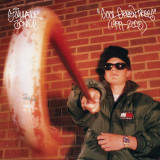
The cover photo is a picture of Sam standing on his back porch in the latter part of 1998, just before he got his first sampler. He was 13 years old, in 8th grade. His dad took the picture with his 35mm film camera: "I actually wanted to be pointing my dad's .22 pistol at the camera lens but he wouldn't let me. He gave me an old walking cane to use instead. The Tommy Hilfiger puffer jacket came from the lost and found at William Fleming High School where my mom worked as a secretary. I was thrilled when she brought it home because we never spent money on expensive name brand clothing like that - we were for the most part strictly a sale rack, bargain bin, thrift store, yard sale, flea market kind of family when it came to clothes. My watch is some cheap off-brand fake gold department store watch." Mastering for this vinyl edition was overseen by Be With regular Simon Francis and it was cut by the esteemed Cicely Balston at Abbey Road Studios to be pressed in the Netherlands by Record Industry.
- Pressed Flower
- One Of Each
- Against The Grain
- Bitch Heart
- Porcelain
- One! Grey! Hair!
- Vanity
- Not Long
- Margareta
- Your Take On
- High Five Handshake
- You Become
- Joyride
- Tomorrow
- Wonderland
- Life Back
- Pothole
Cassette[11,98 €]
"Different Talking", das sechste und bisher beste Album der vierköpfigen New Yorker Indie-Rock-Band Frankie Cosmos, scheint über Zeit und Raum hinweg zu existieren, so wie wir alle es irgendwie tun. Es ist eine Sammlung von Fragmenten und Erinnerungen, erinnerten Orten und neu interpretierten Gefühlen, die sich zu einem leuchtenden, summenden Ganzen zusammenfügen: eine robuste, weltgewandte Indie-Rock-Platte über das Altern und den Lauf der Zeit, die es dennoch schafft, sich hochaktuell zu fühlen. Die Sängerin, Gitarristin und Songschreiberin von Frankie Cosmos, Greta Kline, gilt seit langem als eine der gewandtesten und notwendigsten Autorinnen zeitgenössischer Indie-Musik, doch auf "Different Talking" werden ihre Texte etwas weicher, und der schräge Zynismus, der die letzten Alben prägte, weicht nun einer Anerkennung der großartigen und notwendigen Fehlbarkeit des menschlichen Gehirns und Herzens. "Different Talking" als Rückkehr zur alten Form oder zumindest zur üppigen Direktheit früherer Frankie Cosmos-Platten zu bezeichnen, wäre unhöflich, aber auch völlig falsch: Wie "Different Talking" deutlich macht, kann man nie mehr zu der Bequemlichkeit und dem Mut seiner frühen Zwanziger zurückkehren, aber diese Person lebt irgendwie immer in einem, egal wie sehr man sich verändert. Bei Different Talking geht es darum, diese Person zu finden, sie zu ehren und von ihr zu lernen. "Ein großer Teil des Albums handelt davon, erwachsen zu werden und herauszufinden, wie man sich selbst erkennt - wie zum Beispiel: 'Was ist ein Weitermachen?'", sagt Kline. "Wie kommen wir weiter, wenn wir süchtig nach einem Kreislauf sind, der uns in unserer Vergangenheit verfolgt? Das Schreiben von Songs ist nur ein Weg, um das zu überwinden". Kline ist seit ihren späten Teenagerjahren ein fester Bestandteil des amerikanischen Indie-Undergrounds. Ihre zahlreichen Bandcamp-Veröffentlichungen und ihr Debüt bei dem Indie-Label Zentropy aus dem Jahr 2014 führten dazu, dass sie als "Poet laureate of New York City DIY" bezeichnet wurde. Ein solches Etikett ist eine Menge für junge Schultern, aber es ist schwer zu leugnen, dass sie einen einzigartigen Einfluss auf die zeitgenössische Popmusik hatte. Wenn die Vorstellung, dass eine junge Frau in ihrem Schlafzimmer einen Synthesizer in die Hand nimmt, ein paar Songs ins Internet stellt und schnell zum Superstar wird, heute gang und gäbe ist, dann liegt das daran, dass Kline und ihre Kolleginnen das (weibliche) DIY-Genie normalisiert und verherrlicht haben, lange bevor sie in den Marketingbüros der Major-Labels an die Pinnwände geheftet wurden. Seitdem hat sich viel verändert: Nachdem Frankie Cosmos in den letzten zehn Jahren eine Handvoll verschiedener Permutationen durchlaufen hat, besteht die Band heute aus vier Mitgliedern: Greta Kline, Alex Bailey, Katie Von Schleicher und Hugo Stanley. Kline ist die einzige Konstante, aber Stanley, Bailey und Von Schleicher sind wichtige Mitstreiter, und es wäre falsch, die Namen "Greta Kline" und "Frankie Cosmos" synonym zu verwenden. Kline ist nach wie vor die primäre Songschreiberin, und die Musik auf "Different Talking" wurde von der Band als Ganzes arrangiert, aber dies ist das erste Album, das von der Band selbst aufgenommen und selbst produziert wurde. Nicht zufällig fühlt es sich wie eine reinere, destilliertere Aufnahme an. "Es fühlt sich an wie die beste Version von dem, was ich machen wollte, seit ich ein Teenager war", sagt Kline. "Obwohl dies in einem Wohnzimmer aufgenommen wurde, ist es so originalgetreu wie alles, was wir im Studio gemacht haben."
-Combo Chimbita formed in 2016 as a loose combination of friends and bandmates, many of whom had played together in other groups, all of whom were products of the Colombian diaspora who ended up as first generation New Yorkers making their way in the city's fertile music scene
-Dímelo marks the group's first release on Wonderwheel Recordings and in many ways marks a return to the band's roots, as well as a hint of what's to come
-The track was recorded in late 2023 alongside their last single "Margarita" with Victor Axelrod aka Ticklah (Antibalas, Sharon Jones & the Dap-Kings)
-Busy Twist is one of the leading artists of the new global dance underground with his sophisticated fusion of Afro, Latin and UK bass
-Busy Twist has worked with artists like Bomba Estereo, Alewya, Kevin Flores to name a few, and released music on labels like Soundway, Sony Colombia, Because London, and Jamz Supernova's Future Bounce
-They have released music on iconic and cult-favorite labels such as Anti- Records, Names You Can Trust and Figure & Ground
- A1: Sun People (Intro)
- A2: Sun Children (Original Mix)
- A3: La Lluvia (Feat Richard Shepard & Quantic)
- A4: The Love Feeling (Feat Brian J)
- A5: 2 Sips & Magic
- B1: Just Move! (Feat Mc Kwasi)
- B2: Brookarest
- B3: Didibina (Feat Falu & Quantic)
- B4: Gira Do Sol (Feat Liliana Araujo)
- B5: Calle Sol (Feat Tempo & Candela All Stars)
- B6: N`dini (Feat Ismael Kouyaté)
Wonderwheel is happy to present the very first pressing of Nickodemus' longtime classic "Sun People", pressed on translucent yellow vinyl. Originally released in 2009 by Thievery Corporation's Eighteenth Street Lounge label, "Sun People" was built with songs made for people who love the sun, sunshine and brighter days to come. Appropriate, of course, as Nickodemus has made his mark soundtracking NYC summers with his massively popular Turntables On The Hudson live events as well as with 20 consecutive years touring the World. The songs were inspired by various people Nickodemus met and places he's been, along with his collective feelings of optimism. It's these positive sonic vibes from all over the globe that Nickodemus matches with collaborators hailing from destinations including Guinea, Colombia, Puerto Rico, Brazil, Romania, India, Turkey, United Kingdom and New York City. These are the Sun People.As songs like "N'dini" "Sun Children" & "The Love Feeling" continue to kept parties dancing until today, "Calle Sol" & "Gira Do Sol" are being discovered by new fans & playlists today. As Jason Bentley, former Music Director at KCRW once said, "Sun People reflects a rich musicality, while infectious rhythms keep the party live. Nickodemus truly knows
no borders on this global dancefloor."Wonderwheel recordings is happy to keep the fire burning with this special limited color vinyl reissue out on June 21st, 2024.
a 01: Sun People (Intro) feat. Ismael Kouyaté
b 02: Sun Children (Original Mix) [feat. The Real Live Show]
Khadim is a stunning reconfiguration of the Ndagga Rhythm Force sound. The instrumentation is radically pared down. The guitar is gone; the concatenation of sabars; the drum-kit. Each of the four tracks hones in on just one or two drummers; otherwise the sole recorded element is the singing; everything else is programmed. Synths are dialogically locked into the drumming. Tellingly, Ernestus has reached for his beloved Prophet-5, a signature go-to since Basic Channel days, thirty years ago. Texturally, the sound is more dubwise; prickling with effects. There is a new spaciousness, announced at the start by the ambient sounds of Dakar street-life. At the microphone, Mbene Diatta Seck revels in this new openness: mbalax diva, she feelingly turns each of the four songs into a discrete dramatic episode, using different sets of rhetorical techniques. The music throughout is taut, grooving, complex, like before; but more volatile, intuitive and reaching, with turbulent emotional and spiritual expressivity.
Not that Khadim represents any kind of break. Its transformativeness is rooted in the hundreds upon hundreds of hours the Rhythm Force has played together. Nearly a decade has passed since Yermande, the unit's previous album. Every year throughout that period — barring lockdowns — the group has toured extensively, in Europe, the US, and Japan. With improvisation at the core of its music-making, each performance has been evolutionary, as it turns out heading towards Khadim. “I didn’t want to simply continue with the same formula," says Ernestus. “I preferred to wait for a new approach. Playing live so many times, I wanted to capture some of the energy and freedom of those performances.” Though several members of the touring ensemble sit out this recording — sabar drummers, kit-drummer, synth-player — their presence abides in the structure and swing of the music here.
Lamp Fall is a homage to Cheikh Ibra Fall, founder of the Baye Fall spiritual community. The mosque in the city of Touba is known as Lamp Fall, because the main tower resembles a lantern. Soy duggu Touba, moom guey séen / When you enter Touba, he is the one who greets you. After a swift, incantatory start Mbene sings with reflective seriousness. Her voice swirls with reverb, over a tight, funky, propulsive interplay between synth and drums, threaded with one-two jabs of bass. Cheikh Ibra Fall mi may way, mo diayndiou ré, la mu jëndé ko taalibe... Cheikh Ibra Fall amo morome, aboridial / Cheikh Ibra Fall shows the way forward, he gives us strength, he gathers his disciples... Overflowing with grace, Cheikh Ibra Fall has no equal.
Interwoven with Wolof proverbs, Dieuw Bakhul is a recriminatory song about treachery, lies, and back-biting. Over moody, roiling synths and ominous, lean bass, Mbene throws out fluttering scraps of vocal, as if re-running old conversations in her head. The music shadows her despair to the verge of breakdown, at one moment seemingly so lost in thought and memories, that it threatens to disintegrate. Bayilene di wor seen xarit ak seen an da ndo... Dieuw bakhul, dieuw ñaw na / Stop judging your friends and companions... A lie is no good, a lie is ugly.
Khadim is a show-stopper; currently the centrepiece of Ndagga Rhythm Force live performances. The song is dedicated to Cheikh Ahmadou Bamba, aka Khadim, founder of the Mouride Sufi order. Serigne Bamba mi may wayeu / Serigne Bamba is the one who makes me sing. The verses name-check revered members of his family and brotherhood, like Sokhna Diarra, Mame Thierno, and Serigne Bara. Though Islam has been practised in Senegal for a millennium, it wasn’t until the start of the twentieth century that it began to thoroughly permeate ordinary Senegalese society, hand-in-hand with anti-colonialism. The verses here recall Bamba’s banishment by the French to Gabon, and later to Mauritania, in those foundational times. During exile, his captors once introduced a lion to his cell: gaïnde gua waf, dieba lu ci Cheikhoul Khadim / the lion doesn’t budge, it gives itself over to Cheikh Khadim. Deep, surging bass, steady kick-drum, and simple, reverbed chords on the off-beat lend the feel and impetus of steppers reggae. A reed plays snatches of a traditional Baye Fall melody; the dazzling polyrhythmic drumming is by Serigne Mamoune Seck. Mbene compellingly blends percussive vocalese, narrative suspense, exultant praise, introspection, and grievance.
Nimzat is a devotional tribute to Cheikh Sadbou, a contemporary of Bamba, buried in a mausoleum in Nizmat, in southern Mauritania. Way nala, kagne nala... souma danana fata dale / I call upon you and wonder about you... If I am overwhelmed, come to my aid. The town holds special significance for Khadr Sufism. An annual pilgrimage there is conducted to this day. The rhythm is buoyantly funky; the mood is sombre, reined-in, foreboding. Punctuated by peals of thunder, Mbene sings with restrained, intense reverence; huskily confidential, steadfast. Nanu dem ba Nimzat, dé ba sali khina / Let us go to Nimzat, to seal our devotion.
Mbene Diatta Seck: vocals.
Bada Seck: bougarabou, thiol, mbeung mbeung bal, tungune.
Serigne Mamoune Seck: bougarabou, khine, mbeung mbeung, tungune.
Text by Mark Ainley (Honest Jons).
Mastered by Rashad Becker.
Everything else by Mark Ernestus.
- A1: In Stars We Drown
- A2: Kaleidoscopic Waves
- A3: Labyrinth Of Stone
- A4: The Crystalline Veil
- B1: Step Through The Portal And Breathe
- B2: A Parasitic Dream
- B3: The Obsidian Architect
- B4: Xenotaph
Personified, reinvigorated, and re-imagined!
Tech-metal outfit FALLUJAH expand horizons and solidify their position as one of America’s most exciting artists on their new album, Xenotaph, through Nuclear Blast. The Bay Area-based quintet’s confidence in the lineup that made their previous album, Empyrean (2022), such a resounding success—earning high marks from Metal Injection, New Noise, and Guitar World—has been reconfigured slightly, with guitarist Sam Mooradian (INHALE EXISTENCE, SAM MOORADIAN) and drummer Kevin Alexander (DISEMBODIED TYRANT. BROUGHT BY PAIN) bringing their jaw-dropping musical proficiency to the fold, as vocalist Kyle Schaefer, guitarist Scott Carstairs, and bassist Evan Brewer enter a new chapter with FALLUJAH. Moored by singles ‘Kaleidoscopic Waves,’ ‘Labyrinth of Stone,’ and ‘Step Through the Portal and Breathe,’ Xenotaph is FALLUJAH personified, reinvigorated, and re-imagined.
As a details-oriented record Xenotaph benefits from moments of low tension, atmospheric delight, and Schaefer’s winged clean vocals. This
dynamic isn’t particularly new to Fallujah, but the group spent considerable time honing what each song needed—from blast-laden speed runs and jazz-fusion solos to vocal restraint and brutality—which resulted in a brighter, more exhilarating experience. Musically, it truly feels like the listener is embroiled in the album’s sci-fi concept and Peter Mohrbacher’s stunning cosmogonic cover art, which is aesthetically in line with his previous covers (Dreamless and Empyrean) for FALLUJAH. Close encounters with ‘Step Through the Portal and Breathe’, ‘Labyrinth of Stone,’ and ‘Kaleidoscopic Waves’ spark wonder and stimulate the soul.
- A1: Hey, Uh-What You Say Come On
- A2: The Golden Rod
- A3: Keep On Walking
- A4: You & Me My Love
- A5: The Third Eye
- B1: It Ain't Your Sign (It's Your Mind)
- B2: People & The World
- B3: Everybody Loves The Sunshine
- B4: Tongue Power
- B5: Lonesome Cowboy
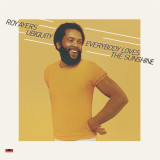
In "Everybody Loves the Sunshine" (1976), Roy Ayers seamlessly blends genres, creating a timeless sound that continues to influence musicians and DJs around the world. He makes the vibraphone the central instrument, a jazz-funk approach that defines his unique style. Over time, the album has remained an essential reference in Roy Ayers' discography and in the history of 70s Black music. Summertime soul classic! 180g vinyl.
In 1976, legendary musician and composer Roy Ayers released one of the most iconic albums of his career: "Everybody Loves the Sunshine." This album not only solidified Ayers as a key figure in the world of jazz-funk but also marked a milestone in soul music and contemporary jazz. It features a sophisticated blend of irresistible grooves, smooth melodies, and a unique sound that has endured over the years, becoming a reference for multiple generations of musicians and listeners.
By the mid-70s, Ayers had already established his reputation with his band, Roy Ayers Ubiquity, and his distinctive use of the vibraphone, which became his personal trademark. However, with this album, Ayers ventured into a smoother, more accessible sound, partly in response to the rise of disco music and the growing interest in more experimental sounds within the music scene. Throughout its ten tracks, Ayers managed to create a sonic atmosphere that evoked both the warmth of summer and the sophistication of jazz from that era, set against a backdrop of modern soul. The production was carried out by Ayers himself, along with his producer and friend, David R. Williams, and features the wonderful sound of Phillip Woo's Fender Rhodes and the powerful energy of the rest of the band, achieving an unmistakable authenticity and freshness. Some of its most well-known songs include the title track, ‘Everybody Loves the Sunshine,’ ‘The Golden Rod,’ and ‘The Third Eye,’ which quickly became classics of jazz-funk and soul. This album is crucial in Roy Ayers' career, as it demonstrates his ability to remain relevant and creative in an ever-changing music industry. Over the years, "Everybody Loves the Sunshine" has become a cult album, frequently featured in DJ sets by artists like Gilles Peterson, Theo Parrish, and Lefto. Summertime soul classic!
"""My life began in Columbus, Ohio, USA, moved on to an English village, then to the bright lights of London. America has always been a big part of my life, my father is American.
This album is a snapshot of my experiences. The lyrics tell some of the story and the music helps to tell the rest. I grew up listening to American music and when I began songwriting I was inspired by the icons and styles from the 1950s/60s and 70s. As I wrote the songs for this album I consciously looked to represent some of the styles from artists I love including Elvis, Dylan, Neil Young and Joni Mitchell. Through the wonders of modern digital recording I was able to work with some amazing American musicians who helped me to create the authentic arrangements and styles I sought to emulate. The album is self produced but the help and advice from Pat Collier and Jess Corcoran at Perry Vale studios plus the talent and input from all the musicians was invaluable. "
WOW. Daniel O'Sullivan's transcendent new album, Eros, is one of the greatest things we've ever heard. A simply stunning song cycle of hypnotic, experimental contemporary chamber music composed for a 14-piece ensemble. Combining minimalism, complex syncopation, detailed acoustic textures, weird intervals and samurai precision, this record will elegantly blow your mind. When Daniel first sent us this, he pitched it as “Liquid Swords meets Michael Nyman”. Trust us, he wasn't wrong. A "unique hybrid orchestral music", it presents a confluence of Daniel's longstanding fixations; indeed, there's elements of Nyman, Antonio Carlos Jobim, Magma, Aaron Copland and RZA. But this is wholly O'Sullivan's. Originally commissioned for the Sonoton Music Library in Munich, Eros now receives a deluxe vinyl release courtesy of Be With Records, bringing this meticulously crafted work to a wider audience. Limited to just 500 copies for the world, these are gonna fly.
An English composer and multi-instrumentalist, Daniel O'Sullivan’s career has been marked by versatility and innovation. In addition to his work with Sonoton, he has composed extensively for the legendary KPM music library, contributing to its storied legacy of production music. As a deep virtuoso and collaborator, O'Sullivan has also played in a number of influential projects, including Ulver, Sunn O))), This Is Not This Heat, Grumbling Fur and Miracle (with Steve Moore), leaving an indelible mark on the contemporary experimental music landscape.
O’Sullivan’s first foray into classically informed chamber music, Eros is a culmination of his long-standing fixations and expansive musical influences. The album features arrangements that are as detailed as they are emotionally resonant, showcasing his unparalleled ear for intervals and mastery of counterpoint. The music brims with complex rhythmic syncopation and a sensitivity to texture and space, resulting in a soundscape that is both intoxicating and dauntingly precise.
Recorded June 2023 and February 2024, in Brussels, London and Carmarthenshire, Wales, Eros features members of Echo Collective (Neil Leiter and Margaret Hermant), Thighpaulsandra (from seminal post-industrial band Coil), and jazz pioneer Oren Marshall. Daniel's sonic weapons of choice, in his own inimitable words, were "Big Bad Drum, Pee Anne Oh, Low End Brass, Willowy Winds & Samurai Strings." You get the picture. As a cyclical suite, this is a record that really needs to be heard in its entitreity, from start to finish, to truly appreciate the genius at work here.
A jaw-dropping statement of intent, the minimalist "Golden Verses" sets the tone with its complex cue which has your neck snapping right when it feels like it needs to. Listen and you'll understand. A syncopated tangle of sharp strings, crunchy bass, drums percussion and bright piano and mallets vie for position with French horn and woodwind melody in the most compelling and unexpected ways. Quite simply, it's one of the finest album openers I've ever heard. It's followed by the atmospheric rippling minimalism of "Lyre Lyre", a gorgeous gem with shimmering chimes, bright melody, human percussion and syncopated pizzicato strings. It kinda comes on like a less-abstract Boards Of Canada, bursting with typical wonderment. The piano and string-drenched "Dolorous Stroke" effortlessly builds its warm, pastoral orchestration with flowing piano arpeggio, steadfast drums, expressive string quartet, rich low brass, woodwind and lyrical flute. Just sublime.
The insistent frenetic propulsion of "Plain Paper" is utterly beguiling, featuring a determined string motif, urgent drums and percussion, driving low brass and breathless, energetic flute. The haunting, interweaving string arpeggios that propel "Grapes Draped" presents a claustrophobic minimalism for chaos and darkness, with growling low woodwind and brass, spiky harpsichord, skittering flutes and tight drums. Up next, "Xanix Annum" is a stately minimalist waltz with expressive lyrical string quartet and delicate woodwind, anchored by drums and percussion. "Painting Rose" is a bouncy stop-start track with angular syncopated strings and a piano pulse underneath bright harpsichord and flutes. "Rotunda Garden" presents ethereal textural minimalism for landscapes and reflection with flowing string arpeggios, warm, low woodwind drones, floating choir and cymbal swells. Closing out this extraordinary side of music, the glowing, flowing minimalism of "Flowry Orb" features urgent organ, piano and woodwind arpeggios, half-time drums with shimmering cymbals, a soaring, beautiful violin solo and hypnotic vocal chant.
Side 2 opens with "Theia Mania" a determinedly off-kilter, angular track featuring low wind, brass and drum stomp in dialogue with lively string trio, woodwind and solo horn. The light, airy minimalism of "Painting Percy" is built around an interplay of rhythmic motifs for piano, low brass, bassoon, fluttering flutes, urgent strings, drums and percussion whilst "For Archetypes" is a delicate, gently syncopated chamber cue for nostalgia, nature, reflection and moments of calm, with steady piano motif, intimate woodwind and French horn, and warm, graceful strings. The urgent Ars Memoriae is a propulsive march for progress, processes and industry, underpinned by driving tuba, with determined strings, resolute drums, and vivid, expressive flute, clarinet and French horn.
The syncopated energetic minimalism of "Mirrored Seven" presents layers of melodic and cyclical piano, drums, low brass, harp, flute and strings. "Pure Ornament" follows, a slowly evolving chamber cue with flowing clarinet, string and harp arpeggio, plodding tuba and percussion, fluttering flute and graceful, lyrical solos. Stunning! Up next, "Brave Boy" moves from its tender, warm, lullaby-like intro with lyrical flute, clarinet and strings before opening into a playful backend driven by a bouncy tuba riff and syncopated piano, woodwind, string trio, and drums and percussion. Rounding out this astonishing piece, "Waxen Waned" is a warm, pastoral chamber cue with light lyrical woodwind, tender French horn and subtly pulsing string trio.
The album's title is a reference to Plato’s conception of Eros, which is more than romantic or physical desire. It is a dynamic and creative force that drives individuals to seek perfection whether in art, relationships, philosophy or the pursuit of truth. Wholly appropriate, here, we think. When asked what his influences were in making this astounding record, he answered thusly: "Non-musical: Householding, Pythagoras, Goethe, Grail romances, Hermeticism, Doctrine of Signatures (Parcelsus, Bohme, Pliny), Eric Rohmer, John Stezaker, Yasujiro Ozu. Musical: Duke Ellington (late suites), Smile-era Brian, early RZA, Wagner (Parsifal Overture), Magma, Mancini, Axelrod, YMO, Hildegard, Nyman, Penguin Cafe Orchestra, Jobim (Stone Flower), Alessandro Alessandroni, Tavener, Moondog, Orthodox Music, Secular Music." That's some pretty deep shit. Makes you want to dive in, no?
Mastering for this vinyl edition was overseen by Be With regular Simon Francis, and it was cut by the esteemed Cicely Balston at Abbey Road Studios to be pressed in the Netherlands by Record Industry. Truly, Eros is a work of extraordinary depth and sophistication. It invites listeners to immerse themselves in its intricate layers, to lose themselves in its hypnotic rhythms, and to marvel at the precision of its execution. With this release, O’Sullivan reaffirms his position as one of the most inventive and uncompromising voices in contemporary music. Do. Not. Sleep.
- 1: Beat Revolution
- 2: Because Of You
- 3: Overnight Delivery
- 4: Julia (I Want To Kill Your Boyfriend)
- 5: Lemon And Lime
- 6: You Can't Try It (Before You Buy It)
- 7: The World's Gone Mad
- 8: She's Too Good For You
- 9: Down In The Underground
- 10: Mary Ann Man
- 11: Cool Imposter
- 12: One Hit Wonder Of Love
- 13: Carefree
- 14: Beat Revolution 9
Beat Revolution is the new 14-song album by MUCK AND THE MIRES available April 25 from Dirty Water Records (London), featuring their smash radio singles “Cool Imposter” and “Beat Revolution” + 12 brand new revolutionary tracks.
On BEAT REVOLUTION, their 7th full-length album, we find the band marching forward into the sounds of Powerpop (“Overnight Delivery”), Punk Rock (“Julia’s Got a Boyfriend”), and pure Nuggets-era Garage Rock (“She’s Too Good For You”).
“With a blend of ‘50s kitsch, late ‘60s garage rock guitar and one of the most repetitious hooks ever, ‘Cool Imposter’ quickly marked out a place as one of their strongest tracks to date.”- Real Gone
“Now here's a political campaign we can all get behind! “ ‘Beat Revolution’ features the signature Muck sound — recalling '64 era Beatles if they'd somehow time travelled into the future and heard the Ramones. Be sure to volunteer today! Faster and Louder
“’Beat Revolution’ is pure classic early garage rock 'n' roll, and who doesn't need that sound more often? - If It’s Too Loud
Boston's Muck and the Mires, have been described as a blend of the HAMBURG era BEATLES and the CBGBs era RAMONES. They have built a worldwide following through relentless touring, radio and satellite airplay and a string of recordings (considered by many to be cult classics) produced by Kim Fowley and Jim Diamond. The band gained worldwide recognition when they were featured on MTV as the winners of Little Steven Van Zandt's (E-Street Band/Underground Garage) national battle of the garage bands contest. Beat Revolution is the followup to their highly successful album, Greetings From Muckingham Palace, which earned a Coolest Song in the World (“I’m Your Man”) on the Underground Garage SIRIUS XM show.
For customers of the Rush Hour shop, this item ships for its may 23rd release date. Any items ordered along with this will ship then also
After five years spent largely confined to the United States, Ron Trent is set to return to global touring in 2025. To mark the occasion, he’s partnered with Rush Hour to release Lift Off, a brand-new album of music recorded at different points over the last decade.
Arriving almost 35 years since he wowed the world with his game-changing debut, the Afterlife EP, Lift Off was inspired by Trent’s desire to ‘let the imagination speak for itself’ while exploring the diverse influences that have shaped his unique musical perspective. A departure from his previous album, 2022’s downtempo masterpiece as Warm, What Do The Stars Say To You, the 10-track set features a mixture of epic instrumentals, inspired collaborations and vocal cuts whose music was written with certain singers in mind.
While it features music that ripples with the experienced producer’s familiar aural trademarks – rich rhythms, warm chords, impeccable instrumentation, inspired arrangements, and lashings of heady hand percussion – it also consciously explores a variety of sounds and tempos, in the process blurring the lines between dance music’s past, present and future. It’s a vision, in his words, of what dance music can become.
For proof, check the five impeccable cuts on part one. There’s the tactile, Wally Badarou-inspired wonder ‘Hot Ice’, the mind-soothing chords, lilting synth-strings and samba-soaked percussion of ‘Woman of Color’, the warming deep house jazziness of ‘Jazz Funk’ and the restless, far-sighted brilliance of ‘Sexstrology’, where relaxed electric piano solos dance atop an infectious, locked-in dancefloor groove.
Best of all though is Leroy Burgess collaboration ‘Let Me See You Shining’ – an inspired musical meeting of minds that cannily fuses Trent’s signature deep house sound with the soulful, vocal-driven brilliance of the New Yorker’s iconic boogie-era work. Even by the two artists’ dizzyingly high standards, it’s a very special song.
Norman Westberg (guitar), Giridhar Udupa (ghatam, konnakol, khanjira, percussion) and Jacek Mazurkiewicz (double bass, electronics)An extraordinary meeting of three artists from three different musical worlds and three different continents. Norman Westberg (ex-Swans) and Jacek Mazurkiewicz have already released one album together "First Man In The Moon" in 2021 (published by the Swiss label Hallow Ground).In the new project, they are accompanied by Giridhar Udupa, an Indian master of ghatam (a clay percussion instrument that looks like a jug). The album will feature 3 long trance compositions, referring to ambient, krautrock, free jazz and Indian music.Jacek Mazurkiewicz describes the creation of this album as follows:"I met Norman Westberg while supporting the Swans tour in Poland as 3FoNIA. A few years later, during Norman's tour with Gira, we recorded a duet.The trio session took place similarly to the previous duet session during Norman's solo concert in Warsaw on the Swans tour.Recorded with Adam Toczko, a quick meeting on a day off from work.I invited Giridhar Udupa to the trio, whom I had met earlier during the period when I co-founded the band Limboski. I once invited Wacek Zimpel to play a few concerts with Giridhar. Wacek later created Saagara and I was wondering about some unusual musical context in which I would find myself with Giridhar. I was looking for an interesting sound configuration, but also a cultural one, with a different approach to creating music. I got the impression that for both Norman and Giridhar it was a fairly fresh meeting, not obvious. And on the other hand, ordinary - everyone did their own thing."Detroit guitarist Norman Westberg moved to New York in 1980 and became a part of the experimental music scene that was experiencing its golden age. Westberg himself became a permanent fixture when he joined the iconic avant-rock band Swans in 1983, and was the only member other than frontman Michael Gira to play with them for most of the band's run, both until their 1997 disbandment and his return in 2010. Westberg has also been involved with other legendary New York noise-rock acts, including Jim Thirlwell's Foetus and the post-Swans Heroine Sheiks, in which he played with Cows frontman Shannon Selberg; and in 2014, he joined the noise-rock supergroup Hidden Rifles, whose members included Mike Watt of Minutemen and Mark Shippy of U.S. Maple. Westberg's solo compositions, most often for solo guitar and a set of effects, draw on drone and post-minimalism, bringing to mind dark ambient passages from Swans albums.Giridhar Udupa is an extremely valued teacher and world-renowned artist, an Indian master of ghatam (a clay percussion instrument that looks like a jug). He was born into a family with long musical traditions. He began learning to play at the age of four, guided by his father. At the age of twelve, he already had his first performances behind him. He currently gives concerts alongside the greatest masters. He has received many prestigious awards. He performs in the USA, Spain, Canada, France, Switzerland, Germany, Oman and Kuwait. Giridhar Udupa is a member of the band of the Indian vocalist Bombay Jayashri, nominated for an Oscar for the best song for the film Life of Pi. He is one of the founders of the Layatharanga band. He also plays virtuoso other traditional instruments of South India, such as mridangam and kanjira, and is excellent at using the konnakol technique (a type of rhythmic vocalization).For three decades, the artist has been a global ambassador and icon of Carnatic music. He is the founder of The Udupa Foundation, a charity organization established in 2015 to promote Indian music, performing arts and culture. He has participated in recording dozens of albums. He is also well-known in our country thanks to his cooperation with Polish performers, which resulted in excellent artistic effects, such as the famous Indialucia - Michał Czachowski's group / project or the Saagara formation, led by Wacław Zimpel. Udupa also played on the album Lechoechoplexita, released by Leszek Hefi Wiśniewski, and on the album of the band Layatharanga, released in our country.Jacek Mazurkiewicz is interested in music in the broad sense. He puts his sounds together based on emotional impressions and pulse. Combining acoustics with electronics, he is constantly looking for a new sound. Solo as 3FoNIA, in a duet with Mikołaj Trzaska or Tomek Dąbrowski, the JMB trio with Wojtek Jachna and Jacek Buhl, in the Modular String Trio quartet, the Afrobeat quintet Faso Tamala are just some of his musical incarnations. With Patryk Zakrocki, as part of an audio mission, he massaged hundreds of pairs of ears in the Inner Ear Massage Office. He also deals with sound design, composing and producing music for films and theatre performances. He collaborated with many Polish and foreign artists.
Cult musician Paddy Hanna announces his forthcoming album Oylegate with the release of his new song ‘Oylegate Station’, out Wednesday, 29th January via Strange Brew Records.
In celebration of Oylegate, which arrives on Friday, 11th April, Hanna plays Whelans on Thursday, 17th April. Tickets are €21.95 + fees and can be purchased here.
After his fourth album, Imagine I’m Hoping, arrived to critical acclaim but not the mainstream success needed for him to continue on as a musician, Hanna found himself at a personal and artistic low point. However, thanks to support from the Arts Council and the encouragement of his family, ‘Oylegate Station’ sees Hanna returning as the intrepid captain of his own ship; he may not know the destination, but he’ll see us along the journey with his graceful pop sensibilities.
Speaking about the new track, Hanna’s cryptic explanation could be confused for a missive from a lonely cosmonaut: “Low rent fuel, caffeine of all shapes, the midpoint of hope and despair, engine still running at Oylegate Station.”
Elation and exhaustion. Love and terror. The weight of responsibility and the strange, disorienting beauty of watching life unfold before your eyes. OLYEGATE, the latest album from Paddy Hanna, is a journey through the euphoric highs and crushing lows of parenthood, delivered with his signature blend of melancholic wit and lush, off-kilter charm.
Determined to sidestep the usual sentimental trappings of writing about having a child, Hanna found an unlikely creative companion in grim Soviet-era cinema. As he wrote, films like Solaris flickered in the background—bleak, meditative landscapes that mirrored the depths of sleep deprivation and the existential wonder of bringing a new life into the world. This contrast of warmth and detachment, of intimate revelation and surreal detour, courses through the album’s DNA.
Despite its moments of cold introspection, OLYEGATE is sonically rich and enveloping—an effect captured in a single request to producer Daniel Fox: "sweet, sweet caramel." Hanna wanted the music to feel like satin lining the listener’s ears, wrapping them in warmth even when the themes tilt towards darkness.
True to form, OLYEGATE marks yet another creative leap for an artist who refuses to be boxed in. "One advantage of being an ‘artist’s artist’ is that you never have to worry about being creatively different between albums. There's real freedom in doing whatever you want and not being judged for it. And even if you are judged, who gives a shit?"
That spirit of fearless exploration—of finding joy in the unknown, the absurd, and the deeply personal—defines OLYEGATE. An odyssey of tenderness and turbulence, it’s the sound of an artist embracing life’s messiest, most beautiful contradictions.
Japanese bamboo flute maestro and goat (JP) cohort Rai Tateishi makes an impressive debut statement with his holistic attempts to transcend the limits of ancient instruments to reveal gently delirious insights.
‘Presence’ is a triumph of improvised, elemental musicality that distills aspects of myriad folk traditions in pursuit of the artist’s own truth. For 40 minutes of singularly weird, locked-in performance, Rai Tateishi diverges his formative training in the shinobue (a bamboo flute) to applications for its elder sibling, the shakuhachi, and its distant relatives in the khene mouth organ of Northeastern Thailand and Laos, and even the Irish flute, with remarkable results returned from each.
Piece to piece, Tateishi adapts a spectra of unusual and extended instrumental experiments to articulate uniquely animist sound arrangements, with judicious use of a ring modulator and delay effects only subtly altering his sound in real-time, gelling the harmonics and smoothing off its contours. Some 15 years of studies and accreted knowledge of histories, timelines, and spirits are deftly tattered in the air and rebound in precisely complex ribbons that become all the more impressive by virtue of its in-the-moment recording.
Presented with no overdubs, the six works were recorded by label head and KAKUHAN/goat lynchpin Koshiro Hino across three days of adventurous improvisation capturing the breadth of Tateishi’s vision in a mix of succinct flights of fancy and one durational wonder where he really cuts loose. An opening piece of rapid percussive fingering and rasping sets the tone for increasingly intricate explorations of the shinobue, and bluesy cadence of a reedy Thai khene - antecedent of the shō - whipped into headier harmonic overtones, whilst his 5th piece for Irish flute best recalls Ka Baird or Michael O’Shea’s lysergic impishness, and a 13 minute closing piece most boldly fucks with folk and jazz traditions, in-depth and with the genre short-circuiting audacity of Rahsaan Roland Kirk.
Landing in the wake of prism-shaking works by Will Guthrie & Mark Fell, goat (jp) and Kakuhan; Tateishi’s ‘Presence’ more than lives up to NAKID’s impressive levels, unflinchingly operating by its wits with a verve and dare-to-differ moxie that gets at it from the first hit to the last, harnessing the kind of skill and ingenuity that’s distinctive but still strikingly minimal and overwhelmingly physical. It's a remarkable achievement.