The first in a four-volume retrospective of Kuduro and tarraxinha pioneer DJ ZNOBIA. Incoming unto the world for a very long time from the musseke of Rangel, home of Casa da Mé&e Ju, in the Angolan capital o Ldanda, one if not the pivotal visionary of his country’s music electronic and digital modernism DJ Znobia, o/fum/an inventor. Usually considered the first purveyor of the fluency regarding tarraxinha (drinking in its foundational slow shuffle from the city of Benguela), as well as a main player in free thinking, spontaneous, funny, depressive, silly, melancholic, hilarious all encompassing beats within kuduro, batida, techno and beyond, his influence as a producer, DJ, MC and public fiuce has had a great imprint in Angolan culture for the better part of the last three ecades. This venture went through over 700 tracks of his archive (more than double are lost in the meantime between his and the NNT library) in order to collaboratively select a fiercely representative albeit balanced affair from his production, between instrumentals for sung kuduro, instrumental kuduro/batida, sung and instrumental tarraxinha, and other creative styling from the late 90’s to the mid 2000’s. Forms now heard around the world which started here, with Znobia a decisively influential contributor, along with several of his peers and collaborators, which will be also in evidence in this four volume retrospective. His story is way too far flung for this endeavor to try and make a simple narrative out of it. You have to be him, you have to be within this territory, and we ask of the people who will approach to ask him what has happened with the history of this music and what is the current reality at ground zero Luanda, as he is a mirror and visionary of its streets, in a country with such complicated dynamics and brutal treatment of its citizens. To try to put in a clean slate for this conversation, let’s talk to a genius of street music. Your question. First, here's the opening collection of what we have to share with you.
Поиск:mc fun
Все
SHOCK Remembering the Classic tune "Let Your Body Do The Talkin", Shock was an amazing FUNK band run by Marlon McClain & Roger Sause. The LIES EP is an extended version of the mega rare and expensive 12" released in 2011 on Boogie Times Records. It features the songs LIES as a splendid Tony Massera re-edit Version, as well as the original version from 1984. WORK YOUR BODY is featured as well and new added on this version is now the song YOU GOT THE LOVE, which has never been released before on vinyl.
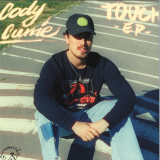
Toy Tonics presents a new EP by one of the label’s lead artists: CODY CURRIE. The London born talent comes with 4 new tracks that combine neo soul and jazz funk with uptempo house music
Cody usually plays all the instruments on his tracks working as the bassplayer, singer, guitar virtuoso and drummer and becoming one of the hot names in London's club scene as a DJ around 5 years ago at a young age.
His vibe is similar to his the soulful and extravagant sound as these his heros had. Not needing any help from anybody. Even mixing and engeenering all his music himself
Cody Currie’s sound is perfect for today’s DJ sets and fits with the current wave of funky house and groove oriented music coming from London that is taking over the clubs.
- Fugitive Song
- If This Is Love (I'd Rather Be Lonely)
- Chips Chicken Banana Split
- Grand Funk
- Together
- I Wish It Would Rain
- African Wake
- Love Is The Answer
- I Believe In Music
- Eternal Love
- Fire (She Need Water)
- Right On
- You're So Good To Me Baby
- Mr. Fortune
- Memories
- Here We Go Again
In den späten 1960er Jahren erlebte Kanadas größte Stadt einen musikalischen Aufschwung, als karibische Einwanderer Toronto zu ihrer neuen Heimat machten. Die besten Ska-, Rocksteady- und Reggae-Aufnahmekünstler jener Zeit - die Gründer von Studio One, Treasure Isle und Trojan Records - taten einfach das, was ihnen in den Sinn kam. Einer nach dem anderen gingen sie ins Studio und nahmen einige der härtesten Songs diesseits von Kingston auf. Gemeinsam überwanden sie die rassischen und kulturellen Barrieren und bildeten eine beispiellose und wenig bekannte kanadische Soul & Reggae-Community. "Jamaika to Toronto: Soul, Funk & Reggae 1967-1974" beschreibt diese entscheidende klangliche Migration im Detail. // Mit Jackie Mittoo, Johnnie Osbourne, Wayne McGhie, Lloyd Delpratt, The Mighty Pope, Jo-Jo Bennett, Eddie Spencer, Noel Ellis und mehr_ // 2024 erweiterte Ausgabe mit 20-seitigem Deluxe-Booklet mit Archivbildern, Künstlerbiografien und Essays // 2xLP-Set, läuft mit 45 rpm, in einem luxuriösen Klappcover // Zusammengestellt, und kommentiert von dem GRAMMY-nominierten Produzenten, DJ und Journalisten Kevin Howes (alias Sipreano, Voluntary In Nature) in Zusammenarbeit mit Light in the Attic // Yellow & Green ReVinyl, eine nachhaltige Alternative aus 100% recycelten Materialien //
Indulge in the smooth vibes of Luke Beats' latest album, 'Cream', dropping now on Little Beat More.
Inspired by the Italian saying 'ci sta una crema' ('as good as cream'), which indicates the utmost satisfaction, this work is the perfect dessert for your musical gluttony, kneaded by the skilful hands of Luke Beats for all hip hop lovers. In a world where the saying 'Cash rules everything around me' (once again: C.R.E.A.M!) still resonates loudly from the days when Method Man and the Wu-Tang rapped it, the love and passion for music can continue to shine.
With nods to sounds that have defined this genre in its origins, especially in the melodic and synthesiser parts, 'Cream' blends tradition and novelty, love for the classic and curiosity for the contemporary, creating a dreamy, mellow atmosphere that takes listeners on a creamy journey.
The 18-track album features the collaboration of drummer Federico Romeo on '404 Fun 4 Days' and guitarist Danny Bronzini on 'JamDilla', while Luke Beats himself played bass parts on 'P.T.H', 'JamDilla', 'Cookin' and 'The D'.
Once again, Matteo Baracco's artwork adorns the EP, with a closed but squashed tube of tempera, which perfectly complements the nostalgic yet fresh sounds within, telling of an approach to production and beatmaking still anchored in the “old school” sound craft principles in which getting one's hands dirty is the prerogative needed to shape a sound that is personal and respectful of its history.
A further tribute to the golden era of hip hop is provided by the format of the release, in an iconic timeless audio cassette to dust off your ghettoblaster!
LA-based label Milkcrate Mondays has pleased many a dancer with the MCM Edits series and now the fourth volume in relatively quick succession offers more irresistible heat from a trio of talents. DJ Abel opens up with 'Dem Nah We' which is low slung hip-hop fun with raw, characterful vocals and Afro flourishes. DJ Netwerk's 'Everlasting' is a more slow motion and Balearic joint for sundown and DJ Soulcab's 'Buena' is a shuffling and dembow-infused carnival rhythm with brilliant accordion leads.
Mit "Nobody Loves You More" veröffentlicht Kim Deal am 22.11.24 auf 4AD ihr erstes Soloalbum. Die elf Songs umfassende Sammlung ist das erste Album der in Dayton, Ohio lebenden Künstlerin unter ihrem eigenen Namen. "Nobody Loves You More" ist Kim Deals Debütalbum, obwohl es nicht das erste Mal ist, dass sie einen Alleingang unternimmt - 2013 veröffentlichte sie im Eigenverlag eine fünfteilige Reihe von zehn Songs, die limitiert als 7" erschienen. Im Einklang mit Deals akribischer Herangehensweise an ihre Kunst, wurde das Album über mehrere Jahre hinweg verfeinert. Die ältesten Songs, "Are You Mine?" und "Wish I Was", wurden 2011 geschrieben und aufgenommen, kurz nachdem Deal von der "Lost Cities Tour" der Pixies zurückkam und nach Los Angeles umzog (frühe Versionen dieser Songs waren in der besagten Vinyl-Serie enthalten). Die letzten Aufnahmen für "Nobody Loves You More" fanden im November 2022 mit dem legendären Tontechniker und engen Freund Steve Albini statt, der den letzten Track "A Good Time Pushed" in seinem Electrical Audio Studio in Chicago einspielte. Auf dem Weg dorthin hat sie eine Vielzahl von Mitstreitern aus der Vergangenheit und Gegenwart hinzugezogen, von den Breeders (Mando Lopez, Zwillingsschwester Kelley Deal, Jim Macpherson, Britt Walford) oder auch Raymond McGinley (Teenage Fanclub), Jack Lawrence (Raconteurs) sowie Fay Milton und Ayse Hassan von den Savages. "Nobody Loves You More" wurde von Marta Salogni gemischt und von Heba Kadry gemastert. Zu jedem Song gibt es eine persönliche Geschichte. Sie handeln von den Winterferien mit ihren Eltern auf den Florida Keys ("Summerland"), einem Hochzeitsband-Cover von "Margaritaville" ("Coast") oder auch der Demenz ihrer Mutter ("Are You Mine?"). Die Platte zelebriert Deals unvergleichliche Kunstfertigkeit, die nicht nur auf die Höhepunkte ihrer Karriere mit gefeierten Bands der Alternative-Landschaft (Pixies, The Amps, The Breeders) verweist, sondern auch auf ihr unverrückbares kulturelles Gewicht, das über Generationen hinweg Musiker und Musikerinnen wie Kurt Cobain und Olivia Rodrigo beeinflusst hat.
- 01: Un Mondo - Generato Da Un Seme Casuale - Con Un Inventario Vuoto
- 02: Sottaceti Di Mare Che Si Generano In Un Burrone Sotterraneo
- 03: Il Nether Presenta Un Terreno Unico Simile A Una Caverna Senza Cielo
- 04: La Foresta Cremisi È Densa Di Funghi Distorti
- 05: Slime In Un Mondo Superpiatto Nella Versione 1.1
- 06: Una Immagine Ingrandita Di Una Foresta Distorta
- 07: Il Portale Dell&Apos;End Conduce Ad Una Dimensione Oscura Che Si Trova Nel Vuoto
nobile, one half of the former Milanese duo Voronoi, presents a new series of recordings of ephemeral ambient soundscapes, organic throbs and broken rhythmic textures that sublimate the more instinctual and playful side of his poetics.
The project is haunted by cavernous sounds and an obsession with the 'netherworld' of the videogame Minecraft, and by Le Matin des Magiciens - the classic and revolutionary book that popularised occultism, alchemy and paranormal phenomena in the 1960s. "...FANTASTICO INTERIORE is" - as the artist puts it - "a fantastic journey inside the body, perhaps also a journey into the unconscious to understand my gastritis?"
The seven tracks traverse underworlds, infused with fantastic realism, where odd sounds materialise like poltergeists of digital folklore. Creepy voices emerge from the hell-like nether, intertwined with clusters of gelatinous percussive sounds that trudge to the surface. Earthy streams of crackling white noise carry volatile sonic particles that bounce off walls with short delays and reverberations, giving an almost visible form to the space.
But it is not always serious. As soon as you come across the curiously long titles of the tracks (which are rough translations of the Minecraft manual into Italian) a subtle irony emerges. The imagery appears to be harmless and eventually, as in a video game, you can switch to safe-mode and refill your health-bar along the way...
No panic attacks in the soft-occultism of FANTASTICO INTERIORE ;)
- Meditation
- Going Home
- A-1 Funk
- Every Step Of The Way
- Black Magic Woman
- Gypsy Queen
- Oye Como Va
- Yours Is The Light
- Batukada Xibaba (She-Ba-Ba)
- Stone Flower (Introduction)
- Waiting
- Castillos De Arena, Part I
- (Sand Castle)
- Free Angela
- Samba De Sausalito
- Matra
- Kyoto
- Castillos De Arena, Part Ii
- (Sand Castle)
- Se A Cabo
- Samba Pa Ti
- Mr. Udo
- Toussaint L’overture
- Incident At Neshabur
One of the Most Exhilarating Live Albums Ever Released: Santana’s Lotus Documents 1973 Performances Distinguished by Passionate Soulfulness, Chemistry, and Inventiveness
Mobile Fidelity’s 180g 33RPM 3LP Set Features Reference Sound and Deluxe Trifold Packaging Faithful to That of the Original Japanese Import: Strictly Limited to 5,000 Numbered Copies, Includes Four Photo Inserts and Two Fold-Out Posters
The bizarre legacy of Lotus transcends its status as both the definitive onstage document of Santana’s career and one of the most spectacular live albums ever released. Originally issued in 1974, the triple LP contains exhilarating performances of the band recorded at two shows in early July 1973 at the 2400-seat Osaka Kosei Nenkin Kaikan concert hall. It bears witness to the eight-piece collective playing with a chemistry, inventiveness, cohesiveness, and soulfulness no other Santana lineup would ever surpass. Featuring seven previously unreleased tracks as well as remarkable renditions of material from Santana’s first four albums and the Carlos SantanaJohn McLaughlin collaboration Love Devotion Surrender, Lotus simultaneously suggests and inspires, dreams and delivers.
Transferred by original engineer Tomoo Suzuki, strictly limited to 3,000 numbered copies, and housed in deluxe trifold packaging faithful to that of the original pressing, Lotus benefits from reference audiophile treatment on Mobile Fidelity’s 180g 3LP set. Featuring rich tones, smooth dynamics, excellent separation, deep soundstages, and involving presence, this reissue pays tribute to both the virtuosic lineup and the magnetic fusion of Latin- and Afro-Cuban-influenced jazz, rock, psychedelia, R&B, and blues. The complexity of the spiritual passages, demands of the crescendos, delicacy of the calm transitions, electricity of the solos: everything is rendered with superb balance and free of the harshness, compression, and fatiguing peaks that would otherwise distract from the presentations at hand. Black magic, indeed.
- A1: Are We There Yet (Ft West Felton , Howard Wazeerud-Din Ii, Malik Alston)
- A2: Boom Bap Jazz 7 (Ft Dave Mcmurry , Takashi Iio, Malik Alston)
- A3: We Have Been Assimilated(Malik's Linwood Mix)Ft Malik Alston, Dave Mcmurry & The Black Light Collective
- B1: Vampires (Ft Elmus,Allan Barnes, Cen Dervin, Craig Huckaby)(Malik's Afro Remix)
- B2: Shine(Instrumental)
- B3: The Doctor (Ft Zacland)
- B4: Soul Guitar Love (Ft Gabe Gonzalez & Bubz Fiddler & Malik Alston)
- B5: We Can Make It Through (Ft Doc Link, Laronn Dolley, Malik Alston)
Truth Manifest Records is proud and excited to release Beyond Jazz Volume 2, the second volume in this wonderful, futuristic four-part series!
This stellar vinyl release on Truth Manifest Records is from executive producer Malik Alston, with distribution from Mother Tongue. As we travel to the edge of our senses with Beyond Jazz Volume 2, it is immersed in poetry pulling on the heartstrings of urban reality. This is where live meets a hip-hop foundation, sped up and transformed into a dance jazz Afro-Cuban up-tempo banger, to tell the story of the groove. Put Volume 2 to a funky jazz lick phrase, reminding us that through the struggle, there is victory. Let your spirit shine as you feel the essence of boom bap jazz.
This powerful collection has special new remixes and edits based on Malik’s current radio show, Beyond Jazz
- A1: Buzzcocks - Boredom (2.54)
- A2: Fire Engines - Everything's Roses (3.19)
- A3: Glaxo Babies - Shake (The Foundations) (3.47)
- A4: Patrick Fitzgerald - Babysitter (1.10)
- A5: Russ Mcdonald - Looking From The Cooking Pot (3.42)
- B1: Artery - The Slide (2.45)
- B2: A Certain Ratio - Si Fermir O Grido (3.22)
- B3: Scritti Politti - Skank Bloc Bologna (5.53)
- B4: Apb - All Your Life With Me (4.32)
- C1: Blurt - The Fish Needs A Bike (2.39)
- C2: Icon A.d. - Fight For Peace (3.18)
- C3: Throbbing Gristle - Distant Dreams (Part Two) (5.29)
- C4: Krypton Tunes - Coming To See You (2.21)
- C5: Windows - Creation Rebel (4.44)
- D1: The Last Gang - Spirit Of Youth (2.52)
- D2: Thomas Leer - Tight As A Drum (4.38)
- D3: Red Lorry Yellow Lorry - Paint Your Wagon (2.37)
- D4: Biting Tongues - You Can Choke Like That (4.07)
- D5: Tom Lucy - Paris, France (3.26)
Out of print for 15 years, Soul Jazz Records’ “Do It Yourself” features a host of postpunk, punk, punk funk/dance and electronic experimentation from UK bands in
the late 70s and 80s that all arrived in the aftermath of punk. As well as loads of
great music, the album also charts the rise of the independent music industry in
Britain that similarly thrived during this time.
Featuring classic groups such as The Buzzcocks, A Certain Ratio, The Fire Engines,
Glaxo Babies and a host of lesser known, rare and obscure tracks and artists, this
new 2024 edition comes as a limited edition special coloured version double vinyl
pressing, complete with deluxe gatefold sleeve with two unique inner sleeves.
This fully remastered album comes with extensive sleevenotes and photography
as well as interviews with key behind-the-scene players – including studios,
cutting rooms, print works – that together bring a fantastic insight into the DIY
music and culture of this period and the explosion in the independent music
industry after punk.
Lennon & McCartney. Simon & Garfunkel. Ralf & Florian. Enema & GeJonte. The inventors of modern pop music as we know it. Joining forces in 1988, Orebro duo Kai Parviainen and Jonas Ohlsson put out four cassettes and a split album with Frak under the Enema & GeJonte guise, all teeming with clever and funny electronic pop songs. The sound? Imagine Duet Emmo jamming out with the Residents on a wheat field on Narkeslatten. Or picture early Severed Heads covering lost Philemon Arthur & The Dung tapes. Kai pushes his Sequential Circuits Pro-One synthesizer to its limits while Jonas makes discerning observations on everyday life in a Swedish small town. Mostly sung in Swedish, sometimes in English, but always with a touch of sweet naivety and innocence on par with lo-fi punk/pop geniuses Dan Treacy and Daniel Johnston. Typical song subjects: A friendly game of five-a-side football. The joy of rising at the crack of dawn to get on with the tasks of the day. A bus journey to Odensbacken to savour a semla at a local cafe and some small talk with the gas station manager. All delivered with a playfulness and ecstasy more commonly found on the records with Swedish Christian music Kai so devotedly collects than in contemporary industrial or electronic music. When Jonas moved to Amsterdam in 1996 the boys ceased making music together, leaving behind a treasure trove of unreleased material, some of which appeared on a couple of cassettes in the 00's. But the best stuff has remained buried until now. How dada pop gems like ''Joxa med trasan'' and ''Underground'' could dwell in obscurity for thirty-ish years beggars belief. Other standout tracks on this compilation: ''Plan 714 till NYC'', a wonderful waltz time instrumental performed in the vein of a drunken Bob Hund, and the En Halvkokt I Folie style cut up experiments of ''Gasten Harry''. So get ready for a glorious blast from the past, as the Swedish pioneers of the hypnotic groove cordially invite you to a sonic journey as adventurous and memorable as a trip on the lansbuss to Odensbacken. Get on board, grab a seat and enjoy the ride. Liverpool. New York City. Dusseldorf. Orebro. // Ulf Osterstrom
The Outer Edge is excited to announce the release of an intense and previously undiscovered funk rap / boogie single, featuring two tracks recorded in 1986.
While researching for his book on 80s funk music in Germany, DJ Scientist explored bands from Bavaria that collaborated with GIs. One of these bands is Grand Slam, a group that remains active to this day. The band’s leader, Toby Mayerl, lived near a US Army base in Amberg, where he fell in love with funk after hearing Roger Troutman and Zapp. He soon became part of two groups: Total Control and Grand Slam.
Originally led by guitarist Harry Zawrel, Grand Slam had a “European” funk sound similar to Talking Heads or Level 42. However, in 1985, Mayerl took over the band and merged it with Total Control, a mixed group that included African-American soldiers. From that point on, they shifted towards a heavier funk and soul sound, continuing to work with musicians from the GI community. By late 1986, they had enough material to record their debut album, Make My Day. Although published by the independent label Kerston, the album was only available on cassette, primarily sold at their concerts in early 1987.
DJ Scientist managed to track down an original copy of this ultra-rare tape in the MUZ archive in Nuremberg. "What I heard blew my mind," he said. "The cassette featured seven raw, well-produced funk and soul jams with fantastic arrangements and vocals." As an old-school funk and disco rap collector, he was immediately captivated by the track "Goin' Out," which features GI rapper Calvin E. Flagg. This song evokes the energy of early recorded rap singles from labels like Enjoy or Sugar Hill Records.
On Side B, the second track from the unheard debut album, ‘Don’t Let You Down,’ offers another glimpse of what we've been missing. This uptempo boogie-funk track features lead vocals by Aletha Mcbryde, Calvin E. Flagg, and Oliver Allwardt, along with thrilling synths and a lively brass section - perfect for turning up the volume.
Both tracks have been remastered from the original master tapes, which Toby Mayerl fortunately still had in his archive. The artwork for the release is inspired by original band posters, with the Grand Slam logo taking cues from Bootsy's Rubber Band’s Body Slam! cover from 1982. This limited vinyl pressing is capped at just 350 copies.
- A1: Let ‘Em Know (Produced By Domino)
- A2: Live And Let Live (Produced By Domino)
- A3: That’s When Ya Lost (Produced By Del Tha Funkee Homosapien)
- B1: A Name I Call Myself (Produced By Del Tha Funkee Homosapien)
- B2: Disseshowedo (Produced By Domino And Jay Biz)
- B3: What A Way To Go Out (Produced By Domino)
- B4: Never No More (Produced By A-Plus)
- C1: 93 ‘Til Infinity (Produced By A-Plus)
- C2: Limitations Feat. Casual (Produced By Jay Biz)
- C3: Anything Can Happen (Produced By A-Plus)
- D1: Make Your Mind Up (Produced By Del Tha Funkee Homosapien)
- D2: Batting Practice (Produced By Casual)
- D3: Tell Me Who Profits (Produced By Domino)
- D4: Outro (Produced By Domino)
Repress! There are very few albums across any genre that stand the test of time better than 93 ‘Til Infinity, the classic debut record from the Hieroglyphics crew’s very own Souls of Mischief. In an era where Gangsta Rap and G-Funk dominated the West Coast Rap scene, Souls broke ground on a completely unique and thoroughly west coast sound. While the Dr. Dre’s and the Snoop Doggs were garnering much of the mainstream attention, Souls were quietly forging a charismatic, critically acclaimed, and cohesively shaped record that when categorized, sounded much closer to A Tribe Called Quest than N.W.A. The sound of their debut is characteristic of the distinct style explored by the collective, including a rhyme scheme based on internal rhyme and beats centered around a live bass and obscure jazz and funk samples.
93 ‘Til Infinity was propelled into success by its title track and lead single, which reached #32 on the Billboard Hot 100. It also featured singles “That’s When Ya Lost” and “Never No More” which also reached the Hot Rap Singles. In 1998, the album was selected as one of The Source’s 100 Best Rap Albums of All Time. Considered by many to be a text book “slept-on” classic Rap record, 93 ‘Til Infinity has only grown better with age. The album simply defines the Hiero golden age with a sound that would later be fine tuned with strong releases from MCs Del The Funkee Homosapien, Casual and Pep Love.
It takes some serious bravado to name your album 93 ‘Til Infinity, but certainly the goal of creating a Hip Hop “classic” must have been on the collective minds of group members A-Plus, Tajai, Opio, and Phesto when recording this landmark moment in Hip Hop history. It’s true, even seventeen years after the album’s initial release many people are still discovering it, and with this re-mastered reissue on double vinyl, fans all over the world will once again discover the brilliance that 93 ‘Til Infinity delivers and will continue to deliver beyond infinity.
While fighting through label limbo and placing his budding film career on freeze, Antwan “Big Boi” Patton spent a couple years readying the artillery for his solo close-up. Sir Lucious Left Foot: The Son of Chico Dusty is both a testament to the maturation of Big Boi and a tribute to his late father; underneath, it’s a speakeasy at breakneck speed, sittin’ on 32s. Where many other formidable MCs would be eaten alive, Big Boi shapeshifts across every mood and landscape with his trademark tenacity. He’s an effortless showboat who can portray sleaze with ease, but he’s a true class act who’s got nothing left to prove, yet will never let it show. Flanked by his known co-conspirators and many more, Big Boi blesses the senses the way only an East Point playboy can; it’s an intergenerational time warp, and another funky ride in HD. The final product is a natural progression of his Organized Noize lineage, sent across dimensions to return with an assemblage of time-tested potent Black grooves, then pressure-cooked in the kitchen of thefinest booty club in Georgia.
- A1: Timmy Thomas - Why Can't We Live Together
- A2: Gwen Mccrae - 90% Of Me Is You
- A3: Facts Of Life - Givin' Me Your Love
- A4: Peter Brown - Dance With Me
- A5: T-Connection - Groove To Get Down
- B1: Clarence Reid - Living Together Is Keeping Us Apart
- B2: Raw Soul Express - Dedicate All My Love
- B3: Milton Wright - Keep It Up
- B4: Betty Wright - Clean Up Woman
- B5: Robin Kenyatta - You
1st in a series of compilations collecting the ultimate funk & soul tracks from the legendary TK DISCO catalog that have been instrumental is shaping the sound of hip-hop. 10 tracks from the vaults highlighting grooves that have been sampled by DRAKE, DR. DRE, KANYE, MADLIB. PETE ROCK, and more.
. For Fans Of: The Weather Station, Weyes Blood, Adrianne Lenker, Phoebe Bridgers, Joan Shelley, Lana Del Rey, Cass McCombs, Angel Olsen & Neil Young. Camelot, the legendary seat of King Arthur’s court in Early Middle Ages Britain, was probably not a real place. A corruption of the name of a real Romano-Briton city, the word “Camelot” accumulated symbolic, mythic resonances over centuries, until achieving its present usage as a near-synonym of “utopia.” In the mid-20th century alone, Camelot inspired an explosion of representations and appropriations, among them the violent, affectless Arthurian court of Robert Bresson’s 1974 film Lancelot du Lac and the absurdist iteration of Monty Python’s 1975 Holy Grail, both of which feature armoured knights erupting into fountains of blood; the mystical Welsh world of novelist John Cowper Powys’s profoundly weird 1951 novel Porius, with its Roman cults, wizards and witches, and wanton giants; and the nationalist nostalgia of President John F. Kennedy’s White House. Unsurprisingly there are fewer Camelots in more recent memory. Camelot, Canadian songwriter Jennifer Castle’s extraordinary, moving 2024 chronicle of the artist in early middle age, charts a realer, more rooted, and more metaphorical place than the fabled Camelot of the Early Middle Ages (or its myriad depictions), but it too is a space more psychic than physical. In Castle’s Camelot, the fantastic interpenetrates the mundane, and the Grail, if there is one, distills everyday experience into art and art into faith, subliming terrestrial concerns into sublime celestial prayers to Mother Nature, and to the unfolding process of perfecting imperfection in one’s own nature. Co-produced by Jennifer and longtime collaborator Jeff McMurrich, her seventh record is at once her most monumental and unguarded to date, demonstrating a mastery of rendering her verse and melodies alike with crisply poignant economy. For all their pointedly plainspoken lyrical detail and exhilarating full-band musical flourishes, these songs sound inevitable, eternal as morning devotions. “Back in Camelot,” she sings on the lilting, vulnerable title track, “I really learned a lot / circles in the crops and / sky-high geometry.” The album opens with a candid admission of sleeping “in the unfinished basement,” an embarrassing joke that comes true. But the dreamer is redeemed by dreaming, setting sail in her airborne bed above “sirens and desert deities.” If she questions her own agency whether she is “wishing stones were standing” or just “pissing in the wind” it does not diminish the ineffable existential jolt of such signs and wonders. This abiding tension between belief and doubt, magic and pragmatism, self and other, sacred and profane, and even, arguably, paganism and monotheism, suffuses these ten songs, which limn an interior landscape shot through with sunstriped shadows of “multi-felt dimensions” both mystical and quotidian. The epic scale and transport of “Camelot,” with its swooning strings, gives way dramatically to “Some Friends,” an acoustic-guitar-and-vocals meditation in miniature on Janus-faced friends and the lunar and solar temperatures of their promises—“bright and beaming verses” versus hot curses which recalls her minimalist last album, 2020’s achingly intimate Monarch Season. (In a symmetrical sequencing gesture, the penultimate track, the incantatory “Earthsong,” bookends the central six with a similarly spare solo performance and coiled chord progression, this time an ambiguous appeal to … a wounded lover? a wounded saint? our wounded planet?). Those whom “Trust” accuses of treacherous oaths spit through “gilded and golden tooth” cynics, critics, hypocrites, gurus, scientists, doctors, lovers, government, the so-called entertainment industry sow uncertainty that can infect the artist, as in “Louis”: “What’s that dance / and can it be done? What’s that song / and can it be sung?” Answering affirmatively are “Lucky #8,” an irrepressible ode to dancing as a bulwark against the “tidal pools of pain” and the “theory of collapse,” and “Full Moon in Leo,” which finds the narrator dancing around the house with a broom, wearing nothing but her underwear and “big hair.” But the central question remains: who can we trust, and at what cost faith, in art or angels or otherwise? Castle’s confidence in her collaborators is the cornerstone of Camelot. Carl Didur (piano and keys), Evan Cartwright (drums and percussion), and steadfast sideman Mike Smith (bass) comprise a rhythm section of exquisite delicacy and depth. This fundamental trio anchors the airiness of regular backing vocalists Victoria Cheong and Isla Craig and frames the guitars of Castle, McMurrich, and Paul Mortimer (and on “Lucky #8,” special guest Cass McCombs). Reprising his decennial role on Castle’s beloved 2014 Pink City, Owen Pallett arranged the strings for Estonia’s FAMES Skopje Studio Orchestra. On the ravishing country-soul ballad “Blowing Kisses” Pallett’s crowning achievement here, which can be heard in its entirety in the penultimate episode of the third season of FX’s The Bear Jennifer contemplates time and presence, love and prayer and how songwriting and poetry both manifest and limit all four dimensions: “No words to fumble with / I’m not a beggar to language any longer.” Such rare moments of speechlessness “I’m so fucking honoured,” she bluntly proclaims suggest a state “only a god could come up with.” (If Camelot affirms Castle as one of the great song-poets of her generation, she is not immune to the despairing linguistic beggary that plagues all writers.) Camelot evinces a thoroughgoing faith not only in the natural world including human bodies, which can, miraculously, dance and swim and bleed and embrace and birth but also in our interpretations of and interventions in it: the “charts and diagrams” of “Lucky #8,” a daydreamt billboard on Fairfax Ave. in LA in “Full Moon in Leo,” the bloody invocations of the organ-stained “Mary Miracle,” and all manner of water worship, rivers in particular. (Notably, Jennifer has worked as a farmer and a doula.) The album ends with “Fractal Canyon”s repeated, exalted insistence that she’s “not alone here.” But where is here? The word “utopia” itself constitutes a pun, indicating in its ambiguous first syllable both the Greek “eutopia,” or “good-place” the facet most remembered today and “outopia,” or “no-place,” a negative, impossible geography of the mind. Utopia, like its metonym Camelot, is imaginary
Camelot, the legendary seat of King Arthur's court in Early Middle Ages Britain, was probably not a real place. A corruption of the name of a real Romano-Briton city, the word "Camelot" accumulated symbolic, mythic resonances over centuries, until achieving its present usage as a near-synonym of "utopia." In the mid-20th century alone, Camelot inspired an explosion of representations and appropriations, among them the violent, affectless Arthurian court of Robert Bresson's 1974 film Lancelot du Lac and the absurdist iteration of Monty Python's 1975 Holy Grail, both of which feature armored knights erupting into fountains of blood; the mystical Welsh world of novelist John Cowper Powys's profoundly weird 1951 novel Porius, with its Roman cults, wizards and witches, and wanton giants; and the nationalist nostalgia of President John F. Kennedy's White House. Unsurprisingly there are fewer Camelots in more recent memory. Camelot, Canadian songwriter Jennifer Castle's extraordinary, moving 2024 chronicle of the artist in early middle age, charts a realer, more rooted, and more metaphorical place than the fabled Camelot of the Early Middle Ages (or its myriad depictions), but it too is a space more psychic than physical. In Castle's Camelot, the fantastic interpenetrates the mundane, and the Grail, if there is one, distills everyday experience into art and art into faith, subliming terrestrial concerns into sublime celestial prayers to Mother Nature, and to the unfolding process of perfecting imperfection in one's own nature. Co-produced by Jennifer and longtime collaborator Jeff McMurrich, her seventh record is at once her most monumental and unguarded to date, demonstrating a mastery of rendering her verse and melodies alike with crisply poignant economy. For all their pointedly plainspoken lyrical detail and exhilarating full-band musical flourishes, these songs sound inevitable, eternal as morning devotions. "Back in Camelot," she sings on the lilting, vulnerable title track, "I really learned a lot / circles in the crops and / sky-high geometry." The album opens with a candid admission of sleeping "in the unfinished basement," an embarrassing joke that comes true. But the dreamer is redeemed by dreaming, setting sail in her airborne bed above "sirens and desert deities." If she questions her own agency_whether she is "wishing stones were standing" or just "pissing in the wind"_it does not diminish the ineffable existential jolt of such signs and wonders. This abiding tension between belief and doubt, magic and pragmatism, self and other, sacred and profane, and even, arguably, paganism and monotheism, suffuses these ten songs, which limn an interior landscape shot through with sunstriped shadows of "multi-felt dimensions" both mystical and quotidian. The epic scale and transport of "Camelot," with its swooning strings, gives way dramatically to "Some Friends," an acoustic-guitar-and-vocals meditation in miniature on Janus-faced friends and the lunar and solar temperatures of their promises_"bright and beaming verses" versus hot curses_which recalls her minimalist last album, 2020's achingly intimate Monarch Season. (In a symmetrical sequencing gesture, the penultimate track, the incantatory "Earthsong," bookends the central six with a similarly spare solo performance and coiled chord progression, this time an ambiguous appeal to _ a wounded lover? a wounded saint? our wounded planet?) Those whom "Trust" accuses of treacherous oaths spit through "gilded and golden tooth"_cynics, critics, hypocrites, gurus, scientists, doctors, lovers, government, the so-called entertainment industry_sow uncertainty that can infect the artist, as in "Louis": "What's that dance / and can it be done? What's that song / and can it be sung?" Answering affirmatively are "Lucky #8," an irrepressible ode to dancing as a bulwark against the "tidal pools of pain" and the "theory of collapse," and "Full Moon in Leo," which finds the narrator dancing around the house with a broom, wearing nothing but her underwear and "big hair." But the central question remains: who can we trust, and at what cost faith, in art or angels or otherwise? Castle's confidence in her collaborators is the cornerstone of Camelot. Carl Didur (piano and keys), Evan Cartwright (drums and percussion), and steadfast sideman Mike Smith (bass) comprise a rhythm section of exquisite delicacy and depth. This fundamental trio anchors the airiness of regular backing vocalists Victoria Cheong and Isla Craig and frames the guitars of Castle, McMurrich, and Paul Mortimer (and on "Lucky #8," special guest Cass McCombs). Reprising his decennial role on Castle's beloved 2014 Pink City, Owen Pallett arranged the strings for Estonia's FAMES Skopje Studio Orchestra. On the ravishing country-soul ballad "Blowing Kisses"_Pallett's crowning achievement here, which can be heard in its entirety in the penultimate episode of the third season of FX's The Bear_Jennifer contemplates time and presence, love and prayer_and how songwriting and poetry both manifest and limit all four dimensions: "No words to fumble with / I'm not a beggar to language any longer." Such rare moments of speechlessness_"I'm so fucking honoured," she bluntly proclaims_suggest a state "only a god could come up with." (If Camelot affirms Castle as one of the great song-poets of her generation, she is not immune to the despairing linguistic beggary that plagues all writers.) Camelot evinces a thoroughgoing faith not only in the natural world_including human bodies, which can, miraculously, dance and swim and bleed and embrace and birth_but also in our interpretations of and interventions in it: the "charts and diagrams" of "Lucky #8," a daydreamt billboard on Fairfax Ave. in LA in "Full Moon in Leo," the bloody invocations of the organ-stained "Mary Miracle," and all manner of water worship, rivers in particular. (Notably, Jennifer has worked as a farmer and a doula.) The album ends with "Fractal Canyon"'s repeated, exalted insistence that she's "not alone here." But where is here? The word "utopia" itself constitutes a pun, indicating in its ambiguous first syllable both the Greek "eutopia," or "good-place"_the facet most remembered today_and "outopia," or "no-place," a negative, impossible geography of the mind. Utopia, like its metonym Camelot, is imaginary. Or as fellow Canadian songwriter Neil Young once sang, "Everyone knows this is nowhere." "Can you see how I'd be tempted," Castle asks out of nowhere, held in the mystery, "to pretend I'm not alone and let the memory bend?"
''One Foot in the Rave'' is a vibrant collection that showcases Jonny's signature style--a blend of melodic, melancholic acid jams, bleepy funk, and warm analog electronics. Whether for the stereo or the sound system, the LP moves from the upfront bounce of ''The Apocalypse is Now'' and ''Raymond Tuesday's Big Day Out'' to the shimmering reverb of ''Starry Night'' and the birdsong-infused ''Ringfort.'' Listeners will find themselves in familiar Automatic Tasty terrain, rich with psychedelic exploration. According to Jonny, ''What to say about this record? I don't really know and it hardly matters. I wrote them on different bits of gear; ye olde faithful Roland SH101, my MC202 (pencil and paper de rigeur), a battered x0xb0x 1.0 (thx Daniel!), a beloved Yamaha Cs-5, a similarly beloved Roland SH5, a truly hammered Juno106, a Roland JX3P, a Nord something or other, an MPC2500, my TR606, and a Vermona DRM1 MKII being sequenced via a bedraggled TR626. Also Jay's TR808 is on there (thx Jay!) and a TR8 being squashed through a Mutronics Mutator (wheee Damo!) and a Zoom H4n recorder. I edited them on a dilapidated laptop, with no headphones or monitors, steering by the tiny speakers on the computer and playing them in my car, twiddling the mix as I went. But these are frivolous and unimportant details. All that matters is that these songs were made out of love. Cheerio, Jonny. P.S.: This record is dedicated to Jay 'Winthorpe' Kelly.'' ''One Foot in the Rave'' will be available on vinyl and digital platforms starting October 14th.