Limited Edition of 200 copies incl. Dolphins Remix (DALO, Benedikt Frey and Menqui).
Hot seducers. Two of them. On one 7inch. A/B Side business, hard to choose a fav, as both so fab. The A-Side is called "Happen". It comes from prolific Tokyo based DJ and producer Hoshina Anniversary. A simple drum machine groove, a manic melody, witching siren sounds, psychedelic voices, some soft chords, and soulful high-pitched singing, somewhere between Dam-Funk coolness and Ian Svenonius-The-Make-Up sixties pop longing. One for warm sexy nights under neon lights. Out there in psychic realms. The flip brings a Dolphins interpretation. Yes, that feverish trio behind R.i.O., consisting of Nadia D'Alò, Benedikt Frey and Menqui. Their freshly recorded version comes with haunting nonchalant singing, displaying the tunes core melody as a more prominent actor of the play. Michael-Mann-Pop-Nostalgia with a baroque touch, that waves dark-ish. Even some Jon Hassle feeling is in there. Hoshina Anniversary disclosed, that the original song is inspired by jazz musicians like Chet Baker, Miles Davis, Sonny Rollins, Chick Corea, Herbie Hancock, Jaco Pastorius and Keith Jarrett. None of them is directly stylistically audible. But their kind of blue is all over. On the A as well as on the B. Twice soul music for the free.
Search:mel
We celebrate our 10th anniversary with the 3rd and brand new deluxe version of the 'Family Matters' series. No anniversary release would be complete without a signature track from Innershades. He has been a cornerstone of the label since day one. Betonkust embodies our Dutch-Belgian connection in many ways and with Breezeway Cafe he delivers yet another melodic gem. Brussels Based dj and producer DC Salas is the new kid on the 9300 block. He delivers a New Beat infused banger that nails our labels distinctive sound: raw, melodic, and steeped in what Legowelt once called 'Flemish greyness'. To top it all off, there's a timeless piano-driven masterpiece by After Club, a heartfelt tribute to the legendary Belgian nightclub Carat. Limited to 300 copies!
- 1: Rosewater
- 2: Sky!
- 3: Mercury Rising
- 4: Jane Bear
- 5: My Ghost & Its Crawling
Impressed is proud to present Cousin Tony's Brand New Firebird's fourth album - Rosewater Crocodile, in partnership with our friends at Double Drummer. Cousin Tony's Brand New Firebird is one of Melbourne's most loved bands of the past decade. Lachy Rose's inspiring and moving songs, and the band's joyous live performances make for lifelong memories. Known for their soaring live sets, euphoric horns, and Lachy Rose’s soul-stirring vocals, Cousin Tony’s Brand New Firebird have carved out a reputation as one of Australia’s most emotionally resonant and joy-filled live acts. Their last hometown show saw over 1300 fans pack out The Northcote Theatre. To celebrate the release of their highly anticipated fourth album, Rosewater Crocodile, the beloved Melbourne five-piece will hit the road in 2025 for a national run of shows that promises to be nothing short of unforgettable. Expect brand new tracks, fan favourites, and all the heart, energy and connection you’ve come to love. As Upside Adelaide put it: “These songs soar live — harmonies, synth and sax in perfect unison.”
- An Argument With Myself
- Waiting For Kirsten
- A Promise
- New Directions
- So This Guy At My Office
In der Symbolik von JENS LEKMAN ist Bewegung ein Mittel, um den Wahnsinn abzuwenden - oder sich ihm hinzugeben. Die Songs auf der ,An Argument With Myself"-EP befassen sich mit vielen Arten der Fortbewegung, sowohl klein als auch groß, warum er nach einfachen Vorgaben der Landkarte von Melbourne samt gesellschaftlicher Veränderung zurück in seine alte Heimat Göteborg zog. Der Titeltrack beginnt mit einer typischen LEKMAN Geschichte, in der er sich an einen innerlichen Disput auf dem Heimweg in Melbourne erinnert. ,Waiting For Kirsten" behandelt auf der Oberfläche die am Ende erfolglose Suche nach Kirsten Dunst während eines Filmdrehs in Göteborg, ist aber am Ende doch der Versuch, die komplizierte Beziehung zur eigenen Heimatstadt zu durchleuchten. Passend dazu liefert das von Bläsern dominierte ,New Directions" eine verrückte Straßenkarte mit Hinweisen dazu, wie man jeden anderen Ort als das Hier und jede andere Zeit als das Jetzt erreicht. Die Songs sind geistreich, wörtlich zu nehmen und an ihren Ort gebunden; sie alle sind unterwegs, um entweder verrückt zu werden oder sich seine Zurechnungsfähigkeit zu bewahren. Mit Hörnern, Flöten, Streichern und Arpeggio Gitarren bleibt JENS auch musikalisch in Bewegung. Am Ende wird ,An Argument With Myself" immer relaxter, angehaucht mit Reggae, so wie eine Musikbox, die langsam zur Ruhe kommt. Für einen Moment hört die Bewegung beinahe auf. Bis auf weiteres.
- A1: Message Of The Bhagavat
- A2: Civilized Man
- A3: Here We Go
- A4: Appreciation
- A5: Empathy
- B1: Not The Flesh
- B2: Chance
- B3: Mantra
- B4: Surrender To Your T.v
- B5: Letter To A Friend
- B6: Metamorphosis
Shelter is a Hardcore punk band formed by Ray Cappo. After releasing previous works through independent labels, the band signed a deal with the legendary heavy metal and hard rock label Roadrunner Records. Originally released in
1995, the critically acclaimed album Mantra was the first
release by the band on the label.
By the time Shelter released the album Mantra, the punk rock scene was in evidence in America, especially in California, with bands like Bad Religion, Rancid, The Offspring and Green Day achieving mainstream popularity.
With Mantra the band moved away from the more punk pop style and created a melodic hardcore style. The song Here We Go' became an anthem. Lyrically the album focused mainly on Hare Krishna philosophy and the problems the Western Civilization creates. The first song, Message of the Bhagavad', is introduced by an excerpt of a Bhagavad Gita verses reading.
This classic album is now finally available again on vinyl!
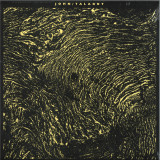
If there is one person, who has been causing a stir on the international club circuit recently, it is Barcelona's John Talabot. Already his debut “My Old School“ (which is meant literally by the way) on Permanent Vacation in 2009 and shortly after that the single “ Sunshine”, which he put out on his own Hivern Disc imprint, made him one of the most promising musicians of the Spanish electronic scene. And those two releases also already set the mark for John Talabot’s unparalleled music: raw, loopy, heavy on the kick drum, sample based, moderate on the tempo, distorted on the drums and light years away from the clean and ever revolving house sound of today. This unique style which also blends influences from afro beat, Detroit techno, Chicago house and cosmic disco, but also northern soul or the energy of Flamenco, immediately turned some heads around. James Murphy, Âme and Aeroplane started including Talabot music in their sets like it was the most natural thing. However - and this is quite rare - he not only gained legions of fans in the house and disco community, but also amongst the leftfield pop and indie rock followers. NME and Resident Advisor both had “Breakthrough“ features on John Talabot and he can be proud of a “Best New Music“ dubbing on
Pitchfork. (Being rather elusive on showing his face in magazines or the web it also came to some funny rumors that John Talabot was the alter ego of a well-known techno producer from Detroit).
At the same time he drew the attention of like-minded artists like James Holden and Luke Abott from Border Community, Blondes or Delorean, which lead to a bunch of fertile collaborations: Luke Abbott and Blondes remixed Talabot’s “Sunshine“ single , John Talabot remixed a track by Delorean and vice versa Delorean’s Ekhi contributed vocals to the track “Journeys “ on John’s album). Another example is the Young Turks Label (home of Jamie XX, Holy Fuck, El Guincho or SBTRKT ) on which he released the “Families“ EP in 2010. It was praised beyond limits. Pitchfork for
instance hailed: “… where pop and house influences sweetly buffer up against one another to provide an unyielding sense of elation“ and even brought Talabot a comparison with artists like Four Tet or Caribou.
While staying true to his sound, John Talabot has nevertheless shown a constant evolution as a producer since his first release. He has traced a solid musical path that has turned him into one of the big references of European House and has made him also a highly in demand Remixer (for the likes of The XX, Francesco Tristano’s “Aufgang” project, Shit Robot on DFA, Thaiti 80, Joakim or Teengirl Fantasy to name just a few ).
A progression that now crystallizes in “ƒin”, his first full-length album for Permanent Vacation. A record, in which the Barcelona mastermind sets aside the danceable immediacy to expand his stylistic palette more than ever. For that purpose, Talabot melts all the elements that have constructed his distinctive sound until now and makes them emerge from a new perspective, in which the construction of complex song structures, intricate rhythms and superpositions of ever-evolving melodies and atmospheres pick up the baton of the “a kick-drum and a sampler” philosophy of his initial productions. The result brings us 11 tracks (we should call them songs really!) dominated by dark ambiances, gaseous textures and bittersweet moods that, above all, reveal a kind of vivacity that’s really hard to find in contemporary electronics. “Fin” is far from being a track collection. From the majestic opener “Depak Ine“ to it’s solemn ending with
“So Will Be Now“ , one of the two tracks that features Talabot’s soul and label mate Pional, each song traces an overall dialogue with the rest, culminating a highly emotional journey through Talabot’s always compelling and unique musical vision.
Often touted as a "masterpiece of jazz-funk live albums," The Wooden Glass's 1972 live recording proves it's more than just hype. Featuring vibraphonist Billy Wooten who previously played with Grant Green, this record was recorded at Indianapolis' The 19th Hole club and captures the essence of fusion driven by soulful 60s influences. Wooten's gentle melodies contrast with the gritty, distorted sound of Harold Cardwell's powerful drumming and Emmanuel Riggins' Hammond organ while the energetic performance from the band, including guitarist William Roach, creates a tapestry of intensity and dreamlike vibes. It's raw, electrifying, high-energy jazz.
Dark Green Bio Vinyl[27,69 €]
'Rainy Sunday Afternoon' wurde im vergangenen Herbst in den Abbey Road Studios aufgenommen und ist das dreizehnte Album von The Divine Comedy, ihr erstes Studioalbum seit dem britischen Top-5-Album 'Office Politics' von 2019. Die letzte Veröffentlichung der Band war die Best-of-Compilation 'Charmed Life' von 2022, die ebenfalls Platz 5 der britischen Albumcharts erreichte. Neil Hannon schrieb zuletzt die Original-Songs für den Warner Bros. Blockbuster 'Wonka'.
Neil sagt: "Mein musikalisches Schaffen ist im Guten wie im weniger Guten ein Spiegelbild meiner Persönlichkeit. Ein großer Teil dieser Persönlichkeit genießt die Ausgelassenheit, zelebriert die Albernheit. Und davon habe ich in den Wonka-Liedern reichlich Gebrauch gemacht. Aber wie jeder Mensch habe auch ich eine dunkle, melancholische Seite. Und aus irgendeinem Grund war die in letzter Zeit sehr präsent. Ich brauchte dieses Album als Ventil für diese Gefühle. Um gewisse Dinge zu verarbeiten. Sterblichkeit, Erinnerungen, Beziehungen, politische und soziale Umwälzungen. Jeder sollte hin und wieder die Gelegenheit bekommen ein orchestrales Pop-Album zu machen. Es sollte Teil der Grundversorgung sein durch den National Health Service.“
Black Vinyl[26,85 €]
'Rainy Sunday Afternoon' wurde im vergangenen Herbst in den Abbey Road Studios aufgenommen und ist das dreizehnte Album von The Divine Comedy, ihr erstes Studioalbum seit dem britischen Top-5-Album 'Office Politics' von 2019. Die letzte Veröffentlichung der Band war die Best-of-Compilation 'Charmed Life' von 2022, die ebenfalls Platz 5 der britischen Albumcharts erreichte. Neil Hannon schrieb zuletzt die Original-Songs für den Warner Bros. Blockbuster 'Wonka'.
Neil sagt: "Mein musikalisches Schaffen ist im Guten wie im weniger Guten ein Spiegelbild meiner Persönlichkeit. Ein großer Teil dieser Persönlichkeit genießt die Ausgelassenheit, zelebriert die Albernheit. Und davon habe ich in den Wonka-Liedern reichlich Gebrauch gemacht. Aber wie jeder Mensch habe auch ich eine dunkle, melancholische Seite. Und aus irgendeinem Grund war die in letzter Zeit sehr präsent. Ich brauchte dieses Album als Ventil für diese Gefühle. Um gewisse Dinge zu verarbeiten. Sterblichkeit, Erinnerungen, Beziehungen, politische und soziale Umwälzungen. Jeder sollte hin und wieder die Gelegenheit bekommen ein orchestrales Pop-Album zu machen. Es sollte Teil der Grundversorgung sein durch den National Health Service.“
SCHWERT AUS HOLZ“ klingt euphorisch, leicht und positiv. Bei aller Holz-Melancholie, erlauben es sich die DONOTS, sämtliche Songs neu zu denken mit anderem Vibe, neuen Rhythmen, alternativen Melodien und trotzdem immer mit genügend Grip und auch Drive - denn schnelle Songs wie der Live-Klassiker „Dead Man Walking“ oder der heimliche Sommerhit „Problem kein Problem" treten auch auf dem Akustikalbum durch den Holztisch. Frischen Wind pusten aber nicht nur die neuen Arrangements durch das DONOTS eigene Heavy Kranich Studio, in dem die Songs in diversen Sessions neu gedacht und recorded wurden. Die DONOTS haben sich alte Freund:innen und Wegbegleiter für diverse Gänsehautmomente eingeladen.
So ist aus dem DONOTS Hit „Stop The Clocks“ ein Duett mit Campino von Die Toten Hosen geworden, während Kuddel von Holst (ebenfalls Die Toten Hosen) ein wunderschönes Gitarrensolo zum ersten neuen englischsprachigen DONOTS Song in 13 Jahren eingespielt hat. Frank Turner darf in der Neuauflage von „So Long“ selbstredend nicht fehlen, Chuck Ragan von Hot Water Music und Matt Hensley von Flogging Molly empfehlen sich mit Reibeisenstimme und Akkordeon und Shitney Beers singt auf ihre wunderbare Shoegaze Art und Weise das Intro zu „Keiner kommt hier lebend raus“.
Die Vorab-Singles „Allein zu allein“ und „Problem kein Problem“ haben schon diverse Herzen eingesammelt und das „SCHWERT AUS HOLZ“ dürfte sämtliche restlichen Herzkammern fluten - auch auf der restlos ausverkauften Vorab-Akustik-Tour zum Albumrelease. It’s a love thing…
Indie-Store-Version Gold Coloured 2x12" Vinyl in Gatefold
Nach über drei Jahrzehnten Karriere und über zwei Millionen verkauften Alben bleiben PARADISE LOST die unangefochtenen Könige der dunklen Seite des Metal.
Die 1988 in Halifax gegründete Band wurde mit ihren frühen, bahnbrechenden Alben wie dem treffend betitelten „Gothic“ von 1991, einer Mischung aus Härte, düsterer Melodie und Atmosphäre, schnell als Pioniere des Gothic Metal bekannt. Sie waren nie eine Gruppe, die kreativ statisch blieb, und haben im Laufe ihrer Karriere unzählige Wege dunkler Musik erkundet, von schlammigen Doom-Death-Wurzeln über die Eroberung des Metal-Mainstreams mit den gewaltigen, satten Klängen von „Draconian Times“ von 1995 bis hin zu experimentelleren, elektronischeren Einflüssen. Sie haben so unterschiedliche Künstler wie CRADLE OF FILTH, HIM, GATECREEPER und CHELSEA WOLFE beeinflusst.
Jetzt, im Jahr 2025, kehrt das Quintett aus Yorkshire mit seinem atemberaubenden 17. Album „Ascension“ zurück, einem Album, das ihre Krone weiterhin strahlen lässt und unterstreicht, wie sie ihre Position erreicht haben. Produziert von Gitarrist Gregor Mackintosh in den Black Planet Studios in East Yorkshire, mit Schlagzeug und Gesang aus den NBS und Wasteland Studios in Schweden, durchqueren die zehn Tracks die gesamte Klangvielfalt der Band – von knallhartem Heavy Metal bis hin zu himmelhohen Melodien – und bewahren dabei eine unwiderstehliche Moll-Melancholie.
„Die Leute sollten erwarten, dass wir noch trüber werden“, scherzt Frontmann Nick Holmes auf die Frage, was Fans 2025 von PARADISE LOST erwarten können. Die Erklärung des Albumtitels und der Texte macht jedoch deutlich, dass sie ihr Handwerk weiterhin beherrschen, wenn es darum geht, solche Erwartungen zu erfüllen. „Der Albumtitel entspringt dem Glauben an den Aufstieg zu einem besseren Ort, in der Fiktion von der Erde in den Himmel, und all den damit verbundenen Anforderungen“, führt er aus. „Im wirklichen Leben streben Menschen oft von Geburt an danach, an einen besseren Ort zu gelangen und ein besserer Mensch zu sein, ungeachtet der Tatsache, dass der einzige Lohn der Tod ist.“ „Die Texte handeln von allem, was das Leben uns entgegenwirft“, fährt er fort. „Es ist nie vorhersehbar und kann gleichzeitig auch erschreckend sein. Wie Menschen mit dem Tod umgehen, welche Krücken sie benutzen und wie der mentale Zustand von lebensverändernden Situationen beeinflusst wird, ist immer wieder faszinierend.“
Genau wie die Musik selbst. Der Album-Opener „Serpent on The Cross“ beginnt mit einem herrlich düsteren Riff, bevor er nach der Hälfte in donnernden klassischen Metal übergeht, angetrieben von Doublebass-Drumming und einem fast METALLICA-artigen Riff. In „Silence Like The Grave“ singt Nick „über die Sinnlosigkeit des Krieges, das Sammeln von Punkten für die Menschheit“, untermalt von perfekter Gothic-Metal-Kulisse. „Tyrant’s Serenade“ zeigt derweil die tief verwurzelte Fähigkeit der Band, Einfachheit gewaltig klingen zu lassen, gekrönt von Gregors charakteristischen, eindringlichen Gitarrenleads. „Lay A Wreath Upon The World“ beginnt als ruhige Elegie, bevor es zu einem traurigen Höhepunkt gelangt, und das Schlussstück „The Precipice“ führt mit Klaviermelodien, bevor es zu einem würdevollen Abschluss führt.
All dies zeigt meisterhaft die Bandbreite dessen, was PARADISE LOST geleistet haben und leisten können, auf eine Weise, die bis heute keiner anderen Band vergleichbar ist.
„Nach 35 Jahren ist alles bewusst“, sagt Nick. „Bei einem so umfangreichen und abwechslungsreichen Backkatalog ist es schwierig, nicht hundertprozentig sicher zu sein, woher alles kommt. Aber letztendlich kommt es einfach darauf an, ob uns die Musik gefällt, die wir machen. Wenn ja, bleibt sie! Das hat sich seit unserer Jugend nicht geändert.“ Ascension ist ein stolzer Bestandteil von PARADISE LOST. Das Elend hört nie auf, aber, sagt Nick, so mögen sie es eben. „Ironischerweise“, lacht er, „ist es immer am angenehmsten, miserable Musik zu hören – und zu schreiben, schätze ich.“
To All That We Lose And All We Fight For is the debut album by Vera Logdanidi - the
culmination of nearly two decades of musical evolution. Her journey began in the world of drum & bass and jungle, gradually expanding into deep explorations of house, dub techno, and techno. Over the years, Vera has performed on leading stages across Ukraine and internationally, while also mentoring a new generation of DJs and producers, hosting radio shows, and supporting the scene through her label and community work.
This album was written during a time of deep upheaval. The outbreak of full-scale war forced Vera to leave behind a well-established life and begin again on the international stage. While the music often feels dreamy and introspective, To All That We Lose And All We Fight For is a profoundly personal record - a sonic refuge shaped by grief, uncertainty, and resilience.
The album doesn't follow formulas; it's driven by intuition, texture, and a genuine connection to sound. It's rich, emotional, and occasionally unexpected. The tracks form the core of Vera's current live set, which has resonated at major festivals such as Draaimolen or Strichka - captivating audiences with its depth and subtle, immersive energy.
The cover art, created in close collaboration with Vera's longtime visual team, is a real
photograph - not a digital effect. It captures the tension between anxiety and hope: a glance back, and a step forward into the unknown. This visual metaphor reflects the emotional landscape of the album - the fragility of what's been lost, and the courage to embrace what lies ahead.
This release also marks a new chapter for Rhythm Buro Records - one that moves towards music that is more personal, intimate, and unconstrained by expectations.
To All That We Lose And All We Fight For is released alongside another important Rhythm Buro release: RB011 - Your Curves EP by Na Nich. Ukrainian producer Oleksandr Pavlenko, formerly known as Sunchase, returns to his roots in broken beats and bass music, blending them with house and techno sensibilities. The four-track EP ranges from deep grooves to melancholic late-night moods - a compelling counterpoint to Vera's album and a testament to the label's evolving identity.
Order RB012 n
Na Nich returns to his roots after a series of successful releases on respected labels such as Delsin, Semantica, On Board, and Fur:ther Sessions. The Ukrainian producer's latest EP pays tribute to his foundation in broken beats and bass music - the core of his craft before adopting the Na Nich moniker.
Co-founder of Rhythm Buro and formerly known as Sunchase, Oleksandr Pavlenko shifted from his decades-long bass music career towards house and techno about ten years ago. Yet those early influences never truly disappeared. On Your Curves, Oleksandr skillfully blends his bass-heavy legacy with the sonic palettes characteristic of his later work, merging two worlds into a cohesive sound.
The A-side opens with 'Unfulfilled Expectations', a deep roller rich with bass textures and mellow synths. It's followed by 'Everything', a slow burner infused with '90s vibes, featuring oldschool vocal samples and a drum pattern reminiscent of UK garage. On the flip side, 'Rain Inside' delivers the EP's grooviest moment, with broken beats crafted for the dancefloor and an intimate, close-your-eyes 4 a.m. mood. The title track, 'Your Curves', closes the EP with a deep and melancholic atmosphere.
This release stands out amid contemporary offerings, reminding listeners that essence always triumphs over form.
- Some Wear A Dark Heart
- She Is Afraid
- Particle Physics (Feat. Patrick Stump)
- You Know Who The Fuck We Are
- Melancholia
- Your Days Are Numbered (Feat. Mat Kerekes)
- Downer
- Mi Corazon
- Bloodline
- Things Like This (Feat. Sincere Engineer)
- The Same Old Wasted Wonderful World
BLUE MARBLE Vinyl[23,49 €]
After a ten-year absence that left a palpable void in the hearts of millennial emo kids, MOTION CITY SOUNDTRACK are finally back-and yes, it"s everything we hoped for. The Same Old Wasted Wonderful World feels like coming home: a dizzying, emotionally articulate blast of guitar-laced pop-punk that reminds us why this band meant so much in the first place. It"s a sonic time machine, sure, but it never gets stuck in the past. Instead, it builds on it-older, a little bruised, but somehow more alive. Justin Pierre"s voice still wobbles gloriously between a scream and a sigh, only now it carries the weight of experience, not just anxiety. Rather than reinventing themselves, MOTION CITY SOUNDTRACK double down on what they"ve always done best: big hooks, bigger feelings, and that perfect tightrope walk between chaos and control. Tracks like "Particle Physics" (with Patrick Stump of Fallout Boy) and "Your Days Are Numbered" (featuring Mat Kerekes of Citizen) channel the kind of clarity that only comes after surviving your own worst years. In a world drowning in lazy nostalgia, The Same Old Wasted Wonderful World is a rare and welcome return that feels less like a reunion and more like a long-overdue continuation.
múm are returning with a new album on Morr Music. »History of Silence« is the first full body of work by the Icelandic collective since 2013's »Smilewound« and their seventh studio album to date—recorded, deconstructed, put back together again, refined and finished over the course of two years. Vibrantly oscillating around a carefully curated palette of electronic and analogue sounds, the eight new tracks reflect the group's continuous strive to explore sonic spaces through subtle yet gripping songwriting.
For a long time now, múm have been exploring the idea of distance in their music. In the beginning, this was born purely out of necessity. Founded in Iceland in the late 1990s, the members soon began embarking on journeys across the world—collectively while touring, but also individually, exploring new places to live and create. Settling in, moving on, catching up: The concept of distance soon became an integral part of the collective's process. »History of Silence« leans into this idea, with space and time becoming indispensable pillars of the arrangements. While being coherent and structured, they echo their origins from different seasons, cities, and spaces—neatly stitched together with unparalleled craftsmanship. They breathe an overall airy and intimate atmosphere, yet resonate with the structural heft of time.
On »History of Silence« time manifests in unexpected, liberating, and mesmerizing ways. It does not move reliably forward; it drifts, takes twists and turns, even disappears completely. Electronic textures blur into acoustic sounds, voices flicker and dissolve, melodies stumble and repeat. The arrangements often feel like they’re wandering, gently resisting direction. »Our Love is Distorting,« for instance, begins with a subtle piano motif, playing hide and seek with feedback noises, digital artefacts, and lush—yet very quiet—string arrangements, before gradually forming into a distinctive song. It's a perfect illustration of múm's general approach on this album. »Mild at Heart« turns this idea upside-down, flowing freely from start to finish with moments of silence sprinkled in—serving to emphasize the musical elements. The music on »History of Silence« moves like weather: unexpected, intimate, quietly detailed. Contrasted with vivid phrases, rhythmic shifts, and small hooks, the album offers a new angle of compositional clarity and vision.
Work on »History of Silence« began at Sudestudio in southern Italy. Additional recordings were made in Reykjavík, Berlin, Athens, Helsinki, New York, and Prague. The strings were recorded by Sinfonia Nord at the Hof concert hall, Akureyri, arranged and conducted by Ingi Garðar Erlendsson, who has worked with the band for many years. The orchestral elements don’t dominate the record—instead, they surface gently, adding depth and resonance to the songs without disturbing the songs' fragility.
Contrary to what the album title suggests, »History of Silence« is a collection of bold and colorful songs, no matter how muted they might sound at times. They tickle like a feather drifting through the wind, ending up in unexpected places, stimulating long-forgotten thoughts and feelings, intimate moments of introspection. The songs move through the echoes those moments leave behind: the emotional traces of things unsaid, the weight of stillness. Offering closeness by means of distance and much-needed support.
múm are returning with a new album on Morr Music. »History of Silence« is the first full body of work by the Icelandic collective since 2013's »Smilewound« and their seventh studio album to date—recorded, deconstructed, put back together again, refined and finished over the course of two years. Vibrantly oscillating around a carefully curated palette of electronic and analogue sounds, the eight new tracks reflect the group's continuous strive to explore sonic spaces through subtle yet gripping songwriting.
For a long time now, múm have been exploring the idea of distance in their music. In the beginning, this was born purely out of necessity. Founded in Iceland in the late 1990s, the members soon began embarking on journeys across the world—collectively while touring, but also individually, exploring new places to live and create. Settling in, moving on, catching up: The concept of distance soon became an integral part of the collective's process. »History of Silence« leans into this idea, with space and time becoming indispensable pillars of the arrangements. While being coherent and structured, they echo their origins from different seasons, cities, and spaces—neatly stitched together with unparalleled craftsmanship. They breathe an overall airy and intimate atmosphere, yet resonate with the structural heft of time.
On »History of Silence« time manifests in unexpected, liberating, and mesmerizing ways. It does not move reliably forward; it drifts, takes twists and turns, even disappears completely. Electronic textures blur into acoustic sounds, voices flicker and dissolve, melodies stumble and repeat. The arrangements often feel like they’re wandering, gently resisting direction. »Our Love is Distorting,« for instance, begins with a subtle piano motif, playing hide and seek with feedback noises, digital artefacts, and lush—yet very quiet—string arrangements, before gradually forming into a distinctive song. It's a perfect illustration of múm's general approach on this album. »Mild at Heart« turns this idea upside-down, flowing freely from start to finish with moments of silence sprinkled in—serving to emphasize the musical elements. The music on »History of Silence« moves like weather: unexpected, intimate, quietly detailed. Contrasted with vivid phrases, rhythmic shifts, and small hooks, the album offers a new angle of compositional clarity and vision.
Work on »History of Silence« began at Sudestudio in southern Italy. Additional recordings were made in Reykjavík, Berlin, Athens, Helsinki, New York, and Prague. The strings were recorded by Sinfonia Nord at the Hof concert hall, Akureyri, arranged and conducted by Ingi Garðar Erlendsson, who has worked with the band for many years. The orchestral elements don’t dominate the record—instead, they surface gently, adding depth and resonance to the songs without disturbing the songs' fragility.
Contrary to what the album title suggests, »History of Silence« is a collection of bold and colorful songs, no matter how muted they might sound at times. They tickle like a feather drifting through the wind, ending up in unexpected places, stimulating long-forgotten thoughts and feelings, intimate moments of introspection. The songs move through the echoes those moments leave behind: the emotional traces of things unsaid, the weight of stillness. Offering closeness by means of distance and much-needed support.
múm are returning with a new album on Morr Music. »History of Silence« is the first full body of work by the Icelandic collective since 2013's »Smilewound« and their seventh studio album to date—recorded, deconstructed, put back together again, refined and finished over the course of two years. Vibrantly oscillating around a carefully curated palette of electronic and analogue sounds, the eight new tracks reflect the group's continuous strive to explore sonic spaces through subtle yet gripping songwriting.
For a long time now, múm have been exploring the idea of distance in their music. In the beginning, this was born purely out of necessity. Founded in Iceland in the late 1990s, the members soon began embarking on journeys across the world—collectively while touring, but also individually, exploring new places to live and create. Settling in, moving on, catching up: The concept of distance soon became an integral part of the collective's process. »History of Silence« leans into this idea, with space and time becoming indispensable pillars of the arrangements. While being coherent and structured, they echo their origins from different seasons, cities, and spaces—neatly stitched together with unparalleled craftsmanship. They breathe an overall airy and intimate atmosphere, yet resonate with the structural heft of time.
On »History of Silence« time manifests in unexpected, liberating, and mesmerizing ways. It does not move reliably forward; it drifts, takes twists and turns, even disappears completely. Electronic textures blur into acoustic sounds, voices flicker and dissolve, melodies stumble and repeat. The arrangements often feel like they’re wandering, gently resisting direction. »Our Love is Distorting,« for instance, begins with a subtle piano motif, playing hide and seek with feedback noises, digital artefacts, and lush—yet very quiet—string arrangements, before gradually forming into a distinctive song. It's a perfect illustration of múm's general approach on this album. »Mild at Heart« turns this idea upside-down, flowing freely from start to finish with moments of silence sprinkled in—serving to emphasize the musical elements. The music on »History of Silence« moves like weather: unexpected, intimate, quietly detailed. Contrasted with vivid phrases, rhythmic shifts, and small hooks, the album offers a new angle of compositional clarity and vision.
Work on »History of Silence« began at Sudestudio in southern Italy. Additional recordings were made in Reykjavík, Berlin, Athens, Helsinki, New York, and Prague. The strings were recorded by Sinfonia Nord at the Hof concert hall, Akureyri, arranged and conducted by Ingi Garðar Erlendsson, who has worked with the band for many years. The orchestral elements don’t dominate the record—instead, they surface gently, adding depth and resonance to the songs without disturbing the songs' fragility.
Contrary to what the album title suggests, »History of Silence« is a collection of bold and colorful songs, no matter how muted they might sound at times. They tickle like a feather drifting through the wind, ending up in unexpected places, stimulating long-forgotten thoughts and feelings, intimate moments of introspection. The songs move through the echoes those moments leave behind: the emotional traces of things unsaid, the weight of stillness. Offering closeness by means of distance and much-needed support.
- Only Ash And Dust
- A Fool To Believe
- Lachrymose
- De Mysteriis Doom Sathanas
Black Vinyl[23,32 €]
Nach einem Album, das weithin als eine der besten Veröffentlichungen von 2024 gilt, präsentieren CRYPT SERMON aus Philadelphia Saturnian Appendices. Die EP ist eine Sammlung von B-Seiten aus den The Stygian Rose-Album-Sessions und bietet einen tieferen Einblick in die Psyche hinter der Geschichte und erweitert den Bogen des Vorgängers um eine dunklere, introspektivere Linse.
"Vom Konzept her beleuchten die neuen Tracks "Only Ash and Dust" und "A Fool to a Believe" die verschatteten Gedanken des Erzählers aus "The Stygian Rose" und erweitern die Spannungen, die entstehen, wenn man sich mit den Konflikten zwischen Orthodoxie und Okkultismus auseinandersetzt", erklärt Sänger Brooks Wilson.
Klanglich ist "Saturnian Appendices" fest in dem für die Band typischen doomigen, dunklen Heavy Metal-Sound verwurzelt. Grandiose Melodien umhüllen eine zermalmende Salve monolithischer Riffs und sorgen für eine beeindruckende und epische Performance. Mit drei brandneuen Original-Tracks und einer transzendentalen Überarbeitung von Mayhems "De Mysteriis Doom Sathanas" (erstmals als Teil der Flexi-Disc-Reihe des Decibel Magazine zu hören) bietet Saturnian Appendices den Fans ein fesselndes Erlebnis voller Erhabenheit und philosophischer Unruhe.
Ostinato as resistance: Rafael Anton Irisarri’s landmark work reimagined. Marking the tenth anniversary of the American composer’s critically acclaimed album 'A Fragile Geography', this new edition arrives renewed, both sonically and visually.
First released in 2015 (Room40) during a period of personal upheaval and creative reinvention, it endures as a testament to resilience, transformation, and the connection we hold with the places that shape us.
Written in the aftermath of a devastating theft, A Fragile Geography was born out of loss. Just days before a cross-country move to New York, Irisarri’s entire Seattle-based studio was wiped out. Instruments. Recordings. Archives. Gone without a trace. He arrived on the East Coast to an empty room and the daunting task of starting over.
“This album wasn’t just a record; it was a lifeline,” Irisarri reflects. “It became a way to process the emotional chaos that followed: uprooting, instability, and ultimately, the slow, intuitive rebuilding of a life.”
Composed and recorded in the rural woods of the Hudson Valley, the album took shape in seclusion, surrounded by nature, and through a process guided by improvisation. Embracing limitations, Irisarri wove textural layers of field recordings with half-remembered melodies from his Seattle years, piecing them together like fragments of memory. Tracks like “Displacement,” “Hiatus,” and “Persistence” juxtaposed haunting stillness with restless momentum, mapping an inner terrain of grief, catharsis, and rebirth.
Among its defining sounds is “Empire Systems,” a monumental centerpiece built around a simple four-chord progression, organ textures, and guitar drones. Gradually, the track expands into layers of immersive loops and thick, enveloping distortion that wash over the listener like a rolling wave. Often cited as the album’s most majestic passage, it captures Irisarri at his most sonically ambitious. With a harmonically saturated structure crafted from restraint and repetition, it remains one of his most recognizable compositions: an exercise in the art of maximal minimalism.
From the outset, “Reprisal” received praise from BBC’s Mary Anne Hobbs, who championed the track on her radio show. Her support played a key role in introducing Irisarri’s work to wider audiences and solidifying his place within the lineage of electronic, drone, and experimental sound artists. A slow-burning elegy, the piece emerges from a haze of distortion and sub-bass, with dense, unrelenting drones carrying a sense of mounting tension. Just as it seems to collapse under its own weight, flickers of guitar emerge like distant light through fog. It’s a meditation on dissonance, resolve, and the elusive possibility of release.
The closing track, “Secretly Wishing for Rain,” is steeped in saudade: a longing for Seattle’s dour grey skies, lush green landscapes, and desaturated sunsets. Through it, Irisarri mourns a vanished chapter of life bound to the city, a time documented in scattered mementos and cherished collections, now permanently gone. A reflection on what could never be recovered: an era lost to time. Julia Kent’s looped cello motifs added a melancholic warmth to the track, marking the first collaboration between the two artists and sparking a musical dialogue that would keep growing in the years that followed.
More than a career highlight, A Fragile Geography has laid the foundation for Black Knoll studio, which Irisarri rebuilt from the ground up. The studio has since grown into a creative hub for countless projects, with Irisarri engineering records for iconic music figures like Terry Riley, Ryuichi Sakamoto, William Basinski, MONO, Devendra Banhart, Grouper, Emeralds, Steve Hauschildt, Julianna Barwick, and many others. Carried by its lasting influence, the album has quietly captured the ear of a younger generation, its sound and emotional arc finding new listeners in unexpected corners.
The album’s new visual language was reimagined in collaboration with Mexico City–based designer Daniel Castrejón. Irisarri captured ghostly images at Gaztelugatxeko Doniene, a historic coastal site in Bermeo, Euskal Herria. Castrejón then treated the photographs with distressed textures and spectral overlays. The final artwork channels the rugged, elemental forces that shaped both the music and Irisarri’s aesthetic, renewing his ties to ancestral ground inspired by the Basque homeland of his bloodline.
Mastered by Stephan Mathieu with exceptional attention to detail, this anniversary edition uncovers every nuance in the sound design, enhancing clarity and presence. With each listen, new elements emerge, inviting discovery and reconnection.
“I don’t experience this album as a document of grief anymore,” says Irisarri. “I hear adaptation and I'm reminded that when everything falls apart, something meaningful, maybe even beautiful, can emerge.”