
Buscar:midnight youth
- 1

Daniele Baldelli
Considered one of the first DJs in Italy, Daniele Baldelli began his career in 1969 mixing vinyl at the Tana Club in Cattolica (his hometown),
predating the birth of the modern DJ by several years. In the following years, he solidified his talent and technique at histor such as the Tabù Club, Baia degli Angeli, and Cosmic. From 1979 to 1984, Baldelli created his unique and eclectic style, blendi ic clubs ng seemingly distant sounds and musical styles, complementing them with tempo adjustments (bpm) and deliberately extreme equalization,
creating a truly distinctive sound, known as "Afro Disco." Soundscapes and tribal percussion blend with early electronic music experiments, and Baldelli's sets become truly mystical experiences, where, for the first time, the temples are replaced by the dance floor.
The documentary film "A Cosmic Life" has just been released, starring Daniele Baldelli alongside other illustrious guests from the nightclub scene, recounting the history and formation of this movement from the 1970s to the present.
Gaudi
A producer/musician among the most highly regarded on the international dub/electronic scene, over the past 30 years Gaudi, from his
London studio, has contributed significantly to expanding the boundaries of musical genres with high-profile releases and innovative
music production techniques. Recently nominated for a Grammy Award with 'Mass Manipulation', the album he produced for the reggae
band Steel Pulse, and also nominated for a World Music Award with his album 'Dub Qawwali' with Pakistani singer Nusrat Fateh Ali
Khan, Gaudi has collected a series of number 1s on the international charts: Billboard - with the album 'Heavy Rain' by Lee "Scratch"
Perry, 'Vessel of Love' by singer Hollie Cook and with 'Mass Manipulation' by Steel Pulse -, UK Chart n.1 with the album 'Prism' by the
band The Orb (with whom he has collaborated as a producer and keyboardist since 2008), with 'Blue Monday' - by Gaudi himself with
the band Dub Pistols -, UK Dance Chart n.1 with 'Jus Come rmx' produced with DJ Angelino for Cool Jack. He also reached no. 41 the UK charts with the album ‘Midnight Rocker’ by reggae singer Horace Andy (known to the general public for his hits with Massive in
Attack), no. 13 with the album ‘Dubwise 2’ by the band Dreadzone and no. 5 in the Italian charts with the song ‘Lasciala Andare’, written
by him for Irene Grandi. With 19 solo albums and 350 remixes and productions under his belt, Gaudi, with his artistic versatility, has
worked with Groove Armada, UB40, Simple Minds, Brian Ferry, Devo, Big Audio Dynamite, Damian Marley, Seun Kuti, Mad Professor,
Trentemøller, Grandmaster Flash ft KRS-One, Lamb, Don Letts, The Beat, Deep Forest, African Head Charge (in which Gaudi is a keyboardist and dubmaster), Elisa, Scientist, Dub FX, Roedelius, Caparezza, Caravan Palace, EMF, Sizzla, Jovanotti, Sly & Robbie, Piero Pelù, Youth of Killing Joke, and Maxi Priest, to name just a few. Capleton,
Daniele Baldelli & Gaudi
DJ Daniele Baldelli and producer Gaudi first met three years ago at the Jazz Cafe in London. Mutual respect and an innate need to
create new stylistic fusions were the catalysts for Baldelli and Gaudi, leading to a series of subsequent meetings that inevitably culminated in the need to create music together. The project began at Gaudi's Metatron Studio in London using analog equipment and later
moved to Baldelli's studio in Cattolica, where the two organically defined their sound, also inspired by Baldelli's precious record collection. The duo consolidated a powerful compositional symbiosis, and the project, born from a simple initial groove, later transformed
into an entire EP consisting of four original tracks and a highly innovative sound, featuring fusions of psychedelic-funk, tribal-dub,
electronic-disco, and, of course, "Afro-Cosmic"! Daniele Baldelli and Gaudi began their sonic collaboration without setting any stylistic
direction and with the intention of not creating pre-established goals to achieve; it is a project of pure artistic freedom guided by their
compositional instinct and their experience. Constantly active with their evenings and live concerts, Baldelli and Gaudi have performed
individually in many of the best international clubs and festivals.
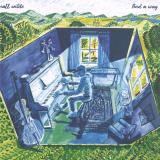
- A1: Yellow Days
- A2: Find A Way
- A3: Everyday Words
- A4: It’s Ok, Feel It
- A5: Windup
- B1: Get Along
- B2: Smile Today
- B3: Inner Meaning
- B4: Nostalgia
'Find a Way' is the new album from Manchester-based pianist, composer, and producer Matt Wilde, released via his own imprint Hello World Records. The album serves as a reminder that creativity should be accessible and the importance of opening yourself to the unexpected as you 'Find a Way' through all endeavours. Digging into improvisation and jazz harmony on the LP, he crafts a sound that bridges jazz, hip hop, and electronic music, adding: "The creative act is not a matter of waiting for the perfect conditions, but of moving gently, insistently, through the imperfect".
Focus and title track "Find a Way" encapsulates this journey of process. Humans are known for adaptation and response when they face challenges, seeking solutions towards a better world. "Find a Way" leans into our instinctive reaction to improvise and reshape, taking the listener on an unexpected journey. The opening loop could as easily feel at home as part of an electronic soundscape, developing into a clock-like effect from the drums. This keeps time, allowing a duet between keys and trumpet to unfold, symbolising the individual, imperfect and non-linear paths we all carve out day to day.
The album was funded by Arts Council England and created in close collaboration with trumpeter and composer Aaron Wood, with the pair recording in Aaron's rural DIY studio in Huddersfield. Through improvising upright piano, Rhodes and trumpet over intricately programmed beats, the duo captured the spontaneity that makes jazz feel alive, but with the forward-facing touch of Ableton live production. "I actually had live drums recorded for this project and then deleted all of them and instead programmed intricate drums on Ableton live myself to create the kinds of drum sounds I could hear in my head," Matt adds, explaining the onerous process that truly made 'Find a Way' a labour of love.
Matt Wilde discovered jazz through an unconventional journey, and 'Find a Way' is an introspective map of this musical development. Starting out as a self-taught beatmaker, growing up Matt made tracks for friends in the grime scene before falling in love with jazz through the sample-heavy works of Madlib, J Dilla, and Pete Rock. Hints of this influence can be found on "Windup", driven by a deeper bass and a glitchy intensity not commonly associated with jazz. There are also nods to the weekly DJ residencies Matt had in his late teens, establishing a love for club music at iconic Manchester venues like Sankeys. "It's Ok, Feel it" incorporates pitched-up kicks and crisp, papery snares that pay tribute to UK dance culture and the foundation of connection in this world.
Guided by values of accessibility and creativity, Matt has become a key voice in the UK's boundary-pushing jazz and beats scene. His debut album 'Hello World' alongside EPs and single releases, have been championed by the likes of BBC Radio 1, Jamie Cullum and Soweto Kinch (BBC Radio 2), 'Round Midnight (BBC Radio 3), and across BBC 6Music, Jazz FM and Worldwide FM. He has performed headline shows at Band on the Wall (Manchester) and The Lower Third (London) and showcased his music at Brick Lane Jazz Festival and London's iconic Jazz Café.
A proud Mancunian with Polish roots, Matt's values-driven approach reflects his passion for community and empowering others through the arts. Matt founded the UK's first youth-led charity and is a trustee of Manchester music charity Brighter Sound. Driven by these values of equality and inclusion, Hello World Records strives to champion grassroots music with a backbone of fairness built into the business model. The imprint is named after Matt's debut album, released via Band on the Wall Recordings; simultaneously championing the music scene and global musical footprint of Manchester and highlighting the importance of artists reminding people: Hello World, I've made it. I'm still here.
- Martha Cleary, Glow Artists
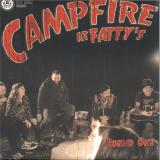
- A1: Chuck Robertson - Shoot Out The Lights (7 29)
- A2: Chuck Robertson - State Of Mind (3 41)
- A3: Ceschi & Sam King - Say Something (3 18)
- A4: Ceschi & Sam King - Brutiful (2 59)
- A5: Ceschi & Sam King - Sell Me Youth (2 00)
- B1: Stacey Dee - Everything Is Beautiful (3 13)
- B2: Stacey Dee - Breastless (3 58)
- B3: John Edward Carey Jr - Guts & Teeth (3 40)
- B4: John Edward Carey Jr - Songs Song (4 22)
- B5: Ras 1 - Take Me Home (4 22)
- C1: Ras 1 - Sunny Hours (5 30)
- C2: Poli Van Dam - Sad To Me (3 59)
- C3: Poli Van Dam - Southbound Stranger (3 37)
- C4: Brendan Kelly - Cyborg Midnight (7 32)
- D1: Brendan Kelly - Cold Cold Ground (5 47)
- D2: Fat Mike - Alcoholics Alphabet (2 52)
- D3: Fat Mike - Cokie The Clown (2 37)
- D4: Sam King - Glitch (1 54)
- D5: Ceschi & John Edward Carey Jr - Ojala (4 17)
- D6: John Edward Carey Jr - Desperations (5 56)
20

One of the key 45s in the output of Prince Jazzbo's Ujama label during the digital era of the late 80s - originally reissued via NYC's Deadly Dragon some 15 or so years back - gets a much needed new cut & press via Death Is Not The End's 333 series.
The late Earlando Neil aka Early B first started performing on soundsystems in the late 1970s, often appearing with his young apprentice Wild Apache, later known as Super Cat. It was alongside Cat that he is credited as a key driver behind the popularisation of the King Majesty and Killamanjaro stables in the early 1980s, following which he had a string of hit records for the likes of Harry J's Sunset imprint, Ossie Thomas' Black Solidarity and Jah Thomas' Midnight Rock label amongst many others.
Following a run of stellar LPs in the mid 1980s Early B's output began to wane as the sound of digital production began to take precedence, but not without firing off one the most killer shots ever recorded on a computerized rhythm for Jazzbo's Ujama in 1987. Reportedly the first time around for the hallowed Replay version, Imitator's subject matter takes aim at the new kids on the dancehall block ripping off the veterans, while he simultaneously pays hard-earned dues to the dancehall's foundation deejays such as Jazzbo himself, U-Roy, Big Youth, Dennis Alcapone, King Stitch, Trinity & Dillinger.

With the two-part EP Mediterranean Dreams, Perugia producer and composer Feel Fly revisits his musical roots and pays tribute to the sounds and ‘sun-kissed nostalgia’ that informed his style.
Mediterranean Dreams Part 1 collected four tracks, and added that Feel Fly touch of emotive chord progressions and layered production onto cosmic disco grooves to powerful dancefloor effect. Now with Mediterranean Dream Part 2, Feel Fly switches the tempo both up and down, to fully demonstrate his affinity for club moments of all shapes and sizes.
Nebula flies out the gate with full intent, recalling classic Detroit techno while pushing the vibe even more wide-screen - it’s driving, melodic dance music that delivers on the fine details as much as it does on the life-affirming, big picture sentiment.
Optical Bells opens in meditative style, not unlike a new dawn in a Tibetan monastery, before each element of the track slowly reveals itself and assumes its place. It’s an arrangement technique that Feel Fly employs masterfully, and gives the impression of a camera lens moving into focus, or a storyteller setting the scene. The revolving chord changes pull you in and while whisking you away, you’re compelled to engage with the moment - like being asked to dance by a mysterious stranger.
The B side kicks off with Luce Eterna Ai Sognatori, still keeping the tempo high while cherry-picking disco house drum patterns and piano synths with a slight Italo flavor to create an irresistible slice of dancefloor dessert. This is a soundtrack for Sognatori, in whose dreams anything is possible.
The EP finishes up with a superb cut of echoey balearic dub in the form of Templum Dub. Putting the drums through its mixing desk paces, Feel Fly reanimates the drum kit with delays, phasers and flangers, and wraps it up in hazy drifting pads that could accompany any moment of contemplation - from that morning espresso to a midnight phone call.
Mediterranean Dreams Part 2 acts as the perfect compliment to its prequel Part 1, and shows a producer at the height of his powers, reimagining his musical roots and composing a love letter to the sounds and stories of his youth.

- A1: Malavoi - Te Traigo Guajira
- A2: Los Caraibes - Donde
- A3: Tropicana - Amor En Chachacha
- A4: Ryco Jazz - Wachi Wara
- A5: Eugene Balthazar - Dap Pignan
- A6: Roger Jaffort - Oye Mi Consejo
- A7: Les Kings - Oriza
- B1: Les Supers Jaguars - Tatalibaba
- B2: Super Combo De Pointe A Pitre - Serrana
- B3: L'ensemble Abricot - Se Quedo Boogaloo
- B4: Henri Guedon - Bilonga
- B5: Les Aiglons - Pensando En Ti
- B6: Los Martiniquenos - Caterate
13
In Guadeloupe, many people think that jazz and ka music are like a ring and a finger. To some extent, the same could be said about so called Latin music and the music played in the French West Indies.
Both aesthetics were born in the Caribbean and bear so many connections that they can easily be considered cousins. In constant dialogue, there are lots of examples of their fruitful alliance and have been for a while. The English country dance that used to be practiced in European lounges came to be called kadrille in Martinique and contradanza in Cuba. They both featured additional percussion instruments inherited from the transatlantic deportation. Drawing from shared feelings about the same traumatized identity – later to be creolized – it would be hard not to assume that they were meant to inspire each other. The golden age of the orchestras that graced the Pigalle nights during the interwar period further proves the point. As soon as the 1930s, Havana-born Don Barreto naturally mixed danzón and biguine music in a combo based at Melody's Bar. In the following decade, Félix Valvert, a conductor who was born and raised in Basse-Terre in Guadelupe, also worked wonders in Montparnasse with La Coupole, which was an orchestra made up of eclectic musicians. Afro- Caribbean performers of various origins were often hired on rhythm and brass sections in jazz bands, which used to enliven the typical French balls of the capital. In the 1930s and onwards, Rico’s Creole Band was one of them.
Martinican violinist-clarinettist Ernest Léardée, who would become the king of biguine music as well as the main figure of French Uncle Ben's TV commercials (a dark stigma of post-colonial stereotypes), had musicians from the whole Caribbean sphere play at his Bal Blomet – and they all enchanted "ces Zazous-là" (according the words of Léardée's biguine-calypso piece). In les Antilles (French for French West Indies), music history started to speed up in the 1950s, when trade expanded and radio stations grew bigger. The Guadelupean and Martiniquais youth tuned in their old galena radio sets to South American and Caribbean music. As for the women traders, les pacotilleuses, they bought and sold goods across different islands (the "passing of items through various hands" was thought to be most pleasurable) and brought back countless sounds in their luggage. Such was the case of Madame Balthazar, who once returned from Puerto Rico with the first 45rpm and 33rpm to ever enter Martinique.
Out of this adventure was created the famous Martinican label La Maison des Merengues, a music business she opened and undertook with her husband and which proved to be a major landmark. At the end of the 1950s, in Puerto Rico, Marius Cultier competed in the Piano International Contest playing a version of Monk's Round 'Midnight. He won the first prize and this distinction foreshadowed everything that was to come. Cultier, the heretic Monk of jazz, was quickly praised for writing superb melodies, always tinged with a twist that conferred a unique sound to his music. It didn't take long for the gifted self-taught musician to get to play with Los Cubanos, making a name for himself thanks to his impressive maestria on merengues.
The rest is history. Besides, in the late 1950s, Frantz Charles-Denis, born into the upper middle class in Saint-Pierre and better known by his first name Francisco, went back home after working at La Cabane Cubaine – a club located rue Fontaine where he had caught the Latin fever. Francisco's music was therefore heavily marked by his Cuban cousins' influence, which gave the combos he led a specific style and also led to renewal. Things were swinging hard in La Savane, located in the main square in Fort-de-France. He set up the Shango club close by and tested out the biguine lélé there, a new music formula spiced up with Latin rhythms. Soon afterwards, fate had him fly to Puerto Rico and Venezuela.
As for percussionist Henri Guédon (percussions were only a part of his many talents), he was born in Fort-de-France in May 22nd 1944, the day marking the celebration of the abolition of slavery. As an old man, he could remember that in " his father's Teppaz, a lot of hectic 6/8 music was constantly playing...". In the opening lines of his Lettre à Dizzy, a small illustrated collection of writings published by Del Arco, he highlighted the huge impact that cubop had on him as a teenage boy, around 1960. He eventually turned out to be the lider maximo in La Contesta, a big band steeped in Latin jazz. He was also the one who originated the word zouk to describe music which brought the sound of the New York barrio to Paris. It was the culmination of a journey that started in Sainte-Marie: "a mythical place for bélé, the equivalent of Cuban guaguancó". In the early 1960s, the tertiary economy developed to the detriment of agriculture. Yet rural life was where roots music emerged in Martinique and in Guadeloupe.
Record companies played a major part in the process of Latin versions sweeping across the islands – before reaching everywhere else. Producer Célini, boss of the great Aux Ondes label, and Marcel Mavounzy, both the head of Émeraude records - a firm which was founded in 1953 - as well as the brother of famous saxophonist Robert Mavounzy, were big names to bear in mind. Although there were many of them - all of whom are featured on this record - Henri Debs was definitely the major figure in the recording adventure. He proved to be so influential that he even got compared to Berry Gordy. In the mid 1950s, when he acquired his first Teppaz, he worked on his first compositions: a bolero and a chachacha. Then, he became the one man who made people discover Caribbean music, from calypso to merengue. He was among the first ones to rush out to San Juan, Puerto Rico, to buy records and distribute them through a store run by one of his brothers in Fort-de-France. He had members of the Fania All Star come and perform there, which he was madly proud about. He was also the first one to pay attention to Haitian music, such as compas direct and various other rhythms which would soon flood the market. As a result, many of the combos hitting his legendary studio would end up boosted by widespread "Afro-Latin" rhythms. However, he never denied his identity: gwo ka drums were given a major role, although they were instruments which had long been banned from the "official" music spheres. The present selection bears witness to such a creative swarming. Here are fourteen tracks of untimely yet unprecedented cross-fertilization: all types of music rooted in the Creole archipelago have found their way, whatsoever, to the tracklisting. Whether originating from the city or being more rural, they all go back to what Edouard Glissant, in an interview about the place of West Indian music in the Afro-American scope, called "the trace of singing, the one which got erased by slavery." "It is so in jazz, but also in reggae, calypso, biguine, salsa... This trace also manifests through the drums, whether Guadelupean, Dominican, Jamaican or Cuban... None of them being quite the same. They all point to the idea of a trace, seeking it out and connecting to each other through it. This is the hallmark of the African diaspora: its ability to create something new, in relation to itself, out of a trace. It may be the memory of a rhythm, the crafting of a drum, a means of expression which doesn't resort to an old language but to the modalities of it." The opening track features one of the emblematic orchestras of this aesthetic identity, criscrossing many music types from the archipelago. The 1974 Ray Barretto guajira – Ray Barretto was a major New York drummer influenced by Charlie Parker and Chano Pozzo – is magnificently performed by Malavoi, a legendary Fayolais group (i.e from Fort-de-France). Additionally, the compilation ends on a piece by Los Martiniqueños de Francisco. It symbolically closes the circle as it is a genuine potomitan of Martinique culture which also functions as a tireless campaigner for Afro-Caribbean music. Practicing the danmyé rounds (a kind of capoeiria) to the rhythm of the bèlè drum, it delivers a terrific Caterete, a kind of champeta of Afro- Colombian obedience which was originally composed by Colombian Fabián Ramón Veloz Fernández for the group Wgenda Kenya. The icing on the cake is Brazilian Marku Ribas, who found refuge in Martinique in the early 1970s, bringing his singing to the last trance-inducing track. These two "versions" convey the whole tone of a selection composed of rarities and classics of the tropicalized genre, swarming with tonic accents and convoluted rhythms. It is the sort of cocktail that the West Indians never failed to spice up with their own ingredients. For instance, the Los Caraïbes cover of Dónde, a famous Cuban theme composed by producer Ernesto Duarte Brito, has a typical violin and features renowned Martinique singer Joby Valente and his piquant voice.
The track used to be – or so we think – their only existing 45rpm. The meaningful Amor en chachachá by L'Ensemble Tropicana, a band which included Haitian musicians among whom was composer and leader Michel Desgrotte, also recalls how Latin music was pervasive in the tropics in the mid-1960s. They were the ones keeping people dancing at Le Cocoteraie in Guadelupe and La Bananeraie in Martinique. Around the same time, another "foreign" band, Congolese Freddy Mars N'Kounkou's Ryco Jazz, achieved some success on both islands by covering Latin jazz classics – such as their adaptation of Wachi Wara, a "soul sauce" by Dizzy Gillespie and Chano Pozo whose interweaving of strings and percussions can have anyone hit the dancefloor. How can you resist Dap Pinian indeed, a powerful guaguancó by Eugene Balthazar, performed by the Tropicana Orchestra and published by the Martinique-founded La Maison des Merengues? It also acts as a symbol of the maelstrom at work. Going by the name Paco et L'orchestre Cachunga, Roger Jaffory used to play guaguancó too: his Fania-inspired Oye mi consejo is one example of his style. Baila!!!!! Dancing was also one of the Kings' focus points. Oriza is a Puerto Rican bomba and a "classic" originally composed by Nuevayorquino trumpeter Ernie Agosto, which reserves major space for brasses, giving it a special sheen.
Emerging from the New York barrios crucible was also La Perfecta, a Martinique group originating from Trinidad, whose name directly references the totemic Eddie Palmieri figure as well as his own band, also called La Perfecta. Here they borrow Toumbadora from Colombian producer and composer Efraín Lancheros and interpret it by emphasizing percussions, which set fire to the track even more than the wind instruments. The same goes for Martinique's Super Jaguars, who use Tatalibaba – a composition by Cuban guitarist Florencio "Picolo" Santana which was made famous by Celia Cruz & La Sonora Matencera – as a pretext for sending their cadences into a frenzy. In a more typically salsa vein, the Super Combo, a famous Guadelupean orchestra from Pointe-Noire that was formed around the Desplan family and had Roger Plonquitte and Elie Bianay on board, adapt Serana, a theme by Roberto Angleró Pepín, a Puerto Rican composer, singer and musician also known for his song Soy Boricua. Here again, their vision comes close to surpassing the original. In the 1970s, L'Ensemble Abricot provided a handful of tracks of different syles, hence reaching the pinnacle of the art of achieving variety and giving pleasure. They played boleros, biguines, compas direct, guaguancó and even a good old boogaloo - the type they wanted to keep close to their hearts for ever, "pour toujours", as they sang along together in one of their songs. Léon Bertide's Martinican ensemble excelled at the boogaloo which had been composed by Puerto Rican saxophonist Hector Santos for the legendary El Gran Combo.
Three years later, in 1972, Henri Guédon, with the help of Paul Rosine on the vibraphone, tackled the Bilongo made famous by Eddie Palmieri. Such a classic!!!!! And so were the Aiglons, the band from Guadelupe: choosing to execute Pensando en tí, a composition by Dominican Aniceto Batista, on a cooler tempo than the original, they noticeably used a wonderfully (un)tuned keyboard in place of the accordion. On the high-value collectible single – the first one released by Les Aiglons under the Duli Disc label – there is a sticker classifying the track under the generic name "Afro". Now that is what we call a symbol. Jacques Denis

- Victim Or Vixen
- Glutton For Love
- Cyber Crimes
- Live (In A Dream)
- The Walk Of Shame
- Crisis Stage
- Taste Of Hate
- Snake Water
- End Vision
The latest by Andrew Clinco's acid punk alias VR SEX takes its title from an architectural phrase but more importantly refers to the warped, wicked underworld the songs both chronicle and condemn. Donning the moniker Noel Skum - an acerbic anagram of Elon Musk - Clinco vents his scorn for and fascination with the seedy, surreal margins of low-life Los Angeles, doomed to dead ends of vanity, lust, and technology. Although initially launched as an outlet for "heavier sounds" beyond Clinco's duties in new wave fantasists Drab Majesty, the project has ripened into a compelling exercise in world building, weaving themes of gritty city neofuturist sleaze within a framework of driving, distorted guitars and cathode-blasted synths. Echoes of Chrome, Wire, Minimal Man, and Sisters Of Mercy ripple through the collection but ultimately Rough Dimension charts its own twisted vision of "our unforgiving reality." Written and demoed across two weeks alone in a Marseille flat using his prized 1980's Gibson "Invader" and a laptop, Clinco then took the tracks to Strange Weather studios in Brooklyn to record with Ben Greenberg (Uniform, The Men) who helmed 2019's debut, Human Traffic Jam. The results are notably ripping, refined, and riveting. Riffs in alternate tunings chug and churn over mid-tempo drums punctuated by spikes of sci-fi electronics while the vocals swagger and spit venom ("where we walk is also where we shit / but if we bark at our reflections are we hypocrites? / impulses bleed right into our seed / where hate culminates the apple rotted on the tree"). It's a bristling mix of the melodic and the macabre, absurdist observations of fast living and desperate measures, the clock of youth ticking towards midnight as dreams unravel in Babylon. VR SEX's specialty is making these cautionary tales of psychic decay and tainted love a thrill rather than a drag. There's a sunglasses at night glamor to Clinco's choruses and solos, a wit to his black leather judgements ("what is the answer / to cancerous people / walking in my line of sight?"). The music's milieu tends towards parasites and predators but its mood skews refreshingly accelerated and amused, cruising the strip with a cigarette, watching goths and limousines crawl in gridlock beneath digital billboards. The Rough Dimension may be a cesspool, but it's home.

- Judgement Day
- Fast Pace
- Under The Streetlight
- Doesn't Matter Much Now
- Midnight Ferry
- Brassic
- Gaslight
- Don't Stand Alone
- Streetrat Skallywag
- Parasite
- It's A Mad World, Baby
- Doing Time
- Celine
- See You Around
- Bottom Shelf
50 years after the genre turned the music world upside-down, GRADE 2 bring the raw power of old school punk to a new generation. Their second release on Tim Armstrong"s legendary Hellcat Records is a thumping 15 track tour de force melding the uncompromising ethos of punk with the howl of contemporary injustice, personal identity and frustrations of Gen-Z youth, authentically told by three lads with punk coursing through their veins. Formed on their native Isle of Wight when they were just 14 years old, Jack Chatfield (guitar & vocals), Jacob Hull (drums) and Sid Ryan (bass & vocals) honed their craft covering punk pioneers before creating a sound uniquely theirs: ten years on, the eponymous Grade 2 is their magnum opus. The new album was produced by the band along with Tim Timebomb (Armstrong) and T.J. Rivers at Armstrong"s Ship Rec Studio in Los Angeles. "Returning to Ship Rec Studio resparked that magic dynamic" says guitarist Jack Chatfield. "When we"re in there I feel like we reach our full potential. Tim would offer tweaks and tips for some songs, while others he"d compliment as finished first time we played them." "We worked flat-out recording this record," says drummer Jacob Hull, "but we never felt pressured, Tim keeping us in the zone to make the best tunes of our lives.

- Youth Gone Wild
- Big Guns
- Here I Am
- Sweet Little Sister
- Can’t Stand The Heartache
- Makin’ A Mess
- I Remember You
- Piece Of Me
- Midnight / Tornado
- 18: And Life
- Rattlesnake Shake
„Skid Row“ ist das fünffach mit Platin ausgezeichnete Debütalbum der New Jersey Hardrock-Band Skid Row. Das 1989 erschienene Album besteht aus der klassischen Besetzung: Dave Sabo (Gitarre), Rachel Bolan (Bass), Sebastian Bach (Gesang), Scotti Hill (Gitarre) und Rib Affuso (Schlagzeug). Es enthält einige der größten Hits der Band wie „18 and Life“, „I Remember You“ und „Youth Gone Wild“.

- A1: Imagination (From Clé Ep - 1981 Last Movement Recorded At Pet Sound Studio)
- A2: When I See You (From Clé Ep - 1981 Last Movement Recorded At Pet Sound Studio)
- A3: Landslide (From Clé Ep - 1981 Last Movement Recorded At Pet Sound Studio)
- A4: Colourless Dream (From Colourless Dream 7" - 1981 Last Movement Recorded At Surrey Sound)
- A5: Things We Never Did (From Colourless Dream 7" - 1981 Last Movement Recorded At Surrey Sound)
- B1: Lost In A Moment (From 7" Lost In A Moment/The Tightrope Touch 1982 Midnight Music - Recorded At Silo Studios, London)
- B2: The Tightrope Touch (From 7" Lost In A Moment/The Tightrope Touch1982 Midnight Music - Recorded At Silo Studios, London)
- B3: Man Of Straw (From 12" Man Of Straw - 1983 Midnight Music Recorded At Spaceward Studios)
- B4: Cowboys (From 12" Man Of Straw - 1983 Midnight Music Recorded At Spaceward Studios)
- B5: Close To The Sea (From 12" Man Of Straw - 1983 Midnight Music Recorded At Spaceward Studios)
Exclusive vinyl with the singles released by the Watford post-punk band between 1981 and 1983.
"Before I began to write this piece I listened to some of the tracks and I admit there was a small tear or two as I remembered… Pet Sounds Studios, an 8 track reel to reel studio in a basement under a pet shop in Kennington, South London, our first studio experience as fresh faced 20 year olds. Surrey Sounds, a studio above a milk depot where Siouxsie and The Banshees had recorded singles, we got some studio time through the night when The Professionals (ex Sex Pistols) weren’t recording. Silo Studio in Hammersmith, the engineer was stoned, I smoked at least three packets of cigarettes during the session and having arrived at the studio with a song we believed in, we came out disillusioned and slightly underwhelmed; maybe greatness wasn’t destined to descend upon us at that stage of our career. Spaceward in Cambridgeshire, an old school building turned into a professional recording studio, where we recorded our first album Epic Garden Music over a weekend working through the night with about an hour of sleep. We returned there to record our second album, Feeding The Flame which took two months rather than two days. But my moist eyes are not for the broken dreams, the incredible highs or even the camaraderie with fellow band members, all of whom I may add we are still in touch with. My slight sadness is for my lost youth and the courageous optimism of those early days so viscerally evoked by this collection of songs. The glory of the world fades but in reality Sad Lovers & Giants goes from strength to strength, albeit in a very understated English way mainly because that’s the way we like it. So enjoy these songs which were created with passion and energy over forty years ago but still remain vivid and exciting to a new generation of listeners today." From Garce/Simon Allard's exclusive liner notes (October 2024)

Andy Crysell
Selling The Night: When Club Culture Meets Brands, Advertising and the Creative Industries
They say nothing good happens after midnight, but in the case of creativity, that’s just not so. The night fosters a different kind of creativity: something urgent, spontaneous, carved out of necessity. Tracking the past, present and future of this complex dynamic, Selling The Night explores what happens when after-dark creativity influences wider culture and converges with everything from media, advertising, design and to gaming, fashion, hospitality, alcohol, beauty, tourism and far beyond. Also, as importantly, the implications of brands taking space within dance music as sponsors and supporters.
Author Andy Crysell speaks to DJs, promoters, marketers, academics, activists, archivists, policymakers, photographers, writers and designers. He samples KFC through to Fiorucci, Absolut and Red Bull, and moves from New York disco to the modern global underground.
Selling The Night witnesses how ideas migrate from subculture to influence the creative industries. It searches for lessons in improving the value exchange between dance music and brands, seeking something more symbiotic and less parasitic. All the while, it celebrates what makes after-dark ideas so special – the unique and democratising role they play.
“So much has changed in dance music over the decades. Selling The Night offers a very timely look at the role that brands and culture marketing have played in the past and will play in the future.” Kazim Rashid (Resident Advisor)
“The friction created when youth subcultures meet corporate cultures is long overdue a deconstruction, Selling The Night is necessary reading on how and why there is a transfer of time and money between consumer brands and cultural ecosystems; and what both sectors have to gain and lose through these relationships.” Finlay Johnson (Association For Electronic Music)

- A1: Yousui Inoue - Umi He Kinasai 5 29
- A2: Keiko Nosaka / George Murasaki - Oritatamu Umi 5 17
- A3: Higurashi - Natsuno Kowareru Koro 3 56
- B1: Blue - Mangrove 6 45
- B2: Rehabilual - Yaponesia Sakura 5 07
- B3: Sachiko Kanenobu - Asano Hitoshizuku 4 36
- C1: E S.island - Yumefurin 3 47
- C2: Akiko Kanazawa - Esashi Oiwake(Maeuta) (Virtual Reality Mix) 5 53
- C3: Voice From Asia - Sweet Ong Choh 4 43
- D1: Nami Hotatsu - Asa Hikari Ame Yume 1 53
- D2: Nav Katza - Heaven Electric 5 26
- D3: Naomi Akimoto - Tennessee Waltz 3 01
12
compiled by tsunaki kadowaki
artwork by yoshirotten
mastering by kuniyuki takahashi
Tsunaki Kadowaki, a staff member at Kyoto’s record store Meditations, the supervisor of "New Age Music Disc Guide", and the founder of Sad Disco, curates the fourth installment of "Midnight in Tokyo" themed around Ambient Kayō.
The Midnight in Tokyo series by Studio Mule focuses on Japanese music, serving as a soundtrack for Tokyo nights—whether for home listening, club play, or as a driving BGM, transcending location and space. After a six-year hiatus, the fourth volume takes "Ambient Kayō" as its new perspective, compiling genre-defying tracks released between 1977 and 1999 to explore the intersection of Japanese ambient and pop music.
For this long-awaited fourth installment, selections were made regardless of record label status (major or independent), era, format (vinyl or CD), original release price, or prior reissues. Instead, the focus was on music that deeply moves the listener, is open-minded and evocative, brims with inspiration and spiritual insight, and embodies the "utagokoro" (singing heart) of Japanese artists.
Opening the compilation is "Umi e Kinasai" by Yōsui Inoue, a legendary Japanese singer-songwriter whose works have recently gained renewed interest as hidden gems of Walearic and ambient pop
Composed and arranged by Katsu Hoshi—who is also known for his arrangements on Inoue’s masterpiece Ice World—the track features renowned players such as Masayoshi Takanaka, Hiroki Inui, and Shigeru Inoue. The song embodies a yearning for Balearic horizons, tinged with youthful vibrancy and sentimentality.
Next, "Oritatamu Umi", compiled from Keiko Nosaka, a 20-string koto player, and George Murasaki, a pioneer of Okinawan rock, is an instrumental track from their album "Niraikanai Requiem 1945". As the title suggests, it carries themes of requiem and remembrance, conveying poetic lyricism even without words. Blending Ryukyuan/Okinawan harmonies and indigenous elements, it unfolds as an intimate and nostalgic piece of progressive rock.
Also featured is "Natsu no Kowareru Koro" by Higurashi, a folk-rock band led by Seiichi Takeda, formerly a guitarist of The Remainders of The Clover, the predecessor of RC Succession. Like the opening track "Umi e Kinasai", this song was also produced by Katsu Hoshi. It stands as a folk/new music piece that takes a step into an "otherworldly" realm, recommended for fans of Twin Cosmos and Masumi Hara.
From the enigmatic Blue, the only work left by the mysterious composer S.R. Kinoshita, comes "Mangrove", a hidden treasure of Japan's ambient/new age scene from the CD era. With an oriental and enigmatic atmosphere, the track evokes a mystical world of deep, uncharted jungles, unfolding as an otherworldly New Age Kayō.
"Yaponesia Sakura", selected from Rehabilual’s sole album New Child, is a masterpiece of Japanese new age music. Produced by Swami Dhyan Akamo, a disciple of Indian meditation teacher Osho and a renowned balafon player, the track features Michio Ogawa (Chakra) and Atsuo Fujimoto (Colored Music). Their collective artistry creates an exquisite spiritual ambient pop sound.
"Asa no Hitoshizuku", the opening folk song from Sachiko Kanenobu’s album Sachiko, is also included. Known for her legendary folk album Misora, produced by Haruomi Hosono, Kanenobu’s fourth album after resuming her career was inspired by her experiences living in San Francisco and revolves around the theme of "love." This track carries the same intimate poetic world as Misora, imbued with a pure, crystalline innocence.
From the synth-pop band E.S. Island, known for the Haruomi Hosono-produced *Teku Teku Mami", comes "Yume Fūrin ", selected from their long-lost new age classic Nanpū from Hachijo. Created while the band’s core duo was living in Hachijō Island, the album aimed to sonically capture "the high and happy vibrations of everyday island life." This track offers a dynamic, tribal-infused New Age Kayō experience.
Dubbed "the world's first Min’yō House Mix" "Esashi Oiwake (Maeuta) " comes from Kanazawa Akiko HOUSE MIX Ⅰ, a collaboration between Japanese house music pioneer Soichi Terada and Akiko Kanazawa, a renowned min’yō singer. Through the prism of club music, Hokkaido's Esashi Oiwake, one of Japan’s most iconic folk songs, is transformed into a futuristic ambient pop piece with intricate sound design.
The compilation also includes "Sweet Ong Choh", a track from Voice From Asia, a group active between 1989 and 1992 featuring vocal artist Shizuru Ohtaka. Taken from their imaginative minimal work Voice From Asia, released under Aoyama Spiral’s music label Newsic, the song presents a tranquil, tribal-minimal soundscape enriched by ethnic instruments.
Hailed by Haruomi Hosono as having “a shaman residing in her voice,” singer-songwriter Nami Hōdatsu also appears in the selection. Known for her collaborations with Henry Kawahara, her debut album featured "Asa-Hikari-Ame-Yume", a track that now stands as a precursor to modern vocaloid/synthesized vocal music—a hidden gem of post-choir aesthetics that deserves rediscovery.
Likewise, "Tennessee Waltz", from Naomi Akimoto’s album One Night Stand, supported by members of Mariah, serves as another early prototype of vocaloid/synthesized vocal music. The track weaves fragmented vocal samples, pastoral yet sweetly minimal synth sounds, and mechanical beats into a strikingly unconventional piece in the history of Japanese music.
Closing the compilation is "Heaven Electric", a track from Nav Katze’s album Gentle & Elegance, which featured remixes by Autechre, Seefeel, and Sun Electric. Merging elements of IDM, ambient techno, and chillout, the song embodies an optimism reminiscent of space music while seamlessly blending a mystical Japanese aesthetic—an ambient pop masterpiece.
---
The album presents 12 exquisite pop tracks infused with an ambient feeling, resonating deeply with the evolving landscape of the mid-2020s—a time of post-hyperpop and Y2K revival.
Tsunaki Kadowaki (Compiler)
Born in 1993 in Yonago, Tottori, Tsunaki Kadowaki is a staff member and buyer at Kyoto’s Meditations record store. He is the editor of New Age Music Disc Guide (DU BOOKS) and a contributor to Music Magazine, Record Collectors' Magazine, ele-king, and more. Kadowaki has written liner notes for multiple Japanese releases (Brian Eno, Masahiro Sugaya etc.) and runs the Sad Disco music label under Disk Union. He also curates Spotify’s official New Age Music playlist and performed as a DJ at YCAM’s Audio Base Camp #3 in 2024.

10
Here we have the third LP by the excellent Guy Hamper Trio, featuring James Taylor on Hamond organ, and Guy Hamper on guitar (sometimes called Childish) and what a first-class LP this is! 'Instrument of Evil' in particular has a very eerie vibe. We asked the man himself what was the inspiration for it? G.H. The track is the sequel to '7% Solution', which featured on the last Guy Hamper Trio LP (with Thee Headcoats standing in as rhythm section). A 7% Solution being the amount of morphine Dr Watson administered to Sherlock Holmes. For 'Instrument of Evil' I took Sherlock Holmes' later designation of his syringe as "an Instrument of Evil". This is originally a quote from the bible- "Wicked men do at times reject God's purpose for the state, transforming the good of civil government into an instrument of evil." Point of interest: Morphine addiction happens to tie in with another aspect of the song. In the section that nods to Elmer Bernstein's main title theme to the film of the book The Man With the Golden Arm, in which the main character is also a morphine addict. Another ingredient - we added six-string bass to that section in tribute to Jet Harris - he formerly of top group The Shadows, who recorded a great version of Bernstein's classic. To top it all off the record sleeve references the fine graphics of the great Saul Bass. The track also features contributions from Tom Morley (trumpet) and Anna Jordanous (sax) . Both Were a pleasure to work with. My job at the wheel is to basically make a playground and let Jamie, Anna and Tom loose in it with very little direction, apart from pointing out the swings and location of the roundabout. I told Tom "you're a Spanish trumpeter stood on a hill in Spain." For Anna, I think we said "go low and nasty." Other titles are taken from early poetry chapbooks I made in my youth. 'The First Creature is Jealousy' and 'Dog Jaw Woman' being examples. The title 'Incense Rising From a Censer' comes from Dostoevsky's The Brothers Karamazov, a book I really recommend. Prayer rises to God on the smoke of the incense burning in the censer. I imagine this track being some kind of antidote to 'Instrument of Evil'. They are all excellent tracks. I imagine film companies will be queuing up to use many of them.


- A1: Oceana 4D
- A2: Key Of Youth
- A3: Old Bones
- A4: Emerald Nights
- A5: Banana Boat And The Kalo Sanctum
- A6: Key Of Life (Feat. Justice A. Gonzalez)
- A7: Splendid Macaw And The Rotan Initiative
- A8: By Firelight In The Dead Of Night
- A9: Mother Moon And The Mangrove Midnight
- A10: Enigma Of Sator
- B1: Zarzus And The Lotus Eaters (Smugglers Bay)
- B2: Towers Above The Mist
- B3: The Fountains Of Living Water
- B4: In The Land Of Vision (Silkwinds)
- B5: The Sower Sows The Wheel With Effort
- B6: Mysteries From The Wild Ones
- B7: Temple Of The Shark Hunter
- B8: Polyhedron Of Minos
- B9: The Dance Of Pythia
- B10: Unto The Harvest The Feast That’s Sown
20
Over a decade since its inception, Wave Temples continues to refine and refract the project’s visionary mythopoetic exotica. Panama Shift presents a 20-track kaleidoscopic star map inspired by “the euphoric cults, both then and now, that come and go in the vast ritual of night.” Bleached keys, devotional synth, and driftwood percussion align in minimalist vignettes shaded by tape hiss and field recordings of streams, waves, wind, and birds.
Dedicated to the late Japanese-born American anthropologist Yosihiko H. Sinoto (whose portrait graces the cover), famed for his excavations throughout the Pacific and French Polynesia, the album embodies a similarly voyaging spirit: “chasing ancient mysteries… and rekindling with the esoteric journey of the human spirit.” This is music of forgotten shores, sea air, and saltwater shrines, echoing in shells scattered across the altars of Atlantis.

Hailu Mergia & Dahlak Band's Wede Harer Guzo is the third release on Awesome Tapes From Africa for Ethiopian keyboard and accordion maestro. In the years since Shemonmuanaye, Mergia has revamped his touring career, playing festivals and clubs worldwide, including a recent tour supporting Beirut. By 1978, Addis Ababa's nightlife was facing challenges. The ruling Derg regime imposed curfews, banning citizens from the streets after midnight until 6:00 am. But that didn't stop some people from dancing and partying through the night. Bands would play from evening until daybreak and people would stay at the clubs until curfew was lifted in the morning. One key denizen of Addis' musical golden age, Hailu Mergia, was preparing a follow-up to his seminal Tche Belew LP with the famed Walias Band. It was the band's only full-length record and it had been a success. But his Hilton house band colleagues were a bit tied up recording cassettes with different vocalists. Still Mergia, amidst recording and gigs with the Walias, was also eager to make another recording of his instrumental-focused arrangements. So he went to the nearby Ghion Hotel, another upmarket outpost with a popular nightclub. Dahlak Band was the house band at Ghion at the time. Together they made this tape Wede Harer Guzo right there in the club during the band's afternoon rehearsal meetings, with sessions lasting three days. Dahlak Band catered to a slightly more youthful, local audience, while Mergia's main gig with the Walias at Addis' swankiest hotel had a mixed audience that included wealthy Ethiopians, foreign diplomats and older folks from abroad. Therefore, their sets featured lighter fare during dinnertime and a less rollicking selection of jazz and r&b. Meanwhile, Dahlak was known more for the mainly soul and Amharic jams they served up for hours two nights a week to a younger crowd. Mergia released Wede Harer Guzo ("Journey to Harer," a city in eastern Ethiopia) with Sheba Music Shop, which was located in the Piazza district but has long since shut down. His cassette copy is the only known source we could find. Jessica Thompson at Coast Mastering managed to restore the recording to clean up layers of hiss, flutter and distorted frequencies, made worse by years of storage. Although there are some remaining sonic artifacts of the era's recording and cassette duplicating quality, this reissue captures the band's inimitable vibe. Recalling the audience's positive reaction to Wede Harer Guzo's novel arrangements, he says it sold well and found many fans. However, as no trace of the tape can be found online, there's no indication as to why the cassette appears largely forgotten until now

- A1: Just You, Just Me
- A2: Sweet Lorraine
- A3: Sometimes I'm Happy
- A4: Caravan
- A5: It's Only A Paper Moon
- A6: You're Looking At Me
- A7: I Was A Little Too Lonley (And You Were A Little Too Late) (And You Were A Little Too Late)
- B1: The Lonley One
- B2: Don't Let It Go To Your Head
- B3: I Know That You Know
- B4: Blame It On My Youth
- B5: When I Grow Too Old To Dream
- B6: (Get Your Kicks On) Route 66 (Get Your Kicks On)
- B7: Candy
14

14
Featuring Andre Innes, Martin Duffy & Darren Mooney of Primal Scream. “In 2018 after a particularly messy session involving Pacharan, a Spanish version of Pernod, the name and then there were four was bandied around as my fellow travellers fell by the wayside, sounded like a Spaghetti western…and the idea was hatched. We began recording in Artesonao studios in Malaga, myself and Ed Chapman, a renowned English artist, we were ably assisted by Rachel Hewitt on violin we recorded a dozen or so tunes in a week. We recruited the services of Darrin Mooney and Martin Duffy of Primal Scream on drums and keys, Andrew Innes of Primal Scream assisted on additional guitars, celeste and bells…lots of bells. Robert McGovern came out to Malaga to play on a few tracks also. We had the voice of Justine Petty – Burrows a Canadian chanteuse to be a foil to my less than acrobatic voice. The record was a return to my favourite music of my youth, soaking up Dylan, Scott Walker, Tim Buckley, Tim Rose, Tim Hardin and the soundtracks of Morricone, like an old compilation tape from 1986” – Sheer Taft 2022 Tracklist Side One 1.And then there were four 2.Everybody's been somebody's fool 3.Gypsy river 4.After midnight 5.The sun is ours 6.Mezcal dream 7.Four ride out Side Two 1.Enemigo de todos 2.Alegria 3.Chasing down a dream 4.The ghost 5.Time 6.Requiem for Pablo 7.(There goes) A friend of mine

Tape
Hailu Mergia & Dahlak Band's Wede Harer Guzo is the third release on Awesome Tapes From Africa for Ethiopian keyboard and accordion maestro. In the years since Shemonmuanaye, Mergia has revamped his touring career, playing festivals and clubs worldwide, including a recent tour supporting Beirut. By 1978, Addis Ababa's nightlife was facing challenges. The ruling Derg regime imposed curfews, banning citizens from the streets after midnight until 6:00 am. But that didn't stop some people from dancing and partying through the night. Bands would play from evening until daybreak and people would stay at the clubs until curfew was lifted in the morning. One key denizen of Addis' musical golden age, Hailu Mergia, was preparing a follow-up to his seminal Tche Belew LP with the famed Walias Band. It was the band's only full-length record and it had been a success. But his Hilton house band colleagues were a bit tied up recording cassettes with different vocalists. Still Mergia, amidst recording and gigs with the Walias, was also eager to make another recording of his instrumental-focused arrangements. So he went to the nearby Ghion Hotel, another upmarket outpost with a popular nightclub. Dahlak Band was the house band at Ghion at the time. Together they made this tape Wede Harer Guzo right there in the club during the band's afternoon rehearsal meetings, with sessions lasting three days. Dahlak Band catered to a slightly more youthful, local audience, while Mergia's main gig with the Walias at Addis' swankiest hotel had a mixed audience that included wealthy Ethiopians, foreign diplomats and older folks from abroad. Therefore, their sets featured lighter fare during dinnertime and a less rollicking selection of jazz and r&b. Meanwhile, Dahlak was known more for the mainly soul and Amharic jams they served up for hours two nights a week to a younger crowd. Mergia released Wede Harer Guzo ("Journey to Harer," a city in eastern Ethiopia) with Sheba Music Shop, which was located in the Piazza district but has long since shut down. His cassette copy is the only known source we could find. Jessica Thompson at Coast Mastering managed to restore the recording to clean up layers of hiss, flutter and distorted frequencies, made worse by years of storage. Although there are some remaining sonic artifacts of the era's recording and cassette duplicating quality, this reissue captures the band's inimitable vibe. Recalling the audience's positive reaction to Wede Harer Guzo's novel arrangements, he says it sold well and found many fans. However, as no trace of the tape can be found online, there's no indication as to why the cassette appears largely forgotten until now

- A1: “Midnight Walker” (Davy Spillane Cover)
- A2: “Death And Resurrection Show” (Killing Joke Cover)
- A3: “Time” (Dennis Wilson Cover)
- A4: “Sad Motherfuckin’ Parade” (Johnny Depp Original)
- A5: “Don’t Talk (Put Your Head On My Shoulder)” (Beach Boys Cover)
- A6: “This Is A Song For Miss Heady Lamarr” (Johnny Depp Original)
- B1: “Caroline, No” (Beach Boys Cover)
- B2: “Ooo Baby Baby” (The Miracles Cover)
- B3: “What’s Going On” (Marvin Gaye Cover)
- B4: “Venus In Furs” (The Velvet Underground Cover)
- B5: “Let It Be Me” (The Everly Brothers Cover)
- B6: “Stars” (Janis Ian Cover)
- B7: “Isolation” (John Lennon Cover)
13
Jeff Beck and Johnny Depp tapped into the frustration of living through the pandemic in 2020 with their well-timed cover of John Lennon’s “Isolation.” The Grammy winning guitarist and Hollywood Vampires co-founder are back with their first album together, appropriately titled, JEFF BECK AND JOHNNY DEPP. On the new record, Beck’s first studio effort in six years, the artists coax unexpected performances from one another on 11 covers and two originals that touch on everything from Celtic and Motown to John Lennon, the Beach Boys and The Velvet Underground.
The result is a wild roller coaster ride through different genres where hairpin juxtapositions deliver some of the album’s biggest thrills. A remarkable example comes early on when the industrial stomp of Killing Joke’s “Death And Resurrection Show” gives way to the intense heartache of Dennis Wilson’s “Time.” Each performance stands on its own, but the sharp contrast created by sequencing them together heightens the emotional impact of both songs.
The duo recorded most of the album in Beck’s studio over three years while Depp lived on and off in the guitarist’s English cottage. Robert Adam Stevenson co-produced several tracks on the album and engineered many of the sessions remotely from Depp’s studio in Los Angeles. When the basic tracks were finished, they were fleshed out by musicians who’ve played with Beck through the years, including drummer Vinnie Colaiuta and bassist Rhonda Smith.
The album title will be “18.” The cover illustration (attached) was done by Jeff’s wife, Sandra and pictures them when they were both 18. Here’s Jeff’s comment on the title from the PR: Beck explains the album title: “When Johnny and I started playing together, it really ignited our youthful spirit and creativity. We would joke about how we felt 18 again, so that just became the album title too.”

- A1: Midnight Walker (Davy Spillane Cover)
- A2: Death & Resurrection Show (Killing Joke Cover)
- A3: Time (Dennis Wilson Cover)
- A4: Sad Motherfuckin' Parade (Johnny Depp Original)
- A5: Don't Talk (Put Your Head On My Shoulder) (Put Your Head On My Shoulder)
- A6: This Is A Song For Miss Heady Lamarr (Johnny Depp Original)
- B1: Caroline, No (Beach Boys Cover)
- B2: Ooo Baby Baby (The Miracles Cover)
- B3: What's Going On (Marvin Gaye Cover)
- B4: Venus In Furs (The Velvet Underground Cover)
- B5: Let It Be Me (The Everly Brothers Cover)
- B6: Stars (Janis Ian Cover)
- B7: Isolation (John Lennon Cover)
13
In a collaboration you might never have expected but somehow makes perfect sense, original Brit blues mastermind Jeff Beck teams up with a little known American by the name of Johnny Depp to render some of the latter's songs alongside some finely selected covers. From The Beach Boys to John Lennon, The Velvet Underground to Killing Joke and more besides, this is the sound of two lifelong music lovers letting it all hang out and playing with the impassioned energy and innocence of youth. More than just a throwaway side project for a global superstar, this is a deeply discerning project which frames Depp's music in a whole new light.

10
**JAPANESE IMPORT CD NOW AVAILABLE TO PRE-ORDER FOR 12TH AUG**
Iconic indie folk pop duo from Galaxie 500 return with a dreamy collaboration with atmospheric Japanese guitarist Kurihara.
“With its meditative tempos and enveloping guitar work by Michio Kurihara—‘it’s like this golden net,’ Naomi said of his gorgeous, versatile playing—A Sky Record offers shelter from the squall. If it has the glow of a long-delayed reunion between friends, that’s not accidental: Kurihara hasn’t traveled outside of Japan in some time, so Damon and Naomi hadn’t recorded with him in nearly ten years. When they finally made it back to Japan in November 2019 for a brief tour, they were elated to book some time with Kurihara at the aptly named studio Peace Music.
“In those long stretches of quarantime, the tracks they returned from Japan with had distinct moods but not yet any lyrics. (Kurihara works best when trying to conjure a specific feeling or natural image—after all, he did once make a solo record, Sunset Notes, on which every song was based on a different sunset he’d witnessed...) How to write about the pandemic? How to not write about the pandemic? Naomi first struck upon the appropriate tone when re-reading the journals of one of her favorite abstract painters, Charles Burchfield. She arranged this found language into the lyrics of the iridescent ‘Season Without Time,’ which also became a tribute to a friend that she and Damon had lost in the last year.
“From there, the floodgates opened. The wistful and watery ‘Midnight’ (electrified, towards the end, by the slow screams of a Kurihara solo) conjures Naomi’s nostalgia for youthful summers spent at Jones Beach, while the gentle current of ‘Sailing By’ pays homage to those ritualistic BBC Shipping Forecasts and the waltzing, quintessentially British theme song from which it takes its name.”
—Lindsay Zoladz

Pressed on 140g Black Vinyl Including a signed print from Eddie Piller, limited to 750.
Demon are proud to release “Eddie Piller Presents British Mod Sounds Of the 1960s”, the follow up the “The
Mod Revival”. Featuring 100 original tracks across 6LPs, its a deep dive into the Mod scene in '60s Britain.
Including a selection of classic and rare tracks, tracing the scene from its R&B rootsto a soulful finale
Curated by Acid Jazz Records and Modcast founder Eddie Piller, and featuring new sleeve notes from
respected author and broadcaster Paul 'Smiler' Anderson.
As Eddie Piller points out in the forward to the extensive sleeve notes that accompany this collection, he
chose the word 'Sounds' carefully, reflecting the variety of talent contained here, from uncool session
musicians without an ounce of style in them, acts who saw an opportunity to jump on the Mod bandwagon
and bands who whole heartedly embraced Mod way of life.
And so this new collection mixes the Mod mainstays (Small Faces, The High Numbers The Action, The Fleur
De Lys), with a generous selection of future superstars (David Bowie, Rod Stewart, Elton John, Marc Bolan,
Jeff Beck and Graham Gouldman of 10cc are all represented here), and a few artists so obscure, so rare, that
they never got to release a record in the '60s, but Eddie has tracked down the tapes nonetheless.
"Be in with the In Crowd once more."
Every great youth cult deserves a great soundtrack, and when the '60s Mods adopted classic American R&B,
with a side order of hip Jazz, they undoubtedly found the right music for their exuberant and stylish way of
life. And yet, buying expensive imports, hoping for a local release or praying for a rare visit from overseas
talent was never going to be enough to satisfy British youth with a thirst for the latest sounds. Certainly not
those on the dancefloor and definitely not those with their own musical ambitions.
It was a music scene that began with imitation, before skill and imagination lead curious minds to innovation,
a scene that evolved from average (at best) copies of releases on the Chess, Motown and Stax labels, to
become something more sophisticated,something quite unique, something very British.
All formats are stylishly packaged (of course) and include new sleeve notes by Paul 'Smiler' Anderson, author
of the best-selling and highly regarded books'Mods: The New Religion' and 'Mod Art'.

11
A new sublabel of the longstanding Canadian electro imprint Suction Records, Ice Machine — focusing on old-school wave/post-punk sounds — launches on Valentines Day 2020 with two fresh Canadian synth-pop LPs on vinyl. Along side a reissue of Ceramic Hello’s cult 1981 minimal synth classic “The Absence Of A Canary,” comes this, the self-titled debut LP from a new Toronto-based duo, Analytica.
Analytica is comprised of David Lush, who’s released several killer solo tapes under the name Memorex, and Gabe Knox, who made a big splash last year with his awesome instrumental synth/kraut solo LP “ABC” on acclaimed UK label Polytechnic Youth.
Analytica make synth-pop the old-fashioned way: driving, verse/chorus pop songs utilizing hardware synthesizers and drum machines, vocals and bass guitar, and recorded to tape. The comparisons to early-Depeche Mode (there’s even a cover of “Reason Man” — an unreleased, Vince Clarke-penned, Depeche song that was part of their earliest live sets), and prime-era New Order (right down to the Oberheim DMX percussion and Peter Hook-style bass guitar) are inevitable, but rarely are these sounds executed with such style and conviction. According to the band, lyrically Analytica “explore facets of the dark age ahead — the propaganda, the nationalism, the environmental disaster in front of our faces - while attempting to offer something of a defence against a nihilistic response to these fears. It's at once a call to arms and a recognition that we're entirely fucked.”
The LP contains 11 songs, and is housed in a stunning reverse-board jacket, and is limited to 500 copies.

10
Bigwax Records is proud to launch its label, Les Masques, with the reissue of the only album of the obscure band from Marseille, The Students. Released in 1985 in relative confidentiality, "Students In Summer" reflects the carelessness of a bourgeois youth cradled in FM hits, new wave, Sade and Stranglers, and the way of life of these medical students who left regularly Mediterranean shores to surf the Basque coast. Lo-fi, sunny and ultra-cool, this rarity of French pop eighties is here remastered from the original tapes.

10
After a pleasing start to the New Year, 2 same night sell outs on lathe cut 45s and a single afternoon sell out of the recent Gabe Knox LP, Polytechnic Youth continue their relentless release schedule with 2 more awesome full lengths. In their own ways, both totally unique but very much befitting the tried and trusted synth / electronic PY blueprint.
First up is the fabulous 'Where comes the Dark' debut full length from shadowy, underground producer The Slow Engineer. 'An album of sculpted synthsonics and Eldritch electronics originally released on a limited run, blink and you'll miss it cassette which sold out in 24 hrs. Heavy on basslines, with driving rhythms and tweaked synthesisers, it's a record which openly acknowledges it's nod to horror scores and the work of the Radiophonic Workshop whilst pulling off something uniquely and freshly new, with an assembled array of wayward equipment stored at his Analogue Hades base.'
British horror actor Laurence R. Harvey adds suitably menacing narration in places, and across 10 fabulous tracks this is a richly, deliciously diverse electronic record which comes hugely recommended to fans of John Carpenter, not to mention label mates The Heartwood Institute and Dream Division.
A one time pressing of 300, destined to sell out pretty swiftly.....

10
ALEX is a dark, haunting and brooding synthwave record that sets the night on fire, taking you from darkness all the way to the shining lights of Broadway. With hints of cyberpunk, outrun and other 80's inspired retrowave influences, ALEX has developed a true signature sound that is funky, groovy and totally rocking. X takes you on a futuristic, electronic music trip that's filled with nostalgia and suspense. Artist bio: In the last few years, Ireland's Bart Graft has been releasing healthy amount of great music. His signature sound of pastel coloured and retro inspired synth music is stellar synthwave from the top of the shelve. Along with bigger names in the genre such as Mitch Murder, Waveshaper, The Midnight, and others, he truly is holding up the genre's current producer flame high. Inspired by the works of Talking Heads, Laurie Anderson, Talk Talk, Brian Eno, Pink Floyd, Tear For Fears, The Ward Brothers, Peter Gabriel, Frank Zappa, INXS, and many more... Nostalgic synth stabs accompanied by pulsating guitar licks, energetic drums roll around yet a bunch of track are plain chill. This album is a trip to the rooftops of 80s and 90s culture. From the fast-paced rock track, to ambient vaporwave, the balance is just right as 'Modern Life' cements Bart Graft as a force to be reckoned with.

11
A near-perfect record, White Magic was the lauded CD-only debut album by Sorcerer (Californian native Dan Judd, one half of Windsurf with Hatchback). Just in time for Spring/Summer, we present the first ever vinyl issue, released as a deluxe double LP.
Back in summer 2007, this majestic set gently nestled itself into the Balearic soundtrack-to-summer slot for many, making him a household name for Cosmic Disco heads alongside the likes of Lindstrom, Metro Area, Todd Terje, Mudd, Studio and Quiet Village. In the intervening years, exceptional producers have created vibrant variations on the dreamy, dubby, melodic nu-disco theme. Happily, the emergence of such luminaries as Jex Opolis, Harvey Sutherland, Suzanne Kraft, Tornado Wallace et al has only served to make the master - Sorcerer - sound ever more brilliant and vital.
Utilising his array of guitars, drum machines, synths, and trusty MPC, the loved-up Sorcerer sound inspires halcyon memories of warm days, endless sunsets and pure youthful abandon. Influenced by surf, 80s dance pop, acid-R&B, space jazz, krautrock, disco, dub, and am radio gold, his music maps a tour through a uniquely Californian lifestyle. Yet when music so vividly captures a vibe and a feeling, it can make writing about it appear almost redundant. Instead, to glean the full colour of what your turntable will soon gratefully radiate, we prescribe the generous soundclips presented here.
And, for a unique insight into the process behind the wonderful sounds conjured up, here's Sorcerer himself:
"White Magic is a reflection of personal freedom and discovery. Having been in bands for years, this was a chance to develop music that stood alone and for me to be in full control.
I was living alone and worked on jams whenever I could. I was highly inspired by a new openness to music as a pure inspiration, not being part of any scene. I tapped into the mixes I was hearing coming out the UK where deejays were playing "cosmic" sounds that were so strangely familiar.
I was picking up all kinds of $1 vinyl and throwing bits of it into my sampler almost randomly to see what would come out.
In my mind, I was making music to be played at my friend's Broker/Dealer Pop nights where they fused golden German techno sounds with the new disco emerging at the time. Also, I took vacations and reconnected with the Pacific Ocean where I spent so much time as a kid: it spilled out into the sounds.
Lastly, I forged a partnership with Hatchback (Sam Grawe) who was working on music in the same way. I learned so much about arrangement and the colors of music. We began recording together as Windsurf and released our own stuff. It all seems like a small glorious moment in time, so I am so excited to keep the legacy alive and I continue to work on my music with these spirits inside of me."
Lovingly remastered by the esteemed Simon Francis, cut reassuringly loud on to heavyweight double vinyl and presented in a deluxe gatefold jacket with freshly commissioned artwork throughout from original designer Rich Robinson, this limited edition of 500 copies is sure to fly.
- 1
Artículos por página
