When the ghost in the machine meets the breath in the reed, expect sparks. Electronic sound artist Robin Rimbaud – Scanner joins forces with acclaimed British bass clarinetist Gareth Davis to create an album where circuitry hums, wood vibrates, and the air between notes crackles with possibility.
This is no polite meeting of minds — it’s an elegant collision. Scanner’s intricate electronic textures weave around Davis’s deep, resonant tones, blurring the boundary between acoustic breath and digital pulse. The result is a sound world that’s at once intimate and expansive, familiar yet thrillingly unpredictable.
Think late-night conversations in abandoned buildings. Think fog rolling over neon. Think sound that slips through your fingers even as it takes hold of you.
The songlines in question , memories and distorted images of travels across various continents, form an imagined biography of places that might or might not have been but somehow seem to exist . Landscapes of blurred statements , lost words and echoes of meandering structures.
"If Miles Davis had been raised on shortwave radio static and midnight phone calls, it might have sounded like this."
Cerca:miles davis
- A1: Night Whisper (Trance - 1992)
- A2: Eliana (Totem - 1985)
- A3: Nomad (Trance - 1992)
- B1: Stefania’s Song (Still Chillin’ - 2005)
- B2: Seducing Hades (Luna - 1994)
- C1: Zone Unknown (Zone Unknown - 1997)
- C2: Silver Desert Cafe (Tongues - 1995)
- C3: Totem (Totem - 1985)
- D1: Dancing Path Chaos (Initiation - 1988)
- D2: Labyrinth (Luna - 1994)
- D3: Shavasana (Still Chillin’ - 2005)
Ground-breaking percussive ambient recordings from Gabrielle Roth & The Mirrors, inducing altered states of consciousness through ecstatic dance. "Selected Works from 1985 to 2005" finally available on Time Capsule
Despite featuring an extraordinary cast of musicians (with credits including Pharoah Sanders, Miles Davis, Sun Ra, Santana and Milton
Nascimento) and selling hundreds of thousands of albums, the music of Gabrielle Roth & The Mirrors remains largely unheard beyond their sphere. Conceived as live, improvised soundtracks to Roth’s transcendental dance workshops, musical acclaim was never on the agenda.Instead, for a passionate dancer and spiritual polyglot like Gabrielle Roth, movement was a means through which to channel a wide spectrum of teaching, from experimental psychology to psychedelic counter-culture. It was from this heady mix that she devised a movement meditation known as 5Rhtyhms, which came to define her life’s work.
As “guide and catalyst”, Roth would dance to inspire the percussion-led instrumentals that would in turn fuel her 5Rhythms workshops, stimulating a secular form of ecstatic dance with roots in Native American shamanic traditions, Afro-Brazilian Candomblé and Yoruba drumming. Using anything from a Sioux pony drum to East African kihembe and Japanese Kabuki drums, Gabrielle’s lawyer-turned-drummer husband Robert Ansell set the foundational rhythms for The Mirrors’ recordings, each of which would then feature a rotating cast of friends and professional musicians.
“The secret of everything we’ve done is that we never told anybody what to play,” Robert shares. “Instead of our albums being a musical vision of one person like me or Gabrielle, they were the musical vision of a whole bunch of people.”At times the recordings have a Middle Eastern flair, at others, West African and spiritual jazz modes come to the fore. Hints of kosmische musik, proto-house and electronic ambience are laced like LSD through the organic rhythmic structures. This was kaleidoscopic ambient music to stir the body and free the mind.
In practice, the task of synthesising these different elements fell to Scott Ansell, Robert’s son and a recording engineer whose credits now include Nile Rogers, Duran Duran, Grace Jones. With meticulous attention to detail he captured and translated the dynamic energy of each drum onto record. Their sessions became legendary, and with access to the best studios in the NYC, The Mirrors sparkled.
Despite being initially overlooked by the burgeoning ‘80s New Age market, which preferred pipes and gongs to The Mirrors’ heavy-grooving drums, Robert Ansell set up Raven Recording to self-release the music, creating a vast sonic archive of sixteen albums over almost forty years. The breadth of Raven’s catalogue is such that curator Pol Valls had to cut an initial selection of sixty-six tracks down to the eleven featured here. What crystallises is a stunning, mind-altering collection which spans, in Pol’s words, “a variety of genres, styles, and vibes within their catalogue, whether it is emotional, esoteric, spiritual, melancholic, hypnotic, dark, or at times a combination of these elements together.”Music for immersive and intimate environments, Gabrielle Roth & The Mirrors were born from the dance. In the hands of the right DJ, at the right time, in the right place, they might just return there.
SML is the quintet of bassist Anna Butterss, synthesist Jeremiah Chiu, saxophonist Josh Johnson, percussionist Booker Stardrum, and guitarist Gregory Uhlmann. Their second album, How You Been, finds the supergroup of prolific composer/producers pushing ever further into the hyperrealist, collectivist approach to music creation nascently explored on their debut Small Medium Large, which was lauded as "awe-inspiring" by Glide, "exuberant" by the Los Angeles Times, and "an exciting milestone" by Pitchfork. As SML has evolved and spread out in space-time, their fluencies, both as an improvising unit in performance and as a production team in the studio, have sharpened. At inception the band inspired disparate but distinctive artist comparisons like Essential Logic, Oval, Herbie Hancock"s Sextant, and electric Miles Davis, as well as assorted genre touchpoints like Afrobeat, kosmiche, proto-techno and new-jazz. With How You Been their work manages to both collapse and explode such derivatives, displaying a new, high resolution version of SML, fully-flowered into a new strain of sound, bound to incite its own copycats in due time.
Als Pianist im legendären Quintett von Charlie Parker, in dem auch Miles Davis mitwirkte, stand Duke
Jordan 1947/48 an vorderster Front der Bebop-Revolution. Sein einziges Album für Blue Note, “Flight To
Jordan”, spielte der aus Brooklyn stammende Pianist 1960 mit einem klassischen Hard-Bop-Quintett ein.
Scott Yanow gab dem Album in seiner AllMusic-Rezension die Höchstwertung von fünf Sternen und stellte
fest: „Die Musik hat viele starke Melodien und ist abwechslungsreich. Dies ist eine von Duke Jordans
besseren Aufnahmen und sehr unterhaltsam.”
- 1: Angelito
- 2: On Green Dolphin Street
- 3: Corcovado
- 4: Without You (Tres Palabras)
- 5: Ho-Ba-La-La
- 6: Something Latin
- 7: Manha De Carnaval
- 8: Latin Village
- 9: The Girl From Ipanema
- 10: Malaguena
- 11: Sugar Cane
- 12: Flying Down To Rio
In 1964, Martin Denny looked beyond the Hawaiian and Asian influences of his previous records to find another place to plant his umbrella in the sand, as well as in your drink: the sounds of Latin America. With this new sound to hang his exciting arrangements on, Latin Village has long been considered one of Denny's high-water marks, and Jackpot is thrilled to have this long-cherished LP back in print. This is an album that rips through what was considered "The Now Sound From Overseas," a sophisticated mash-up of sambas, bossa novas, and Latin jazz. From the first track, "Angelito" (the hit song written by Réne y Réne, later to also be covered by Trini Lopez & Herb Albert), all the way through to its closer, "Flying Down To Rio" (a song which Roxy Music later referenced in their 1972 song "Virginia Plain”), the album is a hypnotic listen. Latin Village also drops in some serious jazz numbers, with respected compositions such as "On Green Dolphin Street" by Kaper & Washington (which has been covered by Miles Davis, Bill Evans & Sarah Vaughn), "Malagueña" the sixth movement in Ernesto Lecona's Suite Andalucía & "Corcovado" by Antônio Carlos Jobim (who merged samba with jazz to create bossa nova). Latin Village is comforting in its familiarity within Denny's sonic world, but steps refreshingly out of the smoke-filled Tiki bars of his previous records and straight into the sunlight where this music still strolls around in a listener's heart, soul, and mind. “Latin Village is a triumph of Martin Denny’s search for a new style, post-exotica.” – ALLMUSIC, 4 stars.
"Amir ElSaffar (b. 1977, USA) is a composer, trumpeter, vocalist, santur player, and modular synthesizer artist whose innovative compositions blend elements of jazz, classical, and traditional Arabic music. His newly established label, Maqām Records, released its first album earlier this year, Maqam Al-Iraq, by legendary vocalist, Hamid Al-Saadi and is now following up with an album of ElSaffar’s work, New Quartet Live at Pierre Boulez Saal. Recorded live in Berlin in 2023, the album captures the ineffable magic of ElSaffar’s first encounter with Greek pianist Tania Giannouli, a star on the European jazz scene, alongside his NYC-based collaborators: acclaimed drummer and bandleader, Tomas Fujiwara, and saxophonist Ole Mathisen, who is also a featured member of ElSaffar’s Two Rivers and Rivers of Sound orchestra. The quartet merges Arabic maqām with jazz harmony and features microtonal and prepared piano. In addition to the concert itself, the album features alternate takes that were recorded at Pierre Boulez Saal the next day without an audience.
RIYL: Classic artists: Miles Davis - “Sketches of Spain,” “Kind of Blue,” John Coltrane - “A Love Supreme,” “Ballads,” Don Cherry - “Relativity Suite,” Ahmed Abdul Malik - “Jazz Sahara,” “East Meets West,” Cecil Taylor, John Hassel, Hossam Ramzy, Ziad Rahbani.
Contemporary artists: Vijay Iyer, Ibrahim Maalouf, Ambrose Akinmusire, Rabih Abou-Khalil, Dhafer Youssef"
- A1: I Love You Honey
- A2: At Last I Found You
- A3: Love Is The Warmth Of Togetherness
- A4: Please Make Love To Me
- A5: At Last I Know (I Belong To You)
- A6: My One And Onely Love
- A7: My Man's Gone Now
- B1: Touched By Rodin In A Paris Museum
- B2: Moon Don't Come Up Tonight (Live At Lone Mountain College)
- B3: I Love You Honey (Live At Lone Mountain College)
First time release on vinyl of the breathtaking songs Patty Waters recorded with engineer Steve Atkins in 1970 at the Coast Recordings studio, together with the unreleased single 'My One And Only Love' and a recorded live session at Lone Mountain College in 1974.
The album 'You Loved Me' is the missing link between her two groundbreaking pioneering and highly acclaimed ESP-Disk records from the end of the 60's and her post 90's releases. The missing link between the radical ingenue of the 1960s and her late 90's songs wherein she expressed the resolution of all of her life's moments through mature readings of traditional songs and jazz standards. This collection aims to provide that missing link and to finally complete the picture of her storied recording career.
In what would have been her third LP, the 'You Loved Me' album serves as the inverse of Patty's debut. While her debut "Sings" concerned itself with themes of heartbreak, loneliness and yearning, there's an abundance of love, joy and togetherness on "You Loved Me".
Or in Patty's own words:
"I was a young girl alone at age 19, I was longing for love and dreaming of how wonderful love could be"
On 'You Loved Me' Patty Waters velvet voice captures this longing for love, straight from her soul to your heart. Crossing the border of the avant garde jazz entering a strange zone, somewhere between spiritual jazz, early folk vibes on the songs on the A-sides while the 14 minute composition 'Touched By Rodin In A Paris Museum' on the B-side is (dixit David Stubbs for Uncut in 2004) a brilliant extended showcase for the uneasy Cageian minimalism of her piano playing.
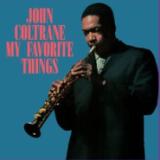
'You Loved Me' proves also again why Albert Ayler introduced her to ESP-Disk president Bernard Stollman, impressed Miles Davis, Pharoah Sanders and Henry Grimes with her concerts and can count Patti Smith and Yoko Ono (to name a few) amongst her fans.
Beim diesjährigen Record Store Day setzte Blue Note mit einer exklusiv Blue-LP einen blauen Akzent:
“Alts ‘n Outs”, einer Zusammenstellung interessanter Session-Outtakes. Der Titel ist eine Anspielung
auf das 1964er Album “In ‘n Out” von Joe Henderson, auf der Scheibe tummelten sich Künstler aus der
Post-Bop- und Hard-Bop-Zeit des Labels, mit Cannonball Adderley (zusammen mit Miles Davis), Grant
Green, Wayne Shorter, Art Blakey, Jimmy Smith und Sonny Clark. Die Tracks waren zwar bereits hier und
da als Bonustracks auf CD-Versionen der jeweiligen Alben veröffentlicht worden, erlebten hier aber ihre
attraktivere LP-Premiere.
Wie zu erwarten war die blaue “Alts ‘n Outs”-LP schnell ausverkauft, deshalb legt Blue Note sie jetzt
in gleicher Qualität, aber in schwarzem Vinyl für alle die neu auf, die beim RSD zu kurz gekommen sind.
- Start Again (Prelude)
- Criminal
- Did It All
- Break The Silence Feat. Sleep Theory
- Good Intentions
- Sacrifice
- Losing Faith
- Miles Apart
- Some Things
- Icon
- Playground
- Starting Over
- Ever After
Nevertel, are set to release their Epitaph Records debut album, entitled Start Again. The Florida-based trio - comprised of vocalist Jeremy Michael, rapper/guitarist/producer Raul Lopez, and guitarist Alec Davis - are a rare breed in an era saturated with genre tags and algorithm-chasing playlists. Drawing on a cocktail of nu-metal nostalgia, hip-hop grit, and EDM adrenaline, their sound feels less like a blend and more like a carefully controlled detonation. It"s a vision honed through years of DIY hustle and an unshakable commitment to quality over trend. Bonded in adolescence over music and late-night gaming sessions, the trio turned those formative obsessions into a full-fledged project that has steadily built a digital groundswell. From self-releasing two fulllength albums and a pair of EPs to amassing over 1.5 million streams per week, Nevertel"s trajectory reflects a slow burn in a culture obsessed with instant virality. Citing touchstones like Linkin Park and Bring Me The Horizon, the band pays homage to the titans of their youth while shaping something unmistakably their own: emotionally raw lyricism, razor-edged riffs and breakdowns. It"s equal parts catharsis and chaos. Now signed to Epitaph Records as of 2023, Nevertel are poised to enter their next chapter with momentum at their backs.
Im Jahr 2025 veröffentlicht Richard Galliano sein legendäres Album „Viaggio“ bei BMG neu, das ursprünglich 1993 bei Dreyfus Jazz erschien. Eine zeitlose musikalische Reise voller Poesie und Emotionen,
die einen Wendepunkt in der Karriere dieses international bekannten Künstlers markierte.
BMG freut sich, dieses remasterte Juwel präsentieren zu dürfen, angereichert mit bisher unveröffentlichten
Bonusmaterial, das Fans und Neueinsteiger gleichermaßen begeistern wird. „Neues Viaggio“ oder „neue
Reise“: Diese Worte klingen wie ein fernes Echo, eine Einladung, in die Vergangenheit zu reisen und erneut
in die einzigartige Atmosphäre dieses mythischen Albums einzutauchen. Wer hat nicht schon einmal von
Zeitreisen geträumt, davon, kostbare Momente noch einmal zu erleben? Mit der Neuauflage von „Viaggio“
wird dieser Traum Wirklichkeit.
„Als ich die Aufnahmen der Studiosessions wiederentdeckte, empfand ich eine tiefe Emotion, eine Mischung
aus Freude und Nostalgie. Die Präsenz von Pierre Michelot und Charles Bellonzi, diesen außergewöhnlichen Musikern, die uns verlassen haben, ist spürbar. Pierre, Miles Davis’ Kontrabassist (Ascenseur pour
l’échafaud), und Charles, „Lolo“, Nougaros Schlagzeuger (Tu verras), bildeten mit ihrer umwerfenden Sensibilität eine Rhythmusgruppe von seltener Eleganz. Und last but not least war Biréli Lagrène, virtuoser
Gitarrist und langjähriger Freund, immer bei uns und verlieh dem Ensemble eine atemberaubende Magie.
Ich freue mich sehr, diese neue Version von
Limited Edition of 200 copies incl. Dolphins Remix (DALO, Benedikt Frey and Menqui).
Hot seducers. Two of them. On one 7inch. A/B Side business, hard to choose a fav, as both so fab. The A-Side is called "Happen". It comes from prolific Tokyo based DJ and producer Hoshina Anniversary. A simple drum machine groove, a manic melody, witching siren sounds, psychedelic voices, some soft chords, and soulful high-pitched singing, somewhere between Dam-Funk coolness and Ian Svenonius-The-Make-Up sixties pop longing. One for warm sexy nights under neon lights. Out there in psychic realms. The flip brings a Dolphins interpretation. Yes, that feverish trio behind R.i.O., consisting of Nadia D'Alò, Benedikt Frey and Menqui. Their freshly recorded version comes with haunting nonchalant singing, displaying the tunes core melody as a more prominent actor of the play. Michael-Mann-Pop-Nostalgia with a baroque touch, that waves dark-ish. Even some Jon Hassle feeling is in there. Hoshina Anniversary disclosed, that the original song is inspired by jazz musicians like Chet Baker, Miles Davis, Sonny Rollins, Chick Corea, Herbie Hancock, Jaco Pastorius and Keith Jarrett. None of them is directly stylistically audible. But their kind of blue is all over. On the A as well as on the B. Twice soul music for the free.

Mwandishi is one of Herbie Hancock's first departures from his traditional jazz sounds. The album which was recorded in a single session on New Year's Eve is a much more spacier effort compared to his earlier works, created by Hancock's us of electronic effects devices. His sextet is the most progressive ensemble he played with and he took the next step in the future of jazz. The music on Mwandishi is beautifully atmospheric and the long tracks leave plenty of space for improvisations by the group. A fantastic recording with sonic layers of earth, existence and expression.
Herbie Hancock is one of the most prolific jazz pianists of the 20th century. A child prodigy, he played with the greats such as Donald Byrd and Miles Davis. As he was a bit of a geek, he enjoyed gadgets & buttons and he was one of the first to embrace and master the electric piano, but he always stayed true to the acoustic sound. In fact, he always bounced back and forth between his electronic and acoustic sound, touching upon almost every development in R&B, Funk and Jazz while retaining an original and distinctive voice.
Released by Hegoa Records and Night School Records.
Greatest Heads is the fourth album by the radical Basque- Berlinesque group Al Karpenter. A deconstruction of structured “rock” music, here Al Karpenter re-imagine “the band” to explore the intersection between Free music, afro-beat, the avant garde and gonzo rock.
If Theodore Adorno wrote “To Write Poetry after Auschwitz is Barbaric” in 1949, Al Karpenter attempts to answer the difficult question today; what kind of music can be done in the face of a genocide? Álvaro Matilla, Marta Sainz, Enrique Zaccagnini & Mattin’s response to the planet’s slipping into a vortex of hate is to create a music ecstatic, a music of protest bursting with multiple musical languages and glossaries, full of overlapping histories and thrilling tensions.
Greatest Heads posits a plurality of musics both in opposition and intertwined: Al Karpenter play rock instruments pulled apart in the studio in post-production. Distorted rhythm chunks bit-crushed and dissipated, segments of freedom oppressed by waves of sound invading from every direction. The interplay between the chief instrumentalists and renowned, storied sound artist Mattin creates something akin to ESP freedom-seekers Cro Magnon playing in Miles Davis’ early 70s groups, The Los Angeles Free Music Society tightening up into a clenched fist of plunderphonics and runaway percussion.
We Are All Karpenters opens Greatest Heads with the most straight-forward song refrain of the record accompanied by a band that soon crash into eruption, imagining Sun City Girls in full free rock mode.
The modulating synth sound soon sucks the band into its wake to create a spine-chilling climax of distorted sound, made fully orgasmic with mastering engineer Rashad Becker’s attention to detail. On Izugarrizko Buruak (Greatest Heads), Matilla intones in Basque over a mangled distorto-beat. A Brand New Astraphobia creates a black space for a heavily processed guitar to blow up before falling to earth at night, a gentle figure serenading the coming end.
On Side B, the band begins by being masticated by a brutal phaser, squelching and stretching the music into new territories. The overt message of Stop The Genocide! is besieged by violence before Worm City aggressively samples the ghosts of soul music, mixing in noise bursts, prepared piano and swiping, abstracted sound. Epic closer Perfect Love feels like a beat poetry performance on a burnt world, still grasping for community, for home, for some sort of human love. A Mad love, then; an angry love fuelled by solidarity and collaboration.
The band’s cascading layers of references and polyglottal musics attempt to create the perfect lover, alive with rage and disorientating ecstasy: Al Karpenter.
- LP1: Groovin’ With The Chet Baker Quintet
- LP2: Smokin’ With The Chet Baker Quintet
- LP3: Boppin’ With The Chet Baker Quintet
- LP4: Cool Burnin’ With The Chet Baker Quintet
- LP5: Comin’ On With The Chet Baker Quintet
LP-Box mit fünf Original-Studioalben von 1965.
(AAA) Remastered und direkt von den originalen analogen Mono-Bändern von Kevin Gray geschnitten.
Fünf Original-Studioalben, aufgenommen in einer Woche im August 1965 in New York City: Boppin', Smokin', Groovin', Comin' On, Cool Burnin' sind zum ersten Mal seit über 50 Jahren wieder auf Vinyl erhältlich. Für diese Aufnahmen, die einen Wendepunkt in seiner Karriere markieren, hat Chet Baker eine Band der Superlative um sich geschart: George Coleman, Kirk Lightsey, Herman Wright und Roy Brooks spielen alle auf diesen aufregenden Sets, die ursprünglich bei Prestige Recordings erschienen sind.
New Land hatte vollen Zugang zu den originalen analogen Monobändern, und Kevin Gray hat sie neu gemastert und geschnitten (AAA), um ihnen eine frische Klangfarbe zu verleihen. Das Herzstück dieser Box ist ein Buch mit einem unglaublich detaillierten Essay von GRAMMY® Nominee James Gavin, der die wahre Geschichte hinter diesen Aufnahmen mit Interviews der Beteiligten verbindet. Illustriert mit seltenen Fotos und Ephemera ist dies der bisher tiefste Einblick in diese Aufnahmen.
Chet Bakers Prestige-Aufnahmen aus dem Jahr 1965 markieren eine Übergangsphase - seine Rückkehr in die USA nach einer Zeit in Europa und einer Auseinandersetzung mit dem Rechtssystem. Diese Sessions zeigen ihn in einem raueren, expressiveren Ton, der aber immer noch von seiner charakteristischen lyrischen Schönheit durchdrungen ist. Die Aufnahmen entstanden auf dem Höhepunkt der Hard-Bop-Renaissance von Prestige Records und zeigen Baker zusammen mit dem Saxophon-Titanen George Coleman, der gerade mit Miles Davis auf Tournee war. Das Ergebnis ist ein rauer, swingender Quintett-Sound, direkt, gefühlvoll und ungeschminkt.
Nach Jahren des Umherziehens in Europa und scheinbar endlosen persönlichen Turbulenzen kehrte Chet in die USA zurück, um diese Sessions aufzunehmen. Ohne die jugendliche Unschuld seiner frühen Tage an der Westküste spielt Baker mit einer dunkleren, introspektiven Note - sein Horn singt immer noch, aber jetzt seufzt es auch.
Zusammen mit einer starken Rhythmusgruppe aus New York verbinden diese Aufnahmen die Eleganz des Cool Jazz mit der rauen Direktheit des Hard Bop der Ostküste. Baker zeigt sich hier von seiner menschlichsten Seite - zerbrechlich, lyrisch, ungefiltert.
Dies sind nicht einfach nur Aufnahmen aus Chets Spätzeit - sie sind ein Dokument seiner Neuerfindung. Für Sammler schließen sie eine wichtige Lücke zwischen seiner ikonischen Cool Jazz Ära der 1950er Jahre und seinen düsteren europäischen Sessions der 1970er Jahre.
Bassist Pino Palladino hat als gefragter Studiomusiker mit vielen Giganten gespielt, darunter Elton John,
Tears for Fears, David Gilmour, D’Angelo und Adele. Sein Jazz-Talent spielte er mit Manu Katché, Dominic
Miller u.a. aus. 2021 erschien auf Impulse! Records „Notes with Attachments“, seine erste gemeinsame
Produktion mit dem Gitarristen und Multiinstrumentalisten Blake Mills.
Beider Mischung aus Jazz, minimalistischem Funk, Indie Rock und subtilen Melodien kam bei Hörern
und Kritikern an und wurde sogar mit Joni Mitchell’s “Hejira” und Miles Davis’ “Bitches Brew” verglichen.
Jetzt kehren Palladino und Mills mit ihrem zweiten gemeinsamen Album auf Impulse! Records zurück, das
ihren ganz eigenen Sound fortführt und weiterentwickelt.
Wayne Shorter war ein amerikanischer Jazz-Saxophonist, Komponist und Bandleader. Er wurde 1959 als
Mitglied von Art Blakey’s Jazz Messengers bekannt, für die er schließlich der Hauptkomponist wurde. Er
trat 1964 dem Second Great Quintet von Miles Davis bei und war 1970 Mitbegründer der Jazz-Fusion-Band
Weather Report. Als Bandleader nahm er mehr als 20 Alben auf. Viele Shorter-Kompositionen sind zu
Jazz-Standards geworden, darunter „E.S.P.“ und „Footprints“. Seine Musik wurde mit 12 Grammy Awards
ausgezeichnet. Der Musikkritiker der New York Times, Ben Ratliff, bezeichnete Shorter 2008 als „den
wahrscheinlich größten lebenden Small-Group-Komponisten des Jazz und einen Anwärter auf den größten
lebenden Improvisator“.
Das Debütalbum des legendären Jazz-Saxophonisten, Introducing Wayne Shorter, wurde ursprünglich 1960
auf Vee-Jay veröffentlicht. Es enthält 5 Shorter-Originale und eine Coverversion von „Mack The Knife“,
wobei Shorter von Lee Morgan (Trompete), Wynton Kelly (Klavier), Paul Chambers (Bass) und Jimmy
Cobb (Schlagzeug) begleitet wird. Diese Neuauflage des Albums erscheint als Teil der Original Jazz Classics
-Serie auf 180-Gramm-Vinyl, das bei RTI gepresst wurde, mit analogem Mastering von den Originalbändern
bei Cohearent Audio und einem Stoughton Tip-On Jacket.
Im September 1964 war es Miles Davis endlich gelungen, den Saxofonisten Wayne Shorter von Art Blakeys
Jazz Messengers abzuwerben und mit ihm sein Second Great Quintet zu vervollständigen. Shorters Solokarriere schien darunter nicht nur nicht zu leiden, sondern sogar noch beflügelt zu werden. Und zwar so sehr,
dass Blue Note mit dem Veröffentlichen seiner Soloalben kaum nachkam. Eines der Alben, die zunächst
archiviert wurden, war “The Soothsayer”. Es wurde im März 1965 mit einem Allstar-Sextett aufgenommen,
erschien aus unerklärlichen Gründen aber erst 1979. Denn laut AllMusic gehört es zu Shorters “besten
Werken aus dieser unglaublich fruchtbaren Zeit”.
The ‘Split EP’ is a collaborative release with James Hayford and BiggaBush, as well as labels Filtered Deluxe and Tru Thoughts Recordings.
The collaboration commenced several years back, when Glyn ‘Bigga’ Bush reached out to James (known for his Shoes Edits series), one conversation led to the next, and a remix exchange was initiated.
In 2022, James contributed a remix to BiggaBush’s ‘A Different Style’ remix collection, released on Tru Thoughts Recordings - followed by Bigga’s version of James Hayford’s ‘Flower Of Thy Womb’, released via Filtered Deluxe Recordings in the spring of 2025.
The ‘Split EP’ is presented as a vinyl-only release, including the previously unreleased ‘Come To Crunch’ by
BiggaBush.
-
James Hayford is a sample-based producer best known for his unparalleled series of Shoes edits (feat. Al Green, Miles Davis, Roy Ayer, and more), plus remixes released under his own Shoes and Plimsoll labels - as well as for the Numero Group.
James continues to release original downtempo and leftfield dance music on labels Filtered Deluxe Recordings, and Growroom Productions.
Glyn ‘Bigga’ Bush launched his career as half of Rockers Hi-Fi, and co-founded the Magic Drum Orchestra. He’s
released as BiggaBush and Lightning Head through the ever-evolving Tru Thoughts Recordings, and many more.
His influences range from afrobeat, dub and funk, to library music and soundtracks - as well as electronic, Latin, and jazz music.
Acclaimed jazz artist Bill Evans’ Momentum album is the 1972 live album recorded at a concert at Stadsschouwburg in Groningen, the Netherlands.
The trio includes, next to Bill Evans on piano, Eddie Gomez on bass and Marty Morell on drums. The ensemble plays compositions by Bill Evans,
Miles Davis’ “Nardis” and Michel Legrand’s “What Are You Doing The Rest Of Your Life”. The album received the prestigious German award
Preis Der Deutschen Schallplattenkritik.
Momentum is available as a limited edition of 1000 copies on blue coloured vinyl and includes a 4page booklet with extensive liner-notes.
- A1: What Is This Thing Called Love?; Written-By – Cole Porter
- A2: La Bonita; Written-By – Terri Lyne Carrington
- A3: Seven Steps To Heaven; Written-By – Miles Davis, Victor Feldman
- B1: St. Thomas; Written-By – Sonny Rollins
- B2: Just The Way You Are; Written-By – Billy Joel
- B3: Sonny Moon For Two; Guest, Tenor Saxophone – Sonny Carrington; Written-By – Sonny Rollins
- A1: So Many Miles Away
- B1: Groovy Thang
Chicago recording artist Reggie Soul (real name Reginald Stone) recording career consisted of three 45singles spread over 3 separate labels. Firstly, the funk outing “I Got Jody” backed with the soulful “I Feel So Bad” for the Red Balloon label. “I Feel So Bad” was a Lee Sain composition which Lee himself recorded under the title of “Baby Don’t Leave Me” for the Broach label. Reggie’s “I Got Jody” also came out a second time on Nation Time Records as the flipside to “Soul Walkin’” a cover version of the James Brown song but mis-credited as the performing artist Reggie Smith?
Reggie’s third release “My World of Ecstasy/Mighty Good Loving” was released on the Scott Brothers owned Capri Records label in 1968. The fledgling Capri Records Company having been set up in premises at 409, East 47TH Street in Chicago’s Southside, used the front of the building as a record store with the rehearsal studios situated at the rear, the final recording sessions took place initially at some of the smaller independent studios across the city before using the major Columbia and RCA Recording Studios as Capri Productions grew. Reggie co-wrote both sides of his Capri 45 with Charles and Walter Scott respectively. The arrangements were provided by John Jackson and Bill McFarland who alongside Claude Williams provided the horn section to many of the Scott’s future productions. The Scott Brothers were also the house band at one of the Southside’s most popular night clubs ‘The Bonanza Lounge on 7641, South Halsted. Besides performing, they used the club to scout for potential artists for their label and it is believed that’s where their business relationship with Reggie Soul initially began.
Surviving witness accounts always cite Reggie as a solo performer which begs the question who are the credited ‘The Soul Swingers’ on the Capri 45? Well, it transpires that this was a pseudonym used by the Scott Brothers present on the recording, Charles (Chuck) drums, Tommy (bass guitar) and Walter (Rhythm guitar).
At the beginning of Soul Junction’s working relationship with Scot-Tees a further Reggie Soul unissued session was mentioned and sure enough two tape boxes arrived one containing “My World Of Ecstasy/Mighty Good Loving”, great, but disappointingly the second named tape had been reused as a rehearsal tape of several recognizable riffs of later Scott-Tees productions, doh!
Then months later lady luck intervened, a box containing two unmarked acetates held together with a nut and bolt was found. After considerable investigation, it transpires that they are the missing Reggie Soul tracks which we now present to you. Both songs are A.C Carson compositions, The A-side “So Many Miles Away” is a wonderful crossover song that shares some lyrical similarities to fellow Capri stablemate Judson Moore’s released Chicago Music Bag 45 “Lisa” while the flipside of our release features Reggie’s interpretation of Judson’s “Groovy Thang”. So, at long last Soul Junction are able to present to the lost Reggie Soul sessions that several veteran soul scribes who known their onions have likened to another great Chicago recording artist, the mighty, Tyrone Davis.
An unsung modernist classic from 1974 – Pitchfork Bennie Maupin hat mit seinem Erfindungsreichtum zu ikonischen Platten wie Bitches Brew von Miles Davis, Mwandishi und Headhunters von Herbie Hancock und Afternoon Of A Georgia Faun von Marion Brown beigetragen. Aufnahmen unter eigenem Namen waren eher selten, aber sein Leader-Debüt ist ein Juwel. „Ein selbstloseres Album ist schwer vorstellbar“, schrieb Down Beat 1975. „Der Klang auf The Jewel In The Lotus ist überragend, und alle Musiker bemühen sich darum zu einer Einheit zu verschmelzen“. 1974 in New York aufgenommen, überschneidet sich das Personal des Albums mit dem aus Herbie Hancocks Umfeld dieser Zeit, doch die Musik hat einen gänzlich eigenen Charakter. Die Luminessence-Vinyl-Edition des Albums kommt in einem Tip-On-Gatefold und enthält neue Liner Notes
- Chet Baker - My Funny Valentine
- Carmen Mcrae & The Dave Brubeck Quartet - Take Five
- Dean Martin - You're Nobody 'Til Somebody Loves You
- Louis Prima - Just A Gigolo / I Ain't Got Nobody
- Stan Getz & Charlie Byrd - Desafinado
- John Coltrane - Naima
- Norah Jones & Joel Harrison - Tennessee Waltz
- Sarah Vaughan - Lullaby Of Birdland
- Miles Davis - Générique (B.o.f. Ascenseur Pour L'échafa
- Quincy Jones - Soul Bossa Nova
- Madeleine Peyroux - He's Got Me Goin
- Diana Krall - Straighten Up And Fly Right
- Frank Sinatra - I've Got You Under My Skin
- Harlie Parker - All The Things You Are
- Nina Simone - My Baby Just Cares For Me
- Harry Belafonte - Day-O (The Banana Boat Song)
- Aretha Franklin - God Bless The Child
- Youn Sun Nah, Lars Danielsson & Xavier Desandre Navarre
- Melody Gardot & Seth Kallen - My Sweet Darling
- Billie Holiday - I'll Be Seeing You
- Nat "King" Cole - Unforgettable
- Ella Fitzgerald - How High The Moon
- Sidney Bechet - Petite Fleur
- Dinah Washington - What A Difference A Day Makes
- Django Reinhardt - Nuages
- Louis Armstrong - La Vie En Rose
Mit seinem ersten Blue-Note-Album ”Blues In Trinty” erweiterte der aus Jamaika stammende und damals in England lebende Trompeter Dizzy Reece seine Fangemeinde um so berühmte Kollegen wie Miles Davis und Sonny Rollins. Und Art Blakey wollte ihn und den britischen Tenorsaxofonisten Tubby Hayes, der hier ebenfalls zu hören ist, sofort für seine Jazz Messengers verpflichten. Das Album, auf dem auch zwei prominente Gäste aus den USA mitwirkten, gilt noch heute als absoluter Bop-Klassiker.
Gary Bartz is one of the greatest living saxophonists, with a career that has seen him play with McCoy Tyner, Art Blakey and Miles Davis. From 1969 he lead his own band and his 70s Milestone and Prestige albums contain many great tunes.
We have selected the Andy Bey sung ‘Celestial Blues’, an all-time classic of spiritual jazz that appeared on his 1972 album NTU Troop album “Harlem Bush Music – Uhuru”.
This is paired with ‘Gentle Smiles (Saxy)’ sampled by A Tribe Called Quest in 1991 on their track ‘Butter’.
- A1: Let The Guitar Play (Radio Version) Feat. Darryl "Dmc" Mcdaniels
- A2: Stranger In Moscow (Sentient Version)
- A3: Whatever Happens (Sentient Version) With Michael Jackson
- A4: Please Don't Take Your Love (Sentient Version) With Smokey Robinson *Previously Unreleased
- B1: Get On (Sentient Version) With Miles Davis & Paolo Rustichelli
- B2: Vers Le Soleil (Sentient Version) With Paolo Rustichelli
- B3: Coherence Feat.. Cindy Blackman Santana) *Previously Unreleased
- B4: Blues For Salvador
Carlos Santana ist der große musikalische Kollaborateur, der seinen einzigartigen Gitarrenstil und seine weitreichende musikalische Vision mit einer großen Vielfalt von Künstlern verbindet, um etwas Neues, Einzigartiges und Transzendentes zu schaffen. Santanas Vision für Sentient war es, seine jüngsten Kollaborationen aus einer neuen Perspektive zu betrachten und sie zu einer klanglichen Pilgerreise durch Jazz, Hip-Hop, Soul, Rock und lateinamerikanische Rhythmen zu verweben. Er hat die Songs nicht nur so arrangiert, dass sie seiner Vision entsprechen, sondern viele von ihnen auch neu interpretiert und einige Aspekte der Tracks verbessert, um ein kohärentes Hörerlebnis zu schaffen. Die Songs auf Sentient reichen von aktuellen Hits und Kollaborationen mit Superstars bis hin zu seltenen, unveröffentlichten und übersehenen Tracks, die Carlos in einem neuen Kontext präsentieren wollte. Das Ergebnis ist eine spirituelle Reise durch die unendlichen Möglichkeiten der Musik, geführt von Santanas kompromissloser Muse.
- The Twins
- Gnostic
- Thandiwa
- Nomadic
Nachdem Grachan Moncur III bei Blue-Note-Aufnahmen von Jackie McLean und Herbie Hancock auf sich aufmerksam gemacht hatte, produzierte Alfred Lion für das Label zwei Soloalben des versierten AvantgardePosaunisten. Auf “Some Other Stuff” ist er mit einem besonders abenteuerlustigen Ensemble zu erleben, dem gleich drei Musiker angehörten, die seinerzeit im legendären zweiten Quintett von Miles Davis spielten.
In addition to being members of Miles Davis' band, John Coltrane, Red Garland and Paul Chambers recorded several projects together without the trumpeter. Soultrane is a superb quartet album featuring the three musicians along with drummer Art Taylor (he and Chambers were both members of the Red Garland Trio). The LP was recorded in between the two Miles Davis Sextet sessions that produced the album Milestones. Among the highlights are a lengthy reading of Tadd Dameron's "Good Bait", and Trane's earliest and probably best version ever of Billy Eckstine's ballad "I Want to Talk About You", which would become a favorite inthe saxophonist's live repertoire.
180-gram VIRGIN VINYL LIMITED EDITION. The Complete Album | Bonus Track
Das zweite Soloalbum von Bennie Maupin aus dem Jahr 1977 spiegelt die Erfahrungen wider, die der
Saxofonist und Bassklarinettist in den bahnbrechenden Fusion-Bands von Miles Davis (u.a. auf “Bitches
Brew”) und Herbie Hancock (”Mwandishi” und ”The Headhunters”) gesammelt hatte, zeigt aber auch
seine unverwechselbare eigene musikalische Persönlichkeit.
- A1: Weejuns (Intro) Ft Will Stowe
- A2: Beautiful Black
- A3: One Hand Washes The Other Ft Lojii
- A4: Crossroad(S)
- A5: Negroni (Skit)
- A6: Firefly Ft Fatima
- A7: Nothin' To Say
- A8: Uptown Mami (Skit)
- B1: Manuva(S) Ft Joe Armon-Jones
- B2: Driftin' Interlude Ft Pearl De Luna
- B3: Chase The Sunrise Ft Yaya Bey, Lojii, Fatima
- B4: First Dates
- B5: Quiz Interlude Ft Salimata
- B6: Lizards / Dancin' With The Devil Ft Jaydon Clover & The Hotel
- B7: Mind, Body, Spirit Ft Seafood Sam
- B8: Forever Pooh
Cassette[14,08 €]
Auf "Warlord of the Weejuns" definiert er in Brooklyn geborene und im Südosten Londons lebende Rapper Goya Gumbani seinen Sound mit reichhaltigen Full-Band-Arrangements neu und verbindet Londons neue Jazz-Generation mit dem Hip-Hop-Erbe von New York City. Zu den Gästen des Albums gehören die ebenfalls in London lebende schwedischen Soulsängerin Fatima, lojii, Seafood Sam und Yaya Bey. Der Titel des Albums ist eine Ode an Miles Davis, den Goya für seine Leidenschaft für Musik und den allgegenwärtigen Stil bewundert, den er in jeden Aspekt seines Lebens einbrachte. Goya kanalisiert diesen Ehrgeiz auf diesem neuen Album, das mit üppigen Arrangements in voller Bandbesetzung aufgenommen wurde und seine eigene Stimme als Teil der Instrumentierung einsetzt. Mit Goya und seiner scharfen, mühelos geschmeidigen Stimme als tonangebendem Dirigenten des Albums bringt er eine Schar musikalischer Köpfe zusammen, um eine weitläufige, strahlende Sammlung musikalischer Vignetten zu schaffen, die die wortlosen Ausdrücke des Jazz und die meditativen Rhythmen des Reggae aufgreifen. In "Warlord of the Weejuns" geht es um Selbstbestätigung, Selbstwert und das schwarze Erbe, das Wissen und Macht von innen heraus manifestiert. Goya arrangierte seine einzigartige Vision mit Produktionen von Joe Armon-Jones, Swarvy, Franky Bones, Dan Diggers, Alejandro ?anchez, Maxwell Owin, Omari Jazz, Les Lockheart, Zalente und Ghostly-Labelkollegen quickly, quickly.
- A1: Weejuns (Intro) Ft Will Stowe
- A2: Beautiful Black
- A3: One Hand Washes The Other Ft Lojii
- A4: Crossroad(S)
- A5: Negroni (Skit)
- A6: Firefly Ft Fatima
- A7: Nothin' To Say
- A8: Uptown Mami (Skit)
- B1: Manuva(S) Ft Joe Armon-Jones
- B2: Driftin' Interlude Ft Pearl De Luna
- B3: Chase The Sunrise Ft Yaya Bey, Lojii, Fatima
- B4: First Dates
- B5: Quiz Interlude Ft Salimata
- B6: Lizards / Dancin' With The Devil Ft Jaydon Clover & The Hotel
- B7: Mind, Body, Spirit Ft Seafood Sam
- B8: Forever Pooh
CLOUDY COGNAC VINYL[24,79 €]
Auf "Warlord of the Weejuns" definiert er in Brooklyn geborene und im Südosten Londons lebende Rapper Goya Gumbani seinen Sound mit reichhaltigen Full-Band-Arrangements neu und verbindet Londons neue Jazz-Generation mit dem Hip-Hop-Erbe von New York City. Zu den Gästen des Albums gehören die ebenfalls in London lebende schwedischen Soulsängerin Fatima, lojii, Seafood Sam und Yaya Bey. Der Titel des Albums ist eine Ode an Miles Davis, den Goya für seine Leidenschaft für Musik und den allgegenwärtigen Stil bewundert, den er in jeden Aspekt seines Lebens einbrachte. Goya kanalisiert diesen Ehrgeiz auf diesem neuen Album, das mit üppigen Arrangements in voller Bandbesetzung aufgenommen wurde und seine eigene Stimme als Teil der Instrumentierung einsetzt. Mit Goya und seiner scharfen, mühelos geschmeidigen Stimme als tonangebendem Dirigenten des Albums bringt er eine Schar musikalischer Köpfe zusammen, um eine weitläufige, strahlende Sammlung musikalischer Vignetten zu schaffen, die die wortlosen Ausdrücke des Jazz und die meditativen Rhythmen des Reggae aufgreifen. In "Warlord of the Weejuns" geht es um Selbstbestätigung, Selbstwert und das schwarze Erbe, das Wissen und Macht von innen heraus manifestiert. Goya arrangierte seine einzigartige Vision mit Produktionen von Joe Armon-Jones, Swarvy, Franky Bones, Dan Diggers, Alejandro ?anchez, Maxwell Owin, Omari Jazz, Les Lockheart, Zalente und Ghostly-Labelkollegen quickly, quickly.
The jazz saxophonist Wayne Shorter, released this "Wayning Moments” LP in 1962. It was recorded earlier, in 1961 during Shorter's early years as a
bandleader before his tenure with Art Blakey's Jazz Messengers and later Miles Davis' Second Great Quintet. This album showcases Shorter's early
compositional voice, blending intricate harmonies with expressive improvisation. His playing is energetic, and the interplay with Freddie Hubbard
creates a rich and engaging dialogue.
- Tripping In Times Square
- The Bounce
- Sur La Route De Tamba
- Soul Searching
- A Feather
- Sophie's Musings
- Over The Rainbow
- Saudades
- Liftoff
- Slow Eleven
- The Path
'Liftoff', an album created by saxophonist Robin Verheyen featuring a jazz trio with legendary drummer Billy Hart (Miles Davis, Herbie Hancock, Stan Getz) and renowned bassist Drew Gress; musicians from three generations at one with each other, communicating ideas without borders, resulting in inspirational and memorable music Featuring nine original compositions by the leader, including a waltz dedicated to Wayne Shorter, a composition where African drumming meets harmony, a beautiful rendition ofHarold Arlen's Over the Rainbow,and a composition by pianist Marc Copland.
Robin Verheyen: tenor saxophone
Drew Gress: bass
Billy Hart: drums
Recorded April 2024
- I Mean You
- All Of You
- Spring Is Here
- Star Eyes
- If I Were A Bell
- Summertime
- Autumn Leaves
When considering the jazz vibraphone giants of the 20th century, seven stand out: Lionel Hampton, Red Norvo, Milt Jackson, Terry Gibbs, Cal Tjader, Gary Burton, and Bobby Hutcherson. Bobby Hutcherson (1941-2016), originally inspired by Milt Jackson, emerged from Los Angeles in the late 1950s. After a stint with the Billy Mitchell-Al Grey sextet in 1962, Hutcherson moved to New York, becoming the house vibraphonist for the Blue Note label. His foundation in hard bop did not limit him, as he also played in avant-garde sessions with artists like Eric Dolphy and Jackie McLean. On December 11, 1983, the 42-year-old Hutcherson performed seven standards with a stellar group. Pianist George Cables, consistently excellent throughout his career, had been working with Hutcherson since 1977. Bassist Herbie Lewis, a versatile musician, had collaborated with Hutcherson since 1966. Drummer Philly Joe Jones, known for his work with Miles Davis, also contributed to the session. The recording of the Four Seasons album features seven standards, starting with Thelonious Monk’s “I Mean You,” which showcases each musician. Hutcherson’s solo on Cole Porter’s “All Of You” is particularly adventurous. “Spring Is Here” receives a beautiful interpretation, and “Star Eyes” is taken uptempo. Hutcherson’s introduction on “If I Were A Bell” is notable, as is Jones’s solo. The session spotlights Cables on “Summertime” and concludes with a vibrant version of “Autumn Leaves.” Decades later, the music remains a timeless classic. Four Seasons is available on black vinyl, celebrates its 40th Anniversary, and includes an insert with newly written liner-notes by Scott Yanow
- I Can't See The Sun
- Death By Entertainment
- Chicago Town
- Evenfall
- Gone West
- Tunnel Vision
- Baka
- City Sleeps
- Cherry
- Cornering Lights
For the past couple of years, Sam Akpro has been rising as one of the brightest talents coming from the thriving UK alternative scene. Hailing from Peckham, South London, he incorporates elements of post-punk, wave, dub, jazz and trip-hop, fueled by a fascinating range of influences (from Joy Division to SAULT, through Miles Davis, Talking Heads, Cocteau Twins, Dean Blunt, Fela Kuti, Frank Ocean). Fuzzy, moody and dreamy at times, "Evenfall" paints a refreshing picture of life in the London suburbs in your twenties. It"s the light, the darkness and the slow passing of time in an accomplished, genre-defying art form. With this beautiful debut, Sam Akpro is destined to break through in 2025.
Neu bei Blue Note Records ist mit Saxofonist Branford Marsalis einer der bedeutendsten Jazzkünstler
unserer Zeit. Neben seinen Alben unter eigenem Namen hat er mit Jazz-Legenden wie Miles Davis und
Dizzy Gillespie gespielt sowie wichtige Pop-Alben mitgeprägt. Speziell seine Zusammenarbeit mit Sting ist
legendär.
Marsalis’ Blue-Note-Debüt „Belonging“ ist nicht nur, wie man es von dem Künstler kennt, ein meisterhaftes Modern-Jazz-Album geworden, sondern auch eine echte Überraschung: zusammen mit seinem
Quartett hat er eine vollständige Neuinterpretation von Keith Jarretts gleichnamigem ECM-Album von
1974 aufgenommen.
„Belonging“ ist Branford Marsalis‘ erste Neuveröffentlichung seit 2019 mit seinem Quartett mit Pianist
Joey Calderazzo, Bassist Eric Revis und Schlagzeuger Justin Faulkner. Die vier Musiker beweisen mit „Belonging“, wie die Auseinandersetzung mit einem bewunderten Werk und die Freiheit des Jazz ein neues,
ebenso eindrucksvolles Werk schaffen können.
- Spirale Iscendente
- Chi Ci Protegge Da Loro
- La Banda Piu Pericolosa
- Crollo Capitalista
- Scavando La Nostra Stessa Tomba
- Corruzione Coltivatea
- Poliziesco
- Terra Che Non Respire
- Fortezza Di Vetro
Although still very much a secret, Oakland, California's Justin Pinkerton has perfected and expanded his Futuropaco project to a stunning degree over the past seven years. The one-man band is deeply rooted in Pinkerton's masterful drumming, which builds on the legacy of 1960's and 1970's legends such as Tony Allen and Jaki Liebezeit. But he's an accomplished multi-instrumentalist as well, and the Futuropaco sound is a colourful fusion that sees him throw fuzz guitars, flutes, vintage synthesizers and Anatolian string instruments into the mix - seemingly without much effort. The second and final volume of the "Fortezza Di Vetro" series feels like a conclusion, the sound of an artist reaching his creative zenith. It's an experimental album, yet immediately seductive in its energy - channeling the vibey art-rock of Tortoise, Black Sabbath riffage and vintage Italian film music in equal measures. It's such a refined and esoteric blend, yet hits so directly. It's simply impossible not to crank the volume knob once this slab of vinyl is on the turntable, followed by immediate head nodding. Buy the ticket, take the ride. Justin Pinkerton is a vastly talented rhythmsmith, best known as a member of Californian stoners Golden Void. On this project he plays all the other instruments too so he can do what he blooming well feels. And it's not as if the drum solos go on for twenty minutes like those of John Bonham and his pale imitators. Nope. Into tracks that are both jam-packed and concise, Pinkerton has squeezed his love of vintage Italian library music, classic krautrock and heavy psych rock. At one point it suggests Grails have been performing super-speed cover versions of fusion-era Miles Davis with Adrian Younge on production. -The Quietus Futuropaco returns in a big way with Fortezza di Vetro, a buzzing, groove-heavy album that expands on what came before while staying true to the project's origins. Dizzying, fuzzed-out psych with just the right amount of melancholy for good measure. Justin Pinkerton and Futuropaco have done it again. Fantastico! -Complex Distractions
PRESSED ON RED SMOKE COLORED VINYL
Starting in the late 60s, jazz music started to take an interesting, and very soulful turn. Influenced by the funk of the day – from James Brown to Sly & The Family Stone – the art form, generally not considered a funky musical genre, started to stretch out and fit into the times. It was a fertile era, and to reciprocate, funk, soul and groovy rock fans started to discover accomplished, open-minded jazz artists like Les McCann, whose tunes made sense to their ears, even if bebop hadn’t grabbed them. This incredible album – long a favorite of forward-thinking hip-hop producers and DJs – washes over listeners from the first chords of the incredible album opener, “Sometimes I Cry,” led by McCann’s array of analog synthesizers and backed by an excellent rhythm section (Donald Dean on drums; Ralph McDonald on percussion and Jimmy Rowser on bass). Truth be told, highlights are hard to pick out, but fans never go long without returning to the fuzzed-out funk of “The Harlem Buck Strut Dance,” “Let’s Play (Til Mom Calls)” and “It Never Stopped In My Hometown.” These keyboard-drenched grooves sat alongside record stacks brimming with Stevie Wonder, Funkadelic, Marvin Gaye’s 70s soul and, of course, Miles Davis’ space funk experiments of the era (like Bitches Brew).
- Dwell Like A Ghost
- My Spirit
- Arise And Shine
- Blue In Green
- Trance Dance
- Search For The New Land
- New Moon
Of all the artists who recorded for the Black Jazz label, keyboardist and composer Doug Carn was the most prolific, releasing four albums for the imprint. 1972’s Spirit of the New Land was his second Black Jazz release, but the first one (of two) to co-feature his wife, vocalist Jean Carn. It’s the most collectible of the bunch, showcasing Carn’s innovative approach of adding lyrics to jazz standards like Miles Davis’ “Blue in Green” and Lee Morgan’s “Search for the New Land,” while originals like “Arise and Shine” and “My Spirit” soar with spiritual fervor on the wings of his wife’s five-octave range.
Along for the ride are a stellar cast of players, including trumpeter Charles Tolliver, co-founder of the Strata-East label; saxophonist George Harper, who played with Herbie Hancock and Jimmy Smith among others; trombonist Garnett Brown, who appears on albums by Roland Kirk, Albert Ayler, and Art Blakey among his hundreds of album credits; tuba player Earl McIntyre, whose discography spans from Carla Bley to the Band; and drummer Alphonse Mouzon, founding member of Weather Report. This beautiful, uplifting album also comes with liner notes by Pat Thomas, author of Listen, Whitey! The Sights and Sounds of Black Power 1965-1975, that feature excerpts from a freewheeling interview conducted with Doug Carn himself. Pressed in blue with black swirl vinyl limited to 750 copies!
- A1: Tropic Of Capricorn
- A2: Czechoslovakia
- A3: Take Me To The Water
- A4: A Word About Colour
- B1: Light My Fire
- B2: Indian Rope Man
- B3: When I Was A Young Girl
- B4: Flesh Failures (Let The Sunshine In)
- C1: Ellis Island
- C2: In Search Of The Sun
- C3: Finally Found You Out
- C4: Looking In The Eye Of The World
- D1: Vauxhall To Lambeth Bridge
- D2: All Blues
- D3: I’ve Got Life
- D4: Save The Country
Brian Auger’s Streetnoise, recorded in 1969 with Julie Driscoll and The Trinity, stands as a landmark of late 1960s eclecticism, where the boundaries of jazz, rock, folk, and soul blur into a cohesive, genre-defying masterpiece.
Auger was moving The Trinity on from their R&B, jazz beginnings and for Streetnoise, together with Driscoll, delivered a record that channelled their mutually progressive vision. Julie's haunting vocal performances were the perfect counterpoint to Auger’s innovative instrumentation, creating a sound that was both avant-garde yet deeply soulful. “We aimed to challenge expectations, ” Auger recalls. “Every track was a canvas to experiment and push the envelope.”
The album’s gatefold sleeve design, created by Ralph Steadman, inspired by William Hogarth's 18th-century satirical etchings, was as groundbreaking as its music. This was not just a cover, it was a bold statement about art and society, perfectly mirroring the music’s blend of historical reverence and forward-thinking innovation.
Musically, Streetnoise is a kaleidoscope of styles including jazz and R&B, fusion, folk, rock and gospel flourishes. "Ellis Island, " and “Finally Found You Out” are both intense instrumentals that embody the intense fusion of jazz and rock the group was known for. "Indian Rope Man" is one of the standout tracks. A cover of Richie Havens' original, that inspired The Charlatans ‘Indian Rope’ and All Blues, a bold reinterpretation of Miles Davis’ iconic Kind of Blue masterpiece, on which Driscoll's vocal performance may be the highlight. "Flesh Failures (Let the Sunshine In)" is a hauntingly beautiful cover of the finale from the musical Hair. Auger's own compositions from the opening instrumental 'Tropic Of Capricorn', to the introspective solo piano and vocal Looking In The Eye Of The World' display Brian's multiple talents.
Celebrated for its fearless creativity across all 16 tracks, the album is testament to Brian Auger and Julie Driscoll’s visionary artistry. It remains a must-listen for anyone exploring the dynamic intersections of jazz, rock, and soul. The album’s reputation has only grown with time, cementing its legacy as a cornerstone of experimental music.
Streetnoise; A wholly unique album from an equally unique group