FLO are leading the modern revival of the British girl group — and doing so at a scale not seen in over two decades. With over half a billion global streams, the trio have delivered the highest-selling tour by a British girl group in more than 20 years, becoming the first since the Spice Girls to reach that milestone. They are also the first British girl group to receive a Grammy nomination in two decades, alongside three MOBO nominations in 2026, cementing their status as both a commercial and cultural force. Rather than simply revisiting the past, FLO are reshaping the possibilities for what a contemporary girl group can be.
Comprised of Renée Downer, Stella Quaresma and Jorja Douglas, FLO’s story is one of intention, craft and deep-rooted connection. The trio had long been aware of one another through theatre school circles, social media and shared creative worlds before coming together as a group in 2019. That early familiarity quickly grew into a sisterhood, shaped behind the scenes through years of studio work, vocal development and trust. Raised by strong single mothers and immersed in performance from a young age, each member brings resilience, emotional intelligence and discipline into the group — qualities that underpin both their sound and their dynamic.
Individually, FLO’s balance comes from contrast. Renée is the group’s compass: composed, business-minded and creatively precise, grounding the trio with clarity and vision. Stella is the spark and the glue — sociable, emotionally intuitive and collaborative — shaped by a childhood between England and Mozambique where music was communal, expressive and felt. Jorja is the fire: outspoken, instinctive and vocally commanding, with a natural ear for harmony and arrangement. Their roles shift and evolve, but together they form a unit built on mutual respect, honesty and shared authorship.
That chemistry is central to FLO’s music. Drawing from classic R&B and soul while pushing it forward through modern production, their sound centres vocal harmony, emotional nuance and storytelling that reflects the realities of young womanhood. FLO reject the idea that strength requires emotional distance; instead, they explore power through vulnerability, confidence and control. From independence and self-worth to intimacy and desire, their writing is direct and unapologetically theirs. As Jorja puts it, FLO are “the brains, the heart and the soul” behind everything they do.
The success of their debut album marked a defining moment — not only for FLO, but for British pop more broadly. It confirmed the appetite for harmony-led, female-fronted groups operating with creative agency, and propelled FLO onto global stages, from sold-out headline tours to major festivals and international television. Along the way they have earned respect from R&B legends and peers alike, performing during Grammy Week for icons including Mariah Carey, Brandy and Chaka Khan, and showcasing their vocal chemistry on NPR’s Tiny Desk — a moment that further underlined the trio’s technical precision and emotional depth.
With their next chapter, Therapy At The Club, FLO expand this emotional honesty into a fully realised creative universe. The concept reimagines the club not just as a place of nightlife, but as a site of release, confession and self-possession — encompassing the moments before, during and after the night out. From mirror affirmations and pre-game chaos, to late-night Uber conversations, dance-floor catharsis and the clarity of the morning after, Therapy At The Club captures how women process desire, heartbreak, confidence and healing in real time, together. It is both fantasy and reality: cinematic, fashion-led and emotionally raw, grounded in sisterhood as a form of survival.
Sonically, the new music leans into dark, euphoric R&B and pop with sharper edges, built on vocal mastery and diaristic storytelling. Lead single “Leak It” sets the tone for the era — playful, charged and unapologetically self-aware — exploring what happens when desire spills over, secrets surface and control is reclaimed. Across the new songs, FLO move fluidly between intimacy and euphoria, turning the club into a space where vulnerability is power and feeling everything is the point.
As a trio built on discipline, joy and deep creative trust, FLO represent a new model for the British girl group: one rooted in authorship, harmony and cultural impact. Balancing softness with strength and ambition with authenticity, they are shaping the future of R&B and pop on their own terms. FLO are not looking backwards — they are setting the standard for what comes next.
Dies ist der Original-Soundtrack zu ,Crime 101" vom experimentellen Elektronikmusiker, Produzenten und Komponisten Blanck Mass. Das Album ist auf schwarzem Vinyl gepresst und in einer luxuriösen, foliengeprägten Hülle untergebracht, komplett mit beidseitigem Einleger. Donnernde Synth-Klanglandschaften werden mit nuancierten, charakterorientierten Themen kombiniert und schaffen so eine facettenreiche Kulisse für den intensiven Thriller. Der Amazon MGM Studios-Film unter der Regie von Bart Layton spielt vor der sonnenverbrannten Kulisse von Los Angeles. ,Crime 101" erzählt die Geschichte eines schwer fassbaren Juwelendiebs (Chris Hemsworth), dessen Serie von Raubüberfällen entlang der Autobahn 101 die Polizei vor ein Rätsel stellt. Als er die Beute seines Lebens im Visier hat, kreuzt sich sein Weg mit dem einer desillusionierten Versicherungsmaklerin (Halle Berry), die selbst an einem Scheideweg steht. Überzeugt davon, ein Muster entdeckt zu haben, rückt ein unerbittlicher Detective (Mark Ruffalo) immer näher und erhöht den Einsatz noch weiter. Während der Raubüberfall näher rückt, beginnt die Grenze zwischen Jäger und Gejagtem zu verschwimmen, und alle drei stehen vor Entscheidungen, die ihr Leben bestimmen - und der Erkenntnis, dass es kein Zurück mehr gibt. Über die Entstehung der Musik sagt Power: ,Crime 101 war ein unglaublicher Film, für den ich die Musik schreiben durfte. Im Mittelpunkt der Geschichte steht natürlich der Raubüberfall. Mir wurde jedoch sehr schnell klar, dass dies nicht irgendein Raubüberfallfilm war, sondern eher ein Noir-Film, in dem zufällig ein Raubüberfall vorkommt. Die Hauptfiguren und die Art und Weise, wie sich ihre Leben verflechten, waren in gewisser Weise wichtiger als die Action. Der Film ist natürlich stellenweise hochdramatisch, aber was mich wirklich an diesem Film fasziniert hat, war die Charakterentwicklung. Lou, Davis und Sharon sind das schlagende Herz. Ich wollte die ganze Zeit über ,klanglich bei ihnen sein`. Sowohl das Zarte als auch das Wütende mussten miteinander harmonieren."
John Hassall (The Libertines) & The April Rainers release their long overdue second, self- titled album. It's is the followup to 2017's Wheels to Idyll, which picked up critical applause on its release. The new album was largely recorded at John's home studio in Aarhus, Denmark where he has been living since 2009. And was produced by the band, with string player Clementine Brown having a big influence on the sound. John Hassall "These 10 songs are the ones that survived, grew and took on a life of their own. There's no way of telling if a song will make it until the end. That Pale Lantern in my opinion, started off as a rank outsider and then turned into one of the strongest songs on the album. Lessons were learnt from Wheels to Idyll and a new musical development runs through it. Whereas the last album was recorded pretty much live. The new album maintains similar classic songwriting and pop sensibilities, though with more complex arrangements and production." Most of the songs were cowritten by John and longtime poet collaborator Steev Burgess exploring memories of school days, journeys and adventures, fading dreams, ancient empires and even somebody's trinket collection. Burgess who has known Hassall for many years, wrote the lyrics to lead single Miracles, a sort of Ballad of John and Line. Libertines band mate Peter Doherty is also involved with a co-writing credit on Doing Time. John Hassall and The April Rainers will be announcing UK shows shortly, in the meantime John will be appearing with his other band The Libertines at summer festivals across Europe and the UK.
With Fuck, Marry, Kill, Tink delivers her most provocative and conceptually sharp body of work to date, firmly reclaiming her position as a premier storyteller in the modern R&B landscape. Moving beyond the diary-entry style of her earlier years, this project utilizes the titular game as a brutal yet honest framework for the complexities of modern intimacy. Tink navigates the chaos of the dating world with a dual-threat precision that few can match, seamlessly blending the grit of her Chicago rap roots with the velvet textures of contemporary soul. Under the executive production of Hitmaka, the album finds its heartbeat in the friction between high-gloss production and raw, unfiltered lyricism.
The album is meticulously structured to mirror the chaotic cycle of urban romance: the adrenaline of fleeting lust, the heavy stakes of long-term commitment, and the inevitable coldness of a bridge burned. In the "Fuck" segment, Tink radiates a lethal confidence, delivering anthems of autonomy and physical desire that demand space in the club and on the charts. As the project transitions into "Marry," she peels back the armor, offering a vulnerable look at the desire for stability and the terrifying leap of faith required to trust a partner. However, it is in the "Kill" section where Tink’s songwriting truly bites; here, she chronicles the aftermath of betrayal and the empowerment that comes from cutting ties, transforming her heartbreak into a weapon of self-preservation.
Ultimately, Fuck, Marry, Kill is a masterclass in "Toxic R&B" that refuses to settle for easy answers. Tink captures the specific anxiety of a generation trying to distinguish between a temporary thrill and a permanent soulmate, all while navigating a world of ghosting and digital infidelity. By leaning into her flaws and her triumphs with equal intensity, she creates a sonic space where listeners feel both seen and vindicated. This isn't just an album about love—it's a survival guide for the heart, narrated by an artist who has seen every side of the game and lived to write the definitive soundtrack for it.
MADMADMAD’s EP “Overload” is a thrillingly chaotic, genre-warping ride —think Mr Oizo on acid— that fuses fuzzy basslines, jagged guitars, and analog synth delirium into a dancefloor-ready collage of sound. From the Kraftwerk-tinged pulse of “Overload” to the acid-soaked, breakneck energy of “The Way” channeling The Chemical Brothers or Gesaffelstein, the record constantly shape-shifts while maintaining a raw, propulsive core. Tracks like “Mezcal” drift into hypnotic, minimal grooves reminiscent of Aphex Twin, while “Tout le Monde” and “Turn It Up” inject playful, off-kilter funk inspired by Tom Zé, Prince, ESG, and Beck. The title track closes on a high with a gritty, disco-infused groove nodding to early Daft Punk. Across the EP, MADMADMAD embrace disorientation as an artistic statement, drawing inspiration from Dadaism to mirror the overwhelming, information-saturated chaos of modern life.
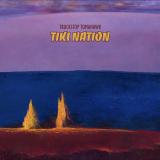
Tiki Nation finds Truckstop Tomahawk charting new territory at the outer edges of modern exotica. Created by Robert Kress—one half of Kava Kon—the album treats tiki not as nostalgia, but as a living, evolving sound world. These tracks roam freely through imagined geographies: remote islands, half-remembered myths, roadside rituals, and sun-bleached dream states where vintage exotica collides with forward-leaning composition.
Rather than simply revisiting mid-century tropes, Tiki Nation recontextualizes them—layering cinematic arrangements, unexpected textures, and playful titles that hint at folklore, travel, and quiet surrealism. The result is music that feels exploratory and unbound, equally suited for deep listening, late-night reverie, or drifting into unfamiliar landscapes with a drink in hand.
The album’s visual centerpiece deepens this atmosphere. The cover art, Pele’s Release, was painted by Catherine Robbins, a self-taught artist and longtime Hawaiʻi Island resident who created the oil painting in her rainforest studio just miles below Kīlauea’s erupting summit. That proximity to raw, elemental power mirrors the album itself—beautiful, mysterious, and quietly volatile.
Tiki Nation stands as a bold statement of intent: exotica untethered from the past, alive in the present, and pointed firmly toward uncharted horizons.
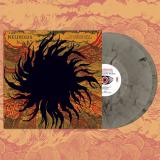
Evolution can be ugly and beautiful, painful and euphoric. An Undying Love For A Burning World is the first new release from Neurosis in a decade, and a potent statement of intent and rebirth - one that marks the first new steps of resolve and resilience.
An Undying Love For A Burning World is an epic album of colossal hypnotism - beautiful, fearsome and utterly compelling in a way that only Neurosis can be. Aaron Turner (Sumac, Isis) joins the band on vocals and guitar, a name whose legacy is intertwined with the band’s own and a true kindred spirit.
“From the moment I first heard Neurosis over 30 years ago, I felt this was the music my heart and mind had been seeking but not yet heard. Now after many years travelling along various musical paths of my own, the singular sound and spirit embodied by Neurosis continues to speak to the depths of my being. It is an honor and a true pleasure to have been welcomed so warmly into a band that not only shaped my perspective on the limitless possibilities of music - but has lived and exemplified the necessity of upholding creative integrity and camaraderie above all else.” - AARON TURNER
Neurosis have never been afraid of change, and here they embrace endless regeneration, surrendering to the emotional exorcism through heaviness and distortion that their music incites. Just as the universe tends towards balance, Neurosis’cacophony of noise, rhythm and dissonance always resolves towards moments of beauty. The addition of Turner's powerful vocals and wildly creative and unhinged approach to guitar proves to be a vital force as Neurosis find themselves again at the mercy of evolution and expression.
On every song in the band’s history, Neurosis shifts restlessly between tension and relief, invoking a feeling both feral and transcendent in listeners. The band describe their songwriting process as an inescapable impulse to create with each other - a need rather than a choice. Indeed, the band insist that their return is “not a reunion - we never broke up.”
The album was recorded by Scott Evans (Kowloon Walled City, Sumac, and Great Falls) at Studio Litho in Seattle during three weekends this winter, and mixed in three days just six weeks before release at Evan's Antisleep Audio in Oakland.
Neurosis will play their first show in seven years on the traditional lands of the Blackfeet Nation in Montana as part of Fire in the Mountains festival by special invitation of Firekeeper Alliance, a non-profit dedicated to reducing youth suicide in Indian Country.
FITM, is a unique festival known for bringing epic music to epic landscapes with the intent of reconnecting and immersing oneself with the natural world, and strengthening our ancestral roots as human beings - an aim which aligns directly with Neurosis’ deep-rooted power.
out of Stock
Last delivered 84 days ago available to reorder, subject to availability
Random Vinyl. In einem langen und emotional anstrengenden Jahr, in dem ich drinnen war (allein, in meinem Fall), habe ich mich dabei ertappt, über Spiegel nachzudenken. Wie man es vermeidet, an den meisten Tagen zu viel Zeit vor ihnen zu verbringen. Eine Bestandsaufnahme des echten, physischen Selbst ist harte Arbeit, Arbeit, gegen die ich nicht gänzlich etwas einzuwenden habe, die für mich aber sofort gefährlicher wurde, als ich mit ansehen musste, welchen sehr realen Tribut Zeit, moderne Ängste, Isolation und Langeweile von mir forderten. Es schien einfacher, mich in eine nicht allzu ferne glorreiche Vergangenheit zu versetzen, die Erinnerung als Mittel sowohl zur Begeisterung als auch zur Heilung zu nutzen. Aber wo wir gerade von Aufregung sprechen: Ich stolpere gerne auf eine Band zu, die keine Agenda und keinen Zweck hat und deren Sound fast zufällig entdeckt wird. So habe ich Wednesday zum ersten Mal gehört. Die Band kam zu mir und ich weiß nicht mehr, wie oder warum. Sie tauchten einfach auf, als wären wir unser ganzes Leben lang aufeinander zugegangen. I Was Trying To Describe You To Someone prägte meinen Sommer 2020, und in Klang, in Geist, in den zentralen Themen und deren Umsetzung versetzte es mich zurück in eine Zeit vor der heutigen, was ich damals gebraucht hatte. Die Vergangenheit kann sich weniger höllisch anfühlen als die Gegenwart, wenn wir manchmal nicht ganz ehrlich zu uns selbst sind. Da ist dieser Trick der Nostalgie, mit dem ich in meinem eigenen Schreiben viel Zeit verbringe und der mich in meinem eigenen Leben etwas quält. Die sehr reale Vorstellung, dass Nostalgie sowohl ein nützliches Werkzeug als auch eine Waffe ist, wenn sie nicht mit etwas gepaart ist, das einer Art rigoroser Ehrlichkeit nahekommt. Aber wenn ich noch einmal auf all diese Ideen von Nostalgie und unseren alten, kniffligen, vergangenen Ichs zurückkommen darf, die tatsächlich Teil des Backsteinhauses sind, das unser gegenwärtiges Selbst ausmacht, dann hoffe ich, dass du, lieber Hörer, an diesem Album genau den Moment am Anfang von ,The Burned Down Dairy Queen", in dem Karly singt: ,I was hiding in a room in my mind / and I made me take a look at myself." Denn wenn du, so wie ich, Spiegel gemieden hast - sowohl metaphorische als auch echte -, dann wird das Album hier zu einem Leuchtturm, der hell durch die Dunkelheit meiner ansonsten dunklen und leeren Kammern hallt. So viele dieser Songs beschäftigen sich mit der Vergangenheit auf weit weniger romantische Weise, als ich es bisher getan habe, und ich sehnte mich verzweifelt nach der Neuausrichtung, die dieses Album bot. Also, ja, die Songs sind gut. Vielleicht kurbelst du an einem angenehmen Tag auf der richtigen Strecke in der warmen Jahreszeit die Fenster herunter und drehst die Lautstärke auf, wenn ,Birthday Song" richtig laut und zum Mitsingen wird. Vielleicht sitzt du nachts auf einem Dach, näher am Mond als du es auf dem Boden warst, und lässt dich von ,Ghost Of A Dog" durchschütteln und zu einer nächtlichen Erkenntnis treiben, die du in der Stille nicht hättest haben können. Aber selbst über all dem, über all den Freuden und der Gnade, die die Klänge dieses Albums bieten mögen, hoffe und glaube ich auch, dass es jeden, der zuhört, daran erinnern wird, dass wir eine Ansammlung vieler Reflexionen sind. Die alle Geduld verdienen. - Hanif Abdurraqib
The band was founded by Miriana Santamaria (vocals and bass) and Daniel Sick (guitar), both formerly of VoodooPank. They were soon joined by Micol Ottina (drums), who was replaced in 2022 by Eugenio Bordacconi. After a period of live performances in the Macerata area and two EPs, the power trio signed with Overdub Recordings, on which their debut album "Manaus" (2024) will be released. Their influences range from the heavy rock of Pentagram to Blue Oyster Cult, from TAD to Spaceman 3. Dystopian, swirling guitars create a claustrophobic atmosphere, guided by an ethereal yet raw voice: an alternation of drawn- out, dreamlike moments and tight, relentless passages.
Moving Pressure 03 lands as Rene Wise's third release on his imprint. With a refined approach to rhythm and restraint, the artist once again distills techno to its purest form: hypnotic, percussive, and propulsive. Across four tracks and in line with the label's essence, MP03 thrives on movement-low-end mastery meets tightly coiled grooves, while textural elements shift and evolve with subtle precision.
A1 'Relax' sets the foundation with a mighty sub-base, rolling forward with effortless force. Chopped-up claps ricochet through the mix, while a funky, disembodied vocal repeats a single command: "relax". Then comes 'Chomp Chomp', a denser offering in Wise's sensorial arsenal. Layered with gritty textures, his signature percussion builds a soundscape that is both tactile and weightless, evoking a kinetic dream state where groove and space are in constant conversation. On the flip, 'Cave' plunges into murkier terrain. Swathed in fog and sinister atmospherics, it unfolds through an eerie blend of sci-fi surrealism and grounded physicality. Bleeps hover like distant signals, their sharpness softened by a cavernous, smothering embrace. It's a study in tension-hypnotic and unsettling in equal measure. Closing the release is 'Deep Under', a track that embodies its name with subterranean mystique. The soundscape is rich with detail, an ecosystem of sonic fragments shifting beneath the surface. It's immersive yet elusive, like catching glimpses of something just out of reach-a mirage that flickers between the tangible and the ethereal.
This is minimalism with intent, built for deep immersion. Less, here, is infinitely more.
out of Stock
Last delivered 19 days ago available to reorder, subject to availability
In spring 2025, Abul Mogard and Rafael Anton Irisarri created the source material for their second album, Where Light Pauses in the Silence of the Sun, during a three-day residency at Morphine Raum in Berlin. Functioning as both recording studio and performance venue, the space has no stage, with the audience gathered around the performers. Working within an open framework, the duo reshaped the music each evening while recording the performances live to multitrack. Rotary speakers, modular synthesizers and bowed guitar formed the core of their sonic language, captured through a 1970s mixing console and microphones placed around the room.
Back in Mogard’s studio in Rome, the material was further crafted as motifs were stretched, fragments isolated, and tempos dissolved. Irisarri recorded additional guitar textures and treatments in New York, while passages recorded by Martina Bertoni and Andrea Burelli in Berlin reinforced the harmonic centres and brought breath, refinement and a new sensibility to their compositions. The process continued as Mogard’s layering and subtraction reassembled everyone’s parts into the final arrangement.
The album opens with “In the Eastern Wild,” building from a sparse outline into a monumental formation of low-frequency weight, its internal motion shaped by the rotating Leslie speaker. “Over the Domes” widens into a broader acoustic field, where sustained modular tones meet waves of softly plucked guitar. The music then turns inward with “A Blue Descent,” centred on Bertoni’s cello, whose growling timbre introduces a melancholic depth.
At the album’s centre, “In a Quiet Radiance” unfolds around a slow guitar ostinato, its luminous stillness opening into a more expansive and reflective state. Across its ten-minute span, Burelli’s violin lines and Bertoni’s lower cello phrases gradually surface, weaving through the harmonic field. Mogard brings Burelli’s processed voice to the fore, its emotive, operatic presence becoming one of the record’s pivotal moments. “Of Blessed Ages” suspends the sonic flow, shifting between parallel major and minor chords as lingering, slowly decaying melodies shape the music’s internal drift. The closing “Among Shadows” settles into a darker resonance as layered textures recede.
Mogard and Irisarri’s shared language balances restraint and maximalism. UK magazine Crack describes the music as “a tidal wave held in suspension,” while Dutch newspaper de Volkskrant writes, “What a colossal sound, and how this music strikes at the emotions.” Reflecting on the residency sessions, Irisarri recalls: “At moments I genuinely couldn’t tell if a sound was coming from me or from Abul. It stopped feeling like two people making decisions and began to feel like we were inside a system moving on its own."
Marja de Sanctis’ cover artwork revisits the vessel sculpture from the duo’s first album, Impossibly Distant, Impossibly Close. There it appeared as raw, unfired clay. Here it has been fired in the kiln and finished with a glaze. Light gathers on its polished surface and spills into the surrounding space. As she explains, “I wanted to convey the idea of continuity within the duo, and the vessel became a kind of container for that idea. However, their music felt different this time, and with the collaboration of Martina and Andrea, I felt it should have a sleeker, softer, more glamorous look, very distant from the first raw appearance.” The transformation of the vessel from raw clay to fired form suggests a passage from immediacy toward permanence, mirroring the music’s gradual expansion.
out of Stock
Last delivered 3 months ago available to reorder, subject to availability
In spring 2025, Abul Mogard and Rafael Anton Irisarri created the source material for their second album, Where Light Pauses in the Silence of the Sun, during a three-day residency at Morphine Raum in Berlin. Functioning as both recording studio and performance venue, the space has no stage, with the audience gathered around the performers. Working within an open framework, the duo reshaped the music each evening while recording the performances live to multitrack. Rotary speakers, modular synthesizers and bowed guitar formed the core of their sonic language, captured through a 1970s mixing console and microphones placed around the room.
Back in Mogard’s studio in Rome, the material was further crafted as motifs were stretched, fragments isolated, and tempos dissolved. Irisarri recorded additional guitar textures and treatments in New York, while passages recorded by Martina Bertoni and Andrea Burelli in Berlin reinforced the harmonic centres and brought breath, refinement and a new sensibility to their compositions. The process continued as Mogard’s layering and subtraction reassembled everyone’s parts into the final arrangement.
The album opens with “In the Eastern Wild,” building from a sparse outline into a monumental formation of low-frequency weight, its internal motion shaped by the rotating Leslie speaker. “Over the Domes” widens into a broader acoustic field, where sustained modular tones meet waves of softly plucked guitar. The music then turns inward with “A Blue Descent,” centred on Bertoni’s cello, whose growling timbre introduces a melancholic depth.
At the album’s centre, “In a Quiet Radiance” unfolds around a slow guitar ostinato, its luminous stillness opening into a more expansive and reflective state. Across its ten-minute span, Burelli’s violin lines and Bertoni’s lower cello phrases gradually surface, weaving through the harmonic field. Mogard brings Burelli’s processed voice to the fore, its emotive, operatic presence becoming one of the record’s pivotal moments. “Of Blessed Ages” suspends the sonic flow, shifting between parallel major and minor chords as lingering, slowly decaying melodies shape the music’s internal drift. The closing “Among Shadows” settles into a darker resonance as layered textures recede.
Mogard and Irisarri’s shared language balances restraint and maximalism. UK magazine Crack describes the music as “a tidal wave held in suspension,” while Dutch newspaper de Volkskrant writes, “What a colossal sound, and how this music strikes at the emotions.” Reflecting on the residency sessions, Irisarri recalls: “At moments I genuinely couldn’t tell if a sound was coming from me or from Abul. It stopped feeling like two people making decisions and began to feel like we were inside a system moving on its own."
Marja de Sanctis’ cover artwork revisits the vessel sculpture from the duo’s first album, Impossibly Distant, Impossibly Close. There it appeared as raw, unfired clay. Here it has been fired in the kiln and finished with a glaze. Light gathers on its polished surface and spills into the surrounding space. As she explains, “I wanted to convey the idea of continuity within the duo, and the vessel became a kind of container for that idea. However, their music felt different this time, and with the collaboration of Martina and Andrea, I felt it should have a sleeker, softer, more glamorous look, very distant from the first raw appearance.” The transformation of the vessel from raw clay to fired form suggests a passage from immediacy toward permanence, mirroring the music’s gradual expansion.
out of Stock
Last delivered 3 months ago available to reorder, subject to availability
In spring 2025, Abul Mogard and Rafael Anton Irisarri created the source material for their second album, Where Light Pauses in the Silence of the Sun, during a three-day residency at Morphine Raum in Berlin. Functioning as both recording studio and performance venue, the space has no stage, with the audience gathered around the performers. Working within an open framework, the duo reshaped the music each evening while recording the performances live to multitrack. Rotary speakers, modular synthesizers and bowed guitar formed the core of their sonic language, captured through a 1970s mixing console and microphones placed around the room.
Back in Mogard’s studio in Rome, the material was further crafted as motifs were stretched, fragments isolated, and tempos dissolved. Irisarri recorded additional guitar textures and treatments in New York, while passages recorded by Martina Bertoni and Andrea Burelli in Berlin reinforced the harmonic centres and brought breath, refinement and a new sensibility to their compositions. The process continued as Mogard’s layering and subtraction reassembled everyone’s parts into the final arrangement.
The album opens with “In the Eastern Wild,” building from a sparse outline into a monumental formation of low-frequency weight, its internal motion shaped by the rotating Leslie speaker. “Over the Domes” widens into a broader acoustic field, where sustained modular tones meet waves of softly plucked guitar. The music then turns inward with “A Blue Descent,” centred on Bertoni’s cello, whose growling timbre introduces a melancholic depth.
At the album’s centre, “In a Quiet Radiance” unfolds around a slow guitar ostinato, its luminous stillness opening into a more expansive and reflective state. Across its ten-minute span, Burelli’s violin lines and Bertoni’s lower cello phrases gradually surface, weaving through the harmonic field. Mogard brings Burelli’s processed voice to the fore, its emotive, operatic presence becoming one of the record’s pivotal moments. “Of Blessed Ages” suspends the sonic flow, shifting between parallel major and minor chords as lingering, slowly decaying melodies shape the music’s internal drift. The closing “Among Shadows” settles into a darker resonance as layered textures recede.
Mogard and Irisarri’s shared language balances restraint and maximalism. UK magazine Crack describes the music as “a tidal wave held in suspension,” while Dutch newspaper de Volkskrant writes, “What a colossal sound, and how this music strikes at the emotions.” Reflecting on the residency sessions, Irisarri recalls: “At moments I genuinely couldn’t tell if a sound was coming from me or from Abul. It stopped feeling like two people making decisions and began to feel like we were inside a system moving on its own."
Marja de Sanctis’ cover artwork revisits the vessel sculpture from the duo’s first album, Impossibly Distant, Impossibly Close. There it appeared as raw, unfired clay. Here it has been fired in the kiln and finished with a glaze. Light gathers on its polished surface and spills into the surrounding space. As she explains, “I wanted to convey the idea of continuity within the duo, and the vessel became a kind of container for that idea. However, their music felt different this time, and with the collaboration of Martina and Andrea, I felt it should have a sleeker, softer, more glamorous look, very distant from the first raw appearance.” The transformation of the vessel from raw clay to fired form suggests a passage from immediacy toward permanence, mirroring the music’s gradual expansion.
out of Stock
Last delivered 3 months ago available to reorder, subject to availability
Tropidelicos is the electrifying new album from Houston/Denver powerhouse duo Gio Chamba, a kaleidoscopic fusion of cumbia, psych-funk, and global bass. Fueled by hypnotic percussion and cosmic guitar lines , the record embodies the next wave of Latin futurism — rooted in tradition yet exploding into vibrant, genre-defying sound.
Pressed on limited-edition 1×LP “Mango Viper Swirl” colored vinyl, Tropidelicos captures the radiant heat and joy of Gio Chamba’s live energy—music made for movement, community, and spiritual release. From sweaty dance floors to desert sunsets, every groove invites you deeper into the tropidelic revolution.
M40 Records presents Santa Eugenia EP, a various artists release conceived as the label’s introduction and a statement of its curatorial direction. The title and character of the record refer to an imaginary rooted in the periphery, the margins, and Madrid’s underground context.
Victor Reyes, Mirko Felicioli, Stefano Andriezzi and Santiago Uribe sign this first release. Four tracks that dialogue with each other while maintaining their own identities.
out of Stock
Last delivered 12 days ago available to reorder, subject to availability
Between Tides marks the next chapter for Deep Steppe—a various artists cut balancing forward motion with the deeper foundation the label’s built on. The A-side leans into a newer lane. Mungo Sound Machine opens with a direct, no-frills party starter. Ballan follows, bringing an overseas touch that stretches the palette—loose, rolling, and just off-center in the right way. On the flip, things return to deeper territory. Kerouac kicks off the B-side with a funky, stripped-back groover—effective across a range of settings. Closing the record, Adam Rose, Miro, & JJ Selects come together on a collaborative tune. Subtle, patient, and dialed in. Two sides, one current.
out of Stock
Last delivered 3 months ago available to reorder, subject to availability
Es gibt ein altes Klischee über den letzten Tag der Sommerferien: dass er den Zugang zu endloser, müheloser Freude symbolisiere. Aber so ist es in Wirklichkeit gar nicht. Frag einfach Payson Power, den Gitarristen und kreativen Kopf hinter der Torontoner Band Daydream Plus. ,Als ich aufwuchs und einen Film sah, der am letzten Tag des Sommers spielt, dachte ich immer: ,Du bist schon beim deprimierenden Teil angelangt!` Der schöne Teil ist der vorletzte Tag des Sommers, denn das ist der letzte Tag, an dem man noch ohne Konsequenzen leben kann." Dieser Moment, in dem man noch Filme schauen und Videospiele spielen kann, bis die Sonne aufgeht, inspirierte Power dazu, das erste Album von Daydream Plus mit dem Titel ,Second Last Day of Summer" zu schreiben. Was diesen Tag so schön macht, ist, dass man unbewusst weiß, dass alles bald zu Ende sein wird. Nachdem er sein Leben lang Heavy Metal gespielt hatte, gründete Power 2020 Daydream Plus, um melodische, eingängige Kompositionen zu erkunden und Einflüssen nachzugehen, zu denen er zuvor nur in kurzen Momenten Zugang gehabt hatte. Nach zwei EPs, auf denen sich das Trio aus Toronto in der schmalen Schnittmenge zwischen komplexem Math-Rock und urbanem City-Pop bewegte, erweiterte Power langsam seinen Horizont. Mit Elementen aus Videospiel-Soundtracks, energiegeladenen Anime-Melodien und Akkorden, die direkt aus dem Songbuch von Steely Dan stammen, erschafft Daydream Plus auf ,Second Last Day of Summer" eine detailreichere Welt. Unterstützt von Powers Bandkollegen von Tomb Mold, dem Schlagzeuger Max Klebanoff und dem Bassisten Kevin Sia, arbeitet das Trio daran, den Geist von Don Caballero aufzunehmen und ihn mit einem Hauch von Smooth Jazz zu überziehen.
Es gibt ein altes Klischee über den letzten Tag der Sommerferien: dass er den Zugang zu endloser, müheloser Freude symbolisiere. Aber so ist es in Wirklichkeit gar nicht. Frag einfach Payson Power, den Gitarristen und kreativen Kopf hinter der Torontoner Band Daydream Plus. ,Als ich aufwuchs und einen Film sah, der am letzten Tag des Sommers spielt, dachte ich immer: ,Du bist schon beim deprimierenden Teil angelangt!` Der schöne Teil ist der vorletzte Tag des Sommers, denn das ist der letzte Tag, an dem man noch ohne Konsequenzen leben kann." Dieser Moment, in dem man noch Filme schauen und Videospiele spielen kann, bis die Sonne aufgeht, inspirierte Power dazu, das erste Album von Daydream Plus mit dem Titel ,Second Last Day of Summer" zu schreiben. Was diesen Tag so schön macht, ist, dass man unbewusst weiß, dass alles bald zu Ende sein wird. Nachdem er sein Leben lang Heavy Metal gespielt hatte, gründete Power 2020 Daydream Plus, um melodische, eingängige Kompositionen zu erkunden und Einflüssen nachzugehen, zu denen er zuvor nur in kurzen Momenten Zugang gehabt hatte. Nach zwei EPs, auf denen sich das Trio aus Toronto in der schmalen Schnittmenge zwischen komplexem Math-Rock und urbanem City-Pop bewegte, erweiterte Power langsam seinen Horizont. Mit Elementen aus Videospiel-Soundtracks, energiegeladenen Anime-Melodien und Akkorden, die direkt aus dem Songbuch von Steely Dan stammen, erschafft Daydream Plus auf ,Second Last Day of Summer" eine detailreichere Welt. Unterstützt von Powers Bandkollegen von Tomb Mold, dem Schlagzeuger Max Klebanoff und dem Bassisten Kevin Sia, arbeitet das Trio daran, den Geist von Don Caballero aufzunehmen und ihn mit einem Hauch von Smooth Jazz zu überziehen.
British trio The Xcerts return in Summer 2026 with their sixth album, i think i want to go home now. Recorded at Beehive Studios, the record’s direction crystallized with the track "do it to myself," marking a return to the band writing together in one room. The album emerged from an "exceedingly hellish" period involving family loss and broken relationships, mirroring the trauma behind their 2009 debut. While the title began as a childhood joke about sleepovers, it evolved into a poignant exploration of "home" as both a refuge and a heavy heart, delivered with a defiant, invigorated energy.
The Bug and Ghost Dubs relentlessly probe and atomize original material culled from Kevin Richard Martin's critically acclaimed 'Sub Zero' album. ("Monolithic and unforgiving, even by the Bug's standards, representing his most suffocating take on ambient dub yet." Pitchfork). Remixed to punish sound systems and freeze up the dance, both Fiedler and Martin trade fresh, contrasting blows, after their recent IMPLOSION face off album on PRESSURE last year. (Dub/Reggae album of the year, 2025, in 'The Wire') The resulting 4 remixes are every bit as hypnotic and persuasive as you would hope for from productions fresh out the soundlabs of Michael Fiedler aka GHOST DUBS and Kevin Richard Martin under his dancefloor destroying Bug alias. Both producers intensify the desolate mood of the originals but introduce demolition inducing beats which provide the literally irresistible momentum. Echoes of the originals are respected and heard throughout, but the extra gear shifts pay off brilliantly. Guaranteed to push serious air, and test the most powerful of sub woofers, these 4 remixes vary from heavy to superheavyweight. i.e. GHOST DUBS outputs a deliriously stoned headnod with his zonal refix of 'When I'm Gone', which miraculously sounds both subtley mysterious, but monolithically huge, whilst The Bug prowls ice cold, on the noirish, narcotic, instrumental hip hop of 'Too Human', which sounds like prime Mobb Deep mixed by Rhythm & Sound' at 16 bpm. Essential remixes of an already very special album, the original atmosphere is not only captured expertly, it is categorically amplified. LARGE.
African visions, Middle Eastern mirages, and cosmic pulsations: the map of Giuliano Sorgini’s sonic universe continues to expand, revealing new, uncharted territories.
Set for release on 10 July, the 7-inch Savana Selvaggia brings together two extraordinary, previously unreleased tracks, shedding light on one of the most visionary facets of Sorgini’s library music aesthetic. On Side A, “I misteri del mondo” (The Mysteries of the World) transports us to an imagined, ancestral Africa suspended between endless horizons, elegiac wilderness, and analogue electronics.
On Side B, “Arabian Safari” opens the door to a mystical, Arabic-tinged soundscape where African imagery blends with Middle Eastern influences and kosmische futurism. Driven by a potent mix of electronic drums, hypnotic sequencing, and fiercely inventive synths, it strikes a sonic kinship with the finest European Krautrock.
The dialogue between these two tracks perfectly highlights the composer's artisanal, experimental approach. Here, the Solina, Minimoog, modular circuits, pulsating synth lines, and suspended melodies intertwine to form a fascinating, enigmatic, and deeply personal sonic world—one built entirely by Sorgini in his Cat & Fox Studio in Rome, located a mere stone's throw from the RAI headquarters.
Two forgotten tracks. Two cinematic journeys whose original visuals have been lost to time. Two missing puzzle pieces in the ongoing recovery of the work of a composer who sounds more modern today than ever before. A magnificent sonic transmission from a bygone era that lands with the force of a contemporary revelation.
These days – on the new, ninth Fink album – Greenall is operating within a lineage of authentic, quietly revolutionary artists from England’s verdant southwestern toe. Artists like Michael Chapman. In 1970, the elusive acoustic guitar wizard released an album called Fully Qualified Survivor. The cult-classic served as a lodestar for Greenall – along with bandmates Tim Thornton and Guy Whittaker – as he began jigsawing together The City Is Coming to Erase it All, the follow-up to 2024’s Beauty In Your Wake. He even considered covering a song from it, but in the process, inadvertently stumbled into what became the album’s opener. ‘Wishing For Blue Sky’ circles a universal teenage ache: waiting for life to start. “No point dying of patience” goes the first lyric as crunching footsteps cue a resonant, open-tuned acoustic swaying into view. By 18, Greenall was fed up with waiting, so he left suburban Bristol and saw the world, sending postcards from the edge, waiting tables, squirreling away tips for the next flight. Thornton had similar experiences when the guitarist/drummer busked across Eur
This is nowstalgia more than nostalgia, though; there’s a parallel between these 18-year-olds and Fink’s autumn-aged family men. “You’re expected to be boring and settling down at this age,” Thornton says. “But we’ve still got this tremendous wanderlust. We want to go and discover, and also achieve things. It’s a nice life – home and family – but fuck, I can’t wait to get back out there.” City is a product of this hunger for discovery, and idolatry of the album as a form – like we had in 1974. City’s cover mirrors its interior, the first song is the greeting, the instrumental closer the conclusion. It’s a story. It’s a record for people who, like its creators, are curious. People who happily face a little cold for music, who light a crackling fire back home, who sit with these songs until they’re ready to chase after their own blue sky
out of Stock
Last delivered 3 months ago available to reorder, subject to availability
First Word Records are proud to bring you the debut EP from papaya noon - ‘through the moods’.
papaya noon are a Cardiff-based duo comprised of vocalist Annie Mirza and multi-instrumentalist Greg Marriott.
Formed five years ago, they make jazz-infused R&B music that incorporates their mutual love of classic soul, hip hop & electronica.
The duo have already amassed an impressive fan-base online, garnering over 80,000 followers across their socials, and receiving praise from such luminaries in the US as Missy Elliot, Snoop Dogg, Queen Latifah, 9th Wonder, Bootie Brown & the late great Fatman Scoop.
This is a result of their unique style, captivating grooves & deeply catchy hooks, encompassing a distinctive blend of soul music, from retrospective 90s vibes to alternative futuristic flavours, creating a sonic palette that’s wonderfully contemporary, yet very much their own.
All their music is written, performed & produced single-handedly by the duo themselves, who’ve managed to create a magically powerful potion from their plant-filled Cardiff studio space, and generated huge anticipation for their future output in-turn.
The future is NOW, as papaya noon are finally ready to unleash their music into the world.
‘through the moods’ is a 6-track EP of delicious alternative r&b vibes, already set to become future soul classics.
Sonically rooted in warm, textured instrumentation & layered harmonies, the duo have triumphantly built a huge soundscape that feels simultaneously nostalgic & futuristic. Smoky late-night ballads nestle alongside infectious uptempo jams, leaning into their jazzy boom-bap & neo-soul influences, whilst showcasing their phenomenal spread of talents as performers and songwriters both.
The duo explained that the EP navigates “neurodivergence, trauma & loss, with tenderness & honesty. Rather than presenting trauma as a spectacle, we’ve attempted to approach it with the softness and complexity that it merits”.
From the first single release ‘blush’, to the downtempo sweetness of ‘blindside’ or ‘morning light’, to the pacier ‘on your side’ & EP closer ‘crybaby’, each track on this project exemplifies their unbridled ability to produce deeply infectious earworms, whilst thematically encompassing unflinching lyricism that’s deeply personal.
Already hailed by some as “the Welsh Moonchild”, papaya noon were named as one of Clash Magazine’s “must-see” acts at FOCUS Wales in 2025, bringing their music to life on stage with their 5-piece live band, additionally performing at Brick Lane Jazz Festival, The Great Escape, Inglefest, Nowadaze, Swn Festival & Good Vibrations Society, as well as NXNe and BreakOut West in Canada, and supporting the likes of Hot 8 Brass Band & Reel People.
With everything already pointing to the duo swiftly becoming one of the hottest new soul acts in Britain, this is only the beginning of the journey for papaya noon…
‘through the moods’ will be released on vinyl & all digital platforms on Fri 10th July.
Ever since the late 1950s bossa-nova revolution, Brazil’s influence on French music has been undeniable. Pierre Barouh, Georges Moustaki and a vast array of lesser known artists, all made the Musica Popular Brasileira (MPB) an axis of promotion at the service of a cool and metaphysical, modern and mixed Brazilian lifestyle. Some were seduced by the poetic languors of the bossa, some were looking for fun, and others just loved the American hybridization of jazz-bossa, jazz-samba.
What is bossa nova? One of its creators, Joao Gilberto said: "Its style, cadence, everything is samba. At the very start, we didn't call it bossa nova, we sang a little samba made up of a single note - Samba de uma nota so .... The discussion around the origins of bossa nova is therefore useless”. It is nevertheless useful to remember that these magnificent Brazilian songs, which the guitarist describes as samba, were shifted and balanced around improbable chords. "I like things that lean, the in-betweens that limp with grace," said Pierre Barrouh, quoting Jean Cocteau.
With emotion, arrangements for violin and supple guitar licks, bossa nova rapidly changed. A transformation that can be heard in the Tchic, tchic, French Bossa Nova 1963-1974 compilation, the result of a cultural reappropriation, which traveled through the United States and supplemented itself in France.
A musical revolution that has remained significant, bossa nova was born in Rio. From 1956 to 1961, Brazil lived through its golden years. In five years, the country had invented its modernist style. Elected president in 1956, Juscelino Kubitschek de Oliveira, an elegant man with a broad forehead, brandished a promising slogan: "Fifty years of progress in five years". He quickly got to work. Not worried about increasing debt, he launched the project for a new federal capital, Brasilia, designed by the communist architect Oscar Niemeyer. Volkswagen opened state-of-the-art factories and created the “fusquinha”, the Beetle. In Rio, the Vespa made its first appearance. The Arpoador Surf Club crew run into the “girl” from Ipanema, Helô Pinheiro - the tanned garota ("chick"), between a flower and mermaid, who at 17 walked by the Veloso bar, where the fiery author and composer, Tom Jobim and Vinicius de Moraes, were getting drunk on whiskey. From then on, bossa symbolized cool.
In 1958, Joao Gilberto recorded Chega de Saudade, which the directors of Philips denied, calling it "music for fagots". The marketing director, who believed in it, secretly pressed 3000 78-inch vinyls and distributed them at schools around Rio, creating a tidal wave.
American jazzmen then took over. In particular, trumpeter Dizzy Gillespie and guitarist Charlie Byrd. In November 1962, the Brazilian Ministry of Foreign Affairs funded a "Bossa-Nova" concert at Carnegie Hall in New York, inviting the genre’s pioneers. Unprepared, the show soon turned to disaster. But the troupe was invited to the White House by Jackie Kennedy. The first lady loved "the new beat" and in particular Maria Ninguem, a song by Carlos Lyra, later covered by Brigitte Bardot.
In Brazil, the 1964 military coup quickly ended this euphoria. The destructive atmosphere that ensued pushed many Brazilian musicians to leave, if not to exile. Thus, Tom Jobim, Sergio Mendes and Joao Gilberto arrived to the United States. In New York, Joao Gilberto met saxophonist Stan Getz. At the time, he was married to the Bahianese Astrud Weinert Gilberto, who had a German father. She had never sung before, but she knew how to speak English. Getz therefore asked her to replace her husband on The Girl From Ipanema. The Getz/Gilberto record with Tom Jobim on piano, was released in March 1964. Phil Ramone, the "pope of pop" was in charge of sound.
Bossa nova arrived in Paris through the classic “guitar-voice” channel (Pierre Barouh, Baden Powell, Moustaki…) But France loved jazz and Paris had already welcomed its American contributors. All these good people were to pass through Saint-Germain-des-Prés. The cabaret l'Escale became the Mecca of Latin American sound where one could find Pierre Barrouh and his friends, such as the Camara Trio, samba-jazz aces, whose only record was published by the Saravah label. With a band strangely called Les Masques (a band that included Nicole Croisille and Pierre Vassiliu, among others), the Camara Trio recorded an interesting Brazilian Sound, including the track Il faut tenir which is present on this tasty compilation of rarities.
Other enlightened musicians can also be found on the compilation, such as Jean-Pierre Sabar (songwriter for Hardy, Auffray, Leforestier ...) and the French pop rock organist Balthazar. In 1975, Sabar recorded Aurinkoinen Musiikkimatka on a Finnish label, which featured the crazy Vai, Vai, included on this record. We are now following the footsteps of Brazilian electronic musicians such as Sergio Mendes, Eumir Deodato or Marcos Valle who created funk and disco sounds on their keyboards and synthesizers. A style that influenced Véronique Sanson when she wrote Jusqu’à la Tombée de la nuit in 1969 for Isabelle de Funès, the niece of Louis and a great friend of Michel Berger - Sanson did end up singing this track on her 1992 Sans Regret record.
The pinnacle of exoticism and travel, Sylvia Fels’ Corto Maltese includes bongos, sea mist and ocean sounds. The title was taken from Jacky Chalard’s concept album written in 1974, Je suis vivant, mais j’ai peur (I am alive, but I am scared), based on Gilbert Deflez’s science fiction novel.
However, bossa nova extended the scope of popularity. "In the 1970s, I was a fan of Sergio Mendes, Getz / Gilberto. I fell in love with this music that I knew because I had been an orchestral singer, " explained Isabelle Aubret, who in 1971 delivered a composite record of covers by the very funky Jorge Ben, Orfeu Negro, Tom Jobim, Vinicius de Morais and Jean Ferrat. "I recorded this album for Meys Records in Paris, far from Brazil, with wonderful musicians, François Raubert, Roland Vincent, Alain Goraguer...". The latter wrote the arrangements for Casa Forte, a very percussive title borrowed from Edu Lobo, one of the initiators of the bossa who spent time in California. "Jazz and bossa came together and produced very rhythmic music. I love singing, it allows me to dream, to have fun, to feel a high on stage, and these songs brought me joy, made me swing, my singing felt like a dance.”
The world tours of French singers and their desire for the tropics, often brought them to Rio with its hills, forests, caipirinhas and tanned bodies. There are surprises though, like this Iemenja (Iemenja is the goddess of the sea in the Afro-Brazilian candomblé religion). Not unlike the composer and musician Jean-Pierre Lang, based in Sao Paulo, Claire Chevalier taught Brazil to Brazil. In 1970, the singer and painter published a 45-inch vinyl, Mon mari et mes amants (My husband and my lovers), under the improbable pseudonym of Clarinha (little Claire). She was then living in Rio, with her husband, Joël Leibovitz, who founded a band called Azimuth, and who owned a record label specialized in "sambas enredos" songs for samba school parades.
For its B side, she asked Pierre Perret to come up with lyrics for a song composed by Carlos Imperial: "Oh goddess of the sea, o goddess Iemenja, I bring a white rose to adorn your long hair ..." . "Perret came to see us, and we had fun, remembers Joël Leibovitz. We wrote Lemenja for fun, we recorded it at the Havaí studio, behind the Central do Brasil the central station. Erlon Chaves, the arranger who worked with Elis Regina, joined us" adding his share of Afro-Brazilian percussions and funky brass to the mix.
There is a common misunderstanding in Franco-Brazilian history: that bossa, admittedly hedonistic, is perceived as funny, even though the poets who wrote the texts are often philosophizing on the human condition. Its French interpreters pull it towards a carnival inspired universe, far removed from its fundamental essence. Thus, Jean Constantin covered the famous Samba da minha terra, an ode to the art of samba written by the classic Bahian composer Dorival Caymmi, renaming it with the enticing title of Pas tant de tchi tchi pompon: "On your pier there is no tchi tchi / when you arch your back, you know everything is alright ”(lyrics by Gérard Calvi). This expedited bossa aims for the absurd, but retains a certain elegance.
Indeed, Jean Constantin was not an idiot, the rather large man had a huge mustache and liked fantasy, (Les pantoufles à papa, Le pacha, inspired by cha-cha-cha-cha, salsa and jazz) but he was also the lyricist of Mon manège à moi interpreted by Edith Piaf, the composer of Mon Truc en plume by Zizi Jeanmaire and the soundtrack of François Truffaut’s 400 Blows. Le Poulpe, published in 1970, from which this bossa is extract, was arranged by Jean-Claude Vannier, an accomplice of Serge Gainsbourg’s Melody Nelson. In short: "There is enough of samba / By looking at the parasol / Because my poor cabeza / Is going to die in the sun".
Even the American actress Marpessa Down, who was at the heart of the bossa nova revolution with her role as Euridyce in Marcel Camus’ film Orfeu Negro, winner of the 1959 Cannes Palme d'or, fed the clichée with Je voudrais parler au petit cuica - "Tell me how you manage to always make people want to dance / It's true, I must admit that I cannot resist your magic" - in consequence, once can hear the cuica, a little drum inherited from the Bantu.
But bossa nova had many angles. Societal, of course, pushing actresses who were symbols of women's liberation like Brigitte Bardot, Jeanne Moreau, or Sophia Loren to engage in the exercise of accelerated bossa. In February of 1963, Sophia Loren made a record in French in Rome, Je ne t'aime plus, featuring the song De jour en jour, a bossa written by two Italians, Armando Trovajoli and Tino Fornai, which was released a little later by Barclay. Bossa accompanied the 1960s, a decade of moral liberation. Ann Sorel, who interpreted La Poupée des favellas, caused a sensation with L’amour à plusieurs, a provocative song written by Frédéric Bottom and Jean-Claude Vannier. As for the actress Andrea Parisy, she displayed her bourgeois cheekiness in Marcel Carné's Les Tricheurs before interpreting Les mains qui font du bien. And Magalie Noël, the friend of Boris Vian, who sung Johnny fais-moi mal, was hired to sing Une énorme Samba, composed by Alain Goraguer (arranger to Gainsbourg, Bobby Lapointe and Jean Ferrat) with lyrics by Frédéric Botton.
But in the end, of what wood is bossa nova made of? The answer is given by Christianne Legrand, daughter of Raymond the conductor, and sister to Michel the composer: "With me, with jà" - jà means "immediately" in Portuguese. In 1972, the singer, an expert in vocal jazz and a member of the Double Six, published Le Brésil de Christianne Legrand. Two songs included on the Tchic Tchic compilation that demonstrate how bossa, jazz, funk, rock, etc. work like a swiss army knife: the music is used to denounce broken systems, or miracles, HLM et ciné roman, Cent mille poissons dans ton filet, two songs from the O Cafona soundtrack, a successful telenovela broadcast, at the time in black and white, on TV Globo. The first was adapted in French by the fighter and friend of the Legrand tribe, Agnès Varda. The second is content with a play on words, jostling them into a summer fun.
Véronique Mortaigne
out of Stock
Last delivered 3 months ago available to reorder, subject to availability
Es gibt keine andere Band wie Angel Du$t. Tatsächlich ist diese einzigartige Gruppe fast schon dadurch definiert, wie sehr sie sich von der Masse abhebt. Wenn es also klar ist, dass Angel Du$t mit niemandem zu vergleichen ist, wie sind sie dann? Sind sie bahnbrechende Genre-Zerstörer oder eine der letzten echten Gitarrenbands? Sind sie die Verkörperung unverblümter Aggression oder ernsthafte Experimentatoren? Sind sie die Hardcore-Version einer Indie-Band oder ist es umgekehrt? Man könnte sich solche Fragen stellen, wenn man die mehr als zehnjährige Reise von Angel Dust betrachtet aber das neue Album der Band, COLD 2 THE TOUCH, legt nahe, dass es vielleicht doch nicht so kompliziert ist. Oder wie Sänger/Mastermind Justice Tripp es ausdrückt: Angel Du$t ist Rock 'n' Roll." COLD 2 THE TOUCH fängt diese einfache Tatsache besser ein als je zuvor. Die 26 Minuten eklektischer und knallharter Musik machen deutlich, dass Angel Du$t sich nicht in die Grenzen enger Subgenres pressen lässt und dass ein so elementarer Begriff wie Rock n' Roll tatsächlich wie angegossen passt. Dies ist das seit langem offenste und wildeste Album der Band eine Mischung aus harten Riffs und großen Hooks, die durch Tripps offenherzigen Existentialismus ergänzt werden. Eine ganze Reihe von Mitwirkenden macht COLD 2 THE TOUCH zu einem fesselnden Hörerlebnis, das den Zuhörer immer wieder überrascht: Gitarrist Jim Caroll macht sich besonders in Zero" bemerkbar, einem echten Angel Du$t-Epos, das über drei Minuten lang spiralförmige Riffs bietet und Gesang von Wes Eisold von American Nightmare und Cold Cave enthält; Downfall" hat das Knurren von Patrick Cozens von Restraining Order; Man On Fire" greift auf die britische Punklegende Frank Carter zurück und The Beat" enthält kehlige Gastbeiträge von Taylor Young von Twitching Tongues, Deadbody und anderen. Die letzten beiden Songs des Albums, The Knife" und The Beat", fassen genau zusammen, was Angel Du$t zu einer so besonderen Band macht. Es ist ein kreatives Unterfangen, bei dem offenherzige Gedanken über die Endlichkeit des Lebens mit der ungezügelten Spannung gewalttätiger Riffs koexistieren können, bei dem echte Menschlichkeit gedeihen kann und es vor allem darauf ankommt, sich selbst und seinem eigenen Spektrum an Gedanken, Interessen und Gefühlen treu zu bleiben. Das bin ich", sagt Tripp. Und ich spreche auch für die Band: Wir sind Leute, die immer aggressiven Rock 'n' Roll spielen werden. Das passiert, ob du es magst oder nicht. Ich bin ich, und wenn du mir im Weg stehst, werde ich dich vernichten."
With Agenda EP, Tom Carruthers closes a landmark trilogy on Skylax Records, following Neutralise EP and Deepline. Three records. Fifteen tracks. One coherent vision of machine-driven house music stripped to its raw, functional core. This final chapter dives deeper into direct, club-focused energy, where groove, repetition and tension do the talking. Agenda is less reflective, more physical — built for movement, sweat, and long transitions in dark rooms. Opening track “Chrome” sets the tone: sharp drum programming, metallic pressure, and looping synth phrases that lock the body into motion. “Agenda (Raw Mix)” follows with a tougher, stripped-down approach — no excess, just pure rhythmic insistence rooted in early Chicago jack and warehouse discipline. “Beat Down” pushes further into machine funk territory, where relentless patterns and rugged textures meet in hypnotic repetition. On the flip, “Fade Away” brings a deeper, moodier tension — a late-night track where subtle emotion seeps through minimal structures. Closing cut “What You Want” is classic Carruthers: jacking drums, understated melody, and a groove that feels timeless rather than retro. As with the previous releases, the visual identity is handled by H5, whose modernist, reduced artwork mirrors the sonic philosophy: clarity, impact, and purpose. Agenda EP completes the Skylax trilogy as a statement of intent — not revivalism, not nostalgia, but dance music reduced to its essential elements.
out of Stock
Last delivered 19 days ago available to reorder, subject to availability
NU-S3RVO Vol. 2 is the second compilation released by NU-S3RVO. In this release, we continue our exploration of the sounds of modern East Asia, shifting our focus toward female creators within the local scene. This album features works from seven producers based in Beijing, Shanghai, Hong Kong, Guangzhou, and Chengdu, spanning genres from Ambient and Bass to IDM and Techno.
The juxtaposition of “Eastern” and “Female” is not intended to annotate a specific identity, but rather to present an entirely autonomous field. For too long, the “East” has been constructed as a feminine, mysterious, and sensory-indulgent mirror of the “Other.” Such aesthetic norms act not only as gendered shackles but as extensions of colonial logic, forcing both women and the East to share a fate of being “spectacularized” for the gaze. Electronic music, as a creative medium, derives its radical freedom precisely from its departure from this destiny of “spectacle.” It represents the oscillator’s transcendence of physical acoustics and functions as a liberatory technology, offering creators a sanctuary to dismantle traditional constraints and reconstruct the self. In fact, since the inception of modern sound, women have been at the very core of inventing and defining the technologies, interfaces, and expressive techniques of the craft.
Stripping away the romanticized and semioticized cultural shells, each local artist in this compilation is a master of diverse technical crafts. Through their unique logic and emotional resonance, we aim to establish a decentralized acoustic language within the fissures of modern civilization.
out of Stock
Last delivered 3 months ago available to reorder, subject to availability
Odysee’s vinyl release schedule for 2026 kicks off with this superb 3-track E.P. from none other than the labels founder, T-Mirage. Following up from his 2024 release Dark Rhodes, this E.P. is an embodiment of the raw Mirage sound; a melting pot of Atmospheric D&B with hard hitting dance-floor sensibilities, where 70's OST & Film Noire sounds are blended with deep Techno and electronica elements.
From the blistering amens and deep textures of 'Expressive Thoughts', to the dreamy atmosphere of 'Dawnbreaker' and the dystopian menace of the breakbeat-driven 'Machines Of London', this E.P. is an absolute must for all true Odysee fans!
In 1994, Tilla was just 17 years old, and an integral part of the original St Albans collective that comprised Jim Baker & Phil Aslett (Source Direct) and Rupert Parkes (Photek), when he set up the Odysee imprint and released the first Source Direct record (Future London/Shimmer). With a follow-up release from Photek (Phaze 1/Try A Style) and a second from Source Direct, the profile of the label began to grow exponentially.
It was the 3 Mirage releases however that really put the label on the map. These tracks were engineered by Jim Baker but heavily co-produced by Tilla himself with a major focus on his keen ear for dark 70’s Noire samples and eerie abstract electronica pitted against soulful R&B vocals. In hindsight, the impact of this rather different soundscape on the Source Direct material that followed is unmistakable.
out of Stock
Last delivered 3 months ago available to reorder, subject to availability
Dieses Album braucht keinen Anlauf und keine Vorrede. Von Sekunde eins an ist es da. Es türmt sich auf, überlebensgroß und mit einer nahezu existenziellen Dringlichkeit. "Einmal mehr mit Dir gegen die Furcht" ist das sechste Studiowerk der Berliner Band Klez.e. Es ist von der düsteren Ahnung getrieben, dass da draußen gerade etwas kippt, und es setzt dieser Bedrohungslage etwas entgegen. Klez.e, das sind fast 25 Jahre nach der Bandgründung: Tobias Siebert (Gesang, Gitarre), Daniel Moheit (Synthesizer, Bass) und Filip Pampuch (Schlagzeug, Percussion). Waren die Vorgänger "Erregung" (2023) und "Desintegration" (2017) von einer grimmigen Düsterheit geprägt, ist diese Trostlosigkeit einer bislang ungehörten musikalischen Luftigkeit gewichen. Und es ist, als habe sich die Band beim Schreiben der Songs auch erstmals bewusst gegen die Furcht vor dem Erzählen gestemmt. An die Stelle früherer Verklausulierung ist eine neue textliche Klarheit getreten. Musikalisch ist "Einmal mehr mit Dir gegen die Furcht" eine Kathedrale von einem Album: akustisch weit, mit glatten, kühlen Oberflächen, atmosphärisch dicht und verhallt. Das Licht, das durch die Fenster hereinfällt, verdrängt die Dunkelheit und malt hier und da tanzende Flecken auf den Boden und an die Wände. Klez.e den schmerzhaften persönlichen Erfahrungen in einer sich verdüsternden Welt ein drängendes und bestürzend schönes Album abgetrotzt. Eines, das die Antwort auf die bange Frage gibt: "Was tun, wenn alles zusammenbricht?" Sie lautet: näher zusammenrücken. Gemeinsam gegen die Furcht. CD, LP klassisch schwarz sowie LP farbig.
out of Stock
Last delivered 3 months ago available to reorder, subject to availability
Strut Records proudly presents the first definitive expanded reissue of Somewhere Over The Rainbow, Sun Ra’s 1977 session recorded at the Bluebird in Bloomington, Indiana, presented across three Vinyl LPs or as a two CD set.
The Arkestra were at the peak of their powers in 1977, releasing revered albums like The Soul Vibration Of Man and My Favorite Things with Arkestra regulars Marshall Allen, Danny Ray Thompson, Michael Ray and Luqman Ali among the core musicians. Ra also continued his touring in Europe with historic gigs in Italy. During this period, Arkestra live performances were often loosely structured into thematic blocks that moved from reflections on jazz history to cosmic “space narrative” sections featuring collective chants, extended Africa/Egypt-inspired grooves and selections from the Great American Songbook. This recording brings in all of these features with re-imagined versions of standards like ‘Take The “A” Train’, ‘St. Louis Blues’ and title track ‘Over The Rainbow’ alongside rarely recorded Ra compositions like ‘Make Another Mistake’ and ‘Amen Meni Many Amens’. Ra conducted improvisations to guide the listener seamlessly from one musical scene to the next. As Sun Ra himself described it: “It’s like a party—we enjoy ourselves and everybody’s invited to enjoy it with us.”
The original version of Somewhere Over the Rainbow assembled a handful of clearly delineated tracks drawn from the flow of two complete concert recordings, re-arranged out of sequence. Strut’s new edition restores previously excised material and preserves more of the natural transitions between pieces, offering a fuller glimpse into the distinctive aesthetic of Sun Ra and his Arkestra.
This definitive reissue is pressed across two CDs, or three vinyl LPs housed in a triple gatefold sleeve, newly remastered by Technology Works from the original source tapes and features extensive new liner notes by Chris Cutler alongside video stills from the original concert.
out of Stock
Last delivered 3 months ago available to reorder, subject to availability
Unit Nine is a The Hague-based musical collective weaving together soulful melancholy, minimalist composition and soft grooves. Their debut album, Disaster Jester, will be released digitally and on 12?? vinyl on The Hague imprint PIP Records on November 14th, 2025, celebrated with a release show at Paard, Den Haag. The album was recorded under guidance of renowned producer Tijmen van Wageningen, at The Womb Studio. Disaster Jester revolves around the archetype of the jester, the trickster who embodies both chaos and wisdom, humour and tragedy. Across the album, music video and cover artwork, he appears as a clown in a shadowy crime narrative and as a weary detective who eventually dons the fool?s hat himself. The image becomes a mirror for the artist: observing, stumbling, laughing & fooling. The track ?Afgesproken Plek? features rap artists KC and MC Lost, who provided an imaginary crime skit playing on the detective persona central in the story telling of the album. While their universal and timeless sound could travel anywhere, there?s something distinctly The Hague about Unit Nine; a mix of irony, unpolished charm, and understated design sensibility. Their city?s blend of rough edges and refined aesthetics runs through their work and places the debut album within a historical tapestry of not-so-mainstream culture and art that the sea town is known to embody.
Epsie steps up on Secretsundaze’s 9FINITY imprint with ‘Any Colour You Like’, a four-track EP weaving trippy, techy, and subtly progressive elements juxtaposed with darker, electro-orientated moments for a heady dancefloor statement.
Built with a live-first mentality, his productions mirror the fluidity of his sets—intricate rhythms and elastic basslines ground the EP in pace and movement. The release oscillates from the sleek to the abrasive with punchy drums and otherworldly synths existing in tandem with deep tech house grooves. A distinctly European sensibility runs throughout: restrained yet exploratory, minimal yet richly detailed, all landing with understated psychedelia and deep functionality tailored for the heads.
out of Stock
Last delivered 3 months ago available to reorder, subject to availability
Odysee’s vinyl release schedule for 2026 kicks off with this superb 3-track E.P. from none other than the labels founder, T-Mirage. Following up from his 2024 release Dark Rhodes, this E.P. is an embodiment of the raw Mirage sound; a melting pot of Atmospheric D&B with hard hitting dance-floor sensibilities, where 70's OST & Film Noire sounds are blended with deep Techno and electronica elements.
From the blistering amens and deep textures of 'Expressive Thoughts', to the dreamy atmosphere of 'Dawnbreaker' and the dystopian menace of the breakbeat-driven 'Machines Of London', this E.P. is an absolute must for all true Odysee fans!
In 1994, Tilla was just 17 years old, and an integral part of the original St Albans collective that comprised Jim Baker & Phil Aslett (Source Direct) and Rupert Parkes (Photek), when he set up the Odysee imprint and released the first Source Direct record (Future London/Shimmer). With a follow-up release from Photek (Phaze 1/Try A Style) and a second from Source Direct, the profile of the label began to grow exponentially.
It was the 3 Mirage releases however that really put the label on the map. These tracks were engineered by Jim Baker but heavily co-produced by Tilla himself with a major focus on his keen ear for dark 70’s Noire samples and eerie abstract electronica pitted against soulful R&B vocals. In hindsight, the impact of this rather different soundscape on the Source Direct material that followed is unmistakable.
Disco Segreta proudly presents the reissue of one of the most elusive and sought-after gems of underground italo disco, Govindo’s “Ou Ka Vini Com Moin”.
Originally released in 1983 on the obscure “Gala” label and quickly withdrawn from the market, this hypnotic, space-tinged cosmic italo disco bomb remained virtually unknown outside a small circle of hard core italo disco collectors — until now.
Wriitten by Mario Baldoni aka Miro and recorded during a journey across the French Antilles, the track was laid down in Fort-de-France, Martinique, capturing a unique cultural and musical intersection. Its title comes from a typical Martinican Creole expression—”U Ka Vini Co Muè”—meaning “C’mon, come with me.”
The track’s lush arrangement, crafted by Gregorio “Greg” Puccio, is a quintessential snapshot of analog italo disco at its finest: Roland Juno 60, JX-3P, Korg PolySix / Poly800, and LinnDrum LM-1 create a dreamlike, deeply atmospheric soundscape.
For the first time, this edition presents the original 12” full-length versions (vocal/instrumental), alongside the shorter 7” vocal version, remastered directly from the actual analog master tapes, plus two new remixes: the Marcello Giordani Hypnomix – a future electro synth classic from one of Italy’s finest producers and the Miro’s Fort de France Sunset – a balearic downbeat contemporary reinterpretation by the original artist 42 years after.
out of Stock
Last delivered 50 days ago available to reorder, subject to availability
The twin trombone frontline is an esoteric but noble tradition in jazz, harking back to the famed 1950s recordings of Kai Windings and JJ Johnson. While respecting the tradition, the internationally renowned trombonists Paul Dunlea (from Cork) and Trevor Mires (from London) are not traditionalists, and their collaborative project Silfra showcases their thoroughly contemporary skills as composers and arrangers to create a fascinatingly diverse set of trombone led music.
Factory Benelux presents a blue vinyl edition of Short Stories for Pauline, the ‘lost’ fourth album by cult Manchester group The Durutti Column. Limited to just 500 copies, this edition also features a new cover image by photographer Mark Warner.
Originally recorded by Vini Reilly in Brussels in November 1983, the 14 track album features several key Durutti works including College, A Room in Southport and (best of all) Duet. Recorded with Tuxedomoon viola player Blaine L. Reininger, this poignant instrumental proved - ironically – to be the downfall of the album, after Factory founder (and Durutti manager) Tony Wilson insisted that Duet form the basis of an entire neo-classical album. Thus Duet became Without Mercy in 1984, and Short Stories for Pauline was shelved.
Other guest musicians on the album include drummer Alain Lefebvre, harpist Anne van den Troost and sax player Eric Sleichim.
With "Una Lama D'Argento", TENEBRO take their most extreme and visionary step yet: an entire album conceived as a tribute to Dario Argento, the undisputed master of horror, giallo, and thriller cinema. Eleven tracks that are not just songs, but episodes of a single nightmare, a journey through the dark and obsessive atmospheres of the films that shaped cinema history: Deep Red (1975), Suspiria (1977), Inferno (1980), Tenebre (1982), Phenomena (1985), and Opera (1987). TENEBRO translate Argento's universe into sound: riffs sharp as blades, guttural vocals emerging from the darkness, relentless drumming, and atmospheres shifting between pure violence and suffocating tension. Iconic scenes such as the mirror revealing the killer in Deep Red, the brutal mutilation in Tenebre, or the larva-filled bathtub finale in Phenomena are transformed into brutal, immersive sonic attacks, capturing the full horror and tension of the films. As with every album, TENEBRO continue to evolve, introducing new symphonies, styles, and melodies, while remaining distinctly separate from the wider underground scene. Their music explores new horizons without ever betraying the pulsating heart that has always defined their sound: extreme, theatrical, and viscerally horror-driven.
On October 16, 2025, Synapson took over the Olympia for a sold-out anniversary concert, celebrating 15 years of their career. A symbolic night in an iconic venue, in front of a crowd that came to relive the tracks that shaped their journey.
Today, the duo unveils “15 ans à l’Olympia”, a live album recorded during this unique show, a vibrant testament to their stage energy and the evolution of their project.
![BLANCK MASS - CRIME 101 [ORIGINAL MOTION PICTURE SOUNDTRACK]](https://www.deejay.de/images/l/4/6/1245946.jpg)