quête:mista men

Genres
Tout
CYANIDE PILLS - SINGLED OUT LP 2x12"
  • 1: Break It Up
  • 2: Suicide Bomber
  • 3: Conquer The World
  • 4: Up Against The Wall
  • 5: Johnny Thunders Lived In Leeds
  • 6: Where Did It Go?
  • 7: Apathy
  • 8: Waiting (For You To Call Me)
  • 9: Government
  • 10: Big Mistake
  • 11: Just For You
  • 12: The Kids Can't Be Trusted With Rock 'N' Roll
  • 13: Hope You're Having Fun
  • 14: Falling For You
  • 15: Amalia
  • 16: Second Best
  • 1: Mail Order Bride
  • 2: Stick 'Em Up
  • 3: Black Lightning
  • 4: Diagnosis
  • 5: Lying Low
  • 6: Shallow
  • 7: Lock Up
  • 8: Conspiracy Theory
  • 9: Hooked On You
  • 10: Hit It
  • 11: My Baby's Become A Right Wing Extremist
  • 12: I'm Celebrating
  • 13: Do You Wanna Know?
  • 14: Don't Tell Me Everything's Alright
  • 15: I Don't Wanna Dance
  • 16: My Mind's On Strike
  • 17: New Love

"Singled Out" kommt als auf 1000 Stück limitierte Doppel-LP auf farbigem Vinyl (LP1 blau / LP2 kirschrot) im Klappcover oder als glänzende CD! Dreiunddreißig Tracks! Alle 7"-Singles der Band bis jetzt! Das sind alle ihre A- und B-Seiten! Mit dabei sind zwei bald erscheinende Singles, von denen eine als kostenlose 7" der nächsten Ausgabe des SAFETY PIN MAGAZINE beiliegt. Die andere gibt's als streng limitierte Lathe-Cut-7". Um Komplettisten zu begeistern oder zu ärgern, wird gleichzeitig eine dritte (Standard-)7"-Single veröffentlicht, deren A- und B-Seite hier nicht enthalten sind. Cyanide Pills veröffentlichten 2009 ihre erste 7"-Single ,Break It Up", gefolgt von weiteren 14 fantastischen 45er-Singles, zuletzt eine Split-Single mit den Schweizer Nasty Rumours Anfang letzten Jahres. Die meisten dieser Veröffentlichungen enthielten exklusive B-Seiten, die auf keinem Album zu finden sind und die Damaged Goods für ,Singled Out" zusammengestellt haben. Schön, sie alle an einem Ort zu haben, oder? Alle Tracks wurden im Billiard Room in Leeds mit dem Produzenten Carl ,Razorblade" Rosamond aufgenommen. ,Einflüsse? Hmm, nun, wir hören nicht nur Punkrock, das taten auch die frühen Bands nicht, weil es noch keinen gab", sagte Leadsänger Phil 2023 im Gespräch mit dem Magazin ,Vive le Rock". ,Wir mögen natürlich die üblichen Verdächtigen, unsere Favoriten sind die belgische Band The Kids, X-Ray Spex und Buzzcocks. Wir mögen Satan's Rats, The Tours, Knots, The Fingers, Panic, Kleenex, Crime, The Terrorways, Victims, Wipers, The Briefs, The Spits, The Plugz, Bad Nerves, Nasty Rumours, solche Sachen, jede Menge Sachen, Syd Barrett, The Kinks, MC5, Stooges, Bowie, Ruben and the Jets, Kim Fowley, John Lee Hooker, Howlin' Wolf. Die Liste geht weiter und weiter und weiter."

pré-commande22.05.2026

il devrait être publié sur 22.05.2026

24,79
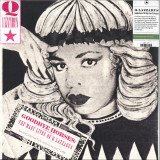
Q LAZZARUS - GOODBYE HORSES: THE MANY LIVES OF Q LAZZARUS

"Goodbye Horses: The Many Lives of Q Lazzarus (Music From The Motion Picture)". Purple + Black & White Splatter Vinyl. Der Einstieg in die Musik von Q Lazzarus erfolgte für fast alle über "Goodbye Horses". Der Song tauchte erstmals 1988 in Jonathan Demmes "Married to the Mob" auf, aber er sollte sich erst dann vollständig im Bewusstsein der Menschen verankern, als er 1991 in Demmes "The Silence of the Lambs" wieder auftauchte. "Goodbye Horses" fühlte sich an wie ein in sich geschlossenes Universum - traumhaft und völlig ungewöhnlich, ein sofortiger Klassiker, der die Zuhörer fesselte und neugierig auf die geheimnisvolle Stimme dahinter machte. Diese Stimme gehörte Diane Luckey, einer einzigartig talentierten Künstlerin, deren Musik ihrer Zeit voraus war und die letztlich zu Lebzeiten weitgehend unerkannt bleiben sollte. In Verbindung mit der Veröffentlichung des Dokumentarfilms "Goodbye Horses: The Many Lives of Q Lazzarus" von Aridjis Fuentes veröffentlicht Sacred Bones eine Sammlung von Songs, die die gesamte Karriere von Q abdecken und die verschiedenen Epochen ihres Schaffens und die ganze Bandbreite ihrer Persönlichkeit zeigen. "Goodbye Horses" ist die erste Musiksammlung, die den Segen von Qs verbliebener Familie erhalten hat, und hat die Besonderheit, ihre erste und einzige Albumveröffentlichung in voller Länge zu sein. Aufgenommen zwischen 1985 und 1995, spiegelt diese Fundgrube bisher unveröffentlichter Musik einige der interessantesten Facetten der Popmusik der letzten vier Jahrzehnte auf eine Weise wider, die sowohl versiert als auch wild eklektisch wirkt. Das titelgebende "Goodbye Horses" bleibt ein einzigartiges Stück gespenstischer New-Wave-Perfektion, und man könnte sich ein ganzes Q-Lazzarus-Album vorstellen, das sich um diese Ästhetik dreht, aber ähnlich den Gesangsikonen Alison Moyet, Annie Lennox oder Lisa Gerrard eignet sich Qs chamäleonhafte Stimme perfekt für eine Vielzahl von Stilen und Settings. Ihre Coverversion von Talking aHeads' "Heaven" verwandelt den Song in eine aus voller Kehle gesungene Power-Ballade mit klimpernden Klavierverzierungen, während ihre Interpretation von Gershwins "Summertime" wie eine dubbige Club-Reduktion klingt, die zu einem Grace Jones Stück der Nightclubbing-Ära hätte passen können. Tracks wie "My Mistake" und "Hellfire" flirten mit House-Musik und zeigen, wie frech und glockig Qs Stimme sein kann, wenn sie sich richtig austobt, während "Don't Let Go" wie eine bombastische Radiosingle klingt, die Cher vor einigen Jahrzehnten hätte veröffentlichen können. Andere Songs wie "Bang Bang" und "I See Your Eyes" sind von einer gitarrenbetonten Alt-Rock-Sensibilität, die in einem Paralleluniversum auch auf MTVs 120 Minutes Show hätte laufen können. "Goodbye Horses" verkörpert das Potenzial für so viele verschiedene Arten von Karrieren, die, aus welchen Gründen auch immer, nie vollständig verwirklicht wurden. Dass wir jetzt diese Songs in der Welt haben und ein klareres Bild von der Person dahinter, ist nichts weniger als ein Segen.

En stock

Disponible en stock et prêt pour l'expédition

23,49
Jack Horner - FR044

A bit of backstory behind this release, I first met Hilton (Jack Horner) at an event in 2012 that took place in a venue called Crucifix Lane (also known as Jack's, now defunct due to expansion of London Bridge station). He's good friends with Krome & Time who were performing that night and I remember chatting with him about jungle (I was still a very eager young lad that was in his first year of raving and very keen to talk about jungle/hardcore/d&b to anyone that would be willing to endure it!) and he mentioned that he used to make jungle in the 90s. I asked who he was and when he told me he was Jack Horner, I went mental because I was a big fan of the 2nd release on Spectrum Records (The Hoover & I Got This Feeling) and to actually meet the person behind those tunes was a really special situation for me to be in.

Unfortunately, I was too shy to get any contact details for him and I never saw him again or knew anyone that had a way of getting in touch with him. That was until very recently, when he had started attending Distant Planet events in London & I got the chance to meet him again, only to be shocked by him telling me that he had been following me & my music and was a fan of me & my label! This time, I made sure that I was able to get contact details for him, I was not going to make the same mistake as last time!

Last December, he messaged me asking if I would be up for doing a remix of The Hoover & I was quite unsure about doing it because of how much I really enjoy the original and feel like it does pretty much everything it needs to do with the sounds used. But, I thought it would be worth a try so I gave it a go and Hilton really liked the outcome (which was a huge relief ????), even though I was a bit too scared to change too much of it haha.

He then asked if I would be interested in releasing it on Future Retro London, which I'd never considered doing because I thought he would have had his own plans for it but I was willing to try & see if we could make a release out of this. I messaged Dwarde & Kid Lib to ask if they'd be up for doing remixes of the same tune (at the time, we only had access to the samples from The Hoover) and they both were and they did great work taking the original track in different directions, each in their own way.

Around the time of making The Hoover, Hilton made another tune with similar samples called After The Pain, which was never released, but he still had the tune. The problem is that he only had it in the form of a cassette recording, which wasn't very good quality and probably would not be easily cleaned up for release. So, I decided to remake the tune from scratch, using the samples I had from The Hoover, as well as sourcing & recreating other sounds used. I was able to remake the whole tune arrangement & then Kid Lib mixed it down to make it sound more sonically similar to how it would have sounded when it was originally made back in 94/95.

Anyway, story time over, big thanks to Hilton for his co-operation & assistance on making this release happen, to Dwarde & Kid Lib for their remix work & a special shout going out to Hughesee for going through Hilton's collection of floppy disks to find & record the samples for The Hoover.

En stock

Disponible en stock et prêt pour l'expédition

16,39
Various - Low End Guerrillas Vol 1

Born 2 Be Free celebrates the naughtier end of the house and garage spectrum with a first volume in this new Low End Guerrillas series. Mista Men's 'Corner' has muggy blasts of bass that cocoon you in warmth as lively garage drums and nimble synth motifs keep things fresh. Mella Dee brings his usual sonic filth to the rugged analogue grind of 'A Way Of Life'. No Brainers then layer up a bubbly mix of top and hits over driving bass notes on 'Not Again', then Lvpica's 'Funky:Mission' keeps it deep and moody with a shadowy bassline and slick drums for cool cats. Live From The Moon shuts down with the more eerie and suspenseful 'Parrot In The Studio.' Characterful tools from font to back.

pré-commande

Cet article n'a pas encore été publié. Vous pouvez pré-commander le produit maintenant.

15,34
Q LAZZARUS - GOODBYE HORSES: THE MANY LIVES OF Q LAZZARUS (MUSIC FROM THE MOTION PICTURE)

Der Einstieg in die Musik von Q Lazzarus erfolgte für fast alle über „Goodbye Horses“. Der Song tauchte erstmals 1988 in Jonathan Demmes „Married to the Mob“ auf, aber er sollte sich erst dann vollständig im Bewusstsein der Menschen verankern, als er 1991 in Demmes „The Silence of the Lambs“ wieder auftauchte. „Goodbye Horses“ fühlte sich an wie ein in sich geschlossenes Universum - traumhaft und völlig ungewöhnlich, ein sofortiger Klassiker, der die Zuhörer fesselte und neugierig auf die geheimnisvolle Stimme dahinter machte. Diese Stimme gehörte Diane Luckey, einer einzigartig talentierten Künstlerin, deren Musik ihrer Zeit voraus war und die letztlich zu Lebzeiten weitgehend unerkannt bleiben sollte. In Verbindung mit der Veröffentlichung des Dokumentarfilms „Goodbye Horses: The Many Lives of Q Lazzarus“ von Aridjis Fuentes veröffentlicht Sacred Bones eine Sammlung von Songs, die die gesamte Karriere von Q abdecken und die verschiedenen Epochen ihres Schaffens und die ganze Bandbreite ihrer Persönlichkeit zeigen. „Goodbye Horses“ ist die erste Musiksammlung, die den Segen von Qs verbliebener Familie erhalten hat, und hat die Besonderheit, ihre erste und einzige Albumveröffentlichung in voller Länge zu sein. Aufgenommen zwischen 1985 und 1995, spiegelt diese Fundgrube bisher unveröffentlichter Musik einige der interessantesten Facetten der Popmusik der letzten vier Jahrzehnte auf eine Weise wider, die sowohl versiert als auch wild eklektisch wirkt Das titelgebende „Goodbye Horses“ bleibt ein einzigartiges Stück gespenstischer New-Wave-Perfektion, und man könnte sich ein ganzes Q-Lazzarus-Album vorstellen, das sich um diese Ästhetik dreht, aber ähnlich den Gesangsikonen Alison Moyet, Annie Lennox oder Lisa Gerrard eignet sich Qs chamäleonhafte Stimme perfekt für eine Vielzahl von Stilen und Settings. Ihre Coverversion von Talking aHeads' „Heaven“ verwandelt den Song in eine aus voller Kehle gesungene Power-Ballade mit klimpernden Klavierverzierungen, während ihre Interpretation von Gershwins „Summertime“ wie eine dubbige Club-Reduktion klingt, die zu einem Grace Jones Stück der Nightclubbing-Ära hätte passen können. Tracks wie „My Mistake“ und „Hellfire“ flirten mit House-Musik und zeigen, wie frech und glockig Qs Stimme sein kann, wenn sie sich richtig austobt, während „Don't Let Go“ wie eine bombastische Radiosingle klingt, die Cher vor einigen Jahrzehnten hätte veröffentlichen können. Andere Songs wie „Bang Bang“ und „I See Your Eyes“ sind von einer gitarrenbetonten Alt-Rock-Sensibilität, die in einem Paralleluniversum auch auf MTVs 120 Minutes Show hätte laufen können. „Goodbye Horses“ verkörpert das Potenzial für so viele verschiedene Arten von Karrieren, die, aus welchen Gründen auch immer, nie vollständig verwirklicht wurden. Dass wir jetzt diese Songs in der Welt haben und ein klareres Bild von der Person dahinter, ist nichts weniger als ein Segen.

En stock

Disponible en stock et prêt pour l'expédition

22,27
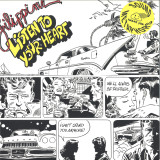
Filippini - Listen To Your Heart

Filippini

Listen To Your Heart

12inchTHANKYOU036
Thank You
08.05.2024

This EP could arguably be the peak expression of Filippini's, (aka Enrico “Big City” Filippini) career in Italo-Disco. Without doubt a more polished pinnacle within the genre, elegantly and efficiently conceived, with less grammar mistakes than many of its contemporaries. Downtempo paced in the low 100's, Enrico takes his time with the nostalgic lyrics in confident efforts of mending some questionable past romantic affairs. A production with melancholic nuances that would very deservingly find its place in a mix by the late visionary DJ Zecky for example. The kind of track that could be played 3 times in a row before offending anyone, very digestible to the ear, a delightful pleasure for the less sober soul, to be served with cocktails and high SPF sunscreen, just cruising along.

En stock

Disponible en stock et prêt pour l'expédition

15,92
Wanderwelle - All Hands Bury The Cliffs At Sea LP

After last year’s Black Clouds Above The Bows, Amsterdam-based collective Wanderwelle presents the second entry of their trilogy for Important Records, which is dedicated to telling the story of the climate crisis and its effects on coastal areas around the globe. For this album the artists incorporated the sound of a dying organ, fatally wounded in a climate related event.

All Hands Bury The Cliffs At Sea consists of electro-acoustic threnodies for an environment at risk due to the effects caused by receding coastlines around the globe. Wailing odes tell the story of the catastrophic activity of eroding waves and winds shaping the land that are enhanced by the climate crisis. First hand experiences and meetings with local maritime experts on the subject of these receding coastlines inspired Wanderwelle to compose these albums.

During their travels, the artists stumbled upon a small church in a town on the east coast of Scotland. The building was quite damaged, the roof was being stabilized and the ancient walls showed great tears running vertically down the structure. One of the church’s volunteers told Wanderwelle that the damage had been caused by a nearby cliff that collapsed in the sea. An event increasingly common in the region.

The church organ was ruined in such a way that it was deemed unplayable, as most of the pipes were gravely damaged and in dire need of restoration. Musical instruments directly affected by the environment -and especially the climate crisis- are quite rare. Despite the damage, the artists were allowed to record a few tones of the instrument with their equipment, which was actually meant to be used for field recordings later that day.

In Black Clouds Above The Bows, antique cavalry trumpets were recorded and manipulated by Wanderwelle to sound an environmental alarm in the same manner as they were once used to warn men on the battlefield. Similar processing was used on the recordings of the dying organ, resulting in spectral, deconstructed tones beyond recognition. In addition to the damaged organ, the artists recorded piano, cello and harmonic additive synthesizers in later stages of the composition process, manipulating these sounds to mimic the perpetual activity of the sea shaping the land.Furthermore, a great deal of inspiration was found in maritime superstition, lore and mythology.

As told in the legend of Aspidochelone, a legendary sea creature of enormous size, was once mistaken for an island. After sailors docked and lit a fire, the beast submerged resembling a land mass sliding into the sea. The album’s title is derived from the saying ‘All Hands Bury The Dead’, a maritime burial phrase, as the duo likes to think ‘All Hands’ refers to all of mankind since we are all responsible for these impending catastrophes.

Cello, violin, voice, pipe organ (damaged), bowed guitar, EBow, Prophet-6 synthesizer, modular synthesizer, field recordings.

RIYL: Oliveros/Deep Listening, Arvo Part, Lambda Sond, Sarah Davachi

En stock

Disponible en stock et prêt pour l'expédition

24,33
Werkha - All Werk Is Play LP (2x12")

First Word Records is very pleased to bring you the sophomore album from Werkha, a 14-track double LP entitled 'All Werk Is Play'.

Werkha hails from Manchester and has been releasing music for a decade, collaborating and remixing artists such as Quantic, Bryony Jarman-Pinto, Marcos Valles and Andrew Ashong. Werkha and his live band have been lighting up dancefloors in recent months at venues such as Low Four Studio in Manchester and The Jazz Cafe in London, with festival appearances locked for the Summer at the likes of We Out Here and Moovin. In past years, he has toured extensively with artists like Bonobo, Chet Faker and Mr Scruff.

In 2020, Werkha released 'The Rigour' on First Word, and dropped 'Beat Tapestry' in late 2021 on a limited cassette. 'All Werk Is Play' marks Werkha's first full-length solo project since his debut album 'Colours Of A Red Brick Raft' on Tru Thoughts in 2015, and sees this multi-talented musician produce a delightfully vibrant body of werk.

This album is predominantly a set of uptempo compositions from Werkha (real name Tom Leah), fusing analogue jazz-funk vibes with modern dance music sensibilities. Nestling somewhere between broken beat and breakbeat, Werkha has been nurturing his own unique sonics for some time; incorporating live horns & wind instruments with bass, double-bass, harp and guitar, along with a selection of sweet squelchy synths and deliciously delectable drum programming.

We've had several single releases from this project so far, namely 'Eterno Retorno' (with Portuguese singer Moreiya),'In Saint-Gilles' (with Brussels DJ & producer, Le Motel), 'Move Different' (with Mancunian singer & musician Ellen Beth Abdi), 'Beauty & The Bloc' and 'Battered Mars Bar'. As well as the afore-mentioned collaborations, this album also features bars from legendary MCR MC Chunky (Swamp81 / Levelz) on 'May Day', soulful vocals from Kemani Anderson (Secret Night Gang) on 'Count Yer Pace' and some heavyweight accompaniment from the likes of bassists Nick Blacka (GoGo Penguin) and Tom Driessler (Adele, Tom Misch, Jordan Rakei) amongst others.

'All Werk Is Play' was an opportunity for Werkha to produce a full body of work in the conceptual formation of an album, as opposed to a set of singles strung together. From 'The Rigour' EP to the subsequent releases, this album completes a circle in his current creative curve, from a design perspective and sonically. Werkha has been steadily pushing his own self-production and musicality, embracing mistakes, and challenging himself both creatively and mentally. As a self-edutaining piece, the depth, nuances and examples of work as play are numerous, and whilst each track was thematically inspired by different topics, the fun element of "play" was always forefront in his mind, to ultimately create something powerful, yet positive.

In Werkha's words "this record is dedicated to mixing things up, to walking down that street for once because your feet took you that way, to deciding not to take the bus today, to moments of improv, to breaking with convenience, to challenging structure, to play."

Tracks have received recent spins & support from BBC Radio heavyweights on 1Xtra & 6 Music like Jamz Supernova, Tom Ravenscroft, Huey Morgan and Afrodeutsche, as well as love from selectors such as DJ Paulette, Scratcha DVA, Harvey Sutherland, Zakia Sewell (NTS) & Jyoty (Rinse).

En stock

Disponible en stock et prêt pour l'expédition

16,77
NEW GERMAN CINEMA - PAIN WILL POLISH ME
  • Sub Rosa
  • Swirling Pain
  • Being Dead
  • I Become Heavy
  • Hera's Theme I
  • Eyes
  • Water Drops
  • Hera's Theme Ii
  • My Mistake
  • All That Heaven Allows
  • Pain Will Polish Me
  • Perfect Secret

,Stürmische und kathartische Dark-Pop-Perlen", schrieb Gorilla vs Bear über Jessica Weiss' frühe Soloarbeiten. Die Sängerin und Songwriterin von Fear of Men bringt dieselbe lyrische Präzision und emotionale Intensität in ihr Soloprojekt New German Cinema ein. Es hat fünf Jahre gedauert, zwischen London und LA, aufgebaut aus nächtlichen Dateien, langen Stillephasen und der stillen Beharrlichkeit zweier Menschen, die versuchen, etwas Schönes von entgegengesetzten Enden der Welt aus zu vollenden. Produziert mit Alex DeGroot (Zola Jesus, Cate Le Bon), wirkt es sowohl forensisch als auch hingebungsvoll, das Produkt von jemandem, der die Katharsis nicht überstürzt. Pain Will Polish Me präsentiert sich sowohl einsam als auch verbindend, als wäre es aus Fernübertragungen zwischen zwei Traumzuständen entstanden. Weiss nennt es eine Meditation über Pop und den europäischen Arthouse-Autoren Rainer Werner Fassbinder. Es verfolgt, wie Intimität und Kontrolle ineinander übergehen, bis es unmöglich ist zu sagen, wo das eine endet. Die Songs handeln von den Teilen von dir selbst, die sich in der Liebe auflösen, und von den kleinen Gewalttaten, die damit einhergehen, wenn man bekannt ist. Sie bewegen sich durch klaustrophobische Beziehungen, Obsession, Hingabe, Zyklen des Leidens, die sich allmählich wie Hingabe anfühlen. Die Sprache ist Pop, aber das Gefühl ist etwas Fremderes, Kälteres, Innerlicheres. Die Songs bewegen sich im Schatten. Es ist ein Album darüber, sich selbst zu verlieren, um zu sehen, was übrig bleibt. Ein Dokument der Liebe als Besessenheit, Wiederholung, Überleben. Eine Meditation über die Liebe als Spiegel und Untergang, in Fragmenten gestaltet und dann zu einem Ganzen zusammengefügt.

pré-commande27.03.2026

il devrait être publié sur 27.03.2026

23,49
DRAIN - ...IS YOUR FRIEND
  • Stealing Happiness From Tomorrow
  • Living In A Memory
  • Scared Of Everything And Nothing
  • Nothing But Love
  • Can't Be Bothered
  • Loudest In The Room
  • Nights Like These
  • Who's Having Fun?
  • Darkest Days
  • Until Next Time
également disponible

PINK EYE COLOURED Vinyl[23,49 €]


"Straight up, no one is having more fun than me when we"re up there!" beams DRAIN frontman Sammy Ciaramitaro, whose face is perpetually glued in a grin. For anyone that"s seen the Santa Cruz hardcore firebrands live, there"s no mistaking that fact. DRAIN isn"t just a good time as Sammy presides over the chaos of stage diving bodies and mic-grabbing frontline; it"s a party-and everyone is invited. (Dolphin shorts and boogie boards are optional but encouraged.) "The vibe of it is, enthusiastic, hectic," says the vocalist. "Five people deep singing and stagediving, then kids going berserk behind that. It"s a great vibe and I think people pick up on that." That, in a nutshell is DRAIN. The trio inject a serious dose of relatability-not to mention catchiness-into hardcore"s penchant for toughness and brutality on their new Epitaph album, ...IS YOUR FRIEND. Ciaramitaro"s desperate, snotty howl rides roughshod over thrash-leaning riffage as rhythms bounce in a big way. If you"re picturing the Pacific Ocean waves that rise and fall along the coastal town, occasionally violently so, you"re not far off.

pré-commande07.11.2025

il devrait être publié sur 07.11.2025

22,65
DRAIN - ...IS YOUR FRIEND

DRAIN

...IS YOUR FRIEND

12inch281205
Epitaph Europe
07.11.2025

"Straight up, no one is having more fun than me when we"re up there!" beams DRAIN frontman Sammy Ciaramitaro, whose face is perpetually glued in a grin. For anyone that"s seen the Santa Cruz hardcore firebrands live, there"s no mistaking that fact. DRAIN isn"t just a good time as Sammy presides over the chaos of stage diving bodies and mic-grabbing frontline; it"s a party-and everyone is invited. (Dolphin shorts and boogie boards are optional but encouraged.) "The vibe of it is, enthusiastic, hectic," says the vocalist. "Five people deep singing and stagediving, then kids going berserk behind that. It"s a great vibe and I think people pick up on that." That, in a nutshell is DRAIN. The trio inject a serious dose of relatability-not to mention catchiness-into hardcore"s penchant for toughness and brutality on their new Epitaph album, ...IS YOUR FRIEND. Ciaramitaro"s desperate, snotty howl rides roughshod over thrash-leaning riffage as rhythms bounce in a big way. If you"re picturing the Pacific Ocean waves that rise and fall along the coastal town, occasionally violently so, you"re not far off.

pré-commande07.11.2025

il devrait être publié sur 07.11.2025

23,49
MITSKI - LAUREL HELL

MITSKI

LAUREL HELL

12inchDOC250LP-C7
Dead Oceans
05.09.2025

"Laurel Hell" ist ein Soundtrack zur Transformation. Eine Landkarte für den Ort, an dem Verletzlichkeit und Widerstandsfähigkeit, Trauer und Freude, Fehler und Transzendenz in unserer Menschlichkeit Platz finden und als würdig angesehen werden können - um letztendlich anerkannt und geliebt zu werden. "I accept it all," verspricht MITSKI. "I forgive it all." Auf "Laurel Hell" festigt MITSKI ihren Ruf als Künstlerin, die die Kraft besitzt, unsere wildesten und zwiespältigsten Erfahrungen in ein heilendes Elixier zu verwandeln. "I wrote what I needed to hear. As I've always done." Nach der Veröffentlichung von "Be The Cowboy", einem der meistgelobten Alben des Jahres 2018, das von Outlets wie Pitchfork (u.a.) zum Album des Jahres gekürt wurde, stieg MITSKI vom Kultliebling zum Indie-Star auf. Mit spürbaren Folgen: Die Schinderei des Tourlebens und die Fallstricke die mit der erhöhten Sichtbarkeit einhergingen, beeinflussten ihre Musik ebenso wie ihren Geist, die sich in der ersten Single "Working For The Knife" niederschlägt. Ein Song, wie ein Prüfstein für das Gesamtgefühl von "Laurel Hell": "I start the day lying and end with the truth / That I'm dying for the knife." "Be The Cowboy" wurde von weiblicher Stärke und Trotz angetrieben, lebte jedoch von seinem Spiel mit Masken. Wie der Berglorbeer bzw. die "laurel hell", nach dem das neue Album benannt ist, kann die öffentliche Wahrnehmung, wie das berauschende Prisma des Internets, eine verlockende Fassade bieten, hinter der sich eine tödliche Falle verbirgt. Die sich immer enger zieht, je mehr man sich anstrengt. "I got to a point, where I just knew that if I kept going this way, I would numb myself to completion." Erschöpft von diesem verzerrten Spiegel und unserer Sucht nach falschen Binaritäten, begann MITSKI, Songs zu schreiben, die die Masken abstreifen und die komplexen und oft widersprüchlichen Realitäten dahinter offenbaren. MITSKI dazu: "I needed love songs about real relationships that are not power struggles to be won or lost. I needed songs that could help me forgive both others and myself. I make mistakes all the time. I don't want to put on a front where I'm a role model, but I'm also not a bad person. I needed to create this space mostly for myself where I sat in that gray area." Die daraus entstanden Songs verkörpern genau diesen Raum. Wie die zweite Single des Albums, "The Only Heartbreaker", die gemeinsam mit Dan Wilson geschrieben wurde und der erste Song dieser Art in ihrer Diskografie ist. "The Only Heartbreaker" verbindet treibenden 80er-Pop mit einem trügerisch einfachen Text, dessen aufrichtiger Refrain ins Ironische kippt, sobald dieser "the person always messing up in the relationship, the designated Bad Guy who gets the blame," beschreibt und sich zugleich fragt, ob "the reason you're always the one making mistakes is because you're the only one trying." MITSKI schrieb viele Songs für "Laurel Hell" während und teilweise vor 2018. Das Album wurde allerdings erst im Mai 2021 final abgemischt. Es ist die längste Zeitspanne, die MITSKI jemals für ein Album gebraucht hat und für die Musikerin inmitten einer radikal veränderten Welt endete. MITSKI nahm "Laurel Hell" mit ihrem langjährigen Produzenten Patrick Hyland in der Zeit der Isolation während der Pandemie auf, als einige der Songs "slowly took on new forms and meanings, like seed to flower." Das Album als Ganzes entwickelte sich "to be more uptempo and dance-y. I needed to create something that was also a pep talk" erklärt MITSKI. Die Spannung, die zwischen ihren raffinierten, aber wehmütigen Texten und dem sprudelnden Pop-Sound der 1980er Jahre entsteht, ist eine dringend benötigte Infusion in Zeiten wie diesen und das Werk einer reifen wie unwiderstehlichen Künstlerin, die auch zu fröhlich ansteckenden Dance-Beats immer noch etwas Profundes beizutragen hat.

pré-commande05.09.2025

il devrait être publié sur 05.09.2025

25,17
Q LAZZARUS - GOODBYE HORSES: THE MANY LIVES OF Q LAZZARUS (MUSIC FROM THE MOTION PICTURE)

Der Einstieg in die Musik von Q Lazzarus erfolgte für fast alle über „Goodbye Horses“. Der Song tauchte erstmals 1988 in Jonathan Demmes „Married to the Mob“ auf, aber er sollte sich erst dann vollständig im Bewusstsein der Menschen verankern, als er 1991 in Demmes „The Silence of the Lambs“ wieder auftauchte. „Goodbye Horses“ fühlte sich an wie ein in sich geschlossenes Universum - traumhaft und völlig ungewöhnlich, ein sofortiger Klassiker, der die Zuhörer fesselte und neugierig auf die geheimnisvolle Stimme dahinter machte. Diese Stimme gehörte Diane Luckey, einer einzigartig talentierten Künstlerin, deren Musik ihrer Zeit voraus war und die letztlich zu Lebzeiten weitgehend unerkannt bleiben sollte. In Verbindung mit der Veröffentlichung des Dokumentarfilms „Goodbye Horses: The Many Lives of Q Lazzarus“ von Aridjis Fuentes veröffentlicht Sacred Bones eine Sammlung von Songs, die die gesamte Karriere von Q abdecken und die verschiedenen Epochen ihres Schaffens und die ganze Bandbreite ihrer Persönlichkeit zeigen. „Goodbye Horses“ ist die erste Musiksammlung, die den Segen von Qs verbliebener Familie erhalten hat, und hat die Besonderheit, ihre erste und einzige Albumveröffentlichung in voller Länge zu sein. Aufgenommen zwischen 1985 und 1995, spiegelt diese Fundgrube bisher unveröffentlichter Musik einige der interessantesten Facetten der Popmusik der letzten vier Jahrzehnte auf eine Weise wider, die sowohl versiert als auch wild eklektisch wirkt Das titelgebende „Goodbye Horses“ bleibt ein einzigartiges Stück gespenstischer New-Wave-Perfektion, und man könnte sich ein ganzes Q-Lazzarus-Album vorstellen, das sich um diese Ästhetik dreht, aber ähnlich den Gesangsikonen Alison Moyet, Annie Lennox oder Lisa Gerrard eignet sich Qs chamäleonhafte Stimme perfekt für eine Vielzahl von Stilen und Settings. Ihre Coverversion von Talking aHeads' „Heaven“ verwandelt den Song in eine aus voller Kehle gesungene Power-Ballade mit klimpernden Klavierverzierungen, während ihre Interpretation von Gershwins „Summertime“ wie eine dubbige Club-Reduktion klingt, die zu einem Grace Jones Stück der Nightclubbing-Ära hätte passen können. Tracks wie „My Mistake“ und „Hellfire“ flirten mit House-Musik und zeigen, wie frech und glockig Qs Stimme sein kann, wenn sie sich richtig austobt, während „Don't Let Go“ wie eine bombastische Radiosingle klingt, die Cher vor einigen Jahrzehnten hätte veröffentlichen können. Andere Songs wie „Bang Bang“ und „I See Your Eyes“ sind von einer gitarrenbetonten Alt-Rock-Sensibilität, die in einem Paralleluniversum auch auf MTVs 120 Minutes Show hätte laufen können. „Goodbye Horses“ verkörpert das Potenzial für so viele verschiedene Arten von Karrieren, die, aus welchen Gründen auch immer, nie vollständig verwirklicht wurden. Dass wir jetzt diese Songs in der Welt haben und ein klareres Bild von der Person dahinter, ist nichts weniger als ein Segen.

pas en stock

Commandez maintenant et nous commanderons l'article pour vous chez notre fournisseur.

22,65

Last In: 11 months ago
Oscar Mulero - Have You Ever Retired a Human by Mistake? 2x12"

2025 Repress
Our private bandleader, Oscar Mulero, returns strongly to his own label with a complete techno album. This work represents the new edition of the WUBC special series and will be released in both double vinyl and digital formats with an extra son on the zeroes and ones edition.

On this occasion, Oscar focuses on the dance floor unceremoniously, except for the required ambient introduction. Throughout the sound journey that involves the continuous listening to the album, the listener is immersed in a complete experience on the dance floor, with the correct doses of mentalism and physical exercise that are required to develop the activity at the highest level.

As is tradition in Oscar Mulero's productions, there is a strong classical content, which draws on the original sources of Detroit and Birmingham, but seasoned with that dose of sci-fi that only he knows how to administer with this intensity. If you have followed his performances around the world you will have already been able to enjoy some of these exercises that now you can finally add to your collection.

One more piece in the unstoppable discography of one of the fittest exponents of contemporary techno, both on stage and in the studio.

pas en stock

Commandez maintenant et nous commanderons l'article pour vous chez notre fournisseur.

20,97

Last In: 3 months ago
Navigator - Flame is Slow LP

Flame is Slow collects together three acclaimed seven-inch EPs (originally released on the Noisebox label in 1996 and 1997) by the mysterious, mercurial Navigator. The post-Loveless UK underground of the early 1990s was a vibrant place, despite what music biographies may tell you. What might now be lumped together as “post-rock” was in fact a varied and forward-thinking group of artists creating inquisitive music in the wake of the grunge goldrush. Contemporaries such as Hood, Flying Saucer Attack, Movietone and – of course – Mogwai and Arab Strap are rightfully seen as timeless nearly thirty years on but they’re really just the tip of the iceberg. Navigator might get mentioned less but their story is every bit as intriguing as any of their peers. Navigator formed in Norwich in 1994. Their music was consistently introspective and melancholic, but their brief existence of five years saw them move rapidly from traditional song structures towards noise, found sound, free improvisation, electronics, primitive instrument building and – ultimately - silence. They were an enigma back then and they remain so now. They released four seven inches before a solitary album Nostalgie (1997, Swarf Finger Records). Each release felt different to the last but always intimate and peculiar. Their use of sound and space is nothing short of magical. Rough and unsettling textures rub against each other, selected and mixed instinctively. Another band’s discarded mistake becomes a key element in their hands. The band received much acclaim and some genuine commercial success when single When the Wires Fall ended up in the indie charts. They shared stages with Low, David Thomas, Aerial M, Stars Of The Lid and Labradford and toured with Mogwai and Arab Strap culminating in the now-notorious, equipment-levelling performance at The Garage in London. The original version of the group played live for the last time in 1999 before quietly disappearing. It was perhaps inevitable that a band so committed to exploring and refining their sound should end by removing themselves from it entirely. Aside from a brief (and excellent) reformation in 2006 and a CDR compilation of those early seven inches, Navigator have been quiet for over 20 years until now. Flame is Slow assembles the blue, red and green Noisebox EPs into one cohesive album-length collection, remastered with care and reassembled by the band. It rightfully places Navigator where they belong – as one of the most curious, adventurous, and beautiful groups this island has ever produced. “Whenever I think of bands that more people should’ve heard than did, I always think about Navigator. It’s great that the music they made is going to be available again as it is truly special and deserves to be heard by more people” – Stuart Braithwaite

pré-commande25.10.2024

il devrait être publié sur 25.10.2024

28,99
Bobbi Lu - Arrow, Four

Bobbi Lu

Arrow, Four

12inchMAYWAYLP049
MAYWAY RECORDS
25.10.2024

Bobbi Lu is the moniker of Lucy Ryan, born and raised in Oxfordshire in the UK, now living in Bruges after following love a few years ago. As a DIY bedroom producer, she’s released a handful of singles and is now ready with a debut album – ‘Arrow, Four’ – that will be out on 25 October. Drawing inspiration from acts like Radiohead, FKA Twigs, Jockstrap and Saya Grey, Bobbi Lu intertwines piano melodies with deep crunchy bass, electronica and samples, coming together in a dystopian and mysterious sound. As Ryan started gigging, she quickly attracted attention and went from supporting acts like The Haunted Youth and Sylvie Kreusch to playing her own headline shows and amazing festivals like The Great Escape (UK).

‘Arrow, Four’ is a collection of ten songs, written over the course of a few years, the process of each one completely different. “I guess the individual tracks have their own story, but in my head each story is just a symptom of a bigger theme, mostly inspired by the book Future Shock by Alvin Toffler. In it he talks about people’s ability to adapt having essentially a limit, and with growth accelerating could we be overloaded and experience a 'future shock'. And maybe that’s already happening, most notably in the form of mental health struggles.” “It made me think of how progression creates new challenges, an arrow going one way is pulled back by another in the opposite direction. I feel like it’s a topic more relevant than ever, especially with AI most recently. I think I use this topic to fuel my lyrics mainly as a way of forgiving myself and others, in those moments where we struggle and make mistakes, that we're all just doing our best in trying to keep up with a rapidly changing environment.” This is also reflected in the artwork by Maarten Derous. “It ties everything together. He came to me after listening to it and said something that came out for him was fragility, which at the time I completely did not think of. But he nailed it. It’s like, yes do it, be fragile and take it easy, it’s a pretty good answer to stuff being pulled in all directions.”

Limited LEMON Vinyl Edition

pré-commande25.10.2024

il devrait être publié sur 25.10.2024

25,17
WILD CLASSICAL MUSIC ENSEMBLE - CONFINED

The Wild Classical Music Ensemble is a Belgian experimental rock band formed in 2007 by artists with mental disability within the social-artistic non-profit organisation Wit.h in Kortrijk. Their unique sound is a blend of punk/rock riffs, fanatical rhythms and soaring flutes and fiery synths, over which gravitate multiple, multilingual voices that scratch harshly as much as they comfort. There's something very Belgian about this harshness and noisiness. We often think of compadre Arno, from the TC Matic era. During the Covid crisis, the disabled members of the Wild Classical Music Ensemble were undoubtedly subjected more than others to the harsh conditions of confinement, alone in their rooms. Damien Magnette was still able to visit them with sound equipment. This was one of their all-too-few windows onto the world. Forbidden to meet, let alone play together, the members of Wild were nevertheless able to compose songs in tandem with Damien. The tracks were then sent to musician friends - Fabrice Gilbert, Ava Carrère, Wim Opbrouck, Shht, Arthur Satàn, Nathan Roche and Julien ZLDR - who added their artistic touch. Jean Lamoot and Carl Roosens joined the adventure, one as mixer, the other as video director. It's a result of the conditions under which it was created, this is the band's most highly-produced album, and perhaps its most accessible: frankly rock, with a great deal of freedom in production, and sometimes with a certain pop allure. Jean Lamoot's contribution to the mix had a lot to do with it. In addition, the forced slowdown allowed us to devote much more time and attention to writing the lyrics. Leader Damien Magnette says: "For over a year, we were all confined. But what about when you're a mentally handicapped person? Well, it's very different from you and me... We have the right to choose, the luxury of deciding for ourselves what rules we want to follow or not. We have free will. They don't. This series of confined songs is dedicated to all the people who have gone through this crisis, deprived of their free will. We send them our thoughts, hugs and kisses full of true love! The songs respond to a deep desire to look out for each other in adversity (the so obvious "Comment ça va?" by Johan Geenens and Wim Opbrouck, or "Waarom ben je boos" by Sébastien Faidherbe with Wim Decoene, the latter full of empathy). A sense of loneliness is logically present on the album ("Dat is mijn verdriet" by Linh Pham, a very real, very concrete and particularly touching poem, or "Loneliness", whose text was improvised by Wim), if not an understandable rage ("Je ne veux pas" and "My Frustrations"). It worth noting that on "On reste heureux", Sébastien Faidherbe composed all the parts in one go, with an optimism that stands out from the anger expressed in his other songs. Let's make no mistake: none of this is really over. All these emotions, suffering, pain and hope, speak to us far beyond this grim story of covid.

pré-commande25.10.2024

il devrait être publié sur 25.10.2024

19,96
goat - Joy In Fear LP

Goat

Joy In Fear LP

12inchNKD09
NAKID
14.08.2024

goat (JP) are renowned for two albums released in 2013 and 2015 that took Kraftwerk’s man-machine concept back to its roots with swingeing, inch-tight drums, bass and guitar patterns that needed to be heard to be believed. For their long-in-the-making new album ‘Joy In Fear’, band leader Koshiro Hino (YPY, KAKUHAN) describes the process as “90 percent pain” - and we can well believe it - few other records we can think of transmute DAW-composed rhythmic precision into such an expressive instrumental performance. It really is a feat of determination, skill and execution that seems to defy human dexterity.

Make no mistake - an academic exercise it ain’t - in the most visceral sense, goat (JP) make BODY music, for dancing, flailing, for losing yourself in completely. As usual, Hino plays guitar, backed by bassist Atsumi Tagami, while Akihiko Ando joins on saxophone, while Takafumi Okada and Rai Tateishi step in to handle percussion, with the latter moonlighting on flute. Every sound is sculpted into a fragment of cadence: guitar and bass prangs alternately echo and dance between the drums, and Ando's sax is mutated into a respiratory slobber of guttural smacks and phantom breaths.

In some respects, it's tempting to label it jazz, but the kind of jazz that Miles Davis spearheaded on the game-changing 'On The Corner', the blueprint for so much post-punk, electronic music and avant rock. goat (JP) take that raw alloy and sharpen it like a blade, mangling the template with the knotty metrics of Autechre or Ryoji Ikeda. The accuracy is galvanic; it's almost impossible to comprehend each player keeping a mental note of the mathematical time signatures, and yet they floss them out with trills and icy stutters that seem to evaporate around the thick, taiko-like thuds.

They practically get our teeth gnashing with the bruxist rictus chatter of ‘III I IIII III’ , before ‘Cold Heat’ introduces subtly harmonised, new aspects to their sound with slivers of Hassellian flute and ringing overtones of their percussion, while the winding sensuality of ‘Warped’ slips down very nicely. Their links to OG no-wavers like Glenn Branca & Wharton Tiers’ Theoretical Girls - is manifest in the 8 mins of chipping stop/start pulse and parry to ‘Modal Flower’, while a total left turn into Mark Fell-meets-Ligeti-esque messed up metronomics in ‘GMF’ ties it off with a properly beguiling flourish.

pas en stock

Commandez maintenant et nous commanderons l'article pour vous chez notre fournisseur.

31,30

Last In: 13 months ago
Orcas - How to Color a Thousand Mistakes

Following a ten-year hiatus, multi-instrumentalists Rafael Anton Irisarri and Benoît Pioulard return with »How to Color a Thousand Mistakes«, their third LP together as Orcas. Building on the electronic minimalism of »Orcas« (2012) and the Twin Peaks-inspired haze of »Yearling« (2014), the duo have expanded their sound and vision into a full-spectrum ensemble.

In the time since their last major collaboration, Irisarri and Pioulard have done plenty on their own, while also traversing significant life changes: relocation from Seattle to New York, separation and divorce, illness, hospitalizations, and the loss of siblings, parents, and friends. Yet from these tribulations, they gleaned inspiration to reconstruct their lives, creating music with new collaborators and partners. Recorded in a variety of studios and cities including Brooklyn, Cambridge, Oxford, Seattle, and upstate New York, the resulting album, under the tutelage of UK producer James Brown (Arctic Monkeys, Kevin Shields, Nine Inch Nails), is a patiently-crafted beast, equally inspired by impressionism, British new wave, and dream pop.

With Irisarri’s guidance and Brown’s encouragement, Pioulard brings his velvety voice to its harmonized peak on songs like »Wrong Way to Fall« and the Durutti Column-indebted »Fare«. Where his most recent solo albums for Morr Music (»Sylva« and »Eidetic«) navigated foggy forests of ambient pop and stacked tape loops, here his characteristic blur shifts into focus with a unique degree of clarity and confidence. »How fare against balance do I / Navigate my errors?«, Pioulard sings in a heartbreaking tenor, echoing the album’s broader themes of introspection, grief, loss, trial and trauma.

Lead single, »Riptide«, is a summary of Pioulard’s life changes and personal upheavals in the past decade, »flitting eastward toward a yen deep in the past« and learning to glide through the tumult of ocean waves, as a metaphor for the punches one takes in pursuit of grace. Its towering, key-changing midsection arrives with the monumental drumming of Slowdive’s Simon Scott, a long-time friend and cohort who appears on most songs in the set. Scott’s quintessentially English, jazzier approach offers a balance of force and restraint as the backdrop for Irisarri’s majestic guitars, analog synth lines, and Martin Heyne’s Fender Rhodes counterpoints.

Second single, »Next Life«, began as a sketch by Scott, and reached its final form in the hands of Pioulard and Irisarri, at a point that each had endured major concurrent losses, finding a commonality in the need to gaze over the horizon while acknowledging the unavoidable bittersweetness of letting go – not only of people, but of routines, places, and expectations. It’s one of Orcas’ most nuanced pieces, with a mid-tempo, sunset glow that unfolds into a sparkling, slide-guitar finale as it disappears in the rear view.

On third-act highlight, »Bruise«, Scott is doubled on the drum kit by MONO’s Dahm Majuri Cipolla, whose Liebezeit-influenced metronomy anchors a nimble bass groove from Andrew Tasselmyer (of Hotel Neon), and some of the album's most syncopated, spaced-out interplay, courtesy of Puerto Rican guitar player Orlando Méndez (a childhood friend of Irisarri’s). Originally a droney, fingerpicked guitar demo, »Bruise« is the most storied composition here, having gone through almost a dozen versions and lyrical edits, with Brown distilling hours of improvised performances into the final arrangement.

Throughout »How to Color a Thousand Mistakes«, Irisarri uses his deep well of production experience to paint the stereo field with meticulously designed textures, exemplified on the slow burn of »Heaven’s Despite« and the heady rush of »Swells«. As a mixing and mastering engineer with Black Knoll, he has built a client list that reads as a who’s-who of modern, forward-thinking composition, including Temporary Residence, All Saints Records, and Ghostly International, among many others.

As with previous collaborations, Irisarri and Pioulard bring disparate styles and specialties to the table, but with an interpersonal dynamic that transcends friendship into brotherhood, their open-minded workflow and mutual respect are evident at every turn. »How to Color a Thousand Mistakes« brims with tight, complex art rock songwriting, masterful production, and sonic versatility, informed by a plethora of genres and tonal hues. The title might promise answers, but the gravitational center of the album is the dawning realization that, as you reckon with the infinite whims of the cosmos, there could be none.

pré-commande19.07.2024

il devrait être publié sur 19.07.2024

28,36
Articles par page:
N/ABPM
Vinyl