Back to the roots of one of the most influential south-american songwriter and composer. A pioneer of the musical genre of bossa nova in the late 1950s, Joao was often called "father of bossa ", while in his native Brazil he was referred to as "O Mito" ("The Legend"). This compilation investigates his early career, showing the many sides of his sophisticated art.
Buscar:mito
- 1
Recorded during an almost 24-hour marathon first-day session for All My Relations, "Mitote" emerged from group improvisation and composition, featuring Sunny Jain (Red Baraat) on the dhol. Bosco and the band worked up an arrangement quickly with a heavy backbeat, building the melody on a blues form-embodying the world's nature of ecstasy and struggle.
"D i l o" was recorded during the Ancestros Futuros sessions, but was left off the album. The rhythmic framework was composed by Brian Wolfe and arranged by the band. The song features call and response between the percussion and saxophone punctuated by high bell patterns and low bottom drum hits.
Welcome to the kickoff of DemoDc's 5-EP series, where he reflects on the complexities of our times. Coining "Meiosistosis" from mitosis and meiosis, DemoDc creates a unique vocabulary to express his deep perspective. Released through Heart Heart Records, the music follows a non-linear, cyclic journey, with each track standing independently, guiding listeners through an evolving experience.
"A1 - Awake" opens the series, celebrating those brave enough to face their flaws in a world of false promises. With introspective melodies and harmonies, the track encourages self-discovery and reflection, urging listeners to seek their own truths.
"A2 - Not From Around Here" embraces individuality, using its ethereal tones to highlight the strength found in being different and celebrating the alien within us all.
"B1 - Glimpsed (Original Mix)" offers a brief taste of the profound mysteries of the present, reminding us that truth is personal and elusive.
"B2 - Glimpsed (Metapattern Mix)" the remix by Berlin's Metapattern transforms the original track into a deep, pulsating techno piece perfect for DJs, adding a powerful twist to this captivating musical journey.
Known principally as a smooth titan of blue-eyed soul, Bobby Caldwell transcended genre tags with consummate ease; he was a musical icon of real class and versatility, cherished the world over. Tragically passing away in March 2023 at the too young age of 71, it still feels as if Bobby's true artistry is profoundly under-appreciated. His double platinum self-titled album from 1978 is a timeless masterpiece of sophisticated jazzy soul brilliance and is strictly canonical. Yes, it's perfect, yet it's been out of press on vinyl for years. We're deeply honoured to present the long-awaited reissue this summer.
Whilst Ned Doheny is known in Japan as "Mr California", native New Yorker Bobby Caldwell has always been "Mr AOR" to his Far-Eastern friends. His distinct charm is an irresistible blend of soul, jazz, and pop influences. He possessed phenomenal songwriting prowess, smooth vocal performances, was both a great soul guitarist and dextrous keyboard player and known for genius chord progressions. It all added up to a multi-layered brilliance entering the studio, and the singular sound he landed on was laced with soulful, sweeping strings and funky horns, touching lightly on disco, while allowing his supple voice to carry the stunning tracks he'd crafted.
String-swept opener "Special To Me" immediately sets the tone with its lush instrumentation, rich harmonies, and Caldwell's velvety-smooth vocals. Next up, a huge one. The infectious, mid-tempo bounce of "My Flame" showcases Caldwell's ability to effortlessly blend catchy pop hooks with soulful arrangements. It's an exquisite, emotive ballad that, at the same time, absolutely SLAPS. Game recognise game, and all that, so, accordingly, Notorious B.I.G. memorably ran with “My Flame” for his 1997 single “Sky’s The Limit”. The rolling, disco-very "Love Won't Wait" is a slick, uptempo track containing heartfelt lyrics intertwined with elegant strings and a horn section to die for. Aching - and achingly cool - single "Can't Say Goodbye" is a real fan favourite, and it's no surprise. It's a laconic, slow-mo jazz-funk stepper, with fantastic, very deliberate playing that closes out the A Side quite exceptionally. "Come To Me" slows proceedings down elegantly to open Side B before the universally agreed-upon masterpiece enters proceedings.
"What You Won't Do for Love," the standout hit that became a classic in its own right, perfectly captured Bobby's ability to infuse a contagious groove with introspective and relatable lyrics. With its instantly recognisable horn riff and Caldwell's soulful delivery, this timeless, chiller anthem continues to captivate audiences and define his musical legacy. He scored huge with the track, taking over the pop and R&B airways with this mellow soul stepper. It has remained a perennial favourite and has been heavily sampled, such is its unique allure; Aaliyah sang over snatches of it on "Age Ain’t Nothing But A Number" and you can hear Caldwell’s vocal sample used for the hook on Tupac’s posthumously released “Do For Love”.
Upon submitting the finished album to his label, they requested more material in hope of a big single. As Bobby remembered to Wax Poetics a few years ago: “Now at this point, I’m mentally exhausted...and bear in mind that I got so close to all the songs I’d written. I gave each song a profound amount of thought, and maybe too much. So, in haste, I went in and cut this song, "What You Won’t Do For Love". Wrote it in a day, cut the rhythm track, overdubbed the horns, I sang the song, and literally turned it in three days after. And lo and behold, the one song I gave the least thought to,” Bobby laughed, “ended up being a national anthem.”
The mysterious, magical "Kalimba Song" is a cosmic, kalimba-driven melodic-funk instrumental - short but oh, so sweet. It's followed by the supreme tear-jerker "Take Me Back To Then", Bobby's otherworldly voice deeply longing for a simpler time, "when life was mellow". I think we can all get behind this sentiment. The final cut is arguably its deepest, its low-key finest moment. For us, it is, anyway. The glorious, driving, effortlessly funky guitar-soul jam "Down For The Third Time" is a huge melancholic Be With favourite and has been played by discerning genre-hopping DJs with significant glee for years. Hypnotic, melodic, beautiful. Like the album it elegantly rounds out.
Bobby sadly passed away on 23rd March 2023, after a long struggle with mitochondrial damage and oxidative stress, due to an adverse effect from a fluoroquinolone antibiotic. The reissue of his wonderful eponymous album will be available on vinyl across the globe, ensuring that fans of his incomparable talent - and soul music enthusiasts worldwide - can radiate in the deep beauty of this seminal album. Meticulously remastered and cut by both Simon Francis and Cicely Balston respectively, it has been pressed to the highest possibly quality at Record Industry in Holland.
Meiosistosis is a unique and creative descriptive innerstanding created by DemoDc taken from the scientific terminology of Mitosis - a splitting of one cell to create 2 identical cells and Meiosis - a splitting of 1 cell to create 4 very unique cells. Combining these 2 findings to create its own unique expression of what Demo feels earth herself is potentially going through in what most humans refer to as 'crazy mad' times.
‘Call me mad or crazy yet my artistic take on all this madness of change, coming from a more spiritual aware perspective, I feel its very possible and plausible that earth herself is shifting from an energetical vibrational frequency resonance, shifting from a lower to a higher frequency that has souls who inhabit at this present time on Earth, have choices made available to either shift to these higher frequencies of perception or to chose to remain in the lower frequencies of perception’
….says Demo when explaining the meaning of the titles chosen for his brand new releases. Hence, from this perspective it would give more purpose and meaning with the Earth splitting itself from 1 earth into 2 with the merging of it being identical and unique all at once.
True or not, through creative expression can we all individually make sense in our own rights, which then gives more power to the inner-standing of what co-creating with any greater power outside of ourselves, is. Each track holds its own unique expression to what has been described here and of course gives each listener a chance to give meaning to what is embraced in their own connection made when absorbed in the creations these ep's offer.
Dopplereffekt present Athanatos, their forth release for Leisure System, including a stunning collaboration with Carsten Nicolai and Olaf Bender. Advancing the concepts of growth and decay considered in Cellular Automata, the duo of Rudolf Klorzeiger and To-Nhan explore the genetic conditions behind mortality in five sections, each offering a different interpretation of the subject matter. While conceived as a whole, the parts could be seen as functional devices in an iterative process. The release features artwork by Carsten Nicolai,
- A1: Mattheis - Pt4
- A2: Aera - Glass Channel
- B1: Isole¦Üe - No Let
- B2: Dokumn - Come For You
- C1: Ed Davenport - Mendocino
- C2: The Drifter - Three Words Max
- D1: Human Space Machine - Mitochondria
- D2: Oliver Deutschmann - The Infidel
- E1: Mano Le Tough - An Hour In The Morning
- F1: Nathan Jonson - There's A Pink In There
- F2: Kev Sheridan - Samhain
Maeve kicks off their first label compilation 'Heavy Rotations Vol 1', covering all facets of the labels sound with tracks from Mano Le Tough, Isolée, Oliver Deutschmann, Ed Davenport, Aera and more. Comes as 3 LP in a specially designed cover consisting of 3 differently printed innersleves in a cut out outersleeve.
Oddball Japanese electro-fueled vocoder funk with occasional raps from the 80s, including unreleased material...
.
Japanese Electro original, Minoru Hoodoo Fushimi, self-released four albums. Two vinyl LPs and two CDs between 1985 and 1992. Melbourne`s Left Ear Records have selected twelve tracks, for a double vinyl retrospective. 10 tracks from Minoru`s four albums and a further two unreleased tracks from the archives.
Minoru set out to combine his love of all things Funk with traditional instruments and song from his homeland. He uses shamisen on Thanatopsis. Where Parliament`s Flashlight, George Clinton`s Atomic Dog, ride with Osamu Kitajima`s Masterless Samurai. Shakuhachi on Mizuko No Tamashii Hyakumademo. Nohdashi puts koto with a Jimmy Castor riff. All set to popping and locking beats.
Minoru`s vocals switch between raps about cellular metabolism and haemoglobin, Soul croon and vocoder. On Shinz-San he adds Metal guitar to vintage Sugarhill. And he goes crazy with his sampler. Scratching in cats, frogs, babies, laughter, giggles, traffic jams, failing ignitions, opera singers, and amorous sighs. Furarete mixes elephant roars and Go-Go. Creating unique avant grooves that share something with Tackhead`s ON-U Sound System, Savant`s tape experiments, and fellow countrymen EP-4.
co-compiled by Left Ear Records and Jerome Qpchan
Ruffiani is the new joint venture between Sam Ruffillo and Fimiani – a playground for edits, sample reworks and cheeky dancefloor tricks. The first release brings together four cuts that go from classic sample-based grooves to refined eighties-inspired proto-house vibes, up to a shamelessly catchy tune built around a very familiar Italian hook… and a final club weapon made to blow the room apart.
- Washing Machine
- One, Now
- No One
- No Where
- No One Is Free
- Until All Are Free
Unfolding ist Jessica Moss' meditativstes und klagendstes Soloalbum und vielleicht das erste in der jahrzehntelangen Diskografie der Violinistin und Komponistin aus Montreal, das man zu Recht als Ambient bezeichnen kann. Die ehemalige Mitglied von Silver Mt Zion und Black Ox Orkestar schöpft aus Postklassik, Drone, Minimalismus, Industrial/Metal, Power Electronics, Klezmer und anderen Folk-Traditionen. Es handelt sich hierbei nicht um abstrakte Ambient-Musik; vielschichtige Violinenmelodien, elektroakustische Bearbeitungen, intermittierende Stimmen und Percussion von Tony Buck, dem Schlagzeuger von The Necks, bringen zutiefst emotionale, genreübergreifende Kompositionen hervor, die von einem Geist der Suche und Beschwörung geleitet sind und sich in einer vorherrschenden Atmosphäre von Beschwörung und trauernder Zurückhaltung entfalten. Die Untrennbarkeit von Persönlichem und Politischem hat sich für Moss in den letzten zwei Jahren immer stärker herauskristallisiert. Als Kernmitglied der Montrealer Sektion von Musicians For Palestine hat sie mehrere Benefizkonzerte mitorganisiert und gespielt und im Frühjahr 2024 das Soloalbum For UNRWA veröffentlicht (das über 800 Unterstützer fand und Tausende von Dollar einbrachte). Später im selben Jahr zerbrach ihre langjährige Fernbeziehung aufgrund politischer Differenzen. In enger Zusammenarbeit mit dem Produzenten Radwan Ghazi Moumneh (Jerusalem In My Heart) entstanden ,Unfolding" in den letzten zwölf Monaten, dem zweiten Jahr des Völkermords in Palästina, als direkte Reaktion auf unser kollektives Miterleben, unsere kollektive Trauer, als Portal zur kollektiven Trauer, als Suchscheinwerfer durch unsere inneren Wettersysteme, auf der Suche nach einander in der Dunkelheit. Moss bewegte sich bereits in Richtung einer erhöhten Fragilität und einem tiefen Zuhören, ihre Musik wurde zunehmend langatmig und zeremoniell. Trotz der stark gesunkenen finanziellen Rentabilität von Tourneen wurde ihre Hingabe, Raum zu schaffen, Verflechtungen herzustellen und eine Verbindung zu einem intimen Live-Publikum aufzubauen, zu ihrem kreativen Leitstern, ihre Solo-Praxis wurde durch ihr Engagement und die Kommunikation in diesen Räumen geprägt. Die jüngsten politischen und persönlichen Umwälzungen haben diese ritualisierten, reparativen musikalischen Prozesse nur noch verstärkt. Die beiden langen Stücke auf der ersten Seite von Unfolding verkörpern diese Sensibilität. ,Washing Machine" verwebt Schichten von Streicherdrones und Filigranarbeit, sanft verzerrt durch Verzerrerpedale und Verstärkung, wobei unentzifferbare, ausgeblasene Sprechstimmen den Mix zeitweise als fragmentarische Palimpseste verhüllter Rezitationen und unbeschreiblicher Gefühle umhüllen. Der Ursprung des Stücks liegt in einer Telefonaufnahme einer europäischen Waschmaschine, die Moss aufnahm, als sie neben ihr saß, mit gebrochenem Herzen auf dem Badezimmerboden, und Trost fand, indem sie eine Melodie zu den mechanischen Obertönen der Waschmaschine summte, die ihren Zyklus durchlief. Das Herzstück des Albums, ,One, Now", beginnt als zarte Anrufung mit Basspuls, Glockenspiel und Glocken, gezupften Saiten und traurigen Lead-Violinenlinien, die von jüdischen und arabischen Modi beeinflusst sind. Umgebungsgeräusche, Feldaufnahmen und wortlose Gesänge werden hinzugefügt, während sich Violinenmelodien überlagern und zu einer hypnotisierenden Drone-Landschaft verschmelzen: eine halb improvisierte, lebendige Komposition, die durch Tony Bucks pinselstrichartiges Schlagzeugspiel und Moumnehs ,Schrei in die Leere" am Ende noch weiter belebt wird. Die zweite Seite ist ein vierteiliges Werk mit dem Titel ,no one / no where / no one is free / until all are free", das sich durch Umgebungsgeräusche, elegische postklassische Streicher und verzerrte harmonische Drones zu einem Höhepunkt aus liturgischer Orgel, rituellen Glocken und schimmernden elektronischen Spuren entwickelt, der die Bühne bereitet für den letzten Song des Albums: die erschütternde Chor-Komposition ,until all are free", eine weltliche Hymne, die aus Jessicas mehrspurigen Gesangsaufnahmen besteht (die sie aber gerne mit anderen im Konzert singen würde). Unfolding ist ,einem freien Palästina in unserer Lebenszeit" gewidmet. Danke fürs Zuhören.
- A2: Vento Dall'oriente
- A3: Mura Di Bisanzio
- A4: Il Ponte Dell'asia
- A5: Mito Asiatico
- A6: Fortezza Medioevale
- A7: Vestigia Elleniche
- B1: Ballata Turca
- B2: La Valle Di Corem
- B3: Pastorale Armana
- B4: Festa Al Villaggio
- B5: Ballo Popolare
- B6: Dolce Anatolia
- B7: Vita Nei Campi
- B8: Vita Cittadina
- B9: Giovani Di Ankara
A captivating deep cut from the golden age of Italian library music, Il Ponte Dell’Asia stands as one of Piero Umiliani’s most evocative and exotic soundscapes. Originally released in 1967 as a private pressing for Italian the TV documentary by Corrado Sofia, this elusive gem blends Far Eastern motifs with the elegance of mid-century European jazz and the textured experimentation that defines Umiliani’s best work.
On Il Ponte Dell’Asia, Umiliani constructs a cinematic bridge between continents, layering modal melodies, sinuous flutes, shimmering vibraphones, and richly orchestrated strings over hypnotic rhythms and subtly psychedelic touches. The result is a masterful fusion of East-meets-West that channels both travelogue fantasy and avant-garde sophistication — a rare synthesis of traditional instrumentation and modernist sensibility.
Exported from the original tapes, pressed on high-quality vinyl and with faithfully restored artwork, this reissue offers a long-overdue return to one of Umiliani’s most immersive sonic journeys, an essential for fans of Italian library music, film scores, and genre-defying jazz.
Rediscover a lost jewel from the vault of one of Italy’s most visionary composers — where bamboo forests, smoky clubs, and dreamlike landscapes converge in sound.
©℗ 1967, Liuto Edizioni Musicali / Licensed to Holy Basil Records by Liuto Edizioni Musica
- A1: Fin
- A2: Reina Tormenta
- A3: Enlazan Las Tinieblas
- A4: Mictlán
- A5: Nefilbata
- B1: Cue The Sun
- B2: Alba Del Orate
- B3: Voice In My Knives
- B4: Poseedora De Mi Sombra
- C1: Celaje
- C2: Vociferó
- C3: Mito De Los Trece Cielos
- C4: Un Disparo Al Vacío
- C5: Detrás De La Puerta Dorada
- C6: Maullidos
- D1: Morgana
- D2: Cue The Sun (Reprise)
- D3: Lucro Sucio
The Mars Volta's ninth studio album represents a significant milestone for the band, which has been continually reinventing itself for more than 20 years. With “Lucro sucio; Los ojos del vacio," they deliver an album that celebrates their roots, allowing them to reconnect with their origins. Fans are invited to embark on a musical journey.
- Antibalas - A.w.o.l
- Antibalas - Íyámi Ájé
- Antibalas - No Fo Iyawo Mi
- Cochemea - All My Relations
- Cochemea - Mitote
- Cochemea - Al-Mu’tasim
- Innov Gnawa - El Bouhala
- Menahan Street Band - Dancer’s Mood
- The Budos Band - Ephra
- The Budos Band - The Proposition
- Pax Nicholas - Na Teef Know De Rod Of Teef
- The Daktaris - Eltsuhg Ibal Lasiti
- El Rego - Kpon Fi La
- 1: Kitaro Rides A Boat
- 2: Daily Hotel
- 3: Slowly Walking
- 4: Piggyback
- 5: Castle Ruins
- 6: In The Can
- 7: Came To Sell Water Meter By Measure
- 8: Eiji Mitooka’s Arrangements
- 9: Cheap Flat
- 10: Year One And Public
Kumio Kurachi is a Japanese singer-songwriter who has been active since the 1980's.
This is his 11th solo album and only the second to be released outside of Japan following ‘Sound of Turning Earth’ (2018) on bison. Though his songs are written and performed primarily on guitar, “Open Today” is a return to Kurachi’s full, multi-instrumental recording style - featuring drums, bass, strings, keys and Kurachi’s rich, distinctive vocals in multiple voicings. Incredibly, all instrumental performances and arrangements were performed and recorded by Kurachi himself - marking a brilliant return to the fully fleshed out visionary world we fell in love with on Supermarket Chitose (Enban, 2006). The super fine detail and dense landscapes of ‘Open Today’ should come as no surprise really - Kurachi is an illustrator by trade and it bleeds right through to his music. Even to the non-native speaker Kurachi’s vocals hold centre stage - at times enormous and thundering over urgent guitar and toms, then switching to softly spoken words amongst keys. Frequently Kurachi multiplies, whether multitracking himself or summoning voices for the characters he writes from sightings on train platforms or supermarkets. His lyrics - translated to English for both formats - are more like poetry, and though written about the mundane they quickly become surreal, bringing the quality of dreams into the everyday. The hours spent on buses, trains or walking home towards a cheap flat - familiar to us all - are catalysts for microcosms of detail.
Again, we shouldn’t be surprised - Kurachi is well known in Japan for winning the national championship of NHK's "Poetry Boxing" in 2002, which also might explain his amazing Discogs photo. Poet, illustrator, multi-instrumentalist - Kurachi is thought of by many as a genius. He’s worked with Jim O’Rourke, Tori Kudo, Eiko Ishibashi and Taku Unami (who did the mastering on this LP). There are lines to be drawn between Kurachi and Kazuki Tomokawa or Kan Mikami, but also Francis Plagne and Fairport Convention.
Ultimately though there is nothing else like it - it’s a brand of strange songcraft that’s totally captivating.
Lisbon's Para?so is back with its 14th release 'Crossroads' by local legend-in-the-making Salbany and remixes from portuguese dance music pioneer Cisco Ferreira a.k.a. The Advent and Detroit's own AMX otherwise known as The AM. The record opens with 'My Life', a warm yet propulsive detroit-referencing techno cut with pad washes, shuffling hi hats, an introspective vocal sample, cascading organ solos and arpeggios to a blissful effect. A2 'Crossroads' brings us a raw, bouncy, jam-like rhythmic section with syncopated toms and snares offset by a piano stab motif and emotive strings. 'Next Morning' closes side A, a hypnotic, curveball roller featuring a warm, rolling bass, offbeat drum hits glued together by immersive pads and UR-esque strings. Side B opener 'Mito' delves into trippier territories with admirable skill - not losing an inch in dancefloor potential - fusing bleeps and bells, beautiful chord progressions and hyper groovy drum machine programming. Techno icon Cisco Ferreira steps in with his 'Lisbon Dub' remix, transforming 'Crossroads' into a sparser, delay-infused slow-burner held together by a dope bass line. AMX brings the lead synth of 'Mito' to a lower octave, mutating it into a swingy midwestern experimental cut that inspires urgency and life force. A restless mantra emerges via the digital bonus track, an alternate 'Elevated' remix of 'Crossroads' that superbly merges original detroitian leanings and industrial textures in a no-frills peaktime banger. This is one of those records that lovingly reminds us techno is about emotion, swing, energy. As in life, nothing here sits still: movement, physical and metaphysical, is the messenger of progress.
Erste remasterte Reissue von Minoru Fushimis rarem Debütalbum 'Thanatos Of Funk' (1985) in limitierter Auflage auf rot-gold-farbigem Vinyl, ein Meilenstein der japanischen Underground- und Electro-Funk-/frühen Hip-Hop-Geschichte. Die von Fushimi selbst produzierte und vertriebene Rarität ist eine Liebeserklärung an die Gegenkultur, DIY, Drum Machines und Synthesizer, gepaart mit Killer-Shamisen und Gitarren. Die Neuauflage enthält den handgeschriebenen Original-Comic von Fushimi mit englischen Übersetzungen. Essentiell!
The seeds of composer Rafael Anton Irisarri’s latest LP were first planted during his 2016 tour in Italy, months before that Autumn’s unexpected presidential election. The linguistic glitch of an innocuous diner in Milan named “il Mito Americano” – meant as “The American Dream” but translated literally to English as “The American Myth” – sparked a series of ideas, both conceptual and musical.
Amid the chaos of 2020, while exploring the stark world of brutalist architecture and inspired by the false fronts of Potemkin villages, a vision started to take shape: FAÇADISMS. Composed over three years, it’s a late capitalist lament of simmering electric despondency.
Irisarri’s obsession with repeating motifs mirrors the cyclical nature of our tumultuous political history. The album’s eight tracks heave and storm like a tempest being drained of its rage. This is the sound of majestic dissipation, of morning afters, fashioned from a mournful haze with cavernous guitars and granular twilight. A euphony of a receding tide as one sifts through the remnants of what remains: dust, delusion, and memory.
Opening with the somber gauze of “Broken Intensification," FAÇADISMS moves fluidly between moments of absence and abandon. Ashen swaths of electronics billow above smoldering embers of melody, guitar, and scattered streaks of processed strings and voice, as on the rapturous doom of “Control Your Soul's Desire for Freedom,” featuring Julia Kent on cello and Hannah Elizabeth Cox on vocals. "The impoverished peoples of the Americas have known all along that 'freedom' is a cruel illusion crafted by the elites, akin to Potemkin's fake villages designed to impress Catherine the Great," Irisarri indicates. "FAÇADISMS illustrates a twisted inversion where the rulers deceive their subjects with illusions of safety, democracy, and free speech to create a grotesque mirage of control over their own lives.”
Elsewhere, Irisarri leans into passages of hushed oblivion (“Hollow,” “Dispersion of Belief”), while ragged drones rumble and disintegrate into wind-battered ambient wreckage. One has the sense that it’s all too late. The hour of fury has passed. The beauty has come and gone. Irisarri’s muse has become the crack in the façade of the unraveling myth.
The record closes with a climax of grand departure. Co-written with Kenyan sound artist KMRU, “Red Moon Tide” surges from flickering elegy to celestial disquiet, roiling waves of hymnal descent, and bristling noise. The effect is unsettling and unmooring: a soundtrack for the soul leaving the body, only to discover a void. It’s the sound of the center not holding, of shared illusions being dissolved in a tunnel of white light.
The cover photograph captures a profound sense of desolation. Taken in the historic shanty town of La Perla, Puerto Rico, where Irisarri spent his childhood, brutal colonial mysteries are lost to time. A skeletal concrete structure decays against an expansive blue horizon. Only the shadow of its shell ripples on the empty sea.
Has the American myth finally run its course?
The seeds of composer Rafael Anton Irisarri’s latest LP were first planted during his 2016 tour in Italy, months before that Autumn’s unexpected presidential election. The linguistic glitch of an innocuous diner in Milan named “il Mito Americano” – meant as “The American Dream” but translated literally to English as “The American Myth” – sparked a series of ideas, both conceptual and musical.
Amid the chaos of 2020, while exploring the stark world of brutalist architecture and inspired by the false fronts of Potemkin villages, a vision started to take shape: FAÇADISMS. Composed over three years, it’s a late capitalist lament of simmering electric despondency.
Irisarri’s obsession with repeating motifs mirrors the cyclical nature of our tumultuous political history. The album’s eight tracks heave and storm like a tempest being drained of its rage. This is the sound of majestic dissipation, of morning afters, fashioned from a mournful haze with cavernous guitars and granular twilight. A euphony of a receding tide as one sifts through the remnants of what remains: dust, delusion, and memory.
Opening with the somber gauze of “Broken Intensification," FAÇADISMS moves fluidly between moments of absence and abandon. Ashen swaths of electronics billow above smoldering embers of melody, guitar, and scattered streaks of processed strings and voice, as on the rapturous doom of “Control Your Soul's Desire for Freedom,” featuring Julia Kent on cello and Hannah Elizabeth Cox on vocals. "The impoverished peoples of the Americas have known all along that 'freedom' is a cruel illusion crafted by the elites, akin to Potemkin's fake villages designed to impress Catherine the Great," Irisarri indicates. "FAÇADISMS illustrates a twisted inversion where the rulers deceive their subjects with illusions of safety, democracy, and free speech to create a grotesque mirage of control over their own lives.”
Elsewhere, Irisarri leans into passages of hushed oblivion (“Hollow,” “Dispersion of Belief”), while ragged drones rumble and disintegrate into wind-battered ambient wreckage. One has the sense that it’s all too late. The hour of fury has passed. The beauty has come and gone. Irisarri’s muse has become the crack in the façade of the unraveling myth.
The record closes with a climax of grand departure. Co-written with Kenyan sound artist KMRU, “Red Moon Tide” surges from flickering elegy to celestial disquiet, roiling waves of hymnal descent, and bristling noise. The effect is unsettling and unmooring: a soundtrack for the soul leaving the body, only to discover a void. It’s the sound of the center not holding, of shared illusions being dissolved in a tunnel of white light.
The cover photograph captures a profound sense of desolation. Taken in the historic shanty town of La Perla, Puerto Rico, where Irisarri spent his childhood, brutal colonial mysteries are lost to time. A skeletal concrete structure decays against an expansive blue horizon. Only the shadow of its shell ripples on the empty sea.
Has the American myth finally run its course?
The seeds of composer Rafael Anton Irisarri’s latest LP were first planted during his 2016 tour in Italy, months before that Autumn’s unexpected presidential election. The linguistic glitch of an innocuous diner in Milan named “il Mito Americano” – meant as “The American Dream” but translated literally to English as “The American Myth” – sparked a series of ideas, both conceptual and musical.
Amid the chaos of 2020, while exploring the stark world of brutalist architecture and inspired by the false fronts of Potemkin villages, a vision started to take shape: FAÇADISMS. Composed over three years, it’s a late capitalist lament of simmering electric despondency.
Irisarri’s obsession with repeating motifs mirrors the cyclical nature of our tumultuous political history. The album’s eight tracks heave and storm like a tempest being drained of its rage. This is the sound of majestic dissipation, of morning afters, fashioned from a mournful haze with cavernous guitars and granular twilight. A euphony of a receding tide as one sifts through the remnants of what remains: dust, delusion, and memory.
Opening with the somber gauze of “Broken Intensification," FAÇADISMS moves fluidly between moments of absence and abandon. Ashen swaths of electronics billow above smoldering embers of melody, guitar, and scattered streaks of processed strings and voice, as on the rapturous doom of “Control Your Soul's Desire for Freedom,” featuring Julia Kent on cello and Hannah Elizabeth Cox on vocals. "The impoverished peoples of the Americas have known all along that 'freedom' is a cruel illusion crafted by the elites, akin to Potemkin's fake villages designed to impress Catherine the Great," Irisarri indicates. "FAÇADISMS illustrates a twisted inversion where the rulers deceive their subjects with illusions of safety, democracy, and free speech to create a grotesque mirage of control over their own lives.”
Elsewhere, Irisarri leans into passages of hushed oblivion (“Hollow,” “Dispersion of Belief”), while ragged drones rumble and disintegrate into wind-battered ambient wreckage. One has the sense that it’s all too late. The hour of fury has passed. The beauty has come and gone. Irisarri’s muse has become the crack in the façade of the unraveling myth.
The record closes with a climax of grand departure. Co-written with Kenyan sound artist KMRU, “Red Moon Tide” surges from flickering elegy to celestial disquiet, roiling waves of hymnal descent, and bristling noise. The effect is unsettling and unmooring: a soundtrack for the soul leaving the body, only to discover a void. It’s the sound of the center not holding, of shared illusions being dissolved in a tunnel of white light.
The cover photograph captures a profound sense of desolation. Taken in the historic shanty town of La Perla, Puerto Rico, where Irisarri spent his childhood, brutal colonial mysteries are lost to time. A skeletal concrete structure decays against an expansive blue horizon. Only the shadow of its shell ripples on the empty sea.
Has the American myth finally run its course?
Over two decades of toil have passed, the aeon of the end was declared, the parasitic wisdom gained, and the formula of undoing achieved. MITOCHONDRION awoke from a deep, dreamless slumber, and after 11 agonizing years, pried loose from the Cronian clutches to integrate the suffering once again. The singular death metal entity has prepared in cloistered meditation to ascend the peak and proselytize the harrowing word once more.
The new MITOCHONDRION album “Vitriseptome”, released almost 14 years after the band’s last full-length “Parasignosis” is an axe head the size of the known universe brought down with frightening force to sever the neck of all creation. Forged and fermented with the blood, sweat, and bile over a decade from conception to completion: This Great Work nearly took the life of all involved, leaving all to question the true meaning of Death: enantiodromian obeisance to the Abraxan force under Saturn's guise.
This double album is overloaded and unbearable: Pour in what little life you have remaining to be pulverized, conflagrated, calcified, fermented, and purified.
“Vitriseptome” is 11 Alchemical Death Metal works, split over 17 tracks, to form a trilogy of 3 parts, in two phases, which elapses nearly 90 minutes in length.
The trio of Japanese Saxophone legend Akira Sakata with the scandinavian rhythm section presents already his fifth album! While the trio was on a Japan tour in 2019, Sakata arranged for a handful of special collaborations, with some of Japan's most important artistic figures. Featuring the avantgarde dancer Min Tanaka, the pianist Yuji Takahashi and a heavyweight veteran of Japanese experimental music - drummer Takeo Moriyama. Moriyama was playing with Sakata in the Yosuke Yamashita Trio and is his unflinching sparring partner on the explosive 2022 Trost duo recording Mitochondria.
- A1: Klein & Mbo - Dirty Talk (European Connection Mix)
- A2: Electric Workers Feat Funny Randon - The Garden (Vocal)
- A3: Sun La Shan - Catch (Vocal Version)
- B1: Camaro‘s Gang - Ali Shuffle
- B2: Steel Mind - Bad Passion (Remixed Disco Version)
- B3: The Creatures - The Other World Robots (Extended Mix)
- C1: Den Harrow - To Meet Me (A-Version)
- C2: Sylvi Foster - Hookey
- C3: Koto - Chinese Revenge (Maxi Version)
- C4: Peter Richard - For You For Only You
- D1: Mito - Droid
- D2: Wanexa - The Man From Colours
- D3: Advance - Megamix By Flemming Dalum (Take Me To The Top)
Unsere erfolgreiche CD-Compilation-Serie ZYX “Italo Disco History“ gibt es jetzt auf vielfachen Wunsch unserer Italo Disco Fans auch als Vinyl Ausgabe. Wie bei der CD-Serie starten wir im Jahr 1982. Auf 2 farbigen Vinylen gibt es die großen Italo Disco Hits aus dem Jahr 1982, In Zusammenarbeit mit der Italo Disco Legende Flemming Dalum werden wir chronologisch die große Italo Disco Ära der 80er Jahre beleuchten. In diesem Jahr konnten sich erste Künstler etablieren, die in den folgenden Jahren große Erfolge feierten, wie z.B. Den Harrow oder Koto. Als Bonus gibt es einen exklusiven Megamix von Flemming Dalum, inkl. der Titel, die sich auch auf der CD-Serie befinden. Abgerundet wird diese Compilation von Liner Notes von Flemming Dalum.
Four remixes of Persian Pop classics delivered by Salar Ansari.
Vinyl Only.
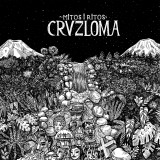
Mitos & Ritos, the debut EP by the Ecuadorian group Cruzloma, consolidates in its six songs a spirit of promoting traditional rhythms in contemporary styles, a process of reinvention and self-discovery in homage to the indigenous peoples of the Ecuadorian jungle and the riches of ceremonial music all in a mix featuring electronica, global bass and dembow. The hostile times humanity is going through have awoken a need to get back to our roots, reclaim ancestral knowledge, and question where the excessive exploitation of natural resources has led us. We have heeded that urgent call to care for everything that seems unlimited but which is increasingly scarce. And so we have looked to the past to understand our relationship with what surrounds us and establish a dialogue between the past, the present and the uncertain idea of the future. Applied to music, this has aroused the interest of artists and producers who use the rich folklore and traditions of Latin America to replicate that dialogue between what was and what will be. With this in mind, Mitos & Ritos ("Myths and Rites"), the debut EP by the Ecuadorian group Cruzloma, consolidates in its six songs a spirit of promoting traditional rhythms in contemporary styles, a process of reinvention and self-discovery in homage to the indigenous peoples of the Ecuadorian jungle and the riches of ceremonial music, based around the bambuco style from Esmeraldas on the northern coast, and the bomba del chota and the san juanito from Imbabura province. On this EP there are also sacred prayers of the Shuar nation, called Ujaj and Anets, including ceremonies like the taking of ayahuasca and of the tzan tza, all in a mix featuring electronica, global bass and dembow. It is a journey into mysticism, the jungle and the dancefloor, reflecting a search for musical identity that is at once contemporary and futurist.
According to a brief introduction from the artist printed on the centre labels, Jus Ed's latest EP was inspired by "the end of a toxic relationship". The Underground Quality founder has always been good at eking every last drop of emotion from his productions, though he's never been as open as thus.
Check first the melancholic chords, warming grooves and delay-laden spoken word vocals of 'She Kicked Me', before moving on to the alien acid jack of 'Toxic Get Out', where the producer's spoken word missives tend towards the inspirational. Elsewhere, 'Trigga' is a deep, hazy and hypnotic treat blessed with killer jazz bass; 'I Guess I Will Never Know' sees Jus Ed muse on relationship breakdown over a jazzy breakbeat-driven groove; and 'Daisy Moja Mitosc' is a deliciously deep and percussion-rich treat.
Für die Entstehung des Albums stellte Vince zwei Regeln auf - erstens, dass die Klänge, die er selbst für das Album erzeugte, ausschließlich von Eurorack stammen sollten (ein modulares Synthesizerformat, das Mitte der 90er Jahre eingeführt wurde) und zweitens, dass jeder Track auf einer einzigen Note basieren und eine einzige Tonart beibehalten sollte. Die daraus resultierenden Stücke, bei denen der Eurorack-Sound mit Logic Pro bearbeitet wurde, sind wortlose Erzählungen, in denen ein Gefühl von synthieerzeugter, kosmischer Abgeschiedenheit oft durch starke Interventionen durchbrochen wird, die an die menschliche Hand inmitten dieser Maschinerie erinnern.
Auf diesem Album ruht sich Vince Clarke nicht auf seinem beachtlichen Pop-Erbe aus, sondern eröffnet sich selbst und uns anderen aufregende neue elektronische Möglichkeiten, deren Permutationen und Möglichkeiten grenzenlos sind.
Bobby Caldwell's second album, Cat In The Hat, from 1980, is one of his greatest moments and another masterwork of soulful sophistication. Featuring the eternal "Open Your Eyes", brilliantly sampled by J Dilla for Common's "The Light", it's about as essential as records get. Like its eponymous predecessor, it's been out of print for far too long. To finally release the hugely-anticipated reissue is one of our sincerely proudest moments.
Whilst Ned Doheny is known in Japan as "Mr California", native New Yorker Bobby Caldwell has always been "Mr AOR" to his Far-Eastern friends. His distinct charm is an irresistible blend of soul, jazz, and pop influences. He possessed phenomenal songwriting prowess, smooth vocal performances, was both a great soul guitarist and dextrous keyboard player and known for genius chord progressions. It all added up to a multi-layered brilliance entering the studio, and the singular sound he landed on was laced with soulful, sweeping strings and funky horns, touching lightly on disco, while allowing his supple voice to carry the stunning tracks he'd crafted.
Right from the off, it's easy to tell that Cat In The Hat is a deeply special record. It's fantastically produced and incredibly well-rounded, carving its own lane with deep soul, warm jazz and a stunning vocal delivery that really helped Bobby reach out to some big new audiences at the time. Goosebumps at the ready for the rolling power-piano funk of "Coming Down From Love", opening up the album with a track as good as anything Steely Dan or The Doobies ever crafted, with a vocal performance from the heavens. Pumping AOR wonder "Wrong Or Right" is up there with the slick, classy rhythms of prime Ned Doheny whilst the cool, skipping soul of guitar-drenched "To Know What You've Got" is a funky ballad par excellence, with elemental traces of "What A Fool Believes". No bad thing. Closing out Side A, the folk-funk of "You Promised Me" is a bright, soulful strut with a wonderful vocal coda that just builds. Sensational.
The delicate bounce and falsetto self-harmonising of "It's Over" offers a truly delightful introduction to Side B, and serves as a great precursor to what follows. Bobby's dynamite "Open Your Eyes" is likely the reason you're all here. As if he needed it, the eternal J Dilla further immortalised Caldwell in the hip-hop canon with his production of Common’s epochal “The Light,” which heavily samples the magical “Open Your Eyes.” On a post paying tribute to Bobby in March 2023, Questlove claimed that he "got word Brother Bobby loved it". Bobby's original has seen new life even more recently from the likes of Dwele and Kendrick Lamar and deservingly so, as its insistent drums and staccato piano created a modern-soul classic. You'd think that would be hard to follow, wouldn't you? Not so, when you're Bobby Caldwell. Indeed, the horn-drenched stepper "Mother Of Creation" is absolutely ace, and, whisper it, possibly the album's finest track, all funky piano and guitars with horn lines to die for. Exquisite ballad "I Don't Want To Lose Your Love" rounds out the album beautifully.
Bobby sadly passed away on 23rd March 2023, after a long struggle with mitochondrial damage and oxidative stress, due to an adverse effect from a fluoroquinolone antibiotic. The reissue of Cat In The Hat will be available on vinyl across the globe, ensuring that fans of his incomparable talent - and soul music enthusiasts worldwide - can radiate in the deep beauty of this seminal album. Meticulously remastered and cut by both Simon Francis and Cicely Balston respectively, it has been pressed to the highest possibly quality at Record Industry in Holland.
Experimental once-sludge metal duo branch out further with an album influenced by Middle East / North African / Asian pop and traditional music. Nazm sees Jucifer deploy their familiar studio tactic: writing, arranging, producing, engineering, and playing all instruments themselves to create a sprawling concept album. This time, it’s to celebrate their shared love for the Middle East and North Africa (MENA) and central / south / west Asian traditional and pop music cultures with fourteen highly textured, intensely personal and passionately delivered original songs. Fans of the band likely know they can expect surprises with each album, as well as recordings which differ drastically at times from their live sound. In this tradition, Nazm strays far from the brutal excess of a Jucifer show (and of their recent releases Futility and District Of Dystopia) but, as with all Jucifer’s recordings, the point is not to imply any static trait of the band but instead to bring to life a story they’re telling. Track Listing: 1. Return 2. Mood 3. Un Occupied 4. Welcome 5. Sahel 6. Endure 7. Pulverization (Becoming) 8. Displaced 9. Jucifer – Divided 10. Notice (Warning) 11. Water Woman 12. Mitochondria 13. The World Is A Sword 14. To The Lost
Black & Opaque Silver vinyl. ZZK Records Presents Uji's TIMEBEING. A prehistoric tribe dances around the fire. Young revelers lose themselves on a packed dancefloor. Explorers fly a rocket toward another galaxy. In the TIMEBEING universe, these things are all connected. From the earliest days of humanity, people have strived to expand their reality beyond the limitations of the here and now and have used technology to make it happen. Their methods and machines may have changed across the centuries, but the drive remains constant, vibrating through history and occupying a space where time loses all meaning. "The art of making music is the art of manipulating time," says Uji. "I have had experiences where time shifts dramatically; sometimes it slows down to a halt, while moments seemingly become infinite. This is where the magic happens. This is when the fabric of what we call reality begins to show its seams." An Argentinian electronic producer and ethnomusicologist, Uji has been navigating those seams for more than two decades, initially as one half of the pioneering duo Lulacruza, but more recently with his own solo work. TIMEBEING continues that lineage, but also elevates it, taking shape as a interdisciplinary multimedia journey that includes a new album, an accompanying short film, an immersive live show and the birth of a new decentralized community of like-minded artists, creators, seekers, and dreamers. Mesmerizing and deeply psychedelic, the TIMEBEING LP certainly reflects the rich sound palette of Latin America and its intersection with various strains of electronic music but Uji taps into traditions both musical and spiritual that can't be hemmed in by borders and boundaries. Transcendence is the goal, and the album moves through fantastical spaces that may or may not exist: a metallic jungle, a Balkan spaceship, a cloud that morphs into a tumultuous whirlpool. All the while, Uji criss-crosses history, consulting elders and futurists alike as he throws open the doors of perception and pens a new mythology about what it means to be human. Some of that mythology takes shape in the TIMEBEING film. Written by Uji himself, the eight-part opus has been brought to life by Jazmin Calcarami, who makes her directorial debut following years of working as an experimental make-up artist with the likes of Björk and Cirque de Soleil. On stage, the transportive TIMEBEING live show is set to premiere at the Artlab Cultural Center in Buenos Aires, where it will be debuted as a part of a weekly residency this spring. More than just a concert, it's a dazzling theatrical experience, complete with dancers, costume changes, arresting visuals and even an on-stage "ship" (shaped like mollusk) where Uji himself will perform. "What we see on the surface, is only that the surface," says Uji. "There is so much more. Music is the bridge and the possibilities are limitless." Track listing: 1. Mito 2. Oropo 3. Truenatruena 4. QuemaQuema (feat. Nyaruach) 5. Kinto 6. Lunay (feat. Zola Dubnikova) 7. Flechas 8. Sirios (feat. Kristine Barrett)
A prehistoric tribe dances around the fire. Young revelers lose themselves on a packed dancefloor. Explorers fly a rocket toward another galaxy. In the TIMEBEING universe, these things are all connected. From the earliest days of humanity, people have strived to expand their reality beyond the limitations of the here and now_and have used technology to make it happen. Their methods and machines may have changed across the centuries, but the drive remains constant, vibrating through history and occupying a space where time loses all meaning. "The art of making music is the art of manipulating time," says Uji. "I have had experiences where time shifts dramatically; sometimes it slows down to a halt, while moments seemingly become infinite. This is where the magic happens. This is when the fabric of what we call reality begins to show its seams." An Argentintian electronic producer and ethnomusicologist, Uji has been navigating those seams for more than two decades, initially as one half of the pioneering duo Lulacruza, but more recently with his own solo work. TIMEBEING continues that lineage, but also elevates it, taking shape as a interdisciplinary multimedia journey that includes a new album, an accompanying short film, an immersive live show and the birth of a new decentralized community of like-minded artists, creators, seekers, and dreamers. Mesmerizing and deeply psychedelic, the TIMEBEING LP certainly reflects the rich sound palette of Latin America_and its intersection with various strains of electronic music_but Uji taps into traditions_both musical and spiritual_that can't be hemmed in by borders and boundaries. Transcendence is the goal, and the album moves through fantastical spaces that may or may not exist: a metallic jungle, a Balkan spaceship, a cloud that morphs into a tumultuous whirlpool. All the while, Uji criss-crosses history, consulting elders and futurists alike as he throws open the doors of perception and pens a new mythology about what it means to be human. FOR FANS OF: Floating Points, Four Tet, Oneohtrix Point Never, Actress, Nicola Cruz, Dengue Dengue Dengue, Nicolas Jaar, Mount Kimbie, Mucho Indio.
How Do I Get That Star is Zannie Owens' debut record under their own
name, as well as the first release with Kill Rock Stars
Previously, they performed as Potted Plant and they co-helmed the band Really
Big Pinecone alongside Michael Buishas (0 Stars, .michael). This latest effort is
self- produced, and features contributions from friends in New York, as well as
zannie's brother Sam, who plays bass and also mixed the record. Made over the
course of four years, the record deals with feelings of pining for the unknown, the
mystical, and the mundane. To paraphrase zannie, the record was produced
mitotically from their mind. The resulting 11 songs (picked precisely because of
the number's magical, symmetrical qualities), are warm to the touch. To listen to
How Do I Get That Star is to immerse oneself in a sound bath or look up at the
stars on a summer night in the middle of nowhere.
- A1: Boa Dona, Chacona De Negros Y Gitanos (Chacona) (Chacona)
- A10: Solea Sola (Solea De La Serneta) (Solea De La Serneta)
- A11: Bulerias De La Base (Bulerias) (Bulerias)
- A2: Tres Golpes (Fandango Callejero) (Fandango Callejero)
- A3: Yo Soy La Locura (Folia) (Folia)
- A4: Si Algun Dia (Seguiriyas Del Nitri, La Cherna Y Jose De Paula) (Seguiriyas Del Nitri, La Cherna Y Jose De Paula)
- A5: Noche Oscura (Tona De Jacinto Almaden) (Tona De Jacinto Almaden)
- A6: Arde La Casa De Cupido (Seguidillas Mitologicas De Alosno) (Seguidillas Mitologicas De Alosno)
- A7: Melisenda Insomne (Romance Carolingio De Tradicion Sefardi) (Romance Carolingio De Tradicion Sefardi)
- A8: Los Fonemas (Karawane)
- A9: No Hay Que Decir El Primor (Jacara) (Jacara)
It's the first album in many years by cantaor Tomas de Perrate, known as PERRATE, and it's titled Tres golpes
Tres golpes comes from a radical view on flamenco that is not just radical because of the extreme form of its artistic proposal, but because it is the embodiment of its own roots.
It's radical and pure. It's well defined, raw, familiar, and alongside producer Refree, Perrate manages to give another twist to the screw of modern flamenco, making it as incisive and visceral as possible.
[h] A8 . Los Fonemas (Karawane) [tonas] (Karawane)
Spectacular live recording from 1986 of two seminal figures of the Japanese avantgarde - Akira Sakata on saxophone and Takeo Moriyama on drums.
Mitochondria captures the reunion of the two free jazz masters, who started playing together in the Yosuke Yamashita Trio in 1972 until 1975. For both, the experience with the trio was an important step in the development of their own career and musicianship. The recordings are a remarkable performance in which each successfully highlights the essential elements of his playing while giving of room for the other musician.
Recorded at Kashiwa Church Chiba Pref. In Japan on 24 May 1986 by Yukio Tezuka on Sony stereo cassette recorder.
Mixed by Jim O’Rourke, Mastered by Martin Siewert. Graphic design/cover photo by Lasse Marhaug.
Liner notes by Kazue Yokoi.
Spectacular live recording from 1986 of two seminal figures of the Japanese avantgarde - Akira Sakata on saxophone and Takeo Moriyama on drums. Mitochondria captures the reunion of the two free jazz masters, who started playing together in the Yosuke Yamashita Trio in 1972 until 1975. For both, the experience with the trio was an important step in the development of their own career and musicianship. The recordings are a remarkable performance in which each successfully highlights the essential elements of his playing while giving of room for the other musician. Recorded at Kashiwa Church Chiba Pref. In Japan on 24 May 1986 by Yukio Tezuka on Sony stereo cassette recorder. Mixed by Jim O'Rourke, Mastered by Martin Siewert. Graphic design/cover photo by Lasse Marhaug. Liner notes by Kazue Yokoi
After releasing two records with the quintet Fazer, German guitarist Paul Brändle presents his solo debut on Squama Recordings.
Paul's minimalist compositions move in slow-motion between Straight Ahead Jazz, Folk, and Blues, only subtly disclosing their musical origins.
The album was recorded in Vienna during the annual 'Hundstage', a period in the summer during which the whole city succumbs to the sweltering heat. Short on oxygen, but not on ideas, Paul created 9 tracks of soothing excellence that are worth calming down for.
- Track 1 Murderous Horn Dub – Rocking Jamboree Rhythms
- Track 2 Wreaking Horns Dub – Wreak Up My Life Rhythm
- Track 3 Natty Congo Dub – Roots Natty Congo Rhythm
- Track 4 Tribulation Horn Dub - Tribulation Rhythm
- Track 5 Everybody Needs Dub – Everybody Needs Love Rhythm
- Track 6 Ambitious Dub – Breaking Up Rhythm
- Track 7 Finding Dub – You’ll Never Find Another Love Like Mine Rhythm
- Track 8 Catching Horns Dub – You Have Caught Me Baby Rhythm
- Track 9 Springtime In Dub – In The Springtime Rhythm
Tommy McCook was not only a founding member of the legendary Jamaican Ska group The Skatalites, but also a brilliant musical arranger. His informed understanding of Jazz, R&B and in fact most music styles would always add another layer to any song put his way. This made him the go to guy for most of the Jamaican producers, who would use his arrangement skills to pepper up their latest tunes.
Tommy McCook, (b1927, Havana, Cuba) came to Jamaica with his mother from Cuba aged 11 and entered renowned Alpha Boys School for underprivileged children, a school that placed great emphasis on musical tuition. At the tender of 14, such was his talent he has left to join Eric Deans Orchestra and took on stints with other bands led by Don Hinchman and Roy Coburn. All the bands played in the Swing and Jazz style of the times. He relocated to the Bahamas in 1954 where he further developed his Jazz technique and upon his return to Jamaica in 1962 began working Coxsone Dodd’s Studio One and became involved in the development of Ska. His knowledge of Jazz, R& B and Jamaican musical forms helped set the tone for the group of musicians he was working with and would name the Skatalites. The group, consisting of Don Drummond (Trombone), Roland Alphonso (Tenor Saxophone), Jackie Mitoo (Piano), Lloyd Brevett (Bass), Lloyd Knibbs (Drums), alongside Tommy himself on Tenor Saxophone. The group would back all the major Ska vocalists pf the day and would also go on to cut a catalogue of instrumental music. The Skatalites split up in 1965 and Tommy McCook moved over to work with Duke Reid’s Treasure Isle Studios where he formed The Supersonics. A set of musicians under his guidance that consisted of Lynn Tait and Ernest Ranglin (Guitar), Neville Hinds and Winston Wright (Organ), Gladstone “Gladdy” Anderson (Piano), Hugh Malcolm and Arkland “Drumbago” Parks (Drums), Clifton “Jackie” Jackson (Bass), and Tommy and Hernon Marquis (Saxophone). The more laid back sounds from 1966-1968 would be given the name Rocksteady of which again McCook was at the forefront. The top producers like Bunny Lee would use the musicianship of Tommy McCook and his arrangement skills to enhance this new sound.
We have compiled a great selection of rhythms that featured McCook blowing over tracks stripped of their vocals and replaced with some fantastic lead lines played by Tommy and some of his fellow horns men.
We hope you agree like we do that they do this in fine style.
Cochemea Gastelum is coming home to connect with his roots. After nearly 15 years of touring the world with Sharon Jones and The Dap-Kings, the saxophonist offers a deeply personal album of jazz and indigenous-influenced rhythms. All My Relations¸ out February 22 on Daptone Records, is 10 tracks of mesmerizing and spiritually ascendant instrumentation. The first single 'All My Relations' is available now.
'All My Relations is a way for me to explore my roots through music. Some of it is a memory that is imagined from a time and place I've never been ('Sonora') or a musical impression of ritual ('Mitote'),' Cochemea says. 'I felt compelled to add the way I feel when I go to ceremony, when I feel connected with my ancestors, to the musical narrative.'
A California native with Yaqui and Mescalero Apache Indian ancestry, Cochemea grew up surrounded by music but without knowing much about his heritage. Both his parents were musicians, and they gave their son a heavy name meaning 'they were all killed asleep.' Cochemea has spent much of his diverse musical career - as a soloist, musical director, composer and ensemble player - exploring and iterating on roots music, and All My Relations is a capstone meditation on his own ancestry.
Originally conceived during Sharon Jones and The Dap-Kings' final year of touring, Cochemea and Daptone's Gabe Roth cast a varied but familial set of New York musicians to bring All My Relations to life. A large portion of the album was created through improvisation and collective writing, where its 10 musicians created a melodic, percussive conversation. 'It was a beautiful experience - people would start playing and we'd work up these arrangements on the spot, then record it.'
'In a sense, this record is a prayer for unity, love and the recognition that we are all part of a web, and everything we do effects everything else,' Cochemea says. 'These days there's so many lines being drawn, I wanted to focus on what unites us.'
Cochemea has a long history of uniting multiple genres with his powerful polyrhythmic sensibilities. His roots in jazz, Latin, funk and rock led to multiple tours with funk-jazz organist Robert Walter's 20th Congress, and connected him with Sharon Jones & the Dap-Kings for their 2005 Naturally tour. Cochemea also played tenor sax with The Budos Band and Antibalas, and Baritone sax on the Amy Winehouse sessions, before becoming a full-time Dap-King in 2009.
In between marathon tours, Cochemea recorded a critically acclaimed solo album of soul, funk, and afro-Latin jazz, The Electric Sound of Johnny Arrow, all while doing session work for the likes of Mark Ronson, Rick Rubin and Quincy Jones. He's performed alongside Archie Shepp, Beck, David Byrne, Public Enemy and The Roots. Cochemea was also a featured soloist in the award-winning Broadway play Fela!, which led to historic performances in Lagos, Nigeria.
Alex from Tokyo presents new label world famous debut release from Tokyo Black Star - Edo Express EP out in October, 2015
Paris-born, Tokyo-raised, New York-based international eclectic French DJ, music producer and sound designer Alex from Tokyo is very excited to announce the October 2015 launch of his record label 'world famous" with a new Tokyo Black Star EP (the first release in three years)!
The four different straight up house music club tracks here on the "Edo Express EP" showcase Alex from Tokyo's versatile and funky DJ style and come from a very special fun jam session that took place in January 2015 at Isao's Tokyo Black Star and phonon studio with the help of their great musician/analog equipment otaku friend Kenichi Takagi leading to Kenichi san officially becoming the third Tokyo Black Star member, bringing along some of his favorite old, new and handmade (modular) synths into the mix.
The stunning artwork for the release is done by long-time collaborator the very talented New York based Japanese artist Tomokazu Matsuyama, who has been creating the Tokyo Black Star visual identity since their first release on Innversions in 2005.
Working in harmony with music partner and sound/mastering engineer Isao Kumano in Tokyo, Alex from Tokyo formed Tokyo Black Star in 2000 while remixing Big Moses feat. Jan'elle's house classic "For you" for Kerri Chandler's label Bassmental records. Since then Tokyo Black Star has released five EPs including the first-ever release on high-profile Berlin label Innversions (the "Psyche Dance EP," 2005) and their full length debut album 'Black Ships' (April 2009, also on Innervisions), an EP on DJ Deep's Deeply Rooted House label and remixes for artists like Tony Allen (P-Vine records Japan, 1999), Carl Craig (Psyche 'Neurotic Behavior' on Planet E, 2011), Phenomenal Handclap Band (Tummy Touch Records, 2013), Bing Ji Ling (Lovemonk), and Kuniyuki (mule music), and among others.
Always looking for new challenges and sonic adventures, in the summer of 2010 the Tokyo Black Star duo were joined by top Japanese audio professionals at Isao's studio in Tokyo, leading to the creation of a new 'revolutionary' audio brand called phonon , which makes exceptional pro-audio equipment for studio and DJ use.
Tokyo Black Star's last release, in 2013, was a special musical contribution called "X" for a unique celebratory 10th anniversary compilation for Yohji Yamamoto and Adidas fashion brand Y-3. Alex from Tokyo co-directed the exclusive compilation
world famous will be presenting a wide range of dance floor and eclectic music by Tokyo Black Star, Alex from Tokyo's collaborative projects with other artists and his affiliated japanese and international connections! Mastering for all releases will be done by Isao Kumano.
- 1