DINTE's third mixtape in partnership with Philadelphia punk archivists World Gone Mad, this time focused on the late 1980s/early 90s punk & hardcore scene in Medellín, Colombia.
"There are moments in which art perfectly reflects the surroundings in which it was born. This is the case of the entire hc/punk/metal scene in late 80s/early 90s Medellín. It was, at the time, the most violent city in the world because of drug cartels, corruption, oppression & poverty. This violence was the reality of daily life & is reflected in the music that flourished in Medellín during the time period. It is some of the most authentically violent, aggressive, noisy, raw & abrasive hc/punk/metal to ever exist. This tape is a sonic snapshot of those times."
Cerca:moments
- 1: Reintroduction
- 2: Employees Of The Year
- 3: Your Mans And Them
- 4: Lisa (Never Easty On My Nextel)
- 5: Morris Day
- 6: Dirty Girl
- 7: Early Mornin' Tony
- 8: Breaker Down Like A Shotgun
- 9: Marvin Gaye
- 10: Life Vegas
- 11: Bonet (Cement Angels)
- 12: Woman Tonight
- 13: Gangster Ass Anthony
- 14: The Biggest Lie
- 15: I Shot A Warhol
Cassette[21,43 €]
In 2005, Felt 2: A Tribute to Lisa Bonet brought together two of underground hip-hop’s most respected voices of the time—Murs and Slug—for a second collaboration that felt looser, livelier, and more charismatic than its predecessor. The album captures a moment of creative freedom, where both MCs were firing on all cylinders, trading verses with sharpness, humor, and effortless chemistry. Their interplay reflects a deep mutual respect and a shared drive to push boundaries while keeping things rooted in style and substance.
Working with different producers for each volume allowed Murs and Slug to bring a unique energy to each release, and Ant’s masterful production was central to the chemistry of Felt 2.
With roots in classic soul and West Coast bounce, his beats created a warm, funk-laced foundation that allowed both rappers
to experiment with new cadences and ideas. Rather than lean on moodiness or melodrama, the soundscape of Felt 2 is expansive, colorful, and rooted in rich, infectious rhythm—an aesthetic that has aged gracefully and continues to draw new listeners into its orbit. While undeniably fun, Felt 2 is also structurally tight and full of moments that reward repeat listens. The chemistry between Murs and Slug is effortless, and their shared sense of humor, timing, and respect for the craft creates a lasting impression. It’s a standout entry in the canon of early-2000s indie hip-hop, and one that’s long overdue for a proper vinyl reissue.
Vakula invites us on a sonic journey with his latest album titled “Cloud Bloom.” Composed of four tracks, this album explores the depths of deep and dub techno, creating atmospheres that envelop the listener in a unique experience. Most of the instruments are organic, complemented by analog synthesizers, giving it a warm and authentic touch. Each track is an exploration of sonic textures that evoke dreamlike landscapes and moments of introspection. It’s an ideal offering for those who appreciate immersive sounds and a hypnotic vibe.
Shoal makes his debut on space•lab with the Ular EP, a four-track expedition that deepens his fluid, percussive and richly textured signature sound.
Blending intricate rhythms with deep organic pulses, each track moves with a focused energy, driven by detailed and layered sound design, offering moments of intensity and spaciousness in equal measure.
From the stomping opener, Ular, to the ethereal roller, Ankasa, the EP is primed for the dancefloor and is a powerful addition to Shoal’s growing body of work – further solidifying his place as one of the most standout producers in contemporary techno.
- 1: Reintroduction
- 2: Employees Of The Year
- 3: Your Mans And Them
- 4: Lisa (Never Easty On My Nextel)
- 5: Morris Day
- 6: Dirty Girl
- 7: Early Mornin' Tony
- 8: Breaker Down Like A Shotgun
- 9: Marvin Gaye
- 10: Life Vegas
- 11: Bonet (Cement Angels)
- 12: Woman Tonight
- 13: Gangster Ass Anthony
- 14: The Biggest Lie
- 15: I Shot A Warhol
Vinyl[26,01 €]
In 2005, Felt 2: A Tribute to Lisa Bonet brought together two of underground hip-hop’s most respected voices of the time—Murs and Slug—for a second collaboration that felt looser, livelier, and more charismatic than its predecessor. The album captures a moment of creative freedom, where both MCs were firing on all cylinders, trading verses with sharpness, humor, and effortless chemistry. Their interplay reflects a deep mutual respect and a shared drive to push boundaries while keeping things rooted in style and substance.
Working with different producers for each volume allowed Murs and Slug to bring a unique energy to each release, and Ant’s masterful production was central to the chemistry of Felt 2.
With roots in classic soul and West Coast bounce, his beats created a warm, funk-laced foundation that allowed both rappers
to experiment with new cadences and ideas. Rather than lean on moodiness or melodrama, the soundscape of Felt 2 is expansive, colorful, and rooted in rich, infectious rhythm—an aesthetic that has aged gracefully and continues to draw new listeners into its orbit. While undeniably fun, Felt 2 is also structurally tight and full of moments that reward repeat listens. The chemistry between Murs and Slug is effortless, and their shared sense of humor, timing, and respect for the craft creates a lasting impression. It’s a standout entry in the canon of early-2000s indie hip-hop, and one that’s long overdue for a proper vinyl reissue.
“Vox Flora Vox Fauna” is an invocation in which ECE CANLI channels the voice of Earth itself. A ritual of breath, rebirth, bone, and buried memory. Like the most transcendent moments of Dead Can Dance, the soundscapes are primitive, tribal, atmospheric, and utterly cathartic: echoes of a wounded planet, mourning and resisting at once. They unleash the raw force of Gaia, vibrating through ancient rhythms and spectral chants that seem to rise from the soil itself. In an age of collapse, this is music as prayer, protest, and purification, an elemental cry from the Mother to all who still listen. ECE CANLI “Vox Flora Vox Fauna”. Ltd. Edition Album presented in ONE-OFF truly limited edition of 100 copies lacquered pressed on 180 gr. high quality solid BLACK vinyl. Includes a printed innersleeve.
- Tokyo 1
- Osaka
- Nagoya
- Matsumoto (Beginning)
- Matsumoto (Ending)
- Hokkaido
- Tokyo 2
- Each Story
Black Vinyl[22,27 €]
Emily A. Sprague's Cloud Time traces an audio-spiritual journey through time and place, recorded across a long-awaited debut tour of Japan in the fall of 2024. Compiled from environmental improvisations captured in and for the moment, material at once welcoming, responsive, and inimitable, the album distills a voyage guided by psychic wayfaring, unbound presence, and activating performance for a reciprocal exchange with space, listener, and each fully engaged instant. The Japanese tour documented on Cloud Time held an almost mythic significance for Sprague, taking on properties of her own sonic white whale. After many near-departures and dropped plans to play in the country, "the empty spaces of cancelled trips and forgotten music turned into strange little misty spirits that I felt followed by," she says. "When I began preparing for the tour, I couldn't shake a sense that the invitation to Japan was more about opening myself up to this new place instead of bringing something into it tightly under my control. Improvisation has always been such a pillar in my music practice, and I really wanted to meet the country, spaces and people through that process." To amplify these intuitive whispers on-stage, Sprague reimagined her time-tested live rig, designed to be as free from error as possible, as a looser, more flexible set up that would allow her to interface with what was essentially a blank sonic canvas every night. Each performance became a collaboration between environment and instinct, Sprague processing the events, energies, and emotions informing the evening through her new sound ecosystem, and projecting an entirely present and unique version of herself to each open-eared and hearted crowd. "It was very much more than just an act of playing for me, but a total experience of time and place," she says. The seven long-form pieces that plot the course of Cloud Time, excerpted from over eight hours of recordings archived on the artist's on-stage recorder and generously shared on the album with no additional mixing and only minimal editing, invite listeners to become still in these deep-rooted moments of presence as the album moves from city to city, venue to venue. Cloud Time chronicles material recorded at each tour stop, Sprague selecting and sequencing the album around mood-based storytelling more so than linear chronology. "I tried to make the whole album flow in the way that any one of the complete live performances did," she explains, "while also keeping the spirit of the whole thing as a journey." The result is equal parts travelog, love letter, and impressionistic collage channeled from the potent ferment of a now encased in the glowing amber of memory. Intrinsically inspired by kankyo ongaku, an environmental music philosophy, known both in and widely outside of Japan that tunes into the similarly expansive ethos as Pauline Oliveros' deep listening practice and posits the listener as composer, Cloud Time is ambient music that seems to be listening right back, grounded in heartfelt synthesized frequencies that abundantly hold and heal. Pieces like "Nagoya," "Tokyo 1," and the ten minute "Matsumoto" in particular hum with the atomic resonance of gently tended landscapes, offering space for tuning way in and dropping far out from perspectives that stifle and bind. Cloud Time is an invitation to embrace each moment as both fleeting and eternal, floating by with nothing to grasp onto and absolutely everything to gain. The exercise in acceptance and letting go that Sprague practiced throughout the tour deeply impacted her understanding of self as both a guest and venerable performer. "The process of loving wherever I am, being present and focusing on a clear channel of communication for mind and emotion, rooted so deeply in respect for the space, those within it, and myself, ended up being profoundly healing," she says. "My vision and hope is that this album can be released as a gift back to anyone who either was or wasn't there. A cloud time of life passing by."
STANDFIRST Titanic, the project spearheaded by Mabe Fratti and Hector Tosta (aka I. la Católica), return with a sumptuous and life-affirming new album.
In her sensational 1929 biography Tiger Woman, dancer and socialite Betty May claimed her ‘coster’s eye’ meant she liked to wear as many colours as possible. “Colours to me are like children to a loving mother. Each is my favourite, yet I can never bring myself to deny the others by preferring one.” May’s bold and inclusive strategy is one that manages to transfer itself, almost a century later, to Hagen, the new record by Titanic.
Many will know Titanic as the Mexico City-based brainchild of cellist and singer Mabe Fratti and multiinstrumentalist Hector Tosta who is now operating under the pseudonym, I. la Católica, (taken, rather unusually, from the name of the street the pair live on). With Hagen, and their previous release, Vidrio, (2023), the pair are creating a distinctive signature sound in modern alternative pop music. Nobody else sounds quite like them. Both records have an open hearted nature and simple, winning melodies that play off against a taste for drama, spectacular orchestration and a feeling of otherworldly mystery. Hagen is the more ambitious, sometimes more mystical effort. From the opening handclaps of ‘Lágrima del Sol’, (a wonderfully uptempo playground chant translating as a tear from the sun but, surely, not referencing the brand of pineapple wine?), the record dances its way through various mid-to-late-eighties inspirations, lush and widescreen passages of melancholy and vertiginous contrasts.
Mystery is often found in the simple but slightly odd song titles. English translations of various track titles give, ‘you swallowed the gum’, ‘leak’, ‘a tear from the sun’, ‘raising the trophy’ ‘digging dimensions’, ‘the owner’, ‘the decapitated hen’ and ‘the trap is exposed’. All denote striking images, metaphysical hints and emotional cues or simple, even childlike actions. Though Fratti and Tosta don’t reveal its provenance, the album’s title could even be a crafty play on words: the listener would be forgiven in thinking the moments of brash contrast and eyebrow raising theatricalism in the music constitute a musical nod to German punk chanteuse, Nina Hagen.
On Hagen, singer and cellist Mabe Fratti once again displays her brilliant knack of speaking to us directly. There is never the suspicion of her playing to the gallery, and the directness of many of the lyrics don’t allow it. Parallel to this, Fratti has an almost magical ability to give Hector Tosta’s melodies, and her and Tosta’s lyrics ones imbued with an insight and meaning that feels otherworldly. Tosta admitted it was “pretty wild to hear Mabe take the interpretations to a different place” and the listener can pick up on the delight Fratti takes in (literally) adding a voice to the many narratives.
Two examples can be shown here: ‘Gotera’ (Leak) uses harsh slashes of cello and tough, gunfire-like guitars and drums and multiple vocal lines that could be acting as a Greek chorus. They play off brilliantly against Fratti’s soft, slightly baleful vocal take that delivers lyrics such as: ‘nobody knows where the leak is / but I know where it is / they fight in front of the door and / nobody can go in’. With ‘La Gallina Degollada’ the somewhat blithe melody melody line, sung with what could be sarcastic brio by Fratti, plays against an itchting rhythm and rasping guitar part. The punch comes when you see that the song is about a chicken that has been decapitated and read lyrics such as: ‘I already saw it, it moved, the decapitated chicken’ / ‘could it be that I'm broken’ and ‘Two people hurt each other by thinking that they no longer agree’/ ‘Hours pass and the chicken represents what scares me’.
There may be death and fights to deal with, but there is also a quality of chirpy self-reliance about Hagen that is a key part of its nature. Like Betty May and her colourful outfits, Hagen’s sound often revels in its own sense of richness. Throughout, the record delivers vaulting string sections or glutinous guitar squeals that could, like the powerful, driving ‘Escarbo Dimensiones’ (Digging Dimensions) have come directly from a glossy 1980s TV series. Fratti sees this “glam sound” developed by Tosta on the aforementioned track and ‘Te Tragaste el Chicle’ (You Swallowed The Gum), as moments that were truly “revealing” for the album as a whole during its making.
What else? The thud and thump of ‘La Trampa Sale’ (The Trap is Exposed), and its sudden change of tempo and mood betrays a monstrously ambitious piece of music, the players almost greedily creating the sounds. Other moments are heart wrenching: ‘Libra’ ends on a poppy chord switch that cleverly ramps up the emotion inherent in the music’s notation. You could almost imagine a teenager in a bedroom forty years ago, rewinding the track over and over on a small, cheap cassette player, unable to get enough of that sugarsweet switch. Elsewhere, Oneohtrix Point Never adds stardust and an unearthly sense of space on the changeable, slightly moody meditation, ‘Pájaro de Fuego’ (Firebird). The record ends with ‘Alzando el Trofeo’ (Lifting the Trophy), a track that could soundtrack a state wedding, what with its beautiful cascading piano parts, a sugary vocal and short triumphal guitar riffs that add a rich patina to the overall sound. Fratti: “When I doubled those vocals on ‘Alzando el Trofeo’ I felt there was an epiphany happening, right at that moment.”
Making a good record is a team game. Tosta and Fratti recall seeing Randall from Circular Ruin Studios in NYC “tweak the drums in ‘Libra’ to make that amazing effect of the gated reverb”, or the shaping of ‘Gotera’, “when (recording engineer) Nate Salon added some synths to the track.” Drummer Eli Keszler, “an amazing and versatile player” had the songs down pat in a couple of days” and, according to Tosta, Oneohtrix Point Never “just came to one of the sessions and we hung out, and after all the recordings he and Nate were together in some studio and out of nowhere they sent us some beautiful tracks for ‘Pájaro de Fuego’! Fratti concurs. “He decided that he wanted to record because he was listening to the record (Nate works closely with him) and he really liked it! It was a total honour, indeed!”
Bedazzled by the playing, the skyscraping ambition in the arrangements and the giddy moments of contrast thrown up by Hagen, we could allow ourselves a brief moment of flippancy and state that Titanic’s new record is Yacht Rock meets Aeschylus, full-on. It’s also worth speculating that, in this hyper-sensitive, intemperate age, Titanic’s music has the power, however fleetingly, to heal hurts. Hagen is a brilliant showcase for a fresh and enriching form of pop music: displaying a magpie eye for what glints and plundering what has gone before.
Like Vidrio, Hagen was partially and additionally recorded at Fratti and Tosta’s house, aka Tinho Studios in Mexico City, as well as Golden Girl Studios & Circular Ruin Studios in New York City. Mixing was done by Santiago Parra in Pedro y el Lobo Studios, Mexico City and mastered by Rafael Anton Irisarri at Black Knoll Studios, New York City. The recording engineer was Nate Salon.
Hagen featured Mabe Fratti on cello, vocals & backing vocals, I. la Católica on guitar, keyboards, prepared piano, bass & backing vocals, drums by Eli Keszler and synths in ‘Pájaro de Fuego’ from Daniel Lopatin and Nate Salon.
All compositions on Hagen are written by I. la Católica, except ‘Escarbo Dimensiones’ & ‘Pájaro de Fuego’, which were composed by I. la Católica and Mabe Fratti. The record was produced by I. la Católica and co-produced by Nate Salon & Mabe Fratti. And all lyrics are by I. la Católica except ‘Escarbo Dimensiones’, ‘Gotera’, ‘Gallina degollada’ & ‘Pájaro de Fuego’, which were written by I. la Católica & Mabe Fratti.
STANDFIRST Titanic, the project spearheaded by Mabe Fratti and Hector Tosta (aka I. la Católica), return with a sumptuous and life-affirming new album.
In her sensational 1929 biography Tiger Woman, dancer and socialite Betty May claimed her ‘coster’s eye’ meant she liked to wear as many colours as possible. “Colours to me are like children to a loving mother. Each is my favourite, yet I can never bring myself to deny the others by preferring one.” May’s bold and inclusive strategy is one that manages to transfer itself, almost a century later, to Hagen, the new record by Titanic.
Many will know Titanic as the Mexico City-based brainchild of cellist and singer Mabe Fratti and multiinstrumentalist Hector Tosta who is now operating under the pseudonym, I. la Católica, (taken, rather unusually, from the name of the street the pair live on). With Hagen, and their previous release, Vidrio, (2023), the pair are creating a distinctive signature sound in modern alternative pop music. Nobody else sounds quite like them. Both records have an open hearted nature and simple, winning melodies that play off against a taste for drama, spectacular orchestration and a feeling of otherworldly mystery. Hagen is the more ambitious, sometimes more mystical effort. From the opening handclaps of ‘Lágrima del Sol’, (a wonderfully uptempo playground chant translating as a tear from the sun but, surely, not referencing the brand of pineapple wine?), the record dances its way through various mid-to-late-eighties inspirations, lush and widescreen passages of melancholy and vertiginous contrasts.
Mystery is often found in the simple but slightly odd song titles. English translations of various track titles give, ‘you swallowed the gum’, ‘leak’, ‘a tear from the sun’, ‘raising the trophy’ ‘digging dimensions’, ‘the owner’, ‘the decapitated hen’ and ‘the trap is exposed’. All denote striking images, metaphysical hints and emotional cues or simple, even childlike actions. Though Fratti and Tosta don’t reveal its provenance, the album’s title could even be a crafty play on words: the listener would be forgiven in thinking the moments of brash contrast and eyebrow raising theatricalism in the music constitute a musical nod to German punk chanteuse, Nina Hagen.
On Hagen, singer and cellist Mabe Fratti once again displays her brilliant knack of speaking to us directly. There is never the suspicion of her playing to the gallery, and the directness of many of the lyrics don’t allow it. Parallel to this, Fratti has an almost magical ability to give Hector Tosta’s melodies, and her and Tosta’s lyrics ones imbued with an insight and meaning that feels otherworldly. Tosta admitted it was “pretty wild to hear Mabe take the interpretations to a different place” and the listener can pick up on the delight Fratti takes in (literally) adding a voice to the many narratives.
Two examples can be shown here: ‘Gotera’ (Leak) uses harsh slashes of cello and tough, gunfire-like guitars and drums and multiple vocal lines that could be acting as a Greek chorus. They play off brilliantly against Fratti’s soft, slightly baleful vocal take that delivers lyrics such as: ‘nobody knows where the leak is / but I know where it is / they fight in front of the door and / nobody can go in’. With ‘La Gallina Degollada’ the somewhat blithe melody melody line, sung with what could be sarcastic brio by Fratti, plays against an itchting rhythm and rasping guitar part. The punch comes when you see that the song is about a chicken that has been decapitated and read lyrics such as: ‘I already saw it, it moved, the decapitated chicken’ / ‘could it be that I'm broken’ and ‘Two people hurt each other by thinking that they no longer agree’/ ‘Hours pass and the chicken represents what scares me’.
There may be death and fights to deal with, but there is also a quality of chirpy self-reliance about Hagen that is a key part of its nature. Like Betty May and her colourful outfits, Hagen’s sound often revels in its own sense of richness. Throughout, the record delivers vaulting string sections or glutinous guitar squeals that could, like the powerful, driving ‘Escarbo Dimensiones’ (Digging Dimensions) have come directly from a glossy 1980s TV series. Fratti sees this “glam sound” developed by Tosta on the aforementioned track and ‘Te Tragaste el Chicle’ (You Swallowed The Gum), as moments that were truly “revealing” for the album as a whole during its making.
What else? The thud and thump of ‘La Trampa Sale’ (The Trap is Exposed), and its sudden change of tempo and mood betrays a monstrously ambitious piece of music, the players almost greedily creating the sounds. Other moments are heart wrenching: ‘Libra’ ends on a poppy chord switch that cleverly ramps up the emotion inherent in the music’s notation. You could almost imagine a teenager in a bedroom forty years ago, rewinding the track over and over on a small, cheap cassette player, unable to get enough of that sugarsweet switch. Elsewhere, Oneohtrix Point Never adds stardust and an unearthly sense of space on the changeable, slightly moody meditation, ‘Pájaro de Fuego’ (Firebird). The record ends with ‘Alzando el Trofeo’ (Lifting the Trophy), a track that could soundtrack a state wedding, what with its beautiful cascading piano parts, a sugary vocal and short triumphal guitar riffs that add a rich patina to the overall sound. Fratti: “When I doubled those vocals on ‘Alzando el Trofeo’ I felt there was an epiphany happening, right at that moment.”
Making a good record is a team game. Tosta and Fratti recall seeing Randall from Circular Ruin Studios in NYC “tweak the drums in ‘Libra’ to make that amazing effect of the gated reverb”, or the shaping of ‘Gotera’, “when (recording engineer) Nate Salon added some synths to the track.” Drummer Eli Keszler, “an amazing and versatile player” had the songs down pat in a couple of days” and, according to Tosta, Oneohtrix Point Never “just came to one of the sessions and we hung out, and after all the recordings he and Nate were together in some studio and out of nowhere they sent us some beautiful tracks for ‘Pájaro de Fuego’! Fratti concurs. “He decided that he wanted to record because he was listening to the record (Nate works closely with him) and he really liked it! It was a total honour, indeed!”
Bedazzled by the playing, the skyscraping ambition in the arrangements and the giddy moments of contrast thrown up by Hagen, we could allow ourselves a brief moment of flippancy and state that Titanic’s new record is Yacht Rock meets Aeschylus, full-on. It’s also worth speculating that, in this hyper-sensitive, intemperate age, Titanic’s music has the power, however fleetingly, to heal hurts. Hagen is a brilliant showcase for a fresh and enriching form of pop music: displaying a magpie eye for what glints and plundering what has gone before.
Like Vidrio, Hagen was partially and additionally recorded at Fratti and Tosta’s house, aka Tinho Studios in Mexico City, as well as Golden Girl Studios & Circular Ruin Studios in New York City. Mixing was done by Santiago Parra in Pedro y el Lobo Studios, Mexico City and mastered by Rafael Anton Irisarri at Black Knoll Studios, New York City. The recording engineer was Nate Salon.
Hagen featured Mabe Fratti on cello, vocals & backing vocals, I. la Católica on guitar, keyboards, prepared piano, bass & backing vocals, drums by Eli Keszler and synths in ‘Pájaro de Fuego’ from Daniel Lopatin and Nate Salon.
All compositions on Hagen are written by I. la Católica, except ‘Escarbo Dimensiones’ & ‘Pájaro de Fuego’, which were composed by I. la Católica and Mabe Fratti. The record was produced by I. la Católica and co-produced by Nate Salon & Mabe Fratti. And all lyrics are by I. la Católica except ‘Escarbo Dimensiones’, ‘Gotera’, ‘Gallina degollada’ & ‘Pájaro de Fuego’, which were written by I. la Católica & Mabe Fratti.
- The World Doesn't Need Another Band
- I Only Ever Wanted To See You Fail
- A Figure On The Stairs
- Slow Torture Of An Hourly Wage
- Trouble Don't Last
- You're Never Safe From Yourself
- Your Cult Is On Fire
- My Toxic Friend
- Your Taste Makes You Strange
- Marty As A Youth
- What's The Worst Thing You Heard?
- No One Absolves Us In The End
- Richard In The Age Of The Corporation
- There Must Be A Pill For This
NEON PINK VINYL[27,31 €]
The Reds, Pinks & Purples is a San Francisco indie band led by Glenn Donaldson (The Ivy Tree, Skygreen Leopards, Art Museums and Painted Shrine). For fans of_ Guided By Voices, The Chills, Teenage Fanclub, The Shins, The Replacements, Leonard Cohen, The Go-Betweens, Robert Wyatt. Having penned over 200 songs in the last six years, The Reds, Pinks and Purples release a collection of tracks previously unreleased on physical format that continues to romanticise the wonders and woes of the world. With song titles that read like chapter sub-heads for a post-Douglas Coupland novella, 'The Past Is A Garden I Never Fed' takes The Reds, Pinks and Purples central orator Glenn Donaldson through the turmoil of small talk and everyday water cooler moments with a fine sense of pathos and irony. Set to a soundtrack that swerves between the dark days of Television Personalities and Byrdsian twang to the Jarvis Cocker-styled rhetoric and vocal tenderness of 'Richard In the Age Of The Corporation' with hints of everything from Husker Du's fuzzed splendour to the chiming majesty of The Chameleons it's an empowering listen. The pathos and irony of the glorious track 'The World Doesn't Need Another Band' sets out the band's store, it's a measured and quietly outspoken rant at lacklustre opposition peppered with a gorgeous guitar break. Meanwhile, 'I Only Ever Wanted To See You Fail' rumbles with an Eddie And The Hot Rods pre-punk riff before dissolving into a tale of self-doubt and remorse, bemoaning others' good luck. 'Toxic Friend' is from the book of the TVP's Daniel Treacey with an upbeat chorus that smacks of all that was good in old school indie in a hail of fuzzy logic and guitars. From humble beginnings as a home recording project, The Reds, Pinks and Purples has blossomed into a sporadic live unit with tours on both sides of the Atlantic and appearances at Pitchfork Fest London and Woodsist Fest as well as support slots for indie legends such as Destroyer, Guided By Voices, and The Feelies. "Donaldson's best work hides allure within a bigger picture, like a jangle-pop egg hunt" Pitchfork.
- A1: Nook & Cranny
- A2: Le Grand Dôme
- A3: Grandiflora
- A4: Black Lamb & Grey Falcon
- B1: Miniature Rock Dwellers
- B2: When I Leave
- B3: Iberia Eterea
- B4: Moistened & Dried
- C1: Algae & Fungi (Part 1)
- C2: Algae & Fungi (Part 2)
- C3: Too Fragile To Walk On
- D1: When I Leave (Finely Tuned Version)
- D2: Algae & Fungi (Candelaria Version)
- E1: Minuarta
- E2: Hoodoo
- F1: Slowly Etching
- F2: B9
Repress!
Biosphere is the main recording name of Geir Jenssen (born 30 May 1962), a Norwegian musician who has released a notable catalogue of ambient electronic music. He is well known for his works on ambient techno and arctic themed pieces, his use of music loops, and peculiar samples from sci-fi sources. His 1997 album Substrata was voted by the users of the Hyperreal website in 2001 as the best all-time classic ambient album.
Cirque - originally released in 2000 - was Biosphere's first album for the UK label Touch. This new re-issue comes with a 6-track bonus album and new artwork.
Mojo (UK): Fourth full album from ambient pioneer. Coming to prominence with 1992's Microgravity - which along with the first couple of Aphex/Polygon Window CDs, defined the genre ambient - Geir Jenssen as Biosphere has made three of the '90s' best albums, culminating with last year's near beatless Substrata. The idea - as it always was thanks to Eno's On Land - is music as environment (reflecting, creating): working from his base in Tromso, Arctic Norway, Jenssen offers a polar, Apollonian exploration of the human psyche. Cirque is a perfectly constructed 47-minute sequence: cold clarity up against real depth of field, synth cycles dissolving into sudden moments of sonic revelation that sound like a waking dream - try the first 20 seconds of Black Lamb and Grey Falcon. (And if you think that's pretentious - your loss). Inspired by the story of a young American, Chris McCandless, who walked alone into the Alaskan wilderness and perished, Cirque balances the tightrope between warmth and unease, resolving into a moon melody that leaves you a peace. What a good record! Jon Savage.
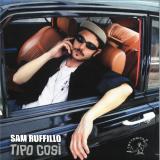
Italian producer, musician, DJ, and groove architect Sam Ruffillo drops his long-awaited debut album Tipo Così on Toy Tonics – a sun-drenched, genre-blurring statement that blends classic house with Mediterranean flair, romantic funk, and tongue-in-cheek Italo vibes. Over 11 expertly crafted tracks, Ruffillo delivers a dancefloor-ready, emotionally rich LP that connects deep musicality with irresistible rhythm and light-hearted elegance.
After three acclaimed EPs and collaborations with revered artists such as Barbara Boeing, Kapote, and Fimiani, Ruffillo has firmly cemented himself as a core artist on the Berlin-based label. Known for his unmistakable signature sound — a warm mix of vintage disco, 90s house, and Italian vocals — Sam’s music has garnered widespread DJ support from tastemakers like Gerd Janson, Palms Trax, Seth Troxler, and DJ Tennis, while becoming a staple on Italian airwaves. His infectious summer anthems like Danza Organica and Perfetta Così have soundtracked countless club nights and festivals, creating a loyal following that eagerly awaited this full-length debut.
Tipo Così is the natural culmination of a musical journey that’s both playful and profound — a travel diary written in grooves, synth stabs, and melodies that feel like postcards from a parallel Mediterranean universe. The album expands and deepens Ruffillo’s world into a fully immersive experience: lush emotional chords meet tight syncopated grooves, vintage synth textures collide with irresistibly catchy pop refrains, and the boundary between sincerity and playful irony is exquisitely blurred.
Entirely written, produced, and recorded in Italy, in his beloved hometown of Bologna, the album finds Ruffillo at the helm on keys, drum machines, and production, supported by a talented cast of musicians contributing live bass, guitar, and other organic elements — further enriching his trademark fusion of electronic grooves and natural instrumentation. There’s a tactile warmth in these tracks, a hands-on feel that adds soul and depth to every beat.
This album also marks Ruffillo’s heartfelt return to singing in Italian, with standout tracks like House Tipo Così, Mi Fa Volare, Ancora, and Dentro Di Me, where romantic naïveté meets pulsing club energy in a way that feels both timeless and refreshingly new. The vocal performances add an intimate, human touch to the music, reinforcing the personal stories woven into each song. There’s poetry in the casual, a bittersweet elegance in the way the lyrics float over groove-heavy production.
Having toured extensively across Europe, Australia, Indonesia, New Zealand, and Mexico — with sets at iconic venues like Panorama Bar and festivals such as Sónar Barcelona — Ruffillo has fine-tuned much of this album in front of live audiences. The real-world testing ground infused the record with a dynamic energy and immediacy that only comes from genuine crowd interaction. These songs weren’t just made in the studio — they were lived on dancefloors around the world.
Tipo Così is not just a collection of tracks. It’s a philosophy — playful, stylish and unmistakably personal. A modern club album bursting with heartfelt emotion and sophistication. Music for dancers with taste; for lovers of beauty, rhythm, and the little imperfections that make things feel real.
But what exactly is Tipo Così? More than just a phrase, it’s a way of being. It’s about embracing elegance without effort, mixing irony with sincerity, and letting nostalgia slip into the room without taking over the party. It’s Sam Ruffillo’s signature language: relaxed, confident, meticulous yet never rigid — where a chord progression can say as much as a lyric, and every beat carries intention.
The album’s visual identity complements this vision perfectly. The artwork and promotional materials lovingly reference Italian design from the ’80s and ’90s, combining bold graphic elements with playful pop culture nods. This aesthetic mirrors Ruffillo’s music — a fusion of vintage warmth and contemporary freshness, delivered with authenticity and charm.
Sam Ruffillo belongs to a new generation of European artists who are reshaping electronic music by blending past and present, analog and digital, groove and emotion — without nostalgia or pose. His artistic universe is coherent, vibrant, and alive; a rich tapestry of sound, images, and stories that coexist with lightness, precision, and a distinctive voice.
Reflecting on his artistic journey, Sam describes music as a vital, deeply human impulse — a tribal connection to rhythm and body that has driven him since he was a teenager. His creative process balances meticulous planning with room for spontaneity, usually sparked by clear melodic ideas that evolve naturally. Collaborations with close friends, especially vocalists like Ninfa, add warmth and authenticity, exemplified in tracks like “House Tipo Così.” For Sam, music is honest self-expression — crafted for listeners who crave memorable melodies and rhythms imbued with genuine feeling.
While technical perfection is tempting, Sam prioritizes emotion, knowing that what truly resonates is the soul behind the sounds. His long-standing partnership with Toy Tonics has been key in nurturing his vision, offering a blend of creative freedom and professional support. Looking ahead, Sam Ruffillo is excited to broaden his live performances, and release new projects that continue to blend electronic grooves with organic, heartfelt sounds — maintaining the delicate balance between playful irony and sincere emotion that defines Tipo Così.
Kurzversion:
Italian DJ, producer and musician Sam Ruffillo drops his debut album Tipo Così on Toy Tonics - a sunny blend of house, funk, Italo and pop, full of groove and emotion. Written and recorded in Bologna with live instruments and Italian vocals, it’s a playful, elegant journey shaped on dancefloors worldwide. A stylish, sincere club album where nostalgia, irony and rhythm meet in perfect harmony.
- Mi Fa Volare
Road-tested across continents and now finally released, “Mi Fa Volare” channels 90s uplifting euphoria with big breakbeats, lush chords, and Italian vocals built to stick. Somewhere between balearic bliss and piano house nostalgia, it’s a feel-good club weapon made for peak-time moments - already sung back by crowds after just one listen.
- Ancora
“Ancora” is a vibrant hi-NRG track inspired by 80s Italo disco, sung entirely in Italian. It blends driving rhythms with dreamy melodies, capturing the radiant spirit of the decade. This fresh yet nostalgic song delivers euphoric vibes and timeless energy, making it a perfect fit for both dancefloors and reflective listening moments worldwide.
- Dentro Di Me
“Dentro Di Me” channels ‘90s sensuality through a fast-paced, UK house-inspired lens. Entirely in Italian, it’s a bold and contemporary dance track where hypnotic vocals meet high-energy grooves. Blending nostalgic textures with forward-thinking production, the result is a seductive and euphoric trip - equal parts emotional and club-ready.
- Amigo
“Amigo” blends Latin groove, acoustic guitar-driven rhythm, and Mediterranean flair into a warm, magnetic, cross-cultural dance anthem. Sung in Spanish and Italian, it celebrates connection, inclusivity, and the joy of moving together - whether stranger or friend. With its unstoppable rhythm and vibrant energy, it’s a feel-good track with a unifying spirit.
- Ma Sei Fuori
“Ma Sei Fuori” is a tongue-in-cheek dancefloor bomb blending raw house energy with catchy vocal phrases and a nod to classic French touch. Driven by hypnotic vocal lines and a playful attitude, it doesn’t take itself too seriously - while still proving serious club impact. Built for late-night moments, it’s bold, bouncy, and impossible to ignore.
- A1: Almost Gone
- A2: Omaha Prelude
- A3: Omaha
- A4: Tomorrow Seems So Far Away
- B1: Please Take Me Home
- B2: Playin’ Hideaway
- C1: Haunted By The Night
- C2: Fly Away
- C3: Move On
- D1: My Ship Came In
- D2: Cold, Cold Ground
- D3: Gonna Live Again
- D4: Sammy Sammy
Battle Scars by American blues rock musician Walter Trout is a studio album originally released in 2015. The album is a deeply personal one, as it chronicles Trout's battle with a life-threatening liver disease and transplant. It serves as a reflection on his illness, hospitalization, and survival, including lyrics that document key moments during this period. Battle Scars was produced by Grammy-nominated producer Eric Corne and features the tracks "Almost Gone", "Playin' Hideaway", "Omaha" and "Gonna Live Again", amongst others._x000d__x000a_Battle Scars is available as a 10th anniversary edition of 1000 individually numbered copies on aquamarine coloured vinyl and is housed in a gatefold sleeve.
Zelienople frontman Matt Christensen returns to Miasmah with Constant Green - a record of reverberant country inspired songs that puts the weight somewhere between Johnny Cash and Slowdive. Matt pours out his soul through flashes of life - small and large. His voice roaming over the guitars in a way which feels like a floating poetic deluge.
Appearing fresh from last years Zelienople album Hold You Up, Matt has made a very personal record that arrives as perfectly as it could be. It is full of beautiful sparse moments that capture the feeling of time standing still while simultaneously flashing in front of your eyes. As a child of the 70ies, growing up with country influenced AM rock on the radio, riding around in cars without seatbelts, Matt creates this nostalgic feeling of free riding through the city streets at dusk : a dream world where one can see green as a symbol for humanity and optimism. Not to say the album doesn't have it's share of darkness. Christensen always lingers deep in melancholy, driving his fears and anxieties out through music.
Visions of being able to move anywhere, picking his mother up from jail, family matters, change, the small things in life - all outtakes from what he sings about. Although it's hard to pick up on unless you really listen, as his ramblings can at one moment be fully clear while in the next drowned or muffled - becoming a mere meditative element to the music. Steady collaborators Brian Harding and Eric Eleazer from Zelienople accompanies on pedal steel and keys to further fill the sound into a warm dream, following in the footsteps of Matt ́s previous Miasmah album Honeymoons (2016). That said, while Honeymoons used drum machines and vast open spaces, Constant Green is another step closer towards the classic singer-songwriter folklore. Timeless gold from an artist that never stops creating.
10 year anniversary edition of Kreng's massive »Works for Abattoir Férme 2007 - 2011”« 4 LPs worth of slow, skin crawling cinematic ambience made for the Belgian theatre group Abattoir Fermé.
It could hardly be a better time to again dive deep into Kreng and Abattoir Fermé's disturbingly beautiful underground worlds. Through 8 full- length vinyl sides we are transported through the most terrifying, shadow- filled, down-right bizarre moments of the subconscious. What could be the sound of your darkest dreams or most surreal fantasies gradually unfolds throughout the three and a half hour duration. Exactly this is what Abattoir Fermé specialises in, and Pepijn Caudron's scores perfectly reflect and accompanies both this theatricality as well as our own fears and desires in a masterful way.
Each extended side is crafted from an arsenal of samples, disintegrating vinyl and corroded tape, and Pepijn Caudron manipulates these sounds in a way that belies the sources. Rather than allow the sounds to emerge, they stay trapped beneath swathes of noise, tape delay and oppressive bass giving us a compositions that emerge like a cross between William Basinski, Jerry Goldsmith (circa Alien) and Henryk Górecki.’ »Works for Abattoir Fermé« is not for the faint of heart, but for the rest of us it might be just what the Doctor ordered...
- Tokyo 1
- Osaka
- Nagoya
- Matsumoto (Beginning)
- Matsumoto (Ending)
- Hokkaido
- Tokyo 2
- Each Story
Cloudy White Vinyl[31,89 €]
Emily A. Sprague's Cloud Time traces an audio-spiritual journey through time and place, recorded across a long-awaited debut tour of Japan in the fall of 2024. Compiled from environmental improvisations captured in and for the moment, material at once welcoming, responsive, and inimitable, the album distills a voyage guided by psychic wayfaring, unbound presence, and activating performance for a reciprocal exchange with space, listener, and each fully engaged instant. The Japanese tour documented on Cloud Time held an almost mythic significance for Sprague, taking on properties of her own sonic white whale. After many near-departures and dropped plans to play in the country, "the empty spaces of cancelled trips and forgotten music turned into strange little misty spirits that I felt followed by," she says. "When I began preparing for the tour, I couldn't shake a sense that the invitation to Japan was more about opening myself up to this new place instead of bringing something into it tightly under my control. Improvisation has always been such a pillar in my music practice, and I really wanted to meet the country, spaces and people through that process." To amplify these intuitive whispers on-stage, Sprague reimagined her time-tested live rig, designed to be as free from error as possible, as a looser, more flexible set up that would allow her to interface with what was essentially a blank sonic canvas every night. Each performance became a collaboration between environment and instinct, Sprague processing the events, energies, and emotions informing the evening through her new sound ecosystem, and projecting an entirely present and unique version of herself to each open-eared and hearted crowd. "It was very much more than just an act of playing for me, but a total experience of time and place," she says. The seven long-form pieces that plot the course of Cloud Time, excerpted from over eight hours of recordings archived on the artist's on-stage recorder and generously shared on the album with no additional mixing and only minimal editing, invite listeners to become still in these deep-rooted moments of presence as the album moves from city to city, venue to venue. Cloud Time chronicles material recorded at each tour stop, Sprague selecting and sequencing the album around mood-based storytelling more so than linear chronology. "I tried to make the whole album flow in the way that any one of the complete live performances did," she explains, "while also keeping the spirit of the whole thing as a journey." The result is equal parts travelog, love letter, and impressionistic collage channeled from the potent ferment of a now encased in the glowing amber of memory. Intrinsically inspired by kankyo ongaku, an environmental music philosophy, known both in and widely outside of Japan that tunes into the similarly expansive ethos as Pauline Oliveros' deep listening practice and posits the listener as composer, Cloud Time is ambient music that seems to be listening right back, grounded in heartfelt synthesized frequencies that abundantly hold and heal. Pieces like "Nagoya," "Tokyo 1," and the ten minute "Matsumoto" in particular hum with the atomic resonance of gently tended landscapes, offering space for tuning way in and dropping far out from perspectives that stifle and bind. Cloud Time is an invitation to embrace each moment as both fleeting and eternal, floating by with nothing to grasp onto and absolutely everything to gain. The exercise in acceptance and letting go that Sprague practiced throughout the tour deeply impacted her understanding of self as both a guest and venerable performer. "The process of loving wherever I am, being present and focusing on a clear channel of communication for mind and emotion, rooted so deeply in respect for the space, those within it, and myself, ended up being profoundly healing," she says. "My vision and hope is that this album can be released as a gift back to anyone who either was or wasn't there. A cloud time of life passing by." Emily A. Sprague's Cloud Time will be released Friday, October 10th in vinyl, Japanese import CD (via Plancha), and digital editions.
- Reaching Up To The Sun
- Strange World
- Dandelions
- Poppies
- Good Luck With Your Secret
- Always In Love
- Close Your Eyes
- I'll Go With You
- Blue Moth Cloud Shadow
- News Of The Universe
- Moon In Reverse
- Blue Jay
Auf 500 Stück limitierte 2025er Nachpressung vom 2024er La Luz Album auf gelbgrünem Vinyl. LA LUZ aus Kalifornien wird von Fans und der Presse gleichermaßen seit ihrem Gründungsjahr 2012 geliebt, da sie den Spagat zwischen Chaos und Bittersüße schaffen. Jede neue Platte ist ein weiterer Feinschliff an der Mischung aus schwülstigen Riffs und engelsgleichem Gesang, der an Pop und Folk angelehnt ist; eine Band, die so verlässlich großartig ist, dass sie den gewaltigen Schritt nach vorne in Sachen Selbstvertrauen und schierer Musikalität, den "News of the Universe" macht, umso beeindruckender macht. Cleveland, die auch schreibt und malt, hat sich zu einer wahrhaft originellen Songwriterin mit einem eigenen Kanon geisterhafter Psychedelik entwickelt, die sich in den letzten Jahren von der sich wandelnden Landschaft rund um ihr ländliches Zuhause in Kalifornien hat inspirieren lassen, vor allem auf dem von der Kritik gefeierten Soloalbum Manzanita, einer magisch-realistischen Dokumentation ihrer Schwangerschaft und frühen Mutterschaft, die auf vielen Jahresendlisten stand. Selbst wenn Cleveland jahrelang Songs über Geister geschrieben hat, so ist das, was in den Schatten von "News of the Universe" lauert, nichts weniger als der Tod selbst: "There are moments on this album that sound to me like the last frantic confession before an asteroid destroys the earth." Klanglich ist die Platte voller Dringlichkeit. Die Songs stolpern über sich selbst, als würden sie versuchen, der Apokalypse zu entkommen: das atemlose Prasseln der Toms in "Strange World", das fingerfertige Eröffnungsriff des Titeltracks, getränkt in Verzerrungen. Eine Atmosphäre des Untergangs schwebt über dem Sgt. Pepper-esken Barock-Pop-Song "Poppies", in dem Cleveland von einer schwankenden orangefarbenen Idylle singt, die von der Spätsommersonne in Flammen aufgehen wird. In dem ähnlich kaleidoskopischen "Dandelions" hält sie die gelben Blumen für ahnungslose "kleine Sonnen", die sich im Laufe der Saison in "Monde" verwandeln werden. Die synthetischen Klänge, die auf dem letzten Album "La Luz" von 2021, verwendet wurden, um das träge Summen und Knistern eines Sommertages auf dem Lande zu imitieren, wurden im Weltraum verstreut. Düster, verletzlich, weiblich und unbestreitbar triumphierend ist "News of the Universe" eine weitere umwerfende Platte einer Band, die so verlässlich gut ist, dass die Leute vielleicht übersehen haben, wie bahnbrechend LA LUZ wirklich sind: farbige Frauen in der Indie-Musik, die ihren eigenen Weg gehen, indem sie ihrem eigenen künstlerischen Stern in Galaxien jenseits der aktuellen musikalischen Trends folgen - immer geleitet von einem aufrichtigen Glauben an die kosmische Kraft der Liebe und eines großartigen Riffs. Niemals trifft das mehr zu als auf "News of the Universe", dem vielleicht brutalsten Album von LA LUZ, das aber auch das glücklichste ist.
DEVO’s Hardcore documents the group’s beginning as pre-punk outcasts in the fertile Akron, Ohio, underground rock scene. Spawned at the nearby college of Kent State, site of the infamous May 4 Massacre, DEVO formed as a conceptual art project armed with the radical philosophy of de-evolution. Brothers Mothersbaugh (Mark, Bob and Jim) and Brothers Casale (Jerry and Bob) along with drummer Alan Myers soon whipped up an otherworldly brand of “devolved blues” that could hold its own alongside the beatnik groove of 15-60-75 (a.k.a. The Numbers Band) or the primal rock poetry of The Bizarros. Recorded on various four-track machines and in tiny studios, basements and garages between 1974-1977, Hardcore reveals their strikingly clear vision: rock ’n’ roll stripped bare of its collective cool and jerked back into propaganda fit for post-modern man. It’s no surprise that these transmissions would soon catch the eye and ear of Brian Eno, who later produced their landmark 1978 debut album. Noisy synth, strangled guitar chops and a primitive rhythmic thud power the early DEVO sound. Threaded beneath it all are lyrical themes of post-McCarthy paranoia, middle-class ephemera and DEVO’s long-running topic of choice: sex, or lack thereof. Few moments in pop music history can match the grinding, pent-up energy of “Mongoloid” and the spastic bounce and sputter of “Jocko Homo” (two anthems presented in their earlier and superior versions here). Cult favorites like “Mechanical Man” and “Auto-Modown” make Volume 1 essential listening. Superior Viaduct and Booji Boy Records are proud to present DEVO’s Hardcore to a new generation of spuds, lovingly packaged with Moshe Brakha’s stunning cover photography. As David Bowie said in 1977, DEVO is indeed “the band of the future.”
Cee ElAssaad's ENSOULED label kicks off with a head-turning first release that lays its cards on the table with a powerful title: Freedom, Innovation, Resonance Vol 1. Some of deep house music's most authentic voices contribute, starting with Trinidadian Deep who layers up spiritual synths, organic percussion and smooth beats ina typically cool fashion. The Cee ElAssaad remix brings brighter melodies, keys and jazzy overtones. Boo Williams's 'My Place' is like a busy lava lamp with gloppy keys rising and falling in a thick and velvety arrangement then Cee ElAssaad and Doug Gomez shut down with the steamy late night house of 'Jam It To The Riddim'.
Unknown Waveforms is the forthcoming album from Belgian trio KAU, set for release on October 10, 2025. Marking an evolution since their 2023 release The Cycle Repeats, this new record captures a more personal, immediate, and unfiltered version of the band's sound. In an increasingly digital world, KAU takes a different route, with an album rooted in human connection, live energy, and creative spontaneity. Here, the trio reflect their take on instrumental music, drawing heavily fromjazz, hip hop, and electronic influences.
At the heart of Unknown Waveforms lies the starting point of three musicians in a room, writing and composing music on the spot. For KAU, this idea mirrors their working method: long jam sessions, free-flowing experimentation, and shared moments of inspiration. Songs often take shape slowly, unfolding over hours or days, but always built collaboratively as a trio.
The album's title reflects the mystery behind how music comes together, but is also both literal and symbolic. Unknown waveforms are the sounds that arise when machines and people interact in unpredictable ways. Whether you're an experienced musician or just starting out, the creative process often feels elusive and hard to fully understand. But there are also certain moments: creative sparks that can't be planned or programmed. It ends up being more than notes, gear, or structure, it's about the process, the tension and energy that builds when people connect and create in the same room.
The title track, Unknown Waveforms, captures that exact process. It opens with a quote from synth pioneer Wendy Carlos: "I'm just trying to show you how we get some of these sounds", inviting listeners directly into the creative space. The track focuses less on a polished outcome and more on the moment before a song is "finished": it's a portrait of experimentation, feeling, and raw expression.
This commitment to honesty permeates the entire album. KAU kept overdubs to a minimum, avoided excessive editing, and prioritized spontaneous choices over calculated ones. In a time when the future of live, improvised music feels uncertain, they double down on the physical, the real, and the immediate. The album resists the pristine polish of modern production, favoring the warmth and imperfection of analog synthesis. The band embraces the character of their instruments, particularly vintage gear, where subtle flaws add beauty, depth, and personality.
One standout track, cr_eye, is driven by the Moog Subphatty-a key instrument in the band's toolkit for its analog warmth and powerful sub-bass. The track centers around the conversation between bass and drums, allowing the keyboards to recede and create space. It draws emotional threads from earlier KAU tracks like Kampala and Kautokeino, bridging past and present with a shared atmosphere and rhythmic interplay.
Another highlight, Stratford, finds inspiration in London's transport system and the UK jazz scene that has long influenced KAU. A field recording snippet of the London Underground kicks off the track, connecting it to the rhythm of everyday commutes. Built around a hypnotic sequencer line from the Roland JX-3P, the track evokes the motion of a metro journey. Artists like Nubya Garcia, Yussef Dayes, and Alfa Mist, giants of the scenethat the band has admired for years, resonate subtly throughout.
Above all, Unknown Waveforms is a statement of intent from KAU: a celebration of imperfection, creative honesty and an insight in the process.