5
No en stock
Haga su pedido ahora y le encargaremos el artículo en nuestro proveedor.
16,18 €
Haga su pedido ahora y le encargaremos el artículo en nuestro proveedor.

The second and, as later would turn out, also the last release in Heinrich Tillack's critically acclaimed Tick Trax-series. The first Tick Trax-release by this talented producer from Braunschweig (Germany) was released as Volume 1 on U-TRAX in 1994 (cat. no.: 13 UTR SYS 1). It was a very successful record, however a bit too 'rough' for U-TRAX. Therefore, Volume II is launched on the U-TRAX sublabel Phoq U Phonogrammen, that has a more raw approach to techno, acid and electro.
Heinrich is a bit of an enigma. Having released some 12"s on Detroit's Plus 8 Records (as Sysex), Force Inc. Music Works (as Absolute) and Disko B (as Festival) and his own label Jakpot (both as Festival, as well as Co-Jack, together with Olivier Bondzio aka Hardfloor), he more or less disappeared from the face of the earth. It is said that he is a developer of children's apps for mobile phones nowadays.
This second Tick Trax release has 6 tracks, all in the distinctive raw Chicago-style that Heinrich uses only in his Tick Trax-identity. For minimalists, the CR-78 orientated beats on 'Samba Track' (from '93!) will be the track to go for. For heavy pounding floor fillers you can rely on 'Heavy Weight Track' and 'Super Heavy Weight Track'. Our personal favorite is 'Rush Track', another minimal track, but heavy and dark at the same time. The power is the drive in this one!
Original release date: October 1995.
Haga su pedido ahora y le encargaremos el artículo en nuestro proveedor.

repress
Mono Junk's cult label DUM Records is back with a new five track Various Artists EP that again packs a vital punch. He appears himself along with some fellow legends of the scene.
First up, Morpholgy is a consistent performer who has continued to serve up quality electro since 2009 and here serves up a hot new piece. 'Vector Plant' is busy and industrial, slick and metallic as it unfolds and burrows deep into your veins. Then comes the A2, Irwin Berg featuring Freestyle Man (aka Finnish Moodmusic boss Sasse aka Klas Lindblad) with a track made in 1995 and never released before. This pair worked together and made a cult electro record for Sähkö Recordigs in 1998 and this one is just as impactful. It is frosty and frazzled, slow motion but high impact and full of distorted lines and heavy drums.
Next is Mr Velcro Fastener who were the first kings of electro to come out of Finland and between 1999 and 2006 were famous all over the world. Their brand new cut 'Almost There' is a deep one that is riddled with bleeping melodies and has smeared chords bringing a sci-fi feel. Then it is Mono Junk's turn to dive into the vaults with an unreleased track from 2005. 'Feeling or Destroy' is a physical number with crashing hits and snaking, gurgling bass that is dark and dystopian. Last of all comes Irwin Berg with Mono Junk as New York City Survivors. Says the DUM boss, Our unreleased track here was made after the New York City Survivors - Static Light CD 2002' and it is a turbo charged track with screwed up grinding bass, icy hi hat rhythms and menace in its grooves.
Haga su pedido ahora y le encargaremos el artículo en nuestro proveedor.

Virtuoso compositions, subtle synthetic atmospheres, voices oscillating between pure intentions and dreamlike fantasy, a confusion of feelings and desires, time and space...Garden of Love, the 3rd album by electro duo Scratch Massive makes an impression from the first moments that you hear its enigmatic beauty. Like a ghost train moving along a tightrope - between shadow and light, failure and redemption, violence and melancholy - this fourth studio album reaffirms the Parisian DJ/Producer duo style/vibe with their hybrid sounds and sensory experiences. For 15 years, Maud Geffray and Sebastien Chenut have maintained artistic and aesthetic control as they participated in the 'revolution of the dancefloors'. In the early 2000s, 'Made in France' electro became known for its hedonism and as the savior of an entire techno generation ready to fight (or at least on the dancefloor!) for a future that was increasingly frustrating and hypothetical.
On first glance, Garden of Love, appears to be an invitation to love and peace, however, nothing is ever that simple, as the album cover evokes a multitude of interpretations. The lyrics speak to the depths of the soul, covering a range of emotion from love, emotions, and fears ... Garden of Love is for our hearts and bodies to become receptive again: the disenchanted poetry of the Last Dance, the sumptuous opening track set against a backdrop of electro-pop murmured in the light and shadows as painful caress; the psychedelic scent of Sunken (a duet recorded with the complicit and poisonous voice of Léonie Pernet); and the dark-tech shores of "Fantome X" with the evanescent and hypnotic pop clarity of Feel The Void (both magnified by the vocals of Romain Thominot of the Reims pop band Grindi Manberg). Scratch Massive draws the outline of an electronic music in search of redemption - reinventing their icy grooves and confronting it with a naive elegance and a disillusioned romanticism that embodies our time.
Haga su pedido ahora y le encargaremos el artículo en nuestro proveedor.

Tradition and experimentation are two familiar
territories that C'mon Tigre, a duo who find
their identity by working with musicians from
all over the world, can balance between very
well. As they did for their debut album (2014),
they have put together a multicolored collective
for their second record 'Racines', out on
February 15, 2019 for BDC/K7.
The title is a French word that means "roots",
referring to the musical roots in which C'mon
Tigre's feet, head and heart are immersed, and
from which their contaminated tracks sprout to
create unusual and original sound environments. In their new album the sounds of the
Mediterranean - the sea of their land -
intersect, intertwine and overlap with a
kaleidoscope of other sounds and a new
approach based - they explain - "on the type of
work we had done when we rearranged the first
album for live shows, by emphasizing the
synthetic part of our tracks". This time around
they did it from the very beginning: "The
composition of the pieces immediately included
the use of machines and synthesizers as a
basis for acoustic instruments. The goal was to
reprocess the terrain of Mediterranean
influences that was undoubtedly our starting
point".
Imagine a work in progress where bass and
guitars interact with woodwind, synths, percussions, vibraphones, dipping the listener into a
sensual and hypnotic musical journey. Sailing
from the Mediterranean basin and being guided
by the fascination for Africa and the Middle
East, C'mon Tigre give rise to a personal
language, made up of mixtures with jazz,
afrojazz, the rhythmics of hip hop, funk, 70s
disco. All without ever confining their songs to
one style, but pushing the exploration as much
as possible, into a dimension that every journey
worthy of this name should encompass. "With
the musicians we work with the exchange and
experimentation continue till the end, the
songs can take different directions at any time'.
The result is a mixed, cosmopolitan record,
which escapes from any label for the affirmation of a free attitude. The attitude that led
C'mon Tigre to seek a connection with dancefloor culture, even if considered only as an
evocation to revisit in an absolutely personal
way
Haga su pedido ahora y le encargaremos el artículo en nuestro proveedor.

Martina Lussi's second album fuses together disparate sound sources with a disorienting
quality that reflects the modern climate of dispersion and distraction. The Lucerne, Switzerland- based sound artist released her debut album 'Selected Ambient' on Hallow Ground in 2017, and now comes to Latency with a bold new set of themes and processes.
The range of tools at her disposal spans field recordings, processed instrumentation, synthesised elements and snatches of human expression. The guitar is a recurring figure, subjected to a variety of treatments from heavy, sustained distortion to clean, pealing notes. Elsewhere the sound of sports crowds and choral singing merge, and patient beds of drones and noise melt into the sounds of industry and mechanics. The track titles manifest as a compositional game of deception complete with innuendos, empty phrases and claims - flirtations with perfume names and ironic assertions.
From the volatile geopolitical climate to the changing nature of music consumption in the face of streaming and digital access, 'Diffusion is a Force' is a reflection on fractured times where familiar modes and models change their meaning with the ever-quickening pace of communication.
Haga su pedido ahora y le encargaremos el artículo en nuestro proveedor.

Nach Releases Auf Going Good, Jinn, Lovers Rock, Gravity Grafitti Und Moscomans Disco Halal-label Veröffentlicht Der Japanische Produzent Yoshinori Hayashi Nun Sein Debütalbum Auf Smalltown Supersound. Als Schüler Des Avantgarde-komponisten Mica Nozawa Besitzt Sein Werk "ambivalence" Einen Kosmischen, Hypnotischen, Fast Rituellen Ansatz Und Wird Von Resident Advisor Als "komplexes Patchwork Aus Studiogeräten, Live-instrumenten, Verstaubten Jazz-platten Und Clever Geschnittenen Library-sounds Mit Weichen Und Einladenden Strukturen" Bezeichnet.
Haga su pedido ahora y le encargaremos el artículo en nuestro proveedor.

New collaborative album from two of the world's most revered sound artists. 'At its best, William Basinski's music inspires the sort of rapturous testimony usually reserved for peak experiences, cult leaders and the dead.' Pitchfork // 'Awe-inspiring: strange, elemental, and profound.' AllMusic // For over half a decade, William Basinski and Lawrence English have been in regular contact with one another. During that time their paths have crossed repeatedly in various cities; Zagreb, Los Angeles, Hobart and more, in a variety situations. It was from these chance encounters - and the strange familiar of lives lived in transit - that their first collaboration, Selva Oscura, was seeded. The phrase Selva Oscura draws its root from Dante's Inferno. Literally translated as 'twilight forest,' it metaphorically speaks to both those who find themselves on the unfamiliar path and more explicitly the nature of losing one's way in place and time. Each of the extended pieces on this record maps an acoustic topography that draws on the concept of drifting into the strange familiar. The works each dwell in an ever shifting, yet fundamentally constant state of unfolding. As one sound fades away, another is revealed in its place, creating a sense of an eternal reveal. Selva Oscura was recorded in Brisbane and Los Angeles simultaneously. The compositions were each created through a process of iteration and rearrangement that inverted the micro and macro characteristics of the raw sonic materials. Dynamics and density were chiselled with restraint and at other times intensely reductionist approaches to create a limitlessly deep, but open sound field - as rich as the suggested place from which its title is drawn.
Haga su pedido ahora y le encargaremos el artículo en nuestro proveedor.

"Blank Mind celebrates its tenth release with the first full EP from SMX, a collaboration between Sam Purcell and Max O'Brien. From the glacial ambience of Hinterland, to the nocturnal convulsions of Uakari, these improvised tracks were recorded in East London from 2015-18.
"The live sessions allowed us to concentrate on simple forms and subtle developments. This project was started with no preconceived ideas about the end product, but we gravitated towards a sound that works both in a club or home environment. The EP serves as an honest and organic journal of sorts documenting the last few years.""
Haga su pedido ahora y le encargaremos el artículo en nuestro proveedor.

Children Of Tomorrow will celebrate soon its 10 years anniversary. The label was created by Emmanuel Ternois back in the day and being joined by Arnaud Le Texier in 2011. Since then they focused on Techno producing amazing artists, to name few: Terrence Dixon, Zadig, Tensal, Antigone, Oscar Mulero, Jonas Kopp, Samuli Kemppi etc... Children Of Tomorrow is now presenting the first album from Arnaud Le Texier. After almost 30 years Dj-ing around the world and almost 20 years producing. Signing many releases over the years and always busy delivering dance floor releases, it's been a long wait to finally get an album from ArnaudOn his first album we can feel that he wanted to tell a story and to express something deeper with his production experience. There is a different variety of Techno that stretches from ambient / broken beat / hypnotic / raw Techno along with subtles grooves, wondrous atmospheres & sonic textures. On A side the album opens with Dusk, an ambient atmospheric mid-tempo track with sonic sounds that is a perfect intro.Pattern 2 starts with drones and blip sounds and a broken beat groove follows with a pad that sounds like a voice coming from the space. The track ends with some modular click sounds that make the whole track clever. Followed by the album title Granular Therapy, a deep techno track with modular bass line and melancholic pad. A perfect track to play in after or to warm up a party.The B Side is more dedicated to the dance floor with Black Nympheas that is a proper dark modern techno with a grinding bass line and magic drones. A simple beat makes the track evolve in a nice way. Blade Pass frequency is 4/4 effective Techno with a 909 kick, a syncope acid bass line and a pad that sends you to another dimension. It is a powerful track but with a sense of deepness and sensibility that Arnaud can achieve sometimes. This side closes with Binary Sun Dawn which is an ambient track with melody that has a jazz feeling mixed with dark atmospheres, sonic drones and water drops. The C side opens with Mono Driver, a minimal track with a little synth that stays until the end repetitively until it makes you travel and lose your mind. Deep and dance floor at the same time.
Then Snapper is a more percussive track with some shinning bells and a grinding modular bass line.
The last track Virgo Consortium is a cosmic broken beat with dark atmospheric drone, simple bass and phasing efx. The D Side starts with Midi overdub which is a beauty. A mix between ambient and broken beat. The pad has the deepness that transports you somewhere else with an angel choir on top. The beat is spacial and groovy at the same time with smart high hats. This reminds Arnaud's past ambient production but with a modern approach. Surely a special track of the album.
Hideous Engine is more dance floor with metallic bass line and 4'4 beat going towards a sonic pad that closes the track.The last track Dawn is ambient with drones and blip sounds and an acid bass line modulate. A perfect end of the album.This album is an accomplished journey that makes you dance and travel from dusk till dawn. Arnaud Le Texier shows a coherent vision and illustrates his vast diversity in the techno world. Hopefully we won't have to wait 20 years to get another one.
Haga su pedido ahora y le encargaremos el artículo en nuestro proveedor.

Dais Records Is Proud To Announce The Official Reissue Of "elph Vs Coil - Worship The Glitch". Remastered By Engineer Josh Bonati And Supervised By Coil's Drew Mcdowall, The Vinyl Release Is Pressed Onto Double 12" Lp Vinyl (from The Original 10" Release), And Is Packaged In A Gorgeous 24pt Stock Matte Gatefold Lp With Sticker And Vellum Track Listing Insert. . Also Available On Digipack Cd And Digital.
"unexplainable" May Well Be The Best Explanation For The Members Of The Uk Based Electronic Outfit Coil. Making A Radical Shift From Intentional Accessibility, By Means Of Traditional Pop Songwriting, To Abstract Happenstance, Coil Had Entered Into A New Phase In Their Career...uncharted Waters Utilizing What Was Then The Newest Computer Technology, Digital And Analog Synthesis And The Newly Formed Ideas That Something Outside Of Themselves Was Steering The Ship.
During The Studio Sessions That Developed Into What Would Become 'worship The Glitch'. Coil Became Aware Of Random Compositions Emitting From Their Gear, And Were At Odds With Constant 'accidents' That Were Perpetually Plaguing The Recordings. The Band Called These Unintentional Emissions "elph": A Conceptual Being That Is One Part Physical Equipment, One Part Celestial Being...constantly Playing The Role Of Trickster, Throwing A Wrench Into Coil's Methodology. Eventually, These Accidents And Mistakes Were Embraced By The Band, And The Process Of Misusing Audio Software To Create Intentional "errors" Was Adopted As A Musical Technique. The Acceptance Of The "mistake", And The Use Of Discovered Mistakes As Intentional Elements Slowly Became The Drive And Concept Behind The Album, Thus Birthing The Title 'worship The Glitch'.
Originally Released In 1995 On Coil's In-house Imprint Eskaton, Worship The Glitch Was Coil's First Proper Album-length Attempt At Conceptual Ambient Composition, With A Radical Focus On Chance. Seamless Vignettes Of Shattered Electronics (though Ebbing Softly And In Delicate Balance With Each Other) Provide An Underlying Uncertainty And Discomfort To The Listener.
Haga su pedido ahora y le encargaremos el artículo en nuestro proveedor.

Dais Records is proud to announce the official reissue of "ELpH vs Coil - Worship the Glitch". Remastered by engineer Josh Bonati and supervised by Coil's Drew McDowall, the vinyl release is pressed onto double 12" LP vinyl (from the original 10" release), and is packaged in a gorgeous 24pt stock matte gatefold LP with sticker and vellum track listing insert. . Also available on digipack CD and Digital.
"Unexplainable" may well be the best explanation for the members of the UK based electronic outfit COIL. Making a radical shift from intentional accessibility, by means of traditional pop songwriting, to abstract happenstance, Coil had entered into a new phase in their career...uncharted waters utilizing what was then the newest computer technology, digital and analog synthesis and the newly formed ideas that something outside of themselves was steering the ship.
During the studio sessions that developed into what would become 'Worship the Glitch'. Coil became aware of random compositions emitting from their gear, and were at odds with constant 'accidents' that were perpetually plaguing the recordings. The band called these unintentional emissions "ELpH": a conceptual being that is one part physical equipment, one part celestial being...constantly playing the role of trickster, throwing a wrench into Coil's methodology. Eventually, these accidents and mistakes were embraced by the band, and the process of misusing audio software to create intentional "errors" was adopted as a musical technique. The acceptance of the "mistake", and the use of discovered mistakes as intentional elements slowly became the drive and concept behind the album, thus birthing the title 'Worship the Glitch'.
Originally released in 1995 on Coil's in-house imprint Eskaton, Worship the Glitch was Coil's first proper album-length attempt at conceptual ambient composition, with a radical focus on chance. Seamless vignettes of shattered electronics (though ebbing softly and in delicate balance with each other) provide an underlying uncertainty and discomfort to the listener.
Haga su pedido ahora y le encargaremos el artículo en nuestro proveedor.

Third Roots United EP called 'Kisko Kisko' comes from one of the finest electro producers from Finland, Mesak (Tatu Metsatahti), who is also known from his legendary projects like Mr. Velcro Fastener and Harmonia skweee label.
This 4-tracker features another Finnish underground hero Mono Junk (vocals on B2 track) and includes a real ghetto-remix by grand master DJ Overdose straight outta The Hague.
All of these tracks were produced in 2018 especially for Roots United in a true hardware style.
Haga su pedido ahora y le encargaremos el artículo en nuestro proveedor.

Haga su pedido ahora y le encargaremos el artículo en nuestro proveedor.

Haga su pedido ahora y le encargaremos el artículo en nuestro proveedor.

A year after their impressive last album Burn It Down, Detroit techno legends Octave One are back with a nine track double EP that again shows they are masters of big hypnotic grooves.
Entitled Love by Machine, the album's name is a nod to the fact that the Burden brothers are such revered masters of their hardware. Both in the studio, where they cook up atmospheric house and techno with soaring synths and vocals and also in the live arena, where they are celebrated as one of the most accomplished and forward thinking performers in the game today. That is all the more impressive when you bear in mind they have been active since the '80s, most often releasing on their own 430 West label, which is where they appear again here.
Say Lenny: We've been exploring the theme of connection with this project. How technology gives us the illusion that we are closer to each other more than ever. At some point humanity crossed a line where the devices that we created to bring us together are the same devices that are blocking us from organic experiences.'
Technology is only a tool, which we also had in mind during the recording process.' Adds Lawrence. We decided to go back to how we used to make our records, when we didn't have so many 'sophisticated' audio devices. Back to when we interacted in the studio together as musicians.'
Things open up with the loose metallic percussive line that is In Mono, which sets the machine made tone and is filled with promise. Locator then immediately gets to action with a gallivanting techno kick and various synth lines wrapping round each other as you get sucked into the groove. Just Don't Speak (Midnight Sun Redub) is a more deep and house leaning track with big feel good piano keys and slithering synths that will get hands in the air. Proving they have real range, 7 B4 Dawn is a moody and reserved cut with subtle acid pricks, hip swinging claps and a spaced out dead of night feel.
The second half of the album offers peak time business in the form of the spectacular Bad Love II, the whirring and cosmic Sounds of Jericho and the big loops and fluid grooves of (Where) Time Collides. Pain Pressure is a wonky number with big bassline and a focus on percussive patterns as well as some vocals with real attitude and last cut 8 B4 Dawn ends things in a downbeat and sombre way with sad chords and emotive strings. It is pure Detroit, much like the whole album, and rounds out another fine release from these most revered veterans.
Haga su pedido ahora y le encargaremos el artículo en nuestro proveedor.

Haga su pedido ahora y le encargaremos el artículo en nuestro proveedor.

Ostgut Ton reissues Acht of Zehn with original tracks by DIN (aka Efdemin and Marcel Fengler), Fiedel and Tobias.
2015 marked Ostgut Ton's ten-year anniversary, celebrated with an extensive 30 track compilation release, titled Ostgut Ton Zehn, spread out over ten 12 vinyl records housed inside a limited box set. This sampler sold out in no time, which is why Ostgut Ton is re-issuing these ten 12"es individually in 2016.
Bubbling synths, a stoic bassdrum, some live hi-hat percussion and synth pads full of bliss - what started as Marcel Fengler's and Efdemin's inaugural collaboration as DIN for 2013's MASSE ballet sees its continuation in form of Mono' on A1. On A2 Fiedel contrasts the opening track's cool sounds with an upbeat contribution: Probe-806 gently brushes Funk, Electro, Acid and even Boogie territory atop the general muscular rhythm.
Analogue synth aficionados are being served by Tobias.: Like A Drug is a minimalist Techno track with maximalist dancefloor effect through its use of haunting, distanced vocal fragments, discomforting alarm tones and crackling background textures. As with every good drug, you don't necessarily want more of it, but rather a longer duration of effect (in this track's case: 8:36 minutes).
Haga su pedido ahora y le encargaremos el artículo en nuestro proveedor.

Norman Jay MBE presents his latest compilation, titled 'Good Times Skank & Boogie', set for release 9th October 2015 on Sunday Best Recordings. This is his first compilation since 2011's Good Times 30th Anniversary Addition and follows on from his hotly anticipated Good Times Goes East party at St John Church at Hackney on 29th August.
Norman Jay is undoubtedly one of the finest and highly respected DJs in the world today and yet again pulls from his impressive collection to provide the ultimate eclectic selection.
For this 12th compilation, for those of you counting, Norman kicks off with St Germain's version of Henry Mancini's Pink Panther Theme. A cult favourite from 2004s Pink Panther Penthouse Party album, it of course immediately brings Peter Sellers to mind and a smile to your face. Next up former Uniques front man Slim Smith's Everybody Needs Love is a classic from 1968, cut at the legendary Duke Reid's Treasure Isle studio. Penned originally by Motown heroes Norman Whitfield and Eddie Holland and covered by household names including The Temptations and Glady's Knight & The Pips, Slim's version became something of a signature tune until his mysterious death in 1971. Sticking with Motown, Stevie Wonder's Living For The City is up next but it's the Michael McDonald rendition from his 2008 album Soul Speak, which proves the man who gave us the sublime Sweet Freedom had lost none of his class 20 plus years on.
D-Influence's Good Lover takes things up and brings them closer to home, to the streets of London infact. After a couple of independent releases the band, who had strong connections to the London Jazz and Soul scenes, served up this contemporary boogie tune as part of their 1992 debut long player for East West. They would subsequently score hits as a production team for a number of British R&B acts. Homegrown soul continues with Paul Johnson's Better Than This, released here via longstanding UK soul imprint Expansion to deserved acclaim last year. It's quality and appeal are simply timeless, whilst master Dego and Kaidi's mix adds a classic 80s soul dimension to proceedings.
The Chi-Lites I Keep Comin' Back To You and The Real Thing's Love Takes Tears continue and expand the 80s theme, bringing in 2-step and boogie, as does Deodato's Never Knew Love from the same period.
We switch again with Delroy Wilson's Better Must Come, a massively popular sufferers lament from 1971 by this former Jamaican child star, it would go on to be used in election campaigns by various Jamaican political parties. Kent People by Laurel Aitken & The Gruvy Beat is the next one out the box and was the flip to the 1969 anthem Skinhead Train. It features the UK's top reggae band of the era The Rudies, who along with Aitken, the widely-proclaimed Godfather of Ska, comprised of Earl Dunn (lead guitar), Trevor White (bass), Sonny Binns (keyboards) and Danny Smith (drums). They would go on to enjoy UK chart success backing singer Freddie Notes before they evolved into Greyhound. From the same year Splash Down by The Crystalites is another slate that ignited dance floors in both Jamaica and the UK upon release. Some of you will have noticed the rhythm track is the same as that of the earlier Kingstonians' best-seller, Sufferer, which came courtesy of legendary producer Derrick Harriott.
As the end draws close The Stone City Band featuring Rick James serve up some hard edged boogie, hotly followed by a classic Tom Moulton slice of late 70s disco courtesy of The Fantastic Four and their I Got To Have Your Love. If that doesn't have you dancing then Chanson's superb Don't Hold Back featuring James Jamerson Jr. on bass will leave you no choice. Classic Good Times indeed.
Haga su pedido ahora y le encargaremos el artículo en nuestro proveedor.

Haga su pedido ahora y le encargaremos el artículo en nuestro proveedor.

DJ Slip's amazing Discography counts more than 30 releases on well-known lables like Missile, Music Man, Kanzleramt and his own Creation Rebel imprint. His productions are always this little bit different and sets them apart from the rest. Again DJ Slip surprises even those who know. Born and raised in Midwest America he started his music productions with Woody Mc Bride and DBN from Milwaukee. Slip's Homebase is nowadays Brooklyn NY where his Creation Rebel label and the studio are placed too. His brand new album "The Machines Will Know Who You Are" is his first real album and another groundbreaking step that shows his dissimilar sound creations based on electro, techno and instrumental hip hop tunes. The LP contains 12 stories told by the tracks and the guide Slip leads us through the world of strange percussion grooves, post-acid-times, electro bass soundsystems, bangin' techno club memories, chillin' nightflights, Brooklyn and the rough street-life sounds from New York.
Haga su pedido ahora y le encargaremos el artículo en nuestro proveedor.

Quiet, from the Latin quies, evokes a state of being still. In its verb form, quiet means to clear so that something can gradually come into focus. Kind Stranger by Amedeo Cappelletti is where quiet materializes in a more transient, even foreign, way. Each track takes a step back from noise, borne out of a slow return to music, a different pace, and a familiar place left behind for years.
Kind Stranger, released on Aurora Edition on July 24th, is about the strangeness of a return. Cappelletti's melodic scores work their way between faint noise and disquiet, and sonically muse upon the familiar. That is, when given enough time and distance, the familiar can become unrecognizable, demanding stillness to resituate oneself within it.
The album began taking shape when Cappelletti performed at Aurora Edition at Silent Green, just after he had returned to music following a three-year hiatus. In one month, he wrote forty-five minutes of new material from scratch. Then Cappelletti left Berlin after eight years and returned to the Tuscan countryside where he had grown up, back into slowness.
The album develops as an atmosphere in the truest sense. Resampled voices, found sound, and years of sound design practice converge as compositions form by overlapping texture with spatial depth. Kind Stranger cultivates a quietude that envelops the listener.
Vocal recordings made with Matthew Walsh and Sarah McInerney, collaborators Cappelletti met by chance in a Berlin ice cream shop, appear throughout the album like a current, shaped during a residency at MONOM, Berlin's spatial sound institute. Thematically, the record moves through digital addiction, fragmented attention, and the grief of work done in the darkness.
Kind Stranger is an offering to whoever finds themselves here within the quiet, in this particular quality of sound between return and lingering.
El artículo ya está en camino a nosotros y se espera que sea enviado desde 29.09.2026.
Hara Discs is proud to present the first EP from Sheffield-based DJ Harry Shackleton, co-owner of Grub Records and one half of DJ duo Wow & Flutter. This release draws influence from their longstanding residency at underground electro party Control., melding together sounds which have made this one of the North of England’s best kept secrets for the past 7 years. In an extremely long-winded and uncertain move, he has finally donned his rather fetching production hat and completely self generated the alias Hypno Disc with which he aims to unleash some music that is 100% OK.
The EP and alias are a homage to the late 90s and early 00s TV show Robot Wars. The title track combines the carnage of Craig Charles with something a bit UK and tribal. The remaining tracks bear the names of robots which took part in the wars. These are written from the perspective of the robots and as such are internal monologues of what each robot was thinking. The concept comes from an early fascination with this show and how it made the artist feel as someone growing up in the UK around 2000.
We hope you enjoy this release. Complaints will be tolerated.
CEASE!!!
debe ser publicado en 30.09.2026
Portuguese musician and expert experimentalist Diogo steps up for Heion Records second outing. Diogo signs two originals for his Healiocentric EP, joined by a remix from legendary Wild Bunch selector and producer Milo Johnson, aka DJ Nature whose roots in New York’s late-80s underground shaped his raw blend of early house. The EP opens with "Healiocentric" unfolds as a deep atmospheric journey where modular synthesis meets live instrumentation and tuned percussion. Arpeggiated sequences glide through hovering brass-like tones and modulated pads with effortless positivity, riding a syncopated landscape of rim shots and broken beats.
"Traums" dives deeper into Diogo's intricately woven world. Monochordal spoken word samples drift sparingly across organic clicks and rich analogue textures, conjuring a jazz-like atmosphere that rewards careful listening. Lush pads echo the craft of artists like Two Lone Swordsmen or Ricardo Villalobos, but the steady thump of a 909 kick and a fluid bassline leave no doubt: this is a deep-of- night heater for the enlightened dance floor. DJ Nature closes the EP by taking "Healiocentric" on an inspired tangent into disco-techno territory. Acoustic beats anchor a minimalistic take on acid funk, while a near-naive piano line sets Chicago house against Berlin school repetition. Gated noise, field recordings, wah-wah electric piano pads and classic house organs complete the picture. Cannon fodder of the highest order.
debe ser publicado en 30.09.2026

debe ser publicado en 02.10.2026
debe ser publicado en 02.10.2026

The Unwound album that ended all Unwound albums. Recorded in a moldering farmhouse basement at the crest of the new century, Leaves Turn Inside You is the no-wave response to Spector’s wall of noise call. Infinite layers of choppy guitar stabs and bridge scrapes, guttural bass thronk, thrift store synths, and monotone chanting wash over suffocating rhythms to deliver the world’s only choral grunge LP. This 25th anniversary edition has been remastered from the original analog tapes and is housed in a glorious silver foil jacket with added emboss, deboss, spot varnish, and a replica 12x24” poster . Reinvented for you.
debe ser publicado en 02.10.2026

Das Unwound-Album, das allen Unwound-Alben ein Ende setzte. Aufgenommen im Keller eines verfallenen Bauernhauses zu Beginn des neuen Jahrhunderts, ist ,Leaves Turn Inside You" die No-Wave-Antwort auf Spectors Aufruf zur ,Wall of Sound". Unendliche Schichten aus abgehackten Gitarrenstichen und Kratzgeräuschen, kehliger Bass-Dröhn, Secondhand-Synthesizer und monotones Singen überlagern erstickende Rhythmen und liefern so die weltweit einzige Chor-Grunge-LP. Diese Ausgabe zum 25-jährigen Jubiläum wurde anhand der originalen Analogbänder neu gemastert und präsentiert sich in einer prächtigen Hülle mit Silberfolie, Prägung, Vertiefungen, Spotlackierung sowie einer Nachbildung des 12x24-Zoll-Posters. Neu aufgelegt - nur für dich.
debe ser publicado en 02.10.2026
Loveface are back once again with four more dancefloor ready edits. Starting things off is a Unique Dancefloor Rework of 80’s Post Punk Classic. Following on from that is a Complete remodel 0f 90’s alternative dance/rock hit. Now flipping over to the B side is a House groove with sensual monologue diva vocal. Last but not least we are treated to an Uplifting 90’s flavoured italo house/garage vibe track.
El artículo ya está en camino a nosotros y se espera que sea enviado desde 02.10.2026.

Tape[14,08 €]
The Unwound album that ended all Unwound albums. Recorded in a moldering farmhouse basement at the crest of the new century, Leaves Turn Inside You is the no-wave response to Spector’s wall of noise call. Infinite layers of choppy guitar stabs and bridge scrapes, guttural bass thronk, thrift store synths, and monotone chanting wash over suffocating rhythms to deliver the world’s only choral grunge LP. This 25th anniversary edition has been remastered from the original analog tapes and is housed in a glorious silver foil jacket with added emboss, deboss, spot varnish, and a replica 12x24” poster . Reinvented for you.
debe ser publicado en 02.10.2026

„Rubber Soul“ enthält 14 Original-Titel und wurde im Oktober/November 1965 innerhalb von vier Wochen
aufgenommen und im Dezember desselben Jahres veröffentlicht. Die Aufnahmen fanden im Anschluss an
das rekordverdächtige Konzert der Band vor über 55.000 Zuschauern im Shea Stadium in New York statt.
Mit Titeln wie „In My Life“, „Norwegian Wood (This Bird Has Flown)“, „Drive My Car“ und „Michelle“
experimentierten die Beatles auf dem Album „Rubber Soul“ mit neuen Instrumenten, Klängen und Aufnahmetechniken; das Album gilt oft als Wegbereiter für das lange Popalbum als Kunstform.
Bei der bevorstehenden Neuauflage werden alle 14 neuen Stereo-Mixe erstmals gemeinsam veröffentlicht,
ergänzt durch erweiterte Ausgaben mit Sessions und Demos sowie das Original-Mono-Album und das USAlbum in den Super-Deluxe-Editionen.
Darüber hinaus enthalten die Super-Deluxe-Editionen das gewohnt hochwertige, gründlich recherchierte
und umfassende Hardcover-Buch, das die Geschichte der Entstehung und Veröffentlichung des Albums,
eine detaillierte Beschreibung jedes einzelnen Titels, Fotos sowie Scans der Kassettenhüllen enthält.
debe ser publicado en 02.10.2026
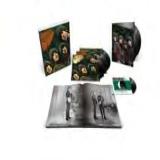
„Rubber Soul“ enthält 14 Original-Titel und wurde im Oktober/November 1965 innerhalb von vier Wochen
aufgenommen und im Dezember desselben Jahres veröffentlicht. Die Aufnahmen fanden im Anschluss an
das rekordverdächtige Konzert der Band vor über 55.000 Zuschauern im Shea Stadium in New York statt.
Mit Titeln wie „In My Life“, „Norwegian Wood (This Bird Has Flown)“, „Drive My Car“ und „Michelle“
experimentierten die Beatles auf dem Album „Rubber Soul“ mit neuen Instrumenten, Klängen und Aufnahmetechniken; das Album gilt oft als Wegbereiter für das lange Popalbum als Kunstform.
Bei der bevorstehenden Neuauflage werden alle 14 neuen Stereo-Mixe erstmals gemeinsam veröffentlicht,
ergänzt durch erweiterte Ausgaben mit Sessions und Demos sowie das Original-Mono-Album und das USAlbum in den Super-Deluxe-Editionen.
Darüber hinaus enthalten die Super-Deluxe-Editionen das gewohnt hochwertige, gründlich recherchierte
und umfassende Hardcover-Buch, das die Geschichte der Entstehung und Veröffentlichung des Albums,
eine detaillierte Beschreibung jedes einzelnen Titels, Fotos sowie Scans der Kassettenhüllen enthält.
debe ser publicado en 02.10.2026
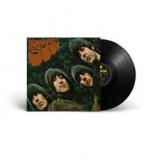
„Rubber Soul“ enthält 14 Original-Titel und wurde im Oktober/November 1965 innerhalb von vier Wochen
aufgenommen und im Dezember desselben Jahres veröffentlicht. Die Aufnahmen fanden im Anschluss an
das rekordverdächtige Konzert der Band vor über 55.000 Zuschauern im Shea Stadium in New York statt.
Mit Titeln wie „In My Life“, „Norwegian Wood (This Bird Has Flown)“, „Drive My Car“ und „Michelle“
experimentierten die Beatles auf dem Album „Rubber Soul“ mit neuen Instrumenten, Klängen und Aufnahmetechniken; das Album gilt oft als Wegbereiter für das lange Popalbum als Kunstform.
Bei der bevorstehenden Neuauflage werden alle 14 neuen Stereo-Mixe erstmals gemeinsam veröffentlicht,
ergänzt durch erweiterte Ausgaben mit Sessions und Demos sowie das Original-Mono-Album und das USAlbum in den Super-Deluxe-Editionen.
Darüber hinaus enthalten die Super-Deluxe-Editionen das gewohnt hochwertige, gründlich recherchierte
und umfassende Hardcover-Buch, das die Geschichte der Entstehung und Veröffentlichung des Albums,
eine detaillierte Beschreibung jedes einzelnen Titels, Fotos sowie Scans der Kassettenhüllen enthält.
debe ser publicado en 02.10.2026
Tooloop Records celebrates its tenth release with "Orbis EP", a four-tracker from label affiliate Stab9. The record captures a moment of evolution in both Stab9’s sound and the label’s sonic identity, reflecting a broader vision of the Tooloop universe through expanded arrangements, deeper exploration and a more immersive presentation.
Opening the EP, ‘Source’ establishes its atmosphere through a constantly evolving arrangement, moving through several distinct phases while maintaining a sense of fluid progression. Carefully shifting textures, unexpected bass changes and subtle variations in dynamics reveal new details with each turn. Title track ‘Orbis’ shifts the EP towards warmer tones, built around classic house-inspired sounds, melancholic pads and polyrhythmic bass movement. Its rolling low-end and intricate percussion subtly tilt the track towards techno territory, reflecting the circular motion suggested by the track’s title. ‘Beastro’ gradually ascends through a restrained growling bassline and fractured hi-hats, dropping into an engine-cut moment in the middle of the track - a brief suspension before the groove returns, pulling the track back into motion. ‘True Story’ unfolds through a walking bassline, intricate hi-hats and smeared percussion, creating a sense of movement through a world of morphing textures and atmospheres. Its restrained melody embraces the idea of “less is more”, closing the EP with the bittersweet beauty of mono no aware.
With "Orbis EP", Stab9 presents a deeply personal approach to electronic music, where detailed studio craftsmanship meets the physical energy of the dancefloor - the label completing one full turn, and opening the next.
debe ser publicado en 02.10.2026
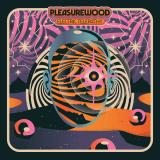
Pleasurewood return with 'Electric Telepathy', their second full-length LP offering Simla Space Funk, Psych-Library and Vintage-Cinematic Raga-Rock grooves.
This new offering from the band embraces more of their vintage Hindi Cinema soundtrack influences — "Chump Change", "The Hoverfly" and "RAMMM" could easily fit into the middle of an R.D. Burman score, each with their incongruous synthesis of different genres, infectious percussion, classical modes and funk chops.
There is also a slight sweep across a too-slow-to-disco tempo and feel with the moody Johnny Guitar Watson-esque slow burn of "Good Falcon" up to the nonchalant four-to-the-floor of "Last Dance Saloon" with its lyrical warning of digital over-saturation in our social-media saturated world and a foreboding of the mini-monoliths sat in the palms of our hands that in a Kubrickian way threaten to cosmically absorb us all as a species into their individual jet-black abysses.
And then, coming into focus like a sweet slice of disjointed, lo-fi, 8 bit space disco, "Mojave Desert" is a slacker-strut with telephone vocals dub guitars, dry cosmic synths and futurist Farfisa organ driven by an almost Acid-Jazz meets Post-Punk Bass line. The song is autobiographical in its account of an excursion along the 29 Palms Highway reflecting on an escape from the City of Angels not so far away, up into the stark psychedelic desert realm.
There is a lot to unpack in this record and yet more to discover so it will be best to allocate 40 minutes in a comfortable dimly-lit room with eyes closed and maybe a cognac in hand, to have a deep-dive into its well-travelled and esoterically funky grooves.
debe ser publicado en 02.10.2026

Brand new 2022 ‘Amethyst Edition’ repressing.
Includes 2LPs pressed on ‘ghostly’ purple and blue
vinyl, with zoetrope labels and a gatefold jacket.
‘South Of Reality’, The Claypool Lennon Delirium’s
epic sophomore album, might be just the antidote
this sick world needs.
Music so potent it could repel an asteroid impact
from space, these seasoned warriors of
psychedelia have crafted timeless songs that may
as well be chiselled in stone.
The monolithic dream team’s new record was
produced by Les Claypool and Sean Lennon
themselves and engineered and mixed by Les
Claypool at his own Rancho Relaxo studio in
Sonoma County, California.
Grab your goggles and a month’s supply of KoolAid because The Claypool Lennon Delirium are
about to take you for a ride on a rock ‘n’ roll rocket
ship and frankly you may never come back.
debe ser publicado en 05.10.2026

Includes smash-hit singles "Boys & Girls" "To Be," and "appears"
This smash hit, which catapulted Ayumi Hamasaki to the darling of the era, along with the accompanying single "appears" drew attention for its shocking
cover art, earning it the nickname "white ayu" and "black ayu." A shining milestone in the history of J-pop.
debe ser publicado en 05.10.2026

Monolink and CIOZ bring a stripped-back electronic edge to Crosstown Rebels with ‘Don’t Talk To Me’. The German multi-instrumentalist makes his Crosstown Rebels debut alongside Italy’s CIOZ, with OMRI. also returning to the label on remix duties. There are few artists in electronic music quite like Monolink. Moving naturally between singer-songwriter, producer and live performer, his music gives as much weight to voice, melody and narrative as it does to electronic production. For ‘Don’t Talk To Me’, he joins Bergamo-born, Berlin-based CIOZ, whose own work is driven by rich musicality and a willingness to move beyond convention. The link-up makes for an intriguing signing to Damian Lazarus’ Crosstown Rebels, bringing together two different approaches to electronic music without either losing their identity.
‘Don’t Talk To Me’ is deliberately pared back, pairing Monolink’s voice and songwriting with sparse textures and gently shifting melodies. Rather than building towards a conventional dancefloor payoff, the track unfolds with a quieter sense of tension, sitting somewhere between alternative songwriting and electronic voyage. An artist whose productions and remixes have quickly made him a recurring presence in the Crosstown Rebels universe, OMRI. takes the track deeper with his remix, adding darker, hypnotic qualities while preserving the original’s restraint. ‘Wasting Time’ closes the release with another sweeping collaboration, built around subtle melodic details and captivating synth flourishes.
The collaboration marks Monolink’s first outing on Crosstown, adding to an impressive career that has seen him craft his distinctive sound via Berlin-based imprint Embassy One and on labels like Cercle Records. Performances have taken that music from Burning Man and Montreux Jazz Festival to Day Zero Bali, where he joined Damian Lazarus for its first edition, as well as sets alongside Lazarus at Club Space, Zamna and more around the world. Meanwhile, CIOZ brings his own expansive approach back to the label, with material also landing via Monaberry, Frau Blau and Stil vor Talent, plus remixes for Diplo, Oliver Koletzki, Patrice Bäumel and the Crosstown head honcho. With both artists comfortable moving between emotional depth and dancefloor function, ‘Don’t Talk To Me’ gives that shared instinct plenty of room to breathe.
debe ser publicado en 09.10.2026
debe ser publicado en 09.10.2026

Tramhaus aus Rotterdam wurden nach der Veröffentlichung ihres Debütalbums "The First Exit" (2024) und zahlreichen Shows in ganz Europa (und weit darüber hinaus!) bereits als "DIE holländische Post-Punk-Sensation" beschrieben und wahrgenommen. Im Oktober 2026 erscheint das neue Album "Blister" bei Siluh Records. Die Band bewegt sich seit ihrer Gründung 2020 zwischen treibendem Post-Hardcore und Indierock-/Shoegaze-Anleihen, garniert mit einem Schuss kalkulierter Dissonanz. Dabei verorten sich Tramhaus, über die musikalischen Einflüsse hinaus, explizit als Teil einer organisch gewachsenen, internationalen Szene, eines Netzwerks aus unabhängigen Agenturen, Labels und Veranstaltern mit deren Hilfe die Band nach der Veröffentlichung ihres Debütalbums innerhalb ein, zwei Jahren zum Szene-Tipp und must-see avancierte. Kraftvoll, laut und selbstbewusst gewinnt Blister bei wiederholtem Hören an Format. Das Album besticht durch eine neue Eleganz sowie spürbarem Raumgefühl und enormer Wucht. Dies rührt zum Teil aus einer gewachsenen, detailierteren Produktion her, die auch die vielen Zwischentöne einfängt. Die schwindelerregende Natur des fast zweijährigen, ununterbrochenen Reisens spiegelt sich im Titel des ungeduldigen Eröffnungsstücks "Plovdiv" wider (ein Ort, an dem sie übrigens tatsächlich gespielt haben): Ein Glam-artiger Stampf-Rhythmus und eine federnde Basslinie treiben eine Reihe bedrohlicher Gitarrenriffs voran - Elemente, die allesamt jenen Sound widerspiegeln, mit dem Tramhaus in letzter Zeit die Konzertbühnen in Schutt und Asche gelegt haben. Auch weitere Stücke wie "Rat Race" und "I Was Never Alone" klingen ganz ähnlich. Die langsameren Titel des Albums offenbaren bisweilen eine ,rockistische" Erhabenheit, die sie zuvor lediglich angedeutet hatten: vielleicht im Stil der Pixies oder der späten Nirvana (man höre und staune!) - oder, an anderer Stelle als leises Flüstern, das an Nick Cave and the Bad Seeds erinnert. "Overachiever, Big Believer" und "Sly (Like Ever)" zeichnen sich durch eine beißende, knurrende Grundstimmung sowie geduldig ausgearbeitete Melodielinien aus - Eigenschaften, die im Jahr 1991 zweifellos hervorragend ins musikalische Zeitbild gepasst hätten. An anderer Stelle besticht "Solace" mit seinem offenen Akkordanschlag durch eine lässige Attitüde, die direkt einem Stück der Saints oder der Bad Seeds entstammen könnte. Das Beste wird sich für den Schluss aufgehoben: Bei "Swarm" bricht nach einem monolithischen, an die frühen Pere Ubu erinnernden Bass-Grollen ein grandioses, Sabbath-artiges Riff über den Hörer herein. Es ist ein hymnisches, transzendentes Stück, das in früheren Zeiten ein garantierter Hit gewesen wäre - eine Single, die Teenager auf der ganzen Welt dazu animiert hätte, ihre Air-Guitar-Künste vor Mamas Schlafzimmerspiegel zu perfektionieren. Also, das zweite Album der genau richtig neben dem Mainstream verorteten Postpunk-Niederländer*innen nicht verpassen!
debe ser publicado en 09.10.2026
