Mit seiner „Marcus King Band” hat sich der 27-jährige seit 2013 in der Musikwelt einen Namen gemacht. Sein Solo-Debüt „El Dorado” aus 2020 sicherte ihm eine Grammy-Nominierung in der Kategorie „Best Americana Album”. Auf seinem neuesten Werk präsentiert der US-Amerikaner erneut sein breites musikalisches Talent, von Jazz über Hip - Hop bis hin zu modernem Pop. Auf „Mood Swings” bleibt jedoch eine Konstante: Marcus’ soulige Stimme, die seine Gefühle authentisch ausdrückt. Das Album zeigt Marcus bekannterweise von seiner sehr persönlichen Seite und begleitet uns auf einer emotionalen Reise durch Zeiten der Trauer und Hoffnung. “I hope this album can act as a safety blanket, a rescue, or a refuge for anybody struggling with mental health, substance abuse, or relationship issues. That’s what it is for me“, sagt Marcus King über “Mood Swings”.
Yuval Havkin, also known as Rejoicer, is one of the foremost exponents of downtempo music, inspired by the fusion of jazz and hip-hop. His new album thus draws on his early influences while exploring the world of calm, melodic electronic music that borders on ambient.
This Is Reasonable has a chill-out feel to it, a record filled with melodies and atmospheres that, throughout its eleven tracks, conveys a sense of calm and floating, akin to ambient music. Stripped of the clichés of the genre, the album is built around subtle melodies and rich harmonies from keyboards and synths, which borrow as much from the spirit of jazz as from the inventions of electronica, whilst being supported by a gentle groove. This equilibrium is perfectly captured by Rejoicer's moniker, a term that evokes both the idleness of artificial paradises and a soft, caring form of spirituality.
Musical path
Yuval Havkin was born in Israel in 1985, and grew up in England before returning to his homeland. He began studying classical piano as a child, but was put off by such conservative teaching and turned to hip-hop and beatmaking in his teens. Throughout the 2000s, he learned his skills "on the job", working with musicians he met in Tel Aviv, a local scene that nurtured a sense of community and emulation. Back then, he was particularly impressed by the grooves and electronic inventions of Detroit producer Dabrye, who had a revelatory effect on him, before he discovered legendary musicians Madlib and Jay Dee aka J Dilla, who led him down the path of beatmaking.
Yuval Havkin's music career got off to a more serious start in the late 2000s with the creation of his own label, Raw Tapes, both based in Tel Aviv. Blending jazz, funk and hip hop, whilst still embracing pop influences, the label's productions showcased the richness of the new Israeli scene combining cool, elegance, playfulness, and a degree of research and inventiveness, thanks to the talent of artists and bands such as Duo Brothers, Maya Dunietz, iogi, Nitai Hershkovits, the Buttering Trio and Rejoicer, the artist's most personal project.
In 2018, Rejoicer's warm and engaging sounds caught the attention of the prestigious Los Angeles label Stones Throw, renowned for having signed his idols Madlib and J Dilla, not to mention Aloe Blacc and Peanut Butter Wolf (its founder). Two albums followed, Energy Dreams (2018) and Spiritual Sleaze (2020), both of which demonstrate his instrumental mastery, jazz culture and lush orchestrations. Both albums are on a par with more renown sampling prodigies of the beat scene, and gave him his first international recognition.
Now based between Los Angeles and Savyon, near Tel Aviv, this hyperactive and instinctive artist simultaneously pursues a career as a composer, musician and label owner, member of numerous bands and collective projects (Apifera, PlayDead, collaborations with Jimi Prasad and Avishai Cohen) while also offering his studios and production skills to other artists.
“Fela Kuti meets Aphex Twin”
This new Rejoicer album, which follows three earlier jazz-tinged records, marks a new and more personal musical direction for an artist who previously favored group work and collaborations. Following his meeting with Mathias Duchemin, founder of the Circus Company record label and a keen enthusiast of the new Israeli jazz scene, Yuval chose to delve into a more electronic and sequenced style of music, playing Prophet 6 and 8 synths, a Juno 60, a Minimoog and his Fender Rhodes keyboard, in contrast with the more organic sounds of his previous albums.
While a few tracks on this new album may sound like a laid-back version of some of the Warp label's early electronic classics by Aphex Twin or Boards of Canada, Yuval Havkin claims to have also been inspired by the great Fela Kuti, particularly in his search for harmonies between bass, keyboards and percussion, and by his elder trumpet-playing friend Avishai Cohen, a musician he particularly admires.
Beyond these various influences, This Is Reasonable is an album of compelling and bewitching melodies. The moods, peacefulness and sheer beauty of This Is Reasonable are, indeed, quite paradoxical, in stark contrast to the country's tragedies (the title explicitly refers to recent political disputes in Israel) and the war currently raging less than a hundred miles from his studio. A paradox fully embraced by the artist, who views his music as a response to the violence of our times.
out of Stock
Last delivered 2 years ago available to reorder, subject to availability
Kilo Kish has always been in a league of her own. Constructing herself from the ground up, Kish’s career in music began over a decade ago, when she was relatively well-known for providing breathy, uninhibited guest appearances on songs with Childish Gambino, Vince Staples, and more.
Since then, she’s been equipped with creating her own multi-dimensional worlds. On her conceptually progressive 2014 EP Across, Kish took it one step further, taking a cross-country drive over dreamy, experimental soundscapes from producer Caleb Stone. Upon returning to New York City, Kish felt restricted by the environment that shaped her and looked to Los Angeles. Enter Reflections in Real Time, Kish’s debut album that acts as a sonic mood board where she is alone in her thoughts, whether probing her social media curiosities or meditating on her life’s purpose.
Cardinal Fuzz and Little Cloud Records bring to you the new LP from a band we hold dear, Firefriend – ‘Decreation Facts’ – From São Paulo in Brazil and now close to two decades of creating and honing what has become their trademark, a heavy reverb, minimalistic slow-burn menace which sends chills down your bones. If you don't know Firefriend from somewhere along the last decade, you must cut a safe course through music. ‘Decreation’ is the undoing of creation, something destructive and primal and that Firefriend carry through on all the twelve songs written for this LP. Yury explained that the album "is a commentary on our 21st century, so violent and radical. We live in times of accelerated transformation. We wrote and recorded this album between the pandemic and WW3 – times of ground-breaking changes – and somehow that uneasy feeling got into our songs. Reality is the most crazy trip, isn it? And we are always trying to explore new territories: we want a new album to take you to new places, so we were chasing the sounds, structures and moods to make this a truly new album to match this wild new world’ ‘Decreation Facts’ is all this as they simply inject you with a liquid paranoia for their dark conjuring’s that is hugely dark and foreboding – Julia and Yury’s uber cool stoned and detached delivery creates a seriously dark menace with Julia’s delivery having echoes of Nico – all the while THAT claustrophobic reverb and tremolo encloses and swirls around the inside of your head and vibrates your inner core. This is HEAVY shit. Decreation Facts’ is an unsettling sonic fuck you to those that seek to destroy this planet for their love of money and power and we think it is a stunning achievement. As Terence McKenna might once have said – ‘Firefriend should be consumed alone, in the dark, in silence, with your eyes closed’. Firefriend advises, “Express yourself through any method you want. That is how you become a transmitter, generating waves that will open connections with others vibrating on the same frequencies. That energy field will change the game.” Now that is a truly psychedelic perspective if there ever was one. RCKNRLL, FUZZ, FEED YOUR HEAD
No Wahala Sound Orchestra is a contemporary, London-based collective with members from backgrounds as diverse as Jamaica, Ghana, Bangladesh, Poland, Trinidad, Denmark, Ireland and the UK.Gideon Coe ( 6Music) Neil Luscombe (BBC Radio 3) and Steve Barker ( BBC Radio Lancashire) have all offered their support over the years.
The music takes in elements of electronica, jazz, reggae, dub poetry, Afrobeat, classical Indian music and many other global sounds."On Gossamer Clouds" is a compilation of some key recordings over the last ten years. It features 12 tracks which vary in styles and mood, but form a coherent whole.
More Than Ten Years Since He First Emerged On Skull Disco, Appleblim Presents His Debut Album. The Label He Co-founded With Shackleton Was The First The World Heard Of His Productions, But Laurie Osborne's Innate Relationship With Electronic Music Culture Reaches Back Much Further Than Those Groundbreaking Early Days Of Dubstep. Early Days Spent Soaking Up Hardcore, Jungle, Techno And Plenty More Besides Were Fundamental Foundations From Which To Spring Into The Then-unknown Realms Of Sub-low Half-step Club Music. At That Time Fwd>> And Dmz Were The Church For This Ritualistic Sound, And Appleblim Was A Regular Fixture At Both.
As Dubstep Matured, Magnified, Mutated And Meandered, So Appleblim Moved Beyond Skull Disco To Explore Different Avenues Of Expression In The New Many- Layered Club Music Landscape. His Own Apple Pips Imprint Was A Natural Vessel On Which To Explore The Emergent Fusions Of Hardcore-derived Sounds And The Us-born House, Techno And Electro, While Labels Such As Aus Music Equally Provided A Home For His Work (often Alongside Komonazmuk). Meanwhile Long-standing Collaborations With Alec Storey (al Tourettes / Second Storey) Finally Manifested In The Hyper-modern Mind-twist Of Also, Captured As An Album On Legendary Rave Label R&s.
More Recently It's Been Possible To Hear Appleblim Delve Into Electro-acoustic And Ambient Production Alongside Bassweight Sounds On Tempa, One Of The Original Bastions Of Dubstep Culture. As The Existing Boundaries Between Genres, Cultures, Eras And Scenes Continue To Dissolve, On His Debut Album Appleblim Offers Up A Fresh Approach That Brings Some Of The Foundational Sound Ethics Of Rave Culture Into A Modern Framework.
Hardcore Breaks Are Still A Regular Sound Source In Contemporary Club Tracks, But On Life In A Laser It's Instantly Apparent That Appleblim Has Moved Beyond Choosing Popular Drum Samples To Truly Tap Into The Elusive Feeling Engendered By The Music Of The Era. It's A Tricky Feat To Manage, But In The Pie-eyed Chords Of ignite', The Subby 808 Tom Basslines On nci' Or The Mr. Fingers Synth Flex On manta Key' The Sonic Finish Sports The Same Understated Grit And Grime That Made Those Early Records So Timeless. There's Still Space For Modernism, Not Least On Snaking 2-step Killer i Think We'll Let The Gas Sort This One Out', But It's Offset By A Layer Of Dust, Not To Mention An Inherent Moodiness That Can't Be Faked.
This Fine Balance Of Rave Romanticism And Future-minded Approaches Binds Together In A Cohesive Conceptual Statement. First And Foremost It's Appleblim's Personal Reflection On The Music That Has Moved Him On Countless Dancefloors Since His First Flirtations With Soundsystem Culture. At The Same Time The Canny Influx Of Modern Ideas Into The Soundworld Of The 90s Genuinely Results In A New Proposition, Making For A Perfect Fit On The Modern-day 'ardcore Fetishists Label Of Choice, Sneaker Social Club. Many May Claim To Draw On Old-skool Influences In Their Modern Trax, But Take One Listen To flows From Within' And You'll Feel The Same Time-slipping Surge Of Future-shock As The Ravers At Lost, Dreamscape, The Dungeons, Clink Street, Blue Note And All Those Other Iconic Spots.
Analogue Productions (Atlantic 75 Series) Celebrating the 75th Anniversary of Atlantic Records! Iconic musician and singer Ray Charles' classic 1957 album! Includes the hits "Hallelujah I Love Her So," "Ain't That Love" and "I Got a Woman" 180-gram 45 RPM double LP Mastered directly from the original master tape by Bernie Grundman Pressed at Quality Record Pressings Tip-on old style gatefold double pocket jackets with film lamination by Stoughton Printing Hybrid Mono SACD Mastered directly from the original master tape by Bernie Grundman Ray Charles' self-titled 1957 album was one of the first handful of LPs issued by Atlantic (and was later retitled Hallelujah I Love Her So). As AllMusic reviewer Bruce Elder notes, the album is weighted about three to one in favor of Charles' own compositions, with the hits "Hallelujah I Love Her So" and the pounding, soaring "Ain't That Love," which opens the LP, its raison d'etre. Charles does just as well with his interpretations of others' work, most notably the ominous, gospel-focused rendition of "Sinner's Prayer" (which offers a virtuoso piano performance, and comes courtesy of the pen of Charles' former mentor Lowell Fulson) and Henry Glover's wrenching ballad "Drown in My Own Tears," which is topped out on each verse by a gorgeous chorus. "Funny (But I Still Love You)" offers a guitar break played in such an understated fashion that it almost doesn't seem so much a part of R&B as it was usually being offered in 1957 as it does a part of Charles' early career output. The second side of the LP is even better, opening with the title track, a number that is almost too ubiquitous in its various cover versions — the original has a mix of urgency and playfulness that's absolutely bracing, and the album carries this mood forward with "Mess Around," an Ahmet Ertegun-authored piano- and sax-driven romp with Charles at his most ebullient as a singer. "This Little Girl of Mine" offers him in a surprisingly light, almost acrobatic vocal mode, while "Greenbacks" is a knowing, clever cautionary narrative that is almost a throwback to 1940s-style R&B. "Don't You Know" is as salacious a piece of R&B as one was likely to hear in 1957, and "I Got a Woman" closes the record out on a pounding, driving note. All the hallmarks of a top-notch Analogue Productions reissue are here for you to savor: Mastered directly from the original master tape by Bernie Grundman and cut at 45 RPM. Pressed on 180-gram at Quality Record Pressings and RTI, and housed in tip-on old style gatefold double pocket jackets with film lamination by Stoughton Printing.
Following on from their contribution to theButter SessionsCome Togethercompilation released in March this year, Melbourne'sPolitodeliver their debut EPUltraparallel.Politois the collaboration between musicians Robert Downie and Finnian Langham and dancers Arabella Frahn-Starkieand Hillary Goldsmith. The ensemble integrates improvised techno and contemporary dance to form well-considered and captivating performances. The spirit of these performances are masterfully captured on the 12" record. On the transition between mediums, the group states; "we always aim to capture the unpredictability and liveliness of our improvised performances when we record, and try to sculpt the feeling of continuous movement which is so intrinsically tied to Polito's identity."
Ultraparallelconsists of four tracks that were extracted from studio sessions, emerging organically whilst jamming. The EP's introductionHornet's Webwields mutilated samples of vocals and spoken word, paired with abrupt rhythms to forge anomalous techno. The eponymous trackUltraparallel, recorded in 2018, is a dark and brooding arrangement with a murmuring melody and an infectious recurring bassline. Polito reflects; "this track is from the first batch of studio sessions we had as Polito where our intention was to create more discrete 'tracks' which could be played by DJs, rather than the longform compositions more similar to the live performances which we had recorded up to that point."
Turning the record over,Seventh Limbembodies the music for dance nuance by infusing dub with sounds from outer-space. Polito reveals; "we wanted to explore creating something more in line with the mood of our live performances, which are typically slower and have a rather meditative atmosphere. The more relaxed tempo allows the dancers to move at a sustainable pace and gives the musicians more space to prepare and manipulate the various musical elements in real-time. The result is our first formal exploration of 'the chugger.'"Ultraparallel'sfinaleSublunaryis a playful sequence mingling electronics with an airy clarinet and saxophone.
Attuned to their audience,Politoimagines how their music will be consumed throughout the creative process. They comment "while making music in the studio, we try to transport ourselves mentally to hypothetical dancefloors the music we're making could be played on, adding moments and sounds which would excite, energise, disorient, or have some other desired somatic effect. We're also considering not just how the music sounds, but how it would 'feel' when played on large sound systems."Ultraparallelultimatelypresents a refreshing visual take on literal dance music; a considered and holistic approach to enhancing the experience of listening and moving.
out of Stock
Last delivered 8 months ago available to reorder, subject to availability
On Everything Harmony, the fourth full-length studio release from New York's The Lemon Twigs, the prodigiously talented brothers Brian and Michael D'Addario offer 13 original servings of beauty that showcase an emotional depth and musical sophistication far beyond their years as a band, let alone as young men. Everything Harmony successfully blends the brothers' distinct personalities while giving voice to their eclectic influences. Opening the album with the unassuming acoustic folk of plaintive "When Winter Comes Around," which echoes the sophisticated grandeur of classic Simon & Garfunkel recordings, they immediately switch things up to the sunny classic pop motif of "In My Head." "Corner of My Eye" channels an Art Garfunkel-like vocal melody over a moody, vibraphone-tinged backing track suggesting the chamber pop of Brian Wilson. While they had no grand concept for Everything Harmony, both the D'Addarios felt a "palpable mood of defeat" prevailed while writing and recording it. "New To Me" was inspired by their shared experience with loved ones suffering from Alzheimer's, "What You Were Doing" is dressed in the tortured jangle of vintage Big Star, while "Born To Be Lonely," written after watching John Cassavetes' Opening Night, deals with what Brian calls "the fragility that often comes with age." Everything Harmony is a unified song cycle born of shared blood and common purpose. With two musical heads being better than one, there's no shortage of ideas to draw on. Their only impediments are time and the challenge of keeping up with their own prolific musical inspiration. "We share an intuition and tend to be influenced by one another," says Brian, "so the lyrical ideas on this record tend to complement each other. Writing has never been the issue for us. It's completing, editing and compiling that takes the time. We're trapped in a web of songs!"
WRWTFWW Records is happy to announce the first-ever physical release of Louisiana-based composer and producer Jammin’ Sam Miller’s full HD re-creation/restoration of the beloved Super Metroid video game soundtrack. The limited biovinyl double LP is packed with 27 tracks and features an exclusive artwork by French illustrator Pierre Thyss, as well as an obi strip.
Composed by Kenji Yamamoto and Minako Hamano, the soundtrack for 1994 SNES exploration / action-adventure / sci-fi / alien video game Super Metroid has always been a fan-favorite. A true masterclass in music storytelling, it beautifully evokes the epic and eerie adventure of the game’s protagonist Samus Aran with superb use of atmospheric sounds, space-operatic arrangements, rumbling bass, oppressive techno-futurist moods, tribal drums, and airy synth themes, admirably balancing the ominous feel of a dark menace and contemplative, even soothing, ambient soundscapes.
Jammin' Sam Miller assiduously recreated the soundtrack note by note, by finding the original equipment used to create it, translating the MIDI into a modern studio context, adding in keyboard samples, and re-mixing and re-mastering the whole score. He explains: "This was made possible by locating the original instrument samples from workstation keyboards and drum machines before they were put into the game and rebuilding the soundtrack from the ground up, applying some modern mixing techniques along the way to lift the veil of 16bit compression and create an updated listening experience."
Super Metroid is pressed on biovinyl, a sustainable alternative to traditional vinyl. Biovinyl replaces petroleum in S-PVC by recycling used cooking oil or industrial waste gases, resulting in 100% CO2 savings in bio-based S-PVC production. Furthermore, it is 100% recyclable and reusable, embracing the circular economy ideology.
out of Stock
Last delivered 9 months ago available to reorder, subject to availability
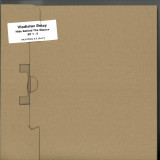
Vladislav Delay's complete "Hide Behind The Silence" series. Intuitive and raw music, momentary and reflective, released on Ripatti's own label Rajaton.
Stillness is a myth. Consider concepts such as ”still water”, or ”still air” for that matter. Go to a restaurant, ask them for a glass of still water, hold it against the light and see where we’re at. Even though the water itself has been captured and imprisoned in the glass, it never stops breathing. It’s filled with tiny particles, dancing. Everything can be explained on a molecular level, but since we’re not scientists – and even if you happen to be – it’s the natural world of perception that moves me.
Still air is very similar. A hot summer’s day with zero wind feels completely still. It’s the closest I have felt to complete stillness. Or for a more urban adaptation, imagine the same vibe inside a normal apartment. In those moments, revelations and mind- blowing experiences can be had with experiments in stillness.
Try this: Just sit down for a minute on a sunny day, making sure there’s enough natural light. Do absolutely nothing. Try not to breathe for a bit. (If you need a mental anchor, you can play Cage’s 4’33” in your head but nothing else.) Watch the tiny dots of dust dancing :..’ ̈.:; ́ ́*°.,’:,. ̈ ̈ ̈ ̈:,.’
The movement is crazy, but the feeling of stillness comes from witnessing how subtle it is. In (perceived) complete stillness, every act of microscopic mobility seems to speak volumes. Yet, it feels both reassuring and oddly threatening that the stillness is never complete. What if we would need absolute stillness? Or is it just enough that we can perceive something as such? Extremes attract, so for both water and air, extraordinary movement is equally fascinating. That is also a luxury item of sorts. For us to enjoy a very ”loud” body of water or air, we need to be safe, in enough control of the situation. So when you are, it’s worthwhile to pay attention and take it all in.
A rapid flowing free with extreme strength and just barely in control. Look at that water go! No still water on this one, only ”sparkling”. A windy day when birds seem surprised how hard it is to fly, but in the end they make it. Trees bend but don’t break. The wind shows you its movement but doesn’t hurt you. It feels friendly, like a big clumsy dog that doesn’t quite understand its size.
It’s beautiful to be a guest of the elements, but not at the mercy of them. A new kind of dialogue forms.
Q&A with Sasu Ripatti:
1) Tell us something about the EP series ”Hide Behind the Silence”, what’s the idea and what can we expect?
Exploration of inaction. Of many kinds. In arts and in personal life, or at bigger and more serious levels. Questioning myself as a human being as well as an artist. Acknowledging the growing activism all around, and the very clear need for it, and how it reflects my own inaction.
Musically speaking, after Rakka, Isoviha and Speed Demon, I finally found some relief, but more importantly lost the need to go musically ever more outward and intensive. I felt quite strongly certain periods/moods from the past and they made me revisit some musical ideas or states of mind I was exploring early on.
It’s about live moments being captured, not much premeditation or editing. More intuitive and raw, even though the end result (to me) feels and sounds quite introspective and calm. It’s not very ambitious. Momentary and reflective.
2) Your music doesn’t sound very silent. Does it come from somewhere behind the silence?
Oh, this time to me it sounds quite quiet and playing with space if not silence. I don’t know what’s actually behind silence, but I think silence is the source of everything. We just don’t understand it yet.
3) What kind of thoughts or experiences gave inspiration to this series?
Writing this in Nov ’22, it’s not a stretch to say the world has been really unwell. Sometimes, like Mika Vainio put it, the world eats you up. I feel a bit like that. And I try to hide in my studio and stay away from it all, but it’s getting harder by the day. I’ve been questioning myself and thinking if what us artists are doing is worth anything, and whether it’s just a selfish thing I’ve been doing for the past 25 years, running away from everything. I haven’t come to a conclusion yet.
4) Is it easy for you to be in silence, or around silence?
Absolutely. I not only hide behind silence but I also love silence. It’s only since I started going back to nature as a grown-up person that I sensed and was enveloped by silence, true silence. I have begun to appreciate it a lot. I think all the people should spend more time in silence.
All tracks composed and produced by Sasu Ripatti.
Artwork by Marc Hohmann, photography by Shinnosuke Yoshimori.
Mastering by Stephan Mathieu for Schwebung Mastering.
Vinyl cut by SST Brueggemann.
Publishing by WARP Music Ltd.
out of Stock
Last delivered 2 years ago available to reorder, subject to availability
Futurismo present a deluxe vinyl package of the never before reissued 1987 avant industrial album: Bad Mood Guy by Severed Heads.
With an oeuvre of electronic experimentation that dates back to 1979, Australia’s Severed Heads rawly garnered everything from the sources around them: the sounds of the city, tape loops, old machines, distortion.
Although essentially one man, chief noisemaker Tom Ellard, he was joined here by film maker/homebrew video synthesizer operator Stephen Jones, and effects producer Robert Racic: who had worked with New Order. The result is a punishing view of pop, all crunching rhythms and electronic juxtapose. By incorporating popular tropes such as consistent rhythms, melodic vocal lines and drum machines this was perhaps as near to alittle “boogie-oogie-oogie” as Severed Heads were likely to get, but the outcome is a striking hybrid of the avant-garde, EBM and Synth-pop, an industrial vortex in which the sounds of the 20th century are sucked in and spat out around a monstrous dance beat.
Never pandering to expectations, Ellard saw dance music as a benchmark area where exploration was still possible. Big ideas and big sounds, notto mention big headaches when the original CBS mixes were left in a taxi cab. Whilst many of their contemporaries persisted without dignity, Bad Mood Guy’s cool melancholy assured a fanbase in America and dance floor loyalty with ‘Hot With Fleas’, which dares to sit alongside classics like ‘Dead Eyes Opened’. The unique inventiveness inherent in Severed Heads work makes this release essential for fans of Throbbing Gristle, Kraftwerk, Skinny Puppy and Cabaret Voltaire.
This remastered version of the original CD contains lost original versions and remixes and comes with a fold-out artzine booklet with liners by Ellard.
out of Stock
Last delivered 2 years ago available to reorder, subject to availability
Black LP in reverse board sleeve, polylined inner sleeve
US based Finnish pianist Anni Kiviniemi debuts her trio featuring bassist Eero Tikkanen and drummer Hans Hulbaekmo (from Gard Nilssen's Supersonic Orchestra and Moskus). The new album "Eir", out on We Jazz Records 12 Jan 2024, is an introspective, moody, yet swinging trio set comprising of 8 Kiviniemi originals. Modeled for a classic jazz piano trio, Kiviniemi's music reaches far beyond, bringing together influences from classical music, Norwegian musical tradition and North African music.
#40 ON ROLLING STONE'S 500 GREATEST ALBUMS OF ALL TIME: ANTICIPATES LATE 1960S TURBULENCE VIA PROPHETIC SONGS AND DARK THEMES
1/4" / 15 IPS analogue master to DSD 256 to analogue console to lathe
Any discussion about the finest psychedelic rock record ever recorded is incomplete if it doesn't grant consideration to Love's Forever Changes. Ranked by Rolling Stone as the 40th greatest album ever made, and named by Mojo the second-greatest psychedelic set in history, the effort is an internationally recognized seminal work of art. Transcending language and convention, its magnitude and magnificence need to be heard again and again. For here is an effort whose mind-boggling acoustic complexities and kaleidoscopic nuances are tailored for high-fidelity playback.
Nearly unlimited headroom, vast instrumental separation, transparent clarity, artifact-free atmospherics, and faithful balances appear out of jet-black backgrounds. Turn it up as loud as you want; the sole limitation will be your system's potential.
Commercially ignored upon release in November 1967, Forever Changes confronts the alienation, paranoia, violence, and strife that would soon plague the countercultural movement and send the Summer of Love into a tailspin. Apart from its lyrical themes and prescient malaise, the record's enduring nature equally owes to intertwined arrangements sewn together with Latin guitar-picked lines, finessed folk harmonies, mariachi-inspired horn charts, and subdued strings.
The seemingly opposing combination – ominous, dark reflections situated amidst lush, light melodic beds – affords Forever Changes a distinguished tension of claustrophobia and openness, dourness and ecstasy, ugliness and elegance enjoyed by no other record in the rock canon. Much of the contrast owes to leader Arthur Lee's mental state and pertinent observations. Lee, whose suppressed romanticism often surfaces even amidst the blackest shadows and most cynical moments, believed he would soon die, and hence channeled everything from lasting hopes to acid-addled decay to the chilling testimony of a Vietnam veteran in his narratives.
Alternatively sad and beautiful, the album-opening and flamenco-inspired "Alone Again Or" establishes the mood for what follows. Vocals overlap and soar; tempos rise and fall; surrealism trades places with reality.Forever Changes thrives both because of and in spite of a surfeit of labyrinthine chords and difficult notes that never repeat. Its ambitious construction almost forced the already fractured band to cede responsibilities to session musicians, which appear on two tracks. The quintet's resolve to not only complete the album, but to do so with such poignancy and curiosity, further enhances Forever Changes' standing.
No wonder that, in the twilight of his troubled career, Lee performed the record in its entirely during concerts met with overwhelming critical acclaim. It was, and will always be, a personal manifesto of timeless relevance and appeal.
Calibro 35 unleash the new OST for the second season of TV series BLANCA, to be released on limited edition LP on December 1st 2023.
Italian cinematic cult outfit CALIBRO 35 announces the release of the ORIGINAL SOUNDTRACK of the second season of BLANCA, the TV series produced by Lux Vide in collaboration with Rai Fiction, broadcast in prime time on Rai 1 starting from Thursday, October 5th 2023 and directed byJan Maria Michelini and Michele Soavi. The soundtrack will be released worldwide on limited edition, crystal clear LP next December 1st via Milan based label Record Kicks.
The new thrilling episodes of Blanca Season 2 follows the success of the first season, that was aired worldwide on Netflix, M6 France and Telecinco Spain. Accompanying the journey is once again the original music of CALIBRO 35 the Italian "cult" cinematic combo active for over 15 years and with a fan base that includes superstars such as Dr.Dre, Jay-z and Damon Albarn. Made up of 20 tracks in total, the OST was entirely composed by CALIBRO 35 that created the sound universe of BLANCA: an impressive and choral work, which has engaged all the components of the band for a long time, giving the them the opportunity to develop a very vast soundscape.
"It's the first time that we deal with the creation of a 'season 2' and we discovered that the creative process can be very different" Calibro 35 says. "In the first season, we had to build from scratch a sound and musical world consistent with the idea that Jan had (Michielini, director and showrunner of the series); this time, however, we had to develop that already existing world further, in order to describe the new stories and new different characters of the second season. There had to be undiscovered musical territories, that forced us to step out of our comfort zone." The result is that on the 20 tracks of the ost, the heavy dose of Calibro's signature funk grooves of tracks such as "Badanti, "Carignano", "Cambio di Stagione" or "Sampierdarena" is mixed with more moody and soulful tunes, world music, opera and atmospheres à la John Carpenter. Amongst the album's highlights worth definitely a mention the Opening and End titles that feature the voices of Arya, MEI and Tahnee Rodriguez. Essential contribution to the recordings were made by Francesca Biliotti - mezzo soprano of the Monteverdi Choir, Valeria Sturba - exceptional multi-instrumentalist of the avant-garde music group OoopopoiooO, Rahma Hafsi and Elisa Zoot.
Described by Rolling Stone as "the most fascinating, retro-maniac and genuine thing that has happened to Italy in the past few years", Milan-based Calibro 35 enjoy a worldwide reputation as one of the coolest bands around. Active since 2007, during their long career they were sampled by Dr. Dre on Compton ("One Shot One Kill" feat. Snoop Dogg), Jay Z ("Picasso Baby"), The Child of Lov & Damon Albarn ("One Day") and Demigodz ("The Summer Of Sam"). They played major venues and festivals all over Europe and as unique musicians they collaborated with, amongst others, PJ Harvey, Mike Patton, John Parish, Stewart Copeland and Rokia Traoré. The BLANCA OST is the latest of many activities concerning cinema for CALIBRO 35: the band has been completely immersed in the world of soundtracks since the very beginning and they have recently worked on other productions as well, both as Calibro and individually. Last June, the band released their 8th studio album, NOUVELLES AVENTURES, recorded in Naples at Auditorium Novecento. With the new LP the group has made full use of their knowledge and resources, refined and enriched over the years, back to making "Calibro's music": a unique mix of funk, progressive rock, alternative jazz and wide-spectrum cinematic music the public has known them for in fifteen years of career.
out of Stock
Last delivered 2 years ago available to reorder, subject to availability
Vecchio's Afro-Rock is one big horn-heavy, bass-blasting, Latin groove funk-rock party. Only now, you're all invited because this, ladies and gentleman, is officially...a grail no more. With copies currently starting at 400 Euros for an original, this beautifully presented reissue, part of Be With's fresh campaign with Music De Wolfe, is well overdue. A magnificent and somewhat obscure library set that's just a total, cohesive joy from start to finish, this here is the soundtrack to all your smokin' summer BBQs and communal cookouts.
Afro-Rock is the debut album by Argentine keyboardist Luis Vecchio. Recorded for the sound library label De Wolfe, the album is frequently mentioned in hushed reverence among the beat digger DJ collecting crowd. It features fiery brass charts, funky bass lines, fluttering flute, choppy organ and additional hand tribal percussion. The band let loose too and jam hard; yet there's a certain thread of solidity that runs throughout, the tracks just belong together, not disparate sound and rhythm experiments like some library records; this is just straight up, no messin', consistent funk-rock FIRE! Hips will sway, heads will nod to the steady vibes. It's insanely good.
The humid, building funk of the appropriately titled "Megaton" is a dramatic explosion of swirling, dazzling organ lines, ferocious beats and heavy horns throughout. It just don't stop. The tempo slows slightly for the deep and deeply addictive "Renegade". It's all heavy jazz horn refrains, always triumphant, coupled with devastating percussive breakdowns and killer guitar riffing. It's an insistent organ-led juggernaut. The frenetic "Facade", up next, is no less driving, horns high up in the mix over rattling percussion and brilliant organs lines. Just sensational. The bright "Chabati" is another glorious extension of the optimistic Vecchio sound, the organs wilder than ever before. The moody "Green Hell" is a real highlight and closes out the A-Side with some outrageously funky refrains - be it horns, organ or guitars - and is complimented by gorgeous flute work that galvanises the piece, elevating it to downright heavenly status.
Knowing full well that he's on to a surefire thing, Vecchio opens the flipside in much the same vein. Indeed, "Boss" is yet another uptempo highlight, a sensual orgy of proud horns, hand percussion and melodic flute playing over driving organ and guitars. It's followed by "Nsambei", which is rightly adored for its briefly open drum break, fantastically propulsive percussion breakdowns throughout and the jazzy, loose organ and guitar shreds. The bright "Waboco" ups the tempo and the pressure, hanging on one hell of a guitar hook and infectious horn refrain. Perhaps foreseeing how this album would come to be viewed, the aptly-titled "Cult" is possibly the finest song on the record. Which is saying something, because this record is insanely good. Riding a steady, confident organ groove straight out the gate, the kinda melancholic flute line over the top serves as a beautiful counterpoint which the horns often come in and imitate/riff off. Goddamn this is so so good, it needs to be played everywhere. The overwhelmingly mighty 7-minute jam "Ngoma-ku" rounds out this quite staggering record brilliantly in its heavy, mid-tempo blues with countless extended solos.
The audio for Afro Rock has been meticulously remastered by Be With regular Simon Francis, ensuring this release sounds better than ever. Cicely Balston's expert skills have made sure nothing is lost in the cut whilst the records have been pressed to the highest possible standard at Record Industry in Holland. The original, iconic sleeve has been restored here at Be With HQ as the finishing touch to this long overdue re-issue.
out of Stock
Last delivered 2 years ago available to reorder, subject to availability
GER "Wir suchen nach Glitzer, nach dem hellsten Geröll und Blitzen. Wer sich heute Nacht verliert, wird sich nicht finden. Ihr sucht in uns die Perfektion der Generation Maximum.." An was noch glauben. Mit ihrem dritten Album Generation Maximum nehmen CULK den Druck von einer Generation, die den Horror der Gegenwart wie durch Magie doch noch zu etwas Positivem wandeln - und richten ihn bewusst auf diejenigen, die ihre Zukunft zerstört haben. "... Ihr sucht in uns die Revolution, bürgt uns auf, was ihr nicht leisten wollt. Wer sich heute nicht mehr wehrt, wird übrigbleiben." Generation Maximum ist sicherlich kein Album, bei dem im SUV laut mitgegrölt wird, weil der Refrain so schön in die Sonnenuntergangsstimmung passt. Niemand klatscht vor Freude über den nächsten Waldbrand die Hände zusammen. Stattdessen beobachtet Sängerin Sophie Löw ihre Umwelt durch ein Brennglas und nimmt die Zuhörer:innen mit auf eine lyrische Rückblende der letzten zwanzig Jahre, in denen sie selbst vom Kind zur Zeugin wurde. Das selbstbetitelte CULK Debut (2019) erschien beim Wiener Label Siluh Records, einer der verlässlichsten Quellen für spannende Indie-Musik in all seinen Facetten. Vom Spiegel-Magazin gab es dazu das Attribut "Suchtsound". Mit ihrem zweiten Album "Zerstreuen über Euch" (2020) schuf die Gruppe ein famoses Konzept-Album. Es wurde von vielen Seiten als eine Kampfansage an tiefverwurzelte patriarchale Strukturen gedeutet und schaffte es u.a. in die TOP 5 der Jahresbestenliste des Spiegel-Magazins. Mit "Generation Maximum" übernimmt Jakob Herber die Rolle des Bassisten von Gründungsmitglied Benjamin Steiger. Herber ist von Anfang an ein wichtiger Wegbegleiter im engen Zirkelder Band, Sängerin/Gitarristin Sophie Löw hat im August 2022 als SOPHIA BLENDA ihr Solo-Debüt-Album "Die neue Heiterkeit" veröffentlicht. "Die neue Heiterkeit" ist eines der stärksten deutschsprachigen Pop-Statements der jüngeren Zeit" - Spiegel. Für ihr neues und nun drittes Album "Generation Maximum" hat sich die Band mit dem Produzenten Wolfgang Lehmann, vormals Wolfgang Möstl, zusammengetan, der unter anderem für seine Arbeit mit Voodoo Jürgens, Clara Luzia, Jungstötter, Dives uvm. bekannt ist. Und bringen es musikalisch nach draußen zu den Menschen, die vor lauter Existenzkämpfen fast vergessen hätten, die Revolution zu starten ("Generation Maximum"). Kein Ausbaden. Generation Maximum ist ein progressiv lauter werdendes "Nein" zur auferlegten Bürde, ein Appell an mehr Verletzlichkeit ("Eisenkleid") "Jede Rüstung erzählt von Verletzlichkeit. Stärke zeigt, wer Narben teilt." und weniger Elend im Privaten wie im Öffentlichen. Letztlich aber auch eine Suche nach einer neuen "Ode an die Freude" und Mut um uns. "Wir erheben Stimmen, auf dass sie für immer klingen. Wo sollen wir heute Zukunft finden?" Wer genau hinhört, findet sie: Lieder über unausgesprochene Träume, die durch epische Gitarrenklänge und Löws entrückten Gesang näher wirken, als sie eigentlich sind. LP klassisch schwarzes Vinyl.
With their third album Generation Maximum, CULK take the pressure off a generation that magically transforms the horror of the present into something positive after all - and deliberately direct it at those who have destroyed their future."... Ihr sucht in uns die Revolution, bürgt uns auf, was ihr nicht leisten wollt. Wer sich heute nicht mehr wehrt, wird übrig bleiben." Generation Maximum is certainly not an album to be bawled along to loudly in the SUV because the chorus fits so nicely into the sunset mood. No one claps their hands together in joy over the next forest fire. Instead, singer Sophie Löw observes her environment through a burning glass and takes the listeners on a lyrical flashback of the last twenty years, during which she herself went from child to witness. The self-titled CULK debut album (2019) was released on the Viennese label Siluh Records, one of the most reliable sources for exciting indie music in all its facets. Spiegel magazine gave it the attribute "addictive sound". With their second album "Zerstreuen über Euch" (2020), the group created a fabulous concept album. It was often viewed as a declaration of war against deeply rooted patriarchal structures and made it to the TOP 5 of the Spiegel magazine's best of the year list and gained the band a following in various scenes and audiences. With "Generation Maximum", Jakob Herber takes over the role of bass player from founding member Benjamin Steiger. Herber has been an important companion from the beginning. Singer/guitarist Sophie Löw released her solo debut album "Die neue Heiterkeit" as SOPHIA BLENDA in August 2022. "Die neue Heiterkeit" is one of the strongest German-language pop statements of recent times" - Spiegel. For their new and now third album "Generation Maximum", the band teamed up with producer Wolfgang Lehmann, formerly Wolfgang Möstl, who is known for his work with Voodoo Jürgens, Clara Luzia, Jungstötter, Dives and many more. And they take it musically outside to the people who almost forgot to start the revolution because of all the struggles for existence ("Generation Maximum"). No payback Generation Maximum is a progressively louder "no" to the burden imposed, an appeal for more vulnerability ("Eisenkleid") "Every armour tells of vulnerability. Strength shows who shares scars" and less misery in private as well as in public. But ultimately also a search for a new "Ode an die Freude" and courage around us. "Wir erheben Stimmen, auf dass sie für immer klingen. Wo sollen wir heute Zukunft finden?" Wer genau hinhört, findet sie: Lieder über unausgesprochene Träume, die durch epische Gitarrenklänge und Löws entrückten Gesang näher wirken, als sie eigentlich sind. RIYL Nu Wave, Independent, Shoegaze
GER "Wir suchen nach Glitzer, nach dem hellsten Geröll und Blitzen. Wer sich heute Nacht verliert, wird sich nicht finden. Ihr sucht in uns die Perfektion der Generation Maximum.." An was noch glauben. Mit ihrem dritten Album Generation Maximum nehmen CULK den Druck von einer Generation, die den Horror der Gegenwart wie durch Magie doch noch zu etwas Positivem wandeln - und richten ihn bewusst auf diejenigen, die ihre Zukunft zerstört haben. "... Ihr sucht in uns die Revolution, bürgt uns auf, was ihr nicht leisten wollt. Wer sich heute nicht mehr wehrt, wird übrigbleiben." Generation Maximum ist sicherlich kein Album, bei dem im SUV laut mitgegrölt wird, weil der Refrain so schön in die Sonnenuntergangsstimmung passt. Niemand klatscht vor Freude über den nächsten Waldbrand die Hände zusammen. Stattdessen beobachtet Sängerin Sophie Löw ihre Umwelt durch ein Brennglas und nimmt die Zuhörer:innen mit auf eine lyrische Rückblende der letzten zwanzig Jahre, in denen sie selbst vom Kind zur Zeugin wurde. Das selbstbetitelte CULK Debut (2019) erschien beim Wiener Label Siluh Records, einer der verlässlichsten Quellen für spannende Indie-Musik in all seinen Facetten. Vom Spiegel-Magazin gab es dazu das Attribut "Suchtsound". Mit ihrem zweiten Album "Zerstreuen über Euch" (2020) schuf die Gruppe ein famoses Konzept-Album. Es wurde von vielen Seiten als eine Kampfansage an tiefverwurzelte patriarchale Strukturen gedeutet und schaffte es u.a. in die TOP 5 der Jahresbestenliste des Spiegel-Magazins. Mit "Generation Maximum" übernimmt Jakob Herber die Rolle des Bassisten von Gründungsmitglied Benjamin Steiger. Herber ist von Anfang an ein wichtiger Wegbegleiter im engen Zirkelder Band, Sängerin/Gitarristin Sophie Löw hat im August 2022 als SOPHIA BLENDA ihr Solo-Debüt-Album "Die neue Heiterkeit" veröffentlicht. "Die neue Heiterkeit" ist eines der stärksten deutschsprachigen Pop-Statements der jüngeren Zeit" - Spiegel. Für ihr neues und nun drittes Album "Generation Maximum" hat sich die Band mit dem Produzenten Wolfgang Lehmann, vormals Wolfgang Möstl, zusammengetan, der unter anderem für seine Arbeit mit Voodoo Jürgens, Clara Luzia, Jungstötter, Dives uvm. bekannt ist. Und bringen es musikalisch nach draußen zu den Menschen, die vor lauter Existenzkämpfen fast vergessen hätten, die Revolution zu starten ("Generation Maximum"). Kein Ausbaden. Generation Maximum ist ein progressiv lauter werdendes "Nein" zur auferlegten Bürde, ein Appell an mehr Verletzlichkeit ("Eisenkleid") "Jede Rüstung erzählt von Verletzlichkeit. Stärke zeigt, wer Narben teilt." und weniger Elend im Privaten wie im Öffentlichen. Letztlich aber auch eine Suche nach einer neuen "Ode an die Freude" und Mut um uns. "Wir erheben Stimmen, auf dass sie für immer klingen. Wo sollen wir heute Zukunft finden?" Wer genau hinhört, findet sie: Lieder über unausgesprochene Träume, die durch epische Gitarrenklänge und Löws entrückten Gesang näher wirken, als sie eigentlich sind. LP klassisch schwarzes Vinyl.
With their third album Generation Maximum, CULK take the pressure off a generation that magically transforms the horror of the present into something positive after all - and deliberately direct it at those who have destroyed their future."... Ihr sucht in uns die Revolution, bürgt uns auf, was ihr nicht leisten wollt. Wer sich heute nicht mehr wehrt, wird übrig bleiben." Generation Maximum is certainly not an album to be bawled along to loudly in the SUV because the chorus fits so nicely into the sunset mood. No one claps their hands together in joy over the next forest fire. Instead, singer Sophie Löw observes her environment through a burning glass and takes the listeners on a lyrical flashback of the last twenty years, during which she herself went from child to witness. The self-titled CULK debut album (2019) was released on the Viennese label Siluh Records, one of the most reliable sources for exciting indie music in all its facets. Spiegel magazine gave it the attribute "addictive sound". With their second album "Zerstreuen über Euch" (2020), the group created a fabulous concept album. It was often viewed as a declaration of war against deeply rooted patriarchal structures and made it to the TOP 5 of the Spiegel magazine's best of the year list and gained the band a following in various scenes and audiences. With "Generation Maximum", Jakob Herber takes over the role of bass player from founding member Benjamin Steiger. Herber has been an important companion from the beginning. Singer/guitarist Sophie Löw released her solo debut album "Die neue Heiterkeit" as SOPHIA BLENDA in August 2022. "Die neue Heiterkeit" is one of the strongest German-language pop statements of recent times" - Spiegel. For their new and now third album "Generation Maximum", the band teamed up with producer Wolfgang Lehmann, formerly Wolfgang Möstl, who is known for his work with Voodoo Jürgens, Clara Luzia, Jungstötter, Dives and many more. And they take it musically outside to the people who almost forgot to start the revolution because of all the struggles for existence ("Generation Maximum"). No payback Generation Maximum is a progressively louder "no" to the burden imposed, an appeal for more vulnerability ("Eisenkleid") "Every armour tells of vulnerability. Strength shows who shares scars" and less misery in private as well as in public. But ultimately also a search for a new "Ode an die Freude" and courage around us. "Wir erheben Stimmen, auf dass sie für immer klingen. Wo sollen wir heute Zukunft finden?" Wer genau hinhört, findet sie: Lieder über unausgesprochene Träume, die durch epische Gitarrenklänge und Löws entrückten Gesang näher wirken, als sie eigentlich sind. RIYL Nu Wave, Independent, Shoegaze
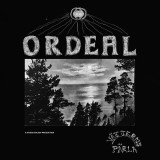
As an important agent of Gothenburg’s underground scene, Dan Johansson has been a member of several experimental harsh noise projects such as Sewer Election, and lo-fi indie folk bands like Enhet För Fri Musik and Amateur Hour. Ordeal is his latest solo output, and might as well be ashes stuck in the blast furnace's edges of his last longing career. Not by means of summing up genres or as a culmination of his musical development, but as a profound music piece weaved in his own household.
With not much more than a synthesizer, Vätterns Pärla is built by trembling, dissonant drones stained in feedback and reverberation, thickly textured by the no-fi quality of the recording, depicting a menacing atmosphere congested with heavy fumes. In Johansson's words, Ordeal "takes inspiration from the early 80’s albums of Maurizio Bianchi, filtered through a Gothenburgian no-fi bleakness. It’s an album for inner voyage, childhood memories, and places that now lost purpose and meaning”.
There's certainly intimacy and nostalgia, yet a claustrophobic, hypnotic ambiance wraps it all up in a contained and narrow space. Emphasis is put on texture rather than on detail, on color rather than on progression, on suspense rather than on conclusion. Tension varies stiffly, sometimes a drone layer dismantles and the mood seems to filter, but ragged edges are never polished. We can feel the walls and the air, which although tarnished, can be breathed in somehow. It's as if waking up in a dark room and having to recognize it with our ears and tact, testing its dimensions and its surface. The stillness in the chamber is like the stillness between gasps of storms.
Without visible stars, an enclosed share of night sky hides a heavy load of industrial debris underwater. These remnants are maybe the pearl regarding the album's title. It all can seem like a dream, a grim mechanical soundscape deafened by hefty, yet sporadic winds. Soil strives to make something grow, but sprouting is kept suspended, held by a dismal presentiment. Long shadows on the ground prove that darkness is about to befall. And as these shadows stretch, almost about to break up in a loud strike, the noise turns white.
The Sad Clown Bad Dub series first started as a string of limited cassette tapes and CD-R's for Atmosphere to sell exclusively on tour. Since its inception in 1999, the Sad Clown series has seen over a dozen iterations in numerous formats, including rare 4-track demos, live recordings, a DVD of behind-the-scenes tour footage, a mixtape, 7” vinyl singles and more. To this day, one of the earliest volumes – Sad Clown Bad Dub 2 – still remains one of the most celebrated and coveted installments from the series.
Originally released in 2000, Sad Clown Bad Dub 2 was a rather stripped-down DIY release – a simple CD tucked behind an illustrated cover with handwritten tracklist and liner notes. The recordings were equally as rough, consisting of a dozen raw 4-track demos that hadn't been treated to any sort of mixing or mastering. Although Atmosphere initially produced only 500 copies of these CD's to sell on the road for extra cash, the buzz and the subsequent demand from fans eventually led the group to pressing more of the CD's, this time stamp- ing the cover art with the phrase "Authorized Bootleg" as a sly nod to those who'd been ripping and sharing the files. The unpolished nature of Sad Clown Bad Dub 2 was no deterrent from the appeal of its contents though.
Generally considered an underground classic in hip-hop circles, Sad Clown Bad Dub 2 is often mentioned as one of the standout releases in Atmosphere's extensive discography. It is a deeply introspective project that explores a range of complex thoughts and emotions, counter-balanced by occasional moments of darkly humorous sarcasm and wit. Slug's writing is sharp and insightful with a knack for turning his personal struggles into universal themes that listeners can relate to. Ant's production is minimalistic, moody, even eclectic in nature, full of atmospheric textures and unconventional rhythms. This release is very clearly one of the early stepping stones in developing their unique and distinctive sound together, helping to establish their reputation as one of the most innovative and boundary- pushing acts in hip-hop.
We're excited to reintroduce the legendary Sad Clown Bad Dub 2, digitally remastered from the original 4-track tapes and available on vinyl for the first time ever!
out of Stock
Last delivered 2 years ago available to reorder, subject to availability
Repress of the sold out Record Store Day release, this time on a different colour. Black Spiders – Those trusted and true sons of the north are back. “We knew the new album had to be special. We’ve been away for a while. The first album was a straight shot, the second on the rocks, with this new one we had to kick down the brewery doors!” Pete Spiby. Back in June of 2017, Sheffield rock beasts Black Spiders waved goodbye to an army of loyal fans with some sonically charged shows before retreating into the shadows. And then, in November of last year, with the world in the grips of the Coronavirus pandemic and after a long year of very little fun from out of the silhouettes they returned with ‘Fly In The Soup’, the first new Black Spiders music in 6 years. Exactly the feel-good shot in the arm the world needed, while we await that other vaccine. The seeds of the Black Spider return were actually planted last summer, when singer and guitarist Pete Spiby began taking to guitarist Ozzy Lister to start writing new material and before they knew it, they had amassed the best part of 40 songs in a very short period of time which they whittled down. And then the pandemic hit. “It’s certainly been a strange process, in unfamiliar territory,” explains Pete. “We started to look at how we could do it given the restrictions and not only that, but we had to replace our original drummer too. For us and probably most other bands, we would usually take a riff or song idea to a rehearsal and thrash it out ‘till we either had something or it ended up in the song graveyard! This time around we couldn’t do that, so myself, Ozzy and on occasion Adam Irwin (bass player) started to send ideas back and forth until we had something to work with in GarageBand. We got to a point where we had enough song ideas with basic structure to go into a studio. It was at this point when we had to look for a new drummer.” With former drummer ‘Tiger’ Si Atkinson unavailable to play, with a week or two of grooming, the band took a chance on Planet Rock DJ Wyatt Wendel to occupy the drum stool. “I've never joined or worked with a band in this way EVER,” laughs Wyatt. “2020 certainly made it surreal. “A Pete/Ozzy writing session at the beginning of the year had produced some promising results, but it felt like barriers were popping up everywhere,” explains bassist Adam Irwin. “We started talking about how we could use technology such as GarageBand to help, and slowly but surely the song writing gathered pace. It was time to hook up with our old producer Matt Elliss and try these new songs out in the studio. “Heading into the studio to record songs we’d written but never played together, with a drummer that we’d never met, is one of the stranger experiences I’ve had while being in a band. Thankfully, Wyatt has turned out to be an excellent addition, who despite his faults (loud, southern) has fit right into the band dynamic. Covid has made life really tough for so many of us in our industry. And yet, this new way of song writing has been liberating, this is the most consistent and prolific we’ve ever been, and I am immensely proud of this album.” Against all of the odds, Black Spiders have crafted an album that features 13 tracks of high-energy, feel-good rock n’roll contrasted by demonic doom that despite the disjointed, isolated way it was recorded. It sounds like a band, firing on all cylinders. “We had to dig down deep to pull out some gems and what would we want from Black Spiders,” questions Pete. War, vengeance, mental health, death, conservation & climate change, where are we from? Relationships, friendships, our flaws. Where are we going? Alien life and Mother Earth - some of which made the record.” Kicking off with the aforementioned ‘Fly In The Soup’ single, this 3rd ST long-player wastes no time in grabbing you by the scruff of the neck and dragging you through an album where good times, hooks and riffs are not in short supply, but the doom-drenched likes of ‘Wizard Shall Not Kill Wizard’ and the psychedelic groove of album closer ‘Crooked Black Wings’ give us an album of many moods and dynamics and a reason to be cheerful in 2021. And why does the album have no title? “It wasn’t hard picking a title for the album, as we decided that the focus should be on the band, not the album title, so we decided not to have one. Let the music do the talking....
Vladislav Delay presents the fourth EP in his "Hide Behind The Silence" series with five 10" releases coming throughout 2023. Intuitive and raw music, momentary and reflective, released on Ripatti's own label "Rajaton".
Stillness is a myth. Consider concepts such as ”still water”, or ”still air” for that matter. Go to a restaurant, ask them for a glass of still water, hold it against the light and see where we’re at. Even though the water itself has been captured and imprisoned in the glass, it never stops breathing. It’s filled with tiny particles, dancing. Everything can be explained on a molecular level, but since we’re not scientists – and even if you happen to be – it’s the natural world of perception that moves me.
Still air is very similar. A hot summer’s day with zero wind feels completely still. It’s the closest I have felt to complete stillness. Or for a more urban adaptation, imagine the same vibe inside a normal apartment. In those moments, revelations and mind- blowing experiences can be had with experiments in stillness.
Try this: Just sit down for a minute on a sunny day, making sure there’s enough natural light. Do absolutely nothing. Try not to breathe for a bit. (If you need a mental anchor, you can play Cage’s 4’33” in your head but nothing else.) Watch the tiny dots of dust dancing :..’ ̈.:; ́ ́*°.,’:,. ̈ ̈ ̈ ̈:,.’
The movement is crazy, but the feeling of stillness comes from witnessing how subtle it is. In (perceived) complete stillness, every act of microscopic mobility seems to speak volumes. Yet, it feels both reassuring and oddly threatening that the stillness is never complete. What if we would need absolute stillness? Or is it just enough that we can perceive something as such? Extremes attract, so for both water and air, extraordinary movement is equally fascinating. That is also a luxury item of sorts. For us to enjoy a very ”loud” body of water or air, we need to be safe, in enough control of the situation. So when you are, it’s worthwhile to pay attention and take it all in.
A rapid flowing free with extreme strength and just barely in control. Look at that water go! No still water on this one, only ”sparkling”. A windy day when birds seem surprised how hard it is to fly, but in the end they make it. Trees bend but don’t break. The wind shows you its movement but doesn’t hurt you. It feels friendly, like a big clumsy dog that doesn’t quite understand its size.
It’s beautiful to be a guest of the elements, but not at the mercy of them. A new kind of dialogue forms.
Q&A with Sasu Ripatti:
1) Tell us something about the EP series ”Hide Behind the Silence”, what’s the idea and what can we expect?
Exploration of inaction. Of many kinds. In arts and in personal life, or at bigger and more serious levels. Questioning myself as a human being as well as an artist. Acknowledging the growing activism all around, and the very clear need for it, and how it reflects my own inaction.
Musically speaking, after Rakka, Isoviha and Speed Demon, I finally found some relief, but more importantly lost the need to go musically ever more outward and intensive. I felt quite strongly certain periods/moods from the past and they made me revisit some musical ideas or states of mind I was exploring early on.
It’s about live moments being captured, not much premeditation or editing. More intuitive and raw, even though the end result (to me) feels and sounds quite introspective and calm. It’s not very ambitious. Momentary and reflective.
2) Your music doesn’t sound very silent. Does it come from somewhere behind the silence?
Oh, this time to me it sounds quite quiet and playing with space if not silence. I don’t know what’s actually behind silence, but I think silence is the source of everything. We just don’t understand it yet.
3) What kind of thoughts or experiences gave inspiration to this series?
Writing this in Nov ’22, it’s not a stretch to say the world has been really unwell. Sometimes, like Mika Vainio put it, the world eats you up. I feel a bit like that. And I try to hide in my studio and stay away from it all, but it’s getting harder by the day. I’ve been questioning myself and thinking if what us artists are doing is worth anything, and whether it’s just a selfish thing I’ve been doing for the past 25 years, running away from everything. I haven’t come to a conclusion yet.
4) Is it easy for you to be in silence, or around silence?
Absolutely. I not only hide behind silence but I also love silence. It’s only since I started going back to nature as a grown-up person that I sensed and was enveloped by silence, true silence. I have begun to appreciate it a lot. I think all the people should spend more time in silence.
All tracks composed and produced by Sasu Ripatti.
Artwork by Marc Hohmann, photography by Shinnosuke Yoshimori.
Mastering by Stephan Mathieu for Schwebung Mastering.
Vinyl cut by SST Brueggemann.
Publishing by WARP Music Ltd.
out of Stock
Last delivered 2 years ago available to reorder, subject to availability
This third release from Rubi Records sees Ashley Tindall—aka Skeptical—stepping out of his usual drum and bass territory and slowing things down with three seriously deep dub-infused bass tracks in the 140-150bpm realm. While not the first time Skeptical has dipped his toes in such waters, these are easily among the finest, most musically mature examples to date. For those drum & bass fans out there unsure about Skeptical branching out into other genres, this EP shows that an open mind and listening without prejudice will reward your ears.
First up is the utterly dub-soaked 75/150bpm track 'Tell Me'. This solid stoner groove takes clear elements of Skeptical's more dub-orientated D&B and adds mesmeric pads and soulful vocal hooks, making it one of the deepest head-nodders in his overall catalogue. This is more a refined track for the 'listener' than for the dance floor, and while you can still easily throw some shapes to it, it's great to just immerse yourself in as a purely audio experience.
Next is the 140bpm 'Tapestry', which is somewhat the darker twin of 'Tell Me'. Again, we have a slow dub-infused head-nodder, but this time more menacing in tone thanks to the finely-judged use of some moody sound modules that Skeptical has tweaked and twisted in his inimitable fashion. This one's the audio equivalent of a restless mind in the depth of night.
The final offering is another 140bpm track – the unsettling beast 'Atomic v1'. It begins with a slow-burn build up of an off-kilter metronomic beat, subtly growling bass and haunting strings. This, in turn, gives way to a distorted rendering of Oppenheimer's famous use of 'Now I am become death, the destroyer of worlds' from the Bhagavad Gita, before becoming a sinister slow-motion dubstep rumbler. With its dragging beat and the purposefully off-point main sonic hook running over the top, this is a disorientating and unsettling weapon for the discerning DJ.
This EP continues the fresh direction of Rubi Records, showcasing exceptional, forward-thinking music without borders.
Support: Ben UFO, Joy Orbison, Gilles Pererson, dBridge, Break, DLR, Doc Scott, Mefjus, Kasra, Kings of the Rollers, Alix Perez, Jubei, Dub Phizix, Flight, Tasha, Loxy, Randall, Lens.
Radio Support: BBC Radio 6 Music, Rinse FM, Kool FM
out of Stock
Last delivered 2 years ago available to reorder, subject to availability
Modernists loved the latest R&B, blues and soul sounds coming from US cities such as Chicago, Memphis and Detroit and when British groups started playing their own interpretations in clubs and dancehalls they gained their own mod followings, their music remaining popular on the mod scene today.
Side 1 of this bespoke collection spotlights the British R&B scene and features a founding father of British blues Alexis Korner with the rare ‘Taboo Man’ alongside ace mod tracks from The Bo Street Runners, The Others, Mickey Finn and The Blue Men (featuring a youthful Jimmy Page on harmonica) and more.
Side 2 starts with British R&B groups developing their own sound by turning up their guitars, employing distortion, feedback and fuzz pedals to take the music in a new direction. Highlights include the Joe Meek produced ‘Crawdaddy Simone’ by The Syndicats (described as proto punk because of its ferocity), The In Crowd’s snarling ‘Things She Says’ and The Artwoods’ fuzz drenched mod favourite ‘I Take What I Want’ featuring future Deep Purple organist Jon Lord on organ.
Denny Laine (later of Wings) sings with The Moody Blues calming things down with some soulful beat.
Side 3 focuses on UK soul music - Rod ‘the mod’ Stewart backed by The Brian Auger Trinity takes on Sam Cooke’s ‘Shake’, the godfather of ska Laurel Aitken proves he’s also a natural soul man with his floor filling version of The Mar-Keys’ ‘Last Night’ and the amazing Barry St. John sings the funky ‘Gotta Brand New Man’. Popular club acts Lucas & The Mike Cotton Sound and Carl Douglas & The Big Stampede would regularly bring the house down at mod clubs and also feature.
Side 4 includes mod club dancefloor smashes from The Spencer Davis Group and Rupert’s People (AKA mod group Fleur De Lys) while mod heroes The Action go psychedelic with ‘Look At The View’. A moonlighting Jeff Beck of The Yardbirds plays on John’s Children’s ‘But She’s Mine’ and there are brilliant singles revered by freakbeat and psych collectors such as Double Feature’s ‘Baby Get Your Head Screwed On’ and The Drag Set’s ‘Day And Night’.
Rarities from The Trendbender Band and The Union (featuring Elmer Gantry) appear on vinyl for the first time.
DJ K-1's (Keith Tucker - AUX88) re-release for modern electro heads Direct Beat Classics label.
1) "K-1 Intro" -Fine metallic percussion and Jeep beats define the groove of this EP's introduction from the year of 1996 featuring Anthony 'Blaktony' Horton (vocals) on this legendary Keith Tucker production. K-1's hauntingly dark strings emerge as you are informed by its mission statement. Mental.
2) "K-1 Agenda" (Instrumental) - Purposely added to enhance variety and balance, this instrumental holds its own. Highlighting his production skill, 'DJ K-1' cuts loose in the minimal groove with traditional Detroit escapism that makes the EP the fine concept it is. Made to dream & jam.
3) "K-1 Agenda" (Vocal Mix) -Written and executed by longtime cohort, 'Blaktony' (AUX88, Alien FM) on vocals. The tune transforms into a classic global jam with android-like vocals planted between the hand-crafted Detroit electronic backdrops. A mainstay in electro bass crates since its release, this track is the description of a man on a mission to jam this world and beyond. Rubbery 'K-1' signature bass lines and strings ride the perfect beat.
4) "The Future I Can See" - K-1's laid back robotic lyrics describe a look into the future paired with thunderous beats and electro bounce. Visionary rocking, Tucker provides the weight to the project that would bare his signature flavor. Hot.
5) "The Future I Can See" (Instrumental) - Focused on an atmosphere of eerie and moody Detroit dark electro, the energetic bass line weaves amongst jamming drums. Imaginative and compelling material made for global dance floors. 100% Electro.
6) "Unreleased track" - A short newly added bonus cut from the original sessions, laced with experimentation in the Motor City Electro sound.
out of Stock
Last delivered 2 years ago available to reorder, subject to availability
If God had a disco, the DJ would be playing California gospel-soul group The Supreme Jubilees. 'We won't have to cry no more,' the tuxedo-clad group would sing, in high, angelic vocals over smooth grooves. 'It'll all be over.' Prepare to dance and contemplate death all at the same time.
A band of brothers and cousins, the group was founded from two familes: brothers Joe and Dave Kingsby plus Dave's son David Kingsby Jr., and keyboardist Leonard Sanders plus his brothers Phillips (drummer), Tim (bassist), and Melvin (tenor). The Sanders clan grew up singing together in the Witness of Jesus Christ church in Fresno CA, where dad Marion was pastor. Guitarist Larry Price-who belonged to neither family-completed the line-up that recorded the group's first-and, prophetically, only-album, It'll All Be Over.
Released in 1980 on the group's own S&K (Sanders & Kingsby) label, It'll All Be Over pinpoints a fatalistic mood exemplified by the title. Its lyrics drawn from the Old Testament, its sound from the church by way of the disco, and it's a feel captured by the album cover-a low, orange sun setting over the Pacific ocean. It is, as Jessica Hundley observes in the brand new liner notes, 'both apocalyptic and seductive.'
Making the album was not easy. Sessions began in Trac Record Co, a country and western studio in Fresno, CA, where the engineer was so put out by the group's requests for heavier bass in the mix, he stopped the session and kicked them out. They left with four songs-one side of the album-and the record was completed at Sierra Recording Studio in Visalia, CA. Leonard Sanders reported having a spiritual encounter in his sleep while in Visalia; the next day he recorded his part of the album's title track in a single take.
After the LP was pressed, the group took their music on tour, first in California, where they played with acts including the Gospel Keynotes, The Jackson Southernaires, and the Mighty Clouds of Joy, and then on an ill-fated trip to Texas. A follow-up album was planned for 1981, but it never materialized; having slept sometimes a dozen to a room in Texas, the men in the band were reluctant to leave jobs, wives, and kids for the hardship of the road. The group simply fizzled out, even if the friendships never did.
A copy of the album sold to a fan on that Texan tour made its way to a San Antonio record store, where it was discovered nearly three decades later by collector David Haffner (Friends of Sound). He managed to track down the Kingsby-Sanders clan at a Fourth Of July barbeque in Fresno in 2004. And he eventually introduced the group to Light In The Attic Records, which now presents the album, restored, remastered, and available to the public for the first time.
Zakmina presents a commanding dark disco release for Minimood with two spellbinding originals filled with unique and captivating sounds. The EP is complemented by compelling remixes from Curses and Rude 66. “Makam” comprises of an alluring array of instruments that create a mesmerizing atmosphere with an oriential mood to it. Curses retains this atmosphere in his remix, albeit with a deeper and darker tone. Unfolding a massive EBM vibe, “Mental Syndicate” forms a dancefloor destroyer that is driven by a vigorous kick and snare. The reimagining from Rude 66 features intergalactic vocals, raw electro sounds, as well as a truly addictive hookline.
out of Stock
Last delivered 10 months ago available to reorder, subject to availability
Martina Berther and Philipp Schlotter are prolific in their respective ways, having been active in pop and jazz music, respectively, as well as playing in bands and exploring the outer fringes of sound art or composing music for film. Their first joint album »Matt« was recorded over the course of four days in a church in the Swiss village after which the album was named. Berther and Schlotter worked with the buildingʼs organ as well as synthesizers and electric bass to follow an experimental approach that oscillated between composition and free improvisation. The five pieces, recorded directly to tape by Flo Götte without any additional overdubs, are characterised by an intimacy and rawness that calls to mind the introspective atmosphere of Hallow Ground label mateʼs FUJI||||||||||TA or mastering engineer Lawrence Englishʼs latest album for the Swiss label. »Matt« is the result of two versatile composers and musicians executing minimalist ideas by giving them plenty of space to unfold.
The album opens with »Unruhe,« a composition that is based on the twelve-tone technique. Using a stopwatch to ensure the adherence to the pre-determined temporal intervals between the individual notes, Berther and Schlotter used the church organ and synthesizers for an ominous piece that traverses different moods and levels of intensity throughout its 14-minute run time. »LFO1« and »LFO2« are different variations of the same concept: Based on a synthesizer preset and structured by an organ drone, two tone generators slowly fall silent, resulting in elegiac pieces that call to mind the work of Éliane Radigue. »Frachter« and »Gallia« put more emphasis on percussive elements. Again working with organ as well as Bertherʼs prepared electric bass, this improvisation comprises interlocking textures that sound almost menacing on »Frachter,« while they create a very different atmosphere on »Gallia.« These notable discrepancies in sound and mood are even more astonishing if you consider that the two pieces are based on the exact same recording, played at different speeds.
As two variations on the same idea with very different results, these two pieces perfectly represent how the duo effectively creates emotionally affective sound worlds with very few means. Berther and Schlotterʼs conceptual minimalism yields rewarding, multi-faceted aesthetic results. »Matt« is an intimate album, marked by a sense of vividness and spontaneity, but also the product of compositional conciseness.
'AVANT TRASH' ist der programmatische Titel des Debütalbums der Cousines like Shit.
Mit ihren kritischen Punchlines verlautbaren die Cousinen ihre Beobachtungen zu Gesellschaft und dem Paradoxon Mensch. In Tracks wie 'Barbie', 'Vivid Sassy' oder 'Bachelorette' kann man sich wiederfinden, ertappt fühlen, oder man muss schlicht schmunzeln, wenn einem die Komik gewisser menschlicher Verhaltensmuster bewusst wird. Mit der Wahl des Titels 'AVANT TRASH' kreieren die Cousinen nicht weniger als ein eigenes Genre für sich, für ihren unverkennbaren Stil, textfokussiert und untermalt von simplen, aber eingängigen Melodien.
Hardtek Hardfloor in the oldschool mood with one side more/less Acid and one side Hardfloor from the Bebert...
As always exploring mental drops and Punk attitude into Tek !
These are RANDOM color vinyls !
out of Stock
Last delivered 11 months ago available to reorder, subject to availability
Superb mental Tribe, progressive and twirling in a deep story telling. The EP instals superb ambiances all along these tunes... Label visual by EXP EXP is totally in the mood of the music : sound system chilling time....
out of Stock
Last delivered 2 years ago available to reorder, subject to availability
Julian Cannonball Adderley's only Blue Note album, Somethin' Else, would likely forever be famous in music lore if just for the presence of Miles Davis. The iconic composer/trumpeter steps into the role of sideman on the 1958 set, one of just a handful of times he'd make such a move after the calendar passed the mid-1950s. Yet evaluating Somethin' Else strictly on Davis' involvement misses the big picture. Plain and simple, Adderley's jubilant work remains a jazz landmark due to the chemistry of its Hall of Fame personnel, enthusiasm of its participants, and sophistication of its arrangements – not to mention the reference-grade production and inclusion of the definitive renditions of two all-time jazz standards.
Limited to 6,000 numbered copies, pressed on dead-quiet MoFi SuperVinyl at RTI, and mastered from the original master tapes, Mobile Fidelity's ultra-hi-fi UltraDisc One-Step 180g 45RPM 2LP collector's edition pays tribute to the record's merit and includes the bonus track "Allison's Uncle." Offering reference-calibre sonics, this spectacular collector's version provides a clear, transparent, ultra-dynamic, and up-close view of a cornerstone effort that witnesses Adderley and Davis sharing horn duty alone for the only time in their fabled careers – an arrangement that occurred as a result of Adderley having joined Davis' majestic sextet a year prior.
The premium packaging and beautiful presentation of the UD1S Somethin' Else pressing befit its extremely select status. Housed in a deluxe slipcase, it features special foil-stamped jackets and faithful-to-the-original graphics that illuminate the splendour of the recording. No expense has been spared. Aurally and visually, this UD1S reissue exists as a curatorial artefact meant to be preserved, touched, and examined. It is made for discerning listeners that prize sound quality and production, and who desire to fully immerse themselves in the art – and everything involved with the album, from the iconic photos to the gorgeous finishes.
The vibrant potency reveals itself openly on an analogue set that provides full-range reproduction of an ensemble that also includes pianist Hank Jones, bassist Sam Jones, and drummer Art Blakey. Each and every snare hit, downbeat, and cymbal splash registered by the latter take on realistic proportions, blooming and decaying as they would right in front of you on a stage. Jones' foundational bass lines register with uncommon depth and palpability, the litheness of the strings and fullness of the instrument epitomizing the definition of rhythm. Stellar, too, are the surefooted 88s. Sublime in scale, tonality, and attack, with the delineation such you can practically separate the white and black keys in your mind. As for that liquid interplay between Adderley and Davis? Breathtakingly lifelike in timbre, naturalism, purity, and presence. This collector's version takes you there – there being Rudy Van Gelder's legendary New Jersey studio in March 1958 to witness it all unfold, again and again.
For reasons that extend far beyond the outstanding playing and flawless repertoire, Somethin' Else is without question a record you'll always want to watch and hear come together. As veteran critic Bob Blumenthal observed writing about the album four decades after its release, "The instant rapport achieved by the quintet is thus the product of much shared and common history, though the tensile strength that they create throughout created a totally unique feeling that can be attributed to the sensitive musicianship of all concerned, including the supposedly hard bopping leader and drummer." Such inimitable feeling, or emotion, courses throughout every passage, and no where more obviously than on "Autumn Leaves" and "Love for Sale."
Without question, the discreet interpretations of the Johnny Mercer and Cole Porter songs, respectively, found on Somethin' Else have long been considered part of jazz's alluring mystique. Adderley and Davis bring contrasting approaches to the table yet sound of a singular mind on "Autumn Leaves," with the latter's muted trumpet and the headliner's lush alto saxophone dovetailing into a performance that endures as a blueprint for expression, counterpoint, sophistication, fluidity, and linearity. Blues, melody, and romance pour from their horns. Their bandmates, picking up on the intimate vibe and calm mood here – as well as on the spry, head-over-heels spirit of "Love for Sale" – join in on the conversation with sharp economy and float-on-air roundedness.
Not to undersell the other three numbers, all deserving five-star status. Twelve measures in length, the title track offers a slow burn in swing. Written by Adderley's brother, Nat, the 12-bar "One for Daddy-O" transmits funk flavors. The closing "Dancing in the Dark" pops with lushness and temptation, its stream of bold colours and understated textures calling for a moonlight twirl, or at least fantasies suggestive of a memorable night. Somethin' else, indeed.
Peter Jefferies, a living legend of New Zealand underground music, from his seminal bands Nocturnal Projections and This Kind Of Punishment, to his collaborative efforts in bands such as Plagal Grind and Two Foot Flame, is perhaps best known for his solo work on masterpieces such as The Last Great Challenge In A Dull World (1990) and Electricity (1994), as well as Elevator Madness (1996). All of these albums came out on vinyl but one of the best was the singular Closed Circuit (2001) which, unfortunately, only came out on compact disc and was somewhat lost to time until now. After Grapefruit released his collection of singles and unreleased songs called Last Ticket Home in 2019, Jefferies mentioned he’d always hoped one of his personal favorite solo albums could someday be heard on vinyl as it was intended. Grapefruit is proud to finally be able to highlight Jefferies’ last album of lyric-based songs by releasing Closed Circuit on vinyl, remastered and with new artwork and insert. This album features all of Jefferies’ signature tense and dark, piano-driven rock and moody balladry, along with themes of personal isolation and domestic ambivalence. It’s a tour-de-force that has remained in the dark too long.
Brazilia Maravilha... A real wonder of selected Brazilian tunes.
You will feel the mood and breeze like you were over there!
28 songs including some great classics as "Lamento" by Nelson Riddle, "Mas Que Nada" by Elza Soares, "Groovy Samba" by Cannonball Adderley and "So Nice (Samba De Verao) by Sérgio Mendes as well as more unique ones.
Kindly remastered tracks from master tapes to keep the dusty roots of the original sound. Double vinyl in a balanced mix of vocals, instrumentals, bossa nova and some jazzy beats tunes.
out of Stock
Last delivered 3 years ago available to reorder, subject to availability
»Don’t Ever Let Me Know« is Sheffield’s first solo release since 2018’s »Repair Me Now« (Glistening Examples) and is a work in a similar mode to that album in that it comprises two lengthy pieces of multiple movements and moods. For this new work, and as a kind of ode to his late father, Sheffield has employed samples entirely taken from (or inspired by) the city in which both men were born. In this way, the sounds have been utilized as a kind of shorthand for the specific subjects at hand. The two audio assembla ges, meanwhile, mirror the ways in which loss and memory are processed – with both melancholy and wonder in equal measure: at once beautiful and confounding.
Colin Andrew Sheffield (b. 1976, El Paso TX) is a composer whose work is focused on the recontextualization of samples derived from various commercially available recordings – generally those taken from his own expansive collection of records, tapes, and compact discs. Conceptually his output is akin to plunderphonics-style sound collage, though aesthetically it is seemingly closer to soundscapes of ambient drone. Since his earliest recordings from the 1990s, his work has developed into a kind of hybrid of the aforementioned approaches.
Lost soul phenomenon Lewis Taylor's Numb finally arrives on double vinyl! One of UK soul’s most fascinating artists, most enigmatic figures and most under-appreciated talents, Andrew Lewis Taylor is a prodigious multi-instrumentalist and eclectic polymath. He enjoys a fiercely loyal following which, over the years, has included celebrity champions like Bowie, Elton and D'Angelo. Numb is Taylor's sixth album, initially released on his own label Slow Reality (an anagram of his name) and licensed to Be With for this long-awaited physical edition. It captures Taylor's wholly unique, intoxicating take on lush, late-night psychedelic soul music.
Lewis wrote and recorded these 10 brand new tracks after a 17 year break from making music, although the album came together over a two-year period. The years away have done nothing to dull Taylor's unique musical vision. He still astounds. The lyrical themes, however, have shifted. Understandably, more than a decade and a half of soul searching and unflinching self-examination cannot fail to influence this most honest of songwriters, and boy does it show. Numb marks a return to the darker, more mysterious side of his output: "Brian Wilson-channels-Smokey Robinson atmospheres", as Mojo put it recently.
After playing a rapturously received gig at the Bowery Ballroom in NYC in 2006, Lewis unceremoniously walked away from music and disappeared completely. An interview in 2016 shed light on some of the reasons for Taylor’s withdrawal from the business, but there was no hint of a return anytime soon. Then in June 2021, news emerged out of the blue that he was readying new music alongside Sabina Smyth with whom he had worked first time around.
On Numb, Lewis deftly balances stark, soul-bearing lyrics with moody mid-tempo pop-soul sheen. He deals candidly with depression, mental turmoil, even thoughts of suicide - clearly more personal than Taylor's earlier songs. The music is rich, warm and layered, with infectious melodies and hooks that stick with you. A true grower of an LP, it really does reward repeated listens. As Jim Irvin in Mojo reflected, "despite the depths these plumb, it's a curiously uplifting experience, unfurling like a concept album about life's challenges with an optimistic beauty at its heart."
Triumphant dubwise horns ring out yet, almost instantly, “Final Hour” takes on a dark, downbeat vibe. With lyrics that confront (and, seemingly, confound) death head-on, Lewis ensures the groove is still there, the beats still swing and your head still nods, strings glissade. Woven around delicate yet insistent piano and subtle strings over a killer bassline, the title track “Numb” is a good example of the lyrical themes throughout the album. As Taylor reflects, "So removed I feel no pain / And for all I know I could be having the time of my life" with a coda that feels very much in conversation with Brian Wilson's finest harmonies. "Feels So Good" is sophisticated 90s-sounding soul of the highest order. The music and vocals feel simultaneously optimistic and despondent. Downlifting. A neat trick, and one Lewis has been so adept at over the years. "Apathy" is a mini-epic, a symphonic-soul gem which builds and glides and, eventually, soars. “Worried Mind" is another slow-builder, creeping out the gate in a sketchy, discordant fashion before climbing to half-crescendo but never quite breaking free of its disorientating restraint.
The brighter "Please" presents a more hopeful mood, with the refrain "I still believe" ringing out as Lewis harmonises with himself. "Brave Heart" quietly struts from step one, as Lewis's falsetto swaggers over a downtempo backdrop with ace echoey drums, beautiful strings and serene electric guitar. Closing out Side C, "Is It Cool" answers its own (non-) question with a spellbinding five and a half minutes of swoonsome deep soul that oscillates between a restrained, barely-there backdrop and a lushly full musical accompaniment of acoustic and electric guitar and organ over bass and slick drums. The penultimate track "Nearer" is a magical, soul-stirring ballad in which Lewis sings of reaching a sweet salvation and achieving a peace of mind. If the hairs on the back of your neck aren't standing up by the midway point, you might need to check your pulse. Album closer and true tear-jerker "Being Broken" places Lewis's gorgeous voice high in the mix and the wordless falsetto and melodies invite you to ponder what Pet Sounds might sound like if it were refashioned as a dubby 21st Century electronic soul album. Astonishing.
Simon Francis’s vinyl mastering spreads out the ten tracks over a double LP so, as ever, nothing is compromised. And as usual, the records have been cut by Cicely Balston at Air Studios and pressed at Record Industry. Turn it up and let the Lewis Taylor sound envelop you.
out of Stock
Last delivered 3 years ago available to reorder, subject to availability
Jan Kincl, a Croatian artist with music released on BBE, Far Out, and Sonar Kollektiv, is launching his own label Cycle Records with an EP titled "For A Minute". Written and produced at Jan's Cycle Studio in Zagreb, the EP features two original tracks riding a thin line between techno and house, and a remix from Gene Hunt, one of the pioneering artists responsible for shaping the early sound of Chicago - "I loved the way the original had such an old school feel to it, jazzy vibes with a 70's touch. When I was asked to do a remix I was like yesssir! It reminds me of something that Moodymann would make. It contained a '94 vibe, Detroit and Chicago combo. Not to mention it was a totally different vibe for me, and I'm honored to be a part of something new and different." - said Gene about this collaboration.
out of Stock
Last delivered 2 years ago available to reorder, subject to availability
The Complex Inbetween is a mesmerising journey inspired by the spirit of krautrock early electronic music and experimental rock. JeGong return with their second full- length album which sees them continue their musical journey inspired by the spirit of krautrock, early electronic music and experimental rock. With The Complex Inbetween Dahm Majuri Cipolla (MONO, Watter) and Reto Ma"der (Sum Of R, Ural Umbo) put a dazzling spin on the timeless music of genre innovators like Can, Faust and Neu!, incorporating noisier and more abrasive elements to create a mental odyssey into the uncanny. Born from the collision of the most unreal moments of Ma"der's free-flowing musical associations with Cipolla's stick-wielding hands, these eight compositions form the duo's own mythical realm after the rhythm has been set. As the cradle of electronic music, krautrock is often viewed by outsiders in terms of the mechanical rather than the human, yet Ma"der and Cipolla manage to uncover a human side that has always been present in the music of their forebears. That driving beat which powers album opener «Come To The Center» was never meant to be called `Motorik', as explains its inventor Klaus Dinger of Neu! in one interview. "It is very much a human beat. I like to call it the endless straight. It's a feeling like a picture." With Cipolla behind the kit the machine becomes human, testifying to the power that rhythm can hold over us as a deeply communal obsession. Like their debut, The Complex Inbetween shows the profound knowledge these two musicians have of their source of inspiration as well as their tremendous skill in applying its principles. With the piece «Night Screaming Moves» JeGong expands their sound with atmospheric drone rock elements. A feedback laden guitar motif surrounds the oscillations of mellotron sounds, behind it pounds a slow motion drum beat that is reminiscent of dragging, shuffling footsteps in the dark of night. Evoking feelings of trench coat wearing film-noir or the cloying darkness of cult 70s horror flicks, «Night Screaming Moves» shows that not only are the duo of Ma"der and Cipolla experienced musicians, but cinephiles and soundtrack lovers with a strong sense for moods and emotions. RIYL Neu!, Cluster, Tangerine Dream, Swans, Mogwai, Sonic Youth, John Zorn Ltd Coloured Vinyl!
Fuzz is Ty Segall (drums/vocals), Charlie Moothart (guitar/vocals)
and Roland Cosio (bass). They’re heavy rock lifers—three Californiabred dudes who have been refining their riffs and getting weird together since high school (which wasn’t that long ago, actually). If you are not already aware of Segall, well, what’s up? He’s one of garage rock’s most prolific sons. He said he was going to take it easy this year, but by the time you finish reading this, the onesheet for his next record will have already arrived in your inbox. Moothart
plays guitar in The Ty Segall Band and was also a member of The Moonhearts, which included Cosio on guitar.
Way back in the early ’00s, all three played in the Epsilons. Fuzz was formed a couple years ago as a collaboration between Segall and Moothart, but only recently did the pair have sufficient time to guide
the band out of side-project limbo and into a recording studio. Since then, they have released two singles, “This Time I Got a Reason” (Trouble In Mind) and “Sleigh Ride” (In The Red). Around the time of the latter, Cosio joined on bass.
They are not dabblers or dilettantes. Fuzz flipped through used bins,
hard drives and record collections of the world, seeking out the finest
weirdo cuts. The band’s self-titled debut LP, which was recorded by Chris Woodhouse (Thee Oh Sees, The Intelligence), dives deep, drawing inspiration from the more esoteric reaches of heavy metal pre-history. There are Sabbath and Hendrix nods, obviously, but on “Sleigh Bells” you might also catch a whiff of UK progressive blues business like The Groundhogs, particularly when the song quits its 10/4-time intro and reboots into fullbore choogle.
Maybe you’ll even glimpse the ghost of Australian guitar legend/sharpie guru Lobby Lloyde sniffing around “Raise.”
The mood is not light. The songs project a state of perpetual paranoia
and eroding mental health. And as it should be, you know? It’s a record for the burners.