"Wer hätte gewollt, dass wir eine neue Extrem-Metal-Band gründen? Nun, vielleicht tatsächlich jemand, aber das ist diesmal nicht der Fall, denn wir haben etwas ganz anderes auf dem Teller..." Die nachdenkliche Stimme gehört dem außergewöhnlichen Gitarristen Markus Vanhala (Insomnium, Omnium Gatherum). In der neuen düsteren Band CEMETERY SKYLINE wird Vanhala von Keyboarder Santeri Kallio (Amorphis), Schlagzeuger Vesa Ranta (Sentenced, The Abbey), Bassist Victor Brandt (Dimmu Borgir und viele mehr) und Sänger Mikael Stanne (Dark Tranquillity, The Halo Effect) verstärkt. "Mit CEMETERY SKYLINE begeben wir uns in bisher unbetretene musikalische Richtungen - in jene dunkleren Gassen, die uns am Herzen liegen, die wir aber bisher nicht wirklich durchwandert haben. Und wir sind kollektiv sehr begeistert!" Eines der Schlüsselwörter, Gothic, wurde bereits erwähnt. "Wir alle teilen eine tiefe Liebe für den Goth-Rock der 80er und 90er Jahre - egal, ob es sich um eher synthiegetriebene oder härtere, gitarrenlastige Sachen handelt. Du kennst das mit den besten Bands von The Sisters of Mercy bis Type O Negative", sagt Santeri Kallio, der sich das Songwriting mit Vanhala teilt. "Aber ist CEMETERY SKYLINE eine Gothic-Band? Vielleicht bis zu einem gewissen Grad, aber das ist sicherlich nicht die ganze Geschichte. Wenn ihr die vielfältige Musik von CEMETERY SKYLINE irgendwie beschreiben müsst, tut uns einen Gefallen und nennt uns Botschafter des melodischen, melancholischen und dunklen Rock. Danke." Der Inhalt der Texte ist tief in eine düstere Gothic-Atmosphäre eingebettet. Das von Stanne geschriebene Konzept - zum ersten Mal in seiner bemerkenswerten Karriere verwendet Mikael während des gesamten Albums Clean Vocals - taucht unwiderstehlich in die paradoxe Welt der "nördlichen Einsamkeit" ein. "Die Texte sind tief verwurzelt in der selbstgewählten Einsamkeit der nordischen Menschen, ihrem anti-sozialen Verhalten und ihrem düsteren Sinn für Humor... Beim Schreiben der Texte habe ich mir diese Besonderheit zu Nutze gemacht, die man als den skandinavischen Gothic-Lifestyle bezeichnen könnte", sagt Stanne. "Nordic Gothic" ist erhältlich als: Ltd. CD Digipak, als 180g LP sowie als digitales Album.
""Neverland", the fourteenth studio album by ULVER is the sound of an escape. A journey into undiscovered lands.
Following three albums – "The Assassination of Julius Caesar" (2017), "Flowers of Evil" (2020), and "Liminal Animals" (2024) – rooted in more traditional song and production structures, "Neverland" marks a new chapter in the revered Oslo band's history.
"With 'Neverland' we embraced a more 'punk' spirit – more dreaming, less discipline – freer, quite simply", the band comments on the creative process behind the album.
Bursts of daybreak synths and whooshes of sound set the atmosphere, before the wolves start digging into the dynamics of ambient calm and anarchic mysticism. Dreamy and transportive textures develop into trippy percussive energies, and as the album unfolds, a lush and vibrant, and at times exotic space opens.
Apart from a few recurring distant voices and vocal chops, "Neverland" is a largely instrumental record, reminiscent of the mood and structure of that place where late '90s IDM sounds met the meandering structures of post-rock.
The ghost of premillennial sample culture surely haunts "Neverland", and some might even hear echoes from earlier acclaimed works like "Perdition City" (2000), or the "Silence" EPs (2001), or more recently "ATGCLVLSSCAP" (2016).
Still, "Neverland" sounds and feels like something else, something fresh in ULVER's continuous journey of perennial reinvention. Pop music from in-between worlds? A sonic hallucination? Or better: a collage of dreams. It's up to you."
After releasing their third album, Maintenant Jamais, and touring in Europe, the United States, Canada, and Mexico in 2025, Population II now announces Gimmicks, a new synthedelic rock EP.
Blending vocal and instrumental tracks, Gimmicks is a companion piece to the Montreal band's latest full-length. It's an extension of the electronic sounds we explored on Maintenant Jamais, with tracks like “13 1 3 1” and “Poudreuse Blues, explains Pierre-Luc Gratton. Even though we added upright piano and fuzz bass to some of the songs, our number one rule for this project was: keyboards and synthesizers, first and foremost! This is why they decided to ditch the guitar completely on these new songs, once again demonstrating the extent of their versatility.
Rhythm-wise, the use of a drum machine allowed the musicians to push their own boundaries and take this exercise in style to a higher level. It made us rethink our rhythmic habits and add bursts of intensity by experimenting with timbres and sound dynamics. The result is an EP at times unsettling, at times dreamy, but perfectly calibrated, where constraint gives way to ingenuity, freedom, and friendship. Although prog and krautrock fans will recognize the influence of Syrinx, Tangerine Dream, and Cluster, Gimmicks is, above all, the affirmation of a band capable of looking back to move forward.
Whenever Emily Nenni is onstage, she welcomes everybody to the dancefloor. The California-born, Nashville-based singer-songwriter wants the honkytonk to be a place of escape, where fans can shed their troubles for a few hours and feel safe and free. “I’m always watching the dancefloor and making sure everybody’s being respectful.” Or, as she sings on the supremely funky title track to her new album Movin’ Shoes, “Here’s where you dress for you and dance the way that you want to.”
Movin’ Shoes is an album about how we treat each other and how we treat ourselves. Confident in its touchstones and compassionate in its insights, Movin’ Shoes eloquently and wryly blends southern soul from Memphis and Muscle Shoals with southern rock from Macon and outlaw country from Austin. Making Movin’ Shoes was a process of discovery for Nenni. Musically she found all new ways to combine the disparate artists she loves so much, and lyrically she found all new ways to relate to herself and to others. “We should at all times acknowledge and accept the fact that we’re imperfect people,” she explains. “We all make mistakes and we should all rethink the way we go about things. I am flawed. Everyone around me is flawed. But that’s not a bad thing. It just means we’re all human. This album is about making mistakes and learning from them. I’m always trying to put that into my songs.”
Whenever Emily Nenni is onstage, she welcomes everybody to the dancefloor. The California-born, Nashville-based singer-songwriter wants the honkytonk to be a place of escape, where fans can shed their troubles for a few hours and feel safe and free. “I’m always watching the dancefloor and making sure everybody’s being respectful.” Or, as she sings on the supremely funky title track to her new album Movin’ Shoes, “Here’s where you dress for you and dance the way that you want to.”
Movin’ Shoes is an album about how we treat each other and how we treat ourselves. Confident in its touchstones and compassionate in its insights, Movin’ Shoes eloquently and wryly blends southern soul from Memphis and Muscle Shoals with southern rock from Macon and outlaw country from Austin. Making Movin’ Shoes was a process of discovery for Nenni. Musically she found all new ways to combine the disparate artists she loves so much, and lyrically she found all new ways to relate to herself and to others. “We should at all times acknowledge and accept the fact that we’re imperfect people,” she explains. “We all make mistakes and we should all rethink the way we go about things. I am flawed. Everyone around me is flawed. But that’s not a bad thing. It just means we’re all human. This album is about making mistakes and learning from them. I’m always trying to put that into my songs.”
Barely six months after the debut, the paths of the label and the artist converge once more — at their intersection, TECH039 emerges. This work significantly expands the musical language of Andy Martin: evolution is audible within every single recording. Tonally, rhythmically, and accent-wise, the release becomes a deep exploration of how personal experience transforms artistic signature, turning it into a new legacy for the local and global scene.
We see the author in a moment of artistic self-determination, on his path to international recognition. This is the sound of a master who cares about context, yet fundamentally refuses to meet outside expectations. At the core of TECH039 lies the concept of techno-futurism — sound projected forward, yet anchored in the fundamental laws of nature.
On the record: a transit from atmospheric harmonies and complex percussive structures to near-ambient variations, followed by gripping, mind-piercing sounds set against a functional bassline. This is a story of five distinct states, conceptually unified by a shared relation to the outer world, rather than the rigid boundaries of style.
- Mechanical Vals — fully positions the spirit of the record, referencing the incomparable signature of Andy Martin.
- The Paths of Rhythm — creates a rhythmic hypnotic structure, inviting DJs to uncover additional layers.
- Toltequidad – serves as a reminder that even the darkest night has its limits, and lighter hours inevitably arrive.
The integrity of the statement is completed by two interpretations:
- Vardae Reinterpretation — a reinterpretation deepening the original's hypnotic component.- Feral Reshape — a structural transformation emphasizing natural, organic power.
A substantial record for the collector’s archive and home listening, as well as a functional tool for the club night.
out of Stock
Last delivered 4 months ago available to reorder, subject to availability
Humanity from Japanese saxophonist and composer Kazuki Yamanaka contains both turbulence and tranquillity, freedom and discipline, an embracing of uncertainty with a deeply spiritual sense of resolution. The recordings were made in a single day in New York City with a team of extraordinary musicians. He"d already established a firm creative partnership with bass legend Cameron Brown and award-winning pianist Russ Lossing over the past year during their time as recording artists in NYC, and he renewed his fruitful association with outstanding drummer Billy Mintz (Lee Konitz, Charles Lloyd, Alan Broadbent) to complete the quartet. These three have been vital to Kazuki"s compositions that tell the story of his enforced absence from the scene during the pandemic and how he sought to centre himself in the midst of the disruption through contemplation and the development of an inward strength.
After years of dormancy, Stilove4music is back with a brand-new 12” from label boss Jerome Derradji — the 52nd release since the label’s creation in 2005. You know the drill: Midwest disco floor bangers made strictly for discerning DJs.
Titled “Do or Don’t”, the EP delivers three essential joints:
“Disco Don’t” is a fast-paced, floor-destroying monster built for peak-time damage.
“Jazz Do” shifts gears into a mellower, psychedelic jazz disco zone, featuring Jerome on live piano, Fender Rhodes, and Korg DV800, with additional programming for good measure.
Closing things out is “Never”, a lovely, groove-heavy floor filler bursting with Brazilian love — again elevated with extra programming from Jerome.
All tracks were produced by Jerome Derradji at the Hirsch Society For Togetherness in Chicago circa 2025.
a 1.1 KAKUMEI DOUCHUU - ON THE WAY FROM "DANDADAN"
b 1.2 DAIJOUBU FROM "MOONRISE"
c 1.3 HANA MUSOU - PEERLESS FLOWERS FROM "MONONOKE THE MOVIE: THE ASHES OF RAGE"
[d] 1.4 KATSUBOU [FROM "MONONOKE THE MOVIE: THE ASHES OF RAGE"]
[e] 1.5 LOVE SICK [FROM "MONONOKE THE MOVIE: THE ASHES OF RAGE"]
[f] 1.6 AIKOTOBA - THE SPELL [FROM "THE APOTHECARY DIARIES"]
[g] 1.7 RED:BIRTHMARK [FROM "MOBILE SUIT GUNDAM: THE WITCH FROM MERCURY"]
[h] 1.8 HOUSEKI NO HIBI [FROM "MOBILE SUIT GUNDAM: THE WITCH FROM MERCURY"]
[a] 1.1 KAKUMEI DOUCHUU - ON THE WAY [FROM "DANDADAN"]
[b] 1.2 DAIJOUBU [FROM "MOONRISE"]
[c] 1.3 HANA MUSOU - PEERLESS FLOWERS [FROM "MONONOKE THE MOVIE: THE ASHES OF RAGE"]
[d] 1.4 KATSUBOU [FROM "MONONOKE THE MOVIE: THE ASHES OF RAGE"]
[e] 1.5 LOVE SICK [FROM "MONONOKE THE MOVIE: THE ASHES OF RAGE"]
[f] 1.6 AIKOTOBA - THE SPELL [FROM "THE APOTHECARY DIARIES"]
[g] 1.7 RED:BIRTHMARK [FROM "MOBILE SUIT GUNDAM: THE WITCH FROM MERCURY"]
[h] 1.8 HOUSEKI NO HIBI [FROM "MOBILE SUIT GUNDAM: THE WITCH FROM MERCURY"]
[a] a1 KAKUMEI DOUCHUU - ON THE WAY [FROM "DANDADAN"]
[b] a2 DAIJOUBU [FROM "MOONRISE"]
[c] a3 HANA MUSOU - PEERLESS FLOWERS [FROM "MONONOKE THE MOVIE: THE ASHES OF RAGE"]
[d] a4 KATSUBOU [FROM "MONONOKE THE MOVIE: THE ASHES OF RAGE"]
[e] b1 LOVE SICK [FROM "MONONOKE THE MOVIE: THE ASHES OF RAGE"]
[f] b2 AIKOTOBA - THE SPELL [FROM "THE APOTHECARY DIARIES"]
[g] b3 RED:BIRTHMARK [FROM "MOBILE SUIT GUNDAM: THE WITCH FROM MERCURY"]
[h] b4 HOUSEKI NO HIBI [FROM "MOBILE SUIT GUNDAM: THE WITCH FROM MERCURY"]
[a] a1 | KAKUMEI DOUCHUU - ON THE WAY [FROM "DANDADAN"]
[b] a2 | DAIJOUBU [FROM "MOONRISE"]
[c] a3 | HANA MUSOU - PEERLESS FLOWERS [FROM "MONONOKE THE MOVIE THE ASHES OF RAGE"]
[d] a4 | KATSUBOU [FROM "MONONOKE THE MOVIE THE ASHES OF RAGE"]
[e] b1 | LOVE SICK [FROM "MONONOKE THE MOVIE THE ASHES OF RAGE"]
[f] b2 | AIKOTOBA - THE SPELL [FROM "THE APOTHECARY DIARIES"]
[g] b3 | RED BIRTHMARK [FROM "MOBILE SUIT GUNDAM: THE WITCH FROM MERCURY"]
[FROM "MOBILE SUIT GUNDAM THE WITCH FROM MERCURY"]
They Came Like Swallows is the first album-length collaboration between Thurston Moore and Kramer (now officially Bonner Kramer), two giants of alternative/ experimental music. The accomplishments and influence of these two artists in the world of independent music cannot be overstated and the result of their artistic union is a startlingly cohesive statement that burns through landscapes of primitive outsider rock, avant-garde composition, progressive ambient and further locales boldly and beautifully unnamable. “Kramer and I reconnected in Miami, Florida, a few years back, many many years after each of us had departed NYC on separate life adventures. It was only a matter of time before Kramer and I started making plans to record together and with his irrepressible due diligence he quickly set up a mobile recording contraption in the pad I was decamped in, the Florida sunshine flowing through the palm leaves, lithe lizards skittering across the windowsills, and we just went for it.
Kramer had the idea to cover a Joy Division tune, a left turn from the improvisations we had been tracking, though wholly in keeping with both our sensibilities of light and dark unifying in transcendent songwriting, both of us devotees of 'the song' as well as 'the freedom.’ What transpired is They Came Like Swallows, a session we immediately felt should exist as a prayer to the war-torn souls of the families of Palestine continually decimated by the brutality of genocide. We agreed beyond words to offer our music as a sonic activism and as a beneficent energy. This album is our duo exchange for human dignity, it is our soul music for any semblance of a peaceful planet.” ~ Thurston Moore “For the first time in our nearly 45 years of friendship, we had identical time windows open to make a record together,” recounts Kramer. After all this time not a moment is wasted as the duo immediately taps into the heightened core of improvisational tension across these seven offerings. Volcanic opener “Urn Burial” notches a similar historic union (John Cale and Terry Riley) to meet the circumstances of the moment, with swirling mists of organ and pounding toms over guitar that thickens the atmosphere with jagged, grimy dissonance.
Solemn strings open the second track, “The Redness In The West,” with Kramer’s cello and viola in dueling bow beneath the high tension drive and sustain of Thurston’s electric guitar, tapping out a Morse code of tension that mounts endlessly into a fog of inevitable war by the end. Moore and Kramer’s sense of experimentalism is in free and full grandeur throughout They Came Like Swallows, though the duo keep a strong and constant sideways eye on melody, composition and architecture, to the ends that any strict lines between song and improvisation are blurred beyond qualification.
As if to punctuate this point, Swallows closes with a nightwork cover of Joy Division’s “Insight,” a doleful coda that breathes out with a solemn inner grace under Thurston’s instantly stylistically recognizable guitar melodies as they weave into he and Kramer’s unison voices. As the lone vocal piece and only traditional ‘song’ form on the album, “Insight” is unique to this set and as a closing statement draws connective lines back to the kind of dynamic, electrified melodicism that wove deep, melancholy patterns into the untamed fire of Sonic Youth’s Sister and Daydream Nation. In the album’s final moments, the two voices repeat the lyric “I’m not afraid anymore” as mantra, underscoring the heavy, unsettled themes and methods that preceded it. Kramer describes the creative process of They Came Like Swallows: “I had composed and recorded a few pieces at my home studio over the course of a couple weeks. Thurston was spending the winter in South Florida, so I flew down and spent a few days recording his guitar parts in his home there. Watching him spontaneously compose his parts was pretty astonishing, to say the least. Once we'd finished working on those pieces, we began improvising and following wherever the music pointed us, and another few pieces were born. We got straight to it, without anything driving us other than the joy of finally working together.
My personal goal was to remain present and catch as many surprises as I could from Thurston's guitar work, and there were plenty during those few days. We had a fucking blast.” Thurston’s contributions here will be readily familiar to any acolytes of his other works, the through-line between his inspired playing, cradled in Kramer’s meticulous, solid arrangements. “If I had to make this record again, I'd do it all exactly the same way,” Kramer says. “It’s like jazz, you don't think about it. You just do it. It was miraculous, and you don't fuck with a miracle.”
They Came Like Swallows is the first album-length collaboration between Thurston Moore and Kramer (now officially Bonner Kramer), two giants of alternative/ experimental music. The accomplishments and influence of these two artists in the world of independent music cannot be overstated and the result of their artistic union is a startlingly cohesive statement that burns through landscapes of primitive outsider rock, avant-garde composition, progressive ambient and further locales boldly and beautifully unnamable. “Kramer and I reconnected in Miami, Florida, a few years back, many many years after each of us had departed NYC on separate life adventures. It was only a matter of time before Kramer and I started making plans to record together and with his irrepressible due diligence he quickly set up a mobile recording contraption in the pad I was decamped in, the Florida sunshine flowing through the palm leaves, lithe lizards skittering across the windowsills, and we just went for it.
Kramer had the idea to cover a Joy Division tune, a left turn from the improvisations we had been tracking, though wholly in keeping with both our sensibilities of light and dark unifying in transcendent songwriting, both of us devotees of 'the song' as well as 'the freedom.’ What transpired is They Came Like Swallows, a session we immediately felt should exist as a prayer to the war-torn souls of the families of Palestine continually decimated by the brutality of genocide. We agreed beyond words to offer our music as a sonic activism and as a beneficent energy. This album is our duo exchange for human dignity, it is our soul music for any semblance of a peaceful planet.” ~ Thurston Moore “For the first time in our nearly 45 years of friendship, we had identical time windows open to make a record together,” recounts Kramer. After all this time not a moment is wasted as the duo immediately taps into the heightened core of improvisational tension across these seven offerings. Volcanic opener “Urn Burial” notches a similar historic union (John Cale and Terry Riley) to meet the circumstances of the moment, with swirling mists of organ and pounding toms over guitar that thickens the atmosphere with jagged, grimy dissonance.
Solemn strings open the second track, “The Redness In The West,” with Kramer’s cello and viola in dueling bow beneath the high tension drive and sustain of Thurston’s electric guitar, tapping out a Morse code of tension that mounts endlessly into a fog of inevitable war by the end. Moore and Kramer’s sense of experimentalism is in free and full grandeur throughout They Came Like Swallows, though the duo keep a strong and constant sideways eye on melody, composition and architecture, to the ends that any strict lines between song and improvisation are blurred beyond qualification.
As if to punctuate this point, Swallows closes with a nightwork cover of Joy Division’s “Insight,” a doleful coda that breathes out with a solemn inner grace under Thurston’s instantly stylistically recognizable guitar melodies as they weave into he and Kramer’s unison voices. As the lone vocal piece and only traditional ‘song’ form on the album, “Insight” is unique to this set and as a closing statement draws connective lines back to the kind of dynamic, electrified melodicism that wove deep, melancholy patterns into the untamed fire of Sonic Youth’s Sister and Daydream Nation. In the album’s final moments, the two voices repeat the lyric “I’m not afraid anymore” as mantra, underscoring the heavy, unsettled themes and methods that preceded it. Kramer describes the creative process of They Came Like Swallows: “I had composed and recorded a few pieces at my home studio over the course of a couple weeks. Thurston was spending the winter in South Florida, so I flew down and spent a few days recording his guitar parts in his home there. Watching him spontaneously compose his parts was pretty astonishing, to say the least. Once we'd finished working on those pieces, we began improvising and following wherever the music pointed us, and another few pieces were born. We got straight to it, without anything driving us other than the joy of finally working together.
My personal goal was to remain present and catch as many surprises as I could from Thurston's guitar work, and there were plenty during those few days. We had a fucking blast.” Thurston’s contributions here will be readily familiar to any acolytes of his other works, the through-line between his inspired playing, cradled in Kramer’s meticulous, solid arrangements. “If I had to make this record again, I'd do it all exactly the same way,” Kramer says. “It’s like jazz, you don't think about it. You just do it. It was miraculous, and you don't fuck with a miracle.”
“Tako” means “octopus”, “kite”, and even “bunion” in Japanese. Bald men or men with shaven heads, as well as red-faced, staggering drunks, are also referred to as “tako”. It’s a word that appears in a lot of slang and sayings. Taco is also the name of an 80s music and performance collective whose performances were like nothing before or since. The Japanese band Taco, formed at the beginning of the 80s, is a loose group/collective of varying members that belongs to the post-punk alternative music movement. The network of members were all friends and acquaintances of Harumi Yamazaki, ex-member of Gaseneta and Taco’s central member.
Taco can be described as a band of guerrillas who, over the years, continued to connect, collect, interrupt, and scatter while sending out into the world music and sounds that can best be described as transient. Taco also performed without Harumi, and so it is as though the band is an anonymous group of mercenaries. Taco’s first album was released in 1983 and had a huge impact on Japan’s underground music scene as an anomalous and collaborative album involving various participating artists (the stars of Japan’s underground music scene!) and Harumi, who provided the lyrics. Although each track represents a reverberating conglomeration of sounds created by this transient local network, common to all the tracks are Harumi’s expressive lyrics. This has the effect of transforming all the tracks into a single powerful force which, in turn, spawns an “incident” which spreads like a giant ripple. However, because of another incident in which the records were recalled due to the scandal caused by some of the lyrics, only a limited number of people actually own a copy of the album. Taco’s second album (a 12” EP), released in 1984, features a live recording of a performance that was held at the end of 1982. Taco is a band of indeterminate members which only ever played one-off performances, but this is an album that reveals a unit whose performance was unusually musically coherent. This is an album which effectively conveys the power of Taco’s astounding and legendary live performances, as well as Harumi’s inflammatory, sensational, and masochistic presence on stage. Her mutterings and screams, which practically ignore the detached beat, confront the audience like an overwhelming groundswell.
The following is a description of Taco by one of its members following one of its live performances: “Taco’s like a project where the indeterminate participants fan each other’s heightened emotions of wanting to wreak personal revenge and retribution. It’s an ecosystem of tangible and intangible mouldy slime which accumulates in order for emotions to be acted out, both indoors in the studio, or outdoors on stage. That’s why the avenger can often end up being the victim.”
Mit „Middle of Nowhere“ veröffentlicht die achtfache Grammy-Gewinnerin Kacey Musgraves ihr sechstes
Studioalbum. Das Album klingt unverkennbar nach Kacey: ehrlich, furchtlos, mitreißend und stets bereit,
den Wendungen des Lebens mit einem Augenzwinkern zu begegnen. Klanglich kehrt Musgraves bewusst
zu ihren Texas-Wurzeln zurück. Das Album enthält Features von Willie Nelson, Miranda Lambert, Billy
Strings und Gregory Alan Isakov und wurde von Kacey Musgraves gemeinsam mit Daniel Tashian und
Ian Fitchuk produziert. Als eine der meistgestreamten Künstlerinnen ihres Genres prägt Musgraves den
modernen Country-Sound wie kaum eine andere. Ihr Erfolgsalbum „Golden Hour“ wurde 2018 vom Rolling
Stone in die Liste der „500 Greatest Albums of All Time“ aufgenommen und festigte ihren Status als eine
der einflussreichsten Stimmen des Pop-Countrys.
Mit „Middle of Nowhere“ veröffentlicht die achtfache Grammy-Gewinnerin Kacey Musgraves ihr sechstes
Studioalbum. Das Album klingt unverkennbar nach Kacey: ehrlich, furchtlos, mitreißend und stets bereit,
den Wendungen des Lebens mit einem Augenzwinkern zu begegnen. Klanglich kehrt Musgraves bewusst
zu ihren Texas-Wurzeln zurück. Das Album enthält Features von Willie Nelson, Miranda Lambert, Billy
Strings und Gregory Alan Isakov und wurde von Kacey Musgraves gemeinsam mit Daniel Tashian und
Ian Fitchuk produziert. Als eine der meistgestreamten Künstlerinnen ihres Genres prägt Musgraves den
modernen Country-Sound wie kaum eine andere. Ihr Erfolgsalbum „Golden Hour“ wurde 2018 vom Rolling
Stone in die Liste der „500 Greatest Albums of All Time“ aufgenommen und festigte ihren Status als eine
der einflussreichsten Stimmen des Pop-Countrys.
For the first time, this landmark album of ritualistic dark folk and shamanic soundscapes is pressed into Double LP, and the result is a breathtaking artifact that transcends the boundary between music and mysticism. Presented in a deluxe edition LP with a lavish 30x30 insert, brought to life by Rune Serpent Europa, this release is a kind of talisman. The packaging itself feels like a gateway: ornate, otherworldly, and perfectly attuned to the spirit of Havamal , where Nordic tradition, animistic ritual, and primal sound converge in a timeless invocation. Spinning Havamal on vinyl unleashes the full incantatory power of NYTT LAND 's music. The analog warmth deepens the resonance of the throat-sung mantras and the droning instrumentation, pulling the listener into a world that is equal parts ancient ritual, frozen landscape, and whispered prophecy.
Every track becomes a rune carved in sound, vibrating with hidden meaning, echoing the eternal cycles of life, death, and rebirth. There is a romance in this edition that goes beyond mere presentation. The act of lowering the needle becomes an invocation, a summoning of ancestral voices and forgotten gods. The record itself feels alive, as though the spirits of the sagas reside within its grooves. Each listen is a ritual, each flip of the vinyl a turning of the cosmic wheel. With Havamal now available on LP, collectors and devotees of dark folk finally hold in their hands a relic worthy of the album's mythic aura. This is music to be inhabited, to be carried into dreams and into shadows, to be used as a key that unlocks the hidden chambers of the soul. A triumph of art, craft, and spirit, this vinyl edition is destined to become a coveted treasure.
Preston duo White Flowers announce new album, Dreams For Somebody Else - due for release 1st May 2026 via The state51 Conspiracy.
White Flowers, the long-running collaboration between Joey Cobb and Katie Drew, exists within what they call “the realm” – a shared creative space, wherein time, rather than being a restrictive force, is fluid and boundless, and music exists as an endless conversation with their past and present selves. Adopting what the band describe as a “sketchbook” approach to writing, White Flowers is the product of a decade’s worth of recordings - snippets nestled away on hard drives, only to truly make sense years later.
On Dreams For Somebody Else, the band expand upon the dark-hued dream pop of their debut, channeling the catharsis of dance music via repetitive structures and “sad, euphoric sounds”. Working alongside LCD Soundsystem and Hot Chip’s Al Doyle on production, the album maps out a mosaic of soaring choruses that swirl around imposing arrays of synths, guitars, and percussion.
Through this new lens, the band explore themes of isolation, dissociation and identity - drawing inspiration from Annie Ernaux’s The Years. “Whilst recording the songs for ‘Dreams For Somebody Else’, we really connected with the concept of Annie Ernaux’s book, ‘The Years’ - a ‘collective autobiography’ pieced together from mismatched fragments from her past, conjuring the effect that she’s merely an observer of her own life. This concept merges into the White Flowers world, where time, rather than being restrictive, is fluid and boundless, with our music existing as an endless conversation with versions of ourselves at different stages of our lives.”
“The album has that same feeling of disassociating from your own life, because you’re just blending into everyone else”, the band explains. “There’s a sadness there, because it’s as if you’re looking back on things that happened to you, and they feel like they don’t belong to you anymore”. It’s the dull ache of nostalgia intertwined with a sense of wonder at what could lie ahead - the hopeful optimism and endless loss that defines the human experience. “It’s this idea of identity not being a fixed thing, but something that’s always changing. It’s a fluid thing, similar to time. Things aren’t really fixed, but rather in a constant state of change. It’s important to remember that we’re all going through that.”
Rhythmus ist die erste Sprache. Ein Puls, der irgendwo beginnt - in einer Maschine, in Händen, als Gedanke. MINCKA existiert in dem kreativen Prozess, der sich daraus entwickelt: ein Dialog zwischen Struktur und Chaos. Entstanden als Idee zwischen einem Schlagzeuger und einem Produzenten, lädt MINCKA heute Produzentinnen, Musikerinnen und Kreative gleichermaßen dazu ein, dem Projekt immer neue Formen zu geben - als etwas, das sich stetig weiterentwickelt.Alles beginnt als Skizze: ein Fragment oder eine Kadenz, die scheinbar ins Leere führt - bis das Live-Schlagzeug übernimmt und der Groove die Richtung vorgibt. Mal festgezurrt in unerbittlichen Beats, mal verträumt und schwer greifbar. Wie der Soundtrack zu einem Fiebertraum, mit Echos von Mo' Wax ebenso wie von International Anthem.Von dort aus öffnet sich ein Raum, in dem Musiker frei auf das reagieren, was bereits existiert. Klänge werden zerschnitten und neu zusammengesetzt, wie Filmszenen, die ihre Bedeutung erst im Schnitt erhalten. Eine passende Analogie für den Hintergrund des bosnisch-niederländischen Schlagzeugers Sergej Kreso, der zugleich ein vielfach ausgezeichneter Dokumentarfilmer ist. Gemeinsam mit dem niederländischen Produzenten Subp Yao initiierte er MINCKA. Doch eines wird durch diesen Ansatz schnell klar: MINCKA ist kein Duo.Statt einer einzelnen Vision wurden unterschiedliche Musikerinnen und Kollaborateurinnen (aus Seattle, Peking, Maastricht, Essex, Amsterdam, Heerlen und Uden) eingeladen, mit der Musik in einen Dialog zu treten. Ihre Antworten und klanglichen Abzweigungen prägten den Sound von Beginn an. Kollaboration ist das Wesen von MINCKA. Und ebenso der Kontrast: Mensch und Maschine. Organisch und elektronisch. Freie Improvisation und meticulousche Präzision. Wertschätzung für Low-End-Theorien.Es ist ein Sound im permanenten Wandel, der sich weigert, in eine Schublade gesteckt zu werden. Stattdessen tritt er die Schublade ein, zerreißt die Überreste und baut aus dem, was bleibt, eine vollkommen neue Collage.Selbst jetzt, da die Musik veröffentlicht wird, ist MINCKA nicht abgeschlossen. Der Dialog geht weiter und lädt jeden ein, MINCKA mitzugestalten, indem über Stems der eigenen Musik Produzentinnen und Musiker*innen zur Verfügung gestellt werden. Was du hörst, war es nicht. Was es werden wird, ist noch offen. Diese Veröffentlichung ist erst der Anfang._ MINCKA
Auf insgesamt 100 Stück limitiert. Rhythmus ist die erste Sprache. Ein Puls, der irgendwo beginnt - in einer Maschine, in Händen, als Gedanke. MINCKA existiert in dem kreativen Prozess, der sich daraus entwickelt: ein Dialog zwischen Struktur und Chaos. Entstanden als Idee zwischen einem Schlagzeuger und einem Produzenten, lädt MINCKA heute Produzentinnen, Musikerinnen und Kreative gleichermaßen dazu ein, dem Projekt immer neue Formen zu geben - als etwas, das sich stetig weiterentwickelt.Alles beginnt als Skizze: ein Fragment oder eine Kadenz, die scheinbar ins Leere führt - bis das Live-Schlagzeug übernimmt und der Groove die Richtung vorgibt. Mal festgezurrt in unerbittlichen Beats, mal verträumt und schwer greifbar. Wie der Soundtrack zu einem Fiebertraum, mit Echos von Mo' Wax ebenso wie von International Anthem.Von dort aus öffnet sich ein Raum, in dem Musiker frei auf das reagieren, was bereits existiert. Klänge werden zerschnitten und neu zusammengesetzt, wie Filmszenen, die ihre Bedeutung erst im Schnitt erhalten. Eine passende Analogie für den Hintergrund des bosnisch-niederländischen Schlagzeugers Sergej Kreso, der zugleich ein vielfach ausgezeichneter Dokumentarfilmer ist. Gemeinsam mit dem niederländischen Produzenten Subp Yao initiierte er MINCKA. Doch eines wird durch diesen Ansatz schnell klar: MINCKA ist kein Duo.Statt einer einzelnen Vision wurden unterschiedliche Musikerinnen und Kollaborateurinnen (aus Seattle, Peking, Maastricht, Essex, Amsterdam, Heerlen und Uden) eingeladen, mit der Musik in einen Dialog zu treten. Ihre Antworten und klanglichen Abzweigungen prägten den Sound von Beginn an. Kollaboration ist das Wesen von MINCKA. Und ebenso der Kontrast: Mensch und Maschine. Organisch und elektronisch. Freie Improvisation und meticulousche Präzision. Wertschätzung für Low-End-Theorien.Es ist ein Sound im permanenten Wandel, der sich weigert, in eine Schublade gesteckt zu werden. Stattdessen tritt er die Schublade ein, zerreißt die Überreste und baut aus dem, was bleibt, eine vollkommen neue Collage.Selbst jetzt, da die Musik veröffentlicht wird, ist MINCKA nicht abgeschlossen. Der Dialog geht weiter und lädt jeden ein, MINCKA mitzugestalten, indem über der eigenen Musik Produzentinnen und Musiker*innen zur Verfügung gestellt werden. Was du hörst, war es nicht. Was es werden wird, ist noch offen. Diese Veröffentlichung ist erst der Anfang._ MINCKA
Fast zwei Jahrzehnte nach der Veröffentlichung des Originalalbums, das mit einem Grammy ausgezeichnet
wurde, lebt die Legende des Buena Vista Social Club mit „Lost and Found“ weiter, einer Sammlung bisher
unveröffentlichter Titel. Einige entstanden bei den legendären ersten Sessions in Havanna mit Produzent
Ry Cooder, andere während der darauffolgenden, außergewöhnlich produktiven Phase.
Das Originalalbum des Buena Vista Social Club wurde 1996 von Ry Cooder und Nick Gold innerhalb von
sieben Tagen in Havanna für World Circuit Records aufgenommen. Es vereinte viele der großen Namen des
goldenen Zeitalters der kubanischen Musik der 1950er-Jahre, von denen einige für die Sessions aus dem
Ruhestand zurückgeholt wurden.
Das Album wurde überraschend zum internationalen Bestseller und zum erfolgreichsten Album in der
Geschichte der kubanischen Musik. Damals ahnte niemand, dass die Platte erst der Anfang eines musikalischen Phänomens sein würde. In den folgenden Jahren tourten die Buena-Vista-Veteranen vor begeistertem
Publikum um die Welt und waren Gegenstand eines gefeierten Spielfilms von Wim Wenders.
Es folgten weitere gefeierte Aufnahmen, darunter Soloalben der Sänger Ibrahim Ferrer und Omara Portuondo, des virtuosen Pianisten Rubén González und des Bassisten Cachaíto López sowie ein mitreißendes
Live-Album, aufgenommen bei einem triumphalen Konzert in der New Yorker Carnegie Hall.
Der Buena Vista Social Club war zu einem bekannten Namen geworden. „Über die Jahre wurden wir oft
gefragt, welches unveröffentlichte Material noch in den Archiven schlummert“, sagt Nick Gold von World
Circuit. „Wir kannten einige Schätze, Favoriten der Musiker, aber wir waren immer zu sehr mit dem
nächsten Projekt beschäftigt, um nachzusehen, was wir sonst noch hatten. Als wir endlich die Zeit dazu
fanden, waren wir erstaunt, wie viel wunderbare Musik es gab.“
Alle Studioaufnahmen für World Circuit entstanden im Egrem-Studio in Havanna während der produktiven
und kreativen Phase nach der Aufnahme des Originalalbums, die bis in die frühen 2000er-Jahre andauerte.
Angereichert mit Live-Aufnahmen aus derselben produktiven Phase, bietet das Material auf „Lost and
Found“ eine enorme und mitunter überraschende Vielfalt. Doch es gibt einen roten Faden, der von einem
Kernteam legendärer Musiker getragen wird, die einen Korpsgeist zum Ausdruck bringen, den jeder, der
jemals vom Buena Vista Social Club verzaubert war, wiedererkennen und genießen wird.
The Official Vinyl Release from The Dreamworks Animated Feature Film
Deluxe 2xLP Crystal Clear with Blue Orb & Green, Mint, Blue, and Black Splatter
Heavyweight Gatefold Packaging with Matte Satin Coating
Exclusive Director and Composer Liner Notes
12 Page Booklet with Artwork from The Film
In partnership with Back Lot Music, Waxwork Records is thrilled to release THE WILD ROBOT Original Motion Picture Soundtrack Music by Kris Bowers.
The soundtrack also features two songs performed by Maren Morris titled Kiss The Sky and Even When I'm Not.
Waxwork Records is ecstatic to release THE WILD ROBOT Original Motion Picture Soundtrack Music by Kris Bowers as a deluxe double LP
featuring crystal clear vinyl with blue orb and green, mint, and black splatter housed in a heavyweight gatefold jacket with matte satin coating.
Also included is a 12-page booklet with exclusive liner notes by director Chris Sanders and composer Kris Bowers alongside artwork from the film.
Lander Gyselinck and Adriaan Van de Velde created the soundtracks for the Dries Van Noten autumn/winter 2023-2024 runway shows. The result is a double live performance recorded during the shows in Paris.
The release, exactly 1 year after the presentation of last season's men's collection, is available from January 19th on a 180 gram vinyl and on all digital streaming platforms. On one side you will find the music for the men's collection by Lander & Adriaan, on the other the music for the women's collection, Lander Gyselinck solo.
"The women's collection is all about construct:deconstruct, intimacy, botanical figurative elements and gold in its raw form. Dries asked me to try to translate these elements into a drum piece performed live. I decided to focus on detailed intimate sounds, acoustic elements and improvisation. Besides this piece, there is a second composition that I brought together with Adriaan for the men's show where we mainly took into account the venue, Dries' collection, certain keywords we were given, our world of 90s music, rave and improvisation and we tried to make a nice blend of that." - Lander
Critically acclaimed American producer Tomu DJ (Pitchfork, Dazed, NPR++) debuts on sound as language with her fourth album, 'antagonist.' Recorded in the artist’s Oakland, California home throughout 2025 using only a digital piano, her intention for the album was to “free myself from conventional notions of electronic music”. This is perhaps seen clearly on standout tracks “loose interpretation” and “careful deliberation”, which in their cinematic splendor evoke the beauty and thoughtfulness of classical music. Even so, 'antagonist' is “not intended to be like classical music, rather a stream of consciousness akin to spoken word poetry”. It is easy to see what she means on tracks like “antagonist” and “dance” which weave familiar elements into personal narratives of loneliness, perseverance and redemption. Despite its specific sonic palette, 'antagonist' fits right in with Tomu DJ’s discography, continuing to build on the musical ecosystem she has thoughtfully tended to over the course of the last decade.
mclusky sind eine Band, die eine Band war, keine Band war und nun wieder eine Band ist. Sie wurde Ende der 90er Jahre gegründet und löste sich 2005 nach drei Alben zum ersten Mal auf. Meinungen zu diesen Alben finden sich im Internet. Der Weg zurück zur Band begann 2014, als die Band sporadische Konzerte spielte, um Geld für einen lokalen Veranstaltungsort zu sammeln, der von der Schließung bedroht war. Nach einigen Rückschlägen, die man als die schönsten Seiten des Lebens bezeichnen kann, veröffentlichten sie 2025 ihr erstes Album seit zwanzig Jahren. sporadische Konzerte gab, um Geld für einen lokalen Veranstaltungsort zu sammeln, der von der Schließung bedroht war. Nach einigen Missgeschicken, die man als Teil des Lebens in seiner schönsten Form bezeichnen kann, veröffentlichte die Band 2025 ihr erstes Album seit zwanzig Jahren. Nun, im Jahr 2026, setzt sie ihre musikalische Reise mit weiterer neuer Musik in Form dieses 6-Song-Mini-Albums fort. Der Zeitpunkt dieser Veröffentlichung fällt mit einer US-Tournee im Frühjahr 2026 zusammen, die nach ihrer Australien-Tournee im Januar und einer Reihe weiterer Tourneen aus dem vergangenen Jahr rund um den Globus stattfindet. Die Rückkehr der Band wurde mit Begeisterung aufgenommen, insbesondere von der Presse, wo Medien wie NPR schwärmten: ,Progressiver, ungewöhnlicher, frecher Post-Punk mit echtem Sinn für Humor und Grandiosität. Diese Musik ist einfach voller Kreativität", und Pitchfork sagte: ,Mclusky, bekannt für ihre explosiven Live-Auftritte, klingen auf ihrem Comeback-Album genauso laut... Viel Spaß dabei." Das Album enthält vier neue Songs, die im Herbst 2025 aufgenommen wurden, sowie einige Songs aus ihrer nur digital erhältlichen Comeback-EP aus dem Jahr 2023.
Jede Band, die was drauf hat, hat ein Mitglied, das mal in einem Plattenladen gearbeitet hat. Bei METZ, dem mutigen Noise-Rock-Trio, das zwischen 2012 und 2024 fünf Alben bei Sub Pop rausgebracht hat, war das Sänger und Gitarrist Alex Edkins. Während seines Studiums verkaufte Edkins in seinem Heimatort Indie-Rock- und Hardcore-Platten und wurde zu einem begeisterten Schüler des Rock ,n` Roll, von den psychedelischen 1960er Jahren bis zu den DIY-1990er Jahren und darüber hinaus. Hoopla, das eingängige, melodische zweite Album aus Edkins' Soloprojekt Weird Nightmare, mischt und kombiniert diese Einflüsse auf unterhaltsame und mitreißende Weise und zeigt seine ausgefeilte musikalische Intelligenz. ,Hoopla" sprüht vor Hooks und Ohrwürmern und ist genau die Kassette, die nie aus dem Autoradio genommen wird, sondern immer wieder gespielt wird und den Sommer begleitet. ,Hoopla" ist neu und nostalgisch zugleich und wird deine Ohren erfreuen. Das selbst produzierte und ausgesprochen lo-fi Debütalbum von Weird Nightmare wurde während der Pandemie zu Hause aufgenommen und 2022 von Sub Pop veröffentlicht. Weird Nightmare zeigte Edkins' Indie-Rock-Sensibilität mit einer Vorliebe für unverkennbare Hooks und mitreißende Refrains zum Mitsingen. Auf dem neuen Studioalbum Hoopla, das gemeinsam mit Jim Eno von Spoon produziert und in Seth Manchesters Machines with Magnets aufgenommen wurde, erweitert Edkins die Dimensionen von Weird Nightmare noch weiter. Neue musikalische Texturen wie Klavier, Glocken und Kastagnetten verschmelzen mit Edkins' geradlinigem Songwriting und verleihen diesen Stücken einen glänzenden Schimmer. Es ist, als würde ein beliebter Indie-Regisseur mit seinem ersten Studiofilm einen Schritt nach vorne machen. Wenn das Debütalbum Weird Nightmare ein Underground-Publikumsliebling war, ähnlich wie Richard Linklaters Slacker, dann ist Hoopla Edkins' Dazed and Confused. ,Hoopla" glänzt mit sonnigem Gitarrenpop und wurde mit genau der richtigen Menge an Fuzz und Crunch produziert. Die unmittelbare, schnörkellose Aufnahme versetzt dich direkt ins Studio mit Edkins und seiner Rhythmusgruppe: Loel Campbell am Schlagzeug und Bassist Roddy Kuester. Das ist Power-Pop der Extraklasse; diese scharfen Adrenalinstöße könnten sich nahtlos in einen Radio-Rock-Block zwischen The Replacements und Elvis Costello & the Attractions einfügen. Oder passen genauso gut zu Sharp Pins, Ratboys und Alvvays. Im Kern ist dieses Album ein optimistischer, leuchtender Lichtblick in unserer seltsamen Zeit. Mit Weird Nightmare möchte Edkins euch wissen lassen, dass er die Welt immer noch liebt, und er lädt die Hörer von Hoopla ein, dasselbe zu empfinden. Nutzt diese Chance, um einen Funken der Magie des Pop in unserer verbrauchten alten Welt zu ergreifen. Ihr habt es verdient.
Modern Obscure Music presents The Bubble of Love, a new collaborative album by Pedro Vian together with Ustad Nawab Khan and Naved Nawab Khan - the 9th and 10th generation of a distinguished santoor lineage from Rajasthan, India. Recorded during an intense week of sessions at Pedro Vian's studio in Barcelona, the album captures a rare and concentrated encounter between traditions, generations, and sonic languages.
Wasteland is a record that is unafraid to plunge into the darkness of the modern world and embrace the weirder, edgier and more unnerving moments that come from doing so. It is an album that captures all the enormity of life from the micro to the macro, zooming in on the personal as well reflecting on broader societal issues.
“Wasteland is about the idea of a place once known or familiar that is now broken down and unrecognisable,” says Ghedi. “It’s about exploring the process of watching someone’s surroundings and environment collapse.” And within that you have a lot going on. “It also explores death, personal loss, grief, mental health and how the natural world provides solace and meaning for that loss and how these worlds blur into one another.”
Ghedi has always been an artist that in many ways perfectly encompasses folk music in its purest form but he is also someone that frequently pushes the boundaries of that label and no more so is that apparent than on this record. As like previous albums, such as 2018’s A Hymn for Ancient Land and 2021’s In the Furrows of Common Place, Ghedi uses traditional folk songs as a means to explore contemporary issues via modern and experimentally-leaning music. “With the traditional material on this album I wanted to find songs with content that resonated with me,” says Ghedi. “But also that were based roughly around the north of England.” This is a central underlying theme to the album for Ghedi. The feelings of loss, erosion, and degradation are often most pronounced in working class communities and this was something he wanted to weave in. “It was important to voice and choose material that represented or expressed issues that correlated with things going on around me.”
However, as remarkable as some of the traditional material is, some of the most arresting work on the album is Ghedi’s entirely original compositions. Lead single ‘Wasteland’ is a stunning piece of work that while rooted in an environment being corrupted and broken – “there’s violence on these hills” Ghedi sorrowfully sings, before claiming this is no longer somewhere that can be called home – it is also a stirringly beautiful composition that soars and glides as it opens up, as sweeping strings swoop and in and out of Ghedi’s twangy electric guitar.
The decision to incorporate more fuller sounds, such as electric guitar and huge drums, results in a notable shift and evolution in tone for Ghedi. “The lyrical content needed something more band-driven and loud to deliver them,” he explains. “Incorporating the electric guitar in my songwriting was also a big part of opening the sound up, using drop tunings pushed me to use my voice in a wider range, which forced me to use falsetto a lot which I haven’t previously done before. That then opened the sound up and gave me creative ideas for bigger arrangements and to sonically really push things.”
What Ghedi has done in creating his masterpiece is construct a remarkable space where deeply intimate and personal feelings coexist with reflections on environment, place and society, while also interweaving historical context via traditional songs. Wasteland is as much of a world to explore and exist in as much as it is an album, with Ghedi carving out his distinctly unique sonic language and voice to explore that singular environment.
Wasteland is a record that is unafraid to plunge into the darkness of the modern world and embrace the weirder, edgier and more unnerving moments that come from doing so. It is an album that captures all the enormity of life from the micro to the macro, zooming in on the personal as well reflecting on broader societal issues.
“Wasteland is about the idea of a place once known or familiar that is now broken down and unrecognisable,” says Ghedi. “It’s about exploring the process of watching someone’s surroundings and environment collapse.” And within that you have a lot going on. “It also explores death, personal loss, grief, mental health and how the natural world provides solace and meaning for that loss and how these worlds blur into one another.”
Ghedi has always been an artist that in many ways perfectly encompasses folk music in its purest form but he is also someone that frequently pushes the boundaries of that label and no more so is that apparent than on this record. As like previous albums, such as 2018’s A Hymn for Ancient Land and 2021’s In the Furrows of Common Place, Ghedi uses traditional folk songs as a means to explore contemporary issues via modern and experimentally-leaning music. “With the traditional material on this album I wanted to find songs with content that resonated with me,” says Ghedi. “But also that were based roughly around the north of England.” This is a central underlying theme to the album for Ghedi. The feelings of loss, erosion, and degradation are often most pronounced in working class communities and this was something he wanted to weave in. “It was important to voice and choose material that represented or expressed issues that correlated with things going on around me.”
However, as remarkable as some of the traditional material is, some of the most arresting work on the album is Ghedi’s entirely original compositions. Lead single ‘Wasteland’ is a stunning piece of work that while rooted in an environment being corrupted and broken – “there’s violence on these hills” Ghedi sorrowfully sings, before claiming this is no longer somewhere that can be called home – it is also a stirringly beautiful composition that soars and glides as it opens up, as sweeping strings swoop and in and out of Ghedi’s twangy electric guitar.
The decision to incorporate more fuller sounds, such as electric guitar and huge drums, results in a notable shift and evolution in tone for Ghedi. “The lyrical content needed something more band-driven and loud to deliver them,” he explains. “Incorporating the electric guitar in my songwriting was also a big part of opening the sound up, using drop tunings pushed me to use my voice in a wider range, which forced me to use falsetto a lot which I haven’t previously done before. That then opened the sound up and gave me creative ideas for bigger arrangements and to sonically really push things.”
What Ghedi has done in creating his masterpiece is construct a remarkable space where deeply intimate and personal feelings coexist with reflections on environment, place and society, while also interweaving historical context via traditional songs. Wasteland is as much of a world to explore and exist in as much as it is an album, with Ghedi carving out his distinctly unique sonic language and voice to explore that singular environment.
Slow Leaves - alias Grant Davidson aus Winnipeg - steht für einen feinfühligen Indie-Folk, der leise spricht und dennoch lange nachhallt. Seine Musik verbindet warmes Fingerpicking, sanfte Psych-Rock-Anklänge und eine Stimme, die direkt ins Herz zielt: klar, verletzlich, tröstlich. Kritiker vergleichen ihn mit Roy Orbison, Nick Drake, Mickey Newbury oder Neil Young - Songwriter, die Emotionen mit Einfachheit und Tiefe verbinden. Davidsons neue Songs kreisen um innere Landschaften: Erinnerungen, familiäre Prägungen, Generationenlinien, kleine Wunden und stilles Wachstum. Er schreibt mit einer poetischen Direktheit, die Intimität schafft, ohne schwer zu werden. Seine Arrangements bleiben bewusst zurückhaltend: Gitarre, behutsame Rhythmik, warme Tastenklänge, dezente Streicher - alles im Dienst einer emotional klaren Erzählstimme. Was Slow Leaves besonders macht, ist seine Fähigkeit, kosmische Themen - Zeit, Einsamkeit, Verbundenheit - in schlichte, menschliche Momente zu übersetzen. Es ist Musik, die Raum lässt: zum Atmen, Erinnern, Trost finden. Ein leises, aber eindringliches Songwriting, das im Kleinen das Große sichtbar macht.
Das dritte Album von Nick Llobet und Micah Prussack, alias youbet, aus Brooklyn ist ein weitläufiges, warmes Gemisch aus Indie-Rock, Pop und experimentellen Klängen. Es zeigt eine Band, die weit über ihre Bedroom-Pop-Wurzeln hinausgewachsen ist und sich zu einer selbstbewussteren, komplexeren und lauteren Kraft entwickelt hat. Das Album, das in Bewegung entstanden ist und zwischen langen Tourneen Gestalt angenommen hat, spiegelt einen Moment ekstatischer Möglichkeiten und Entschlossenheit wider. Sowohl geschärft als auch expansiv, wächst youbet aus den Grenzen des Heimaufnehmens und des ,Bedroom Pop" zu etwas Robusterem, Lauteren und Unverwechselbarem, das ganz der Band eigen ist. Die vielfältigen Einflüsse des Duos - von den Beatles über Bernard Herrmanns schwindelerregenden Vertigo-Soundtrack bis hin zu Flamenco, den japanischen Noise-Rockern Boris und vielem mehr - legen sich in den Hintergrund, während die Band ihre eigene musikalische Sprache entwickelt. Die Co-Produzenten Katie Von Schleicher und Julian Fader runden das Album ab, wobei erstere glitzernde Synthesizer-Klänge und letzterer ein von Prussacks Bass untermaltes Schlagzeug-Fundament beisteuern. youbet zeigt, wie Llobet und Prussack bezaubernde musikalische und lyrische Ausdrucksformen miteinander verweben und das Ergebnis immer wieder neu formen.
Mit "We Were Made For These Times" feiern die Klezmatics ihr 40-jähriges Bandjubiläum - und veröffentlichen zugleich ein Album, das die Gegenwart direkt anspricht.
Die Grammy-ausgezeichnete Formation verbindet seit vier Jahrzehnten jiddische Musiktradition mit politischem Bewusstsein, kultureller Verantwortung und einem unverwechselbaren Klang, der Klezmer mit Punk-Energie, Jazz-Improvisation, Gospel und globalen Rhythmen verschmilzt. Das neue Album versteht Klezmer nicht als nostalgisches Archiv, sondern als lebendige Ausdrucksform, die Kraft, Verbundenheit und Widerstandsfähigkeit stiftet. In Zeiten gesellschaftlicher Spannungen, globaler Migrationsbewegungen und öffentlicher Debatten über Zugehörigkeit richten die Klezmatics ihren Blick auf die historische Aufgabe jüdischer Musik: Menschlichkeit einfordern, Gemeinschaft stärken und Hoffnung formulieren. Die Songs reichen von Protest- und Arbeiterliedern bis zu spirituellen Stücken und feiern gleichzeitig Lebensfreude, Glauben und kulturelles Gedächtnis. Texte von Woody Guthrie, Holly Near, Dovid Edelstadt oder Chaim Zhitlovsky treffen auf neue Interpretationen und internationale Gäste - darunter Sofía Rei, Janis Siegel, Joshua Nelson, La Manga, William Parker, James Brandon Lewis und Enver Izmaylov. Im Zentrum steht der Titelsong, inspiriert von Dr. Clarissa Pinkola Estés" Botschaft: Wir sind für diese Zeiten gemacht. Das Album bekräftigt, wofür die Klezmatics seit 40 Jahren stehen: Musik als Werkzeug für Mut, Würde und gemeinschaftliche Zukunft.
When five-time Grammy award winner Taj Mahal intersects with The Phantom Blues Band, it’s one of those rare joints that hits you before you even know you’ve been hit. They walk in, plug in, and the whole room shifts. Studio assassins, road lifers, groove keepers and somehow still hungry. They are an internationally renowned Two-Time Grammy Award winning group. Taj Mahal’s fearless, open-hearted spirit still shadows the whole thing with that genre-hopping joy. He leads you down the road with a history lesson and the Phantoms carry it with honor to the Griot.
Mahal sings and plays harp as he fronts an all-star lineup of legendary musicians with the three ringleaders for the Phantoms--Johnny Lee Schell, the soulful gunslinger with tone for days, Tony Braunagel keeps the whole ship steered straight and on time, every time, and Larry Fulcher, the anchor, the heartbeat, the quiet storm on bass. Additionally, Jon Cleary, with that unmistakable New Orleans piano swagger, Mick Weaver, a session master who’s playing slides in with an undeniable velvet magic, and in the horn section, Joe Sublett on sax and Les Lovitt on trumpet bring the orchestration into the full view of this genre. This band doesn’t ‘back” anybody. They lift you up, carry you, and dare you to rise higher. On this record they slide through blues, soul, R&B, and island color with the ease of men who’ve lived every bit of it. This is deep-groove, grown-folks music from a band that still plays like the night is young. ‘Time’ is their new release on Resonatin’ Records / Thirty Tigers and celebrates over thirty years of making this uplifting inspiring and aspiring music together.
Mit „In Times of Dragons“ folgt nun das 18. Studioalbum von Tori Amos. Mit mehr als 36 Jahren
Bühnenerfahrung, 12 Millionen verkauften Alben, unzähligen Konzerten sowie
zahlreichen Auszeichnungen (u.a. acht Grammy-Nominierungen) gehört sie zu den bedeutendsten Künstlerinnen unserer Zeit. So bezeichnete die amerikanische Sängerin Halsey Tori Amos kürzlich als eine ihrer
größten Inspirationen: „Ich bin mit Tori aufgewachsen und habe sie immer als eine einzigartige Person betrachtet.“ Und erst im Oktober dieses Jahres erhielt Amos den Inspirational Artist Award bei Music Week’s
‚Women in Music Awards‘.
Masterful composer- improviser DoYeon Kim is an unparalleled practitioner of the Korean gayageum (a silk-string zither), and is also in possession of a purposeful vocal intensity. This is her debut album as a bandleader, featuring fellow master musicians Tyshawn Sorey (drums), Mat Maneri (viola), Henry Fraser (bass). Armed with an unlikely traditional instrument, flanked by three extraordinary improvisers, radiating a brash, acoustic strategy that simultaneously invokes folk universalism and a No Wave battle- stance, the Brooklyn- based virtuoso will drop a volcanic sonic statement with grand humanist goals on May 1. Kim mingles Korean lullabies, fervent interactions between drums and strings, and pure instrumental expressions of musical self. At times, she sounds like she can halt armies. Wellspring is a call for society to come together.
How the Seoul, South Korea- born 34- year- old came to be the centuries- old zither's leading (only?) practitioner of contemporary improvised music, reflects an expansive embrace of her own culture, her place in modern society, and her ascending recognition of music's liberatory power. DoYeon Kim 's teachers at Seoul National University recognized that her roving musical mind - less interested in ancient repertoire than in speaking to the modern world - needed challenges. America beckoned, with the New England Conservatory offering a non- ethnomusicological pathway via its Contemporary Improvisation department. It set off a process of analysing, absorbing, digesting, and, most of all, listening. Under the guidance of NEC instructor and legendary guitarist Joe Morris, in came the methodologies of Ornette, Braxton and Derek Bailey, to name a few.
Stick To Your Guns hold a mirror up to society’s ills without blurring its ugliness. In an attempt to unapologetically trumpet real change, the Southern California quintet—Jesse Barnett vocals,Andrew Rose bass,Adam Galindo[drums], Chris Rawson [guitar], and Josh James [guitar]—never shy away from speaking or screaming unpopular truths from the purest place. Founded in2003, Stick To Your Guns have always written and performed with a sense of urgency, their socially conscious message hitting as hard as their signature hybrid of hardcore, punk, and metal. Over the course of their career, they’ve amassed over 50 million total streams, performed on four continents, and shared stages with the likes of Parkway Drive, Architects, and Every Time I Die. Most recently, Alternative Press praised 2017’s True View as “the result of a long time spent on self-reflection and realization.” The band’s latest release ‘Invisible Rain’ incorporates two new songs that remain quintessentially Stick To Your Guns while incorporating fresh elements. The band’s relentless pursuit of a better world and their critique of societal injustices continues to drive their music and message. In 2024, Stick To Your Guns signed with SharpTone Records, marking a new chapter in their storied career. This partnership promises to bring their potent blend of activism and music to an even broader audience, amplifying their call for change and social justice.
The series, written and directed by Flo Van Deuren and Kato De Boeck, tells the story of Bibi and Ama, two lesbian girlfriends in their twenties.
Hoping to become a better version of themselves, they move in together at a flat in Brussels. Each in their own way, but under the same roof, they come to new insights: life has no manual, love even less and themselves even less so. The result is an intimate series full of humour and familiarity.
Musically the series is coloured by an exclusive soundtrack and homegrown songs: 7 female or non-binary artists from Belgium were asked to write a song. Lara Chedraoui & Patrix, Juicy, Miss Angel, Tessa Dixson, Oriana Ikoma, Ana Diaz, SPACEBABYMADCHA and Mick Lemaire crept into their musical pen. The series also features existing songs by artists such as Martha Da’ro, Aili, B1980 and Fatal Error to showcase a maximum of local musical talent.
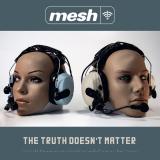
This is the age of post-factual lies, which is reflected in MESH's album title "The Truth Doesn't Matter" and a dark undertone that occasionally seeps into their new songs. What remains entirely true is the fact that the UK duo has a nearly uncanny knack for writing electronic hits that are as elegant as they are captivating. "The Truth Doesn't Matter" bursts out like a sparkling firework while subtly referencing three decades of electronic music spanning from GIORGIO MORODER, YAZOO, and DEPECHE MODE via GARBAGE and MASSIVE ATTACK to more contemporary artists. At the same time, MESH always maintain their easily recognisable and unique musical identity as well as the trademark sounds that they have cultivated since their beginnings in the early nineties. With "The Truth Doesn't Matter", MESH climb yet another rung on the ladder leading to electronic music heaven. Each song wriggles its way happily into the brain and sticks around leading to spontaneous whistling of melodies and the public singing of extremely catchy chorus lines. You have been warned: "The Truth Doesn't Matter" is highly infectious and leads to a happier life!"
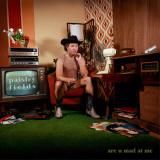
Are U Mad At Me marks a huge, cowboy boot-wearing step for the Brooklyn-based songwriter. Fields proves that genre is as fluid as sexuality, as the album saunters across country, pop, disco, grunge, and classical with ease. Across 12 tracks, Fields traverses bangers like power pop lead single “Party Girl” and two-stepping second single “Hands Off The Hat” (co-written with Grammy award-winning songwriter Melody Walker) all the way to tragic ballads like “Apalachicola to Tallahassee” (co-written with Karen Pittelman of Karen & The Sorrows) and the closing “Uncle Charlie’s.” He makes light of gender-neutral bathrooms marked with unicorns instead of stick figures in the guitar-driven “Pronoun Meltdown” and calls out a husband cheating on his wife with another man in the tragicomic ballad of “You Should Tell Your Wife.”
Are U Mad At Me arrives at a pivotal time in the roots music scene and the world at large. Fields, who is now rapidly becoming one of New York City’s queer country leaders — through his East Village residency at Lucinda Williams’ new honky tonk and dive bar and through his musical mentorship work through The Recording Academy — has been working tirelessly for this moment for more than a decade. Performing under this moniker since 2013, Fields has released three LPs and two EPs. He’s recorded on queer country pioneers Lavender Country’s 2022 reunion album, Blackberry Rose, and served as the band’s touring pianist. Additionally, his 2023 protest song duet with Mya Byrne, “Burn This Statehouse Down,” made it onto NPR music critic Ann Powers’ list of favorite songs of the year.