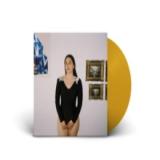
Through crushing riffs and haunting vocals, it reflects on loss, the forces of nature, and existential struggle. The production balances raw intensity with a deep, immersive atmosphere, enhancing the album's emotional depth. The album opens with a song in Latin, setting the tone with a ritualistic invocation. As its title suggests, it serves as a reminder to preserve one's inner purity in a decaying world, weaving ancient echoes into the album's foundation.
Todeslied follows as a hymn to death, carrying a solemn mood. The record also draws upon literary inspirations: one track is based on The Road by Cormac McCarthy, evoking apocalyptic desolation and the desperate fight for survival, while Dress in flames gives voice to the fury and imprisonment of Bertha Mason, the tormented character in Charlotte Bronte's victorian novel Jane Eyre. Compared to her previous release, which was more personal, Moonstone marks a shift towards greater collaboration within the band, with a more unified approach to songwriting and arrangements. The album, featuring two tracks by bassist Francesca Papi, has been arranged and refined together with Davide Rosa (guitar) and Fabio Orticoni (drums). The release also includes a powerful tribute to Bathory with a reinterpretation of Shores in Flames.
Recorded at Produzione Rumorose, mixed by Maurizio Baggio, and mastered by Giovanni Versari, this record represents a powerful evolution in the band's sound, sharpening their identity and pushing the boundaries of their musical expression.
Cerca:n son x
- 1: Take Good Care Of Her
- 2: Loving Arms
- 3: I Got A Feelin' In My Body
- 4: If That Isn't Love
- 5: She Wears My Ring
- 6: I've Got A Thing About You Baby
- 7: My Boy
- 8: Spanish Eyes
- 9: Talk About The Good Times
- 10: Good Time Charlie's Got The Blues
On Air is the second solo release by Alan Parsons following the split of The Alan Parsons Project. One of the creative forces was APP long-time guitarist Ian Bairnson. The concept of the album revolves around the history of airborne exploration.
The theme of “Too Close to the Sun” is escaping the labyrinth of the Minotaur. “Brother Up In Heaven” is an emotionally driven song, about the unfortunate death of Ian Bairnson’s cousin. “One Day To Fly” is a song about Leonardo da Vinci’s search to design a flying machine.
A who’s-who of lead vocalists are featured on this album; Christopher Cross, Eric Stewart, Neil Lockwood, Steve Overland and Graham Dye. The amazing looking artwork was recreated for this vinyl edition by none other than Peter Curzon of Storm Studios. Although On Air might be the most underrated Alan Parsons albums, many consider this as one of his best albums. The package includes an insert with lyrics and pictures.
- 1: You Could Perhaps
- 2: Dream Life
- 3: Antarctica
- 4 20: Days Of Summer
- 5: Alpha Centauri
- 6: Shoe Shaped Cloud
- 7: Neon Lights
- 8: Gold Mine
- 9: Some Days (Feat. Fenne Kuppens)
- 10: Oh, My Father
Die italienische Singer-Songwriterin Marta Del Grandi veröffentlicht Ende Januar 2026 ihr neues Album Dream Life bei Fire Records, ihre erste neue Musik seit dem raffinierten, hingebungsvollen Pop ihres Albums Selva aus dem Jahr 2023. Del Grandi kehrt mit einem Album zurück, das in einem Feld der Träume spielt, einer multidimensionalen Panoramaaufnahme, unterbrochen von gelassener Desillusionierung, die musikalische Grenzen überschreitet, während persönliche Hoffnungen und Sehnsüchte gegen die Weite der Sterne und darüber hinaus geworfen werden. Das Album beginnt mit ,Antarctica", einem Song, der sich mit dem ethischen Dilemma der Welt auseinandersetzt und uns mit einem Riff, das an Talking Heads in ihrer Blütezeit erinnert und mit abstrakten Phrasierungen à la Laurie Anderson durchsetzt ist, aus unserer Komfortzone reißt. ,Neon Lights" unterstreicht diese Stimmung, geht jedoch auf einer persönlicheren Ebene darauf ein. Die verzerrten Gitarren und der wandernde Bass bieten einen härteren Einblick in rebellische Selbstfindung, eingebettet in einen symphonischen Klangteppich. Weiter in ,Dream Life" ist ,Alpha Centauri" ein eindringliches, introspektives Stück Pop-Magie, das Martas wunderschöne Stimme in Nostalgie für die Teenagerzeit schwelgen lässt und ihr inneres Kind wiederentdeckt, während eine entfernte Tuba eine Gegenmelodie trägt. Der Titeltrack untersucht den Quantensprung zwischen Realität und unseren Träumen und Ambitionen und bildet einen Kontrapunkt zu ,Shoe Shaped Cloud" und seiner grüblerischen Untersuchung einer gescheiterten Beziehung, die von einer schmerzerfüllten Stimme vorangetrieben wird, die an Radiohead in ihrer zerbrechlichsten Phase erinnert. Das Album spiegelt das wachsende Bewusstsein wider, dass wir die Zukunft oder das Ergebnis unserer Pläne nicht vollständig kontrollieren können. Dieser rote Faden zieht sich durch das gesamte Album, eine Reise, die poetisch, ironisch und tief in der Gegenwart verwurzelt ist. ,Mein vorheriges Album Selva hatte einen poetischen und bukolischen Charakter - in meinem Kopf kann ich mir jeden Song als Ölgemälde vorstellen - Dream Life hat einen zeitgemäßeren Ansatz, mit Texten, die politische und soziale Themen berühren, einer expliziteren persönlichen Erzählweise und einem klareren Pop-Sound. Es ist eher wie ein Fotobuch, klarer und detaillierter." - Marta Del Grandi Limitiertes, goldfarbenes Vinyl, bedruckte Innenhülle, mit DLC oder Digi-Sleeve CD.
- A1: Original
- B1: Extended Version
Psyché is an eclectic project rooted in the Neapolitan music scene. Conceived in 2018, the project includes Marcello Giannini (Nu Genea Live Band, Guru, Bassolino, La Famiglia), Andrea De Fazio (Nu Genea Live Band, Parbleu, The Funkin Machine), and Paolo Petrella (Nu Genea Live Band, Fratelli Malibu). They were recently joined by Roberto Porzio (Parbleu, Fitness Forever, 24 Grana, The Funkin Machine).
"Hurriya (We Must Resist)" is a sonic bridge crossing the Mare Nostrum, connecting the shores of Naples and Tunisia.
At the heart of this fusion is the voice and soul of Tunisian musician Ziad Trabelsi, whose Arab roots intertwine with the psychedelic, Mediterranean sound of Psyché.
In this track, Afrobeat and Arabic sonorities meet to create a hypnotic journey, one where Ziad's oud weaves an evocative groove that gallops like horses in the desert.
The song carries the echo of the ancient dominations and cultural exchanges that have shaped Naples—a millennia-old crossroads of civilization—where traces of Arab and North African influences continue to resonate in its streets and, most notably, in its music.
"Hurriya"—the Arabic word for freedom—is an anthem of resistance and resilience, a dialogue between East and West that dissolves the rigid boundaries of geography and politics. It is a collective song for the freedom of all peoples, against oppression, abuse, and injustice everywhere in the world. As Psyché emphasize: "Even if life tests us severely, and we often feel like giving up in the face of injustice, we must resist. We must refuse to disappear."
The single is available digitally and physically, on January 23rd, as a 7" vinyl. The B-side of the physical release includes an exclusive, extended version of "Hurriya (We Must Resist)", available only in this format.
- A1: Robert Pico - Le Chien Fidèle
- A2: Annie Girardot - La Femme Faux Cils
- A3: Spauv Georges - Je Suis L'état
- A4: Zoé - Zoé
- A5: Jacques Da Sylva - Fou
- A6: Valentin - Je Suis Un Vagabond
- A7: Jacques Malia - Histoire De Gitan
- A8: Bernard Jamet - Raison Legale
- B1: Jean-Pierre Lebort - Barbara Au Chapeau Rose
- B2: Les Concentrés - Fils De Dégénérés
- B3: Les Missiles - Publicité
- B4: Hegessipe - Le Credi D'hegessipe
- B5: Marechalement Votre - Ethero Disco
- B6: Mamlouk - Decollez Les
- B7: Mozaique - L'amour Nu
- B8: Jean-Marc Garrigues - Je Dis Non
- B9: Penuel - Astronef 328
The journey through French-speaking pop archives continues with this fifth volume, packed with fuzz, gimmicks, and dissent. Far from the charts, the selected tracks display a great creative freedom, often backed by corrosive humor. Welcome to the surprising, kaleidoscopic, and colorful world of the late sixties and early seventies, Wizzz!
Born in Montauban, Robert Pico stumbled into music by chance when he met René Vaneste, then artistic director at Pathé-Marconi. René brought him to Paris to record his first 45 RPM EP in 1964. A year later, Pierre Perret introduced him to Vogue, where he recorded his second album with Claude Nougaro’s orchestra. Sylvie Vartan then introduced him to RCA, where he recorded four singles, including the astonishing "Chien Fidèle," a track backed by a hair-rising fuzz guitar. Alongside his solo career, he also composed for other artists like Alain Delon (the song was recorded but remains unreleased), Magali Noël, Bourvil, and Georges Guétary. In the Paris of the sixties, he mingled with Mireille Darc, Elsa Martinelli, Marie Laforêt, France Gall, Françoise Hardy, Petula Clark, Régine, Dani, Serge Gainsbourg, Joe Dassin, Franck Fernandel, Charles Level, and Roland Vincent. Despite his efforts and winning a Grand Prix Sacem for his final record, Robert Pico didn’t achieve the expected success in show business and decided to leave Paris and return to the Southwest, where he devoted himself to writing. He is the author of 23 books (including Delon et Compagnie, Jean-Marc Savary Editions 2025, a memoir about his youth and his many encounters). Today, he is relieved to never have become a celebrity and devotes himself to his work with passion.
In 1969, the Franco-Italian movie Erotissimo was released, directed by Gérard Pirès (who later directed Taxi in 1998, written and produced by Luc Besson). This pop comedy features Annie Girardot, Jean Yanne, Francis Blanche, Serge Gainsbourg, Nicole Croisille, Jacques Martin, and Patrick Topaloff. The soundtrack was written by Michel Polnareff and William Sheller, with lyrics by Jean-Lou Dabadie. "La Femme Faux-cils," performed by Annie Girardot. It recounts the feelings of a rich CEO's wife who seeks to develop her sex appeal under the influence of advertisement and magazines. Groovy, sparkling and light, this track, with ITS lush arrangements humorously critiques consumer society and feminine beauty standards.
“Je suis l’Etat” (1967) is the flagship track of the first EP by singer-songwriter Spauv Georges, aka Georges Larriaga, better known as Jim Larriaga (1941-2022). Born into a family of bakers, the young man was initially planning to become a hairdresser when he discovered English-speaking music through Elvis Presley and the Beatles. After this revelation, he decided he would become a songwriter and gave himself five years to succeed. He recorded his first two EP’s independently for RCA under the pseudonym Spauv Georges; meaning “that poor George”, a nickname given to him by the mother of her friend Jean-Pierre Prévotat (future drummer of the Players, Triangle, or Johnny Hallyday). Portraying a depressed and eccentric young man, Spauv Georges created corrosive and amusing songs that didn’t reach a wide audience, despite a TV appearance with Jean-Christophe Averty.
Supported by his loyal friend and fellow songwriter Jean-Max Rivière, Georges Larriaga met the future singer Carlos in the early '70s, then Sylvie Vartan’s assistant. He wrote songs for Carlos, including the popular "La vie est belle," "Y’a des indiens partout," and "La cantine", which went onto become a huge hit in 1972. He also composed for Claude François (“Anne-Marie”, 1971), Charlotte Julian (“Fleur de province”, 1972), helped launch child singer Roméo (who sold 4 million records), and later wrote the hit "Pas besoin d’éducation sexuelle" (1975) for the young Julie Bataille. In 1971, Jim recorded an album for Disc'Az: “L’univers étrange et fou de Jim Larriaga”, which featured pop gems like “La maison de mon père”.
The story of the song "Zoé" began when Pierre Dorsay, artistic director at Vogue Records, asked Swiss singer and musician Pierre Alain to write a song for a new female singer. The inspiration came when he realized that Zoé (the artist's name) was also the name of France's first atomic battery, created in 1948, which consisted of uranium oxide immersed in heavy water! The lyrics reflect a bubbling energy that must be handled with caution, while the instrumentation echoes this atomic theme, notably with the use of a theremin.
Zoé’s career lasted only as long as a single 45 RPM, but it seems Christine Fontane was the vocalist behind this pseudonym, who is known for several EPs, a good "popcorn" album in 1964, and a handful of children’s singles in the '70s. Regardless, the photograph on the cover is of a different girl entirely.
Later, Pierre Alain continued his career, writing songs for himself, Marie Laforêt, Danièle Licari, Alice Dona, Arlette Zola (3rd place in Eurovision 1982), and achieving multiple gold and platinum records in Canada. Also an inventor with several patents, president of the Romande Academy, and head of the French Alliance in Geneva, he now composes atonal music, books, and poetry. Moreover, he is also the host of "Les Mardis de Pierre Alain" at "Le P'tit Music'Hohl" in Geneva.
Filled with oriental choruses and fuzz guitar, "Fou" is from Jacques Da Sylva's only EP released by Vogue in 1967. Despite the quality of this recording, all traces of this singer disappear after this first effort.
Valentin is a baroque pop singer born in Belgium. He is the songwriter and composer of most of the tracks on his three singles released in the late 60s in Canada. A legend says that he reincarnated himself as Jacky Valentin during the 1970s for a rock'n'roll revival career in Belgium, but his older brother sadly debunked this story. Valentin's first two singles were arranged by Claude Rogen, a Parisian session pianist who had come to Canada to promote the song “Mister A Gogo”, a cover of David Bowie’s “Laughing Gnome”, adapted by singer Delphine, his wife at the time. Far from his usual network, Claude Rogen arranged music for Polydor, including the arrangements for “Je suis un vagabond” in 1969, a jerk tune with string arrangements and a furious optimism.
Jacques Malia wrote, composed, and recorded his only 45 EP for Festival in 1966. “Histoire de gitan” is an incredible beat track with bohemian scat that tells the story of a gypsy musician who came to Paris to make it in the Music-Hall, to no avail. The hero of the song and its author probably shared a similar fate, as Jacques Malia faded into anonymity after this remarkable attempt.
Bernard Jamet recorded two EPs for Barclay in the late sixties and co-wrote several songs with Christine Pilzer, Pascal Danel, and prolific songwriters Michel Delancray and Mya Simile. The track “Raison Légale” (1968), his masterpiece, immerses the listener in a courtroom right when a murderer is being judged, with jerk rhythm and free arrangements. A unique, paranoid, judicial, and psychedelic oddity.
Jean-Pierre Lebrot-Millers started his career in show business in 1967 as a singer and songwriter for the Philips label. After three singles, he wrote several songs of a new kind with his friend Pierre Halioche, in the midst of the sexual liberation movement and the democratization of drugs. With provocative lyrics, “Les filles du hasard” and “Barbara au Chapeau Rose” were released on a Philips singles in 1968. The character of Barbara was inspired by a queen of Parisian nightlife during the psychedelic years: model Charlotte Martin, who dated Eric Clapton from 1965 to 1968, then Jimmy Page from 1970 to 1983. Jean-Claude Petit’s arrangements, with a table-filled intro, soul brass, and Hendrixian guitar, emphasize the flamboyance of a hedonistic and sexy character, whose dog is named Junkie because “Junkie est un nom exquis”! The track was recorded live in three takes with a full orchestra.
Upon its release, the record was censored by Europe 1 and RTL due to its references to drug use. Jean-Pierre Lebrot was then banned from the airwaves and later dismissed by his record label. He changed his artist name to Jean-Pierre Millers, while his companion Pierre Halioche became D. Dolby for a new dreamy composition, “Chilla”, which Jean-Pierre produced himself with arrangements by Jean Musy. Once again, the song was immediately censored everywhere. After this setback, he decided to stop singing and started taking on odd jobs to support his Swedish wife and their son until the day he met Jean-Pierre Martin, then production manager at Decca, who had worked with Manu Dibango. Martin offered Jean-Pierre Lebrot-Millers, then employed at Rank Xerox, the position of artistic director at Decca. He accepted and became, a year later, promotion director (radio, press, TV). He worked on Julio Iglesias’s first album for Decca, which became a massive hit and allowed him to meet Claude Carrère. The latter asked him to write new songs and find their performers, much like a “talent scout.” It’s through him that Jean-Pierre discovered Julie Pietri and Corinne Hermès. He composed “Ma Pompadour” for Ringo, Sheila’s husband, and took the microphone again for the syncope hit “Rendez-Vous” in 1982.
That same year, Jean-Pierre Lebrot-Millers tried to release a track for which he had heavily gone into debt: “Si la vie est un cadeau”. Having recorded it in London, he presented it to numerous professionals, all of whom refused to get involved. The same thing happened with Antenne 2 and the Sacem when he proposed the song as France’s entry for Eurovision. He then met Haïm Saban, who was producing cartoon soundtracks and had just launched the Goldorak theme song. Saban, having listened to the song, declared it had the potential to become a hit. He sent Jean-Pierre and Corinne Hermès to meet the CEO of the Luxembourg radio and television network. The latter received them, asked to hear a verse and chorus a cappella in his office, and immediately hired them to represent Luxembourg at Eurovision 1983. They reworked the arrangements and recorded a new version with Haïm Saban as co-producer. The song ended up winning Eurovision 1983, a great comeback for our hero. He continued producing and hung out with the band Nacash in Belgium when a couple came to introduce their daughter for an impromptu audition in a hotel room. The girl sang “Les démons de minuit” while dancing to a radio cassette. Impressed, he had her take singing lessons for a year and composed a song for her (for which he had the melody and title, but no lyrics). This required him to go on the hunt for a lyricist, who ended up being Guy Carlier. They recorded the song, which was initially a ballad, at Bernard Estardy’s CBE studio, and gave the singer a new name: Melody. They showed the song around their industry network without success. Later, Estardy called Jean-Pierre to suggest changing the rhythm and making it pop-rock. Orlando, Dalida’s brother, liked the result and decided to co-produce the track. “Y’a pas que les grands qui rêvent » became a classic hit. The song has since been covered by Juliette Armanet (as a ballad, like the original) and Valentina.
Born into an aristocratic Breton family, Hervé Mettais-Cartier worked as a DJ at Queen Kiss, a nightclub in Poitiers, where he formed the band Les Concentrés with Michel (an actor) and Christian (a radio technician). Together, they created a repertoire of whimsical songs (“Ma bique est morte”, “J’suis un salaud”, “Fils de dégénéré”...) that they performed on stage dressed in white (in homage to “concentrated milk”). They performed at Bliboquet and Olympia in 1968 for the 10th edition of the “Relais de la chanson Française” organized by L’Humanité-Dimanche and Nous les Garçons et les Filles, sponsored by Pepsi Cola. Winners in the author-composer category, alongside Danish singer Dorte, their visibility allowed them to record a 45, and appear on television in Jean-Christophe Averty’s show. The A-side of the disc features Bruno le ravageur, a casatchok dedicated to Bruno Caquatrix, the director of Olympia, nicknamed in the song “Coq Atroce” or “croque-actrices”. The B-side is dedicated to “Fils de dégénéré”, a quirky tribute to Hervé's aristocratic roots, mixing absurdity with sophisticated vocal harmonies.
After Les Concentrés, Hervé Mettais-Cartier formed the duo La Paire et sa Bêtise with his friend Olivier Robert. They performed in Parisian cabarets and toured with Pierre Vassiliu. In the late 1970s, Hervé began a solo career. He recorded two albums for the Motors label in 1978 and 1979, which did not achieve their anticipated success due to lack of promotion. In 1980, he met Bernadette, with whom he started a family and created a “Chansons à voir” (songs to see) show that he performed until his death at the end of 2024.
Publicité comes from the final EP by the Missiles (Ducretet Thomson, 1966), a disc that also includes “La (nouvelle) guerre de cent ans”, featured on Volume 4 of our Wizzz! series. Please refer to the booklet for the story of the band.
“He’s 1.82 meters tall, 28 years old, weighs 135 kg, is black and Belgian”: this is the description of singer Hegesippe on the back of his sole single (Decca, 1967). He appears on the album cover wearing a Greek toga, like a hippie gag – we are at the end of the year 1967. In “Le crédo d’Hegesippe”, this former bodyguard of Antoine and the Charlots plays the delightful card of the thick brute converted to Flower-Power and non-violence, with arrangements by Jean-Daniel Mercier, aka Paul Mille.
“Ethéro-disco” was released on a promotional record for clients of the Maréchal company (Liège, Belgium) for the New Year 1979. Over a funky rhythm, celebrity impersonations (Brigitte Bardot, Jacques Dutronc, Fernandel…) deliver an enigmatic text about pharmaceutical products like ether, bismuth, and aspartate. The track was composed by Dan Sarravah (responsible for Joanna's “Hold-up inusité” featured on Wizzz! Volume 3) and Tony Talado, who was also a singer (one 45 in 1967), songwriter (with over a dozen credits between 1964 and 1985 in various styles from surf music to disco), author (Devenez Végétarien, Dricot Editions, 1985), ad designer, and psychologist.
Décollez-les is on the A-side of Mamlouk's only single, a pseudonym for Marsel Hurten, who is known for his work on several EPs in the late sixties, as well as composing music for Hervé Vilard’s “Capri, c’est fini”, Claude Channes' “La Haine”, Annie Philippe’s “On m’a toujours dit”, and Nancy Holloway’s “Panne de Cœur”.
This strange song, with Afrobeat horns and absurd dialogues between a chef and his kitchen staff, is the result of a collaboration between Marsel Hurten and one of his neighbors, a photographer from Pavillon-sous-Bois (93), where the musician settled after returning from the Algerian War. A music video was shot to promote the record.
Marsel Hurten was born in Tourcoing (59) into a musical family. At a young age, he joined the brass band founded by his grandfather, playing the piston before studying trumpet at the conservatory, as well as teaching himself how to play the guitar. As an orchestra musician, he toured in France, Belgium, Germany, and England. He released a series of solo 45’s between 1965 and 1968 for the DMF and Az labels before stopping recording to focus on working for other artists (Gilles Olivier, Noëlle Cordier…).
“L’amour nu” (Vogue, 1971) is the work of the short-lived Belgian band Mozaïque. The track, written by singer Jacques Albin, closely resembles another of his compositions, “Carré Blanc”, which he recorded in 1969 for Disc’AZ.
Represented by the Lumi Son micro-label based in Marignane (Côte d'Azur), Jean-Marc Garrigues released two 45 RPMs in the late sixties, defending the French jerk sound. The song “Je dis Non” is a short, joyful ode to youth, pop music, and rebellion.
Songwriter and performer Jacques Penuel released three singles. The first one, “Astronef 328” (Fontana, 1969), features a dizzying series of chords punctuated by sound effects, a sci-fi story, and arrangements by Jean-Claude Vannier.
We would like to sincerely thank Pierre Alain, Moon Blaha, Marsel Hurten, Bastien Larriaga, Jean-Pierre Lebrot-Millers, Bernadette Mettais-Cartier, Robert Pico, Olivier Robert, Claude Rogen, Micky Segura.
- A1: See Saw
- A2: Raise Your Hand
- A3: Uptight
- A4: Barefootin
- A5: Soul Man
- A6: I Heard It Through The Grapevine
- A7: Sitting On The Dock Of The Bay
- A8: It's A Man's Man's Man's World
- A9: In The Midnight Hour
- B1: Vehicle
- B2: Don't Fight It
- B3: Land Of 1000 Dances
- B4: Treat Her Right
- B5: Show Me
- B6: The Beat Goes On
- B7: Baby Baby
- B8: Ain’t No Mountain High Enough
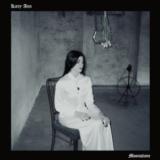
Following our first LP of Tom Jones’s finest soulful performances on the radio, “Soul Man”, we present a second album of soul songs that we think he should have released but never did. This time we concentrate on his TV performances, the bulk of which come from 1969 and reflect his personal preference for covering Stax, Atlantic and Motown material. So put aside your preconceptions if you have any and listen to his collaborations with Aretha, Smokey, Janis, Cher, Dusty and don’t forget that Wicked Wicked Pickett. With a tight, funky band led by Herbie Flowers, this is Big Band Soul at its very best.
A landmark in Detroit deep house, Forevernevermore is Moodymann’s second full-length album on Peacefrog Records. This 2000 release sees Kenny Dixon Jr. at his most soulful and experimental, blending dusty samples, live instrumentation, and hypnotic grooves into a deeply personal sonic collage. Drawing from his earlier KDJ releases, the album reimagines rare cuts into a cohesive, emotionally rich journey through love, loss, and the spirit of the Motor City. Essential for fans of deep, narrative-driven house music.
Smokey 2LP with limited edition Obi Stip to celebrate the 35-year anniversary
- I Know Where Mark Chen Lives
- Falling Into It
- All My Friends Are So Depressed
- Well, Whatever It Was
- I Used To Go To This Bar
- After All You Put Me Through
- The Opossum
- Well, Don't It Seem Likeyou've Been Here Before?
- Grey Guitar
Clear Vinyl[23,49 €]
Joyce Manor are California pop-punk legends and I Used To Go To This Bar is this epochal band operating at the top of their game. They continue to deliver relentlessly satisfying rock music in a manner that makes it look simply effortless. The Torrance, California-hailing trio of Barry Johnson, Chase Knobbe, and Matt Ebert are at a point in their career where their position as one of the most beloved rock bands is a foregone conclusion. Their seventh album finds the group continuing to find rich new veins to tap in their short-and sweet songcraft without losing an ounce of bite that gained them such repute in the first place. I Used To Go To This Bar further situates Joyce Manor in the rich lineage of their influences and inspirations. Think AFI"s rapid-fire burn, Weezer"s indelible power-pop acumen, and the dusky emotionalism of The Smiths while further establishing them as leading lights in the current rock landscape. The fresh burst of inspiration that fuels I Used To Go To This Bar proves that Joyce Manor are far from content to rest on such laurels, moving forward with their sound and style in a way that reminds you of how they got to this point in the first place. Catch them live at Coachella 2026.
- Kitchen Ii
- Lucky Now
- Rabbits
- Favourite Pair Of Shoes
- Middle Of The Night
- Circular
- A Million Broken Hearts
- My Imaginary Friend
- The Sky
- Submarine
- Coming Home
Mit Lucky Now präsentiert Lande Hekt ihr bislang persönlichstes und musikalisch ausgereiftestes Album. Die britische Indie-Songwriterin, bekannt für ihre ehrlichen Texte und ihren warmen Gitarrensound, verarbeitet Themen wie queere Identität, Hoffnung, Rückkehr und politisches Erwachen. Produziert wurde das Album von Matthew Simms (Wire, It Hugs Back), was dem Sound eine neue Tiefe verleiht - zwischen 80s Twee-Pop, Jangle-Gitarren und modernen Indie-Vibes. Die Songs erzählen von Liebe im Alltag ("Kitchen ii"), Sommernächten voller Hoffnung ("Rabbits") und dem Glück, sich selbst wiederzufinden ("Middle of the Night"). Politisch wird es auf "Circular" und "A Million Broken Hearts", wo Hekt klare Haltung zeigt. Lucky Now ist ein Album über Rückkehr - zu Orten, zu Menschen, zu sich selbst.
Auf ihrem dritten Album bei Oh Boy Records und ihrem fünften seit Beginn ihrer Karriere vor einem Jahrzehnt stellt Emily Scott Robinson erneut ihre Meisterschaft als Performerin und Geschichtenerzählerin unter Beweis. Mit Appalachia - aufgenommen in den Dreamland Recording Studios mit dem Grammy-nominierten Produzenten Josh Kaufman - öffnet sich Robinson für Experimente und singt mit ihrer kristallklaren Stimme über Widerstandsfähigkeit, Liebe, Trauer und Hoffnung. Robinsons Talent ist keine Überraschung - sie ist mittlerweile eine erfahrene Tournee-Künstlerin, sowohl im In- als auch im Ausland. Ihre Alben ,Traveling Mercies" (2019) und ,American Siren" (2021) landeten jeweils ganz oben auf den Jahresendlisten ,Best Country and Americana Albums" des Rolling Stone und ,10 Best Country Albums" von Stereogum. Sie wurde von der Washington Post, Billboard, American Songwriter und No Depression gelobt und erreichte mit ihrem Song ,Let 'Em Burn" Platz 19 der NPR-Liste ,100 Best Songs of 2021". Es war ihre 2020 veröffentlichte Single ,The Time for Flowers", eine Hymne der Hoffnung, die sie zu Hause inmitten der globalen Pandemie aufgenommen hatte, die die Aufmerksamkeit von Oh Boy Records auf sich zog, dem 1981 von John Prine gegründeten Independent-Label. Robinson ergriff die Gelegenheit, sich dem freigeistigen und beliebten Plattenlabel anzuschließen, das das Erbe ihres Helden weiterführt. Robinson ist überzeugt, dass die Songs auf ,Appalachia" die besten sind, die sie je geschrieben hat - sie singt über ihre an Demenz erkrankte Großmutter, einen Saloon voller schillernder Charaktere, in dem nur Bargeld akzeptiert wird, und über ihre Dankbarkeit für das Leben trotz aller Schwierigkeiten. Das Album enthält ein Duett mit dem Grammy-Gewinner John Paul White, das die Liebe feiert, die mit Narben und Alter einhergeht, sowie eine Hymne für alle, die jemals gescheitert sind oder hinter ihren Erwartungen zurückgeblieben sind. ,Es gibt etwas, das ich bei jeder Platte, die ich mache, tue", sagt sie. ,Ich verwebe ein Gebet darin und bitte darum, dass all diese Songs ihren Weg zu allen finden, die sie brauchen. Ich bitte diese Songs, von Nutzen zu sein, den Menschen zu helfen, Freude zu finden und zu erleben."
- A1: Another Lamp
- A2: Roam
- A3: Kyokai To Tabiji
- B4: Nis
- B5: Mid Winter
- B6: Now & Here
- B7: Shuto Shunka
Two years have passed since haruka nakamura released the “Light years” series, a four-part project created in collaboration with THE NORTH FACE Sphere,
tracing the cycle of the seasons. During the two years that followed, he continued to produce beat-based sketches — melodies and fragments born in daily life,
films, and other creative projects — sampling and reworking his own material as an ongoing personal practice.
These works now come together as the culmination of his collaboration with THE NORTH FACE Sphere: the twin albums “ALL DAY” and “ALL RAY,” featuring
sixteen tracks in total.
Compared to his previous works, the melodies and rhythms here resonate more vividly and memorably. Both albums gaze toward the light of the seasons,
yet each expresses a distinct tone and atmosphere.
As a prelude to these albums, eight singles will be released consecutively over eight weeks.
The artwork combines photographs taken by haruka nakamura with watercolor-inspired designs by suzuki takahisa (16 design institute).
Together, the eight singles and two albums create a cohesive visual and sonic world through ten unified jacket artworks.
- This Wreckagea
- The Aircrash Bureaua
- Telekonb
- Remind Me To Smileb
- Sleep By Windowsb
- I'm An Agentb
- I Dream Of Wiresc
- Remember I Was Vapourc
- Please Push No Morec
- The Joy Circuitd
- Like A B-Film(Unreleased Track)D
- Please Push No More(Early Versiond
- The Aircrash Bureau(Early Version)D
- I'm An Agent(Early Version)
Deluxe Version[43,49 €]
Gary Numans zweites Studioalbum "Telekon" wurde 1980 veröffentlicht und war sein drittes Album in Folge, das Platz #1 der britischen Charts erreichte. Gary bezeichnet dieses Album - zusammen mit seinen beiden Vorgängern, "Replicas" von Tubeway Army und seinem Solo-Debütalbum "The Pleasure Principle" - als die "Maschinen-Phase" seiner Karriere. Obwohl es schwierig war, an die vorherigen Veröffentlichungen anzuknüpfen, erwies sich "Telekon" als äußerst einflussreich. Im Gegensatz zu seinen Vorgängern enthält "Telekon" viele Gitarren, dazu Streicher und üppige Synthesizer-Klänge. Trent Reznor gab an, das Album während der Entstehung von "Pretty Hate Machine" täglich gehört zu haben. Diese erweiterte Deluxe-Edition enthält vier unveröffentlichte Tracks, darunter: "Like A B-Film", ein unvollendeter Song aus den "Telekon"-Sessions sowie drei frühere Versionen der Songs "Please Push No More", "Aircrash Bureau" und "I"m An Agent". Die 45th Anniversary Editions von "Telekon" wurden von Geoff Pesche in den Abbey Road Studios neu gemastert. Das Artwork stammt von Michael Speed (Beggars), der bereits mehrfach mit Gary an seinen Reissues gearbeitet hat. Alle Editionen enthalten dieselbe Tracklist.
Gary Numans zweites Studioalbum "Telekon" wurde 1980 veröffentlicht und war sein drittes Album in Folge, das Platz #1 der britischen Charts erreichte. Gary bezeichnet dieses Album - zusammen mit seinen beiden Vorgängern, "Replicas" von Tubeway Army und seinem Solo-Debütalbum "The Pleasure Principle" - als die "Maschinen-Phase" seiner Karriere. Obwohl es schwierig war, an die vorherigen Veröffentlichungen anzuknüpfen, erwies sich "Telekon" als äußerst einflussreich. Im Gegensatz zu seinen Vorgängern enthält "Telekon" viele Gitarren, dazu Streicher und üppige Synthesizer-Klänge. Trent Reznor gab an, das Album während der Entstehung von "Pretty Hate Machine" täglich gehört zu haben. Diese Deluxe Expanded Edition ist ein doppelte Rainbow Sparkle-Vinyl-LP mit vier bislang unveröffentlichten Tracks, darunter ein noch nie gehörter Gary-Numan-Song aus den Album-Sessions mit dem Titel "Like A B-Film". Diese Deluxe-Edition enthält außerdem eine Replika des originalen 12-seitigen Tourhefts von 1980.
Only The Poets melden sich mit „And I’d Do It Again“ zurück, einem mitreißenden Album, das uns daran
erinnert, warum sie eine der vielversprechendsten neuen Popbands Großbritanniens sind. In 14 brillant
produzierten Songs beschäftigen sich die Bandmitglieder Tommy Longhurst, Andrew Burge, Clem Cherry
und Marcus Yates mit Themen wie Liebeskummer, Eifersucht, Reue und Hoffnung.
„Wir sind einfach so stolz auf dieses Album“, sagt Longhurst. „Es ist die bisher beste Darstellung unserer
Band – es steckt viel Selbstreflexion, Wachstum und Entdeckungen darin.“ Das Album enthält alle herausragenden Singles – „I Keep On Messing It Up“, „You Hate
That I’m In Love“, „Emotionally Hungover“ und „Saké“. Produziert wurde es von den Bandmitgliedern
Cherry und Yates zusammen mit DanDlion, gemischt von Lee Smith und gemastert von der Branchenlegende Chris Gehringer.
- 1: For The First Time, Again
- 2: I Believe In Love
- 3: You're Not My Baby Tonight
- 4: Matter Of Taste
- 5: Sing How I Feel
- 6: Goodbye My Love
- 7: Got A New Car
- 8: Ooh
- 9: Down So Bad
- 10: I Know
- 11: Deepest Blue
- 12: Waiting So Long
ORANGE COLOURED Vinyl[21,81 €]
Rough Trade Records freut sich, das fantastische Debütalbum von Tyler Ballgame ankündigen zu dürfen: For the First Time, Again erscheint am 30. Januar 2026. Mit zwölf Songs, die zwischen Classic Rock, Indie und Americana oszillieren - Ballgame zeigt, wie große Stimmen und starke Melodien Herzen bewegen und Horizonte öffnen können. Die erste Single I Believe in Love, eine hymnische Mischung aus Lennon und Orbison, ist ab sofort mit Video erhältlich - gefilmt von engen Freunden in Ballgames WG. Entstanden am Küchentisch und inspiriert vom Rat seines Produzenten Jonathan Rado ("Schreib den größten Song der Welt"), wurde daraus eine Ode an die Liebe selbst - und an die Narren, die sie macht. Produziert von Jonathan Rado (Foxygen, Weyes Blood, Miley Cyrus) und Ryan Pollie (Los Angeles Police Department), bringt das Album analoge Wärme, akustische Energie und üppige Harmonien zurück - mit Unterstützung von Amy Aileen Wood (Fiona Apple) am Schlagzeug und Wayne Whitaker am Bass. Ballgames Weg hierhin war alles andere als geradlinig: Vom Kellergeschoss in New England über Coverband-Auftritte in Rhode Island bis hin zum mutigen Neustart in Los Angeles. Offenheit, Risiko und der Glaube an sich selbst prägen seine Songs - und werden live zur großen Bühne.
- How Will You Feel
- Involuntary Haze
- Bodies
- Heavy, Why?
- Giraffe
- Spades
- Void To Be
- Fade
- Mourning After
- Poppyfields
Als Blackwater Holylight vor drei Jahren ihre Heimatstadt Portland, Oregon, verließen, war es ihr Ziel, der Tristesse des pazifischen Nordwestens und dem beruhigenden Komfort des Vertrauten zu entfliehen. Mit dem Ziel, das sonnigere Klima von Los Angeles zu genießen, fand sich die Band nicht nur in einer wärmeren Umgebung wieder, sondern auch in einer völlig neuen Landschaft - einer ohne Arbeitsplätze, langjährige Freundeskreise und die bequeme Zuflucht alter Gewohnheiten. Und genau hier, unbelastet von der Zufriedenheit der Sicherheit, begann Blackwater Holylight fleißig an ihrem vierten Album ,Not Here Not Gone" zu arbeiten. Wie schon ihre früheren Werke beschäftigt sich ,Not Here Not Gone" mit der Dualität von Licht und Dunkelheit - bedrohliche Riffs bilden das Fundament für betörende Melodien, dichte Wände aus Shoegaze-Gitarren paaren sich mit luftig-leichten Synthesizern, und schwere Themen werden durch sirenenhafte Gesänge vermittelt. Im Laufe des Albums verspürt der Zuhörer mal ein Gefühl der Stärke, mal ein Gefühl der Verletzlichkeit. Wie Schlagzeugerin Eliese Dorsay es beschreibt: ,In einigen Songs sind wir die Raubtiere, in anderen die Beute." Die Gegenüberstellung von Selbstvertrauen und Unsicherheit ist nirgendwo so deutlich zu spüren wie bei einer lebensverändernden Entscheidung, was vielleicht erklärt, warum der Umzug der Band ihr Studium der Kontraste auf ,Not Here Not Gone" zu neuen Höhenflügen intensiviert hat . ,Not Here Not Gone" wurde im Sonic Ranch außerhalb von El Paso, Texas, von Sonny Diperri (Narrow Head, DIIV, Emma Ruth Rundle) aufgenommen, wodurch die Band erneut ihre Komfortzone verlassen und sich an einem Ort isolieren konnte, an dem sie sich ausschließlich auf ihre Kunst konzentrieren konnte. Das Ergebnis ist das Kronjuwel von Blackwater Holylights Diskografie - eine reichhaltige und eindringliche Studie in tonalen Hell-Dunkel-Kontrasten, in der das Licht seinen Weg aus den Schatten findet.
- 1: The Park
- 2: New Boots
- 3: Daisy
- 4: This House
- 5: Signify
- 6: Don’t Hurry Time
- 7: Believe It All
- 8: Records
- 9: How Long Is Now (Alt Version)
- 10: Loops
- 11: Not The End Of The World
- 12: Outro (Narcissist)
Spanning recordings from 2018 to 2025, Archive Vol. 1 is a curated collection of outtakes, alternate versions, and previously unreleased tracks that didn’t find a home on the band’s three studio albums. The band describes the project as “an album that came together almost by accident,” born from revisiting forgotten demos and half-finished ideas that, when assembled, revealed a cohesive and emotionally resonant body of work.
The album features 18 tracks, including fan-favourite live staples and experimental interludes.
With its blend of shoegaze textures, new wave energy, and introspective songwriting, Archive Vol. 1 offers a unique glimpse into the creative process behind Pale Blue Eyes’ evolving sound.
- In Search Of A Revival Part 1
- Strawberry Kiwi
- Thunderball
- California
- A Little Something
- Here Comes Ben
- In Search Of A Revival Part 2
- Saraswati Puja
- Hollywood Cold
- Tall Grass
- Wildfire
- Honey Bea
Ltd Sky Blue Vinyl[23,49 €]
Auf ihrem Debütalbum ist eine lange Liste von Elite-Musikern aus der Daptone-Familie zu hören, die alle mit ihrem Talent dazu beigetragen haben, Pazners kreative Vision zu verwirklichen. Das Album wurde mit großem Beifall aufgenommen und erlangte schnell den Ruf als eines der besten Instrumental-Soul-Alben des Jahrzehnts – mit Rezensionen von Pitchfork, American Songwriter, Brooklyn Vegan, Rolling Stone u.v.a.. Im digitalen Bereich wurde das Projekt durch ein unglaublich starkes organisches Wachstum bei den DSPs unterstützt, wobei die Streaming-Zahlen alle Erwartungen übertrafen und es zu einem Durchbruchserfolg sowohl für Daptone als auch für Pazner machten. Nach dem Erfolg seines Debütalbums verbrachte Pazner die nächsten Jahre damit, den musikalischen Kosmos zu erkunden – er schrieb Songs mit Lee Fields und begleitete ihn als Keyboarder auf Tournee. In dieser Zeit gründete er auch eine Familie. Diese Reihe von einschneidenden Lebensereignissen bereitete den Boden für das kommende Album „In Search of a Revival“ (Daptone Records).
Dieses Mal, ganze 10 Jahre nach der Veröffentlichung des selbstbetitelten Debütalbums, komponierte, arrangierte und produzierte Pazner das gesamte Album selbst. Mit einer Mischung aus Musikern, die bereits auf dem Debüt zu hören waren, sowie einer Handvoll Freunden und Mitwirkenden, die er auf seiner musikalischen Reise kennengelernt hat, bildete er ein 17-köpfiges Ensemble aus den besten Musikern der Szene. Während „The Olympians“ stark vom klassischen Soul-Stil von Curtis Mayfield und James Brown beeinflusst war, lehnt sich „In Search of a Revival“ an die goldene Ära der Wrecking Crew, die üppigen Texturen der Gold Star Studios, Vintage-Filmmusik und die eher unbekannten Ecken der cineastischen Klanglandschaften an. Von den kaskadenartigen Harfenklängen, die „Sirens of Jupiter“ eröffnen, bis hin zur treibenden Horns von „Sagittarius By Moonlight“ liefern The Olympians einen ganz eigenen neuen Sound: einen alten Traum vom fernen Griechenland, gemalt in üppigen, filmischen Arrangements über harten Rhythmen. In Search of a Revival ist auf dem besten Weg, ein weiterer Daptone-Klassiker zu werden – ein Album, das nicht nur die Traditionen des Instrumental-Soul würdigt, sondern auch einen kühnen neuen Standard für das Genre in den kommenden Jahren setzt.