There’s this feeling that House Music is sometimes diluted into a pleasant, non-offensive and conformist formula. Well, Jackie Gritness - you may have heard of her big bro Gary - is bringin’ all the sweat, the attitude and the filth down - take it or leave it.
Jackie introduces herself from both sides on this well-strapped debut 12” - the slick swingin’ & sangin’
on the bass-heavy A side, and the raw clave trax and cunty snarls of the acid-laced B side.
No trace of over-production or tired sampling here: this is just Jackie, her mic and her lil’ groovebox -
gettin’ raw in the studio just like she does onstage. Only thing added is some wall-shaking mastering by New York OG Dietrich Schoenemann.
This is the kinda House that’s supposed to make regular folks wanna turn it off. This ain’t rated E for Everyone, it’s rated F for Freaks.
It’s music from the underground, for the underground - as it was first revealed on the runway of Glastonbury’s infamous NYC Downlow last summer.
And if that’s more than you can take - it’s alright. It’s not like Jackie will hold it against you.
Jackie Gritness
“Gary’s little sister.” His studio session resume reads like a House music who’s who - from David Morales to Fred P. He’s also been rockin’ clubs with the Playin’ 4 The City and MLIU crews - but she’s also been seen on Gideon’s fierce Homo-Centric Records. See, this bitch’s true feelings about House are stripped-down, bare-bones, and unapologetically sexual. With a radical ‘live’ attitude, she’s serving the realness with an irresistibly acidic zing.
Cerca:natural high
There’s this feeling that House Music is sometimes diluted into a pleasant, non-offensive and conformist formula. Well, Jackie Gritness - you may have heard of her big bro Gary - is bringin’ all the sweat, the attitude and the filth down - take it or leave it.
Jackie introduces herself from both sides on this well-strapped debut 12” - the slick swingin’ & sangin’
on the bass-heavy A side, and the raw clave trax and cunty snarls of the acid-laced B side.
No trace of over-production or tired sampling here: this is just Jackie, her mic and her lil’ groovebox -
gettin’ raw in the studio just like she does onstage. Only thing added is some wall-shaking mastering by New York OG Dietrich Schoenemann.
This is the kinda House that’s supposed to make regular folks wanna turn it off. This ain’t rated E for Everyone, it’s rated F for Freaks.
It’s music from the underground, for the underground - as it was first revealed on the runway of Glastonbury’s infamous NYC Downlow last summer.
And if that’s more than you can take - it’s alright. It’s not like Jackie will hold it against you.
Jackie Gritness
“Gary’s little sister.” His studio session resume reads like a House music who’s who - from David Morales to Fred P. He’s also been rockin’ clubs with the Playin’ 4 The City and MLIU crews - but she’s also been seen on Gideon’s fierce Homo-Centric Records. See, this bitch’s true feelings about House are stripped-down, bare-bones, and unapologetically sexual. With a radical ‘live’ attitude, she’s serving the realness with an irresistibly acidic zing.
The SILVER SKYLARKS team up with jazz legend RONNIE LAWS on two new tracks: "NATURAL HIGH" and "THAT'S THE GAME". 5 mixes including the jazzy originals plus a peak hour house remix of "NATURAL HIGH" from NRG (LUKE SOLOMON and CHRIS PENNY) and an extended disco edit by EASTWOOD DISTRICT of the flip.
Grittier than their previous work, they take techno themes we know and love in a decidedly personal direction, emphatically divorced from current tropes. Each song clearly captures a vibe, some of which are recognisable love letters to the genre and several of which are unrecognisable in a
great way. Their first album show how Neotex have been informed by parts of electronic music which formed a strong impression and then chose with clarity of mind to break with those patterns and carve their own path
Ultra tight & rare Soul / Funk stylings from Mississippi's Natural High outfit. Originally released in 1979 on the Chimneyville label, an obscure soul imprint operating as part of the Miami Malaco label family tree. This one has it all - lush strings and orchestration, tight as rhythm section, amazing songwriting and everything else in-between.
Amazing that this group only cut one LP and a handful of singles. The talent on display here is truly of another level and one wonders how such an album came to be.
Either way, this is an amazing set of rarest of rare grooves and the LP has been a heavily coveted item by the rare record cognoscenti in the past. This is a 100% legit repress, made in conjunction with the rights holders and remastered to the highest possible standard, a truly essential record for fans of quality underground soul & funk. Now's your chance to bag a copy for a decent price! Quality all around
Phil Weeks teams up with Soldiers Of Twilight vocalist Ladybird on his new track Natural High, a deep and soulful house track laden with warm chords and Weeks' trademark MPC beats. Released on vinyl and digital formats through Robsoul Recordings on 14th February, the single comes with three alternate versions - the Unplugged version removes the beats and bass providing a tool on which Ladybird's vocals shine, the Baby Dub takes things into heads down territory, and the Higher Mix reintroduced the vocal.View the video of Phil Weeks and Ladybird performing Natural High in the studio:http://youtu.be/x1YulPP-EqM
Songwriter and vocalist Ladybird is best known for her work as part of Soldiers of Twilight, who released numbers records via 2020 Vision and Serial Records. Her own self-titled album can be found on Peng, while other collaborations, most notably alongside Llorca, DJ Rork and DJ Le Roi, have appeared on F Communications, Distance and Foliage.Since 2000 Phil Weeks has released his unique brand of house music on some of the world's leading underground labels including 2020 Vision, Music For Freaks, Brique Rouge, Magnetic, Detour, Adult Only and his own Robsoul, which is responsible for the majority of his original output. Robsoul has released his three critically acclaimed albums - Love Affair, Raw Instrumental and Yeah, I Like That. 2013 has been one of Phil's busiest years so far, with the release of the three-volumed Crate Diggin compilation, original music for Supplement Facts and Robsoul, and remixes for Saved, Cajual, Snatch!, Homecoming and Bass Culture. 2014 looks set to be even bigger!
Only four releases into it's blossoming back catalogue, and Molly's RDV label continues to establish itself as an unmissable outlet for contemporary house and techno with an EP from long-established, always-vital German producer, Dana Ruh.The twitchy, rhythmic 'Natural High' sets the rhythm, ideal for those easily seduced by Ruh's indelibly tight drum work (or those about to be converted to it nonetheless). 'Moonday' then expands the sound with a deeply satisfying bassline that blossoms in myriad evocative directions, incorporating trippy acid fluctuations, haunting vocals and a general sense of strobe-lit urgency.On the flip, and 'Vattenfall my A' establishes the energy which which it shares its namesake, trading in a minimal but flexible bassline and eeking out each ounce of tension, in the confident, minimalist style Dana Ruh is beloved for. To close the EP, Molly herself takes 'Vattenfall my A' to task, tunneling deeper still with a remix that establishes several shades of fresh, sensual ambiguity, not to mention, an ominous bassline that flirts with the edge.
About The library Tool Kit' Series The New Sub-label From Wncl Recordings Features 12 Short tools' Per Release, For Use On Discotheque Sound Systems And Home Stereos Alike. Released On 10' Vinyl With Digital To Follow At A Later Date
About This Record Jane In Palma (the Artist Previously Known As Don Froth / One Half Of Bato Bato) Graces The Tool Kit Series With A Selection Of Jazz And Latin Cuts And A Flip Side Full Of Live Conga Jams
- A1: Fabasstone* - Burn Dem
- A2: Fabasstone* - Burn Dub
- A3: Natural High (6) - Buzzzer 4:58
- B1: Aku-Fen* - Fight For Your Right
- B2: Aku-Fen* - Fight For Your Dub
- B3: Twelve (4) - Raging Dub 5:48
- C1: Led Piperz - Dub Invasion
- C2: Led Piperz - Dub Invasion Part-2
- C3: Natural High (6) - Buzzzer Dub 3:04
- D1: Roots'n Future Hi-Fi - Life And Death
- D2: Roots'n Future Hi-Fi - Life And Dub 3:51
- D3: Twelve (4) - Road Corner Dub 5:28
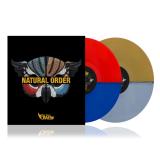
The second album from Big Owl, Bird T, Rusty Take-Off & Deformed Wing has been repressed on an all new 2 x 12” ‘Mask’ colourway (never to be repressed in this colourway).
Home to classics including ‘Assassination’ feat. Dirty Dike, ‘Old Earth’ and the legendary ‘Think Twice’ produced by DJ Premier, the 16-track album changed the game for the Owls and is a certified High Focus classic.
Limited edition pressing of 500 copies.
Gennaro, formerly known as Blackchild, returns to Cécille Records with his second release on the label, delivering a confident and deeply musical four-track EP that captures the full scope of his sound.
Each track reveals a different facet of Gennaro's musical identity.from stripped-back, groove-driven club tools to more nuanced and emotive moments - all tied together by his unmistakable sense of rhythm and atmosphere. It's a release that feels focused yet expansive, showing an artist who knows exactly where he stands and where he's heading.
Nick Curly and Marc Scholl are proud to continue working with Gennaro and to welcome him back on the label with a release that underlines both artistic growth and creative consistency. This EP isn't about following trends; it's about personality, craftsmanship and club-ready music built with intention.
A strong statement, a natural progression and a clear reflection of Gennaro's range - this is his next step on Cécille Records
- A1: Legacy
- A2: First Step
- A3: Auditory Hallucination
- A4: Between Worlds
- A5: Healing
- B1: God Of War
- B2: Next Dimension
- B3: Through The Roof
- B4: Foggy Times
- C1: Thought Bubble
- C2: Dark Corners
- C3: Purgatory
- C4: Eyes Of A Ghost
- C5: Lump Sums
- D1: Overnight
- D2: Feeling Strange
- D3: The Climb
- D4: Problematic
- D5: Blind Faith
High Focus Records are proud to present the latest collaboration from Verb T & Illinformed. ‘Stranded in Foggy Times’ both continues and completes the trilogy that began back in 2015, with ‘The Man with the Foggy Eyes’, before broadening the horizons with last year’s release ‘The Land of the Foggy Skies’. This final chapter returns to the same conceptual landscape as its predecessors, but also sees Verb T & Illinformed returning to a more classic approach to album making. In spite of its concept, the Foggy Trilogy is something of a personal outpouring for Verb T, with the original aim being to vicariously discuss the trials and tribulations that play a part in his life, including his struggles with chronic illness and the feeling of alienation from leaving his hometown, while also reflecting on the state of the world as a whole. Their approach to making the album meant taking it back to the most natural form, where the idea for the track would be outlined, Illinformed would make the beat, Verb T would write to it and then they would tweak and adjust accordingly. The result is 19 of the most finely crafted tracks to emerge from the UK shores this year. As with the previous albums, ‘Stranded in Foggy Times’ finds Illinformed moving away from the more rugged sound that has shrouded the British scene over the last few months, thanks to his collaborations with the likes of Datkid and Wish Master, instead providing Verb T with an arguably more mellow backdrop. From the string and piano driven introduction on ‘Legacy’, to the blissful head-nod vibes of the closing track, ‘Blind Faith’, the union between beats and rhymes sits at the perfect level. The album also boasts one of the most impressive guestlists of the year, one that is very much a product of both players’ worlds. Thanks to Illinformed’s Bristol connection, there are features from the likes of Res One, Datkid, Leaf Dog, Smellington Piff and Chillman, as well as some locally sourced cuts from DJ Rogue. While on Verb T’s side of the fence, we have features from Rye Shabby and Moreone, along with a collaboration that reignites the same creative spark he found in his early days, as King Kashmere steps into the booth on Feeling Strange. All in all, ‘Stranded in Foggy Times’ does exactly what it sets out to do, by drawing the trilogy to a close while also providing insights into Verb T’s personal world and the world at large. The fact that it also happens to be one of the strongest rap albums of the year is the icing on the cake
2026 Repress / Blue Vinyl
After releasing five sell out various artists EP’s featuring 25 artists, positivesource is excited to present a new chapter for the label with a diverse and anthemic EP from Berlin based producer Regent.
No stranger to the label, Regent contributed to src005 last year with his smooth techno roller ‘Off Agenda’ alongside music from Neri J, Alpha Tracks, Vil & Cravo. His tracks have featured heavily in DJ sets by label founders Blue Hour and Philippa Pacho over the years, naturally the idea to present the first artist EP on positivesource with Regent comes as no surprise. The record starts on a hypnotic tip with ‘Occult’, grooving along with an infectious bass-line swung beats and blissed out atmospherics before stepping up the energy levels on ‘Khmera’, a relentless chord driven percussive anthem with nostalgic vocals rising to new heights. On the flip the title track ‘Aphid Riot’ is bold and vibrant leaning heavily into UK flavours using sliced up vocals, breakbeats and a classic ‘Reece’ bass-line. Completing the record is a ‘broken’ version of ‘Aphid Riot’ highlighting an ethereal tonal melody with a deeper and more introspective take on the original. It’s a new sound exploration from the producer, emonstrating his versatility and perhaps a rare moment in his discography
- A1: Natural Disaster
- A2: Nowhere To Hide
- A3: Painting By Numbers
- A4: Helium
- A5: Simple Things
- A6: No Audience
- B1: Prototype
- B2: No Furniture
- B3: Elevator
- B4: Trojan Horse
- B5: Paracosm
- B6: I Just Don’t Know You Yet
- B7: Goodbye Glitter
Singer, songwriter, and producer Absolutely will release her highly anticipated sophomore album Paracosm on February 20, 2026, via Epic Records. A kaleidoscopic mix of pop, electronica, jazz, and R&B, the album features previously released singles “Goodbye Glitter,” “I Just Don’t Know You Yet,” and “No Audience,” each offering a window into the record’s emotional and sonic scope. From the viral, piano-pounding transformative catharsis of “I Just Don’t Know You Yet” — which sparked standing ovations on tour and millions of TikTok views last summer — to the cinematic introspection of recent single “No Audience,” praised by Rolling Stone as “an invitation to create purely for yourself,” Paracosm cements Absolutely as one of the most compelling new voices of her generation and 2026’s de facto artist to watch.
Walter G & Jay Caruso deliver a warm, groove-led Soulful Disco version of “From East To West”, built for DJ’s who appreciate real disco dynamics. Rolling basslines, bright piano chords and lush strings wrap around an emotive vocal, creating a timeless club-ready moment that bridges classic 70s soul-disco with modern dancefloor aesthetics. Ben Liebrand delivers a classic 12-inch reconstruction rather than a modern nu-disco vibe. It leans into Ben Liebrand’s signature extended format philosophy, letting the groove breathe. His is a rhythm-first reconstruction with crisp percussion, dynamic low-end and long instrumental sections. The vocal sits naturally within the groove, while the arrangement allows DJs space to build, ride and transition with ease. Less modern sheen, more heritage authority, a purist disco tool with timeless floor appeal.
- 1: Toninho
- 2: Shapeshifter
- 3: Grönbete
- 4: Saga Nomri Ngen
- 5: Monkurt
- 6: Olikheter
- 7: Chime Blues
- 8: Ses Vid Horisonten
April Records proudly presents the new album from Stockholm Stockholm-based bassist and composer Jon Henriksson - a confident and flexible statement that deepens his place within contemporary Scandinavian jazz. Following the success of his 2023 debut Harmonia which placed second in Orkesterjournalen s Golden Album " readers " poll, Henriksson returns with music that foregrounds collective interplay, shifting forms, and a strong compositional voice. Born in Gothenburg and now active across Sweden and Europe, Henriksson has collaborated and toured with artists including Lars Jansson, Hakan Broström, Erik Söderlind, Klas Lindquist, Jonas Kullhammar and Christina von Bülow. Alongside leading his own ensembles, he remains a soughtsought-after bassist in a wide range of projects, balancing a deep connection to the jazz tradition with a modern, exploratory approach. Shapeshifter is built around a core quartet of tenor saxophone, piano, double bass and drums, expanded with guitar on three tracks and trombone on two. The album moves fluidly between contrasting moods, from forceful and driving to reflective and restrained, with each piece shaped by the musicians " intuition and responsiveness. The title reflects Henriksson s compositional philosophy: allowing roles, textures, and forms to evolve as the music unfolds.The ensemble brings together long long-standing musical relationships. Pianist Rasmus Sorensen and Henriksson have collaborated since their studies at Skurups Folkhögskola (Henriksson is a longstanding member of Sorensen s own trio), while drummer Jonas Bäckman forms part of a well well-established rhythm section partnership with the bassist across numerous projects including the Britta Virves Trio. Saxophonist Karl Karl-Martin Almqvist, a member of the Danish Radio Big Band, completes the quartet, with guitarist Pelle von Bülow and trombonist Rasmus Holm joining the session shortly before recording to expand the album s sonic palette where the music called for it. Originally conceived as a quartet album, Shapeshifter took its final shape in the lead lead-up to recording as additional instrumental colours were introduced organically. The piece Toninho , a tribute to Brazilian guitarist and composer Toninho Horta, features acoustic guitar and subtle wordless vocals, reflecting melodic influences that sit naturally within the album s contemporary jazz framework. Across the record, space, pacing, and interaction remain central. Rather than forcing constant motion, the music allows ideas to develop with clarity and intent, resulting in an album that highlights Henriksson s growing assurance as a composer and bandleader, while keeping the collective at its core.
- 1: The Cross
- 2: Whips-A-Swinging
- 3: Savage Gods
- 4: Sword Of Iron
- 5: Crystal Skull
- 6: Warlords
- 7: Black Talon
- 8: Titan's Awakening
- 9: Haneda
While many have tried to emulate the ancient German (black)thrash sound, CRUEL FORCE brimmed with an authenticity that could not be denied, as well as songwriting that added to that noble tradition rather than lazily picking at its corpse. Their two successive albums, 2010's The Rise of Satanic Might and 2011's Under the Sign of the Moon, made CRUEL FORCE a certifiably CULT name in the international metal underground. Sadly, the band fell into a hiatus following that second album, but returned reinvigorated with the comeback 7" EP Across the Styx in 2022 and, a year later, the glorious full- length Dawn of the Axe at the hands of new label home SHADOW KINGDOM. Continuing to make up for lost time, CRUEL FORCE storm back with swords gleaming high on their fourth full- length, Haneda.
Where a line could be drawn between the band's "first era" of The Rise of Satanic Might / Under the Sign of the Moon, so continues this Second Era that began with Dawn of the Axe - one that harkens to the "Jurassic period" of heavy metal, when everything was rawer, less polished, and more energetic and powerful. As displayed by that pivotal predecessor, Haneda further proves that CRUEL FORCE are more so an old-style speed metal band, largely bereft of that blackened edge during their First Era. The tradeoff is that there's a prominent mysticism coursing through that speed, and the blue-collared aspect of Dawn of the Axe is now spit-shined to a lethal slickness that makes Haneda hit that much harder.
However, it must be stressed that, while it follows logically from Dawn of the Axe, Haneda is very much its own headspace, its own continuation of a still-vital aesthetic. At times more epic, exuding both more and different atmospheres, CRUEL FORCE here take the listener on a journey from old temples to desert planes, from deep jungles to mountain tops, and other mysterious locales beyond; indeed, the whole record is like a journey through mystical realms. Although no concept album, Haneda is very conceptual in its aesthetics, even down to its production: BIG and naturaltoned, from the guitars to especially the drums, everything here is as '80s and authentic as possible, underlining
Who would expect that a new Krautrock release on Macadam Mambo would come from a Japanese band called Heavenphetamine?! The duo/couple have been touring all over Europe in the past two years, and started to build a serious fan base, as every performance they deliver is leaving an imperishable memory. This is on a date in Belgrade at Karmakoma that they met with Sacha. They had this album recorded and auto-release on tape but not on vinyl, and it came completely naturally to decide to release it as a LP on Macadam Mambo. The tracks on the album are new versions a bit different from the tape, let’s say a bit more mature and minimal than from the first ones recorded and give the feeling of listening to a masterpiece in the genre. It can be dark and profound but also enough light to bring back this little sun that has trouble to shine in the winter. This album has been highly influenced by their experience with the war in Ukraine, and the friendship they made there, where it has been recorded, and it express this mix of emotions due to the feeling of exasperation and the hope to see someday this conflict come to an end and the relief of the peace…
Gatefold Sleeve
M’Bamina – African Roll (1975)
The story of an album born between Africa, Italy, and the nightclub culture of the 1970s
In the heart of 1970s Italy — a country undergoing profound social change and a music scene just beginning to open itself to distant sounds and cultures — an extraordinary, almost improbable story took shape. It is the story of a group of young African musicians who found their way to Europe, of a Turin nightclub that became a crossroads for communities and experimenters, and of an album which, released in small numbers and largely unnoticed at the time, is now considered a rare jewel of Afro-fusion.
The band called themselves M’Bamina — an ensemble of musicians from Congo, Cameroon, and Benin, who arrived in Italy in the early Seventies. Settling between northern Italy and the Pavia area, they began performing in small clubs and community events, bringing with them a vibrant rhythmic heritage: African polyrhythms, call-and-response vocals, funk-infused bass lines, and Caribbean or Afro-Latin colours absorbed along their musical journeys. Their raw, contagious energy on stage quickly drew attention.
Meanwhile, in Turin, another story was unfolding. There was a venue becoming almost legendary: Voom Voom, one of the city’s liveliest nightclubs, run by Ivo Lunardi. The club attracted an eclectic crowd — students, artists, foreigners, night owls — and Lunardi quickly understood that the dancefloor wasn’t just a place for music, but a melting pot for a new kind of cultural energy. Out of this vibrant atmosphere came his idea: to turn the club’s name into a small independent record label, Voom Voom Music, capable of capturing the spirit of those years and giving voice to unconventional projects.
When Lunardi heard M’Bamina, he immediately sensed that this was the sound he had been searching for: fresh, different from anything circulating in Italy at the time, and capable of blending African tradition with funk and European sensibility. He brought them into the studio.
Production was handled by Lunardi along with Christian Carbaza Michel, while the engineering was entrusted to Danilo Pennone, a young sound technician with a sharp, intuitive ear.
The recording sessions — held in Turin in 1975 — produced a remarkably warm and direct sound. The music feels almost live: grooves rooted in African tradition, but open to funk-rock structures and modern arrangements. It is a natural fusion, never forced. Tracks move between tribal rhythms, funk basslines, light electric guitars, congas and Afro-Latin percussion, with call-and-response vocals and melodies that echo both Congolese tradition and the lineage of Latin jazz. Not by chance, one of the album’s most striking tracks, Watchiwara, reinterprets a Latin standard through M’Bamina’s own rhythmic language.
The album was titled African Roll — a name that was already a statement of intention. It is African music that “rolls,” that moves, adapts, transforms within a new geographic and cultural setting. It is not strictly Afrobeat, nor Congolese rumba, nor Western funk: it is a spontaneous, hybrid blend, shaped more by lived experience than by any calculated aesthetic program.
When African Roll was released, the world around it barely noticed. Distribution was limited, and 1970s Italy had yet to develop a cultural framework for receiving such music. The national music press rarely paid attention to African or “world” productions. The album slipped into silence — though the band’s own story did not.
M’Bamina continued performing across Europe and Africa, even sharing a stage in Cameroon with none other than Manu Dibango. By the late Seventies, they moved to Paris, signed with Fiesta/Decca, and recorded a second LP, Experimental (1978). Meanwhile, the peculiar record they had made in Turin began to resurface quietly among vinyl collectors, Afro-funk enthusiasts, and DJs hunting for forgotten grooves.
That is when the album’s fate began to shift.
Over the decades, African Roll emerged as an almost unique document: a snapshot of an intercultural Italy before the word “intercultural” even existed, a fragment of migrant history, a spontaneous experiment in musical fusion born far from major industry circuits but rich in authenticity. Original copies began commanding high prices on the collector’s market, and the album became recognized as one of the hidden classics of European Afro-fusion from the 1970s.
Today, more than fifty years later, this reissue finally restores visibility and dignity to a project that deserves to be heard, studied, and celebrated. It is not simply an album: it is the testimony of a rare cultural encounter, born in an Italy unaware of how fertile such exchanges would one day become.
It is the story of a visionary producer, an extraordinary band, and a fleeting moment in which music, migration, and nightlife came together to create something genuinely new.
African Roll is — now more than ever — the sound of a bridge: between continents, between eras, between cultures. A record that, after rolling far and wide, has finally come home.
NUTRIA Sounds proudly welcomes Leo Kal to the family with his debut EP, The Roots EP (NUTRIA 004). Across five tracks, Leo Kal delivers a deeply musical statement—grounded, expressive, and rich with intention—perfectly aligning with what NUTRIA Sounds continues to cultivate: organic sound, essential rhythm, and soulful movement.
The Roots EP showcases Leo Kal’s true musicianship, blending groove, harmony, and texture into a body of work that feels both timeless and forward-thinking. Each track is driven by feel and craft, emphasizing connection over excess and allowing the music to breathe naturally on the dancefloor and beyond.
Celba opens the EP with an uplifting, bouncy groove—light on its feet yet firmly rooted, setting a joyful and inviting tone.
Station Verlaine soars effortlessly, carried by smooth, flowing keys that glide across a warm, rhythmic foundation. Roots, the EP’s title track, shines with warm piano lines and earthy percussion, embodying the spirit and intention behind the project.
Round 50 delivers the EP’s most club-friendly moment, channeling a spacey, late-’90s feel with a modern, refined touch.
Second Eyes closes the EP on a downtempo, junglesque note, wrapping the listener in texture and atmosphere while leaving them wanting more.
With this release, NUTRIA Sounds continues its mission to highlight nutrient sounds for the soul and the feet—music that is honest, rooted, and deeply connected. Leo Kal’s debut stands as a confident and inspired entry into the catalog, reinforcing the label’s commitment to artistry, balance, and musical integrity.
Y-TRAXX'S "MYSTERY LAND" RETURNS ON VINYL WITH NEW REMIX BY ROY ROSENFELD:
The legendary trance anthem Mystery Land by Y-Traxx returns to the spotlight. First released in 1995, the track achieved iconic status after featuring prominently in the 2000 box-office No. 1 movie Kevin & Perry Go Large. The original track is now being reissued on vinyl. The release includes the Original Mix, the classic Sickboy Courtyard Mix, the Søluna Remix - winner of the Beatport Remix Contest - and a brand-new remix from Roy Rosenfeld. Available from 3 April via Serious Beats Classics.
With its hypnotic melodies, driving beats, and mysterious atmosphere, "Mystery Land" became a symbol of the 90s trance scene and grew into a cult classic. The track was picked up worldwide by influential DJs, including Paul Oakenfold, and featured prominently on his mix album Perfecto Fluoro (1996).
The new remix by Roy Rosenfeld brings a fresh, modern take to the iconic track, preserving the emotion of the original while adding a powerful peak-time, sunrise energy. Rosenfeld comments: "Remixing Mystery Land was an honor for me. I've loved this track for many years, so the process was very natural and fun. The vision came quickly, keeping the emotion of the original and pushing it into a peak-time, sunrise energy."
ABOUT ROY ROSENFELD:
Roy Rosenfeld is a leading DJ and producer in the house music scene, known for his warm, melodic, and instantly recognizable sound. Since 2009, he has built an impressive international career with releases on labels such as All Day I Dream, Lost & Found, and Rumors, and with iconic tracks like Epika and Kala. His music receives worldwide support from top artists including Solomun, Black Coffee, and Keinemusik. Alongside his studio work, Roy is a highly sought-after performer at clubs and festivals around the globe and the driving force behind the successful No Drama event concept in Tel Aviv.
This release combines nostalgia with contemporary trance production, offering both longtime fans and a new generation the chance to experience this timeless classic in a refreshed form.
Glaskin is the alias of two brothers, Jonathan and Ferdinand, based in Munich. The pair have emerged as key figures in the citys electronic music scene as longtime residents of the renowned Blitz Club, standing out a homegrown talents amongst its vibrant electronic landscape. Bringing a unique, forward-thinking techno style, as evidenced by their contributions to Mutual Rytms Federation Of Rytm II and III compilations in previous years, they now mark a new chapter and open 2025 in style with their debut 12 on the label, Inertia Of Motion. Each cut on the EP has been handcrafted with analogue gear, reflecting their distinctive artistic and sonic vision. The release is a direct outcome of the creative process behind their live set, which has become an integral part of the duos identity and shows a natural evolution of their singular sound.
Hush Up kicks things off with deep, rubbery and rolling techno rhythms. The drums are stripped back and laced with pulsing synth patterns and spoken word snippets that add a freaky edge. Double Tap ups the anti with classic, pumping deep techno with smart filters adding movement to the track as urgent leads hurry onwards. Inertia bring a more anxious atmosphere with tightly coiled drums and perc and eerie bell sounds ring out over the fat, twisted bassline. The brilliant Tank brings mind-melting loopy techno with dubby chords and textured leads warming their way between the beats to great effect, while Motion is suspenseful techno that locks you into a high speed groove peppered with thumping hits and kicks. Last of all, digital bonus Blushed Blue explores a moody, minimal, late night techno sound that is warm, stylish and hypnotic to close the show
- A1: Is This What You Like - Terra
- A2: The Tribe - The Fred Bloggs Band
- A3: Morning Light - Smythe And Rucker
- A4: Zig Zag - David Chalmers
- A5: High Again - Shades Of Rayne
- B1: Animal Talk - Dana Alberts
- B2: Child Of Nature - The Key Of Creek
- B3: Child Of Earth - Chuck Robinson
- B4: Silvery Waterfalls - Luellen Reese
- B5: The Lost Road - Doria
2026 Repress
A further exercise in musical curation, Child Of Nature is our latest sonic confluence of self-released tracks from the loners, hippies and outsiders of the 70s and early 80s. A collection of privately pressed music, able to breathe and be created free from the constraints of heavy handed commercialism, yielding a pure vision of artistic expression. Child Of Nature features ten songs of brooding soft rock and psychedelic folk steeped in melancholia. Some ache for better times or past lovers, while others seek spiritual fulfilment or social progress.
A compilation to evoke the raw and unobstructed, to summon the occult, to fundamentally conjure a vivid portrait of our untamed natural environment. Recorded on the north coast of California, Luellen Reese’s ethereal “Silvery Waterfalls” drifts and swirls with electric guitar as her unearthly vocals transcend across a seven minute opus, fit for the golden age of labels like 4AD or Dedicated. “The flowers are dancing just for you …”, Reggie Russell croons over glistening Key Of Creek’s title track “Child Of Nature”, evoking a utopian world of natural harmony free from the present day realities of industrial decay.
Tap into your inner primal being, to embrace wholeheartedly, with frivolity and without reserve, your own child of nature.
“One foot out the door, another in the otherworld…”
So begins Hannah Lew’s debut, self-titled solo record, soaked in imperious, wide-eyed pop songwriting and a girl-group/post punk aesthetic that belies the artist’s history in the U.S. underground. A towering, hook-laden album, it’s infused with an optimism and surrealism that conversely deals with the times we find ourselves in.
Recorded at home in Richmond, CA and in The Best House studio with Maryam Qudus in Oakland CA, with the assistance of a crack team of West Coast musicians, this album sees Hannah Lew stepping out from behind the legacy of her two groups Grass Widow and Cold Beat. While musically bearing similarities with her previous work, “Hannah Lew” is a bold leap into direct pop territory, making ample use of a vocal style that teases out the inherent melancholy in her melodies. Mastered by Sarah Register, each song is a perfectly honed nugget that frequently pulls the heart in two directions at once.
Themes of change, breaking up, shattering old ways of being are shot through the record. For the front cover, a photograph of the artist’s face was printed, ripped up and re-assembled, resembling the creative process embarked upon by Lew for her first “solo” material. The album feels instinctual, almost dream-like in its assemblage of sweeping synths and pulsating, propulsive drum machine beat patterns with Lew’s vocal performances sensitive and caressing over the top. Increasingly relying on the subconscious and dreams to guide her creative process, Hannah Lew frequently abandons literal interpretations or linear narratives, the songs seeming to exist in a swooning, effortless flow-state while remaining emotionally hard hitting.
On an album where every song could be a single, there are kaleidoscopic shades and varying emotional tones in abundance. First single Another Twilight is carried along a pumping, Italo-disco-style 4/4 beat and mono-synth bass line, the low end pulling at the heart and body. Lew’s vocal melody teases the track before swan-diving into a gorgeous chorus as she sings “it’s all over baby and I don’t mind… in decline, I take my time…” The album is suffused with moments like this. On slow builder Damaged Melody, an arpeggiated synth elongates the verse before a cascading synth showers down melodic glitter. The stunning Replica uses dual swirling synth patterns before a driving, synthpop chorus for the ages carries Hannah Lew’s vocal into the stereo field, sailing in on a high register singed with the embers of a break up.
In a departure from previous groups, her solo songs are guided by dreams and free association inspired by Dada and the Surrealist movement and sculpted afterwards. As such, the songs reveal themselves on repeated listens, revealing traces of heartbreak inspired by both personal and global elements - Hannah Lew regards the album “a wartime album.” On Move In Silence, Lew intones “there’s a war outside, just out of view,” revealing the dichotomy at play throughout. With the songs evolving naturally and in a flow state, the pressures and sadnesses of the modern age bleed through, mixed in with Lew’s inherent love, sensitivity and fractured-but-intact optimism. On the swooning, sublime Sunday layers of Numanoid synths open up for the commanding vocal performance pontificating on grief, love, pain as she “feels the ache on Sunday…” As the chorus builds and Lew’s call-and-response vocal adds to the emotional tension, it almost feels like too much to take.
Elsewhere, there are echoes of Hannah Lew’s previous work. On Time Wasted a bass guitar comes in with a heavy, punk attack before the synths and vocal harmonies reminiscent of later Cold Beat elevate everything. The glassy, sweetly resigned closer The Clock sounds like so classic it could be cover, a sweetened Jesus & Mary Chain tune perhaps, before it erupts into volcanic chorus that could only come from Hannah Lew in 2026.
It Goes Further...IDREN NATURAL & THE UK PLAYERS reissue! The original version of 'Further' was recorded by the INI Oneness, Idren Natural & The UK Players on analogue tapes at the Jah Works '7th Sense' Studio in UK in the late 90's. The tune went on to have great success on sound systems around the world and since became a highly sought after collectible.
Jah Works & The UK Players are reconvening at Earth Works Studio in Amsterdam to record more music together in tribute to their mutual friend and musical collaborator, Idren Natural, who is sorely missed by many in our musical family & those that worked with him intend to make sure that his music and message lives on! This 10" has an alternative vocal mix & alternative dub cut to the original 7", carefully remastered from the original tape mixes & now presented on 10" at 45RPM.
In the Summer of 2023, Dans Dans were nearing the end of a two-and-a-half-year-long period of intense creativity, during which they had released two celebrated albums, Zink and 6, and had toured extensively in Belgium and abroad. Feeling it was time for a well-deserved break in activity, they decided to play three final, intimate concerts before going into hiding: two consecutive nights at Trix in Antwerp (hometown of drummer Steven Cassiers and guitarist Bert Dockx) and one at Botanique in Brussels (hometown of bassist Frederic Jacques). 'LIVE!', Dans Dans' first ever full length live record, features highlights from these memorable nights, offering excitingversions of several of the group's most beloved compositions from across their back catalogue. While the band is, at the time of writing, getting ready to start working on new material, these recordings from 2023 are a good reminder of the magic Dans Dans are able to conjur when they get together and play. Here is one of the most original instrumental trios of the last two decades in their natural habitat, on stage, performing for a live audience, speaking through their intensely personal music. Here is Dans Dans at full flight, effortlessly blending different musical genres and painting fascinating sonic landscapes full of energy, mystery and contrast.
From Wisdom Teeth’s recent compilation nagoyaka na kaze / 和やかな風 (quiet wind)—which cast a spotlight on the Japanese city of Nagoya—emerges “2++”, a new label launched by abentis, who curated the compilation alongside Facta and K-LONE as a central figure in the scene. Conceived as a series introducing facets of Nagoya’s underground electronic music to the world on vinyl, its inaugural release is abentis’ debut album, Dim Grow.
Across the album, intricately designed electronic mallet sounds—created using Ableton Live’s physical-modeling synthesizer—take center stage. Fresh and percussive like marimba or kalimba, yet simultaneously carrying an otherworldly, unreal quality, these tones form the core of the record’s sonic identity. In moments of near-silence, a crystalline resonance poised between glass and metal shimmers with subtle shifts in temperature, giving the album its distinctive texture.
While resonating with the sonic sensibilities of fellow Wisdom Teeth affiliates such as K-LONE, Tristan Arp, and Salamanda, abentis’ uniquely strange palette can be traced back to one of his strongest influences: Haruomi Hosono. In particular, Hosono’s mid-’70s tropical-infused solo albums — Tropical Dandy (1975), Bon Voyage Co. (1976), and Paraiso (1978) — serve as a key reference point. Symbolically reflected in Hosono’s marimba and vocal performance at a 1976 live show in Yokohama Chinatown, the marimba functioned as a central instrument for constructing imagined exotic landscapes inspired by Martin Denny and Hawaiian music.
For abentis—who worked at a local jazz bar before becoming active as a hip-hop beatmaker—the language of “tension chords,” a harmonic vocabulary rooted in jazz and R&B that hovers ambiguously between brightness and darkness, forms a consistent grammar throughout Dim Grow.
Behind the album’s core theme of “mallets + tension chords” lies a broad musical lineage: the harmonic sensibility of Claude Debussy, who anticipated the tensions of jazz; the proto-minimalist spirit of Erik Satie; the marimba-centered structures of Steve Reich; their continuation in Japan through Mkwaju Ensemble (with Midori Takada and production by Joe Hisaishi); and the subsequent branches into post-rock, electronica, and ambient music.
Growing up in Nagoya—an industrial city where creative independence is deeply valued—and being rooted in punk and hip-hop counterculture scenes naturally fostered abentis’ affinity with these predecessors. His practice between genres, combined with an encounter with the highly cross-pollinated musical perspective cultivated around Wisdom Teeth, provided the framework through which his own musical language crystallized. Dim Grow stands as the natural culmination of that journey.
repress!
Seasoned musical maestro Argy unleashes his long-player, New World. Argy’s varied back catalogue showcases his versatility and deep knowledge of electronic music. An experienced producer and DJ, he channels a lifetime of skill and natural talent into his LP New World. Across 14 tracks, we enter ‘Dreamstates’, utilising ‘Mental Powers’ to explore the ‘Wilderness’ and connect with a ‘Higher Power’. Rooted in an underground sound with an array of impassioned vocals, highly emotive arrangement and potent rhythms, the album demonstrates Argy’s artistic maturity. Join him as he leads us on a voyage into a New World…
Back in 2022, Is It Balearic? Recordings founders Coyote (AKA long-serving producers Richard Hampson aka Ampo and Timm Sure) took time out from releasing music on their own labels to deliver a near perfect mini-album on Phil Cooper’s similarly mind-ed NuNorthern Soul imprint, Everything Moves, Nothing Rests.
A superb exploration of their trademark sound, where gentle downtempo rhythms and nods to dub came cloaked in colourful ambient chords, sun-bright melodic motifs, organic instrumenta-tion and quirky spoken word samples, Everything Moves, Nothing Rests deserved a sequel. So, three and a half years on, the duo has delivered just that: a fine six-track EP that offers an even deeper and more atmospheric exploration of their signature sound.
It is a sonic approach that should now be familiar to Balearic en-thusiasts the world over. Aside from delivering a steady stream of singles, albums and remixes on their own imprint, Hampson and Sure have also showcased their skills and loved-up musical mis-sives on International Feel, Music For Dreams, Needwant, MM Discos and Citizens of Vice.
The Higher The Sky, The Deeper The Ocean, their hotly anticipated NuNorthern Soul return, is named in honour of a quote from Ped-ro Alonso’s documentary series On the Ship of Enchantment, an extended voyage in which the Money Heist movie star meets healers and masters of ancestral medicine across his native Mexi-co.
There’s naturally a meditative and slightly psychedelic sound to much of The Higher The Sky, The Deeper The Ocean, which offers a subtly varied exploration of Coyote’s style and influence. Yearning, soft-focus opener ‘Muted Beauty’ – the kind of immersive, effects-laden and sample-sporting ambient bliss found nestling on Fila Brazillia albums of the mid 1990s – is followed by the similarly gentle ‘Go All The Way’, where delay-laden acoustic guitars, spo-ken word snippets and gaseous chords stretch out atop a languid, slow-motion groove.
‘A Drop in the Ocean’ picks up the pace a little via a glorious hat-tip to turn of the 90s ambient house – all dub-wise bass, heady deep house sonics, spaced-out chords and half-buried references to sunrise-ready Balearic synth-pop records of the late 1980s. Late psychedelic guru Terrence McKenna appears in sampled form on ‘Dolce Far Niente’, a tabla-driven drift and musical hallucination which conjures mental images of lying in the Mexican desert, gazing intently at a starry sky.
In contrast, ‘Riviera Sound’ is a chunkier, brighter and more sun-splashed affair – all deep, dubby bass, sustained piano parts, punchy downtempo breaks and the duo’s trademark ambient pads – while superb closing cut ‘No Coincidences’ fixes jazzy double bass samples, twinkling keyboard motifs, subtle acid lines and Latin-laced percussion to a street soul-adjacent beat.
Heady, impeccably crafted and thoroughly enveloping, The Higher The Sky, The Deeper The Ocean is Coyote at their dazzling best. It marks another significant chapter in their ever-evolving musical journey.
Following the widely acclaimed release of Body Shell in Spring 2025, Carré returns to Tempa, for a new EP, ‘Hibiscus’, featuring a collaborative track with LA-artist Bbyafricka, highlighting the synergy of West Coast Rap & London Soundsystem culture.
Connected by warmth and groove that define where Carré is musically right now, each of the four tracks on ‘Hibiscus’ stands on its own, yet together they continue to showcase Carré’s flair for producing sleek dubstep with melodic verve. From the shimmering ‘Warm Light’, the razor-sharp edge of ‘X Effect’, the deep stepper ‘Ride It Out’ to the stripped back ‘Hibiscus’ which glows with the addition of Bbyafricka’s sultry vocals, the EP is a concise statement of Carré’s evolving sound.
Speaking about the collaboration, Carré says, “I’d been a fan of Bbyafricka’s sound, style, and tone — tracks like ‘Baton Rouge’ and ‘Dumbo’ really stood out to me — and I could already imagine how her voice would fit with my production. The fact that she’s from LA made the connection feel even more natural. When I reached out, she was down straight away and came back with something I genuinely loved. She captured the energy of the track perfectly, and together I think we created something that feels authentic and even better than I’d imagined.”
For Bbyafricka, working on ‘Hibiscus’ was a moment of overcoming writer's block, “this song was me coming out of it on a weekend spent in Joshua tree, sitting outside looking at the view and the solar panels. I think you can envision what my view was when you play the song,” she explains.
Carré’s next outing on Tempa is a welcome return, signifying the home run she’s on as a producer and marking another impressive instalment in the producer's growing catalogue. In the last three years, Carré has quickly become a leading figure in the contemporary wave of artists pushing the true school Dubstep sound to new places and new audiences, expanding on the roots laid down by the likes of Skream, Benga, and Loefah.
Brighter Discs opens with its first release from label founders Kamma & Masalo. Born out of Brighter Days, the duo’s long running party series since 2014. A colourful get together where generations mix freely, DJ legends share space with new voices, and the dancefloor is treated as common ground. Brighter Discs carries this same spirit into recorded form, a natural continuation following the Brighter Days compilation previously released on Rush Hour.
Brighter Discs starts things off with ‘Can’t Fake The Feeling’, built around the original vocal by Renee Mohannon, taken from the 1989 release produced by house music pioneer Joe Smooth. The vocal is fully cleared and officially licensed, with everything surrounding it newly written and produced, resulting in a club track that honours the emotional core of the original vocal while giving it new space to shine.
The ‘Club Mix’ unfolds with immediate lift, a classic yet upfront house energy carried by Kamma & Masalo’s elevating instrumentation moving in lockstep with Renee Mohannon’s vocal. A pure club track celebrating dance music to the fullest.
On the flip you will find K&M’s ‘Unity Dub’, a darker, percussion driven workout that strips things back and presents the track in a different light. A twilight version that highlights the duo’s versatility and deep dancefloor understanding.
Kamma & Masalo have tested both cuts extensively while touring, from sun soaked festival stages to esoteric club spaces. Each version has been shaped in real rooms and refined on the road, ensuring the tracks are heard in their best possible form.
All produced with care and free-spirited party energy, Brighter Discs 001 marks the beginning!
- A1: Can I Live Feat. Precious Okoyomon 02:36
- A2: M32 Riddim 04:06
- A3: One Exists Or Agrees To Exist 05:00
- A4: Don't Panic Feat. Ms. Carrie Stacks 02:58
- B1: Duppy Know Who Fi Frighten 06:31
- B2: Helicopter Hovers Over My Crown Heights Apartment 05:19
- C1: Exorcise The Language Of Domination Feat. Juliana Huxtable 06:12
- C2: B2B Feat. Suutoo 05:32
- D1: Effects Of Resistance Feat. Khanyisile Mbongwa 06:12
- D2: Black Trans Masculine Experience (Instrumental) 08:55
May 2026 marks the arrival of TYGAPAW (aka Dion McKenzie)’s first full-length album on Tresor Records, entitled Together You Gather All Power Applied Worldwide. An acronym of its creator’s name, TYGAPAW’s third studio album is a deeply personal collection of music building worlds where Black queer and trans siblings can thrive, while unifying dancefloors worldwide. A proposition that collective wisdom liberates us from the matrix of domination we live within. The album unfolds as the latest chapter in TYGAPAW’s ongoing techno opera opus, continuing to center the voices of Black women, which surface as layered incantations rather than lyrics - powerful, haunting, sensual, activating.
With the process of creating the album starting in 2023, as TYGAPAW (Dion McKenzie) was in the first year of their transition, the music reflects the intensity of that period, where they were experiencing deplatforming as a response to the shift in their physical appearance: Tracks like ‘M32 Riddim’ and ‘Helicopter hovers over my Crown Heights Apartment’ feature high-paced rhythms intersecting with intense siren-like synths to form demanding compositions echoing a heightened sense of alert. Yet throughout the album, relief comes in the form of TYGAPAW’s vocal features, co-conspirators, and chosen family, whose voices are treated with reverb and echo, a sonic fingerprint that leads back to the pioneers in the legendary studios of TYGAPAW’s native land, Jamaica, an important reminder that the past will always inform the future. It is an album for dancers first and foremost, where joy, defiance, and integration with the natural body coexist, and every drop feels less like a climax than a transformation. Expect a bass that permeates your soul and melodic synthesized sequenced phrases echoing the dancehall eras of TYGAPAW’s youth, reshaped into hypnotic melodies that glow over industrial kicks designed to command attention, reasserting Jamaica's pioneering yet often overlooked contribution to electronic music.
In the opening track, ‘Can I Live’, Precious Okoyomon’s words feel like the beginning of a ritual; setting the intentions for the rest of the proceedings. As McKenzie puts it, their “work is about regeneration, resetting, getting integrated into nature, and about rebirth. That’s the tone I wanted to set at the outset of the album.” Ms Carrie Stacks continues this thread of support in ‘Don’t Panic’ with heavily processed vocals on top of a beat that takes inspiration from another important ingredient in the antidote to the oppression of isolation: Ballroom culture. “ I feel like I found my queerness in Ballroom, that’s why this track is very important to me.”
Echoes of NYC Black queer nightlife scene also permeate in the energetic drums of ‘Exorcise the Language of Domination’, in which Julianna Huxtable’s spoken performance complements the various movements and tones of the music. “My producer brain thought this was the one that Juliana’s vocals would be best suited for. I hinted: ‘what do you think of this one?’ She just went into her notes and picked some passages to go with the first section of the track. From there, it was a year-long process of development. It required time and space for this thing to evolve, but I think it’s one of the most powerful tracks on the album.” London’s SUUTOO contributes the album’s only musical collaboration on ‘B2B’, a track that emerged from sessions in McKenzie’s New York studio where the real objective was to connect and have fun; a time out from the demands of life outside.
The album closes out with a double hit of emotion in the form of ‘Effects of Resistance and Black Trans Masculine Experience’. The former features South African scholar Khanyisile Mbongwa drawing connections that exist between Africa and the Black diaspora, whilst looking to the future and calling for a shared sense of community.
The latter piece, an instrumental version of the piece which featured on the IMMIGRANT E.P. of 2025 is a gentle and deeply affecting end to the record, a place of peace and acceptance. This end-of-cycle tone is mirrored in the sleeve photography, which also ties back to IMMIGRANT by finally revealing what was hidden: a portrait of the artist fully self-actualized; a step towards true inner liberation. TYGAPAW is sonically defiant across this album; bass frequencies feel tactile — less heard than inhabited — infectious lead synth melodies remain with you long after the track ends. An overall sound that leaves asserting an urgent need for connection. From Detroit to New York to Berlin to Jamaica, despite geographic distance, this album reminds us that we remain in solidarity, recognising that meaningful world-building requires collective input and action, both personal and communal, if we are to move toward liberation.
The second chapter after “neverlost”, “closer” blends samplebased production with classic songwriting – like a sonic mosaic of warmth and groove. Lyrically “hippiesque,” Sepalot explores natural beauty, unity, equality, and self-determination. Guest features shine: Blu delivers sharp lyricism, and Illa J surprises
with soulful vocals on “My Own Way.” For fans of The Avalanches, Caribou, and Madlib – Closer is lush, human, and unforgettable.
Sepalot is one of those rare artists whose sonic palette refuses to be boxed in. His music exists in the fertile space between multi-layered sophistication and playful unpredictability – a quality rooted in his eclectic upbringing. From skate-punk beginnings to soul all-nighters, from obsessive vinyl digging to
deep immersion in hip-hop’s golden era, Sepalot has carried the art of sampling like a badge of honor. His beats are mosaics – meticulously pieced together fragments of sound forming an intricate whole. Beyond the studio, he’s explored these influences as DJ, producer, and live performer, leading the
Sepalot Quartet across Europe’s jazz festivals, and more recently with his experimental band Tikhet alongside Angela Aux
With “closer”, the upcoming second chapter following his 2023 album “neverlost”, Sepalot distills his broad musical world into a sample-based yet song-driven statement. The production feels warm and tactile – think needle-on-vinyl crackle meeting modern songwriting clarity. Lyrically, it’s “hippiesque” in the best
way: themes of natural beauty, unity, democratic awareness, equality, and spiritual introspection weave through the tracklist.
The guest list is just as inspired: legendary wordsmith Blu delivers razor-sharp verses, while Illa J – brother of the late J Dilla – steps away from his signature rap to surprise with soulful vocals on “My Own Way.” Together, they amplify the album’s humanist core, balancing groove-heavy production with
lyrical depth.
Fans of artists like The Avalanches, Caribou, DJ Shadow, or Madlib will find plenty to love here, but Closer carries its own unique fingerprint – a testament to Sepalot’s ability to merge hip-hop grit with songwriting grace. If “Neverlost” was a map, “Closer” is the destination: lush, thoughtful, and deeply human.
Highly recommended for anyone ready to hold hands, open their mind, and let the beat guide them.
Green Marbled[11,72 €]
Following his remix of Youthman by Echo Inspectors & Subset, Biodub returns to Primary Colours with his first original release for the label, the Dialogue EP.
The title track, Dialogue, shows Biodub’s familiar warmth and attention to detail, built around deep basslines, subtle textures, with a calm and reflective flow. It’s understated yet full of presence, a fine example of Biodub’s ability to communicate emotion through minimal elements.
Pablo Bolivar steps in for the Dream Dub Remake, offering a refined reinterpretation that expands the original into wider, dreamlike space. His version brings a smooth, rolling energy with gentle synth layers, flowing delays, and a steady, hypnotic rhythm that carries both warmth and clarity. It’s a standout moment on the release, highlighting the shared sensibility between both artists.
Grassland continues with a natural, organic movement, a balance of deep groove and open atmosphere, while Ubiport closes the record in a more introspective tone, marked by subtle echoes and restrained rhythm.Dialogue is a cohesive and thoughtful release that reflects the core sound of Primary Colours: immersive, detailed, and rooted in the deep dub tradition.
The 2 Smooth World Vol. 1 Album broadcasts a highly addictive tale of electronic frequencies. A whole universe of musical explorations, ranging from twisted electro to more dubby compositions, beatless ambient ballads, classic house nostalgia - naturally flowing into oceans of acid & bass.
- A1: Hurts And Noises
- A2: Wake Up
- A3: I Don't Wanna Be A Rich
- A4: Terrorist Bad Heart
- A5: Provocate
- A6: Lucifer Sam (Pink Floyd)
- B1: Happy!?
- B2: So Lazy
- B3: I Feel Down
- B4: Stupido
- B5: Guilty
- B6: Caroline Says (Loo Reed)
UILTY RAZORS, BONA FIDE PUNKS.
Writings on the topic that go off in all directions, mind-numbing lectures given by academics, and testimonies, most of them heavily doctored, from those who “lived through that era”: so many people today fantasize about the early days of punk in our country… This blessed moment when no one had yet thought of flaunting a ridiculous green mohawk, taking Sid Vicious as a hero, or – even worse – making the so-called alternative scene both festive and boorish. There was no such thing in 1976 or 1977, when it wasn’t easy to get hold of the first 45s by the Pistols or the Clash. Few people were aware of what was happening on the fringes of the fringes at the time. Malcolm McLaren was virtually unknown, and having short hair made you seem strange. Who knew then that rock music, which had taken a very bad turn since the early 1970s, would once again become an essential element of liberation? That, thanks to short and fast songs, it would once again rediscover that primitive, social side that was so hated by older generations? Who knew that, besides a few loners who read the music press (it was even better if they read it in English) and frequented the right record stores? Many of these formed bands, because it was impossible to do otherwise. We quickly went from listening to the Velvet Underground to trying to play the Stooges’ intros. It’s a somewhat collective story, even though there weren’t many people to start it.
The Guilty Razors were among those who took part in this initial upheaval in Paris. They were far from being the worst. They had something special and even released a single that was well above the national average. They also had enough songs to fill an album, the one you’re holding. In everyone’s opinion, they were definitely not among the punk impostors that followed in their wake. They were, at least, genuine and credible.
Guilty Razors, Parisian punk band (1975-1978). To understand something about their somewhat linear but very energetic sound, we might need to talk about the context in which it was born and, more broadly, recall the boredom (a theme that would become capital in punk songs) coupled with the desire to blow everything off, which were the basis for the formation of bands playing a rejuvenated rock music ; about the passion for a few records by the Kinks or the early Who, by the Stooges, by the Velvet mostly, which set you apart from the crowd.
And of course, we should remember this new wave, which was promoted by a few articles in the specialized press and some cutting-edge record stores, coming from New York or London, whose small but powerful influence could be felt in Paris and in a handful of isolated places in the provinces, lulled to sleep by so many appalling things, from Tangerine Dream to President Giscard d’Estaing...
In 1975-76, French music was, as almost always, in a sorry state ; it was still dominated by Johnny Hallyday and Sylvie Vartan. Local rock music was also rather bleak, apart from Bijou and Little Bob who tried to revive this small scene with poorly sound-engineered gigs played to almost no one.
In the working class suburbs at the time, it was mainly hard rock music played to 11 that helped people forget about their gruelling shifts at the factory. Here and there, on the outskirts of major cities, you still could find a few rockers with sideburns wearing black armbands since the death of Gene Vincent, but it wasn’t a proper mass movement, just a source of real danger to anyone they came across who wasn't like them. In August 1976, a festival unlike any other took place in Mont-de-Marsan – the First European Punk Festival as the poster said – with almost as many people on stage as in the audience. Yet, on that day, a quasi historical event happened, when, under the blazing afternoon sun, a band of unknowns called The Damned made an unprecedented noise in the arena, reminiscent of the chaotic Stooges in their early adolescence. They were the first genuine punk band to perform in our country: from then on, anything was possible, almost anything seemed permissible.
It makes sense that the four+1 members of Guilty Razors, who initially amplified acoustic guitars with crappy tape recorder microphones, would adopt punk music (pronounced paink in French) naturally and instinctively, since it combines liberating noise with speed of execution and – crucially – a very healthy sense of rebellion (the protesters of May 1968 proclaimed, and it was even a slogan, that they weren’t against old people, but against what had made them grow old. In the mid-1970s, it seemed normal and obvious that old people should now ALSO be targeted!!!).
At the time, the desire to fight back, and break down authority and apathy, was either red or black, often taking the form of leafleting, tumultuous general assemblies in the schoolyard, and massive or shabby demonstrations, most of the time overflowing with an exciting vitality that sometimes turned into fights with the riot police. Indeed, soon after the end of the Vietnam War and following Pinochet’s coup in Chile, all over France, Trotskyist and anarcho-libertarian fervour was firmly entrenched among parts of the educated youth population, who were equally rebellious and troublemakers whenever they had the chance. It should also be noted that when the single "Anarchy in the UK" was first heard, even though not many of us had access to it, both the title and its explosive sound immediately resonated with some of those troublemakers crying out for ANARCHY!!! Meanwhile, the left-wing majority still equated punks with reckless young neo-Nazis. Of course, the widely circulated photos in the mainstream press of Siouxsie Sioux with her swastikas didn’t necessarily help to win over the theorists of the Great Revolution. It took Joe Strummer to introduce The Clash as an anti-racist, anti-fascist and anti-ignorance band for the rejection of old-school revolutionaries to fade a little.
The Lycée Jean-Baptiste Say at Porte d’Auteuil, despite being located in the very posh and very exclusive 16th arrondissement of Paris, didn’t escape these "committed" upheavals, which doubled as the perfect outlet for the less timid members of this generation.
“Back then, politics were fun,” says Tristam Nada, who studied there and went on to become Guilty Razors’ frontman. “Jean-Baptiste was the leftist high-school in the neighbourhood. When the far right guys from the GUD came down there, the Communist League guys from elsewhere helped us fight them off.”
Anything that could challenge authority was fair game and of course, strikes for just about any reason would lead to increasingly frequent truancy (with a definitive farewell to education that would soon follow). Tristam Nada spent his 10th and 11th unfinished grades with José Perez, who had come from Spain, where his father, a janitor, had been sentenced to death by Franco. “José steered my tastes towards solid acts such as The Who. Like most teenagers, I had previously absorbed just about everything that came my way, from Yes to Led Zeppelin to Genesis. I was exploring… And then one day, he told me that he and his brother Carlos wanted to start a rock band.” The Perez brothers already played guitar. “Of course, they were Spanish!”, jokes their singer. “Then, somewhat reluctantly, José took up the bass and we were soon joined by Jano – who called himself Jano Homicid – who took up the rhythm guitar.” Several drummers would later join this core of not easily intimidated young guys who didn’t let adversity get the better of them.
The first rehearsals of the newly named Guilty Razors took place in the bedroom of a Perez aunt. There, the three rookies tried to cover a few standards, songs that often were an integral part of their lives. During a first, short gig, in front of a bewildered audience of tough old-school rockers, they launched into a clunky version of the Velvet Underground's “Heroin”. Challenge or recklessness? A bit of both, probably… And then, step by step, their limited repertoire expanded as they decided to write their own songs, sung in a not always very accurate or academic English, but who cared about proper grammar or the right vocabulary, since what truly mattered was to make the words sound as good as possible while playing very, very fast music? And spitting out those words in a language that left no doubt as to what it conveyed mattered as well.
Trying their hand a the kind of rock music disliked by most of the neighbourhood, making noise, being fiercely provocative: they still belonged to a tiny clique who, at this very moment, had chosen to impose this difference. And there were very few places in France or elsewhere, where one could witness the first stirrings of something that wasn’t a trend yet, let alone a movement.
In the provinces, in late 1976 or early 1977, there couldn’t be more than thirty record stores that were a bit more discerning than average, where you could hear this new kind of short-haired rock music called “punk”. The old clientele, who previously had no problem coming in to buy the latest McCartney or Aerosmith LP, now felt a little less comfortable there…
In Paris, these enlightened places were quite rare and often located nex to what would become the Forum des Halles, a big shopping mall. Between three aging sex workers, a couple of second-hand clothes shops, sellers of hippie paraphernalia and small fashion designers, the good word was loudly spread in two pioneering places – propagators of what was still only a new underground movement. Historically, the first one was the Open Market, a kind of poorly, but tastefully stocked cave. Speakers blasted out the sound of sixties garage bands from the Nuggets compilation (a crucial reference for José Perez) or the badly dressed English kids of Eddie and the Hot Rods. This black-painted den was opened a few years earlier by Marc Zermati, a character who wasn’t always in a sunny disposition, but always quite radical in his (good) choices and his opinions. He founded the independent label Skydog and was one of the promoters of the Mont-de-Marsan punk festivals. Not far from there was Harry Cover, another store more in tune with the new New York scene, which was amply covered in the house fanzine, Rock News (even though it was in it that the photos of the Sex Pistols were first published in France).
It was a favorite hang-out of the Perez brothers and Tristam Nada, as the latter explained. “It’s at Harry Cover’s that we first heard the Pistols and Clash’s 45s, and after that, we decided to start writing our first songs. If they could do it, so could we!”
The sonic shocks that were “Anarchy in the UK”, “White Riot” or the Buzzcocks’s EP, “Spiral Scratch” – which Guilty Razors' sound is reminiscent of – were soon to be amplified by an unparalleled visual shock. In April 1977, right after the release of their first LP, The Clash performed at the Palais des Glaces in Paris, during a punk night organised by Marc Zermati. For many who were there, it was the gig of a lifetime…
Of course, Guilty Razors and Tristam were in the audience: “That concert was fabulous… We Parisian punks were almost all dressed in black and white, with white shirts, skinny leather ties, bikers jackets or light jackets, etc. The Clash, on the other hand, wore colourful clothes. Well, the next day, at the Gibus, you’d spot everyone who had been at this concert, but they weren’t wearing anything black, they were all wearing colours.”
It makes sense to mention the Gibus club, as Guilty Razors often played there (sometimes in front of a hostile audience). It was also the only place in Paris that regularly scheduled new Parisian or Anglo-Saxon acts, such as Generation X, Siouxsie and the Banshees, the Slits, and Johnny Thunders who would become a kind of messed-up mascot for the venue. A little later, in 1978, the Rose Bonbon – formerly the Nashville – also attracted nightly owls in search of electric thrills… In 1977, the iconic but not necessarily excellent Asphalt Jungle often played at the Gibus, sometimes sharing the bill with Metal Urbain, the only band whose aura would later transcend the French borders (“I saw them as the French Sex Pistols,” said Geoff Travis, head of their British label Rough Trade). Already established in this small scene, Metal Urbain helped the young and restless Guilty Razors who had just arrived. Guitarist for Metal Urbain Hermann Schwartz remembers it: “They were younger than us, we were a bit like their mentors even if it’s too strong a word… At least they were credible. We thought they were good, and they had good songs which reminded of the Buzzcocks that I liked a lot. But at some point, they started hanging out with the Hells Angels. That’s when we stopped following them.”
The break-up was mutual, since, Guilty Razors, for their part, were shocked when they saw a fringe element of the audience at Metal Urbain concerts who repeatedly shouted “Sieg Heil” and gave Nazi salutes. These provocations, even still minor (the bulk of the skinhead crowd would later make their presence felt during concerts), weren’t really to the liking of the Perez brothers, whose anti-fascist convictions were firmly rooted. Some things are non-negotiable.
A few months earlier (in July 1978), Guilty Razors had nevertheless opened very successfully for Metal Urbain at the Bus Palladium, a more traditonally old-school rock night-club. But, as was sometimes the case back then, the night turned into a mass brawl when suburban rockers came to “beat up punks”.
Back then, Parisian nights weren’t always sweet and serene.
So, after opening as best as they could for The Jam (their sound having been ruined by the PA system), our local heroes were – once again – met outside by a horde of greasers out to get them. “Thankfully,” says Tristam, “we were with our roadies, motorless bikers who acted as a protective barrier. We were chased in the neighbouring streets and the whole thing ended in front of a bar, with the owner coming out with a rifle…”
Although Tristam and the Perez brothers narrowly escaped various, potentially bloody, incidents, they weren’t completely innocent of wrongdoing either. They still find amusing their mugging of two strangers in the street for example (“We were broke and we simply wanted to buy tickets for the Heartbreakers concert that night,” says Tristam). It so happened that their victims were two key figures in the rock business at the time: radio presenter Alain Manneval and music publisher Philippe Constantin. They filed a complaint and sought monetary compensation, but somehow the band’s manager, the skilful but very controversial Alexis, managed to get the complaint withdrawn and Guilty Razors ended up signing with Constantin with a substantial advance.
They also signed with Polydor and the label released in 1978 their only three-track 45, featuring “I Don't Wanna be A Rich”, “Hurts and Noises” and “Provocate” (songs that exuded perpetual rebellion and an unquenchable desire for “class” confrontation). It was a very good record, but due to a lack of promotion (radio stations didn’t play French artists singing in English), it didn’t sell very well. Only 800 copies were allegedly sold and the rest of the stock was pulped… Initially, the three tracks were to be included on a LP that never came to be, since they were dropped by Polydor (“Let’s say we sometimes caused a ruckus in their offices!” laughs Tristam.) In order to perfect the long-awaited LP, the band recorded demos of other tracks. There was a cover of Pink Floyd's “Lucifer Sam” from the Syd Barrett era – proof of an enduring love for the sixties’ greats –, “Wake Up” a hangover tale and “Bad Heart” about the Baader-Meinhof gang, whose actions had a profound impact on the era and on a generation seeking extreme dissent... On the album you’re now discovering, you can also hear five previously unreleased tracks recorded a bit later during an extended and freezing stay in Madrid, in a makeshift studio with the invaluable help of a drummer also acting as sound engineer. He was both an enthusiastic old hippie and a proper whizz at sound engineering. Here too, certain influences from the fifties and sixties (Link Wray, the Troggs) are more than obvious in the band’s music.
Shortly after a final stormy and rather barbaric (on the audience’s side) “Punk night” at the Olympia in June 1978, Tristam left the band ; his bandmates continued without him for a short while.
But like most pioneering punk bands of the era, Guilty Razors eventually split up for good after three years (besides once in Spain, they’d only played in Paris). The reason for ceasing business activities were more or less the same for everyone: there were no venues outside one’s small circuit to play this kind of rock music, which was still frightening, unknown, or of little interest to most people. The chances of recording an LP were virtually null, since major labels were only signing unoriginal but reassuring sub-Téléphone clones, and the smaller ones were only interested in progressive rock or French chanson for youth clubs. And what about self-production? No one in our small safety-pinned world had thought about it yet. There wasn’t enough money to embark on that sort of venture anyway.
So yes, the early days of punk in France were truly No Future!