Step into the captivating world of Melody Fields as they release their transformative albums, "1901" and "1991." With a marbled musical background, these albums are crafted with the precision of a brushstroke by the likes of Pablo Picasso or Gustav Klimt. Each track is carefully composed, drawing inspiration from manic behavior, fixated obsessions, and the pursuit of something greater. Melody Fields explores themes of spirituality, faith, trust, and conviction in various forms, often leading to addiction or madness. During the pandemic, Melody Fields accumulated hours of material, embracing the freedom to experiment with drum machines and synthesizers in one session, and exploring oriental instruments in another. The result is a sonic tapestry that defies conventions and pushes boundaries. The primary album, "1901," can be described as a rock album with psychedelic influences. It features repetitive guitar riffs, distorted soundscapes, and mesmerizing three-part harmony vocals. As they traverse these musical landscapes, Melody Fields is joined by guest musicians from esteemed bands such as Goat and Holy Wave, adding an extra layer of sonic brilliance. The album culminates with the captivating track "Mayday," a haunting composition written by the legendary Klaus Dinger from Neu! In contrast, "1991" is a concept album that evolved from late-night jam sessions, experimental sounds, and danceable music. It presents four remixes, including contributions from Goat and Al Lover, breathing new life into the original composition “Jesus” from “1901”. Notably, "1991" includes the thought-provoking composition "Diary of a Young Man," written by Daniel Treacy from Television Personalities, which invites introspection and reflection. Melody Fields' "1901-1991" presents a sonic journey through time, combining elements of rock, psychedelia, and experimentalism. These albums showcase the band's dedication to musical craftsmanship and their willingness to embrace diverse influences. Prepare to be immersed in their sonic universe, where boundaries are shattered, and creativity knows no limits.
Поиск:night tapes
Все
Step into the captivating world of Melody Fields as they release their transformative albums, "1901" and "1991." With a marbled musical background, these albums are crafted with the precision of a brushstroke by the likes of Pablo Picasso or Gustav Klimt. Each track is carefully composed, drawing inspiration from manic behavior, fixated obsessions, and the pursuit of something greater. Melody Fields explores themes of spirituality, faith, trust, and conviction in various forms, often leading to addiction or madness. During the pandemic, Melody Fields accumulated hours of material, embracing the freedom to experiment with drum machines and synthesizers in one session, and exploring oriental instruments in another. The result is a sonic tapestry that defies conventions and pushes boundaries. The primary album, "1901," can be described as a rock album with psychedelic influences. It features repetitive guitar riffs, distorted soundscapes, and mesmerizing three-part harmony vocals. As they traverse these musical landscapes, Melody Fields is joined by guest musicians from esteemed bands such as Goat and Holy Wave, adding an extra layer of sonic brilliance. The album culminates with the captivating track "Mayday," a haunting composition written by the legendary Klaus Dinger from Neu! In contrast, "1991" is a concept album that evolved from late-night jam sessions, experimental sounds, and danceable music. It presents four remixes, including contributions from Goat and Al Lover, breathing new life into the original composition “Jesus” from “1901”. Notably, "1991" includes the thought-provoking composition "Diary of a Young Man," written by Daniel Treacy from Television Personalities, which invites introspection and reflection. Melody Fields' "1901-1991" presents a sonic journey through time, combining elements of rock, psychedelia, and experimentalism. These albums showcase the band's dedication to musical craftsmanship and their willingness to embrace diverse influences. Prepare to be immersed in their sonic universe, where boundaries are shattered, and creativity knows no limits.
Orbiting Human Circus' new album is called Quartet Plus Two. What is Orbiting Human Circus? It is the continuing evolution of Julian Koster (Neutral Milk Hotel, The Music Tapes), whose music and storytelling under this moniker have encompassed immersive theater and a Night Vale Presents podcast, as well as more traditional albums. Central to the album are the "two" referenced in the title: North and Romika, the singing saws, whom Koster doesn't "play" so much as encourage. "I think saws sing like angels," says Koster. "I always have. Since I was a little boy. When you encourage them to sing, they do so earnestly and beautifully. It's an honest and real sound." The origins of Quartet Plus Two are as magical and seemingly unlikely as everything else in Koster's career. While walking through New York's Central Park, he stumbled upon Gauvain Gamon and Kolja Gjoni_a standup bass player and drummer, respectively_playing Gershwin and Mingus, and a musical partnership was born. Pianist Benji Miller rounds out the titular quartet, with Koster's longtime collaborators Robbie Cucchiaro (horns) and Thomas Hughes (orchestral arranging and chimes) of The Music Tapes also contributing to the record. The music they make together is at once familiar and unrecognizable, as Koster and Orbiting Human Circus interpret jazz compositions by Irving Berlin, Duke Jordan, George and Ira Gershwin, and others, alongside Koster's three originals. The use of the term "composition" is intentional and speaks to Koster's relationship with the music of Quartet Plus Two in far more evocative terms than "cover" or "standard." "To me it was always magical that there were these people called `composers' who created symphonies and popular songs for other people to breathe into life and existence all over the world and throughout time," he explains. "They traveled into our homes as sheet music, endless recorded interpretations, or were passed from hand to hand, village to village, like folk tales, changed by every hand that touched them. That music was something that came to life in our own living rooms and lives, songs that our grandmothers might have sung in a choir that we might sing just as earnestly. I just think it's nice, and I would love to share that feeling in any way we can."
Wayne Shorter stepped out as a Blue Note artist on his masterful 1964 label debut Night Dreamer, a sublime set that signalled the arrival of one of the most important saxophonists and composers in jazz history. Timeless Shorter compositions are given transcendent performances by a quintet with Lee Morgan, McCoy Tyner, Reggie Workman, and Elvin Jones. This Blue Note Classic Vinyl Edition is stereo, all-analog, mastered by Kevin Gray from the original master tapes, and pressed on 180g vinyl at Optimal.
Tapestry, first LP of Namas; a modern jazz band from Rennes BZH, is a self-produced piece mixing the traditional sound of a trio and modern hip-hop grooves.
It is where night falls that Namas finds his universe through dreamlike compositions, influenced both by the London jazz scene and pictorial art.
It's been a little over ten years since Hailu Mergia reemerged on the international music scene. Following the first in a series of his classic recordings reissued in collaboration with Awesome Tapes From Africa, Mergia assembled a band and began performing live again after many years driving a cab in Washington, DC. His first show back appeared on the front page of the New York Times along with a stellar review and he took off from there performing his flavor of Ethiopian jazz all over the world in the years since, including Radio City Music Hall and Montreal Jazz Festival. Finally, we have a recorded document of the keyboard player's powerful DC-based trio _ which practices each weekend in his basement _ featuring Kenneth Joseph on drums and Alemseged Kebede on bass. Beautifully captured at one of their fiery live shows at the venerable Brooklyn non-profit cultural center Pioneer Works on July 1, 2016, the concert was recorded by PW staff and mixed by Ted Young with mastering by ATFA's expert audio extraction collaborator Jessica Thompson. The performance clarifies what many people across the globe already know: in his fifth decade of music-making Hailu Mergia continues to push the boundaries of his remarkable abilities. Mergia and his veteran band energetically and playfully unpeel layer after layer of harmonic and rhythmic interest out of a spectrum of Ethiopian repertoire. Modern jazz demands constant reinvention and improvisation, night after night creating new works out of known modes and classic standards. This band is unstoppable when it comes to turning age-old melodies (like "Tizita" or "Anchihoye Lene") upside down and inside out until they emerge as molten new works, often spontaneously. Mergia's original compositions (like "Yegle Nesh") shine brighter than ever here as well. Moving from keyboard to organ to accordion to melodica, he deftly switches instruments _ often during the same song. Mergia at 77 years old seems to be working harder than musicians half his age. "Pioneer Works Swing (Live)" brings into focus the kind of onstage group improvisation and deadly solo passages that reach for places Mergia and the band have never gone, on festival and club stages across four continents. Now that Mergia has released two new recordings along with four classic reissues, he is eager to let everyone hear what he's been doing on the road since he re-took the global stage for his victory laps. So much more than an old act from yesteryear, Mergia balances his legendary Ethiopian recordings with good old fashioned sweat-soaked live concert triumphs such as the one we have here.
It’s been a little over ten years since Hailu Mergia re- emerged on the international music scene. Following the first in a series of his classic recordings reissued in collaboration with Awesome Tapes From Africa, Mergia assembled a band and began performing live again after many years driving a cab in Washington, DC. His first show back appeared on the front page of the
New York Times along with a stellar review and he took off from there performing his flavor of Ethiopian jazz all over the world in the years since, including Radio City Music Hall and Montreal Jazz Festival.
Finally, we have a recorded document of the keyboard player’s powerful DC-based trio—which practices each weekend in his basement—featuring Kenneth Joseph on drums and Alemseged Kebede on bass. Beautifully captured at one of their fiery live shows at the venerable Brooklyn non-profit cultural center Pioneer Works on July 1, 2016, the concert was recorded by PW staff and mixed by Ted Young with mastering by ATFA’s expert audio extraction collaborator Jessica Thompson. The performance clarifies what many people across the globe already know: in his fifth decade of music-making Hailu Mergia continues to push the boundaries of his remarkable abilities.
Mergia and his veteran band energetically and playfully unpeel layer after layer of harmonic and rhythmic interest out of a spectrum of Ethiopian repertoire. Modern jazz demands constant reinvention and improvisation, night after night creating new works out of known modes and classic standards. This band is unstoppable when it comes to turning age-old melodies (like “Tizita” or “Anchihoye Lene”) upside down and inside out until they emerge as molten new works, often spontaneously. Mergia’s original compositions (like “Yegle Nesh”) shine brighter than ever here as well. Moving from keyboard to organ to accordion to melodica, he deftly switches instruments—often during the same song. Mergia at 77 years old seems to be working harder than musicians half his age.
Pioneer Works Swing (Live) brings into focus the kind of onstage group improvisation and deadly solo passages that reach for places Mergia and the band have never gone, on festival and club stages across four continents.
Now that Mergia has released two new recordings along with four classic reissues, he is eager to let everyone hear what he’s been doing on the road since he re-took the global stage for his victory laps. So much more than an old act from yesteryear, Mergia balances his legendary Ethiopian recordings with good old fashioned sweat-soaked live concert triumphs such as the one we have here.
This third release from Rubi Records sees Ashley Tindall—aka Skeptical—stepping out of his usual drum and bass territory and slowing things down with three seriously deep dub-infused bass tracks in the 140-150bpm realm. While not the first time Skeptical has dipped his toes in such waters, these are easily among the finest, most musically mature examples to date. For those drum & bass fans out there unsure about Skeptical branching out into other genres, this EP shows that an open mind and listening without prejudice will reward your ears.
First up is the utterly dub-soaked 75/150bpm track 'Tell Me'. This solid stoner groove takes clear elements of Skeptical's more dub-orientated D&B and adds mesmeric pads and soulful vocal hooks, making it one of the deepest head-nodders in his overall catalogue. This is more a refined track for the 'listener' than for the dance floor, and while you can still easily throw some shapes to it, it's great to just immerse yourself in as a purely audio experience.
Next is the 140bpm 'Tapestry', which is somewhat the darker twin of 'Tell Me'. Again, we have a slow dub-infused head-nodder, but this time more menacing in tone thanks to the finely-judged use of some moody sound modules that Skeptical has tweaked and twisted in his inimitable fashion. This one's the audio equivalent of a restless mind in the depth of night.
The final offering is another 140bpm track – the unsettling beast 'Atomic v1'. It begins with a slow-burn build up of an off-kilter metronomic beat, subtly growling bass and haunting strings. This, in turn, gives way to a distorted rendering of Oppenheimer's famous use of 'Now I am become death, the destroyer of worlds' from the Bhagavad Gita, before becoming a sinister slow-motion dubstep rumbler. With its dragging beat and the purposefully off-point main sonic hook running over the top, this is a disorientating and unsettling weapon for the discerning DJ.
This EP continues the fresh direction of Rubi Records, showcasing exceptional, forward-thinking music without borders.
Support: Ben UFO, Joy Orbison, Gilles Pererson, dBridge, Break, DLR, Doc Scott, Mefjus, Kasra, Kings of the Rollers, Alix Perez, Jubei, Dub Phizix, Flight, Tasha, Loxy, Randall, Lens.
Radio Support: BBC Radio 6 Music, Rinse FM, Kool FM
Die Aucklander Chillout-Soul-Elektronik-Band LEISURE enthüllt ihr exquisites viertes Studioalbum "LEISUREVISION". Das Album wurde in den letzten 2 Jahren in ihrer Heimat Neuseeland geschrieben und produziert.
Das Album erkundet die menschliche Erfahrung und all die Hoffnung, Freude, das Chaos und die Euphorie, die damit einhergehen, während es Themen wie Wachstum, Erneuerung und Wiedergeburt aufgreift und Balance, Frieden und Gelassenheit verkörpert. Es schöpft Inspiration aus verschiedenen Epochen - von der Geschmeidigkeit
des Blue-Eyed-Soul der Siebzigerjahre bis zur romantischen Energie des frühen Achtzigerjahre Post-Disco, kombiniert mit Drum-Programmierung des Hip-Hop der Mitte der Neunzigerjahre und verankert mit dem mittlerweile signifikanten, üppigen Gitarrensound von LEISURE, der sich durch ihre Diskografie zieht.
"LEISUREVISION" enthält die Single "All the Good Times Never Die", einen hoffnungsvollen, optimistischen Track, der in Zusammenarbeit mit der Londoner Gruppe Night Tapes entstand, sowie "Back In Love", einen souligen Track über die Herausforderungen und Freuden der Elternschaft und die Bedeutung, wieder Zeit füreinander zu finden.
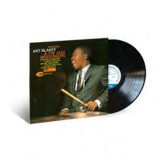
The 1961 album Mosaic marked a pivotal moment in the story of Art Blakey & The Jazz Messengers with the arrival of Freddie Hubbard and Cedar Walton and the band’s expansion to a sextet with the addition of Curtis Fuller joining existing members Wayne Shorter and Jymie Merritt to establish a powerful new line-up on this hard bop classic. This Blue Note Classic Vinyl Edition is stereo, all-analog, mastered by Kevin Gray from the original master tapes, and pressed on 180g vinyl at Optimal.
Ben Bondy dives deep into the aether on this latest full length for Good Morning Tapes, folding blissed chorus-pedal shimmers into smudged dreampop vapours, a bit like like how we’d imagine claire rousay if she were releasing on Chain Reaction.
Mining a similar path to Jake Muir’s Mana album, Bondy explores a late, late night mood on this one, obscuring delicate digital processes behind gossamer webs of static, windchimes and smeared guitars drifting into bliss. Over the space of half an hour, breathy atmospheres blur into a pastel-hued paradise, feeding digitally distressed melodies into whirring machinery and swirling pads.
On ‘Omni Field’ diffracted dub chords swirl around a rainstorm, before ‘Pool’ arranges a guitar arpeggio like some lost E2 E4 edit, and ‘conté' evokes the meditative calm of Harold Budd or Roger Eno with its enigmatic, pastoral ambience. The album’s central point comes with 'kanga', a fuzzy dreamscape assembled from booming subs and psychoactive bells that feel more potent than a blotter under the tongue...
In the late 1980s, Disco was taking a backseat to the burgeoning psychedelic scene in San Francisco, marking a pivotal shift in musical culture. A dynamic transformation was underway as the younger generation sought a fresh auditory adventure, all while the devastating AIDS epidemic cast a somber pall over the city's nightlife. Amidst this evolving backdrop, a subtle yet distinct sonic movement quietly emerged within the confines of San Francisco’s vibrant club scene, often referred to as "The Beat." Although Hip-Hop, New Wave, Gothic, Punk, and the burgeoning Modern Rock genre held considerable sway, the pre-RAVE clubs in SF witnessed the fusion of these genres into a unique amalgam of sound that insiders dubbed “The Beat.” This musical tapestry encompassed everything from Hip-Hop and Freestyle to Industrial, New Wave, Boogie, Miami Bass, and Techno – the unifying thread being the distinctive vibe that characterised this eclectic mix.
As House, Techno, and Raving gradually gained prominence along the West Coast, a distinctive interpretation of these evolving sounds took root. Drawing inspiration from influential hubs like New York, Chicago, Detroit, Europe, and notably the UK, which saw a wave of talented young DJs migrate to California, San Francisco became the backdrop for its own version of the second Summer of Love. While the exact chronology might spark debate – some recalling '92, while others leaning towards '93 – what remains indisputable is the era spanning from 1990 to 1994, an unparalleled epoch of exuberant dancefloor revelry on the western shores.
In the face of limited backing from major labels or established independent dance music entities of the time, a grassroots movement of labels and producers emerged organically, ardently championing this distinct sound and catapulting it onto the global stage. This sonic identity was deeply influenced by “the Beat,” acting as a creative wellspring that informed the musical landscape. While the tracks compiled in these volumes might not encompass the entirety of this transformative musical epoch, they offer a vivid snapshot of the melodious tapestry that coloured San Francisco and the broader West Coast during that era. Each track featured stands as a 100% Sure Shot that was played heavily by DJ Spun back in those very heady days.
Finally, but by no means least, we unveil the third and concluding volume of this extensive, impeccably curated chronicle of San Francisco's underground rave scene and its unique soundscape. Mirroring the same fervour and meticulous track selection as the first two volumes, 'The Beat By Spun' is nothing less than indispensable for any dedicated music enthusiast, DJ, or dancer. Once again, this collection showcases an outstanding array of tracks, featuring music from talents like Mattski, Bass Kittens, Hawke, and Deep2, all maintaining the high standards set by the previous volumes. It's a blend of rarities, classics, and obscurities, combining to deliver an exhilarating, almost transcendental experience to those who dare to immerse themselves in the sonics!
Green Vinyl[16,39 €]
We are thrilled to kick off our label endeavors with one of the rarest and simultaneously best-recorded independently released German new wave singles in history: "Jede Nacht derselbe Traum" ("The Same Dream Every Night") by Total.
Back in late 1983, Total found themselves in a pivotal rendezvous with CBS Records in a Frankfurt hotel lobby. The entire band was present, along with the esteemed NDW manager Jim Rakete, who had played a role in launching Nena to national and international stardom. Also in attendance were the A&R representatives from CBS. It was on this day that Total was presented with the opportunity to ink an album deal with CBS. However, since they had only recorded the titular song thus far, negotiations hit a snag. CBS insisted on a full album rather than a standalone single.
Ultimately, the band decided to independently issue a limited 7" run of "Jede Nacht derselbe Traum" under Günther Mannschreck's Schreckschuss label in January 1984. These vinyl copies became the band's currency for pursuing record deals and promotional prospects. However, despite the potential to achieve commercial success and garner radio airplay, the song and the "Total" project gradually waned from the music landscape. Regrettably, only a few vinyl copies have managed to endure over time. This NDW "holy grail" may have prompted a fair share of dreams for serious vinyl collectors, as to this day, not a single physical copy has been put up for sale on platforms like eBay or Discogs. Interestingly, Maisenbacher has even fielded an offer of over 400 Euros for an original copy, although he regretfully couldn't fulfill the request due to possessing just a single copy himself.
The song itself is a fusion of diverse musical styles. Crafted using the Oberheim OB8 system, complete with the DMX drum machine and a bassline woven from a Jupiter 8 keyboard, it carried a groove reminiscent of New York's electro hip-hop sound in "The Message," setting it apart from typical German new wave productions. Additionally, a Korg Polysix was integrated, and guitar effects were layered to finalize the infectious synth-pop instrumental. Newcomer to the band, Andrea Ströbel, laid down a flawless vocal layer that steered the song towards a straightforward NDW direction, giving it a resonance that surely resonated with mainstream and radio audiences. To complete a B-side for the original vinyl single, the legendary state-of-the-art L480 Lexicon reverb was used. In the more experimental "Maxi Mix," now known as the "Dub Mix," Mannschreck expertly manipulated the machine. The outcome stands as a historical example of incredible studio craftsmanship and the cutting-edge techniques of the 80s.
For the new 12" release, Mannschreck unearthed an alternative mix of the song on the original tapes, featuring a distinct introduction, break, and exciting edits. In addition, DJ Friction, who contributed to the transfer and mastering for the release, treated us to a superb edit that cleverly melds all versions of the song while incorporating a few extra bassline groove elements.
The captivating reissue cover spotlights vocalist Andrea Ströbel, who gazes with determination. A hand reaches out to grab her shirt, attempting to pull her down. Symbolizing the song's theme, it embodies the unsettling dream conveyed by the lyrics-yet she steadfastly resists.
In summary, we are elated to present a significant gem for vinyl enthusiasts: a splendid mid-tempo tune that dances on the boundary of synth-pop, new wave and electro. The new 12" single underwent meticulous mastering, and the outcome is nothing short of astounding, surpassing the sonic quality of the original pressing.
Black Vinyl[14,24 €]
We are thrilled to kick off our label endeavors with one of the rarest and simultaneously best-recorded independently released German new wave singles in history: "Jede Nacht derselbe Traum" ("The Same Dream Every Night") by Total.
Back in late 1983, Total found themselves in a pivotal rendezvous with CBS Records in a Frankfurt hotel lobby. The entire band was present, along with the esteemed NDW manager Jim Rakete, who had played a role in launching Nena to national and international stardom. Also in attendance were the A&R representatives from CBS. It was on this day that Total was presented with the opportunity to ink an album deal with CBS. However, since they had only recorded the titular song thus far, negotiations hit a snag. CBS insisted on a full album rather than a standalone single.
Ultimately, the band decided to independently issue a limited 7" run of "Jede Nacht derselbe Traum" under Günther Mannschreck's Schreckschuss label in January 1984. These vinyl copies became the band's currency for pursuing record deals and promotional prospects. However, despite the potential to achieve commercial success and garner radio airplay, the song and the "Total" project gradually waned from the music landscape. Regrettably, only a few vinyl copies have managed to endure over time. This NDW "holy grail" may have prompted a fair share of dreams for serious vinyl collectors, as to this day, not a single physical copy has been put up for sale on platforms like eBay or Discogs. Interestingly, Maisenbacher has even fielded an offer of over 400 Euros for an original copy, although he regretfully couldn't fulfill the request due to possessing just a single copy himself.
The song itself is a fusion of diverse musical styles. Crafted using the Oberheim OB8 system, complete with the DMX drum machine and a bassline woven from a Jupiter 8 keyboard, it carried a groove reminiscent of New York's electro hip-hop sound in "The Message," setting it apart from typical German new wave productions. Additionally, a Korg Polysix was integrated, and guitar effects were layered to finalize the infectious synth-pop instrumental. Newcomer to the band, Andrea Ströbel, laid down a flawless vocal layer that steered the song towards a straightforward NDW direction, giving it a resonance that surely resonated with mainstream and radio audiences. To complete a B-side for the original vinyl single, the legendary state-of-the-art L480 Lexicon reverb was used. In the more experimental "Maxi Mix," now known as the "Dub Mix," Mannschreck expertly manipulated the machine. The outcome stands as a historical example of incredible studio craftsmanship and the cutting-edge techniques of the 80s.
For the new 12" release, Mannschreck unearthed an alternative mix of the song on the original tapes, featuring a distinct introduction, break, and exciting edits. In addition, DJ Friction, who contributed to the transfer and mastering for the release, treated us to a superb edit that cleverly melds all versions of the song while incorporating a few extra bassline groove elements.
The captivating reissue cover spotlights vocalist Andrea Ströbel, who gazes with determination. A hand reaches out to grab her shirt, attempting to pull her down. Symbolizing the song's theme, it embodies the unsettling dream conveyed by the lyrics-yet she steadfastly resists.
In summary, we are elated to present a significant gem for vinyl enthusiasts: a splendid mid-tempo tune that dances on the boundary of synth-pop, new wave and electro. The new 12" single underwent meticulous mastering, and the outcome is nothing short of astounding, surpassing the sonic quality of the original pressing.
The Mapendo album of the Mighty Cavaliers, up to today, has been shrouded in mystery. If you look at the original cover of this very rare Kenyan funk-infused album all you will find are the names of the engineer and the producer, as EMI Kenya omitted the names of the musicians and the songwriters. Digging deeper a rather sinister story of deceit develops whereby Mapendo becomes symbolic for all what was wrong about the Kenyan record industry in the 1970s, and the music industry in Africa as a whole. As this maltreatment of artists proved endemic throughout the continent, although little talked about.
One of the three surviving members of the Mighty Cavaliers, bass player Bonnie Wanda - who started his career in 1971 with Gloria Africana - vividly remembers participating in the recording of the two albums the band made in 1976 and 1977 - Fisherman and Mapendo - and how they, especially on the last album, got short-changed by shrewd record label executives. In the 1960s it was mostly Indian and European record bosses that called the shots and usually gave musicians the chance of a one-off payment for their session time and recorded songs or wait for - hopefully - a generous royalty check. In most cases records didn't sell more than a thousand copies with an occasional hit selling in the tens of thousands, so musicians were reluctant to register themselves with the Music Copyright Society of Kenya. Although without doing so one couldn't receive royalties.
'For two years the Mighty Cavaliers performed five nights a week at the Starlight Club for five hour sets.
The re-release of Mapendo, the first of the German Want Some Records label, is another exciting puzzle piece in the tapestry of groovy Kenyan music. It proves that there are still great gems out there to be re-discovered for audiences worldwide.
Text written by Michiel van Oosterhout
This Album is dedicated to the musicians
Bonnie Wanda, Rashid Salim, Vuli Yeni, Juma Waweru Njuguna and Athmani 'guitar boy'."
- Theme From "The Warriors" - Barry Devorzon
- Nowhere To Run - Arnold Mcculler
- In Havana - Kenny Vance With Ismael Miranda
- Echos In My Mind - Mandrill
- The Fight - Barry Devorzon
- In The City - Joe Walsh
- Love Is A Fire - Genya Ravan
- Baseball Furies Chase - Barry Devorzon
- Re Movin' Too Slow - Johnny Vastano
- Last Of An Ancient Breed - Desmond Child
- Wonder Wheel (Main Title)
- Graveyard
- Night Run
- The Orphans/Turnbull A.c.'s Pt. 1/Riff Boss
- Turnbull A.c.'s Pt. 2/Molotov Cocktail
- March To Station
- Luther Shoots Cyrus/Train Walking
- Baseball Furies Chase/The Fight
- Into The Tunnel
- Skater/Men's Room/The Fight (Alternate)
- 11: Riff's Learn Truth/Platform/Warriors & Rogues
- 12: Platform (Alternate)/Warriors & Rogue (Alternate)
The long-awaited repressing of THE WARRIORS. This deluxe double LP features the re-mastered 1979 original soundtrack, in addition to, the vinyl debut of the complete film score by Barry DeVorzon.
Directed by Walter Hill and based off the 1965 novel by Sol Yurick of the same name, THE WARRIORS is the absolute definition of an influential cult-classic film. THE WARRIORS has permeated the landscape of pop culture, music, film, fashion, comics, and video games.
Waxwork worked directly from the original master tapes of both the original 1979 soundtrack and film score to bring audiences a brand-new transfer of every musical cue heard in the movie, for the very first time on vinyl.
Features artwork by Marvel Comics artist Dave Rapoza, Double LP 180 gram “Warriors” red and rust vinyl, printed insert, and deluxe packaging.
- Trying To Catch A Fly
- La Grabuge (Pop Theme)
- Agent No. 1
- Opetanie Five
- Saved From Oblivion
- Tajemnica Enigmy
- W Instyucie
- W Pustiny I W Puszczy
- The Dziekanka Student's Hostel (Part Ii)
- Landscapes
- Losy (Mid-Beat Theme)
- Third Part Of The Night Czolownica
- Diabel
- La Grabuge 2 (Orch Pop Theme)
- Rosa Rosa (With Arp Life)
- Bossa Nova (Feat Ewa Wanat)
- The Dziekanka Student's Hostel (Part I)
- Lapanka
- La Grabuge 3 (Orchestral Theme)
- Losy 2 (Mid-Guitar Theme)
- Trying To Catch A Fly (Reprise)
- Wszystko Na Sprzedaz Taniec
Twenty-two rare and unreleased vintage tracks from the secret vaults of one of the most enigmatic composers in 60s/70s/80s European cinema. Originally recorded in the best studios in Poland, Italy and France for experimental film, political allegories, lost television shows, sound libraries and radio – these tracks have been hidden behind the Iron Curtain on lost master tapes and film reels until now! »Secret Enigma«, the first ever dedicated anthology of this great composer’s work, is now back in print.
Originally released exactly 30 years ag In artistic cinema Andrzej Korzyński’s unique experiments with jazz, pop, rock, orchestral and electronic music make his name synonymous with the most praised (Andrzej Wajda) and the most provocative (Andrzej Żuławski) Polish filmmakers (counting many more in between). As an early patron of the Polish New Wave and a key exponent of the development of conceptual Polish pop music his expansive portfolio has remained commercially unreleased and untravelled (like many of the original socialist era Polish made films) and has yet to find its deserved place next to the work of Ennio Morricone, François de Roubaix and John Barry. Now enhanced by a renewed interest in vintage art house film and a subculture of open minded music collectors many Easter European artists, such as Krzysztof Komeda (Poland), Zdeněk Liška (Czechoslovakia) and now Andrzej Korzynski,have finally begun to earn their place alongside their Central European peers.
For lovers of film music and experimental pop this debut anthology and appraisal of Andrzej Korzyński.
After the not-quite-reissue of 'Prince of Parrot Shooters/The Aqueducts of Cannel Island', wide-eyed mystic and tireless searcher of the netherworld Spencer Clark returns to the Discrepant fold with 'Barbados Wild Horses' under his Mo-nopoly Child Star Searchers moniker. Recorded while Clark was living in the Canary Island's by Tupperware and Lagoss' Dani Tupper, 'Barbados Wild Horses' brims with insular romanticism and escapist bliss, with sunkissed synth-lines interwoven around his trademark hand percussion bouncy rhythms reflecting the scenery of the islands as a lib-erating utopia.
With track titles taking an almost self explanatory stance, the album starts with the crepuscular vibes of 'Upper Roman-tico', a poetic meditation on the lovelorn potential of the fading sunlight, setting the tone for the rest of the tour. 'Lava Tube Solos on Horseback', the first of two tracks featuring Sun Araw's Cameron Stallones, sees the latter's guitar noo-dles riding the cascading rhythms and digital choir harmonies while in 'Neopreno Antiguo' he solos freely around an hypnotic synth line. Finishing off the escapade, 'Nightcharcos Punta Brava' drifts in ethereal starlit contemplation, with the percussion taking a more backseat approach, setting into a steady pulse for Clark's gliding synth tapestries. Nightswimming as transcendence. Another piece of the fascinating puzzle Clark's been assembling for over two dec-ades now, 'Barbados Wild Horses' glimmers with a laid back sensibility that's as unhinged as enveloping. Not an easy feat by any measure. Clark succeeds again.
Ed Sheeran’s brand-new album Autumn Variations will be available for pre-order on the 24th August at 5pm before a worldwide release on the 29th September. It will be available to stream on all platforms as well as purchase physically as a CD or various limited Vinyl editions.
Ed Sheeran is an era-defining artist who has sold over 52 million albums and 150 million singles across the world. Through his fusion of thought-provoking songwriting, universal pop and multi-genre influence, his rich tapestry is not only perfectly suited to his audience but it’s something that transcends generations.
Since surfacing on the UK circuit in 2010 with his ‘No.5 Collaborations Project’ – an eight-track EP featuring his favourite grime artists of the time – the Suffolk-raised recording artist has resonated with fans across the world through his peerless songcraft and versatility. And now, with six consecutive UK No.1 albums to his name – ‘+’ (2011), ‘x’ (2014), ‘÷’ (2017), ‘No.6 Collaborations Project’ (2019), ‘=’ (2021) and ‘-‘ (2023) – Sheeran continues to reaffirm his status as one of the most in-demand pop stars on the planet.
Prior to the release of ‘=’ (October 2021) – an album that’s now surpassed five million global sales - Sheeran secured two UK No.1 singles in the UK with ‘Bad Habits’ and ‘Shivers’, which sat atop the UK’s Official Singles Chart for a combined total of 15 weeks. Moreover, the LP saw him take home 2 x EMA’s for ‘Best Artist’ and ‘Best Song’; an American Music Award for ‘Favourite Male Pop Artist’; British GQ’s ‘Solo Artist of the Year’; 4 x Los40 Awards; a BRIT Award for ‘Songwriter of the Year’ alongside a nomination for ‘Song of the Year’ at the 2022 GRAMMY’s.
Sheeran’s most recent album, Subtract, secured Ed his sixth No.1 album. Produced by Aaron Dessner, the album was anchored in his love of singer/songwriter compositions and written against a backdrop of personal grief and hope. Ed’s most critically-acclaimed album to date, it housed the heart wrenching UK No.1 single ‘Eyes Closed’ – a song about his late friend, Jamal Edwards.
But it’s not just his recorded music that’s seen the former Glastonbury headliner become one of the sought-after artists of the 21st century. Possessing a mystical ability to turn 90,000 capacity venues into the pub back-rooms that he first started playing in, Ed made history in 2015 after becoming the first-ever artist to play Wembley Stadium solo - without a band, just with his guitar and loop pedal - over three, consecutive sold out nights. Move forward to the summer of 2019 and Ed would re-enter history books after the completion of his mammoth two-year Divide tour, officially becoming the most-attended tour of all time after it culminated with special homecoming shows in Ipswich, Suffolk. Beginning last summer, Ed is currently travelling the world on his ‘+ - = ÷ x Tour’ (pronounced ‘The Mathematics Tour’), which saw him return to Wembley Stadium for a five-night run last June.
Ed Sheeran, who was awarded an MBE for his services to music and charity in 2017, is the proud recipient of 1 x IFPI Award (best-selling global artist of 2017); 4 x Grammys; 4 x Ivor Novello’s; 7 x BRIT Awards (including two consecutive wins for ‘Global Success’ in 2018 and 2019); 7 x Billboard Awards + more. Moreover, to this day, his blockbusting third studio album ‘÷’ remains the fastest-selling album, ever, by a male artist in the UK, while the LP’s lead single, ‘Shape of You’, maintains its status as the most-streamed song in Spotify’s history.
At the end of 2019, Sheeran was presented with the Official Chart Company’s first-ever ‘No.1 Artist of the Decade’ award following a host of accomplishments in his native UK including the most No.1’s across the UK’s Official Singles and Albums chart from the years 2010-2019. Most recently, Ed scored two more feats with the OCC after becoming the first British Solo Artist to claim 52 weeks – an entire year – at No.1 on the Official UK Singles Chart, with only Elvis Presley and The Beatles achieving more overall weeks at the top, as well as becoming the first-ever artist with four albums spending an entire year or more in the UK Top 10.
Founded by the visionary mind of Masedia, Lost In Sound ignited its vibrant inception in 2017 as an unparalleled recurring series of events pulsing through the veins of Stuttgart's underground scene in Southern Germany.
Now, Lost In Sound Recordings ascends to a new zenith, celebrating its very first release with a four-track EP crafted by renowned Italian DJ and producer Otis. Behold his Euphonia EP, a transcendent journey that weaves a tapestry of emotions and casts an indescribably radiant aura on hot nights. Prepare to surrender to the cascading waves of organic sounds that will unleash a flood of joyous hormones within you.
Otis' EP "Euphonia", a masterpiece of sonic fusion, seamlessly weaves powerful house bombs with captivating influences from electro, acid and trance. This sonic odyssey promises an unforgettable experience that defies categorization. Get ready for the upcoming arrival of LISR001.
- A1: Kaoru Inoue ‘Em Paz’
- A2: Gabby And Lopez ‘Drive From Miracles ‘ (Kaoru Inoue Remix)
- A3: Inner Science ‘Alight’
- B1: Aquarium ‘Rainy Night In Shibuya (外神田Deepspace Slow Down Mix)
- B2: Naohito Uchiyama ‘Shugetsu’
- B3: Keta Ra ‘Equals’
- C1: Yuu Udagawa ‘Infinite Possibility’
- C2: Noah ‘Gemini ― Mysterious Lot ‘
- C3: Sauce81 ‘Sign Of Secret Love’
- C4: Keita Sano ‘Tai + Dai’
- D1: Waltz ‘Folkesta’
- D2: Kuniyuki ‘ Free’
- D3: Ken Ishii Presents Metropolitan Harmonic Formulas
Vol. 2[29,20 €]
Still on and about after years of the most intense crate digging, gem mining, desperate head-scratching and avid schooling, thirsty as ever for the next musical thrill to wrap our ears and brains around, here comes the fruit of our life-long love story with Japanese electronics, Denshi Ongaku No Bigaku Vol. 1 and Vol.2. From the soul-fulfilling first crush felt upon hearing the iconic soundtrack of ‘Merry Christmas Mr. Lawrence’ by Ryuichi Sakamoto onto our release of Inner Science ‘Cosmo Tracks’, through the life-affirming sets of Laurent Garnier at Dijon’s seminal club, l’An-fer, which have at all times nurtured and expanded our taste for Easternmost delicacies, the influence of Japanese music on our vision and endeavours was paramount to the development of our catalogue, whether directly or indirectly.
This first volume gets the ball rolling with a fine assortment of mostly ambient, electronica and deep house-focussed joints. Draped in organic membranes and ASMR-like synth tapestries, K. Inoue’s nu-agey opener ‘Em Paz’ takes us on a ride across the most serene dreamscapes. Jazzing up these lush and oneiric coastal vibes, Gabby & Lopez ‘Drive form the Miracle’ merges a sense of Californian psychedelia with a straight out hard-bop swing. No stranger to our catalogue, Inner Science returns to serve up a crystalline slice of laid-back house on a mystique-imbued tip he holds the secret to. Flip it over and here comes Aquarium with the splendidly immersive ‘Rainy Night in Shibuya’, which very much feels like wandering amidst its neon-upholstered streets and swarming hallways in a bubble of your own.
Naohito Uchiyama treats us to a synth-drenched nocturnal ballad with the ‘80s-inflected vibes of ’Shugetsu’, whereas Keta Ra cuts a path of ethereal sublimation via the mischievously fun and bouncy balearic lounge of ‘equals’. Masterly crafted by Yuu Udagawa, ‘Infinite Possibility’ eases us in a realm where weightless pop and low-slung abstract hip-hop combine to further exhilarating effect. All in harp-driven brittleness and velveteen sub-bass stealth, Noah ‘Gemini - Mysterious Lot’ has us drifting to a lavishly orchestrated headspace, laying down an impressive work on textures and arrangements. All in on the sedated drip-tease flex, Sauce81 ’Sign of Secret Love’ is a blast of freaky hedonism, just as ready to cast its hypnotic spell down the sweatbox as it was upon its original release ten years ago.
Languid jacking house tune ’Tai+Dai’ from Keita Sano blows the winds of discoid luvin’ across the room with its impeccable balance of sharp, glimmering synthwork and driving bass onslaughts from the depths. An odd slice of reshuffled folk music, Waltz ‘Folkesta’ makes for some eerie invitation of sorts, enchanting and spookily haunting in equal measure. Back to a fevered, hip-swaying mindset, Kuniyuki hi-NRG jazz number ‘Free’ is an absolute wonder of piano and drums-driven boogie, cut from the same cloth as some of Blue Note’s finest Cuban jazz classics. Rounding off the package, Japanese legend Ken Ishii’s version of Larry Heard’s house Hall-of-Famer ‘Can You Feel It’ is pure bliss in a can, tailored to turn any crowd into a shapeless cloud of balmy euphoria and universal love, whatever the place or time.
- A1: Seiji Ono - Celebrate Your Life
- A2: Uyama Hiroto - Compass
- A3: J A.k.a.m - Pray
- B1: Yuu Udagawa - We Float
- B2: Jazztronik - Neon Forest (Vinyl Only)
- B3: Brisa - State Of Mind
- C1: Ryoma Takemasa - Deepn’(The Backwoods Remix)
- C2: The Backwoods - Cloud Nine
- D1: 909 State - Ratatatam (Hiroshi Watanabe Instrumental Remix)
- D2: Tomi Chair - Remorse (Satoshi Fumi Mix)
Vol. 1[28,53 €]
Still on and about after years of the most intense crate digging, gem mining, desperate head-scratching and avid schooling, thirsty as ever for the next musical thrill to wrap our ears and brains around, here comes the fruit of our life-long love story with Japanese electronics, Denshi Ongaku No Bigaku Vol. 1 and Vol.2. From the soul-fulfilling first crush felt upon hearing the iconic soundtrack of ‘Merry Christmas Mr. Lawrence’ by Ryuichi Sakamoto onto our release of Inner Science ‘Cosmo Tracks’, through the life-affirming sets of Laurent Garnier at Dijon’s seminal club, l’An-fer, which have at all times nurtured and expanded our taste for Easternmost delicacies, the influence of Japanese music on our vision and endeavours was paramount to the development of our catalogue, whether directly or indirectly.
This first volume gets the ball rolling with a fine assortment of mostly ambient, electronica and deep house-focussed joints. Draped in organic membranes and ASMR-like synth tapestries, K. Inoue’s nu-agey opener ‘Em Paz’ takes us on a ride across the most serene dreamscapes. Jazzing up these lush and oneiric coastal vibes, Gabby & Lopez ‘Drive form the Miracle’ merges a sense of Californian psychedelia with a straight out hard-bop swing. No stranger to our catalogue, Inner Science returns to serve up a crystalline slice of laid-back house on a mystique-imbued tip he holds the secret to. Flip it over and here comes Aquarium with the splendidly immersive ‘Rainy Night in Shibuya’, which very much feels like wandering amidst its neon-upholstered streets and swarming hallways in a bubble of your own.
Naohito Uchiyama treats us to a synth-drenched nocturnal ballad with the ‘80s-inflected vibes of ’Shugetsu’, whereas Keta Ra cuts a path of ethereal sublimation via the mischievously fun and bouncy balearic lounge of ‘equals’. Masterly crafted by Yuu Udagawa, ‘Infinite Possibility’ eases us in a realm where weightless pop and low-slung abstract hip-hop combine to further exhilarating effect. All in harp-driven brittleness and velveteen sub-bass stealth, Noah ‘Gemini - Mysterious Lot’ has us drifting to a lavishly orchestrated headspace, laying down an impressive work on textures and arrangements. All in on the sedated drip-tease flex, Sauce81 ’Sign of Secret Love’ is a blast of freaky hedonism, just as ready to cast its hypnotic spell down the sweatbox as it was upon its original release ten years ago.
Languid jacking house tune ’Tai+Dai’ from Keita Sano blows the winds of discoid luvin’ across the room with its impeccable balance of sharp, glimmering synthwork and driving bass onslaughts from the depths. An odd slice of reshuffled folk music, Waltz ‘Folkesta’ makes for some eerie invitation of sorts, enchanting and spookily haunting in equal measure. Back to a fevered, hip-swaying mindset, Kuniyuki hi-NRG jazz number ‘Free’ is an absolute wonder of piano and drums-driven boogie, cut from the same cloth as some of Blue Note’s finest Cuban jazz classics. Rounding off the package, Japanese legend Ken Ishii’s version of Larry Heard’s house Hall-of-Famer ‘Can You Feel It’ is pure bliss in a can, tailored to turn any crowd into a shapeless cloud of balmy euphoria and universal love, whatever the place or time.
ORKA is a duo comprising Francine Perry from London and Jens L. Thomsen from the Faroe Islands. They crossed paths in the vibrant club scene of London, an immersive world that had a profound impact on their creative journey. ORKA's music draws inspiration from the Hardcore Continuum and UK sound system culture, blending it with elements of minimal techno, progressive electro, and ambient music, resulting in a diverse range of stylistic influences. Now ORKA emerges with their long-awaited new album. Once again, they greet us with their distinct blend of earthy tones and a bold, adventurous spirit, taking us to a realm bursting with neon-lit hues, pulsating club beats, and an abundance of sensory stimulation. Aptly named "All At Once," the album title provides a clue to the auditory and sensory experience that awaits the listener in this immersive record. ORKA has continuously evolved as a project over many years and iterations, embracing fluidity and a relentless quest for fresh sonic amalgamations. Their journey has been marked by a gradual refinement, stripping away layers to reach the core essentials. This transformative process has unfolded over the years, reaching from their site-specific, cowshed sampling and band-based expedition in "Livandi oyða" (2007) to the bold, innovative exploration of minimalist techno in "Vað" (2016). However, their latest release, "All At Once," signifies yet another remarkable leap forward in their artistic evolution. The seeds of this artistic progression were already planted in previous releases like the <13 EP (2017) and the hard-hitting techno single "Juno" (2018). However, it is with the arrival of the album "All At Once" that ORKA's vision fully blossoms, unveiling a vivid and expansive sonic landscape. This latest offering presents a glorious and vibrant tapestry, showcasing a maximalist approach to techno that pulsates with energy coupled with their signature meticulous attention to sound design, reflecting a deep awareness and intentionality in their creative process. If this album was to be thought of as a place, it would be a shimmering, futuristic, buzzing kind of city with vibrating night-time drizzle from above and endless glowing lights in the distance. Several of the tracks are built around cut-up vocal samples that are divided from their semiotic meanings and reconfigured as loops, and thus mined for their timbral and percussive qualities. Recurring collaborators South London duo LV (Hyperdub, Keysound, Brownswood) are featured on a handful of these tracks, mixing in their complex cocktail of grime and bliss. The result is a sort of queer erotic dance-floor mysticism, and the closest to a full-blown dance record that ORKA have ever made. There must be a club in that shimmering futurist city of the night.. and it is a collective, inclusive and alluring place. There is no need to fear any dancefloor exhaustion by listening to this album though, as there are also moments of floating cyber beauty and pure enveloping warmth to be found among its tracks. As always, following the artistic journey of ORKA is a joyous experience, filled with unexpected twists and turns that keep us captivated.
Dark Entries and Papi Juice Records team up for No Jack Swing, the solo electronic debut of multi-hype man Brontez Purnell. The Southern-raised, Oakland-based musician and writer has centered his queerness and Blackness in projects Gravy Train and Younger Lovers as well as in his award-winning books 100 Boyfriends and Since I Laid My Burden Down. On No Jack Swing, Purnell gives us a love letter to the most beloved (and secularized) of drum patterns - that is, the electronic 808 “Amen Break”. Beginning recording in 2020, Purnell conceived of No Jack Swing as an audio zine of found sound materials: chain letters of instrumentals recorded in bedrooms, poems from boys in France, found gospel tapes from his childhood family Baptist Choir, and the sound of records skipping on his bedroom turntable. No Jack Swing is as much a homage to No Wave and New Jack Swing as it is an answering to the gods of Indie, Electroclash, Disco, and Gospel. Amidst all this background noise, the unexpected occurs: all the niche pretensions collapse to a singularity - the sound of High Pop! No Jack Swing was produced by Nightfeelings. Each copy of includes a lyric sheet with a photo of Brontez.
repress!
NIGHT COMMUNICATION was a production team composed by Andrea Gemolotto and Leo Marras.
They both were very active in the early italo house scene, Gemolotto was famous for his technical skills, in fact in 1989 he won the italian DMC Championship as Cutmaster-G. Leo Marras aka Leo Mas, is one of of the most underground italian djs, he started his career playing in the late 80's alongside Alfredo at Amnesia Ibiza, and he was one of the first djs bringing Ibiza atmosphere into the early house italian club scene. Night Communication EP' was originally released in 1992 and it's now officially repressed from Groovin Recordings. All the tracks come from the original tapes and have also been remastered.
Stomu Yamash'ta's ultra-rare cult 1971 LP is reissued for the first time, it is a deep, cosmic, at time ambient performance recorded live and
featuring two other Japanese legends: Takehisa Kosugi from the TajMahal Travellers and jazz pianist Masahiko Satoh
Remastered from the master tapes with original gatefold artwork, obi and newintroduction by Paul Bowler. Recorded live at Yamaha Hall in Tokyo on April 18, 1971, the all- night concert was recorded in front of an invite- only audience consisting of friends and musicians. Yamash'ta had Satoh on keyboards along with Fluxus master and leader of the Taj Mahal Travellers Takehisa Kosugi on violin and Hideakira Sakurai on electric shamisen.
Edited down to fit two sides of an album that will become 'Sunrise From West
Sea', the performance is both hypnotic and ethereal. It starts with Kosugi's
distinctive electric violin and develops into a deep, spiritual free form
conversation between the four musicians, giving them all the space, they need to
freely improvise and interact with each other, mixing electronics, percussion,
electric organ and shamizen without ever clashing. The interaction alternates
between quiet, tranquil Eastern meditations and more paced parts, fuelled by
Yamash'ta's extraordinary percussion playing.
Yamash'ta never reached the creativity heard in 'Sunrise From West Sea' again.
The album was recorded during one of the most fertile periods in Japan where
such groups as Les Rallizes Denudes and Taj Mahal Travellers and jazz
musicians like Masahiko Satoh and Yamash'ta were revolutionising the Japanese
music scene.
Wewantsounds continues its Akiko Yano series with the reissue of her cult classic 'Ai Ga Nakucha Ne' recorded in 1982 and co-produced by Ryuichi Sakamoto. Featuring Japan, the album includes additional recording in Tokyo with YMO and is mixed by Steve Nye and Shinichi Tanaka. It is the first time the album is released outside of Japan and the deluxe LP features the original artwork with gatefold sleeve and a lavish 24-page colour booklet with sessions photos by Pennie Smith (famous for The Clash's London Calling photo). The reissue also includes a new introduction by Mac DeMarco and a dual interview with Akiko Yano and Steve Jansen by journalist Paul Bowler. The audio remastered from the Original tapes by Mitsuo Koike.
'Ai Ga Nakucha Ne' ('there must be love' in Japanese) is Akiko Yano’s 6th studio album and follows 'Tadaima' in 1981. It continues exploring the electro-pop sound of its predecessor, hot on the heels of her touring with Yellow Magic Orchestra between 1979 and 1980. For this album, Akiko decided to try something new; she enrolled English fellow musicians Mick Karn, Steve Jansen and David Sylvian from Japan and booked the Air Studios in London under the supervision of engineer Steve Nye. Over a couple of weeks, the musicians created a fascinating soundscape full of catchy pop tunes, sung in both Japanese and English. Reminiscing about the studio sessions, Steve Jansen notes "Our music’s different but we maybe had a similar process of working. It was a great environment because the studio was a great place to work. It was very insular. There were four studios and there were always groups working in there 24/7."
The eleven tracks featured on "Ai Ga Nakucha Ne," mostly composed by Akiko - are a great collection of catchy tunes featuring her distinctive vocals and accompanied by the Japan musicians. As Akiko explains about the creative process, "I didn’t think to imitate or to make another Tin Drum. But I had Steve Jansen and Mick Karn, these excellent musicians. They were eager to understand the songs, then they put in everything they had. I knew the material was different from what they usually played in Japan. But it was a great experience working with them.
There are many highlights on the album, from the pop edge of "Aisuru Hito Yo" to the avant groove of "Another Wedding Song", each song is memorable and the album ends with the superb “Good Night” sung by Akiko and David Sylvian.
The original 1982 LP release included a 24 page booklet featuring many photos by Pennie Smith and Japanese photographer Bishin Jumonji. The booklet is reproduced in its entirety here and the album on top of contributions by Mac DeMarco, a longtime fan of the album, Akiko and Steve Jansen making this release of 'Ai Ga Nakucha Ne' a unique testament to Akiko Yano's greatness.
No shortage of colorful characters emerged from Cameroon’s bikutsi scene in the 1980’s and early 90’s. Gibraltar Drakus is one of the most enduring and enigmatic of the artists who helped transform bikutsi into a beautifully endless fabric of triplet rhythms that eventually reached ears around the world.
Following the advent of Cameroon Radio Television in 1987, bikutsi began to supplant makossa and soukous for domination of the local airwaves and the attention of cosmopolitan, thrill-seeking residents of Cameroon’s capital Yaoundé and beyond. Biktusi perfectly fused Beti traditional music and increasingly electronic, highly rhythmic guitarbased bikutsi. Mimicking the sound of village-based xylophone music by rigging a mute to electric guitar strings, bikutsi artists provided a relentlessly energetic dance format for those with a taste for music steeped in their hometown sensibility (countering the popular makossa that many felt sounded less indigenous).
By the early 1990’s, Les Tetes Brûlées were indisputably the most famous and influential artists in bikutsi, due in part to the innovations of their incendiary guitarist Théodore Zanzibar Epeme. Following their first European tour in 1987, the band blew up internationally but Zanzibar tragically, and mysteriously, passed away, which nearly brought an end to the band completely. In hindsight, the consensus among most Cameroonians is Zanzibar’s contributions to biktusi were transformational and immeasurable.
“Zanzibar is the one who taught me how to compose a song, and I learned a lot from Zanzibar musically. We spent whole nights working on methods and other approaches to compose beautiful songs. I owe half of everything I have today to Zanzibar!”
Swept up in all this was Gibraltar Drakus, who was the youngest member of Les Têtes Brûlées and was also the protégé of his biggest supporter, Zanzibar. So it was fitting that he dedicate his 1989 debut to their groundbreaking late guitarist who had meant so much to him. Drakus literally exploded from his first album Hommage A Zanzibar (1989), which sold over 100,000 copies despite rampant piracy. For the recording, Drakus made sure he engaged prolific producer Mystic Jim to record and mix the album. The innovation musically rests both within the guitar interplay and the discipline in the orchestration, which result in a mind-bending clockwork of cross-rhythmic harmony.
Julian Cannonball Adderley's only Blue Note album, Somethin' Else, would likely forever be famous in music lore if just for the presence of Miles Davis. The iconic composer/trumpeter steps into the role of sideman on the 1958 set, one of just a handful of times he'd make such a move after the calendar passed the mid-1950s. Yet evaluating Somethin' Else strictly on Davis' involvement misses the big picture. Plain and simple, Adderley's jubilant work remains a jazz landmark due to the chemistry of its Hall of Fame personnel, enthusiasm of its participants, and sophistication of its arrangements – not to mention the reference-grade production and inclusion of the definitive renditions of two all-time jazz standards.
Limited to 6,000 numbered copies, pressed on dead-quiet MoFi SuperVinyl at RTI, and mastered from the original master tapes, Mobile Fidelity's ultra-hi-fi UltraDisc One-Step 180g 45RPM 2LP collector's edition pays tribute to the record's merit and includes the bonus track "Allison's Uncle." Offering reference-calibre sonics, this spectacular collector's version provides a clear, transparent, ultra-dynamic, and up-close view of a cornerstone effort that witnesses Adderley and Davis sharing horn duty alone for the only time in their fabled careers – an arrangement that occurred as a result of Adderley having joined Davis' majestic sextet a year prior.
The premium packaging and beautiful presentation of the UD1S Somethin' Else pressing befit its extremely select status. Housed in a deluxe slipcase, it features special foil-stamped jackets and faithful-to-the-original graphics that illuminate the splendour of the recording. No expense has been spared. Aurally and visually, this UD1S reissue exists as a curatorial artefact meant to be preserved, touched, and examined. It is made for discerning listeners that prize sound quality and production, and who desire to fully immerse themselves in the art – and everything involved with the album, from the iconic photos to the gorgeous finishes.
The vibrant potency reveals itself openly on an analogue set that provides full-range reproduction of an ensemble that also includes pianist Hank Jones, bassist Sam Jones, and drummer Art Blakey. Each and every snare hit, downbeat, and cymbal splash registered by the latter take on realistic proportions, blooming and decaying as they would right in front of you on a stage. Jones' foundational bass lines register with uncommon depth and palpability, the litheness of the strings and fullness of the instrument epitomizing the definition of rhythm. Stellar, too, are the surefooted 88s. Sublime in scale, tonality, and attack, with the delineation such you can practically separate the white and black keys in your mind. As for that liquid interplay between Adderley and Davis? Breathtakingly lifelike in timbre, naturalism, purity, and presence. This collector's version takes you there – there being Rudy Van Gelder's legendary New Jersey studio in March 1958 to witness it all unfold, again and again.
For reasons that extend far beyond the outstanding playing and flawless repertoire, Somethin' Else is without question a record you'll always want to watch and hear come together. As veteran critic Bob Blumenthal observed writing about the album four decades after its release, "The instant rapport achieved by the quintet is thus the product of much shared and common history, though the tensile strength that they create throughout created a totally unique feeling that can be attributed to the sensitive musicianship of all concerned, including the supposedly hard bopping leader and drummer." Such inimitable feeling, or emotion, courses throughout every passage, and no where more obviously than on "Autumn Leaves" and "Love for Sale."
Without question, the discreet interpretations of the Johnny Mercer and Cole Porter songs, respectively, found on Somethin' Else have long been considered part of jazz's alluring mystique. Adderley and Davis bring contrasting approaches to the table yet sound of a singular mind on "Autumn Leaves," with the latter's muted trumpet and the headliner's lush alto saxophone dovetailing into a performance that endures as a blueprint for expression, counterpoint, sophistication, fluidity, and linearity. Blues, melody, and romance pour from their horns. Their bandmates, picking up on the intimate vibe and calm mood here – as well as on the spry, head-over-heels spirit of "Love for Sale" – join in on the conversation with sharp economy and float-on-air roundedness.
Not to undersell the other three numbers, all deserving five-star status. Twelve measures in length, the title track offers a slow burn in swing. Written by Adderley's brother, Nat, the 12-bar "One for Daddy-O" transmits funk flavors. The closing "Dancing in the Dark" pops with lushness and temptation, its stream of bold colours and understated textures calling for a moonlight twirl, or at least fantasies suggestive of a memorable night. Somethin' else, indeed.
- A1: Last Broadcast
- A2: Step Outside
- A3: Morning Haze
- A4: Broken Sleep
- B1: Long Highway
- B2: Rolling On
- B3: There Only Once
- B4: Out Of Place
- C1: Signals
- C2: Rise And Fall
- C3: Hideaway
- C4: Celeste
- D1: Long Highway (Inst.)
- D2: Out Of Place (Inst.)
- D3: There Only Once (Inst.)
- D4: Last Broadcast (Alt. Mix)
- D5: Celeste (Alt.mix)
Black Vinyl[26,85 €]
There's something intangible about Celeste, the Soundcarriers’ second album, originally released in 2010. It has a light, lucid quality, almost like driving exhausted through a strange city at night. Freeflowing yet tethered, dreamy yet attacking, the band continue the fight to reconcile competing impulses. Various threads just about keep the shimmering tapestry from tearing. Haunting folk melodies underpinned by rhythmic static and the physicality of the totally analogue recording and mixing, baroque keyboard counterpoints and sweeping arrangements. The opener “Last Broadcast” seems to encapsulate this but it's almost as if the album gets the angst out of its system with this track and is free to explore the quieter, less crowded back streets. After the smoke of “Last Broadcast” has cleared, the twisting road takes in the soft introspection of “Hideaway” and “Morning Haze”, both tracks morphing into heavy psyche grooves or the eastern tinged psyche funk of “Signals” and “Rise And Fall”. Or takes another turn with the tightly arranged opening segment of “Long Highway”. Somehow it still manages to fit in ‘60s pop gems like “There Only Once”. An album to really lose yourself in, yet more concise than the sprawling Harmonium and more relaxed and freeflowing than the nervy rush of Entropicalia, Celeste could be arguably their most indispensable album and not to damn it with faint praise, their most listenable.
- 1: Title Theme
- 1: 2 Cross Your Heart
- 1: 3 Victory Theme
- 1: 4 Wherever We Are Now
- 1: 5 Kayleigh's Theme
- 1: 6 Eugene's Theme
- 1: 7 Meredith's Theme
- 1: 8 Same Old Story
- 1: 9 Shot In The Dark
- 1: 0 Face Down
- 1: Felix's Theme
- 1: 2 Viola's Theme
- 1: 3 Barkley's Theme
- 1: 4 Like Chimeras
- 1: 5 Deus Ex Calibur
- 1: 6 Arrow Of Time
- 2: 1 By The Campfire
- 2: New Wirral Park
- 2: 3 Jaunty Merchant Tune
- 2: 4 New Wirral (Night)
- 2: 5 The Mournchildren
- 2: 6 Autumn Hill
- 2: 7 The Stations Beneath
- 2: 8 Archangel Encounter
- 2: 11 Cherry Meadow
- 2: 1 Eastham Woods
- 2: 13 The Marshes
- 2: 14 Mt. Wirral
- 2: 15 Night's Bridge Station
- 2: 16 Goodbyes
- 2: 17 Credits
- 2: 9 The Amber Lodge
- 2: 10 Into The Caves
Tape[13,87 €]
Das Role-Playing-Game "Cassette Beasts" liefert einen mitreißenden 80er-Synthie-Rock-trifft-auf-britischen-Indie-Soundtrack, der vom Briten Joel Baylis komponiert wurde und bei dem die Newcomerin Shelby Harvey, den Gesang übernimmt. Der Soundtrack nimmt seine Hörer mit auf die mysteriöse Insel New Wirral und bietet alles: Von Lo-Fi Akustikballaden bis hin zu stadiontauglichen Hymnen. Apropos, willkommen in New Wirral, einer abgeschiedenen Insel, die von mysteriösen Kreaturen bewohnt wird, die man sonst nur aus den Albträumen kennt, die man niemandem wünschen möchte. Die Insel wird aber auch von einem tapferen Völkchen, das Kassetten benutzt, um gegen diese Monster in die Schlacht zu ziehen. Um wieder nach Hause zu finden, gilt es, die Insel bis in die letzte Ecke untersuchen und Monster auf Tape zu bannen, um ihre Eigenschaften zu erlangen! Joel Baylis gibt einen kurzen Einblick in seine Vision hinsichtlich des Soundtracks dem Resultat seiner Arbeit: "Mein Ziel war es, als ich die Musik für Cassette Beasts gemacht habe, etwas zu erschaffen, dass irgendwo zwischen einem Rollenspiel-Soundtrack und einem 80er Synthie-Rock-Album liegt. Ich denke, selbst wenn man diese Einflüsse in Betracht zieht, ist etwas höchst Eigenständiges entstanden. Es fällt schwer, den einen Genre-Stempel aufzudrücken, dafür versammelt die Musik zu viele Stimmungen und Stile." Darüber hinaus könnte die Freude bei Baylis über die Veröffentlichung des Soundtracks auf wunderschönem lila und mintgrünem Vinyl sowie natürlich auch auf limitiertem Tape kaum größer sein: "Die Stücke für den physischen Release wurden mit viel Bedacht ausgewählt und zusammengestellt, so dass alle Aspekte des Soundtracks perfekt in Szene gesetzt werden und das Produkt einfach großartig in jeder Sammlung aussehen sowie unter der Nadel klingen wird." Und da sich bei "Cassette Beasts" alles um die legendären Tonbänder dreht, haben sich Black Screen Records natürlich ebenfalls um eine limitierte Auflage von Tapes gekümmert. Alles bereit für die Monsterjagd! Der "Cassette Beasts"-Soundtrack ist nicht nur für Indie-Gamer ein Muss, sondern auch für Fans von Künstlern wie CHVRCHES oder Liebhaber des 80er Synthie-Sounds.
- 1: Title Theme
- 2: Cross Your Heart
- 3: Victory Theme
- 4: Wherever We Are Now
- 5: Kayleigh's Theme
- 6: Eugene's Theme
- 7: Meredith's Theme
- 8: Same Old Story
- 9: Shot In The Dark
- 10: Face Down
- 11: Felix's Theme
- 12: Viola's Theme
- 13: Barkley's Theme
- 14: Like Chimeras
- 15: Deus Ex Calibur
- 16: Arrow Of Time
- 17: By The Campfire
- 18: New Wirral Park
- 19: Jaunty Merchant Tune
- 20: New Wirral (Night)
- 21: The Mournchildren
- 22: Autumn Hill
- 23: The Stations Beneath
- 24: Archangel Encounter
- 25: The Amber Lodge
- 26: Into The Caves
- 27: Cherry Meadow
- 28: Eastham Woods
- 29: The Marshes
- 30: Mt. Wirral
- 31: Night's Bridge Station
- 32: Goodbyes
- 33: Credits
Black Vinyl 2x12"[31,89 €]
Das Role-Playing-Game "Cassette Beasts" liefert einen mitreißenden 80er-Synthie-Rock-trifft-auf-britischen-Indie-Soundtrack, der vom Briten Joel Baylis komponiert wurde und bei dem die Newcomerin Shelby Harvey, den Gesang übernimmt. Der Soundtrack nimmt seine Hörer mit auf die mysteriöse Insel New Wirral und bietet alles: Von Lo-Fi Akustikballaden bis hin zu stadiontauglichen Hymnen. Apropos, willkommen in New Wirral, einer abgeschiedenen Insel, die von mysteriösen Kreaturen bewohnt wird, die man sonst nur aus den Albträumen kennt, die man niemandem wünschen möchte. Die Insel wird aber auch von einem tapferen Völkchen, das Kassetten benutzt, um gegen diese Monster in die Schlacht zu ziehen. Um wieder nach Hause zu finden, gilt es, die Insel bis in die letzte Ecke untersuchen und Monster auf Tape zu bannen, um ihre Eigenschaften zu erlangen! Joel Baylis gibt einen kurzen Einblick in seine Vision hinsichtlich des Soundtracks dem Resultat seiner Arbeit: "Mein Ziel war es, als ich die Musik für Cassette Beasts gemacht habe, etwas zu erschaffen, dass irgendwo zwischen einem Rollenspiel-Soundtrack und einem 80er Synthie-Rock-Album liegt. Ich denke, selbst wenn man diese Einflüsse in Betracht zieht, ist etwas höchst Eigenständiges entstanden. Es fällt schwer, den einen Genre-Stempel aufzudrücken, dafür versammelt die Musik zu viele Stimmungen und Stile." Darüber hinaus könnte die Freude bei Baylis über die Veröffentlichung des Soundtracks auf wunderschönem lila und mintgrünem Vinyl sowie natürlich auch auf limitiertem Tape kaum größer sein: "Die Stücke für den physischen Release wurden mit viel Bedacht ausgewählt und zusammengestellt, so dass alle Aspekte des Soundtracks perfekt in Szene gesetzt werden und das Produkt einfach großartig in jeder Sammlung aussehen sowie unter der Nadel klingen wird." Und da sich bei "Cassette Beasts" alles um die legendären Tonbänder dreht, haben sich Black Screen Records natürlich ebenfalls um eine limitierte Auflage von Tapes gekümmert. Alles bereit für die Monsterjagd! Der "Cassette Beasts"-Soundtrack ist nicht nur für Indie-Gamer ein Muss, sondern auch für Fans von Künstlern wie CHVRCHES oder Liebhaber des 80er Synthie-Sounds.
- A1: Enter (Intro) (4 36)
- A2: Magi's Love (Feat Sharis) (2 02)
- A3: Little Miss Petty (Feat Ls&B, Thurz, Speed Walton & Point Of Realization) (5 18)
- A4: No Particulars (Feat Syd, Didda Joe & August Rose) (5 26)
- B1: All Night (Feat Deva, Karenbe & Colin Devane) (4 01)
- B2: Sofas (Feat Didda Joe, Aqeelion, Bobby Earth & Muwasa) (4 45)
- B3: Loving You (Feat Ivory T) (4 48)
- B4: Unconditional (Feat Jimetta Rose, Bunchy & Coultrain) (5 15)
- C1: Crush You (Feat Anderson Paak) (3 43)
- C2: Maybe Baby Winter (Feat Jimetta Rose) (4 48)
- C3: Thorns & Roses (Feat Sharis & Keng Zae) (4 46)
- D1: Supastar Youngin (Feat Anderson Paak) (4 22)
- D2: Smile For Me (Feat Peyton) (3 26)
- D3: If You Miss You Kiss You (Feat Sa-Ra & Maurice Ii) (8 50)
Acclaimed producer, songwriter, and vocalist Shafiq Husayn has been a vital force on the Los Angeles music scene for decades. A member of trendsetting trio Sa-Ra Creative Partners, Shafiq has produced tracks for a staggering spectrum of talent, including Erykah Badu, Ty Dolla $ign, Pharoahe Monch, Robert Glasper, Ice T, Bilal, Jurassic 5, and many more. Over the last few years, the Grammy winner has also become the leader of The Dove Society, an expansive L.A. musical collective. Now, Shafiq Husayn and The Dove Society are debuting the new album So Gold, an eclectic masterpiece emerging from sessions Shafiq describes as “pure love, magic, inspiration!” A worthy follow-up to Shafiq’s acclaimed 2018 opus The Loop, the album features contributions from Anderson .Paak, Syd (of The Internet), Peyton, Thurz, Jimetta Rose, Speed Walton, and many more. Bursting with the kinetic energy of vibrant creative collaboration, the album synthesizes disparate styles into a cohesive tapestry of lush cosmic soul. “It’s new age everything and above,” Shafiq explains. “Focused and direct in the songwriting and production, but still adventurous and refreshing.
Heels & Souls Recordings step back to 1988 for their sixth reissue, relicensing and remastering Flair's anthemic soul number 'Chasin' The Rain.' For the uninitiated, strap yourself in for six blissful minutes of heavy bass licks, soaring vocals, and infectious synth lines.
Consisting of Janet Rose (aka UK Soul queen JB Rose), Joe Matz, Peter Bielig, and Peter Shindler, Flair was a predominantly German affair, with Rose being the only UK band member and Bieling living in London during the late '80s. This is a curious detail considering 'Chasin' The Rain' is often lauded today as a UK Soul classic - partially due to its release on the prolific UK label Champion. However, it's squeaky-clean production values, and the fact it was mixed and mastered at the famous Jankowski studio in Stuttgart by three Germans, reveals a somewhat different story.
The track has that UK street soul heavy low-end, but with a synth-pop flavour sprinkled in the mix - swinging synth lines and gated snares aplenty. Yet from chatting to Peter Bielig, who's been instrumental in getting this record reissued, the sounds sweeping across the Atlantic from the likes of Jam and Lewis, who blended R&B, funk, soul and pop, were clearly a big influence too.
Those were heady days for four young twenty-something musicians, with Peter recalling cherished memories these tracks bring back, telling of his and JB's PA sessions at London's Gulliver's nightclub. However, while 'Chasin' The Rain' had all the hallmarks of a chart-breaking hit, Champion prioritised other projects and the record never broke. Sadly the group disbanded after only two releases, and this musical gem was consigned to the crates of those in the know. Soon after, Peter Bielig went to Jamaica to work at Tough Gong Studios, working on albums for Rita Marley Music. He now lives in Brazil, producing local artists in his studio in Salvador.
Unfortunately, the master tapes were nowhere to be found, so we had the maestro, Sean P, rip and restore a mint copy of the record, with award-winning mastering engineer Cicely Balston working her studio magic for that added punch.
HiNRG masterpiece and often heard anthem in Mexico's Sonidos movement parties. Originally released in '89 at the tail-end of the HiNRG epoch as “house music” was starting to stake its territory in the charts, this production remained an underground hit by Los Angeles based duo Tyrants in Therapy (aka Dreams Come True). The melodic themes and lyric nuances explored in Sweet Magic make it a unique and unforgettable hymn you'll be humming when you wake up after a night at Patrick Miller. Faithfully remastered from the original master tapes which we managed to find and digitize in Los Angeles. Featuring a new stripped down extended mix by Castro using the original stems from the master tapes.
On their sophomore effort Tusky, surrealist duet Robbie & Mona ascend beyond the lo-fi scrawlings of their debut album to something altogether more grandiose. Between the lights down drama of sprawling opener ‘Sensation’, to the ‘roll credits’ coda of closer ‘Always Gonna Be A Dead Man’, Tusky exists as a glitzy, lucid journey playing out before the listener.
While debut album EW captured William Carkeet and Ellie Gray as they were finding their feet with one another, creating Tusky was a wholly symbiotic process from day one. “We got better at knowing what each other wanted,” William offers. “This was the album that we were trying to make from the beginning.”
Simultaneously evoking multiple eras of music, the album drifts through worlds of synth pop, jazz, trap, drill, ballroom waltz and leftfield electronica, with the scatterbrain sound palette melded by a peppering of instrumental motifs and William’s addiction to sampling sounds across multiple tracks. “I wanted there to be this weird dimensional thing going on,” William explains, “where songs from the album are playing in multiple places.”
The record sees an expansive cast of musicians assembled, with a much heavier focus on live instrumentation than previous outings. Alongside the expected fare of crackly synths, samplers and drum machines, Tusky gets its glossy sheen from a rich tapestry of jazz drums, double bass, grand piano and saxophone.
Most of the tracks are laden with improvised saxophone from Campbell Baum (Sorry, Broadside Hacks) and Ben Vince (Housewives, Joy Orbison), much of which was scrambled by William in post-production, lifting scraps from one song and layering them atop an entirely different track. Elsewhere, session musicians were cherry picked, including Bingo Fury, his drummer Henry Terrett, and a string ensemble led by Caelia Lunniss and Jo Silverston (Spindle Ensemble).
Most surprising is a rap feature from Monika (of South-East London collective Nukuluk), who brings album centrepiece ‘Mildred’ to new heights with a fiery verse on pain. Aside from being the most unlikely addendum to a sombre piano ballad, it demonstrates Robbie & Mona’s natural state of playfulness, forever following emotions and sensuality over any notion of traditional compositional boundaries.
Many of Tusky's tracks owe their inception to cinema, be it the soundtrack to Betty Blue, the glowing films of Wim Wenders, or the surprising parallels between La Belle Et La Bete and Bad Boys. Equally, much of Robbie & Mona's new-found sense of tension and spectacle comes from William’s recent work soundtracking independent filmmakers, while Ellie gave greater priority to threading a narrative through her stream of consciousness writing style.
In all its majesty, Tusky celebrates creativity with creation. “If you begin to see fiction as real, you can reincarnate and become different things. You can grow,” Ellie implores. “Nothing stays the same. You can shed old characters in yourself. There’s great joy in that.”
- A1: Dixie Chicken (2023 Remaster)
- A2: Two Trains (2023 Remaster)
- A3: Roll Um Easy (2023 Remaster)
- A4: On Your Way Down (2023 Remaster)
- A5: Kiss It Off (2023 Remaster)
- B1: Fool Yourself (2023 Remaster)
- B2: Walkin’ All Night (2023 Remaster)
- B3: Fat Man In The Bathtub (2023 Remaster)
- B4: Juliette (2023 Remaster)
- B5: Lafayette Railroad (2023 Remaster)
- C1: Two Trains (Demo)
- C2: Fat Man In The Bathtub (Demo)
- C3: Walkin’ All Night (Alternate Version)*
- C4: Roll Um Easy (Alternate Version)*
- C5: On Your Way Down (Alternate Version)*
- D1: Eldorado Slim
- D2: Juliette (Alternate Version)*
- D3: Hi Roller (Ace In The Hole)
- D4: Dixie Chicken (Alternate Version)*
- E1: Two Trains (Live At Paul’s Mall, Boston, Ma 4/1/73)*
- E2: Got No Shadow (Live At Paul’s Mall, Boston, Ma 4/1/73)*
- E3: On Your Way Down (Live At Paul’s Mall, Boston, Ma 4/1/73)*
- F1: Walkin’ All Night (Live At Paul’s Mall, Boston, Ma 4/1/73)*
- F2: Fat Man In The Bathtub (Live At Paul’s Mall, Boston, Ma 4/1/73)*
- F3: Willin’ (Live At Paul’s Mall, Boston, Ma 4/1/73)*
- F4: A Apolitical Blues (Live At Paul’s Mall, Boston, Ma 4/1/73)*
Little Feat is the quintessential “cult” band. Started by Lowell George, 1972’s Sailin’ Shoes captures these musical rebels at one of their early peaks. The songs on Sailin’ Shoes are a masterful collage of inventive narrative, resplendent in countercultural irony and romance. Featuring the classic tracks “Willin’” (covered by Linda Rondstadt and many others), “Easy to Slip” (originally written for the Doobie Brothers) and the title track, it’s an album whose status has grown immeasurably, making it one of the most acclaimed releases of its era. With 1973’s Dixie Chicken, Little Feat found its signature sound as a band, producing a seductive, laid-back, funky record made up of what is arguably Lowell George's best-ever set of songs. With tracks that sound easy but are quite sophisticated, fans will enjoy hits like the rolling "Two Trains," the deeply soulful and funny "Fat Man in the Bathtub" and the country-funkified title track (which was covered nearly as frequently as "Willin'"). These deluxe editions include the original albums remastered and recut from the original tapes, alongside previously unreleased studio outtakes and demos, and complete unreleased live shows. It’s a treasure trove of material for their feverish fan base, and the first ever deep dive into one of the most influential bands from the 70’s Warner catalog.
[a] A1. DIXIE CHICKEN (2023 REMASTER) [3:55]
[b] A2. TWO TRAINS (2023 REMASTER) [3:06]
[c] A3. ROLL UM EASY (2023 REMASTER) [2:30]
[d] A4. ON YOUR WAY DOWN (2023 REMASTER) [5:31]
[e] A5. KISS IT OFF (2023 REMASTER) [2:56]
[f] B1. FOOL YOURSELF (2023 REMASTER) [3:10]
[g] B2. WALKIN’ ALL NIGHT (2023 REMASTER) [3:35]
[h] B3. FAT MAN IN THE BATHTUB (2023 REMASTER) [4:29]
[i] B4. JULIETTE (2023 REMASTER) [3:20]
[j] B5. LAFAYETTE RAILROAD (2023 REMASTER) [3:40]
[k] C1. TWO TRAINS (DEMO) [3:19]
[l] C2. FAT MAN IN THE BATHTUB (DEMO) [3:56]
[m] C3. WALKIN’ ALL NIGHT (ALTERNATE VERSION)* [3:40]
[n] C4. ROLL UM EASY (ALTERNATE VERSION)* [2:36]
[o] C5. ON YOUR WAY DOWN (ALTERNATE VERSION)* [5:57]
[p] D1. ELDORADO SLIM [4:42]
[q] D2. JULIETTE (ALTERNATE VERSION)* [3:34]
[r] D3. HI ROLLER (ACE IN THE HOLE) [3:27]
[s] D4. DIXIE CHICKEN (ALTERNATE VERSION)* [4:06]
[t] E1. TWO TRAINS (LIVE AT PAUL’S MALL, BOSTON, MA 4/1/73)* [3:23]
[u] E2. GOT NO SHADOW (LIVE AT PAUL’S MALL, BOSTON, MA 4/1/73)* [6:35]
[v] E3. ON YOUR WAY DOWN (LIVE AT PAUL’S MALL, BOSTON, MA 4/1/73)* [6:26]
[w] F1. WALKIN’ ALL NIGHT (LIVE AT PAUL’S MALL, BOSTON, MA 4/1/73)*[3:34]
[x] F2. FAT MAN IN THE BATHTUB (LIVE AT PAUL’S MALL, BOSTON, MA 4/1/73)* [5:31]
[y] F3. WILLIN’ (LIVE AT PAUL’S MALL, BOSTON, MA 4/1/73)* [4:31]
[z] F4. A APOLITICAL BLUES (LIVE AT PAUL’S MALL, BOSTON, MA 4/1/73)* [3:33]