Tchiss Lopes - ram name Narciso Lopes - lay down plenty of reggae and funana experiments all in inspired by the local rhythms of the island of Santiago on Stranger Ja Catem Traboi, his seminal debut LP from 1982. It has become a hard to find and expensive cult classic that now gets reissued on vinyl and CD courtesy of Arabusta. It is as energetic, rhythmic and melodic as music gets, with great politically and socially aware conscious male vocals sung in Portuguese. Singer, instrumental performer and composer Lopes release seven albums in all, but this one set the highest standards of his career.
Buscar:no name
Amy Dabbs and Athlete Whippet deliver a perfectly crafted journey through house music with 'Into You' on Aus Music.
The duo's different yet wholly complementary musical backgrounds - Amy Dabbs bringing her extensive experience as a DJ & electronic music producer, and Athlete Whippet with his background as an instrumentalist & live band musician - have created a winning combination on Into You EP. The product of which is an intricately composed, highly musical suite of tracks produced to perfection for the dancefloor.
Having met for the first time at Cinthie's Elevate store in early 2021 for her DJ Kicks launch party, the compilation featuring one of Dabbs' earlier tracks, Amy Dabbs & Athlete Whippet stayed in touch, which culminated in the decision to start working together in the studio in their shared hometown of Berlin.
Amy Dabbs has released a string of lauded 12"s since her 2020 debut, including her latest highly acclaimed EP on Shall Not Fade, in addition to collaborating with Coco Bryce, launching her own imprint Dabbs Traxx last year, and featuring regularly on BBC Radio1 Dance.
Athlete Whippet, headed up by Robin Braum, have delivered a myriad of esteemed releases across Toy Tonics, Rhythm Section and Tartelet, which have earned heavy support from Pete Tong, Jamz Supernova and Tom Ravenscroft, to name a few.
Teaming up for the first time here, Amy Dabbs & Robin Braum deliver a fiery three-tracker for Will Saul's Aus Music, covering a variety of moods across the versatile EP. Kicking off the A-side is 'Deep In Your Love', with swirling pads and emotive strings tangling around a tear-jerking vocal refrain, which make for a highly moving opener. A2, 'Into You' continues the emotional journey with lively percussion, subby basslines, and sensuous vocal samples overlaid with luscious analogue chords played out on the Juno 106. On the flip, 'Milkshake' closes out proceedings with a glorious blend of anthemic hands-in-the-air piano riffs and deep acid grooves. This track is a surefire summer hit, set to ignite airwaves and the dancefloor in equal measure.
Globally renowned for his wealth of intricate productions and an expansive musical catalogue that strikes the perfect balance between power and grace, award-winning producer Rodriguez Jr. now announces his latest full-length studio album project, Feathers & Bones - set for worldwide release via his newly launched imprint of the same name.
An extensive, ten-track opus that dives deep into the Frenchman's complex sonic identity, Feathers & Bones was recorded over the course of two years, conceptualized while living in Paris and completed from his new home, Miami. Pivoting towards a new chapter in his illustrious career, the album houses a collection of new Rodriguez Jr. solo productions, two singles with Cuban-American singer, songwriter and multi-instrumentalist Liset Alea, his collaboration with multifaceted Italian artist Giorgia Angiuli, as well as an eagerly-anticipated debut collaboration with legendary English hip hop / electronica outfit, Stereo MC's.
Producer Endemic Emerald has provided top-notch beats for
many in the rap game over the years - notable names such as
various members of the Boot Camp & Wu Tang camps,
Tragedy Khadafi, Ill Bill, and Planet Asia. On ‘Renegade
Soul’ he digs deep into his sounds to bring us his 1st
instrumental album. The set features an array of soulful
soundscapes, accompanied by a gritty undertone. The album
moves through different moods, utilising a range of jazzy
pianos, intense strings, and heavy basslines. Accompanied by
soulful voices throughout a real edge is provided and makes
‘Renegade soul’ guaranteed head-nod material. The album
will be available on 12” Vinyl, Cassette & CD on June 30th.
Produced by Endemic Emerald who has
worked with members of Wu Tang, Boot Camp
Clik, Roc Marciano, Ill Bill, Planet Asia,
Skyzoo
A wild and funky collection of Afro grooves that was ahead of its time in 1977 and has become a collector’s item in recent years, especially due to the growing international interest in Colombian picó sound system culture. Fruko and his studio bands Wganda Kenya and Kammpala Grupo treat us to a diverse set of African and Caribbean styles, laced with crazy synths, psychedelic guitar and infectious pan-African polyrhythms. By the time Discos Fuentes released the album “Wganda Kenya Kammpala Grupo” in 1977, Wganda Kenya’s discography was expanding with many 45 singles and appearances in various artists collections. The group’s 1975 debut record “África 5.000” was a full length LP in the U.S. and a various artists compilation in Colombia, which was followed by the self-titled long player the following year. However, Kammpala Grupo, which shared the album’s title and was credited to three songs on the record, had never appeared before, yet was basically the same studio group as Wganda Kenya. Most likely the creation of this short-lived studio band was just a ploy by the label to make it seem like there were more groups playing the type of exotic afro tracks favored by the picotero DJs of Colombia’s Caribbean coast (especially in Barranquilla and Cartagena). 1974 Discos Fuentes’ management had sent musician, band leader and producer Julio Ernesto “Fruko” Estrada to the coast on an A&R mission to discover what people were dancing to in the verbenas (communal open air neighborhood parties) run by the owners of picó sound systems (decorated mobile DJ rigs). Always game for an adventure, Fruko was tasked with bringing some popular examples of these esoteric, hard-to-find African, French and Dutch Antillean records back to Medellín to serve as inspiration (or to outright copy) so that the label could enter into the growing regional market and spread its popularity to the interior of Colombia and other Latin American countries via its own studio creation, Wganda Kenya. Fuentes was always returning to exploit the rich African-rooted culture of the coast as it had with the cumbia and other regional genres before, so in a way it was not surprising that they were attuned to this particular niche phenomenon from a marginalized sector of the population. The most popular genres with the champeta dancers in the 70’s and 80’s were styles like Congolese rumba, highlife, afrobeat, juju, mbaqanga and soukous as well as the music of Haiti, Guadeloupe, Martinique, Curaçao and Dominica, all of which were fiercely guarded by the DJs who had managed to acquire them often through extreme means of travel, barter and intense digging. The record kicks off with the joyful ‘El Gallo Africano’ which features exquisite interplay between Sepúlveda’s highlife style guitar and an authentic-sounding African style saxophone, perhaps played by Carlos Piña. In reality it was ‘Go Call Police Chief’ by prolific Nigerian highlife guitarist Chief Oliver Sunday Akanite, aka Oliver De Coque. Next up is Kammpala Grupo’s ‘La Yuca Rayá’ (‘Grated Yuca’), written by Isaac Villanueva in a style he termed son haitiano which sounds much more like Zimbabwe Shona mbira music. Wganda Kenya’s ‘Caimito’ (star apple, a type of tropical fruit), on the other hand, is actually a cover of a relatively well-known Haitian merengue song. Kammpala Grupo then takes us from the French Antilles to the multi-cultural discotheques of Paris, where a cover version of Black Soul’s Afro-boogie anthem ‘Black Soul Music’ is retooled and renamed ‘King Kong’, perhaps in a nod to the 1976 remake of the monster flick of the same name. Side two introduces us to the infectious merengue rebita of Angola via ‘La riphyta’ with “Paparí”, aka Mariano Sepúlveda, doing the vocals and faithfully replicating the Angolan guitar style. ‘La Trompeta Loca’ (‘The Crazy Trumpet’), probably the nuttiest track on the album, is an ingenious cover of ‘Ye Gbawa Oo Baba (Tribute To Nigeria)’ by Joe Mensah of Ghana. As with all their covers of African tunes, this rendition tightens up the original with some pop sheen, more consistent drumming and higher production values, remaking it into a powerful slow-burning dance floor filler. This is followed by one of the most powerfully original songs to come out of the entire Wganda Kenya project, Mike Char’s reggae anthem ‘El Nativo’ with Joe Arroyo on vocals. The record ends on a more authentically Caribbean sounding note with the instrumental ‘El testamento’, a cheerful islands banger with bright brass, syncopated calypso beats and chunky cuatro guitar (or ukulele). The original was in the mento genre and titled ‘Sweet meat’, written and recorded by Jamaican trumpeter Bobby Ellis. First time reissue. 180g vinyl.
Whenever Bill Evans sat down at the Piano to play, the world sat up, listened and
was carried away by the thoughtful and melodic sounds he achieved at the Keyboard,
with a style that was seductive and instantly recognisable. In 1955 he began playing
gigs at the Village Vanguard Jazz Club in New York where he met Thelonious Monk
and Miles Davis. Davis was among the first to appreciate the special qualities of the
young Pianist when the Trumpeter recruited him to play on Kind Of Blue, the 1959
album hailed as a milestone in Jazz history. This aptly named 'Platinum' collection
showcases the best of his recordings from the late 1950s and early 1960s; Autumn
Leaves, Blue In Green and Someday My Prince Will Come. Bill's unique combination
of Classical and Jazz influences is displayed on such songs as Waltz For Debby and
the sublime Peace Piece.
When Belgian Adolphe Sax invented the saxophone in the mid-19th century, he could not have imagined what he had set in motion with his invention. Neither in classical music nor in military music did his new woodwind instrument find much appreciation. It was only long after his death that it became the most important instrument in jazz music via swinging big bands. It would probably have amazed Mr. Sax if he had been able to witness a young trio from Germany playing loudly against climate change and the lack of political consequences with two noisy saxophones and a drum set on a stage in front of the Reichstag in Berlin in front of more than 50,000 people jumping up and down during the climate strike in September 2021: BRASS RIOT.
The trio around Constantin von Estorff (Sax), Simon Sasse (Drums) and Carl Weiß (Sax) have been a band since their school days in Lüneburg. What started there as street music became a permanent and sought-after formation through the proximity to political initiatives, above all the Fridays-For-Future movement, and appearances at countless demonstrations. The band's name is slightly misleading, as "brass" in music refers to brass instruments such as the trumpet or tuba, even though most brass bands always include a saxophone. Moreover, the word "brass" means something in the German language, which in turn fits perfectly with this young, energetic trio: Fury.
On the heels of their debut album "Matschsafari" (2018), their second studio album "The Never Acting Story" is now released on Fun In The Church. The album title, in critical allusion to the world-famous fantasy book by Michael Ende, sums up well what the music of BRASS RIOT is about at its core: the possibility to get a noisy outlet for all the fury about the failed politics of the last decades and the frustrations and fears that go with it, and to free oneself from it for a moment. That this path has produced the wildest live music on this crisis-ridden planet is an irony of history - and certainly not the first time it has happened. It's no different in the jazz of Charlie Parker than in the songs of Patti Smith, the raps of Little Simz or the Afro-beat of Fela Kuti.
Musically, BRASS RIOT move more in the area of the melodic ska-pop of Madness, the fake jazz of the Lounge Lizards and contemporary rave brass ensembles like MEUTE between house music and electro beats. The fact that they have managed to politicize their sound so strongly over the years, despite all the party that goes with it, and without any song lyrics at all, is truly phenomenal.
Two of the Bronx’s most skillful emcees have paired up for one of the most promising collaborative albums of 2023. Appropriately titled, Gunz X Bars, the boogie down’s own Cory Gunz and David Bars have joined forces with Respect the Vision (RTV) under the watch of DITC Studios, the label and recording studio akin to one of hip-hop’s most revered crews, comprised of Lord Finesse, Diamond D, Big L, O.C. Fat Joe, Buckwild, Showbiz and A.G. And as you’d expect, the result is top tier lyricism over a soundscape that epitomizes the essence of New York hip-hop. For the past two plus decades, Cory Gunz has made his bones by proving his lyrical prowess time and time again. Son of rapper Peter Gunz (of the famed duo, Lord Tariq and Peter Gunz), it didn’t take long for his talents to be recognized by Lil Wayne, where he appears on his single, “6 Foot 7 Foot” off Tha Carter IV. Gunz also starred in his own befittingly-titled reality show, Son of a Gun (MTV) which documented his journey to fulfill his career in music. David Bars’ trajectory also started at a young age, where he made his name at high school talent shows and industry showcases throughout the city. Releasing his debut project Barcode in 2019, the quick-witted spitter found himself rapping alongside the legendary Fat Joe who appears on the single, “A Star is Born.” However the co-signs weren’t limited by Joey Crack, as the inimitable DJ Premier lent his boom-bap magic to the album cuts, “Beat the Odds” and “Just Like That.” Throughout the project’s eight tracks, Gunz and Bars prove themselves to be both lyrically and sonically compatible. Gunz’ staccato-type flow melds seamlessly with Bars’ smooth delivery. To boot, the production value throughout plays to the strengths of both emcees, with beats provided by So Special, Track Pros, Kofi Cooks and more. It’s no surprise that two of the BX’s most raw and uncut talents would eventually unite, and what better way to join forces than under the auspice of DITC Studios.
Juli Giuliani is a prolific artist, since 2009 he started at a very young age in the hip-hop scene and since then he has been releasing music non stop. In 2017 he begins a new stage under the name of Juli Giuliani, delivering collaborations with artists such as Toteking, Dano, Jonas Sanche or Big Menu, performances at Sónar, and a tour of Latin America, where he consolidates the respect of the scene at the Ibero-American level. Giuliani is a different artist due to his versatility, warmth and closeness to the listener. His new ways of making rap, maintains the essence that so many yearn for without disconnecting from actuality and building a unique discourse and identity. This profile makes his musical proposal one of the most solid, ambitious and mature on the scene, ready to fill the new spaces that are opening up on the scene. His next LP, in collaboration with Mabreezee and Karmasound, will be released at the beginning of 2023 via Costa Futuro.
Reformed Society joins the roster of Brussel's, Belgium's Basic Moves this June with a 2x12'' EP, comprising six original compositions from the New Delhi born now Barcelona based artist. After many years sharing music, Basic Moves boss Walrus welcomes Indian artist Harsh Puri onto the imprint for a special double pack vinyl release. The material was gradually reduced down to the six compositions that make up BM19 after received over a hundred demo tracks from Harsh the past few years.
Much of the release is inspired by UK tech house of the late nineties and the turn of the millennium and embraces a heads down, dance floor focused aesthetic throughout.
Opening the release is 'Constant State Of Hustle', perfectly setting the tone with an amalgamation of bubbling synthesizer tones, a choppy bass groove, sporadic pads and a heavily swung drum groove. 'Touch' then shifts focus over to fluttering stab sequences, bright chords, airy strings and a crunchy rhythm section before 'Hammer The Keys' embraces the core essence of the early Tech House sound, fusing organic percussion with multilayered machine funk melodies, all infused with an underlying acid feel.
Next up is 'Hug Pit' which dives into deep realms via ethereal, cinematic pad textures, wandering resonant synth lines and shuffled drums. The aptly named 'Adrenaline Rush' follows next, picking up the pace again courtesy of a gnarly bass melody, squelchy synth tones and a robust drum machine workout. 'Dream Shuttle' then rounds out the release, employing hazy atmospheric textures and a bumpy bass groove alongside dynamic, crisp drums.
John Tareugram has had his phone on Airplane mode for a while. Procrastination is always around the corner, but he’s now releasing two tracks that combine subtle candid melodies and efficient, old-fashioned disco.
The Clock and Disco Alarm are put together in a MAXI named Deadline, a tribute to all the ones he’s never met. Expect cold sweats, good stress and frenzy on the dancefloor!
On October 24th only Jimmy Bond was still with Chet : Peter littman had returned to America, and his seat was now accupied by Nils-Bertil ‘Bert’ Dahlander, a Swedish drummer who’d accompanied Lars Gullin. At the Keyboard was an almost-unknown pianist named Gérard Gustin who’d just been signed to a contract by Eddie Barclay. Given the context, they were obliged to fall back on standards. Chet knew how to play these better than anyone. He chose eight : ‘These Foolish Things’, wich stayed in his quartet’s répertoire for a while ; five others, wich the trumpeter performs here for the first time – ‘There’s a Small Hotel, Autumn In New York, Summertime, You Go To My Head, Tenderly – and two – I’ll Remember April and Lover Man – that he’d done less than tend ays earlier together with Lars Gullin and Dick Twardzik, whose disappearance was still something Chet refused to accept. Given this state of affairs, the whole session exudes a kind of sadness that’s impossible to put down, whatever the choice of tune or tempo.
Never before had Chet been as totally moving as he is throughout ‘You Go To My Head’.
A growling echo came from deep within the tunnel. There was movement, he was sure of it, but was it living? The wind brushed the darkness, stroking his ears as it passed through the entrance where he stood. Whispers of air danced along the concrete walls and he felt the presence of another. Something stirred down there, but whether it was friend or foe, he could not be sure...
As the name suggests, this EP guides the listener with voices, vocal samples, and choral pads, glueing dub techno soundscapes together. The work brings a dark and brooding, yet warm sonic structure. Distortion provides textured atmospheres, while analogue rhythms build on sturdy 4/4 foundations in meditative cycles.
Guided By Voices: The title track beats with heartthrob kicks, gently arpeggiated melodies, and flecked, illusive vocal samples. Messier808 builds curiosity in the listener, as we try to catch hold of the voices. Each time they remain out of reach. Understated and subtle, the release marks a new outlet - bringing psychedelic, dub, and meditative techno under one roof.
Road to Frederikshavn: Driving, robust and punchy. This track comes with a clarity and forward motion that energises the meditative feel of the previous song. Falling choral pads juxtapose sturdy drums to combine meditation with movement.
Redshift: Bleepy stutters chime like electronic birdsong, looping in with the cyclical soundscapes of the EP, inducing another trance-like state.
This engaging and thoughtful release from the Dutch producer, Messier808, marks the first imprint on The Messier Objects. The tone has been set with breathtaking artwork and intricate soundscapes for what is to become an absolutely intriguing record label and a talented emerging artist.
Ravanelli Disco Club is a disco house label based in Marseille that was established 2019. Over its three short years they have worked with key artists including Ron Basejam, Jimpster, JKriv, Cody Currie, Retromigration, Joe Corti, and Scruscru, with releases in the wings by Prins Thomas and Pete Herbert.
Next up on Ravanelli Disco Club comes slick French duo Palavas who hail from the sun-drenched coast of the South of France, somewhere between Montpellier and Marseille. Named after the Pavalas resort - that was once the splendid queen of Mediterranean sandy beaches - the AZZUR Records founders are the epitome of the French dolce vita! With previous releases on Toucan Sound and Future Disco, their music is an intoxicating blend of nostalgia and cosmic futurism that dazzles discerning dancefloors every weekend with their shimmering solar odyssey.
On ‘Déesse D’été’ – which poetically translates to Summer Goddess - Palavas pay homage to the vibrant and infectious sound of the 80s, blending disco, funk, and new wave with a contemporary twist. This full-length journey provides us with a perfect summer soundtrack for the sunshine season, with upbeat rhythms and warm catchy melodies designed to get sun drenched bodies moving and grooving. Composed and sung in both French and English, the duo show case their tasteful aesthetic, versatility, and artistic flair effortlessly blending their musical influences resulting in a sound that is totally unique.
From the infectious beats of ‘We Are Strong Enough’ to the soulful ballad ‘One Night is Not Enough featuring Ryan Konline' or the new wave tribute ‘You Can't Get Away’, each cut is a beauty in its own right. Guaranteed to make you feel the warmth of the sun on your face and to lift your winter spirits.
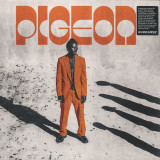
Following up on their acclaimed debut EP Yagana in 2022, the 5-piece band Pigeon return with a brand new offering: Backslider.
As Pigeon develop and hone their sound further, Afro-disco remains at the core while jazz and no-wave make way for new elements of electro, rock and synth pop.
With their debut Yagana EP gaining critical acclaim, each member has found themselves heavily in demand on top of their own individual pursuits – Falle Nioke is releasing his solo work as well as other projects, while Steve Pringle and Graham Godfrey play in various bands (Michael Kiwanuka and SAULT to name a few). Adding to the creative melting pot, Tom Dream pursues filmmaking and bespoke music composition via his own studio, and Josh Ludlow runs his own record label M.A.D. Records.
Lead single 'Backslider', a laid-back, 80s funk-rock bassline is backed by a deliberate, plodding drum kit - frontman Falle Nioke proceeds to sing in English and French - calling someone a 'backslider', for their dishonesty and bad behaviour.
Track 'Ikanabore', is a fast-paced, Afro-disco workout primed for the dancefloor, driven by a catchy chorus, guitar hooks, a heavy rollicking kick drum and plenty of modulated synth - highlighting the band's ability to effortlessly cross between tempos and genres.
New Copenhagen, Denmark based imprint Inherent Futurism shines a light on an unsung gemstone from the Detroit Electro genre, Autobot-1000's '3 Dimension Of Space'. Inherent Futurism is a new label coming out of Copenhagen, Denmark and headed up by Morten Kamper, a staple in the Danish electronic music scene who's been involved in it for more than 30 years and nowadays is running the 313vinyl_collective record store in the capital.
Inherent Futurism will focus on a blend of unearthed old records and new material with no real boundaries, just a focus on quality electronic music in all forms with an inclination towards Techno and Electro. To inaugurate the label, Morten will release Autobot-1000's debut album on vinyl for the first time, the project was only out on CD and released in 2001 on Hoodwink Records from North Carolina, US. Run by James B. Boggs who also was executive producer on the album.
Across the '3 Dimensions Of Space' LP, Autobot-1000 treats us to an array of classic Detroit Techno and Electro cuts, fusing an amalgamation of crisp analogue drums, intricately intertwined synth strings, squelchy acid licks and arpeggios alongside silky snaking bass grooves, twinkling chimes and vocoder vocal lines. The entire project embraces and encapsulates the futuristic, spaced out aesthetic synonymous with the Electro sound of its it's time and place, namely Detroit at the turn of the millennium.
Freestyle Records are proud to reissue Ambiance II Fusion's mid-80s fusion rarity "Come Touch Tomorrow" - originally recorded in Hollywood CA October/November 1984 and released in 1985.
Following a yearly run of 4 albums self-released between 1979 and 1982, Nigerian-born saxophonist, flutist, and clarinettist Daoud Abubakar Balewa then took a few years off before returning with 1985's "Come Touch Tomorrow", the first of two albums issued under the updated name of Ambiance II Fusion. Combining the afro-spiritual jazz & be-bop inflected fusion of his earlier work as Ambiance, this record took the project into more modern & distinctly cosmic planes with the introduction of spacey pads and drum machines working alongside somewhat tighter arrangements and solid rhythm sectons. Of particular note here is the B1 track "Boy What a Joy" on which a sublimely funky synth & drum machine throwdown is presented in prophetically lo-fi fashion - recalling recent stylistic approaches from the likes of Dâm-Funk among others.
Participating Musicians:
"AMBIANCE II FUSION"
Stanley Dominguez - Guitars
Dr. Isacc Ford - Drums/Electric Drums
Ralph Rodriguez - Percussion
Juliian Breeton - Bass
Jardin Wilson - Bass
Lee Williams - Keyboards/Syntheziers
Daoud Abubakar Balewa - Alto & Tenor Saxophone/Percussion
Larry Dominguez - Alto Saxophone
Suzanne Daniels - Vocal Sounds
"AMBIANCE II FUSION ENSEMBLE"
James "Kino" Cornwell - Keyboards
Randy Landis - Basses
Rick Smith - Percussion
Jim Lum - Guitars
Arnold Ramsey - Drums
Daoud Abubakar Balewa - Soprano Saxophone/Percussion
Recorded at Sound Images Recording Studios - Sound Images Entertainment Complex - North Hollywood, CA & Classic Sound Studios - Hollywood, CA. October/November 1984.
What’s happening in the streets? This right here, a celebrated engineer Yas Inoue and Dj Takaya Nagase come together in the studio and rework the Voltage Brothers rare groove jam “Happening In the Streets” with a cleverly put together edit with filters, effects and sonically tweaking it to perfection. They've created a perfect dance floor masterpiece already championed by Louie Vega, Joe Claussell, Spinna, Mike Dunn, and Rich Medina. This choon has everyone in anticipation for it’s release.
Japanese sound engineer Yas Inoue, based in New York began his career in the world renowned Maw Studios in the late 90s and has engineered for producers such as Masters At Work, Patrick Adams, Leroy Burgess, and Randy Muller contributing to the creation of various New York house and disco hits.
Takaya Nagase, a New York based Japanese Dj started as an A&R for Japanese record label Soundmen On Wax. He learned and studied under the great David Mancuso of the Loft Party NYC and later held his own Joy parties along with other Loft members. Having had regular gigs at Club Shelter from 2006 to 2007 and at Club Output from 2017 until the closing in 2019, he built his dj chops and now currently djs at New York City's top venues such as Le Bain, Good Room and Nowadays along with monthly shows on the famed Lot Radio in Brooklyn.
Together they are Domo Domo and with their first project on Vega Records they are on their way to becoming New York household names in the dance music industry. Look out for “Happening In The Streets” coming soon at all digital and streaming outlets with vinyl releases on 12” and 7”. Lookout everyone, this one’s a sure HIT!!!
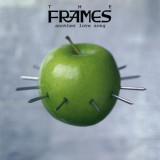
"Another Love Song - The Frames are an Irish indie rock band formed in Dublin in 1990. The band is known for their passionate and emotive sound, which blends elements of rock, folk, and traditional Irish music. Over the years, they have released several critically acclaimed albums, including ""Another Love Song,"" which is widely regarded as one of their most influential works.
""Another Love Song"" was released in 1991 and marked a turning point in the band's career. The album featured a raw, stripped-down sound that was a departure from their earlier, more polished work. The songs on the album were deeply personal and introspective, exploring themes of love, loss, and the complexities of human relationships. The album's title track, ""Another Love Song,"" became an instant classic, showcasing the band's signature sound with its driving rhythms and soaring vocals. The song's bittersweet lyrics and haunting melody struck a chord with listeners and quickly became a fan favourite.
In addition to ""Another Love Song,"" the album features several other standout tracks, including ""Say It to Me Now,"" ""The Dancer,"" and ""Downhill."" Each song on the album showcases the band's dynamic musicianship and poetic lyricism, earning the album a reputation as a seminal work in the Irish indie rock scene. Over the years, The Frames have continued to evolve and innovate, releasing several more critically acclaimed albums and earning a dedicated following of fans around the world. With their unique blend of raw emotion and musical artistry, The Frames continue to inspire and captivate audiences with their powerful, soulful music.
Fitzcarraldo - ""Fitzcarraldo"" is the sixth studio album by the Irish rock band The Frames, released in 1995. The album marked a significant departure from the band's earlier work, with a more experimental sound that blended rock, folk, and experimental elements.
The album takes its name from the Werner Herzog film of the same name, which tells the story of a man who attempts to build an opera house in the Amazon jungle. This theme of ambition and perseverance in the face of adversity runs throughout the album, as frontman Glen Hansard explores themes of love, loss, and the human experience. The album opens with the hauntingly beautiful track ""Revelate,"" which sets the tone for the rest of the album with its soaring vocals and intricate guitar work. From there, the album takes the listener on a journey through a diverse range of sounds and emotions, from the upbeat rock of ""What Happens When the Heart Just Stops"" to the melancholic balladry of ""Fitzcarraldo.""
One of the standout tracks on the album is ""Lay Me Down,"" a tender and heartfelt ballad that showcases Hansard's powerful vocals and poetic lyricism. The song has become a fan favourite and is often performed live by the band. Another highlight of the album is the epic nine-minute track ""Fitzcarraldo,"" which features lush instrumentation and intricate guitar work. The song is a tribute to the film of the same name and explores themes of ambition and determination in the face of seemingly insurmountable obstacles.
Overall, ""Fitzcarraldo"" is a powerful and deeply personal album that showcases The Frames at their most ambitious and experimental. With its diverse range of sounds and emotions, the album remains a fan favourite and a landmark in the Irish rock canon.
Dance the Devil
Dance the Devil is the fourth studio album by the Irish rock band, The Frames. Released in 1999, it marked a significant departure from the band's earlier sound and was a critical and commercial success.
The album features 10 tracks, including the hit single ""Pavement Tune,"" which received extensive radio play and helped to propel The Frames to greater prominence in the music industry. Dance the Devil showcases the band's versatility and musical prowess, blending elements of rock, folk, and pop to create a unique and compelling sound. The lyrics are introspective and poetic, exploring themes of love, loss, and self-discovery.
Produced by Steve Albini, the album was recorded in just five days, giving it a raw and unpolished feel that perfectly captures the energy and passion of The Frames' live performances.
Dance the Devil remains a beloved album among fans of Irish music and continues to inspire new generations of musicians. Its enduring popularity is a testament to the artistry and vision of The Frames and their commitment to pushing the boundaries of what is possible in rock music.
"
"Another Love Song - The Frames are an Irish indie rock band formed in Dublin in 1990. The band is known for their passionate and emotive sound, which blends elements of rock, folk, and traditional Irish music. Over the years, they have released several critically acclaimed albums, including ""Another Love Song,"" which is widely regarded as one of their most influential works.
""Another Love Song"" was released in 1991 and marked a turning point in the band's career. The album featured a raw, stripped-down sound that was a departure from their earlier, more polished work. The songs on the album were deeply personal and introspective, exploring themes of love, loss, and the complexities of human relationships. The album's title track, ""Another Love Song,"" became an instant classic, showcasing the band's signature sound with its driving rhythms and soaring vocals. The song's bittersweet lyrics and haunting melody struck a chord with listeners and quickly became a fan favourite.
In addition to ""Another Love Song,"" the album features several other standout tracks, including ""Say It to Me Now,"" ""The Dancer,"" and ""Downhill."" Each song on the album showcases the band's dynamic musicianship and poetic lyricism, earning the album a reputation as a seminal work in the Irish indie rock scene. Over the years, The Frames have continued to evolve and innovate, releasing several more critically acclaimed albums and earning a dedicated following of fans around the world. With their unique blend of raw emotion and musical artistry, The Frames continue to inspire and captivate audiences with their powerful, soulful music.
Fitzcarraldo - ""Fitzcarraldo"" is the sixth studio album by the Irish rock band The Frames, released in 1995. The album marked a significant departure from the band's earlier work, with a more experimental sound that blended rock, folk, and experimental elements.
The album takes its name from the Werner Herzog film of the same name, which tells the story of a man who attempts to build an opera house in the Amazon jungle. This theme of ambition and perseverance in the face of adversity runs throughout the album, as frontman Glen Hansard explores themes of love, loss, and the human experience. The album opens with the hauntingly beautiful track ""Revelate,"" which sets the tone for the rest of the album with its soaring vocals and intricate guitar work. From there, the album takes the listener on a journey through a diverse range of sounds and emotions, from the upbeat rock of ""What Happens When the Heart Just Stops"" to the melancholic balladry of ""Fitzcarraldo.""
One of the standout tracks on the album is ""Lay Me Down,"" a tender and heartfelt ballad that showcases Hansard's powerful vocals and poetic lyricism. The song has become a fan favourite and is often performed live by the band. Another highlight of the album is the epic nine-minute track ""Fitzcarraldo,"" which features lush instrumentation and intricate guitar work. The song is a tribute to the film of the same name and explores themes of ambition and determination in the face of seemingly insurmountable obstacles.
Overall, ""Fitzcarraldo"" is a powerful and deeply personal album that showcases The Frames at their most ambitious and experimental. With its diverse range of sounds and emotions, the album remains a fan favourite and a landmark in the Irish rock canon.
Dance the Devil
Dance the Devil is the fourth studio album by the Irish rock band, The Frames. Released in 1999, it marked a significant departure from the band's earlier sound and was a critical and commercial success.
The album features 10 tracks, including the hit single ""Pavement Tune,"" which received extensive radio play and helped to propel The Frames to greater prominence in the music industry. Dance the Devil showcases the band's versatility and musical prowess, blending elements of rock, folk, and pop to create a unique and compelling sound. The lyrics are introspective and poetic, exploring themes of love, loss, and self-discovery.
Produced by Steve Albini, the album was recorded in just five days, giving it a raw and unpolished feel that perfectly captures the energy and passion of The Frames' live performances.
Dance the Devil remains a beloved album among fans of Irish music and continues to inspire new generations of musicians. Its enduring popularity is a testament to the artistry and vision of The Frames and their commitment to pushing the boundaries of what is possible in rock music.
"