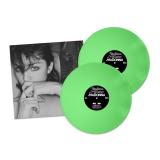
Ostinato as resistance: Rafael Anton Irisarri’s landmark work reimagined. Marking the tenth anniversary of the American composer’s critically acclaimed album 'A Fragile Geography', this new edition arrives renewed, both sonically and visually.
First released in 2015 (Room40) during a period of personal upheaval and creative reinvention, it endures as a testament to resilience, transformation, and the connection we hold with the places that shape us.
Written in the aftermath of a devastating theft, A Fragile Geography was born out of loss. Just days before a cross-country move to New York, Irisarri’s entire Seattle-based studio was wiped out. Instruments. Recordings. Archives. Gone without a trace. He arrived on the East Coast to an empty room and the daunting task of starting over.
“This album wasn’t just a record; it was a lifeline,” Irisarri reflects. “It became a way to process the emotional chaos that followed: uprooting, instability, and ultimately, the slow, intuitive rebuilding of a life.”
Composed and recorded in the rural woods of the Hudson Valley, the album took shape in seclusion, surrounded by nature, and through a process guided by improvisation. Embracing limitations, Irisarri wove textural layers of field recordings with half-remembered melodies from his Seattle years, piecing them together like fragments of memory. Tracks like “Displacement,” “Hiatus,” and “Persistence” juxtaposed haunting stillness with restless momentum, mapping an inner terrain of grief, catharsis, and rebirth.
Among its defining sounds is “Empire Systems,” a monumental centerpiece built around a simple four-chord progression, organ textures, and guitar drones. Gradually, the track expands into layers of immersive loops and thick, enveloping distortion that wash over the listener like a rolling wave. Often cited as the album’s most majestic passage, it captures Irisarri at his most sonically ambitious. With a harmonically saturated structure crafted from restraint and repetition, it remains one of his most recognizable compositions: an exercise in the art of maximal minimalism.
From the outset, “Reprisal” received praise from BBC’s Mary Anne Hobbs, who championed the track on her radio show. Her support played a key role in introducing Irisarri’s work to wider audiences and solidifying his place within the lineage of electronic, drone, and experimental sound artists. A slow-burning elegy, the piece emerges from a haze of distortion and sub-bass, with dense, unrelenting drones carrying a sense of mounting tension. Just as it seems to collapse under its own weight, flickers of guitar emerge like distant light through fog. It’s a meditation on dissonance, resolve, and the elusive possibility of release.
The closing track, “Secretly Wishing for Rain,” is steeped in saudade: a longing for Seattle’s dour grey skies, lush green landscapes, and desaturated sunsets. Through it, Irisarri mourns a vanished chapter of life bound to the city, a time documented in scattered mementos and cherished collections, now permanently gone. A reflection on what could never be recovered: an era lost to time. Julia Kent’s looped cello motifs added a melancholic warmth to the track, marking the first collaboration between the two artists and sparking a musical dialogue that would keep growing in the years that followed.
More than a career highlight, A Fragile Geography has laid the foundation for Black Knoll studio, which Irisarri rebuilt from the ground up. The studio has since grown into a creative hub for countless projects, with Irisarri engineering records for iconic music figures like Terry Riley, Ryuichi Sakamoto, William Basinski, MONO, Devendra Banhart, Grouper, Emeralds, Steve Hauschildt, Julianna Barwick, and many others. Carried by its lasting influence, the album has quietly captured the ear of a younger generation, its sound and emotional arc finding new listeners in unexpected corners.
The album’s new visual language was reimagined in collaboration with Mexico City–based designer Daniel Castrejón. Irisarri captured ghostly images at Gaztelugatxeko Doniene, a historic coastal site in Bermeo, Euskal Herria. Castrejón then treated the photographs with distressed textures and spectral overlays. The final artwork channels the rugged, elemental forces that shaped both the music and Irisarri’s aesthetic, renewing his ties to ancestral ground inspired by the Basque homeland of his bloodline.
Mastered by Stephan Mathieu with exceptional attention to detail, this anniversary edition uncovers every nuance in the sound design, enhancing clarity and presence. With each listen, new elements emerge, inviting discovery and reconnection.
“I don’t experience this album as a document of grief anymore,” says Irisarri. “I hear adaptation and I'm reminded that when everything falls apart, something meaningful, maybe even beautiful, can emerge.”
Cerca:nu mark
Ostinato as resistance: Rafael Anton Irisarri’s landmark work reimagined. Marking the tenth anniversary of the American composer’s critically acclaimed album 'A Fragile Geography', this new edition arrives renewed, both sonically and visually.
First released in 2015 (Room40) during a period of personal upheaval and creative reinvention, it endures as a testament to resilience, transformation, and the connection we hold with the places that shape us.
Written in the aftermath of a devastating theft, A Fragile Geography was born out of loss. Just days before a cross-country move to New York, Irisarri’s entire Seattle-based studio was wiped out. Instruments. Recordings. Archives. Gone without a trace. He arrived on the East Coast to an empty room and the daunting task of starting over.
“This album wasn’t just a record; it was a lifeline,” Irisarri reflects. “It became a way to process the emotional chaos that followed: uprooting, instability, and ultimately, the slow, intuitive rebuilding of a life.”
Composed and recorded in the rural woods of the Hudson Valley, the album took shape in seclusion, surrounded by nature, and through a process guided by improvisation. Embracing limitations, Irisarri wove textural layers of field recordings with half-remembered melodies from his Seattle years, piecing them together like fragments of memory. Tracks like “Displacement,” “Hiatus,” and “Persistence” juxtaposed haunting stillness with restless momentum, mapping an inner terrain of grief, catharsis, and rebirth.
Among its defining sounds is “Empire Systems,” a monumental centerpiece built around a simple four-chord progression, organ textures, and guitar drones. Gradually, the track expands into layers of immersive loops and thick, enveloping distortion that wash over the listener like a rolling wave. Often cited as the album’s most majestic passage, it captures Irisarri at his most sonically ambitious. With a harmonically saturated structure crafted from restraint and repetition, it remains one of his most recognizable compositions: an exercise in the art of maximal minimalism.
From the outset, “Reprisal” received praise from BBC’s Mary Anne Hobbs, who championed the track on her radio show. Her support played a key role in introducing Irisarri’s work to wider audiences and solidifying his place within the lineage of electronic, drone, and experimental sound artists. A slow-burning elegy, the piece emerges from a haze of distortion and sub-bass, with dense, unrelenting drones carrying a sense of mounting tension. Just as it seems to collapse under its own weight, flickers of guitar emerge like distant light through fog. It’s a meditation on dissonance, resolve, and the elusive possibility of release.
The closing track, “Secretly Wishing for Rain,” is steeped in saudade: a longing for Seattle’s dour grey skies, lush green landscapes, and desaturated sunsets. Through it, Irisarri mourns a vanished chapter of life bound to the city, a time documented in scattered mementos and cherished collections, now permanently gone. A reflection on what could never be recovered: an era lost to time. Julia Kent’s looped cello motifs added a melancholic warmth to the track, marking the first collaboration between the two artists and sparking a musical dialogue that would keep growing in the years that followed.
More than a career highlight, A Fragile Geography has laid the foundation for Black Knoll studio, which Irisarri rebuilt from the ground up. The studio has since grown into a creative hub for countless projects, with Irisarri engineering records for iconic music figures like Terry Riley, Ryuichi Sakamoto, William Basinski, MONO, Devendra Banhart, Grouper, Emeralds, Steve Hauschildt, Julianna Barwick, and many others. Carried by its lasting influence, the album has quietly captured the ear of a younger generation, its sound and emotional arc finding new listeners in unexpected corners.
The album’s new visual language was reimagined in collaboration with Mexico City–based designer Daniel Castrejón. Irisarri captured ghostly images at Gaztelugatxeko Doniene, a historic coastal site in Bermeo, Euskal Herria. Castrejón then treated the photographs with distressed textures and spectral overlays. The final artwork channels the rugged, elemental forces that shaped both the music and Irisarri’s aesthetic, renewing his ties to ancestral ground inspired by the Basque homeland of his bloodline.
Mastered by Stephan Mathieu with exceptional attention to detail, this anniversary edition uncovers every nuance in the sound design, enhancing clarity and presence. With each listen, new elements emerge, inviting discovery and reconnection.
“I don’t experience this album as a document of grief anymore,” says Irisarri. “I hear adaptation and I'm reminded that when everything falls apart, something meaningful, maybe even beautiful, can emerge.”
Das selbstbetitelte vierte Album von Purity Ring markiert den Beginn eines mutigen neuen Kapitels als das bisher eindringlichste Werk der Band. Lange bekannt für ihre Verschmelzung von Body-Horror-Bildern und ätherischer Elektronik, verlagert das Duo nun seinen Fokus vom Physischen zum Fantastischen und kreiert ein Konzeptalbum, das als Soundtrack zu einem imaginären RPG dient. Inspiriert von Spielen wie Nier Automata und Final Fantasy X, erzählt das Album die Geschichte zweier unglücklicher Charaktere - Verkörperungen von mj und Corin - auf einer Reise, um inmitten der Ruinen einer zerbrochenen Welt eine freundlichere Welt aufzubauen. Aber dies ist keine eskapistische Fantasie: Es ist der erste Schritt zu verbotenen Träumen, zur Vorstellung eines Ortes, an dem die Schwachen beachtet werden, an dem Trauer laut ausgesprochen und gemeinsam getragen wird, an dem Familie eher ein Verb als ein Substantiv ist, an dem Hoffnung und Heimat gemeinsam aufblühen können.
- A1: Silhouettes
- A2: Every Wave To Ever Rise (Feat. Elizabeth Powell)
- A3: Uncomfortably Numb (Feat. Hayley Williams)
- A4: Heir Apparent
- B1: Doom In Full Bloom
- B2: I Can’t Feel You (Feat. Rachel Goswell)
- B3: Mine To Miss
- B4: Life Support
Reissue des dritten American Football-Albums aus 2019 auf hellblauem Vinyl samt Download-Code. Nachdem die Band auf ihrem sensationellen Debütalbum 1999 die beiden ungleichen Geschwister Emo und Post-Rock miteinander verband, was sie auf dem 2016er Nachfolger "LP2" fortsetzte, entwicklete sie ihren Sound auf "LP3" in Richtung Shoegaze. Zu den markantesten Tracks gehören die Kollaboration "I Can't Feel You" mit Rachel Goswell von Slowdive, das eingängige "Uncomfortably Numb" mit Hayley Williams von Paramore sowie der Song "Every Wave To Ever Rise" mit dem französisch eingesungenen Part von Elizabeth Powell (Land Of Talk).
- Isolation
- Fesseln
- Es Fühlt Sich Nicht So An
- Sturm
- Flimmern
- Stachel
- Nacht
- Desfred
- (Das) Brennen
- Fallen Und Schweben
Mit "Fallen und Schweben" veröffentlicht Rauchen ihr bisher zugänglichstes und zugleich reifstes Album. Die Hamburger Band bleibt ihrem wütenden Kern treu, öffnet ihren Sound aber erstmals spürbar, ohne sich dabei anzubiedern. Zwischen flirrenden Gitarren, schepperndem Schlagzeug und einer Stimme, die immer noch mehr fragt als antwortet, sickert eine neue Form von Melancholie durch: eine, die nicht nur gegen, sondern auch für etwas kämpft. Stilistisch knüpft das Album an die rohen 90er an. Irgendwo zwischen Emocore, Noise und frühem Post-Hardcore, ohne in Nostalgie zu verfallen. Besonders der titelgebende Schlusstrack "FALLEN UND SCHWEBEN" markiert einen Wendepunkt: versöhnlich, fast zärtlich, und doch eindeutig Rauchen. Das Artwork stammt von André Finster, dessen reduzierte Bildsprache das Spannungsverhältnis des Albums visuell spiegelt. Zwischen Aufbruch und Absturz, Härte und Hingabe. "Fallen und Schweben" ist ein Album für alle, die im Lärm Trost suchen und in der Stille das Echo ihrer Wut.
This is Music: The Singles, ist ein Kompilationsalbum der englischen Alternative-Rock-Band The Verve:
Richard Ashcroft (Gesang), Pete Salisbury (Schlagzeug), Simon Jones (Bass) und Nick McCabe (Gitarre).
Ursprünglich wurde das Album im November 2004 veröffentlicht und enthielt zwei Nicht-Singles, die aus
den Aufnahmen zu ihrem dritten Album Urban Hymns stammten: „This Could Be My Moment“ und
„Monte Carlo“.
2024 markiert den 20. Jahrestag der Veröffentlichung eines Albums, das nie auf Vinyl gepresst wurde,
und unter der Leitung der Gruppe ersetzt diese längst überfällige Neuauflage die Bonustracks durch die
kraftvollen Singles aus dem 2008er Reunion-Album Forth - ’Love is Noise’ und ’Rather Be’ - und enthält
auch die zweite Single ’She’s A Superstar’ (1992) in ihrer ursprünglichen, achteinhalbminütigen Form (statt
der fünfminütigen Bearbeitung). Somit repräsentiert das Album nun die komplette Geschichte der Singles
von The Verve.
Benannt nach der sechsten Single der Band, der ersten aus ihrem zweiten Album A Northern Soul, dokumentiert es auf brillante Weise die Kraft der relativ kurzen, aber epochemachenden Reise von The Verve
durch den musikalischen Kosmos.
Italian cinematic funk legends Calibro 35 continue their journey into the world of cinematic jazz-funk. "Exploration" marks their return to independent label Record Kicks after their last studio album "Nouvelle Aventures" released on Universal Music in 2023. The band picks up from their latest EP, "Jazzploitation," released on Record Kicks last October. "Exploration" is a deep dive into the universe of cinematic jazz-funk, showcasing both the band's reinterpretations of timeless classics such as Roy Ayers' "Coffy" or Bob James "Nautilus" and original compositions by the band such us the lead single "Reptile Strut", the jazz-funk stormer "The Twang" and the soulful cinematic number "Pied De Poule". An exploration and a new journey for the Milanese combo that a long its way pays homage to artists such as Lalo Schifrin (Mission Impossible), Italian Maestro Piero Umiliani (Discomania and Gassman Blues) and Herbie Hancock (Chamelon). Described by Rolling Stone as "the most fascinating, retro-maniac and genuine thing that has happened to Italy in the past few years," Milan-based Calibro 35 enjoy a worldwide reputation as one of the coolest independent bands around. Active since 2007, during their long career, they have been sampled by Dr. Dre on Compton ("One Shot One Kill" feat. Snoop Dogg), Jay-Z ("Picasso Baby"), The Child of Lov & Damon Albarn ("One Day"), and Demigodz ("The Summer Of Sam"). They have played major venues and festivals all over Europe, and as unique musicians, they have collaborated with, among others, PJ Harvey, Mike Patton, John Parish, Stewart Copeland, and Rokia Traoré. FOR FANS OF... Piero Umiliani, El Michels Affair, Idris Muhammad, Surprise Chef, Nu Genea, Khruangbin, Snarky Puppy, The Cinematic Orchestra, Comet is Coming, Kamasi Washington
Ostinato as resistance: Rafael Anton Irisarri’s landmark work reimagined. Marking the tenth anniversary of the American composer’s critically acclaimed album 'A Fragile Geography', this new edition arrives renewed, both sonically and visually.
First released in 2015 (Room40) during a period of personal upheaval and creative reinvention, it endures as a testament to resilience, transformation, and the connection we hold with the places that shape us.
Written in the aftermath of a devastating theft, A Fragile Geography was born out of loss. Just days before a cross-country move to New York, Irisarri’s entire Seattle-based studio was wiped out. Instruments. Recordings. Archives. Gone without a trace. He arrived on the East Coast to an empty room and the daunting task of starting over.
“This album wasn’t just a record; it was a lifeline,” Irisarri reflects. “It became a way to process the emotional chaos that followed: uprooting, instability, and ultimately, the slow, intuitive rebuilding of a life.”
Composed and recorded in the rural woods of the Hudson Valley, the album took shape in seclusion, surrounded by nature, and through a process guided by improvisation. Embracing limitations, Irisarri wove textural layers of field recordings with half-remembered melodies from his Seattle years, piecing them together like fragments of memory. Tracks like “Displacement,” “Hiatus,” and “Persistence” juxtaposed haunting stillness with restless momentum, mapping an inner terrain of grief, catharsis, and rebirth.
Among its defining sounds is “Empire Systems,” a monumental centerpiece built around a simple four-chord progression, organ textures, and guitar drones. Gradually, the track expands into layers of immersive loops and thick, enveloping distortion that wash over the listener like a rolling wave. Often cited as the album’s most majestic passage, it captures Irisarri at his most sonically ambitious. With a harmonically saturated structure crafted from restraint and repetition, it remains one of his most recognizable compositions: an exercise in the art of maximal minimalism.
From the outset, “Reprisal” received praise from BBC’s Mary Anne Hobbs, who championed the track on her radio show. Her support played a key role in introducing Irisarri’s work to wider audiences and solidifying his place within the lineage of electronic, drone, and experimental sound artists. A slow-burning elegy, the piece emerges from a haze of distortion and sub-bass, with dense, unrelenting drones carrying a sense of mounting tension. Just as it seems to collapse under its own weight, flickers of guitar emerge like distant light through fog. It’s a meditation on dissonance, resolve, and the elusive possibility of release.
The closing track, “Secretly Wishing for Rain,” is steeped in saudade: a longing for Seattle’s dour grey skies, lush green landscapes, and desaturated sunsets. Through it, Irisarri mourns a vanished chapter of life bound to the city, a time documented in scattered mementos and cherished collections, now permanently gone. A reflection on what could never be recovered: an era lost to time. Julia Kent’s looped cello motifs added a melancholic warmth to the track, marking the first collaboration between the two artists and sparking a musical dialogue that would keep growing in the years that followed.
More than a career highlight, A Fragile Geography has laid the foundation for Black Knoll studio, which Irisarri rebuilt from the ground up. The studio has since grown into a creative hub for countless projects, with Irisarri engineering records for iconic music figures like Terry Riley, Ryuichi Sakamoto, William Basinski, MONO, Devendra Banhart, Grouper, Emeralds, Steve Hauschildt, Julianna Barwick, and many others. Carried by its lasting influence, the album has quietly captured the ear of a younger generation, its sound and emotional arc finding new listeners in unexpected corners.
The album’s new visual language was reimagined in collaboration with Mexico City–based designer Daniel Castrejón. Irisarri captured ghostly images at Gaztelugatxeko Doniene, a historic coastal site in Bermeo, Euskal Herria. Castrejón then treated the photographs with distressed textures and spectral overlays. The final artwork channels the rugged, elemental forces that shaped both the music and Irisarri’s aesthetic, renewing his ties to ancestral ground inspired by the Basque homeland of his bloodline.
Mastered by Stephan Mathieu with exceptional attention to detail, this anniversary edition uncovers every nuance in the sound design, enhancing clarity and presence. With each listen, new elements emerge, inviting discovery and reconnection.
“I don’t experience this album as a document of grief anymore,” says Irisarri. “I hear adaptation and I'm reminded that when everything falls apart, something meaningful, maybe even beautiful, can emerge.”
- A1: Slave
- A2: Freak
- A3: Abuse Me
- A4: Lie To Me
- A5: No Association
- A6: Cemetery
- A7: Pop Song For Us Rejects
- B1: The Door
- B2: Learn To Hate
- B3: Petrol & Chlorine
- B4: Roses
- B5: Nobody Came
- B6: Punk Song 2
- B7: The Closing
Freak Show is the second album by the popular Australian band Silverchair, which charted in different lists all over the world (US, UK, Australia, Canada and many more). After their debut Frogstomp they were fusing more elements together in their music. Freak Show contains a lot of strong hooks and the song writing skills increased. This post-grunge album is more versatile in comparison to their earlier work and it marks the beginning of the definitive band sound.
Silverchair were an Australian rock band formed in 1992, who have sold over 9 million albums worldwide. Their sounds evolved during the years from the grunge and alternative rock to pop and art rock. In 2011 they announced their “indefinite hibernation” and it is still unknown if they ever going to return on stage.
Freak Show is available as a limited edition of 5000 individually numbered copies on flaming (red & yellow swirled) vinyl.
- Rough Roads
- Horseback
- Enchantment
- I Just Moved Here
- Magic Moment
- Meet Me Anywhere
- Looking Back
- I Get It
- Settler's Bend
- Last Riders Crew
- I Was A Runner Once
Man kann nicht über Wicca Phase Springs Eternal sprechen, ohne über Verwandlung zu sprechen. Seit über einem Jahrzehnt nutzt der Sänger, Songwriter und Produzent Adam Andrzejewski diesen Künstlernamen als kreativen Sammelbegriff, unter dem er ein umfangreiches Werk geschaffen hat, das ebenso beständig fesselnd wie ständig im Wandel begriffen ist. Diese geschickte Fähigkeit, Sounds und Stile zu vermischen, ist zu seinem Markenzeichen geworden, aber unabhängig von den Genre-Kennzeichen - von Rap-Beats über New-Wave-Synthesizer bis hin zu Goth-Atmosphären - ist das schlagende Herz von WPSE Andrzejewskis einzigartige Stimme und seine esoterische und doch emotionale Lyrik. Diese Schlüsselelemente haben das Projekt durch musikalische Erkundungen geprägt, und auf seinem neuesten Album Mossy Oak Shadow" stellt Andrzejewski sie nun auf die Probe. Er verzichtet auf wummernde 808s und aufwendige Produktionen zugunsten einer schnörkellosen Band und spärlichen Live-Aufnahmen. Das Album ist eine mitreißende Sammlung von verträumten Folk-Rock-Songs, die beweisen, dass Wicca Phase Springs Eternal wirklich alles sein kann. Ich habe immer irgendwie gedacht, dass ich, solange ich den Namen Wicca Phase Springs Eternal habe, alles machen kann, was ich will", erklärt Andrzejewski. Der Name bietet einen Rahmen für die Texte und die Ästhetik des Projekts - mein Songwriting mit einer mystischen Überlagerung - und solange ich etwas darinnen zum Funktionieren bringen kann, ist das Genre nicht wirklich wichtig." Diese gewagte kreative Mentalität war es, die Andrzejewski antrieb, als er das WPSE Projekt ins Leben rief, neben seiner Arbeit als Mitbegründer des einflussreichen Kollektivs GothBoiClique oder als Mitglied von Thraxxhouse und Misery Club und seinem Punk-Nebenprojekt Pay For Pain. Dennoch hätten wohl nur wenige ahnen können, dass das neue richtige Album von Wicca Phase Springs Eternal eine Sammlung von countrylastigen Folksongs sein würde, die ohne auch nur einen Hauch von Ironie dargeboten werden. Wie bei allem, was Wicca Phase Springs Eternal macht, zeigt sich Andrzejewski auch auf Mossy Oak Shadow" voll und ganz engagiert. Mossy Oak Shadow" mag für Fans von Wicca Phase Springs Eternal, die durch seine beatlastigen modernen Klassiker wie Secret Boy" (2016) oder Suffer On" (2018) auf ihn aufmerksam geworden sind, wie eine drastische Kehrtwende erscheinen - aber das sollte keine völlige Überraschung sein. WPSE-Veröffentlichungen haben sich schon immer mit reduzierten Akustiksongs beschäftigt, und noch weiter zurück gibt es Andrzejewskis frühere Arbeit als Mitglied der Emo/Indie-Größen Tigers Jaw. Als er diese Band 2013 verließ, um sich auf Wicca Phase Springs Eternal zu konzentrieren, stieß er auf Skepsis bei den Zuhörern, die zögerten, seine neue Persönlichkeit und seinen experimentellen Trap-Sound anzunehmen. Ironischerweise hat Andrzejewski jetzt Wicca Phase Springs Eternal so gründlich etabliert, dass er seine Fans erneut mit einem krassen Klangwandel herausfordert - diesmal jedoch durch die Rückkehr zu dem gitarrenorientierten Songwriting, das er beiseite gelegt hatte. Dylan, Will Oldman, Richard Thompson - was ich an diesen Songwritern am meisten mag, ist, dass ich ihnen vertrauen kann", erklärt Andrzejewski . Wenn sie etwas völlig Seltsames machen, vertraue ich darauf, dass sie wissen, was sie tun, weil es von derselben Person kommt, die all diese anderen Songs geschrieben hat, die ich liebe. Auch wenn es vielleicht etwas Zeit braucht, bis ich dort bin, wo sie sind, möchte ich es versuchen."
- All Together Now
- Strugglinh
- Straight Out Of Detox
- Note To Self
- Disbelief
- See Me Now
- Human Is Human
- I4: Ni
- Las Ventanas
- Dead Friends
- Johnny Aplleseed
Nach dem rasanten The Ride (2020) meldet sich die Punk-Truppe aus Los Angeles mit Lighten Up zurück, produziert von NOFXs Fat Mike. Eine perfekte Band für Fans von melodischem SoCal-Punk mit feministischem Einschlag. Die vierköpfige Band überzeugt mit unendlicher Power und Energie auf der Bühne, inklusive zweier Hauptsängerinnen. Und musikalisch stehen sie nicht still, sondern erweitern sich jedes Mal. "Life is hard, but it's still beautiful. Stop picking the hard shit to look at_look at the beautiful stuff too. Lighten up." Lighten Up (Fat Wreck Chords), das vierte Album der SoCal-Punkband Bad Cop Bad Cop, zeichnet ein eindrucksvolles Porträt der hart erkämpften Siege und Verluste des Lebens. Aufgenommen wurde das Album im Compound in Long Beach, der Heimat des erfahrenen Produzenten Antoine Arvizu (Sublime, Ryan Bingham). Die Band liebte es schon, die Singles ,Shattered" und ,Safe and Legal" dort 2023 mit Arvizu und Migs (Sublime, Slightly Stoopid, Long Beach Dub Allstars) aufzunehmen. Bad Cop / Bad Cop strecken ihren charakteristischen, melodischen Punk in unerwartete Gefilde, wie das jazzige ,Las Ventanas", das Dub-infizierte ,Note to Self" oder ,Johnny Appleseed", eine Neuinterpretation des Joe Strummer and the Mescaleros-Klassikers. Nach dem Einspielen der Instrumente verbrachte die Band zehn intensive 12-Stunden-Tage damit, die Vocals mit Mitstreiter John E. Carey Jr. (Old Man Markley, NOFX, Get Dead) aufzunehmen. "Der Gesang war der wichtigste Teil für uns. Wir haben wirklich alles ausprobiert", sagt Dee und fügt hinzu, dass Gallarza zum ersten Mal die dritte Harmonie gesungen hat. Lighten Up profitiert auch von Windsor, einem erfahrenen Gitarristen, der nicht nur schreddert (siehe z.B. das Ende von ,I4NI"), sondern dessen musiktheoretisches Wissen sich als unschätzbar erwiesen hat. ,Alex' Gitarrenspiel ist einfach fantastisch und hat unser Songwriting wirklich aufgewertet", sagt Dee. Alles an Lighten Up fühlt sich erhaben und echt an. "Das war das erste Mal, dass wir uns einen Dreck darum scherten, was andere machen oder von uns erwarten. Lighten Up war/ist für uns", sagt Dee. ,Es hat uns total viel Spaß gemacht, es zu machen und wir lieben es so sehr." CD, schwarze LP und limitiertes, hellblaues Vinyl erhältlich!
- LP1: Groovin’ With The Chet Baker Quintet
- LP2: Smokin’ With The Chet Baker Quintet
- LP3: Boppin’ With The Chet Baker Quintet
- LP4: Cool Burnin’ With The Chet Baker Quintet
- LP5: Comin’ On With The Chet Baker Quintet
LP-Box mit fünf Original-Studioalben von 1965.
(AAA) Remastered und direkt von den originalen analogen Mono-Bändern von Kevin Gray geschnitten.
Fünf Original-Studioalben, aufgenommen in einer Woche im August 1965 in New York City: Boppin', Smokin', Groovin', Comin' On, Cool Burnin' sind zum ersten Mal seit über 50 Jahren wieder auf Vinyl erhältlich. Für diese Aufnahmen, die einen Wendepunkt in seiner Karriere markieren, hat Chet Baker eine Band der Superlative um sich geschart: George Coleman, Kirk Lightsey, Herman Wright und Roy Brooks spielen alle auf diesen aufregenden Sets, die ursprünglich bei Prestige Recordings erschienen sind.
New Land hatte vollen Zugang zu den originalen analogen Monobändern, und Kevin Gray hat sie neu gemastert und geschnitten (AAA), um ihnen eine frische Klangfarbe zu verleihen. Das Herzstück dieser Box ist ein Buch mit einem unglaublich detaillierten Essay von GRAMMY® Nominee James Gavin, der die wahre Geschichte hinter diesen Aufnahmen mit Interviews der Beteiligten verbindet. Illustriert mit seltenen Fotos und Ephemera ist dies der bisher tiefste Einblick in diese Aufnahmen.
Chet Bakers Prestige-Aufnahmen aus dem Jahr 1965 markieren eine Übergangsphase - seine Rückkehr in die USA nach einer Zeit in Europa und einer Auseinandersetzung mit dem Rechtssystem. Diese Sessions zeigen ihn in einem raueren, expressiveren Ton, der aber immer noch von seiner charakteristischen lyrischen Schönheit durchdrungen ist. Die Aufnahmen entstanden auf dem Höhepunkt der Hard-Bop-Renaissance von Prestige Records und zeigen Baker zusammen mit dem Saxophon-Titanen George Coleman, der gerade mit Miles Davis auf Tournee war. Das Ergebnis ist ein rauer, swingender Quintett-Sound, direkt, gefühlvoll und ungeschminkt.
Nach Jahren des Umherziehens in Europa und scheinbar endlosen persönlichen Turbulenzen kehrte Chet in die USA zurück, um diese Sessions aufzunehmen. Ohne die jugendliche Unschuld seiner frühen Tage an der Westküste spielt Baker mit einer dunkleren, introspektiven Note - sein Horn singt immer noch, aber jetzt seufzt es auch.
Zusammen mit einer starken Rhythmusgruppe aus New York verbinden diese Aufnahmen die Eleganz des Cool Jazz mit der rauen Direktheit des Hard Bop der Ostküste. Baker zeigt sich hier von seiner menschlichsten Seite - zerbrechlich, lyrisch, ungefiltert.
Dies sind nicht einfach nur Aufnahmen aus Chets Spätzeit - sie sind ein Dokument seiner Neuerfindung. Für Sammler schließen sie eine wichtige Lücke zwischen seiner ikonischen Cool Jazz Ära der 1950er Jahre und seinen düsteren europäischen Sessions der 1970er Jahre.
- 1: Ich Kann Gar Nichts
- 2: Vom Anderen Stern
- 3: Joker
- 4: Lalelu
- 5: Schattenboxer
- 6: Knock Dich Selbst Aus
- 7: Schrott
- 8: Versailles
- 9: Hands Down
- 10: Nie Wieder Verlieren
- 11: Seltsame Welt
Was tun die Menschen um uns herum? Wie tun sie’s? „Wollen wir das nicht alle die ganze Zeit verstehen?“, fragt Alli Neumann, die mit ihrem dritten Studioalbum methaphorisch als funkelnder Stern auf hartem Asphalt landet. Als „ROQUESTAR“ muss sie sich dort erstmal orientieren. Inspiriert von David Bowies Ziggy Stardust, der fürs Seltsamsein bekannt wurde und sich was traut, auch um gesehen zu werden, blinkt Alli zwischen Auffallen und Anpassung. Die Musikerin bewegt sich längst fließend in dieser Dualität und changiert zwischen den Polen – man will ja doch von allen geliebt werden, oder?! Die Musikerin spielt mit diesem ambivalenten Gedanken, der unlösbar scheint und liefert mit ihrem Album „ROQUESTAR“ 12 Songs, die von genau diesem dringlichen Hunger nach Anerkennung getrieben sind. „Sie erzählen von dem Willen, geliebt zu werden.“ Eine Wahrheit und auch psychosoziale Utopie, vielleicht, „in der sich viele wiederfinden“, meint Alli, und ja doch schambehaftet daherkommt, weil deutlich wird: Wir sind schrecklich abhängig vom Außen, von dem wir so oft die Schnauze voll haben. Mit „Ich kann gar nichts“ schreibt Alli genau dagegen an: Eine selbstironische Hommage an die Imperfektion – wider jeder Erwartung. Geliebt werden wollen, trotz oder gerade wegen ... Rockstar sein, Alli sagt: „everybody’s favorite misfit“. Wie es geht, das mit dem Lieben, das ja auch immer damit einhergeht, wie es um die Liebe zu sich selbst steht, zeigt sich in der Gleichzeitigkeit ihrer Songs: Während Alli in „Vom anderen Stern“ zu Funk eine neue Liebe als Eskapismus zeichnet, „Baby lass dich fallen, um fliegen zu lernen“, erinnert sie in der Grungerock-Ballade „Nie wieder verlieren“ daran, wie giftig es sein kann, sich für einen Menschen aufzugeben. Auf „ROQUESTAR“ scheint alles in Bewegung. Es sind Anstöße, die die Musikerin gibt. Manchmal Anklagen, Aufforderungen, aus denen Sehnsüchte sprechen, nur nie Antworten. Auch weil das nicht zu Alli, der Artist, passen würde, die sich doch so gerne bewegt, wie die Welt, durch die sie fliegt. Durch Genres und Formate – als Musikerin, Schauspielerin, auf Bühnen, auch im Fernsehen, eine Künstlerin, die sich erfährt, (er)lebt, ein bunter Hund, Alli liebt, auch ihre Integrität. Und während die Songs in sich und auch im Miteinander organisch aufgehen, hört man mit etwas Genauigkeit zwei ungewöhnliche Instrumente spielen. Zwei barocke, die Allis „ROQUESTAR“-Modus musikalisch markieren. Zusammen mit ihrer Produzentin Novaa lässt sie Cemberlo und Fagott sich an vorherrschende Synthie- und Kraut-Pop-Sounds schmiegen, während das Fagott von den allermeisten aus der Popmusik verbannt wird. Sich wirklich zeigen, das kann Alli. „Being loved for not being loved“, beschreibt sie selbst, nur immer als Versuch. Bemerkenswert ist, dass die Musikerin bei ihrem Tempo und ihren Kurven der vergangenen Jahre nie Splitter ihres Ichs verloren hat. Während sie also 2025 zwischen den Zeilen über eine „ROQUESTAR“-Identität textet, ist sie es längst: Ein Stern, der vom Himmel auf den Boden einer steinigen Realität fällt, sich umschaut und unaufhörlich probiert. Im ewigen Gerangel zwischen laut und leise, Kraut und Folklore, Protest und Rückzug. Zwischen amüsiert und politisch, Großstadt und Landleben, 80ies und Barock. Alli und ihre Musik strahlen manchmal gleißend hell und manchmal gedimmt hinein in diese Welt, aber leuchten, das tun sie wirklich immer.
- Not Not Not
- Du Na
- Sayonara
- Ça Commence Par
- Marafon 15
- Tea + Lu Na
- Plans
- Telefon
- If Anyone's Sleepy
- Outro
"Room for the Moon Live" dokumentiert einen ekstatischen Abend, den die facettenreiche Produzentin und Performerin Kate NV ins Leben gerufen hat. Das Album wurde während einer einmaligen Show aufgenommen, die einige Jahre nach der Veröffentlichung von "Room for the Moon" (2020) stattfand. NV malt innerhalb und außerhalb der expressionistischen Linien ihrer Solo-Persönlichkeit und steht an der Spitze einer eklektischen achtköpfigen Band, die Material aus ihrem skurrilen und endlos faszinierenden zweiten Album aufgreift und weiterentwickelt. Für NV ist "Room for the Moon Live" mehr als nur ein Meilenstein, der die fünf Jahre seit der Veröffentlichung ihres zweiten Albums markiert. Die Aufnahme dokumentiert einen wichtigen und seitdem einmaligen Abend, an dem der Sound und die Seele des Albums und ihrer musikalischen Vertrauten einen Raum der Zuflucht in einer besonders schweren und isolierenden Zeit schufen. ,Das wichtigste Thema des Konzerts war, ein Team zu sein - zusammen", sagt NV. ,Musik zu spielen und zu versuchen, in dunklen Zeiten Freude zu verbreiten. Das war für mich sehr wichtig." Die Band wurde von NV aus einer eng verbundenen Gruppe von Musikerfreunden und häufigen Kollaborateuren zusammengestellt, wobei der Kern aus Mitgliedern von Glintshake besteht, der Post-Punk-Band, die sie 2012 mitbegründet hat. Unter NVs leichtfüßiger Leitung begann das Ensemble, die Richtung der Performance zu skizzieren und sich vorzustellen, wie sie einige der synthlastigeren Stücke von Room mit neuen Ideen und akustischen Texturen neu gestalten könnten, unterstützt durch ihre Offenheit für Improvisation, ,Jam"-Ästhetik und vor allem durch ihren freigeistigen Spaß an der Sache. ,Der Ansatz war in etwa: ,Leute, wir spielen Songs, aber hier können wir richtig wild werden`", erinnert sie sich. ,Ich hatte einige ,Musts`, die wir so originalgetreu wie möglich nachbilden mussten, weil sie für die Songs entscheidend waren, aber es war nie eine Priorität, alle in einen Käfig der Originale zu stecken. Die Tracks haben dadurch nur gewonnen und klingen kraftvoller als die Originalversionen." NV hebt ,Marafon 15" und ,Telefon" als besonders eindrucksvolle Beispiele für die tief groovenden, groovigen Art-Rock-Kräfte hervor, die die Originale auf der Bühne belebten. Aber auch über diese beiden Tracks hinaus sind alle Songs weiter ausgelegt und fließen freier, oft eine Minute oder mehrere Minuten länger als die Originale, da die Band einige der eher poporientierten Arrangements von Room aufbricht. NV verweist auch auf die ausgedehnten Solo-Passagen in ,Ça commence par" und die euphorische Coda von ,Lu Na", die während einer Probe der Band entstanden sind und dann für immer Teil des Songs geblieben sind, als einige der verspieltesten Momente des Albums. Live-Alben folgen, sei es aus Notwendigkeit oder aus Gewohnheit, meist einem altbewährten Muster: Sie dokumentieren eine Reihe von Abenden auf Tournee, an denen Künstler vor einem aufgeschlossenen, aber oft verschwommenen Publikum in fremden Städten spielen, die in einem impressionistischen Nebel aus Orten, Räumen, Bildern und Geschmäckern vorbeiziehen. Die Performance auf "Room for the Moon Live" ist etwas ganz anderes. Es ist Musik, die von Freunden für Freunde gemacht wurde, um zu heilen und zu fühlen, voller Freude und grenzenloser Großzügigkeit. Kate NVs "Room for the Moon Live" erscheint fast genau fünf Jahre nach der Veröffentlichung des Originalalbums, als limitierte Doppel-LP und in unbegrenzter digitaler Auflage.
- A1: Heatstrokes
- A2: Bedside Radio
- A3: Come On
- A4: Streamer
- A5: Shy Kidside
- B1: Tokyo Nights
- B2: Lady Double Dealer
- B3: Fire
- B4: No Way
- B5: Back Seat Rock'n Roll
Includes 4-page booklet
Featuring "Heartstrokes" and "Bedside Radio"
Quadruple platinum certified album
Limited edition of 666 numbered copies on blue coloured vinyl
Metal Rendez-Vous is the fourth studio album by Swiss hard rock/heavy metal band Krokus, originally released in 1980. It marked the debut of vocalist
Marc Storace and became the band's international breakthrough. The album features energetic, riff-driven songs such as “Heatstrokes,” “Bedside Radio,” and
“Tokyo Nights,” blending classic hard rock with the rising heavy metal sound of the early 80s.
The album was a commercial success, reaching four times platinum certiciation in Switzerland. “Heatstrokes” hit No. 1 on the British Heavy Metal Charts, while “Bedside Radio”
received international airplay, helping the band build a strong following across Europe and North America.
Metal Rendez-Vous is available as a limited edition of 666 numbered copies on blue coloured vinyl and includes an original 4-page booklet with lyrics.
- A1: Joon - Papa Don't Preach
- A2: Desire - Angel
- A3: Sally Shapiro - Holiday
- A4: Dlina Volny - Hollywood
- A5: Farah - Gang Bang
- B1: Mothermary - Like A Virgin
- B2: Club Intl - Lucky Star
- B3: Love Object - Frozen
- B4: Orion - Into The Groove
- B5: Number One Pop Star - Hung Up
- B6: Double Mixte - La Isla Bonita
- C1: Juno Francis - Beautiful Stranger
- C2: Glüme - Material Girl
- C3: In Mirrors - I'm Addicted
- C4: Causeway - Crazy For You
- C5: Mothermary - Like A Prayer
- D1: Jorja Chalmers - Justify My Love
- D2: Pink Gloves - What It Feels Like For A Girl
- D3: Lou Rebecca - Burning Up
Since 2006, listeners have been curious about the origin of the label name Italians Do It Better. Some say it's an homage to Italo Disco, others guess it's related to ancestry, but in fact it's a nod to the iconic T-shirt Madonna wears in the "Papa Don't Preach" video circa 1986.
Fast forward to a world pandemic... To encourage creativity & lift spirits, Italians Do It Better President, Megan Louise asked every artist “If you could cover your favourite Madonna song…What would it be?”
As a tribute to their label muse & the impact Madonna’s music has had on the world around us, Italians Do It Better are sharing a compilation of covers simply titled “Italians Do It Better”. One of the tracks (“Lucky Star” by Club Intl) is even produced by Max Kamins, the son of Mark Kamins, the New York DJ who helped break Madonna in the early 1980's. From the experience he says “Dance music was the soundtrack of my early childhood. Working on "Lucky Star" reconnected me not only to my father, but also reminded me that a good song is timeless".
Executive produced by Johnny Jewel, the compilation is a passport to 20 covers from the bedrooms of 19 artists across 10 different countries.
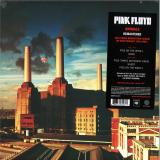
Im Januar 1977 veröffentlichten Pink Floyd ihr zehntes Studioalbum „Animals“. Das Werk eroberte Platz 1 der deutschen Charts, gilt als eines ihrer besten – und es wird nun, 45 Jahre später, als Deluxe Gatefold, CD, LP und Blu-ray wiederveröffentlicht. Zum ersten Mal überhaupt wird das Album in 5.1 Surround-Sound zu hören sein. Die einzelnen Versionen werden ab dem 16. September 2022 erhältlich sein, die Deluxe-Version folgt am 7. Oktober.
Pink Floyd – David Gilmour, Nick Mason, Roger Waters und Richard Wright – nahmen „Animals“ 1976 und Anfang 1977 in den bandeigenen Britannia Row Studios in London auf und produzierten auch selbst.
„Animals 2018 Remix“ wird als CD, LP (mit Klapphüllen-Artwork), Blu-Ray und als Deluxe-Gatefold-Format veröffentlicht. Die Deluxe-Gatefold-Version beinhaltet eine LP, CD, Audio-Blu-Ray, Audio-DVD und ein 32-seitiges Booklet. Die Audio-Blu-Ray und -DVD enthalten den Remix von 2018 in Stereo, in 5.1 Surround (beide von James Guthrie) und den ursprünglichen Stereo-Mix von 1977. Das 32-seitige Booklet gewährt mit selten gezeigten Fotos einen Blick hinter die Kulissen des Shootings für die Plattenhülle sowie Live-Bilder und Memorabilia. Das Album-Artwork wurde für diese Veröffentlichung mit einem zeitgemäßen Motiv neu interpretiert.
„Animals“ ist ein Konzeptalbum, das sich kritisch mit den sozialpolitischen Verhältnissen im Großbritannien der mittleren 1970er-Jahre auseinandersetzt und damit eine Abkehr vom Stil der früheren Arbeiten der Band markierte. Aus einer Ansammlung ursprünglich nicht miteinander zusammenhängender Songs entwickelten Pink Floyd ein Konzept, das den offenkundigen sozialen und moralischen Verfall der Gesellschaft beschreibt. Inspiriert von George Orwells „Farm der Tiere“, verbildlichen sie die menschliche Natur mit einer Analogie zum Tierreich und teilen die Menschen in drei Klassen von Tieren ein: Die Schweine stehen an der Spitze der sozialen Kette, die Schafe tun als hirnlose Herde, was man ihnen sagt, und die Hunde sind die Geschäftsbosse, die sich am Profit und ihrer Macht über andere schamlos bereichern. Seit 1977 ist viel Zeit vergangen – und dann wieder gar nicht, denn die Erzählung des Albums hat als Kommentar auf unsere gesellschaftliche und wirtschaftliche Situation nichts von ihrer Aktualität verloren.
Das berühmte Cover von „Animals“ zeigt ein aufblasbares Schwein (heute bekannt als Algie), das in luftigen Höhen zwischen zwei Schornsteinen der Battersea Power Station in London schwebt. Die Idee für das Cover kam von Roger Waters, die Umsetzung übernahm der langjährigen Kreativpartner der Band, Storm Thorgerson von Hipgnosis Studios. Für die jetzige Neuveröffentlichung wurde das Artwork von Storms Hipgnosis-Partner Aubrey „Po“ Powell für die heutige Zeit neu gestaltet. Basierend auf neuen Aufnahmen des Gebäudes während der jüngsten Umgestaltungsarbeiten (das ehemalige Kraftwerk wird für die kulturelle und gewerbliche Nutzung umgebaut, gestaltet von Frank Gehry und Norman Foster), experimentierte Po mit neuen Blickwinkeln und erschuf einige beeindruckende neue Varianten des berühmten Originals. Po dazu: „Das Original-Albumcover von 1977 ist ikonisch und steht so sehr für sich, dass ich eine Menge Respekt davor hatte, ihm ein Update zu verpassen. Doch Hipgnosis nahm die Gelegenheit zum Anlass, das Motiv neu zu fotografieren und damit eine sich verändernde Welt widerzuspiegeln. Durch den Einsatz moderner digitaler Färbetechniken konnte ich Pink Floyds düstere Botschaft des moralischen Verfalls beibehalten, und auch die Orwellsche Tier-Analogie in Form des Schweins Algie lebt in dem neuen Artwork fort.“
Pink Floyds „Animals 2018 Remix” kann ab jetzt hier vorbestellt werden.
- A1: Floodbound
- A2: Cure Your Ills
- A3: ? | I'm No Good Without You
- A4: For A While
- A5: Golden Vanity
- A6: Rainmaker, Sunseeker
- B1: The House On The Hill
- B2: Ruby Red
- B3: She Never Sleeps
- B4: The Hanging Stars
- B5: Hang Me High
- B6: Crippled Shining Blues
- B7: Running Waters Wide
*Long overdue reissue of the first album by The Hanging Stars to coincide with their tour support slot with Edwyn Collins – initial 300 copies come with 12 x 12 print*
“In late-Sixties California, the Byrds and Flying Burrito Brothers combined traditional country music with hippy rock to great success. The influence lingered and whatever cultural relevance it has this is a delightful, transporting listen” – The Times 4/5
London-based psych-folk outfit The Hanging Stars re-release their much-loved debut album Over the Silvery Lake on Crimson Crow. Blending folk pastoralism with swampy 60s Americana, they sound like the missing link between the California desert sun and the grey skies of London Town. The album was recorded between LA, Nashville and Walthamstow, with each of these vastly different places leaving an indelible mark on the songs.
Now signed to the Loose Records label and fronted by London-based songwriter, singer and guitarist Richard Olson (The See See, Eighteenth Day of May), The Hanging Stars are essentially a loose collective of people who weave together a blissed-out psychedelic tapestry. The rest of the core band is made up of Sam Ferman on bass and Paulie Cobra on drums, Horse on pedal steel and Patrick Ralla on banjo, guitar. They jam rather than write and hang out rather than rehearse, harnessing a kind of tipsy euphoria resplendent with luscious arrangements and glorious vocal harmonies.
During 2015, prior to this album’s original release the band released two critically acclaimed singles via The Great Pop Supplement (both of which also appear on the album). “Golden Vanity” was premiered by The Line of Best Fit who said; “you'd be forgiven for thinking you'd just unearthed a rare deep cut from the late 60s/early 70s boom of psychedelia infused Americana” and “The House on The Hill” was described by The Guardian as; "a hazy, desert-dream of a song, nicely sharpened with steely-eyed guitars, Mersey-laced harmonies and just a whiff of the Gun Club”.
There are a number of allusions to nature and the weather on the album, borne in part out of the contrasting surroundings in which it was produced. The band’s fascination with Americana led them to record some of the material Stateside, laying down some of the parts at Battle Tapes Studios in Nashville (Lambchop, Paperhead), as well as at Vision Quest Studios in Los Angeles with Rob Campanella. His work with The Quarter After, The Brian Jonestown Massacre, Beachwood Sparks The Tyde, and GospelbeacH was a perfect match to capture their sound and they even had San Franciscan legend Chrystof Certik step in on lead guitar for a couple of tracks.
Following the LA recordings, a trip to the Californian desert provided the core notion of what they wanted to produce - a shard of light that they clung on to whilst recording the rest of the album in the significantly more rain-soaked atmosphere of Walthamstow, London, under the watchful eye of Brian O'Shaughnessy at Bark Studios (The Clientele, Comet Gain). As the band explained at the time: “Ultimately we hope you can hear both the sand and the rain in this record.”
The Hanging Stars place themselves firmly as part of a long folk tradition encompassing European and North American influences – as a continuation rather than a pastiche of these styles. This is the sound of a band really coming in to their own, fully formed and in no doubt of their vision. With Over the Silvery Lake they succeeded in producing a record, which has the country, blues and folk traditions at its heart.
- A1: Travis Street - Jackie Morris Said
- B1: Barden Juniors Remix
After recent sold-out vinyl and cassette releases garnering plays on BBC 6Music and NTS, among other Radio Play, 0282 are back with another choice double-sider.
Travis Street’s ‘Jackie Morris Said’ is an instrumental mid-tempo soul stomper, with Advance copies being very well received on contemporary Northern Soul Dancefloors throughout the UK. DJ feedback has likened it to all-time classic instrumental Mod & Soul numbers by the likes of Googie Renee and Wynder K Frog.
The flipside sees a remix by Barden Juniors, fresh from recent DJ gigs with the likes of Keb Darge, DJ Food, and Doug Shipton from Finders Keepers records. Their wonky angular deconstruction is in the vein of classic European Library Tunes from the late 60s / early 70s, and feedback on promo copies has seen it described as “a lost KPM out-take”, “the soundtrack to a lost public information film from 1973”, and “a time-travelling Kool Keith instrumental”.
It has already had radio play support from the likes of Markey Funk (Delights).
- A1: De Vrouwen Die Ik Nooit Heb Gekend
- A2: Broekjes Aan De Lijn
- A3: Alzheimer Blues
- A4: Mooi Zoals Je Bent
- A5: Ijsje Met Chocola
- A6: Sex Op Vreemde Plaatsen
- B1: Jessica
- B2: Vaginale Vakantie
- B3: Meneer De Generaal
- B4: De Zuchter
- B5: De Blik Die Je Die Gast Geeft
- B6: Ik Wil Mezelf Bedanken
‘Tedere Baldadigheden’, Guido Belcanto's new, long-awaited album in a production by Firmin Michiels and Guido Op De Beeck, was released on 4 October, 2024 at the beginning of a very extensive, sold out tour. It is a special retrospective from an award-winning singer who looks back with melancholy and humour on the many mischievous adventures that marked his life. Love prevails, but tragedy and tristesse also leave their mark on Belcanto himself and the scarred souls of the many colourful characters who come to life in his songs.
This 15th studio album undoubtedly represents a new high point in Belcanto's oeuvre, which now numbers over 300 songs, with 11 of his own songs and 2 surprising adaptations of songs by Eels and Guido's idol Renaud. Besides members of his loyal backing band Het Broederschap, guest musicians such as Stoy Stoffelen, David Poltrock, Evert Verhees, Jan De Smet, Alban Sarens, Adriano Cominotto and Chris Peeters also play along. Also notable are certainly the passages of Lara Chedraoui (Intergalactic Lovers) and The Bonnie Blues.
For more than 40 years, Guido Belcanto has been creating a universe all his own with his songs. A warm, recognisable home for everyone, young or old, rich or poor, winner or loser. A home too, masterfully brought to a stage where the audience is allowed to be themselves without embarrassment, praising happiness, measuring the damage suffered, letting the tears flow and the laughs ring out.