A1 - The Moon On The Moors
ASC opens the EP with a distinctive, purposeful and dancefloor-friendly piece, driven by an intensely memorable drum pattern that will have your head nodding instantly - that's before the deep, earthy room-filling bassline quakes below. Filtered metallic breakbeats join the mix periodically along with string melodies and a plethora of sci-fi effects and classic micro samples. Absolutely essential stuff from the atmospheric wizard that is ASC.
A2 - Persuasion
A measured approach introduces Persuasion, with light hats and a subtle bleepy melody gradually pulling us toward a stunningly crisp slice of breakbeat heaven. Impossibly detailed rapidfire snares dominate the mix with incredible clarity that just has to be heard to be believed. Light bongos and airy synthwork nestle beautifully alongside trademark old school high pitched female vocal hits to cap off another stunner.
AA1 - Time and Again
Setting the tone immediately with thunderous, deep Hot Pants breaks - finely crafted as ever - Time and Again sees ASC explore an other-worldly setting with an uneasy intrigue to the echoing keys, while rousing strings provide a suitably nervy backdrop to the mix. A mellow yet tense breakdown is quickly nudged aside with the crunching breaks and darkly bassline, while echoed vocal hits add further texture.
AA2 - Severance
A wonderfully old school slice of breakbeat action quickly unfolds as Severance sees ASC playfully experiment with varied break patterns riddled with delicious little details you will pick out with each repeated listen. Sublime intent is present throughout with a heavy undertone bassline, not to mention the excellent sampled quote from the show of the same name - eventually we all have to accept reality. If this is our reality, bring it on.
Words by Chris Hayes (Spatial / Red Mist)
Cerca:nu tone
- A1: Super Strut - Apostles
- A2: Escucha Mi Funk - The Hightower Set
- A3: Testify - Mains Ignition
- A4: Russian Roulette - Night Trains Featuring Afrika Bambaataa
- B1: From The Ghetto (Modern Tone Family Mix) - Dread Filmstone
- B2: Delancey Street .. The Theme - The Ballastic Brothers
- B3: Trans Euro X-Press (Ballistic Step) - X-Press 2
- B4: Farside - Jaziac Sunflowers
Back in the early 1990s as Acid Jazz began a period of extraordinary commercial success where acts like the Brand New Heavies and Jamiroquai sold millions of records, and US groups such as A Tribe Called Quest, The Roots and Digable Planets were actively influenced by what was being played in London, the whole scene was being fuelled by a small number of clubs, led by Gilles Peterson’s Sunday afternoons at Dingwalls but taking in nights in Leeds, Bari, Munich, Tokyo, Stockholm and New York. In those clubs funky jazz, latin boogaloo and 70s soul soundracks competed for time on the dance floor with import records from New York, and the latest sounds coming out of bedrooms and makeshift basement studios that created contemporary sounds out of the past.
Acid Jazz’s Eddie Piller and Dean Rudland have put together this compilation of the sort of sounds that we were playing at the time. They are releases on Acid Jazz and other label’s that surrounded the scene and they were mainly made by people we knew from either around the club scene, behind the counters of our favourite record shops, or from trips to New York or Europe. They range from The Ballistic Brother anthem ‘Blacker’ to the jazz house of A-Zel - a Roger Sanchez mix that still sounds fresh today. We have the Humble Soul’s instrumental version of ‘Beads Things And Flowers’ which at the time was only available as a DJ special on Acetate. There is the presence of A Man Called Adam before they went to Ibiza, and the early Mo’ Wax (before they went Trip Hop) single by Marden Hill ‘Come On’.
These records could fill a dance floor in seconds and we feel that they are today largely forgotten, as they were non-album, underground club records. It’s time to celebrate them!
- A1: Drumline
- A2: Mágica Feat Rogê
- A3: 24 Hr Sports Theme No 1
- A4: Say Goodbye Feat Florence Adooni
- A5: Oakley's Car Wash Feat Dave Guy
- A6: Anticipate Feat Clairo
- A7: Eastside
- A8: Clean The Line
- B1: Cortex
- B2: Shining
- B3: 24 Hr Sports Theme No 2
- B4: Indifference Feat Shintaro Sakamoto
- B5: Carry Me Away Feat Norah Jones
- B6: Take My Hand Feat Rahsaan Roland Kirk
- B7: Open Season
- B8: Victory Lap
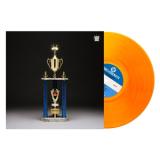
Leon Michels ist still und leise zu einem der gefragtesten Produzenten der Musikszene geworden.Sein unverwechselbarer Sound hat die Aufmerksamkeit des Mainstreams auf sich gezogen und inspiriert gleichzeitig weiterhin die Underground-Szene. Seit dem 2023 erschienenen Album Glorious Game von El Michels Affair & Black Thought war Michels als Produzent für andere Künstler aktiv - darunter Norah Jones' Grammy-prämiertes Visions, Clairos Grammy-nominiertes Charm, Kali Uchis' ,Moonlight" sowie Alben für seine Labelkollegen Brainstory, Derya Yildirim & Grup Simsek, Thee Heart Tones und Liam Bailey. Sein neues Album 24 Hr Sports markiert die langersehnte Rückkehr unter seinem eigenen Namen: El Michels Affair.24 Hr Sports wurde inspiriert von Mode und Grafikdesign der Sports-Illustrated-Magazine der 80er- und 90er-Jahre, MF DOOMs Special Herbs-Alben, den dort verwendeten Sample-Quellen und Gospelmusik à la Pastor T.L. Barrett. Die Summe dieser Einflüsse, gepaart mit Michels' unfehlbarem kreativen Gespür, ergibt ein Rezept für einen Instant-Klassiker - ein Werk, das zweifellos zu den meistgefeierten Veröffentlichungen des Jahres 2025 zählen wird.Der Album-Opener ,Drum Line" ist ein hymnischer, mitreißender Track mit Marschband-Schlagzeug und donnernden Bläserarrangements, die sofort alle Aufmerksamkeit auf sich ziehen und den Ton für das folgende Album setzen. 24 Hr Sports bedeutet eine deutliche Abkehr von der bisher überwiegend instrumentalen Musik im Katalog von El Michels Affair. Mit einer Vielzahl von Gesangsfeatures spiegelt das Album das schwer einzuordnende Genre seiner Musik wider.Das erste dieser Features ist ,Mágica" mit dem brasilianischen Künstler Rogê, der die ohnehin energiegeladene Nummer mit seinen fußballinspirierten Lyrics auf ein neues Level hebt. Weiter geht es von Brasilien nach Ghana: In ,Say Goodbye" feiert Florence Adooni ihre Individualität mit lässigem Selbstbewusstsein und wechselt mühelos zwischen Frafra und Englisch, besonders eingängig im Refrain: ,never gonna find a girl like me_".Labelkollege und weltbekannter Trompeter von The Roots, Dave Guy, veredelt den 70er-Jahre-Groove von ,Oakley's Car Wash" mit seinen charakteristischen Bläserlinien, bevor der Track in ein Dub-artiges Outro übergeht. Vom wilden zum sanften Klang: ,Anticipate" mit Clairo knüpft an die musikalische Chemie an, die das 2024er-Album Charm hervorgebracht hat. Clairo gleitet über die typischen EMA-Arrangements, während sie sich nach unerreichbarer Liebe sehnt - getragen von einer perfekt eingespielten Band.,Eastside" ist ein Stück, das einen Sonnenaufgang am Meer vertonen könnte - Leon Michels' Sinn für Raum und Arrangement wird hier besonders deutlich. Aus Japan ist der Suginami Children's Choir auf dem üppigen Track ,Clean The Line" zu hören - sie singen ein Lied über den Mond, die Sonne und Vögel. Danach reißt ,Cortex" mit verzerrten Gitarren und donnernden Drums die Tür auf - ein Moment purer, filmreifer Intensität in der Mitte des Albums.Leon Michels übernimmt selbst den Lead-Gesang auf ,Shining", einem Song über die Suche nach einem Freund, mit dem man die Freude eines sonnigen Tages teilen kann. Der international gefeierte Shintaro Sakamoto ist auf ,Indifference" zu hören - ein lässiger Song mit federnden Basslinien und gefühlvollen Flöten, in dem Sakamoto zwischen Gesang und gesprochener Poesie über eine vergängliche Liebe reflektiert.Das Grammy-prämierte Duo Norah Jones und Michels kommt auf ,Carry Me Away" erneut zusammen: Jones' honigsüße Stimme schwebt über einem schwer einzuordnenden, aber sofort liebenswerten Track. Michels lehnt sich hier wieder mehr in Richtung El Michels Affair-Stil, der sich klar von seinen bisherigen Produktionen für Norah Jones abhebt. ,Take My Hand" stellt den Gospel-Einfluss in den Vordergrund - mit dem Fabulous Rainbow Singers Choir im Refrain und einem Saxophon-Solo der verstorbenen Jazzlegende Rahsaan Roland Kirk.,Open Season", ein Piano-getriebener Midtempo-Track mit Gruppenrufen wie ,we want the gold, we want the gold_", könnte den perfekten Soundtrack für eine Slow-Motion-Highlight-Reel liefern. Der treffend betitelte Albumabschluss ,Victory Lap" schließlich ist ein traumhafter, euphorischer Ausklang, der dem gesamten Werk würdig ist.Am Ende spricht die Trophäe auf dem Albumcover Bände: El Michels Affair ist Champion Sound - und 24 Hr Sports macht das unmissverständlich klar.
- A1: Malavoi - Te Traigo Guajira
- A2: Los Caraibes - Donde
- A3: Tropicana - Amor En Chachacha
- A4: Ryco Jazz - Wachi Wara
- A5: Eugene Balthazar - Dap Pignan
- A6: Roger Jaffort - Oye Mi Consejo
- A7: Les Kings - Oriza
- B1: Les Supers Jaguars - Tatalibaba
- B2: Super Combo De Pointe A Pitre - Serrana
- B3: L'ensemble Abricot - Se Quedo Boogaloo
- B4: Henri Guedon - Bilonga
- B5: Les Aiglons - Pensando En Ti
- B6: Los Martiniquenos - Caterate
In Guadeloupe, many people think that jazz and ka music are like a ring and a finger. To some extent, the same could be said about so called Latin music and the music played in the French West Indies.
Both aesthetics were born in the Caribbean and bear so many connections that they can easily be considered cousins. In constant dialogue, there are lots of examples of their fruitful alliance and have been for a while. The English country dance that used to be practiced in European lounges came to be called kadrille in Martinique and contradanza in Cuba. They both featured additional percussion instruments inherited from the transatlantic deportation. Drawing from shared feelings about the same traumatized identity – later to be creolized – it would be hard not to assume that they were meant to inspire each other. The golden age of the orchestras that graced the Pigalle nights during the interwar period further proves the point. As soon as the 1930s, Havana-born Don Barreto naturally mixed danzón and biguine music in a combo based at Melody's Bar. In the following decade, Félix Valvert, a conductor who was born and raised in Basse-Terre in Guadelupe, also worked wonders in Montparnasse with La Coupole, which was an orchestra made up of eclectic musicians. Afro- Caribbean performers of various origins were often hired on rhythm and brass sections in jazz bands, which used to enliven the typical French balls of the capital. In the 1930s and onwards, Rico’s Creole Band was one of them.
Martinican violinist-clarinettist Ernest Léardée, who would become the king of biguine music as well as the main figure of French Uncle Ben's TV commercials (a dark stigma of post-colonial stereotypes), had musicians from the whole Caribbean sphere play at his Bal Blomet – and they all enchanted "ces Zazous-là" (according the words of Léardée's biguine-calypso piece). In les Antilles (French for French West Indies), music history started to speed up in the 1950s, when trade expanded and radio stations grew bigger. The Guadelupean and Martiniquais youth tuned in their old galena radio sets to South American and Caribbean music. As for the women traders, les pacotilleuses, they bought and sold goods across different islands (the "passing of items through various hands" was thought to be most pleasurable) and brought back countless sounds in their luggage. Such was the case of Madame Balthazar, who once returned from Puerto Rico with the first 45rpm and 33rpm to ever enter Martinique.
Out of this adventure was created the famous Martinican label La Maison des Merengues, a music business she opened and undertook with her husband and which proved to be a major landmark. At the end of the 1950s, in Puerto Rico, Marius Cultier competed in the Piano International Contest playing a version of Monk's Round 'Midnight. He won the first prize and this distinction foreshadowed everything that was to come. Cultier, the heretic Monk of jazz, was quickly praised for writing superb melodies, always tinged with a twist that conferred a unique sound to his music. It didn't take long for the gifted self-taught musician to get to play with Los Cubanos, making a name for himself thanks to his impressive maestria on merengues.
The rest is history. Besides, in the late 1950s, Frantz Charles-Denis, born into the upper middle class in Saint-Pierre and better known by his first name Francisco, went back home after working at La Cabane Cubaine – a club located rue Fontaine where he had caught the Latin fever. Francisco's music was therefore heavily marked by his Cuban cousins' influence, which gave the combos he led a specific style and also led to renewal. Things were swinging hard in La Savane, located in the main square in Fort-de-France. He set up the Shango club close by and tested out the biguine lélé there, a new music formula spiced up with Latin rhythms. Soon afterwards, fate had him fly to Puerto Rico and Venezuela.
As for percussionist Henri Guédon (percussions were only a part of his many talents), he was born in Fort-de-France in May 22nd 1944, the day marking the celebration of the abolition of slavery. As an old man, he could remember that in " his father's Teppaz, a lot of hectic 6/8 music was constantly playing...". In the opening lines of his Lettre à Dizzy, a small illustrated collection of writings published by Del Arco, he highlighted the huge impact that cubop had on him as a teenage boy, around 1960. He eventually turned out to be the lider maximo in La Contesta, a big band steeped in Latin jazz. He was also the one who originated the word zouk to describe music which brought the sound of the New York barrio to Paris. It was the culmination of a journey that started in Sainte-Marie: "a mythical place for bélé, the equivalent of Cuban guaguancó". In the early 1960s, the tertiary economy developed to the detriment of agriculture. Yet rural life was where roots music emerged in Martinique and in Guadeloupe.
Record companies played a major part in the process of Latin versions sweeping across the islands – before reaching everywhere else. Producer Célini, boss of the great Aux Ondes label, and Marcel Mavounzy, both the head of Émeraude records - a firm which was founded in 1953 - as well as the brother of famous saxophonist Robert Mavounzy, were big names to bear in mind. Although there were many of them - all of whom are featured on this record - Henri Debs was definitely the major figure in the recording adventure. He proved to be so influential that he even got compared to Berry Gordy. In the mid 1950s, when he acquired his first Teppaz, he worked on his first compositions: a bolero and a chachacha. Then, he became the one man who made people discover Caribbean music, from calypso to merengue. He was among the first ones to rush out to San Juan, Puerto Rico, to buy records and distribute them through a store run by one of his brothers in Fort-de-France. He had members of the Fania All Star come and perform there, which he was madly proud about. He was also the first one to pay attention to Haitian music, such as compas direct and various other rhythms which would soon flood the market. As a result, many of the combos hitting his legendary studio would end up boosted by widespread "Afro-Latin" rhythms. However, he never denied his identity: gwo ka drums were given a major role, although they were instruments which had long been banned from the "official" music spheres. The present selection bears witness to such a creative swarming. Here are fourteen tracks of untimely yet unprecedented cross-fertilization: all types of music rooted in the Creole archipelago have found their way, whatsoever, to the tracklisting. Whether originating from the city or being more rural, they all go back to what Edouard Glissant, in an interview about the place of West Indian music in the Afro-American scope, called "the trace of singing, the one which got erased by slavery." "It is so in jazz, but also in reggae, calypso, biguine, salsa... This trace also manifests through the drums, whether Guadelupean, Dominican, Jamaican or Cuban... None of them being quite the same. They all point to the idea of a trace, seeking it out and connecting to each other through it. This is the hallmark of the African diaspora: its ability to create something new, in relation to itself, out of a trace. It may be the memory of a rhythm, the crafting of a drum, a means of expression which doesn't resort to an old language but to the modalities of it." The opening track features one of the emblematic orchestras of this aesthetic identity, criscrossing many music types from the archipelago. The 1974 Ray Barretto guajira – Ray Barretto was a major New York drummer influenced by Charlie Parker and Chano Pozzo – is magnificently performed by Malavoi, a legendary Fayolais group (i.e from Fort-de-France). Additionally, the compilation ends on a piece by Los Martiniqueños de Francisco. It symbolically closes the circle as it is a genuine potomitan of Martinique culture which also functions as a tireless campaigner for Afro-Caribbean music. Practicing the danmyé rounds (a kind of capoeiria) to the rhythm of the bèlè drum, it delivers a terrific Caterete, a kind of champeta of Afro- Colombian obedience which was originally composed by Colombian Fabián Ramón Veloz Fernández for the group Wgenda Kenya. The icing on the cake is Brazilian Marku Ribas, who found refuge in Martinique in the early 1970s, bringing his singing to the last trance-inducing track. These two "versions" convey the whole tone of a selection composed of rarities and classics of the tropicalized genre, swarming with tonic accents and convoluted rhythms. It is the sort of cocktail that the West Indians never failed to spice up with their own ingredients. For instance, the Los Caraïbes cover of Dónde, a famous Cuban theme composed by producer Ernesto Duarte Brito, has a typical violin and features renowned Martinique singer Joby Valente and his piquant voice.
The track used to be – or so we think – their only existing 45rpm. The meaningful Amor en chachachá by L'Ensemble Tropicana, a band which included Haitian musicians among whom was composer and leader Michel Desgrotte, also recalls how Latin music was pervasive in the tropics in the mid-1960s. They were the ones keeping people dancing at Le Cocoteraie in Guadelupe and La Bananeraie in Martinique. Around the same time, another "foreign" band, Congolese Freddy Mars N'Kounkou's Ryco Jazz, achieved some success on both islands by covering Latin jazz classics – such as their adaptation of Wachi Wara, a "soul sauce" by Dizzy Gillespie and Chano Pozo whose interweaving of strings and percussions can have anyone hit the dancefloor. How can you resist Dap Pinian indeed, a powerful guaguancó by Eugene Balthazar, performed by the Tropicana Orchestra and published by the Martinique-founded La Maison des Merengues? It also acts as a symbol of the maelstrom at work. Going by the name Paco et L'orchestre Cachunga, Roger Jaffory used to play guaguancó too: his Fania-inspired Oye mi consejo is one example of his style. Baila!!!!! Dancing was also one of the Kings' focus points. Oriza is a Puerto Rican bomba and a "classic" originally composed by Nuevayorquino trumpeter Ernie Agosto, which reserves major space for brasses, giving it a special sheen.
Emerging from the New York barrios crucible was also La Perfecta, a Martinique group originating from Trinidad, whose name directly references the totemic Eddie Palmieri figure as well as his own band, also called La Perfecta. Here they borrow Toumbadora from Colombian producer and composer Efraín Lancheros and interpret it by emphasizing percussions, which set fire to the track even more than the wind instruments. The same goes for Martinique's Super Jaguars, who use Tatalibaba – a composition by Cuban guitarist Florencio "Picolo" Santana which was made famous by Celia Cruz & La Sonora Matencera – as a pretext for sending their cadences into a frenzy. In a more typically salsa vein, the Super Combo, a famous Guadelupean orchestra from Pointe-Noire that was formed around the Desplan family and had Roger Plonquitte and Elie Bianay on board, adapt Serana, a theme by Roberto Angleró Pepín, a Puerto Rican composer, singer and musician also known for his song Soy Boricua. Here again, their vision comes close to surpassing the original. In the 1970s, L'Ensemble Abricot provided a handful of tracks of different syles, hence reaching the pinnacle of the art of achieving variety and giving pleasure. They played boleros, biguines, compas direct, guaguancó and even a good old boogaloo - the type they wanted to keep close to their hearts for ever, "pour toujours", as they sang along together in one of their songs. Léon Bertide's Martinican ensemble excelled at the boogaloo which had been composed by Puerto Rican saxophonist Hector Santos for the legendary El Gran Combo.
Three years later, in 1972, Henri Guédon, with the help of Paul Rosine on the vibraphone, tackled the Bilongo made famous by Eddie Palmieri. Such a classic!!!!! And so were the Aiglons, the band from Guadelupe: choosing to execute Pensando en tí, a composition by Dominican Aniceto Batista, on a cooler tempo than the original, they noticeably used a wonderfully (un)tuned keyboard in place of the accordion. On the high-value collectible single – the first one released by Les Aiglons under the Duli Disc label – there is a sticker classifying the track under the generic name "Afro". Now that is what we call a symbol. Jacques Denis
- A1: Drumline
- A2: Mágica Feat Rogê
- A3: 24 Hr Sports Theme No 1
- A4: Say Goodbye Feat Florence Adooni
- A5: Oakley's Car Wash Feat Dave Guy
- A6: Anticipate Feat Clairo
- A7: Eastside
- A8: Clean The Line
- B1: Cortex
- B2: Shining
- B3: 24 Hr Sports Theme No 2
- B4: Indifference Feat Shintaro Sakamoto
- B5: Carry Me Away Feat Norah Jones
- B6: Take My Hand Feat Rahsaan Roland Kirk
- B7: Open Season
- B8: Victory Lap
Leon Michels ist still und leise zu einem der gefragtesten Produzenten der Musikszene geworden.Sein unverwechselbarer Sound hat die Aufmerksamkeit des Mainstreams auf sich gezogen und inspiriert gleichzeitig weiterhin die Underground-Szene. Seit dem 2023 erschienenen Album Glorious Game von El Michels Affair & Black Thought war Michels als Produzent für andere Künstler aktiv - darunter Norah Jones' Grammy-prämiertes Visions, Clairos Grammy-nominiertes Charm, Kali Uchis' ,Moonlight" sowie Alben für seine Labelkollegen Brainstory, Derya Yildirim & Grup Simsek, Thee Heart Tones und Liam Bailey. Sein neues Album 24 Hr Sports markiert die langersehnte Rückkehr unter seinem eigenen Namen: El Michels Affair.24 Hr Sports wurde inspiriert von Mode und Grafikdesign der Sports-Illustrated-Magazine der 80er- und 90er-Jahre, MF DOOMs Special Herbs-Alben, den dort verwendeten Sample-Quellen und Gospelmusik à la Pastor T.L. Barrett. Die Summe dieser Einflüsse, gepaart mit Michels' unfehlbarem kreativen Gespür, ergibt ein Rezept für einen Instant-Klassiker - ein Werk, das zweifellos zu den meistgefeierten Veröffentlichungen des Jahres 2025 zählen wird.Der Album-Opener ,Drum Line" ist ein hymnischer, mitreißender Track mit Marschband-Schlagzeug und donnernden Bläserarrangements, die sofort alle Aufmerksamkeit auf sich ziehen und den Ton für das folgende Album setzen. 24 Hr Sports bedeutet eine deutliche Abkehr von der bisher überwiegend instrumentalen Musik im Katalog von El Michels Affair. Mit einer Vielzahl von Gesangsfeatures spiegelt das Album das schwer einzuordnende Genre seiner Musik wider.Das erste dieser Features ist ,Mágica" mit dem brasilianischen Künstler Rogê, der die ohnehin energiegeladene Nummer mit seinen fußballinspirierten Lyrics auf ein neues Level hebt. Weiter geht es von Brasilien nach Ghana: In ,Say Goodbye" feiert Florence Adooni ihre Individualität mit lässigem Selbstbewusstsein und wechselt mühelos zwischen Frafra und Englisch, besonders eingängig im Refrain: ,never gonna find a girl like me_".Labelkollege und weltbekannter Trompeter von The Roots, Dave Guy, veredelt den 70er-Jahre-Groove von ,Oakley's Car Wash" mit seinen charakteristischen Bläserlinien, bevor der Track in ein Dub-artiges Outro übergeht. Vom wilden zum sanften Klang: ,Anticipate" mit Clairo knüpft an die musikalische Chemie an, die das 2024er-Album Charm hervorgebracht hat. Clairo gleitet über die typischen EMA-Arrangements, während sie sich nach unerreichbarer Liebe sehnt - getragen von einer perfekt eingespielten Band.,Eastside" ist ein Stück, das einen Sonnenaufgang am Meer vertonen könnte - Leon Michels' Sinn für Raum und Arrangement wird hier besonders deutlich. Aus Japan ist der Suginami Children's Choir auf dem üppigen Track ,Clean The Line" zu hören - sie singen ein Lied über den Mond, die Sonne und Vögel. Danach reißt ,Cortex" mit verzerrten Gitarren und donnernden Drums die Tür auf - ein Moment purer, filmreifer Intensität in der Mitte des Albums.Leon Michels übernimmt selbst den Lead-Gesang auf ,Shining", einem Song über die Suche nach einem Freund, mit dem man die Freude eines sonnigen Tages teilen kann. Der international gefeierte Shintaro Sakamoto ist auf ,Indifference" zu hören - ein lässiger Song mit federnden Basslinien und gefühlvollen Flöten, in dem Sakamoto zwischen Gesang und gesprochener Poesie über eine vergängliche Liebe reflektiert.Das Grammy-prämierte Duo Norah Jones und Michels kommt auf ,Carry Me Away" erneut zusammen: Jones' honigsüße Stimme schwebt über einem schwer einzuordnenden, aber sofort liebenswerten Track. Michels lehnt sich hier wieder mehr in Richtung El Michels Affair-Stil, der sich klar von seinen bisherigen Produktionen für Norah Jones abhebt. ,Take My Hand" stellt den Gospel-Einfluss in den Vordergrund - mit dem Fabulous Rainbow Singers Choir im Refrain und einem Saxophon-Solo der verstorbenen Jazzlegende Rahsaan Roland Kirk.,Open Season", ein Piano-getriebener Midtempo-Track mit Gruppenrufen wie ,we want the gold, we want the gold_", könnte den perfekten Soundtrack für eine Slow-Motion-Highlight-Reel liefern. Der treffend betitelte Albumabschluss ,Victory Lap" schließlich ist ein traumhafter, euphorischer Ausklang, der dem gesamten Werk würdig ist.Am Ende spricht die Trophäe auf dem Albumcover Bände: El Michels Affair ist Champion Sound - und 24 Hr Sports macht das unmissverständlich klar.
- Drumline
- Mágica Feat Rogê
- 24: Hr Sports Theme No 1
- Say Goodbye Feat Florence Adooni
- Oakley's Car Wash Feat Dave Guy
- Anticipate Feat Clairo
- Eastside
- Clean The Line
- Cortex
- Shining
- 24: Hr Sports Theme No 2
- Indifference Feat Shintaro Sakamoto
- Carry Me Away Feat Norah Jones
- Take My Hand Feat Rahsaan Roland Kirk
- Open Season
- Victory Lap
Black Vinyl[22,65 €]
Translucent Red Vinyl[22,65 €]
TRANSLUCENT ORANGE VINYL[22,27 €]
Leon Michels ist still und leise zu einem der gefragtesten Produzenten der Musikszene geworden.Sein unverwechselbarer Sound hat die Aufmerksamkeit des Mainstreams auf sich gezogen und inspiriert gleichzeitig weiterhin die Underground-Szene. Seit dem 2023 erschienenen Album Glorious Game von El Michels Affair & Black Thought war Michels als Produzent für andere Künstler aktiv - darunter Norah Jones' Grammy-prämiertes Visions, Clairos Grammy-nominiertes Charm, Kali Uchis' ,Moonlight" sowie Alben für seine Labelkollegen Brainstory, Derya Yildirim & Grup Simsek, Thee Heart Tones und Liam Bailey. Sein neues Album 24 Hr Sports markiert die langersehnte Rückkehr unter seinem eigenen Namen: El Michels Affair.24 Hr Sports wurde inspiriert von Mode und Grafikdesign der Sports-Illustrated-Magazine der 80er- und 90er-Jahre, MF DOOMs Special Herbs-Alben, den dort verwendeten Sample-Quellen und Gospelmusik à la Pastor T.L. Barrett. Die Summe dieser Einflüsse, gepaart mit Michels' unfehlbarem kreativen Gespür, ergibt ein Rezept für einen Instant-Klassiker - ein Werk, das zweifellos zu den meistgefeierten Veröffentlichungen des Jahres 2025 zählen wird.Der Album-Opener ,Drum Line" ist ein hymnischer, mitreißender Track mit Marschband-Schlagzeug und donnernden Bläserarrangements, die sofort alle Aufmerksamkeit auf sich ziehen und den Ton für das folgende Album setzen. 24 Hr Sports bedeutet eine deutliche Abkehr von der bisher überwiegend instrumentalen Musik im Katalog von El Michels Affair. Mit einer Vielzahl von Gesangsfeatures spiegelt das Album das schwer einzuordnende Genre seiner Musik wider.Das erste dieser Features ist ,Mágica" mit dem brasilianischen Künstler Rogê, der die ohnehin energiegeladene Nummer mit seinen fußballinspirierten Lyrics auf ein neues Level hebt. Weiter geht es von Brasilien nach Ghana: In ,Say Goodbye" feiert Florence Adooni ihre Individualität mit lässigem Selbstbewusstsein und wechselt mühelos zwischen Frafra und Englisch, besonders eingängig im Refrain: ,never gonna find a girl like me_".Labelkollege und weltbekannter Trompeter von The Roots, Dave Guy, veredelt den 70er-Jahre-Groove von ,Oakley's Car Wash" mit seinen charakteristischen Bläserlinien, bevor der Track in ein Dub-artiges Outro übergeht. Vom wilden zum sanften Klang: ,Anticipate" mit Clairo knüpft an die musikalische Chemie an, die das 2024er-Album Charm hervorgebracht hat. Clairo gleitet über die typischen EMA-Arrangements, während sie sich nach unerreichbarer Liebe sehnt - getragen von einer perfekt eingespielten Band.,Eastside" ist ein Stück, das einen Sonnenaufgang am Meer vertonen könnte - Leon Michels' Sinn für Raum und Arrangement wird hier besonders deutlich. Aus Japan ist der Suginami Children's Choir auf dem üppigen Track ,Clean The Line" zu hören - sie singen ein Lied über den Mond, die Sonne und Vögel. Danach reißt ,Cortex" mit verzerrten Gitarren und donnernden Drums die Tür auf - ein Moment purer, filmreifer Intensität in der Mitte des Albums.Leon Michels übernimmt selbst den Lead-Gesang auf ,Shining", einem Song über die Suche nach einem Freund, mit dem man die Freude eines sonnigen Tages teilen kann. Der international gefeierte Shintaro Sakamoto ist auf ,Indifference" zu hören - ein lässiger Song mit federnden Basslinien und gefühlvollen Flöten, in dem Sakamoto zwischen Gesang und gesprochener Poesie über eine vergängliche Liebe reflektiert.Das Grammy-prämierte Duo Norah Jones und Michels kommt auf ,Carry Me Away" erneut zusammen: Jones' honigsüße Stimme schwebt über einem schwer einzuordnenden, aber sofort liebenswerten Track. Michels lehnt sich hier wieder mehr in Richtung El Michels Affair-Stil, der sich klar von seinen bisherigen Produktionen für Norah Jones abhebt. ,Take My Hand" stellt den Gospel-Einfluss in den Vordergrund - mit dem Fabulous Rainbow Singers Choir im Refrain und einem Saxophon-Solo der verstorbenen Jazzlegende Rahsaan Roland Kirk.,Open Season", ein Piano-getriebener Midtempo-Track mit Gruppenrufen wie ,we want the gold, we want the gold_", könnte den perfekten Soundtrack für eine Slow-Motion-Highlight-Reel liefern. Der treffend betitelte Albumabschluss ,Victory Lap" schließlich ist ein traumhafter, euphorischer Ausklang, der dem gesamten Werk würdig ist.Am Ende spricht die Trophäe auf dem Albumcover Bände: El Michels Affair ist Champion Sound - und 24 Hr Sports macht das unmissverständlich klar.
- Dizzy Magic
- Goat
- Tapping Hearts
- Thoughts On Fire
- Lost It
- Marla
- Violet
- Red
- Baby Girl
- God's Eye
Stellen Sie sich einen Schaltkreis vor. Eine geschlossene Form, ein in Komponenten und Hindernisse geschnitzter Pfad, dessen Signal eine Reihe von Tönen, neuen Klängen und subtilen Interaktionen erzeugt, laute Saiten und hart gepannte Vocals, die fest stehen, bevor etwas sich verändert. Eine tiefe Note hebt sich und gleitet davon. So schnell sind Sie mitten in einem Song. Dizzy Magic ist Sophie Weils viertes Album als Syko Friend, ihrem Soloprojekt, mit dem sie seit über einem Jahrzehnt in der Underground-Szene der USA aktiv ist - eine Klassifizierung, die so vage und genreübergreifend ist, dass sie fast bedeutungslos wäre, würde Weils Projekt nicht kontinuierlich bestimmte klare Verpflichtungen einhalten: Gitarren und Verstärker, Feedback und Texte, freie Komposition und festgelegte Songstruktur. Durch ihre Verflechtung von Tradition und Experiment, ihre reichhaltige organische Klangpalette und ihre mühelose Intimität ist die Musik von Syko Friend sofort erkennbar. Man muss nur eine ihrer Platten auflegen, um sie zu verstehen. Auf Dizzy Magic hat Weil diese Parameter beibehalten, aber verfeinert, indem sie die Studiotechnik verfeinert und die Arrangements zu traumhaft breit gefächerten Ereignissen erweitert hat, in denen Gefühle scharf und detailliert wiedergegeben werden, sei es in einem Solo-Gitarrenstück oder in einem der zahlreichen Stompers mit zusätzlicher instrumentaler Unterstützung von Evan Burrows, Hank Doyle und Henry Barnes. Diese Platte ist klar und erreicht bisher unbekannte Weiten, eine großartige Geste, die mit ihren kleinsten Bestandteilen in Einklang steht. Es ist ein Beweis für Weils Hingabe an die kontinuierliche Erforschung, an die kathartischen Fähigkeiten der Gitarrenmusik und an die Zusammenarbeit und die Anstrengungen beim Schreiben, Aufnehmen und Touren, die dem ständigen Streben nach Selbstverwirklichung am Rande zugrunde liegen. Dort habe ich Weil jedenfalls vor langer Zeit kennengelernt, irgendwo zwischen den Knotenpunkten der Underground-Landkarte, wo Musiker Nacht für Nacht ihre Route abfuhren und dachten, wir würden den Geist am Leben erhalten. Damals war dieser Signalweg schwer zu erkennen, wir waren zu sehr darin versunken. Aber hin und wieder taucht etwas wie Dizzy Magic auf und plötzlich offenbart sich die Bedeutung, diese Form, die man sehen, hören und fühlen kann. Eigentlich ist es ganz einfach. Stellen Sie sich einfach einen Stromkreis vor.
- A1: Drumline
- A2: Mágica Feat Rogê
- A3: 24 Hr Sports Theme No 1
- A4: Say Goodbye Feat Florence Adooni
- A5: Oakley's Car Wash Feat Dave Guy
- A6: Anticipate Feat Clairo
- A7: Eastside
- A8: Clean The Line
- B1: Cortex
- B2: Shining
- B3: 24 Hr Sports Theme No 2
- B4: Indifference Feat Shintaro Sakamoto
- B5: Carry Me Away Feat Norah Jones
- B6: Take My Hand Feat Rahsaan Roland Kirk
- B7: Open Season
- B8: Victory Lap
Leon Michels ist still und leise zu einem der gefragtesten Produzenten der Musikszene geworden. Sein unverwechselbarer Sound hat die Aufmerksamkeit des Mainstreams auf sich gezogen und inspiriert gleichzeitig weiterhin die Underground-Szene. Seit dem 2023 erschienenen Album Glorious Game von El Michels Affair & Black Thought war Michels als Produzent für andere Künstler aktiv - darunter Norah Jones' Grammy-prämiertes Visions, Clairos Grammy-nominiertes Charm, Kali Uchis' ,Moonlight" sowie Alben für seine Labelkollegen Brainstory, Derya Yildirim & Grup Simsek, Thee Heart Tones und Liam Bailey. Sein neues Album 24 Hr Sports markiert die langersehnte Rückkehr unter seinem eigenen Namen: El Michels Affair.24 Hr Sports wurde inspiriert von Mode und Grafikdesign der Sports-Illustrated-Magazine der 80er- und 90er-Jahre, MF DOOMs Special Herbs-Alben, den dort verwendeten Sample-Quellen und Gospelmusik à la Pastor T.L. Barrett. Die Summe dieser Einflüsse, gepaart mit Michels' unfehlbarem kreativen Gespür, ergibt ein Rezept für einen Instant-Klassiker - ein Werk, das zweifellos zu den meistgefeierten Veröffentlichungen des Jahres 2025 zählen wird.Der Album-Opener ,Drum Line" ist ein hymnischer, mitreißender Track mit Marschband-Schlagzeug und donnernden Bläserarrangements, die sofort alle Aufmerksamkeit auf sich ziehen und den Ton für das folgende Album setzen. 24 Hr Sports bedeutet eine deutliche Abkehr von der bisher überwiegend instrumentalen Musik im Katalog von El Michels Affair. Mit einer Vielzahl von Gesangsfeatures spiegelt das Album das schwer einzuordnende Genre seiner Musik wider.Das erste dieser Features ist ,Mágica" mit dem brasilianischen Künstler Rogê, der die ohnehin energiegeladene Nummer mit seinen fußballinspirierten Lyrics auf ein neues Level hebt. Weiter geht es von Brasilien nach Ghana: In ,Say Goodbye" feiert Florence Adooni ihre Individualität mit lässigem Selbstbewusstsein und wechselt mühelos zwischen Frafra und Englisch, besonders eingängig im Refrain: ,never gonna find a girl like me_".Labelkollege und weltbekannter Trompeter von The Roots, Dave Guy, veredelt den 70er-Jahre-Groove von ,Oakley's Car Wash" mit seinen charakteristischen Bläserlinien, bevor der Track in ein Dub-artiges Outro übergeht. Vom wilden zum sanften Klang: ,Anticipate" mit Clairo knüpft an die musikalische Chemie an, die das 2024er-Album Charm hervorgebracht hat. Clairo gleitet über die typischen EMA-Arrangements, während sie sich nach unerreichbarer Liebe sehnt - getragen von einer perfekt eingespielten Band.,Eastside" ist ein Stück, das einen Sonnenaufgang am Meer vertonen könnte - Leon Michels' Sinn für Raum und Arrangement wird hier besonders deutlich. Aus Japan ist der Suginami Children's Choir auf dem üppigen Track ,Clean The Line" zu hören - sie singen ein Lied über den Mond, die Sonne und Vögel. Danach reißt ,Cortex" mit verzerrten Gitarren und donnernden Drums die Tür auf - ein Moment purer, filmreifer Intensität in der Mitte des Albums.Leon Michels übernimmt selbst den Lead-Gesang auf ,Shining", einem Song über die Suche nach einem Freund, mit dem man die Freude eines sonnigen Tages teilen kann. Der international gefeierte Shintaro Sakamoto ist auf ,Indifference" zu hören - ein lässiger Song mit federnden Basslinien und gefühlvollen Flöten, in dem Sakamoto zwischen Gesang und gesprochener Poesie über eine vergängliche Liebe reflektiert.Das Grammy-prämierte Duo Norah Jones und Michels kommt auf ,Carry Me Away" erneut zusammen: Jones' honigsüße Stimme schwebt über einem schwer einzuordnenden, aber sofort liebenswerten Track. Michels lehnt sich hier wieder mehr in Richtung El Michels Affair-Stil, der sich klar von seinen bisherigen Produktionen für Norah Jones abhebt. ,Take My Hand" stellt den Gospel-Einfluss in den Vordergrund - mit dem Fabulous Rainbow Singers Choir im Refrain und einem Saxophon-Solo der verstorbenen Jazzlegende Rahsaan Roland Kirk.,Open Season", ein Piano-getriebener Midtempo-Track mit Gruppenrufen wie ,we want the gold, we want the gold_", könnte den perfekten Soundtrack für eine Slow-Motion-Highlight-Reel liefern. Der treffend betitelte Albumabschluss ,Victory Lap" schließlich ist ein traumhafter, euphorischer Ausklang, der dem gesamten Werk würdig ist.Am Ende spricht die Trophäe auf dem Albumcover Bände: El Michels Affair ist Champion Sound - und 24 Hr Sports macht das unmissverständlich klar.
- A1: Concierto De Aranjuez
- A2: Will O’ The Wisp
- B1: The Pan Piper
- B2: Saeta
- B3: Solea
Miles Davis' Final Collaboration with Arranger Gil Evans Yields Watershed Innovations: Flamenco-Themed Sketches of Spain Spins Graceful Webs of Sound and Emotion Mobile Fidelity's UltraDisc One-Step 180g 33RPM LP Set Brings Out the Record's Full Spectrum of Color: 65th Anniversary Edition Pressed at Fidelity Record Pressing and Strictly Limited to 5,000 Numbered Copies 1/4" / 15 IPS analogue master to DSD 64 to analogue console to lathe Miles Davis and Gil Evans bridged styles and collaborated on high-concept projects three different times during their celebrated careers. For their final act, they created Sketches of Spain, a peak moment in each luminary's legacy.
The transformative album weds Spanish themes, lush orchestrations, romantic timbres, and Davis' lyrical methods in a tender ceremony that resonates more than six decades after its original release. Part of Mobile Fidelity's Miles Davis restoration series, this 1960 landmark has been afforded the ultimate white-gloves treatment for its 65th anniversary. Sourced from the original master tapes, strictly limited to 5,000 numbered copies, and pressed at Fidelity Record Pressing, this UltraDisc One-Step 33RPM 180g LP set dramatically expands the soundstages and eradicates a dryness that many critics found inhibitive to the record's enjoyment. You can now hear the full-range responsiveness of the woodwinds, strings, and percussion, all of which come alive with superior definition and detail.
The beautiful presentation of this UD1S set befits the record's historical importance. Housed in a deluxe slipcase, it features a special foil-stamped jacket and faithful-to-the-original graphics that illuminate the splendor of the 1960 LP. This reissue is made for discerning listeners who desire to fully immerse themselves with the album. And who wouldn't want to go deep with Sketches of Spain? Whether it is the somber mood piece "Concierto de Aranjuez," renowned for Davis' flugelhorn performance, or the folktale-based "Solea," Sketches of Spain transfixes with playing, ideas, and innovations exclusive to this incomparable effort. It's one reason why Mobile Fidelity's engineers took all available measures to insert listeners into the space originally occupied by Davis, bassist Paul Chambers, drummer Jimmy Cobb, percussionist Elvin Jones, and an 18-piece orchestra. The results are as breathtaking as the music.
Multi-note motifs, brief improvisational solos, fanfare sweeps, and contrapuntal exchanges inform flamenco-spiced pieces. Davis' famous Harmon-muted trumpet is complemented by an assortment of bassoons and French horns. Heard together, they create pleasing contrasts and sounds (pp, mf, ppp) that get to what resides at the heart of Sketches of Spain: color. Seldom, if ever, did Davis ever so expressively and liberally paint with color. And in Evans, he has a likewise-minded partner to help draw out tones, shades, layers, and textures. What they achieved continues to draw praise from the global music community in the 21st century. Ranked #358 on Rolling Stone's 500 Greatest Albums of All Time, deemed "a work of unparalleled grace and lyricism" by noted scribe J.D. Considine, bestowed a five-star review from DownBeat, and noted by Q to have taken "jazz in a new direction," the Grammy Award-winning effort has never been better.Miles Davis' Final Collaboration with Arranger Gil Evans Yields Watershed Innovations: Flamenco-Themed Sketches of Spain Spins Graceful Webs of Sound and Emotion Mobile Fidelity's UltraDisc One-Step 180g 33RPM LP Set Brings Out the Record's Full Spectrum of Color: 65th Anniversary Edition Pressed at Fidelity Record Pressing and Strictly Limited to 5,000 Numbered Copies 1/4" / 15 IPS analogue master to DSD 64 to analogue console to lathe Miles Davis and Gil Evans bridged styles and collaborated on high-concept projects three different times during their celebrated careers.
For their final act, they created Sketches of Spain, a peak moment in each luminary's legacy. The transformative album weds Spanish themes, lush orchestrations, romantic timbres, and Davis' lyrical methods in a tender ceremony that resonates more than six decades after its original release. Part of Mobile Fidelity's Miles Davis restoration series, this 1960 landmark has been afforded the ultimate white-gloves treatment for its 65th anniversary. Sourced from the original master tapes, strictly limited to 5,000 numbered copies, and pressed at Fidelity Record Pressing, this UltraDisc One-Step 33RPM 180g LP set dramatically expands the soundstages and eradicates a dryness that many critics found inhibitive to the record's enjoyment. You can now hear the full-range responsiveness of the woodwinds, strings, and percussion, all of which come alive with superior definition and detail. The beautiful presentation of this UD1S set befits the record's historical importance. Housed in a deluxe slipcase, it features a special foil-stamped jacket and faithful-to-the-original graphics that illuminate the splendor of the 1960 LP.
This reissue is made for discerning listeners who desire to fully immerse themselves with the album. And who wouldn't want to go deep with Sketches of Spain? Whether it is the somber mood piece "Concierto de Aranjuez," renowned for Davis' flugelhorn performance, or the folktale-based "Solea," Sketches of Spain transfixes with playing, ideas, and innovations exclusive to this incomparable effort. It's one reason why Mobile Fidelity's engineers took all available measures to insert listeners into the space originally occupied by Davis, bassist Paul Chambers, drummer Jimmy Cobb, percussionist Elvin Jones, and an 18-piece orchestra. The results are as breathtaking as the music. Multi-note motifs, brief improvisational solos, fanfare sweeps, and contrapuntal exchanges inform flamenco-spiced pieces. Davis' famous Harmon-muted trumpet is complemented by an assortment of bassoons and French horns. Heard together, they create pleasing contrasts and sounds (pp, mf, ppp) that get to what resides at the heart of Sketches of Spain: color. Seldom, if ever, did Davis ever so expressively and liberally paint with color. And in Evans, he has a likewise-minded partner to help draw out tones, shades, layers, and textures. What they achieved continues to draw praise from the global music community in the 21st century. Ranked #358 on Rolling Stone's 500 Greatest Albums of All Time, deemed "a work of unparalleled grace and lyricism" by noted scribe J.D. Considine, bestowed a five-star review from DownBeat, and noted by Q to have taken "jazz in a new direction," the Grammy Award-winning effort has never been better.
Black Vinyl[14,24 €]
Tech-Nology was launched in 2003 specifically to make records with the artist Bjorn Svin. Bjorn was the first Danish artist who made underground crossover into commercial hit territory via "Mer Strom" - but still keeping respect in the "real" music world for his enthusiasm, non-compromising style, persona, and sweaty live performance skills - his musical understanding and need to explore new directions took the crowd on a personal musical journey from jazz and classical musicians to early electronic pioneers - but always in a tone of his own. Bjorn always felt a need to escape norms, to grow and not to repeat, but investigate and create. The first record on Tech-Nology was born under the alias - El Far: Couples of lonely dancers. "Bjorn is maybe the most talented electronic producer ever in Denmark" and he was celebrated as a wonder kid by the media back in the 90's. An insider with new knowledge of Bjorn told us: "Yeah I think its good music.. It's not for everyone I must add, but it's definitely quality music for those who dig this sound.. sometimes a bit too deep.. which kind of works against it, cause you really need to listen to it.. you cannot just skip through it, cause then you don't really grasp the soul of it.. so this is what makes it more difficult to sell - but if a guy like this was a bigger name he would sell much better.."
We love Bjorn and we agree - We have tried to sell Bjorn and his music for over 2 decades now - But you can't capture Bjorn, you can't own him - he is only making music for himself - and you can get on the ride if you want to, but don't expect all the rides to be fun - sometimes it hurts! Bjorn is difficult to sell, but we don't think Bjorn really would like to sell much better if he had the option to do a more commercial approach to his music - because Bjorn is about not selling out, he's a purist at heart, making music documents for the few. Bjorn is bigger than superficial success and streaming numbers. He made jingles for Nokia, toured and played Roskilde's main stage, the biggest Festival in Denmark, but he still doesn't care... and that is important if you want to make interesting music that last for the future. When Bjorn met Mester Jakobsen, label boss of Tech-Nology, he has been releasing on numerous underground labels, made the jump to a major label, and everything more or less turned out as a big disappointment, so Bjorn presented a completely experimental album to the Tech-Nology label under the moniker Prinz Ezo - The Body Offset. We loved it then - we still love it now - and a truly collectors item and a secret DJ tool.
Today, Bjorn is still breaking all habits and rules, still doing the same thing - just in new ways, but he has gained insight on another level, adding even more nuances and textures to his post-genre compositions.
Welcome to the second album by Prinz Ezo on Tech-Nology: KURIER Why Kurier? Because Bjorn left to explore the Berlin Underground, shortly after the first two releases on Tech-Nology - he left his roots to search for a bigger meaning, a bigger understanding, to compose real mature sounds and understanding his skills, at the point where you understand why you have to cross borders, still incognito, doing smuggler-sounds, always in transit - between cities, between cultures, between worlds, time and space. Not Restless nor rootless, just forever on the move, always discovering new landscapes! But now Bjorn is settling down - accordingly with the music - to find - not inner peace, but to be completely in balance with the music inside of him. Prinz Ezo is raw, narrative, minimalistic electronic storytelling that refuses to freeze. Tension builds and releases - feel the energy and the drama for the last 2 decades if you dare to take the journey?
Almost twenty years after the first Prinz Ezo album, it has now been possible to make the music for those who never arrived.
N-You-Up & Boogie Vice Deliver Feel-Good Firepower with 'Come On Closer' on Definitive Recordings
Definitive Recordings proudly welcomes a brand-new floor-filling release from Boogie Vice and N-You-Up, two artists well
known to fans of Get Physical Music and the global house underground. Their new collaboration, ‘Come On Closer’, is a
powerful, feel-good house bomb that blends infectious female vocals, uplifting grooves, and jazzy soul into one irresistible EP.
The Original Mix sets the tone with its high-energy beat and bouncy piano bassline, laying the foundation for a hooky female
vocal that anchors the entire track. It’s pure peak-time house, designed for hot, sweaty dancefloors. Things get deeper on the
Carboot Sale Mix, a jazz-infused reinterpretation featuring live drum fills, trumpet flourishes, and rich organ chords that give it a
smooth, late-night edge.
A stripped-back Dub Mix follows, keeping things rolling with minimal vocals and a groovy focus on rhythm and atmosphere. The
EP also includes two bonus DJ-friendly tools: the Piano Tool, which spotlights the irresistible keys at the heart of the original,
and the Intro Mental Tool, a perfect warm-up cut with gradual layering and tension-building groove.
N-You-Up, the Southern France-rooted producer formerly known as The Beatangers, brings decades of DJ experience and a
deep love for jazz, funk, and disco into his sound. With standout releases on Nervous and Get Physical he is a name
synonymous with high-quality house music that always moves the crowd. Boogie Vice, hailing from Paris, burst onto the scene
with chart-topping nu-disco releases like 'Bel-Air' and 'Bad Girl', later gracing labels such as Ed Banger, Cuff, and Outcross
Records. With his unmistakable blend of funk, house, and flair, he continues to push boundaries while connecting with a global
audience.
- Ten Nights
- Little Harbour
- Bookmaking
- Don't Lose Yourself
- Henbane
- Pinkus
- The Barrier
- Nainsook
- Loneliness Road
- Unclouded Moon
- Gates
- Everyday
Repress on transparent green vinyl. With Loneliness Road, pianist Jamie Saft, legendary bassist Steve Swallow, and versatile drummer Bobby Previte present a work that is as unexpected as it is captivating_elevated by the haunting voice of none other than Iggy Pop. Far from being just another jazz album, this recording is a bold artistic exploration that fuses contemplative jazz, elements of blues, and the gravelly baritone of a punk icon turned poet. At its core, the album is deeply rooted in modern jazz tradition. Saft's lyrical piano, Swallow's fluid electric bass lines, and Previte's dynamic, nuanced drumming create a soundscape that is intimate and atmospheric. The true surprise, however, comes with Iggy Pop's appearance on three tracks. Here, he doesn't snarl or shout as in his rock persona _ instead, he delivers words with a weathered, introspective tone that feels more spoken than sung. The lyrics touch on loneliness, impermanence, and existential searching _ perfectly in tune with the album's title. Tracks like the eponymous "Loneliness Road" and "Don't Lose Yourself" are steeped in lyrical depth and emotional gravity, drawing the listener into a reflective, late-night world.
Since its founding back in 2014, Blume has carved a unique place in cultural landscape, issuing free-standing works, spanning the historical and contemporary, that represent singular gestures of creativity within the field of experimental sound. Joining their broad efforts in building networks of context and understanding that already includes the works by Werner Durand, Sarah Hennies, Bruce Nauman, John Butcher, Jocy de Oliveira, Mary Jane Leach, Valentina Magaletti, Alvin Curran, Julius Eastman, Alvin Lucier, and following the first ever vinyl release to attend to James Tenney's legendary Postal Pieces, the label now presents the first LP published by the visionary Swiss composer Jürg Frey. Drawing from the transformative power of breath and resonance, this release represents one of the most profound explorations of musical metamorphosis to emerge from the contemporary experimental landscape.
The completed work represents a "conjunction of these two artists" that has "activated a transformative form of experimentalism." These renderings "dance with an airy lightness, humour, and play, imbuing them with a beauty and emotiveness that can be rare within experimental music." They exist as "breaths, carrying the curiosities of life, belonging to no time and all time, to no one and everyone: a human music to be inhaled and pondered, for which the outcome remains unknown." In this liminal space between composition and interpretation, between breath and resonance, Zurria and Frey have created something that transcends the boundaries of experimental music itself, offering what might be called a metaphysical cartography of sound in its most essential form. As Bradford Bailey observes in his penetrating liner notes, "music is rarely a fixed entity," existing instead in a state of perpetual flux, "taking on the influences of its interpreters and performers." This fundamental truth finds its most eloquent expression in the transformative collaboration between Italian flutist Manuel Zurria and Frey, longtime member of the Wandelweiser Group. Where conventional recordings might preserve a definitive version, this release activates what Bailey calls "states of unknowing and continued experimentation," allowing Frey's compositions to evolve into entirely new dimensional territories. The original string quartet and piano works dissolve into breath-carried architectures of sound, where "the original remains in a constant dialogue with its transformation." This is not mere arrangement but ontological metamorphosis - an alchemical process through which crystalline harmonies are reborn as atmospheric phenomena.
The metaphysical dimensions of this transformation become clear through detailed analysis of the musical result. Where Frey's original compositions operate through what he calls "basic confidence in the clear and restricted material," Zurria's interpretation activates entirely new perceptual territories. Space holds almost atomic sense of weight against the airy punctuations of timbres, textures, and tones, creating "suspensions of time within which questions and identities posed by instrumentation fade." The Extended Circular Music pieces - each comprising "a small number of bars to be repeated an undetermined number of times" - become organizations of sound that defy being definitive or fixed. Originally scored for different combinations of violin, viola, cello, and piano, these works now exist as pure phenomena of breath and resonance, where "hanging, breath-length utterances dance and intertwine amongst complex harmonic clusters and conjunctions."
The philosophical implications of this transformation illuminate a lineage of composers who have moved "away from abstraction and responding to the need to create" something beyond mere technique. Drawing parallels to Morton Feldman's understanding of non-functional harmony, Zurria's approach represents "a transformative form of experimentalism" that activates what Frey calls the "thaumaturgic power" of music - its capacity to heal and transform consciousness itself. The result is "a radical reimagining of ambience: sprawling sonorities and resonances adrift in space, carrying the liberated traces of the work's former incarnations and their truths." In Zurria's interpretation, Frey's String Quartet n.3 becomes something approaching "an organ played in slow motion, its seals leaking," while the Extended Circular Music pieces transform into "glacial chords from a diverse palette of voicings, harmonies, timbres, and tones."
Performed by Manuel Zurria. Recorded and mixed by Zurria at BigCardo, Catania between 2022-2024, with mastering by Bruno Germano at Vacuumstudio, Bologna, this Blume release represents a profound exploration of musical transformation.
- The Watson Brothers Band - Just Whistle
- Jim Huxley - Tessa On A Magazine
- Rick Penta - My Story Changes
- Mak - That's Life
- Palm Pizazz! - Silent Letter
- Twice As Nice - Thoughts Of You
- Barracuda - Baby I Love You
- Elderberry Jak - Forrest On The Mountain
- Dennis - Walk With Me
- Jim Ware - Green Eyed Gypsy
- John Lyle - Oh My Wind
- Peter Kraemer - Let The Light Slip
- Brian Freel - Nightrider
- Michael Moore - Holland
- Clete Stallbaumer - John's Song
- Ronnie White - The Jump
- David Owens - Take Off Your Armour
- The Squad - D.l.m.h.i.m.a
- Christoph Spendel Group - Forever
- Awakening - Gotta Do Somethin / Might As Well Cultivate
'Maybe I'm Dreaming' ist die neueste Sammlung von Mikey Young (Total Control, Eddy Current Suppression Ring) und Keith Abrahamsson (Gründer und Leiter A&R bei Anthology Recordings) - den Köpfen hinter den beliebten Kompilationen 'Follow the Sun', 'Sad About the Times' und '...Still Sad'. Die zwanzig Tracks von 'Maybe I'm Dreaming' weichen von ihren Vorgängern ab. Sie stammen vollständig aus privaten Pressungen und umspannen neue Jahrzehnte und Produktionsmodi innerhalb der Genres Homepunk-Folk, Softrock und sonstiger FM-Radio-Musik der 70er und 80er Jahre. Die Magie von 'Maybe I'm Dreaming' liegt in den unerzählten Geschichten der Künstler:innen, die hinter diesen Liedern stehen - diejenigen, die den großen Durchbruch verpasst haben, deren Songhandwerk und unerwiderte Sorgfalt aber die richtigen Töne treffen.
'Maybe I'm Dreaming' taucht tief in die isolierte Wildnis ein - eine private Welt, in der Produktionsmacken, nächtliches Bandrauschen und Ein-Mann-Studio-Träume keine Wahl waren, sondern das ausgeteilte Blatt.
Die Songs wurden in persönlichen Sammlungen, in den Tiefen von YouTube, in verfallenen Webarchiven und in den düsteren Ecken von Discogs ausgegraben. Die Auswahl vieler Stücke basiert dabei nicht nur auf Intuition, sondern auch auf persönlichen Verbindungen. Einige Tracks wurden über Freunde entdeckt und fügen der Zusammenstellung einen unsichtbaren, aber tief empfundenen Faden der Kameradschaft hinzu.
Zwar entfernt sich 'Maybe I'm Dreaming' vom Archetyp des „traurigen Mannes mit Gitarre“, der über den Vorgängern schwebte, aber die vertraute emotionale Schwere bleibt erhalten - eine Balance aus Sehnsucht und Leichtigkeit, die diese Ecke des musikalischen Universums definiert. Jeder Track schwankt sanft zwischen Resignation und Hoffnung, Traurigkeit und Gelassenheit, als würden die Künstler selbst einem unerreichbaren Traum hinterherjagen und die Aufnahmen nicht wegen des Ruhmes, sondern aus dem einfachen Bedürfnis heraus machen, diesen ursprünglichen, kreativen Drang in die Welt hinauszutragen.
'Maybe I'm Dreaming' ist eine Einladung, noch ein wenig länger mit halb geschlossenen Augen im Grenzbereich zwischen Erinnerung und Vorstellung zu schweben. Vielleicht träumst du. Vielleicht bist du wach. Vielleicht spielt es keine Rolle.
- 2LP: (Das Doppel-LP-Set mit dem Artwork von Dang Wayne Olsen wird in einer breiten Kartontasche mit bedruckten Innenhüllen geliefert. Zudem enthält es einen Traumtagebucheintrag von Josh Lewellen, dem Experten für Artefakte aus dem pazifischen Nordwesten.)
Dunkirk is a 2017 English-language war film written, co-produced and directed by Christopher Nolan (Interstellar, Memento, Insomnia, The Dark Knight Trilogy, Inception). The score is composed by multiple award winner Hans Zimmer (Interstellar, Batman V Superman, The Crown). On 5 April 2017, Zimmer revealed that he was nearly finished with the score, and that it would be complete by the start of his Hans Zimmer Live on Tour shows in May.
For the purpose of intensity, the script was written to accommodate the auditory illusion of a Shepard tone, which had previously been explored in Nolan's 2006 film The Prestige. This was coupled with the sound of a ticking clock, that of Nolan's own pocket watch, which he recorded and sent to Zimmer to be synthesized. The first pressing is individually numbered and pressed on transparent blue vinyl.
This new "Experimental Chapter" by DJ Narciso comes as no surprise, really. Autonomous in the motorization of his music, pushing for progress within the framework of an undeniable (inescapable?) heritage. Twisting and bending sound every step of the way, Narciso definitely keeps in touch with the dancefloor, offering the always much needed transcendence through distinctive, non-linear melodies and patterns. The artist pursues a direct link with bodies in motion but seldom in the expected, institutionalized way club culture is being largely promoted.
This is challenging dance music, proud statements of difference. Narciso's previous record was named "Diferenciado". Now we get "Dificuldades", a track that simultaneously carries the weight of being somewhat odd and the difficulties of life. Check how the piano is venting, freestyle, communicating a feeling, and then lets itself get stuck in a loop, but that's exactly when the groove really starts flowing. And then another layer. It's like direct speech.
A common assertion of pride is found in the origin of the artists. The ghetto as a place where any transformation projects more power precisely because of... inherent difficulties. As others (including himself) did in more or less obvious ways, Narciso clearly states "I come from the ghetto" ( "Não Sabes" ). Twice the value. At least. Almost every segment of music in this album ends up sounding heavily emotional, reaffirming what may be - perversely - a well-known characteristic of Portuguese music: melancholy.
"Não Quero" begins side B as a march maybe more significant than a thousand words, such is the ominous tone of its texture. Next track is another lunar tarraxo, pulling down the shades. Then, "Dor de Barriga" lets things loose again, steering clearly off road, shouting this way and that until a peaceful resolution comes. In "Livra-me Desta", vocal snippets blend into synth snippets, disembodied voices abandon all traces of humanity and finally mutate into different entities that, towards the end, again sound vaguely human but now we find ourselves doubting. Closer "Bob" is a rather classic percussion track with plenty of echo, reverb and an unconscious nod to dodecaphonic music. Unlikely? No, the structural ADN of this music is made up of elements western and eastern, southern and northern. To say all-over-the-place is usually not flattering but in this case the expression translates as wonder, surprise, The Unexpected, and reveals Narciso perfectly at ease inside the nucleus of creation.
Nutria Sounds, new sublabel of NDATL Muzik, a home for organic, soul-nourishing dance music rooted in deep grooves and essential vibes. Launching this journey is the “Mi Espiritu EP” by rising Toronto-based producer Marcelo Cruz, a three-track statement of spiritual depth and dancefloor energy.
The title track “Mi Espiritu” features the ethereal vocals of the incomparable Jaidene Veda, weaving her unmistakable tone through Cruz’s emotive percussion and lush atmospheres—an invocation of movement and spirit.
On “Ceremonia,” Cruz invites pianist Carlito Brigante to the ritual, whose delicate yet expressive keys glide over a hypnotic rhythm, conjuring images of sacred spaces and late-night communion.
Closing out the EP is “Deeper Dreams,” a raw, underground journey of stripped-down drums, pulsing basslines, and deep textures—a track that nods to classic heads-down moments while pushing forward in vibe.
With the "Mi Espiritu EP", Nutria Sounds signals its continued commitment to essential music for the soul and the feet.
- 1: Coyote
- 2: Amelia
- 3: Furry Sings The Blues
- 4: A Strange Boy
- 5: Hejira
- 6: Song For Sharon
- 7: Black Crow
- 8: Blue Motel Room
- 9: Refuge Of The Roads
Mobile Fidelity's UltraDisc One-Step 180g 45RPM 2LP Set Plays with Authoritative Tonality, Airiness, and Clarity:
Pressed on MoFi SuperVinyl and Strictly Limited to
3,000 Numbered Copies
1/4” / 15 IPS Dolby A analogue master to DSD 256 to analogue console to lathe
Joni Mitchell is the only artist who could’ve made Hejira. The legendary singer-songwriter said as much when discussing the album decades after its release. Yet that fact seemed obvious from the moment the gold-certified effort streeted in fall 1976. An adventurous travelogue, probing narrative, and offbeat homage to freedom, Hejira remains an inimitable entry in the catalog of recorded music — a spare, gorgeous, meditative series of sonic vignettes comprised of floating harmonic pop, cool jazz, soft rock, and sensitive vocal elements that beckon feelings of motion, discovery, and self-examination.
Sourced from the original analog master tapes, pressed at Fidelity Record Pressing on MoFi SuperVinyl, and strictly limited to 3,000 numbered copies, Mobile Fidelity's UltraDisc One-Step 180g 45RPM 2LP set presents the record ranked the 133rd Greatest of All Time by Rolling Stone with definitive detail, richness, accuracy, and directness. Marking the first time the revered LP has received audiophile treatment, it's one of six iconic 1970s Mitchell records Mobile Fidelity is reissuing on vinyl and SACD.
Playing with a virtually nonexistent noise floor, dead-quiet surfaces, and superior groove definition, this collectible reissue reproduces in enveloping fashion the tones, textures, and craftsmanship that help Hejira function as the equivalent of a liberating trip down an open road with nothing but blue sky, natural landscape, and fresh air in the immediate vicinity. Passages bloom, carry, decay as they do amid an acoustically optimized environment. Soundstages extend far, wide, and deep, with black backgrounds and pinpoint images adding to the realism.
The reference-grade immediacy, airiness, and presence put in transparent perspective Mitchell’s dense strings of words, stream-of-conscious-like phrasing, and unhurried albeit forward momentum. Likewise, the instrumental contributions of her A-list support musicians — a cast that includes L.A. Express members John Guerin, Max Bennett and Tom Scott, plus Neil Young, Victor Feldman, and Abe Most — emerges with breathtaking clarity and dimensionality.
While Mitchell, whose intimate vocals and abstract guitar parts center everything, Mobile Fidelity's restoration of Hejira further reveals the visionary breadth of guitarist Larry Carlton and bassist Jaco Pastorius. Though heard on only four tracks, Pastorius' fretless bass epitomizes the fluid, subtle, flexible, roomy, and shape-shifting characteristics of songs that often appear to transpire out of nowhere akin to the formation of a puffy cumulus cloud overhead. In sync with Mitchell’s voice, Pastorius’ fusion hovers and floats, suspended in a fog you want to deeply inhale. The "grace notes" Mitchell desired on Hejira can now be heard in full. Ditto the luxurious tapestries of alinear lines, fills, and supplements unreeled on Carlton’s six-string.
Visually, the packaging of this UD1S set complements its identity as the copy to own. Housed in a deluxe slipcase, the LPs come in foil-stamped jackets with faithful-to-the-original graphics. This version is for listeners who desire to become immersed in everything about Hejira, including the unforgettable album cover — a pastiche of 14 different photos Mitchell used a Camera Lucida to assemble into one image that’s anchored by a portrait of her in a stoic pose — and the interior shots of Mitchell skating on a frozen Wisconsin lake wearing a pair of black skates, black shirt, and fur cape.
The notion of skating, feeling an awakening wind whipping against your face, and losing yourself to the surroundings are extremely apt for Hejira, which Mitchell wrote after a sequence of trips and relationships prompted her to reflect on the complicated conflicts between independence and marriage, success and satisfaction, duty and desire — and, more specifically, “the cost of being a woman.” The Canadian native delved into such themes before. But never as she does on Hejira, whose liberating, running-away aura doubles as another of Mitchell’s rejections of tradition as well as a suggestion of a better alternative.
At once observational and personal, expansive and insular, cheerful and poignant, Hejira spans a sea of human conditions, emotions, and circumstances. It addresses drifting, isolation, pleasure, place, time, and surroundings with strikingly poetic discourse matched with music that, save for the crooned ballad “Blue Motel Room,” forgoes conventional structures and choruses.
The jazz-based arrangements, marked by scaled-down percussion and all manner of bent, rounded, and unsettled notes, hint that Mitchell has no exact destination in mind. Excursions such as the moody “Furry Sings the Blues,” funky “Coyote” and edgy “Black Crow” throw open previously locked doors to possibility and journey. They signal it’s time for a welcome departure from norms and the past, one that leads to a heightened sense of clarity and perspective. Or, as Mitchell said upon choosing the album title, it’s time for “leaving the dream, no blame.”
- A1: Design - Premonition
- A2: Vision - Lucifer’s Friend
- A3: Richard Bone - Alien Girl
- A4: John Howard - I Tune Into You
- A5: Ian North - We’re Not Lonely
- A6: Selwin Image - The Unknown
- B1: Harry Kakoulli - I’m On A Rocket
- B2: Rich Wilde - The Lady Wants To Be Alone
- B3: Billy London - Woman
- B4: Alan Burnham - Science Fiction
- B5: The Microbes - Computer
- B6: The Goo-Q - I’m A Computer
- C1: Gerry & The Holograms - Gerry & The Holograms
- C2: The Warlord - The Ultimate Warlord
- C3: Die Marinas - Fred From Jupiter
- C4: Dee Jay Bert & Eagle - I Am Your Master
- C5: Peta Lily & Michael Process - I Am A Time Bomb
- C6: Sole Sister - It’s Not What You Are But How
- D1: Alasdair Riddell - Do You Read Me?
- D2: Karel Fialka - Armband (The Mystery Song)
- D3: John Springate - My Life
- D4: Idncandescent Luminaire - Famous Names
- D5: Disco Volante - No Motion
- D6: Dream Unit - A Drop In The Ocean
Compiled by Philip King
“And then came the rise of synth pop : blokes with dodgy haircuts hunched over keyboard-operated
machines stuffed with wires and do-it-yourself tone oscillators making sounds like a brood of geese
passing gas in a wind tunnel. Whoopee! This is the way the ‘70s ended : not with a blood-curdling bang
bang but with a cheap, synthesized, emasculating whimper.”
NICK KENT, NME.
All The Young Droids: Junkshop Synth Pop 1978-1985 is a new compilation that charts the
underbelly of the epoch-defining sound of the synthesiser in 80s popular music. Compiled by Philip
King (previously seen compiling All The Young Droogs, Glitterbest and Boobs - The Junkshop
Glam Discotheque), the music here connects the dots between DIY synth enthusiasts grappling with
new, cheap synthesisers at the tail-end of punk and wannabe, jobbing songwriters enthral to the new
music pioneered by Gary Numan, Depeche Mode and Daniel Miller’s Mute Records. Featuring rare
tracks of auto-didactic progressive pop music, proto-techno punk, shoot-for-the-stars-land-in-the-gutter
chart flops and heralded, underground synth classics, School Daze paints a picture of beautiful failure.
Complete with extensive sleeve notes written by King and never before seen imagery, all 24 tracks
were remastered by RPM in-house engineer Simon Murphy, many from vinyl copies due to lost master
tapes. The story told on All The Young Droids is one of the dawning opportunity presented by both the
emergence to the market of cheaper analog synthesisers and the distribution networks plus indie labels
that exploded with the advent of punk music in 1976. While the music that sprouted out all over the
globe in the wake of these factors was decried as fake, plastic, a refutation of punk’s guitar-led
revolution, it’s telling that much of the music on All The Young Droids.. was created in bedrooms,
ramshackle studios and home-made set ups with often borrowed equipment. In the era of record labels
jumping to capitalise on the success of The Sex Pistols, The Clash (both on major labels, of course)
these artists struggled to stand out from a new gold-rush with next to no budget or PR team. With radio
and labels desperate for the new Yazoo, what resulted was a testament to necessity being the mother
of invention.
At the time, the synthesiser was the music of the future, a shiny new machine that could paint like an
orchestra with a single finger and a 4-track. In the hands of Manchester avant-pranksters Gerry & The
Holograms it’s a pulsing, sardonic weapon.. the only instrument on the Messthetics classic lampooning
of New Wave fashion. In Hamburg, a 16 year old Andreas Dorau used it to write and record (with his
female classmates on vocals) a global smash in Fred Vom Jupiter (later licensed to Mute Records).
The hard-to-find English version (Fred From Jupiter, natch) is included here. Many artists with alreadystoried careers caught the bug and recorded synthesiser-fuelled peons to space, computers, the future
and, of course, love-interests. Harry Kakoulli, late of Squeeze, recorded a solo album in 1979 that
included the incredible power-synth-pop smash-that-never-smashed I’m On A Rocket. Similarly, Ian
North of Neo and American Power Pop stalwarts Milk ’n’ Cookies bought a Korg MS20 and used a
tape machine to record We’re Not Lonely, an absolute lost-classic of minimal synth pop. We’re Not
Lonely also features on the Junkshop Synth Pop sampler 7” twinned with John Howard unreleased
track You Will See, released April 12th 2025.
There are plenty of compilation debuts in evidence. Sole Sister were a mysterious trio who were
featured on the Scaling Triangles compilation of female-fronted, queer-adjacent post-punk /
underground music that also featured The Petticoats. Selwin Image were from San Francisco and
featured members of the recently defunct power pop/punk group The Pushups. Their stupidly catchy
The Unknown fizzes with New Wave energy - think XTC to Sparks but remains unreleased until now.
Dream Unit’s A Drop In The Ocean is an early synth wave cut, positively teaming with Joy Division
instrumentation, previously only released on a long-forgotten and super rare, self-released EP.
Incandescent Luminaire’s Famous Names belies an archetypal struggle of a small-town trying to
make it in a cruel industry but is a thrilling New Romantic-Synth Wave cross over with a OMD
gloominess that’s a joy to hear. Feminist Minimal Wave track I Am A Time Bomb by performance artist
Peta Lilly and Michael Chance is a revelation destined for new found cult status. It was released on 7”
and lost until now.
The flipside to the subterranean, never-made-it synth pop mentioned above are the ambitious, even
fruity attempts at success that have a perennial elegance to their confidence. New Jersey-ite Billy
London (real name Ed Barth) tried to cash in on the synth boom with Woman, released by a major
label, a lurching new wave track built on the Louie Louie rhythm and a wonderfully camp Lou Reedstyle sleazy vocal before exploding in the synthesised chorus. The song bombed but with a chorus like
this, you have to wonder why? Ex-Glitter Band member John Springate’s My Life is truly epic, with
doomed chord progressions and massive sounding drums turning into at least 3 different songs in the
course of the track. Before you wonder what’s going on the song resolves with a glorious return to the
main refrain.
The dry-ice-dressed dance floor is well catered for too. Design’s Premonition and Vision’s Lucifer’s
Friend are stone-cold minimal synth bangers, well loved but given a new lease of life here. The
Warlord’s The Ultimate Warlord was released in 1978, a homespun proto Hi NRG banger that was
later re-recorded by The Immortals in Canada who had a club hit with it. One-man- band Disco
Volante’s No Motion was re-issued by Synth wave label Medical in 2012 but makes its first vinyl
compilation appearance here. Close your eyes and you can imagine what Lawrence of Felt would have
sounded like with some cheap Korgs a little earlier in his career. Gibraltar-based trio The Microbes
imagined a computer programming people to dance - how prescient - and ended up with a propulsive,
robo-funk track with splendid rubbery bass playing over a tectonic drum machine. Previously picked up
by Belgian label Stroom TV, Dee Jay Bert & Eagle’s heavily Euro-accented I Am Your Master
demands the listener to “come to paradise!” In a frankly terrifying manner.
All The Young Droids is the first compilation to peel away from the narrative that dour, Minimal Synth
and Cold Wave were the only musical children of the first rush of synth pop. Philip King and School
Daze Records describe a much more complicated world: along with the austere, Brutalist children of
Daniel Miller (who produced Alan Burnham’s Bowie-Low-influenced Science Fiction here) was a
plethora of desperate cash-ins, accidental mainstream hits, ambitious pop dramas and major label
punts that went nowhere. Crucially, the compilation blurs the line between junk and treasure. What if the
two things are interchangeable. What if it’s all science fiction?
- A1: Design - Premonition
- A2: Vision - Lucifer’s Friend
- A3: Richard Bone - Alien Girl
- A4: John Howard - I Tune Into You
- A5: Ian North - We’re Not Lonely
- A6: Selwin | Image - The Unknown
- B1: Harry Kakoulli - I’m On A Rocket
- B2: Rich Wilde - The Lady Wants To Be Alone
- B3: Billy London - Woman
- B4: Alan Burnham - Science Fiction
- B5: The Microbes - Computer
- B6: The Goo-Q - I’m A Computer
- C1: Gerry & The Holograms - Gerry & The Holograms
- C2: The Warlord - The Ultimate Warlord
- C3: Die Marinas - Fred From Jupiter
- C4: Dee Jay Bert & Eagle - I Am Your Master
- C5: Peta Lily & Michael Process - I Am A Time Bomb
- C6: Sole Sister - It’s Not What You Are But How
- D1: Alasdair Riddell - Do You Read Me?
- D2: Karel Fialka - Armband (The Mystery Song)
- D3: John Springate - My Life
- D4: Incandescent Luminaire - Famous Names
- D5: Disco Volante - No Motion
- D6: Dream Unit - A Drop In The Ocean
Compiled by Philip King
“And then came the rise of synth pop : blokes with dodgy haircuts hunched over keyboard-operated
machines stuffed with wires and do-it-yourself tone oscillators making sounds like a brood of geese
passing gas in a wind tunnel. Whoopee! This is the way the ‘70s ended : not with a blood-curdling bang
bang but with a cheap, synthesized, emasculating whimper.”
NICK KENT, NME.
All The Young Droids: Junkshop Synth Pop 1978-1985 is a new compilation that charts the
underbelly of the epoch-defining sound of the synthesiser in 80s popular music. Compiled by Philip
King (previously seen compiling All The Young Droogs, Glitterbest and Boobs - The Junkshop
Glam Discotheque), the music here connects the dots between DIY synth enthusiasts grappling with
new, cheap synthesisers at the tail-end of punk and wannabe, jobbing songwriters enthral to the new
music pioneered by Gary Numan, Depeche Mode and Daniel Miller’s Mute Records. Featuring rare
tracks of auto-didactic progressive pop music, proto-techno punk, shoot-for-the-stars-land-in-the-gutter
chart flops and heralded, underground synth classics, School Daze paints a picture of beautiful failure.
Complete with extensive sleeve notes written by King and never before seen imagery, all 24 tracks
were remastered by RPM in-house engineer Simon Murphy, many from vinyl copies due to lost master
tapes. The story told on All The Young Droids is one of the dawning opportunity presented by both the
emergence to the market of cheaper analog synthesisers and the distribution networks plus indie labels
that exploded with the advent of punk music in 1976. While the music that sprouted out all over the
globe in the wake of these factors was decried as fake, plastic, a refutation of punk’s guitar-led
revolution, it’s telling that much of the music on All The Young Droids.. was created in bedrooms,
ramshackle studios and home-made set ups with often borrowed equipment. In the era of record labels
jumping to capitalise on the success of The Sex Pistols, The Clash (both on major labels, of course)
these artists struggled to stand out from a new gold-rush with next to no budget or PR team. With radio
and labels desperate for the new Yazoo, what resulted was a testament to necessity being the mother
of invention.
At the time, the synthesiser was the music of the future, a shiny new machine that could paint like an
orchestra with a single finger and a 4-track. In the hands of Manchester avant-pranksters Gerry & The
Holograms it’s a pulsing, sardonic weapon.. the only instrument on the Messthetics classic lampooning
of New Wave fashion. In Hamburg, a 16 year old Andreas Dorau used it to write and record (with his
female classmates on vocals) a global smash in Fred Vom Jupiter (later licensed to Mute Records).
The hard-to-find English version (Fred From Jupiter, natch) is included here. Many artists with alreadystoried careers caught the bug and recorded synthesiser-fuelled peons to space, computers, the future
and, of course, love-interests. Harry Kakoulli, late of Squeeze, recorded a solo album in 1979 that
included the incredible power-synth-pop smash-that-never-smashed I’m On A Rocket. Similarly, Ian
North of Neo and American Power Pop stalwarts Milk ’n’ Cookies bought a Korg MS20 and used a
tape machine to record We’re Not Lonely, an absolute lost-classic of minimal synth pop. We’re Not
Lonely also features on the Junkshop Synth Pop sampler 7” twinned with John Howard unreleased
track You Will See, released April 12th 2025.
There are plenty of compilation debuts in evidence. Sole Sister were a mysterious trio who were
featured on the Scaling Triangles compilation of female-fronted, queer-adjacent post-punk /
underground music that also featured The Petticoats. Selwin Image were from San Francisco and
featured members of the recently defunct power pop/punk group The Pushups. Their stupidly catchy
The Unknown fizzes with New Wave energy - think XTC to Sparks but remains unreleased until now.
Dream Unit’s A Drop In The Ocean is an early synth wave cut, positively teaming with Joy Division
instrumentation, previously only released on a long-forgotten and super rare, self-released EP.
Incandescent Luminaire’s Famous Names belies an archetypal struggle of a small-town trying to
make it in a cruel industry but is a thrilling New Romantic-Synth Wave cross over with a OMD
gloominess that’s a joy to hear. Feminist Minimal Wave track I Am A Time Bomb by performance artist
Peta Lilly and Michael Chance is a revelation destined for new found cult status. It was released on 7”
and lost until now.
The flipside to the subterranean, never-made-it synth pop mentioned above are the ambitious, even
fruity attempts at success that have a perennial elegance to their confidence. New Jersey-ite Billy
London (real name Ed Barth) tried to cash in on the synth boom with Woman, released by a major
label, a lurching new wave track built on the Louie Louie rhythm and a wonderfully camp Lou Reedstyle sleazy vocal before exploding in the synthesised chorus. The song bombed but with a chorus like
this, you have to wonder why? Ex-Glitter Band member John Springate’s My Life is truly epic, with
doomed chord progressions and massive sounding drums turning into at least 3 different songs in the
course of the track. Before you wonder what’s going on the song resolves with a glorious return to the
main refrain.
The dry-ice-dressed dance floor is well catered for too. Design’s Premonition and Vision’s Lucifer’s
Friend are stone-cold minimal synth bangers, well loved but given a new lease of life here. The
Warlord’s The Ultimate Warlord was released in 1978, a homespun proto Hi NRG banger that was
later re-recorded by The Immortals in Canada who had a club hit with it. One-man- band Disco
Volante’s No Motion was re-issued by Synth wave label Medical in 2012 but makes its first vinyl
compilation appearance here. Close your eyes and you can imagine what Lawrence of Felt would have
sounded like with some cheap Korgs a little earlier in his career. Gibraltar-based trio The Microbes
imagined a computer programming people to dance - how prescient - and ended up with a propulsive,
robo-funk track with splendid rubbery bass playing over a tectonic drum machine. Previously picked up
by Belgian label Stroom TV, Dee Jay Bert & Eagle’s heavily Euro-accented I Am Your Master
demands the listener to “come to paradise!” In a frankly terrifying manner.
All The Young Droids is the first compilation to peel away from the narrative that dour, Minimal Synth
and Cold Wave were the only musical children of the first rush of synth pop. Philip King and School
Daze Records describe a much more complicated world: along with the austere, Brutalist children of
Daniel Miller (who produced Alan Burnham’s Bowie-Low-influenced Science Fiction here) was a
plethora of desperate cash-ins, accidental mainstream hits, ambitious pop dramas and major label
punts that went nowhere. Crucially, the compilation blurs the line between junk and treasure. What if the
two things are interchangeable. What if it’s all science fiction?