
En stock
Disponible en stock et prêt pour l'expédition
Last In: 5 months ago
23,49 €
Disponible en stock et prêt pour l'expédition

Disponible en stock et prêt pour l'expédition

2025 Repress
L.F.T. returns to Mechatronica with his unique, signature blend of new wave and breakbeat influenced electro for the mind, body and floor. Boldly shaped by distorted drum machines, gut-wrenching grooves and haunting vocal chops, the KeyGenerator EP comes backed by an explosive IMOGEN remix and an occult collaboration with Cardinal & Nun. A spellbinding record on its own, and another crystal clear testament to L.F.T.s razor sharp sonic vision and ability to generate new styles from the past, present and future.
Disponible en stock et prêt pour l'expédition
Disponible en stock et prêt pour l'expédition

Disponible en stock et prêt pour l'expédition

Welcome to midnight. Let’s light a candle and take a trip. The Moon is calling…
Broc Recordz is proud to present "Des Animaux Pires Que Moi", the new album by Yzoula and Louis Fontaine.
After four years performing with La Femme, Yzoula takes center stage in this unique project, composed and produced by Louis Fontaine, with lyrics by Margo Fortuny.
Dive into a musical odyssey blending French songwriting, classical music, and psychedelic pop-rock, infused with ’60s and ’70s sounds.
A captivating sonic tale of alchemy, black magic, and the power of illusion, drawing inspiration from occult beliefs, 1970s pulp paperbacks, and the portrayal of witches in cinema.
Disponible en stock et prêt pour l'expédition

Limited 2024 Black Vinyl Repress
Osaka based psych-rock three piece Hibushibire return after a long break, with a new line up and a stunning third album. Produced by Acid Mothers Temple/Mainliner guru Makoto Kawabata who also guests on the album.
Following the successes of their debut album 'Freak Out Orgasm!' (2017), the follow up ‘Turn On, Tune In, Freak Out’ (2019) and two very well received UK tours. The band headed home to Osaka, Japan and then, the pandemic hit.
During this downtime, guitarist/vocalist Changchang decided to create a new power trio. Enter Tetsuji Toyoda (Bass/Vocals) & Aoi Hama (Drums/Vocals). The new trio have spent the last three years writing new music, playing live and honing their sound in Japan, and a short well received tour of Taiwan with Riot Season labelmates Dope Purple. And now finally, Hibushibire mark 2 is born properly.
“Hibushibire has returned after a change of members. A psychedelic, progressive work, suitable for a new beginning"
Entering the studio with Acid Mothers Temple/Mainliner guru Makoto Kawabata in the producer chair (and also as a guest musician) once again, the band recorded album number three, 'Magical Metamorphosis Third Eye’. Makoto also adds some of his own trademark guitar howls throughout the album, perfectly complimenting Changchang’s own growing prowess.
Here the band have taken their trademark psych-rock blasts and blended them perfectly with some more trippy, dare I say sweet progressive psychedelic sounds.
“The idea of this album is based on the theme of "occultism and mysticism". But it's not a serious thing, it's about the things we like (UFOs, pyramids, psychic phenomena, shamanism etc) and we all had fun while making it. In terms of what makes it different from the previous Hibushibire albums, it’s where AOI HAMA's vocals are present. I had wanted to use a female vocalist for a long time, so it was a good feeling!”
Like the band's first two albums, 'Magical Metamorphosis Third Eye’ is very much an album of two halves. Side one again is full of killer shorter tracks, while side two is reserved for a blinding majestic 20 minute epic ‘Ayahuasca Witch Abduction’. Perhaps the biggest musical surprise here though is probably track two, the beautifully mellow tripped out ‘We Won't Go Back To The Past’, which sounds like it’s been beamed straight out of the late 60s/early 70s.
The band also tip a nod to the Beatles psychedelic classic ‘Tomorrow Never Ever Knows’, but with their own twist of course.
It’s clear with the line up changes, Changchang has decided to expand the band's musical pathway, and he’s achieved stunning results.
The band plan to return to the UK and Europe in 2024 to see friends old and new.
Disponible en stock et prêt pour l'expédition

Leya Touch & soFa elsewhere aka Dream Baby Dream combine their left-of-centre musical perspectives on an otherworldly new self-titled album that arrives on Hell Yeah this September and will get a Japanese domestic release on CD. The duo's beguiling mix of occult synths and treated vocals ride dubbed-out mid-tempo rhythms on a retro-futurist record that blends cold wave, cosmic disco, dub and trance.
Dream Baby Dream describes themselves as "two children who refused to grow up" and now they offer a glimpse into their very own fantastic land of dreams. This journey into diverse flavours spontaneously started after a cosy dinner and after just three sessions resulted in the album presented here. Playful yet sometimes gloomy, this music echoes life, both imaginary and real - the highs, the lows, the dark moments and the joy, trance-inducted love zones, daydreams and everything in between. It is a coherent hole but one filled with surprising turns, moments of deja vu and plenty of outsider dance floor delights.
Leya Touch is a rising voice and live act on the Brussels alternative scene. Together with soFa, a veteran DJ and producer who released on many forward-thinking labels worldwide, they provide signature vocals and synths that challenge typical genre categorisations.
Opener 'Love Zone' sets a strangely seductive basic channel vs dreamy pop vibe with wispy cosmic melodies and oodles of echoes as Touch's vocals draw you in. Lose limbed percussive jumbled and sci-fi motifs define 'Badalamenti On Fries', 'Curry Con Sax' has an avant-guard sense of soul and melodic curiousness and 'Diskoteka' is a jittery mix of retro synth sounds and whispered vocal coos that shimmer like stars in the night sky. Elsewhere there's the malfunctioning Kraftwerkian electronics of 'Körperkonsum', goa-filter madness of 'Banana Trance' and the eerie interplanetary dub of 'Carpenter On The Beach' while 'Whale Rider' and 'The Rude Red Lady' bring warped lines and enchanting vocalisations that sound like nothing you have heard before.
This is an exultant album of new musical rituals, tiny soundscapes, dehumanised words and combinations of the past, present and future that never fail to excite and intrigue.
Limited to 300 copies
Disponible en stock et prêt pour l'expédition

Influential proto Berlin techno from Effective Force, a duo consisting of former Clock DVA member Paul Browse and Johnny Klimek, ex bassist of German-Aussie New Wave act The Other Ones.
Produced in Berlin shortly after the fall of the wall, the EP draws on influences from the Industrial and EBM scene as well as the Occult and psychedelic research. Originally released as one of the first records on Mark Reeder's fledgling MFS records.
Disponible en stock et prêt pour l'expédition

This incredible new release follows a path along the electronic skyways first created by the German/Krautrock electronic pioneers of the 1970s such as Cluster, Ash Ra Tempel, Roedelius and Michael Rother. Hawksmoor is James McKeown.
He first created "Hawksmoor" five years ago as an imaginary hauntological soundtrack, inspired by the six Hawksmoor churches in London. Further releases have followed on Environmental Studies, the cassette-only label "Spun Out of Control", Castles in Space and The Library of The Occult.
For his debut on Soul Jazz Records, Hawksmoor has created a fascinating blend of these two sensibilities - a love of German electronic music of the 1970s alongside the British retrofuturism and cultural memory bank aesthetic of hauntology - Ghost Box, Mount Vernon Arts Lab, Advisory Circle, Focus Group etc.
Using strictly modular synths (Moog Sub37), electronic drum rhythms, and guitars, Hawksmoor creates an electronic landscaped music world that is both new and old, immediately identifiable and yet utterly unique.
Disponible en stock et prêt pour l'expédition

Contagion Vapors was recorded between May 2020 and March 2021, in tandem with 'Transgressive Transmissions'. Both albums have been released by Castles in Space, however they feature completely different sonic energies.
Caught up in the first wave of pandemic doom/gloom which resulted in a bizarre creative bloom for Patrick, both albums have unique sounds anchored in the immense Patrick R Pärk/Kösmonaut discographies. This one is definitely a Kösmonaut record, however.
Patrick’s Contagion Vapors is a vaporwave sonic adventure which
soothes the worn soul like an icy balm with its motorik repetitions and sonic patterns and swirls.
Uncharacteristically upbeat and always positive, the album was a personal exercise in not becoming consumed by COVID isolation and misery. Major influences were Patrick Cowley, Cybotron, Automat, Cluster, and Harmonia and the entire album was recorded / mixed in the midnight witching hours over the course of only 2-3 days.
Ever prolific, Patrick is currently deep diving hard into post Y2K New Age conjurations with his massive Galactic Mirage project which should see another CD box set later this year. There's also some forthcoming Teeth Of Glass vinyl coming from Library Of the Occult later this year and plenty of Patrick’s self released "chrome sonic babies" in between.
Disponible en stock et prêt pour l'expédition

Janaka Stucky is a poet, performer, and author of two poetry collections published by Third Man Books & Records. Janaka’s poems are at once incantatory, mystic, and epigrammatic.
His esoteric & occult influences, combined with a mesmeric approach to performance, create an almost ecstatic presence on stage. Of his live shows, VICE writes, “Janaka Stucky performs poetry readings like he's part fire-and-brimstone preacher, part doom-metal frontman … For him, lighting incense, dropping acid, and creating some of the most ecstatic lines of verse you’ve ever read is just another day at the office.”
Praised by Jimmy Page as “riveting,” Janaka Stucky’s book length poem, Ascend Ascend, published by Jack White’s Third Man Books in 2019, gets a mesmerizing treatment on this album by the same name, accompanied by experimental cellist Lori Goldston. Goldston, known for her work with a number of acts—including Nirvana, Cat Power, and Earth—provides otherworldly layers of distortion and natural reverb over Stucky’s dirge-like vocal performance.
Recorded at the All Pilgrims Church in Seattle while Stucky was on a 7-city tour produced by Atlas Obscura in 2019, the performance is served well by the room’s ambiance and was recorded, mixed, and mastered by Mell Dettmer—who has engineered albums for acts such as Earth, Sunn O))), Master Musicians of Bukkake, and Wolves in the Throne Room.
Disponible en stock et prêt pour l'expédition

In the early 1990s, a handful of black metal artists were enticed by the possibility of conjuring new fantastical worlds from the deep isolation of their home setups. Rather than the dense metal sound of their existing projects, this new direction would be centred around intimate synth soundscapes: forlorn organs and otherworldly MIDI theatrics.
The music on ASCEND is predominantly from self-produced, self-distributed releases, typically manufactured in small numbers. Though some artists producing this style of music, most notably Mortiis and Burzum, gained wider recognition outside underground circles, it is only in recent years that the sound and its influence has really been appreciated. This is particularly the case with the late Matthew Davis and his recently reappraised Secret Stairways project, whose song ‘Lammas Tide’ (from the 1997 Enchantment of the Ring album) appears on ASCEND. A simple home recording on a Yamaha KX-W392 manages to be both elegant and tortured, ambiguously devotional and recalling latter years Popol Vuh.
This battle between dark and light is a constant thread through ASCEND, with simple minimal synth lines that can be both delicate and menacing. Compilation opener ‘The Dark Dreamquest’ from Italian black metal group Evol is loaded with occult warning, and Finnish act Kadotus 609’s ‘The Summoning Through Crimson’ is languid, twisted and dark. In spite of the darkness, several pieces of the music on ASCEND have formal similarities with the sometimes saccharine new age music that rose to prominence in that era: but to a rougher, darker ends. The closing song from Darkthrone icon (and past NTS radio host) Fenriz, under his Neptune Towers pseudonym, pulls us further out, with ‘To Cold Void Desolation’ — an astral synth project, akin to ’70s kosmische muzik masters Harmonia.
The gentler side can often amplify an uncannily sinister edge, heard in German act Dolch’s ‘Tumulus’, where orc marching horns contrast against delicate rompler harps and softly whispered chanting. It hammers home a deep loneliness and detachment constant throughout ASCEND, made possible by these unusual contrasts, both unsettling and otherworldly.
Disponible en stock et prêt pour l'expédition
Psycho 2000 - A dark but funky theme that begins with an occulting Italian echo-oscillator drone that is soon followed by pulsating bass and breakbeat drums, leads to tremolo guitars, an ostinato on electric mandolas, strings climbing eloquent ladders, otherworldly electronics, and a cinematic finale.
An evocation of a parade of wooden nutcracker soldiers elaborately dressed in gold-trimmed black uniforms down a wide avenue decorated with mardi gras beads and animal skulls upon golden cobblestones toward a tornado spiralling out purple-hued glissandos and curlicues of elephant smoke.
White Spiritual - Head nod action, the twinkling of a late 60’s Vox Continental II with sickly transistors, the noodling matrix of an intergalactic telephone exchange carried on a bed of bouncy bass with a firm backbeat.
The Johnny Guitar Watson-esque bite and sting of a ‘67 Teisco guitar preludes slabs of unison dark brown moog and organ giving way to the dance of fingers over the black naturals and white sharps of the Continental II.
Disponible en stock et prêt pour l'expédition

Featuring music from a lost tape of devotional keyboard jams, field recordings of migrating birds, mysterious bells, meditative noise and crooked new beat/EBM, made god-knows-when and subsequently discovered in a Thessaloniki charity shop years later. It now somehow finds its way to vinyl, newly mastered by Rashad Becker, and sounding like a lost Hype Williams x Muslimgauze madness.
Originally discovered in a musty charity shop by Live Adult Entertainment, and issued in minuscule numbers on CD in ’21, Christian Love Forum’s raverential debut ‘Naked Light’ documents the fraternal post-church jams of siblings, Scott, Kiro and N•X, plus their mate Steve, who would regularly channel the light and pain of Sunday mass sermons into their ecclesiastic crud.
As previously heard on their blink ’n miss ‘Unconditional Love’ tape, the trio express their higher purpose thru ribboning microtonal keyboard jams that sound like Gurdjieff with a Casio and a knackered drum machine after too much sacramental wine. They hit the strangest, most affective seam of religious cinematic epic soundtracks, gnarled noise and clandestine Belgian new beat that seriously pushes our buttons, sounding quite unlike anything in the contemporary sphere, but eerily also echoing sentiments explored on record by James Leyland Kirby or Bryn Jones.
Now reshuffled and clad in custom artwork, ‘Naked Light’ is unveiled to believers and skeptics as a definitive article of faith. The lord works in mysterious ways within, manifest in stages of sun-bleached post-church field recordings, whirligig melodies, blown-out bouzouki and choral tape howls and a Béla Tarr soundtrack-like campanology on the A-side, before letting their passions flow in ‘Wicked City (Parts I-IV)’; a spellbinding side-long collage of slurred synths, neo-noir hardbeat rhythms and speaking-in-tongues vox recalling V/Vm’s new beat apocrypha as much as bits from Hype Williams’ hypnagogic ‘One Nation’, thee dustiest gooches of Dirk Desaever’s archive, or even aspects of Rat Heart at his cruddiest.
‘Naked Light’ rarely fails to induce uncontrolled eye movement in susceptible skulls, destined to become an occult hit with lapsed churchgoers, new beat fiends and anyone missing the enigma and ineffable flavour of ‘00s underground noise tapes in this auspicious year of AD2023.
Disponible en stock et prêt pour l'expédition

Force Placement's AEROBICIDE EP is a killer workout of afterhours acid and galaxian breakbeat.
Four hypnotic bangers from Los Angeles with remix support from DJ Manny, D.I.E., and Martyn Bootyspoon
Los Angeles – Following releases on 100% Silk, Clave House, BANK NYC and Lost Soul Enterprises, FORCE PLACEMENT arrives on EVAR Records with four tracks of naughty squelching acid and breakbeat techno hypnotically calling you to the afterhours, backed by a trio of remixes from Martyn Bootyspoon, Detroit In Effect, and DJ Manny, representing North American excellence in techno, electro, and footwork, respectively.
A longtime friend of the EVAR crew from renegade breakcore parties in Santa Barbara to underground experimental electronics happenings in Los Angeles, Into the Woods and The Black Lodge resident Jason "Force Placement" James taps into his love of weird trippy atmospherics, rhythmic complexity and DIY punk/noise aesthetics to create this quartet of mystic, mysterious bangers, crafted with the MPC1000, Elektron's Octatrack sampler, the Korg minilogue, and Ableton.
The AEROBICIDE EP begins its killer workout with "Yeeks," a cabalistic ass-mover driven by a haunted female vocal sample floating atop locomotive bass and shakers – a factory's worth of industrial sounds and eerie accents move in and out of the mix, adding intrigue and interest.
Moving to the main room of the rave, "Balloon Animal" shoots you through an inflatable tube of squelchy acid techno as knives cut the air around you, while "Upsetter" adds a shuffling breakbeat rave bounce into the acid mix. "Quartered" chops it up with Clone-style dark analog electro that gets increasingly deconstructed by dirty, stretched percussion and rivulets of synth reverb raining down the walls.
Rounding out this occult aerobics class, some of North America's most compelling forces in dance music are called in for remix duty. Unsung electro hero Detroit In Effect aka D.I.E. – the man behind such classics as "RU Married" and "Get Up" – leans deep into the classic Motor City palette, pairing lush, spacey pads with that hard-swung Detroit bounce to create a mellow groover that will keep you going all night. Montreal's world-class party starter M. Bootyspoon recalls Substance Abuse-era Hawtin and mid-'90s Midwest techno on his "Balloon Animals" remix, with nasty claps and concentric loops of hard acid bleeps and squelches. And who better to tackle "Upsetter" than Southside Chicago's footwork futurist DJ Manny? The Teklife king eschews the romantic R&B tones of his recent Planet Mu album for a tough-as-nails rework that ups the tension and the tempo to create an otherworldly saga for the dance circle.
Disponible en stock et prêt pour l'expédition

It might seem tongue-in-cheek on the surface, but the fact that the title of Eldritch Priest's sprawling debut vinyl release, Omphaloskepsis, is the Greek translation for “navel-gazing” unlocks something essential to the Vancouver-based composer and writer's singular outlook.
Perhaps even more telling is the title of Priest's 2013 book Boring Formless Nonsense: Experimental Music and the Aesthetics of Failure (Bloomsbury), whose 300-odd pages read as though you've been dosed with potent hallucinogens. Throughout the text Priest addresses—celebrates, even—the titular elements via various musical examples, including that of his peers. What's so bewildering it is that his descriptions of how boredom, formlessness, and nonsense manifest are laced with the very tactics he's depicting. Passages tie themselves in knots, footnotes engulf the “primary text,” he even deliberately misleads the reader.
The restless stasis of Omphaloskepsis could be regarded as an extension of this book's wayward spirit. Things unfold fairly slowly and consistently but it'd be a stretch to describe it as properly contemplative. Like attempting to meditate with a high fever, any sense of tranquility is constantly derailed as one succumbs to queasy agitation. The piece's foundation is a seemingly endless guitar melody; an organic meander that neither seems to repeat or offer any concessions to narrative directionality. Priest unfurls this rambling cantus firmus in a rich, clean, jazz-like tone, but as it's played, it's repeatedly tangled with snarls of dense digital processing and shadowed by stumbling virtual “band.” These strident interjections blatantly contrast with the guitar, yet they aren't so violent as to offer more than a faint itch of distraction. As such, the distinctive amorphousness that this piece asks us to inhabit for its 54-minute duration leaves a strong impression, but also feels utterly intangible.
In addition to his recorded forays, Priest's disorienting music has also been performed by top-tier interpreters such as the Arditti Quartet, Quatuor Bozzini, Philip Thomas, Anton Lukoszevieze, and Continuum. While living in Toronto he co-founded the collective neither/nor with John Mark Sherlock, which featured a cross section of musician-composers playing each other's work including Eric Chenaux, Doug Tielli, Eric KM Clark, Heather Roche, and Rob Clutton. “Though the name refers specifically to a loosely knit group of composers and performers,” remark's the collective's website “neither/nor is also a sensibility that refuses art’s messianic pretensions and the gaping maw of commercialized society, opting instead for art’s right to be esoteric.” In 2021, when Eric Chenaux and Martin Arnold relaunched their neither/nor-adjacent Rat-drifting imprint, an album by Priest, Many Traceries, was among the first to be released. Perhaps unsurprisingly, Priest was a student at the University of Victoria, a school that's come to be known for fostering such staunch individualists as Arnold, Linda Catlin Smith, Allison Cameron, and Anna Höstman.
As a scholar, Priest writes from a 'pataphysical perspective and deals with topics such as sonic culture, experimental aesthetics and the philosophy of experience. Priest brings these interests to his job as an Associate Professor in the School for the Contemporary Arts at Simon Fraser University, interests that also inform his work as a member the experimental theory group The Occulture. In addition to Omphaloskepsis, his new book, Earworm and Event: Music, Daydreams and Other Imaginary Refrains,
Disponible en stock et prêt pour l'expédition
Suns of Arqa is a sonic mission created by luminary Michael Wadada, who began in 1979 after receiving higher guidance in Jamaica while working with roots reggae chanter Prince Far-I. It is a prolific traveling music collective that has seen over 200 collaborators, meant to connect people from all cultures and walks of life through a “deeply spiritual vibration that merges cultures, faiths and musical genres”. Wadada combines ancient Hindustani raga systems with Piobaireachd and Nyabinghi roots drumming, creating ritualistic world music infused with dub and reggae.
The lyrics combine both mystical and sensory elements, often including prayer and referencing a higher power but finding root in experiences common to all people- memory, sight, and physical sensation.
Their first album, Revenge of the Mozabites, was a collaboration between Wadada and On-U Sound creator Adrian Sherwood. Following its 1980 release,Peter Gabriel invited them to perform at the first WOMAD festival. Today, the record is regarded by some as a cult classic. Over the years they have played at many major music festivals including Glastonbury, Big Chill, Telerama Dub Festival, and Transmusicales, and released over 40 albums on Virgin, EMI, Interchill Records, Antler Subway, Red Rhino, and their own label, Arka Sound.
Suns of Arqa has had a seminal influence on the World Beat sound, and continued to make appearances at seasonal festivals and sacred ritual spaces all over the world until 2021. Michael Wadada passed away in the midst of planning their U.S. tour for this release. The record is a compilation of some of Wadada’s and Sleepers Record’s favorite old Sun of Arqa tracks, mixed by Youth and Adrian Sherwood, and mastered by Eroc (drummer of Grobshnitt).
Notable collaborating artists include: Guy Called Gerald, UK producers Youth and John Leckie, Greg Hunter, 808 State's Graham Massey, Finley Quaye, Sounds From the Ground, Bryn Jones aka MuslimGauze, Adrian Sherwood, John Cooper-Clarke, The late great Professor Stanley Unwin, Eric Random, New age guru Tim Wheater, Astralasia, Prince Far-I, The Orb's Alex Patterson, Zion Train, and Gaudi.
"And although the Great Spiritual being Michael Wadada has returned to source and his body to earth at our time, his music is alive and will continue to be a great force for higher spiritual realms and raising vibration through occult frequencies...Suns of Arqa will continue to raise the vibration of the hearts and minds of humanity" – Angela aka Angel-Eye (Wadada's wife and bandmate)
Disponible en stock et prêt pour l'expédition

Brooklyn-based queer nightlife luminary Jasmine Infiniti self-released her debut album, BXTCH SLÄP, in March 2020. Dark Entries steps forward to present the album remastered and on double vinyl. Over the thirteen disruptive club cuts of BXTCH SLÄP, Jasmine conjures occult rave incantations with sub-tectonic bass and seductive harmonies. Audaciously championing R&B, vogue, and hip-hop sounds, Jasmine Infiniti’s latest collection of techno-hybrid dance tunes is built for the dancefloors of underground nightlife.
While SiS, her debut EP, was an ode to queer solidarity, community, and sisterhood, BXTCH SLÄP refines the art of personal myth-building. It is an unflinching and uncompromising album, but it also boasts surprising range, moving briskly between ethereal hardcore house (“HOTT”), anxious dark electro (“SPOOKED”), and certifiable techno bangers (“YES, SIR”, “WELLFAIR”). Meanwhile album standout “<3” hovers just above 100 BPM, a defiant statement of euphoric sensuality that’s no less gripping for its dramatic deceleration. Closing number “SHONUFF” clocks in at ten and half minutes, but not a second of this acid-laced adrenaline rush feels wasted. BXTCH SLÄP might be suited for the high-impact dancefloor, but this music takes on a new life in the moments we spend between the parties, alone and full of desire.
BXTCH SLÄP was mastered by George Horn at Fantasy Studios. The sleeve features photography from Guerrilla Davis and hand drawn Infiniti logo designed by Eloise Leigh with a 3-D chrome effect by Sebastian Ortega. Each copy includes a 3-D chrome die-cut sticker. The Queen of Hell is back and her powers are stronger than ever. All hail The Queen!
Disponible en stock et prêt pour l'expédition
LTD. NEON PINK VINYL[30,21 €]
il devrait être publié sur 07.08.2026
Black Vinyl[27,31 €]
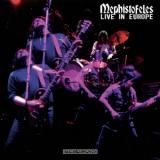
Neon Pink Vinyl, limited to 350 copies. Brand new LIVE ALBUM of the Argentinian cult doom band MEPHISTOFELES. Recorded during the band's first ever European tour in 2025. Twenty live tracks, recorded at their shows in Barcelona and Arnhem that prove this occult doom trio has become an incredible live band. Heavy as Hell!
il devrait être publié sur 07.08.2026

DAVID THRUSSELL is a musician, mystic, writer and accelerationist. notorious for his cynical, satirical and conspiratorial musings as SNOG and BLACK LUNG, what is less known is that thrussell has a deep and abiding interest in the esoteric and occult. THE REIGN OF DEAD MATTER is thrussell's purest and most essential recording. it is ritual music - music recorded through ritual practice and for the practice of ritual. designed and built to be played loud in the cathedrals of nature, reverberating through ancient forests and secret valleys. it is the sound of the dying cosmos reborn - life celebrated through sacrifice, destruction and renewal.
il devrait être publié sur 30.07.2026
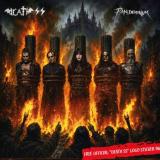
Marking the band's long-awaited recording return, the 7-inch release features the
title track "Pandemonium" alongside the exclusive B-side "Candlelight", available
exclusively on vinyl and omitted from the digital release.
With "Pandemonium", DEATH SS once again channel their unmistakable artistic vision,
transforming apocalyptic imagery, esoteric symbolism and occult references into a striking
metaphor for today's world. Demons, broken seals and the Great Beast become powerful
symbols of war, fanaticism, mass manipulation, collective anger and the profound spiritual
crisis affecting modern society.
As always, DEATH SS invite listeners to explore multiple layers of interpretation beyond the
song's narrative. Beneath its dark imagery lies a reflection on human consciousness and the
urgent need for inner awakening, reinforcing the symbolic and philosophical approach that
has distinguished the band throughout its entire career
il devrait être publié sur 24.07.2026


Ltd. silver vinyl. Migja ta Mohh Mignun ("Journey of a Mad Mind") is a concept prose, chronicling the descent and transformation of a man consumed by insatiable thirst for forbidden knowledge. Abandoning wealth and comfort, he pursues ancient secrets hidden in scrolls, caves, and lost maps, ultimately crossing the boundary between life and death. Along the way, he defies the Inquisition, boasts of powers older than God, and embraces the role of a sorcerer and a possible Antichrist. His journey is filled with occult rites, supernatural encounters, resurrection, and even visions of an underworld queen who grants him unmatched wisdom. In the end, his quest leaves him both cursed and exalted; a figure suspended between madness, immortality, and damnation. This concept is based on a Maltese legend formally penned by Agostino Levanzin, which in turn is rooted in actual events from the 16th century. The music is written to accompany the story and is paced in an average medium-paced but intense wall of sound, along with Sa??ar's particularly unique vocals, all in the exotic and arcane Maltese tongue.
il devrait être publié sur 12.06.2026

SILVER VINYL[27,31 €]
Migja ta Mohh Mignun ("Journey of a Mad Mind") is a concept prose, chronicling the descent and transformation of a man consumed by insatiable thirst for forbidden knowledge. Abandoning wealth and comfort, he pursues ancient secrets hidden in scrolls, caves, and lost maps, ultimately crossing the boundary between life and death. Along the way, he defies the Inquisition, boasts of powers older than God, and embraces the role of a sorcerer and a possible Antichrist. His journey is filled with occult rites, supernatural encounters, resurrection, and even visions of an underworld queen who grants him unmatched wisdom. In the end, his quest leaves him both cursed and exalted; a figure suspended between madness, immortality, and damnation. This concept is based on a Maltese legend formally penned by Agostino Levanzin, which in turn is rooted in actual events from the 16th century. The music is written to accompany the story and is paced in an average medium-paced but intense wall of sound, along with Sa??ar's particularly unique vocals, all in the exotic and arcane Maltese tongue.
il devrait être publié sur 12.06.2026

Crypt of the Wizard is proud to present Scimitar – Scimitarium I on vinyl and digital formats. Formed in 2024 by veterans of Copenhagen’s underground music scene—including members of Slaegt, Endless Glory, and Shaam Larein—Scimitar arrives as a fully formed force of nature. In their raucous wake lies Scimitarium I, a frenzied, whirling dervish of black occult rock. For those familiar with the members' previous efforts, this should come as no surprise. This piece of musical alchemy is a perfect knife-edge dance, seamlessly blending elements of black metal, post-punk, and occult rock. Dark and serpentine, onyx black, scaled and sacred, Scimitarium I unfurls itself like an endless snake wrapped tight around the world. With a dark heart and a head full of fever dreams, this is an album of breathless intensity. Shaam A.’s constant presence provides an abundance of rich, overflowing lyrics, delivered in her distinctive and haunting voice—written as if hurriedly scrawled in feverish reverie—and reinforced by winding, twisted narratives played out on violent yet harmonic duelling guitars, alongside a rhythm section of unyielding intensity. Scimitar has quickly become an indelible part of the city's fertile and ever-evolving metal scene—a place where stalwarts continue to push boundaries and break moulds with seemingly effortless zeal. This is an album of forged perfection, honed and sharpened like a curved blade—shimmering with lethal precision—driven straight into the heart of all matters
Commandez maintenant et nous commanderons l'article pour vous chez notre fournisseur.

The mysterious Witness of Venus takes command of the Zazù spacecraft and continues his cosmic exploration. With Lost & Found, he drifts into a dreamlike sound world inspired by a specific sound of the trance and techno of the 1990s — the one that evokes wonder without excess.
As the label’s second release, Lost & Found is a gentle tribute to a timeless spirit of dance music, where the dancefloor becomes a place not only to move, but to dream.
Commandez maintenant et nous commanderons l'article pour vous chez notre fournisseur.

Three years after their debut, French Azken Auzi return with Infernua, a dark and powerful journey into the depths of occult doom and sludge. Forged through years of live activity and creative evolution, the album reveals a band that has fully embraced its identity, delivering heavier riffs, deeper atmospheres and a more mature songwriting approach. Crushing grooves meet haunting passages as Azken Auzi explore the darkest corners of the human soul, balancing oppressive heaviness with moments of eerie tension and hypnotic flow. From the album's thunderous opening to its more ethereal closing moments, Infernua unfolds as an uncompromising sonic ritual that pushes the band's sound into darker and more immersive territories.
For fans of Monolord, Electric Wizard, Darkthrone, Weedeater, Beherit, Celtic Frost, Crowbar, Mayhem, YOB.
il devrait être publié sur 15.05.2026
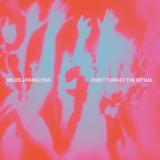
An EP of the darker side of electronic dance music is always a welcome addition to Especial. Up and coming producer / DJ Miles J Paralysis steps away from releasing on his own Crying Outcast label to explore left of centre, new wave and cosmic sounds; songs woven from his own vocals and samples.
A love of Dub, Hip Hop and Electro-Funk led into electronic music. Sampling TV shows, making beats, jamming. Exposed to Leeds and Manchester club cultures, seeking the more experimental. African Head Charge, Muslimgauze, The Rootsman and Weatherall were early influences in forming a no rules philosophy.
Born and raised around West Yorkshire, the beauty and bleakness of the moors have a strong bond on Miles Henry aka Miles J Paralysis and his music. Folklore and the occult link and connect an interest in Northern Hauntology. Unresolved histories, stuck between past glory and phantoms of possible futures.
The EP starts with It’s Only Shadows Talking. A play on the Paralysis persona, the spectral dub house groove meets industrial overtures, encasing his own eerie and unsettling vocals to begin the narrative.
Don’t Forget The Ritual takes a direct link from British folk traditions. Sacred and ceremonial; the laid-back breakbeat, samples and delays are the transition to the evocative embrace of melancholia.
Come On Fleet, the hypnotic Latin (vocal) sample creates a lurking murmuration, rimshot percussion meets gothic sound design for the EPs’ most straight forward and direct club cut.
Surreal and dreamlike soundscape, closing track The Delicate Fairytale is the perfect platform for Miles own phantasm. Inspired by the stories of Dorothy K Haynes and Robert Hickman, the pervading sense of a David Lynch aesthetic, exploring the nostalgic nature of memory.
Commandez maintenant et nous commanderons l'article pour vous chez notre fournisseur.

Primordial Mind forms the mysteries and intensity of inner life into eight mandalic instrumentals where Mas Aya and Khôra, artists who share 15 years of music making, orchestrate an inspired, prismatic palette of percussive and melodic sources. Each composition presented stages a vigorous meshwork of colours and textures, contrasting riveting polyrhythms with towering arrangements for flutes, synths, and processed acoustic instruments. Tendencies which the artists trace in their solo practices are amplified, blended, and refracted sublimely in unison, serving as energetic portals to the collective awareness.
Combining trans-ethnic scaling alongside a heady brew of rhythmic influences and advanced electronic processing, the recordings on this album operate with a tactility that vaults between free jazz, dub, raga, ambient, and ritual music. Assimilated powers of primal drum patterning and psychoactive, ceremonial melodies, invoke fourth world adjacencies with the work of Don Cherry, Jon Hassell, Popol Vuh et al. There is an alchemical, Buddhist/Taoist/Hindu inflection that guides the record’s narrative, formed through dialogue between the artists over lifelong shared interest in spiritual modalities generally and the tantric approaches of the global east in particular. The album title is derived from an unexcelled esoteric work known as the Kalachakra (Wheel of Time)Tantra and its associated commentary the Ornament of Stainless Light which detail forms of inner and outer transubstantiation within its complex cosmology and metaphysiology.
Mas Aya is the moniker of Brandon Miguel Valdivia, acclaimed Nicaraguan-Canadian composer, producer, and musician whose electronic and jazz inspired works creatively interlace Colombian, Cuban, and a wide array of traditional music. Khôra is the name of the occult entity that uses multi-instrumentalist, producer, and writer Matthew Ramolo to pronounce itself. Returning to Marionette following 2024's monumental Gestures of Perception, Primordial Mind reinforces the rigorous and magical approach to creation which defines Khôra’s two decades of sonic output. Brandon and Matthew met back in 2011 and the pair toured around eastern Europe with Toronto band Picastro in 2013, also performing as a duo with Brandon contributing drums to Khôra's opening sets. After a short spate composing and playing in the ensemble Bespoken together, they continued to discover shared inspiration in psych/art rock, jazz, experimental and electronic music, providing a fertile soil for friendship and collaboration resulting in their collaged, lo-fi album Tangled Roots in 2017. Mythic and talismanic, the duo's Marionette debut weaves a luminous tapestry of organic pulses, offering itself as a support for resonant meditation and a motor for lucid action and intuition.
Brandon Miguel Valdivia: Percussion, Flutes, Log Drum, Korg Lambda, Angklung, Tambor Alegre, Udu
Matthew Ramolo: Modular Synth, Archival Samples, Angklung, Guitar, Duduk, Bass, Percussion, Arrangements and Mix
il devrait être publié sur 08.05.2026
Black Vinyl[25,17 €]
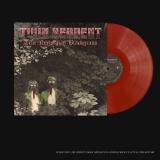
“Weird, rowdy and just a little bit black metal” – TWIN SERPENT’s sophomore album out in May via Svart Records Facilitating country influences and the energy of punk, Twin Serpent is a noisy but cute outsider band that manages to blur genre boundaries. Inspired by the likes of The Taxpayers and 16 Horsepower, this crust-country band applies lo-fi black metal aesthetics without having to bathe in blood. Songs about love, betrayal and defiance are delivered with acoustic to amp-wall dynamics, duelling vocal harmonies, shrieking solos and distorted banjos. The debut album Feels Like Heaven, North Of Hell (2022, Loyal Blood Records) was described by the press as genre-defying and compared to bands like GY!BE and Tom Waits. The sophomore TRUE NORWEGIAN BLACKGRASS turns the volume to twelve and the trainbeat races down the tracks at a derailing speed. Covering topics on windmill resistance, porn industry and post-Trump America accompanied by playful country punk with a twinkle in the eye, laced with cosmic and occult undertones. “We’re super happy to finally unbox our sophomore weirdo rocker! And we’re specially stoked to do so on the amazing Svart Records! This particularly hits home with Timo who was born in Finland.
There’s even a song in Finnish on the album, which came out great! The artwork is amazing and everything is there for a reason. We recorded it during the year of the serpent at Piir studio, just a 5-minute walk from our home in Svartlamon, Trondheim, NO. Vebjørn Svanberg Numme aka the wizard technician did an amazing job capturing the essence of the Twins during a hot summer week. 12 songs about love, betrayal and black holes with country licks, rock’n’roll kicks and heaps of punk attitude is the result and we’re super proud to present the first tease from it! We’ve kept things close to home as our resident artist Hanna and designer Tony did the cover art! It’s weird, rowdy and just a little bit black metal", comments the band on the new album. With a slew of sold out shows in their hometown of Trondheim, the band is delighted to spread their cosmic gospel to the people! Twin Serpent goes hard with in-your-face attitude and fits in barn dances as well as punk festivals!
il devrait être publié sur 08.05.2026

Transparent Red Vinyl[26,01 €]
“Weird, rowdy and just a little bit black metal” – TWIN SERPENT’s sophomore album out in May via Svart Records Facilitating country influences and the energy of punk, Twin Serpent is a noisy but cute outsider band that manages to blur genre boundaries. Inspired by the likes of The Taxpayers and 16 Horsepower, this crust-country band applies lo-fi black metal aesthetics without having to bathe in blood. Songs about love, betrayal and defiance are delivered with acoustic to amp-wall dynamics, duelling vocal harmonies, shrieking solos and distorted banjos. The debut album Feels Like Heaven, North Of Hell (2022, Loyal Blood Records) was described by the press as genre-defying and compared to bands like GY!BE and Tom Waits. The sophomore TRUE NORWEGIAN BLACKGRASS turns the volume to twelve and the trainbeat races down the tracks at a derailing speed. Covering topics on windmill resistance, porn industry and post-Trump America accompanied by playful country punk with a twinkle in the eye, laced with cosmic and occult undertones. “We’re super happy to finally unbox our sophomore weirdo rocker! And we’re specially stoked to do so on the amazing Svart Records! This particularly hits home with Timo who was born in Finland.
There’s even a song in Finnish on the album, which came out great! The artwork is amazing and everything is there for a reason. We recorded it during the year of the serpent at Piir studio, just a 5-minute walk from our home in Svartlamon, Trondheim, NO. Vebjørn Svanberg Numme aka the wizard technician did an amazing job capturing the essence of the Twins during a hot summer week. 12 songs about love, betrayal and black holes with country licks, rock’n’roll kicks and heaps of punk attitude is the result and we’re super proud to present the first tease from it! We’ve kept things close to home as our resident artist Hanna and designer Tony did the cover art! It’s weird, rowdy and just a little bit black metal", comments the band on the new album. With a slew of sold out shows in their hometown of Trondheim, the band is delighted to spread their cosmic gospel to the people! Twin Serpent goes hard with in-your-face attitude and fits in barn dances as well as punk festivals!
il devrait être publié sur 08.05.2026

Einar Solberg (Leprous) kehrt mit "Vox Occulta" zurück, seinem zweiten Projekt unter eigenem Namen und einem kühnen, schweren und symphonischen Statement, das in Zusammenarbeit mit dem begehrten Norwegian Radio Orchestra aufgenommen wurde. Solberg will sich als einer der epischsten Charaktere der experimentellen Musik etablieren: "Ich möchte als der cineastische Mensch im Prog gesehen werden", erklärt er. "Ich möchte das vollständig für mich beanspruchen. Dies ist ein sehr cineastisches Album, und genau das war mein Ziel."
"Stella Mortua", der Eröffnungstrack von "Vox Occulta", spiegelt diese klare Vision wider. Solberg singt zu klassischen Streichern, bevor sich eindringliche E-Gitarren-Akkorde hinzugesellen und der Sänger sich durch einen majestätischen Refrain kämpft. Von da an hat jeder Song seinen eigenen Charakter - "Medulla" betont sein gewaltiges, metallisches Riff und "Grex" ist eine fast 12-minütige Odyssee.
"Vox Occulta" wurde von Solberg und David Castillo co-produziert, der für seine Arbeit mit Opeth, Katatonia, Amorphis und anderen bekannt ist. Auf dem Album sind Schlagzeuger Keli Guðj\u00F3nsson (Agent Fresco), Violinist Chris Baum (Bent Knee), Gitarrist Pierre Danel (Novelists) und Bassist Jed Lingat sowie John Browne (Monuments) und Ben Levin (ex-Bent Knee) zu hören. Adam Noble, ehemaliges Mitglied von Biffy Clyro, war für den Mix verantwortlich.
"Vox Occulta" wird als limitierte CD-Digipak- und Gatefold-Weiß/Schwarz-2LP-Version sowie digital erhältlich sein..
il devrait être publié sur 24.04.2026
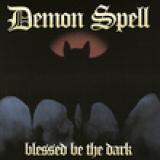
DYING VICTIMS PRODUCTIONS is proud to present DEMON SPELL’s highly anticipated debut album, Blessed Be the Dark, on CD and vinyl LP formats. After the cursed EP Evil Nights in 2024, the coven of DEMON SPELL returns, unleashing a vision of dark, occult heavy metal born from dust, bone, and shadow. Appropriately titled Blessed Be the Dark, the Italians’ debut album is a descent into ritual fire and ancient doom, where the echoes of the grave sing once more. This is music for disciples of the timeless art of darkness.
With Blessed Be the Dark, DEMON SPELL deepen their devotion to a shadowed form of heavy metal rooted in the classic tradition yet veiled in occult and arcane tones, all performance with a provocative theatrical presence. Wholly untouched by modernity, their sound draws from the primordial essence of early heavy metal; one can imagine the cutoff year at 1985, or perhaps earlier. The record presents a more mature and refined vision of the band’s sound as first displayed on the quick-hitting Evil Nights, here exploring darker, more occult atmospheres while also offering raw, energetic passages that bring moments of levity and drive. Listening to DEMON SPELL in full-length form feels like entering an endless Sabbath, where past and present dissolve and the flame never dies. Blessed Be the Dark stands as a testament to heavy metal as ceremony—timeless, solemn, and possessed by the Spirit of the Night.
il devrait être publié sur 24.04.2026
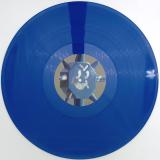
2026 Repress / Blue Vinyl
After releasing five sell out various artists EP’s featuring 25 artists, positivesource is excited to present a new chapter for the label with a diverse and anthemic EP from Berlin based producer Regent.
No stranger to the label, Regent contributed to src005 last year with his smooth techno roller ‘Off Agenda’ alongside music from Neri J, Alpha Tracks, Vil & Cravo. His tracks have featured heavily in DJ sets by label founders Blue Hour and Philippa Pacho over the years, naturally the idea to present the first artist EP on positivesource with Regent comes as no surprise. The record starts on a hypnotic tip with ‘Occult’, grooving along with an infectious bass-line swung beats and blissed out atmospherics before stepping up the energy levels on ‘Khmera’, a relentless chord driven percussive anthem with nostalgic vocals rising to new heights. On the flip the title track ‘Aphid Riot’ is bold and vibrant leaning heavily into UK flavours using sliced up vocals, breakbeats and a classic ‘Reece’ bass-line. Completing the record is a ‘broken’ version of ‘Aphid Riot’ highlighting an ethereal tonal melody with a deeper and more introspective take on the original. It’s a new sound exploration from the producer, emonstrating his versatility and perhaps a rare moment in his discography
Commandez maintenant et nous commanderons l'article pour vous chez notre fournisseur.

With „Darkness Is My Crown“, DEFACING GOD present their most personal and intense album to date. The Danish extreme metal visionaries once again fuse blackened death metal, symphonic darkness and occult atmosphere - this time with a strong focus on inner conflict, loss, transformation and resilience. The album stands as an unfiltered reflection of confronting darkness head-on and reshaping it into strength, identity and purpose. „Darkness Is My Crown“ is a powerful artistic statement, defined by authenticity, emotional depth and uncompromising vision, further solidifying DEFACING GOD’s place within the modern extreme metal landscape. The album will be released on March 27, 2026, and was mixed and mastered by Tue Madsen (Heaven Shall Burn, Babymetal, Belphegor …) at Antfarm Studios.
il devrait être publié sur 27.03.2026

DYING VICTIMS PRODUCTIONS is proud to present MIDYRASI’S KULT’s highly anticipated debut album, Italian Dark Sound, on CD and vinyl LP formats. MIDRYASI'S KULT are revolutionary and uncompromised. Featuring veterans from such Italian doom stalwarts as Doomsword, Midryasi, Agarthi, and Fiurach, their unique blend of elements from the NWOBHM, doom metal, and early black metal – all fused in their distinctive national dark-sound tradition, which includes such cult legends as Black Hole and Death SS – results in an obscure, hypnotic, and exciting formula. In March 2025, after just one week on Bandcamp, MIDYRASI’S KULT were intercepted by Caligari Records, who released on cassette their debut demo, Mountain Devil. Featuring three songs in a concise 15 minutes, this demo reaped international acclaim for its originality and attitude. But that was but a foretaste of darker delights to come. Witness the first full-length of MIDRYASI’S KULT, Italian Dark Sound.
Truly titled, Italian Dark Sound is an intoxicating spelunk into catacombs both idiosyncratic and indefinable. Totaling 32 time-/mind-expanding minutes, the eight primary tracks here – the outro is titled “The Lost Son of Sylvester Anfang,” which should offer an obvious clue to the black-metal-minded out there – each offer something different from the next, and yet all add up into a shadowy experience that’s both rocking and atmospheric. In fact, if one were to single out an aspect between the demo and album, it’s that MIDYRASI’S KULT exude more energy on this full-length without sacrificing any of their occult aura. But, just like that demo, Italian Dark Sound features supremely pro production – gritty, earthy, and yet kaleidoscopic in texture – under the guidance of Gabry "The Way" Strada, head of RDF Studio and who’s now collaborating on the upcoming Doomsword new album. In the vein of an open artistic project, all the artwork is made by vocalist / bassist Geilt himself, and up to 11 musicians have been involved in these recordings
il devrait être publié sur 27.03.2026

Following up their 2016 release Satan’s Heavy Metal, Aggressive Perfector’s debut full length, Havoc At The Midnight Hour, finds the English trio in resolutely evil form as they take a major step forward on their path of destruction. Embracing a wealth of haunted sounds and textures, this sepulchral slab of metal conjures an atmosphere rich in the romantic repugnance of horror’s past masters which it uses the setting for a 37 minute nightmare of nocturnal menace, occult fascination and bloody vengeance. Summoning the ghosts of Metal past – Tank, Slayer, Venom and Mercyful Fate all playing a part- Havoc… fixates on the nuclear fury of an apocalyptic future, from which it culls new ways to pervert the course of heavy metal in the present. Follow Aggressive Perfector into the nightmare when Havoc At The Midnight hour is released on November 1st.
il devrait être publié sur 27.03.2026

Here we find ourselves, among the Canadian miscreants Egregore whereupon they return from whence the wind howls like a damned choir and the Earth knows no master, to chart a broader sonic wilderness via ‘It Echoes In The Wild’. And much as sea-rogues and freebooters sought fortune upon blackened waters, so too does Egregore venture musically into diabolic and ungoverned lands. Presenting something more expansive, elemental and untamed on ‘It Echoes In The Wild’, the early occult Black Death Metal lunacy embraces atmospheric breadth equally alongside primitive force to delve deep into not only geographic wilds, but the psychological, esoteric and spiritual hinterlands at the edges of complete madness. Dark invocations and secret tongues draw forth echoes from forest and fen, cave and cliff, tempting the temporally tethered to receive the curse, all the while driven by a primal, unknowable sardonic menace. Though the voyage be perilous, to succumb to ‘It Echoes In The Wild’ is to become ensconced in a lawless dominion of the soul in service of a higher call. Mirroring nature’s unbridled forces and the hidden echoes that dwell within, Egregore’s second album takes the band’s mystical insanity and magickal perversion to the edge of the abyss and plunges forward.
il devrait être publié sur 20.03.2026
