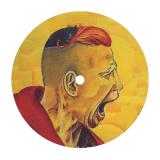
The third in a series of releases from the Digi Dub archives, Like it Here is a tribute to the poet laureate of Special Brew, the late Iffor Clarkson-Denbigh, who sadly departed us in 2021 to drink in the great park in the stars.
The infectious and futuristic late 90s vocal space dub of the A side finds Iffor waxing lyrically about both the nature of impermanence and the sentient ocean of Solaris over an irresistible bassline and low winding groove. The flip side features a suitably chugging version of the rail riding classic Loveborough Junction and a percussive early 90s acid dub of Heart like a Lion, the original of which dropped on the South East of the Thames collection. None of the tracks are traditional style dubs, but happily exist in the gaps between genres.
Iffor was a well-known multi-instrumentalist and vocalist on the South East London underground scene who lived life to the max without an off switch. He and label owner Lee Berwick truly had a laugh in the studio, producing Purple Boy (the classic ode to drinking in the park), the suitably named Clevor but Stupid album and many other uncategorisable musical wanderings.
“The hope is that Iffor, the dark son of Clenby, is cackling as he cracks another can while looking down on us from the great park in the stars.” Lee Digidub Berwick
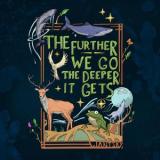
The final installment of the GIANT SKY trilogy, Giant Sky III, will be released on October 2nd, 2026, preceded by the single "Fleeting Glimpse", which offers the first taste of the new album. A companion postlude album, The Further We Go The Deeper It Gets, will follow on October 16th, 2026. Together, the two records complete an ambitious body of work that has seen Viken explore a broader and more introspective musical landscape than ever before. "Fleeting Glimpse" provides an evocative introduction to the final chapter of the GIANT SKY trilogy. While Viken"s band Soup has become renowned for its emotionally charged, crescendo-driven soundscapes, GIANT SKY allows him to embrace an even wider palette of influences. Drawing from alternative art rock, post-rock, electronica, ambient music, indie, folk, and progressive rock, the project balances immersive atmospheres with memorable melodies. In an era increasingly dominated by algorithms, artificial intelligence and digital perfection, Viken has consciously taken the opposite path. GIANT SKY is built around the human element of music-making, embracing imperfections and authenticity as artistic strengths. "This album has been with me for a long time. Some of the ideas on Giant Sky III go back many years, and in a way it feels like a cross section of the last 25 years of my life as a composer. We live in a time where music is increasingly shaped by algorithms, AI and endless digital possibilities. I suppose this record is my way of walking upstream a little bit - taking the slower route, trusting the human imperfections, and letting the music find its own shape. It wasn"t a quick album to make, but I"m proud of what it became: ambitious where it needed to be, modest where it should be, and above all, honest." - Erlend Viken
The final installment of the GIANT SKY trilogy, Giant Sky III, will be released on October 2nd, 2026, preceded by the single "Fleeting Glimpse", which offers the first taste of the new album. A companion postlude album, The Further We Go The Deeper It Gets, will follow on October 16th, 2026. Together, the two records complete an ambitious body of work that has seen Viken explore a broader and more introspective musical landscape than ever before. "Fleeting Glimpse" provides an evocative introduction to the final chapter of the GIANT SKY trilogy. While Viken"s band Soup has become renowned for its emotionally charged, crescendo-driven soundscapes, GIANT SKY allows him to embrace an even wider palette of influences. Drawing from alternative art rock, post-rock, electronica, ambient music, indie, folk, and progressive rock, the project balances immersive atmospheres with memorable melodies. In an era increasingly dominated by algorithms, artificial intelligence and digital perfection, Viken has consciously taken the opposite path. GIANT SKY is built around the human element of music-making, embracing imperfections and authenticity as artistic strengths. "This album has been with me for a long time. Some of the ideas on Giant Sky III go back many years, and in a way it feels like a cross section of the last 25 years of my life as a composer. We live in a time where music is increasingly shaped by algorithms, AI and endless digital possibilities. I suppose this record is my way of walking upstream a little bit - taking the slower route, trusting the human imperfections, and letting the music find its own shape. It wasn"t a quick album to make, but I"m proud of what it became: ambitious where it needed to be, modest where it should be, and above all, honest." - Erlend Viken
Following one of 2025’s standout EPs, the CEO of the National Centre for Mark Fell Studies fires from the hip in brilliant, club-troubling motion. In step with 30 years of prism-pushing work — and particularly the »Nite Closures« EP, which signalled a concerted return to the dancefloor — Fell pulls aspects of hypermodern dance and electronic music from Chicago, Tanzania, and Japan into his own peculiar agenda.
The hugely distinctive results pull the body into thrillingly unusual, typically ascetic arrangements, activating every pointillist drum hit with attack and decay in a soberly ludic play of rhythmelodic tension and release, executed to delirious ends; 40 minutes of computer music.
As an artist who witnessed first-hand the explosion of electronic music in early ’80s Sheffield, and its interplay with house and rave as it refracted into wild new styles during the ’90s, Mark Fell is uniquely positioned to pursue his passion for the dynamics of electronic dance music to the nth degree. »Servitude In Context« continues to develop ideas around music for movement in the mid-2020s, placing decades of keen observation — from the macro and historical to the niche and hypermodern — at the service of flexing bodies in new directions.
Long-held notions of multistability manifest in what feels like two machines playing chess on the dancefloor, attempting to adapt to each other’s playing styles and patterns in real time, anticipating and zigzagging around the next move. The result is a plethora of options for limber dancers and those who only bust a move inside their heads.
The slow-fast play of accelerating and decelerating strikes, alongside monotonic chatter in »Actuations #1 (Extended)«, acclimatises the body to a uniquely sensual physics. This develops into the rudely screwed, asymmetric angularity of »Time-Slur« and the shatterproof elasticity of »Taut Manifold«, which feels like an LLM trained on Autechre.
»Low Energy Mantra« offers the EP’s closest resemblance to melodic structure, like gamelan and footwork refracted through lab-grown diamonds. Then »Anode« flashes its teeth with a rudeness recalling the latter stages of Fell’s Pat Thomas jams, before »3 Lost Contours (Pts 1–5)« tilts into 12 minutes of proper quicksilver madness, balancing the sexiness of his Sensate Focus work with an updated, clean-hoofed step and parry.
Kukangendai are the innovative three-piece Kyoto based experimental rock band formed in 2006 with Junya Noguchi on guitar and vocals, Keisuke Koyano on bass, and Hideaki Yamada on drums. Since 2016 the band have set up shop in their studio and venue space, Soto, which houses an incredibly well tuned and powerful sound system that has become a well known destination for touring musicians. In March of 2025, Marionette was celebrating a belated 10 years of activity with label showcases across Japan in collaboration with Dotei Records, and Soto was inevitably one of the stops as many label alumni have set foot in the venue over the years. This is where I got to experience Kukangendai perform for the very first time and knew right then we were destined to work together.
Kukangendai embody an undeniable sense of timing and precision through collage-like repetition of minimalist phrases that manifest as a single unified rhythm. Their latest offering for Marionette, titled Baquet Wheel, is a purely acoustic endeavor, remarkably recorded live using Taku Unami's special binaural microphone. The trio seamlessly twist polyrhythms and melodies rooted in jazz, krautrock, blues, and Tuareg producing a timeless sound that preserves the primitive and memory evoking narratives buried deep within the music. Over the course of five tracks, the visceral nature of Kukangendai’s dynamic evolves from playful riffs that are seemingly familiar yet strikingly original, making it impossible to discern exactly when this material was conceived.
Kukangendai have maintained a prolific yet relatively low profile for the last two decades, with a handful of self-released editions on their own labels (Soto and Leftbrain) as well as a collaborative album with pioneering electronic music composer Ryuichi Sakamoto in 2018, then venturing outside Japan in 2019 to release their first widely distributed album on Ideologic Organ, a label curated by Sunn O)))’s Stephen O'Malley. Other collaborative projects to date include an album produced with rap group Moe and ghosts, live performances with Keiji Haino and with poet Gozo Yoshimasu, productions with the Chiten theater company, and most recently a remix album of their works featuring Carl Stone and Madteo.
The story of each re-release begins with the original. In the late 90s, Uwe Zahn (Arovane), along with Robert Henke (Monolake) and Stefan Betke (Pole), began releasing music on Torsten Pröfrock’s (Dynamo) newly launched DIN label. This was a very inconspicuous undertaking, but fans of the flourishing IDM, glitch, and constantly evolving abstract techno genres quickly picked up on the quality of sound coming out of Germany. After a few successful EPs, Zahn began working on his debut full-length, Atol Scrap. The release was a success, at least in the underground circles, where followers of the melodic harmonies, stuttering off-beat rhythms, and, most importantly, advanced sound design feverishly consumed the imprint’s output. There was only one thing missing – the album was never pressed on vinyl, and for decades remained in the digital domain. The fans, of course, inquired. There were multiple offers on the table, but Zahn retained control until he was assured that it was properly attained. “I thought of taking everything into my own hands and releasing the record myself,” says Zahn, “but at the end of last year, Matthias from Keplar asked me to re-release Atol Scrap on vinyl.” The label and its owner revolve in the Morr Music universe, and so it made sense for Zahn to trust the platform to treat the record right.
Listening to Atol Scrap over twenty years later it is inane not to admit how well it has held up. Where other genres clearly aged, becoming stale, bland, and dull, the music on eleven tasty tracks still keeps the neurons tickled with each note. More than an echo of the past, the bottled sound truly has matured. Many of the newly evolving techniques are recognizable on the album. “I created the digital artifacts with a digital multi-track recorder, the Fostex D80,” recalls Zahn. “The thing had a scrub wheel with which I could achieve wonderful glitch effects by winding through the audio data. I have sampled and further processed these artifacts.” And this approach is still embedded in Zahn’s sound design. “I still use my 24-track analog desk from Tascam to mix my audio. I love to use hardware synths and samplers. I’ve definitely built upon my studio experience in the 90s.” From this debut to the most recent output, Arovane’s sound has evolved to become more intricate, detailed, and pronounced. “My music has become much quieter and much slower. But that’s probably also due to the noise in the world.” And just as Atol Scrap reminds Zahn of the past, retaining charm preserved in a container traveling through time, it also jitters memories of long ago, when we were twenty years younger, less experienced, and bold. For me, among the many records of the time, this album held a special place in life, my heart, and many CD boxes moved across the world. And now I’m only happy to restock the vinyl space, where Atol Scrap belongs among the beloved records. Welcome home. - Mike Lazarev
Remastered and cut to vinyl by Kassian Troyer @ D&M. Cover art by Jim Kühnel based on a photograph by Uwe Zahn.
out of Stock
Last delivered 17 days ago available to reorder, subject to availability
Roughly two years after the release of their initial statement of intent, debut single “Toutpartout PT2” with its hypnotic ripples, Andi Haberl and Florian Zimmer aka Bella Wakame have successfully channeled the magic of a 2024 live recording (captured at Berlin’s Donau115 & Silent Green) into their first proper studio offering. You can hear inspirations ranging from Bitchin Bajas, Jeremiah Chiu to Groupshow (Jelinek, Leichtmann, Pekler), the hypnotic, intricate battle between form and freedom (the fun of momentary formlessness) continues to unfold over the course of 10 new tracks, featuring album guest Indra Dunis (Peaking Lights). Their first single "Shades of Nambei" was very much inspired by the wonderful band Spirit Fest and their song "Nambei".
You can either shorten the reins, or you can loosen them – and give things more slack. With Bella Wakame, it’s definitely the latter. Constantly challenging each other, they’re tapping a whole new energy. Tons of different energies.
Based on the impulsive, propulsive interplay between drums/sensory percussion (Andi Haberl) and modular synthesizer (Florian Zimmer), the frenzied, free-form results take listeners into completely new dimensions – sonic worlds that don’t really sound anything like their other musical outlets (The Notwist, SUN, Saroos, Driftmachine etc.).
Whereas most bands tend to notoriously overthink names/monikers, these guys obviously only care about the ecstatic push-and-pull that occurs once their instruments meet and overlap: it’s wildly explosive textures with a booming heart. Moving restlessly between motorik club, electro-acoustic jazz experiments, ambient excursions, and fast-paced instrumental anthems that seem to explode at the seams, one can immediately tell how much they enjoy the newfound freedom, the turbulent encounters born on the spur of the moment.
It’s all about a quick-paced exchange of friendly blows, a chasing of tails into ever-new musical terrains. Relying on just enough form for that wildness to blossom within, their just-in-time dashes continually unfold, refold, return, grow bigger – and leave you startled.
out of Stock
Last delivered 17 days ago available to reorder, subject to availability
1982 4-Piece Demo' is the first official, fully-licensed and unreleased material to be released under the name Strawberry Switchblade in 30 years. Since disbanding amid major record label acrimony and personal differences in 1986, the already-cult band have since grown in stature and legend. Trailblazers in many ways, the band's mythology justifiably centers around the charismatic duo of Jill Bryson and Rose McDowall, but that isn't a complete picture. Bryson and McDowall's growing friendship, having met some years earlier on the punk scene, became a creative partnership: Bryson's art school background and McDowall's history in avant-punk group The Poets meant Strawberry Switchblade was a band pitted against many established norms. The band's very first incarnation, an all-female 4 piece, recorded one demo at Glasgow's Hellfire Club and played a handful of gigs. Friends Janice Goodlett and Carole McGowan completed the line up on bass and drums respectively. Strawberry Switchblade would eventually pair down to a duo and go on to chart success but it's in these raw, passionate recordings that the songwriting and vocal elements were being hammered out and explored in real time.
Spanish Song' is a previously unreleased song. With Rose McDowall's instantly recognizable lead vocal dovetailing with Bryson's harmonies and lead guitar, it's the first glimpse at an alternative history of Strawberry Switchblade. This incarnation could easily have been featured on a Nuggets compilation or a precursor to the indie-pop revolution that would take over British bedrooms a couple of years later. "Trees & Flowers" is instantly recognizable, a bona fide classic that would earn the band its first record deal. Here it's given a more forceful rhythm section: Goodlett and McGowan's playing is in fact accomplished and doesn't hint at the bands' youth. "Go Away" would also surface later on the band's debut LP but here it is a moody-garage stomper with a psychedelic, haunting refrain. These 3 songs point to a tantalizing future of the band that was never realized.
Remastered and restored by Sean Pennycook from the original cassette, with artwork based on a single photographic contact sheet (the only visual evidence of the band in this form) and with a booklet of photographs and new text. Pa
out of Stock
Last delivered 18 days ago available to reorder, subject to availability
Call of the Wild and Void is the sixth studio album by Hunter Complex and arrives on the Seattle-based label SFI Recordings. It features contributions from Aquiles Navarro (trumpet), new age legend Kat Epple (flute) and many more. Call of the Wild and Void is the follow-up to the critically acclaimed albums Airports and Ports (Burning Witches, 2022), Dead Calm and Zero Degrees (Burning Witches, 2020) and Open Sea (Death Waltz, 2019). The artwork was created by Andrew Crawshaw for Broken Press.
,Manchmal wird das Leben so düster, dass es sich wie ein böser Trip anfühlt", reflektiert Lily Seabird über die Zeit, die zur Entstehung ihres neuen Albums ,Lightspheres on Their Way" führte. Seabirds drittes Album innerhalb von ebenso vielen Jahren bei Lame-O Records beschäftigt sich mit Sterblichkeit und der Ehrfurcht vor dem Menschen Innersten und verbindet ihren trubadurhaften Folk mit einer grungigen Rock- Sentimentalität. Obwohl das Album aus einer Zeit der Abrechnung und Erneuerung hervorgegangen ist, orientiert Seabird ,Lightspheres on Their Way" an einem ganzheitlichen Realismus, der den Geist beflügelt, mit lockeren, erdigen Arrangements, die Intensität und Tiefe sowohl mit twangiger Weite als auch mit mitreißendem Drive verbinden. Über die neun Titel des Albums hinweg kreist die in Vermont lebende Sängerin und Songwriterin um das Konzept der ,Lichtkugeln", einer katalysierenden Präsenz oder Kraft, die immer wieder auftaucht und Geschichten, Gefühle und Lebenswege verändert. ,Eine Lichtkugel kann so vieles sein", sagt Seabird, ,ein tatsächliches Licht wie ein Stern, die Sonne, ein UFO; Scheinwerfer, eine Taschenlampe in der Nacht; aber auch das Leben, Lebewesen, Menschen, Beziehungen." Obwohl ,Lightspheres" einen Höhepunkt in Seabirds Songwriting markiert, betont sie, dass ,die emotionalsten Teile des Albums instrumental sind." Der Crazy-Horse-Stomp von ,Portal to the Past" und anderen Stücken geht in weitläufige, jamartige Zwischenspiele und Outros über, in denen Seabird und Rick Soszynski sich an verzerrten, rauen Gitarrenklängen erfreuen. Sie wirken wie Momente der emotionalen Entspannung, als würde man die Fenster herunterkurbeln und sich der Weite der offenen Straße hingeben. Lightspheres ist ein Beweis dafür, welche Tiefen man in seiner Kunst erreichen kann, wenn man aufhört, die Geschichte dessen zu erzählen, was einem widerfahren ist, und stattdessen darüber spricht, wer man ist.
out of Stock
Last delivered 19 days ago available to reorder, subject to availability
Knock Off präsentieren ihr siebtes Album "Pain Or Madness" _ ein Album, das nicht nur für die Band selbst in diesen Zeiten wichtig ist. Die Welt ist völlig verrückt und es scheint, als habe die Menschheit vergessen, wie man Konflikte löst, miteinander spricht und den Kreislauf der Selbstzerstörung stoppt. Und wenn die Schläge im persönlichen Umfeld näherkommen und das Schicksal zuschlägt, kann man schnell den Boden unter den Füßen verlieren. Wut, Hass, Aggression zusammen mit Depression, Lustlosigkeit, oder halt "Pain or Madness". Auf dieser Grundlage entstand Knock Offs siebtes Album. Punkrock war schon immer am stärksten, wenn die Zeiten düster sind, und dieses Album ist einfach eine musikalische Therapie und Offensive gegen alles was Dich zerstört. Knock Off spielen immer noch klassischen UK Oi! und Punkrock und haben ihren eigenen Stil über die Jahre perfektioniert, sorgen dabei aber stets aufs Neue für Überraschungen. Mit jeder verdammten Note spürt man, dass die Songs direkt aus dem Herzen kommen! Ein Schlag ins Gesicht, ohne Rücksicht auf Empfindlichkeiten, in Songs wie "Go Fuck yourself". Dieses Gefühl, wenn Hilflosigkeit in "Violence" umzuschlagen droht. Kein Diskutieren oder Erklären über Punk, denn "My Punk!" (is whatever I choose). Wenn die Jungs auf die '70s football youth' oder 'Good Times' zurückblicken, sind keine weiteren Erklärungen nötig, das ist und war deren Leben, hier gibt es nicht zu romantisieren. Selbst heutzutage kann man noch seinen Ärger rauslassen, und Knock Off tun das perfekt mit Songs wie "Anger is an energy" oder der dreckigen kleinen Selbstironie-Hymne "Middle age rage". "Pain or Madness" enthält ein Dutzend neuer Songs: Energiegeladene Punkrock-Hymnen mit großartigen sing-along Refrains und aggressiven Shoutings. Solch ein Album nach sieben Platten rauszubringen, ist ein auf keinen Fall zu verpassendes Statement! Zwei unterschiedlich mehrfarbige Vinyl-LP-Versionen erhältlich
Knock Off präsentieren ihr siebtes Album "Pain Or Madness" _ ein Album, das nicht nur für die Band selbst in diesen Zeiten wichtig ist. Die Welt ist völlig verrückt und es scheint, als habe die Menschheit vergessen, wie man Konflikte löst, miteinander spricht und den Kreislauf der Selbstzerstörung stoppt. Und wenn die Schläge im persönlichen Umfeld näherkommen und das Schicksal zuschlägt, kann man schnell den Boden unter den Füßen verlieren. Wut, Hass, Aggression zusammen mit Depression, Lustlosigkeit, oder halt "Pain or Madness". Auf dieser Grundlage entstand Knock Offs siebtes Album. Punkrock war schon immer am stärksten, wenn die Zeiten düster sind, und dieses Album ist einfach eine musikalische Therapie und Offensive gegen alles was Dich zerstört. Knock Off spielen immer noch klassischen UK Oi! und Punkrock und haben ihren eigenen Stil über die Jahre perfektioniert, sorgen dabei aber stets aufs Neue für Überraschungen. Mit jeder verdammten Note spürt man, dass die Songs direkt aus dem Herzen kommen! Ein Schlag ins Gesicht, ohne Rücksicht auf Empfindlichkeiten, in Songs wie "Go Fuck yourself". Dieses Gefühl, wenn Hilflosigkeit in "Violence" umzuschlagen droht. Kein Diskutieren oder Erklären über Punk, denn "My Punk!" (is whatever I choose). Wenn die Jungs auf die '70s football youth' oder 'Good Times' zurückblicken, sind keine weiteren Erklärungen nötig, das ist und war deren Leben, hier gibt es nicht zu romantisieren. Selbst heutzutage kann man noch seinen Ärger rauslassen, und Knock Off tun das perfekt mit Songs wie "Anger is an energy" oder der dreckigen kleinen Selbstironie-Hymne "Middle age rage". "Pain or Madness" enthält ein Dutzend neuer Songs: Energiegeladene Punkrock-Hymnen mit großartigen sing-along Refrains und aggressiven Shoutings. Solch ein Album nach sieben Platten rauszubringen, ist ein auf keinen Fall zu verpassendes Statement! Zwei unterschiedlich mehrfarbige Vinyl-LP-Versionen erhältlich
The Yummy Fur’s first album of new material in over 25 years is seductive and ambiguous; a fast-paced flip through scenes from art, myth, life and fantasy; a witty whole made from glittering scraps. The band’s original incarnation – fronted by singer, songwriter and guitarist John McKeown from 1992 to 1999 – morphed from making quick-hit cartoon-art songs to Eno and Cale-influenced creepers, populated by characters from McKeown’s life in Glasgow and the films, books and poetry that he lived a parallel life through. Everybody Talks About The Weather delights in using every past iteration of the band as potent collage material: a melee of sounds and ideas existing at once, revealing themselves then dipping back into hiding.
Recorded by the original core trio of McKeown, Brian MacDougall (guitar) and Paul Thomson (drums), Everybody Talks About The Weather comes 17 years after the band reformed for sporadic live shows, and seven years after the release of their sorta-greatest hits compilation Piggy Wings (Rock Action). Ten tracks long with nothing to spare, it is as condensed and vital as their best songs, with a new clarity of sound that allows their ambiguities to come into the light.
The album begins with “Cogs”, a taunting inquisition from within. As McKeown stages a fight between his id and ego, the tension heats up between conversational guitar lines and minimalist repetition; threatening sing-song melody and real, palpable menace. The band members are forced in tandem only to break apart, sustaining a genuine sense of just-hidden danger throughout the whole record – except, arguably, “Headphones”, a looser moment which sees McKeown make an existential something out of nothing while waiting for someone in the car (“I should have brought a book.../My ears are bleeding from the compression on your album”)
The songs are riots of reference: “Unity Over Europe” is a slyly complex two act play about the Mitford sisters – Diana, Unity, and Nancy, in a wink to the YF canon – smashing tragic biographical detail together with allusions to Thomas Pynchon and Francis Bacon. Pynchon is also lifted to serve “Blue Sunshine”, a collision of school shooters, serial killers and fictional fuck-ups (“Fast forward to Compton/Fast forward to Pynchon/Fast forward to Columbine'”) whose buzzy guitar lines are taunting and confrontational like a smarmy teenager. The innocuous title of “My Lasagne” belies a song that exists in several time periods at once: a visit to see Guernica, 50 people with their backs to the portrait of Dora Maar; the time that Picasso painted from; the Reina Sofia and the dirty streets of the Malasaña; myth-making musicians and the myths they’re riffing off overlapping and leering at each other.
All this could be laboured in lesser hands, but cultural verbosity is second nature to The Yummy Fur, who transform all this source material into songs that are weird, sexy, funny and absurd. Meaning is not happily understood or flattened. Susan Sontag's essay Against Interpretation accompanied McKeown as he wrote this album, and she’s paraphrased in “Semolina Ballerina”, the album’s justification of artistic ambiguity. Thomson’s motorik beat leads a gathering of back-and-forth instrumental phrases – including a wiry contribution on saxophone – embodying the futility of trying to parse something definitive from repeated action. “Listen to the very first thing that’s in your head,” Sontag-via-McKeown commands directly, then slinks sideways: “Interpretation is a conversation in an unmade bed”
The album features two more focused portraits, or at least The Yummy Fur’s version of such a thing. “Wanda” merges the life of filmmaker Barbara Loden and the title character of her semi-autobiographical 1970 feature film, with Loden’s then-husband Elia Kazan joining the fray of no-good men in her film. It’s a mix of adaptation and avant-criticism, with McKeown’s wordplay and mannered pronunciation mirroring the way that non-fiction and fiction twist around each other in the song. The title track is a series of vignettes and impressions from the lives of the band’s ‘90s inner circle, positing painter Mac McNaughton as a kind of Falstaffian ringleader. As with Piggy Wings and the recent single “New T-Shirt”, McNaughton painted the cover of Everybody Talks About The Weather – like the album’s music, the image of a coy girl in a white dress is an uncanny amalgamation of styles, suggestions and references just out of reach, as though seen in an art museum in a dream.
The album ends with two reads of the same frustration. “King of Nothing” is the closest The Yummy Fur will ever get to sludge-rock: the band melts together into a dusty, dreary haze as McKeown drowns in a drudgery of personal struggle (“Two jumpers on in Babylon/And only cats to talk to”) and the rhythmic toppling of heroes (Rowlands, Duvall, Munro). The majority of visible dirt is cleaned off for “Say Hello”, an uncharacteristic depiction of throwing the windows open after a dark night of the soul. Here, the situation is still cold and hard (“When the sun burns gold, but the heat never reaches your fingertips”) but it feels surmountable. Everybody Talks About The Weather is an unpredictable album from an unpredictable group, but ending on a moment of almost uncomplicated light is maybe its biggest surprise. - Claire Biddles (2026)
The Yummy Fur’s first album of new material in over 25 years is seductive and ambiguous; a fast-paced flip through scenes from art, myth, life and fantasy; a witty whole made from glittering scraps. The band’s original incarnation – fronted by singer, songwriter and guitarist John McKeown from 1992 to 1999 – morphed from making quick-hit cartoon-art songs to Eno and Cale-influenced creepers, populated by characters from McKeown’s life in Glasgow and the films, books and poetry that he lived a parallel life through. Everybody Talks About The Weather delights in using every past iteration of the band as potent collage material: a melee of sounds and ideas existing at once, revealing themselves then dipping back into hiding.
Recorded by the original core trio of McKeown, Brian MacDougall (guitar) and Paul Thomson (drums), Everybody Talks About The Weather comes 17 years after the band reformed for sporadic live shows, and seven years after the release of their sorta-greatest hits compilation Piggy Wings (Rock Action). Ten tracks long with nothing to spare, it is as condensed and vital as their best songs, with a new clarity of sound that allows their ambiguities to come into the light.
The album begins with “Cogs”, a taunting inquisition from within. As McKeown stages a fight between his id and ego, the tension heats up between conversational guitar lines and minimalist repetition; threatening sing-song melody and real, palpable menace. The band members are forced in tandem only to break apart, sustaining a genuine sense of just-hidden danger throughout the whole record – except, arguably, “Headphones”, a looser moment which sees McKeown make an existential something out of nothing while waiting for someone in the car (“I should have brought a book.../My ears are bleeding from the compression on your album”)
The songs are riots of reference: “Unity Over Europe” is a slyly complex two act play about the Mitford sisters – Diana, Unity, and Nancy, in a wink to the YF canon – smashing tragic biographical detail together with allusions to Thomas Pynchon and Francis Bacon. Pynchon is also lifted to serve “Blue Sunshine”, a collision of school shooters, serial killers and fictional fuck-ups (“Fast forward to Compton/Fast forward to Pynchon/Fast forward to Columbine'”) whose buzzy guitar lines are taunting and confrontational like a smarmy teenager. The innocuous title of “My Lasagne” belies a song that exists in several time periods at once: a visit to see Guernica, 50 people with their backs to the portrait of Dora Maar; the time that Picasso painted from; the Reina Sofia and the dirty streets of the Malasaña; myth-making musicians and the myths they’re riffing off overlapping and leering at each other.
All this could be laboured in lesser hands, but cultural verbosity is second nature to The Yummy Fur, who transform all this source material into songs that are weird, sexy, funny and absurd. Meaning is not happily understood or flattened. Susan Sontag's essay Against Interpretation accompanied McKeown as he wrote this album, and she’s paraphrased in “Semolina Ballerina”, the album’s justification of artistic ambiguity. Thomson’s motorik beat leads a gathering of back-and-forth instrumental phrases – including a wiry contribution on saxophone – embodying the futility of trying to parse something definitive from repeated action. “Listen to the very first thing that’s in your head,” Sontag-via-McKeown commands directly, then slinks sideways: “Interpretation is a conversation in an unmade bed”
The album features two more focused portraits, or at least The Yummy Fur’s version of such a thing. “Wanda” merges the life of filmmaker Barbara Loden and the title character of her semi-autobiographical 1970 feature film, with Loden’s then-husband Elia Kazan joining the fray of no-good men in her film. It’s a mix of adaptation and avant-criticism, with McKeown’s wordplay and mannered pronunciation mirroring the way that non-fiction and fiction twist around each other in the song. The title track is a series of vignettes and impressions from the lives of the band’s ‘90s inner circle, positing painter Mac McNaughton as a kind of Falstaffian ringleader. As with Piggy Wings and the recent single “New T-Shirt”, McNaughton painted the cover of Everybody Talks About The Weather – like the album’s music, the image of a coy girl in a white dress is an uncanny amalgamation of styles, suggestions and references just out of reach, as though seen in an art museum in a dream.
The album ends with two reads of the same frustration. “King of Nothing” is the closest The Yummy Fur will ever get to sludge-rock: the band melts together into a dusty, dreary haze as McKeown drowns in a drudgery of personal struggle (“Two jumpers on in Babylon/And only cats to talk to”) and the rhythmic toppling of heroes (Rowlands, Duvall, Munro). The majority of visible dirt is cleaned off for “Say Hello”, an uncharacteristic depiction of throwing the windows open after a dark night of the soul. Here, the situation is still cold and hard (“When the sun burns gold, but the heat never reaches your fingertips”) but it feels surmountable. Everybody Talks About The Weather is an unpredictable album from an unpredictable group, but ending on a moment of almost uncomplicated light is maybe its biggest surprise. - Claire Biddles (2026)
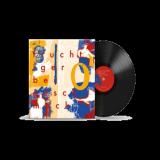
Manchmal reicht ein Sommer, um zu zeigen, wohin die Reise geht. Fruchtiger Beigeschmack haben ihren nicht nur angekündigt, sie bespielen ihn gerade und begeistern dabei: 300.000 Streams in nur acht Wochen, zehntausende neue Fans auf den sozialen Netzwerken, ein ausverkauftes Releasekonzert, eine Zusatzshow mit Milla im September, die ebenfalls fast ausverkauft ist, ein Support-Slot vor 6.000 Menschen bei ZAZ in München, viele Festivals - und mittendrin "Löschzug", den die TAZ zum "linken Sommerhit des Jahres" erklärt hat. Auf den Socials wird das Trio gerade zur Band, über die man spricht, bevor man sie überhaupt gehört hat. Klare Haltung, großartige Songs, eine Band, die Musikfans begeistert, weil sie so ein wohltuender Gegenentwurf zum sonst vorherrschenden oder zumindest gefühlten Sound-Einheitsbrei im Netz darstellt. Jetzt kommt das Debüt, das all das einfängt: "Fast schon gut ist nicht schlecht" - die Debüt-EP von Fruchtiger Beigeschmack, erscheint bei superpolrecords. Ein Titel mit Understatement, der genau das Gegenteil meint. Fünf Songs, die Indie-Songwriting und Jazz-Offenheit zusammenbringen, ohne sich in Genreschubladen zu verlieren. Die wirbelnde Frontfrau Milena vorne, mit Texten, die nicht ausweichen und längst nicht nur der GenZ aus dem Herzen sprechen. Levi und Felix, die dem Ganzen Raum und Reibung geben, vorgetragen mit unbändiger Spielfreude, die sowohl auf Platte, aber vor allem live zündet. Das ist keine Band, die auf den Durchbruch wartet - sie ist bereits mittendrin, und die Zahlen sprechen für sich: Hunderttausende Streams, ausverkaufte Shows, ein Sommerhit im Feuilleton. "Fast schon gut ist nicht schlecht" ist der Beweis auf Vinyl - das Debüt einer Band, die längst mehr ist als ein Geheimtipp. Diese Zeit braucht einfach einen fruchtigen Beigeschmack.
Japanese crossover and fusion are hot again now. As either an outgrowth of, or a spin-off phenomenon from, the global reappraisal of city pop,
Japanese fusion has been rapidly rising since around last year.
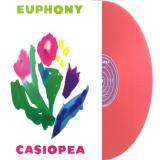
This was the second release on AURA, the band’s own label established under Polydor, and their 13th studio album overall.
Because they had continued recording overseas for some time, they chose not to bring in guest musicians for this album, instead settling into their
home base at STUDIO JIVE and creating it solely with the band members.
As a result, the album offers a fresh and lively sound that returns to the group’s roots.
Alongside the live staple "SUPER SONIC MOVEMENT," it is also packed with new attempts, including the Japanese-flavored "Old Times," the technodriven big band-style jazz track "SOLID SWING," and the high-speed Latin funk number "RED ZONE."
This also became the final CASIOPEA album for the duo of Tetsuo Sakurai and Akira Jimbo.
The Veils' first three albums are returning to vinyl thanks to Rough Trade Records.
The Runaway Found (2004), Nux Vomica (2006) and 2009's Sun Gangs established the New Zealand band as purveyors of lush, romantic indie, able to sweep through cinematic vistas into intimate emotional corners, via gothic orchestration and atmospheric driving rhythms.
Founded and fronted by singer-songwriter Finn Andrews while still a teenager, over their first three albums, The Veils carved out a musical landscape of their own that was in turn deep and enveloping yet emotionally raw and direct.
Having only enjoyed a limited vinyl run on their releases, due to the format's neglected commercial status during the 2000s, the repressing of The Runaway Found, Nux Vomica and Sun Gangs, offers audiences a fresh opportunity to enjoy these records with the full depth, fidelity and artwork they deserve, and reminding listeners of the musical secrets The Veils revealed to the world.
“It is a sincere joy to see these records that are so important to us and to so many others reissued on vinyl by the label that nurtured us right from the start. I remain hugely grateful to them and to all the songs on these searching, impassioned, and magnificently youthful first attempts.” - Finn Andrews, The Veils
This year, Prohibition reissues their landmark 1996 album Towncrier on vinyl. A cult classic that once took them across Europe and onto the iconic French TV show Nulle Part Ailleurs, the record remains a defining moment in their career. To mark the occasion, the Paris-based quartet returns once again for a series of live performances at the end of 2026. "Prohibition is undoubtedly one of the most important rock bands France has ever produced." - MOWNO Formed in 1989, Prohibition emerged from the underground veins of the French post-punk scene-a time when the movement survived through a handful of fanzines, crumbling venues, and a sparse network of independent record stores. Their sound was raw, urban, and tightly wound, still reverberating with echoes of hardcore and skate culture. A jagged, abrasive form of rock, driven by atonal guitars, surgically precise bass lines, off-kilter rhythms, and biting vocals. What set Prohibition apart was its singular instrumentation: a saxophone unleashed and the hypnotic drone of a sitar cutting through the noise. Their reputation quickly spread across Europe and the United States, leading to relentless touring and shared stages with the likes of Blonde Redhead, Fugazi, David Grubbs, Condense, and Chokebore. The band came to a close in 1999, following the release of their fifth and final album, the enduring 14 Ups & Downs. In 2015, Prohibition reunited for a special tour marking the 20th anniversary of Prohibited Records, including a standout performance at the Teriaki Festival, later captured by Mowno. Celebrating 30 years in 2025, the band released a reimagined version of Cobweb-day, titled Cobweb-day (Revisited), and returned to the stage for a series of powerful, memorable shows. Now, in 2026, Prohibition reissues their landmark 1996 album Towncrier on vinyl. A cult classic that once took them across Europe and onto the iconic French TV show Nulle Part Ailleurs, the record remains a defining moment in their career. To mark the occasion, the Paris-based quartet returns once again for a series of live performances at the end of 2026. For fans of: The Ex, Fugazi, The Jesus Lizard
Violeta García & Hora Lunga return with 4ever, their second album and the follow-up to I’ll Wait For You In The Car Park. Released in 2025 on -ous, their debut received airplay on BBC and NTS and was selected for Bandcamp’s Best Experimental Music year-end list. 4ever picks up where that record left off: in ordinary moments, small scenes and the strange emotional weight of being somewhere between places. But here, these moments are stretched across a much larger, darker screen. A night flight, a terminal, a bad connection. When too many feelings are carried from one place to another, everyday situations begin to feel epic, empty, or apocalyptic.
Built from García’s cello and Hora Lunga’s synths, samples and field recordings, the album pushes further into emotion, letting fragile melodies, orchestral cello gestures, heavy low-end and compressed noise melt into something both dystopian and strangely familiar. Its warmth is not meant to be an escape from this world, but something that appears within it. Acoustically, the album lives through the closeness of the materials, the way sounds stay with each other, and in the feeling that even the most unstable moments are being carried together. The album presents itself in scenes that fade into each other: quiet melodic fragments that are interrupted and restarted, unpredictable changes of direction, held together by an inevitable melody, a bright synth harmony unfolding into an almost orchestral cello arrangement. Later, a broken organ-like sample turning in circles, cello melodies appearing as if they were trying to remember a song that never belonged to one voice alone. An endless loop that is placed under changing lights, briefly opening into emotional chords, then slipping back into emptiness.
It is this instability that Violeta García and Hora Lunga place at the center of their collaboration. They do not decorate the cello with production, or place electronics around an acoustic centre. They explain: “On 4ever, we become part of the same unstable surface. What holds the record together is not resolution, but the trust in staying together as things distort, overload, disappear and return.”
Violeta García, an Argentinian cellist known for her solo work and for her role in the punk band Blanco Teta, brings the instrument close to the body, as melody, pressure, texture, noise and sudden emotional weight. García has brought her distinct musical voice to KEXP, Rewire, Le Guess Who?, Bad Bonn Kilbi, Silent Green, TransMusicales, Roskilde and more.
Hora Lunga, a Zurich-based producer and composer working across unstable song forms, treats electronics less as a frame than as a weather system: something that can hold a scene together, distort it or make it disappear. In recent years, his compositions have ranged from experimental song forms, sound performances, ensemble compositions and film music. His ensemble WIRREN consists of up to fifteen performers.
Following the success of Naturalisten’s release “Forms”, E2-E8 is back with the latest offering from Milan-based artist Joseph Tagliabue. “Espansione” presents a meticulously crafted sonic exploration that transcends conventional genre boundaries. It is a double LP consisting of four distinct parts: an ambient concept presented in Part 1 & 2, and four techno tracks in Part 3 & 4. This structure makes for a multifaceted listening experience, seamlessly blending organic textures with synthetic manipulations.
Part 3 & 4 pivot towards the dancefloor, presenting four tracks of driving, progressive techno. This transition from meditative ambient to hypnotic rave is executed with precision, showcasing Tagliabue’s versatility. These cuts are designed for late-night immersion, while maintaining the album’s overall sense of depth and trance and channeling a deep, immersive rave experience.
The album as a whole is a sophisticated sound collage, highlighting Tagliabue’s mastery of sonic manipulation. The dense sonic flow, characterised by echoes of distant temples and molten synthetic modulations, creates a compelling auditory and potentially visual experience. The interplay between organic and synthetic, combined with the album’s thematic depth, makes Espansione a noteworthy evolution in Joseph’s artistic expression. A work designed to be both deeply listened to, and physically experienced.
Early support comes from Vladimir Ivkovic, Marco Shuttle, Konduku, among others.
out of Stock
Last delivered 2 days ago available to reorder, subject to availability
Space Afrika, das in Manchester und Berlin ansässige Duo aus Joshua Tarelle Reid und Joshua Inyang, schafft rohe, detailreiche und eindringliche Musik mit Anklängen an Ambient, Trip-Hop, Techno und moderne Klassik, wobei es aus den Konturen seiner Stadt weitläufige urbane Dub-Landschaften entwirft. ,Quiet Storm" erweitert ihren Klang und ihre Bandbreite zu einer weitläufigen, kollaborativen Vision, die mit tiefer Geduld und Absicht geformt wurde und ihre eigene Coming-of-Age-Geschichte in eine bewegende Suite kathartischer Abstraktion einbettet. Die Songs spielen auf Spiritualität und die conditio humana an, auf die Spannung zwischen Kühnheit und Sanftheit, Ehrgeiz und hartnäckigen inneren Dämonen. ,Quiet Storm" ist eine Antwort auf den Werdegang des Duos seit der Veröffentlichung von ,Honest Labour" im Jahr 2021. ,Wir haben uns selbst und unsere eigenen Vorstellungen von Identität herausgefordert, insbesondere in Bezug auf Klasse und Diaspora, und wie dies in verschiedenen Musikgenres dargestellt wird. Wir wollten die Charakteristika unseres Projekts durch die Menschen zeigen, mit denen wir zusammenarbeiten wollten", sagt Reid. Inyang merkt an: ,Bei der Entstehung dieses Albums haben wir keine Kompromisse gemacht. Die Idee begann als eine Hommage an die Kunst der Schwarzen. Unsere Kooperationen waren sehr bewusst gewählt, als wir die Grundpfeiler der Geschichte entdeckten." Von der multidisziplinären Natur des Projekts zeugt die Beteiligung des gefeierten Künstlers Glenn Ligon, dessen Werk sich mit schwarzer Identität und Queerness befasst. Ligon, der zu Beginn der Aufnahmen eine zentrale Inspirationsquelle darstellte, stellte sein Werk ,Figure #30" (2009) für das Cover-Artwork zur Verfügung und erklärte sich nach Abschluss der Aufnahmen bereit, dem Projekt seinen Namen zu geben - eine beispiellose Geste dieses wegweisenden Künstlers. Beim Anhören der endgültigen Fassung dachte Ligon an ,Quiet Storm", das Radioformat der 1970er Jahre, das für seine sanfte Late-Night-Programmgestaltung mit Themen rund um Leben und Liebe bekannt war. ,Quiet Storm" führt den Hörer durch verschiedene Szenen, Zwischenspiele und Handlungsbögen, geprägt von dem Gefühl, dass seine Bewegung fließend und seine Figuren flüchtig sind. Monologe vor dem Spiegel setzen sich mit dem Existentiellen und dem Unmittelbaren auseinander: Überleben, Autonomie, Sinn. Das Album beginnt mit dem explosiven, von Streichern begleiteten ,Vanity", bei dem die Grammy-Preisträgerin Axelle Fanyo zu hören ist. Zunächst auf die Spalten eines stillen Raumes fixiert, entfaltet sich ,Vanity" unter Fanyos ausdrucksstarkem Sopran und durchläuft ein breites emotionales Spektrum von erhabener Kontemplation bis hin zu ergreifendem, herzzerreißendem Schmerz. Auf dem gesamten Album werden gesprochene und gesungene Worte sparsam eingesetzt, um eine kraftvolle Wirkung zu erzielen. Die Schönheit und Katharsis von ,MLN" ist ein kollektiver, langsamer Marsch, bei dem der britisch-nigerianische Künstler Tony Njoku mitwirkt, begleitet von Gabriel Evans an Gitarre und Lead-Bass, PIKE aus London am Schlagzeug und GB aus Kopenhagen an Keyboards und Streichern. Der letzte Satz verleiht ,Quiet Storm" seinen krönenden Höhepunkt. ,If This Is Hell" ist in einem einzigen Take als Bewusstseinsstrom des New Yorkers Deuén aufgenommen, dessen nachvollziehbare Spirale geistiger Aktivität von jazzigen, frenetischen Percussion-Klängen begleitet wird. Das Druckventil öffnet sich, als die phasenverschobenen Drums und die scharf beobachtenden, dialogartigen Phrasen abrupt nach der Zeile ,I wonder if that's what heaven's like?" abbrechen. Wir bleiben in der Behaglichkeit des Album-Closers ,Regards" zurück. Regentropfen treffen auf Orgel, Drone, Streicher und Keyboards, während das Nachladen von Waffen dem ruhigen Summen gegenübergestellt wird. Schwer und doch hoffnungsvoll erinnern Joshua Tarelle Reid und Joshua Inyang an ihre bisherige Reise. Als passend geheimnisvolles und mitreißendes Outro für ihr offenes Opus ist ,Quiet Storm" ein Meilenstein: selbst produziert, selbst finanziert und aus purer Tatkraft und Überzeugung entstanden. Durch verzerrte Zeit und schummrigen Dunst ist Space Afrika zweifellos angekommen
out of Stock
Last delivered 6 days ago available to reorder, subject to availability
With Flow Tide, Artefakt returns to their trusted Delsin homebase and continues where they left off with their last Brain Dripper EP from 2022; a flawless fusion of melancholic electronica and impeccable techno grooves. The A-Side emphasizes organic and mysterious atmospheres, strengthened by the rippling rhythms of the sea. The B-Side picks up the pace and presents two excellent, reverberating techno trips. It's a well-rounded package from Artefakt, as we know it, comprising many moods and sounds, molding them into its own unique universe. Flow Tide also also marks a significant change in their long-standing recording career. Having produced and performed as a duo since 2012, this is the first EP produced solely by Nick Lapien, marking a new chapter for the project as he continues Artefakt's live performances as a solo artist.
out of Stock
Last delivered 17 days ago available to reorder, subject to availability
Curses' dark, romantic take on electronic music is often linked to EBM, new beat, synth-pop, and the offshoots in between - but, as the artist states, it's feelings, not genres, that motivate his music. Especially the underground and its niche sounds, brimming with collective energy, drive and passion, make for a major impetus. It's no coincidence that he's drawn to the era when man turned to the machine, as a collaborative force, and a new kind of liveliness, timelessness, emerged. In Curses' practice, this synergy translates into an enticing mix of synthesisers and voices, electronic drums and guitars. Nostalgia operates as an influence rather than a motive, though: despite its affinities with the past, his music is stridently contemporary and idiosyncratic. On the "Perfect High" EP, this approach is rendered in a resolutely dancefloor-oriented selection. It's rich in detail and constantly evolving; each time a new element appears, it's treated with such delight and care that you could imagine the track to flit off and turn it into the main theme. This doesn't happen, however, as the sense of cohesion and momentum is paramount: there's a relentless forward drive that keeps engagement tight from start to finish. The detuned, chorus-heavy leads of title track "Perfect High" and the clockwork-tinged percussion of "Weapon Of Time" jell with lustrous hooks. The ominous choirs on "Dare To Dream" and the proto rolling-and-scratching squelches of "Killer Instinct" similarly fall into place. Bravado never stands in the way of flow. Everything is kept in check by gated R-50 rhythms, and in the vocal department, Curses finds the sweet spot between his own voice and a slew of off-kilter samples. On closer "Blasted" NYC royalty Andi joins for a slab of synth-driven groove. It's shiny and sensuous, like patent leather - a perfect distillation of club music channeled through pop aesthetics, and thus a right coda for ALT028.
out of Stock
Last delivered 26 days ago available to reorder, subject to availability
K-LONE returns to Wisdom Teeth with “Have a few days off” - a mini-LP of vivid, 4K club music that seeks out precious moments of release in an increasingly restless world.
The record marks his first outing on the label since 2023’s Swells, and in that time - once again - the world has changed. Thousand acre data centres. Multirotor drones. These long hot summers. K-LONE’s music has always played with escapism, but this time the question is: can music and creativity continue to provide escape when the world gets too loud to block out?
Stylistically the record absorbs the full range of K-LONE’s key musical touchstones - from swinging minimal house through to autonomic d’n’b and drifting ambient techno. Many of his established calling cards are on display here: his bright resounding chords, buoyant basslines, and fragmented vocal hooks. The record is full of joy and rapture, yet something feels off. Amongst the glowing melodies is a creeping dissonance. ASMR vocals float in and out of the mix like eerie audio hallucinations, and synths melt and detune as if warped from excessive heat. Amongst the idyll, life creeps in at the edges.
Colourful yet discordant; familiar yet strange. “You’re looking kinda sleepy. Have a few days off.”
out of Stock
Last delivered 12 days ago available to reorder, subject to availability
Children of Zeus return with their third studio album ‘As The World Burns…’
Five years on from their highly-acclaimed sophomore album ‘Balance’, Manchester’s kings of hip hop soul, Tyler Daley and Konny Kon, bring us a brand new 16-track opus.
Sonically the duo continue their story where they left off; crafting an amalgamation of street soul, alternative r&b and boom bap hip hop, with a sprinkle of flavours taken from their original multi-genre pirate radio influences, and a dash of forward-thinking new sounds, ensuring all tracks are destined to become future classics.
The features are sparing but powerful, enlisting the talents of revered UK rapper Knucks (‘Before We Drown’), Colorado-native Young Old Soul (‘Dopamine’), MCR family K S R (‘Do You Want To Get High’, & Australian/Mauritian up & comer Anieszka (‘Water & Vibes’).
As with previous projects, this album is largely produced by the duo themselves, though there are guest productions from previous collaborators too, including Grammy Award-winner Beat Butcha, Grammy-nominated Teo, and broken beat pioneer K15, along with an assortment of new players making moves in the underground neo-soul & beats circuit.
Conceptually, this project continues on with the story to date. An eternal search for sunsets and soulfood, as a respite to the anxieties of the modern world; personally, professionally and globally. Assertive swagger is matched with brutal but sincere candidity. As ever, it encapsulates the rough with the smooth, with reflections on where they’ve been, where they’re at and where they’re headed. There’s no preaching to be found here; just an acceptance of things as they are, an embrace of the environment and people they were nurtured by, and a celebration of some of the finer things in life; slow jams, weed & rum, water & vibes. Raps for listeners, blunt heads, fly ladies and prisoners. All packaged together as another perfect sonic love letter to sound system culture. 50 minutes of big people music.
Since the release of their anthemic debut single ‘Still Standing’ a decade ago, to the subsequent EP ‘The Story So Far’, and their critically-lauded debut album ‘Travel Light’, the duo have received numerous accolades, including nominations for AIM Awards & Worldwide Awards both, along with tons of ‘Album of the Year’ nods care of Clash Magazine, Bandcamp, Complex, Wordplay and many more. This along with huge swathes of support from DJs, radio stations, press outlets, tastemakers, luminaries & fellow artists across the globe.
Children of Zeus have performed sessions for COLORS, Soulection (Apple Music), DJ AG, Boiler Room, BBC 6 Music and at the infamous Maida Vale studios for BBC 1Xtra as well as touring across Europe, Australia and South Africa. This is in addition to collaborating & touring with Mercury Award Winner’s Ezra Collective, including a Wembley Arena show. Other collaborations over the years have included Shy FX, Juls, Goldie, Black Milk, Kofi Stone and the late great Lenzman.
From the Broke ’n’ English / Hoodman-era, to the present day, Children of Zeus have been omnipresent in the fabric of British black music. Proud ambassadors of Manchester music, and of UK soul, it really is “Zeus to the world”.
Children of Zeus have been adorned with plenty of flowers over their career. The unbridled quality and poignance of the music and the message on display throughout this project will see the algorithmic needle move some more. It’s undoubtedly set to be a Zeus Summer. As the world burns…
Available on all digital platforms and physical formats, Friday September 4th 2026.
t 07: Do You Want To Get High? (feat. K S R ) - Children of Zeus03:26
t 07: Do You Want To Get High? (feat. [ K S R ]) - Children of Zeus03:26
[t] 07: Do You Want To Get High? (feat. [ K S R ]) - Children of Zeus03:26
[g] B3 | Do You Want To Get High? (feat [ K S R ]) - Children of Zeus03:26
out of Stock
Last delivered 12 days ago available to reorder, subject to availability
The Bronx rapper Tim Dog released his 1991 debut Penicillin on Wax to a hostile audience. Ever a king of controversy, he made a million enemies with his provocative single "Fuck Compton," a shameless attention ploy dissing N.W.A., DJ Quik, and America's entire Pacific Coast. Penicillin on Wax contains more of the same, as Tim trashes everybody from Kwame to Michel'le to Eddie Murphy. The lyrical insults were arguably the opening salvo in what would later become the East Coast versus West Coast hip hop conflict.
There's no doubt that Penicillin On Wax remains one of the true hardcore hip hop classics and one of many landmarks in sounds from the Bronx. Produced by probably the best hip hop producers of the early 90s, the Ultramagnetic MC's, this album contains some of the most energetic tracks you'll ever hear. Guest appearances on the mic from Kool Keith and Ced-Gee also enhance the LP.
Penicillin On Wax is available on black vinyl and includes an insert.
out of Stock
Last delivered 27 days ago available to reorder, subject to availability
Two of the most prolific remixers in the world of Disco,Dave 'Love' Lee and John Moraleshave teamed up for one of their biggest projects to date - 'Mixed To The Maxxx'. After gaining access from the legendary original artists, the pair take the multi-track tapes of many classic Disco, Funk & Soul tracks and re-work them...to the Maxxx!
Where Remixed With Love stands as Dave Lee's own gold-standard body of work, Mixed To The Maxxx sets that legacy alongside Morales' own decades-deep M+M body of work: Lee brings his musically dense, groove-first touch to the likes of Harold Melvin, Syreeta, Lenny Williams and The Brand New Heavies, while Morales applies his extended, dancefloor-built M+M treatment and crushes the likes of Barry White, The Temptations and Loleatta Holloway, plus Dennis Coffey's breakbeat classic "Scorpio" for the DJs and collectors alike. Both work from original tapes, surfacing parts barely audible or entirely unheard in the source mixes, and both know when to let a classic breathe rather than bury it under modern production. It's a pairing a long time in the making. Lee and Morales first talked about working together around a decade ago, and getting Mixed To The Maxxx off the ground took five years of patient work: tracking down usable stems, securing approvals, and navigating a licensing landscape where much of the best material is now tied up with major labels increasingly cautious about clearing remixes. What's landed here is the product of that graft as much as the pair's shared ear for a great record, the sound of two people who know exactly what they're looking for and are willing to put in the time to find it.
A double 12" sampler in summer 2025 previewed the record's range. A bass-driven overhaul ofThe Brothers Johnson's "The Real Thing" and an extended mix of Philly legends Bell & James' "Livin' It Up (Friday Night)" showcased Lee's side, while an anthemic take on Inner Life's "Ain't No Mountain High Enough" and a tempo-lifted Light Of The World"London Town" flew the flag for Morales. Both drew strong early support ahead of the full LP.
out of Stock
Last delivered 5 days ago available to reorder, subject to availability
Remastered limited edition double vinyl with double-sided screenprinted poster-cover (sleeve folds out to be one huge poster). A real collectors item!
When Off Off came out around June 1984, one couldn’t speak of an independent music scene in Portugal. Warm Records’ vague existence didn’t have any impact and Dansa do Som’s inaugural release appeared only in December. 10 years after the revolution, after two IMF interventions, a lot of political instability (not to say turmoil, in the first couple of years) and the natural excesses of a sudden burst of freedom, the Portuguese consumer had more choices but a generally poor standard of living. There was no entrepreneurial culture and serious second thoughts about investing private money in risky ventures.
After many complaints about the whole music scene (institutions, critics and record label executives, popular and classical music alike), something that would continue well beyond the end of the decade, Telectu decided to finance, record, produce, release and sell an album with complete independence from outside structures. Their karmic reward was profit. According to Vítor Rua, Off Off was the only album fully payed by the duo and the only one that really payed off. Not an easy accomplishment for a double LP housed in a large (also double-sided) screenprint with complicated cuts and folds. The artwork was conceived by António Palolo, a friend and multidisciplinary artist. It was based on a collage of heavily saturated and xeroxed polaroids framed in shocking pink and green. Palolo was considered the third member of Telectu, regularly producing slides, video and other visual support for their shows. The inspiration for the type of cover came from GRM’s Gramme series.
Off Off is divided in four distinct sides, each one corresponding to a “theme” or “function” related to Telectu’s manifold artistic interests and interactions. The titles are also gateways to influences and a small portion of Portuguese cultural life:
- Side 1 / “Diagonale” is dedicated to Egídio Álvaro, art critic and gallery director (he opened Diagonale in Paris). Performance art was arguably his main artistic concern over the years, so the music on this side is suggested for use by one or more performers in live or playback situations. The three tracks segue into each other, linked by a synth arpeggio much in the same way as Telectu’s previous “Belzebu” álbum (1983);
- Side 2 / “Anarké” is dedicated to the composer Filipe Pires, one of Jorge Lima Barreto’s recurring invocations when asked about worthwhile contemporary music in Portugal. It is subtitled “concert music”, proposing «a new form of listening». Three tracks also, and these are separated by “clap interludes”, which basically consisted in the following: JLB and VR each had a pair of headphones on, and they clapped their hands according to the rhythm of the music each one was listening. Both musicians were interacting with a different Steve Reich piece: Vítor with “Music for Mallet Instruments”, Jorge with “Six Pianos”. The result is disjointed clapping, an awkwardly deliberate celebration of their own music. Telectu applauded themselves.
- Side 3 / “Cornucópia” is subtitled “music for theatre” and dedicated to Luís Miguel Cintra and Luís Lima Barreto (JLB’s brother), both connected to the Cornucópia theatre company. The side consists of several short pieces previously used as interludes in the Cornucópia staging of “Mariana Espera Casamento” (1983). Field recordings, mood pieces, ambience and a numeric poem (“Soneto Soma 14x”, by E.M. de Melo e Castro) read by João Perry, a quite well-known stage actor. His voice is treated with a flanger effect;
- Side 4 / “Palolo” is “video music”. It’s a one-take mix recorded from cassette sources (Telectu studio experiences) and done live while watching António Palolo’s Om film (1978) projected on the living room wall. It’s a deep, immersive, quasi-mystical 20-minute piece perfectly suiting the meditative, abstract, fluid images created by Palolo by mixing paint and water inside a bathtub. One imagines the Cosmos, hardly suspecting the technique. The film is 90 minutes long, so the music on the LP is of course edited.
The six titles on sides 1 and 2 evoke demons, all of them with conflicting symbolism, since it varies from culture to culture, religion to religion. No explanation is given and Vítor Rua has no idea where this imagery comes from. During virtually the whole stretch of the 1980s, Jorge was the one in charge of titles and concepts, and Vítor didn’t bother too much even reading the liner notes :) In any case, when you synchronize the listening experience with the imagery, a powerful impression emerges, a feeling of being in the presence of these entities while placing yourself inside the sonic narrative.
Off Off is undoubtedly a seminal album in the history of electronic music, as much Heldon as Fripp & Eno, jazz and American minimalism, cosmic out-thereness, mantric miniatures. Telectu at the height of their powers, still very early on, delivering an album-manifesto advocating intermedia art and the fierce independence of Portuguese musicians «from the scum of capitalist music industry monopolies. It’s a path to follow, albeit one that requires enduring hardships and retaliation from music industry gangsters.» Despite a few journalists deemed «capable of being free», the media are «enslaved by the dominant and fascist imbecility of the speculators of light music.» Off Off is addressed to those journalists «and to an audience angry at the cultural misery imposed upon us ..., certain that this music will open new horizons of musical pleasure in the conception of Portuguese avant-garde music, and in the open consciousness of us all. OFF OFF repeats Freedom.»
Those two words are a direct lift from Alberto Arbasino’s 1968 book Off Off, the basis of which is a critical analysis of Theodor Adorno’s and Dwight MacDonald’s ideas concerning the stratification of culture in different levels (high, mid and low) and the pervasiveness of mass culture in the form of a culture industry. In very simplistic terms, and that is precisely the point that inspired Jorge, Arbasino argued that it was possible and desirable to effect a revolution from below, cultivating alternative circuits completely cut-off from what he termed the in-in reality. Telectu’s record was a deliberate demonstration that it could be done, displaying Freedom in the face of all the gatekeepers and other human obstacles.
I’dgained some notoriety as a music producer and DJ but I hit a horrible case of writers block around 2018.
The problem I was finding was that I was trying to shoe horn every smart arsed clever dick musical reference I had into the music I was making, but the function of dance music is to make people dance, not to show people who broad your musical references are, so I was making pretty shitty music that landed in the middle and didn’t achieve either aim.
To tackle this I ended up committing to just trying to make the most expressive and wanky experimental stuff I could. I was immersed in club culture at the time so the whole enterprise started as a joke, hence the name “Bed Wetter”. However when I fully submitted to just naked exploration the really unexpected thing that happened was that I found myself unavoidably having to deal with a lot of my own bullshit. That bullshit turned into the “Billy Mill is Dead” album, which was essentially the sound of me excavating my own life and looking at how I felt about where I was from, where I was headed, my family, my history, my region and all of the things i have conflicting feelings about.
It was partially catharsis and also a bit of deprogramming around being able to call myself an artist after being raised to believe that wasn’t an option for me.
I self released Billy Mill is Dead in the months before the pandemic and it found it’s fair share of love in the places I hoped would connect with it, and just the right amount of being ignored by people who I’m pleased didn’t feel it. This all lead to me being emboldened enough to apply for an artist in residence position at a big regional opera house months later in the middle of lockdown.
My feeling was that if my DJ career was potentially over for the remainder of my lifetime then there was no harm in exploring this alternative method of expression to see where it could take me.
I submitted a ridiculously ambitious plan for what I would like to do as a project, and to my absolute shock I was selected for the position.
I was 40 years old and from a scarcity background so I had a potentially unique response to that kind of validation for the first time and what followed next was a process of me just coming back with bigger and more ridiculous ideas just to find out at whatstage they’d tell me to stop.
The thing is, nobody did. I got as far as suggesting writing a full symphony to be performed by an orchestra before my own nerve gave out and I decided that was probably as far as I should push things.
The problem with people giving you permission to do things is that you then need to go out and figure out how to do those things.
The biggest issue for me, beyond raising the money to pay for everything, was how does a person actually write a symphony?
I was introduced to Fiona Brice, a multi instrumentalist and orchestral arranger. She’s also a recording artist who releases on Bella Union. On top of that she’s a violinist who used to be part of the band Placebo and who used to appear regularly playing for other bands on things like Top of the Pops.
Not only was Fiona uniquely placed to not look down on the strange provenance of someone from an Acid House background wanting to write a symphony, but more to the point we really hit it off from day one.
Fiona coached me in the essentials of writing for an Orchestra, and then I went off and wrote the 8 movements.
I’d love to say I laboured for years over this bit, but it took about 2 weeks in total. I’d also love to say what I wrote was a complete symphony, but the version of this which is solely me feels like looking at something without your glasses on. The shape,feel and borders were all there, but the definition was absent. Fiona taught me the broad language of a symphony, but without her it would have lacked all intonation, nuance and detail. Where I had shaped ideas with a hammer, she brought out my meaning with precision using a scalpel.
I think the prodigiously quick turnaround for the music is as much proof of how conceptually and musically aligned Fiona and I are. I know we’re both incredibly proud of what we’ve created.
It took nearly 2 more years to stage the debut performance in what was potentially the most traumatic period of my life which saw me embroiled in an international crisis with my own family and the death of my father, all with the backdrop of COVID.
The work itself is inspired by the working class experience, but it’s also a comment on how we get to decide what we are and how we’re defined, and we get to choose what we do to prove these things.
The original recording was contractually impossible to ever share again, so we re-recorded it in a working men’s club with jobbing (albeit world class) players. In many ways it’s a record that feels like it shouldn’t exist, which is why we’re all so happy that it does.
When Pouya dropped The South Got Something To Say in the summer of 2019, it wasn’t just a title—it was a definitive statement of growth. Nodding to André 3000’s iconic 1995 Source Awards declaration, the Miami pioneer used his third studio album to prove that his raw, independent formula had mutated into something deeper, more mature, and entirely unmatched in the underground rap landscape. Now, for the first time since its digital release, this pivotal moment in Florida hip-hop history is finally available on wax, offering listeners something tangible they have been anticipating for years.
The South Got Something To Say captures Pouya at a lyrical and sonic turning point. While maintaining the blistering flows, heavy bass, and visceral Florida energy that initially put him on the map, the album opens the door to intense themes of mortality, legacy, and the heavy toll of independent success. It bridges the gap between the frantic energy of the SoundCloud era and a mastery of songwriting, offering fans a remarkably transparent look into the mind of an artist surviving the very chaos that birthed him. Standouts like "Cruisin' in the MIA" and "Florida Thang" showcase his signature rapid-fire delivery, perfectly balancing the record's darker, more introspective moments.
The sonic diversity of the project is anchored by a stellar lineup of collaborators who push Pouya into new creative territory. He enlists Three 6 Mafia royalty Juicy J alongside heavy-hitting underground peers like Ghostemane and City Morgue, while seamlessly pivoting into the melodic, hazy soundscapes of indie-pop artist Cuco and longtime producer Rocci on tracks like "Talk to Me Before I Die" and "Mood Swing Misery." This striking balance of aggressive phonk and melodic vulnerability solidifies the album as a cohesive, genre-bending journey rather than a mere collection of singles.
For years, vinyl collectors and die-hard fans have begged for this underground masterpiece to be immortalized on wax. This first-ever vinyl pressing delivers the booming low-ends and intricate, therapeutic bars exactly how they were meant to be experienced. From the opening nostalgic chords to the final fading beats, this release stands as an essential artifact of the modern underground rap movement, finally giving a landmark Southern album the premium physical presentation it deserves.
IMPRESS!VE Collective & BBE Music present: Terry Callier – Live Peace. There was no one quite like Terry Callier, and Live Peace captures the rare magic of his live performances in their most intimate and spiritual form. Recorded live in Leeds in the late 1990s and early 2000s at shows run by Lubi Jovanovich & Gip Dammone of The DIG! Family, this release documents an artist whose music transcended genre, era, and expectation, offering truth, compassion, and deep emotional connection rather than spectacle. Recorded live by renowned sound engineer Martin Dixon at The Yardbird Suite / The Underground in Leeds in 1998 and 2001), these performances feature Terry alongside his hand-picked ‘Family Band’; which included legendary guitarist Jim Mullen, Chris Kibble on keys and famed percussionist Bosco D’Oliveira. Painstakingly restored from the only surviving source using modern AI-assisted audio tools, the aim was never to polish away the grain, but to let Terry’s voice, message, and band shine once more. Sparse, soulful, and profoundly human, the recordings preserve the immediacy of nights where packed rooms fell into pin-drop silence, hanging on every word and note. From the aching beauty of “What Colour Is Love” to the cinematic power of “Lazarus Man,” this album reminds us what a master storyteller and spiritual presence Terry Callier was. Live Peace stands as a powerful reminder of why Terry Callier remains one of music’s most revered and influential voices, whose songs of love, justice, and humanity resonate as strongly now as ever. This project is fully endorsed by Terry's daughter Sunny Callier - and the cover photo and sleeve images are all suitably also previously unseen visual treasures.
The record is largely sung in Scots language, one of Scotland’s three official languages along with Gaelic and English. “Scots gives me a way of expressing myself which is connected directly with the landscapes I love. It brings the songs alive and it is a fascinating language. The name of the record is in Scots - Forefowk means the people who came before, or ancestors. When we say ‘mind me,’ we can mean a few things- remind, remember, watch over or care for me. The record explores how tradition needs to be constantly reconnected with, built upon, looked after, and shared.”
Quinie sings with a style inspired by Scottish Traveller singers. “I began singing unaccompanied Scots Song in 2015 after hearing Scots Traveller singer Sheila Stewart on the radio. Initially I felt like I shouldn't sing these songs because I'm not a Traveller, and I saw people around me doing that in a way that made me uncomfortable. But on the other hand this music made sense to me and I felt driven to learn. Over the years I have met Traveller friends who taught me that settled people sharing these songs could contribute to raising awareness. Scottish Travellers are marginalised and discriminated against in modern Scotland, despite being custodians of so many of our important traditions. So I started to perform them and tell this story. From there I built on my repertoire and started writing my own songs”.
To develop this record, Quinie travelled across Argyll with her horse. They went on a pilgrimage of sorts through the ancient landscapes of the West of Scotland to explore the interconnected relationships between people, ancestors, animals, and place. The album’s vinyl release is accompanied by a book and film, documenting this unusual research process.
Forefowk, Mind Me was recorded in August 2024 at The Big Shed in Highland Perthshire with support from Creative Scotland. Quinie is accompanied by an ensemble of musicians: Ailbhe Nic Oireachtaigh (viola), Oliver Pitt (duduk, bouzouki, percussion), Harry Górski-Brown (small pipes, violin), and Stevie Jones (double bass, recording, and mixing). Each of these artists brings their own distinctive voice, bridging contemporary experimental practice with worlds of traditional and early music.
Ein Gespräch mit Thee Sinseers kurz vor der Veröffentlichung ihres neuen Albums ,Love Stories" bei Colemine Records macht eines ganz deutlich: Dies ist kein Album, das eine glatte und ordentliche Liebesgeschichte erzählt. Es geht hier nicht um das Happy End. Es geht um alles, was davor, danach und trotz allem passiert. Auf dieser LP hat sich die Band auf eine erdigere Instrumentierung konzentriert - Kontrabass, Gitarren, die durch Verstärker laufen, um einen wärmeren, an die Sechziger angelehnten Klang zu erzielen - und sich von allem inspirieren lassen, wo es sich bot, selbst an den unwahrscheinlichsten Orten. Es ist dieses genreübergreifende Denken, das Sänger Joey Quiñones als das bestimmende Merkmal der Platte ansieht. "Es fühlte sich zu keinem Zeitpunkt so an, als würden wir Soul-Musik machen", sagt er. ,Es fühlte sich an, als würden wir einfach unsere Musik machen." Die Band wollte etwas Ehrlicheres einfangen als nur die Höhepunkte - sie wollte die Höhen und Tiefen romantischer Beziehungen zeigen und gleichzeitig den Rahmen erweitern, um auch das Familiäre, das Komplizierte und das Ungelöste einzubeziehen. Die Eltern der Bandmitglieder sind auf dem Albumcover zu sehen, ihre eigenen Liebesgeschichten sind in die visuelle Identität der Platte eingewoben, manche dieser Geschichten bestehen noch, andere nicht. ,Jeder einzelne Songtitel führt dich auf einen anderen Weg der Liebe - egal, ob du gewinnst oder verlierst." Quiñones wollte, dass die Zuhörer sich auf diese Mehrdeutigkeit einlassen. ,Liebe ist unendlich", sagt er. ,Sie reicht über ein Leben hinaus. Ich möchte, dass die Leute immer noch verwirrt sind - ich möchte, dass es wie ein offenes Buch bleibt." Doch eines bleibt durchgehend konstant: das Bekenntnis von Thee Sinseers zu ihrer Herkunft. Diese East-LA-Identität stellt sich nicht zur Schau - sie existiert einfach, eingewoben in das Gewebe der Musik, ohne als Abzeichen getragen zu werden. Hier wird kein Liebeskummer vorgetäuscht, sondern es ist das Echte.
Ein Gespräch mit Thee Sinseers kurz vor der Veröffentlichung ihres neuen Albums ,Love Stories" bei Colemine Records macht eines ganz deutlich: Dies ist kein Album, das eine glatte und ordentliche Liebesgeschichte erzählt. Es geht hier nicht um das Happy End. Es geht um alles, was davor, danach und trotz allem passiert. Auf dieser LP hat sich die Band auf eine erdigere Instrumentierung konzentriert - Kontrabass, Gitarren, die durch Verstärker laufen, um einen wärmeren, an die Sechziger angelehnten Klang zu erzielen - und sich von allem inspirieren lassen, wo es sich bot, selbst an den unwahrscheinlichsten Orten. Es ist dieses genreübergreifende Denken, das Sänger Joey Quiñones als das bestimmende Merkmal der Platte ansieht. "Es fühlte sich zu keinem Zeitpunkt so an, als würden wir Soul-Musik machen", sagt er. ,Es fühlte sich an, als würden wir einfach unsere Musik machen." Die Band wollte etwas Ehrlicheres einfangen als nur die Höhepunkte - sie wollte die Höhen und Tiefen romantischer Beziehungen zeigen und gleichzeitig den Rahmen erweitern, um auch das Familiäre, das Komplizierte und das Ungelöste einzubeziehen. Die Eltern der Bandmitglieder sind auf dem Albumcover zu sehen, ihre eigenen Liebesgeschichten sind in die visuelle Identität der Platte eingewoben, manche dieser Geschichten bestehen noch, andere nicht. ,Jeder einzelne Songtitel führt dich auf einen anderen Weg der Liebe - egal, ob du gewinnst oder verlierst." Quiñones wollte, dass die Zuhörer sich auf diese Mehrdeutigkeit einlassen. ,Liebe ist unendlich", sagt er. ,Sie reicht über ein Leben hinaus. Ich möchte, dass die Leute immer noch verwirrt sind - ich möchte, dass es wie ein offenes Buch bleibt." Doch eines bleibt durchgehend konstant: das Bekenntnis von Thee Sinseers zu ihrer Herkunft. Diese East-LA-Identität stellt sich nicht zur Schau - sie existiert einfach, eingewoben in das Gewebe der Musik, ohne als Abzeichen getragen zu werden. Hier wird kein Liebeskummer vorgetäuscht, sondern es ist das Echte.
There was an immediate buzz surrounding This Is What I Know About Being Gigantic, the 2001 debut EP by Seattle indie phenomenon Minus the Bear. It wasn’t the kind of viral interest that translated into a string of sold-out tour dates, but it meant that the tuned-in crowd eagerly anticipated their next move. To help stir up the excitement for their first proper full-length, the band followed up Gigantic with a promo CD featuring two tracks from their upcoming album, a short instrumental interlude, an exclusive new song, and a demo version of another album track. Packaged in a cardboard slipcase, it was the kind of cheaply manufactured promotional item that could be handed out for free at shows or thrown in as a bonus in online orders—a relic of the final years of the CD age before the advent of the iPod and mp3. The sampler CD was christened Bands Like It When You Yell “YAR!” At Them in a nod to the upcoming album Highly Refined Pirates.
While these kinds of promotional items typically had an ephemeral existence, filed away in some neglected binder of CDs or tossed out during one of the many apartment-to-apartment moves of the band’s principal demographic of urban twentysomethings, Bands Like It When You Yell “YAR!” At Them had a curiously persistent presence. Perhaps it was because it was packaged more like a proper EP than a sampler. It certainly helped that it was a free release, meaning anyone who came to a show likely walked away from the evening with the cardboard slipcase tucked in their jacket pocket. It’s also noteworthy that the EP showcased three songs from the back half of Highly Refined Pirates rather than the album’s live staples and fan favorites from side A. Whatever the combination of factors at play, “YAR!” took on a life of its own and was ultimately re-packaged in a jewel case and sold as a proper EP in 2004 in the wake of Highly Refined Pirates’ success. And now in 2026, it’s getting its first proper release on vinyl.
Opening with the driving beat, chirping guitars, and funky low-end of “Spritz!!! Spritz!!!,” Bands Like It When You Yell “YAR!” At Them quickly cements Minus the Bear’s foundation of sophisticated revelry, a spirit further emphasized in the Highly Refined Pirates title choice. Part of the Bear’s lore involves them playing their first show three days after 9/11, and just as New York City’s indie rock scene took a sharp turn towards nightclub debauchery and a rejection of ‘90s rock’s dour fatalism in the wake of the World Trade Center tragedy, so did the Bear turn away from the Seattle’s scene’s penchant for gloom and angst towards a cerebral after-hours pop sound. The inclusion of “Women We Haven’t Met Yet” helped elevate what could have otherwise been seen as an album deep cut into a lead track. The fact that these first two songs essentially served as preview singles over future Pirates hits like “Monkey!!!Knife!!!Fight!!!” and “Absinthe Party At The Fly Honey Warehouse” speaks to the high quality of every song the band cranked out in their early years. The EP’s exclusive track “Drop It Like It’s Hot” presaged Snoop Dogg’s mega-hit single of the same name by two years, but whereas Snoop leaned into restrained minimalism, the Bear unleashes some of their fiercest work here, building off of interwoven riffs and electronic layers to a climax of stabbing guitars and hollered vocals. Much like Nirvana’s Hormoaning EP, Minus the Bear’s Bands Like It When You Yell “YAR!” At Them was initially more of a marketing gimmick than a proper release, but given the popularity of the pivotal studio albums that stemmed from the same recording sessions, these extended plays serve as compelling companion pieces that have earned a special spot in their respective fanbases’ hearts. Suicide Squeeze is proud to offer Bands Like It When You Yell “YAR!” At Them on vinyl on September 18, 2026, nearly 25 years after the band’s first show.
Remastered for vinyl by Bernie Grundman with lacquers cut at 45rpm, this limited edition pressing of 1000 copies on Puget Sound-colored vinyl helps document and preserve the exciting early years of one of American indie rock’s most beloved acts.
Continuing in its series of Yoko Ono reissues, Secretly Canadian has announced that Ono’s seminal 1982 album It’s Alright (I See Rainbows) will be released August 28, 2026, in expanded CD and digital versions, and on vinyl for the first time in more than forty years, with expanded and enhanced artwork. Influenced equally by 1960s girl group vocals and 1980s synthesizer experimentation, It's Alright (I See Rainbows) is an album of “adventurous… lush… committed and convincing avant-gardism” (Rolling Stone). As Ono said in her 1992 Onobox liner notes, “It was ’82 and it seemed as though I was finally in sync with the world.” Vacillating from a widow’s never-truly-over grief, to the necessary uplift for an artist and mother to continue her life’s missions, tracks like “Loneliness” and “Spec of Dust” make way for poptimism via “Let the Tears Dry,” and title track “It’s Alright.” As Ono said of the album in 1983, “It’s like my diary that I went through… and I’m just saying, hey, I’ve got the same kind of emotions that you’ve probably got too, and here I am saying hello… Around December 8th or whatever, I was feeling really heavy and feeling sort of down, you know… and then, side two, it’s all right… It was Sean Lennon who says, ‘Wake up, wake up, mommy.’ Like an angel that came and said, ‘Wake up!’… Wake up and dream love, and let the tears dry and I see rainbows. And sort of I’m saying all that. In result of Sean waking me up, see?” Lennon, speaking of his mother in a more recent interview with NPR in 2025, “She would say that energy is just energy, so you can turn it into anything you like. And she always said that she would take that negative energy and turn it into something productive and creative… It never stopped her from creating and putting herself out there, and I really think that it paid off… You never know how long it'll take for people to appreciate you if you just kind of hang on and don't give up.”
Nicole McCabe und Savannah Harris tun sich für ihre allererste Zusammenarbeit bei "All Together Now" zusammen. Ihr Album im Vollformat ist eine raffinierte, kraftvolle Interpretation des modernen Jazz im Jahr 2026. Das Album wurde über einen Zeitraum von zwei Monaten im Sommer 2025 aufgenommen und entstand sowohl in Los Angeles als auch in Brooklyn beide Orte haben die allgemeine Stimmung und den Sound der Musik geprägt. McCabe und Harris haben sich stetig einen Ruf als zwei der besten Musikerinnen auf ihren jeweiligen Instrumenten erarbeitet. McCabe am Altsaxophon und Harris am Schlagzeug werden in der Jazzwelt gleichermaßen als virtuose Instrumentalistinnen und Komponistinnen gefeiert. All Together Now" bringt diese Elemente besonders gut zur Geltung. Jeder ihrer musikalischen Stimmen ist unverwechselbar individuell und ergänzt dennoch die musikalische Gesamtrichtung des Albums. Beide finden ihre Momente, in denen sie die Führung übernehmen, während sie sich zu anderen Zeiten gegenseitig unterstützen, um einen wirklich bemerkenswerten Einblick in das Schaffen dieser beiden Künstler zu schaffen. Der Eröffnungstrack des Albums, Monstera", entführt den Hörer in eine Welt aus wirbelnden Saxophonmelodien und hellen, akzentuierenden Schlagzeugklängen. McCabe und Harris legen sofort den Grundstein für das, was auf dem Album noch kommen wird. Im Verlauf des ersten Songs offenbart sich immer mehr von jedem der Künstler als würde man in einer Kunstgalerie von Raum zu Raum schlendern. Textur, Farbe und die gesamte Ästhetik der Welt dieses Albums nehmen Gestalt an. Wenn der zweite Song All Together Now" einsetzt, steigt die Energie und der Dialog zwischen den beiden Musikern erreicht seinen Höhepunkt. Lonely People" zeigt McCabes unglaubliches Gespür für Melodien, während Harris den dynamischen Bogen des Stücks prägt und vorantreibt. Jeder Song auf All Together Now" hat seine ganz eigene Persönlichkeit, was insgesamt zu einem wunderschön intimen und ungemein kraftvollen Album führt.
Stone Music returns with Into the Cosmic Forest, a deep and patient journey into open-air improvisation. The group was founded in 2022 by Tokio Hasegawa, a core member of the legendary Taj Mahal Travellers, and brings together a wide circle of musicians from Japan’s ambient and experimental scenes.
While the name is new, the spirit continues. Stone Music extends the free-form, site-responsive approach that defined Taj Mahal Travellers — music shaped by environment, duration, and collective awareness rather than fixed structure.
Into the Cosmic Forest consists of two long-form pieces, each exceeding 20 minutes, both recorded live outdoors. Side A was captured at Japan’s Off-Tone Festival. It unfolds slowly and organically — layers of voice, strings, electronics, wind instruments, and percussive textures gradually forming a shifting sonic landscape.
Side B was recorded on the grounds of Mithila Museum in the mountains of Niigata, an art space managed by Hasegawa himself. More intimate in atmosphere yet equally immersive, the piece centers on voice and subtle interplay, allowing space and silence to become part of the composition.
What you hear is direct and unpolished: air moving, sound resonating, musicians responding to each other and to their surroundings in real time.
Following tours in India during 2023–24, with performances in national museums and universities, Stone Music continues to explore music as shared space rather than spectacle.
Into the Cosmic Forest invites listeners into that space — unedited, unhurried, and fully alive.
Liam Hayes is an acclaimed American musical artist known for his songwriting and uncompromising approach to making records. He started cassette multitracking while a preteen and made his first real studio recording at twenty one. This started an obsession that ultimately led to his releasing a 7” single (Found A Little Baby/Three Quarters Blind Eyes) on a small US indie label. Those tracks garnered the attention of the UK music press, and on the strength of those songs a career was launched. The follow up was highly anticipated by critics and listeners alike, but rather than playing to expectations he delivered a highly personal album of solo piano/vocal songs (More You Becomes You). Not one to repeat himself, Hayes started off the millennium by serving up the extravagant pop/soul opus (Fed). Both records are now considered to be masterpieces.
Hayes’ songs are recognised for their exquisite melodies, poetic lyrics and distinctive vocals. He’s released seven albums, two singles and a soundtrack, and applies his craftsmanship to a variety of genres from orchestrated pop to stripped down rock. Comparisons to Brian Wilson, Laura Nyro, Carole King, Harry Nilsson, Badfinger (and even Prince) are numerous. His music takes the best of radio and stellar classic pop records of the 60’s and 70’s and brings it into the present.
Along with making records Hayes has appeared on screen performing his music in High Fidelity (directed by Stephen Frears) and A Glimpse Inside the Mind of Charles Swan III(directed by Roman Coppola) which he also wrote the soundtrack for.
In this, their first production for Hayes, are (executive producer) Terrence Washington and (multi-instrumentalist/producer/arranger) Vincent Carlo with additional contributions from Terrence’s father, legendary arranger TOM TOM 2084 (Chi-Lites, Phil Collins, Plush).
His latest album, Dancing Backwards, sees Liam stepping through the shadows in his life and into a new musical day.