quête:old city

Genres
Tout
QUADE - THE FOEL TOWER

Quade

THE FOEL TOWER

12inchWHYT098LP
AD 93
22.04.2025

For their second album 'The Foel Tower', Quade holed up in an old stone barn in the cradle of a Welsh mountain valley.
The valley was a stark and windswept backdrop with little daylight, as the band would huddle around crackling fires each evening. “There was very much a feeling of being on the complete fringes of society,” the band says. “The last vestiges of settlement before the unrelenting barren moors that loomed over us.”
It was an environment that would shape the band – a Bristol four piece made up of Barney Matthews, Leo Fini, Matt Griffiths and Tom Connolly – and the record they have made. It’s an album that is as dreamy as it is melancholic, and as quiet and tender as it is forceful and potent – gliding across genres like winds blowing over those wide-spanning Welsh hills – to arrive at something the band half-jokingly, yet somewhat accurately, describe as “doomer sad boy, ambient-dub, folk, experimental post-rock.”

Quade is a band but it’s also a very close-knit group that have been friends since childhood who use this musical vehicle for interpersonal explorations and connections. “We’ve individually experienced a lot of difficulty over the last several years and Quade has represented a space to shelter from these,” the band says. “This means we often communicate extensively with each other about the issues affecting us individually and collectively. These conversations and concerns are central to The Foel Tower.”

In many ways, the making of this record – or any Quade record – goes way deeper than the simple writing, construction and recording of music. It is a profoundly deep and meaningful experience. “A key theme of the album relates to why we connect with specific places in the way that we do,” the group says. “We often remove ourselves to isolated valleys, sheltered from some of the painful personal struggles that we have experienced as a band. These become spaces in which we collectively purge ourselves of some of these difficulties hoping to make Quade a physical and emotional place of solace. This album celebrates these places that we’ve been able to retreat to and recuperate.”

It is a deep, dense record that is stuffed with musical, cinematic and literary influences – from Ursula La Guin and Cormac MacCarthy through to RS Thomas and Yeats – but despite the heavy, introspective and anxious nature of some of the material, it is also a record that is remarkably deft, agile and considered.

Made with producer Jack Ogborne and mixer Larry ‘Bruce’ McCarthy, there is a pleasing duality to the final sound of the record. One that feels fragile and intimate but also powerful and forceful, as introspective as it is expansive, and a record that is as detailed and textured as it is wide open and spacious.

The album title also pays homage to the place that shaped it so greatly. Within this remote Welsh valley stands the Foel Tower, a stone structure filled with valves and cylinders that can raise and lower the level of the reservoir to draw off water. Which it can then send as far as 70 miles to Birmingham. However, in the late 1800s this land was occupied by local farmers and families in the hundreds until the British Government acquired the land, cleared the valleys, and promptly displaced them in order to begin serving the vastly expanding industrial English city. The band dug into the history and politics of this and wove it into the themes they were already thinking about, using what the Foel Tower stands for as something of a contemporary metaphor. “This tension was something that we wanted to explore without the haughty judgement of our more metropolitan lifestyles,” they say. “And to explore how this specifically relates to ourselves: how can we envisage a genuinely ecological future for ourselves – one that is accessible, affordable and in harmony with endangered rural practices.”

What makes The Foel Tower such an incredible record is that it feels born of a time, place and situation that only existed in that very moment. It’s a snapshot of those 10 days spent in rural Wales and all the feelings and anxieties the band were experiencing at that specific time, magically caught on tape. “The album very much feels tied to this valley for us and the conversations and experiences we shared there,” they say. “It brings up a great deal of poignancy for us, an emblem of some fleeting respite from the strains we all have to experience. But there’s also deep sadness knowing how transient these moments are – in fact, there’s just a great deal of sadness in this album. But it’s also a record that while personal, resigned, and emotionally burdened, is ultimately hopeful.”

pas en stock

Commandez maintenant et nous commanderons l'article pour vous chez notre fournisseur.

20,59

Last In: 12 months ago
Various - orn in the City of Tanta: Lower Egyptian Urban Folklore and Bedouin Shaabi from Libya's Bourini Reco
  • A1: Basis Rahouma - بسيس رحومة,- Yana Alla Nafsa Masouda يانا اللي نفسي مسدوده (Blocked From What I Want)
  • A2: Sheikh Amin Abde -L Qader الشيخ أمين عبد القادر, Mould Fi Madina Tanta مولد في مدينة طنطا (Born In The City Of Tanta)
  • A3: Samah سماح, - Shawish Aldawriat شاويش الدورية, (Patrol Sargeant)
  • A4: Mahmoud Al-Sandidi محمود الصنديدي, - Ana Mish Hafwatak (Part 2) انا مش حفوتك, (I Don’t Miss Your Love)
  • B1: Abu Bakr Abdel Aziz (Aka Abu Abab) أبو بكر عبد العزيز,- Al Bint Al Libya أل بينت أل ليبيا (The Girl From Libya)
  • B2: Sheikh Amin Abdel Qader الشيخ أمين عبد القادر, - Mawal Al Layl Kolo Makasib موال الليل كله مكاسب (Mawaal: The Spoils Of An All-Nighter)
  • B3: Abu Saber أبو صابر, - Ya Allah Ank Zinat يا الله انك زينة (Oh, God, You Are Beautiful)
  • B4: Reem Kamal ريم كمال, - Baed Al Yas Yjini بعد اليأس يجيني (After Hopelessness, He Comes To Me)

“Egypt’s “official” popular music throughout much of the 20th Century was a complex form of art song steeped in tradition, well-loved by the middle and upper classes, and even accommodating to certain non-Arabic influences. It was highly structured by professional musicians working an established industry centered in the capitol, Cairo. However, far from the bustling cosmopolitan center of Cairo, north and northwest, in towns like Tanta and Alexandria and extending across the Saharan Desert to the Libyan border, dozens of fully marginalized artists were developing a raw, hybrid shaabi/al-musiqa al-shabiya style of music, supported by smaller upstart, independent labels, including the short-lived but deeply resonant Bourini Records. Launched in the late 1960s in Benghazi, Libya, Astuanat al-Bourini اسطوانات البوريني (Bourini Records) published some 40 to 50 titles from 1968 to 1975. Bourini released 7-inch 45 RPM singles by 15 artists, all but one of them Egyptian, igniting brief careers for Alexandrian singer Sheikh Amin Abdel Qader and the blind Bedouin legend Abu Bakr Abdel Aziz (aka Abu Abab). The tracks compiled here comprise a full range of styles covered by the label, while highlighting some of its most gobsmacking moments, from Basis Rahouma’s beastly transformation into a growling and barking man-lion by the end of “Yana Alla Nafsa Masouda,” to Reem Kamal’s hopeful-if-bitter handclapping party pivot “Baed Al Yas Yjini,” which descends into an almost Velvet Underground outro-groove of nihilistic dissonance. All the tracks on this compilation were laid down in stark divergence from the mainstream Egyptian popular music topography of heightened emotions buoyed by lush arrangements. The contrast is most evident in Mahmoud al-Sandidi’s “Ana Mish Hafwatak,” wherein his voice weaves heavily but deftly through a constant accordion drone, and Abu Abab’s “Al Bint al Libya,” a sparse, slow-burning lament with minimal percussion, violin, and Abab’s nephew Hamed Abdel Muna'im Mursi on lyre. Whereas the Egyptian mainstream was aspirational, attempting to reflect Egyptian culture at its most refined, the performances captured by Bourini were manifestations of everyday life lived by the mostly otherwise ignored masses. More than half century old, this music has lost none of its urgency, presence, or relevance. We hear these artists as if they’d just joined us in our living room, and not on a stage decades ago surrounded by tens of thousands of long-forgotten acolytes.

pré-commande18.04.2025

il devrait être publié sur 18.04.2025

28,36
THE DELINES - MR. LUCK & MS. DOOM

The Delines

MR. LUCK & MS. DOOM

12inchDECORLP70
Decor
18.04.2025

Mr. Luck & Ms. Doom is the Delines most realized and strongest album to date, a record of romantic misfits and grifters who live out of suitcases and cars, who can"t seem to settle down, who hope that in the next town or city will be the score that saves them. Mr. Luck & Ms. Doom features the stalwart Delines line up: Amy Boone on vocals, Cory Gray on horns and keyboards, Sean Oldham on drums, Freddy Trujillo on bass, and Willy Vlautin on guitar. The record features Amy Boone"s lush, world worn voice, the cinematic production skills of Askew, and the horn and string arrangement of Delines keyboardist and trumpeter, Cory Gray. This is wide screen, CinemaScope, Delines at their best.

pré-commande18.04.2025

il devrait être publié sur 18.04.2025

24,79
EDISON MACHADO & BOA NOVA - EDISON MACHADO & BOA NOVA LP 2x12"

Gatefold 2LP

Far Out Recordings proudly presents a landmark discovery in Brazilian jazz: the long lost album by drumming pioneer Edison Machado. Recorded in New York City in early 1978 but never released, Edison Machado & Boa Nova captures a pivotal figure in Brazilian music history at the height of his artistic powers.

Combining North and South American jazz traditions with Machado's revolutionary samba innovations, Edison Machado & Boa Nova represents a triumph against the odds. After facing persecution under Brazil's military dictatorship and being forced to sell his drum kit in 1976, Machado found renewed creative purpose in New York with the Boa Nova ensemble. The resulting album captures the essence of his genius - sophisticated yet wild, controlled yet daring, leading an ensemble of some of the best jazz, samba and bossa nova players of the day.

At just fifteen years old, Machado revolutionized Brazilian music through an accident that would change everything - when his snare drum broke during a performance, he began playing samba rhythms on the cymbal. This innovation, known as "samba no prato" (samba on the cymbals), brought new layers of dynamism to samba and proved instrumental in the development of bossa nova alongside contemporaries like Antonio Carlos Jobim and João Gilberto.

A complex and passionate figure, Machado was notorious for his militant perfectionism and "attacking" style of drumming. Having spent some years of his youth in the Brazilian army, musicians often remarked that he played as if he were at war. But his innovative style, while exhibiting complete control and sophistication, somehow so often danced right on the edge of chaos and wild abandon.

After making his name in Rio's legendary Beco das Garrafas (Bottles Alley) in the 1950s and early '60s, Machado went on to form Bossa Três - the world's first instrumental bossa nova group. His influence spread internationally through collaborations with Stan Getz, Sergio Mendes, Antônio Carlos Jobim, Milton Nascimento, and Chet Baker, while his 1964 album Edison Machado É Samba Novo stands as a masterpiece of Brazilian jazz.

At 80 minutes in length, Edison Machado & Boa Nova, the lost 1978 New York sessions, is a singular achievement in Brazilian jazz. The format itself is a rarity in the canon. It’s packed full of exceptional technical precision and creative vitality, with sophisticated arrangements and masterful improvisation from its exceptional sextet of Brazilian and US musicians: Paulinho Trompete (flugelhorn/trumpet), Ion Muniz (tenor saxophone), Steve Sacks (baritone saxophone), Mozar Terra (piano), and Ricardo dos Santos (double bass).

The album features unheard compositions by Brazilian masters Dom Salvador (Salvador Trio, Harry Belafonte, Edu Lobo), Guilherme Vergueiro (Raul De Souza, Leon Ware, Joyce), Aloisio Aguiar (Arthur Verocai, Airto) amidst the plethora of captivating original material by the members of the Boa Nova ensemble.

pas en stock

Commandez maintenant et nous commanderons l'article pour vous chez notre fournisseur.

26,85

Last In: 12 months ago
Inon Zur - Starfield (Original Soundtrack) (Ltd. LP 6x12")
  • A1: Into The Starfield (Main Theme)
  • A2: Planetrise
  • A3: First Flight
  • A4: New Atlantis
  • A5: The Sol System
  • A6: Go Steady, Go Safe
  • B1: Peaks And Valleys
  • B2: Triumvirate
  • B3: Field Of Vision
  • B4: Starlight Far From Home
  • B5: Exploration I - Home Planets
  • C1: The Mountain Builders
  • C2: The Red Land
  • C3: Ancient Forces
  • C4: Constellations
  • C5: Navigator Corps
  • D1: The Last Explorers
  • D2: Within The Walls
  • D3: Long Shadows
  • D4: A Home Among The Stars
  • D5: Exploration Ii - The Hills And The Mountains
  • E1: Death And Crimson
  • E2: The Rock
  • E3: The New Old Frontier
  • E6: Moonbase
  • F1: The World Machine
  • F2: Deep Time
  • F3: Akila City
  • F4: Field Agent
  • F5: Hardness Scales
  • F6: Exploration Iii - Explorers Club
  • G1: Stars And Sacrifice
  • G2: Heliosphere
  • G3: Core Sample
  • G4: Chamber
  • G5: Tenacity Of Life
  • H1: Cydonia
  • H2: Wrecked Tech
  • H3: In Silent Orbit
  • H4: Tectonics
  • H5: Snowball
  • H6: Exploration Iv - Vulcanism
  • I1: Weapons To Bear
  • I2: Supra Et Ultra
  • I3: Abandoned
  • I4: Decay Heat
  • I5: Roughneck High-Tech
  • I6: Exploration V - Evergreen
  • J1: Sublevels
  • J2: The Eye
  • E4: The Safety Of The Citizens
  • J3: Under A Distant Sun
  • J4: Echo Marker
  • J5: Exploration Vi - Strange Sands
  • K1: Understory
  • K2: Badlanders
  • K3: Canopy
  • K4: Neon
  • K5: Exploration Vii - The Ice Lands
  • L1: Aurora
  • L2: Deep Freeze
  • L3: You Make Your Cut, You Get Your Cut
  • L4: Exploration Viii - The Far Reaches
  • L5: Nobody's Home
  • L6: A Home In The Galaxy
  • E5: Freestar

Bethesda Game Studios und Laced Records haben sich zusammengetan, um die Musik von 'Starfield' auf Deluxe-Vinyl zu bringen.

In allen Titeln der Bethesda Game Studios ist die Musik ein wesentlicher Bestandteil der Reise des Spielers und ein ständiger Begleiter während seines Abenteuers. Die langjährige Zusammenarbeit zwischen dem Komponisten Inon Zur und dem Studio begann bereits 2008 mit der Veröffentlichung von Fallout 3. Die Musik zu 'Starfield' sollte sowohl die Weite des Weltraums als auch die Neugier der Menschen auf das Unbekannte zum Ausdruck bringen. So verwob Zur traditionelle und nicht-traditionelle orchestrale und elektronische Klänge zu einem Klangteppich aus Organischem und Synthetischem.

Während der Entwicklung hat das Team ein eklektisches Spektrum an Referenzpunkten durchlaufen: Es begann bei den Sci-Fi-Grundsäulen von John Williams und Jerry Goldsmith, durchquerte einen klassischen Nebel von Debussy, Ravel und Prokofiev, flog an Vangelis' überragendem Synthesizerwerk vorbei und warf einen Blick auf die experimentellen Arbeiten der Einstürzenden Neubauten und von John Cage.

In den Orchesterstücken von Starfield, die vom Budapester Filmorchester eingespielt wurden, beschwören verschiedene Instrumentalgruppen oft imaginäre Aspekte des Weltraums herauf. Schnelle, sich wiederholende Sequenzen in den Holzbläsern stellen Partikel dar. Streicher, die wellenförmige Akkorde spielen, imitieren lange Wellen interstellarer Energie. Die Blechbläser werden zum Leuchtfeuer der Melodie, das über die Galaxie hinaus strahlt. In ähnlicher Weise erhalten die eher elektronischen Cues ein Gefühl von Erhabenheit durch schwere Synthesizerflächen, die kryptische, sich wiederholende Muster und ungewöhnliche perkussive Schläge untermauern.

Aeralie Brighton (DEATHLOOP, Ori-Serie) ist auf dem Soundtrack als Sängerin zu hören.

pré-commande04.04.2025

il devrait être publié sur 04.04.2025

146,18
Inon Zur - Starfield (Original Soundtrack) (Ltd. LP 6x12")
  • A1: Into The Starfield (Main Theme)
  • A2: Planetrise
  • A3: First Flight
  • A4: New Atlantis
  • A5: The Sol System
  • A6: Go Steady, Go Safe
  • B1: Peaks And Valleys
  • B2: Triumvirate
  • B3: Field Of Vision
  • B4: Starlight Far From Home
  • B5: Exploration I - Home Planets
  • C1: The Mountain Builders
  • C2: The Red Land
  • C3: Ancient Forces
  • C4: Constellations
  • C5: Navigator Corps
  • D1: The Last Explorers
  • D2: Within The Walls
  • D3: Long Shadows
  • D4: A Home Among The Stars
  • D5: Exploration Ii - The Hills And The Mountains
  • E1: Death And Crimson
  • E2: The Rock
  • E3: The New Old Frontier
  • E4: The Safety Of The Citizens
  • E5: Freestar
  • E6: Moonbase
  • F1: The World Machine
  • F2: Deep Time
  • F3: Akila City
  • F4: Field Agent
  • F5: Hardness Scales
  • F6: Exploration Iii - Explorers Club
  • G1: Stars And Sacrifice
  • G2: Heliosphere
  • G3: Core Sample
  • G3: Chamber
  • G3: Tenacity Of Life
  • H1: Cydonia
  • H2: Wrecked Tech
  • H3: In Silent Orbit
  • H4: Tectonics
  • H5: Snowball
  • H6: Exploration Iv - Vulcanism
  • I1: Weapons To Bear
  • I2: Supra Et Ultra
  • I3: Abandoned
  • I4: Decay Heat
  • I5: Roughneck High-Tech
  • I6: Exploration V - Evergreen
  • J1: Sublevels
  • J2: The Eye
  • J3: Under A Distant Sun
  • J4: Echo Marker
  • J5: Exploration Vi - Strange Sands
  • K1: Understory
  • K2: Badlanders
  • K3: Canopy
  • K4: Neon
  • K5: Exploration Vii - The Ice Lands
  • L1: Aurora
  • L2: Deep Freeze
  • L3: You Make Your Cut, You Get Your Cut
  • L4: Exploration Viii - The Far Reaches
  • L5: Nobody's Home
  • L6: A Home In The Galaxy

Bethesda Game Studios und Laced Records haben sich zusammengetan, um die Musik von 'Starfield' auf Deluxe-Vinyl zu bringen.

In allen Titeln der Bethesda Game Studios ist die Musik ein wesentlicher Bestandteil der Reise des Spielers und ein ständiger Begleiter während seines Abenteuers. Die langjährige Zusammenarbeit zwischen dem Komponisten Inon Zur und dem Studio begann bereits 2008 mit der Veröffentlichung von Fallout 3. Die Musik zu 'Starfield' sollte sowohl die Weite des Weltraums als auch die Neugier der Menschen auf das Unbekannte zum Ausdruck bringen. So verwob Zur traditionelle und nicht-traditionelle orchestrale und elektronische Klänge zu einem Klangteppich aus Organischem und Synthetischem.

Während der Entwicklung hat das Team ein eklektisches Spektrum an Referenzpunkten durchlaufen: Es begann bei den Sci-Fi-Grundsäulen von John Williams und Jerry Goldsmith, durchquerte einen klassischen Nebel von Debussy, Ravel und Prokofiev, flog an Vangelis' überragendem Synthesizerwerk vorbei und warf einen Blick auf die experimentellen Arbeiten der Einstürzenden Neubauten und von John Cage.

In den Orchesterstücken von Starfield, die vom Budapester Filmorchester eingespielt wurden, beschwören verschiedene Instrumentalgruppen oft imaginäre Aspekte des Weltraums herauf. Schnelle, sich wiederholende Sequenzen in den Holzbläsern stellen Partikel dar. Streicher, die wellenförmige Akkorde spielen, imitieren lange Wellen interstellarer Energie. Die Blechbläser werden zum Leuchtfeuer der Melodie, das über die Galaxie hinaus strahlt. In ähnlicher Weise erhalten die eher elektronischen Cues ein Gefühl von Erhabenheit durch schwere Synthesizerflächen, die kryptische, sich wiederholende Muster und ungewöhnliche perkussive Schläge untermauern.

Aeralie Brighton (DEATHLOOP, Ori-Serie) ist auf dem Soundtrack als Sängerin zu hören.

pré-commande04.04.2025

il devrait être publié sur 04.04.2025

145,34
KŌMA - Satyr Supervisor

Satyr Supervisor is the «rst 6 track EP of KŌMA on his own label « Nice People Dancing Records» A «rst stone of his new artistic direction, between Club and narrative music. A balence between old school ruff rhythmes and sweet nostalgic melodies

pas en stock

Commandez maintenant et nous commanderons l'article pour vous chez notre fournisseur.

18,28

Last In: 13 months ago
BIANCA STECK - THE JOY OF COINCIDENCES LP

LP in printed inner sleeve. The Joy of Coincidences is the debut album from the intriguing Barcelona-born and raised musician and singer-songwriter of British and German descent. The songs are stories and related feelings that reflect upon mankind observed through our eyes in different circumstances. This reflection is told through intimate music coming from folk-inspired pop.


The Joy of Coincidences is the debut album from the intriguing Barcelona-born and raised musician and singer-songwriter of British and German descent. Within the midst of movement, noise and chaos of the city, Bianca Steck searched for calmness and silence in order to write these twelve songs. Whether in a bar, on a tram, under a tree in a park, on a bench or on the balcony of her little apartment in Brussels overlooking the square, there must always be room for curiosity regarding the world we live in. Hence, this album was born through her compelling need for a conscious observation of our society and surroundings.


The songs are stories and related feelings that reflect upon mankind observed through our eyes in different circumstances and the consequent understanding of ourselves along this process. This reflection is told through intimate music coming from folk-inspired pop. Rooted in classical tradition, Bianca Steck chooses instruments such as harp, cello, double bass, upright piano, and flugelhorn and blends these warm sounds with synths, omnichord, drums, electric bass... in a very delicate way in order to create a dreamy landscape of sound. This carefully chosen music together with lyrics that tell real down to earth stories seen through the eyes of her imaginary world are the realm of this work.


BiancaSteck sees coincidences as small and playful interruptions of our everyday concerns, of life. We live in extremely uncertain times where many worries reign over our minds and there needs to be some kind of lightheartedness to move forward, to survive. Within all this complex spiral of thoughts, in the Joy of Coincidences the essential seed of simplicity prevails over the existential crisis.


The album is produced together with Catalan pianist and composer Nil Ciuró and features guest appearance Hania Rani with whom Bianca Steck toured as a support act across London, Paris, Berlin, Utrecht, Antwerp and other European cities and venues.

All demos were recorded in her apartment in Brussels with very simple means and were later on recorded in a studio in the mountains of Catalunya.

pré-commande14.03.2025

il devrait être publié sur 14.03.2025

22,48
DJ Motive - Sunset Sunrise LP 2x12"

After forming a friendship with Japanese hip-hop talent DJ Motive, Hell Yeah is releasing his previously CD-only album Sunset Sunrise. After initially being released as a promo to support the 7 inch lead single 'Sunrise,' it now comes on 2 x 12 inch for the first time with fresh mastering by Justin Drake. DJ Motive hails from Gifu, a small and charming city 30 minutes from Nagoya. From there he has built up a cult following for his blend of Latin, jazz and hip-hop beats over a number of albums and EPs in the last 20 years. He is also the producer behind the DeadBundy outfit that was previously remixed by countryman Calm on this label's Calm Reworks EP back in 2020. Thanks to a link from Calm, Hell Yeah founder Marco first hooked up with Motive in the pre-Covid days, twice playing his Alffo event in Gifu and hanging out to chat music. One of the many things that came up was a CD of Sunset Sunrise which has remained on firm rotation on Marco's stereo ever since and is a worldly trip into sample-heavy sounds, indie rock, hip-hop and jazz. Opener 'Sunrise' ft. Deadbundy & Chemical Codex opens with drums that lap like gentle waves on a beach as thoughtful strings and filtered vocals add to the sense of bliss. From there, DJ Motive lays down lazy broken beats and twinkling melodies that take your head above the clouds amongst lush pads and nostalgic samples. 'Chill On A Lotus' sounds like a damaged old tape as vocals, chords and strings all get smudged and smeared into a heavenly ambient soundscape, and there are plenty of loose mixes of dusty drums and jazzy keys, 'Howling 2 You' is a fusion of jazz drums and Balearic energy that slowly sweeps you off your feet and 'Walker' has squelch synth bass and heat damaged keys.

This escapist trip carries on through more broken beats and yacht rock, inquisitive jazz interludes and sunset grooves that all come with a heavy sense of inward reflection. The fragments of vocal are like half-remembered dreams, and the hooks remind of a forgotten lover while the louche beats move things forward with subtle optimism. Sunset Sunrise takes you through a full day in the life of DJ Motive and it makes for a vibrant collage of sound that reveals something new with every listen.

pas en stock

Commandez maintenant et nous commanderons l'article pour vous chez notre fournisseur.

27,52

Last In: 14 months ago
Arny Margret - I Miss You, I Do
  • I Miss You, I Do
  • Crooked Teeth
  • Greyhound Station
  • I Love You
  • Day Old Thoughts
  • Maybe I Ve Wasted My Time
  • Took The Train Til The End
  • You Re Mine, I M Yours
  • Born In Spring
  • Happy New Year

Arny Margret, Iceland’s remarkable and poetic upcoming singer-songwriter, is due to release her second album ‘I Miss You, I Do’ on March 7th via One Little Independent Records. The follow-up to 2022’s celebrated, minimalist folk debut ‘they only talk about the weather’ sees her working with new producers in America to develop and hone a sound that’s more textured, expansive, and mature.

‘I Miss You, I Do’ incorporates sessions from Arny Margret’s trips to New York City, North Carolina, and Colorado, as well as those recorded in Iceland. During extensive international touring, she wrote prolifically and spent time getting to know producers and musicians who each brought their own unique and individual talents to the project. Arny’s atmospheric and introspective material has been layered with country-inflected full band ensembles, keys, banjo, harmonium, slide guitar and more, adding an ambience that only enhances her natural ability to convey crystal-clear imagery within thematically rich writing.

In pursuit of her creative vision, Arny enlisted producers Josh Kaufman, Andrew Berlin, Brad Cook, and Guðm. “Kiddi” Kristinn Jónsson. Josh Kaufman is best known for his work with Grateful Dead founder Bob Weir, The National, This Is The Kit, Hiss Golden Messenger, Josh Ritter, and The War on Drugs. Andrew Berlin, GRAMMY nominated for his work on Gregory Alan Isakov’s record ‘Evening Machines’, also mixes national punk rock staples such as A Wilhelm Scream, Rise Against, and Teenage Bottlerocket. Brad Cook served as a producer for Bon Iver, Big Red Machine, Waxahatchee, Hand Habits, Kevin Morby, and Whitney amongst others. Arny also returned to Iceland to record with her long-time collaborator and friend Kiddi Jónsson in Reykjavík, Iceland.

pré-commande07.03.2025

il devrait être publié sur 07.03.2025

31,05
Los Dexter's De Uchiza - Fiesta en La Jungla
  • A1: Fiesta En La Jungla
  • A2: Fuga En La Selva
  • A3: Tu Partida
  • A4: Agua De Cachilde
  • A5: La Chicharra
  • A6: Dolor Y Pena
  • B1: Izango
  • B2: El Shiringuero
  • B3: A Jenny
  • B4: Linda Tocachina
  • B5: Para Mi Gente
  • B6: Tragedia En Uchiza

Carrying the torch of psychedelic cumbia, with a healthy dose
of surf guitar and Amazonian dancefloor flourishes from Peru
and Brazil alike, Fiesta en la Jungla by Los Dexter’s de Uchiza
is the first release from the newly formed London-label Ritmo
del Barrio. Originally released in 1982, it captures the finest
cumbia being made in Peru at the time, decked out with
frenetic surf-rock guitar riffs, rhythms floating on crisp
cumbia percussion and occasionally punctuated by carimbó
breakdowns native to the Pará region of north-eastern Brazil.
The album is filled with energy, a gem that was always
intended to animate any dancefloor. Peruvian cumbia came to national attention in the late 60s
through the recordings of Juaneco y su Combo, Los Destellos
and Los Wembler’s de Iquitos, but it’s had many revivals, and
Fiesta en la Jungla arrived when the style was going through a
major transition. In 1977, a passenger plane carrying most of
the members of Juaneco y su Combo crashed, killing everyone
on board. In 1980, Los Destellos retired, and Los Wembler’s
released their tenth and final record, they were ready for a
break. This left a big void in Peruvian music. Wasting no time,
Los Dexter’s Emerson Ruiz Mosquera took the opportunity and
gave his band new life, filling the band’s ranks with young and
energetic musicians who were hungry for success. He built the
new band around a solid base of dexterous guitars, a dynamite
rhythm section, and added oodles of percussion and an electric
organ, giving them a powerful psychedelic sound that called
back to the sounds of the original chichamasters, but added a
new sheen. Along with bands like Los Shapis and Los Walkers
de Huánuco, Peruvian cumbia was reborn as chicha in the
1980s, and was now the sound of Peru’s barrios up and down
the country.
Based in the city of Uchiza, on the edges of the Amazon basin,
Los Dexter’s were uniquely located in central Peru, closer to the
largest urban centres of the country than Amazonian outposts
like Pucallpa or Iquitos, and therefore better positioned to
travel to the furthest reaches of the country with ease. In a
sense, Los Dexter’s were a bridge between the Amazon and the
rest of Peru, a bridge over which the sounds of Amazonian
cumbia could travel to the rest of the country on their way to
becoming one of the most ubiquitous elements of Peru’s musical
identity. Fiesta en la Jungla represents Los Dexter’s in their third
iteration. Led by Emerson Ruiz Mosquera, who was just a
young boy in 1970 when his older brother founded the group
with four of his friends, the ensemble by the time of Fiesta en la
Jungla included Orlando Abad on the timbales and lead vocals,
Lucho Bendezú on lead guitar, Javier Quiroz as second
guitarist, Alejandro Almeira on bass, Rufino Bustamante on
keyboard, Ramon Siu on bongos and bells, Ivan Rios on conga,
and Emerson as musical director and composer. Remarkably,
most of the group’s members helped to write at least one
track, Los Dexter’s were a collective endeavour.
Reissued on vinyl for the first time by Ritmo del Barrio, this
record is essential for any collector of Peruvian cumbia.
Showcasing the unique sound of Los Dexter’s, it carries hits
like “Fuga en la Selva” and “El Shiringuero”, which are sure to
set any dancefloor on fire, combined with slower, carimbó-
infused cumbias like “Fiesta en la Jungla,”and “Agua de
Cachilde.” Its closing track, “Tragedia en Uchiza'', is a key
piece of local history and tells of the flooding of the
Chontayacu River in 1982, a mortal tragedy that affected
thousands of people. Despite the subject matter, the album
maintains a joyful vibe throughout, with high energy riffs and
irresistible rhythms, contrasted with terse love ballads, like “A
Jhenny.” It is both a piece of musical history, and a sure-fire
tool for the dance floor.
Los Dexter’s became a fixture of festivals and celebrations in
the provinces of San Martin and Huánuco, and from expanded
across the country, taking Amazonian cumbia from the
Peruvian Amazon, to the heights of the Peruvian sierra, the
coastal plains, and the capital city of Lima.

pré-commande28.02.2025

il devrait être publié sur 28.02.2025

19,96
David Grubbs - Whistle from Above
  • Whistle From Above
  • The Snake On Its Tail
  • Hung In The Sky Of The Mind
  • Scapegrace
  • Poem Arrives Distorted
  • Later In The Tapestry Room
  • Queen's Side Eye
  • Synchro Fade Pluck Stutter Slip

"Whistle from Above" is David Grubbs" first Drag City release in over a decade and his first-ever instrumental album for the label. The suspiciously youthful Grubbs is four decades into his career, with former bands including Gastr del Sol, Squirrel Bait, and Bastro, along with a wild ride of collaborators including f.e. Bitch Magnet, Codeine, The Red Krayola, Royal Trux, Dirty Three, Will Oldham, The Underflow and The Wingdale Community Singers. "Whistle from Above" is the first solo collection David has released since 2017"s Creep Mission. During the 2020 shutdown, David played what he precisely quantified as "a shit-ton of guitar," more than he could recall playing ever previously. Reinvigorated by this period of enforced woodshedding, he produced a series of new pieces, mostly for guitar, but also a piano composition and an exceptionally eerie bit of musique concrète. Meanwhile, David was reconnecting with the Gastr del Sol archive, as a new collection of old performances was being prepared from extensive archival material. The duo magic of that storied collaboration (released in 2024 as We Have Dozens of Titles) left David hungry to play in this format again - as he had recently with Loren Connors, Alan Courtis, Manuel Mota, and Liam Keenan. These duo experiences showed David the path forward to complete this new solo material. Thus he sought out collaborations with folks he"s called "some of the musicians whom I adore most on the planet" - Rodri Davies, Andrea Belfi, Nikos Veliotis, Nate Wooley, and Cleek Schrey - and their stunning contributions flesh out Grubbs" innate, deeply person brand of minimalism. "Whistle from Above" is a colourful, compulsive set of instrumental pieces in which David and his chosen collaborators interact amid the steady roll of an expansive landscape based in the hypnosis of David"s immediately recognizable guitar style.

pré-commande28.02.2025

il devrait être publié sur 28.02.2025

30,04
La Pembele - Naci Mestizo

La Pembele

Naci Mestizo

12inchDEG-LP02C
discos elgozo
28.02.2025
  • A1: Para No Olvidar
  • A2: La Bella Y La Culebra
  • A3: El Mañana
  • B1: Nací Mestizo Ft. Nicoyembe
  • B2: Amargura
  • B3: Son Cimarrón
  • B4: Perdi Mi Corazón
également disponible

Black[32,73 €]


La Pambelé Unveils Nací Mestizo, A Bold New Album Reviving Salsa with a Contemporary Twist Bogotá’s heavy guaguancó orchestra, La Pambelé, proudly presents their highlyanticipated second studio album, Nací Mestizo, now available on all major digital platforms as of November 27th. This album pays tribute to the golden era of salsa, particularly the 1970s, while breathing new life into the genre with modern lyrics and stories that resonate deeply with Latin communities.

All while maintaining a distinct Bogotan essence that highlights the city’s unique cultural flavor. Nací Mestizo seamlessly blends the timeless salsa brava sound with contemporary themes, reflecting the everyday lives of people across Latin neighborhoods. The album’s songs capture the struggles, passions, and joys of ordinary people, presented through the vibrant rhythms of salsa, creating a musical experience that connects the past with the present. Building on Their Rising Popularity Prior to the album’s release, La Pambelé debuted the singles “Amargura” and “Perdí mi Corazón”, which quickly captivated audiences and set the stage for the full album's success. The band’s electric performance of these tracks at the MedPlus Coliseum in Bogotá, before an audience of 22,000 attendees awaiting Marc Anthony, was met with enthusiasm as fans danced and applauded.

This moment marked a significant milestone for the orchestra, cementing their place as a rising force in the global salsa scene. Additionally, La Pambelé’s growing visibility has been marked by their appearances at major festivals such as Salsa al Parque and features on prominent radio stations, including Radio Nacional de Colombia and Latina Stereo. These platforms have helped introduce La Pambelé’s signature sound to a wider audience, building anticipation for the release of Nací Mestizo and reaffirming their influence in Colombia’s tropical and alternative music scenes. A Contemporary Salsa Sound with Classic Roots La Pambelé’s unique blend of traditional salsa brava and contemporary Latin storytelling is showcased through their distinctive nine-piece orchestra, which includes piano, conga, flute, trumpet, trombone, timbales, bongos, and baby bass. The dynamic vocals of Miguel RoRebolledo and Lorena Contento elevate the album’s themes, creating a sound that invites listeners to their feet and onto the dance floor. Under the direction of Camilo Toro Morato, the orchestra has honed its signature style, pushing the boundaries of salsa while staying true to its roots. As a proud defiance of stereotypes about Bogotá’s musical abilities, La Pambelé’s name pays homage to legendary Colombian boxer Kid Pambelé, symbolizing resilience and strength.

The name also draws from the Bantú language, meaning "defender of one's own," reinforcing the band’s connection to their Colombian heritage and pride in their distinctive sound. Global Recognition and Continuing Influence Since the release of their self-titled debut album in 2022, La Pambelé has gained international recognition, especially within the vinyl collector community. Theirdebut album was released in both 45” and LP vinyl editions, further solidifying their unique position in the contemporary salsa movement. Influenced by salsa greats such as Markolino Dimond, Eddie Palmieri, Edy Martínez, and Ismael Miranda, La Pambelé has carried forward the torch of salsa brava with passion and innovation. Nací Mestizo marks a significant evolution in the orchestra’s journey, melding the old and the new, and cementing La Pambelé as a driving force in the future of salsa music. A Collector’s Dream With their 2022 debut album garnering international recognition, La Pambelé’s vinyl releases—including 45” and LP editions—have become coveted items for salsa collectors worldwide. Their music is a bridge between classic salsa traditions and a modern vision, appealing to seasoned fans and new listeners alike. About La Pambelé La Pambelé is a heavy guaguancó orchestra from Bogotá, Colombia, known for their vibrant, rhythm-driven sound that blends 1970s salsa brava with modern Latin influences. With a unique nine-piece lineup and powerful vocals, the band continues to break boundaries, defying expectations and inspiring audiences around the world

pré-commande28.02.2025

il devrait être publié sur 28.02.2025

34,41
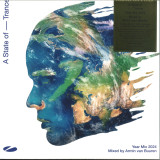
Armin Van Buuren - A State Of Trance Year Mix 2024 LP 3x12"
 
104

f11 FLRNTN, Benjamin Duchenne - "Last Man Standing" (feat Sivan) (1:08)
f12 Nicholas Gunn & Harshil Kamdar - "Here I Am" (feat Alina Renae - Richard Durand remix) (1:08)
f13 DJ TH X TH3 ONE X Sue McLaren - "Everything To Me" (1:08)
f14 Matty Ralph - "Te Adoro" (1:08)
f15 Armin Van Buuren & Vini Vici - "Sarabande" (feat Anna Timofei) (1:08)
f16 Lilly Palmer - "Hare Ram" (1:08)
f17 David Forbes - "Techno Is My Only Drug" (1:08)
f18 Armin Van Buuren - "Blah Blah Blah" (Lilly Palmer remix) (1:08)
f19 Armin Van Buuren - "The Road To Your Destination" (A State Of Trance Year mix 2024 outro) (1:14)

pas en stock

Commandez maintenant et nous commanderons l'article pour vous chez notre fournisseur.

46,64

Last In: 11 months ago
THE DELINES - MR. LUCK & MS. DOOM

The Delines

MR. LUCK & MS. DOOM

12inchDECORLP70
Decor
14.02.2025
  • 1: Mr. Luck & Ms. Doom
  • 2: Her Ponyboy
  • 3: Left Hook Like Frazier
  • 4: Sitting On The Curb
  • 5: There's Nothing Down The Highway
  • 6: Don't Miss Your Bus Lorraine
  • 7: The Haunting Thoughts
  • 8: Nancy & The Pensacola Pimp
  • 9: Maureen's Gone Missing
  • 10: Jp & Me
  • 11: Don't Go Into That House Lorraine
également disponible

Oxblood Red Vinyl[24,79 €]


Mr. Luck & Ms. Doom is the Delines most realized and strongest album to date, a record of romantic misfits and grifters who live out of suitcases and cars, who can"t seem to settle down, who hope that in the next town or city will be the score that saves them. Mr. Luck & Ms. Doom features the stalwart Delines line up: Amy Boone on vocals, Cory Gray on horns and keyboards, Sean Oldham on drums, Freddy Trujillo on bass, and Willy Vlautin on guitar. The record features Amy Boone"s lush, world worn voice, the cinematic production skills of Askew, and the horn and string arrangement of Delines keyboardist and trumpeter, Cory Gray. This is wide screen, CinemaScope, Delines at their best.

pré-commande14.02.2025

il devrait être publié sur 14.02.2025

26,68
Various - ECHOES OF ITALY - ARTISTS IN WONDERLAND – EARLY 90S HOUSE VIBES VOL.1 LP 2x12"

Volume 1 of this expertly curated project of 90s Italian House - put together by Don Carlos.

If Paradise was half as nice… by Fabio De Luca.

Googling “paradise house”, the first results to pop up are an endless list of European b&b’s with whitewashed lime façades, all of them promising “…an unmatched travel experience a few steps from the sea”. Next, a little further down, are the institutional websites of a few select semi-luxury retirement homes (no photos shown, but lots of stock images of smiling nurses with reassuring looks). To find the “paradise house” we’re after, we have to scroll even further down. Much further down.

It feels like yesterday, and at the same time it seems like a million years ago. The Eighties had just ended, and it was still unclear what to expect from the Nineties. Mobile phones that were not the size of a briefcase and did not cost as much as a car? A frightening economic crisis? The guitar-rock revival?! Certainly, the best place to observe that moment of transition was the dancefloor. Truly epochal transformations were happening there. From America, within a short distance one from the other, two revolutionary new musical styles had arrived: the first one sounded a bit like an “on a budget” version of the best Seventies disco-music – Philly sound made with a set of piano-bar keyboards! – the other was even more sparse, futuristic and extraterrestrial. It was a music with a quite distinct “physical” component, which at the same time, to be fully grasped, seemed to call for the knotty theories of certain French post-modern philosophers: Gilles Deleuze, Félix Guattari, Paul Virilio... Both those genres – we would learn shortly after – were born in the black communities of Chicago and Detroit, although listening to those vinyl 12” (often wrapped in generic white covers, and with little indication in the label) you could not easily guess whether behind them there was a black boy from somewhere in the Usa, or a girl from Berlin, or a pale kid from a Cornish coastal town.

Quickly, similar sounds began to show up from all corners of Europe. A thousand variations of the same intuition: leaner, less lean, happier, slightly less intoxicated, more broken, slower, faster, much faster... Boom! From the dancefloors – the London ones at least, whose chronicles we eagerly read every month in the pages of The Face and i-D – came tales of a new generation of clubbers who had completely stopped “dressing up” to go dancing; of hot tempered hooligans bursting into tears and hugging everyone under the strobe lights as the notes of Strings of Life rose up through the fumes of dry ice (certain “smiling” pills were also involved, sure). At this point, however, we must move on to Switzerland.

In Switzerland, in the quiet and diligent town of Lugano, between the 1980s and 1990s there was a club called “Morandi”. Its hot night was on Wednesdays, when the audience also came from Milan, Como, Varese and Zurich. Legend goes that, one night, none less than Prince and Sheila E were spotted hiding among the sofas, on a day-off of the Italian dates of the Nude Tour… The Wednesday resident and superstar was an Italian dj with an exotic name: Don Carlos. The soundtrack he devised was a mixture of Chicago, Detroit, the most progressive R&B and certain forgotten classics of old disco music: practically, what the Paradise Garage in New York might have sounded like had it not closed in 1987. In between, Don Carlos also managed to squeeze in some tracks he had worked on in his studio on Lago Maggiore. One in particular: a track that was rather slow compared to the BPM in fashion at the time, but which was a perfect bridge between house and R&B. The title was Alone: Don Carlos would explain years later that it had to be intended both in the English meaning of “by itself” and like the Italian word meaning “halo”. That wasn’t the only double entendre about the song, anyway. Its own very deep nature was, indeed, double. On the one hand, Alone was built around an angelic keyboard pattern and a romantic piano riff that took you straight to heaven; on the other, it showcased enough electronic squelches (plus a sax part that sounded like it had been dissolved by acid rain) to pigeonhole the tune into the “junk modernity” section, aka the hallmark of all the most innovative sounds of the time: music that sounded like it was hand-crafted from the scraps of glittering overground pop.

No one knows who was the first to call it “paradise house”, nor when it happened. Alternative definitions on the same topic one happened to hear included “ambient house”, “dream house”, “Mediterranean progressive”… but of course none were as good (and alluring) as “paradise house”. What is certain is that such inclination for sounds that were in equal measure angelic and neurotic, romantic and unaffective, quickly became the trademark of the second generation of Italian house. Music that seemed shyly equidistant from all the rhythmic and electronic revolutions that had happened up to that moment (“Music perfectly adept at going nowhere slowly” as noted by English journalist Craig McLean in a legendary field report for Blah Blah Blah magazine). Music that to a inattentive ear might have sounded as anonymous as a snapshot of a random group of passers-by at 10AM in the centre of any major city, but perfectly described the (slow) awakening in the real world after the universal love binge of the so-called Second Summer of Love.

For a brief but unforgettable season, in Italy “paradise house” was the official soundtrack of interminable weekends spent inside the car, darting from one club to another, cutting the peninsula from North to centre, from East to West coast in pursuit of the latest after-hours disco, trading kilometres per hour with beats per minute: practically, a new New Year’s Eve every Friday and Saturday night. This too was no small transformation, as well as a shock for an adult Italy that was encountering for the first time – thanks to its sons and daughters – the wild side of industrial modernity. The clubbers of the so-called “fuoriorario” scene were the balls gone mad in the pinball machine most feared by newspapers, magazines and TV pundits. What they did each and every weekend, apart from going crazy to the sound of the current white labels, was linking distant geographical points and non-places (thank you Marc Augé!) – old dance halls, farmhouses and business centres – transformed for one night into house music heaven. As Marco D’Eramo wrote in his 1995 essay on Chicago, Il maiale e il grattacielo: “Four-wheeled capitalism distorts our age-old image of the city, it allows the suburbs to be connected to each other, whereas before they were connected only by the centre (…) It makes possible a metropolitan area without a metropolis, without a city centre, without downtown. The periphery is no longer a periphery of any centre, but is self-centred”.

“Paradise house” perfectly understood all of this and turned it into a sort of cyber-blues that didn’t even need words, and unexpectedly brought back a drop of melancholic (post?)-humanity within a world that by then – as we would wholly realise in the decades to come – was fully inhuman and heartless. A world where we were all alone, and surrounded by a sinister yellowish halo, like a neon at the end of its life cycle. But, for one night at least, happy.

pas en stock

Commandez maintenant et nous commanderons l'article pour vous chez notre fournisseur.

28,99

Derniere entrée: 6 jours
Raduns - Floral Ancestors

Imaginary friends Akka & BeepBeep share the third release on their label: Floral Ancestors by Raduns. The 12” offers blooming ambient rooted in dub, lush drone and hand-picked cosmic that’s all grown deep in Detroit.

Spacious sonic arrangements vividly swell yet keep grounded within a sculptural rhythmic core. Raduns sows synth basslines and wispy pads next to harmonious guitars and muted field recordings. Grooving propulsion drives throughout. Rhythms appear, in negative space, like outlines between leaves. Recorded with machines direct to SD card, the compositions represent ephemeral blessings of experience. As if strolling into a verdant conservatory, the layered and diverse sensations blend into one cohesive revelatory experience.

On their first record, Raduns draws an ancestral line in Detroit as inspiration. A time when you could ride a streetcar from Dexter-Linwood to Belle Isle. A time before freeway expansion demolished vibrant Black neighborhoods. A time before the rebellion, motown and white flight. A time when Raduns’ great-grandparents were florists in the city, serving the community in times of celebration and times of grief. This melancholic circle shapes the project in which Raduns summons these Floral Ancestors, stretching upward from the darkness of the earth into the light of the world back down once more.

AKKA’s Side: “Grass Boulevard” exhales a luscious soundscape that develops through wave-crashing synths and circulated guitars to a transplanted acid lead. “Spread” lays out a decoration of blended sample and hold synth with kosmische styled guitar licks. Tracked as a single take in a Detroit community studio, the tune intuitively reseeds the symbiotic sprout between krautrock and Detroit techno.

BEEP’s Side: “Metrograde Bouquet” submerges you into the bulb of a handcrafted vase. Dub techno roots grow out into murky water with energy that is subtle yet profound. “Oldest of Arrangements” textures breaths of misty air cascading ventilating in on itself. The track’s time seems to stretch and disappear within a dark and deep undercurrent. A harmonic and reverberant resonance closes the record in a flowering of beauty and peace.

“You’re a flower child. Put this music out.” - Someone Important in Detroit

pré-commande07.02.2025

il devrait être publié sur 07.02.2025

13,40
Various - Gsf Free Soul

Various

Gsf Free Soul

12inchCHARLY704LP
GSF
07.02.2025
  • 1: I Can See Him Loving You
  • 2: Love Music
  • 3: My Hang Up Is You
  • 4: Halos Are For Angels
  • 5: Somebody, Someplace
  • 6: Do I (Love You Like You Like It)
  • 7: That's Groovy
  • 8: Can't Live Without You
  • 9: A Toast (May There Be No Last Time)
  • 10: Don't Spread Your Love Around
  • 11: Trust Me
  • 12: Give Him Up
  • 13: That's All That's Required
  • 14: Young Girl (In Your World)

Rare Seventies Big City Street Soul

In 1971, film producer David Gil and his business partners Robert S Sinn and Paul Frankenberg launched a film company called GSF. Over the next few years, it would be involved in a small number of productions. But, in 1971 the movie business was kind of old-hat, music was where it was at, and so GSF Records, a well-funded label, headed by Larry Newton was formed. Today Newton is largely remembered for his attempts to prevent Louis Armstrong from recording 'What A Wonderful World' but that didn’t stop him from growing ABC from a second division company to an industry leader. As he approached his 52nd birthday he was unveiled as GSF Records’ president a full-service music company, involved in records and publishing across all genres. Through a joint venture with drummer Bernard Purdie the label targeted the R&B charts and soul & funk dominated GSF's release schedule.

Black music ruled and this was reinforced by the hiring of Lloyd Price as head of A&R (veteran R&B star), and producers George Kerr (All-Platinum), Mickey Stevenson (Motown) and Jerry 'Swamp Dogg’ Williams. No wonder then, unintentional as it was, that GSF left behind such an extraordinary legacy of rare soul treasures.

NEW YORK’S BEST KEPT SOUL SECRET Features legendary Northern Soul classics courtesy of Anderson Brothers, Skull Snaps and Connie Laverne Produced by hit makers George Kerr and Motown veteran Mickey Stevenson Starring the Whatnauts and Eddie “Hey There Lonely Girl” Holman

pré-commande07.02.2025

il devrait être publié sur 07.02.2025

28,53
X-Coast - The Riviera Collection (2x12")

X-Coast unveils 9-track 2xLP The Riviera Collection on his label Riviera Records.

Hot on the heels from remixing instant dance hits such as Shygirl's '4eva' and DJ Gigola's 'La Batteria' and spotted in the studio with adored vocalists Eartheater and Miss Bashful, Serbian-born, NYC-based DJ/producer X-Coast returns with a collection of signature tracks that feel like the lost treasure chest of his dance island.

X-Coast is your favorite DJ's favorite producer, whose tracks you’ve undoubtedly danced to, whether on a massive festival stage or at an intimate, underground rave. Over the past decade, he has quietly but consistently shaped the pulse of dancefloors worldwide, with a distinctive style that traverses genres like house, techno, electro, drum and bass, and trance. This rare versatility has led X-Coast to release on the likes of Mall Grab’s Steel City Dance Discs, Diplo’s Higher Ground, Anetha’s Mama Told Ya and DJ Haus’s Unknown To The Unknown, to name a few.

What sets X-Coast apart is not just his ability to move fluidly between styles but the unique character embedded in every track. His productions have an undeniable warmth and authenticity, often evoking the raw, euphoric spirit of the 90s and 00s rave era. This nostalgic yet forward-thinking approach makes his music feel timeless, effortlessly blending old-school rave energy with modern production techniques. It's a quality that has made him a go-to for DJs across the board, whether they’re playing peak-time techno sets or deep, groovy house sessions.

On The Riviera Collection, released on his own label, Riviera Records, X-Coast opens the vault to reveal a diverse range of tracks that showcase his deep connection to multiple eras of electronic music. This collection reflects the breadth of his eclectic DJ sets, where various sounds and styles converge into a cohesive journey. Each track feels like a contemporary reimagining of a classic moment in dance music history.

From the early 2000s tribal influences layered with X-Coast’s signature chord work on ‘Neapolis,’ to the soaring, synthetic trance energy of ‘Desert Storm,’ and the infectious, camp vibe of the diva house ‘Hold Me Baby,’ the collection takes us on a nostalgic trip back to the origins of rave culture. It echoes a time when DJs crafted a journey through genres, playing everything from house to trance to techno in one seamless night.

The collection’s first hidden gems and long-awaited singles are “Da Boing Boing Trak” and "Put Your Hands Together". Both staples in his sets at iconic venues and festivals like Pitch Music & Arts, fabric, Circoloco, AVA Festival, Melt!, and Intercell, this track has been in high demand among fans, finally seeing its release. With The Riviera Collection, X-Coast continues to cement his status as a versatile producer capable of bridging the gap between past and present, while delivering music that moves crowds everywhere.

pas en stock

Commandez maintenant et nous commanderons l'article pour vous chez notre fournisseur.

25,63

Last In: 5 months ago
Strawberry Guy - Taking My Time To Be

2025 Cream VINYL REPRESS.

When Alex Stephens (A.K.A. Strawberry Guy) self-released his debut single last year, he was merely doing it out of a love for songwriting. What he wasn't expecting was a million Youtube streams and an avid fanbase. Now, the South-Wales born, Liverpool-based songwriter is ready to release a full EP of his compelling, lushly produced dream-pop.

Born outside Cardiff, Strawberry Guy moved to Liverpool to study music and grow as a writer. 'I knew that it was a very artistic city with all it’s creative history, it seemed like the perfect place to move to.' he says. Whether it's playing keyboards in The Orielles or just being part of the city's growing musical scene, Alex plays music for the love of music, something that heavily translates into his adept songwriting.


The intense emotional feel of the tracks he writes is down to Alex's songwriting process, recording the entire EP in his bedroom & producing it himself. 'I feel that it’s important to me to only write/record when you’re channeling some kind of emotion, so I would only work on it when I was in the right mood to do so.' He answers when asked about the isolated environment into which he put himself for the recording process.

Much of the inspiration for Alex's work comes from experience rather than other artists. 'When something significant happens to me, all I want to do is make music.' In terms of musical touchstones however, there's the obvious dream-pop contemporaries such as Beach House and Weyes Blood, coupled with great songwriters of old like Nat King Cole or Harry Nillson. Sonically, a blend of orchestral & synthesized melodies layer together to act as a platform for his heartfelt lyrics.

Opener 'Without You' is a fine example of this, a break-up song of sorts, with an infectious keyboard melody and swirling synths over which Alex contemplates whether it's even possible to find lasting love. The lyrics 'Do you really have to talk about the things you do with him? Do you really have to talk about your love?' hit particularly heavily.

Contrast this with the final track, the titular 'Taking My Time To Be', a powerful song of self-discovery. Beginning with downtempo piano and drums, the song breaks out into a saxophone and synth solo that wouldn't go amiss on a Badalamenti soundtrack. 'The song is about me learning to be comfortable with myself, but then wondering if I'll be accepted for being myself' Alex imparts. It's a fitting closer to a EP driven by emotion and experience.

pas en stock

Commandez maintenant et nous commanderons l'article pour vous chez notre fournisseur.

15,76

Last In: 6 years ago
Articles par page:
N/ABPM
Vinyl