After taking time out from working together to focus on separate musical projects, maverick composer Alan Roberts (Jim Noir) and crowd-rousing vocalist Leonore Wheatley (International Teachers of Pop / The Soundcarriers) have re-joined forces to introduce Co-Pilot. Each the other’s wing person, they’re plotting an escape through Manchester’s claustrophobic grey skies with the pencil case colour of a hand-sewn multi-coloured primary school patchwork quilt. “We are both the creators in charge of navigating Co-Pilot’s overall sound which changes from track to track,” Leonore hints at what to expect. “There are about 6 different genres on one album, it's a pick n mix record!”
Happy in the haze of many boozy hours the album was recorded over just a few months whilst holed up and hanging out in Al’s city centre Dookstereo studio. The former Mill allowed the pair to relax, laugh and create without constraint. Armed with their original demos and vocal recordings from Al’s flat, they’d nip by the offie to pick up some Dutch courage before setting to work: building arrangements from a drum beat and basic chord pattern, the pair were so in tune they rarely spoke, allowing only the music to lead the way. “We’d communicate through nods of agreement or grimaces of dismay,” Leonore recalls. “Using the instruments with Al in production mode, we let the sound dictate the process whilst being drunk enough to follow it.”
The sound of life coming full circle after honing their separate crafts, Leonore had previously played keys and vocals in Jim Noir’s live band before moving on to front International Teachers of Pop for two critically lauded albums of joyous dancefloor filling bangers - their self-titled debut (2019) and Pop Gossip (2020). During that time Al would further expand Jim Noir’s universe with AM Jazz, which was celebrated as the no.1 album in Piccadilly Records’ ‘End of Year Review’ (2020), followed by the Deep View Blue E.P. (2021) cementing his status as one of Manchester’s finest songwriters.
As Leonore added her vocal magic to Al’s early demos of what would eventually become Co-Pilot’s ‘Spring Beach’ and a crooked original version of closing track ‘Corner House’, the vibe was prophetic “like the ending of Grease as Danny and Sandy take flight through the clouds”, letting their imaginations fly. The songs were the catalyst to spark a new phase of the pair working together, picking up where they left off. “From messing about with sounds during rehearsals in the very beginning it was always clear we liked the combination of sounds we made,” Leonore recalls.
Powered by a ‘try anything’ approach, Co-Pilot blends the musical DNA of what you’ve come to expect from each of the pair’s previous flight paths. “Whatever is switched on or nearby gets used. There's no 'correct' for us. If it sounds good, record it,” Al tells. United through typically turbulent wonky pop and lurking samples, whether culled from 70s TV themes or recreations of past and found sounds (see Al’s 60s tropicalia guitar on ‘Brick’, or the innocent ‘Swim to Sweden’ which opens with an ice cream van jingle Al recorded from his bedroom window) their process offers up a bucket load of Easter eggs. The album even features snippets from dearly departed pal Batfinks whilst ‘Motosaka’ is perhaps the most expensive 2-minutes on the album, featuring a Columbia Records Japan-cleared sample of Ryuichi Sakamoto’s ‘Thousand Knives’. Its synth squelches and Tom Tom Club funk also received the blessing of Haroumi Hosono, Godfather of Japanese Electronica, who agreed to being sampled in an original version of the song. “We just kept listening back and hitting gold,” Al recalls. “I was thinking ‘yeah, not sure what this is but I like it! We were buzzing with what we had made.”
But the sound wouldn’t come without self-imposed instrumental challenges. Thanks to an old mellotron sample on ‘Move To It,’ the moog riff and nautical accordion breaks on ‘Swim To Sweden’ and the 6/8 and 7/8 jaunt of ‘Brick’, time signatures were lovingly skewed to create Co-Pilot’s unique mood. “It was a bastard getting the drums right,” Leonore reveals, “but I like the wonkiness”. Levelling up through the lyrics, the words of smoky and evocative ‘She Walks In Beauty’ are based on a Lord Byron poem, with the sentiment of remembering Leonore’s late grandparents. “I wanted to see how much I could get away with just singing on one note, and how I could harmonically change everything else around it vocally,” she says. Elsewhere ‘Can You See’ was written from the perspective of a concerned sister to a brother which tells of keeping someone safe. “The lyrics are quite metaphorical about day-to-day happenings, people loved and lost. Others are rhythmic nonsense! It’s up to the listener to figure out what’s true.”
It’s clear from Al’s productive production techniques and Leonore’s knack for vocals and lyricism, Co-Pilot’s course is engineered by two aeronautically adept sonic storytellers. “We share a pretty similar sense of humour,” Al tells, “It is funny listening to this quite serious album but knowing we were giggling as we recorded it all. It’s been great to have another brain to bounce off.” Their destination might be unknown, but the clouds are about to part for a sound that is light years ahead. “You'll like at least one song,” Leonore suggests, “and hopefully them all.”
Buscar:one people production
Raised on Colombia's Caribbean coast and united by its capital, Bogota, Ghetto Kumbé combines the rich musical heritage of their home, to invoke the spirit of digital rumba in audiences all over the world. The secret behind their irresistible electronic ritual lies in their powerful percussion base; Caribbean house beats and traditional afro-Colombian rhythms inherited from West Africa. The album's co-producer, The Busy Twist, adds all the legacy of UK's Bass scene to the Afrofuturistic sounds of the 3 Colombians. Inspired by the different revolutionary movements emerging all over the world, Ghetto Kumbé will release their first full-length album in July 2020 on pioneering Latin Ameri-can electronic label ZZK. Their self-titled debut is visceral, committed, and rebellious, denouncing through frantic rhythms the inequalities and abuses imposed by corrupt governments, while simultaneously enticing listeners to join in the fight. Dance mingles with awareness to create a global community, where family, friends, and strangers come together through our shared love of music and activate change amongst themselves. Using musical motifs from Africa and Colombia's Caribbean coast such as the gaita, call-and-response vocals, and an array of hand drums and rhythms, coupled with the elegant electronic production of Tech/House, Ghetto Kumbé creates an Afro-futurist soundscape with lyrics to motivate, elevate, and inspire. Their first single to come out, `Vamo a Dale Duro', is a fluorescent criticism of the unjust divide between the poor and the rich, the rising prominence of dirty politicians, and the ethics of the capitalist sys-tem while encouraging people to stand up and fight for a dignified existence. The al-bum's tone fluctuates fluidly between tracks that include ancestral chants, voices both deep and resounding, and anthems to uplift and inspire, as well as features by up-and-coming Réunion island artist Melanie and the Palenque-based folk/hip-hop band Kombilesa Mi. In the Americas, Ghetto Kumbé has become one of the most important alternative groups to come out of Colombia. They've played Barranquilla's world famous Carnival, Bogotá's recent Boiler Room, and have even opened for Radiohead. The ancient yet modern sound of the three powerful musicians has made them a legitimate representative of the new Afrohouse scene burgeoning all over the world.
- A1: Frankie Knuckles Pres. Director’s Cut – The Whistle Song (Re-Directed)
- A2: Frankie Knuckles Pres. Director’s Cut Feat. Jamie Principle – Your Love (Director's Cut
- B1: Frankie Knuckles Pres. Director’s Cut Feat. B. Slade – Get Over U (Director's Cut Mix
- B2: Frankie Knuckles Pres. Director’s Cut Feat. Jamie Principle – I'll Take You There
- C1: Ashford & Simpson - Bourgie Bourgie (A Director's Cut Exclusive)
- C2: Joey Negro & The Sunburst Band Feat. Donna Gardier & Diane Charlemagne – The
- D1: Artful & Ridney Feat. Terri Walker - Missing You (Eric Kupper’s ‘Director's Cut Tribute To
- D2: Marshall Jefferson Feat. Curtis Mcclain – The House Music Anthem (Move Your Body)
There are few people across the globe, who will have not been touched by the work of Frankie Knuckles. Forever regarded as ‘The Godfather of House’ for his unrivalled contribution to the house music we know today; what started as an underground movement in Chicago has grown to international heights thanks to Frankie. His records earned him recognition on a global scale, allowing him to work with some of the globes biggest names including the likes of Diana Ross, Whitney Houston and Michael Jackson.
Five years ago, Frankie passed away in Chicago on 31st March 2014 leaving behind one of the greatest house music legacies spanning almost four decades. Now he is commemorated by long time writing and production partner Eric Kupper. Eric, himself a seasoned DJ producer and writer, has worked on over 116 Billboard #1 Dance Records and played a pivotal role in a many of Frankie’s productions. Having both worked together for many years they established themselves at ‘Director’s Cut’ from 2011 and set about producing original releases and remixes based on the classic ‘Def Mix’ sound while sharing equal credits for their creations.
Together they re-produced and re-purpose classic cuts for modern dancefloors, with reworks including tracks from Marshall Jefferson, Ashford & Simpson, Artful & Ridney and The Sunburst Band, alongside Frankie Knuckles originals. These releases have now been brought together by Eric to feature on special album called ‘The Directors Cut Collection’ on SoSure Music. It includes the Director’s Cut reworks of Frankie’s classic cuts such as ‘Your Love’ and ‘Take You There’ with Jamie Principle, alongside Frankie’s first #1 single - ‘The Whistle Song’ on which Eric shares writing credits.
Within a multitude of classic reworks, highlights include a previously unreleased version of Ashford & Simpson’s ‘Bourgie Bourgie’ and a huge Director’s Cut Retro Signature mix of Marshall Jefferson’s 'The House Music Anthem (Move Your Body)' featuring Curtis McClain.
The Director’s Cut Collection is a fitting tribute to commemorate the fifth anniversary of Frankie’s passing whilst giving Eric a platform to tell his side of the creative story. This album is to be released in collaboration with The Frankie Knuckles Foundation who work to continuing Frankie’s legacy well into the future.
Lori McKenna titled her album 1988 after the year she married her husband, Gene, yet the 10 songs within also serve as a love letter to lifelong friendships, people she’s lost, and her family. Recorded with producer Dave Cobb in Savannah, Georgia, 1988 naturally has its nostalgic moments, even if not every ending is a happy one. With more of an electric edge than her past projects, 1988 feels in step with classic ‘90s albums by Sheryl Crow or Gin Blossoms, where the lyrics pulled you in as much as the melody or production. Playing together on acoustic guitars while facing one another in the studio, McKenna and Cobb tracked the album live, giving it a feeling of immediacy and authenticity.
The year is 1989. Techno’s second generation has begun to permeate the globe leading a young Carl Craig to a tiny village in the countryside of Belgium. It is here, undistracted and determined to break out, that Craig encounters one of the country’s only drum machines, an Alesis controlled midi-808. In a single session he composes and mixes a handful of records that are still to this day regarded as some of his most raw and explosive contributions to the fabric of electronic music history.
Carl revisits this fateful chapter through the lens of a famed cut from his Psyche alias ‘From Beyond’, with a ‘C2 2023 Mix’ and remixes from Seth Troxler, Ataxia and Admn, out July 14 on Planet E Communications.
The Psyche alias, known for early Transmat releases like ‘Crackdown’ and ‘Elements’, embodied a stripped back, less sample based yin attitude to the yang of Carl’s more aggressive 69 and sample-forward BFC and Paperclip People identities. ‘From Beyond’, first released in 1990 via the ‘Crackdown’ 12” on Transmat, offers an eerie glimpse into the simplistic production that came through Carl’s mastery of the 808 and the sonic value of restricting himself to this movement defining tool.
This new ‘From Beyond’ package sees Carl lift and bend the original in his ‘C2 2023 Mix’ alongside a package of remixes from artists near to the hearts of Detroit and the Planet E fold. Seth Troxler brings a subdued acid tinge to the package, while label regular Ataxia pays homage to the source material with a renewed percussive energy, followed by a soulful rework by Admn.
Whether it be through the 30 year repertoire of his seminal Planet E, his Party / After-Party sound and light installation now on display at Los Angeles’ MOCA, or his continuous work as a champion of Black-led creativity, the Carl Craig mission remains the same: to always rep Detroit and be the realest mutha f***a alive.
Shapes of Rhythm is proud to present the self-titled debut LP of Turkish psychedelic pop from MLDVA & Çınar Timur. This record is a celebration of the classic music and culture typically of the 70s and 80s, but which also leans into western jazz funk and soul jazz moments. If you're into the Turkish music legends of the 70s and 80s such as Barış Manço and more recently Altın Gün or Derya Yıldırım & Grup Şimşek, you've come to the right place.
MLDVA were formed in Krakow, Poland in 2013 as a DJ and production outfit. Under the influence of Greek and Turkish folk and psych-rock music they began to transform into a band, taking up instruments including the Saz which is one of the most recognisable trademarks of the Turkish sound. Two years later in 2015 they invited Turkish instrumentalist Çınar Timur to join them and this completes the line up on their debut. This electric album is packed with excellently-recorded expansive tracks which are full of energy, psychedelic deep grooves, hard-hitting breakbeats and everything else you'd expect with classic Turkish sounds.
The instrumental double-header of Neşat Erkaş' Zülüf Dökülmüş Yüze, moving into the time-honoured traditional Kozan Dağıis the perfect opening track. The introduction is an overture of sorts with two minutes of Çınar Timur's pondering guitar. This tees up the record perfectly before heading into a break-beat driven workout with the band matching Çınar's evocative and energetic riffing. The result is a tight sound and a heavy groove that sets the tone for what's to come.
With the band unveiled, Sarı Çizmeli Mehmet Ağa, written by Barış Manço (a legend in Turkish popular music), hits a relaxed, deeper and more psychedelic groove, dominated by Wojciech Długosz's dreamy Rhodes piano, set against choppy wah-wah guitar licks that characterize that classic electric Turkish pop sound. We're introduced to Ulaş Çıbuk's vocals for the first time, telling the historic tale of a charitable village lord Mehmet Ağa from 19c Anatolia known for his generosity. He shared his fortune with people inneed and as a result, died penniless. This track also features the unique sound of Çınar's Mictrotonal electric guitar.
Bir Adım Öte is MLDVA & Çınar Timur's magnificent mellow moment, marking the halfway point in their debut. The group shows that it's not all about the frenetic in a nod to western Soul-Jazz constructs. They showcase restraint, emotion and that joy in repetition of a wonderful guitar refrain. Not content with holding this down, Wojciech Długosz's Rhodes solo steps into a world that's US-influenced Soul jazzand is a lesson in reduction and feeling. Çınar Timur then takes a solo turn, keeping it western-influenced with an on the spot improvisation. When the three minutes of solos are over, we're brought back out of thedream and towards the East again.
Adımız Miskindir Bizim kicks off like a hip hop/funk crossover tune, until the chord changes muscle in, to remind you where you are in the world. As with other tracks on the debut, the tune is marked by recurring motifs, this time from Çınar's microtonal electric guitar. We've more solo Rhodes action, thist ime busier and more urgent. The lyrics–originally written by Yunus Emre – criticizevalues such as holding grudges that destroy ideas of love, friendship and peace among people which causes hostility. Adımız Miskindir Bizim concludes with an uplifting vocal vamp which switches it up unlike any of thetracks on the LP.
In Fesupanallah– made most popular by Erkin Koray – Ulaş Çıbuk sings about the simple subject ofbeing patient with never ending problems in life, and trying to find a solution for them. This cut takes a rhythmical side-step to the rest of the album. The kick drum maps out a solid four-four, but the vocals and guitar lines move around it to impose Fesupanallah as being the record's most traditionally Turkish-sounding cut.
The album's closing track Ölüm Allah'ın Emri (another Manço classic) was recorded live in the band's more familiar surroundings of Krakow's Cheder Cafe during 2020's Jewish Culture Festival. The lyrics tell the tale of someone who has accepted death but cannot accept the separation that comes with it. We open with a dreamy, psychedelic mood before progressing into a heavy-riffing rock feeling with probing synths. Ulaş delivers his vocals over the top of a stripped back, shuffling groove. As the track progresses towards a frenetic conclusion, drummer Szymon Piotrowski cuts loose, combining with Grzegorz Dąbek's synth lines.
MLDVA & Çınar Timur's debut LP is not the sound of a band starting out. Taking time to hone their craft and let influences across the global spectrum of music mature, this is the result of years of jamming, gigging and collaborating. Now, after prestigious festival appearances and their place on Saz Power – an essential modern Turkish music compilation – they're making a lasting contribution to a rich, time-honored culture. MLDVA & Çınar Timur releases Friday 30 June 2023 on limited edition vinyl LP and digital download/streaming services on Shapes of Rhythm. Global distribution by Kudos Records.
Five years after the release of ‘Luyando’, Zimbabwe’s most celebrated music export returns with their long-awaited follow-up album ‘Tusona: Tracings in the Sand’. The six musicians from Victoria Falls are refining their unique sound: infectious Afro grooves deeply connected to Zimbabwe’s cultural DNA. ‘Tusana’ is their most danceable album to date, a DIY production recorded in Zimbabwe. It features horns by Ghanaian highlife outfit Santrofi.
Every Sunday, there is a gathering in the sweltering heat on grounds of an old local beer hall in the Chinotimba township in Mosi-o-Tunya (Victoria Falls). Entertainment is provided by various traditional groups including the Luvale Makisi masquerade. It is a day full of singing, drumming, dancing and storytelling. Mokoomba’s lead vocalist Mathias Muzaza can often be found here singing with a voice both soaring and vulnerable. In the course of the afternoon the other band members - guitarist Trustworth Samende, bass player Abundance Mutori, keyboard player Phathisani Moyo, percussionist Miti Mugande and drummer Ndaba Coster Moyo - often join in with singing. The drum driven song “Bakalubale” featured on their new album invites you to this gathering.
Mokoomba recorded ‘Tusona: Tracings in the Sand’, the follow-up album to ‘Luyando’ (2017, Outhere), in Zimbabwe during the pandemic. Instead of working with outside producers like Manou Gallo or Steve Dyer as they have in the past, this album was entirely recorded in a DIY fashion by Mokoomba. The collective from Zimbabwe put in all the experiences made over the previous years and have forged their music into a unique Zimbabwean sound. On popular demand from their fans in Zimbabwe they have even re-recorded three songs from their last more acoustic album ‘Luyando’ turning them into dancehall bangers (featured on the CD and digital versions of the album). In short, this album is more Mokoomba than any of the ones before.
On the album Mokoomba are singing about love, loss, courage in a changing society. The first single “Nzara Hapana” means “no money” in Shona. The song talks about a man who wants to ensure the future of his wife and family and is trying to protect them against the greed of his relatives. The danceable up-tempo song “Nyansola” praises the goddess of harvest and asks her for rain. “Makisi” is sung in Luvale. It celebrates the beauty of the initiation ceremony for which the whole community comes together. “Manina” is a song about losing a loved one. It was written during the pandemic and features the young singer Ulethu from Harare. Mokoomba sing in many different local languages. Their songs are in Tonga, Luvale, Shona, Nyanja and even Lingala used in “Makolo” when they team up with Congolese singer Desolo B. (The album also features horns by Nobert Wonkyi Arthur (trumpet), Bernard Gyamfi (trombone) and Emmanuel Arthur (sax) from Ghanaian highlife outfit Santrofi.)
The title of the album is a nod towards their immense respect for tradition. ‘Tusona’ refers to an ancient system of signs and symbols, drawn in the sand and used for instruction during initiation ceremonies by the Luvale in Southern Africa. Another important part of the Mukanda initiation ceremony is the incredible Makisi masquerade. Since 2008 the Makisi dances are on the UNESCO list of intangible heritage. The Makisi are masked characters, representing the spirit of deceased ancestors. During the yearly initiation ceremony the Makisi return to the living world to teach the young children to become responsible adults among the Lubale people of Southern Africa. In the last decade the interest - especially among the young people – has faded and the Makisi dances have nearly died out.
“Our inspiration comes from these gatherings”, Trustworth Samende explains, “from listening to and playing pure traditional music with everyone in the township. We then add influences from music that we listened to in our homes growing up and the sounds we experience travelling around the world.” It is the connection with the cultures around them that gives Mokoomba’s music its spiritual power. When you hear Mathias Muzaza singing and you watch closely, you will see the music carrying him away to a different sphere, a place where he is singing with the ancestors. Only a split second later though Trust Samende’s sparkling guitar riffs kick in, blending Congolese influences from neighbouring Kasai with Zamrock and Mbira inspired Chimurenga music, making you want to hit the dancefloor. It is this unique blend of local musical styles with contemporary dance music that is at the heart of Mokoomba’s music. The strong reference to tradition is also reflected in the cover illustration by young Zimbabwean visual artist Lomedy Mhako.
It has been nearly 10 years since this young energetic band from Zimbabwe has exploded onto the international music scene. Since then they have shared their music with fans all over the world: Mokoomba have performed in over 40 countries, rocking audiences in places like Roskilde festival (Denmark), WOMAD festival (UK), Sziget festival (Hungary), SXSW (USA), Apollo Theatre (New York) to name but a few.
Like anywhere in the world Africa’s musical output has become more and more producer based. Mokoomba are the living proof that Africa’s great guitar band heritage is well alive and ready to set any dancefloor on fire. Most important though is that deep below the surface of Mokoomba’s sound - flowing like the Zambezi River - you can still hear the heartbeat and the rhythm of a community connected by its music. Like ‘Tusona’, it is a source of rejuvenation, resilience and strength in these changing times. May the tracings in the sand not fade.
Renowned Italian spiritual jazz master, DJ, producer, guitarist, and bandleader Nicola Conte proudly presents his new album Umoja via London based label Far Out Recordings.
A joyous exultation across ten tracks, Umoja taps into the abundant well of knowledge Conte has amassed over his career as connoisseuring compiler and archivist of deep jazz, latin, afrofuturist, bossa-nova and soul music from around the world. Expressing unity, oneness and harmony in Swahili, Umoja coalesces universal feelings through the multifaceted global music Conte has spent his life studying and researching.
Having released music with Blue Note, Impulse! and Schema records, Nicola Conte’s relationship with Far Out began over a shared love of hard-edged bossa-nova and swinging samba-jazz. Between 2009-2013 Nicola Conte compiled five volumes of forgotten 60s Brazilian music for his Viagem series. He then released his critically acclaimed Natural album: a collaboration with vocalist Steffania Dippiero, featuring jazz standards alongside covers of lesser known Brazilian gems.
The music of Umoja draws on the deep-dug 70's independent spiritual and free jazz sounds, private-press soul records, and African and Afro Caribbean rhythms in Conte’s collection. But he equally recognises his debt to many of the decade’s more celebrated musical icons, such as North American cosmic jazz masters Lonnie Liston Smith and Gary Bartz, and Afrobeat originators Fela Kuti and Tony Allen.
Since founding the Bari-based bohemian cultural movement and club night Fez at the dawn of the nineties, Conte has proven to be a pillar of the contemporary, international soul-jazz scene. Composed alongside his long time friend, guitarist Alberto Parmegiani, Conte brings together a dazzling host of guests from around the world, including award winning British vocalist Zara Mcfarlane, acclaimed Finnish saxophonist Timo Lassy, french vibes player Simon Mullier, US vocalist Myles Sanko, rising South African drummer Fernando Damon, former Roy Hargrove bassist Ameen Saleem and Serbian flute sensation Milena Jancuric.
Proudly revivalist, Umoja was recorded direct to analog tape, with just two takes for each track. “Searching for an unadulterated, spontaneous, almost improvised feeling”, Nicola made sure that the few overdubs were also transferred to tape in order to retain the colour and warmth of the analog sound. “Very little post production or editing has been added, so what you hear is largely what happened in those magical live sessions”.
- A1: Lost (1 32)
- A2: Listen Here (4 18)
- A3: Hide Your Heart Away (4 52)
- B1: Send Me An Angel (4 48)
- B2: Leader Of The Band (4 29)
- B3: Yeah (4 46)
- C1: Please Help Me If You Can (4 20)
- C2: Let’s Hope Nobody Finds Us (4 42)
- C3: New Morning (5 45)
- D1: Say I Love You (4 43)
- D2: See My Way (4 01)
- D3: One More Mystery (4 49)
Lewis Taylor's legendary magnum opus: The Lost Album. "Now you're talking. That's my favourite LT album. Unlike all of the others, there isn't anything about it that embarrasses me." Straight from the genius's mouth. What can we say about this? Well, it's the most requested record ever at Be With Towers. The Lost Album was the intended follow-up to his first album but Island rejected it for fear of "confusing" the marketplace and its conception of Lewis as a soul artist. Their loss. It's a breezy sunset masterpiece.
The genesis of this incredible record needs unpicking a bit. Lewis stopped promoting the first album after a year and went home to record a completely different record that was the most un-R&B album you could probably ever hear: "I pushed in such an extreme direction the other way with what eventually became The Lost Album. It was a knee-jerk reaction to a perceived ‘trapped in R&B’ feeling I was going through at the time. Some people around me were in favour of it and others weren’t. In the end I think I lost confidence in it and did Lewis II instead." We did at least get Lewis II, which is a remarkable album, and he kept Island happy...for a bit. Not long after, Lewis was dropped. And what was to become The Lost Album could've been...er...lost. Forever.
Thankfully, however, Lewis and longtime partner Sabina Smyth revisited those scrapped demo tracks in 2003. They decided to re-arrange, re-record and then self-release them. So it was that the brand new version of The Lost Album finally dropped in late 2004. It's sheer perfection, and we don't say that lightly. The Lost Album was a fully 50/50 collaboration between Lewis and Smyth. As well as production, Sabina did a lot more writing on it, from the melody to "Listen Here" to the chord sequence for "Let's Hope Nobody Finds Us." Thankfully, Sabina is credited this time around.
No, it's not straight up "soul music" in the vein of his previous work. Yet, in its perfectly formed suite of one dozen songs, The Lost Album is dripping in soul. It's so warm, so effervescent and so alive with possibilities. It features deep, fresh imprints on well-loved, accessible sounds. It's a proper 70s style double album. Just one listen and the musical influences on The Lost Album are fairly self-explanatory, as Lewis recently told us, but it's always nice to hear that, in case we were in any doubt, he was definitely channeling Love, Yes, Brian Wilson, CSN, Laura Nyro and, of course, Todd Rundgren. The influences don't end there: "I’m particularly fond of my bass playing on that album, there’s a lot of Chris Squire going on which is cool."
Deep orchestral opener "Lost" is a sublime, harp-laced, string drenched gem, a cinematic, melancholic Axelrod-esque mini-epic that simply beguiles. Written by Smyth, it evokes Donny Hathaway's celestial "I Love The Lord, He Heard My Cry" from Extensions Of A Man. The only problem is the brief 90 seconds running time. It segues into the classic Brian Wilson-meets-power-pop-rock splendour of "Listen Here" which, with its outstanding extended harp-licked beatless intro, sounds like the younger cousin to Boston's "More Than A Feeling". We then drift into the ringing guitars of classic 70s rock anthem "Hide Your Heart Away". It's Lewis's personal favourite, "especially the multi-tracked guitar solo – I was listening to Boston at the time, which was fun." A-ha!
A new version of the heart-stopping, shoulda-been-a-massive-pop-hit "Send Me An Angel" opens Side B before the arrival of, in Lewis's completely correct words, "the clear standout, "Leader of the Band"; the perfect distillation of everything that album was trying to achieve." Soaring, piano-led Rundgren-esque power pop that makes the hairs on the back of your next stand on end. Truly, otherworldly. This is pure pop for now (and then) people. The simple jangly brilliance meets experimental prog-rock of "Yeah" sounds like simultaneously like prime CSNY and late 90s Radiohead (if they'd had a slightly more accessible bent and could write better tunes).
Oh, you wish The Beach Boys had continued writing amazing songs beyond Holland? Well, allow us to point you in the direction of the downlifting stunner "Please Help Me If You Can" and the warm textures and brilliant atmospherics of goosebump-inducer "Let’s Hope Nobody Finds Us". Words can't really describe the sheer beauty of these songs. So we'll stop trying. Just listen. Listen, listen, listen. Closing out this remarkable side of music, the accidentally Balearic "New Morning" should be blasting out at every sunrise set in Ibiza, this summer and forevermore.
The final side opens with the vaguely Beatlesey "Say I Love You". It's just classic, soaring pop-rock songwriting and should strictly be canonical. It's that good. The sassy, Stonesy swagger of "See My Way" injects enough rock'n'roll attitude to compensate for the rest of record's peace-loving, AOR sun-dappled vibe whilst album closer, "One More Mystery", emerging out of the rubble of the previous track, comes on initially like a Baroque-Pop George Harrison before piling crunching drums and screeching guitar solos atop the dreamy harmonies til close.
When asked what it means to have these records available on vinyl for the first time, Lewis is in no doubt: "It’s great and it’s really nice to be able to offer fans a different listening experience. There’s a whole other dimension with vinyl that taps into that whole nostalgia thing, well for me anyway. Something about the physical aspect of pulling it out of the sleeve and putting it on, it does tend to make you feel like you’re more engaged."
Lewis was adamant that he wanted all new artwork for The Lost Album vinyl sleeve and his brief was just the sort of classic tropical-beach-at-sunset you’d want to see on the front of a record that sounds like this. On the finished sleeve, the beach at sunset is just where we start out, before heading up through the painterly clouds and heading out into the stars. And yes, the lettering is a definite subtle nod to all those in-between-period Beach Boys bootlegs we all love. Simon Francis's sensitive mastering combines with Cicely Balston's precise cut for Alchemy at AIR Studios so the album sounds appropriately outstanding. The immaculate Record Industry double LP pressing will ensure this previously lost masterpiece stays forever found.
A wild and funky collection of Afro grooves that was ahead of its time in 1977 and has become a collector’s item in recent years, especially due to the growing international interest in Colombian picó sound system culture. Fruko and his studio bands Wganda Kenya and Kammpala Grupo treat us to a diverse set of African and Caribbean styles, laced with crazy synths, psychedelic guitar and infectious pan-African polyrhythms. By the time Discos Fuentes released the album “Wganda Kenya Kammpala Grupo” in 1977, Wganda Kenya’s discography was expanding with many 45 singles and appearances in various artists collections. The group’s 1975 debut record “África 5.000” was a full length LP in the U.S. and a various artists compilation in Colombia, which was followed by the self-titled long player the following year. However, Kammpala Grupo, which shared the album’s title and was credited to three songs on the record, had never appeared before, yet was basically the same studio group as Wganda Kenya. Most likely the creation of this short-lived studio band was just a ploy by the label to make it seem like there were more groups playing the type of exotic afro tracks favored by the picotero DJs of Colombia’s Caribbean coast (especially in Barranquilla and Cartagena). 1974 Discos Fuentes’ management had sent musician, band leader and producer Julio Ernesto “Fruko” Estrada to the coast on an A&R mission to discover what people were dancing to in the verbenas (communal open air neighborhood parties) run by the owners of picó sound systems (decorated mobile DJ rigs). Always game for an adventure, Fruko was tasked with bringing some popular examples of these esoteric, hard-to-find African, French and Dutch Antillean records back to Medellín to serve as inspiration (or to outright copy) so that the label could enter into the growing regional market and spread its popularity to the interior of Colombia and other Latin American countries via its own studio creation, Wganda Kenya. Fuentes was always returning to exploit the rich African-rooted culture of the coast as it had with the cumbia and other regional genres before, so in a way it was not surprising that they were attuned to this particular niche phenomenon from a marginalized sector of the population. The most popular genres with the champeta dancers in the 70’s and 80’s were styles like Congolese rumba, highlife, afrobeat, juju, mbaqanga and soukous as well as the music of Haiti, Guadeloupe, Martinique, Curaçao and Dominica, all of which were fiercely guarded by the DJs who had managed to acquire them often through extreme means of travel, barter and intense digging. The record kicks off with the joyful ‘El Gallo Africano’ which features exquisite interplay between Sepúlveda’s highlife style guitar and an authentic-sounding African style saxophone, perhaps played by Carlos Piña. In reality it was ‘Go Call Police Chief’ by prolific Nigerian highlife guitarist Chief Oliver Sunday Akanite, aka Oliver De Coque. Next up is Kammpala Grupo’s ‘La Yuca Rayá’ (‘Grated Yuca’), written by Isaac Villanueva in a style he termed son haitiano which sounds much more like Zimbabwe Shona mbira music. Wganda Kenya’s ‘Caimito’ (star apple, a type of tropical fruit), on the other hand, is actually a cover of a relatively well-known Haitian merengue song. Kammpala Grupo then takes us from the French Antilles to the multi-cultural discotheques of Paris, where a cover version of Black Soul’s Afro-boogie anthem ‘Black Soul Music’ is retooled and renamed ‘King Kong’, perhaps in a nod to the 1976 remake of the monster flick of the same name. Side two introduces us to the infectious merengue rebita of Angola via ‘La riphyta’ with “Paparí”, aka Mariano Sepúlveda, doing the vocals and faithfully replicating the Angolan guitar style. ‘La Trompeta Loca’ (‘The Crazy Trumpet’), probably the nuttiest track on the album, is an ingenious cover of ‘Ye Gbawa Oo Baba (Tribute To Nigeria)’ by Joe Mensah of Ghana. As with all their covers of African tunes, this rendition tightens up the original with some pop sheen, more consistent drumming and higher production values, remaking it into a powerful slow-burning dance floor filler. This is followed by one of the most powerfully original songs to come out of the entire Wganda Kenya project, Mike Char’s reggae anthem ‘El Nativo’ with Joe Arroyo on vocals. The record ends on a more authentically Caribbean sounding note with the instrumental ‘El testamento’, a cheerful islands banger with bright brass, syncopated calypso beats and chunky cuatro guitar (or ukulele). The original was in the mento genre and titled ‘Sweet meat’, written and recorded by Jamaican trumpeter Bobby Ellis. First time reissue. 180g vinyl.
Skepta and fellow BBK member Jammer launch house label Más Tiempo, with the pair collaborating for the debut EP ‘Mas Murder’
The release sees the Mercury Prize-winning MC, songwriter, and producer showcase his house sounds ahead of the label launch party at London’s KOKO on 30th April 2023.
Skepta, the influential Mercury Prize-winning MC, producer, designer, director, and founding member of seminal British grime collective Boy Better Know, unveils his new label Más Tiempo on 28th April alongside instrumental LOTM founder and BBK mainstay Jammer, as the pair launch the house-centric project with their ‘Mas Murder’ EP.
Featuring London talents J Kolo and Ossie (Club Bad/Madhouse), the debut EP showcases a first glimpse of the musical direction of the label, with the imprint set to provide a platform for producers to ‘expand their current portfolio range’ - with Skepta building on his iconic DC10 debut for Circoloco last summer, plus forthcoming appearances in Milan, Ibiza and more.
“‘This generation rules the nation, with version’... that really resonated with us for the Más Tiempo journey. Musical Youth sampled on ‘Mas Murder’ was perfect to showcase the way we feel about giving people our spin on house production with instrumentals while paying homage to the ones that came before us.” - Jammer.
Collaborating on the lead cut, Skepta and Jammer’s ‘Mas Murder’ is a low-slung, heady house cut shaped for bustling terraces and built for clubs, fusing crisp percussion, a snaking bassline and eerie melodies for a heads-down effort. Handing over to Jammer, who links up with J Kolo and Ossie, ‘Touch Me’ draws from UK house influences for a skippy, slinking production.
Alongside the EP, Más Tiempo will also take over legendary London venue KOKO on 30th April, with the event being the first standalone show for the collective, having collaborated with The Martinez Brothers and Cuttin Headz at The Beams in December. Featuring performances from Benji B and DJ Maximum alongside sets from both label heads, the show will see Skepta return to the venue for the first time since 2016 following the release of his critically acclaimed LP ‘Konnichiwa’.
Death Is Not The End's 333 sub-label drops a much needed reissue of Rupie Dan's My Black Race 12" from 1982. A huge Shaka selection featuring one of the heaviest dubs available from this era of UK roots production. Originally written and produced by Rupie for his Flag Records label, with engineering from Tony Addis (later of Addis Posse and the Warriors Dance label).
"The lyrical idea for My Black Race came about during the 1980/81 social/racial revolution that took place in several cities all over England, including London, Liverpool, Birmingham, Leeds etc. I was living in Bradford, West Yorkshire at the time and was a DJ/Sound System operator on Jah Scorcher International Sound. I also co-hosted a Reggae show on an independent radio station Called Pennine Radio 235. In my regular job I was a youth and community leader with the Bradford education council. I was fully connected and in touch the community.
Seeing how the media used the events of the social uprising as a weapon to further discriminate against the African & Caribbean community committed me to say and do something to elevate the minds of especially young people who were already demoralised by the rhetoric that brought about the so called "riots" of the time. It was during this time that the lyrical foundation of "My Black Race" was laid. The rhythm came later after hearing Barry Brown's "No Wicked Shall Enter the Kingdom of Zion". In the summer of 1982 I entered into the Addis Ababa recording studio on Harrow Road, Paddington and recorded the song having moved to London the previous year. Musicians featured included Victor Cross on bass and Mark Wright on drums (both from the Ariwa band), Rizzo on guitar, Tan Tan and Bami on Horns (all 3 from Aswad band), Bubblers on Piano/Organ (Undivided Roots/Ruff Cutt Band). Lead vocals were provided by myself, with backing vocals Jenifah Gad and Niomi who was working with David Bowie at the time. The engineers were Bubblers and Tony Addis (later of Addis Posse & the Warriors Dance label).
Jah Shaka was in the studio during the entire recording session. I was aquatinted with him as I was previously involved in a 3 way soundclash with Shaka, Quaker City and my sound at the time Jah Scorcher. Some years later I was in Terry's Dub studio in North Acton cutting some dubs when King Jammys and Bunny Lee walked in and heard the song. Bunny was responsible for the production of Barry Brown's "No Wicked Shall Enter the Kingdom of Zion". Thankfully they were both impressed by the track which delighted me as a young up-and-coming artist/producer. The rest is history as we know it. Jah Shaka was mystically constant hence his attachment and love for the song. Jah bless and guide him."
Vol.1[29,83 €]
Vol.1 Black Vinyl[28,15 €]
Vol.2 Black Vinyl[31,51 €]
Crass Records, alongside One Little Independent Records, reissue
their iconic three volume compilation series, ‘Bullshit Detector’, on LP,
available in both classic black and special edition grey vinyl.
‘Bullshit Detector’ was the name of a series of compilation LPs put
together by the anarcho-punk band Crass and released on their own
label. Three editions were released between 1980 and 1984,
consisting of demo tapes, rough recordings and artwork that had
been sent to the band.
The sound quality of the ‘Bullshit Detector’ series was mixed and
often basic, or even poor, as Crass would master the tapes directly to
record without any additional production or enhancement. For Crass,
the expectation of a polished performance was missing the point.
After punk had already been co-opted, re-packaged and sold back to
us, ‘Bullshit Detector’ volumes 1-3 were, and still are, seen by many
to capture the purest ethos of punk culture, an event that inspired
hundreds to take to their bedrooms and garages and join the DIY
revolution.
Crass believed in the power of community and that their movement
was for everybody. These compilations are an admittedly harsh but
important part of that story; when Crass gave punk back to the
people.
Sleeve notes from ‘Bullshit Detector Three’ read: “Don’t expect music
when the melody is anger, when the message sings defiance, three
chords are frustration when the words are from the heart.”
Vol.1[29,83 €]
Vol.1 Black Vinyl[28,15 €]
Vol.2 Grey Vinyl[33,19 €]
Vol.2 Black Vinyl[31,51 €]
Crass Records, alongside One Little Independent Records, reissue
their iconic three volume compilation series, ‘Bullshit Detector’, on LP,
available in both classic black and special edition grey vinyl.
‘Bullshit Detector’ was the name of a series of compilation LPs put
together by the anarcho-punk band Crass and released on their own
label. Three editions were released between 1980 and 1984,
consisting of demo tapes, rough recordings and artwork that had
been sent to the band.
The sound quality of the ‘Bullshit Detector’ series was mixed and
often basic, or even poor, as Crass would master the tapes directly to
record without any additional production or enhancement. For Crass,
the expectation of a polished performance was missing the point.
After punk had already been co-opted, re-packaged and sold back to
us, ‘Bullshit Detector’ volumes 1-3 were, and still are, seen by many
to capture the purest ethos of punk culture, an event that inspired
hundreds to take to their bedrooms and garages and join the DIY
revolution.
Crass believed in the power of community and that their movement
was for everybody. These compilations are an admittedly harsh but
important part of that story; when Crass gave punk back to the
people.
Sleeve notes from ‘Bullshit Detector Three’ read: “Don’t expect music
when the melody is anger, when the message sings defiance, three
chords are frustration when the words are from the heart.”
Vol.1[29,83 €]
Vol.1 Black Vinyl[28,15 €]
Vol.2 Grey Vinyl[33,19 €]
Vol.2 Black Vinyl[31,51 €]
Crass Records, alongside One Little Independent Records, reissue
their iconic three volume compilation series, ‘Bullshit Detector’, on LP,
available in both classic black and special edition grey vinyl.
‘Bullshit Detector’ was the name of a series of compilation LPs put
together by the anarcho-punk band Crass and released on their own
label. Three editions were released between 1980 and 1984,
consisting of demo tapes, rough recordings and artwork that had
been sent to the band.
The sound quality of the ‘Bullshit Detector’ series was mixed and
often basic, or even poor, as Crass would master the tapes directly to
record without any additional production or enhancement. For Crass,
the expectation of a polished performance was missing the point.
After punk had already been co-opted, re-packaged and sold back to
us, ‘Bullshit Detector’ volumes 1-3 were, and still are, seen by many
to capture the purest ethos of punk culture, an event that inspired
hundreds to take to their bedrooms and garages and join the DIY
revolution.
Crass believed in the power of community and that their movement
was for everybody. These compilations are an admittedly harsh but
important part of that story; when Crass gave punk back to the
people.
Sleeve notes from ‘Bullshit Detector Three’ read: “Don’t expect music
when the melody is anger, when the message sings defiance, three
chords are frustration when the words are from the heart.”
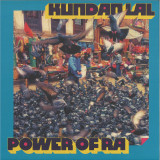
Kundan Lal is a highly understated artist. Little is known about his background, though some refer to him as Kunsaf Halil, his personal life remains largely a mystery.
Gathering a cult following amongst people like Den Sorte Skole or DJ Marcelle with his previous releases, he is now set to sail new shores. There is a sense of wanderlust as he opens his box of field recordings, collected on his many travels. From the buzzing streets of Alexandria, early sunday markets in Tafraoute or a crackling bonfire down by the banks of the river Ganges. Each track takes you places.
Kundan's second album is a captivating blend of dubby beats, collages, and exotic instrumentation. Drawing from classic tools like the Roland 808, SC7 and the famous Space Echo, Kundan has created a unique and minimalistic sound that is sure to captivate listeners. At once nostalgic and experimental, "Power of Ra" is a must-listen for both electronic music purists and fans of adventurous soundscapes.
Compelled to work from home on his computer during lockdown, Kundan dusted his pawnshop e-piano, downloaded some orchestral soundkits and started to digitize almost forgotten field recordings. The "Power of Ra“ came to him.
“Illgrimage” is a good example of his approach. Combining atmospheric soundscapes with swirling strings, trombones and pianos. Echoes of birds and children playing in the streets. A small town filled with life and a theremin leading the way while you hear the faint yet powerful words of Greta Thunberg saying: "Imagine...“
“Raqaqa,” a powerful orchestral journey with a hip-hop edge. Tinkling chimes add a groovy vibe, while lush layers of wind instruments weave a masterful soundscape. It’s the slow-burning intensity of this track that pulls you in.
"Nasi Chip" is a signature song that exemplifies Kundan Lal’s musical prowess. An engaging beat coupled with chopped up vocals, 8-bit synth melodies and an arpeggiated piano provide an energetic atmosphere that is both cunning and unique.
”Cen" lures you into the egyptian realm. A Harmonium slithers serpent like around a pounding beat.Horns gently swaying to the rhythm of the desert.
It is hard to put your finger on his style or genre. You can feel Kundan Lal‘s DIY spirit in his production, carving his own ethnic genre. For enthusiasts of Roberto Musci or Muslimgauze, this avant-garde album is one for your collection. Keep your senses open and let the Power of Ra pass you to another world.
Vol.1 Black Vinyl[28,15 €]
Vol.2 Grey Vinyl[33,19 €]
Vol.2 Black Vinyl[31,51 €]
Crass Records, alongside One Little Independent Records, reissue
their iconic three volume compilation series, ‘Bullshit Detector’, on LP,
available in both classic black and special edition grey vinyl.
‘Bullshit Detector’ was the name of a series of compilation LPs put
together by the anarcho-punk band Crass and released on their own
label. Three editions were released between 1980 and 1984,
consisting of demo tapes, rough recordings and artwork that had
been sent to the band.
The sound quality of the ‘Bullshit Detector’ series was mixed and
often basic, or even poor, as Crass would master the tapes directly to
record without any additional production or enhancement. For Crass,
the expectation of a polished performance was missing the point.
After punk had already been co-opted, re-packaged and sold back to
us, ‘Bullshit Detector’ volumes 1-3 were, and still are, seen by many
to capture the purest ethos of punk culture, an event that inspired
hundreds to take to their bedrooms and garages and join the DIY
revolution.
Crass believed in the power of community and that their movement
was for everybody. These compilations are an admittedly harsh but
important part of that story; when Crass gave punk back to the
people.
Sleeve notes from ‘Bullshit Detector Three’ read: “Don’t expect music
when the melody is anger, when the message sings defiance, three
chords are frustration when the words are from the heart.”
Vol.1[29,83 €]
Vol.2 Grey Vinyl[33,19 €]
Vol.2 Black Vinyl[31,51 €]
Crass Records, alongside One Little Independent Records, reissue
their iconic three volume compilation series, ‘Bullshit Detector’, on LP,
available in both classic black and special edition grey vinyl.
‘Bullshit Detector’ was the name of a series of compilation LPs put
together by the anarcho-punk band Crass and released on their own
label. Three editions were released between 1980 and 1984,
consisting of demo tapes, rough recordings and artwork that had
been sent to the band.
The sound quality of the ‘Bullshit Detector’ series was mixed and
often basic, or even poor, as Crass would master the tapes directly to
record without any additional production or enhancement. For Crass,
the expectation of a polished performance was missing the point.
After punk had already been co-opted, re-packaged and sold back to
us, ‘Bullshit Detector’ volumes 1-3 were, and still are, seen by many
to capture the purest ethos of punk culture, an event that inspired
hundreds to take to their bedrooms and garages and join the DIY
revolution.
Crass believed in the power of community and that their movement
was for everybody. These compilations are an admittedly harsh but
important part of that story; when Crass gave punk back to the
people.
Sleeve notes from ‘Bullshit Detector Three’ read: “Don’t expect music
when the melody is anger, when the message sings defiance, three
chords are frustration when the words are from the heart.”
RP Boo's essential first album, 2013's ‘Legacy’ caused a storm of acclaim worldwide as people finally started to piece together his true place in Footwork and the powerful legacy of his work as an innovator. In parallel with productions, his always on-point DJ sets have lit up festivals and clubs worldwide and continue to do so to this day, notably leading to him being named one of the ‘100 World’s Best DJs’ in a recent book by DJ Mag. Now on its 10th anniversary ‘Legacy Vol.2’ continues his story. Featuring tracks created between 2002 and 2007, this is a wonderous selection of material, some known, some unknown. The album kicks off with the dark and epic ‘Eraser’ created in September 2007, during a time RP was going to underground Footwork club War Zone on the west side of Chicago. The track was inspired by, and created to fuel, the “taunting words of intimidation” between dancers.” And now it makes for one intense album opener. Some cuts are inspired by everyday life – take for example 2005's ‘Pop Machine’, which was inspired by the time he was working at Speedway Oil Change who had a temperamental soda/pop machine. One day, a customer put money in the machine and nothing came out, so he continued to press the button, and for some reason RP found this funny so he went over to the machine and started pressing the buttons himself and everyone he touched started saying “Work!.” Inspired once he was back home in his studio he made ‘Pop Machine’ in tribute to the defunct machinery. When he came back to work the next day and played the track for all this co-workers it blew their minds and they also laughed with at how creative RP could get using things from his everyday life as inspiration. ‘Pop Machine’ also illustrates how RP’s Footwork uses repetition and minimalism as fuel. Years later RP Boo is still inspired by Foot Work – the art of dancing and working for dancers. He continues to shake up clubs and isn’t afraid to get out from behind the decks and drop some Foot himself. We’ll let the man himself have the final word - “What inspires me to keep going is seeing the people having an awesome time moving on the dance floor, as well as playing music that is a recognizable part of my life. I’m one with it.”
- A1: Damian Lazarus X Jem Cooke - Into The Sun (Major League Djz Remix)
- A2: Jamie Jones - Paradise 2011 (Art Department Remix)
- B1: Pier Bucci - Hey Consuelo (Dennis Cruz Remix)
- B2: Audiojack X Jem Cooke - Feels Good (Michael Mayer Remix)
- C1: Made By Pete X Zoe Kypri - Horizons (Black Coffee Remix)
- C2: Adam Ten & Yamagucci - The K Dance
- D1: Maceo Plex - Together (2011 Mix)
- D2: Guti & Dubshape - Every Cow Has A Bird (Tibi Dabo Remix)
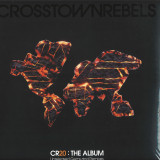
Damian Lazarus celebrates 20 Years of his world-renowned Crosstown Rebels imprint with a special album project of unreleased cuts and fresh remixes, featuring material from Black Coffee, Maceo Plex, Art Department, Dennis Cruz and many more.
Undeniably one of the most influential record labels within underground dance music, releasing material from Laurent Garnier, Krust and Mathew Jonson to Rósìn Murphy, Deniz Kurtel, Francesca Lombardo and Jennifer Cardini while playing a pivotal part in the careers of artists like Maceo Plex, Jamie Jones, Art Department and Seth Troxler, Crosstown Rebels stands today as a hub and platform for flourishing projects across the electronic spectrum, including via sub-label Rebellion and across a long list of showcases across the globe. More than just your everyday label, the Crosstown Rebels legacy has grown alongside its founder in equal measure, with head honcho Damian Lazarus continually showcasing, championing and spotlighting artists from across the globe who share his radiant, experimental vision for house music and beyond. Ringing in a major milestone in style, 2023 will see the biggest twelve months to date as Lazarus and Crosstown mark the 20th Anniversary of the label with a series of projects set to be unveiled in the lead-up to summer, with ‘CR20 The Album’ set for release on 12th May 2023.
“20 years ago, I dreamed a dream of creating a family of like-minded, crazy individuals from all corners of the planet - releasing music to the world and making people dance. That dream was Crosstown Rebels, and this year we are 20. Over these years, I have forged beautiful friendships, discovered very talented artists and tried my best to help, advise and support some of the most colourful characters in dance music. Crosstown Rebels is more than a record label, it is family.
So 2023 will mark the label’s 20th Anniversary. This is an opportunity for the Crosstown Rebels family, a global community of artists, DJs and creatives, and the label’s myriad of followers to celebrate this momentous milestone. There will be parties and events around the world. A killer compilation of exclusives and special remixes, a beautiful coffee table book, a short film, and a special launch event are planned to bring together the sights and sounds of the label’s unique and influential history. There’s lots to share, announce and reminisce. 20 years young.” - Damian Lazarus.
Comprised of six stellar, high-profile remixes of releases from the label’s catalogue, alongside two previously unreleased original gems, the eight-track package is a rich and exemplary showcase of the far-reaching corners of the Crosstown Rebels sound and also its globally connected family of artists and close friends.
Opening the package, Lazarus’ own 2020 collaboration ‘Into The Sun’ with regular Crosstown vocalist Jem Cooke is given a cosmic rework by Johannesburg’s Major League DJz, while Jamie Jones’ slick ‘Paradise 2011’ is stripped back and given a new lease of life by the hypnotic and heady sounds of Art Department. Opening the B-Side, Dennis Cruz brings his percussive Latin-infused signature sound palette to Chilean musician and producer Pier Bucci’s ‘Hay Consuelo’, before Audiojack’s ‘Feel Good’, another standout collaboration alongside Cooke, is taken into synth-led territories as Michael Mayer reaches for an evolving bed of captivating tones.
The second half of the project brings more excellently remixed material, both new and old, with GRAMMY-winning DJ/producer Black Coffee turning his hand to the label’s first release of 2023 in Made By Pete and Zoe Kypri’s emotive ‘Horizon Red’, unveiling reworked melodies and sparkling keys as he delivers an interpretation of a track which has featured as a staple in his sets. Next, the project welcomes Adam Ten & Yamagucci’s playful yet off-kilter and wonky ‘The K Dance’ which unveils itself as a production perfect for those late night hours and early afters, before Ellum boss Maceo Plex’s ‘Together (2011 Mix)’ brings another lost production to the mix with a driving and zipping ride through sugary synths and soaring leads. To close, Tibi Dabo turns his attention to Guti & Dubshape’s absorbing ‘Every Cow Has A Bird’, delivering a nimble minimal-led trip through lush pads and crisp percussion to round things out in style.
Alongside the album, the 20 Year celebrations will also welcome a 192-page hardback book, ’20 Years Of Magic, Madness and Music’, with words from renowned journalist and key underground music player Joe Muggs, and a feature-length documentary directed by acclaimed director David Terranova.
Crosstown has become known globally for throwing some of the world’s best parties, from the wondrous cultural journey of Day Zero Tulum to longstanding Music Week marathon Get Lost Miami. This ethos of creating magical dancefloor moments spills into the label’s 20 year celebration with its worldwide Get Lost tour, launched with Get Lost Miami, and followed by Bali, Tokyo, Ibiza, Dubai, Istanbul, Rome, Paris, London, Berlin and more, plus a special to-be-announced London showcase.