Their raw energy and socially conscious lyrics merge punk, post- punk, and hardcore influences. Open City addresses socio- political issues, delivering an explosive live experience and fostering inclusivity. With members' backgrounds in influential bands, Open City pushes boundaries & inspiring change.
Suche:open city
- A1: One Dark Knight (Intro)
- A2: From The Shadows (Plains Of Passage)
- A3: Boss Victory
- A4: The Magic Mirror (Tower Hub)
- A5: The Lonely Parapet
- A6: Tools Of War (Clockwork Tower)
- A7: Aqua Vitae (Explodatorium)
- B1: Facing The Task (Lost City)
- B2: Both Eyes Open
- B3: A Cargo Of Fineries (Flying Machine)
- B4: The Price Of Doing Business (Iron Whale)
- B5: The Struggle Never Ends
- C1: A Wintry Paradise (Stranded Ship)
- C2: In The Halls Of The King (Pridemoor Keep)
- C3: Hidden By Night (Lich Yard)
- C4: Boss - Embraced By Darkness
- C5: Hitting Close To Home
- D1: Boss - Go No Further!
- D2: A Fool's Wager
- D3: Incompleto Sin Ti
- D4: Fate Approaches
- D5: Know Thy True Self
- D6: Final Redemption
- D7: An Imposition Of Order (Ending)
- D8: Trailer - Specter Of Torment
‘In Virus Times’ is an acoustic instrumental piece by Lee Ranaldo.
Composed during the pandemic, ‘In Virus Times’ is released as a onesided LP with an etching on Side B. The cover is a beautiful photo by
Lee’s friend, the great Brazilian photographer Anna Paula Bogaciovas.
Originally released as one track as part of a collaboration with Lucien
Jean for Le Presses du Reel, the music was featured on a mini CD that
accompanied a book that featured two short stories.
‘In Virus Times’, released by Mute, sees the track transformed into 4
pieces and is available on transparent turquoise vinyl with digital
download and an exclusive poster, designed, signed and individually
numbered by Lee Ranaldo. The poster design is based on an electron
microscope photo of the COVID-19 molecule.
Lee has written some of his own ‘loner notes’ for the release:
“This recording began on an evening in September 2020, stuck at home
in lower Manhattan during the dark days of the Covid-19 pandemic as
we came out of a deadly summer. A heightened sense of anxiety
stemming from the then-upcoming US Presidential elections as well as
the virus seemed to pervade all aspects of life, for myself and everyone I
knew. Its minimal quality reflects the sense of ‘motionless time’ that
many of us felt. I set up some microphones in our darkened living room
(studios being closed due to Covid restrictions), coaxing out one simple,
repetitive phrase, and then another, sounding them out into the air. The
casual home ambience - a siren or truck rumbling down the street out
the window; someone talking around the table in another part of the loft;
water running - intrudes at points. I worked to develop a few simple
thematic elements, but mostly I wanted to hear the notes and chords
ringing out, hanging in the air for a long time on that evening when the
world seemed close to stopped on its axis.
“I’d been listening closely to Morton Feldman’s catalog throughout the
pandemic. His sparse, long-duration music could often be heard playing
on repeat as we spent endless days locked inside. His willingness to do
very little, with very simple elements, and to such profound effect, has
been inspirational. I found the vast open spaces in his works thrilling,
miraculous, and comforting in those empty times. Additionally, the Drop
D guitar tuning used here has prompted my own variations on Bach’s
works for solo cello, open strings droning against melodic lines, so
simple and perfect…” - Lee Ranaldo, New York City, August 2021
Walter Thomas’s “Chicago Knights” LP features a retrospective of songs written and released between 1987 and 2009, primarily with the Roland 1824 and the Fostex 8 track reel to reel. Channeling the spirit of underground soul and dance music specifically rooted within the greater area of Chicago, Illinois–a city known for its deep and healthy soul and r&b roots–this compilation features 8 of its 9 tracks on vinyl for the very first time.
The intro track “I Wanna Get Witcha” dates back to 1987, holds a proven track record of kicking off many a dance floor, rocking clubs worldwide in a blur of boogie-funk, disco, and soul. “Immaturity” and both versions of “Fed Up” echo the emotional differences and tensions between lovers in a spat. “Magic City” served as the anthem and homage to its namesake roller skating rink in 90s-era Waukegan, IL. While “Chicago Knights” is a relentless mid-tempo groove inspired by the aggressive motorists that dominate Chicago roadways, “2nd Chance” drops the tempo to a slow r&b roll, preaching the ethos of love, peace, and forgiveness.
Last but certainly not least, “E&J’s” was a real commercial jingle used for a once legendary BBQ joint “E&J’s” in Illinois: a short bonus track to close out the LP. These 9 tracks are just a touch of Walter’s expansive body of work, and we’re stoked to bring them to you on wax.
Walter Thomas is a singer, songwriter, producer, arranger, and composer from North Chicago, IL known for his soulfully smooth arrangements and vocals. Walter has toured internationally with quintessential soul groups like the Temptations and Friends of Distinction, as well as opening for performers including the Floaters, Bette Wright, The Emotions, and The Drifters. His decades of touring with nightclub and concert performances have honed this gifted artist into a seasoned and refined live act.
Fast zwanzig Jahre nach ihrem einzigen Studioalbum veröffentlichen die britisch-amerikanischen HeavyMetal-Giganten Heaven & Hell – bestehend aus Tony Iommi und Geezer Butler von Black Sabbath sowie
den Ex-Sabbath-Größen Ronnie James Dio und Vinny Appice – 2025 eine neue Box mit ihrem legendären
Album „The Devil You Know“ und zwei bei den Fans beliebten Live-Aufnahmen aus der Radio City Music
Hall und vom Wacken Open Air Festival.
Die vier Mitglieder von Heaven & Hell tourten und nahmen von 1980 bis 1982 und von 1991 bis 1992
als Black Sabbath gemeinsam auf. Dio hatte damals den Black-Sabbath-Gründungssänger Ozzy Osbourne
und Appice den Gründungs-Schlagzeuger Bill Ward ersetzt. Der Bandname leitet sich vom gleichnamigen
Album „Heaven and Hell“ aus dem Jahr 1980 ab. Diese Deluxe-CD- und LP-Boxsets enthalten die komplette Diskografie von Heaven & Hell und die letzten Aufnahmen von Ronnie James Dio vor seinem Tod.
„Live From Radio City Music Hall“ erscheint erstmals vollständig auf Vinyl, und die einzelnen Konzertfilme
wurden in HD hochskaliert und erstmals auf einer hochauflösenden Blu-ray zusammengestellt. „The Devil
You Know“ enthält außerdem drei seltene Bonustracks, die bisher noch nie auf Vinyl erhältlich waren.
- A1: Bps - Within Reason
- A2: 5Atms - A Dub Called Mondo
- A3: Scott K -Tighter & Tighter
- B1: Gryph - Winona At Sunset
- B2: Ssri - .Omnicallora
- B3: Scott Coats - Be Work Zone Alert (Pw Edit)
- C1: Gold Code & Dave Aju - Yolo Jungle
- C2: Warehouse Preservation Society - Data Bliss
- C3: Stacy Christine - .Smart Move
- D1: Sos - Obsesion Romantica (Free Winona Dub)
- D2: Dave Aju & Moniker - Chuy Luis
- D3: Vastir - Turnpike
LA underground hubs DISCOS XXX aka DX3 and Elbow Grease join forces to proudly present Point Winona Sound Library Vol 1 — featuring 20 distinct artists from the inspired local dance music scene, working under one unified studio roof in various collaborative
formation at the mighty Los Feliz hilltop palace Point Winona, overseeing the city they collectively represent. These timeless warehouse-wrecking tracks all stand on their own, but the compilation as a whole offers a solid geographic sonic statement with shared rhythmic DNA and bold rooted-futurist production blueprints, guided by the champion efforts of studio executive producers/curators Tavish DJ and Dave Aju.
The BPS stage-setting opener evokes crispy A.M. hours with lush Detroit-meets-Cali feels on “Within Reason” — then studio dream team 5 ATMs bring the dubwise floor vibes up a notch on “A Dub Called Mondo” and Chitown-to-LA legend Scott K lays down an FM bass-laced acid house heater with “Tighter & Tighter”. Nashville-born producer Gryph funks things up on the live space boogie bump of “Winona at Sunset” while SSRI, comprised of Underground Resistance’s DJ Dex/Nomadico, Aju, and Black Lodge’s fearless leader Kosmik, drop fierce robo-Italo bliss on “Omnicallora”. Things take a further psychedelic twist with the PW edit of Scotty Coats’ sublime midtempo tripper “Be Work Zone Alert”, then Omakase’s own Gold Code alongside longtime rave brother Aju drop the nasty J Saul-salute “Yolo Jungle”, and Warehouse Preservation Society aka Tavish DJ & TK fully detonate floors inna raucous Wicked Crew stylee with “Data Bliss”. Undisputed LA scene queen Stacy Christine arrives with her shining debut “Smart Move”, where she and Aju trade sly vox lines of party advice over a bouncing tech banger for the ages, before the “Obsesion Romantica (Free Winona Dub)” sees Sisters Of Sound aka Maddy Maia and Tottie's, OG track getting stripped back and fired up to acidic peak time form. Then Dave Aju and SF homies Moniker aka EO & Kenneth Scott unleash wild uptempo melodic bruk heaven on “Chuy Luis”, and Vastir sends us home with the stratospheric drum n bass closer "Turnpike"
When you notice the cheerful mystery playing with the synths, the edges of this small world start to look slightly distorted. In any era, someone is always creating mysterious music on their own. (7FO)
----------------------------
Music in DNA is an album recorded in the early 1980s in New York City by Yasuhito Ohno, a young Japanese man breaking free from the constraints of his homeland. The album is a naive burst of outsider DIY enthusiasm, inspired by the multiple avant-garde movements of the era, in music, painting and performance, as well as the native energy of 80s NYC. Ohno channeled his youthful "edge" and zeal into open-minded lo-fi musical explorations using a mere two machines: the then-new technological glories of a four-track cassette recorder and that polyphonic synthesizer masterpiece, the Roland Juno-60; on several pieces he vocalizes. These seven tracks have a zestful, innocent, anything-goes charm, free from preciousness and self-consciousness: a raw and youthful human spirit at play in a new world. Ohno was also inspired by the humanistic promise of the general technological developments of the day, including DNA research, personal computing, and early computer graphics, an example of which can be found on the cover. Ohno later returned to Japan, becoming a renowned composer/producer. In an era of jaded cynicism, Music in DNA is a welcome taste of big-hearted innocence, a revival of a raw self. Available on CD/LP/Digital, with E/J liner notes.
- Osni Opening
- Act I: Garden
- Act I: Loon
- Act Ii: Dragon
- Act Ii: Pyre
- Act Iii: Umbra
- Act Iii: Rite
- Act Iv: Flood
- Act Iv: Everglow
- Osni Closing
In ,Osni the Flare", dem zweiten Teil von Tristan Allens mythischer Trilogie, zeigt der Komponist, Produzent und Puppenspieler, wie ein Sterblicher durch die Entdeckung des Feuers zu einer Gottheit wird. ,Osni the Flare" wurde über vier Jahre hinweg mit wortlosen Gesängen, Orgeln, Okarinas, einer Menge Spielzeuginstrumenten und einem ausgeklügelten Sounddesign aufgenommen und erzählt in vier akustisch und visuell beeindruckenden Akten von den Ursprüngen der Flamme und der Zeitlichkeit. Allen webt einen Schöpfungsmythos, der zwischen Schönheit, Schatten und wehmütiger Glut wechselt, und schafft so ein Portal zu einem sorgfältig gestalteten, emotional kraftvollen Klang und einer Geschichte, die durch ein fantastisches Reich hallen. Allen wurde in Saratoga Springs, New York, geboren und hat Kindheitserinnerungen an den Aufenthalt seiner Familie in Japan. Sein Weg führte ihn zu prägenden Begegnungen, darunter mit seinem Lehrer Andy Lorio, der das wachsende Interesse und Können des jungen Musikers am Klavier durch Improvisationstechniken förderte, und Amanda Palmer, die ihn mit 16 Jahren während eines Sommerprogramms am Berklee College entdeckte und seine erste Veröffentlichung durch Crowdfunding finanzierte. Nachdem er an der Berklee Klavier studiert, das Live-Elektronik-Kollektiv Nue mitbegründet, mit der Metal-Band Dent durch China getourt und zwei Solo-Klavier-EPs veröffentlicht hatte, zog Allen 2018 von Boston nach Brooklyn. Eine Anzeige auf Craigslist führte zu einer Puppenspielausbildung bei Mike Leach, der ihnen sechs Monate lang beibrachte, wie man eine Marionette richtig führt, was ihnen eine Stelle als Darsteller am renommierten Puppetworks Theater einbrachte. Diese harte Arbeit, zusammen mit dem Kontakt zu den Artefakten des Bread and Puppet Theater ihres Vaters und dem balinesischen Schattenspiel, brachte Allen zu ihrer kreativen Praxis: Komponieren für akustische Instrumente, elektronisches Arrangieren und Auftritte mit Puppenspiel. Osni the Flare erzählt einen Schöpfungsmythos, in dem die Titelfigur in einem Garten aufwacht und Äpfel von einem Baum pflückt. Von einem Loon herbeigerufen, macht sich Osni auf, den Baum vor der Kälte des Winters zu schützen. Als der Loon von einem Drachen verschlungen wird, wagt sich Osni in dessen Bauch und entdeckt dort Glut. Als er diese Glut dem Baum anbietet, entzündet sich dieser - der Ursprung des Feuers selbst. Iso, der Gott des Meeres, greift mit einer Flut ein, die Osnis Garten überschwemmt. Nach seinem Tod gelangt Osnis Seele in das Reich der Schatten, wo sie sich Tin und Iso anschließt und zur Gottheit des Feuers wird - Osni the Flare. Das Album klingt menschlicher und kindlicher als sein Vorgänger ,Tin Iso and The Dawn" und wechselt von der Perspektive der Götter als Beobachter zu der des ersten sterblichen Charakters in Allens Welt. Unterstützt durch neue Liebe, kanalisiert das Projekt Gefühle in Musik, die zu einem ganz eigenen Zauber wird. Wie Tin Iso beginnt und endet das Album mit Klavierklängen als Portal, das die Heimat repräsentiert, während Osni sich auf eine Reise durch drei Reiche begibt: das Land der Lebenden, das Zwischenreich und das Jenseits. Osni the Flare wurde fast komplett mit einem Aston-Kondensatormikrofon in Allens Wohnung in Brooklyn mit Blick auf den Cypress Hills Friedhof aufgenommen und besteht aus Spielzeugklavier und Flöten, Okarinas, Harmonium, Pumporgel, E-Bass und Kontrabass, Gadgets und einer umfangreichen Sammlung von Spieluhren und Glocken. Die Gesangsmelodie - inspiriert vom Summen seiner Partnerin Virginia Garcia Ruiz, das an Pans Labyrinth erinnert - war Allens erster Ausflug in den Gesangsbereich, wobei er eine Melodie ohne Worte verwendete, um den Zuhörern zu ermöglichen, die Protagonisten zu bleiben. Die Flöten wurden Note für Note akribisch aufgenommen, darunter balinesische Sulings, Fundstücke aus chinesischen Souvenirläden und vogelförmige Okarinas. Die Spieluhren wurden langsam aufgezogen, einzeln gesampelt und dann neu arrangiert und gestimmt, um Virginias Summen zu verdoppeln. Ein ausgedientes Casio SK-1 mit einem kaputten Lautsprecher wird mit einem Harmonium kombiniert, um Akkordtexturen zu erzeugen. Stundenlange Improvisationen, die durch Bastl Thyme und NanoVerb geleitet wurden, erzeugten lange, ausklingende Delays, wobei die besten Momente für Songs ausgewählt wurden. Feuergeräusche entstanden durch Fingernagelklicken auf Klaviertasten. Feldaufnahmen hielten das Zerlegen eines Klavieruntergestells, das Löschen von Kerzen und Geräusche aus einem Hospiz fest. Die Stimme des Drachen spricht Worte aus Allens erfundener Sprache. Die Melodie liegt oft im Bass - inspiriert von Goth und Gamelan - mit nach oben gerichteten Verzierungen. Der detailreiche Ansatz spiegelt eine Punktierung wider, die Allens Original-Artwork für das Albumcover ähnelt und durch ihre obsessive Arbeit kleine Teile zu einem großen Bild zusammenfügt - unter der Dusche, vor dem Einschlafen, mitten im Satz. Das Klavier wurde von der Toningenieurin Katie Von Schleicher bei Figure 8 Recording neu aufgenommen, gemischt wurde das Album von Paul Corley. Der technische Leiter Jim Freeman arbeitete vier Monate lang am Halsgelenk und fünf Monate lang an den Schultern der Basswood-Stabpuppe, die von Bruce Schwartz' Ballerina inspiriert ist. Freeman verbrachte Jahre damit, ein selbstgebautes LED-System zu entwickeln, um das Puppenspiel von der Bühne aus zu beleuchten, und sein unwillkürliches Pfeifen während der Arbeit wurde heimlich aufgenommen und ist im Schlussmoment zu hören. Die Herstellung der Puppen wurde von Miryam Moutillet und Lauder Weldon überwacht, die hybriden Köpfe wurden von Duygu Bayar Ekren entworfen. Seit der Veröffentlichung von Tin Iso im Jahr 2023 hat Allen in der experimentellen Puppenspiel-Community von New York City eine Heimat gefunden und wird von der Jim Henson Foundation und La MaMa unterstützt. ,Osni the Flare" steht für Tristan Allens kontinuierliche Weltgestaltung mit akribischer Kontinuität - viele bewegliche Teile, die in funkelnder Kohäsion präsentiert werden, wobei sich jede Komponente aus einer Idee entwickelt, wie eine Fantasy-Serie, die im selben Reich spielt. Das Album erreicht das, was sich Allens kindliches Ich beim Anschauen von Fantasy-Filmen vorgestellt hat: Musik, die nicht so klingt, als würden Menschen Instrumente spielen, sondern wie das Werk der fantastischen Welt selbst. Durch die Kunst des Puppenspielers, ,wahre Lügen zu erzählen", lädt Allen die Zuhörer ein, etwas Ursprüngliches und Unmittelbares zu erleben. Während Osni sich von einem Sterblichen zu einer Gottheit verwandelt, zeichnet das Album nicht nur den Ursprung des Feuers nach, sondern auch den Ursprung des Mythos selbst.
Ben is a Detroit-based producer who makes up half of Symptoms of Love, along with BPT records alum Ryan Spencer. He here brings us a 4 tracker of the absolute highest order. It both sounds like music that no one else is making, while also sounding like a pastiche of everything that you've ever liked in the past. The magic formula baby!!!!!!! Shall we walk thru the music together?
BPT founder and music's #1 man Jeremy Castillo has described the EP absolutely brilliantly as such: "YMO style dissonant electro with a Detroit touch on the a side, with pitched down Patrick Cowley psychedelic Macarena on the B-side.
The A1 and title track is an incredible statement of intent from Ben - it really does sound like if Hosono grew up in Detroit listening to Electrifying Mojo. It's an absolute blast of sunlight coming through your headphones. Press play and watch your vitamin D levels rise baby!!!
A2 cut "Music Remembers" is a groovy joy ride reminiscent of Galaxy II Galaxy, complete with re-pitched vocal chops and 808 claps galore. This will hit SO hard on a spring day if you live in a city currently blanketed in snow.
On the flip, B1 "Whose Water" will be a big hit with anyone who dug Dam Funk's Garret project. Introspective downtempo synth fans rejoice!!! And we wrap a stellar outing with B2's "New Sun" - a propulsive Cosmic workout that will open up any dancefloor. The psychedelic Macarena is right baby!!!
High Cube is the beat-focused brainchild of Brian Foote (Peak Oil, Leech) and Paul Dickow (Strategy, Community Library), two low-key legends of the American experimental underground. After some 30-odd years of making music separately and together, Foote and Dickow are collaborating in earnest for the first time as a duo. For this debut, the pair enforced a simple, stringent set of rules: five instruments, a one-hour timer, and a total ban on overthinking.
The result is a record that is the sound of two old friends unplugging the usual levers and letting the "accident" of their chemistry take the wheel. It is drier, sparser, and decidedly "chunky"—a fictional band stepping into a suit to drive around for a while. It is neither dance nor chill-out, but a moody, complex trajectory defined not by the gear used to make it, but by the narrative mood it compels.
"Volcano Snail” starts things off in a disheveled shuffle, locking into gear with blurred and bubbling effluence. The shimmering dimness is lit low, with a woozy gait that recalls the headiest highs and luminescent lows of Jan Jelinek. “Underwater Welder” is a foggy, neon-lit cruise of skittering low-ends suspended in a permanent fall of color, while “A Dragon’s Treasure is its Soul” offers blown-apart, low-end city pop fragmented into an array of rhythmic detritus. Chordal textures hover in the air as a percussive loop takes its beguiling and frolicking shape.
B-side opener “Yonaguni” shapeshifts in real time, drifting with the grace of a glacier before bobbing in a frigid pool of vibrating clatter, static, and synth stabs. “Ofid+wor” offers a tried and true blitz of braindance, nodding to an endless list of 20th and 21st-century electronic body music. Buoyant closer “Mother of Thousands” holds a gravity-defying tenderness, pirouetting on a breeze with the elegance of effervescent longing. Woven together, the six extended tracks of High Cube are tethered to nothing but the ether—a giant sonic leap of peripheral absurdity from two artists with a lifetime of shared rhythm.
Gatefold Sleeve
M’Bamina – African Roll (1975)
The story of an album born between Africa, Italy, and the nightclub culture of the 1970s
In the heart of 1970s Italy — a country undergoing profound social change and a music scene just beginning to open itself to distant sounds and cultures — an extraordinary, almost improbable story took shape. It is the story of a group of young African musicians who found their way to Europe, of a Turin nightclub that became a crossroads for communities and experimenters, and of an album which, released in small numbers and largely unnoticed at the time, is now considered a rare jewel of Afro-fusion.
The band called themselves M’Bamina — an ensemble of musicians from Congo, Cameroon, and Benin, who arrived in Italy in the early Seventies. Settling between northern Italy and the Pavia area, they began performing in small clubs and community events, bringing with them a vibrant rhythmic heritage: African polyrhythms, call-and-response vocals, funk-infused bass lines, and Caribbean or Afro-Latin colours absorbed along their musical journeys. Their raw, contagious energy on stage quickly drew attention.
Meanwhile, in Turin, another story was unfolding. There was a venue becoming almost legendary: Voom Voom, one of the city’s liveliest nightclubs, run by Ivo Lunardi. The club attracted an eclectic crowd — students, artists, foreigners, night owls — and Lunardi quickly understood that the dancefloor wasn’t just a place for music, but a melting pot for a new kind of cultural energy. Out of this vibrant atmosphere came his idea: to turn the club’s name into a small independent record label, Voom Voom Music, capable of capturing the spirit of those years and giving voice to unconventional projects.
When Lunardi heard M’Bamina, he immediately sensed that this was the sound he had been searching for: fresh, different from anything circulating in Italy at the time, and capable of blending African tradition with funk and European sensibility. He brought them into the studio.
Production was handled by Lunardi along with Christian Carbaza Michel, while the engineering was entrusted to Danilo Pennone, a young sound technician with a sharp, intuitive ear.
The recording sessions — held in Turin in 1975 — produced a remarkably warm and direct sound. The music feels almost live: grooves rooted in African tradition, but open to funk-rock structures and modern arrangements. It is a natural fusion, never forced. Tracks move between tribal rhythms, funk basslines, light electric guitars, congas and Afro-Latin percussion, with call-and-response vocals and melodies that echo both Congolese tradition and the lineage of Latin jazz. Not by chance, one of the album’s most striking tracks, Watchiwara, reinterprets a Latin standard through M’Bamina’s own rhythmic language.
The album was titled African Roll — a name that was already a statement of intention. It is African music that “rolls,” that moves, adapts, transforms within a new geographic and cultural setting. It is not strictly Afrobeat, nor Congolese rumba, nor Western funk: it is a spontaneous, hybrid blend, shaped more by lived experience than by any calculated aesthetic program.
When African Roll was released, the world around it barely noticed. Distribution was limited, and 1970s Italy had yet to develop a cultural framework for receiving such music. The national music press rarely paid attention to African or “world” productions. The album slipped into silence — though the band’s own story did not.
M’Bamina continued performing across Europe and Africa, even sharing a stage in Cameroon with none other than Manu Dibango. By the late Seventies, they moved to Paris, signed with Fiesta/Decca, and recorded a second LP, Experimental (1978). Meanwhile, the peculiar record they had made in Turin began to resurface quietly among vinyl collectors, Afro-funk enthusiasts, and DJs hunting for forgotten grooves.
That is when the album’s fate began to shift.
Over the decades, African Roll emerged as an almost unique document: a snapshot of an intercultural Italy before the word “intercultural” even existed, a fragment of migrant history, a spontaneous experiment in musical fusion born far from major industry circuits but rich in authenticity. Original copies began commanding high prices on the collector’s market, and the album became recognized as one of the hidden classics of European Afro-fusion from the 1970s.
Today, more than fifty years later, this reissue finally restores visibility and dignity to a project that deserves to be heard, studied, and celebrated. It is not simply an album: it is the testimony of a rare cultural encounter, born in an Italy unaware of how fertile such exchanges would one day become.
It is the story of a visionary producer, an extraordinary band, and a fleeting moment in which music, migration, and nightlife came together to create something genuinely new.
African Roll is — now more than ever — the sound of a bridge: between continents, between eras, between cultures. A record that, after rolling far and wide, has finally come home.
Specs: Wrapped in shrink, DL code, insert with liner notes
"Music in DNA" is an album recorded in the early 1980s in New York City by Yasuhito Ohno, a young Japanese man breaking free from the constraints of his homeland. The album is a naive burst of outsider DIY enthusiasm, inspired by the multiple avant-garde movements of the era, in music, painting and performance, as well as the native energy of 80s NYC. Ohno channeled his youthful “edge” and zeal into open-minded lo-fi musical explorations using a mere two machines: the then-new technological glories of a four-track cassette recorder and that polyphonic synthesizer masterpiece, the Roland Juno-60; on several pieces he vocalizes. These seven tracks have a zestful, innocent, anything-goes charm, free from preciousness and self-consciousness: a raw and youthful human spirit at play in a new world. Ohno was also inspired by the humanistic promise of the general technological developments of the day, including DNA research, personal computing, and early computer graphics, an example of which can be found on the cover. Ohno later returned to Japan, becoming a renowned composer/producer. In an era of jaded cynicism, "Music in DNA" is a welcome taste of big-hearted innocence, a revival of a raw self. Available on CD/LP/Digital, with E/J liner notes.
Transient Response is a storytelling of moods in motion, from city to city, situation to situation from China-born, London-based artist Guohan. Side A opens with ‘Don’t Forget Your Hiss’, a funky dusty groove built around the repeated phrase ‘带走我的’ gradually unfolding into ‘带走我和你的故事’ meaning ‘bring along the stories of yours and mine’. ‘First Light’ follows as a percussive MPC-driven slow burner, capturing a swirling summer day in the studio.
Side B starts with ‘Seeds of Tomorrow’, a mellow drive through thoughts with a broken groove constructed with drum machine, djembe and shaker. Growing synths and bassline from the analogue devices keep your head nodding and feet moving. Backed with a remix from Xiamen-based artist Knopha.
For the first time in more than a decade, Paul St. Hilaire (AKA Tikiman) presents a solo album – 100% Tiki.
Over his 30-plus year career, St. Hilaire has become one of dance music’s quietly legendary figures. Born and raised in Dominica, he moved to Berlin in 1994 and has lent both his voice and his musicianship to some of the most iconic electronic music from the German capital – and beyond. Renowned for his collaborations with Moritz von Oswald and Mark Ernestus (AKA Rhythm & Sound), he has also appeared on records with Deadbeat, Rhauder, Larry Heard aka Mr. Fingers and Stereotyp (G-Stone Recordings), amongst others.
However, few know the extent of St. Hilaire’s compositional and technical mastery. From his home studio in Kreuzberg, which includes an extensive collection of vintage hardware, self-built instruments and notebooks scribbled with endless lyrics, he has created a vast archive of material spanning ambient dub, avant-jazz, lush techno and lovers rock.
Tikiman Vol. 1 is a heady, downtempo tour de force of patois metaphors on education, displacement and personal vs. global histories, as is evident on slippy album opener “Bedroom in My Bag”: Mister, mister / Where are you going? / I’m heading for a faraway land / What are you having in the bag in your hand? / Help us to understand / He said, I’ve got my bedroom in my bag.
Overall, the album’s lyrics reflect on life between Berlin and Dominica, specifically St. Hilaire’s hometown of Grand Bay, where he has worked with various musicians famous for the island’s different genres of carnival music. St. Hilaire himself always favoured the island’s more “discrete” music, developing a sonic synergy between two different geographical strains of groove and minimalism, and combining them with foundational Caribbean mixing techniques, which provide the basis for his songwriting and distinct
baritone.
Tikiman Vol.1 offers a rare insight into St. Hilaire’s complex artistry, from the eyes-down grooves of “Little Way” and the guitar-heavy digi dancehall experiment “Keep Safe,” to the subtle hypnosis of “Ten to One” and the softly crashing synth waves of closer “Three And A Half”, evoking not only beaches but also coasts and borders. It’s a fitting expression of both the breadth of St. Hilaire’s work, as well as his history as one of the few black, Berlin-based artists who, despite remaining largely overlooked, has influenced the city’s electronic music culture since its beginnings.
Credits
Written & Produced by Paul St. Hilaire
Mastered by Stefan Betke
Artwork by Grant Gibson
Kynant Records was founded in 2015 by Richard Akingbehin, a British-Nigerian radio programmer (Refuge Worldwide), music writer and DJ. Originally specialising in deep techno and featuring artists such as Cio D’Or, Terrence Dixon and Donato Dozzy, Kynant has since launched a sub-label Kynant EX which focuses on ambient, dub and experimental electronics.
Since debuting his Black Eyes project on Lost Control 2097 back in 2022, Matthew Jesus has developed his own trademark take on deep house - a suitably aquatic and psychedelic affair that he calls 'Hydro-Trip'. Elements of that sound can be heard on his Selections label debut, alongside nods to Motor City deep house and more soulful flavours. For proof, check gorgeous and tactile opener 'Honeyfish' and the even more soulful warmth of 'Motor City Surfin', which doffs a cap to the likes of Alton Miller and Rick Wade. 'Seaweed Tongue' is a more drowsy, jazzy and immersive deep house workout with more sampled vocalisations, while 'Trippin' In Waves' pairs rubbery drums and P-funk bass and plenty of spacey electronics. Haf S reworks the latter via his 'JEEPMIX', a dreamy, hypnotic and spaced-out sunrise-ready delight.
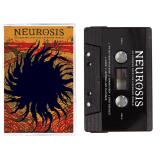
- A1: This Is A Dreamcast Disc
- A2: Final Fantasy Vii - Prelude (Pizza Hotline Remix)
- A3: Custom Robo - Dear (Pizza Hotline Remix)
- B1: Konami
- B2: Custom Robo - Puzzle (Pizza Hotline Remix)
- C1: Golden Eye 007 Pause Music (Pizza Hotline Remix)
- C2: Kaze No Notam - Opening (Pizza Hotline Remix)
- D1: Donkey Kong Country - Aquatic Ambience (Pizza Hotline Remix)
- D2: Pokemon Jungle
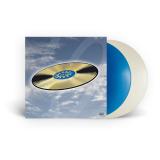
WRWTFWW Records is extremely excited to announce Hot-N-Ready Remixes Delivered by Pizza Hotline In 20 Minutes or Less, the brand new remix album from Pizza Hotline, landing hot and fast on a limited edition Neon Arcade Arctic Pearl Colored Vinyl Double LP, cut at 45rpm and housed in a heavyweight sleeve with artwork by Equip Studio.
From the high-octane mind of PIZZA HOTLINE - the man behind cult classics that helped redefine liquid drum & bass through a Y2K, console-era lens - comes a full-throttle remix album that feels like a secret bonus disc unlocked after beating the game, a portal into a parallel universe of rave-powered nostalgia and pixel-perfect bliss. Warp-speed liquid DNB, atmospheric jungle, and dancefloor-crushing remixes of legendary tracks extracted from the greatest video games ever made collide in a sensory overload of pure arcade euphoria. Soaring pads, breakbeats that ricochet like laser fire, deep-space subs, and rhythms that feel like drifting through a cyber-city at 3AM with only a CRT glow to guide you.
The album plays like a late-night arcade run fueled by muscle memory and emotion: PlayStation futurism meets WipeEout velocities, Donkey Kong adventure grit, GoldenEye stealth tension, and Sega Saturn dream-logic. It's fast, melodic, immersive, and deeply cinematic - a love letter to video game soundtracks, club culture, and the spaces where the two collide.
This release marks the fifth Pizza Hotline collaboration with WRWTFWW, following the ultra-classic Level Select, its brilliant follow-up Polygon Island, the collaborative smash Anti Gravity Tournament with Mitch Murder, and the Low Poly Breaks cassette series.
Cinthie’s Collective Cuts sub-label of her 803 Crystal Grooves label welcomes the UK’s Black Eyes onto its roster this March with his ‘Hydrocity Reflex’ EP, comprised of four original soul drenched House Jams.
Cinthie’s 803 Crystal Grooves Collective Cuts welcomes Black Eyes with a fresh four-track EP that distils the Manchester-born, Berlin-based artist’s signature aesthetic into its purest form. Fusing deep, trippy and soulful house with a raw, Detroit-leaning sensibility, Black Eyes channels the influence of House music’s roots into rolling rhythms and fluid textures alongside shaped by his enduring love of water. Now firmly embedded in Berlin’s underground while carrying the grit of his northern roots, he delivers a release that feels both immersive and driving a natural fit for 803 Crystal Grooves’ dance floor focused sonic vision.
Opening the EP is ‘Can You Dig That Depth’, an emotive slice of House driven by saturated keys, soulful vocal lines, heavily swung drums and a buoyant bassline. ‘Pressure Malfunction’ follows, stripping things back to organic percussion, sweeping filtered funk loops and intricately processed spoken-word chants. The B-side begins with ‘Loyalty To Tha Deep’, living up to its name as it embraces classic Deep House sensibilities through choppy, airy chord progressions, hypnotic breathy vocals, fluttering melodies and slow-slung, crunchy drums. ‘Funky Oxygen’ then brings the release to a close, channelling the spirit of Motor City House with a refined blend of cut-up samples, shuffled percussion, jazzy keys and a snaking bass groove.
Glaskin is the alias of two brothers, Jonathan and Ferdinand, based in Munich. The pair have emerged as key figures in the citys electronic music scene as longtime residents of the renowned Blitz Club, standing out a homegrown talents amongst its vibrant electronic landscape. Bringing a unique, forward-thinking techno style, as evidenced by their contributions to Mutual Rytms Federation Of Rytm II and III compilations in previous years, they now mark a new chapter and open 2025 in style with their debut 12 on the label, Inertia Of Motion. Each cut on the EP has been handcrafted with analogue gear, reflecting their distinctive artistic and sonic vision. The release is a direct outcome of the creative process behind their live set, which has become an integral part of the duos identity and shows a natural evolution of their singular sound.
Hush Up kicks things off with deep, rubbery and rolling techno rhythms. The drums are stripped back and laced with pulsing synth patterns and spoken word snippets that add a freaky edge. Double Tap ups the anti with classic, pumping deep techno with smart filters adding movement to the track as urgent leads hurry onwards. Inertia bring a more anxious atmosphere with tightly coiled drums and perc and eerie bell sounds ring out over the fat, twisted bassline. The brilliant Tank brings mind-melting loopy techno with dubby chords and textured leads warming their way between the beats to great effect, while Motion is suspenseful techno that locks you into a high speed groove peppered with thumping hits and kicks. Last of all, digital bonus Blushed Blue explores a moody, minimal, late night techno sound that is warm, stylish and hypnotic to close the show
- A1: Return Of The Knödler Show 2 52
- A2: The Frogs Of Miwa - Cho (1) 4 52
- A3: Waiting (I) 5 38
- A4: An Old Friend Passes By 3 46
- A5: Coco Bolo Strip (1) 5 25
- B1: Peace And Pipe Utopia 3 14
- B2: Unidentified Dancing Object 1 44
- B3: The Call (I) 2 41
- B4: Wenn Das Rohr Dommelt 4 03
- B5: Mariahilf (Live Version) 3 36
- B6: Watching The Shades (I) 2 59
- B7: Playing The Table Music (Ii) 2 43
- C1: Could Be Nice Too 5 29
- C2: Ox Of Inner Depth 4 51
- C3: Ymir Shows Up 3 58
- C4: Could Be Nice 5 24
- C5: Playing The Table Music (I) 4 23
- D1: Coco Bolo Strip (Ii) 4 52
- D2: Locusts Looking Like Men 5 55
- D3: Waiting (Ii) ︎ 3 36
- D4: No Stove 2 29
- D5: An Old Friend Passes By Again 3 00
- D6: Heimkehr Der Holzböcke 3 16
Black Truffle is thrilled to announce Dalbergia Retusa, an extensive double LP selection of the solo guitar music of Hans Reichel, compiled by Oren Ambarchi. Last heard on Black Truffle as one quarter of the joyously anarchic Bergisch-Brandenburgisches Quartett, Hans Reichel (1949-2011) is one of the great figures of experimental guitar music. Though perhaps lesser known than peers like Derek Bailey, Fred Frith and Keith Rowe, Reichel’s rethinking of the instrument was in some ways the most radical of all. Early on, he dispensed with existing guitars to build a series of his own that explored the use of additional strings and fretboards, moveable pickups, extra bridges, special capos, and other innovations documented in the extensive booklet accompanying this release.
Reichel was a long-term resident of Wuppertal, the small Western Germany city that became an unlikely centre of European free jazz in the late 1960s, also home to Peter Brötzmann and Peter Kowald. His solo debut Wichlinghauser Blues was an early entry into the FMP discography and began a relationship with the label that stretched into the 1990s; all the solo performances heard here were first released on FMP. As Reichel says in the charming archival interview with Markus Müller included here, he was ‘always a cuckoo’s egg at FMP’, a label that began as an outlet for roaring European free jazz. What strikes the listener right from the opening selection on Dalbergia Retusa—‘Return of the Knödler show’, from 1987’s The Dawn of Dachsman—is the extraordinary beauty of Reichel’s music, at once alien in the shimmering sonorities and unconventional pitch relationships made possible by his invented instruments, and deeply lyrical, even romantic in its harmonic content. Growing up in West Germany in the 1960s, Reichel’s formative influences were mainly British and American rock bands, a background that shines through in many of the pieces included here: ‘An old friend passes by’ is haunted by the ghost of Hendrix’s rhythm guitar, and the wild closer ‘Heimkehr der Holzböcke’, taken from a rare 1975 7” and the only piece to use overdubbing, layers errant hammer-on and slide tones over a Canned Heat boogie chug.
Reichel was an important source for the development of Oren Ambarchi’s own extended approach to the electric guitar. Appropriately enough, his selection opens with the very first piece by Reichel he ever heard, on a flexidisc included with a 1989 issue of Guitar Player magazine. Though Reichel collaborated with others extensively in many settings and also performed on violin and his other major contribution to instrument invention, the daxophone, his music for solo guitar remains at the core of his oeuvre. Focusing exclusively on solo pieces recorded between 1973 and 1988, the 23 pieces on Dalbergia Retusa showcase the range and consistency of Reichel’s work, allowing the listener to see how his performances developed hand-in-hand with his instrumental inventions. On a piece from his very first LP, played on an 11-string instrument (partly strung with piano strings and using a schnapps glass a slide), we hear his intensive exploration of fret-hammering to create zither-like, chiming tone, which Reichel would hone further in later years with a double fretboard guitar specifically designed to be hammered rather than fretted and picked. On a piece from 1979’s Death of the Rare Bird Ymir, Reichel uses two steel-string acoustic guitars at once, with beautiful results: ‘some even say too beautiful’, he jokes in the interview included here. Many of the pieces from the 1980s make use of varieties of the ‘pick behind the bridge guitar’, instruments of uncanny harmonic richness primarily designed to be played on the ‘wrong’ side of the bridge. At times the unexpected behaviour of attacks, resonance, and decay can almost seem electronic, conjuring up the technology-assisted work of Henry Kaiser or even Fennesz, but realised solely through Reichel’s unorthodox techniques on his invented instruments. Extensively illustrated with photos and Reichel’s own plans and drawings of his instruments, Dalbergia Retusa is an essential introduction to the unique world of Hans Reichel. Rarely has music been at once so strange and so beautiful.
Viiv / Sister Zo / Snad / Titonton Duvante
The Way Of The Rave Vol 3
Windy City label Identity Spectrum is back with a third volume in its The Way Of The Rave series, and again it offers authentic techno from across the US East coast, the Midwest and Mexico. ViiV opens with a dubby, low-key groove packed with suspense and muttered vocals on Dollar Shake. Sister Zo's 'Diamond Hands' then cuts a rugged groove with razor sharp percussion and jungle breaks just about contained in a moody techno framework, then Snad strips things back to an abstract minimal groove with loopy rhythms and broken glass before Titonton Duvante serves up his smooth signature tech house cruiser, 'Unrequited.'
Bosconi Records proudly introduces Neon Cyberwave, the first solo EP on the label by Italian electronic visionary Miguel Herrnandez, marking a milestone in the evolution of an artist who has consistently bridged Detroit-rooted aesthetics with the experimental pulse of the European underground.
Based in the Val d’Elsa region between Florence and Siena, Miguel has forged a unique sonic identity shaped by his devotion to vinyl, his deep connection to the techno capital the “Motor City”, and his passion for deeply rooted yet still futuristic electronic culture.
His productions and DJ sets—built on a seamless fusion of raw electro, deep house attitudes, new beat flavors, and timeless grooves—have appeared on respected labels such as Bosconi, Rawax, and Norm Talley’s Upstairs Asylum. With Neon Cyberwave, he now delivers his most complete and personal statement to date.
The EP opens with “Neon Cyberwave”, a powerful acid-driven stomper built around a rolling 303 bassline, warm melodies, and an emotional breakout moment that captures both the effectiveness and the sensitivity of Miguel’s approach. It flows naturally into “Italo FM”, a track infused with Italo disco spirit—choir-like harmonies, a punchy bassline, and a groovy, ecstatic progression that turns into a genuine dancefloor trigger.
The journey deepens on the flip, where “VHS Direct Drive” introduces a dystopian atmosphere characterized by constantly shifting, unusually toned bass movements—unpredictable yet catchy, fresh yet rooted in classic electro DNA. This is followed by “Electric Soul Stranger”, where Miguel navigates Drexciyan undercurrents and subtle Gigolo-era references, balancing between straight rhythmic propulsion and broken-beat twists to create a cold, mental, transportive electro experience.
The record closes with the epic “Punky Shift”, a dramatic and powerful finale echoing the spirit of artists like The Hacker. Dramatic strings, an intense acid bassline, and a massive groove come together to shape a timeless closing track—one designed for peak emotional moments, sunrise sets, and long-lasting memories.
With Neon Cyberwave, Miguel Herrnandez has crafted a work that feels fresh yet nostalgic, classic yet forward-facing, and deeply personal. It stands as a versatile DJ weapon, a tribute to electro’s past and future, and a defining chapter in the artistic evolution of one of Tuscany’s most intriguing electronic voices.
- A1: Street Preacher
- A2: Too Old To Die
- A3: Noces Africaines
- B1: Awake
- B2: Get Misunderstood
- B3: Electrorloge
- C1: Fatigue Universelle
- C2: Chez Roger Boîte Funk
- D3: Hum Hum
- D4: Groover Is Back
- D5: Black City
To mark the 25th anniversary of its release, Doubts and Convictions by Troublemakers is officially reissued, more than twenty years after its original release in 2001.
Never reissued until now, this emblematic French Touch album—originally signed in Chicago, USA—captures a moment when French electronic music opened up to jazz, soul and transatlantic grooves.
A cult record whose sound remains timeless.
- It Comes To An End
- Superimposed
- Hyperlocalize
- Thickness Of Signs
- Every Cell Thought Of Every Thinkable Thing
- Mementoes
- Collide
- Some Unimaginable World
A cocktail of rebellious queer vocal fragments, deceptive percussive granules and swaying hammered vibrations, upsammy and Valentina Magaletti's first collaboration trembles with suspense. The seeds of 'Seismo' were sown following a commission from Amsterdam's Rijksmuseum to soundtrack an exhibition of work from the Museum Boijmans van Beuningen in Rotterdam and the duo didn't want to approach their collaboration flippantly. So, wandering the museum's maze of rooms, they recorded various improvised percussive sounds with their arsenal of microphones, using the space to inform various rhythms and textures that were sculpted later into electroacoustic vignettes. This was just the starting point, though; as Magaletti and upsammy began performing together, the project evolved and 'Seismo' began to take shape. The duo had struck on a salient aesthetic concept, using mostly digital and acoustic mallet instruments to blur the boundary between their roles and create friction between the synthetic and the authentic. And the finished record is a phantasmagoric push-and-pull between its various conflicting elements: harmony and dissonance, randomness and predictability, openness and constraint. 'Seismo' isn't the first time that upsammy has studied her environment in search of revelation. On her acclaimed second album, 2024's 'Germ in a Population of Buildings', the Amsterdam-based DJ, producer and multidisciplinary artist erected her complex, unorthodox rhythms and eerie melodies around a modernist frame of field recordings collected in various cityscapes, countering heavyweight basslines with subtle, microscopic sounds. London-based Italian vanguard Magaletti, meanwhile, has applied her unique logic to innumerable projects at this point, working with everyone from batida icon Nídia and hardcore-dub outfit Moin to French writer Fanny Chiarello and British bass scientist Shackleton. For years she's approached the drums with criticism, attempting to challenge any preconceptions, something that's most visible on 2020's 'A Queer Anthology of Drums'. And both artists' thoughtful perspectives are welded together seamlessly on 'Seismo', a dizzying suite of eight eccentric statements that's fragile but never insecure, gauzy but not indistinct. An unnerving sense of space characterizes 'It Comes to an End' as Magaletti's in situ improvisations herald for upsammy's microscopic glitches and chiming pitch-bent melodies. It's almost unbalancing to witness the track's impossible dimensionality, the interplay between reverberant marimba hits and bone-dry synths, or percussion that's been recorded and processed in consciously different settings. A new architecture emerges in the sound itself that the two artists scan and explore meticulously, testing its boundaries with undulating hybridized rhythms on the invigorating 'Superimposed' and offsetting the powdery drums with liquified smacks and alien voices. The duo's vibrations are knotted with piano flourishes on 'Hyperlocalize', balanced with artificial clanks and clangs that disappear into the track's sonorous atmosphere, replaced by whispers and half-hallucinated insectoid chirps. 'Seismo' is an album that feeds off the energy generated by its juxtapositions: the tension and anticipation that's melted by rapid, hyperactive movement and the finely drawn rhythms disrupted by a layer of indistinct, barely perceptible microsounds. It's a collaboration that sounds like two minds challenging each other but not wrestling, each peering from their own distinct vantage point and imagining a third landscape shaped by optimistic, queer vibrations.
Kompakt is ringing in the New Year in style! ‘Freeze’ is a collaboration between Joyce Muniz and Andre VII, a beacon of Mexico City’s nightlife . This powerful hi-NRG track is reminiscent of Bobby Orlando’s finest moments and would have set ‘80s dancefloors in Rimini alight. A collaboration that celebrates diversity, friendship, and the power of music as a bridge between cultures and communities.
With Greta Levska, Kompakt is welcoming a fresh new artist to the fold. Her sound is hard to pinpoint, which is an attribute we’re traditionally attracted to. ’Who’s Here’ is one of these late night tunes that take their sweet time to cast their spell – but when it does there’s no holding back. With ‘Lizard Lick’ Greta ventures in quirky Electro waters… When that proverbial elevator door opens we see Superpitcher and Mr. Oizo sharing a laugh and some Mezcalitos, obviously.
There’s an alternate reality where everyone makes a living wage and the cleanest buses you’ve ever seen arrive every other minute. Where the most intense songs are about confessing your love to a crush at the apple orchard, and where gentle feelings and chaotic energy are inseparable best friends. This is the timeline where Cootie Catcher is right at home. This Toronto based four-piece exudes both vulnerability and unbridled excitement, creating a sound that hypercharges the open-hearted tenderness of twee pop with spiraling synths and giddy electronics. New album Something We All Got is the clearest and most vibrant reading of Cootie Catcher’s vision yet, with songs of sweetness, nervousness, and expectancy that beam out unguarded.
After releasing music made primarily in basement recording environments, Something We All Got is the band’s first flirtation with studio recording. The edges are still sharp, however, with some parts assembled from time-honored lo-fi methods and fun, personally-sourced samples seeping into the production. The sound is explosive and upbeat, with euphoric guitars, bubbly synth lines, speedy drums both played and programmed, and all other manner of sound constantly colliding. Cootie Catcher has three songwriters, Sophia Chavez, Anita Fowl, and Nolan Jakupovski, all of whom have distinctive voices but still manage to overlap in their writing on shared concerns like navigating the lines of romantic and platonic relationships, their city’s social scenes, and struggles in both the microcosmic experience of playing in a band and the zoomed-out challenges of living through late-stage capitalism.
Joy still touches every surface of Something We All Got. “Quarter Note Rock” bounces around the room in a fit of jangling guitar chords, scratched samples, and interplay between breakbeat loops and somersaulting live drums. It’s a blast of positivity even with lyrics about how disappointing it can be to meet your heroes. A smiling electro pop instrumental supports lyrics about having to step painfully away from an almost realized love on “Gingham Dress,” a song that subverts themes of domesticity as a backdrop for the dashed wilt of hopeless devotion.
Cootie Catcher rolls down hills and jumps through flaming hoops throughout Something We All Got without ever dumbing down the visceral emotions that drive these songs. There’s a palpable tension between the band’s exhilarating sonics and the raw, often uneasy sentiments expressed, but it’s an integral part of what makes them unique. Rather than hide behind the kind of calculated vagueness that plagues so much of the indie rock landscape in the time of cursed algorithms, Cootie Catcher runs full-speed toward every confusion and excitement, fearlessly direct and embracing the reality they’re in.
First time reissue of JP free jazz rarity, pre-Seikatsu Kōjyō Iinkai group.
The single album self-released by the quartet Shūdan Sokai in 1977 is one of the most vital documents of mid-seventies Japanese free jazz, documenting Tokyo’s free scene at the precise moment when it began to shift to a handful of tiny venues on the western fringes of the city. In Free Jazz in Japan, Teruto Soejima identifies the extant venue Aketa no Mise in Nishi-Ogikubo as the pioneer of this decamping from the centre: a cramped basement beneath a rice shop, seating just 20 people. Musician-run, operated on a shoestring, these spaces offered a vital site for community, creativity, and a small measure of financial independence — “even though it was in a basement, in spirit it was a loft.”
Among the most active of the new venues was Alone in Hachiōji, nearly an hour from Shinjuku, in a district shaped by universities, lower rents, and a thriving counterculture. Originally opened in 1973 as a jazu kissa, Alone was unusually spacious and equipped with a stage, grand piano, and drum kit. Around 1974, Junji Mori and Yasuhiro Sakakibara began working there, booking free jazz players on weekends and establishing the venue as a crucial hub. Mori recalls early appearances by figures including Kazutoki Umezu, Toshinori Kondo, and others who would define the scene.
In early 1976, Umezu and pianist Yoriyuki Harada — recently returned from New York’s loft jazz environment, where they had played with musicians such as David Murray and William Parker — formed Shūdan Sokai with Mori and drummer Takashi Kikuchi. The name, meaning “mass evacuation,” pointed to their self-chosen exile in Hachiōji. With Alone as their home base, the quartet developed a music characterized by an infectious sense of enjoyment and a willingness to integrate free jazz with elements of song structure. Harada switched between piano and bass; the group experimented with rap-like vocal pieces, jabbering nursery rhymes over bass rhythms.
They returned to Alone on December 24 to record Sono zen’ya (Eve), releasing it on their own Des Chonboo Records, partially funded by advertisements from local businesses printed on the rear cover. The closing “Ballad for Seshiru,” dedicated to Harada’s newborn son, unfolds over a delicate piano melody that moves into emphatic chords as intertwining alto lines rise and spiral.
Alone closed in September 1977, and Shūdan Sokai soon dissolved, later morphing into the expanded Seikatsu Kōjyō Iinkai Orchestra. What remains is a recording rooted in a specific place and moment: a fiercely independent scene sustained by small rooms, close listening, and collective commitment.
Following his ‘You Are the Music’ EP for Euphoric State, and the reissue of the underground classic ‘Voices’ by Jewellery, David Inglesfield returns with a second EP by PersistentRain – and the first release on his own label, Precipitation.
‘All Time Is One’ is a meditation on the passing – yet continuity – of time, whether across multiple decades, or just in the transition from one day to another.
Opening track ‘Farewell’ brings disparate voices and sounds from the past back to life in an intense, transcendent journey, all driven by a pulsating bassline.
‘The Night Is Done’ features a solid beat and lush array of synths, with the vocal by Bristolian Christine Hulbert the icing on the cake.
On ‘This Place (Displace)’, Inglesfield, a Londoner from birth, but recently moved to South Wales, turns to consider a corner of his beloved native city, where a once-legendary musical theatre was swept away, to become a makeshift car park in the 1960s, then the site of a brutalist block in the 1970s, now torn down yet again. ‘The first place we’re going to stop at … seems to be NOWHERE!’
‘I Remember’ closes the EP, with fragments of Fender Rhodes and strings fluttering like memories over a moody, minimal sub-bass and insistent kick.
Cedofeita Records returns with CDFT004, a limited run of 150 numbered 12”s cut for DJs who like their records to do the work: five tracks across house, electro and breaks, sequenced with a clean sense of tension and release. Based in Porto, the label stays close to a simple rule — not where artists are from, but where the work happens. These tracks were written and shaped while the artists were living in the North of Portugal, tied into the local circuit and its night-time pace.
Miguel Rendeiro opens with “Love Me Too” — direct, fast and warm at the bottom end. Mike Morales follows with “Outta Shine”, modern and controlled, built on crisp rhythm and a steady forward push. On the flip, Bruno, Erp & Rompante hit heavier with “Parking Place” — bold stabs, sampling grit, room-holding weight. Sector Relay shifts the colour with “Social Distortion”, stripped electro pressure for late hours. Tasc’oTau feat. João Pedro Dias closes with “Magnificent City” — liquid break swing and soft detail, a final chapter that resets the room without losing the thread.
7 Inch Blue Ice Dinked Vinyl in Picture Sleeve
Cold Crush Blue Ice vinyl… what other colour could Tuff City possibly give fans for this seminal early Hip Hop masterpiece on RSD?! The Cold Crush Brothers hold the distinction of being the first-ever Hip Hop group, blazing the trail in the culture’s formative years and opening the door for countless acts to follow. Fresh, wild, fly, and bold, this is true old-school rap at its finest — a nod to the scene’s earliest days, recorded not long after their appearance in the now-cult-classic Wild Style movie. Newly remastered and pressed on a dinked 7” in an original Tuff City branded sleeve, this special-edition colourway brings a legendary moment in Hip Hop history back to life.
2026 Repress
35th Anniversary Edition of Peacefrog - 2LP Smokey Vinyl
Born and raised in the birthplace of House Music, Paul Johnson was known for his raw, soulful, and infectious sound, that helped shape Chicago's house scene and inspired generations of DJs worldwide in particular he was a massive inspiration to Daft Punk and the 'French Touch' scene. Releasing a vast amount of music throughout the 1990s for some of the most consistently underground dance labels including legendary Chicago imprints Cajual, Relief and Dance Mania he finally gained global fame with his 1999 hit “Get Get Down,” a dancefloor anthem that topped charts across Europe. Despite facing physical challenges, including losing both legs in accidents, he remained an unstoppable force in music—touring, producing, and uplifting others with his resilient spirit and signature groove.
Originally released in 1996 Feel The Music was Paul's second album for Peacefrog Records. Containing some of the classiest house music to hail from the Windy City. Classics such A Little Suntin Suntin , Summer Heat and I Wonder Why will have you smiling while you’re jackin’ and the irresistible and infectious Hear The Music was fthe opening track for Daft Punks legendary Radio 1 Essential Mix.
- 1: Going Out
- 2: Confession
- 3: Drip Drop
- 4: Under The Covers
- 5: Nighttime
- 6: On The Ward
- 7: Blue Skies
- 8: I Go Back
- 9: Off The Beaten Track
- 10: Alone With You
- 11: Gave You Up
- 12: Staying In
‘Confession' is an album of quiet upheaval. An album about closeness that arrives late and unexpectedly. About stability rubbing up against desire. About the way friendship can suddenly tilt into something charged — and how that charge unsettles everything around it. Where earlier work often observed from a distance, Confession turns inward. The voice is closer, warmer, less shielded. “This wasn’t the album I intended to make,” says Carla dal Forno. “I originally wanted something veiled and abstract, but I realised I couldn’t hide behind abstraction — the songs only worked when I leaned into emotional truth.”
This is dal Forno’s fourth LP, written and recorded over several years in a small country town, in a studio housed inside a partially abandoned hospital. Long corridors, humming lights, emptied rooms — a place built for care and waiting, now quiet enough for thoughts to echo. That stillness shapes the record: intimate, watchful, unadorned. “I live in a small country town that offers a stillness my life didn’t previously have,” she explains. “In that quiet, feelings I might’ve ignored in a busy city grew loud.” Dal Forno sings plainly and conversationally, with an emotional precision that sharpens the everyday into something quietly unsettling.
The album moves through paired states: going out and staying in, wanting and withholding, devotion and distraction. Domestic calm set against private unrest. A long-held relationship offers safety and routine, while a newer connection opens emotional fault lines — longing, jealousy, fantasy, self-exposure. “At the heart of the album is a friendship that became emotionally charged in an unexpected way,” dal Forno says. “That shift brought daydreaming, jealousy, tenderness, confusion, self-awareness — and eventually acceptance.”
The drama here is internal, incremental, lived. Musically, Confession feels lighter on its feet than its subject matter suggests. Melodic basslines anchor the songs while guitars, harmonies, and gently off-kilter rhythms move around them. There’s a looseness, even a playfulness — “like the sensation of tension lifting once you finally admit something to yourself,” as dal Forno puts it. The album traces a subtle arc: attraction blooming where it shouldn’t; obsession quietly taking hold; fantasy overtaking reality; clarity arriving slowly, sometimes painfully. Visually and emotionally, Confession returns to modest spaces: backyards, beds, night streets, overgrown paths. “The record exists in that contrast,” dal Forno reflects. “Peaceful surroundings, unsettled interior.”
Like all of dal Forno’s work, Confession resists clean conclusions. It doesn’t moralise desire or romanticise restraint. Instead, it lingers in the in-between — where love is stable but not total, where yearning teaches as much as it hurts, where solitude becomes a form of care. Plain-spoken but emotionally complex. Rooted and restless. Held together by bass, breath, routine, weather. An album about admitting what you feel —and living with what that admission changes.
Regal delivers his first full EP on Backspin, marking a defining moment for the label he founded. More than just another release, the Forgotten Heroes EP captures the essence of Regal's vision: groovy, forward-moving techno that balances raw club energy with atmosphere, emotion and narrative.
The title track 'Forgotten Heroes' sets the EP in motion with a sense of controlled urgency. A rolling, slightly breaktinged groove pushes forward relentlessly, while an eerie, almost nostalgic synth melody hovers in the background, giving the track an emotional pull. 'Concentrate' shifts the focus inward_ bleeping motifs, tight claps and restless hihats circle around spoken fragments that feel like thoughts caught between the peak of the night and the quiet hours before sunrise.
On the B-side, 'Forte' accelerates into pure momentum: sharp, bleep-led sequences and forward pressure combine into a rush that feels like racing through the city at night. 'Soft Killer' deepens the mood with a darker, dominant edge, its stripped back power and razor-sharp sounds cutting clean through the mix. Closing track 'Wild Magic' offers a final release of tension, slowing the pace into a lighter, more house-leaning groove. Warm pads and a catchy, uplifting melody bring a sense of air and openness, letting the EP drift out on a hopeful, almost euphoric note.
Regal's comeback EP 'Forgotten Heroes' stands as a personal statement and a cornerstone release for Backspin. It's techno built on groove, contrast and character, made to leave a lasting impression on the dancefloor.
- Badlands
- Die Young
- Javelin
- All Sinners
- Natural Disaster
- 100: 000
- Little Wide Open
- Cowtown
- Bible Belt
- I Ride Passenger
- Junebug
- Dandelion
- Field Guide For The Butterflies
Für Kevin Morby ist das ,kleine Weite" der weite Himmel, das einfache Leben, seine Herkunft aus dem Mittleren Westen und alle Pflichten, Bescheidenheit, Vertrautheit und Isolation: das Land, die Menschen und die Teile davon, die in ihm stecken. ,Der Mittlere Westen hat etwas Unbeabsichtigtes Musikalisches an sich: Zikaden, die in den Bäumen zirpen, ein vorbeifahrender Zug, eine Tornadosirene, die losgeht", erklärt Morby. ,Wenn man genau hinhört, gibt es diese fast unheilvollen Geräusche unter dem weiten Himmel - seine Hässlichkeit und seine Schönheit und wie beide oft gleichzeitig zusammenwirken. Und obwohl der Mittlere Westen technisch gesehen keine Ödnis ist, ist er meine Ödnis." Little Wide Open ist der Titel von Kevin Morbys achtem Studioalbum, produziert von Aaron Dessner. Im Sommer 2024 hatte Dessner Morby gebeten, The National bei ihrem Konzert im Londoner Crystal Palace Park zu unterstützen. Kurz darauf wandte sich Dessner, der gerade eine Glückssträhne hatte, nachdem er Alben für Taylor Swift, Ed Sheeran und Gracie Abrams produziert hatte, wandte sich an Morby und teilte ihm mit, dass er gerne sein nächstes Album produzieren würde. Anfang 2025 begannen sie mit den Aufnahmen in Aarons Long Pond Studio in Stuyvesant, New York, und beendeten sie im September desselben Jahres. Das Album, an dem eine Vielzahl von Mitwirkenden wie Dessner, der mehrere Instrumente spielt, Amelia Meath, Andrew Barr, Justin Vernon, Katie Gavin, Lucinda Williams, Meg Duffy und anderen, wurde von Morby als dritter Teil einer Trilogie nach ,Sundowner" (2020) und ,This Is a Photograph" (2022) beschrieben, in denen er seine Zeit im Mittleren Westen nach seiner Rückkehr nach Kansas City dokumentierte. Dieses Mal wertet Dessners Produktion Morbys Aufnahmen auf, ohne dabei den Fokus auf die Songs selbst zu verlieren. Es gibt eine neu gewonnene Zuversicht und Klarheit sowohl in Morbys Songwriting als auch in Dessners Produktion, die an Tom Pettys Klassiker Wildflowers aus dem Jahr 1994 erinnert. Da Morby mittlerweile hauptsächlich in LA lebt, hat sich die Atmosphäre, die Little Wide Open durchzieht, gegenüber seinen Vorgängern etwas verändert. Wie Rachel Kushner in ihrem Begleittext zum Album über Morby schreibt: ,Es geht um Zeit, um das Gefühl, dass er sich von der Nostalgie und dem verlorenen, aber schönen Kampf, an der Vergangenheit festzuhalten, gelöst hat. Er hat akzeptiert, dass die Zeit unaufhörlich fließt und man sie nicht aufhalten kann. Stattdessen hat er das Gefühl, dass er auf ihr reitet. Er ist Passagier der Zeit."
- A1: Veillands
- A2: Eolasfalas
- A3: Sonnenallee
- A4: Somnisvela
- B1: Nothing Under Heaven
- B2: Turadh
- B3: Caoimal
- B4: Saorla
Nothing Under Heaven is the third full-length album from Scottish ambient and drone multi-instrumentalist Yulyseus.
It follows 2022’s In the Dark Palaces of Both Our Hearts, an introspective and immersive work shaped by travel, displacement, and unfamiliar surroundings. Where that release explored darker and more inward-looking terrain, Nothing Under Heaven opens outward into broader, more expansive soundscapes. Drawing on years spent moving between Glasgow, Berlin, Mexico City and Valencia, Niall Gahagan’s compositions here feel patient and quietly luminous, built from layered electronics, bowed strings and subtle field recordings.
Rather than seeking dramatic gestures, the album unfolds slowly, allowing atmosphere and emotion to emerge over time. Working within a crowded and ever-evolving ambient landscape, Yulyseus continues to focus on texture, weight and gradual movement.
Across eight carefully shaped pieces, Nothing Under Heaven explores how sound can hold both stillness and momentum, inviting attentive listening rather than functioning as simple background music. The opening track, Veillands, sets the tone with a quiet intensity that gently draws the listener inward. From there, the album develops as a continuous, immersive experience, rich in detail and emotional nuance. Nothing Under Heaven reflects an artist still in motion, responding to change, uncertainty and new surroundings with humility and care. It stands as a thoughtful and deeply considered addition to Yulyseus’s growing body of work which is rooted in patience, deep listening, and a continuing search for meaning through sound.
- 1: Just A Fool (That's Down)
- 2: Hold You Down
- 3: Heartbreaker
- 4: Shakedown
- 5: Put Up A Fight
- 6: Trust No One
- 7: It's Over
- 8: My Sights Are Low
- 9: Chances Are
- 10: (This Ain't No) Solid State
- 11: Your Mouth Is Open And Your Eyes Are Shut
- 12: The Year Of Regret
- 13: All City Warning
- 14: Running Far From Home
- 15: Don't Hurry (To Come Back To Me)
- 16: Despise
- 17: Out Of Control
- 18: No Way At All
- 19: Pictures Of Lenny
- 20: On The Prowl
- 21: Come On Everybody
Sultans Ghost Ship LP was originally released on Sympathy For The Record Industry in 2000. While RFTC looked for a new drummer, Speedo (armed with an 8 track tape machine and 3 microphones) devised yet another alias as “Slasher” and concocted this primordial ooze of moped scuzz, punk rock and roll. Ghost Ship was met with enthusiasm by those seeking blistering relief from the weak, whiny, wretched and wimpy wannabes du jour.
The sound is full on, straight ahead with only starting gates and finish lines between songs. The band played some shows around California and would slightly evolve on their second LP Shipwrecked. Ghost Ship is Sultans at their most thuggish and hairiest. Taking inspiration from Australia’s Chosen Few, Ramones bootlegs, Misfits bootlegs and then challenging themselves to be as thrifty and impatient as possible, the songs are intentionally brief, similar and burly. After this was recorded these tapes lay dormant in a shed for over 20 years. When the tapes were recently unearthed it revealed unreleased songs recorded after Ghost Ship yet before the band’s follow up LP Shipwrecked. Some of these songs would later be absorbed by RFTC and re-recorded. These songs are included here as bonus tracks and offer no relief to the record’s unrelenting pace.
- A1: Boundaries
- A2: Cyber Dreams (Patrice Scott Remix)
- A3: Nasty (Feat. Marquinn Mason)
- B1: Cyber Dreams (Feat. Domenica Fossati)
- B2: Foster Child
Water Sign is the debut EP from producer and instrumentalist John Silas: a five-track suite that moves fluidly between peak-time dance and inward reflection. Deeply aligned with the open-eared ethos of NYC’s Love Injection Records, the release channels house and jazz into an emotive personal chronicle shaped by movement, memory, and community.
At its thematic center is “Boundaries,” a dynamically arranged dance-floor meditation that begins with piano, 4/4 kick and restless hi-hats before blooming into radiant synth work reminiscent of classic disco auteur Patrick Adams. Midway, the track shifts—electric piano, whistles and percussion reframing the groove into what Silas calls “hues of vulnerability.” The result mirrors the arc of love, release and renewal.“Cyber Dreams” leans into lush escapism, buoyed by surging keys and impassioned flute from Domenica Fossati, while a remix from Detroit mainstay Patrice Scott (Sistrum Records) adds unmistakable Motor City weight. “Foster Child” nods to Silas’ hero, the late Paul Johnson with exuberant Chicago spirit, and “Nasty” delivers a concise workout featuring Marquinn Mason’s robust saxophone.

Water Sign reflects Silas’s trajectory—from a childhood steeped in Soul Train, coming of age with hip hop, to MPC craftsmanship, his Detroit musical family and present-day Brooklyn—into a deeply personal record equally suited to discerning DJs and deep listeners.
Oakland's DJ Mes returns with a fresh dose of jacked-up house in the 'D3w W3rk' series. Volume three blends gritty funk and rawness into fun, functional sounds. The EP opens with 'Detroit Ratchet City,' a bold, chunky anthem for pumping up the sweat before moving into the loopy 'For The People' where slinky percussion and soulful vocal hooks build a bristling arrangement. 'Look at Ya Shine' turns up the heat with a sleazy, slamming low end and then 'Peace of Mind' closes on a steamy, old-school tip with filtered synths, hooky male vocals and a retro charm that proves DJ Mes knows how to work the floor by joining the dots between the past, present and future.
French house mainstay Franck Roger has been cooking up timeless, deep sounds for decades and right now he is in a superb run of form. Seasons Limited is where he lands next with more of his signature sounds. 'Exodus' opens with a fat, warped bassline and far-sighted chords that hark back to early Detroit. 'Sokette' is much more dusty and minimal, and again has echoes of artists like Omar-S from the Motor City. 'Push It' is a more elastic groove with some aching vocal hooks and diffuse chord work to make this perfect for the late-night sessions.
Following on from the first KMS Sampler, PDD in conjunction with Armada Music & BEAT Music Fund return for Volume 2 in the series. Once again mining the delights in the expansive catalogue, Volume 2 showcases four more essential cuts. Up first is the classic MK Mix of R-Tyme’s – Use Me. Next up on the A side we have the legendary pairing of Chez Damier and Ron Trent with their remix of Inner City – Share My Life. On the flip, the D’Pac Dub of Dionne opens the B side and then rounding off the EP is the second Inner City track, this time remixed by another Detroit hero, Carl Craig.
Just like Volume 1, the audio has been lovingly remastered by AIR Studios and their team of celebrated engineers, fully utilising their mastering knowledge. Another brilliant volume from KMS!
PHONOGENE RECORDS PRESENTS PHONOGEN EP
From the depths of the Mexican electronic music scene emerges a new chapter with its first vinyl release. PHONOGENE RECORDS officially opens its own chapter on the international underground map. PHONOGENE EP
The new chapter of PHONOGENE RECORDS comes courtesy of the Italian duo NU SOUL CITY, who deliver an EP that encapsulates the essence of the label: depth, precision, and a groove as subtle as it is powerful. With a sonic language that navigates between minimal, microhouse, and an innate European sensibility, the duo delivers an elegant, functional, and characterful work.
This release is further elevated by two exceptional remixes from Christopher Ledger, one of the most respected producers in the contemporary scene. Ledger brings his unmistakable touch: surgical rhythms, detailed sound design and a progressive construction that turns each reinterpretation into a masterpiece. It is a declaration of principles: a precise, refined and deeply dancefloor-oriented sound, where every element serves a purpose and every texture propels forward with textures of Dub House, Minimal House and Breakbeat.


![Pizza Hotline - Hot-N-Ready Remixes Delivered by Pizza Hotline [In 20 Minutes or Less] (LP 2x12")](https://www.deejay.de/images/l/2/2/1215122.jpg)