Modernized disco boogie cover of Klique's 80s classic tune, with vocals by Boston's own Saucy Lady and UK's legendary talent Omar, all masterfully crafted by Yuki Kanesaka as the musical director and producer alongside Saucy Lady on the arrangement. The track not only features a full live brass section and strings with talents from Japan and Boston, it also features Curtis Williams of Kool & the Gang on alto, while David Frank of the mega duo The System on the Oberheim and Moog adding the authentic boogie spice.
Piano overdubs recorded by another production and engineering legend Carl Beatty known as the studio pioneer of all the major label R&B performers of the 70s, 80s, and 90s including Luther Vandross, Aretha, Melba Moore, Mass Production and more. All of which create the melange of groove that the funk universe desperately needs.
On the flip side, French Producer and DJ heavyweight Young Pulse brings a whole new take on the original mix with added vocal layers by Young Pulse himself he brings a more broken beat, house flavor to the classic tune which will undeniably electrify the dance floors.
Suche:overdubs
- A1: Runaway
- A2: Eucalyptus
- A3: Tropic Morning News
- A4: New Order T-Shirt
- A5: Don't Swallow The Cap
- B1: Bloodbuzz Ohio
- B2: The System Only Dreams In Total Darkness
- B3: I Need My Girl
- B4: Lemonworld
- B5: The Geese Of Beverly Road
- B6: Lit Up
- C1: Alien
- C2: Humiliation
- C3: Murder Me Rachael
- C4: England
- C5: Graceless
- D1: Fake Empire
- D2: Smoke Detector
- D3: Mr November
- D4: Terrible Love
- D5: Vanderlyle Crybaby Geeks
Black Vinyl[32,98 €]
The National veröffentlichen mit "Rome" am 13. Dezember ein komplettes Live-Album mit 21 Tracks auf Doppel-Vinyl, als Doppel-CD und natürlich digital.
Das Konzert wurde am 3. Juni 2024 in Italien live (ohne Overdubs) aufgenommen wurde. Das Doppelalbum, welches von Peter Katis, einem langjährigen Begleiter der Band, abgemischt wurde, spannt einen Bogen über die mehr als 20 Jahre der Karriere von The National und zeigt, wie jeder Song auf der Bühne sein ganz eigenes und neues Leben entfaltet hat. Man muss diese Band live gesehen haben, die mittlerweile Stadien und große Arenen füllt. Warum das so ist, hört man auf "Rome". Aufgenommen in dem architektonisch beeindruckenden und nach dem berühmten italienischen Filmkomponisten benannten Veranstaltungsort "Parco Della Musica Ennio Morricone", zeigt die 21-Track-LP schillernde Versionen großer Songs wie "Bloodbuzz Ohio", "Don"t Swallow the Cap", "I Need My Girl", "The System Only Dreams in Total Darkness", "England" und "Fake Empire" - so wie Live-Interpretationen neuerer Tracks wie "Eucalyptus", "New Order T-Shirt", "Tropic Morning News" und "Smoke Detector". Die Band ändert ihre Setlist von Abend zu Abend, spielt Klassiker aus zwei Jahrzehnten und kombiniert diese mit Tracks aus den letzten Alben - kein Konzert ist wie das andere und beschert den Zuschauern jedes Mal im wahrsten Sinne ein einzigartiges Erlebnis. "Rome" ist geprägt von Raritäten wie dem Show-Opener "Runaway", "Lemonworld", "The Geese of Beverly Road", "Lit Up" und einer Tour-de-Force-Paarung von "Humiliation" vom von der Kritik gefeierten Album "Trouble Will Find Me" mit "Murder Me Rachael" von dem früheren Album "Sad Songs For Dirty Lovers". Als Zugabe gibt es in Rom die Wahlkampfhymne "Mr. November", "Terrible Love" von High Violet und das abschließende Fan-Singalong "Vanderlyle Crybaby Geeks". In ihrer Live-Kritik bezeichnete der Guardian The National als "eine die Ära definierende Band auf dem Höhepunkt ihrer Kräfte... als dieses atemberaubende zweieinhalbstündige Epos zu einer gemeinschaftlichen Katharsis wird". Auch der Rolling Stone UK schrieb: "Es ist klar, dass die Band...ihren Platz an der Spitze seit einem Jahrzehnt verdient hat.... Eine Show, die einfach euphorisch ist und die Band auf einem neuen Höhepunkt sieht." Das Doppel-Livealbum "Rome" ist das Zeugnis dafür.
Light Touches Records is devoted to shed new lights on hot rarities, unknown grooves as well as forgotten classics.
While the older numbers are much sought after on Discogs, Andrea Passenger digs deeper into the best shades of disco, afro, boogie and funk to deliver the 10th release on the highly revered Light Touches Records.
On A side, “Roots” is a relentless disco tune for incendiary peak times, while “Psych Afro Roller” keeps faith to the name going into crazier territories. On the flipside, “New Dance” adds some boogie tones and quirky synth arrangements, while “Feel The Feeling” rounds things up with its moody and deeper vibe.
All tracks have been carefully edited by Andrea Passenger without overdubs, in order to bring the spirit of classic disco manipulators to today’s dancefloors!
12” limited to 300 copies (no digital).
Matching breezy, Bossa nova-tinged sophistication with softly spiralling psychedelia, Testbild! arrive in the Quindi lounge as though they've always been there. On their 12th album, Bed Stilt, the Swedish collective cast their attention back to the earlier days of their 25-year trip through sweetly mysterious pop-not-pop rendered in warm tones and shot through with surrealism. It's tricky to get a precise fix on the story and structure of Testbild! The project was spearheaded by Petter Herbertsson in his hometown of Malmö in the late 90s, although the story on their website credits the inspiration and source material to a chance meeting and unpublished manuscript from a retiring scientist. The collective's evolution since then is a tangled web of facts and fiction spun by a revolving cast of collaborators including Siri af Burén, Katja Ekman, Rikard Heberling, Douglas Holmquist, Mattias Nihlén and Petter Samuelsson. Along the way, their music has touched on chamber pop, post-punk and modern jazz with the elaborate harmonies and catchy songwriting charm of the Canterbury scene. The tracks which make up Bed Stilt were in fact track recorded in Malmö back in the mid- 00s, lying in wait for the right opportunity to be brought to light with some delicate overdubs and finishing flourishes in the here and now. The core musicians working on the record were Herbertsson and Douglas Holmquist on a similarly expansive list of vocals, guitars, bass, synths and keys, Siri af Burén on lead vocals and Mattias Nihlén on synths and additional mixing. Meanwhile Tomas Bodén - better known as Civilistjavel - lent some additional synth work as well as mastering the record. Musically, Testbild! stay true to their idiosyncratic approach on Bed Stilt with six immaculately rendered sojourns through lilting harmonies and brushed rhythms, feeling nostalgic but beguiling in equal measure. Theirs is a luxurious sound, not least on the opening strains of 'The First New Years Eve,' which purrs to life draped in silky Rhodes and chiming vibes. Behind this comfortable veneer the enigmatic lyrical themes unfurl through Herbertsson, Holmquist and af Burén's vocal harmonies like fractalized puzzles waiting to be solved. The finger-picking delicacy and languid harmonica of 'Streams' strike a pastoral mood neatly countered by the elegant slide into dislocated ambience for the track's final stretch. By contrast, 'And Her Eyes Are Red' surges with a big beat urgency which plays beautifully with the mellow jazziness of the chord sequences, boldly toying with song structure to dart down curious tangents without losing the immediate impulse of a great pop record. Somewhere in this tension between clarity and chaos we can understand the addictive charm of Testbild! - a band steeped in the considerable craft of making accomplished and unconventional music so very easy to sink into. If that doesn't make for a perfect addition to the Quindi catalogue, we don't know what does.
Multi-award-winning singer-songwriter and leading UK jazz vocalist Zara McFarlane releases Sweet Whispers – Celebrating Sarah Vaughan on 14th June. The album honours the jazz great who inspired her on her own artistic journey and whose centenary year is marked in 2024.
‘Sweet Whispers’ is more than a run-through of some of Vaughan’s most popular songs. It’s not hard to imagine the immense task in selecting those songs, after all, Vaughan’s recording career spanned 50 years notching up almost 60 albums (plus nearly 30 again in compilations and box sets). Through a thoughtfully chosen selection of songs, formed across months in collaboration with producer, and the album’s clarinettist and saxman, Giacomo Smith – Zara journeys through the musical life of Sarah Vaughan, from her first to last recording, bringing to life and breathing new life into some of her best and less familiar songs. But importantly, the songs that mean the most to Zara.
Zara McFarlane said “It was when I started to listen to Sarah Vaughan that I really began to appreciate jazz vocals. She had such control across her range and a vocal command that was cheeky, playful and fun yet sophisticated and articulate. I really wanted to pay homage to her as I feel she has been somewhat overlooked amongst the jazz singers. Although I do love Ella and Billie, it's all about Sarah for me.”
‘Sweet Whispers – Celebrating Sarah Vaughan’ was recorded analogue at Durham Studios, London. Giacomo assembled a stellar cast of musicians - Joe Webb on piano, Ferg Ireland on double bass, Jas Kayser on drums, Marlon Hibbert on Steel Pan and Gabriella Swallow on cello – to record 11 tracks live to tape; with minimal overdubs, the recording has retained a live, vintage feel. A celebration of Sarah Vaughan could be in no better hands than that of Zara McFarlane, who makes an inspired homage to the ‘Divine One’. Beautifully performed in Zara’s own inimitable style, with her own playful swoops and slides, she has added her own
touch to the music. With a silken voice and timbre that bring emotional depth, attitude and personality to this collection of SaraH Vaughan songs, this is a masterful celebration
Sept duos pour guitar acoustique et piano préparé is the second duo recording from Stephen O'Malley and Anthony Pateras. Their first together, Rêve Noir (2018), took an electro-acoustic scalpel to a 2011 duo concert for electric guitar and piano, using Revox and digital treatments to twist and smear gig documentation into ghostly echoes and fractured drones. Here, in contrast, the music is entirely acoustic and presented as it was performed, without overdubs. Both players’ choices of instruments are notable: this is O'Malley’s most extensive recording on steel string acoustic guitar (playing an instrument whose previous owners include Marissa Nadler and Glenn Jones) and Pateras return to the prepared piano, which he has rarely employed in recent years, after spending much of the first decade of the 21st century exploring its possibilities.
Recorded during O'Malley’s residency at La Becque on Lake Geneva in the summer of 2021, from the first moments of the opening ‘déjà revé’ the music immediately establishes the distinctive landscape of chiming tones and hovering clouds of resonance explored throughout its one-hour running time. Pateras’ preparations create tolling bell-like tones alive with complex overtones, alongside which O'Malley’s open strings and natural harmonics add a sparkling clarity. While Pateras’ music often uses a densely chromatic harmonic language, these duos are remarkable for their modal simplicity. However, the interaction between the pure intervals of O'Malley’s just-intoned strings and the unstable harmonies created by the piano preparations suspends the music in an oneiric state of hazy ambiguity. Without obvious reference to tempo or meter, the music floats in what the composer Ernstalbrecht Stiebler has called a ‘bottomless sound space’, the temporal placement of events determined by bodily rhythms and the performers’ own listening to (and enjoyment of) the sounds being made.
Heard one way, this music can seem striking in its consistency, almost environmental. Attending more carefully, the listener hears the pitch sets and tunings changing throughout the album’s length. Each piece has its own character, subtly distinguished from the others through mood, pacing, and timbre. On ‘déjà voulu’, for instance, O'Malley makes prominent use of slide, the woozy, bending pitches weaving through a series of lush arpeggiated chords from the piano. ‘Déjà senti’, on the other hand, is particularly spare, the gestures spaced out to the extent that they often float in isolation against the background of fading resonance. Much of ‘déjà su’ is built around a slowly pulsing single prepared piano tone, creating an almost ominous tension, whereas the sparkling guitar harmonics and arpeggios of the closing ‘déjà raconté’ have a gently triumphal air. While the music’s calm, rippling surface is immediately entrancing, these seven duos – in the tradition of the best improvised music – also reward close listening, which reveals sonic details and focuses the listener’s attention on how the music unfolds spontaneously from decision to decision, from gesture to gesture.
Recorded during a period when O'Malley and Pateras were grieving the loss of recently departed friends and collaborators, these seven duos possess a reflective, at times almost mournful quality. More importantly, though, they are imbued with other qualities that can arise from personal loss: a clarity that allows one to clear away the inessential, to begin again, to renew one’s faith in friendship and music.
Black Magic Woman, birthed out of the production outfit of Ron Trent featuring Harry Dennis most known for his previous work with Larry Heard. Harry Dennis one of the leading poets to come out of house and contemporary music in the 80's and 90's.
Being on the forefront of songs by storefront groups powered by both Larry Heard and Marshall Jeffereson The IT and Jungle Wonz critically acclaimed dance classics "Donnie" and "Time Marches on" helped revolutionize dance inteligenca world wide . Together with Trent's production they weave a spell with this ode to the power of the feminine form " Black Magic Woman".
Previously released and powering dance floors globally, Sacred Medicine brings you a set of revisions by production and DJ master Joe Jouquin Claussell who's edit and revision has been highly sought after for the past 4 years along with our young and upcoming talent producer and DJ Coflo. By the introduction of Casmena from Ocha records Coflo first approached us with his remix 4 years ago and now under our direction we are putting it to work. These magical forms are now ready for you to explore and generate power into your world.
These recordings weren't intended for release, they aren't even demos, but rather exercises – process tracks in an attempt to mirror the influences of an aspiring artist as they oriented their emerging work. Most of the tracks were constructed in single sittings and recorded to cassette at home in Glasgow through a Philips AW-7694 boombox. That they feel finished, even iconic amid the shortlived confluence between Detroit techno and intelligent dance music, is a testament to what was materialising, but also to our collective nostalgia, revisionism, and thirst to understand how we've arrived here and why. Übungen has that youthful and pre-internet utopian aura, without being tethered to the phony maxed-out optimism ricocheting across the Atlantic in a 4G pollution. That I first came to Dave Clark's earliest work in the anxiety-ripening stage of the pandemic while I was becoming chronically sick – a time when it was all too easy to glide through dystopian nightmares and realities alike – only speaks to the work's presence and its allowance to dream, ahistoricism or splice into the affect of histories, and to dismantle the contemporary, not in an arsy or nihilistic way, but to appreciate (questioningly) the passage of time.
Sitting somewhere between an EP and a full-length, these six pieces predate Dave's other archival release – Sparky's 94Archive2/8 Rubadub, 2015, which also features cassette transfers originally recorded in stereo without overdubs. As a sound archivist myself, it was a welcome experience first listening to Dave's transfers on headphones while walking around the canals of Maryhill rather than handling the digital captures in a studio. I've been enamored with the music ever since and despite the original utilitarian intention, shifting contexts and the chance to listen afresh decades on allows for clearance (dare I say recuperation). It is, for this reason, and the sardonic re-opening of archival material perverted into something on the ground, that's not merely dog shit, that I am very pleased to finally share this collection.
Each of the titles provides the recording year and is initialed by the respective influence: Carl Craig, Aphex Twin (you'll recognise the shimmering hi-hats), Yellow Magic Orchestra, Black Dog, Polygon Window, and Drexycia.
All music was produced by Dave Clark, except "1993CC" produced by Dave Clark & Graeme Slater, and "1992PW" produced by Dave Clark & Roger Elliott.
rand, the exciting new collaboration between pianist Jan Gerdes and electronic music producer Frank Bogdanowitz, is proud to present their debut album "Peripherie".
With Gerdes' background working alongside renowned composers such as Karl-Heinz Stockhausen, Wolfgang Rihm, and Helmut Lachenmann, and Bogdanowitz's extensive touring experience as Dr.Nojoke in the experimental minimal techno scene, rand brings together the worlds of acoustic and electronic music in a unique and captivating way.
Recorded live in 2019 at Berlin's Chez-Cherie Studios with no overdubs, the pieces were created through both improvisation and composition with Gerdes having access to three pianos during the recording process.
The resulting music is characterized by atmospheres that exist away from the conventional limelight, with musical elements blending together in a fluid indeterminacy.
The album showcases rand's ability to blur musical edges and create a wide ocean of sound, with piano and electronics taking listeners on a journey between detachment and connection.
rand's "Peripherie" represents the next step in their musical journey, following the release of EPs "I" and "II" on Bandcamp, a one-hour music improvisation for The POOL Berlin collective,
and a track on the Nonclassical label's "I hope this finds you well in these strange times Vol. 4" sampler.
The cover painting for "Peripherie" was created by Jan Gerdes, adding another layer of artistic expression to the project.
With their debut album, rand is set to make a name for themselves on the international stage and push the boundaries of what is possible in the world of contemporary music.
Emotional Rescue dives back in the world of post punk experiments and early synthesised electronics to present another of the labels iconoclastic 7" 'collectors specials', with a look at Stockholm's Staalfagel.
Born in 1977, Erik Fritjofsson and Petter Brundell merged and formed Staalfagel out of the suburbs of Jakobsberg. Like so many at the time, the duo was tired of Prog, Jazz and Symphonic Rock and formulated something new and against at the same moment; a time where drummers were jettisoned in place of drum machines and the inspirations of artists like Creedence Clearwater Revival, Devo and Pere Ubu were thrown in the mix to fervent results.
With Micke Kjell soon joining on bass, they toured Sweden constantly, the manic machine beat, beating guitars and strange synth sounds defeated the throng and led to a considerable following. Recorded live to tape with no overdubs or mixing, the faithful CR 78 drum machine, the results radiate energy.
Release just 4 records in 2 years (1980 - 1982), Utan Rymddrakt Pa Uranus appeared as their last ever release. Jettisoning the punky-funk vocals of previous releases, the single is a pure electronic groove. Funk bass and guitar atop, its short form simplicity is perfection distilled in 2 parts of less than 3 minutes, conjoined like some reggae dream, with 'Uranus II' acting the dub 'version' counterpoint.
Discovered and shared by long-time friend, DJ and collector, Gary The Tall steps out from behind the decks and microphone of his long running NTS show to present an exemplary "Reversion". Teaming up with master producer and label affiliate, Timothy J Fairplay on engineering duties, they keep the originals' straightforward charm, deceptively editing, looping and reversing with aplomb, for a killer flip side.
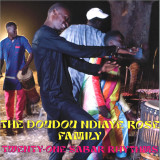
Magnificent Wolof drum music, performed by an extended griot family over seven consecutive days, in the mystical setting of Lac Rose, outside Dakar.
Doudou Ndiaye Rose — who died in 2015 — is a key drummer in the musical history of the world. He developed a system of five hundred original drumming patterns, ancient and new. Amongst the modern rhythms here is Bench Mi — ‘under the Baobab tree,’ a spot where problems get solved. Also Hibar Yi — ‘passing on information’ — the theme-tune of Senegalese TV national news for decades — and Les Rosettes, the signature rhythm of Senegal’s first ever all-female percussion group, convened by Doudou, and named after his grandmother.
These original compositions sit alongside important traditional rhythms, familiar to every Sabar player, such as Farwu Jar (a courtship game sometimes resulting in a wedding), Ceebu Jin (also the name of the national dish of fish and rice), and Gumbé, often played after a successful harvest.
Recorded in joyful single takes, with no overdubs, mastered by Rashad Becker, the music is deep and thrilling, polyrhythmic to the bone, with a complex, pointillistic intensity at times evoking Jeff Mills in full flight.
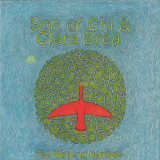
Son of Chi returns to Astral Industries, alongside Spanish artist Clara Brea, for the collaborative release of AI-29. A product of fate, chance experiments, but most of all, sensitive artistry - ’The Wetland Remixes’ exists as a confluence of two kindred musical spirits, a wayfaring epic that draws together a rich archive of ecological field recordings, live instrumentation and higher inspirations.
Ahead of Hanyo’s concert at Calma (Madrid) at the end of 2019, the curators organised a special dinner and arranged the meeting of Clara and Hanyo. As Hanyo recalls,“It was like stereochemistry. There was an instant match and understanding, and basically we decided in a split second to exchange recordings and to collaborate on future live and studio experiments.”
The auspicious meeting of the two ignited a remote exchange of materials and ideas, as the world descended into a series of pandemic-related lockdowns. The first of said recordings included the stems of Clara’s ‘Wetland Project’ - a site-specific audiovisual project originally produced for Eufonic Festival (Spain), using field recordings from the Ebro Delta nature reserve (one of the most threatened regions of climate change on the Iberian peninsula).
From this initial impetus, Hanyo began working on the first sketches of the album back in Rotterdam, Netherlands. Just like their meeting in Madrid, the project developed naturally and spontaneously with extraordinary ease. Later, Hanyo started adding field recordings from the Magic Cave and Wetlands of the ‘Kallikatsou’ (Patmos, Greece) as well as organic and acoustic overdubs, featuring bass, drums, percussion, guitars, oud, piano, hammond organ, wurlitzer, flutes, bells, and mouth harp.
In the distance, the sound of birds peak through the effervescent wash of the wetland soundscapes. The pass of running water flows deeper into a land full of secrets never told. On the strike of dusk, the silhouettes of shapely trunks and foliage melt slowly into the impenetrable darkness. As darkness passes, light emerges, with exquisite moments of tranquility that seemingly emerge from nothingness.
Beneath the shimmering veneer of textures, wildlife and melodies, one may hear the deeper references of ’The Wetland Remixes’. With credit to Clara’s input, for Hanyo the album process became a kind of refuge, and ultimately inspired the return to the core of Abstract Sound - what the Sufis call“Saut-i Sarmad.”Such references allude to the spiritual quality embedded in the music - the autonomous process of self-expression, the great mystery. Hanyo: “An ambience like this cannot be created by routine. There is no blueprint. The music has to find you. It’s like a blessing if it happens. You should not interfere, just observe and be impressed...”
Deep, luscious mind trips as per the classic Chi sound, ‘The Wetland Remixes’ beautifully correlates the interconnecting dots of geography, ecology, and mythology’s forgotten lore.
- A1: Strie - Proun
- A2: Strie - Man & The Cosmos Around
- A3: Strie - Untitled 1956
- A4: Strie - The Steamer Odin
- A5: Strie - Chance & Order
- B1: Strie - Foxes
- B2: Strie - Aeroplane Flying
- B3: Strie - Vogel Wolke
- B4: Strie - Enigma Of The Day
- C1: Scanner - Reconsider Chance
- C2: Scanner - Nuorp
- C3: Scanner - The Earthbound Fox
- C4: Scanner - Odin Ready
- D1: Scanner - Enigma Typher
- D2: Scanner - Untilt
- D3: Scanner - Woman & The Cosmos
Polish composer Olga Wojciechowska and veteran electronic producer Robin Rimbaud aka Scanner, combine on A Strangely Isolated Place to revisit a beloved Strie album - Olga's more electronic and experimental alias. With previous releases on Serein and Time Released Sound as Strie, Olga Wojciechowska's 'Struktura' was released in 2015 to a limited audience due to its physical-only format.
As Olga's work becomes increasingly more coveted, through her more recent releases on A Strangely Isolated Place (Unseen Traces & Infinite Distances), and with Struktura praised as one of her finest albums to date, the discussion to breathe new life into the album resulted in a unique pairing with Scanner, an electronic music producer and multimedia artist responsible for some of the most defining works of the genre since the early 1990s.
Blurring the line between harmony and dissonance, Struktura's original recordings paint an eerie, haunting and beautiful picture, conceptualized around abstract art, with intricacies and mystery abound. Here, Strie's original recordings remain untouched, albeit lovingly remastered by Rafael Anton Irisarri, and it is left to Scanner to provide further interpretations of Olga's original recordings. Scanner productions can typically traverse a myriad of styles, but here, Robin took a primarily live-hardware approach to the remixes, allowing the rawness of his recordings to add story and depth. Recorded in one take, with no overdubs, the reinterpretations strip the melodies and textures to their original essence, bringing an entirely analog element to Olga's intrinsically detailed originals. Featuring artwork by Rep Ringel and mastered by Rafael Anton Irisarri, Struktura Revisited will be available on Gatefold 2LP in a black/grey half-and-half vinyl, with 6x6" soft-touch heavy art card.
Jackie Mclean&Michael Carvin/Chris Mcgregor’s Brotherhood Of Breath
Melodies Record Club 001: Four Tet selects
We’re excited to be launching a new release series: “Melodies Record Club”, a string of DJ and artist curated mini compilations in loud 12” format.
The first instalment was put together by Four Tet, selecting two big peak-time Jazz tracks he used to spin regularly at Plastic People.
On one side, we’ve got all time jazz greats Jackie McLean and Michael Carvin’s De I Comahlee Ah, taken from their seminal album Antiquity recorded in Denmark back in 1975. A year and a half ago, we visited Steeplechase, the original label in the outskirts of Copenhagen. They informed us that at the time, the track was cut short as it didn’t fit on the full LP. They were kind enough to provide us with the tape of the full original recording, allowing us to release for the first time the full extended version capturing twelve and a half minutes of studio magic. Speaking with Michael back in November, he told us that every song on that album was recorded without any overdubs. They had taken their shoes off and organised the studio in such a way that they could move from instrument to instrument during the take (!!)
On the flip, we have Chris McGregor’s Brotherhood of Breath – MRA. Back in 70s London, the Brotherhood had brought together musicians who had sought refuge from South Africa’s apartheid regime and the best of a new generation of British jazz musicians. Music journalist Richard Williams, who had originally reviewed the band in the 1970s tell us: “They made music that appealed in equal measure to the head, the heart and the feet, taking the jazz legacy of Duke Ellington and Charles Mingus and adding to it the fantastic dance rhythms and gorgeous harmonies of the townships and untethered collective improvisations of the new free music”.
Four Tet’s instalment is out early May in 12” format and digitally (stream & download), first press comes with a folded A2 insert with words from and about the artists. Graphic design by Studio ChoqueLeGoff, illustration and animation by Nevil Bernard and for the audiophiles out there, remastered and cut at half speed by Matt Colton at Metropolis Studios!
The second instalment curated by Ben UFO is scheduled shortly, which will be followed over time by a string of releases including selections from Hunee, Mafalda, Floating Points, Anya & Julia from Javybz, Daphni, Josey Rebelle, Charlie Bones, Gilles Peterson… and more, stay tuned!
BCUC – Bantu Continua Uhuru Consciousness – have been channeling the spirit of Soweto for over twenty years. Indigenous funk, hip-hop consciousness, and punk rock energy fused into something utterly original and deeply rooted. Their mantra: Music for the people, by the people, with the people. From humble beginnings rehearsing in a shipping container, a stone's throw from the church where Desmond Tutu organized the escape of the most wanted anti-Apartheid activists, they kept believing in their dream of self-empowerment. Today they command festival stages worldwide: Glastonbury West Holts, Roskilde, Afropunk Brooklyn, WOMAD, Fusion, Sziget, FMM Sines, Beaches Brew, Boomtown, Colours of Ostrava, Couleur Café – to name just a few. In 2023, BCUC were honoured with the prestigious WOMEX Artist Award, an accolade usually reserved for more established artists, in recognition of their fearless work and transcendent live performances.
THE ROAD IS NEVER EASY
The Road Is Never Easy is BCUC's fifth album and their debut on Outhere Records. On this new offering, BCUC take listeners on another Afro-psychedelic journey into the soul of Soweto. It feels like a gospel sermon colliding with a punk concert, "guaranteed to touch untapped corners of your soul" (OkayAfrica). BCUC's music is deeply rooted in history and echoes the voices of the ones who came before. The road was never easy for the people of Soweto who originally came to work in the mines of Egoli, the City of Gold, Johannesburg. When apartheid finally ended after a long struggle, it was hoped that life would improve. But more than 30 years later, many of those initial hopes and dreams are still waiting to be fulfilled. This album is about that struggle. The album contains 10 brand new songs – a record for BCUC, whose previous albums featured an average of 3 songs. It represents the culmination of more than two decades of performing together and building a reputation as a powerful live act. These ten songs encapsulate that same live energy, each one building gradually and drawing you into BCUC's Afro-psychedelic stream of consciousness. It's a seismic tour de force through life in Soweto today. Songs like Amakhandela (Breaking All the Chains) connect history to daily life: "How is this precious metal inflicting so much pain in us," sing BCUC, "this government has been telling us we are free, but we don't benefit from being free." The album also talks about all the hopes and dreams that remain: "I have too many wishes and dreams in my head," BCUC sing in Um duma khanda, "I think I am losing my mind". The album ends with the soothing Matla a rona ke Bophelo, "our strength is life", praising the spirits and thanking the elders for protection. The Road Is Never Easy is about the harsh reality of life in Soweto, where "people always carry heavy loads". BCUC are street poets trying to deal with that burden: sometimes revolutionary, sometimes soothing, but always hopeful and compassionate. "When you are from Soweto you can't retreat nor surrender." (Sebenzela)
RECORDING
The album was largely recorded in Munich, Germany during tour breaks over two sessions, each three days long. It took place in a small studio located in a German WW II bunker converted into rehearsal spaces. The songs were recorded in one take altogether in one room, with only a few overdubs added, mainly backing vocals, by BCUC at Fourways studio in Johannesburg. BCUC have created their own distinctive way of writing, or rather, finding and creating their songs. The recording process is like an improvised live performance. They bring their ideas into a zone where the music, the rhythm and the spirits take over until the song starts to form. In this Afro-psychedelic zone BCUC create their unique poetry that feeds on the dreams still dreamt, the hopes, the fears and the temptations lingering everywhere. BCUC's songs need to breathe and time to build. The right take was the one when the song took over, and just like their live performances, no one knew beforehand where the song would take them. During the recording, BCUC just let it all flow out: inner turmoil, cries of rebellion, but also resilience and a search for healing, love, unity and compassion. You don't have to be from Soweto to feel the deep meaning and impact of this music. In these times of so much hate and division, BCUC are like a campfire for people to gather around.
PRODUCTION & ARTWORK
"BCUC have a unique magic," says Outhere's Jay Rutledge, who produced the album. "It blew our minds. It's like punk and pure gospel at the same time. Their music can make you dance and it can make you cry, all at the same time. And when the song is over, you feel you're not alone in this world anymore. We felt compelled to do this." The album cover is based on a matchbox design, matches being a common household item in South Africa even today. "These were the matches people used to burn government buildings and cars," explain BCUC. Little messages, addresses, or phone numbers used to be scribbled on the back of these boxes; each one a reminder of the strength, resilience, and resistance that once drove the struggle for freedom in Soweto. BCUC keep this flame burning. The Road Is Never Easy is a heavy spiritual road trip, a deep dive into the subconscious of Soweto and a quest for truth, justice and sanity in this crazy world. BCUC tackle the harsh realities of the voiceless, guided by the spirit world of their ancestors. Rather than reinforcing stereotypes of poverty, BCUC's portrayal of Africa is one rich in tradition, rituals and beliefs. "We bring fun and Afro-psychedelic fire from the hood," says vocalist Kgomotso Mokone.
Blademasters is a new Melbourne instrumental project formed by Patrick Ryan (Cantrips) and Lachlan Stuckey (Surprise Chef). Built around the central conceit of "duelling" acoustic guitars - Ryan on steel-string and Stuckey on nylon-string - the project draws on 1960s and 1970s live studio recording traditions, foregrounding ensemble interplay, room sound, and performance-led arrangements. The wider lineup features musicians associated with Melbourne's instrumental soul and funk scene, including members of Surprise Chef, Cantrips, Karate Boogaloo and Ella Thompson's band.
Recorded live over a single day, Kings Knight / Live by the Blade was tracked with two acoustic guitars performing together in the room alongside bass and drums, with piano and vibraphone overdubs added sparingly. The release is influenced by David Axelrod's Pride (1970), particularly its fusion of cinematic orchestration, Latin and folk inflections, and deep rhythmic foundations. Both tracks share related harmonic material, presenting two contrasting but connected movements: the A-side's dramatic, tension-building opener and a more restrained, groove-led B-side. The release is presented on 7-inch vinyl with digital distribution.
Relapse presents a remastered reissue from the undisputed king of Japanese noise-MERZBOW. "Pulse Demon" is one of the most celebrated releases of Masami Akita's storied 4 decade long career. Composed entirely by live noise concrete and the use of a fuzz box, "Pulse Demon" eschews all overdubs and studio trickery, laying MERZBOW bare. What follows in these recordings is the pure essence of unfettered noise. The rawness in "Pulse Demon" is palpable; praised as "genuinely extreme, downright torturous sounds that are strangely compelling in their shredding intensity." (A.V. Club) upon its original release in 1996. Remastered by James Plotkin (ISIS, ELECTRIC WIZARD, FULL OF HELL, and more,) the "Pulse Demon" reissues features "Extract 1", a never-before released track that was recorded as part of the original "Pulse Demon" sessions.
- Fire Back About Your New Baby's Sex
- The Peter Criss Jazz
- Haven't Lived
- Afro Pop
- You Drink A Lot Of Coffee For A Teenager
- Ones All Over The Place
- I Never Liked You
- Details On How To Get Iceman On Your License Plate
- A Lot Of People Tell Me I Have A Fake British Accent
- Lets Face It Pal, You Didn't Need That Eye Surgery
- Fire Back About Your New Baby's Sex
- Haven't Lived
- Afro Pop
- The Peter Criss Jazz
- Ones All Over The Place
- I Never Liked You
- Details On How To Get Iceman On Your License Plate
- Let's Face It Pal, You Didn't Need That Eye Surgery
Maui Blue & Orchid Vinyl. Nachdem wir American Don mit (Steve) Albini fertiggestellt hatten, waren wir kurz davor, dass die Spannungen zwischen uns so groß wurden, dass wir uns trennen mussten. Ich (Eric) war überzeugt, dass wir bei den Aufnahmen die wahre Essenz der Songs verloren hatten. Es war keine einstimmige Entscheidung, mit Steve aufzunehmen. Wir haben das Album komplett mit Gitarrenloops geschrieben, und Team Storm & Stress wollte im Studio mit Pro Tools weitermachen, was sowohl zu dem passte, was wir machten, als auch zu dem, was wir erreichen wollten. Steve hatte gerade den großartigen A-Raum bei Electrical fertiggestellt, und Damon bestand darauf, dass wir dort die Drums aufnehmen würden. Er gab in dieser Frage nicht nach. Sobald wir dort ankamen, wurde uns klar, dass alle Songs, die wir mit unseren Pedalen in mehreren Overdubs geschrieben hatten, nur Mono-Gitarrenaufnahmen zuließen. Wir haben das Problem gelöst, indem wir die Songs zu einem einzigen Loop gespielt und alle Gitarren später überlagert haben, sodass ein volles Stereofeld entstand, das zu den grandiosen Drum-Aufnahmen von Steve passte. Dieser Ansatz hat unsere Spielweise total verändert. Das hat zwar magische Momente der Improvisation ermöglicht (Peter Criss Intro), aber als das Album fertig war, klang es aufgebläht und die Darbietungen waren träge. Ich war mir immer sicherer, dass der Sound des Akai Headrush und die Tempi, die er für Damon vorgab, das Herzstück dieser Songs waren. Ian stimmte mir zu. In einem gewagten letzten Versuch hatte ich die Idee, Greg Norman (der für Steve arbeitete!) anzurufen und ihn zu fragen, ob wir nach unseren nächsten Shows heimlich in sein Studio in S. Chicago kommen und das Album LIVE neu aufnehmen könnten. Es war ein riesiger Schritt, der niemals hätte funktionieren können, aber wie durch ein Wunder waren alle einverstanden, und wir versuchten es. Greg hat uns persönlich und professionell in unserer heißesten Phase eingefangen. Die Tempi sind schneller, und niemand hält sich zurück. Diese echten Live-Bänder zeigen die Songs genau so, wie wir sie auf Tour gespielt haben, wo sie zwischen Juni 1999 und Juli 2000 entstanden sind. Jetzt, 25 Jahre später, wurden die Greg-Norman-Aufnahmen entstaubt und digitalisiert. Mit Hilfe moderner Restaurierungswerkzeuge und dem Fachwissen von Sir Bob Weston konnten wir diese Aufnahmen zum ersten Mal neu abmischen und mastern. - Eric Emm, Bassist
Seit nun fast drei Jahrzehnten erfindet die Amsterdam Klezmer Band Klezmer-Musik von Grund auf neu und verbindet Tradition mit frischer und verspielter Energie. Mit ihrem neuesten Album "Diaspora" kehrt die Band zu ihren akustischen Wurzeln zurück, formt diese jedoch subtil um und fängt die Musik in ihrer unmittelbarsten und fröhlichsten Form ein, wobei Schlagzeuger Mischa Porte eine neue herausragende Rolle einnimmt. Das Album wurde fast vollständig in einer einzigen Aufnahme in der Singelkerk in Amsterdam am 26. November 2025 aufgenommen und strahlt die rohe Energie einer authentischen Live-Performance aus. Keine Overdubs, keine Elektronik und keine Tricks: nur die Band, ihre Instrumente und die Spannung des Augenblicks. Das Ergebnis ist warm und lebendig, ein Sound, der die Amsterdam Klezmer Band wieder mit den Roots der Klezmer-Musik verbindet und befreienden Raum für Improvisation und Entdeckungen lässt. Rumänische und türkische Rhythmen verflechten Klezmer-Songs und Originalkompositionen und schaffen eine musikalische Reise, die sich sowohl geerdet als auch expansiv anfühlt. Diaspora markiert auch einen bewegenden Moment in der Geschichte der Band: Es ist die letzte Aufnahme mit dem Trompeter und Mitbegründer Gijs Levelt, dessen Klang und musikalische Vision die Amsterdam Klezmer Band fast 28 Jahre lang geprägt haben. Auf Diaspora fließen traditionelle Melodien und Eigenkompositionen nahtlos ineinander, geprägt von den unterschiedlichen Stimmen innerhalb der Band. Düstere, melancholische Tänze stehen neben treibenden Sirba- und Cocek-Rhythmen, von Motown inspirierten Grooves, türkischen 9/8-Impulsen und jazzigen Improvisationen. Spoken Word und Rap-Momente sind eine Anspielung auf die Badchen Tradition, während unerwartete Instrumentierungen wie Gitarre-Banjo, die eine traditionelle Melodie anführen, für eine frische Textur sorgen. Jedes Originalstück trägt die Handschrift seines Komponisten, doch alle dienen dem gleichen Zweck: Körper in Bewegung zu bringen, Verbindungen zu schaffen und Klezmer als lebendige, atmende Gemeinschaftssprache zu erhalten. Diaspora ist kein nostalgischer Rückblick, sondern eine lebendige Momentaufnahme dessen, wo die Amsterdam Klezmer Band heute steht: verwurzelt, rastlos und unwiderstehlich lebendig!
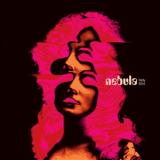
Nachauflage auf schwarzem Vinyl. 22 Jahre nach ihrer ersten Veröffentlichung und 10 Jahre nach ihrem letzten Album sind Nebula wieder da. Wenn du jetzt "Holy Shit!" denkst hast du es ziemlich genau getroffen. "Holy Shit" ist Nebulas erste LP seit "Heavy Psych" (2009), und beantwortet schnell die Frage die sich stellte, seitdem Gitarrist/Sänger Eddie Glass, Bassist Tom Davies und Schlagzeuger Michael Amster 2017 die Reformierung der Band angekündigt haben: Nebula sind immer noch Nebula. Seit den Tagen der 1998er Let it Burn EP und dem mittlerweile klassischen To the Center Debütalbum waren Nebula immer nur ein wenig gefährlicher. Nur etwas mehr aus den Angeln gehoben. Holy Shit zeigt diesen von vorne nach hinten für den wesentlichen Teil ihres Charakters, der er ist, und doch versucht er nicht, etwas zu sein, was sie schon einmal getan haben, sei es bei diesen frühen Ausflügen oder Heavy Psych or Charged (2001), Apollo (2003) oder Atomic Ritual (2005). Es ist ein sechstes Nebula-Album - etwas, worauf selbst die leidenschaftlichsten Fans kaum gehofft hätten. Die Grundtracks wurden in zwei Tagen aufgenommen, aufgenommen in den Mysterious Mammal Studios in L.A. mit Matt Lynch (ebenfalls von Snail) am Steuer. Leads und Loops und Feedback-Effekte wurden von Glass and Davies live aufgenommen, als sie die Basic-Tracks aufnahmen, genau so, wie sie es auf der Bühne tun würden, und Overdubs folgten bei Bedarf. Eine Fülle von Material wurde produziert und auf den Kern dessen, was man hier hört, reduziert. Ein sechstes Nebelalbum. Und wenn du es hörst, wirst du feststellen, dass du diesen Titel immer wieder sagst. Cover Art von ROBIN GNISTA