After a first volume released in September 2020 on Hard Fist, Argentinian Balam comes with “Chants of Pachamama (Part. 2)”, including a remix by Matias Aguayo.
This time Balam focuses on the experience around the ritual of magic plants that is practiced in the deep South-American rainforest. By mixing modular synth, stromping basslines, haunting vocals and real played percussions produced in his studio “Submarea” in Buenos AIres, he recreates a psychedelic trip from beginning to end.
The opening track “Yagé” is the name for a magic plant that can be found in many places in South America. With a tight djembe, the magician comes with his chants for starting the ceremony just before the bass bursts for a pagan dance. An irresistible lead synth takes the climax higher until the break where the magician enters the void and the psychedelic trip begins.
“El Curandero” – the chaman who leads the ritual – is the second tune of a frenetic organic and modular percussion bass driven dance stomper. Blazing synthesizers create a state of confusion and hallucinations when “el curandero” chants his icaros. The djembes and shakers move behind the heavy bassline while analog ding and dongs go crazy all over.
The second last track “Golfo”, just before the remix, is an instrumental tune, the end of the experience: heavy synthetic percussion, modular ambient sounds, a modal marimba and a very present djembe jamming until it fades in the analog night.
The closing track is a great reinterpretation of “Wakax” from “Chants of Pachamama (Part 1)” by the legend Matias Aguayo. A dark and heavy bass mixed with a tricky use of lots of the original elements makes you wanna twerk all night long.
Suche:pach
A new addition to the Veyl family, LOFN bring a completely untethered approach to their music, which defies any and all boundaries and public expectation. The project of Aitcher Clark and Anna Coranic, the duo debuted in 2017 and has shared the stage with Telefon Tel Aviv, Oake and Hiro Kone. Their sound seamlessly weaves through outlines, bones and sketches of industrial, experimental, ambient, techno and beyond. 'Post-Apo Romance' is right at home on Veyl, emitting mythical electronics and post-industrial dispatches that perfectly pair with vicious, venom-like vocals. The experience begins at the same place we all do, with 'Mother', a deep pensive opener to unlock the gates. 'Pachad' gradually picks up a heavy rhythm before moving into more explosive territory with 'I Get Lit'. The madness subsides but gives way to the powerful 'Invocation' before finally drifting away with the title track.
- A1: Claptone - Zero
- A2: Earth N Days - I Wanna Know
- A3: Matt Samuels, Ridney & Errol Reid - Now That We Found Love
- A4: Gettoblaster - H O U S E (Feat Missy)
- A5: David Morales, Dj Spen & Carla Prather - I Got The Love
- B1: Jodie Harsh - My House
- B2: Future Kings Vs Moya - Something New
- B3: Pansil - Read My Mind (Get Out My Head) (Get Out My Head)
- B4: Mike La Funk & Kelsey Gill - Back To You
- B5: Ben Rainey & Lewis Roper - Rapture (Feat Lauren Carter)
- C1: Kideko - Feel It (Feat Sain-Lee)
- C2: Sammy Porter & George Mensah - Ain't Nobody Else (Feat Charlotte - Secondcity Remix)
- C3: Md Jones - Tear It Up
- C4: Joey Mccrilley - Come Together (Danny Rhys Remix)
- C5: Dosem - Right Time (Mark Knight Remix)
- D1: Eat More Cake - Heat Of The Night (Tcts Remix)
- D2: Request Line - Have We Met
- D3: Chicane - 8 (Circle) (Circle)
- D4: Ellie Sax - Don't Lie To Me (Ridney Remix)
- D5: Amarnu & Shazz Man - Lonely Clouds
The popular #Ibiza compilation series returns on July 2nd with its fifth installment, #Ibiza 2021. The album brings together tracks and remixes from some of the world’s biggest names in dance music, including Claptone, Chicane, Sammy Porter, David Morales, Secondcity and Mark Knight. The collection also presents the hottest breakout tracks set to grace the island this year, including Gettoblaster’s recent Beatport number 1 ‘H O U S E’, and Jodie Harsh’s current UK radio hit ‘My House’. Radio promo: Jodie Harsh - My House: Playlisted on BBC Radio 1 (B-List) / No.1 in UK Upfront Club Chart. Other promo: Claptone - Zero: One of the biggest DJ names in Ibiza with his Masquerade parties at Pacha, Claptone moves up to No.41 in this year’s Top 100 DJ’s global rank. Zero is the first single from his upcoming third album.
**LONG OVERDUE REPRESS - CLEAR VINYL 300 COPIES ONLY** “With Ela’s music I feel emotional, engaged… I can’t help but feel she’s always looking for a sense of belonging and it
seems to inform all the music that she makes. Glasgow must have more of that belonging feeling than most
cities because she’s spent the most time here, an exotic bird in a rainy city she maybe finds a lttle bit of comfort in. It’s
a pleasure to have her here, in this awful time to be living in Britain, her illuminations feel important and hopeful. A
stubborn light; someone making great timeless music out of the humdrum of the everyday.” - Stephen Pastel
Movies For Ears is a retrospective collection of works by Polish-born, Glasgow-based artist Ela Orleans which
navigates almost two decades of songwriting in the heart of the global pop underground. This remastered collection casts
an ear over what Orleans might call the ‘pop sensibility’ within her back catalogue. Released previously on a number of
small DIY labels, Orleans’ music coincided with the explosion of auto-didactic musicians finding their voice in the age of
the blogosphere, artists emboldened by the democratisation of music-making afforded by the internet. From the outset,
Orleans’ childhood studying formal music mixed with cut-up techniques, sampling, sound-art and experimentation to
create a distinctive signature cloaked in an innate melancholy and playfulness. Fully remastered by James Plotkin,
featuring extensive sleeve-notes and rare photos from Orleans’ archive, Movies For Ears presents an appraisal of the
musician’s work, painting a portrait of an artist with an uncanny ability to evoke emotions and ghosts of memories in the
listener.
Each song pulls sunshine from its surroundings, moments of pleasure plucked from eulogies. The Season employs a
hypnotic loop with Orleans’s prophetic voice heralding the season we’re doomed to repeat. In fact the singer is often cast
as the changing protagonist in her songs: on Walkingman, a hazy ballad heavy with ennui, the narrator is laden with the
world’s weight, forever pacing a groundhog day world blank, a pissed-off actor in a Kafka-esque melodrama. On Light At
Dawn we’re in a seedy kitsch bar-room go-go scene, a ghostly rock’roll romance with shimmering percussion, poledancing
in a Lynchian half-dream. Movies For Ears’ moods straddle memory and fantasy: scratchily invoking halfremembered
exotica, the flickering shadows of europhile cinemas screens, a delicately woven world anchored in Orleans
existential meditations on longing, intimacy, solitude and the search for love. These rich textures in every song don’t
overpower some crystalised moments of emotion however: on In Spring Orleans sings simply “I have been happy two
weeks together,” summarizing that feeling of elation when emerging from a depression, a long winter. It’s a moment that
perfectly illustrates the lightness of touch and clarity in the singer’s voice.
The power of the loop and Orleans’ weaving songwriting that breaks its spell is illustrated perfectly by I Know. Over an
aching chord progression, the vocal takes flight into bittersweet loneliness, Pachelbel’s Canon played at a wedding where
only one person shows up. The repeated refrain “I know, I know” ascends to the heavens as the chords descend to the
dumps and the listener is left in the middle, happy but not knowing why, maybe a little changed, two weeks together. On
Movies For Ears, Ela Orleans lets us into a secret: the rare moments of joy to be found in the joins of the loop, the spaces
between things, the spring after the winter are the moments that last after the day has faded.
More dancefloor dynamite from Benin's almighty Orchestre Poly-Rythmo de Cotonou Dahomey, this time in the form of 'Gbeti Ma Djro'. Confusingly described on the centre label of the 1971 original issue as ’Soul’, this is in fact a prime slice of Afro-psych-funk complete with wails and grunts over fierce drums and picked guitar. 'Angelina II’ is a much warmer affair that rides a shuffling mid-tempo pachanga groove. Both tracks were transferred, restored and mastered from the original 1/4 inch tape.
Clear Vinyl
Rumors is the hotly anticipated new label from Guy Gerber. This first release is from Guy in collaboration with the legendary Dixon. The fantastic new single comes with a magic remix from Lake People.
Guy Geber has never been busier than in the last year or so, shaping up Pacha in Ibiza with his Wisdom of the Glove night. As well as that, he continues to DJ around the world and steer his Supplemental Facts label through the freshest house and techno sounds around. Dixon, meanwhile, is famed for his deep and classy house sound as a DJ and as part of the influential Innervisions crew. His productions are met with a great response, as was evidenced by his recent remix of Mathew Jonson’s ‘Level 7’ on Crosstown Rebels.
‘No Distance’ is a deep and moody bit of house that builds slowly and surely in expertly crafted layers. With harmonic bell-like melodies, jangling, loose percussion and a killer bass guitar line, it’s perfectly poised for the labewls’ debut release and sure to make a big impact. Bearing the hallmarks of both producers, this is a serene and seductively musical track that will be the perfect pinnacle of any DJ set.
Lake People have remixed the likes of Chymera and Kollektiv Turmstrasse and have released on labels like Permanent Vacation and Connaisseur before now. Their remix reworks the track into something a little darker and more direct. A muddle of rubbery beats underpins trippy melodies and forlorn pads as gorgeous synth lines bring plenty of late night emotion to the track.
This is a stunning first release on Rumors that is sure to spread like wild fire.
Afrosound's mission was to emulate the guitar-heavy tropical sounds emanating from Perú and Ecuador at the time. To add to the hippie vibe, there were plenty of whacky improvised vocal asides (called 'inspiraciones'), plus custom fuzz, wah-wah, flange and echo effects boxes for the guitar and keyboards. A barrage of odd sounding synths, drum machines and other electronic flourishes were also sprinkled in to spice up the proceedings. The dozen tracks on Afrosound's debut long play make for a surprisingly diverse palette from which these Colombian musicians painted their daring portrait of Peruvian cumbia, returning the favor in bold colors that still resonate almost 50 years later. "La danza de los mirlos" kicks off with most famous Afrosound hit of all, 'Caliventura', a genius blend of funk and cumbia. Aside from the cumbia amazónica title tune, there are several other covers including three popular songs by Nelson y Sus Estrellas, plus radically reimagined versions of various Colombian costeño classics published by Fuentes. Mario "Pachanga" provides a sad but still groove-oriented Christmas son montuno / cumbia hybrid while Fruko brings us the bomba-funk ditty 'El chorrillo' and the rocking cumbia andina gem 'Cabeza de chorlito' where Sepúlveda channels Enrique Delgado. Fruko collaborator Hernán "Hercovalle" Colorado Vallejo rounds things out with the melancholic psychedelic cumbia 'Esperando por ti', proving that every tropical party has to have its down side as well. The record was also released in the US, Ecuador, Perú, Panamá, Mexico and Venezuela, and probably had an influence of its own, at least in South America. The cover of this lovingly restored reissue features the artwork for the Peruvian edition, which was licensed and issued by Lima's El Virrey label in 1974. The original Fuentes artwork, with a far more outrageous "cheesecake" image, can be seen on the back cover.
- A1: 1 Eddie Palmieri & Ismael Quintana - Conmigo
- A2: 2 Ray Barretto - Guajira Y Tambo
- A3: 3 Tito Puente - Ran Kan Kan
- A4: 4 Issac Delgado - El Macao
- A5: 5 Orlando Marvin & His Orchestra - Ritmo Bembe
- A6: 6 Johnny Pacheco Y Su Charanga - Acuyuye
- A7: 7 Orquesta Araga3N - El Paso De Encarnacia3N
- B1: 8 Mon Rivera Y Su Orquesta - Lluvia Con Nieve
- B2: 9 Celia Cruz Con La Sonora Matancera - El Que Siembra Su
- B3: 10 Noro Morales Y Su Orquesta - Saona
- B4: 11 Cachao Y Su Combo - Cogele El Golpe
- B5: 12 Compay Segundo - El Gallo E'jando
- B6: 13 The Alegre All Stars - Ay Camina Y Ven
- B7: 14 Willie Rosario - Dame Tu Amor Morenita
14 of the top salsa hits by Edddie Palmieri,Ray Baretto, Celia Cruz...
- A1: Rodolfo Y Su Tipica Ra7 - La Colegiala
- A2: Gabriel Romero - La Subienda
- A3: Armando Hernandez Y Su Conjunto - La Zenaida
- A4: Adolfo Echeverria Y Su Conjunto - Amanciendo
- A5: Pedro Laza Y Sus Pelayeros - Navidad Negra
- A6: Conjunto Tipico Vallenato - Cumbia Cienaguera
- B1: Rodolfo Y Su Tipica - Tabaco Y Ron
- B2: Gabriel Romero - La Piragua
- B3: Los Immortales - La Pollera Colora
- B4: La Sonora Dinamita - Se Me Perdio La Cadenita
- B5: Los Warahuaco - El Pescador De Baru
- B6: Conjunto Tipico Vallenato - Cumbia Sampuesana
- C1: Pedro Laza Y Sus Pelayeros - Cumbia Del Monte
- C2: Combo Los Galleros - Soledad
- C3: Los Guacheracos - Baila Rosita
- C4: Los Corraleros De Majagual - Llora Acordeon
- C5: La Sonora Del Caribe - Noche De Estrellas
- C6: Los Cumbiamberos De Pacheco - Santo Domingo
- C7: Sonora Dinamita - Ritmo De Tambo
- C8: Lito Barrientos - Cumbia En Do Menor
- D1: Andres Landero - Cumbia India
- D2: Combo Los Galleros - Tabaco Mascao
- D3: Los Corraleros De Majagual - Cumbia Campesina
- D4: Climaco Sarmiento Y Su Orquesta - Cumbia Sabrosa
- D5: Monteria Swing - La Samaria
- D6: Los Guacharacos - Esperma Y Ron
Cumbia, the music and the dance synonymous with Colombia, has been around almost since the 17th century. Today, it’s a badge of identity for Colombians everywhere, but is now also enjoying a global renaissance; filling dance floors and captivating a new generation of music fans.
Originally released by World Circuit as two separate albums – ‘Cumbia Cumbia’ in 1989 and ‘Cumbia Cumbia 2’ in 1993 - this collection brings together some of the greatest recordings made by Colombia’s legendary record label, Discos Fuentes, between 1954 and 1988.
Discos Fuentes was founded in Cartagena in 1934 by the visionary musician, arranger and producer, Antonio Lopez Fuentes. It was the first important record label in the country and grew into a company of immense significance for Colombian music, responsible for thousands of hits and scores of legendary singers and musicians over six decades. Fuentes hand-picked his musicians and singers then meticulously arranged, produced and recorded their music in-house.
This collection presents thirty of these three-minute-masterpieces, showcasing the gamut of styles that make up the distinctive and irresistible cumbia sound; a sound typified by a loping 2/4 gait and a pulsing rocksteady bassline, overlaid with heavy rural percussion, brass, accordion, clarinet, electric guitar and vocals. Disc 1 features a broad range of cumbia styles with recordings from 1960 through to 1988, whilst disc 2 digs further into the classics of the past focusing almost exclusively on the 1950s and 1960s.
Featuring cumbia’s biggest hits from Rudolfo y su Tipica, Gabriel Romero, Sonoro Dinamita and Armando Hernandez, ‘Cumbia Cumbia 1 & 2’ is a flawless collection from the Golden Age of Cumbia.
Alfredo "El Inca" Linares is one of the best and most beloved musicians in the history of salsa. Fans love his piano playing because of his authentic Cuban feel and 'swing' combined with progressive arrangements and uncompromising phrasing. "Lo Que Tengo" is full of rock solid dance floor killers and no filler, recorded in 1980 with some of the cream of the crop of contemporary Venezuelan salsa musicians (members of Mango, Madera, El Trabuco Venezolano, Los Dementes, Los Melódicos, Dimensión Latina, Guaco, and La Salsa Mayor) and launched there on the indie label A.L.G. Records as ¡Con Todo!, and then a year later on the much larger Velvet Records with a different cover. This a classic Alfredo Linares album, but with the updated studio sound of 1980s Caracas. With five perfectly paced salsas, one funky cha cha chá, a steamy bolero and a dance-friendly Latin jazz number to top it off, there is something for everybody on this record. Thankfully today's generation can now enjoy this rarity at a fraction of the cost of an original copy. Presented in its original artwork and pressed on 180g vinyl. Good to know: Alfredo "El Inca" Linares is one of the best and most beloved musicians in the history of salsa. Fans love his piano playing because of his authentic Cuban feel and 'swing' combined with progressive arrangements and uncompromising phrasing that puts one in mind of Eddie Palmieri. As a composer, arranger and band-leader Linares is highly respected as well. Ever since the 1960s in Lima Peru when his career began, his records have always been on point, being super tight, sharp, and hard as hell, what salseros call salsa brava con afinque. It's no surprise that Lo Que Tengo is exactly that: full of rock solid dance floor killers and no filler, played with verve and flair. Unlike some of his other records that were patched together from various sessions made in different studios (sometimes even in several countries!), this album has the advantage of being produced, recorded and mixed by Alfredo Linares all in one studio and block of time, and backed by hand-picked seasoned professionals who Linares had already played with, both in the studio and on stage, lending it a consistency and sonic integrity that is excitingly manifest in every groove. The album was recorded in 1980 in Caracas with some of the cream of the crop of contemporary Venezuelan salsa musicians (members of Mango, Madera, El Trabuco Venezolano, Los Dementes, Los Melódicos, Dimensión Latina, Guaco, and La Salsa Mayor) and launched there on the indie label A.L.G. Records as ¡Con Todo!, and then a year later on the much larger Velvet Records with a different cover. The LP was also released in Colombia (INS, 1982) and the US (Gallo, 1984), both editions utilizing the Velvet Records cover. During this time Linares had been in Venezuela for some five years and was under contract with a nightclub in Caracas. Through being on the salsa scene there he became friends with the band Mango and even guested on an album with them in 1976. After the contract was up Linares was a free agent again and he was able to draw on his friendship with Mango and assemble a band to back him, first for the Colombian/Venezuelan production Salsa de Verdad (Fonodisco, 1976) and then again with ¡Con Todo! / Lo Que Tengo. One of the distinctive aspects of Alfredo Linares tunes is the 'break' (la cierre)-there are always plenty of dramatic hand-clapping breakdowns followed by an infectious tumbao (sustained vamp) section that sends shivers up the spine and makes the dancers go crazy. In addition, Linares always lets his musicians stretch out, especially in the percussion section. Again, Lo Que Tengo is no exception: there are so many examples of typical arrangements here that one could call this a classic Alfredo Linares album, but with the updated studio sound of 1980s Caracas, which was awash in petro-dollars at the time and so had the latest equipment and a strong consumer base for the salsa market. The album's title tune (originally credited on the Venezuelan edition as 'Lo que tengo que crear'-'What I Have To Create') is by Mango's timbalero José "Cheo" Navarro and sums up Linares' central career philosophy: the musician lives every day to create music, to spread joy and create a party, without complications, wherever he goes. With five perfectly paced salsas, one funky cha cha chá, a steamy bolero and a dance-friendly Latin jazz number to top it off (note the bluesy piano solo from Linares and the sublime vibes of Mango's Freddy Roldán), there is something for everybody on this record. Thankfully today's generation can now enjoy this rarity at a fraction of the cost of an original copy.
“Semilla” ist das Kollabo-Debütalbum von Multiinstrumentalist Pachakuti und Produzent young.vishnu. Pachakuti ist ein klassisch ausgebildeter Saxophonist und Pianist mit Hang zu Jazz und lateinamerikanischer Musik. young.vishnu ist Beatmaker, Arrangeur, Sampleologist und Gründer des Nima Composition Archive. Beide lernten sich vor 5 Jahren in Hildesheim kenn und freundeten sich auf einem gemeinsammen Raod-Trip ins Baskenland an. Pachakuti und young.vishnu gründeten eine neunköpfige Band namens Soularkestra die der Ausgangspunkt für ihr neues Projekt war. Auf “Semilla” vereint das Duo Hip-Hop, Jazz, Latin, Funk und Soul mit starken Botschaften zu Politik, Identität, Globalisierung und Neokolonialismus.
Italian mainstay Leon makes a long-awaited debut on Hot Creations with Disco 3000. Set for release on 9th October, the three-track EP draws inspiration from a range of influences, most notably the early American house scene.
As the title suggests, Disco 3000 kicks things off in a feel-good fashion with punchy kick drums and an echoing lyric that states “making it for sure.” Groove It makes an appearance next, as spacey synths conjoin on a no-nonsense, up- tempo bassline to form a real peak-time dance number, before T-House rounds off proceedings with a fast-paced kick-hat backbone and infectious, echoing vocals.
A regular in the electronic music scene for more than a decade, Leon is no stranger to producing dance floor ready house music, having released on the likes of Relief, Defected and Crosstown Rebels to name a few. Performances at places such as Sunwaves and Pacha have helped cement his standing as one of the true heavy-hitters, whilst his recent releases, including those on Crosstown Rebels and Moan Records, have further confirmed his reputation.
HIGHLIGHTS First ever reissue of "Kabwlú", a very hard-to-find album released by Discos Fuentes in 1965. The mysterious Los Picapiedra (which translates as The Flintstones, inspired by the 1960s American cartoon show), was a short-lived studio group with one albumto their name, "Kabwlú", mixing 'folkloric' and 'modern' elements with calculated 'caveman' humor. It is very musically diverse; not only are there the requisite genres that could be found on similar Colombian teenage-oriented groups' records of the time, such as cumbia, gaita, rock, twist and pachanga, but there is also a smattering of surf, doo-wop, Latin jazz, guajira, ska, and calypso. But what makes the whole thing so special is the odd, off-kilter arrangements, spooky tunings, rudimentary clanging percussion, invented 'cave' language, prominent twanging electric guitar and many zany sound effects. Several of Los Picapiedra's songs became very popular in Colombia as well as Venezuela and especially in the 'rebajada' (slowed down) version as played by the 'sonidero' sound system DJs in Mexico, such as "La Hossa". Presented in its original artwork and pressed on 180g vinyl. Part of Vampisoul's reissue series of classic Fuentes LPs. DESCRIPTION While Discos Fuentes was known for recording all sorts of interesting sounds from traditional folkloric Colombian music to the latest popular international styles, every once and a while they would put out a "novelty" record, perhaps to exploit a passing fad, and at times the label would green-light something strange or even outlandish. Many of those left-field releases have their merits and have subsequently become collectors' items over the years. One such case is the mysterious Los Picapiedra (which translates as The Flintstones, no doubt inspired by the 1960s American sitcom cartoon show), a short-lived studio group with one album to their name, "Kabwlú" (an unpronounceable, invented "caveman" term that is also untranslatable, but seems to have been the 'traditional rhythm' of Los Picapiedra's 'homeland'). What is interesting about the record is that it is very musically diverse; not only are there the requisite genres that could be found on similar Colombian teenage-oriented groups' records of the time, such as cumbia, gaita, rock, twist and pachanga, but there is also a smattering of surf, doo-wop, Latin jazz, guajira, ska, and calypso. But what makes the whole thing so special is the odd, off-kilter arrangements, spooky tunings, rudimentary clanging percussion, invented 'cave' language, prominent twanging electric guitar and many zany sound effects. Much like its namesake American cartoon The Flintstones, "Kabwlú" trades in creative anachronism, mixing 'folkloric' and 'modern' elements with calculated 'caveman' humor that works on many different levels. For instance the title tune seems to have been inspired by the pachanga craze and recalls the vibe of Ray Barretto's massive 1962 hit, 'El Watusi', but it has a certain joyful simplicity and rock-solid underpinning that elevates it beyond mere novelty or exploitation - and argues for its timely reissue for today's audience. The band was a studio invention that had no major significance in Medellin's live music activity. However, several of Los Picapiedra's songs were very popular in Colombia as well as Venezuela and especially in the 'rebajada' (slowed down) version as played by the 'sonidero' sound system DJs in Mexico, such as "La Hossa". Pablo E Yglesias (aka DJ Bongohead, Peace & Rhythm) Additional research by Luis Daniel Vega
- A1: Time Slips Away
- A2: What Do We Care (Feat Tom Sanders)
- A3: Wish I Was In Tokyo
- B1: Eyes Wide Shut (Feat Wooze)
- B2: Maker Baker Faker Taker
- B3: Myths Still Exist (Feat Niki Kini)
- C1: Sense Of Time
- C2: Turning Tides (Feat Vanity Fairy)
- C3: Back & Again
- D1: Natural Born Losers (Feat Wooze)
- D2: Violet Candy
- D3: Golden Hours (Feat Nuphar)
Moscoman aka Chen Moscovici, Wahlberliner aus Israel und DJ der Panorama Bar (Berghain), Space Miami und Pacha Ibiza, liefert nach Releases auf Because, Life & Death, Greco-Roman, ESP Institute (Debütalbum " A Shot In The Light" 2016) und seinem eigenen Label Disco Halal nun sein zweites Album auf Moshi Moshi ab. Auf "Time Slips Away" erweitert er seinen Sound aus Maschinen-Disco, Melodic Techno und wonky House um neue Klangstrukturen, die die 12 Tracks samt Vocalfeatures von Tom Sanders (Teleman), Vanity Fairy, Wooze, Niki Kini und Nuphar direkter und zwingender machen, was auch seinem frühen Indie-Rock-Background geschuldet ist.
we are very happy to announce this killer remix package. our dear friend superpitcher(aka pachanga boys) made three versions of remix.
studio mule’s original version which is produced by kuniyuki takahashi and sung by miyako koda (aka dip in the pool) is a cover version of japanese 80’s dance classic by taeko onuki.
superpitcher’s main mix is just for your peaktime set. it’s much more groovy and dance floor friendly than original version. it might be this summer anthem(if the party will be restarted…).
dub mix is more stripped down version and for more disco oriented dj. we love this version so much since superpitcher have been playing at his dj set.
ambient mix sounds like a japanese kankyo ongaku,it’s simply beautiful meditative music. beautiful cover design is by lily fei in new york, she is our new favorite illustrator.
- A1: Ihabogi Rawaly (Feat Aboubacar Sylla)
- A2: Karabali (Feat Isis Apache Montero & Roque Martinez)
- A3: Olwakhutando (Feat Zama & Dj Fudge)
- A4: Okere (Feat Nina & Benji Habichuela)
- B1: La Fatiga (Feat Miguel Cano)
- B2: Ekobio Monina (Feat Ivan St Ives)
- B3: Berede (Feat Aboubacar Sylla)
- B4: Para Mama (Feat Caridad De La Luz Aka La Bruja)
Carving out an enviable reputation across the globe for his distinctive and highly personal brand of House music, Kiko Navarro's voyage of sonic discovery has been going strong for almost three decades now. From London to the Far East, Kiko has travelled far and wide with his music, embracing sounds from each continent as he goes. Kiko's new album, Afroterraneo- also named after his music label- defines the sound of his home. The album incorporates sounds touched by the Mediterranean Sea, drawing influences from Europe, Africa and his roots in the Balearic Islands. Afroterraneo is all about fusion. It includes Afro-Cuban songs like "Okere", "Karabali" and "Ekobio Monina", Midwest-African flavour on "Ihabogi Rawaly" and "Beréde", Flamenco with "La Fatiga", Balearic emotions with maestro Joan Bibiloni on "El Salto Del Martin" and "Vida", South African vibes on "Olwakhuthando", Afro Mbira lines with European TB303 acid blips on "Cacao Ceremony" and it all ends with his own tribute to his mother on "Para Mama". Born on Mallorca, Kiko's sound reflects the sun-drenched, slow living atmosphere of the Balearic island he still calls home. Obsessed from an early age with the more soulful side of US House music, Navarro's DJ skills soon attracted the attention of nightlife behemoth Pacha who offered him club residencies both in Palma and in Ibiza. Next came a monthly gig at Space Ibiza and the rest, as they say, is history. A true Renaissance Man; now also a family man, today's Kiko Navarro is perhaps even more focused and dedicated to his life in music than ever before. An album tour this year will see him play DJ sets in Italy, Bulgaria, Macedonia, Greece, Japan, South Korea, China with many more to be confirmed. Whether in the studio crafting records or in the club controlling the dance-floor, Kiko's musical mission has become the habit of a lifetime.
Los Afroins was the flagship salsa band of the obscure but beloved INS label from Colombia. Their 1975 LP "Goza La Salsa" is just as hard to find as their first record, and contains 10 bright and sassy salsa dura treasures that light up the dance floor with their incessant rhythms, syncopated trumpets and trombone and buoyant melodies. There are smoking covers of hits by Panama's Bush y sus Magníficos ('Salsa Al Pindin') and Bronx timbalero Orlando Marín and His Orchestra ('Está De Bala') as well as updated renditions of old Cuban chestnuts 'La Masacre' (written by Joseíto Fernández of 'Guantanamera' fame) and 'Matusa' (originally titled 'Macusa', composed by Francisco Repilado aka Compay Segundo).
The entire record makes for a very tasty and satisfying party platter filled with guaguancó, mozambique, pachanga, descarga and bolero that deserves to be more accessible and better known by today's fans of Colombian salsa who may have heard of The Latin Brothers or Sonora Carruseles, but have yet to discover the short-lived but highly sought after Los Afroins. "Goza La Salsa" is presented here in facsimile artwork and pressed on 180 gram vinyl.
“The aptly named Goza La Salsa (Enjoy Salsa) is the second album by Los Afroins, the flagship salsa band of the obscure but beloved INS label (Industria Nacional Del Sonido Ltda., Medellín, Colombia). The combo's repertoire focused mostly on cover versions hit tunes from New York, Cuba and Puerto Rico, both classic and contemporary, but for this record, their sophomore outing from 1975, their arrangements got tighter and there are more original compositions, which makes for a satisfying evolution in both style and content. Pianist Agustín "El Conde" Martínez, who would later work with Joe Arroyo and Juan Piña, led the group and did some arranging, with studio session production by INS artistic director Alfredo "Sabor" Linares. The vocals were handled by a pair of fresh-faced singers, Lucho Puerto Rico and Roy "Tayrona" Betancourt, who would later go on to fame in the 1980s, the former with his own Lucho Puerto Rico Y Su Conjunto Sonero and Conjunto Son Del Barrio (both in collaboration with Alfredo Linares), and the latter with Willie Salcedo, Reales Brass De Colombia, and Los Caribes. Additional arrangements were by Luis Felipe Basto of Los Black Stars and Luis E Mosquera, while the rest of the band was made up of INS related studio musicians. Goza La Salsa is just as hard to find as their first record and contains 10 bright and sassy salsa dura treasures that light up the dance floor with their incessant rhythms, syncopated trumpets and trombone and buoyant melodies. There are smoking covers of hits by Panama's Bush y sus Magníficos ('Salsa Al Pindin') and Bronx timbalero Orlando Marín and His Orchestra ('Está De Bala') as well as updated renditions of old Cuban chestnuts 'La Masacre' (written by Joseíto Fernández of 'Guantanamera' fame, and a hit for Cuarteto Caney) and 'Matusa' (originally titled 'Macusa', composed by Francisco Repilado aka Compay Segundo and made famous by Duo Los Compadres). This time around there are six excellent originals with the hottest pair being Lucho Puerto Rico's theme song 'Puerto Rico Power' and the percussion heavy final track, 'Alejada' sung and composed by Roy Betancourt. Just like the first album, the entire record makes for a very tasty and satisfying party platter filled with guaguancó, mozambique, pachanga, descarga and bolero that deserves to be more accessible and better known by today's fans of Colombian salsa who may have heard of The Latin Brothers or Sonora Carruseles, but have yet to discover the short-lived but highly sought after Los Afroins." Pablo E Yglesias DJ Bongohead of Peace & Rhythm
Tucked away in their cover, but never for long, Guts' musical eyebrow wands have once again panicked, this time aggressively marking Africa.
Letting his instrument guide him towards the one he felt was the next signature of his label Pura Vida Sounds, the beatmaker-producer found himself face to face with an old acquaintance: Pat Kalla aka the voice of the Voilaaa Sound System, aka the one with which he crossed the funk on his album Philantropiques and the title "Daddy Sweet".
Convinced to follow him in studio, Pat, accompanied by his Super Mojo celebrates this collaboration by decapsulating La "Canette". Long groove in the mouth, acidic notes of synths and attacks of precise guitars, despite the bitterness of his words, a drink that suits every hour of the day and that strengthens the legs most numb. Heckled by her journey to the bottom of Pat’s musical bag, shaken by the syncopes of the beat, she spreads her funk foam from the very beginning into the A-side furrow.
Bartering the beige trench coat of Commissioner Joss against a colorful toghu, Kalla and his Mojo revisit on the B side the "Requiem Pour Un Con" de Gainsbourg. The martial groove, dark and hypnotic leaves its place to a polyrhythmic afrodisco production, surrounded by a low velocity.
More than a recovery, they are making a real diversion.
A hijacking driven by Pat Kalla and his Super Mojo, with Serge Gainsbourg and Jean Gabin sitting in the back seat like two "Pachas".
Hot off the heels of Aluxes, his 2018 Lumière Noire debut EP, young Mexican DJ/producer Iñigo
Vontier is inviting Chloé's label on a trip to the far corners of the body & mind with an album of
demented grooves, psychedelic take-offs and imaginary comic strips of mystical rituals. A
bewitching debut full-length. Mexicans may never possess the sonic science of the Germans,
the hedonistic madness of the English or the gift for synthesis of the French, but, as proven by
Iñigo Vontier's first full-length for Lumière Noire, their universe is much more exciting than
anyone would have ever thought.
The DJ/producer fully asserts his origins by brandishing the album’s title "El Hijo del Maiz" ("the
son of the corn") almost as an emblem: "in Mexico, corn is eaten daily. It has long been defined
as 'the gold of America', and I consider all Mexicans as children of corn". A spiritual and
embodied vision Iñigo's first Lumière Noire release, the four-track Aluxes, set the tone of the
young talent's distinctive interpretation of dark disco, which creeps up on the dancefloor from its
iconoclastic side. The two tracks and two remixes (one by Flügel, the other by Inigo himself)
featured on the 12" for lead single "Xu Xu" (featuring Red Axes-affiliate Xen's irrelevant vocals)
was a full-bodied confirmation that Vontier sees the dancefloor as an arena for the occult –
whether from the peoples of the equatorial jungle, the Middle East or, even from indocile
machines. But, while the spiritual element seems part and parcel of the Jalisco native’s output, it
is in no way the only ingredient of this first long-player: "this album best reflects my own vision
and spirituality, and the way I feel it" he says.
Whether contemplative or frenetic, the collection of tracks that make up “El Hijo Del Maiz” takes
the kitchen sink and throws it out the window: languid rhythms, haunted vocals, and mysterious
percussion fuel a discombobulated house set that scrambles the listener's five senses, leaving
one disoriented and exposed to the vagaries of vertigo. Following the demented, dystopian “Xu
Xu” EP, which explored an imaginary jungle that harbored Mayan and Egyptian pyramids,
Middle Eastern accents are once more present in the off-kilter “Bo Ni Ke” and its Japaneseinfluenced vocal trickery, which Moroccan flutes à la Jajouka transform into a feverish trance.
With the following three tracks, Iñigo Vontier raises himself to the same level of excellence as
the Pachanga duo (of which pride of the Mexican scene Rebolledo, is also known as a prolific
artisan of deconstruction): “Awaken”'s slumbering voice, heard as through the veil of hypnosis,
slowly introduces a techno beat which, as in follow-up “Time”, literally brings the listener to a
levitative state. In a housier vein, yet continuing in the same psychedelic, 90s-infused spirit,
“Don’t Go Back” disrupts the genre’s usual signatures with an out-of-tune keyboard that is
becoming the artist's trademark, destabilizing the listener into a drunken vertigo, with a good
helping of sexiness: "I think the sexy dimension definitely brings a kind of magic to music," says
Vontier. “I'm sure I felt this magic during my DJ sets, and I like to think that sorcerers use this
element in their practices. I might consider myself a bit of a sorcerer when I take over the DJ
booth, by the way." A mood and sound that can once again be found – in a quieter, more
bucolic version – on “Chiquitita” (feat. the flute stylings of pioneer DJ Rocca, now a partner of
cosmic disco legend Daniele Baldelli). The more cinematic, fast-paced and dreamy beat of the
no less captivating “Little Monster” might evoke the mischievous spirit of the Mayas' minor
mythological creatures, while ode to the magical herb Marijuana (feat Thomass Jackson)
proudly tramples into the debate that such a provocative title inevitably provokes: "psychedelic
drugs are powerful tools to reach a higher level of consciousness about what surrounds us, but
we must learn how to complete this psychic journey by ourselves, notably through meditation
and love.
In the end, El Hijo del Maiz is an album-length confirmation of Iñigo Vontier's uniqueness, and
his adherence to Lumière Noire's policy of letting artists fully express their vision – while letting
their passions guide their idiosyncrasies and explorations of innovative electronic signatures
2023 Repress
2019 is mule musiq’s 15 years anniversary. we’re going to release twelve 12inchs with our friend artists and stefan marx make the collectable artwork.
10th release is our long time friend hippie dance’s superpitcher aka pachanga boys. “maki” on a side is a tribute song for legendary japanese folk singer maki asakawa, superpitcher wrote the lyrics and dip in the pool’s miyako koda translated in japanese and did the reading. “mishima” on b side is a trademark of superpitcher’s melancholic house tune. it sounds like updated percussive nyc house in early 90’s.
Parasian fellow Stephane Laporte joins the Antinote crew with a very introspective and dreamy full length record. kraftwerk gone ambient will be the best discription..TIP
Fiestas is an ultra catchy foxtrot by the Colombian clarinet player and ar-ranger Ricaurte Arias. This American-style swing spiced up with a layer of Colombian sauce is an irresistible ear worm that takes the concept of smoothness to another level. Definitely the foxiest of all foxes.
The legendary composer and band leader Pacho Galan’s take on Estambul is another example of how American swing and Colombian music can blend into a unique musical melting pot. The song starts with hard tambor breaks and maracas kicking in badly. The playful horns driven by the cumbia rhythm make it impossible not to dance on this tune.
A cat may have nine lives, but Peter Cat Recording Co. has a multitude of dimensions. Formed in New Delhi around 2010 by the crooner Suryakant Sawhney, it's a group that's mutated over time, shedding members and accruing more, always evolving musically with each album: from gypsy jazz to psychedelic cabaret; ballroom waltzes to epic space disco; bossa supernova to uneasy listening. What's more they play jajj, which you've almost certainly never heard of.
'Gypsy jazz is the description we used around the time of our first album Cinema that we sound nothing like now,' says Sawhney, before adding: 'At the time I was really into Strauss.'
Portrait of a Time 2010 - 2016 is the first taste many Europeans will have of this highly original, musically capricious and deeply inscrutable New Delhi four-piece. The compilation helps you get to know a band who are essentially unknowable, not that that will stop you from trying. Furthermore, in a capital city known for its mystery, madness and mayhem, Peter Cat Recording Co. is something of ananomaly there too.
While Suryakant's crooning is spookily reminiscent of a hipster 50's Sinatra, it was more his intention to ape legendary Bollywood playback singers like Kishore Kumar, Mohammed Rafi and especially Hemant Kumar. There are diverse American influences in the mix too, including Sam Cooke, Etta James and even Tom Waits, and time spent in San Francisco studying film may have contributed to the cinematic melange. Thrown together it becomes something unique that equates less to a listening experience and more to an out-of-body experience.
They were signed to new French record company Panache after label boss Alexandre Rabia was trawling through YouTube one day and happened upon their remarkable promo for 'Love Demons'. It's a mind-blowing eight minute epic featuring the desert, one camel, a movie theatre, swirly organs over coruscating beats, dancing girls, more police and a cavernous pit that then-bassist Rohan Kulshreshtha falls into.
You can try to compartmentalize them all you want, but just when you think you've got them pegged, they will evolve and transmogrify and the description you have in your hand will slip through your fingers like sand. Who knows if Peter Cat Recording Co. has nine lives, but you can listen to a past life on Portrait of a Time, and a future incarnation - much of it recorded in Paris - will be available in the autumn. Just remember, unlike a cat, you'll never put them in a box.
Names You Can Trust presents the second installment of Rueda de Bullerengue, a collaborative series with NY-based Bullerengue collective, Bulla En El Barrio. Named after the group's ongoing monthly performance and workshop in Brooklyn, Bulla's collaborative spirit and dedication to the tradition of los bailes cantados has made an indelible mark on the bubbling tropical music scene of New York City, and in turn, found their way into the crates and sets of DJs and vinyl aficionados via their first 7-inch release on NYCT in 2017. Since those initial moves, Bulla has continued to grow and add working members while maintaining a philosophy and connection grounded in the traditions of their Colombian origins. They've studied and collaborated with elders and legends like Emilson Pacheco and Darlina Sáenz, and this past year embarked on a recording with Barranquilla-based collective Tonada Baile Cantado — the focus of this edition's recording and release.
Considered one of the premier groups advancing the tradition of Bullerengue within Colombia, this incredibly talented group of young musicians are a rarity for their skill and age. In a region where there are ongoing festivals celebrating the tradition of Bullerengue that still command massive audiences and performers, Tonada is a true representative of what can happen when such an amazing tradition is passed forward to an eager next generation. Produced by Bulla members Camilo Rodriguez and Diana Herrera (aka Carolina Oliveras) in between their time smashing stages across the U.S. for Combo Chimbita, this is a carefully nurtured and powerful bridge to the beloved traditions of Colombia's Caribe region.
Without further ado, here lies Volume 2 of Rueda de Bullerengue, featuring Tonada Baile Cantado, a new generation of traditional Colombian dance music transmitted directly from Barranquilla — Four dance floor crashers in the styles of fandango and chalupa, ready-made for your 45 spins in the inimitable style of Names You Can Trust.
Brian's pioneering Ambient album from 1975 has been Half Speed Mastered by Miles Showell at Abbey Road Studios, London and is now presented in a gatefold sleeve on 2 heavy weight albums which are played at 45rpm for a superior listening experience. Now housed in a gatefold sleeve with an Obi and Abbey Road Certificate. Contains a Download Voucher.
FANTASTIC TWINS, the solo artist formerly known as The Twins, has always carried an air of transmutability - not only in a name creating its own hall of mirrors, but also in a constantly fluctuating sound, from the first spoken word interludes recorded as The Truly Fantastic Dessagne Twins From Saint-Etienne (for the Pachanga Boys' infamous 'We Are Really Sorry' album) to myth-building solo releases on Hippie Dance and Optimo Music, as well as style-bending remixes for La Mverte Vs Capablanca, Moscoman and - most recently - fellow Hippie Dancer Rebolledo.
Following the echo-drenched 'Holiday' on 'A Very Nice Combinado Volume Dos', the project from Julienne Dessagne has embarked on yet another transforming journey, leading to the latest outing with the well-suited title THE NEW YOU. Its four tracks prove Dessagne's ongoing commitment to an open sound aesthetic that works the techno blueprint from the inside out, mutating from foreboding, post-industrial landscape to dazed interzone opera in a heartbeat.
Uncanny rave polaroids from last night's ill-memorized peak floor flash up on opener SHAKE IT's mental screen, while follow-up HEY tries to herd its nervously rushing percussion to no - albeit banging - avail. The title track slowly implodes in reverse, pitting Dessagne's obsessing, molting vocals against a stubbornly no-wave-ish synth bassline and octave-hopping freeform keyboards blown to gaseous smithereens. Post-punk closer TIME SCIENCE kicks into motion with a confused diary entry turned subconscious commentary - while the psych guitar gently weeps all over the neatly arranged furniture. Welcome back, newcomers!
Making his first appearance on the label, Argy lays down a three-part heavyweight production for Crosstown Rebels this October. The Greek producer effortlessly showcases his unique style and ability to create music that is sure to create heat on the dance floor.
Title track Worthless opens up the EP with a bouncy groove and sensual, breathy male vocal. Next, La Vida introduces a more percussive-led beat, creating an industrial soundscape. Get Ready closes the EP with its darkly hypnotic beat, lending itself to a more tribal aesthetic.
The word 'diverse' is most definitely one that can be used to describe Argy. Having been in the game for more than a decade, he's released music on Poker Flat, Cocoon, Objektivity, Desolat and Cuttin' Headz. He's worked alongside a range of key figures in the industry including Kerri Chandler and Manuel Göttsching. Argy has proved his prowess as a DJ holding down residencies at Amnesia, Space, Destino and Pacha as well as regular appearances at Berlin's Panorama Bar.
- A1: Te Digo Wayno (4:36)
- A2: E-Chango (3:12)
- A3: Algo (Feat La Yegros) (3:13)
- A4: Como Saber (1:24)
- A5: Pachama (Feat Iara Nardi) (4:05)
- B1: Pa Que Yo Te Cure (Feat Balvina Ramos Y Queen Cholas) (4:11)
- B2: Tierra De King Coya (Feat La Walichera) (4:59)
- B3: Dorremi (3:18)
- B4: Icaro Llama Planta (Feat Isabel Pinedo Rengifo) (5:16)
King Coya ist das digitale Alter Ego des argentinischen Musikers, Produzenten und Komponisten Gaby Kerpel. In den Neunzigern entwickelte Kerpel die furiose Theater-Performance "De la Guarda" mit, später setzte er seine Kreativität für das preisgekrönte Showprojekt "Fuerza Bruta" ein. Abgesehen davon ist er bekannt für die innovative Verbindung lateinamerikanischer Folklore mit moderner elektronischer Musik. Seit seinem 2009 veröffentlichten Solodebüt "Cumbias de Villa Donde" fertigte der König Remixe für Acts wie Amadou & Mariam, Brazilian Girls, Julieta Venegas, Luzmila Carpio, Chancha Via Circuito, Tom Tom Club, Petrona Martinez und Magin Díaz an. Weiterhin beteiligte er sich als Mitglied der Band Terraplén an den Aufnahmen zu "Tira Torito" (2010). Mit "Tierra de King Coya" setzt Kerpel den eingeschlagenen Pfad weiter fort. Zur Geltung kommen neben kolumbianischer Cumbia und argentinischem Folk insbesondere traditionell in den Anden gebräuchliche Instrumente wie das Zupfinstrument Ronroco oder die Schnabelflöte Tarka. Natürlich werden alle Sounds vom King so lange am Computer aufbereitet, verfremdet und geschichtet, bis sich explosiv-tanzbare Songs ergeben. Neun Stück sind es auf "Tierra de King Coya" geworden. Bei diesen wird er von La Yegros, Iara Nardi, Isabel Pinedo Rengifo, La Walichera, Balvina Ramos und Queen Colas am Mikrofon begleitet.
12 months after the debut album of Piotr Bejnar was released, we achieved gathering 4 remixes from this album. Piotr turned to the artists he most admired and who stated for him as great authorities. The record starts with a beautiful remix of the song "Bagieta" made by Ada from Pampa records. Second song on is a dance version of the "Jellyfish" song made by Piotr Bejnar himself. The third artist on the records is Piotr's authority Frivolous. To this one Piotrs' stood up to since childhood as a long- term fan of Frivolous, buying his albums and tracking his path. And now as for the crowning of the record - stands an artist closely related to Otake records - Kalipo.
Legendary Los Hermanos member Santiago Salazar's album 'Aspirations For Young Xol' is given a vinyl release courtesy of Rekids.
A heartfelt dedication to his son Isaias, 'Aspirations for Young Xol' takes us through the life of a pillar in the electronic music community - Santiago Salazar. From his formative years spent in California to his connection with Detroit and the passing of a childhood friend, the long-player's tracks signpost the musician's significant experiences, both positive and negative. This meaningful body of work was released digitally on Pastel Voids and now Rekids release the album on wax.
'Saturated Fear' sets a deep tone for the LP, flanging melodies and echoing claps float through the composition before the album's title track 'Aspirations for Young Xol' offers haunting arpeggios with occasional acidic overtones which are cleverly offset by beautifully designed lead synth transitions. 'Bloodlines' follows a similar musical vein with delayed bass riffs that are suspended above shimmering hihats and a weighted kick.
Santiago provides three beatless pieces throughout, which digress into more emotional territory whilst offering brief respite from his heavier drum work. 'Xol's Pain' combines orchestral strings and swelling synthesisers which build tension with a subtly complex, evolving motif. Both 'Dark Matter' and 'Ode to Stinson' use arresting atmospheres, warped arpeggios and ethereal pads which lull the listener into a retrospective mood.
An intensity builds in the later tracks, a gritty but powerful low end provides a solid foundation in 'Orange Blossom Thump', eventually making way for a hectic and elastic lead synth before 'Pachuco Dub' displays drones that build a dissonant pressure in which the complex tom rhythms and rolling hi hats can grow. 'Sarah Rivera' hypnotises with its delectable chord progressions and complimentary melodies which seem to float above a rigid drum composition to close the album with style.
La Fleur releases her new EP 'Right Behind You' via her own Power Plant imprint. The EP includes two tracks, 'Circadian', and the title track 'Right Behind You' - both showcasing La Fleur's in-demand brand of groovy, vocal techno. The EP release marks the end of La Fleur's busiest summer on record. A residency at Hot Since 82's Labyrinth parties at Pacha in Ibiza, touring Brazil with the Watergate crew and remixing their new single from the mighty Sasha have lead to it being a season to remember. The title track, 'Right Behind You', features vocals from Austrian vocalist/songwriter Lula, who is best known for her distinctive work on Danny Tenaglia club classics like La Fleur favourite 'Read My Lips'. La Fleur said: Lula's voice is special and distinct. Hearing her unique way of vocalising on favourite tracks of mine from back in the day (like Tenaglia's '98 single 'Read My Lips' for example), I just felt I had to reach out to her. Creating 'Right Behind You' was a labour of love and we spent months working on it until we finally got to the definitive version.
- CD1 1: Life Is Strange
- CD1 2: The Black Frame - Black Rainbow Woman
- CD1 3: Maceo Plex - Discotico Plexico
- CD1 4: Paulor - Discotico Desertico
- CD1 5: Superpitcher - Rainboy Superspacer
- CD1 6: Pow Pow
- CD2 1: A Numb Gas To The Future
- CD2 2: Fantastic Twins - Fantastic Pow Pow
- CD2 3: Want
- CD2 4: Mike Simonetti - Discotico Simonettico En Panico
- CD2 5: Mike Simonetti - Discotico Simonettico Hypnotico
Following 2016's much-acclaimed solo album Mondo Alterado (HIPPIE 008CD/LP), original Pachanga Boy and Hippie Dance mentor Rebolledo returns to the limelight with the jam-packed Mondo Re-Alterado, tapping into his vast and varied network of friends and fellow soundsmiths. Artists such as Superpitcher, DJ Tennis, Maceo Plex, Red Axes, Fango, or Fantastic Twins deliver stunning takes on Rebolledo's unique signature sound, creating a full suite of exclusive remixes, cover versions, and reinterpretations. From the super-energetic club rumblings of Maceo Plex's "Discótico Pléxico" to DJ Tennis's dreamy "Pimiento Drive Version" of "A Numb Gas To The Future" or Fantastic Twins' party bomb "Fantastic Pow Pow", the journey through Mondo Re-Alterado is full of twists and turns -- a world where an epic, cinematic soundscape such as Superpicher's "Rainboy Super Space" sits comfortably alongside the claustrophobic, punishing banger that Fango sculpted from stand-out cut "Pow Pow". Meanwhile, Red Axes turn the casual narrative of "Life Is Strange, Life Is Hard, Life Is Great" into a bouncing workout -- a great companion piece to "WANT", Danny Daze and Shokh's propulsive, jagged dub version of "Fears Come True". Other highlights include Jörg Burger aka The Black Frame with the lush "Black Rainbow Woman", Paulor's country rock extravaganza "Discótico Desértico" and not one, but two excellent contributions from former Italians Do It Better honcho Mike Simonetti. It's a magical, surprising ride that finds beauty in contrasts -- while staying tuned to Rebolledo's spirit of adventure and powerful sense of style.
- A1: Torba Dja
- A2: Tearful Smile Feat Weronika Dziedzic
- A3: Jelly Fish Feat Baasch
- B1: Nie Ma Mateusza
- B2: Pachniesz Owocami Feat Weronika Dziedzic
- B3: Kobietki Feat Krystyna Czubowna
- C1: Bagieta Feat Kasp
- C2: Your Hope Is Over There
- C3: Sacrifice
- D1: Oniegin
- D2: Mzesumzira
- D3: Twelve Kisses For Goodbye Feat Angelina Nartowska
Piotr Bejnar, the owner of Otake Records is coming back with a debut album. The album is composed by 12 tracks where each track is telling different emotional story. Piotr invited to cooperate the most recognizable voice in Poland - Krystyna Czubowna, very talented Polish producer and singer Baasch, Kasp who is accompanying on the guitar and other guests.
Never before reissued, this legendary 1968 EMI recording is a revered Indian jazz rarity, a collectors' holy grail. Raga Jazz Style is an original Indian excursion into Indo-jazz fusion. A one-away recording from the almost unknown Bombay jazz scene, it is among the few jazz LPs to hail from the subcontinent.Closely contemporary with the UK-based explorations of Amancio D'Silva, John Mayer and Joe Harriott, Raga Jazz Style takes the melodic, scale-based raga system of Indian classical music and marries it with a swinging jazz rhythm section assembled by Bollywood's most highly acclaimed musical directors, the soundtrack composing duo Shankar Singh and Jaikishan Panchal.Singh and Panchal were a dominant force in Hindi film music from the late 1940s onwards. Shankar had been trained in classical tabla, while Jaikishan was an expert harmonium player. They worked together on well over a hundred films, and their innovative compositions and orchestral scoring revolutionised the music of the nascent Bollywood industry. Central to their sound was regular collaborator Sebastian D'Souza. From 1952 onwards, D'Souza would work on every Shankar Jaikishan soundtrack, eventually becoming Bollywood's most coveted musical arranger.
Originally from Goa, D'Souza had cut his teeth in the dance-band era, arranging and playing with his uncle's jazz bands in Lahore and Quetta. After Partition, he had moved to Bombay to follow the reliable work provided by the film industry, where Goan musicians had become the mainstay of Bollywood's film studio orchestras. Goans were also the core of Bombay's thriving dance-hall and hotel-based jazz scene, with artists including saxophonist Braz Gonsalves, guitarist Amancio D'Silva and trumpeter Chic Chocolate all working in the city during the post-war years.
The team assembled for Raga Jazz Style were drawn from this inventive and forward-thinking milieu. Pianist Lucilla Pacheco, saxophonist Manohari Singh and guitarist Anibal Castro were all fixtures on the Bombay jazz circuit, while drummer Leslie Godinho is reputed to have taught Joe Morello the 5/4 'Take Five' beat when they jammed together during Dave Brubeck's State Department tour of India. To this jazz backbone was added the sitar of Ustad Rais Khan, scion of long line of classical instrumentalists, and nephew of the renowned sitarist Ustad Vilayat Khan. Bombay's jazz modernists had been experimenting with the fusion of ragas and jazz since the 1950s, long before American or British jazz musicians had tuned in to Indian classical music. But very little of this exciting scene was ever captured on record. Raga Jazz Style offers a rare chance to hear the innovative sounds of the Indian jazz scene, as peerless composers Shankar Jaikishan and arranging supremo D'Souza join with veteran Bombay jazzers to explore classical themes in a jazz setting — eleven ragas to a swinging beat!This is a highly impressive inaugural salvo by Outernational Sounds, using original masters and beautifully rendered facsimile artwork, with 180g vinyl pressed at Pallas, in Germany.
- A1: Gandigui (Bariba Soul)
- A2: Wegne'nda M'banza (Bariba Soul)
- A3: Me Ton Le Gbe (Pachanga Fon)
- A4: Abakpé (Afro Beat Bariba)
- B1: Guessi- Guéré-Guessi (Pop Bariba)
- B2: Sembe Sembe Boudou (Folklore Dendi)
- B3: A Na Gangaro Ka Nam (Afro Beat Bariba)
- B4: Bori Yo Se Mon Baani (Pachanga Dendi
- C1: Aske (Folkloredendi)
- C2: Ko Guere (Folklore Bariba)
- C3: Vdoun Hounwato Minon Dou Gbandja
- C4: Abere Klouklou (Cavacha Dendi)
- D1: Hanoubiangabou (Soul Dendi)
- D2: Dadon Gabou Yo Sa Be No.2 (Afro Beat Dendi)
- D3: Bininhounnin (Dendi Boucher)
- D4: Adiza Claire (Cavacha Bariba)
Lost sounds are the archives of a forgotten history. The raucously raw, Vodoun-inspired rhythms of Cotonou have confirmed Benin as a mecca of 70s Afro sounds and revived the story of its people, but the unopened vaults housing the country's catacombs of musical riches are endless. With this as our compass, Analog Africa charters its fifth expedition to Benin, traveling far north to delve deeper into the obscured repertoires and tales of the Bariba and Dendi people.
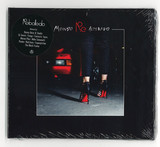
After his successful debut album SUPER VATO (CÓMEME CD LP 01) from two thousand eleven, his highly praised mix CD MOMENTO DRIVE (KOMPAKT CD 117) from two thousand fourteen, and all-around mayhem during his adventures as one half of the Pachanga Boys, Xalapa's finest REBOLLEDO returns with his second solo album MONDO ALTERADO: a recollection of moments and experiences from recent years, colorful mnemonics encompassing the brightest and the darkest. The result is a kind of soundtrack for a movie that doesn't exist, a sonic journey designed like a mixtape that faithfully reflects Rebolledo's background as DJ and producer. Nine tracks connect for one overarching narrative, sharing elements, motives, details as they blend together. The artist's signature can be found all over the place, roaming between straight, rock-drenched drumming, sinister atmospheres, raw synth textures, exciting peaks and foggy bottoms - but always following this kinetic flow and drive which is such a big part of Rebolledo's compelling charme.
Finale Sessions is really pleased to launch new series Finale Sessions Limited with Berlin up and coming act Arcarsenal. Duo comprised of Alan Mathias and Etienne Dauta, both founders of Bass Cadet Records and its dedicated vinyl store located in the heart of the german capital, they are also active members of the large Underground Quality family. Arcarsenal have already started to establish themselves as proponent of a crossover sound, mixing many influences from jazz, house, ambient to dub and techno. They are always giving a prominence to jam, improvisation and textures work in their studio routine. This EP called « Dark Skies & Wetlands », even if slightly grittier than usual, is no stranger to the rules of the duo. The opening track « Different Planet » is an epic dark deep house cut which develops itself over a course of 8:40. Starting with a stamping ground bassline and hazy atmosphere, the track opens up with synth attacks, dub echoes and slowly brings in a blissful melody that ends up linking all the elements. « Substance Of Arjuna », the following track on the A-side, is a-contrario a short but intense ambient work. Shot in one take, this subtle cut showcases the kind experimentations that Mathias and Dauta can end up doing late at night in front of their machines. The b-side of the EP leaves all the space to « Racoons », one of the weirdest and yet most powerful work of the duo to date. Tribal techno could be a short try to define what they achieved here, but the track goes far more than this. Built on a gritty mental acidic bass and a huge drum kick, the frenchmen bring over aggressive synth work that could sound like an orchestra on rehearsal, pachydermic screams or an overdriven guitar larsen. Underlined by a complex percussion pattern recorded live in their nest and chopped up to the best effect, the track ends up in a looping transe from which the listener might not leave in a normal state.