Toy Tonics Music Berlin presents "Para Mytho Disco". The 2nd "Kapote" album of label founder and creative director Mathias Modica.
Keyboarder, DJ, producer, music nerd, graphic designer, multi-instrumentalist, sub-culture impressario and artist (formerly known as Munk of Gomma records.)
Kapote & Toy Tonics
In the last years Kapote was in the spotlight mainly for building the Toy Tonics label with his friends. Developing a platform for new positive quality dance music with a human touch. Toy Tonics is the opposite of the dark, druggy Techno and Trance sounds of the last years.
The warm inclusive music of Toy Tonics represents a new vibe that a young generation of diverse, stylish and culturally intersted generation of dancers loves now. Kapote's Toy Tonics became the key label for that vibe. (In 2024 Toy Tonics made 150 Toy Tonics events in 18 countries. With more than 150.000 people dancing. 90 millions streams on their music.)
Toy Tonics is more than a music label: It's a audio - visual universe. A community, almost a movement.
Based on a new positive attitude and aesthetic diversity. Mixing musicianship with DJ culture, analogue music with electronic, ideas from the past with sounds from now. To create something new. Connecting dance music with graphic design, art and underground fashion.
Kapote and his gang release vinyl, posters, shirts, art fanzines and make exhibitions and partys.
Toy Tonics started in Berlin as a underground niche project. But now became the key label of the new house, wild style disco and organic dance music scene.
Probably one of Berlin's biggest electronic music phenomena along with Keinemusik and Live from Earth.
It went fast: 2020 Kapote's crew started to make small parties in Berlin's off spaces. The "Toy Tonics Jams". The parties became "talk of the town", and Berlin clubs like Griesmühle and Panorama Bar invited the crew. Then international clubs and festival called. Toy Tonics were invited to SONAR (playing the mainstage with Kaytranada and DJ Tennis), KALA festival, Montreux Jazz festival.
Now TT has a residency at Panorama Bar Berlin and sold out events in Europe leading clubs like Phonox in London, Rex Club in Paris, Tunnel in Milan.
Toy Tonics now is the reference brand of a new generation of music loving dancers. Similar to Gomma records, Kapote's former label (2003 - 2015) that was one of the key labels of the "indie dance" scene of the Y2K years (along with DFA and Output Records).
Kapote created a multi-cultural movement with graphic designers, photographers, illustrators from the Berlin scene.
They publish the Toy Tonics Pocket Poster magazine, posters and design shirts. They organize the Toy Tonics Pop Up Galleries mixing music and art. In underground venues in Berlin and in new gallery spaces and museums around Europe.
Toy Tonics has been invited by Palais de Tokio museum in Paris, Triennale Museum Berlin, Design week Milano to create events.
The new Kapote album
The 12 tracks have a very own style. Based on dance music, but going much further. "Para Mytho Disco' is a futuristic mix of sounds. It's far away from the dark monotone techno and trance music from Kapote's hometown Berlin. Instead, he creates warm friendly atmospheres full of sonic colours and little musical surprises.
Kapote's knowlege of music history and his backround as a jazz piano student and son of classic music composer is clearly inside this music. Before turning into a DJ and electronic music producer he has been playing in bands since he was 13 years old.
The album is full of emotional chord progressions played by Kapote on various keyboards. Sometimes reminding music from the past, without being retro at all. The basslines and melodies are inspired by jazz fusion from the 1970ies. And he programmed syncopated grooves that come from afro-american dance music. There are influences from Japanese electronic music (Yellow Magic Orchestra), from 1980s Synthwave and from 1990s electronica (like Squarepusher and Luke Vibert).
Kapote plays keys, bass, flutes and percussions, he plays synth solos and sings on a few tracks. The complexity of the arrangements makes this music never boring. Lot of melodies and solos that catch the listener. Colourful soundscapes that make you want to listen or dance to this album more, and discover details also after you heard it several times.
Kapote background
Before starting Toy Tonics, Kapote used to run a label called Gomma. He produced four albums under the name Munk and music for other artists.
He produced music with Peaches, Franz Ferdinand founder Nick McCarthy, with New York street art legend The Rammellzee, Italian actress Asia Argento, the first three albums of WhoMadeWho and worked with LCD Soundsystem (listen to "Kick out the chairs", the Munk song with James Murphy )
In those "Gomma days" Kapote aka Munk was also one of the main DJs for VICE magazine parties and made music for art projects and fashion brands (Margiela, Prada, Colette).
In 2015 he stopped Munk and Gomma and started Toy Tonics. He found young producers and helped to develop their sound (Coeo, Cody Currie, Gee Lane, Barbara Boeing, Sam Ruffillo). Later he founded the sublabel Kryptox to release music by Berlin based bands that make new forms of jazz or neo classical sounds.
Under the name Kapote Mathias didnt release much:
Only his Kapote debut album "What it is" (2019) and an EP called "Electric Slide" (2022) and a collabo EP with Italian producer Sam Ruffillo ("Robot Salsa").
An although his Munk and Kapote music was an underground phenomena his music has always been a favourite of many great people from the scene.
Supported by DJs like Harvey, Chromeo, Moodymann, Jennifer Cardini, Gerd Janson, MYD, Andrew Weatherall to Blessed Madonna, Justice and Laurent Garnier… to name just a few.
Buscar:pan american
- A1: Caravan (Tizol, Ellington) 5:50
- A2: Wishes (F. Sotgiu) 3:05
- A3: Ballad For Aisha (Tyner) 5:11
- A4: Stranatole (F. Sotgiu) 2:50
- B1: Black Bats And Poles (Walrath) 4:14
- B2: 7Th Street (F. Sotgiu) 4:48
- B3: Wise One (Coltrane) 3:24
- A1: Afro Blue (Santamaria) 3:37
- A2: Duke Ellington’s Sound Of Love (Miingus) 4:48
- A3: Take Five (Desmond) 5:00
- A4: Lotus Blossom (Strayhorn) 1:06
- B1: Passing (F. Sotgiu, L. Bonafede) 7:09
- B2: Calm (F. Sotgiu) 4:35
- B3: My Foolish Heart (Washington, Young) 6:37
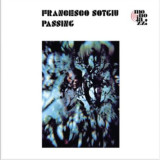
Francesco Sotgiu has forged a unique and very swinging project of songs. With a quintet consisting of Luigi Bonafede on piano, Emanuele Cisi and Riccardo Luppi on woodwinds, Salvatore Maiore on bass, Francesco on drums, and with special guest Paolo Fresu on trumpet to cap off this heartfelt collection. There is also a nice diversity of groups within this larger collection. A nice trio piece called “Calm” featuring Paolo Birro sitting in with Marco Micheli and Francesco. And one called “Lotus Blossom” where Francesco shows his considerable skills and soul on violin. But the bulk of the material is straight-ahead jazz and is totally swinging and soulful, proving that jazz has no borders and is a worldwide language to which Francesco has added to that tradition with this project and all the great voices he has included here. Bravo maestro.
This is the comment of Gil Goldstein, American accordion player who won 5 Grammys and collaborated with giants such as Gil Evans, Wayne Shorter, and Michel Petrucciani.
This record was recorded in the middle of the pandemic times, and most of the work for preparing this record took place via the telephone: the selection of the songs on paper, the exchange of ideas on arrangements, staff and instruments, a sort of “phone rehearsal” of the structure of the songs, with the choice of a solo; everything else, everything that will happen in the recording sessions, is the result of a controlled improvisation, a jam session masterfully captured in the studio through the use of well-positioned ribbon microphones.
This is why “Passing,” literally “passing” or “crossing”: because the musicians have gone through listening to these songs as teenagers, and find themselves today, as a mature meeting of old friends who create an informal game made of nostalgic fun, great personality, confrontation, and deep spirituality. In the classic “Caravan” by Ellington and Tizol or “Afro Blue” by Mongo Santamaria, Coltrane toning, the Latin accent of the rhythm section supports the interpretation of the theme and the interplay in the solos between the soprano and tenor saxophones by Cisi & Luppi, and the piano by Bonafede.
A certain elegance in the execution distinguishes pieces such as Duke Ellington’s “Sound of Love,” yet another tribute by Mingus to the Duke, with a calibrated solo on the double bass of Maiore and the flute by Luppi, the immortal “Take Five” by Paul Desmond, with the highlighted soprano by Cisi, “Wishes,” “7th Street,” and the eponymous “Passing,” all pieces composed by Sotgiu, characterized by the precise medium/fast drive of the drums and a certain “cinematic” taste of the main themes.
In songs such as “Black Bats and Poles,” composed by trumpeter Jack Walrath for the Mingus Orchestra, and in “Stranatole,” an original piece in which Sotgiu writes a theme of Monk’s influence and enjoys overturning the traditional “Anatole Jazz” structure, the quintet opts for an effective hard bop language, with exciting moments of dazzling virtuosity in Bonafede’s solo. While in Coltrane’s “Wise One” and McCoy Tyner’s “Ballad for Aisha,” we enter a modal, mystical, and ceremonial jazz, of a cosmic depth, which seems to hover in the sweet volume of the great hall of the recording studio. These are truly magnificent interpretations.
A special separate mention for two classics such as “My Foolish Heart” by Victor Young, performed in trio by Sotgiu, Maiore, and the unmistakable trumpet by Paolo Fresu, and the (unfortunately very short) “Lotus Blossom” by Billy Strayhorn and Duke Ellington, which in the piano-violin duo of Birro and Sotgiu, in a minute gives a suspended momentary magic, sums up the roots of African-American jazz music, and also referencing an old-fashioned Italian musical sensitivity, typical of Nino Rota’s music for Federico Fellini’s films.
*Repress*
180gr) 10 YEARS ON, ARTHUR VEROCAI'S ENCORE GETS A VINYL RELEASE. The highly anticipated follow up to Arthur's eponymous debut album from 1972, Encore saw Arthur joining the dots over 35 years to createa modern classic of Brazilian music that, like his debut, combined Brazilian influences with his take on American soul and cinematic experimentation, and shows Arthur's sound is as poignant now as it ever was.
To celebrate the album's 10th anniversary, Far Out Recordings announces the first ever vinyl edition of Arthur Verocai's 2007 masterpiece Encore. Remastered from the original tapes, Encore features 11 original compositions from Arthur with guest musicians including Azymuth, Ivan Lins and a nine-piece string section. The highly anticipated follow up to Arthur's eponymous debut album from 1972, Encore saw Arthur joining the dots over 35 years to create a modern classic of Brazilian music that, like his debut, combined Brazilian influences with his take on American soul and cinematic experimentation, and shows Arthur's sound is as poignant now as it ever was.
In the mid-2000's, following on from Marcos Valle, Joyce and of course Azymuth, Arthur Verocai joined the long-line of Brazilian musicians whose music was to be introduced to a whole new legion of fans by Far Out. The story of 'Encore' of course begins with Joe Davis, Far Out's head honcho who stumbled upon Arthur's debut in a dusty record store in downtown Rio in the late 80s. At the time of its release in 1972 critics panned Arthur's debut and both the album and artist subsequently vanished into obscurity. Fast forward to winter 2004 and Joe's at the studio of Far Out Recording artists Harmonic 313 - aka production duo Mark 'Troubleman' Pritchard and Dave Brinkworth - playing them some of his favourite Brazilian albums. Dave recalls the moment Joe put on Arthur's debut, 'As soon as the needle hit the record and we heard the fantastic arrangements, songs and sounds, Arthur completely blew our minds'.
Three months later and Dave was in Brazil with Arthur Verocai, and the plans for what was to become 'Encore' were being laid down. Produced by Dave, 'Encore' sees Arthur on incredible form, the 35 plus years between the recording of his debut and this the follow-up just melting away as Arthur picked up the (conductor's) baton once again to create 11 epic tracks of stirring samba-soul and experimental cinematic movements that sees him creating a record to rival his debut.
Born in Rio de Janeiro on 17 June 1945, Arthur Verocai began his professional music career in 1969 and over the next few years he was responsible for the orchestration of albums by Ivan Lins, Jorge Benjor, Elizeth Cardoso, Gal Costa, Quarteto em Cy, MPB 4 and Marcos Valle, among others. In the 1970s he was hired by Brazil's biggest TV station, TV Globo, as musical director and wrote the arrangements for many of the stations biggest shows. In 1972, following the success Arthur had with the production of Ivan Lins 1971 album "Agora", Arthur recorded his self-titled debut album on Continental Records. 'Arthur Verocai' challenged the musical conventions of the day, combining Brazilian influences with folksy soul and lo-fi electronic experimentations of American artists like Shuggie Otis or the orchestration of producer Charles Stepney.
(Limited edition to 500 copies, remastered audio, pressed and printed in Indonesia) The 13 tracks contained in this compilation “Begadang: Soneta Group Best Songs, 1975-1980” are some the most innovative music that came out of Indonesia’s music scene in the 1970s, tunes that has cemented Rhoma Irama’s status as the king of the genre.
Dangdut is the biggest musical genre in Indonesia. Dangdut, onomatopoetic name from the sound of hand drums used in this type of music, is what reggae to Jamaicans, country to Americans or skiffle to mid 20th century British people. And in this genre of dang dut, the name Rhoma Irama looms large. He is until today the undisputable king of dangdut and his role as pioneer of the music is already in the history book. In fact, there's one book documenting the outsized role of Rhoma in establishing dangdut as the father of this music. The book is aptly titled Dangdut Story, written by Pittsburgh University music professor Andrew N. Weintraub.
Among Indonesian fans of dangdut, there’s this one misconceptions that dangdut music is that it is an indigenous art form from Indonesia and that it constitutes an amalgamation of local, traditional music of this Southeast Asian nation, with Malay music being the most prominent feature in the mix.
Dangdut pioneer Rhoma Irama is among the first to reject this assertion. “Dangdut music may have originated in Deli (in North Sumatra) but then got the influences from the West and India”, he said.
Indeed, most of Rhoma’s well-known compositions may have been influenced by Indian tunes but some of his best quality works owed much to the West.
Rhoma had long found home in Western pop music. In the early 1960s, after honing his guitar playing skill, Rhoma set up his first band Gayhand to play the tunes of The Beatles, Paul Anka and Tom Jones. In 1972, Rhoma won best singer title in a Southeast Asia singing competition in Singapore playing Tom Jones “I Who Have Nothing.”
Yet, nothing changed Rhoma’s fortune in the music industry, to a point where he decided to leave pop and switched to playing Orkes Melayu (Malay Orchestra) music, first with Orkes Melayu Purnama and later with Soneta Group.
His career soon took off with Soneta, especially after he introduced what ethnomusicologist William H. Frederick considered as “theatre”, through which Rhoma borrows many elements from stage performances of British and American rock bands. These elements, kitsch and pomp, he liberally adopted and became an inseparable part of dangdut itself; tight pants, long hair, platform shoes, glitter and glamour which would not be out of place in Elton John and David Bowie stage show.
And this is actually the contradiction of Rhoma’s brand of Malay music. “One might legitimately ask how imaginative, not to say bizarre, costuming and dancing with abandon could be related to some of the objectives of Rhoma has set for himself and soneta group”, Frederick wrote on his seminal work on the singer, Rhoma Irama and the Dangdut Style: Aspects of Contemporary Indonesian Popular Culture, published in 1982.
From technical point of view, Rhoma not only replaced the acoustic elements from Melayu Music with electric instruments but also created new synthetic sounds that has never been attempted before in Indonesia’s music industry.
Detractors like to point out how much he was indebted to Deep Purple, but a closer inspection reveals how he in fact had mined his influences even deeper.
Notice how Rhoma reproduced funk, which is all the rage in early 1970s, in the song “Santai” (Relax), this album’s closer or “Credit Title (Instrumentalia)” which opens this Darah Muda (Young Blood) soundtrack. The rubbery bass lines that open both songs can easily find home in any Sly and the Family Stone’s or Isaac Hayes’ tunes from that era. Other highlights of the song is the funky guitar licks and the droning Hammond a la George Clinton that stabs deep in the record groove. In the guitar solo, you can also hear the bark of George Harrison’s licks from “Taxman”.
The 13 tracks contained in this compilation “Begadang: Soneta Group Best Songs, 1975-1980” are some the most innovative music that came out of Indonesia’s music scene in the 1970s, tunes that has cemented Rhoma Irama’s status as the king of the genre. Only 500 copies were pressed for this compilation.
- 1: Ketchaoua
- 2: Pan African Festival
- 3: Brotherhood
- 4: Speak With Your Echo (And Call This Dialogue)
After appearing with Archie Shepp at the landmark Pan-African Cultural festival in Algiers in 1969, African-American trumpeter-cornetist Clifford Thornton recorded a set of his own compositions in Paris later that year. The result was Ketchaoua, an important political and spiritual as well as musical statement that reflected the inspiration that he took from Islam. Indeed, the title of the album refers to the awe-inspiring mosque in Algiers.
Clifford Thornton’s superb band comprised his compatriots, saxophonists Archie Shepp and Arthur Jones, drummer Sunny Murray, trombonist Grachan Moncur III, pianist Dave Burrell, and bassist Earl Freeman, as well as French bassist Beb Guérin. Together they brought energy and ingenuity to the leader’s compositions, which were characterized by vivid atmospheres, exploratory, mysterious sounds and haunting themes. And the song titles conveyed an important social and cultural message. Pieces such as ‘Brotherhood’ pointed to the sense of unity and kinship that African-American artists felt with the citizens they encountered on their journey to North Africa and Europe.
This newly remastered deluxe edition of Ketchaoua provides an opportunity to hear one of the major entries in Clifford Thornton’s relatively small yet nonetheless highly impressive discography. It is an album that marks him out as a figure in the avant- garde movement of the late 60s and early 70s who deserves far wider recognition.
In the fall of 2022, celebrated UK chill-out institution Seahawks landed in Los Angeles for the first time in their 15-year history, with plans to record a sweeping new age downtempo "exploration of visionary California."
Instead, they immediately fell ill with flu (Fowler collapsed next to a taco truck; 911 was called), and were bedridden for the better part of a week. Upon recovering, they resituated at the synthesizer sanctuary of Brian Foote (Peak Oil, Kranky, Leech), channeling their post-sickness psychedelia into one of the band's lushest and most elevated creations to date: Time Enough For Love. Inspired by the "groove and mood" of Harry Nilsson demos, as well as its wider 70's wavelength - Rhodes, Wurlitzer, wood paneling - Seahawks transposed their classic post-rave ambient exotica onto a warm and woozy Golden State palette. Buoyed by the liquid touch of English maestro Kenny Dickenson on keys, the results rank high among the duo's smoothest and most multi-sensory voyages. "Sail Across The Moon" delivers on its title, a simmering, phaser-smeared cruise through the beauty of the night. "Messengers" echoes the cosmic lounge of Air's Moon Safari, shuffling, weightless, and ethereal, while "Falling Deep" reaches for the stars, pure cascading bliss, the ecstatic moment writ large.
The album skews steadily more astral as it progresses, drifting towards jazzy, galactic outer reaches. "Like A Grain Of Sand" opens with a spoken sample by the celebrated late American poet Rachel Sherwood ("The children watch, breathless / with the birds / They feel an emanation / from this shuddering place"), before taking flight on a Balearic trip through island house, PM Dawn gold dust, upright bass meditation, and kaleidoscopic light. A remix of the title track by Chicago trio Purelink closes the record in a suitably subdued and skittery state of mind. Time Enough For Love radiates color, complexity, and positivity, infused by the "life enhancing" nature of the band's time in Los Angeles - sunsets, sound systems, and sativa, framed by coastlines and cloudbanks, the city's mystic sprawl glittering beneath purple dusk.
- Opening Drive
- Walking To The Grave
- Attacked
- Flight From The Cemetery
- Refuge
- Trophy Room
- The Clothesline
- Dead Connection / Corpse On The Stairs / Ben Arrives
- Panic
- Blood From The Landing
- Smashing The Headlight
- Tire Iron Attack
- Don't Look At It!
- Back Porch Bonfire
- Searching The House
- The Music Box
- Boarding Up The House
- Knocked Out
- Fireplace And Torch
- Lounge Chair Bonfire
- The Cellar Door
- Finding The Rifle
- Ben Comforts Barbra
- Cleaning Upstairs
- Grasping Hands
- Ghouls Approach The House
- Down To The Cellar
- Up From The Cellar
- Escape Plan
- Tom And Judy
- Unboarding
- Molotov Cocktails
- Escape From The House
- Truck Escape
- Truck On Fire
- Feeding Frenzy
- Lights Out
- Final Siege
- Breakthrough
- Helen's Death
- Ghouls Overrun
- Cellar Nightmare
- The Posse
- Bonfire
- End Credits
- Bonus Night Of The Living Dead 1968 Radio Spot
- New Arrivals
- Attack At The Window
B&W[48,95 €]
"Waxwork Records is honored to present the release of the Original Motion Picture Soundtrack to George A. Romero’s horror classic, NIGHT OF THE LIVING DEAD. Written, filmed, and released in 1968 by a rag tag group of Pittsburgh based misfits, NIGHT OF THE LIVING DEAD is an American independent horror film that follows the story of seven people trapped in a rural farmhouse that is besieged by a large and growing group of living dead ghouls. The film is regarded as a cult classic by critics, film scholars, and fans and has garnered critical acclaim. The film has been selected by the Library Of Congress for preservation in the National Film Registry and is deemed “culturally, historically, and aesthetically significant”.
Filmed and released on a shoestring budget, NIGHT OF THE LIVING DEAD became a smashing success earning over 250 times its budget. The film is a first of its kind and ushered in a new way of writing, directing, and filming horror films. The overused script of romantic, fantastical tales of otherworldly monsters and creatures was completely flipped and tossed aside by visionary George A. Romero. As the film’s writer and director, Romero created a new, obvious threat, and one that is universally recognizable - Our very own neighbors. Due to an unseen force beyond man’s control, the recently deceased arise from the dead in seek of living human victims. These ghouls kill and feast upon the flesh of their victims, and the only way of stopping them is by destroying their brains.
From 2015 to 2018, Waxwork Records worked closely with the remaining members of the independent production company that made NIGHT OF THE LIVING DEAD, Image Ten, to produce a definitive soundtrack album featuring all music from the film. Much of the film’s music was thought to be lost or destroyed but was located in its entirety and faithfully restored and re-mastered for vinyl. This special release of NIGHT OF THE LIVING DEAD features the complete soundtrack, double LP “Black & White Hand Poured” colored vinyl, all new artwork by Robert Sammelin, a booklet featuring never before seen production photos, liner notes by Daniel Kraus (co-author of THE SHAPE OF WATER with Guillermo Del Toro), liner notes by Night Of The Living Dead’s dialogue recorder and sound engineer, Gary Streiner, and deluxe packaging."
- A1: Intro (Skit)
- A2: Yae Yo
- A3: Casablanca
- A4: 100 Rounds
- A5: Real Life
- B1: Power (Feat. American Cream Team)
- B2: Skit No.1
- B3: All I Got Is You Pt. Ii (Feat. Big Bub)
- B4: Jury (Feat. Kim Stephens)
- B5: Fuck Them (Feat. Method Man)
- B6: Skit No.2
- C1: Live From New York
- C2: My Favorite Dred
- C3: Friday
- C4: The Table (Feat. Masta Killa)
- C5: Sneakers
- D1: Raw (Feat. American Cream Team)
- D2: Pop Shit
- D3: Heart To Heart
- D4: Forecast
- D5: Outro
Presented for RSD Black Friday as a double LP in a gold coloured vinyl. pressing housed in a deluxe gatefold jacket with full-color OBI strip. Also includes a four panel full color insert with lyrics. In 1999 Wu-Tang Clan’s Raekwon issued the follow up to his now legendary solo debut Only Built 4 Cuban Linx with Immobilarity. Dropping in November of 1999 the record hit the Top 10 on US album charts and was certified gold by the RIAA within a month. For the 25th anniversary of this landmark recording Get On Down presents Immobilarity as a double LP in a never to be repeated gold vinyl run housed in a gatefold jacket with lyrics included and topped off with a collectable OBI.

- A1: Runway
- A2: Track Of The Time
- A3: Reaching Through
- A4: Holy Low
- A5: Just To Feel Alive
- B1: Seasons Change
- B2: Some Are Lucky
- B3: Ruby
- B4: Call The Days
- B5: Holy Loud
8/10 FULL-PAGE LEAD REVIEW IN UNCUT: “TALENTED ARTISTS SUCH AS ALDOUS HARDING , DELANEY DAVIDSON, IVY ROSSITER AND MARLON WILLIAMS REPRESENT A FRESH COUNTRY-FOLK/AMERICANA MOVEMENT IN AND AROUND CHRISTCHURCH AND DUNEDIN. NADIA REID'S IMPECCABLE DEBUT WILL MAYBE SET A WIDER ORBIT IN MOTION.”
4/5 LEAD REVIEW IN MOJO: “INSPIRED DEBUT BY A YOUNG NEW ZEALAND SINGER-SONGWRITER YOU'LL FEEL YOU'VE KNOWN FOREVER. A WONDERFUL ALBUM"
SUNDAY TIMES DEBUT OF THE WEEK: "SHE RANKS ALONGSIDE LOW AND THE COWBOY JUNKIES FOR DELIVERING SLOW-BURN EMOTION"
"It has all that well-smoked wisdom, that mingling of strength and yearning that seems to charge the work of all my favourite female artists – Laura Marling, The Weather Station, Sharon Van Etten and Tift Merritt, to name but four. Reid is just 23, and since I am loathe to run that “old beyond her years” line, let us simply say that when I hear a young artist making an album as soulful and rich and self-possessed as Listen to Formation, Look for the Signs, I feel so thrilled not only for the existence of that record but for all the music they will make over all the years to come.” THE GUARDIAN PLAYLIST
6MUSIC ALBUM OF THE WEEK
A richness of voice; a depth of emotion; and wise beyond her years; with Listen To Formation, Look For the Signs, 23-year-old New Zealand native Nadia Reid has claimed her place as one of the country’s most evocative and profound young songwriters. Her music traces the sharp mountain peaks, azure coastline, and mirrored images of the land and sky that pinpoint her home country’s vast open landscapes.
Whether nerding about with friends, stunning audiences into silence with her spellbinding live shows or unwinding in the tranquillity of her favourite hometown spot overlooking Port Chalmers’ harbour through her large-rimmed spectacles, Nadia Reid has achieved a gloriously fresh and eloquent new folk sound. “I’ve been in New Zealand my whole life and guess at times I take for granted the serene beauty that I live so closely with,” she says of her music’s majestic affiliation with nature. Mapping out tales of change and loss, whilst drawing inspiration from reading, writing, the human condition, falling in and out of love, death, and birth - it all lends to a superbly balanced album that moves surreptitiously between sparse and fragile melancholia to beautifully brutal lyricism with a philosophical maturity that bellies her years.
Born in Auckland, Nadia’s acoustic roots stem from an upbringing in a musical household where attending folk clubs and festivals were regular occurrences on the family calendar. “I was lucky to witness a lot of live music and theatre performances because my mum was an actress. I was encouraged to learn piano and guitar, and attended a Steiner school where we spent a lot of time in nature, singing songs.” Before long Nadia was listening to The Be Good Tanyas with friend and fellow recording artist Aldous Harding, which spurred her chosen career path. “There was something spiritual about the Tanyas’ records - I vividly remember the goose-bump feelings up my arms, a true connection to the lyrics and vocals,” she recalls. “Aldous was the first person who told me I had a good voice and I thank her for that. I admire her as an artist and writer, and we like to keep up with what each other is up to.”
Creating her own enchanting wonderworld, each of Nadia’s songs explores the elements; truly organic, her vocals ebb, flow and soar but are always ignited with fire from the gut. Her lyrics clearly reference lush landscapes but equally reflect alienation provided by the surrounding Pacific Ocean and mortality of living in such close proximity to Mother Nature’s wrath, as experienced whilst living in Christchurch at the time of 2011’s devastating earthquake. “It shook the city to its core,” Nadia recalls. “I’m sure living through it has shaped my personality and writing. My first EP was recorded just months afterwards, it was a strange time. We were all quite fragile, but I was braver somehow.”
Boldly infusing folk with full flavour, Listen To Formation, Look For The Signs was produced by Ben Edwards, owner of Lyttelton Records in his Sitting Room studios with Nadia’s band consisting bassist Richie Pickard, guitarist Sam Taylor and percussionist Joe McCallum. Whilst 'Reaching Through’s rich but unhurried nature evokes She Hangs Brightly -era Mazzy Star and intricate nuances of Beth Orton are recalled on lead single ‘Call The Days’ which talks of moving to a new town and was the first song penned after Nadia moved from Christchurch to Wellington; spurred on by a “panic attack” and being “worried about making the right choices in life”. Elsewhere ‘Runway’ and ‘Some Are Lucky’ immediately channel Nadia’s love of TBGT’s Jolie Holland and appreciation for New Zealand’s Maori music by Maisey Rika and Anika Moa, plus the inspirational narratives of Kenyan-born Somali poet Warsan Shire.
Video Age follow up their newest album `Away From The Castle' with a new 7" release. Side A, "Record Shop," a sparkling pop/rock cut is a playful theme song for record shop employees, the track follows a fictional record store clerk through a typical day in the life of slinging records. Alluding to classic 70s songs from acts like Don McLean, America, and NRBQ, Video Age are right at home in the pantheon of great American songwriters. Side B is a reworked version of the recent LP's title track called "Out In The Country." The track features Alt-Country/Americana singer Esther Rose, dueting with Video Age's Ross Farbe on this stripped-back acoustic swooner.
- 1: Cypress Crossing
- 2: Pink River Dolphins
- 3: Ride To Cerro Rico
- 4: Dust From The Mines
- 5: The Shadow Song
- 6: Irene, Goodnight
Ava Mendoza has never made an album quite as personal as her second solo full-length, The Circular Train. Through her decades of collaborations with Nels Cline, Carla Bozulich, William Parker, Fred Frith, Matana Roberts, and Mick Barr—plus years leading her power trio Unnatural Ways and playing in Bill Orcutt’s quartet—the guitarist’s name has become synonymous with virtuoso technique, raw passion, and visceral resonance, a player pushing the edges of the guitar’s possibilities. Along the way, from 2007 to 2023, Mendoza was writing these slow-burning, incandescent songs. The Circular Train is comprised solely of her single-tracked guitar playing and, on two songs, her corporeal singing. Her first solo LP of original material since relocating from California to New York City a decade ago, much of The Circular Train was honed amid pandemic years that clarified the virtues of slowing down. This expressive avant-rock is a definitive introduction to one of the most uncompromising and inquisitive visions in creative music. Mendoza’s thrilling melange of free jazz, blues, noise, classical training, and blazing experimental rock’n’roll all coheres with ecstatic feedback, with picking and solos that crest with shimmer. Sometimes she sounds like a one-woman Sonic Youth with guttural and poised vocals that equally evoke Patti Smith and blues greats like Jessie Mae Hemphill. Conceptually, The Circular Train is presented as a psychogeographical train ride through certain of Mendoza’s musical homelands. The songs draw on ancestral and recent familial memories, notably of her parents’ roots in mining towns—in her father’s home country of Bolivia and mother’s hometown of Butte, Montana, each country with its own history of colonialism, racism, forced labor, the eradication of culture and the subsequent excavation of it. These adventurous songs were composed in cars and planes, in the heart of the Mississippi Delta, in Los Angeles and upstate New York—which is to say in motion. “Ride to Cerro Rico,” named for the mountain and silver mine at the center of Potosi, Bolivia, was inspired by Mendoza’s great grandmother’s life there in a Quechua mining family. “Dust From the Mines” drew from that history as well as Mendoza’s familial lineage of miners in Montana, building up to stunning swaths of shredded iridescence. “Pink River Dolphins” was inspired by a visit to the Amazon rainforest, swimming with dolphins alongside her father—the pink bufeos that inhabit both Bolivia and Columbia—and the song is dedicated to the memory of Mendoza’s late friend, the Colombian-American trumpeter jaimie branch. They shared a fascination with those intelligent and agile creatures who often communicate by echolocation. “Make a sound, it comes back around,” Mendoza sings, and later, “Echo, echo/The answer in a sound,” evoking what branch knew well: through music we navigate life. The Circular Train contains one cover, “Irene, Goodnight,” composed by Gussie Lord Davis and popularized by Leadbelly; Mendoza has been performing it for over 20 years. Almost as deeply embedded in her repertoire is the penultimate track, “The Shadow Song.” “Treat your shadow kind and it might treat you good,” Mendoza sings on this song that she’s been reworking for over a decade, an emblem of devotion. “Treat your shadow kind and it might treat you right,” she repeats, becoming a blues mantra. What is a shadow self if not one’s secret world, which, once laid bare, awaits an echo, a return?
- A1: Slit My Wrist
- A2: Twist My Sister
- A3: Dead In Hollywood
- A4: Love At First Fright
- A5: People Hate Me
- A6: She Was A Teenage Zombie
- A7: Die My Bride
- B1: Grave Robbing U.s.a
- B2: 197666
- B3: Dawn Of The Dead
- B4: Let's Go To War
- B5: Dressed To Depress
- B6: Kill Miss America
- B7: B-Movie Scream Queen
- B8: Motherf**Ker I Don't Care
Beyond the Valley of the Murderdolls is the debut studio album by American horror punk supergroup Murderdolls. It was released in 2002. The album reached number 40 on the UK Albums Chart, and sold over 100,000 copies in the U.S.
Murderdolls are a side project for Slipknot drummer Joey Jordison and Static-X guitarist Tripp Eisen.
The music on the album is fast and macabre, stuck in a time warp that hurtles them backwards to the decayed sounds of the '80s. Call it gutter-punk, glam rock, or hair metal, every style is displayed here in its despondent glory, bearing close comparisons to shock-punkers the Misfits. The Murderdolls draw inspiration from movies such as Friday the 13th, Night of the Living Dead, and Phantasm. The 15 tracks found here are full of tongue-in-cheek horror clichés.
Beyond the Valley of the Murderdolls is now available on black vinyl and contains a 6 panel insert.
Inhaler is the third studio album by American rock band TAD, originally released on October 19, 1993. It was the band's major label debut after two albums and an EP released by Sub Pop, and it was also their first album with drummer Josh Sinder, formerly of The Accüsed. Producer J. Mascis (Dinosaur Jr.) gave TAD a more focused and driven sound on this record. He can be heard playing the piano on ""Luminol"". The song ""Grease Box"" was played during the end credits of the 1994 movie Brainscan. Inhaler is easily their best and most consistent album to date and obtained positive critical reception upon release. Fortunately, the group has lost none of the grit that marked them as the grungiest of the Seattle scene. In promotion of Inhaler, TAD toured with Soundgarden. Inhaler is available on black vinyl and includes an insert.
Something About Livingis an album of live recordings by experimental jazz composer/multi-instrumentalist Robert Stillman. The music was captured over the course of Stillman's time as the solo support act for The Smile (Thom Yorke, Jonny Greenwood, Tom Skinner). The album weaves excerpts from various theater and arena shows along the tour's North American routing into a seamless whole, creating a 40-minute program that represents an expanded version of Stillman's ever-transforming live set.
Something About Livingis the product of a steady, on-stage evolution that happened over the course of the nearly 60 shows opening for the Smile across the EU, UK, US, Canada and Mexico. However, the creative origins of the set began in relative isolation during the pandemic, through Stillman's work on projects like his multi-media installationUnseen Forcesand his monthly broadcast for Margate Radio, both of which drew upon solo improvisation using saxophone, cassettes, Yamaha DX7 synthesizer, and effects.
"At the time The Smile asked whether I'd like to open for them on their first tour, I felt like I'd already been preparing without really knowing it," says Stillman. "I'd been doing this music constantly, but always for a hypothetical audience" During the pandemic, Stillman's solo set-up served as the research lab where he worked on all the concepts he was interested in: solo improvisation, creating and manipulating cassettes, FM synthesis, analogue delays chains, no-input mixing, and non-metric rhythmic pulses. So when he was offered the first Smile tour, the idea was to bring "the lab" onto the stage.
What Stillman could not have prepared for was the experience of playing in venues with capacities of up to ten thousand listeners. "The first tour was in summer 2022, so not that long after the worst of the pandemic, when I had pretty much made peace with the idea that I might never be able to perform for an audience again. Then all of a sudden I found myself in front of huge numbers of people, and felt the massive responsibility of being with an audience, of this thing I'd done alone for so longactually being witnessed, and it was completely overwhelming!" On the flip-side, Stillman also recalls, was a new appreciation of how powerful the live performance was as a social phenomenon. "It's a cliche, but also true: the moment of making and hearing music in a shared time and space has a very specific meaning and power; there was a sense that everyone in the venue was necessary to make it real, regardless of what they were doing, or how they felt about it. There was an inevitability about it that I'd never fully appreciated."
Over the course of the tours that followed, Stillman transformed this appreciation of the shared moment into an ethic of spontaneity that guided the development of his live set. "An important reference for this set has always been an Animal Collective show I saw when I first moved to New York, probably in 2001 or so, that has always set the high-water mark for what I wanted to do live- they were improvising a lot, and out of what would seem to be absolute chaos they'd find their way to something structured, and then back out again into the unknown. It was so thrilling to witness".
ThoughSomething About Livingcompiles recordings from different dates along the tour, Stillman has edited and mixed them into a work that seeks to reflect the ebb and flow between 'chaos and control' that characterizes his live set. Among the compositions featured are some from previous album releases ("Time of Waves", "What I Owe", "What Does it Mean to Be American") as well as some new compositions ("The Dream of Waking", "Renaissance 2.0," and the title track, "Something About Living").
The album/track title "Something About Living" is a reference to a line from Stillman's favorite film,My Dinner With André: "André Gregory is explaining the value of life experiences that, as he says, are'to do with living'.That really struck me, the way he articulated it. I strongly believe live music situations can ask these kinds of questions, for performers and audiences. I hope that's reflected in this music."
[a] 01: Time of Waves (Live in Miami FL) [Live]
[b] 02: What Does It Mean to Be American (Live in Forest Hills NY) [Live]
[c] 03: The Dream of Waking (Live in St Augustine FL) [Live]
[d] 04: Something About Living (Live in Richmond VA) [Live]
[e] 05: What I Owe (Live in Chesterfield MO) [Live]
[f] 06: Renaissance 2.0 (Live in Chesterfield MO) [Live]
« A Fantastic mixture of Brakka, Reggae & Afrobeat Recorded between 1980 and 1984 from the underground Afropean boxer Mushapata »
“Saba-Saba Fighting” or fighting for peace, is the message that Mushapata, a legend of the African reggae underground scene in Paris with an extraordinary destiny, has fought for all his life.
Born in Bukavu, a city nowadays located in the Democratic Republic of Congo at the border with Burundi, Mushapata arrived in France at the end of the 1970s to pursue his career as a boxer. A few years later, revolted by the professional sports industry, he became a personal protection agent on the advice of his manager. He escorted many celebrities among whom Bob Marley during his legendary French tour of 1980. This encounter awakened the musician hidden behind the boxing champion. Mushapata had stepped out of the ring but he kept fighting with music, lyrics and his band Saba-Saba Fighting.
Ignored by the record labels of the time, his first self-produced recordings reveal a rough mix of lo-fi reggae, afrobeat rhythms accompanied by a brass section close to Free jazz. The nonchalant sounding voices of Mushapata and Tshayi complete this explosive cocktail and carry, in Swahili language, the Pan-African ideas of Lumumba and other great figures of African-American struggles.
This maxi single, conceived as a mini-compilation tribute, includes 4 titles from the first two albums recorded between 1980 and 1984. Limited edition!
- A1: Anemona
- A2: Pandancer Feat Cosima Olu
- A3: Mega-Zapper
- A4: Leyli Feat Arnau Obiols
- B1: Milo Feat Kamohelo
- B2: Xummiemu
- B3: Wild Child Meadows Feat Oliver Grimball
- B4: Uh-Oh!
- C1: Utado Feat Nah Eeto
- C2: Curry Wurst Collab Feat Janne Tavi
- C3: ?Sally Está Loca!
- C4: Heavenly Pills
- D1: Dolphin Lundgren Feat Kamohelo
- D2: Soul Ego Spacesuit
- D3: Perroflautas
- D4: Higher, Better, Faster, Slower
MLiR is one of those rare creative partnerships where personalities and talents perfectly match, an exquisite balance of similarity and polarity leading to ingenuity. In the case of MLiR, this dynamic has resulted in the form of consistently vibrant takes on current, past and future global dance music, an artistic expression
fuelled by equal parts tireless record digging and masterful studio wizardry.
Their two previous EPs on Studio Barnhus count among the label's most played and loved, and the forthcoming debut album Pulpo Fiction, released this October on the Stockholm label, takes it to the next level with a staggering tracklist of 16 new recordings featuring vocal talent as diverse as Kenyan rapper Nah Eeto, American
poet Oliver Grimball and Swedish soul singer Cosima Olu.
The music is as wild a ride as ever with MLiR at the controls – ranging from the nostalgic to the futuristic, the deep to the poptastic – with a firm base in the kind of high-powered, light-footed dancefloor material the duo is so beloved for.
Forgetting You Is Like Breathing Water, the self-titled debut from the duo of trumpeter Will Evans and guitarist, synthesist, producer and multi-instrumentalist Theo Trump, arrives like a vault revelation. It feels like a decades-old yet newly unearthed masterwork of gorgeous ambient improvisation, the sort of thing scholars live to research and shepherd into deluxe reissue.
The patient, crystalline chords that swell and resonate like a series of confessions; the textured brass murmurs that suggest a ’60s or ’70s Fire Music master at their most poignant. Provocative found-sound experiments threading arcane religious recordings through dystopian soundscapes. Ear-shattering free-noise tumult. Where and when did this music come from? Who are these voices?
As it turns out, Forgetting You Is Like Breathing Water springs from an engrossing human story, though it isn’t necessarily the one you’d expect. This work of stunning maturity is in fact an entrance by two little-known explorers in their early 20s, who grew up together in Virginia, in the shadow of the Blue Ridge Mountains. It documents one of those perfect, sparkling moments in post-adolescence when big decisions and responsibilities are right around the corner, but for a spell, two young artists are able to create among the comforts and nostalgia of their shared past.
It also represents a reunion of sorts, as Evans and Trump connected as toddlers, became inseparable as boys, then pursued independent lives and creative paths as young adults. “Theo is my oldest friend,” Evans says, “and I feel like that’s what this band is — us meeting right in the middle of our interests.”
Now, having conjured this magic, they’ve detached once again: Evans, whose other works include the indie/avant-jazz unit Angelica X, is currently based in New York City. Trump recently moved to England, where he’d participated in his family’s theatre company, to go to school and further his solo ambient project. “This album didn’t start out as something super ambitious,” Evans explains. “It was more just an excuse to spend time together again and make music.”
***
In conversation, Evans and Trump are a delight, especially for cynics who might think that Gen-Z is only capable of doomscrolling. They come across as kindly young intellectuals who grew up using the internet as it was intended, for exposure to ideas and art across genres and generations. Trump points to indie-folk and the oracular post-rock of late Talk Talk, Bark Psychosis and Gastr del Sol. Pressed for his guitar heroes, he cites Bill Orcutt, Mary Halvorson and Marc Ribot, and mentions his devotion to alt-country. Heyday electro-industrial stuff like Skinny Puppy and Nine Inch Nails also meant a lot to him.
Evans is equally intrepid, though his background has a greater jazz focus. Ambrose Akinmusire, among today’s most thoughtfully commanding trumpeters, is a favorite. As for the soulful murmur he offers throughout Forgetting You, Pharoah Sanders’ wistful and lyrical contributions to Floating Points’ work is a touchstone.
The two grew up down the street from each other in the northern Piedmont town of Batesville, Virginia. Their families were friends, holidays were celebrated together and they became the most loyal of pals. As children they had a pretend band.
Then life unfolded, they attended different schools and their paths diverged. Evans discovered John Coltrane and became a jazz obsessive, as Trump found punk and hardcore and later began making ambient music. As a dedicated jazz trumpeter, Evans studied formally and widely; Trump was an autodidact, teaching himself guitar and absorbing synthesis and production techniques. The late teens and very early 20s brought moves away from home and back to home, as well as plenty of listening and learning. The Covid pandemic meant an opportunity to reconnect on long walks. Through it all, together and apart, they remained reverent of each other.
By early 2023, they found themselves living again among the Blue Ridge Mountains. In the evening, after giving trumpet lessons in Charlottesville, Evans would make the eerily beautiful trek “over the mountain” to Trump’s home in Staunton, Virginia. They’d talk and eat and begin to improvise, deep into the night. Evans played trumpet and sometimes drums. (Given the wee-hours recording schedule, the neighbors didn’t appreciate the latter.) Trump plugged a rickety, junk-store Telecaster-style guitar into a cheap solid-state amp and explored open tunings; he also layered on lap steel, electric bass, synths and electronics.
They locked in and relished each other’s gifts. In Trump, those include patience and intentionality and sonic decision-making; for Evans, a distinctive trumpet sound that both musicians think of as a singer’s voice. “Will’s playing is so thoughtful and well placed,” Trump says. “My goal from a producer’s mindset is that the trumpet will occupy the space that vocals would take.”
Often, they got lost in the best way. “The thing I look for most when I’m playing is that feeling of disappearing into what you’re doing,” Evans says. “Usually when that happens, the music is good.”
By the same token, they didn’t pursue free improvisation as an ethic, or as a pure process. Their goal was something closer to spontaneous composition. “We were trying to make good songs,” Evans says simply. Later, Trump did brilliant post-production work, expanding a modest setup into an enthralling soundworld. Under his judicious editorship, music that was wholly improvised sounds at times like a carefully composed new-music commission.
The results speak for themselves. “A Happy Death” summons up a swath of American desolation through the viewfinder of Wim Wenders. “Flesh of Lost Summers” and “Partings” are highlights from an essential ECM LP that never was. “A Collapse of Horses” infuses those seminal post-rock influences with the plod of doom metal or slowcore. The album’s final track, “The Mountains Are a Dream That Calls to Me,” was in fact the first thing the duo recorded, as an evocation of those twilit drives across the Blue Ridge Mountains. “Looking back at what we chose to name the songs,” Evans says, “and some of the sounds and how they make me feel, there is an air of impermanence and loss to this album.”
“I’m excited for everything that’s to come,” he adds, “but I recently thought, ‘Damn — that’s not going to happen again.’ It was a privilege for us to have that time together.”
- Opening Drive
- Walking To The Grave
- Attacked
- Flight From The Cemetery
- Refuge
- Trophy Room
- The Clothesline
- Dead Connection / Corpse On The Stairs / Ben Arrives
- Panic
- Blood From The Landing
- Smashing The Headlight
- Tire Iron Attack
- Don't Look At It!
- Back Porch Bonfire
- Searching The House
- The Music Box
- Boarding Up The House
- Knocked Out
- Fireplace And Torch
- Lounge Chair Bonfire
- The Cellar Door
- Finding The Rifle
- Ben Comforts Barbra
- Cleaning Upstairs
- Grasping Hands
- Ghouls Approach The House
- Down To The Cellar
- Up From The Cellar
- Escape Plan
- Tom And Judy
- Unboarding
- Molotov Cocktails
- Escape From The House
- Truck Escape
- Truck On Fire
- Feeding Frenzy
- Lights Out
- Final Siege
- Breakthrough
- Helen's Death
- Ghouls Overrun
- Cellar Nightmare
- The Posse
- Bonfire
- End Credits
- Bonus Night Of The Living Dead 1968 Radio Spot
- New Arrivals
- Attack At The Window
B&W[50,38 €]
"Waxwork Records is honored to present the release of the Original Motion Picture Soundtrack to George A. Romero’s horror classic, NIGHT OF THE LIVING DEAD. Written, filmed, and released in 1968 by a rag tag group of Pittsburgh based misfits, NIGHT OF THE LIVING DEAD is an American independent horror film that follows the story of seven people trapped in a rural farmhouse that is besieged by a large and growing group of living dead ghouls. The film is regarded as a cult classic by critics, film scholars, and fans and has garnered critical acclaim. The film has been selected by the Library Of Congress for preservation in the National Film Registry and is deemed “culturally, historically, and aesthetically significant”.
Filmed and released on a shoestring budget, NIGHT OF THE LIVING DEAD became a smashing success earning over 250 times its budget. The film is a first of its kind and ushered in a new way of writing, directing, and filming horror films. The overused script of romantic, fantastical tales of otherworldly monsters and creatures was completely flipped and tossed aside by visionary George A. Romero. As the film’s writer and director, Romero created a new, obvious threat, and one that is universally recognizable - Our very own neighbors. Due to an unseen force beyond man’s control, the recently deceased arise from the dead in seek of living human victims. These ghouls kill and feast upon the flesh of their victims, and the only way of stopping them is by destroying their brains.
From 2015 to 2018, Waxwork Records worked closely with the remaining members of the independent production company that made NIGHT OF THE LIVING DEAD, Image Ten, to produce a definitive soundtrack album featuring all music from the film. Much of the film’s music was thought to be lost or destroyed but was located in its entirety and faithfully restored and re-mastered for vinyl. This special release of NIGHT OF THE LIVING DEAD features the complete soundtrack, double LP “Black & White Hand Poured” colored vinyl, all new artwork by Robert Sammelin, a booklet featuring never before seen production photos, liner notes by Daniel Kraus (co-author of THE SHAPE OF WATER with Guillermo Del Toro), liner notes by Night Of The Living Dead’s dialogue recorder and sound engineer, Gary Streiner, and deluxe packaging."
LTD BLOOD-SPLATTER VINYL W/ LYRIC BOOKLET & CUT OUT MASK JEWEL CASE CD W/ LYRIC BOOKLET Just in time for Halloween. Zombina and the Skeletones are returning from the dead to bring you their first full-length album in ten years ‘The Call of Zombina’. The Band Under Your BedTM returned to the studio (or in this case a creepy old church in Liverpool) to make their first album in ten years, with Stephen Cole from the avant garde “post-music” act a.P.At.T producing. ‘The Call Of Zombina’ is Hammer Horror melodrama as art-therapy, the pank roots of goth-rock meets the strings and harpsichords of baroque. ‘The Call Of Zombina’ seeks to mirror the clamic portmantean horror of ‘The House That Dripped Blood’ or ‘Asylum’, with each track telling its own self-contained story. Musically it’s death rock/ baroque, Joe Meek and James Bernard meets The Damned uptown. Lyrically, the schlocky Americanistas of old have been eschewed in favour of the no less pulpy vernacu lar of Pan Classics paperbacks... and of course the whole thing was recorded in an old spooky church, to captare some of that creaky atmosphere and gigantic reverb.
- Mélissa Laveaux - Kouzen (Melanie Charles Remix)
- Msaki X Tubatsi - Zibonakalise (Vigro Deep Remix)
- Mamani Keita - Nenibali (Catu Diosis Remix)
- Gerald Toto, Richard Bona, Lokua Kanza - Youwilé (Hagan
- Que Vola ? - Iyesa (Keene Remix)
- Lucas Santtana - Ninguém Solta A Mao De Ninguém (Luana
- Koki Nakano - Mue (Sofie Birch Remix)
- Blick Bassy - Woni (Vanyfox Remix)
- Asynchrone - Plastic Bamboo (Shinichiro Yokota Remix)
For the past 20 years, NO FORMAT! has been cultivating the idea of an artisanal and homemade label, supporting artists who stand out with unexpected projects. Its motto, "You never know in advance what you"ll fall in love with", has guided its direction from the outset. Its high standards on the quality of the sound has become its trademark, while one of the mainstays of its work is the development of collaborations between artists from diverse backgrounds. For its 20th anniversary, a new guard of electronically-inspired artists takes over the NO FORMAT catalog for an original remix album, specially created for the occasion. 10 iconic tracks from the label are reimagined by 10 young, talented, emerging and/or established producers, carefully chosen on each track. While Pan-African trio Toto Bona Lokua"s music is reworked by British-Ghanaian afro-bass pioneer Hagan, South African vocal duo Msaki x Tubatsi is reimagined through a remix by amapiano heavy-weight Vigro Deep. Blick Bassy"s delicate Cameroon folk turns into an afro-club anthem produced by Moonshine collective leading figure Vanyfox ; Haitian-American neo-jazz artist Melanie Charles electrifies "Kouzen" by Haitian Canadian singer-songwriter Mélissa Laveaux ; renowned sound artist Sofie Birch transforms Koki Nakano"s delicate piano into an ambient soundscape. Japanese house pioneer Shinichiro Yokota gives a new spin on electro-jazz collective Asynchrone, which was inspired by Ryuichi Sakamoto"s work. "NO FORMAT! Remixed (2004-2024)" is both a celebration of 20 years of music and creation, bringing this beautiful and curated catalog into a vibrant and festive compilation, and a step towards the label"s next 20 years.
- A1: Sun Kinga
- A2: Fire Womana
- A3: American Horsea
- A4: Edie (Ciao Baby)B
- B1: Sweet Soul Sisterb
- B2: Soul Asylumb
- B3: New York Cityb
- B4: Automatic Bluesc
- C1: Soldier Bluec
- C2: Wake Up Time For Freedomc
- C3: Medicine Trainc
- C4: The Riverd
- D1: Bleeding Heart Graffittid
- D2: Messin' Up The Bluesd
- D3: Fire Woman (Nyc Rock Mix) D
- D4: Edie (Ciao Baby) (Acoustic)
THE CULT is fronted by Ian Astbury on vocals and Billy Duffy on guitar. Their fourth album Sonic Temple is not just an iconic record, but a sonic tour de force that defies classification. Released in 1989, the album"s sound is rooted in classic rock and heavy metal, but incorporates a range of influences, from punk to psychedelic rock, creating a sound that is both familiar yet unique. The album"s production is slick and polished, thanks to the contributions of legendary producer Bob Rock, who helped to craft a sound that was both commercially appealing and artistically adventurous. Sonic Temple had four massive hits; "Fire Woman", "Edie (Ciao Baby)", "Sun King" and "Sweet Soul Sister". The album catapulted The Cult into superstar status and remains their most commercially successful release. Declared platinum in 1990, it was also a critical success, cementing The Cult"s place in the pantheon of hard rock and heavy metal bands and earning them a devoted following that endures to this day.
By 1963, great Latin American artists such as Lucho Gatica, Felipe Pirela, Bienvenido Granda, Leo Marini, Benny Moré, Tito Rodríguez, Toña La Negra, Blanca Rosa Gil and the so- called queen of boleros, Olga Guillot, had enriched the musical landscape, giving personality to the bolero. That year, in the midst of a new panorama, a bolero star was born from the depths of Venezuelan radio: Estelita Del Llano. “Sensual”, her debut album, is one of the greatest gems of the genre, with arrangements and orchestration by Porfi Jiménez. The backing of the Porfi Jiménez Orchestra and his arrangements made “Sensual” one of the most successful albums of its time. The selection of the twelve songs on the album was also a success. Although the years of the bolero's greatest splendor seemed to have passed, the bolero continued to spread throughout Latin America. The great success of “Sensual” lay in the arrangements and the choice of boleros with elements of the cha-cha-cha, another genre that was enjoying great popularity.
- A1: Nichts Für Immer 3:10
- A2: Traumtänzer Und Schönmaler 3:24
- A3: Oktober In Europa Feat. Sophie Hunger 3:58
- A4: Rannte Der Sonne Hinterher 3:22
- A5: Direkter Vergleich 3:49
- B1: Das Leben Ist Schön 3:55
- B2: Für Wenige 3:09
- B3: Alter Wegbegleiter 3:33
- B4: Sympathie Für Meine Hater 3:58
- B5: Wenn Das Hier Vorbei Ist 4:00
- C1: Oberbürgermeister 2:36
- C2: Ich Helfe Nicht Bei Umzügen 2:34
- C3: American Fitness Am Hermannplatz 2:18
- C4: Weg Von Hier 2:27
- C5: Aal 1:22
- C6: Kein Problem 1:39
- D1: Netter Nachbar 2:52
- D2: Ruhrpott Rodeo 2:27
- D3: Muttertag 1:06
- D4: Mord Auf Dem Kreuzfahrtschiff 2:12
- D5: Der Romantische Mann 2:38
- D6: Destroy (Nichts Soll Mehr Kaputt Gemacht Werden) 1:27
Die große Antilopen Gang hat zwei (!) neue Alben im Kasten. Pünktlich zum fünfzehnten Bandjubiläum legen Danger Dan, Koljah und Panik Panzer nicht nur ihre sechste gemeinsame HipHop-Platte, sondern zugleich auch ihr längst überfälliges Punkrock-Debüt vor. Beide Alben ergeben zusammen die Doppel-LP »ALLES MUSS REPARIERT WERDEN« und bündeln mit Nachdruck, was im Antilopen-Kosmos seit jeher Hand in Hand geht. »ALLES MUSS REPARIERT WERDEN« ist kein schnödes Crossover-Experiment, sondern das erste Hälfte-Rap-Hälfte-Punk-Doppelalbum der Musikgeschichte. Und: Das Punk-Album enthält keine Interpretationen alter Lieder, sondern ausschließlich neue Songs, auf denen auch nicht gerappt, sondern gesungen oder geschrien wird. Ein Meilenstein! »ALLES MUSS REPARIERT WERDEN« erscheint am 13. September 2024 auf dem bandeigenen Label Antilopen Geldwäsche.
- A1: Nichts Für Immer 3:10
- A2: Traumtänzer Und Schönmaler 3:24
- A3: Oktober In Europa Feat. Sophie Hunger 3:58
- A4: Rannte Der Sonne Hinterher 3:22
- A5: Direkter Vergleich 3:49
- B1: Das Leben Ist Schön 3:55
- B2: Für Wenige 3:09
- B3: Alter Wegbegleiter 3:33
- B4: Sympathie Für Meine Hater 3:58
- B5: Wenn Das Hier Vorbei Ist 4:00
- C1: Oberbürgermeister 2:36
- C2: Ich Helfe Nicht Bei Umzügen 2:34
- C3: American Fitness Am Hermannplatz 2:18
- C4: Weg Von Hier 2:27
- C5: Aal 1:22
- C6: Kein Problem 1:39
- D1: Netter Nachbar 2:52
- D2: Ruhrpott Rodeo 2:27
- D3: Muttertag 1:06
- D4: Mord Auf Dem Kreuzfahrtschiff 2:12
- D5: Der Romantische Mann 2:38
- D6: Destroy (Nichts Soll Mehr Kaputt Gemacht Werden) 1:27
Die große Antilopen Gang hat zwei (!) neue Alben im Kasten. Pünktlich zum fünfzehnten Bandjubiläum legen Danger Dan, Koljah und Panik Panzer nicht nur ihre sechste gemeinsame HipHop-Platte, sondern zugleich auch ihr längst überfälliges Punkrock-Debüt vor. Beide Alben ergeben zusammen die Doppel-LP »ALLES MUSS REPARIERT WERDEN« und bündeln mit Nachdruck, was im Antilopen-Kosmos seit jeher Hand in Hand geht. »ALLES MUSS REPARIERT WERDEN« ist kein schnödes Crossover-Experiment, sondern das erste Hälfte-Rap-Hälfte-Punk-Doppelalbum der Musikgeschichte. Und: Das Punk-Album enthält keine Interpretationen alter Lieder, sondern ausschließlich neue Songs, auf denen auch nicht gerappt, sondern gesungen oder geschrien wird. Ein Meilenstein! »ALLES MUSS REPARIERT WERDEN« erscheint am 13. September 2024 auf dem bandeigenen Label Antilopen Geldwäsche.
- Jacob Miller – Westbound Train
- Hortense Ellis – People Make The World Go Round
- Horace Andy – Aint’ No Sunshine
- Soul Vendors – Swing Easy
- The Heptones – Choice Of Colours
- Jackie Mittoo And The Brentford Disco Set – Choice Of Music Part 2
- Prine Jazzbo – Fool For Love
- Conrnell Campbell – Ten To One
- Winston Francis – Don’t Change
- Jackie Mittoo – Jumping Jeshosophat
- Tony Gregory – Get Out Of My Life Woman
- Dub Specialist – Darker Block
- Little Joe – Red Robe
- Devon Russell – Make Me Believe In You
- Jerry Jones – Compared To What
- Ken Boothe – Thinking
- Anthony Creary – Land Call Africa
- Jackie Mittoo – Fancy Pants
New one-off pressing coloured vinyl 18th anniversary edition of the long-out-of-print Studio One Soul 2, the long-awaited second volume of one of the largest selling Soul Jazz Records’ Studio One collections.
Studio One Soul 2 takes us deep into Jamaica’s long-standing fascination with American Soul and Funk music.
Featuring a host of seminal Reggae artists who all first established their careers at Studio One before finding worldwide success. Featured artists include Horace Andy, The Heptones, Cornell Campbell, Ken Boothe, Jackie Mittoo, Jacob Miller and many more A-Class Studio One legends interpreting both classic and littleknown American Soul and Funk tunes by the likes of Curtis Mayfield, Bill Withers, The Five Stairsteps, Marvin Gaye, The Stylistics, Lee Dorsey, Al Green, Syl Johnson and more.
Curtis Mayfield is without a doubt the main soul influence for many reggae groups in the 1960s and 70s. Cornell Campbell’s ‘Ten to One’ featured here is a stunning recut of the original Studio One single by The Mad Lads who first covered this Curtis-penned hit for the Impressions. Another great Curtis Mayfield production, The Five Stairsteps and Cubie’s ‘Don’t Change’, is interpreted by Studio One soul man Winston Francis. Similarly, Devon Russell’s superb ‘Make Me Believe in You’ is, if anything, superior to Curtis Mayfield’s ground-breaking original.
While American Soul and Funk remain a constant source of inspiration on this album, classic DJs such as Prince Jazzbo and Little Joe also used these rhythms to ride vocal toasts over to serious effect. This selection features a mixture of classics, super-rare and unreleased tracks from Studio One all lovingly digitally re-mastered for this release. The vinyl edition also comes on super-loud double vinyl housed in gatefold sleeve and with download code. The new CD edition comes as digipack plus booklet. Another essential Studio One release.
`Think Differently' is the debut LP by the duo of Callahan & Witscher. Jeff Witscher has been one of the most daring voices in underground American music for two decades, highlighted by releases on Pan and NNA Tapes. Jack Callahan's focused, uncompromising approach to sound caught the attention of both Demdike Stare's DDS label and Swiss composer Jürg Frey, who took Callahan on as his first composition student. Fans of their individual work might expect opacity, disruption, or rhythmic irregularity from their collaboration, but `Think Differently' sounds like a pitbull in a convertible, a sand-kicking beach party, the dopamine hit you get from 311 or Smash Mouth. It's a punchy, crunchy, highly infectious record. How did Callahan & Witscher cut the path from the ghostly margins of avant garde musics to the gutters of post-grunge American hard rock? In the words of Callahan, "at some point, you start to need a stronger drug." The most potent characteristic of this stronger drug is the guitar. And not just any guitar, but a sassy, contagious, blithe guitar. Its presence is a drastic shift for two guys who've combined to make dozens of records over the years, not a single one of which has a recognizable guitar sound on it. Alongside the cool breezes and hyperactive fretwork of Callahan's guitar playing, the songs are backboned by strutting, groove-happy vocals: all bark, all bite. Every song is a careful collage, light but dense, ornate with gang choruses, soulful femme vocals, autotune and whisper scratches. This accumulation almost manages to hide the record's potent undertow of dread. `Think Differently' unfolds carefully, a slow-motion demolition that reveals the anxiety of second guessing, the exhaustion of tour, creative bankruptcy, willful misunderstanding, the pain of caring. Setting this lyrical cynicism against such sonic glee isn't a spoonful of sugar, it isn't a bait-and-switch, it isn't a prank. After all, the dumb bliss of Sugar Ray's "Fly" shades a song about Mark McGrath's mom dying. "All Star" is about climate change. Most Sublime lyrics are a bummer. But there's still room for a raised beer, for a dumb grin. Like these ancestors, Callahan & Witscher aim at maximum uplift, at sounds that warm and dazzle like a sped-up sunrise. In spite of overdraft fees, in spite of bad art, in spite of self-doubt.
Bomp Records of Burbank, California was likely the most significant American independent record label of the 1970s. In 1979 Voxx was founded as a subsidiary of Bomp as a specialty label for '60s-styled garage and psychedelic inspired music and was home to the debut album of the Pandoras. The Pandoras really got started back in 1982 when triple threat Paula Pierce (guitar, vocals AND songwriter) met singer and guitarist Debbie Mendoza at Chaffey College Rancho Cucamonga, one of those dozens of small communities that make up the greater Los Angeles area. According to stories told around the campfire, Paula had posted an advertisement on the bulletin board inside the college's cafeteria. The ad was both simple and direct: Wanted: female musician to jam with. As legend has it, the ad also stressed a keen interest in 60's garage punk music. Debbie answered Paula's ad, and soon the two girls were bringing guitars to school and holding impromptu jam sessions between classes. A little later that year, Paula brought in Gwynne Kahn on keyboards and second guitar, and Debbie convinced drummer Casey Gomez to join. People who were around at the time pinpoint December 1982 as the official beginning of the Pandoras as a band. The Pandoras didn't waste any time getting down to business. They started gigging regularly, and their repertoire of tasty garage nuggets expanded substantially, fueled both by Paula's talented songwriting and also no doubt by her relationship with Unclaimed frontman Shelley Ganz and his extensive knowledge of obscure 60's gems. The Pandoras unleashed their first recordings on the world in 1983 with the "I'm Here, I'm Gone" EP on Moxie records. It was a meaty slab of girls in the garage punk rock, and while maybe not as polished as subsequent efforts, it clearly showed off the talent of the band. Greg Shaw had been alerted to the band a few months earlier, and always one to know a good thing when he heard it, he quickly signed them. "It's About Time" saw the light of the day in 1984 on Voxx Records and became one of the first and best efforts of authentic 1960's-styled garage punk to emerge from the revival scene. It was pure garage gold! Today, 40 years after its original release date, we are thrilled to reissue this essential '80s garage punk gem as part of a series of releases celebrating Bomp! 50th anniversary. Our issue includes 3 bonus tracks and liner notes by Gravedigger V's John Hanrattie. "Paula Pierce refused to play it cute. On The Pandoras' debut album she out-snarled, out-screamed, out-fuzzed and out araged the male-dominated competition-like a well-aimed go-go boot to the jugular." - Mike Stax, Ugly Things Magazine "As good a '60s punk record as any contemporary combo is likely to make." - Trouser Press
Gregory T.S. Walker’s Minstrels & Minimoogs was self-published by a young, nomadic composer and virtuoso in 1988 to accompany an immersive multimedia performance at the University of Colorado Boulder’s Fiske Planetarium. Created with this outer, and other, world setting in mind, the four tracks find Walker stretching toward an ancient-to-future vision where Egyptian myths and Hieronymus Bosch-ian tableaus are rendered in a screaming three dimensional circuitry of electronic drums, synth guitars, and, of course, Minimoog. Given the musical terrains and outmoded topics traversed, and that this entirely DIY effort was originally released as a micro one-sided 12” edition, Minstrels & Minimoogs is as perplexing and euphoric a document lost-to-time as it is now found.
Born in 1961 into an intensely musical family spanning four generations, Gregory’s mother Helen Walker-Hill was a noted musicologist specializing in the rediscovery and work of historical Black female composers, while his father, George Walker, was the first African American composer to win the Pulitzer Prize for music. Both parents studied with the famed (and famously strict) Nadia Boulanger in Paris in the 1950s, and held to lofty aesthetic standards in their home life. Walker began studying the violin as a child, but when a burgeoning interest in the electric guitar and rock music as a teen manifested, it was largely verboten in the household. The rule was that the music played in the home was to be acoustic and classical. Although the elder Walkers eventually relented and allowed Gregory’s guitar to be plugged in for a brief interval on the weekends, the remaining days he settled for strumming it sans amplification.
Gregory, conditioned and eager for a life in music but looking to get out from under the influence and yoke of his famous composer father, ultimately chose to study computer music at the University of California at San Diego, where he earned a Master of Arts. This was followed by another MA in electronic music composition at that hotbed of West Coast experimental music, Mills College. Intermedia and multimedia in the arts was the rage in the 1980s, and Mills was one of the centers for it; audacious spectacle meeting visionary performance, such as one of the realizations for Anthony Braxton’s music for multiple orchestras a young Gregory performed in with his violin.
After a series of solo synthesizer concerts around California, Gregory followed a girlfriend on a mid-country move to Boulder, Colorado. After picking up yet another composition degree at University of Colorado Boulder, his life as a composer really started, writing a piece for extended technique for guitar, a passacaglia for vocoder and orchestra, as well as Minstrels & Minimoogs.
Envisioned as a multimedia performance such as the kind he’d experienced at Mills (which was all but unknown in Boulder at the time), Gregory roped in a number of college going or aged friends of varying skill levels and musical sympathies to accompany him with distorted sax or oblique spoken interludes. Confronted with a lack of finances, but driven to get his ideas captured in a complete musical package, the album was recorded in his brother’s apartment. If not every player assembled was on Gregory’s virtuosic level, so be it; it was more about capturing the spirit of his intentions and embracing the serendipity of mistakes.
An inspired attempt at world building, Minstrels & Minimoogs draws on the deep well of musical knowledge Gregory gathered from his parents and teachers, but all the while subverting that historical basis by incorporating mutant strains of prog and pop music. The work accumulated is not unlike the playful 1980s work of Gregorio Paniagua, where medieval estampies and rondeaus are wrenched into an anachronistic present where Hildegard Von Bingen and Kate Bush are contemporaries. Ars nova, new art, a 20th century minimalist jester and troubadour.
A one sided LP was the cheapest option Gregory found to have Minstrels & Minimoogs memorialized on vinyl, so somewhere between 50 to 100 copies were pressed. There was no distribution, outside of copies that were handed out to friends or sold at the performances at the planetarium. Gregory T.S. Walker’s cosmic-futuristic forays into oblique pop and baroque subversion could forever reside perfectly in both the domed simulacrum of our universe for which it was composed, in the formats it is being reintoduced now, and our own biblical firmament. For in the words of Gregory, straight from the original liner notes: “God Is A Minimoog”
Gregory T.S. Walker’s Minstrels & Minimoogs arrives again August 23, 2024 on vinyl and digitally as part of uncommon¢ (“uncommon sense”), an open-ended, serialized endeavor from Freedom to Spend that provides new meaning for rarefied recordings from music's outermost fringe.
- A1: The Original Way (Feat. Freddie Foxxx)
- A2: Duck Down
- A3: Drug Dealer • A4. Like A Throttle
- B1: Build And Destroy
- B2: Ruff Ruff (Feat. Freddie Foxxx)
- B3: 13 And Good
- B4: Poisonous Products
- C1: Questions And Answers
- C2: Say Gal
- C3: We In There
- C4: Sex And Violence
- D1: How Not To Get Jerked
- D2: Who Are The Pimps?
- D3: The Real Holy Place
- D4: 13 And Good (Remix)
In the early 1990s gangsta rap was becoming more popular. KRS-One took to the mic and continued to write socially conscious raps resulting in the hard-hitting 1992 album Sex And Violence which would be the fifth and final studio album under the Boogie Down Productions name. Produced by KRS-One, Pal Joey, Kenny Parker, D-Square, and Prince Paul, the album explores the darkest sides of the American urban landscape and psyche, with KRS as narrator, detailing all sides of the matrix. While singles like the alarming drum-driven "Duck Down" and the funky-as-hell "We In There" got most of the attention in ‘92, the deeper sequence reveals plenty of additional gems: the history lesson of the dark and dusty "Drug Dealer"; "Ruff Ruff", with scowling MC favorite Freddie Foxxx (aka Bumpy Knuckles); the grooving "Questions and Answers," and the frantic record industry track "How Not To Get Jerked." The album kicks off with an intro skit featuring KRS-One as a DJ in panic needing vinyl which at the time was a dying format while cassettes and CDs became the dominant format. Thirty-two years later vinyl DJs and Hip-Hop vinyl collectors no longer need to panic. Get On Down in partnership with Sony Music's CERTIFIED is proud to bring back to vinyl this underrated gem in the BDP catalog. Featuring one of the dopest album covers by American artist Robert Williams, Sex and Violence is pressed on colored vinyl and packaged in a gatefold jacket with full lyrics.
'A Handful Of Memories' is the result of an appreciation upon reflection of Adam's
past experiences, trips with his family, his touring families and friends in some
places that hold special memories for him.
To reflect the personal, minimalist nature of the tracks, no effort was made to
remove any of the pedal noises or enhance the tracks in any way, as Adam
wanted them as exposed and natural as they can be.
The pandemic had a hand in Adam's return to modern classical piano after 25
years. As a highly sought- after touring pianist, Adam played extensively with
Black Sabbath, Ozzy Osbourne, Travis and many others. When the pandemic
started, and the music world paused, he was halfway through a South American
tour with Martin Barre on his 50th Anniversary Tour of Jethro Tull. Forced to leave
his gear in Peru and hurry home before the airports closed, a period of reflection
had started and this album is a result of that.
Inhaler is the third studio album by American rock band TAD, originally released on October 19, 1993. It was the band's major label debut after two albums and an EP released by Sub Pop, and it was also their first album with drummer Josh Sinder, formerly of The Accüsed. Producer J. Mascis (Dinosaur Jr.) gave TAD a more focused and driven sound on this record. He can be heard playing the piano on ""Luminol"". The song ""Grease Box"" was played during the end credits of the 1994 movie Brainscan. Inhaler is easily their best and most consistent album to date and obtained positive critical reception upon release. Fortunately, the group has lost none of the grit that marked them as the grungiest of the Seattle scene. In promotion of Inhaler, TAD toured with Soundgarden. Inhaler is available as a limited edition of 1000 individually numbered copies on magenta coloured vinyl and includes an insert.
LIMITED INDIES LOSER EDITION PRESSED ON BLUE TRANSPARENT VINYL! Stella makes her Sub Pop debut with the mesmerizing Up and Away, an old-school pop paean to the pangs and raptures of love. From the Greek folk-inflected get-go, we're swept up in Stella's world - and it's quite the captivating place to be. The singer-songwriter joined forces with artist and producer Tom Calvert (aka Redinho), and it was a match made in Athens; the results are heavenly. Tom caught one of Stella's gigs on a visit to the city. He reached out, they started hanging out, and the pair soon clicked creatively. Both mention chemistry when asked about their collaboration and it's clear, from what we hear, they had it in spades. The meld is seamless. Stella's songs have always riffed on American and Greek mid-century pop but Up and Away doubles down on the vintage aesthetic. Tom says he styled the record "as if it was a rare gem from the '60s found in a box of records in Athens," and Stella notes she was ready for a more "deeply Greek touch - it felt comfortable and right, smoothly fusing with the pop." The bouzouki appears on a full five tracks played by Christos Skondras who, she says, "was brilliant at improvising," while Sofia Labropoulou on the kanun "brought an insane amount of dreaminess to the last two songs. Having these amazing musicians play for Up and Away - I couldn't be more grateful." While not exclusively a confessional artist, Stella is always intimate - when she sings, it's personal. She writes "about things I feel passion for. Stories about me, about others, about all that's there in love and war." Stella was "in a very emotional state at the time, which came through in the lyrics and vocals." And it's true, her honeyed voice - layered in those unmistakable harmonies of hers - thrillingly runs the gamut from tender to terse, by turns bracing and smitten, aching and forlorn. But it's the lyrics that feel key. Across her output, Stella has proven herself a strong storyteller, and Up and Away is no exception (the guise of the medieval bard she assumes on the cover is telling). Past releases have been studded with gem-like vignettes - a diverse array of stories set tightly together to form non-linear narratives unified by emotion. Her latest feels singular in that it seems to trace a longer-form tale across songs, with each track escalating the record's erotic arc. By the end of the album, Up and Away's core concerns are clear: the conflicting and conflicted emotions inherent in love, that live on in ways we can't always understand or control. Love is like this record: when it's over, you still feel it for time to come.
Year is 2020, in the middle of the pandemic outbreak, “En el fin del mundo, hasta el fin del mundo” (In the end of the world, until the end of the world) is the first production of the Chilean label EMA Records, including local and international artists, active in different musical fields (improv, post rock, electronica, ambient, etc).
The structure and artist selection of “En el fin del mundo, hasta el fin del mundo” has the intention of capturing/expressing the Chilean geography from a soundscape perspective, related to the country's remote geophysical location, submerged in a new gloomy reality, the pandemics. This little exercise was somehow the starting point for each artist to develop their tracks, without any particular disclaimer or artistic restriction. All tracks on the compilation have been previously unreleased by each project, then first came out digitally and now - finally - on vinyl.
The complete compilation (21 tracks) will be released on 3 separate vinyl albums. The first LP is featuring tracks by Pita, Abul Mogard, Pan American and others.
LUMBEROB has always strived for maximalist sonic vaudeville, always hoped for real electro gabber hardcore noise art, always grabbed for frenzied illegibility, always lurched loosely improvised from a psych-swamp of love. On the new album, HUNTER GATHER, LUMBEROB swings swanky as proper pop deviance. Built from the same loopy logic which drives the stomping slaphappy force of his live show, these tunes are crafted out of lovely and weirdly thunk out loud and large soundscapes. Mixed and mastered by Shimmy-Disc founder Kramer (Daniel Johnston, JD Pinkus, Pan American), the album surprises, estranged from obvious categorization. These slippery little bouncy bangers are bold exercises in genre discovery. It sounds like nothing and it goes with everything. LUMBEROB is a tough act to follow, a surreally inventive performer who spins giddy with excitement, dancing dumb and banging hard. That's just what he does, and HUNTER GATHER is a refined encapsulation of that energy. There's truly a beautiful stupidity to be found here. HUNTER GATHER is noise-pop, art-rock, psych-primitive, dumb-dance. The album teams with bright sounds, spinning visions, and brut poetics. It curves furiously like a naughty noodle and, yes, it spins you dizzy at times. Nothing is old in that feeling ever. Listen loudly.
Club music culture necessarily shifted gears in many ways during and after the course of the pandemic. Older participants found their way into other interests and younger participants took new reigns to orient spaces they felt good inside of. The agenda for the music, and the cultural industry surrounding it at large, took a more frivolous and “fun” turn. Clubs needed to recoup lost money, people needed more refreshing catharsis for their nightlife escape, and in some pockets scattered around the globe a newer and younger cadre of producers/promoters/DJ’s pulled optical cues from a scattering of “darker” influences to give an alternate aesthetic to the aforementioned “vibes” culture. In the midst of this, a large polarization of conceptual energy shifted within the compositional and utilitarian machinations of the club music culture leaving behind the brooding and cerebral placeholders for different kind of enjoyable hedonism. Terrestrial Paradise’ “Artificial Hell” harkens to another prescient time before that shift occurred. “Artificial Hell’ might just be an illustration of what all of this fun escapism encapsulates.
Terrestrial Paradise is the latest moniker from Montreal come Los Angeles based producer Jaclyn Kendal. Having developed and cemented her sonic positionality with releases on North American labels like Ascetic House and Summer isle over the years, as well as a series of monolithic live sets, Bank is pleased to announce Kendal’s Terrestrial Paradise first full length album “Artificial Hell”. Over the course of nine recordings, “Artificial Hell” gives a master class in pressurized industrial techno of the slower variety. Fitting with the legacy of Bank’s output since it’s inception, Terrestrial Paradise’s aesthetic sensibilities sit within the canon of a certain tinge of club music imbued with a sense of natural grit, sans pretense.
“Artificial Hell” nods to artists like Scorn, Regis, and 400 PPM while maintaining it’s own territory in the landscape of cerebral and brooding rhythmic techno. Ominous, mechanistic drones sit above succinctly exacted percussion composition and sound design. Throughout “Artificial Hell”, Kendal shows her proficiency with the push and pull of building and releasing tension. On tracks like “Salvation” and “Relativity” she melds her synth wash wallscapes with driving percussion, serving as both a hint and counterpoint to the the entirety of the latter part of the album taking on spartan ambient compositions as a way to keep the listener in a subdued stasis. This album is a statement piece from a long time participant in the North American underground music sectors. It reminds the listener through perilous, considered rhythms and darker drone impositions to cement themselves back into a place where not
everything is always a good time.
Following the model of the well- known Ella Fitzgerald and Oscar Peterson songbook albums reuniting the work of great American song composers, Dave Brubeck prepared Angel Eyes, dedicated to compositions by Matt Dennis.
- A1: James Clay - New Delhi
- A2: Werner-Rosengren Swedish Jazz Quartet - Bombastica
- A3: Sal Nistico Quintet - Ariscene
- B1: Frank Strozier - The Crystal Ball
- B2: Cannonball Adderley Sextet - Primitivo
- B3: Blue Mitchell - Turquoise
- C1: Sonny Red - The Mode
- C2: Clifford Jordan - Sunrise In Mexico
- C3: Lee Konitz Quintet - Thumb Under
- D1: Mccoy Tyner - Valley Of Life
- D2: Joe Henderson - Earth (Feat Alice Coltrane)
Vol.8 PT2[26,01 €]
Vol.9[22,14 €]
Vol.1[23,49 €]
Vol.13 PT2[23,40 €]
Vol.13 PT1[23,49 €]
Vol.15[26,47 €]
Since 2008 our Spiritual Jazz series has presented unlimited horizons. Each album celebrates the rich tradition of African-American songs based on the belief in a higher force than oneself and has also focused on geographical areas, such as Europe or Japan, thus recognizing that these territories have immense cultural riches. Religions, like Islam, whose musical traditions have vivid Arabic and North African resonances, have also been highlighted. The stylistic range of all the above is wide.
Yet historic record labels, from Blue Note and Impulse! to Prestige and Steeplechase, have also featured because their catalogues are musical treasure troves that could not be more relevant to Spiritual Jazz, even though they issued vast amounts of music between the late '30s and present day, that have not been confined to any one school.
Spiritual Jazz 16 is a focus on Riverside and its associated sister labels. Riverside itself was founded in 1953 by Orrin Keepnews and Bill Grauer, and became an important purveyor in that decade and beyond of what would be marketed as of modern jazz. That coinage was itself an amorphous, umbrella term that essentially created a demarcation from the vocabulary of pre-war classic jazz and inter-war big band swing, thus recognizing that improvising artists were breaking new creative ground that would subsequently give rise to a flurry of sub-genres, for example bebop, hard bop, cool, modal and Latin jazz. And it's from this multiplicity of sub-genres that we choose the deepest, most vibrant selections that the vast, pan-generational catalogue of Keepnews & Grauer has to offer
Tuk Smith & The Restless Hearts is an American rock band from Nashville founded and fronted by former Biters leader Tuk Smith, originally from Atlanta, now living in Nashville. The band released their debut single "What Kinda Love" on January 10, 2020 and were also added as an opening act for The Stadium Tour with Def Leppard and Mötley Crüe on the same day. Then came the onset of Covid 19. “When the pandemic hit, it was like hitting the reset button on my music career” recalls Tuk, “everything got taken away…album campaign, stadium tour, record deal. The world was in lockdown, and the only way to escape was to throw myself into writing. My thoughts began exploring the past, and the inspiration for the songs just came in tidal waves.”
The new collection is a rock ‘n roll silver lining that came out of the solitude and reflection of the pandemic. Ballad Of A Misspent Youth is the new single (and subsequent album of the same name) released summer of 2022 on Tuk’s new record label MRG, through Virgin Music. Tuk explains, “I decided to make a rock and roll record for me and what I like because there was no label, there was no committee involved…just me and my stories. I wanted to create a setting and an authentic feeling about everything. I reunited with long-time friend Dan Dixon and recorded these songs in his garage studio, and there is a purity to the work that came from all the circumstances of that time.” Growing up as an outsider in rural Georgia, Tuk found solace in hardcore punk acts like Black Flag and The Exploited. From there, Smith branched out into exploring seventies New York bands like The Dead Boys and New York Dolls, which lead him across the sea where he embraced first-wave British acts like The Buzzcocks and the Clash. Smith wasn’t just a casual fan of these acts, he was obsessed with them and traced their lineage with fervent dedication. “I was always into the Clash growing up and Mick Jones’ favorite band was Mott The Hoople, so through the years I ended up developing a love of the first wave of British glam, power pop and things like that,” he explains. Soon Smith was forming his own acts, touring relentlessly and building a following with his high-energy live shows, including his tour of duty as lead singer for the Biters, who he fronted for nearly a decade. He offers “Then after being on the road for years, I had a reckoning about where I was at and the future ahead. …I realized the only way to achieve something meaningful was to be a good songwriter…that clicked. I went on a musical diet where I stripped the obscure stuff away, and I really started focusing on the greats. When I started clicking that it was just about the songs, things changed. I had already put my 10,000 hours in the van to play in the dive clubs, but then I put my 10,000 hours into figuring out how to write. I also started working with other songwriters. I humbled myself… it was an education, like going to school.” Tuk elaborates, “I wanted to kind of branch out musically and do different things, and I figured to go solo would be better. My manager actually suggested I call my new band “The Restless Hearts” and that's what he would call me all the time. It was the title of a Biters song that people loved and I’d seen a few restless hearts tattoos at our shows along the way… and so Tuk Smith & The Restless Hearts was born. I was in a period where I changed everything including the way I lived my daily life. I experimented with different ways to tap into positive/creative energy…it was an evolving overall process (and still is).” Tuk summarizes, “Things used to be about debauchery, and now they’re more about dedication. I mean, I was always driven, but I was sometimes focusing on the wrong things. Now I focus on the music and the craftsmanship of writing and producing and performing. “
Andrea has his roots in the independent musical scene in the first decade of the 2000s. In addition to his compositional and live experience as the first Nadàr Solo drummer, he is one half of the Turin duo Anthony Laszlo with Anthony Sasso, ex guitarist and singer of Milena Lovesick. Andrea Laszlo De Simone made his debut in 2012 when he released his first homemade album, Ecce Homo. Recorded at home by makeshift means and accompanied by the following videos: Solo un uomo, 11:43, I nostri piccoli occhi, Perdutamente.
At the beginning of 2014, he met some experienced musicians from Turin’s underground scene that later, after a few months in a rehearsal room, became his band: Damir Nefat (guitar/backing vocals), Dani C (bass guitar/backing vocals), Filippo Cornaglia (drums/backing vocals), Zevi Bordovach (keyboards/backing vocals) and Anthony Sasso (keyboards/backing vocals/percussions).
Anticipated by the individual tracks Uomo Donna, Vieni a salvarmi and La guerra dei baci on June 9, 2017 - for 42Records - Uomo Donna came out. It’s Andrea Laszlo De Simone’s first real album, a well received work by both audience and critics. It also was pointed as one of the best albums of 2017 by several national music magazines.
Uomo Donna is a complex, articulate and vital album that lives in its own time - where past, present and future coexist. It’s a time in which a sonic world takes shape blending classic and modern, Italian songs with psychedelia, Battisti and Radiohead, Modugno and Verdena, the Beatles and Tame Impala, the magical flight of Claudio Rocchi and the earthly flight of IOSONOUNCANE.
The album was self-produced and then post-produced by Andrea in collaboration with Giuseppe Lo Bue, a sound engineer from Bologna. The recordings were made between October 2014 and the end of 2016 with experimental techniques straddling digital and analogic.
After playing in some important Italian festivals as Siren Festival and TOdays -- that earned him a special mention in the live scores by Rolling Stones -- on October 28, 2017 the first Uomo Donna album tour started in the clubs of the major Italian cities.
On November 30th 2017, Andrea Laszlo De Simone presented his video, Sogno l'amore, during the Torino Film Festival as a short film, shot in Sicily and directed by Francesca Noto and Andrea Laszlo De Simone.
On March 15th 2018 the music video of Gli uomini hanno fame was released, the most political song of the album, an overlook through ferocious human emotions, an eleven and fifty minutes trip within human nature portrayed even in its most ferocious instincts. The music video was directed by Andrea Laszlo De Simone and the mysterious duo Sans. The official cycle of Uomo Donna ends on 31 December 2018 with the music video of Sparite Tutti created by the creative collective Irene&Irene.
2019 was a year of new goals for Andrea, in fact, the album Uomo Donna leaves national borders and got a special mention on social media by the famous American band The Lumineers which included Andrea Laszlo De Simone and Uomo Donna among the most interesting discoveries of the international musical underground and inserts Solo un Uomo in the Spotify playlist “Inspirations”. A few days later, Solo un Uomo was broadcasted by KEXP Radio. On November 4th Andrea and his band were chosen to open for The Lumineers’ only Italian show at Alcatraz, in Milan.
On November 8th Andrea released a brand new work, digitally and on vinyl for 42Records, Immensità, a ‘suite’ of four singles: Immensità, Conchiglie, Mistero and La Nostra Fine. Turned into a medium-length film using Immensità as the soundtrack.
Immensità was presented with four special sold out concerts in Rome, Turin, Padua and Milan. For these shows Andrea Laszlo De Simone was accompanied on stage by a mixed orchestra composed of synths, electronics, choirs, strings and woodwinds. Classic and modern instruments that are intertwined in a nine elements formation: an immersive concert, a contemporary version of chamber music.
In March 2020 Immensità was released also in France, UK, Canada, Belgium and the United States with Ekleroshock/ Hamburger Records (Roster: Benjamin Clementine, Polo & Pan, Limousine and many others). The response of the transalpine press and media, sector and not, was unexpected: major French newspapers and magazines - from Le Monde to Liberation, Vanity Fair and Les Inrockuptibles - dedicated entire pages and rave reviews to Immensità and Andrea Laszlo De Simone. The track Immensità entered, after a few days, at the fourteenth rank of Spotify’s Top viral 50 playlist and broadcasted on France Inter and Radio Nova.
“Immensità” is a complex cross media work of music and images. A project divided into four chapters (the songs) for nine tracks (each chapter has a prologue or a conclusion). A true suite, using the classic term that best describes an instrumental composition in several stages, that can be enjoyed in its entirety only by listening to vinyl or digitally in the innovative single track format, without pauses: a single symphony of 25 minutes and 6 seconds.
In September 2020, Dal giorno in cui sei nato tu was released on all italian platforms, a song dedicated to Andrea’s children, a real love letter in the form of a small speech, where he tries to give them the three keys to approaching life: fantasy, music and irony. Martino, 8 years old, replies to his father’s love letter by making the video accompanying the song, created in Super 8. It's the story of the world through the eyes of the child. It is also an homage to the new little girl in family, Lucia.
Elaine Brown has led a life of distinction. Appointed in August 1974 by Huey Newton from his exile in Cuba to be the one and only female leader of the Black Panther Party, Elaine has pursued a career of community service that continues to this day. But her debut 1969 album Seize the Time leaves one wondering what would have happened had she not put her musical career second. She was first discovered as a performer while singing Thomas Dorsey’s “Precious Lord” at the funeral service for Panther Bunchy Carter. Afterwards, Panther’s Chief of Staff David Hilliard had her audition for him accompanying herself on piano. That session led to her composition “The Meeting” (about an encounter with Eldridge Cleaver) being adopted as the Black Panther Party National Anthem, and an album was commissioned. Elaine enlisted Los Angeles jazz legend Horace Tapscott and his PanAfrikan Peoples Arkestra to arrange and back her, and Seize the Time was born—which the Black Panther Party’s newspaper called “the first songs of the American revolution.” Blending influences ranging from Bob Dylan to classical, and anchored by Elaine’s powerful delivery of her deeply-felt lyrics, this album will stir your blood whether you agree with its politics or not. Now, with the cooperation of Elaine Brown herself, Seize the Time sees its first-ever American LP reissue, complete with original “uni-pak” packaging featuring lyrics and liner notes, plus an insert with new liner notes by Pat Thomas, author of Listen Whitey! The Sounds of Black Power 1965-1975.Limited run of 950 copies in deep purple vinyl. SIDE ONE 1. Seize the Time 2. The Panther 3. And All Stood By 4. The End of Silence 5. The Meeting (The Black Panther Party National Anthem SIDE TWO 1. Very Black Man 2. Take It Away 3. One Time 4. Assassination 5. Poppa’s Come Home SELLING POINTS • Elaine Brown Is an Activist First and Musician Second • But Her 1969 Debut Seize the Time Shows Things Could Have Gone the Other Way • She Was Appointed in 1974 by Huey Newton from His Exile in Cuba to Be the One and Only Female Head of The Black Panther Party • She Has Pursued a Career in Community Service That Continues to This Day • First Discovered as a Performer When Singing Thomas Dorsey’s “Precious Lord” at the Funeral for Panther Bunchy Carter • Then Panther’s Chief of Staff David Hilliard Had Her Audition for Him Accompanying Herself on Piano • An Album Was Commissioned, and Brown’s “The Meeting” (About an Encounter with Eldridge Cleaver) Became the Black Panther Party National Anthem • Seize the Time Was Arranged by L.A. Jazz Legend Horace Tapscott, and Features His Pan-Afrikan Peoples Arkestra • A Unique Record Featuring Influences Ranging from Dylan to Classical, All Anchored by Brown’s Impassioned Singing and Deeply-Felt Lyrics • First-Ever American LP Reissue • Includes Original Uni-Pak Jacket with Notes and Lyrics • Also Contains Insert with Notes by Pat Thomas, Author of Listen Whitey! The Sounds of Black Power 1965-1975 • Deep Purple Vinyl Pressing • Limited to 950 Copes • This Release of Seize the Time Is Fully Authorized by Elaine Brown Herself STREET DATE: MAY 3, 2024 (Limited Deep Purple Vinyl Edition) iBarcoder Trial ELAINE BROWN BLACK PANTHER PARTY BLACK PANTHER PARTY ELAINE BROWN VAULT