Andreu G. Serra and Kiran Leonard first met in Lisbon nine years ago, arriving in the city within weeks of each other by chance. Living together in a crumbling warehouse in Alto São João, they recorded a series of improvisations that became The Piri Piri Samplers (Memorials of Distinction, 2019): Serra’s abrasive, tape-warped guitar lines colliding with Leonard’s stark, pedal-free counterpoint. They played a single gallery show, left Lisbon that summer, and then spent almost a decade living in different countries.
When Stroom reissued The Piri Piri Samplers in 2024, the label suggested the duo make a new record. At first, it seemed impossible: Leonard was in London, Ubaldo in southern Catalonia, and their attempts at long-distance recording quickly collapsed into nothing. But the near-failure sparked something. Leonard travelled to Catalonia to restart the process in person; soon after, Serra moved to South London, and the pair began meeting every week.
The result is Making Friends: a richer, more expansive album built over six months. Where The Piri Piri Samplers was assembled from raw improvisations, Making Friends transforms fragments into fully realised songs, weaving together nylon and steel-string guitars, piano, drums, bells, samplers and more. For the first time, Serra and Leonard sing together, each in his own language - Catalan and English - sometimes translating one another in real time.
Musically, Making Friends still carries the jagged dissonance and free-blues spirit of the duo’s earlier work, while opening outward toward everything from emo and blown-out noise to fractured chamber pop. There are only three guests on the album, and they are worth mentioning: Rachel Leonard and Antonia Serra (the musicians' mothers) on the seventh tune, and the American poet Pete Simonelli (of Enablers) appears on Top of Duboce / Tyne Bridge Crossing, one of the album’s two sprawling centerpieces.
At its heart, Making Friends is an album about friendship: about distance, reunion, family, and the stubborn need to make music together. It begins with uncertainty and disconnection, but ends somewhere stronger - with, as put on the closing track, “molta il.lusió per lo que pugue vindre” or “much excitement for what may come.”
Поиск:park st
Все
Dave Lee invites everyone to congregate at the piece of waste land behind his church where he also parks his combine harvester from time to time. Leading proceedings is 'Feel The Light' an extended super uplifting Gospel cut, filled with rousing horns, scorching organ solos and top tier sing-a-long vocal chants. The kind of record that really brings people together, much like the house of god. Flip the record and you're whisked away to the sunny shores of Rio with the Latin Jazz-Funk-tastic 'Further Tales Of Ladybug' a Wayne Henderson of The Crusaders fame piece that has, like the opposite side track been lovingly re-crafted from the stems by Mr Lee.
„ behind horizons at the end of a breath why I love luna parks *_* „
Ben Kaczor debuts his first LP on St. Odes. Sirene showcases a more experimental and cinematic approach to sound. Tracks such as Amusement Impressions and Phantom Blues emerged from his fine art studies, while Sirene and Oval Waves reflect his work with the Buchla Easel. The artwork features a photograph by the artist himself, making the record one of his most personal works to date.
artwork by : Ben Kaczor / mastering by : Isabel Schröer
- A1: Hold On, Be Strong
- A2: Return Of The "G
- A3: Rosa Parks
- A4: Skew It On The Bar-B
- B1: Aquemini
- B2: Synthesizer
- B3: Slump
- C1: West Savannah
- C2: Da Art Of Storytellin' (Pt 1)
- C3: Da Art Of Storytellin' (Pt 2)
- D1: Mamacita
- D2: Spottieottiedopalicious
- E1: Y'all Scared
- E2: Chonkyfire
- F1: Nathaniel
- F2: Liberation
Great Day is one of the very best albums on the Music De Wolfe label and certainly one of the most sought after library records, full stop. It's been sampled by such heavyweights as Madlib, LTJ Bukem, El-P and The Alchemist (among many others). You likely already know all this. If you don't, get to know. One listen through and the £350 asking price for a VG copy starts to all make sense...
Originally released in 1972, it's credited to Music De Wolfe legends Simon Haseley (real name Simon Park) and "Peter Reno" (a collaborative alias used by composers Clifford "Cliff" Twemlow and Peter Taylor) Confused? No matter. It's one of the most consistent libraries you'll ever hear, packed with heavy blaxploitation-esque drama-funk break themes.
It opens with the feel-good, breezy piano beat number "Little Big John" before switching up to modern sweeping orchestral with heavy drums on the warm, deeply emotive "Summer Friend". Total highlight "Hammerhead" is as heavy as you'd want, from a track so-titled. It's a driving, imposing, orchestral funk-rock monster, famously used by The High & Mighty for their classic "Dirty Decibels" and, also, it was used as the backing for Beyonce's ace "Woman Like Me".
Up next, "Crimson" is melodic, plaintive and moodily introspective; a soft, oboe-enhanced instrumental of delicate beauty. Again, ace beats and breaks abound. The expansive title track, "Great Day" is melodic and bold; a horn-fuelled, mid-tempo rhythmic workout which builds to rather big end. Rounding out this first side, "Hard Crust" ups the ante with thrilling wah-wah funk-rock, a dramatic, pounding and aggressive thriller. Killer!
Side B opens with the steady, stealthy crime-funk of "Highball" before segueing brilliantly into the Hammond-laced relentless flute-funk of the driving "Bora". The powerful wah-wah wonderful "Hold Back" is haunting orchestral funk-rock, sampled by Madlib, El-P, Rakim, Sean Price and The Alchemist. It's easy to see why. Swaggering and staggering.
The cop show funk of "Silver Thrust" is fast, purposeful and persistent. Is it a cover version of the godlike "Stepping Stones" from Johnny Harris's Movements album? Either way, with up-tempo drums, bongos and flute you're going to be thrusting all night. The dynamic "Convoy" is a brassy, organ-fuelled sports-soundtrack b-boy breaks monster. Super Bowl Soul! Essential. To close out this quite extraordinary set, the insistent "Barracuda" presents dramatic rock feels over a persistent funky flute beat. It was sampled by LTJ Bukem for his classic "Sunrain" from 2000.
The audio for Great Day has been meticulously remastered by Be With regular Simon Francis, ensuring this release sounds better than ever. Cicely Balston's expert skills have made sure nothing is lost in the cut whilst the records have been pressed to the highest possible standard at Record Industry in Holland. The original, iconic sleeve has been restored here at Be With HQ as the finishing touch to this long overdue re-issue.
Cedofeita Records returns with CDFT004, a limited run of 150 numbered 12”s cut for DJs who like their records to do the work: five tracks across house, electro and breaks, sequenced with a clean sense of tension and release. Based in Porto, the label stays close to a simple rule — not where artists are from, but where the work happens. These tracks were written and shaped while the artists were living in the North of Portugal, tied into the local circuit and its night-time pace.
Miguel Rendeiro opens with “Love Me Too” — direct, fast and warm at the bottom end. Mike Morales follows with “Outta Shine”, modern and controlled, built on crisp rhythm and a steady forward push. On the flip, Bruno, Erp & Rompante hit heavier with “Parking Place” — bold stabs, sampling grit, room-holding weight. Sector Relay shifts the colour with “Social Distortion”, stripped electro pressure for late hours. Tasc’oTau feat. João Pedro Dias closes with “Magnificent City” — liquid break swing and soft detail, a final chapter that resets the room without losing the thread.
- 1: Fantasia
- 2: Corrupted Sky
- 3: The Village
- 4: A Storm Of Wings
- 5: Orbis Tertius
- 1: Waiting Man
- 2: The Day Of Execution
- 3: Secret Mirror
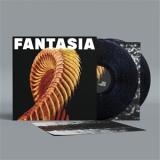
Erstauflage als "Sparkle Starlight Vinyl" 2LP mit Etching auf der vierten Seite. Im technischen Sinne war jedes bisherige Album des französischen Trios SLIFT eine Fantasie - ein Mix aus Genres und Formen, der es der Band ermöglichte, zu improvisieren und so lange zu jammen, bis sie sich scheinbar gemeinsam ins All zu winden schienen. Ihr gefeiertes drittes Album, "Ilion" aus dem Jahr 2024, war eine Science-Fiction-Geschichte, aufgebaut aus 10- bis 13-minütigen explorativen Eskapaden, die oft mit Doom Metal oder Stoner Rock begannen, bevor sie sich frei in glorreiche instrumentale Vergessenheit drehten. Doch mit einer gewissen absichtlichen Ironie heißt SLIFTs viertes Album tatsächlich "Fantasia". Es ist ihr bisher schlankstes und direktestes Album. Es ist auch ihr bisher fesselndstes Album, eine pointierte Saga über die Überwindung internationaler Umbrüche, vorgetragen von einer Band, die mit voller Kraft vorangeht und dabei keine einzige Sekunde verschwendet. Obwohl nur Jean und Bassist Rémi Fossat verwandt sind, ist SLIFT im Grunde eine Band von Brüdern. Mit Schlagzeuger Canek Flores sind sie schon seit der Highschool befreundet, und 2026 markiert ein Jahrzehnt zusammen in diesem Trio. Sie proben mit religiöser Regelmäßigkeit in einem Keller auf dem Land in der Nähe von Toulouse, in dem Jam-Raum, in dem sie schon lange ihrer Vorliebe für langatmige Wunder frönen. Für die Albumaufnahmen zu "Fantasia" überquerten sie die französische Nordgrenze nach Belgien, um in dem riesigen Live-Raum der Daft Studios ein kompaktes Set aus schlanken, agilen und druckvollen Songs aufzunehmen. Die vielfältigen Einflüsse der Band sind offensichtlich: Das Album erinnert an Clutch in voller Wildheit, John Coltrane, Charlie Parker, den sowjetischen Schriftsteller Michail Bulgakow, Pink Floyd und Black Sabbath aus der "Master of Reality"-Ära. Und das klangliche Gewebe wird durch das gekonnte Mixing von Kurt Ballou (Converge, Cave In, High on Fire) unterstützt. Den Songs fehlt es nicht an der Komplexität oder Intensität, die SLIFT zu einem aufstrebenden Star der Heavy-Musik gemacht haben; sie haben einfach neue Wege gefunden, die Komplexität ihrer Vergangenheit in jedes Stück einzuflechten, wie ein Wandteppich, der jedes Mal, wenn man hinschaut, eine neue Ebene offenbart. Damit vermitteln sie eine bestätigende und dringliche Botschaft: Gemeinsam können wir die Zeiten, in denen wir leben, noch immer verändern. Heutzutage ist es furchtbar leicht, sich machtlos zu fühlen. SLIFT setzt sich auf "Fantasia" direkt mit dem modernen Ansturm von Grausamkeit und Absurdität auseinander, sei es die Gleichgültigkeit gegenüber unserem Heimatplaneten oder zueinander. Aber in diesen acht Songs geht es darum, auf eine verborgene Kraft zu vertrauen, um zurückzuschlagen, um an eine Welt zu glauben, in der etwas, das wir noch nicht in Worte fassen oder definieren können, nicht nur einen Weg bietet, den Status quo zu durchbrechen, sondern ihn vielleicht sogar vollständig zu zerstören. SLIFT sind laut, heavy und aggressiv in diesen Hymnen. Sie bereiten sich auf einen Kampf vor, von dem sie glauben, dass wir ihn noch gewinnen können.
- A1: Get Up And Dance - Featuring Hil St Soul
- A2: Sending You Love (Parts 1 And 2) - Featuring Natasha Watts
- B1: The Special Branch
- B2: Feel So Good - Featuring Natasha Watts
- B3: Shining - Featuring Natasha Watts
- C1: Hermosa Bump
- C2: Bird Of Paradise - Featuring Guida De Palma
- D1: Ella’s Groove - Featuring Natasha Watts
- D2: You See Me - Featuring Guida De Palma
- D3: Umph!
After a gap of over ten years, the Grammy nominated Jazz Funk band Down To The Bone are back with their groove laden, Acid Jazz tinged new album “This Way Forward”– here on an ultra-limited, special release of a doublepack vinyl album. Bringing together a good groove fueled album of ten original tracks with a diversity of flavours – from Jazz Funk to Soul to Brazilian tinged delights that are sure to get the musical juices flowing. Packed full of the band’s trademark grooves and bringing together multi talented musicians from the past and the present all culminating into a melting-pot of sounds that together represent Down To The Bone’s essential sounds.
The new album also brings together multi-talented vocalists on no less than seven tracks From the exquisite soul talents of Hil Street Soul, who co-wrote the opening soul infused groove track “Get Up And Dance”, to the equally soulful tones of Natasha Watts and then the Brazillian sounds of Guida De Palma. The pulsing horn section of Tim Smart, Ryan Jacob (Bonobo/Alice Russell) and James Arben (Vibration Black Finger/Mulatu Astatke), together with Piers Green on sax solos, along with the driving bass of both Julian Crampton and Jo Phillpotts to the pumping beats of drummer Davide Giovannini (Snowboy/Jazztronic/Da Lata and Pucho/Lisa Stansfield), to the melodic chords of Neil Angilley (Snowboy/Jazzhino/Maceo Parker) and Anders Olinder (PeeWee Ellis/Courtney Pine), to the chugging guitar of Tony Remy( Dave Lee/The Sunburst Band/Incognito/Omar) and Mark Jaimes (Simply Red) plus Gianni Chiarello – and the icing on the cake with percussion from Joe “Bongo” Becket.
All working together to bring a stellar performance on this cracking new release to show that DTTB are a force to be reckoned with both on stage and on the wheels of steel.
Spider Taylor crawls over to Dark Entries with Surge Studio Music, an album of archival gay pornographic soundtracks. James Allan Taylor was born into a working-class family in Los Angeles in 1951. Nicknamed “Spider” by his father due to his frantic energy, Taylor was a natural-born guitarist, gifted with perfect pitch and a voracious musical appetite.
Throughout the 70s, he expanded his musical repertoire, playing in bands ranging from country to post-punk, like his outfit Red Wedding, while always looking for new sounds and styles to explore. During this period, Taylor also partnered with his soulmate and musical collaborator, Michael Ely. They were part of a wave of bold, young, gay couples living openly together in the years immediately following the Stonewall Riots. In the early 80s, while working at the West Hollywood gay sex club Basic Plumbing, Taylor met Al Parker, the legendary pornographic actor and director, who recruited Taylor to produce the soundtrack for a film he was working on. Parker’s partnership with Steve Scott running Surge Studios produced some of the most popular all-male films of the era. Spider’s music was a natural fit for Surge, and throughout 1985 and 1986, he composed the soundtracks for five films produced by the iconic studio. Assisted by engineer Steve Conrad and armed with a drum machine and some synths, Spider’s compositions for film veer from the expansive, reverb-drenched “Rainforest” to the Miami Vice-esque chugger “Tech.”
While Spider thought of this work as little more than a gig, tangential to his real craft, enthusiasts of VHS-era nostalgia and vintage erotica will be brought to bliss. Surge Studio Music will be available on both LP and CD, the latter of which includes a 20-minute version of “Strange Places…Strange Things!” as a bonus track. The album’s cover art was designed by Gwenael Rattke, and features stylish images from Surge Studios releases. Also included is an insert featuring liner notes by Will Lewis, a longtime friend of Spider. The music is released from Spider’s estate by Michael Ely, Spider’s partner of 43 years. The shadow of AIDS lingered over Surge; Steve Scott passed from AIDS-related illness in 1987, and Al Parker succumbed in 1992. In 2014, when it became legal for same-sex couples to marry in Arizona, Spider and Michael finally became wedded. Spider would pass away from liver cancer six months later.
- A1: Bicep – Chroma 001 Helium
- A2: B.d.b – Chroma 002 L.a.v.a
- A3: Dove – Chroma 003 Bi83
- B1: Bicep – Chroma 004 Rola
- B2: B.d.b – Chroma 005 A.l.o.e
- B3: Bicep & Hammer – Chroma 007 Steall
- C1: Bicep & Eliza – Chroma 008 Tangz
- C2: Dove & Kehina – Chroma 009 Kr36
- C3: Bicep – Chroma 010 Brillo
- D1: B.d.b – Chroma 011 A.l.o.e Ii
- D2: Bicep & Eliza – Chroma 012 Tangz Ii
BICEP – das nordirische Duo Andy Ferguson und Matt McBriar – kündigt „CHROMA 000“ an, eine limitierte Sammler-Vinyl-Edition mit einer Sonderverpackung, die Tracks ihres Labels CHROMA zum Abschluss der Serie zusammenfasst und zwei neue Bonusversionen enthält. Sie umfasst zwei Schwarze Schallplatten (140g) mit maßgeschneiderten „Terrain6“-6-Wege-Hyperfarbdruck-Außenhüllen. Jede Einheit enthält außerdem eine 12-Zoll-Neon-Acrylplatte mit Lasergravur (eine von vier einzigartigen Versionen, die zufällig mit jedem Produkt geliefert werden), die alle in einer durchsichtigen braunen Mylar-Hülle mit Pantone-Siebdruck untergebracht sind. Wie bei allen visuellen Produkten von CHROMA basiert das Design des Boxsets auf der einzigartigen und unverwechselbaren visuellen Identität von CHROMA, die in Zusammenarbeit mit David Rudnick und seinem Terrain Studio entstanden ist. Diese basiert auf einem maßgeschneiderten visuellen System und einer Typografie, die sich durch alle Aspekte des CHROMA-Projekts ziehen, vom Artwork über die Pressefotos bis hin zu den visuellen Elementen, die von Zak Norman, dem visuellen Partner von BICEP LIVE, entwickelt wurden und die er in die unglaubliche CHROMA AV-, Licht- und Lasershow integriert hat. Die Veröffentlichung von „CHROMA 000“ bildet nur einen Teil des ehrgeizigen, weitreichenden CHROMA-Projekts von BICEP, das sich über fast zwei Jahre hinweg über ihr eigenes CHROMA-Plattenlabel, eine Reihe kuratierter Veranstaltungen und eine sich ständig weiterentwickelnde hybride DJ/ Live-CHROMA-AV-Show entwickelt hat, die rund um den Globus getourt ist und über 70 Shows vor mehr als 500.000 Menschen gespielt hat, darunter Prime-Slots bei legendären Festivals wie Glastonbury, Parklife und Coachella sowie zwei ausverkaufte Takeovers im Londoner Finsbury Park, Brighton Beach und aufeinanderfolgende jährliche Takeovers im Londoner Drumsheds mit einer Kapazität von 15.000 Besuchern.
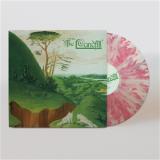
Der Mittlere Westen, insbesondere der Teil, aus dem Eric D. Johnson stammt, ist eine weitgehend flache Weite. Wenn man auf der Autobahn hindurchbraust, sieht man Städte und Ortschaften in der Ferne aufragen, doch wenn man blinzelt, verpasst man andere von Menschenhand geschaffene Gegenstücke zum Leben in der Ebene, die die Landschaft prägen: Hügel um Hügel, erbaut aus den Abfällen der Vergangenheit: Mülldeponien. Einige dieser Hügel eignen sich hervorragend als Schlittenhügel, Parks und Wanderwege. Andere verwandeln organische Abfälle in Kompost. ,The Landfill" ist etwas ganz anderes: ein Berg, der die Landschaft in Johnsons Herzen dominiert. Im Laufe seiner mittlerweile 25-jährigen Karriere unter dem Namen Fruit Bats war der Großteil von Eric D. Johnsons Schaffen das Ergebnis von Geduld und Feinschliff. Seine Songs sind, um einen Ausdruck zu verwenden, Langzeitprojekte, die auf Alben zum Leben erweckt werden, welche lange Zeiträume und Erinnerungen umfassen. "Baby Man" änderte das - er verbot sich, auf Material zurückzugreifen, an dem er vor der Aufnahme des Albums gearbeitet hatte. Es war sowohl ein atemberaubendes Dokument von Johnsons Können als Singer-Songwriter als auch ein ungeschönter Bericht über die zwei Wochen, in denen er das Album aufnahm. "Diese Session war vorbei", erklärt er, "aber es gab noch viel mehr zu erkunden. Mir gefiel die Unmittelbarkeit davon, und ich wollte sehen, wie sich das auf ein Fruit-Bats-Album mit voller Bandbesetzung übertragen lassen würde." Innerhalb weniger Wochen war er wieder im Studio, diesmal mit seiner Band: David Dawda (Bass), Josh Mease (Gitarren, Synthesizer), Frank LoCrasto (Klavier, Synthesizer) und Kosta Galanopoulos (Schlagzeug). Wenn man sich "The Landfill" anhört, stellt man fest: Diese Band rockt. Johnson produzierte die ersten Aufnahmesessions in den Bear Creek Studios in Washington und machte sich daran , "den Sound dieser Band einzufangen, die mich immer wieder in Staunen versetzt - das Gefühl, in einem Raum mit Musikern zu sein, die man liebt und denen man genug vertraut, um sie einfach machen zu lassen." Sie nahmen das meiste davon in einem Durchgang auf - ohne Click-Tracks, ohne zusammengestellte Gesangsparts und mit minimalen Overdubs, wobei der häufige Mitwirkende Thom Monahan zurückkehrte, um zusätzliche Produktionsarbeit zu leisten und den finalen Mix von ,The Landfill" zu erstellen. "So machen wir es auch mit meiner anderen Band, Bonny Light Horseman, und ich war neugierig, wie es bei den Fruit Bats funktionieren würde", bemerkt Johnson. "Es ist sowohl ein sehr persönliches Album als auch mein bisher kollaborativstes." Es ist zudem das live-orientierteste Album der Fruit Bats seit "The Ruminant Band" aus dem Jahr 2009, und durch die Reduzierung der Spuren, die einen Song einer kompletten Band normalerweise ausmachen, ist die psychedelische, technicolorartige Verträumtheit ihres Sounds lebendiger denn je. Die Songs auf "The Landfill" zeichnen sich sofort als einige der besten in Eric D. Johnsons Werk aus, Suchende und Hymnen gleichermaßen. Es ist der bisher gewaltigste Gipfel, den er erklommen hat.
- 1: The Saddest Part Of The Song
- 2: All Wounds
- 3: Think Aboutcha
- 4: That Goddamn Sun
- 5: Silverfish In The Sink
- 6: Wild Pony Tower Moment
- 7: Fishin' For A Vision
- 8: Perhaps We're A Storm
- 9: Hummingbird Sage
- 10: The Landfill
PINK SPLATTER IN CLEAR VINYL[22,27 €]
Der Mittlere Westen, insbesondere der Teil, aus dem Eric D. Johnson stammt, ist eine weitgehend flache Weite. Wenn man auf der Autobahn hindurchbraust, sieht man Städte und Ortschaften in der Ferne aufragen, doch wenn man blinzelt, verpasst man andere von Menschenhand geschaffene Gegenstücke zum Leben in der Ebene, die die Landschaft prägen: Hügel um Hügel, erbaut aus den Abfällen der Vergangenheit: Mülldeponien. Einige dieser Hügel eignen sich hervorragend als Schlittenhügel, Parks und Wanderwege. Andere verwandeln organische Abfälle in Kompost. ,The Landfill" ist etwas ganz anderes: ein Berg, der die Landschaft in Johnsons Herzen dominiert. Im Laufe seiner mittlerweile 25-jährigen Karriere unter dem Namen Fruit Bats war der Großteil von Eric D. Johnsons Schaffen das Ergebnis von Geduld und Feinschliff. Seine Songs sind, um einen Ausdruck zu verwenden, Langzeitprojekte, die auf Alben zum Leben erweckt werden, welche lange Zeiträume und Erinnerungen umfassen. "Baby Man" änderte das - er verbot sich, auf Material zurückzugreifen, an dem er vor der Aufnahme des Albums gearbeitet hatte. Es war sowohl ein atemberaubendes Dokument von Johnsons Können als Singer-Songwriter als auch ein ungeschönter Bericht über die zwei Wochen, in denen er das Album aufnahm. "Diese Session war vorbei", erklärt er, "aber es gab noch viel mehr zu erkunden. Mir gefiel die Unmittelbarkeit davon, und ich wollte sehen, wie sich das auf ein Fruit-Bats-Album mit voller Bandbesetzung übertragen lassen würde." Innerhalb weniger Wochen war er wieder im Studio, diesmal mit seiner Band: David Dawda (Bass), Josh Mease (Gitarren, Synthesizer), Frank LoCrasto (Klavier, Synthesizer) und Kosta Galanopoulos (Schlagzeug). Wenn man sich "The Landfill" anhört, stellt man fest: Diese Band rockt. Johnson produzierte die ersten Aufnahmesessions in den Bear Creek Studios in Washington und machte sich daran , "den Sound dieser Band einzufangen, die mich immer wieder in Staunen versetzt - das Gefühl, in einem Raum mit Musikern zu sein, die man liebt und denen man genug vertraut, um sie einfach machen zu lassen." Sie nahmen das meiste davon in einem Durchgang auf - ohne Click-Tracks, ohne zusammengestellte Gesangsparts und mit minimalen Overdubs, wobei der häufige Mitwirkende Thom Monahan zurückkehrte, um zusätzliche Produktionsarbeit zu leisten und den finalen Mix von ,The Landfill" zu erstellen. "So machen wir es auch mit meiner anderen Band, Bonny Light Horseman, und ich war neugierig, wie es bei den Fruit Bats funktionieren würde", bemerkt Johnson. "Es ist sowohl ein sehr persönliches Album als auch mein bisher kollaborativstes." Es ist zudem das live-orientierteste Album der Fruit Bats seit "The Ruminant Band" aus dem Jahr 2009, und durch die Reduzierung der Spuren, die einen Song einer kompletten Band normalerweise ausmachen, ist die psychedelische, technicolorartige Verträumtheit ihres Sounds lebendiger denn je. Die Songs auf "The Landfill" zeichnen sich sofort als einige der besten in Eric D. Johnsons Werk aus, Suchende und Hymnen gleichermaßen. Es ist der bisher gewaltigste Gipfel, den er erklommen hat.
Alistair Colling vs. Tortured Soul featuring Sabina
When You Find Your Love…Hold On 25th Anniversary Mixes
25 years ago, at the turn of the millennium, downtown NYC was spoiled with record stores. In this pre-digital age, vinyl was king for club DJs, and shops such as Downtown 161, Dance Tracks, and Vinyl Mania peppered lower Manhattan, thriving businesses that supported an expanding scene of local and international DJs. Perhaps the largest and most established of these was Satellite Records, an institution of club sounds that also spawned multiple record labels, including the deep-house imprint Central Park Recordings.
At this time, Central Park Recordings and Satellite Records owner Scott Richmond signed a demo in need of a vocal from young British producer Alistair Colling, and enlisted John-Christian Urich to write it, who had just had a massive hit with “I Might Do Something Wrong” the debut Tortured Soul single on Central Park. He in turn brought in Sabina Sciubba of then newly-formed band Brazilian Girls to record the vocal, and with Jon Cutler on remix duties the record was complete. Tortured Soul went on to release numerous deep house classics like “Fall In Love,” “How’s Your Life” and have continued to tour as a groundbreaking live-house act to this day (of which RNT co-founder JKriv was bassist and collaborator for 10 years).
For the 25th anniversary of this turning point release, Razor-N-Tape has rebooted and remastered the original and classic Jon Cutler mixes, which have never been reissued in any format since the original release. RNT also commissioned two new exemplary remixes from DJ Spinna and musclecars, connecting the dots between the deep-house lineage of the past and present. Presented in a gorgeous jacket that calls back to the graphical style of the original Central Park Recordings aesthetic, this 12” is an absolute essential for any lover of soulful club sounds or purveyor of NYC dance music history.
ULURU is a large sandstone rock formation in Australia. It's sacred to the Anangu, the local Indigenous of the area. For many years it had been deprived of its spiritual significance, due to mass tourism, capitalism, as well as greedy and selfishness of people who just want to make money out of it. However, as a result of the Anangu’s resilience, care and staunchness, huge changes took place in the national park around Uluru as well as in the broader public's consciousness, giving again to the Uluru the sacred identity that had been lost.
You might be reading and thinking now: so what's the point? Actually, there's no real point. I would rather say, there’s hope. The hope of seeing humans all around the world following the example of the Anangu. The hope of seeing humans finally stopping to treat the earth and all what’s part of it, what’s on and what’s in it, as a slave without soul. The hope of changing today, and if not today at latest by tomorrow. This system is failing. It's no longer sustainable, and there's no much time left.
So everybody, don't sleep, be critical.
Isa Gordon and Tony Morris were first brought together through their individual releases on Optimo Music, which established mutual respect within the label’s community. While they had not previously performed live together, they were invited to take part in a fundraiser hosted by Queen’s Park Arena in support of Glasgow NW Foodbank and later for JD Twitch’s end-of-life care. Tony asked Isa to contribute guitar and backing vocals to his set, including a track then called Last Night I Had a Dream. That performance became the seed for their collaboration.
The first phase of fleshing it out, recalls Tony: “Somebody said Isa sang like Shania Twain. That got me thinking about country music and call and response, prompting me to come up with alternative lyrics.” Isa remembers: “I cycled over to Tony’s house with my guitar, and we spoke about what the tune meant. It was about him being wrapped up in dreamland, luxuriating in his subconscious, while my character — impatient and trapped in her own routines — barely had time to remember her own dreams.” Tony continues: “Brilliantly I realised that I could never collaborate with anyone in situ and so I sat in the garden for two hours watching my wife tend to plants. Every now and again I would creep up the stairs and put my ear to the door. I could hear Isa warbling away and so would resume my garden watch. After two hours I went back upstairs to see how she was getting on, only to find that she had written one of the greatest songs I’d ever heard. I still think that.” Tony adds: “My overwhelming sentiment about Wake Up Baby is pride. I can honestly say that I’m more proud of it than anything else I have done. It ticks a whole load of boxes. Isa’s singing in various Scottish modes is unique. The way her electric guitar adorns the dance beat makes it a rock song as well as a dance and a C&W song — truly multi-genre.”
The B-side of the 12” release, Syringe Moustache, is a surreal, darkly playful counterpart to Wake Up Baby. The track was inspired by a dream Tony had: “I was in a shopping mall, in a two-level shoe shop, and my attention was taken by a little girl with a syringe taped beneath her nose like a moustache. She went about her business trying on shoes, confident and wise beyond her years. In the dream, I imagined her as the daughter of cultured, intelligent parents determined to raise her independently. I was struck by my own feelings of inadequacy — I knew I could never have coped with such a contraption myself.” Isa’s take on the meaning of this song somewhat differs: “Tony sent me the tune over Instagram months before I met him, and I was spooked — as far as I knew, he didn’t know anything about me, but the story felt like it was written about me as a little girl, growing up around heroin addiction. The syringe beneath the girl’s nose became a symbol of the inescapable constraints of that environment, literally written on her face, yet something you just have to carry on through. On a buzz from the serendipity, I added a full instrumental backing to this most bizarre of works.”
The result is absurd, unsettling, and strangely empowering, staking out its own surreal, cinematic space. The 12” dance single is a format Tony had long wanted to explore — a tangible artefact to leave for family, a medium that celebrates the physicality of sound and the ritual of listening. It allowed the artists to maximise the format’s potential: a strong, multi-genre A-side, a surreal B-side, and remixes that expanded the record’s sonic world. Glasgow music staples Auntie Flo and 100% Positive Feedback were invited to reinterpret the tracks, bringing their distinctive touch — Auntie Flo transforming the A-side into a luscious, dancefloor-ready meditation, and 100% Positive Feedback twisting Syringe Moustache into absurd, playful shapes with false-start drops and over-the-top vocal editing.
The cover photograph, taken at the University Café by Harrison Reid, captures Isa and Tony embodying the characters they brought to life in the songs — a visual reflection of the record’s narrative and emotional stakes. The Café also holds personal significance: it’s where all of Isa’s meetings with Keith McIvor took place, where she first remembers visiting Glasgow as a child, and a place Tony fondly likes to go to drip egg yolk down his tie and watch the world go by. Together, the 12” format, the remixes, and the artwork create a cohesive, tactile experience, amplifying the duality, theatricality, and emotional breadth of the collaboration.
- A1: Java / Augustus Pablo
- A2: Hospital Trolly / I Roy
- A3: King Of Babylon / Junior Byles
- A4: Don’t Go / Horace Andy
- A5: A Little Love / Jimmy London
- A6: Cheater / Dennis Brown
- B1: For The Love Of You / John Holt
- B2: Too Late To Turn Back Now / Alton Ellis
- B3: Be Thankful / Donovan Carless
- B4: Women Of The Ghetto / Hortense Ellis
- B5: Children Of The Ghetto / Senya
- B6: Lonely Soldier / Gregory Isaacs
- C1: Going To Zion / Black Uhuru
- C2: Ordinary Man / Lloyd Parks
- C3: Ordinary Version 3 / Impact All Stars
- C4: Hold Tight / African Brothers
- C5: Created By The Father / Errol Dunkley
- C6: The Race / The Gladiators
- D1: My Guiding Star / The Heptones
- D2: Something On Your Mind / Hubert Lee
- D3: Country Boy / Charley Ace & Dirty Harry
- D4: No Jestering / Carl Malcolm
- D5: Knotty No Jester / Big Youth
- D6: Fatty Bum Bum / Carl Malcolm
Von Augustus Pablos bahnbrechendem „Java” bis zu Carl Malcolms UK-Pop-Crossover-Hit „Fattie Bum Bum” präsentiert Chapter Two einen Klassiker nach dem anderen von einer All-Star-Besetzung der Reggae-Größen der 70er Jahre, darunter Black Uhuru, Horace Andy, Dennis Brown, Gregory Isaacs, The Heptones und Big Youth. Wunderschön verpackt mit Innenhüllen mit seltenen Fotos und Liner Notes des Reggae-Historikers David Katz.
- A1: Java - Augustus Pablo
- A2: Hospital Trolly - I Roy
- A3: King Of Babylon - Junior Byles
- A4: Don't Go - Horace Andy
- A5: A Little Love - Jimmy London
- A6: Cheater - Dennis Brown
- B1: For The Love Of You - John Holt
- B2: Too Late To Turn Back Now - Alton Ellis
- B3: Be Thankful - Donovan Carless
- B4: Woman Of The Ghetto - Hortense Ellis
- B5: Children Of The Ghetto - Senya
- B6: Lonely Soldier - Gregory Isaacs
- C1: Going To Zion - Black Uhuru
- C2: Ordinary Man - Lloyd Parks
- C3: Ordinary Version 3 - Impact All Stars
- C4: Hold Tight - African Brothers
- C5: Righteous Man - Keith Poppin
- C6: Created By The Father - Errol Dunkley
- C7: The Race - The Gladiators
- D1: My Guiding Star - The Heptones
- D2: Something On Your Mind - Hubert Lee
- D3: Country Boy - Charley Ace & Dirty Harry
- D4: No Jestering - Carl Malcolm
- D5: Knotty No Jester - Big Youth
- D6: Fattie Bum Bum - Carl Malcolm
Beginnend mit dem fröhlichen Ska von Lord Creators Unabhängigkeitshymne 'Independent Jamaica' zeigt das Chapter One Album den wahren Verlauf der jamaikanischen Musik in den 1960er Jahren mit einer virtuellen Who's Who der Reggae-Musik, darunter Bob Marley, Peter Tosh, Toots & The Maytals, Rico, Skatalites, John Holt & Alton Ellis. Wunderschön verpackt mit Innenhüllen mit seltenen Fotos und Liner Notes von Steve Barrow von Blood & Fire.
- Hard To Love A Man
- Bowery
- Doing Something Wrong
- 31: Seasons In The Minor Leagues
- Werewolves Of London
- 31: Seasons In The Minor Leagues (Tonight I'm So Down) (Demo)
- One Thin Dime (Black Ram Session)
- Lonesome Valley (Echo Park Full Band Demo)
Im Februar 2026 erscheint zum zwanzigjährigen Jubiläum Hard to Love a Man" von Magnolia Electric Co. als erweiterte Edition und zum ersten Mal auf Vinyl. Diese Jubiläumsausgabe der ersten EP der Band enthält drei zusätzliche Tracks: remasterte Demos von 31 Seasons in the Minor Leagues" (zuvor unter dem Titel Tonight I'm So Down" bekannt) und Lonesome Valley", aufgenommen in den Echo Park Studios in Indiana während der Hard to Love a Man"-Sessions, sowie One Thin Dime", aufgenommen während der Black Ram"-Sessions in den Sound of Music Recording Studios in Richmond, Virginia. Working-Class-Rock" ist ein Begriff, der häufig zur Beschreibung von The Magnolia Electric Co. verwendet wurde. Kategorisch hatte sich die Band ihren Platz unter gleichgesinnten Ikonen wie Bob Seger, CCR, Tom Petty und Bruce Springsteen gesichert, doch es handelte sich nicht nur um eine ästhetische Beschreibung, sie untermauerten dies mit ihrer Arbeitsmoral. Im Jahr 2005 waren The Magnolia Electric Co. erstaunlicherweise acht Monate unterwegs. Diese Tatsache wurde den Bandmitgliedern selbst am deutlichsten bewusst, da sie so lange von ihrem Zuhause und ihren Liebsten getrennt waren. Daher die Bedeutung des Titeltracks. Wenn Jason Molina die Perspektive der Person einnimmt, die er zurückgelassen hat, und in Hard To Love A Man" singt: "It was hard to love a man like you / Goodbye was half the words you knew / While you were waiting for me not to call / I sent my love", dann wird die Einsamkeit und Schuld der Trennung schmerzlich deutlich. Jennie Benfords verletzliche Stimme, gepaart mit Jason Groths fließender Gitarre und Mike Kapinus' klagender Orgel, unterstreicht dieses Gefühl eindrucksvoll, unterlegt vom charakteristischen, präzisen und geschmackvollen Rhythmusfundament von Mark Rice und Pete Schreiner, während Nicole Evans eine neue, dynamische Stimme hinzufügt. Hard To Love A Man" und der Live-Favorit Werewolves Of London" wurden mit Steve Albini in seinen Electrical Audio Studios aufgenommen, die übrigen Tracks entstanden während eines kurzen fünftägigen Heimaufenthalts in Indiana bei Echo Park Studios mit Paul Mahern, dessen Engineering-Resume schon damals Projekte wie The Blake Babies, Lisa Germano und John Mellencamp umfasst. Während die Magnolien weiter wuchsen und erblühten, ließ Jason Molina die Insassen das Irrenhaus regieren.
2026 kicks off with a brand-new Dr. Packer remix of “Feel the Groove”, a track that had
already gained strong interna$onal support in its original version, taken from Embrace, the
album that reached No. 4 in the 2025 Top 100 UK Soul Chart (Year-End). Dr. Packer’s remix
debuted at No. 1 on the first UK Soul Chart of 2026
- A1: Dear June – Amon Tobin
- A2: Paisley Knights – Amon Tobin
- A3: Neva – Amon Tobin
- A4: Deep Freda – Two Fingers
- A5: Strange Inside – Amon Tobin
- B1: Hush Say The Wilds – Amon Tobin
- B2: Slow Sun – Amon Tobin
- B3: First Cat Last Cat – Amon Tobin
- B4: Paranova – Amon Tobin Vs Cujo
- B5: Highland Park (The Secret Life Of Button-Down Fashion Bow) – Amon Tobin
Vol 1[26,01 €]
Contains tracks by Amon Tobin, Two Fingers, and Cujo previously only available to members of The Nomark Club, Nomark’s online subscription service.
NOMARK SELECTS Vol.1 includes the first new Cujo music since the Adventures in Foam album (1996)
A compilation of previously publicly unavailable tracks selected by the members of Nomark's online subscription service, The Nomark Club. The album features work from Amon, Two Fingers and sees the return of Cujo, Tobin's earliest alter ego.