Amulets is the solo project of Portland-based audio and visual artist Randall Taylor. Amulets employs handmade cassette tape loops and live processed guitar loops to create live, lush soundscapes and immersive drones. Through the recontextualisation of cassettes, sampling, field recording, and looping, these long-form compositions blur the genres of ambient, drone, noise, and electronic music. Amulets has steadily built a catalog defined by tactile intimacy and patient exploration. Deeply immersive, the album navigates the dreamy boundaries between the tangible and the ethereal, where sound behaves as memory itself: unstable, layered, and quietly transformative. Known for his ability to weave soundscapes that evoke powerful emotions with minimalistic instrumentation, Taylor's newest project is a masterful exploration of mood, atmosphere, and texture.Throughout the ambient soundscapes is introspection, melancholy, and an almost hypnotic calm. The album resists forward motion, instead inviting the listener to linger inside its evolving textures, to sit with what's left behind rather than rush toward resolution. Central to Amulets' identity is Taylor's insistence on working, quite literally, outside the box. While many contemporary experimental artists rely heavily on software, Taylor's process remains rooted in physical interaction with sound. "This album differs from previous albums because it's a lot of found sounds, song fragments, and other samples that I have that I wanted to fuse together. I also heavily relied on a lot of ambient guitar and live guitar recording to marry all the sounds together." (Randall Taylor) FOR FANS OF Tim Hecker * Ben Frost * Lawrence English * Alessandro Cortini * This Will Destroy You * Mono * Windy & Carl
Following the strong reception of their second album, Totem of Quiet Mystic (2023) Jiyu have earned praises from outlets such as Jazzwise, Enlace Funk and The Chillout Tent, as well as support from a wide range of iconic DJs including Patrick Forge & Chris Coco. The singles to this new album, Cumulus & the Subterranean, Smell of Fire and Deep Woods, have immediately been embraced—drawing glowing reactions and airplay from dj's like, Phil Cooper, Dj Vadim, Fred Everything, David Patterson, Jon Kennedy and Curtis Colin
On this third album from Jiyu, the Copenhagen band stretch their cosmic–spiritual jazz language into deeper, wilder terrain. Dropping April 10th on vinyl and digital via Dubsoul Records, the record captures six musicians in full telepathic flight, recorded at 12 Ton Studio in Copenhagen. Across eight tracks, elastic basslines, jazz-dub-soul—tinted drums and percussion, Wurlitzer and jazz-guitar glow and flute-swept atmospheres drift between grounded groove and open-sky improvisation, while guest vocalist Mai Lan Doky adds dreamlike textures on Cumulus & the Subterranean. From the shuffled broken-beat pulse of Smell of Fire to the slow-burn haze of Deep Woods, the Wild Things album is a rich analogue-soul excursion—earthy, exploratory and tuned to the outer frequencies.
The new album by L.Y.R., their third commercial release, begins with the idea that the furthest points of light - stars - can only be seen in the dark. It’s a kind of contradiction that finds musical expression in these new tracks, the band always navigating towards sightings of hopefulness and constancy in an increasingly bewildering and storm-battered world.
The term dark sky reservation has its origins in environmentalism, and several tracks on the album deal with the messed-up weather of our contemporary planet, both meteorological and psychological, from descriptions of an earth deluged by thunderstorms to the soggy back-gardens of suburbia, a climate crisis brought on by rampant urbanism. In that context, dark sky reservations are those regions of the landscape where light pollution is discouraged and even outlawed, to allow scientists and casual stargazers to peer into the cosmos and see the glory of the constellations, patterns of light that have entranced and mystified us for hundreds of thousands of years.
It’s from those designated zones that human beings get a sense of their place in the universe, and experience the wonder of the here and now against a context of eternity and infinity. An alternative to the hectic craziness of everyday life, so often virtual and synthetic, the dark sky reservation is a place of refuge and dreaming, and like L.Y.R.’s music, such spaces are earmarked for contemplation and thoughtfulness.
L.Y.R. is author and current British poet laureate Simon Armitage, singer-songwriter Richard Walters and multi-instrumentalist & producer Patrick Pearson.
Auf ihrem achten Album "Nothing's About to Happen to Me" erzählt Mitski, musikalisch unterstützt von ihrer Band und einem Orchester, eine vielschichtige, verrätselte Geschichte, in deren Mittelpunkt eine Frau steht, die zurückgezogen in einem verwahrlosten Haus lebt. Außerhalb ihres Zuhauses ist sie eine Außenseiterin; innerhalb ihres Zuhauses ist sie frei. Mitski schrieb alle Stücke auf "Nothing's About to Happen to Me". Das Album, produziert und aufgenommen von Patrick Hyland und gemastert von Bob Weston, setzt die musikalische Linie von "The Land Is Inhospitable and So Are We" (2023) fort. Eingespielt wurde es live von Mitskis Tourband The Land. Die Orchesteraufnahmen, arrangiert von Drew Erickson fanden in den Sunset Sound und TTG Studios statt, die Tontechnik übernahm Michael Harris. Mitski ist "die faszinierendste und geheimnisvollste Musikerin des Indie-Rock" (Rolling Stone), die sich "immer wieder auf brillante und wunderbare Weise weiterentwickelt" (NPR Music). Im Laufe ihrer Karriere hat sie bislang sieben Alben veröffentlicht, vier davon erreichten Goldstatus. Ihr Stück "My Love Mine All Mine" ist ein Welthit und erreichte Vierfach-Platin. Zu Mitskis vielfältigen Kollaborationen mit anderen Künstler:innen zählen zwei Co-Writing-Beiträge für das aktuelle Florence and the Machine-Album "Everybody Scream", sowie eine Zusammenarbeit mit David Byrne und Son Lux für den Oscar-nominierten Film "This Is A Life". Derzeit schreibt sie Musik und Texte für die Musical-Adaption von "Das Damengambit". Ihre Konzerte, die Variety als "faszinierende Bewegungsstudie" bezeichnet hat, wurden auch als "hochstilisiert, brillant umgesetzt, supercool" (Philadelphia Inquirer) und "ungewöhnlich, rätselhaft und absolut fesselnd" (The Guardian) beschrieben. Ihr erster Konzertfilm "Mitski: The Land" lief im Oktober 2025 in über 600 Kinos weltweit und festigte ihren Ruf als "eine der wenigen Indie-Stars, die sich den großen Durchbruch verdient haben" (Uproxx). Er erschien zeitgleich mit dem Live-Album "The Land".
Auf ihrem achten Album "Nothing's About to Happen to Me" erzählt Mitski, musikalisch unterstützt von ihrer Band und einem Orchester, eine vielschichtige, verrätselte Geschichte, in deren Mittelpunkt eine Frau steht, die zurückgezogen in einem verwahrlosten Haus lebt. Außerhalb ihres Zuhauses ist sie eine Außenseiterin; innerhalb ihres Zuhauses ist sie frei. Mitski schrieb alle Stücke auf "Nothing's About to Happen to Me". Das Album, produziert und aufgenommen von Patrick Hyland und gemastert von Bob Weston, setzt die musikalische Linie von "The Land Is Inhospitable and So Are We" (2023) fort. Eingespielt wurde es live von Mitskis Tourband The Land. Die Orchesteraufnahmen, arrangiert von Drew Erickson fanden in den Sunset Sound und TTG Studios statt, die Tontechnik übernahm Michael Harris. Mitski ist "die faszinierendste und geheimnisvollste Musikerin des Indie-Rock" (Rolling Stone), die sich "immer wieder auf brillante und wunderbare Weise weiterentwickelt" (NPR Music). Im Laufe ihrer Karriere hat sie bislang sieben Alben veröffentlicht, vier davon erreichten Goldstatus. Ihr Stück "My Love Mine All Mine" ist ein Welthit und erreichte Vierfach-Platin. Zu Mitskis vielfältigen Kollaborationen mit anderen Künstler:innen zählen zwei Co-Writing-Beiträge für das aktuelle Florence and the Machine-Album "Everybody Scream", sowie eine Zusammenarbeit mit David Byrne und Son Lux für den Oscar-nominierten Film "This Is A Life". Derzeit schreibt sie Musik und Texte für die Musical-Adaption von "Das Damengambit". Ihre Konzerte, die Variety als "faszinierende Bewegungsstudie" bezeichnet hat, wurden auch als "hochstilisiert, brillant umgesetzt, supercool" (Philadelphia Inquirer) und "ungewöhnlich, rätselhaft und absolut fesselnd" (The Guardian) beschrieben. Ihr erster Konzertfilm "Mitski: The Land" lief im Oktober 2025 in über 600 Kinos weltweit und festigte ihren Ruf als "eine der wenigen Indie-Stars, die sich den großen Durchbruch verdient haben" (Uproxx). Er erschien zeitgleich mit dem Live-Album "The Land".
out of Stock
Last delivered 8 months ago available to reorder, subject to availability
From Ace Records’ early days, there’s always been a place in our hearts for music’s feminine side. A year having flown by since the release of our last compilation spotlighting the US girl group sound of the 60s – think castanets, anguished teen sirens, Svengali-esque producers and mini-sonatas about dreaming, dancing and moody boyfriends (sometimes deceased) – means the time has come for a new vinyl-only volume.
As 1968 drew to a close, the golden age of girl groups had seemingly been and gone: the Shangri-Las, Ronettes and Chiffons, for example, hadn’t had a hit record of note since 1966. Then along came ‘Condition Red’, a cleverly produced psychodrama performed by the Goodees, who grace the front cover and open the top side of this new comp in dramatic style. Over on the generally more soulful second side, Les Chansonettes are first up with ‘Don’t Let Him Hurt You’, a big production stomper written with Martha & the Vandellas in mind.
Elsewhere, Beverly Williams performs the very Lesley Gore-like ‘One Way Street’; ‘Go Away’ by the Murmaids (of ’66) is a lavishly produced number with a chamber pop vibe; ‘What Did You Do Last Night’ by the Drake Sisters was recorded in Phase-O-Phonic Sound; the lyrics of Denita James’ ‘Wild Side’ call to mind genre classics such as ‘He’s A Rebel’, ‘Out In The Streets’ and ‘Chico’s Girl’; and the Sweathearts close the show with a gorgeous harmony-filled update of the mid-50s oldie ‘Eddie My Love’. As usual in this series, the inner sleeve features a picture-packed 4,000-word track commentary by long-serving compiler Mick Patrick.
High Roller Records, neongelbes Vinyl, limitiert auf 450 Stück, 425 g/m² schwerer Kartonumschlag mit 5 mm Rücken, Textblatt, 8-seitiges Booklet, Poster. Transfer, Audio-Restaurierung und Mastering durch Patrick W. Engel bei TEMPLE OF DISHARMONY im April 2025. Schnitt durch SST Germany auf Neumann-Maschinen für optimale Qualität auf allen Ebenen. Die ultimative audiophile Neuauflage!
Die hochgeschätzten Euro-Metal-Pioniere OZ wurden 1977 in der kleinen finnischen Stadt Nakilla ursprünglich als Cover-Band gegründet. Die Band bestand aus Mark Ruffneck (bürgerlicher Name Pekka Mark) am Schlagzeug, Sänger Ape DeMartine (Tapani Hämäläinen), Bassist Tauno Vajavaara sowie Kario Elo an der Gitarre.
Nachdem man in jedem Winkel des Heimatlandes Finnland live gespielt hatte, zogen OZ 1983 nach Stockholm um und unterschrieben einen Vertrag bei Börje Forsbergs Label Tyfon Grammofon AB Börje Forsberg, auch als The Boss bekannt, war der Sohn von Bathorys Quorthon.
In der Folge avancierten OZ zu einer der wichtigsten Heavy-Metal-Bands Skandinaviens und nahmen insgesamt fünf Studioalben auf, eher im Winter 1991/92 das Ende kam.
Nach »OZ« (1982), »Fire In The Brain« (1983) sowie »III Warning« (1984) war »Decibel Storm« 1985 das vierte Album der finnischen Schweden.
The journey through French-speaking pop archives continues with this fifth volume, packed with fuzz, gimmicks, and dissent. Far from the charts, the selected tracks display a great creative freedom, often backed by corrosive humor. Welcome to the surprising, kaleidoscopic, and colorful world of the late sixties and early seventies, Wizzz!
Born in Montauban, Robert Pico stumbled into music by chance when he met René Vaneste, then artistic director at Pathé-Marconi. René brought him to Paris to record his first 45 RPM EP in 1964. A year later, Pierre Perret introduced him to Vogue, where he recorded his second album with Claude Nougaro’s orchestra. Sylvie Vartan then introduced him to RCA, where he recorded four singles, including the astonishing "Chien Fidèle," a track backed by a hair-rising fuzz guitar. Alongside his solo career, he also composed for other artists like Alain Delon (the song was recorded but remains unreleased), Magali Noël, Bourvil, and Georges Guétary. In the Paris of the sixties, he mingled with Mireille Darc, Elsa Martinelli, Marie Laforêt, France Gall, Françoise Hardy, Petula Clark, Régine, Dani, Serge Gainsbourg, Joe Dassin, Franck Fernandel, Charles Level, and Roland Vincent. Despite his efforts and winning a Grand Prix Sacem for his final record, Robert Pico didn’t achieve the expected success in show business and decided to leave Paris and return to the Southwest, where he devoted himself to writing. He is the author of 23 books (including Delon et Compagnie, Jean-Marc Savary Editions 2025, a memoir about his youth and his many encounters). Today, he is relieved to never have become a celebrity and devotes himself to his work with passion.
In 1969, the Franco-Italian movie Erotissimo was released, directed by Gérard Pirès (who later directed Taxi in 1998, written and produced by Luc Besson). This pop comedy features Annie Girardot, Jean Yanne, Francis Blanche, Serge Gainsbourg, Nicole Croisille, Jacques Martin, and Patrick Topaloff. The soundtrack was written by Michel Polnareff and William Sheller, with lyrics by Jean-Lou Dabadie. "La Femme Faux-cils," performed by Annie Girardot. It recounts the feelings of a rich CEO's wife who seeks to develop her sex appeal under the influence of advertisement and magazines. Groovy, sparkling and light, this track, with ITS lush arrangements humorously critiques consumer society and feminine beauty standards.
“Je suis l’Etat” (1967) is the flagship track of the first EP by singer-songwriter Spauv Georges, aka Georges Larriaga, better known as Jim Larriaga (1941-2022). Born into a family of bakers, the young man was initially planning to become a hairdresser when he discovered English-speaking music through Elvis Presley and the Beatles. After this revelation, he decided he would become a songwriter and gave himself five years to succeed. He recorded his first two EP’s independently for RCA under the pseudonym Spauv Georges; meaning “that poor George”, a nickname given to him by the mother of her friend Jean-Pierre Prévotat (future drummer of the Players, Triangle, or Johnny Hallyday). Portraying a depressed and eccentric young man, Spauv Georges created corrosive and amusing songs that didn’t reach a wide audience, despite a TV appearance with Jean-Christophe Averty.
Supported by his loyal friend and fellow songwriter Jean-Max Rivière, Georges Larriaga met the future singer Carlos in the early '70s, then Sylvie Vartan’s assistant. He wrote songs for Carlos, including the popular "La vie est belle," "Y’a des indiens partout," and "La cantine", which went onto become a huge hit in 1972. He also composed for Claude François (“Anne-Marie”, 1971), Charlotte Julian (“Fleur de province”, 1972), helped launch child singer Roméo (who sold 4 million records), and later wrote the hit "Pas besoin d’éducation sexuelle" (1975) for the young Julie Bataille. In 1971, Jim recorded an album for Disc'Az: “L’univers étrange et fou de Jim Larriaga”, which featured pop gems like “La maison de mon père”.
The story of the song "Zoé" began when Pierre Dorsay, artistic director at Vogue Records, asked Swiss singer and musician Pierre Alain to write a song for a new female singer. The inspiration came when he realized that Zoé (the artist's name) was also the name of France's first atomic battery, created in 1948, which consisted of uranium oxide immersed in heavy water! The lyrics reflect a bubbling energy that must be handled with caution, while the instrumentation echoes this atomic theme, notably with the use of a theremin.
Zoé’s career lasted only as long as a single 45 RPM, but it seems Christine Fontane was the vocalist behind this pseudonym, who is known for several EPs, a good "popcorn" album in 1964, and a handful of children’s singles in the '70s. Regardless, the photograph on the cover is of a different girl entirely.
Later, Pierre Alain continued his career, writing songs for himself, Marie Laforêt, Danièle Licari, Alice Dona, Arlette Zola (3rd place in Eurovision 1982), and achieving multiple gold and platinum records in Canada. Also an inventor with several patents, president of the Romande Academy, and head of the French Alliance in Geneva, he now composes atonal music, books, and poetry. Moreover, he is also the host of "Les Mardis de Pierre Alain" at "Le P'tit Music'Hohl" in Geneva.
Filled with oriental choruses and fuzz guitar, "Fou" is from Jacques Da Sylva's only EP released by Vogue in 1967. Despite the quality of this recording, all traces of this singer disappear after this first effort.
Valentin is a baroque pop singer born in Belgium. He is the songwriter and composer of most of the tracks on his three singles released in the late 60s in Canada. A legend says that he reincarnated himself as Jacky Valentin during the 1970s for a rock'n'roll revival career in Belgium, but his older brother sadly debunked this story. Valentin's first two singles were arranged by Claude Rogen, a Parisian session pianist who had come to Canada to promote the song “Mister A Gogo”, a cover of David Bowie’s “Laughing Gnome”, adapted by singer Delphine, his wife at the time. Far from his usual network, Claude Rogen arranged music for Polydor, including the arrangements for “Je suis un vagabond” in 1969, a jerk tune with string arrangements and a furious optimism.
Jacques Malia wrote, composed, and recorded his only 45 EP for Festival in 1966. “Histoire de gitan” is an incredible beat track with bohemian scat that tells the story of a gypsy musician who came to Paris to make it in the Music-Hall, to no avail. The hero of the song and its author probably shared a similar fate, as Jacques Malia faded into anonymity after this remarkable attempt.
Bernard Jamet recorded two EPs for Barclay in the late sixties and co-wrote several songs with Christine Pilzer, Pascal Danel, and prolific songwriters Michel Delancray and Mya Simile. The track “Raison Légale” (1968), his masterpiece, immerses the listener in a courtroom right when a murderer is being judged, with jerk rhythm and free arrangements. A unique, paranoid, judicial, and psychedelic oddity.
Jean-Pierre Lebrot-Millers started his career in show business in 1967 as a singer and songwriter for the Philips label. After three singles, he wrote several songs of a new kind with his friend Pierre Halioche, in the midst of the sexual liberation movement and the democratization of drugs. With provocative lyrics, “Les filles du hasard” and “Barbara au Chapeau Rose” were released on a Philips singles in 1968. The character of Barbara was inspired by a queen of Parisian nightlife during the psychedelic years: model Charlotte Martin, who dated Eric Clapton from 1965 to 1968, then Jimmy Page from 1970 to 1983. Jean-Claude Petit’s arrangements, with a table-filled intro, soul brass, and Hendrixian guitar, emphasize the flamboyance of a hedonistic and sexy character, whose dog is named Junkie because “Junkie est un nom exquis”! The track was recorded live in three takes with a full orchestra.
Upon its release, the record was censored by Europe 1 and RTL due to its references to drug use. Jean-Pierre Lebrot was then banned from the airwaves and later dismissed by his record label. He changed his artist name to Jean-Pierre Millers, while his companion Pierre Halioche became D. Dolby for a new dreamy composition, “Chilla”, which Jean-Pierre produced himself with arrangements by Jean Musy. Once again, the song was immediately censored everywhere. After this setback, he decided to stop singing and started taking on odd jobs to support his Swedish wife and their son until the day he met Jean-Pierre Martin, then production manager at Decca, who had worked with Manu Dibango. Martin offered Jean-Pierre Lebrot-Millers, then employed at Rank Xerox, the position of artistic director at Decca. He accepted and became, a year later, promotion director (radio, press, TV). He worked on Julio Iglesias’s first album for Decca, which became a massive hit and allowed him to meet Claude Carrère. The latter asked him to write new songs and find their performers, much like a “talent scout.” It’s through him that Jean-Pierre discovered Julie Pietri and Corinne Hermès. He composed “Ma Pompadour” for Ringo, Sheila’s husband, and took the microphone again for the syncope hit “Rendez-Vous” in 1982.
That same year, Jean-Pierre Lebrot-Millers tried to release a track for which he had heavily gone into debt: “Si la vie est un cadeau”. Having recorded it in London, he presented it to numerous professionals, all of whom refused to get involved. The same thing happened with Antenne 2 and the Sacem when he proposed the song as France’s entry for Eurovision. He then met Haïm Saban, who was producing cartoon soundtracks and had just launched the Goldorak theme song. Saban, having listened to the song, declared it had the potential to become a hit. He sent Jean-Pierre and Corinne Hermès to meet the CEO of the Luxembourg radio and television network. The latter received them, asked to hear a verse and chorus a cappella in his office, and immediately hired them to represent Luxembourg at Eurovision 1983. They reworked the arrangements and recorded a new version with Haïm Saban as co-producer. The song ended up winning Eurovision 1983, a great comeback for our hero. He continued producing and hung out with the band Nacash in Belgium when a couple came to introduce their daughter for an impromptu audition in a hotel room. The girl sang “Les démons de minuit” while dancing to a radio cassette. Impressed, he had her take singing lessons for a year and composed a song for her (for which he had the melody and title, but no lyrics). This required him to go on the hunt for a lyricist, who ended up being Guy Carlier. They recorded the song, which was initially a ballad, at Bernard Estardy’s CBE studio, and gave the singer a new name: Melody. They showed the song around their industry network without success. Later, Estardy called Jean-Pierre to suggest changing the rhythm and making it pop-rock. Orlando, Dalida’s brother, liked the result and decided to co-produce the track. “Y’a pas que les grands qui rêvent » became a classic hit. The song has since been covered by Juliette Armanet (as a ballad, like the original) and Valentina.
Born into an aristocratic Breton family, Hervé Mettais-Cartier worked as a DJ at Queen Kiss, a nightclub in Poitiers, where he formed the band Les Concentrés with Michel (an actor) and Christian (a radio technician). Together, they created a repertoire of whimsical songs (“Ma bique est morte”, “J’suis un salaud”, “Fils de dégénéré”...) that they performed on stage dressed in white (in homage to “concentrated milk”). They performed at Bliboquet and Olympia in 1968 for the 10th edition of the “Relais de la chanson Française” organized by L’Humanité-Dimanche and Nous les Garçons et les Filles, sponsored by Pepsi Cola. Winners in the author-composer category, alongside Danish singer Dorte, their visibility allowed them to record a 45, and appear on television in Jean-Christophe Averty’s show. The A-side of the disc features Bruno le ravageur, a casatchok dedicated to Bruno Caquatrix, the director of Olympia, nicknamed in the song “Coq Atroce” or “croque-actrices”. The B-side is dedicated to “Fils de dégénéré”, a quirky tribute to Hervé's aristocratic roots, mixing absurdity with sophisticated vocal harmonies.
After Les Concentrés, Hervé Mettais-Cartier formed the duo La Paire et sa Bêtise with his friend Olivier Robert. They performed in Parisian cabarets and toured with Pierre Vassiliu. In the late 1970s, Hervé began a solo career. He recorded two albums for the Motors label in 1978 and 1979, which did not achieve their anticipated success due to lack of promotion. In 1980, he met Bernadette, with whom he started a family and created a “Chansons à voir” (songs to see) show that he performed until his death at the end of 2024.
Publicité comes from the final EP by the Missiles (Ducretet Thomson, 1966), a disc that also includes “La (nouvelle) guerre de cent ans”, featured on Volume 4 of our Wizzz! series. Please refer to the booklet for the story of the band.
“He’s 1.82 meters tall, 28 years old, weighs 135 kg, is black and Belgian”: this is the description of singer Hegesippe on the back of his sole single (Decca, 1967). He appears on the album cover wearing a Greek toga, like a hippie gag – we are at the end of the year 1967. In “Le crédo d’Hegesippe”, this former bodyguard of Antoine and the Charlots plays the delightful card of the thick brute converted to Flower-Power and non-violence, with arrangements by Jean-Daniel Mercier, aka Paul Mille.
“Ethéro-disco” was released on a promotional record for clients of the Maréchal company (Liège, Belgium) for the New Year 1979. Over a funky rhythm, celebrity impersonations (Brigitte Bardot, Jacques Dutronc, Fernandel…) deliver an enigmatic text about pharmaceutical products like ether, bismuth, and aspartate. The track was composed by Dan Sarravah (responsible for Joanna's “Hold-up inusité” featured on Wizzz! Volume 3) and Tony Talado, who was also a singer (one 45 in 1967), songwriter (with over a dozen credits between 1964 and 1985 in various styles from surf music to disco), author (Devenez Végétarien, Dricot Editions, 1985), ad designer, and psychologist.
Décollez-les is on the A-side of Mamlouk's only single, a pseudonym for Marsel Hurten, who is known for his work on several EPs in the late sixties, as well as composing music for Hervé Vilard’s “Capri, c’est fini”, Claude Channes' “La Haine”, Annie Philippe’s “On m’a toujours dit”, and Nancy Holloway’s “Panne de Cœur”.
This strange song, with Afrobeat horns and absurd dialogues between a chef and his kitchen staff, is the result of a collaboration between Marsel Hurten and one of his neighbors, a photographer from Pavillon-sous-Bois (93), where the musician settled after returning from the Algerian War. A music video was shot to promote the record.
Marsel Hurten was born in Tourcoing (59) into a musical family. At a young age, he joined the brass band founded by his grandfather, playing the piston before studying trumpet at the conservatory, as well as teaching himself how to play the guitar. As an orchestra musician, he toured in France, Belgium, Germany, and England. He released a series of solo 45’s between 1965 and 1968 for the DMF and Az labels before stopping recording to focus on working for other artists (Gilles Olivier, Noëlle Cordier…).
“L’amour nu” (Vogue, 1971) is the work of the short-lived Belgian band Mozaïque. The track, written by singer Jacques Albin, closely resembles another of his compositions, “Carré Blanc”, which he recorded in 1969 for Disc’AZ.
Represented by the Lumi Son micro-label based in Marignane (Côte d'Azur), Jean-Marc Garrigues released two 45 RPMs in the late sixties, defending the French jerk sound. The song “Je dis Non” is a short, joyful ode to youth, pop music, and rebellion.
Songwriter and performer Jacques Penuel released three singles. The first one, “Astronef 328” (Fontana, 1969), features a dizzying series of chords punctuated by sound effects, a sci-fi story, and arrangements by Jean-Claude Vannier.
We would like to sincerely thank Pierre Alain, Moon Blaha, Marsel Hurten, Bastien Larriaga, Jean-Pierre Lebrot-Millers, Bernadette Mettais-Cartier, Robert Pico, Olivier Robert, Claude Rogen, Micky Segura.
out of Stock
Last delivered 8 months ago available to reorder, subject to availability
MidnightRoba is the solo project of vocalist, songwriter and producer Roba El-Essawy. The voice of Attica Blues (Mo Wax 1997, Sony 2000), Raise A Symphony is MidnightRoba's second solo album. Her first album, Golden Seams, very much rooted in jazz, received support, airplay and features from DJs such as Gilles Peterson (BBC Radio 6), Tony Minvielle and China Moses (Jazz FM), Robert Elms (BBC London Live) and Kevin Le Gendre on J to Z (BBC Radio 3). Single releases from this second album have been played by Gilles Peterson (WorldWideFM & BBC Radio 6), Kate Hutchinson (Soho Radio), Marshmello (NTS), Rob Luis (Tru Thoughts), Kev Beadle, Patrick Steele, DJ Amazon, and more.
'Raise A Symphony' is music of our time. A 15-track electronic offering, it comments on topics ranging from colonialism to complicity of silence; from compromised politicians to the power of protest and gratitude to those on the frontlines of change; from displacement and sea migration to the desire to protect our loved ones and the need for kindness; to have faith in the future and the importance of searching for joy in the meantime. The self-produced album 'Raise A Symphony' sees contributions from Saul Williams, Deschanel Gordon, Michael King and Tony Kofi, amongst others. The album title takes it's name from Martin Luther King's 'I Have A Dream' speech where King calls for the nation to rise to gather together and form a 'beautiful symphony of brotherhood'.
"..in Raise A Symphony, Midnight Roba has transmuted talent into something more powerful, where bridges built from her exquisite, unique harmonies, soaring songs and percussive productions allow competing emotions to co-exist and feed into each other. This album itself is a form of community; voices in unison, reaching outwards and offering restoration and upliftment throughout this remarkable work of love and fury." Emma Warren
Auf dem vierten Album von Chrystia Cabral als SPELLLING verwandelt die Künstlerin aus der Bay Area ihr gefeiertes Avant-Pop-Projekt in einen Spiegel. Cabrals Texte auf „Portrait of My Heart“ befassen sich mit Liebe, Intimität, Angst und Entfremdung und tauschen den allegorischen Ansatz vieler ihrer früheren Werke gegen einen Blick in ihr menschliches Herz. Die thematische Unverblümtheit des Albums spiegelt sich in den Arrangements wider und macht es zum bisher schärfsten und direktesten SPELLLING-Album. Vom düsteren Minimalismus ihrer frühesten Musik über den üppig orchestrierten Prog-Pop von „The Turning Wheel“ aus dem Jahr 2021 bis hin zu diesem neuen energiegeladenen Ausdruck ihres kreativen Geistes hat Cabral immer wieder bewiesen, dass SPELLLING alles sein kann, was sie braucht. Der Titeltrack mit seinem treibenden Drum-Groove und dem hymnischen Refrain von „I don't belong here“ ist die stärkste Verkörperung der Hinwendung des Albums zu emotionaler Direktheit. Sobald sich die Hauptmelodie herauskristallisiert hatte, nutzte Cabral den Song als Werkzeug, um ihre Ängste als Performerin zu verarbeiten, und entschied sich für eine straffere, rockigere Komposition. Diese Transformation spiegelt die allgemeine Verlagerung des Albums in Richtung Energie und Unmittelbarkeit wider, die von der Kernband Wyatt Overson (Gitarre), Patrick Shelley (Schlagzeug) und Giulio Xavier Cetto (Bass) vorangetrieben wird, deren Zusammenarbeit neue Konturen des SPELLLING-Sounds offenbart. Cabral schreibt und demontiert immer noch alleine, aber die Präsentation der Songs für „Portrait of My Heart“ vor ihren Bandkollegen hat ihr geholfen, die späteren lebendigen, organischen Formen zu entdecken. Das gilt auch für die Zusammenarbeit mit einem Produzententrio: Drew Vandenberg, der Tontechniker von „The Turning Wheel“, Rob Bisel, der mit SZA zusammenarbeitet, und Psymun, der Produzent von Yves Tumor. Wichtige Gastbeiträge prägen das Album zusätzlich. Chaz Bear (Toro y Moi) liefert SPELLLINGs erstes Duett auf „Mount Analogue“, Turnstile-Gitarrist Pat McCrory verwandelt Cabrals ursprüngliches Piano-Demo für „Alibi“ in die knackige, rifflastige Version, die auf dem Album zu hören ist, während Braxton Marcellous von Zulu „Drain“ seine schlammige Wucht verleiht. Diese Teile fügen sich nicht nur nahtlos in das Album ein, sie fühlen sich wie ein integraler Bestandteil seines Universums an. Letztendlich ist Portrait of My Heart jedoch niemandes Platte, sondern die von Cabral. Sie zieht furchtlos den Vorhang über Teile ihrer selbst zurück, die sie in SPELLLING noch nie gezeigt hat - ihre Gefühle als Außenseiterin, ihre übermäßig vorsichtige Art, die Art und Weise, wie sie sich rücksichtslos in intime Beziehungen stürzen kann, um sie dann genauso schnell wieder abzubrechen. „Es ist wie ein offenes Tagebuch all dieser Empfindungen“, sagt sie.
Produziert vom kreativen Kopf der The Clash, Mick Jones, und mit einem Gesangsbeitrag von Kate Moss, fängt Down In Albion die Atmosphäre seiner Ära ein - die Gerüche, die Stimmungen, den Zeitgeist - und blickt zugleich nach vorn. Das Ergebnis ist ein zeitloses Werk, das die menschliche Erfahrung sowohl dokumentiert als auch tröstet. Neben den ursprünglichen 16 Songs enthält die Jubiläumsausgabe fünf ausgewählte Stücke aus dem Archiv der Band, von denen einige - trotz ihrer Bootleg-Bekanntheit unter Fans - hier erstmals offiziell veröffentlicht werden. "Gang Of Gin" und "352 Days" entstanden in derselben Phase wie das Album und waren ursprünglich als mögliche B-Seiten gedacht, wurden jedoch nie veröffentlicht. "Why Did You Break My Heart/Piracy" erschien damals auf der B-Seite der Single Albion. Die Songs "Do You Know Me" und "My Darling Clementine" stammen aus der von Fans geliebten BBC Radio 1 Session mit Zane Lowe vom Oktober 2004, die den kreativen Grundstein für Down In Albion legte. Babyshambles wurde 2003 gegründet, als Pete Doherty vorübergehend aus The Libertines ausgeschlossen war. Schnell entwickelte sich das Projekt zu einem alternativen kreativen Ventil, das ihm erlaubte, neue Themen in einer spontanen, offenen musikalischen Umgebung zu erforschen. In Zusammenarbeit mit Bassist Drew McConnell, Drummer Adam Ficek und Gitarrist Patrick Walden gelang es der Band, die elektrische Energie einer Gruppe einzufangen, die immer am Limit segelte - künstlerisch, kulturell und persönlich. Down In Albion ist erfüllt von klarem, zeitlosem Songwriting, das zwischen intensiven Emotionen und lebendigen Erzählungen wechselt. Diese Jubiläumsausgabe würdigt nicht nur die rohe Mischung aus persönlichen Erfahrungen und gesellschaftlichen Beobachtungen, sondern ehrt auch Patrick Walden, der Anfang des Jahres verstorben ist. Sein unverkennbares Gitarrenspiel prägt das Album tief - und sein Porträt, fotografiert von Hedi Slimane, wurde in das neue Cover mit einem speziellen UV-Glanzdruck integriert. Von dem scheinbar nihilistischen, in Wahrheit aber hoffnungsvollen "Fuck Forever", über die chaotische Energie von "Pipedown" und "8 Dead Boys", den Witz von "What Katie Did Next", die Romantik von "In Love With A Feeling", bis hin zur melancholischen Hymne "Albion" - das Debüt von Babyshambles bleibt ein mitreißendes, emotionales und kreatives Meisterwerk.
out of Stock
Last delivered 10 months ago available to reorder, subject to availability
Endless is a journey through cosmic soundscapes, where jazz-funk, early electronics, and ambient experimentation meet.
Carefully curated by Charles Maurice from his personal collection, this compilation brings together 10 rare recordings from 1969 to 1985, revealing an era of fearless creativity and sonic exploration.
Marking 10 years since Charles Maurice’s first compilation in 2015, Endless also celebrates a milestone — his 13th release in a decade of unearthing rare and beautiful music from forgotten archives.
From Beaver & Krause and their pioneering Moog experiments to the lush electronic symphonies of Jean-Claude Petit, the dreamy synth work of Ector Davis, and the cinematic beauty of Bernard Larquet, each track opens a window into a different musical galaxy.
Highlights include Patrick Marcel’s privately pressed 1985 recording “Bagnols”, an atmospheric fusion of ambient textures and ECM-inspired jazz, and Wlodek Gulgowski’s Scandinavian jazz-funk masterpiece that bridges groove and cosmic elegance.
Unearthed from obscurity, Endless – Universal Cosmic Sounds celebrates a timeless vision of music without boundaries — a rediscovery of the rare, the beautiful, and the endlessly imaginative.
out of Stock
Last delivered 10 months ago available to reorder, subject to availability
Straight out of the local mud of the city of Antwerp comes dancing this next Souvenirs from Imaginary Cities slab of free-flowing bits of electronic wonder : Schönen Abend by Simon B. Just in time to ease you out of this endless winter and right into springtime. Like the previous hit by Purple Uncle, this flower takes some time to bloom and fill up your head and body with it's ear wormy fragrance.
It's hazy and cinematic, makes you think of Italian electronic pioneers and their library magic, Patrick Cowley's School Daze and Haruomi Hosono in some kind of gothic manner. It's quite stripped and lush at the same time, rhythms like minimal mechanics make you fly above the river and land just outside reality. It's a nice place where soft jazz tingles right around the dark corner, and that particular mix of exotica and melancholia — the trademark of this port city's best electronic auteurs is definitely in the air. The river still shines, but she’s deeply poisoned. The old town has lost every bit of fresh air but keeps on digging for old gold. This bitter pill is served with delicacy and lightness, the wound is dressed up seductively — feet in the mud, head in the air. Stuff is sensuous, with quiet places reminding of the good side of those times when the big wheel stopped turning ever so madly. A strange quietness whistles through the leaves. Some things take time to unfold. In or out of C.
Four years in the making, this is the solo debut LP of Simon B, a longtime contributor to Antwerp's improvised music scene (Groovecats Deluxe, Wij Blij Trio ). Primarily a double bass player, he also has a deep-felt passion for offbeat electronica and the rainbowy side of American minimalism, which takes front here. The smoky voice on the last track belongs to Nina-Joy Thielemans, Nina-Joy is part of Particals, a trio working with live electronics and field recordings, releasing an lp on Ultra Eczema later this year. Furthermore, you can hear the tenor and soprano saxophone of Adia Van Heerentals on 4 tracks, deepening out Simon's naturally flowing compositions and playing around with his melodies. You may know her from Bodem and her strong presence in the Belgian jazz scene lately.
Simon's electroacoustic experiments — using a clarinet and some outboard effects — were important tools in finding the very specific colour of this record. There's this airy character, like wind blowing through old layers of bricks and over the river, anchored with a deep sense of bass, gathering ages of dust and memories in these eight elegantly wobbling tracks, forming a perfect whole that’s really coming together in one deep listening from A to Z.
The centrepiece is perhaps Come to Me, instrumental and reprise with vocals, but no fillers on this one. Every part of the mystery is needed to come to its end and back again. It's a record that works in the morning, to open up a day and in the quiet corners of the night, with it's sleazy quirkiness, smiling towards you from the right corner of the eye. A perfect compagnon for your long-form wandering habits, light reflections on a wet surface obsessions, coffee slurping in the morning and the forgotten art of beachcombing. Quite essential these days, witnessing a world going apeshit.
out of Stock
Last delivered 10 months ago available to reorder, subject to availability
Ambre Ciel is a composer, violinist, pianist and singer who hails from Montreal, Canada and is a purveyor of dreamy, expansive, spacious pop music that draws influence from the contemporary classical influenced artists such as Agnes Obel, Patrick Watson, Sufjan Stevens and Thom Yorke. As well as the impressionist world of Debussy and American minimalists such as Phillip Glass and Steve Reich and in addition mentions "music that breathes" from such artists as Gyoa Valtysdottir, JFDR, or the collaborative work of Jónsi and Alex Somers.
out of Stock
Last delivered 10 months ago available to reorder, subject to availability
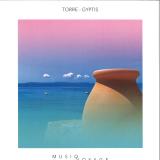
Musiq Voyage sets sail with its debut release by TORRE Bros, a producer duo from Aix-en-Provence. A heartfelt tribute to Marseille and the Mediterranean through two shimmering Space Disco cuts: Gyptis and La Pointe Rouge.
Remixed by the legendary Moplen, Alex From Tokyo, and Julien HBT, this EP blends house, boogie, and balearic vibes into a warm and elegant sonic journey.
//
After cruising their native Provence and spinning on the mythical shores of Ibiza with their iconic pink-and-blue DJ truck, the Musiq Voyage crew is proud to launch their new label with a sun-soaked debut EP.
Rooted in Mediterranean soul, Phocaea Vol. 1 features longtime friends and local legends TORRE Bros (Jean-Marc & Patrick Torre), producers from Aix-en-Provence with over two decades of musical exploration—from disco and house to hybrid electronic jams. Known for underground hits like Corps à Corps and Baleora, supported by artists such as Carl Craig, the duo now pays tribute to Marseille, their beloved coastal city.
A1 – Gyptis
Named after the legendary princess said to have founded Marseille, Gyptis is a lush space-disco homage to the city’s ancient roots—where Greek sailors met local tribes, and myth met the Mediterranean.
A2 – Gyptis (Moplen Remix)
Italian disco don Moplen (Chaka Khan, Talking Heads, Loose Change) delivers a floor-ready rework—elevating the groove with cosmic flair while keeping the original’s dreamy vibe.
B1 – La Pointe Rouge
A sonic postcard of one of Marseille’s most iconic seaside spots—sunsets, sailing, and slow walks by the sea. Built on a strong boogie beat, 80s synths, and balearic textures.
B2 – La Pointe Rouge (Alex From Tokyo & Julien HBT Remix)
Legendary DJ/producer Alex From Tokyo (Tokyo Black Star, Innervisions) teams up with Parisian underground figure Julien HBT (Demented, with François X) for a deep, syncopated reimagining. Infused with Chicago house and leftfield boogie influences, this remix flips the original into a spaced-out late-night groover.
More than just a legendary DJ, Alex From Tokyo has built a global career bridging cultures and sounds. After growing up in Japan, he returned to Paris in the early ’90s and co-founded A Deep Groove with DJ Deep and DJ Gregory, launching one of France’s first underground dance radio shows on FG 98.2 FM.
A key link between Europe and Japan, Alex worked with labels like F Com, Mr Bongo, and Yellow Productions, before living in NYC, Berlin, and beyond.
out of Stock
Last delivered 8 months ago available to reorder, subject to availability
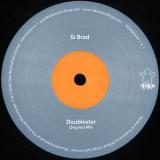
Toko's in-house all-star Si Brad brings forth three fresh jams for the long running UK institution, ensuring record bags are festival fit and nightclub-ready for party season.
Opening with a glitzy, contemporary disco jam, 'Doublestar' provides wide-screen glitterball action with a dazzling instrumental track, busy with key changes and chord progressions that'd make Patrick Adams blush. Sure to have fellow peers like Another Taste and Perpetual Singers checking their wing mirrors, the track is rich with musical decadence - orchestral strings, punchy synth licks and frenetic live bass all shining through this highly dynamic arrangement.
'Compress' moves swiftly into beefy house territory; Si's patented full fat, cushion soft bottom end providing just the low frequency support for a wide array of warehouse-ready bleeps, vocal snips and rave motifs set to cause a whole manner of chaos and confusion come 2AM in the club. A master of functional intricacy, Brad's multi-layered compositions thread together more elements than other producers would care to consider, manifesting almost effortless and involuntary body movement which belies the complexity of the track and is sure to have the dancefloor in a spin.
Concluding with a beautiful piece of Balearic-boogie-beatdown, and with Attaboy muscling in on proceedings; 'Faro Sunset's dreamy and expansive moods cascade over a loose, conga-laden groove glued to the spot with a rugged b-line. Instantly conjuring memories of grilled calamari and poolside play, and sure to garner repeat plays across the familiar party paradises of the Adriatics and beyond; it finds the crew dialling into a deliciously languid vibe that's in contrast to the immediate urgency of the preceding tracks yet retains, assuredly, the sonic trademarks of the producer's hand.
Another unmissable addition to Toko's storied catalogue!
out of Stock
Last delivered 60 days ago available to reorder, subject to availability
Forgetting is Violent is the most powerful release to date from Los Angeles saxophonist and composer Patrick Shiroishi (The Armed, Wild Up), with timely suites that meditate on racism and addiction. The music developed in part through extensive solo touring opening for Emma Ruth Rundle, in which Shiroishi brought effects pedals to the forefront. For the first time on a solo LP, Shiroishi has brought in collaborators: a who’s who of heavy music, including Aaron Turner (SUMAC), Gemma Thompson (Savages), and Mat Ball (BIG|BRAVE). With liner notes by Pulitzer Prize-winning author Hua Hsu, Forgetting is Violent is Shiroishi’s latest masterwork. We recommend snapping this one up while you can, because we expect copies will fly.
Phantoms bahnbrechendes Debütalbum „Handed to Execution“ von 2023 erscheint nun mit der Klangqualität, die es schon immer verdient hat. Unter der Leitung von Patrick W. Engel wurde es sorgfältig neu abgemischt und remastered, sodass diese definitive Edition den Speed/Thrash Metal der Mexikaner endlich in seiner ganzen knochenbrechenden Pracht präsentiert.
Mastermind, Sänger und Gitarrist J.C. erklärt: „Damals wussten wir noch nichts über Recording, wir haben es während der Arbeit an der Platte gelernt. Es war auch etwas unglücklich, da sich unser anderer Gitarrist Harel den Arm gebrochen hatte und ich schließlich das gesamte Album ohne Hilfe aufnehmen musste, während wir den Schlagzeuger wechselten. Es war eine Herausforderung, aber wir haben es geschafft.“
Was als ambitioniertes DIY-Projekt begann, wurde schnell zu „einem sehr beliebten Album, das uns Fans auf der ganzen Welt beschert hat“. Phantom wurden 2021 in der Underground-Szene von Guadalajara gegründet und etablierte sich mit drei Demos und einer Vierer-Split-LP, bevor sie „Handed to Execution“ herausbrachten.
High Roller Records freuen sich nun, diese unverzichtbare Neuauflage zu veröffentlichen, die die minderwertigen früheren Pressungen vergessen macht, die J.C. als „ziemlich chaotisch“ beschreibt. Jeder donnernde Drum-Schlag und jedes messerscharfe Riff ist nun perfekt ausbalanciert, um maximale Wirkung zu erzielen.
Phantom werden im September/Oktober 2025 mit Evilcult aus Brasilien durch Europa touren.
High Roller Records, bone vinyl, ltd 350, 425gsm heavy cardboard cover, insert.
Phantoms bahnbrechendes Debütalbum „Handed to Execution“ von 2023 erscheint nun mit der Klangqualität, die es schon immer verdient hat. Unter der Leitung von Patrick W. Engel wurde es sorgfältig neu abgemischt und remastered, sodass diese definitive Edition den Speed/Thrash Metal der Mexikaner endlich in seiner ganzen knochenbrechenden Pracht präsentiert.
Mastermind, Sänger und Gitarrist J.C. erklärt: „Damals wussten wir noch nichts über Recording, wir haben es während der Arbeit an der Platte gelernt. Es war auch etwas unglücklich, da sich unser anderer Gitarrist Harel den Arm gebrochen hatte und ich schließlich das gesamte Album ohne Hilfe aufnehmen musste, während wir den Schlagzeuger wechselten. Es war eine Herausforderung, aber wir haben es geschafft.“
Was als ambitioniertes DIY-Projekt begann, wurde schnell zu „einem sehr beliebten Album, das uns Fans auf der ganzen Welt beschert hat“. Phantom wurden 2021 in der Underground-Szene von Guadalajara gegründet und etablierte sich mit drei Demos und einer Vierer-Split-LP, bevor sie „Handed to Execution“ herausbrachten.
High Roller Records freuen sich nun, diese unverzichtbare Neuauflage zu veröffentlichen, die die minderwertigen früheren Pressungen vergessen macht, die J.C. als „ziemlich chaotisch“ beschreibt. Jeder donnernde Drum-Schlag und jedes messerscharfe Riff ist nun perfekt ausbalanciert, um maximale Wirkung zu erzielen.
Teresa Rotschopf, a musician and composer from Vienna, presents her second solo album, »Currents and Orders« – a radical, delicate, yet grandiose sonic journey between experimental pop, new music, and improvised composition. The album will be presented live on August 27 as part of the »Pop-Kultur« festival (silent green, Berlin) and at the »ORF RadioKulturhaus« (Vienna) on 12 September.
»Currents and Orders« was recorded in an unusual location: a stalactite cave in Styria, Austria. Together with a small group of musicians (Maria Gstättner: bassoon, contraforte; Alex Kranabetter: tuba, trumpet, French horn; Patrick Dunst: saxophone, duduk; Florian Klinger: marimba, vibraphone, glockenspiel, cymbals, gong, stalactite; Patrick Pulsinger: gong, stalactite; Ulrich Schleicher: gong) and in co-production with Patrick Pulsinger, Rotschopf recorded the album in June 2023 – deep underground, far from daylight, but all the closer to archaic sounds and resonances.
The cave becomes not only an acoustic stage, but also a symbolic space of memory, retreat, and transformation. The album comprises four pieces – including two large-scale tracks:
- the opening, mantra-like title track »Currents and Orders« (over 10 minutes)
- the final, free-jazz, expressive »I Open My Gates (for You)« (over 20 minutes)
With a minimalist structure, choral voices, vibraphone, percussion, and wind instruments, fragile yet powerful soundscapes emerge, whose spatial depth is also palpable through the cave reverberation.
Rotschopf first developed the desire to record in a cave in the summer of 2022. What began as a visual and sonic image became a concrete project – supported by the Austrian Cave Association. In June 2023, Rotschopf and her musicians spent three days in a cave in the Styrian forest. Almost a kilometer of cable was laid, and equipment and instruments were carried deep underground. Rotschopf describes the recording situation as a kind of return to herself: »I descended into this cave, as if I could descend into myself, into my own womb ... What we did in the cave could just as easily be called ›recording music,‹ but it could also be called ›remembering‹ – remembering the earth, the cave, and humanity.«
»Currents and Orders« is an album like a ritual: haunting, atmospheric, bold in its form, and deeply rooted in both physical and emotional space. Music that takes its time, uses space, and pushes boundaries.
The pre-release single »O Please My Soul (Rest On My Back)« (release: July 17, 2025) is accompanied by a striking music video shot by Antoinette Zwirchmayr on 16mm film: Teresa Rotschopf holds a real owl in her hand – an image that is as magical as it is enigmatic.
Label owner Martin Hossbach read a review of Rotschopf's first solo album, »Messiah,« in 2018 and contacted the artist. Joint releases followed, including a drone album on the sub-label Martin Hossbach Score and a Pet Shop Boys cover version on Martin Hossbach Cover.
Teresa Rotschopf, Musikerin und Komponistin aus Wien, präsentiert mit »Currents and Orders« ihr zweites Soloalbum – eine radikale, zarte und zugleich groß angelegte Klangreise zwischen experimentellem Pop, Neuer Musik und improvisierter Komposition. Das Album wird am 27.8. im Rahmen des Festivals »Pop-Kultur« (silent green, Berlin) und am 12.9. im »ORF RadioKulturhaus« (Wien) live vorgestellt.
»Currents and Orders« entstand an einem ungewöhnlichen Ort: in einer Tropfsteinhöhle in der Steiermark, Österreich. Gemeinsam mit einer kleinen Gruppe von Musiker:innen (Maria Gstättner: Fagott, Kontraforte; Alex Kranabetter: Tuba, Trompete, Waldhorn; Patrick Dunst: Saxophon, Duduk; Florian Klinger: Marimbaphon, Vibraphon, Glockenspiel, Becken, Gong, Stalakmit; Patrick Pulsinger: Gong, Stalakmit; Ulrich Schleicher: Gong) und in Ko-Produktion mit Patrick Pulsinger nahm Rotschopf das Album im Juni 2023 auf – tief unter der Erde, fern von Tageslicht, dafür umso näher an archaischen Klängen und Resonanzen.
Die Höhle wird nicht nur zur akustischen Bühne, sondern auch zum symbolischen Raum der Erinnerung, des Rückzugs, der Transformation. So umfasst das Album vier Stücke – darunter zwei großformatige Tracks: - das eröffnende mantraartige Titelstück »Currents and Orders« (über 10 Minuten) - das finale, free-jazzig-expressive »I Open My Gates (For You)« (über 20 Minuten)
Mit minimalistischer Struktur, Chorstimmen, Vibraphon, Schlag- und Blasinstrumenten entstehen fragile und zugleich mächtige Klangwelten, deren räumliche Tiefe auch durch den Höhlenhall spürbar wird.
Der Wunsch, in einer Höhle aufzunehmen, kam Rotschopf im Sommer 2022. Was als visuelles und klangliches Bild begann, wurde zu einem konkreten Vorhaben – unterstützt vom Österreichischen Höhlenverein. Im Juni 2023 begab sich Rotschopf mit ihren Musiker:innen drei Tage lang in eine Höhle im steirischen Wald. Fast ein Kilometer Kabel wurde verlegt, Equipment und Instrumente tief unter die Erde getragen. Rotschopf beschreibt die Aufnahmesituation als eine Art Rückkehr in sich selbst: »Ich stieg in diese Höhle hinab, so als ob ich in mich selbst hinabsteigen könnte, in meinen eigenen Schoß [...] Was wir in der Höhle taten, könnte man ›Musik aufnehmen‹ nennen, genauso gut aber auch ›Erinnern‹ – Erinnern von Erde, Höhle und Menschsein.«
Currents and Orders ist ein Album wie ein Ritual: eindringlich, atmosphärisch, mutig in der Form und tief verwurzelt im physischen wie emotionalen Raum. Musik, die sich Zeit nimmt, Raum nutzt und Grenzen sprengt.
Die Vorab-Single »O Please My Soul (Rest On My Back)« (VÖ: 17.7.205) wird begleitet von einem eindrücklichen Musikvideo, das Antoinette Zwirchmayr auf 16mm-Film drehte: Teresa Rotschopf hält darin eine echte Eule auf ihrer Hand – ein Bild, das genauso magisch wie rätselhaft wirkt.
Labelbetreiber Martin Hossbach las im Jahr 2018 eine Rezension des ersten Rotschopf-Soloalbums »Messiah« und nahm Kontakt zu der Künstlerin auf. Es folgten gemeinsame Veröffentlichungen – etwa ein Drone-Album auf dem Sub-Label Martin Hossbach Score und eine Pet-Shop-Boys-Coverversion auf Martin Hossbach Cover.
*Long overdue reissue of the first album by The Hanging Stars to coincide with their tour support slot with Edwyn Collins – initial 300 copies come with 12 x 12 print*
“In late-Sixties California, the Byrds and Flying Burrito Brothers combined traditional country music with hippy rock to great success. The influence lingered and whatever cultural relevance it has this is a delightful, transporting listen” – The Times 4/5
London-based psych-folk outfit The Hanging Stars re-release their much-loved debut album Over the Silvery Lake on Crimson Crow. Blending folk pastoralism with swampy 60s Americana, they sound like the missing link between the California desert sun and the grey skies of London Town. The album was recorded between LA, Nashville and Walthamstow, with each of these vastly different places leaving an indelible mark on the songs.
Now signed to the Loose Records label and fronted by London-based songwriter, singer and guitarist Richard Olson (The See See, Eighteenth Day of May), The Hanging Stars are essentially a loose collective of people who weave together a blissed-out psychedelic tapestry. The rest of the core band is made up of Sam Ferman on bass and Paulie Cobra on drums, Horse on pedal steel and Patrick Ralla on banjo, guitar. They jam rather than write and hang out rather than rehearse, harnessing a kind of tipsy euphoria resplendent with luscious arrangements and glorious vocal harmonies.
During 2015, prior to this album’s original release the band released two critically acclaimed singles via The Great Pop Supplement (both of which also appear on the album). “Golden Vanity” was premiered by The Line of Best Fit who said; “you'd be forgiven for thinking you'd just unearthed a rare deep cut from the late 60s/early 70s boom of psychedelia infused Americana” and “The House on The Hill” was described by The Guardian as; "a hazy, desert-dream of a song, nicely sharpened with steely-eyed guitars, Mersey-laced harmonies and just a whiff of the Gun Club”.
There are a number of allusions to nature and the weather on the album, borne in part out of the contrasting surroundings in which it was produced. The band’s fascination with Americana led them to record some of the material Stateside, laying down some of the parts at Battle Tapes Studios in Nashville (Lambchop, Paperhead), as well as at Vision Quest Studios in Los Angeles with Rob Campanella. His work with The Quarter After, The Brian Jonestown Massacre, Beachwood Sparks The Tyde, and GospelbeacH was a perfect match to capture their sound and they even had San Franciscan legend Chrystof Certik step in on lead guitar for a couple of tracks.
Following the LA recordings, a trip to the Californian desert provided the core notion of what they wanted to produce - a shard of light that they clung on to whilst recording the rest of the album in the significantly more rain-soaked atmosphere of Walthamstow, London, under the watchful eye of Brian O'Shaughnessy at Bark Studios (The Clientele, Comet Gain). As the band explained at the time: “Ultimately we hope you can hear both the sand and the rain in this record.”
The Hanging Stars place themselves firmly as part of a long folk tradition encompassing European and North American influences – as a continuation rather than a pastiche of these styles. This is the sound of a band really coming in to their own, fully formed and in no doubt of their vision. With Over the Silvery Lake they succeeded in producing a record, which has the country, blues and folk traditions at its heart.
Limited 180g black vinyl (500 copies worldwide)
“Marcel Wave combine sharp-eyed Northern lyricism with DIY guitar-janglers rooted in a retro C86 aesthetic. Epic finale ‘Linoleum Floor’...is a gloriously bleak rumination on the horrors of enforced late-night hedonism worthy of prime Pulp” UNCUT
Marcel Wave write eulogies for tragic actresses, ancient riverbeds and concrete obscenity. Their inaugural sonic instalment ‘Something Looming’ is part trades club symphony, part itchy serenade, and part wistful lament. As their heady concoction of ‘Meades meets Pat-E-Smith meets Kirklees Borough Council’ gets prepped to be formally baptised on a dank stage near you, Upset the Rhythm and Feel It Records have dutifully stepped in to deliver its songbook to the masses on both sides of the pond.
Formed when Lindsay Corstorphine and Christopher Murphy of Sauna Youth and brethren Oliver and Patrick Fisher of Cold Pumas were summoned by northern ink-slinger Maike Hale-Jones, Marcel Wave’s debut offering is a walk through a smoke-filled pub with yellowing wallpaper and all eyes on you. It’s a chronicle of the death of the docklands, the decline of industry, of the high street, of civic pride, of civilisations, of hopes and dreams. As Hale-Jones delivers the bad news in her low, West Yorkshire brogue, Corstorphine adds the bells and whistles via the frantic pulsations of a wheezing Hohner organ in tandem with Fisher O’s rasping guitar. MW are completed by the throbbing basslines of Murphy and Fisher P’s fervent rhythms.
The title itself sets the tone for the listener. There’s a sense of foreboding in Hale-Jones’ lyrics which sit at the quintet’s core—elegiac, sardonic and piquant in equal measure. A mixture of narrative epilogues and inward paeans, her words weave tales across a broad thematic church. Crooked tales of urban renewal and the voices left behind are probed in ‘Barrow Boys’ and ‘Stop/Continue’ and are at the fore in ‘Where There’s Muck There’s Brass’ with its refrain lamenting ‘Concrete and slate shine in the rain, cities destroyed, nothing to gain’. In these lyrics, tower blocks loom over terraced houses with the same shadows that the Hollywood sign casts over Peg Entwistle before she takes her tragic leap. ‘Peg’ and ‘Elsie’ are both meditations on two different actresses with different fates crushed by the cut-throat trappings of showbusiness: ‘The mad hopes break, fragile as glass. She traded it all, for the cutting room floor.’ A snaking, existential dread also runs through the album, stated more obliquely in the otherwise poppier interludes of the title track ‘Something Looming’ and album opener ‘Bent Out of Shape’, and present too on the comparatively ramshackle ‘Discount Centre’, where Hale-Jones reports ‘On a mini bus on the outskirts of Enfield, I’m losing all of my spark’. On the album closing weeper ‘Linoleum Floor’, it is laid barer still—a keyboard-led reflection on the deflating nights out of our early-twenties.
Marcel Wave invites the listener to dance to society’s decline, and then to later weep into its lukewarm pint.
out of Stock
Last delivered 13 months ago available to reorder, subject to availability
When they performed a handful of concerts as a duo in the summer of 1998, Kristen Noguès and John Surman had already worked a lot on the interweaving of genres: Noguès had confronted traditional Breton music with contemporary music and Surman had changed his jazz into atmospheric numbers that would be amongst the finest recording on the ECM label. As a duo, the harpist and the saxophonist would go on to invent something different: free folk, traditional ambient, modal ‘fest- noz’ … it is difficult to label, because the duo Noguès / Surman is one of a kind.
Diriaou, means “Thursday” in Breton. It is also the title of the first piece that Kristen Noguès and John Surman played together in 1991. Noguès learned the Breton language as a child, at the same time as the Celtic harp, – taking lessons with Denise Mégevand, who would go on to teach others, notably Alan Stivell. At the beginning of the 1970s, Noguès discovered Breton singing (soniou and gwerziou) At the beginning of the 1970s, she discovered the Breton song tradition (soniou and gwerziou) and became involved in Névénoé, a cooperative of traditional expression founded by Gérard Delahaye and Patrick Ewen. She recorded a single with the two musicians in 1974, then her first album, two years later.
Everyone who has listened to Kristen Noguès debut Marc’h Gouez, is now aware of her mysterious plucked strings. Her art, leaving Brittany, would go on to take in all landscapes and folklores, in the same as that of John Surman, conceived a little further north including vernacular jazz, international fusion with Chris McGregor or Miroslav Vitouš, and exploring more personal territory. Remember the Cornish landscapes in one of the best albums on the ECM label : Road To Saint Ives.
Kristen Noguès and John Surman thus shared an ‘extra-Celtic’ inspiration infused with free improvisation. On this recording, made in 1998 by Tanguy Le Doré at the Dre Ar Wenojenn festival, the duo uses original compositions which refer back to traditional songs (Maro Pontkalek, Le Scorff). The musicians then create fantastic impressions: Baz Valan, on which Noguès and Surman have a heavenly exchange; Kernow, on which the shared theme slowing disappears into the mist; Maro Pontkalek and Diriaou which move from the storm to the calm. Elsewhere, there is singing, first with Surman (Kleier) and then moving on to Noguès (Kerzhadenn and her signature song Berceuse). On a canvas of traditional music, the two musicians weave countless memorable landscapes.
out of Stock
Last delivered 13 months ago available to reorder, subject to availability
The debut album from Addy Weitzman, ‘Light Months Will Fly Over Us’ explores new-wave, romantic pop and art rock with elegance and ambition, drawing from Weitzman’s scattered network of collaborators, as well as a “frighteningly vast” personal archive of compositions. Sequenced by Seth Troxler and released on his Slacker 85 label, it represents a pivot in musical direction for the imprint, and a showcase for the songwriting craft Weitzman honed as a member of cult electro duo Footprintz, and Montreal synth-pop projects The Beat Escape and Dawn to Dawn.
The title Light Months Will Fly Over Us is derived from a line in a poem by the Russian writer Anna Ahkmatova. Weitzman was immediately struck by its “hopefulness, its mystery… it gives the feeling of being suspended, hanging in a dream-like state”. This interpretation has been translated to the album, rich in memorable songwriting that nonetheless invites the listener to lean in further. Delicately mixed by engineer Pierre Guerineau, known for his work alongside Marie Davidson, each of the eight tracks gently interrogates life’s greater mysteries; fear, love and salvation, each defining and revealing the human soul.
Opener ‘End of The Line’ invites us into an immediately lush space of lounge lizard existentialism, soft brass and piano helping Weitzman introduce “where the journey begins and the fantasy dies”. Across orchestral arrangements arranged by Adam Wilcox, whose sensitive, ambitious compositions are weaved throughout the album, ‘Beyond The Speed of Life’ brings to mind the laments of Scott Walker. Navigating vulnerability via grandeur, Weitzman’s earnest vocals flourish in wide-eyed call-and-response with the object of a transcendent love affair.
Alongside collaborator, Richard Lamb, the next chapter of the LP plunges into contrasting machine-driven moods; the wry, bubbling ‘Entertainment Is All I Wanted (And I Found It)’ is imbued with the playfulness and experimentation of 80s electronic pioneers such as Fad Gadget, while the tougher, icier ‘Stranger To Your Kind’ shifts in a more instrumental direction, recalling Weitzman’s dancefloor experience, as well as contemporaries such as Matthew Dear.
Album centerpiece and striking first single ‘Running & Returning’ is the first of a suite of three tracks in collaboration with Weitzman’s The Beat Escape and Dawn to Dawn bandmate, Patrick Boivin. Blending lush saxophones and angular guitars with a wistful melodic touch and lyrics, its irresistible art-rock rhythm provides the foundation for one of Weitzman’s most involving vocal performances.
It’s followed by an anthem for existential absurdity: ‘Ice Cream Candle’ provides a driving acceptance that “the more and more you learn, the less you understand”; Weitzman submits to this uncertainty with equal grace on ‘No Man’s Land’, as baroque invocations of “words swept through the fields” and meeting “where the water lilies grow” give way to a blistering guitar solo, humbly riding hypnotic percussion.
For the compassionate finale of Light Months Will Fly Over Us, Weitzman narrates the experience of ‘Gabrielle’, a woman slipping between rooms between shuttered blinds in the towering city, “where cigarettes and roses fill the air.”
As lyrically delicate as it is musically ambitious, Light Months Will Fly Over Us is a sublime debut album, enriched with care, love and much-needed enchantment.
out of Stock
Last delivered 16 months ago available to reorder, subject to availability
Die Doobie Brothers kehren mit ihrem neuen Studioalbum „Walk This Road“ zurück. Auf diesem 10-Track-Album vereinen sich Michael McDonald, Patrick Simmons, Tom Johnston und John McFee und bringen ihren einzigartigen Sound zurück. Alle drei Songwriter arbeiteten eng mit Produzent John Shanks zusammen, um ein Werk zu schaffen, das den typischen Doobie-Brothers-Sound perfekt einfängt.
a a1. WALK THIS ROAD – featuring Mavis Staples 3:37
b a2. ANGELS AND MERCY 3:48
c a3. CALL ME [3:38]
[d] a4. LEARN TO LET GO [4:18]
[e] a5. STATE OF GRACE [4:01]
[f] b1. HERE TO STAY [3:56]
[g] b2. IT AIN’T THE KIND THAT LASTS [3:47]
[h] b3. NEW ORLEANS [3:50]
[i] b4. SPEED OF PAIN [3:34]
[4:17]
Ambre Ciel is a composer, violinist, pianist and singer who hails from Montreal, Canada and is a purveyor of dreamy, expansive, spacious pop music that draws influence from the contemporary classical influenced artists such as Agnes Obel, Patrick Watson, Sufjan Stevens and Thom Yorke. As well as the impressionist world of Debussy and American minimalists such as Phillip Glass and Steve Reich and in addition mentions "music that breathes" from such artists as Gyoa Valtysdottir, JFDR, or the collaborative work of Jónsi and Alex Somers.
Reverie is a soundtrack of atmospheric chamber music for violin, cello, and piano by sisters Rebecca Foon and Aliayta Foon-Dancoes, and marks the first full-length album collaboration between the two players/composers. Reverie melds cellist Rebecca's post-rock and semi-improvised sensibility forged from over two decades playing in DIY/indie bands like Esmerine, Thee Silver Mt. Zion, and Set Fire To Flames, with violinist Aliayta's more recent trajectory from award-winning virtuosic performer to academically-shaped explorations of interdisciplinary composition. Following several years in London at the Royal Academy and Royal College of Music, Aliayta's move to Princeton in 2023 for a Composition PhD put the sisters back on the same continent, regularly meeting and collaborating at Rebecca's Lost River studio in Quebec's Laurentian mountains. Working with co-producer Jace Lasek (Godspeed You! Black Emperor, Patrick Watson, The Besnard Lakes), the result is an immersive suite of thematic variations that balances intimacy and detail with wide-spectrum spatial lushness. Subtle electronic interventions and gently blown-out acoustics ebb and flow throughout, further conveying Reverie's overriding mission to weave a meditative pastoralism with the underlying anxiety, sorrow, and tragedy of ecocide.
In the vibrant streets of Tembisa, South Africa, amidst the sprawling urbanity connecting Johannesburg and Pretoria, the story of Moskito began. Formed in 2001 by Mahlubi "Shadow" Radebe and the late Zwelakhe "Malemon" Mtshali, the group first emerged as a powerhouse of pantsula dancers. However, their undeniable passion for music soon led them down a new path_ one that would cement their place in kwaito history. Spending countless hours on the street corners of their township, where they were born and raised, Shadow and Malemon danced and sang with an infectious energy that attracted crowds. It wasn't long before the duo decided to channel their talents into a kwaito group, and after adding friends Patrick Lwane and Menzi Dlodlo, Moskito was born. (Pantsula dancing emerged in the 1950s among Black South Africans in townships and continually evolved until it became intertwined with kwaito music culture. The stylized, rapid foot movements and characteristic low-dancing became associated with kwaito as it took over South African urban culture into the early 2000s.) With limited resources, the group displayed immense creativity, recording demos using two cassette decks and instrumental tracks from other artists. They would rap and sing over an instrumental playing on one deck while the second deck records their performance. Their determination paid off when they submitted their demo to Tammy Music Publishers, who were captivated by Moskito's style. "Kwaito was the thing `in' at the time. If you did music you did kwaito. We wanted to fit in and actually it was easy," says Radebe. "We didn't have engineers in the group, so the first time in a real studio was with Percy and Thami to record Idolar." That same year, the group released their debut album, Idolar, under Tammy Music. The album was an undeniable success reaching gold status selling over 25,000 units and earning them a devoted fan base across South Africa and neighboring countries like Botswana, Swaziland, Namibia and Zimbabwe. Moskito collaborated with industry legends such as Chilly Mthiya Tshabalala, who was known for his work with Thiza and Spoke "H." They drew inspiration from Thami Mdluli a.k.a Professor Rhythm, who had dominated the disco scene back in the 80s and 90s. Mdluli helped with musical arrangements and executive produced the album and signed on producer-engineer Percy Mudau, while Shadow and Malemon took pride in composing most of their songs. Like many of the rising kwaito artists of the time, they didn't have music production or engineering backgrounds so they required support from engineers together their ideas down on tape. They were inspired from South African kwaito icons like Trompies, Mdu, Mandoza, and Arthur Mafokate, alongside international heavyweights like Snoop Doggy Dogg, Dr. Dre, 2Pac, and R. Kelly, Moskito created a sound that was uniquely theirs_a perfect blend of local flavor and global influence.
In the vibrant streets of Tembisa, South Africa, amidst the sprawling urbanity connecting Johannesburg and Pretoria, the story of Moskito began. Formed in 2001 by Mahlubi "Shadow" Radebe and the late Zwelakhe "Malemon" Mtshali, the group first emerged as a powerhouse of pantsula dancers. However, their undeniable passion for music soon led them down a new path_ one that would cement their place in kwaito history. Spending countless hours on the street corners of their township, where they were born and raised, Shadow and Malemon danced and sang with an infectious energy that attracted crowds. It wasn't long before the duo decided to channel their talents into a kwaito group, and after adding friends Patrick Lwane and Menzi Dlodlo, Moskito was born. (Pantsula dancing emerged in the 1950s among Black South Africans in townships and continually evolved until it became intertwined with kwaito music culture. The stylized, rapid foot movements and characteristic low-dancing became associated with kwaito as it took over South African urban culture into the early 2000s.) With limited resources, the group displayed immense creativity, recording demos using two cassette decks and instrumental tracks from other artists. They would rap and sing over an instrumental playing on one deck while the second deck records their performance. Their determination paid off when they submitted their demo to Tammy Music Publishers, who were captivated by Moskito's style. "Kwaito was the thing `in' at the time. If you did music you did kwaito. We wanted to fit in and actually it was easy," says Radebe. "We didn't have engineers in the group, so the first time in a real studio was with Percy and Thami to record Idolar." That same year, the group released their debut album, Idolar, under Tammy Music. The album was an undeniable success reaching gold status selling over 25,000 units and earning them a devoted fan base across South Africa and neighboring countries like Botswana, Swaziland, Namibia and Zimbabwe. Moskito collaborated with industry legends such as Chilly Mthiya Tshabalala, who was known for his work with Thiza and Spoke "H." They drew inspiration from Thami Mdluli a.k.a Professor Rhythm, who had dominated the disco scene back in the 80s and 90s. Mdluli helped with musical arrangements and executive produced the album and signed on producer-engineer Percy Mudau, while Shadow and Malemon took pride in composing most of their songs. Like many of the rising kwaito artists of the time, they didn't have music production or engineering backgrounds so they required support from engineers together their ideas down on tape. They were inspired from South African kwaito icons like Trompies, Mdu, Mandoza, and Arthur Mafokate, alongside international heavyweights like Snoop Doggy Dogg, Dr. Dre, 2Pac, and R. Kelly, Moskito created a sound that was uniquely theirs_a perfect blend of local flavor and global influence.
out of Stock
Last delivered 16 months ago available to reorder, subject to availability
Yuno's full-length debut, Blest, out May 16 on Sub Pop, finds the enigmatic indie-pop visionary transforming the emo-tinged suburban malaise of his 2018 Moodie EP into more expansive, widescreen pop drama - suited for big moves and bigger stages. The kaleidoscopic sound he devised as a millennial hermit in his childhood bedroom in Florida has since broadened his horizons, taking him on tour with Unknown Mortal Orchestra and Superorganism, and soundtracking various series for Netflix and HBO. Imbued with elements of dream-pop, rock, trap, and psychedelia, his eclectic songs serve as bids for love and connection, which especially in the fractured era of social media, have resonated with many listeners who find solace in his vulnerability. Yuno's superpower lies in the way he mines a multitude of genres for their pop potential and surfaces with a tapestry that feels novel and fresh. Take, for instance, "Blest," the immediate, blissful, and bright title track, which is inspired by Rich Harrison-breakbeats and Neptunes-esque jangle. Or the breezy single, "True," in which Yuno moderates a lover's quarrel with slick, trap percussion. Amid the breakbeated dream-rock of "Gimme Ocean," he introduces his guitar solo with a searing emo scream, run through an EarthQuaker Devices pedal. Don't let his sanguine aura or his sherbet pink wardrobe fool you; he can shred as hard as he wants to when he wants to. All songs on Blest were written and performed by Yuno, co-produced by Yuno and Frank Corr (Morning Silk), who also contributed keyboards, drums, and guitar throughout the record, with additional production and instrumentation by Patrick Wimberly (Chairlift) at The CRC in Brooklyn, and Nick Sanborn (Sylvan Esso) at Betty's in Durham, NC. Blest was mixed by Steve Vealey and mastered by Joe La Porta.
A Chaos Of Flowers is an album that builds on their ferocious 2023 album nature morte. BIG|BRAVE"s music has been described as massive minimalism. Their fusillades of textural distortion and feedback emphasize their music"s frayed edges as much as its all-encompassing weight. The potency of the trio"s work is their singular artistry combining elements of traditional folk techniques and a modern deconstruction of guitar music. Gain, feedback, and amplitude are essential. For A Chaos Of Flowers guitarist/vocalist Robin Wattie drew heavily on the poems of artists whom Wattie found kinship in, their words resonant with experiences of those often sidelined by cultural norms. "I discovered that most poems from folk traditions or in the public domain seem to be by men - to which I could not quite relate. In my search, I rediscovered some of my favorite works and poets," says Wattie. Guitarist Mathieu Ball and drummer Tasy Hudson help Wattie shape poetry into pieces as dense and impenetrable as they are vulnerable. BIG|BRAVE achieve their colossal sound through minimalist approaches, a deft understanding of dynamics and an inventive employment of percussion and distortion. The trio reconceptualize what it is to be heavy or minimal, challenging perceptions with their illumination of painfully overlooked perspectives. Guest guitarist Marisa Anderson lends earthen, blues-inflected atmospheres to the album, where guitarist Tashi Dorji and saxophonist Patrick Shiroishi amplify the squall. Working closely with frequent collaborator and producer/engineer Seth Manchester, the internal tumult of Wattie"s voice rings out in warbles, haunting echoes, and unearthly harmonies across bold immense walls of distortion. BIG|BRAVE have collaborated with metal monsters The Body on a previous Thrill Jockey release, Leaving None But Small Birds, and have toured internationally with bands like SUMAC, Godspeed You! Black Emperor, SUNN O))), and Lingua Ignota. As they continue to ascend in their journey as pioneers in the contemporary metal scene, it"s safe to say that BIG|BRAVE are here to stay.
out of Stock
Last delivered 17 months ago available to reorder, subject to availability
Nachdem es drei Demos und ein Split-Album mit vier gleichgesinnten Acts aufgenommen hatte, veröffentlichte das Quartett sein Debütalbum "Handed to Execution", auf das ein Jahr später die EP "Transylvanian Nightmare" folgte. Während beide von Kritikern und Fans gleichermaßen gut aufgenommen wurden, legen Phantom jetzt mit ihrem zweiten Album "Tyrants of Wrath" noch einen drauf. Die neue Platte ist eine Parforceritt durch die geschätzten Traditionen des Genres - man denke an Razor, Dark Angel, Merciless, Living Death und natürlich Slayer als Referenzen - und verleiht ihnen einen frischen Dreh, sei es in Form von ‚Nimbus', einer Hommage an Phantoms Einflüssen von Kultbands wie Manilla Road, Gotham City und Heavy Load, oder in Bezug auf die abenteuerliche Struktur von ‚Nazguhl', einem von vielen Ausflügen ins Unkonventionelle, die den extremen Metal der Mexiakner überraschenderweise nicht kompromittieren. "Tyrants of Wrath" wurde von der Band und Héctor Northen in den Nehtron Studios in Mexiko aufgenommen und abgemischt. Das Mastering übernahm Patrick Engel im Temple of Disharmony in Deutschland. Phantom touren im September/Oktober 2025 mit den Brasilianern Evilcult durch Europa.
Nachdem es drei Demos und ein Split-Album mit vier gleichgesinnten Acts aufgenommen hatte, veröffentlichte das Quartett sein Debütalbum "Handed to Execution", auf das ein Jahr später die EP "Transylvanian Nightmare" folgte. Während beide von Kritikern und Fans gleichermaßen gut aufgenommen wurden, legen Phantom jetzt mit ihrem zweiten Album "Tyrants of Wrath" noch einen drauf. Die neue Platte ist eine Parforceritt durch die geschätzten Traditionen des Genres - man denke an Razor, Dark Angel, Merciless, Living Death und natürlich Slayer als Referenzen - und verleiht ihnen einen frischen Dreh, sei es in Form von ‚Nimbus', einer Hommage an Phantoms Einflüssen von Kultbands wie Manilla Road, Gotham City und Heavy Load, oder in Bezug auf die abenteuerliche Struktur von ‚Nazguhl', einem von vielen Ausflügen ins Unkonventionelle, die den extremen Metal der Mexiakner überraschenderweise nicht kompromittieren. "Tyrants of Wrath" wurde von der Band und Héctor Northen in den Nehtron Studios in Mexiko aufgenommen und abgemischt. Das Mastering übernahm Patrick Engel im Temple of Disharmony in Deutschland. Phantom touren im September/Oktober 2025 mit den Brasilianern Evilcult durch Europa.
High Roller Records, 180g black vinyl, ltd 700, 425gsm heavy cardboard cover, insert, 2-sided poster, Original transfer by Marcus Mossmann (R.I.P.) at PHONOGRAPHIC ARTIFACTS in March 2021. Audio cleaning, restoration and mastering by Patrick W. Engel at TEMPLE OF DISHARMONY in April 2021. Cutting by SST Germany on Neumann machines for optimal quality on all levels.The ultimate audiophile edition of this eternal NWOBHM classic!
High Roller Records, 180g black vinyl, ltd 700, 425gsm heavy cardboard cover, insert, 2-sided poster, Original transfer by Marcus Mossmann (R.I.P.) at PHONOGRAPHIC ARTIFACTS in March 2021. Audio cleaning, restoration and mastering by Patrick W. Engel at TEMPLE OF DISHARMONY in April 2021. Cutting by SST Germany on Neumann machines for optimal quality on all levels.The ultimate audiophile edition of this eternal NWOBHM classic!
High Roller Records, 180g black vinyl, ltd 250, 425gsm heavy cardboard cover, insert, poster. Remastered by Patrick W. Engel at TEMPLE OF DISHARMONY in August 2024.
Ende der 1980er standen Mekong Delta ohne Gitarrist Frank Fricke (der ein Angebot von U.D.O. annahm) und Sänger Wolfgang Borgmann (der nichts mehr mit dem neuen Material anfangen konnte) da. Beide hatten die Identität der Band auf ihren ersten drei Alben mitgeprägt, doch mit dem amerikanischen Sänger Doug Lee und Uwe Baltrusch als verbliebenem Gitarristen gelang es den Gründungsmitgliedern Ralf Hubert und Jörg Michael, ein Album zu schaffen, das viele Fans für ihr Magnum Opus halten. Allein aufgrund seines achtteiligen, 20-minütigen Titeltracks kann man "Dances Of Death (And Other Walking Shadows)" - ursprünglich 1990 veröffentlicht - sogar zu den besten Progressive-Metal-Alben aller Zeiten zählen.
Auf dem vierten Album von Chrystia Cabral als SPELLLING verwandelt die Künstlerin aus der Bay Area ihr gefeiertes Avant-Pop-Projekt in einen Spiegel. Cabrals Texte auf „Portrait of My Heart“ befassen sich mit Liebe, Intimität, Angst und Entfremdung und tauschen den allegorischen Ansatz vieler ihrer früheren Werke gegen einen Blick in ihr menschliches Herz. Die thematische Unverblümtheit des Albums spiegelt sich in den Arrangements wider und macht es zum bisher schärfsten und direktesten SPELLLING-Album. Vom düsteren Minimalismus ihrer frühesten Musik über den üppig orchestrierten Prog-Pop von „The Turning Wheel“ aus dem Jahr 2021 bis hin zu diesem neuen energiegeladenen Ausdruck ihres kreativen Geistes hat Cabral immer wieder bewiesen, dass SPELLLING alles sein kann, was sie braucht. Der Titeltrack mit seinem treibenden Drum-Groove und dem hymnischen Refrain von „I don't belong here“ ist die stärkste Verkörperung der Hinwendung des Albums zu emotionaler Direktheit. Sobald sich die Hauptmelodie herauskristallisiert hatte, nutzte Cabral den Song als Werkzeug, um ihre Ängste als Performerin zu verarbeiten, und entschied sich für eine straffere, rockigere Komposition. Diese Transformation spiegelt die allgemeine Verlagerung des Albums in Richtung Energie und Unmittelbarkeit wider, die von der Kernband Wyatt Overson (Gitarre), Patrick Shelley (Schlagzeug) und Giulio Xavier Cetto (Bass) vorangetrieben wird, deren Zusammenarbeit neue Konturen des SPELLLING-Sounds offenbart. Cabral schreibt und demontiert immer noch alleine, aber die Präsentation der Songs für „Portrait of My Heart“ vor ihren Bandkollegen hat ihr geholfen, die späteren lebendigen, organischen Formen zu entdecken. Das gilt auch für die Zusammenarbeit mit einem Produzententrio: Drew Vandenberg, der Tontechniker von „The Turning Wheel“, Rob Bisel, der mit SZA zusammenarbeitet, und Psymun, der Produzent von Yves Tumor. Wichtige Gastbeiträge prägen das Album zusätzlich. Chaz Bear (Toro y Moi) liefert SPELLLINGs erstes Duett auf „Mount Analogue“, Turnstile-Gitarrist Pat McCrory verwandelt Cabrals ursprüngliches Piano-Demo für „Alibi“ in die knackige, rifflastige Version, die auf dem Album zu hören ist, während Braxton Marcellous von Zulu „Drain“ seine schlammige Wucht verleiht. Diese Teile fügen sich nicht nur nahtlos in das Album ein, sie fühlen sich wie ein integraler Bestandteil seines Universums an. Letztendlich ist Portrait of My Heart jedoch niemandes Platte, sondern die von Cabral. Sie zieht furchtlos den Vorhang über Teile ihrer selbst zurück, die sie in SPELLLING noch nie gezeigt hat - ihre Gefühle als Außenseiterin, ihre übermäßig vorsichtige Art, die Art und Weise, wie sie sich rücksichtslos in intime Beziehungen stürzen kann, um sie dann genauso schnell wieder abzubrechen. „Es ist wie ein offenes Tagebuch all dieser Empfindungen“, sagt sie.
Auf dem vierten Album von Chrystia Cabral als SPELLLING verwandelt die Künstlerin aus der Bay Area ihr gefeiertes Avant-Pop-Projekt in einen Spiegel. Cabrals Texte auf „Portrait of My Heart“ befassen sich mit Liebe, Intimität, Angst und Entfremdung und tauschen den allegorischen Ansatz vieler ihrer früheren Werke gegen einen Blick in ihr menschliches Herz. Die thematische Unverblümtheit des Albums spiegelt sich in den Arrangements wider und macht es zum bisher schärfsten und direktesten SPELLLING-Album. Vom düsteren Minimalismus ihrer frühesten Musik über den üppig orchestrierten Prog-Pop von „The Turning Wheel“ aus dem Jahr 2021 bis hin zu diesem neuen energiegeladenen Ausdruck ihres kreativen Geistes hat Cabral immer wieder bewiesen, dass SPELLLING alles sein kann, was sie braucht. Der Titeltrack mit seinem treibenden Drum-Groove und dem hymnischen Refrain von „I don't belong here“ ist die stärkste Verkörperung der Hinwendung des Albums zu emotionaler Direktheit. Sobald sich die Hauptmelodie herauskristallisiert hatte, nutzte Cabral den Song als Werkzeug, um ihre Ängste als Performerin zu verarbeiten, und entschied sich für eine straffere, rockigere Komposition. Diese Transformation spiegelt die allgemeine Verlagerung des Albums in Richtung Energie und Unmittelbarkeit wider, die von der Kernband Wyatt Overson (Gitarre), Patrick Shelley (Schlagzeug) und Giulio Xavier Cetto (Bass) vorangetrieben wird, deren Zusammenarbeit neue Konturen des SPELLLING-Sounds offenbart. Cabral schreibt und demontiert immer noch alleine, aber die Präsentation der Songs für „Portrait of My Heart“ vor ihren Bandkollegen hat ihr geholfen, die späteren lebendigen, organischen Formen zu entdecken. Das gilt auch für die Zusammenarbeit mit einem Produzententrio: Drew Vandenberg, der Tontechniker von „The Turning Wheel“, Rob Bisel, der mit SZA zusammenarbeitet, und Psymun, der Produzent von Yves Tumor. Wichtige Gastbeiträge prägen das Album zusätzlich. Chaz Bear (Toro y Moi) liefert SPELLLINGs erstes Duett auf „Mount Analogue“, Turnstile-Gitarrist Pat McCrory verwandelt Cabrals ursprüngliches Piano-Demo für „Alibi“ in die knackige, rifflastige Version, die auf dem Album zu hören ist, während Braxton Marcellous von Zulu „Drain“ seine schlammige Wucht verleiht. Diese Teile fügen sich nicht nur nahtlos in das Album ein, sie fühlen sich wie ein integraler Bestandteil seines Universums an. Letztendlich ist Portrait of My Heart jedoch niemandes Platte, sondern die von Cabral. Sie zieht furchtlos den Vorhang über Teile ihrer selbst zurück, die sie in SPELLLING noch nie gezeigt hat - ihre Gefühle als Außenseiterin, ihre übermäßig vorsichtige Art, die Art und Weise, wie sie sich rücksichtslos in intime Beziehungen stürzen kann, um sie dann genauso schnell wieder abzubrechen. „Es ist wie ein offenes Tagebuch all dieser Empfindungen“, sagt sie.
On Chrystia Cabral's fourth album as SPELLLING, the Bay Area artist transforms her acclaimed avant-pop project into a mirror. Cabral's lyrics for Portrait of My Heart tackle love, intimacy, anxiety, and alienation, trading the allegorical approach of much of her previous work for something pointed into her human heart. The album's thematic forthrightness is echoed in its arrangements, making it the sharpest, most direct SPELLLING album to date. From the dark minimalism of her earliest music to the lavishly orchestrated prog-pop of 2021's The Turning Wheel to this newly energetic expression of her creative spirit, Cabral has proved again and again that SPELLLING can be whatever she needs it to be. The title track, with its propulsive drum groove and anthemic chorus of "I don't belong here," is the most potent embodiment of the album's turn toward emotional directness. Once the main melody emerged, Cabral used the song as a tool to process her anxiety as a performer and opted for a tighter, more rock-oriented composition. This transformation mirrors the album's broader shift toward energy and immediacy, driven by the core band of Wyatt Overson (guitar), Patrick Shelley (drums), and Giulio Xavier Cetto (bass), whose collaboration uncovers new contours of the SPELLLING sound. Cabral still writes and demos in isolation, but presenting the songs for Portrait of My Heart to her bandmates helped her discover their eventual lively, organic forms. So did working with a trio of producers_The Turning Wheel mixing engineer Drew Vandenberg, SZA collaborator Rob Bisel, and Yves Tumor producer Psymun. Key guest contributions further shape the album. Chaz Bear (Toro y Moi) delivers SPELLLING's first duet on "Mount Analogue," Turnstile guitarist Pat McCrory turns Cabral's original piano demo for "Alibi" into the crunchy, riff-y version that appears on the record, while Zulu's Braxton Marcellous gives "Drain" its sludgy heft. These parts aren't just incorporated seamlessly into the album; they feel like an integral part of its universe. Ultimately, though, Portrait of My Heart is nobody's record but Cabral's. She fearlessly draws the curtain back on parts of herself that she's never included in SPELLLING before_her feelings of being an outsider, her overly guarded nature, the way she can throw herself recklessly into intimate relationships and then cool on them just as quickly. "It's very much an open diary of all those sensations," she says.
Bei Stepptanz denkt der Musikfreund natürlich zunächst an Gene Kelly und Fred Astaire. Auch wenn nicht mehr so populär wie in der ersten Hälfte des 20. Jahrhunderts, findet der Tapdance nach wie vor in den Shows am Broadway statt. Die perkussive Ausdrucksform mit den schnellen rhythmischen Beinbewegungen ist die Spezialität des Wiener Musiker Thomas Marek, der zu den gefragten Tapdancern in Europa zählt. Der 52jährige Choreograf und Schlagzeuger hat diese Tradition schon vor einigen Jahren aufgegriffen und zeigt seine expressive Tanzkunst in vielen Theatershows. Gemeinsam mit dem Pianisten Patrick Bebelaar und dem Bassisten Jan Roder hat Marek jetzt Tapdance, Perkussion und Schlagzeug im Rahmen einer LP-Aufnahme integriert, die sowohl ausgewählte Jazzstandards, als auch ausdrucksstarke Improvisationen beinhaltet. "Footprints" heißt die im Frühjahr 2024 in Wien aufgenommene Musik, die wir nun im Rahmen unserer Vinyl-Edition als LP präsentieren. Altbekannte Standards wie "Tea For Two" und "Softly As In The Morning Sunrise" sind ebenso zu hören, wie emotional geprägte Balladen von Bebelaar und rhythmisch vielschichtige Improvisationen von Thomas Marek. Entstanden ist mit "Footprints" ein musikalisches Kaleidoskop mit Elementen von Swing bis Free, das von drei erstklassigen Musikern eingespielte wurde. Pianist Bebelaar, hat viele Jahre mit dem Trompeter Herbert Joos und dem französischen Tubisten Michel Godard zusammengearbeitet und ist zudem ein ausdrucksstarker Komponist. Bassist Jan Roder ist fester Bestandteil der Jazzszene Berlin und Bandleader Thomas Marek ist sowohl als Drummer, wie als Tapdancer auf dieser LP zu hören.