Shall Not Fade welcomes Mia Lily to the label for her debut release "Hydrated But Drunk EP".
Northern raised and London based, Mia is already well known for her high-energy DJ sets and her monthly residencies on Balamii and Foundation FM. As a selector Mia's sound is rooted in rave, but she also has a background in classical piano and family roots in jazz. All this becomes immediately clear as Mia effortlessly & expertly steps into the producer, composer & vocalist roles to deliver five refined, emotive & highly musical tracks that navigate trance, techno, UKG and house and feature vocal and piano performances from Mia.
"Hydrated But Drunk" opens Mia's Discogs entry with a bang. Vinyl & Digital drop 17th Oct 2025 on Shall Not Fade. Artwork by James Lacey.
out of Stock
Last delivered 7 months ago available to reorder, subject to availability
Retinal Rivalry ist der Soundtrack zu Cyprien Gaillards neuem stereoskopischen Film Retinal Rivalry (2024). ,Es ist eine faszinierende Reise durch die deutsche Stadtlandschaft und ihre vielschichtige historische und soziale Bedeutung. Aufbauend auf seiner früheren Erforschung der skulpturalen Qualitäten dreidimensionaler bewegter Bilder geht das Werk über die Grenzen der Leinwand hinaus. Durch die Ausschöpfung des vollen Potenzials modernster Technologie bietet Gaillard eine erweiterte, geschärfte und tief bewegende neue Sicht auf die Welt um uns herum. Retinal Rivalry ist nach dem Phänomen der visuellen Wahrnehmung benannt, das auftritt, wenn das Gehirn zwei widersprüchliche Bilder gleichzeitig empfängt. Anstatt zu einem 3D-Bild zu verschmelzen, wechselt das neuronale System zwischen der Priorisierung des einen Bildes und der Unterdrückung des anderen, was beim Betrachter Verwirrung und Unbehagen hervorruft. Gaillards Film setzt sich mit diesen Komplexitäten der visuellen Verarbeitung und den Grenzen der Technologie auseinander und sammelt visuelle Informationen durch außergewöhnliche, oft augenzwinkernde Aufnahmen, die das Innere und das Äußere, das Eingeschlossene und das Verstreute sowie das Natürliche und das Gebaute miteinander verflechten. Seine Kamera nimmt ungewöhnliche Blickwinkel ein, wechselt von sanften Luftperspektiven zu einem niedrigen Blickwinkel aus der Perspektive eines Nagetiers, zu schwindelerregenden Ein- und Ausblendungen auf der knolligen Nase einer Skulptur oder zu einer langen Einstellung eines Zuges, der durch eine Landschaft fährt, und zieht uns in eine vielschichtige Erfahrung hinein, die zwischen einem schlechten Trip und unerwarteter Schönheit, die Trost spendet, schwankt. In ,Retinal Rivalry" deuten verschiedene Treppen, Spiralen und Aufzüge auf einen Zustand des ständigen Auf- und Abstiegs hin und betonen das Wechselspiel zwischen Distanz und Nähe, abgrundtiefer Tiefe und lebendiger skulpturaler Darstellung. Der Film pulsiert rhythmisch mit Bildern, die anschwellen und sich zusammenziehen, sich aufblähen und entleeren. Er manipuliert das Gefühl der Zuschauer für Tiefe, Maßstab und Textur und lässt vertraute Materialien und Orte unheimlich erscheinen, wobei er die inhärenten Ungenauigkeiten und Verzerrungen der Darstellung hervorhebt. ,Retinal Rivalry" zeichnet die gewöhnliche Welt in großartigen Details auf und versucht dabei, unter die Oberfläche der Dinge zu blicken. Der Film ist eine Darstellung von Raum und Zeit, die Darstellungsweisen destabilisiert und eine neue Hyper-Vision-Version der Realität bietet. Mit 120 Bildern pro Sekunde aufgenommen und mit derselben Geschwindigkeit projiziert - fünfmal so schnell wie im Kino üblich - fängt Gaillard mehr ein, als das menschliche Auge natürlich wahrnehmen kann. Die Filmmusik greift auf verschiedene klangliche Elemente zurück und unterstreicht so die Erforschung von Dissonanz und Synchronität. Indonesische Instrumentalmusik wird überarbeitet und mit Feldaufnahmen von rumpelnden schweren Maschinen und seltsam melodischem Würgen kombiniert. Der Soundtrack enthält auch die ersten Zeilen aus Werner Herzogs Aguirre, der Zorn Gottes (1972) sowie die dazugehörige Ouvertüre der deutschen Band Popol Vuh. Die Klanglandschaft von Retinal Rivalry steht im Kontrast zu den Bildern - was wir sehen, steht oft im Widerspruch zu dem, was wir hören. Nur in einem Abschnitt verschmelzen Ton und Bild: Ein gebrochenes Bein betätigt das Pedal einer interaktiven Orgel, um ein Stück von Johann Sebastian Bach zu spielen, das immer wieder ins Stocken gerät.
Eine essentielle Einführung in den Katalog des "King of Kikuyu Benga", Joseph Kamaru! 17 Tracks, die seine ganze Bandbreite abdecken – von schwungvollen Dancefloor-Chants, High-Life-esken Gitarren über Afro-Funk, Drum-Machine- und Keyboard-lastigen Disco-Grooves bis zu folkloristischen Klageliedern. Die Musik ist rau, direkt, tanzbar und voller einprägsamer Hooks. Die prägnanten Texte reichen von Protestliedern bis hin zu Beziehungsratschlägen. Joseph Kamaru war in seiner Heimat Kenia eine unglaublich populäre Persönlichkeit und verband sie alle – von einflussreichen Politikern bis zur ländlichen und städtischen Arbeiterklasse. Seine Musik verdient ein viel größeres internationales Publikum.
Klavier, Gesang, Percussion: Bodo Wartke
Musik & Texte: Bodo Wartke
außer „Die Klapperschlangen“: Musik von Matthias Kräutli und „Mondscheinsonate“: Musik von Ludwig van Beethoven Produzenten: Bodo Wartke & Sven Schütze außer „Die Klapperschlangen“: Bodo Wartke, Matthias Kräutli Aufgenommen im Juni 2025 in den Clouds Hill Studios, Hamburg.
Studio-Album zum siebten Klavierkabarettprogramm Wunderpunkt. Abera Kadabera! Feiner Sprachwitz, überraschende Reimkultur und virtuoses Klavierspiel – das siebte Programm von Bodo Wartke bietet unterhaltsames Musikkabarett und wortakrobatischen Zungenbrecher-Slam.
Der Entertainer und Poet setzt das Staunen gegen die Macht der Gewohnheit, stellt Humor den alten Mustern an die Seite. Leichtigkeit! – Warum nicht? Bodo Wartke bringt es auf den Wunderpunkt!
Until The End (The Lost Album) features recordings made by Wil Malone throughout 1970, possibly intended as a follow-up to Wil Malone – Wil Malone, which was recorded in mid-1969 and mastered for release on Fontana Records on July 5, 1969.
Recently unearthed from the Morgan Blue Town tape vaults, these tracks offer a compelling mix of ’60s pop and bubblegum, diverging from the original album’s string-heavy, progressive-psych sound. All the material comprises either demos or finished masters, recorded over several months. With the exception of the brass parts — performed by session musicians — all instruments were played by Wil Malone himself.
It’s a shame the debut didn’t achieve greater commercial success, as it might have brought these follow-up recordings to light much earlier, back in the 1970s.
The Original Lineup Reunited
For the first time since their iconic run in the early 1960s, all five founding members—Eric Burdon, Alan Price, Hilton Valentine, Chas Chandler, and John Steel—came together for a raw, soulful reunion. This is the Animals with the benefit of age, experience, and no pressure to chase hits—just great playing.
A Gritty, Understated Gem
Recorded with minimal fanfare in 1977, Before We Were So Rudely Interrupted is a return to the blues and R&B roots that shaped the band's early success. It's stripped-down, honest, and deeply musical—a perfect record for fans of The Rolling Stones, Van Morrison, or Bob Dylan.
Dylan, Jimmy Reed, and the Blues Canon
The album features a standout cover of Bob Dylan's "It's All Over Now, Baby Blue", along with classics from Jimmy Reed, Joe Tex, and Gospel/Blues deep cuts, reinterpreted with grit and grace.
Cult Classic with Lasting Legacy
Two titanic forces in reggae history — Roots Radics and The Mighty Revolutionaires — unite for a powerful dubwise journey on Outernational Riddim. This long-anticipated collaboration blends heavyweight rhythms, militant drum patterns, and deep, atmospheric dubs that channel the essence of Jamaican roots music with a forward-thinking production style.
The Roots Radics, known for backing icons like Gregory Isaacs, Barrington Levy, and Israel Vibration, bring their unmistakable heavyweight style to this session. Meanwhile, The Revolutionaires, studio legends behind countless Channel One classics, lace the tracks with their tight arrangements and classic rockers grooves.
Produced and mixed in true dubwise tradition, Outernational Riddim delivers:
Authentic Studio Vibes – Mixed on analog boards with vintage effects and tape echo for that raw, immersive sound.
A cornerstone of soulful reggae, Lover’s Rock by Jamaican legend Delroy Wilson bridges his deep roots in ska and rocksteady with the smooth, romantic vibes of the UK’s lovers rock movement. It's a noteworthy entry in the lovers rock canon and a testament to Wilson's versatility. Originally released in 1978 by Burning Sounds, this album captures Wilson’s velvet-toned voice over laid-back riddims and heartfelt lyrics—a perfect entry point for fans of both classic reggae and tender love songs.
A must-have for collectors of golden-era reggae and lovers rock enthusiasts alike. Original UK pressing is increasingly rare and prized for its warm analogue sound and classic artwork.
Recommended if you like: John Holt, Gregory Isaacs, Dennis Brown, Sugar Minott.
Released on 180-gram vinyl including sleeve notes and 2 bonus tracks.
A psych-pop cult classic tracks.
The Orange Bicycle blends Beatles/Beach Boys‑inspired psychedelic-pop style and sun-drenched melodies.
The Orange Bicycle captures the kaleidoscopic charm of late-’60s British psychedelia. Featuring lush arrangements, sitar-laced textures, and soaring vocal harmonies, this LP is a must for fans of The Beatles, The Beach Boys, The Zombies, Tomorrow, or early Pink Floyd.
Eines der größten Talente der britischen Blues-Szene. Er wurde bei den UK Blues Awards in den letzten drei Jahren in Folge (2020, 2021, 2022) zum „Young Artist of the Year” gewählt.
Als Teenager verschlang er die Musik von Eric Clapton und Ray Charles – „Ray hat mich als Person und meine Einstellung zur Musik völlig verändert.” Von alten Delta-Platten über Soul-Künstler wie Sam Cooke, Bill Withers und den Stax-Sound bis hin zu Jazz-Sängern wie Billie Holiday und Frank Sinatra sowie Singer-Songwritern wie Van Morrison, Townes van Zandt, Bob Dylan, Nick Drake und zeitgenössischen Künstlern wie Ray LaMontagne, Norah Jones und Foy Vance.
Seine Musik hat eine zeitlose melancholische Qualität. Mit seiner Ehrlichkeit und Offenheit, die jeden ansprechen, schöpft er aus Angst und Verletzlichkeit, vermittelt dies jedoch mit einer weltgewandten Eleganz. Für Connor Selby sind keine Grenzen gesetzt. Das ist leicht zu verstehen, wenn man seine gefühlvolle Mischung aus Blues und seinen emotional introspektiven Songtexten betrachtet, die sein beeindruckendes Gitarrenspiel ergänzen. Die Songs auf „Connor Selby“ sind kleine Vignetten der verschiedenen Musikstile, die ihn inspirieren.
Peace and love in late 60s America did not come without parallel feelings of fear and confusion about the social situation – specifically about Vietnam. “Safe In My Garden” is the latest Ace compilation in an acclaimed series compiled by Bob Stanley – it’s a companion piece to the much-praised “State Of The Union (The American Dream In Crisis 1967 – 1973)” Ace CDCHD 1533/XXQLP2 057 2018).
The music on “Safe In My Garden” is harmony-laden, beautifully produced soft rock. Sunshine pop, even - a melodic, innovative style of American music that grew in the mid-60s out of the folk and surf scenes, exemplified by the Beach Boys and the Mamas and Papas. You will hear orchestral arrangements, and soft boy-girl vocals. But it wasn’t made in isolation from what was going on in the outside world. There are clouds and minor chords, plenty of melancholy in those harmonies.
“Safe In My Garden” includes songs of escape (Mark Eric’s ‘Move With The Dawn’, the Groop’s ‘A Famous Myth’), loss (the Eighth Day’s ‘How Can I Stop Loving You’, the New Colony Six’s ‘Prairie Grey’), dreamscapes (Tommy James and the Shondells’ ‘She’, Nancy Priddy’s ‘Christina’s World’), rebirth (Smokey and his Sister’s ‘Creators Of Rain’), a simpler world (the Free Design’s ‘My Brother Woody’) and a philosophically sounder future (Chad & Jeremy’s ‘The Ark’, Best of Friends’ ‘Summer Sound’).
It contains some surprisingly dark messages paired with beautiful melodies, as well as songs of hope. Thousands of young musicians in cities, suburbs and small towns across the States from the mid to late 60s spent their mornings hiding from the mailman, dreading the draft. This is the Sound of Young America in the late 60s, keeping its fingers crossed.
‘Icon’ is an overused word when it comes to describing singers and musicians, but when it comes to Nina Simone there are few artists that the word describes more accurately. The ‘High Priestess Of Soul’ is surely one of the most iconic singers of the 20th century, and one whose fame and acclaim stretches far beyond conventional black American music circles.
Nina Simone has featured on Ace and Kent CDs before but this is the first time she’s had one all to herself. “Let It All Out” is the first and only Nina Simone collection to draw repertoire from every label she recorded for between the late 1950s to the late 1970s.
Not a traditional ‘Best Of’ or ‘Greatest Hits’ package (although the performances included here ARE among her very best, and do include most of her Greatest Hits!) it is a singles collection that presents Nina Simone’s soul and R&B-slanted 45s in chronological order. Invariably they are the definitive versions of the songs, whether she recorded the original versions or not.
As well as almost all of her American pop and R&B chart hits from 1960 onwards, “Let It All Out” also contains all of Simone’s UK chart hits from the same period – several of which were more successful here than they were back home, including both versions of her biggest British hit ‘Ain’t Got No; I Got Life’, a UK #2 that did not chart at all in the US as was the case with the belated UK Top 5 hit ‘My Baby Just Cares For Me’ which also made no chart impression on its home turf…
Carefully curated and concisely annotated, “Let It All Out” lets the listener in to two dozen of Nina Simone’s most celebrated singles. There have been many compilations of her works since she passed away 20+ years ago, but none that gets to the heart – and soul – of her catalogue in quite so direct a manner as this one does.
Shell Company featuring Richie Culver, LINTD, Older Brother. Full artwork sleeves & label design by Ciaran Birch ///
Hazy & dark contemporary pop from Shell Company, drenched in spoken word dreamscapes...
Manchester / Glasgow trio Shell Company debut on Accidental Meetings with a record of dark hued, noise pop adjacent pieces. The trio is spearheaded by poet Rosabella Allen, whose misted balladry pierces through the textured backdrops of Chris and Rob Banks, all three complimenting and melding perfectly.
Following stand out releases for Glasgow imprint Numbers, and Rainy Miller's Fixed Abode, Locket sees the band push the boat out for AM which sees them unite with fellow collaborators Richie Culver & LINTD on the project. A deeply personal record that fuses fractured electronics, post-rock and spoken word, with the end product being a damp, noir masterpiece.
Two years before the legendary trumpeter mysteriously fell from the window of a Dutch hotel, he delivered this high-level live performance on a stage in Bologna, Italy, in 1985.
Accompanied by Philippe Catherine on guitar and Jean-Louis Rassinfosse on double bass, Baker drew on his natural charm, that utterly disarming magnetism which made him deeply moving, even when decline was looming. Baker carried within him that inner fracture, that haunting depth that rendered every note fragile. Released for the first time as a double 180 gram vinyl LP with HD vinyl mastering
Die in Chicago geborene Musikerin keiyaA ist bekannt für ihren eigenen Sound-Mix zwischen R&B, Jazz, Elektronik und Soul. Schon ihr Debüt "Forever, Ya Girl" (2020) wurde international gefeiert, von Pitchfork als "Best New Music" ausgezeichnet und in Bestenlisten von The New York Times, Rolling Stone, NPR und The Guardian geführt. Künstler:innen wie Solange, Jay-Z oder Moses Sumney lobten ihre Arbeit. Ihr neues Album "hooke"s law" entstand über fünf Jahre hinweg - in einer Zeit, in der keiyaA zwischen künstlerischem Aufbruch und persönlicher Krise oszillierte. Es ist ein Werk radikaler Selbstbefragung, das Intimität, politische Wut und künstlerische Experimentierfreude verbindet. Klanglich finden sich schillernde Synths mit Videospiel-Anklängen, kaleidoskopische Jazz-Arrangements und fragile R&B-Momente. Emotional pendelt das Album zwischen Zartheit und Widerstand, zwischen der Suche nach innerem Frieden und der Konfrontation mit einer Welt, die queere Schwarze Frauen unsichtbar macht und zugleich überwacht. Songs wie "stupid prizes" oder "get close 2 me" erzählen vom Spannungsfeld zwischen Überleben und Selbstbehauptung, während "think about it what u think" unvermittelt von Sinnlichkeit in politische Anklage kippt. Wie auch in ihrem experimentellen Theaterstück milk thot entwirft keiyaA auf "hooke"s law" Räume, in denen Identität nicht fixiert, sondern ständig neu zusammengesetzt wird. James Baldwin schrieb, die Aufgabe von Künstler:innen sei es, die verborgenen Wahrheiten einer Gesellschaft ans Licht zu bringen. Genau das gelingt keiyaA hier: Sie verwandelt Schmerz in Klang und schenkt uns das Mutigste, was Kunst geben kann - die Freiheit, Widersprüche auszuhalten.
To some extent, this album arriving at INDEX:Records has been over 3 years in the making: we were first introduced to Beau’s work at GLOB in Denver (during our USA tour in 2023), at an event hosted by a dear friend, filled with lovely peeps. We were totally blown away by Beau’s performance and knew within a few minutes of their set starting that we wanted to release an album with them someday. Now, here it is: Subterra. Featuring tasty collaborations with iii, Uza A'amo and Yau Hei ASJ.
Shad hat sich eine Karriere als einer der beständigsten und vielseitigsten Hip-Hop-Künstler Kanadas aufgebaut. Seit 2005 erntet er kritischen und kommerziellen Erfolg, gewann den Juno Award für die beste Rap-Aufnahme für sein 2010 erschienenes Album TSOL und wurde fünf Mal für den Polaris Prize nominiert. Aber er ist noch lange nicht am Ziel. Mit seinem siebten Album Start Anew thematisiert Shad unsere kollektive Zurückhaltung, unsere Komfortzone zu verlassen, und greift dabei auf seinen typischen Witz und seine zum Nachdenken anregenden Texte zurück. ,Der Neuanfang, dieses positive, frische neue Leben, ist zum Greifen nah", sagt er. ,Aber oft liegt es auf der anderen Seite eines Risikos oder sogar eines Verlustes." In seiner bewegten Karriere hat sich Shad als Radiomoderator (CBCs ,q"), Fernsehmoderator (die mit dem Peabody- und Emmy-Award ausgezeichnete Netflix-Dokumentarserie ,Hip Hop Evolution"), New-Wave-Sänger-Alter-Ego (Your Boy Tony Braxton) und nun als akademischer Professor an der University of Toronto und Laurier einen Namen gemacht. ist die zentrale Prämisse von Start Anew eine, die Shad selbst von ganzem Herzen angenommen hat und die eine sozialbewusste Trilogie vervollständigt, die 2018 mit A Story About A War und 2021 mit TAO begann. Mit Kollaborationen mit Jon Kabongo, Raz Fresco und Phoenix Pagliacci aus Toronto sowie Chantae Cann aus Atlanta und dem Underground-Urgestein Homeboy Sandman aus Queens, NY, thematisiert Start Anew soziale Ungleichheit und die innere Stärke, um erfolgreich zu sein, sowie Shads charakteristische witzige und perspektivische Lyrik in wichtigen Tracks wie ,Happiness", ,K.I.S.S." und ,Bars and BBQs". " ,Musikalisch hatte ich diesmal das Bedürfnis, etwas zu schaffen, das einfach und angenehm für die Ohren ist und sich gut anhören lässt", sagt Shad. Mit einem musikalischen Ansatz, der an die verspielte Soulfulness seiner frühen Veröffentlichungen erinnert, ist Start Anew erfrischend und unapologetisch direkt und steht im Einklang mit Shads fortwährender Mission, Liebe, Weisheit und Hoffnung zu verbreiten, um persönliche und gesellschaftliche Veränderungen anzuregen.
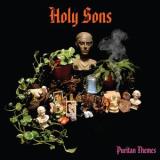
Holy Sons is the largely solo project of Emil Amos (Grails, Om, Lilacs & Champagne). Puritan Themes is his 17th album and his 4th for Thrill Jockey Records and a tentpole album in his wide-ranging output, including myriad private press LPs, collections of oddities, and conceptual series". Puritan Themes" relaxed vibes are influenced by the laid-back west coast rock sound of mid-period Fleetwood Mac, blended with a dose of psych distortion and imbued with the breeziness and ease of yacht rock. Puritan Themes is a record that knowingly, barely fits into the modern world. When mixing the record in Chicago, everyday Amos skated through Douglass Park listening to podcasts about the inner workings of The Band, listened to 70"s AM radio while washing dishes and went to sleep at night to early Bee Gees interviews. The earliest concept of the record was based around the track "Chain Gang" which was an imaginary take on if Cat Stevens had smoked a ton of salvia and taken a much darker route within that world of dense, story-telling/message-based songwriting. The track "Raw & Disfigured" borrows its name from the last Thrill Jockey Holy Sons record, in a referential move that"s stolen from the way Led Zeppelin separated the track "Houses of the Holy" from the record of the same name (once again harkening back to 70"s lore).
Autodidactic musicologist and sample collagist U turned his archival eye on the melting pot of ‘80s post-punk with his debut ‘Life Isn’t A Fountain?’ EP for Lex. He follows up with an experimental exploration of regional identity with ARCHENFIELD, a deeply personal collection of ambient music and found sound that examines the relationship between geographical space and aural histories.
To construct this record U mined a wealth of recorded material relevant to the area. With a nod to traditional music, he takes samples from these records and creates beautifully atmospheric sound pieces that are often mixed with painstakingly researched snippets to create a stirring reflection on local history and broader themes of how we interact, or even fail to interact, with English folklore today.
Pressed on 180g vinyl, the album comes with a 24-page visual companion that expands on its themes and folk stories through imagery and narrative, echoing the album’s soundscape. : The Caretaker, Oneohtrix Point Never, JG Bie1berkopf, Maxime Denuc, Leon Vynehall
Transparentes orangefarbenes Vinyl. Diese beiden Tracks, die aus den Randbereichen von "Nosebleed Weekend" ausgegraben wurden, bieten einen rohen, aufschlussreichen Einblick in den kreativen Prozess von The Coathangers und zeigen eine Band in voller Fahrt, die zwischen Instinkt und Absicht hin- und hergerissen ist. "Hurry" und "Drifter" wurden beide während der Sessions für dieses Album geschrieben und als Demos aufgenommen, aber letztendlich auf Eis gelegt und blieben in den Archiven liegen. Jahre später hörte sich Sängerin Julia Kugel die Tracks mit neuen Ohren an und entdeckte etwas Wichtiges: eine Lockerheit, einen Funken. "Hurry" begann als Experiment mit vertauschten Instrumenten - Julia am Schlagzeug, Stephanie an der Gitarre - mit einem rauen Charme und einer wilden Dynamik. Die Rhythmusgruppe ist treibend, die Gitarren sind übersteuert und drahtig, der Gesang hallt mit einer Art privater Dringlichkeit nach. Der Song ist nicht auf Hochglanz poliert, und genau darum geht es: Man hat das Gefühl, dass die Band etwas Neues entdeckt hat, indem sie nicht zu viel nachgedacht hat. "Drifter" hingegen ist eine frühe Version eines Songs, der später auf der "Parasite" EP erschien, diesmal mit einem leichteren Touch die Verzerrung wurde gerade so weit zurückgenommen, dass die Gesangsmelodie mehr im Vordergrund steht und selbstbewusster wirkt. Es fühlt sich ein bisschen wie eine Zeitreise zu den ursprünglichsten Instinkten der Band an. Beide Tracks haben eine Unmittelbarkeit, sind Skizzen, die während des Chaos der Albumproduktion entstanden sind, voller Experimentierfreude und Risikobereitschaft. Die von Suicide Squeeze auf 7" gepressten Tracks sind weniger auf Perfektion ausgerichtet, sondern mehr auf den Prozess: ein Beweis für die Fähigkeit der Coathangers, ihrem Bauchgefühl zu vertrauen und den Dingen Raum zum Atmen zu lassen.
Lénok’s 'Langue of Tongue' is a descent. An unhinged pinballing down a realm of incomprehension and lunacy, a darkly psychedelic ego-death-spiral into a world of pure, deranged disquiet. It is, and this cannot be emphasised enough, a truly fucked up place. It comes complete with clearly marked borders delineated by its opening and closing tracks '(Entrance' and 'Exit)’. The message is clear: this is less album than zone.
There's no comfort to be found here. It’s like the inner monologue of some insectile, cyborgian abomination, something unfeeling and hostile, something that could only thrive in a mirror world that perverts light and sullies warmth. It's a netherworld: tracks jut out and stab like cold, craggy wastelandscapes, tangled meshworks of alienic transmissions bleed out into deformed knots of gurgling white noise, lacerations of sound roil and heave and claw as if imprisoned within oppressive waveforms.
‘Tongue’ is marked by a kind of wackiness, a demented slapstick that renders its darkness all the more sinister. Voices wail and taunt like schizophrenic spirits trapped between torment and cackling ecstasy. Tracks giggle and skitter as if populated by grinning, snaggletoothed shadows.
‘Langue of Tongue’ is recommended for the curious and advanced listener. This is music for whatever the opposite of escapism is — it’s REAL twisted. But sometimes morbid fascination takes hold. Sometimes you lift the rock, because you can’t help it, and you observe the squirming mess of life it plays host to. What you experience may not be pleasant, but you might just struggle to tear yourself away.
NIKS steps further into her own sonic world with 'Moves Like 2', a powerful statement of intent that blends groove-heavy percussion and hypnotic club energy. The release offers a deeper glimpse into her identity as a producer.
The lead track 'Moves Like 2' is a pretty raw and direct UK club cut, the sound at the core which has influenced and set the tone of the more ‘heads down’ side of this release.
Sub Glow touches on the fun and playful side of the EP, providing softer textures through elongated pads, growing synths and an overall brightness.
Moves Like 2 receives a rework from one of the most tasteful and timeless producers, rRoxymore - who provides a deeper percussive and rhythmic touch to the feature track.
241 rounds off the EP with a slappy and ballsy tone, which features NIKS’ manipulated vocals, concluding the release on a succinct high and buzz.
Debuting on her new imprint, ‘Bloom Tone’, will serve as a self-directed outlet for NIKS’ own productions and friends, providing a platform for her creative autonomy and musical exploration.
out of Stock
Last delivered 11 months ago available to reorder, subject to availability
Mit "Plan 76" entwickeln The Orchestra (For Now) ihren maximalistischen Ansatz dessen, was sie selbst als "London Prog" bezeichnen, weiter. Die EP kombiniert avantgardistische Rock-Theatralik, komplexes klassisches Zusammenspiel, pastoralen Barock-Indie, Post-Hardcore-Dynamik, jazzige Freakouts und alles dazwischen und ist eine Meisterleistung in Sachen Spannung und Entspannung. Die Elemente, die ihr Debüt zu einem Durchbruch machten, sind immer noch vorhanden: Die Kompositionen sind unvorhersehbar und doch unverkennbar eingängig, und es gibt skurrile Referenzen an die Popkultur und die sie umgebende Welt. Doch hier wird alles auf ein höheres Niveau gebracht, die zugrunde liegende Fragilität in einen Mantel musikalischen Selbstvertrauens gehüllt, der nur mit solch großem Ehrgeiz entstehen kann.
Die Lead-Single "Hattrick" fasst ihre Entwicklung perfekt zusammen. Sättigung und Kontrast wurden gesteigert, die dunkleren Ecken akzentuiert, ihre breitere Palette lebendiger und farbenfroher. Labyrinthartige Instrumentierung schwillt an und explodiert in Momenten schamanischer Stimmkraft, filmischer Streicher, einer treibenden Rhythmusgruppe und ungezügelter Gitarren, bevor sie aufflammt und grüblerischen, nachdenklichen Versen weicht.
Zur EP erklärt die Band: "Plan 76 vervollständigt die Geschichte, die wir ursprünglich erzählen wollten. Sie führt die Themen unserer ersten Veröffentlichung fort, platziert das dort Bewährte aber in anderen Welten und Situationen. Instrumental gesehen ist sie für uns anspruchsvoller. Nicht, weil wir unglaublich komplizierte Parts spielen, sondern im Gegenteil – wir haben versucht, sie zu verfeinern, anstatt sie zu verkomplizieren. Es gibt unglaublich exponierte Momente, in denen wir die Instrumentierung reduziert haben (was für uns nicht selbstverständlich ist). Diese EP bereitet auch den Boden für das, was als Nächstes kommt."
In den letzten Jahren hat die Band einen Aufstieg erlebt, von dem die meisten neuen Acts nur träumen können. Sie spielten auf der Hauptbühne des Green Man Festivals, traten beim End Of The Road Festival auf und spielten mehrere ausverkaufte Headliner-Konzerte, bevor sie überhaupt eine Single veröffentlichten. Nachdem sie ihren Sound auf der Londoner Live-Tour verfeinert hatten, veröffentlichte die Band Anfang des Jahres ihre mit Spannung erwartete Debüt-EP "Plan 75", die sowohl bei Kritikern als auch bei ihrer Fangemeinde für Begeisterung sorgte.
Das Reissue enthält sechs bisher unveröffentlichte Demos, darunter die Songs Hold Me Up und Don"t Blow Your Wind, die nie über die Demo-Phase hinausgingen. Auch frühe Versionen von Tangerine, Summer, Kitchen Door und Clobberedsind enthalten und zeigen, wie diese Klassiker entstanden. Ergänzt wird die Veröffentlichung durch neues Artwork, Fotos, Erinnerungsstücke sowie Notizen der Band und Produzent John Agnello. Sleepy Eyed markierte Mitte der 90er einen Wendepunkt: Nach dem Erfolg von Big Red Letter Day (1993), das Buffalo Tom in die Billboard-Charts brachte und mit Late At Night in der Kultserie My So-Called Life zu sehen war, wollte die Band zurück zu einem roheren Sound. Bill Janovitz verweist auf Dylan- und Stones-Platten als Inspiration: weniger Perfektion, mehr Direktheit, Nähe und Authentizität. Aufgenommen wurde in den Dreamland Studios im Bundesstaat New York - abgeschottet, intensiv, fast wie tägliche Live-Sets. Herausgekommen sind Songs, die bis heute zu Fan-Favoriten zählen, allen voran Tangerine, Summer und Kitchen Door. Gegründet 1986 an der University of Massachusetts, stehen Buffalo Tom (Bill Janovitz, Chris Colbourn, Tom Maginnis) seit fast 40 Jahren gemeinsam auf der Bühne - 10 Alben später ein beeindruckendes Stück Beständigkeit.
45 Jahre nach ihrer Gründung erfüllt sich für OHL - Deutschlands provokanteste und mittlerweile dienstälteste Punkband (ohne Unterbrechung) - ein lang gehegter Traum: Die Band wurde für 8 Konzerte ins Land der aufgehenden Sonne eingeladen. Ihr allererstes Album nannte die Band seinerzeit "Heimatfront" und schrieb damit deutsche Punkgeschichte. Was lag also näher als die Tour "Der Japanfeldzug" zu nennen in bester OHL-Tradition? Von dem schweisstreibenden Auftritt in Tokyo wurde dabei ein Live-Recording mitgeschnitten, welcher jetzt exklusiv auf Vinyl als Collector's Edition erscheint. 16 Songs, rauh, kompromißlos und authentisch, so wie man es von OHL und ihrem Sänger Deutsche W. gewohnt ist. Die Japan-Edition ist auf 200 copies limitiert in weissem Vinyl / rotem Label und persönlichem Tourtagebuch und Foto-Collage im Beileger erhältlich. Für Freunde des klassisch schwarzen Vinyls außerdem 100 Exemplare, die schnell vergriffen sein dürften!
Limited to 250 copies. Death comes to us all. Emmerhoff & The Melancholy Babies do not shy away from this irrefutable fact. The band, celebrating their 30th anniversary in 2026, may now rightly consider themselves distinguished "elder statesmen" of rock. With such perspectives also comes the recognition of the transience of life. There are now more funerals than weddings lingering on the horizon, and the ranks of both the idols of our youth and contemporaries on the music scene are beginning to thin. "The Dying of The Light", its title taken from Dylan Thomas' iconic poem, contemplates and embraces the twilight of life, but also, in the spirit of the poem, fighting spirit and stubborn resistance to the inevitable. Death will come, but until then we will create music and celebrate life. October 2025 will see the release of the band's seventh studio album, recorded at Duper and Solslottet Studios in Bergen, produced by Iver Sandoy and Jorgen Træen.. The music reflects the sombre thematic while also being vital and vigorous. The range is wide, from delicate contemplation to powerful outbursts, strictly composed in one moment and loosely improvised in the next.
45 Jahre nach ihrer Gründung erfüllt sich für OHL - Deutschlands provokanteste und mittlerweile dienstälteste Punkband (ohne Unterbrechung) - ein lang gehegter Traum: Die Band wurde für 8 Konzerte ins Land der aufgehenden Sonne eingeladen. Ihr allererstes Album nannte die Band seinerzeit "Heimatfront" und schrieb damit deutsche Punkgeschichte. Was lag also näher als die Tour "Der Japanfeldzug" zu nennen in bester OHL-Tradition? Von dem schweisstreibenden Auftritt in Tokyo wurde dabei ein Live-Recording mitgeschnitten, welcher jetzt exklusiv auf Vinyl als Collector's Edition erscheint. 16 Songs, rauh, kompromißlos und authentisch, so wie man es von OHL und ihrem Sänger Deutsche W. gewohnt ist. Die Japan-Edition ist auf 200 copies limitiert in weissem Vinyl / rotem Label und persönlichem Tourtagebuch und Foto-Collage im Beileger erhältlich. Für Freunde des klassisch schwarzen Vinyls außerdem 100 Exemplare, die schnell vergriffen sein dürften!
Quattro Racconti" is a new version of the debut solo album from Wobbler's Lars Fredrik Froislie - This time in Italian, with Stefano "Lupo" Galifi from the legendary Museo Rosenbach on vocals! "Fire Fortellinger" became a great success when released in 2023, and when the opportunity for Lars to do one of the songs in Italian with Galifi, he did - and the 10" release of "Un Posto Sotto il Cielo" came out. And later, when Wobbler played a festival in Italy in 2024, Froislie went to visit Galifi and to record vocals for the rest of the album. The result is stunning! FROISLIE who is himself a huge fan of Italian Prog in general and of MUSEO ROSENBACH in particular, explains: "When I wrote "Et sted under himmelhvelvet", I imagined an Italian version in my head with just STEFANO "LUPO" GALIFI'S vocals. Not so surprising, perhaps, since he is one of my favourite vocalists. I have loved his slightly raspy, but powerful and soulful vocals, ever since I discovered MUSEO ROSENBACH as a teenager. When the opportunity presented itself, I thought it couldn't hurt to ask him, and it gave me much joy that he was actually willing to sing on this. He brings a new dimension to the songs, and it's incredible that he actually sings just as well today as he did 50 years ago. For me, it was both emotional and surreal to hear a voice I have known and loved throughout much of my life, singing my songs."