Synergy in motion, London five-piece Ezra Collective are proving themselves as a harmonious tour de force. Their sound nods respectfully to a classic jazz footprint, celebrating the originators whilst simultaneously carving a path solely their own.
Ezra Collective marry the delicate technicalities of jazz musicianship with afrobeat and hip hop, tied together by a sound that's unmistakably London. Their live show is one of dynamic union; the strength of their partnership shines in performances that are commanding yet sensitive, soulful and pertinently groove-laced.
Following a joyous and stunningly cohesive show in May 2016, Boiler Room rightly labelled the group as 'pioneering the new-wave of U.K. jazz'. As the genre enjoys a new lease of life that is gaining momentum across the country, Ezra Collective are adding their own fresh and imaginative face to a style that continues to be 'as entertaining as it is educational' (Trench).
In a year that saw them sell out legendary London venue Ronnie Scott's not once but twice, 2017 also bought with it the release of their genre-bending second EP, Juan Pablo: The Philosopher.
After Ezra Collective took the EP on a successful tour across the U.K and Europe and completely sold out of the vinyl, Juan Pablo: The Philosopher went on to win the accolade of Best Jazz Album at Gilles Peterson's esteemed Worldwide Awards Jan 2018
out of Stock
Last delivered 14 months ago available to reorder, subject to availability
DJ Rashad's 'Double Cup': Das bahnbrechende Debütalbum des Footwork-Pioniers
'Double Cup' ist das Debütstudioalbum des verstorbenen Footwork-Pioniers DJ Rashad, mit bürgerlichem Namen Rashad Harden, aus Chicago. Er verstarb kurz nach der Veröffentlichung dieses wegweisenden Albums. Als Gründer der Teklife-Crew war Rashad ein abenteuerlicher Geist und einer der furchtlosesten Innovatoren des Footwork-Genres. Er entwickelte sich von einer lokalen Größe in Chicago zu einer weltweit anerkannten Rhythmusreferenz für Produzenten.
Im Jahr 2013 über Hyperdub veröffentlicht, markierte 'Double Cup' einen Meilenstein für Footwork und wurde von Kritikern aus der Tanz- und Popmusik gleichermaßen gefeiert. Es vereint Elemente aus Jungle, Trap und House und ist gespickt mit zahlreichen Kollaborationen, da Rashad darauf bestand, dass "Footwork eine Familiensache ist".
'Double Cup' verzeichnet bis heute 14.000 Albumverkäufe in den USA und beeindruckende 6 Millionen Streams. Dieses Album ist nicht nur ein wichtiger Teil der Footwork-Geschichte, sondern auch ein beeindruckendes Werk eines Künstlers, der das Genre maßgeblich geprägt hat."
out of Stock
Last delivered 9 months ago available to reorder, subject to availability
Der wiederum von Bob Stanley und Pete Wiggs (Saint Etienne) zusammengestellte Sampler ist eine Hommage an die nachmittäglichen Slots in Deeply Vale, Bickershaw, Krumlin, Weeley und Plumpton - Festivals der frühen 70er Jahre, die nicht die Kolumnen erreichten. Die sanften Hippies aufwecken und sowohl die schmierigen Biker als auch die Mädchen in kniehohen Stiefeln ansprechen. Und das ging am besten mit Lautstärke, Riffs und Percussion. In den Titeln von Andwella, Stack Waddy und Leaf Hound herrscht ein Hauch von Bedrohung und unerlaubtem Nervenkitzel. Zu den größeren Namen zählen die aufrührerische Edgar Broughton Band und die Könige des Festival-Freakouts Hawkwind. 'Tomorrow Night' von Atomic Rooster oder 'Back Street Luv' von Curved Air. Dazu u.a. Pink Fairies, May Blitz, Deep Purple u.v.a. Die Sounds waren schwer und oft unkonventionell, mit einem eindeutigen Geruch nach Gefahr.
Klatschen Sie in die Hände, stampfen Sie mit den Füßen, behalten Sie Ihren Geist bei. Zieh die Gummistiefel im Wohnzimmer an und dreh den Verstärker auf.
Die Neuauflage der 2015er Albums mit dem Hit aus Sex Education - in limitierter Auflage auf Eco-friendly farbigen Vinyl!
This Is The Kit (TITK) ist das viel geliebte Musikprojekt von Kate Stables, die in England geboren wurde und in Paris lebt. Produziert wurde Bashed Out von Aaron Dessner, einem Mitglied von The National, der sowohl Indie-Ikonen (Sharon Van Etten, Local Natives) als auch in jüngerer Zeit Stars wie Taylor Swift und Ed Sheeran produziert hat. Die für Bashed Out zusammengestellte Begleitband vereint die Talente der Tourmitglieder von TITK mit Session-Spielern aus der Brooklyner Musikszene: Bryce Dessner, Thomas Bartlett (Doveman, The Gloaming), Matt Barrick (The Walkmen) und Ben Lanz (Beirut, The National) leisteten wichtige Beiträge.
Seit der Erstveröffentlichung dieser LP leistete Kate wichtige Beiträge zum 2019 erschienenen Album/Film I Am Easy To Find von The National und wurde bei anschließenden Live-Terminen zum Tourmitglied. Im Jahr 2020 wurde der Titeltrack von Bashed Out ein Streaming-Hit, nachdem er in einer wichtigen Episode der Netflix-Serie Sex Education die Nadel fallen ließ.
Diese Musik ist ehrlich und menschlich - ein folkig-liebevoller Slow-Rumble. Es ist Rock, aber von der groovigen, katerfreundlichen Kiffer-Variante. Die Stimme von Stables erinnert an die Singer-Songwriter-Ära - ihr markanter, schneidender Gesang ist ganz vorne im Mix. The Line of Best Fit bezeichnet die Band als "unverzichtbaren Bestandteil der britischen Folk-Musik der letzten 10 Jahre...einer der wenigen wirklich innovativen Songwriter, die heute mit der britischen Folk-Schablone arbeiten."
"Der aus Belém do Para im Norden des Landes stammende Ary Lobo war bereit, seinen Wahlkampf im Süden des Landes zu beginnen und machte sich im Oktober 1955 auf den Weg nach Rio de Janeiro. Dort stieß er auf die üblichen Vorurteile des Südens gegenüber Sängern aus dem Norden, und erst nachdem er Gadé, einen angesehenen Pianisten, kennen gelernt hatte, konnte er sich ein Vorsingen bei Rádio Mauá sichern. Doch diese Chance hätte sich beinahe in eine Katastrophe verwandelt, da er in einem so schwachen Zustand zu dieser Sitzung erschien, dass er nicht auftreten konnte. Die unzureichende und unregelmäßige Ernährung hatte seine Atmung beeinträchtigt, so dass es unmöglich war, seiner Stimme die nötige Kraft zu verleihen. Glücklicherweise wurde das Vorsingen verschoben, und bei seinem zweiten Versuch konnte er sich einen Fünfmonatsvertrag mit dem Sender sichern, wo er als Samba-Sänger bekannt wurde. Als sein Ruf wuchs, wurde er bei RCA unter Vertrag genommen im Juni 1956." Die Musikszene in Rio wurde auf den Newcomer aufmerksam, der die Persönlichkeit eines nordöstlichen Sängers mit tiefen Wurzeln im afro-brasilianischen Erbe pflegte. Er begann das neue Jahrzehnt mit dem Album "Aqui mora o ritmo" (Hier lebt der Rhythmus), das 1960 veröffentlicht wurde und von vielen als sein bestes Werk bezeichnet wird. Wie so viele Genres erlebte auch der Forró seine Blütezeit, aber Ende der 1960er Jahre begann seine Popularität zu schwinden, und Ary Lobo war gezwungen, auf der Suche nach Arbeitsmöglichkeiten von einer Stadt in die andere zu ziehen. Schließlich kam er nach Fortaleza, wo er bis zu seinem Tod im Jahr 1980 lebte. Unter den Sängern und Songschreibern, die in den 1950er Jahren aus Pará hervorgingen, erlangte Ary Lobo einen für seine Zeit einzigartigen nationalen Ruhm.
out of Stock
Last delivered 2 years ago available to reorder, subject to availability
Weißes Vinyl, limitiert auf 500 Exemplare. Die Folk-Punk Band The Porters meldet sich mit ihrem vierten Studioalbum zurück. "To The Good Times And The Bad" wird gleichzeitig nach 24 Jahren ihr Abschied von der Bühne sein. Fans der fünfköpfigen Düsseldorfer Combo dürfen sich dennoch freuen: Das Doppelalbum bringt einige musikalische Überraschungen mit, auch das Arrangement ist insgesamt breiter und tiefer. Umgesetzt sind die Songs in vertrauter Porters-Manier: Verzerrte Gitarren, treibender Bass und Drums, gepaart mit verspielten Melodien von Piano und Violine. Der warme, raue Gesang von Volker rundet das Werk ab
Seven Steps to Heaven arrived at a crucial junction in Miles Davis' career. Recorded at two separate locations in spring 1963, it served as Davis' first release in more than a year – a layoff that was then unprecedented for the jazz visionary who had issued at least one LP a year since debuting in the early '50s. Equally notable, Seven Steps to Heaven marks the point at which the core of Davis' Second Great Quintet started to assemble. The twice Grammy-nominated effort is also Davis' final studio record to blend standards with originals. And it happens to be one of the expressive, well-played albums in the jazz canon.
Sourced from the original master tapes, pressed at RTI, and housed in a Stoughton gatefold jacket, Mobile Fidelity's 180g SuperVinyl LP of Seven Steps to Heaven adds yet another step (or more) towards the bliss suggested by the album title. Playing with standout clarity, detail, tone, and balance, this audiophile reissue pulls back the curtain on the instrumentalists. Afforded the tremendous advantages of SuperVinyl – including a nearly inaudible noise floor, dead-quiet surfaces, and superb groove definition – this numbered-edition version presents Davis and Co. amid a wide, deep soundstage whose dimensions and solidity help bring the record's historical importance and musical merit into focus. Warm, organic, and present, the SuperVinyl LP of Seven Steps to Heaven is what great-sounding hi-fi is all about.
And there's nary a passage on this 1963 landmark that isn't great. That Davis manages to make it feel so cohesive and seamless is a testament to the inspired performances and engaging compositions. Davis didn't draw it up the way it unfolded. No matter. He held trump cards that stayed up his sleeve for the next three decades: A drive to be nothing less than superb, a refusal to settle for mediocrity, and standards to which nearly no other composer or player could match. "The toughest critic I got, and the only one I worry about, is myself," Davis wrote in the liner notes. "The music has to get past me."
Davis' demanding approach partly explains why he switched up his band between the first and second sessions – and underscores how fast his mind was racing with new ideas. Seven Steps to Heaven acts as the stable bridge between the transitional period that followed the dissolution of his First Great Quintet and formation of the Second; without it, Davis perhaps doesn't invite then-23-year-old Herbie Hancock and a still-teenage Tony Williams into the fold. The trumpeter not only got his men – he preserved in amber for the only time (well, magnetic tape anyway) the chemistry and vibe he achieved with pianist Victor Feldman, drummer Frank Butler, tenor saxophonist George Coleman, and bassist Ron Carter.
That line-up gels for half of the six songs on Seven Steps to Heaven. Captured in Los Angeles April '63, the quintet stretches out on a luxurious reading of the late '20s New Orleans staple "Basin Street Blues"; lays on the romance for a candlelit stroll through the '40s standard "I Fall in Love Too Easily"; and explores the rounded contours and melodic crevices of the early blues "Baby Won't You Please Come Home." The performances are refined, elegant, emotional; the band lets the feelings linger and gives the listener time to absorb the colours and textures.
A month later, Davis returned to New York City with Coleman and Carter, and partnered them with Hancock and Williams. Tellingly, the quintet tried its collective hand at the title track and "Joshua" – Feldman-penned songs already recorded in Los Angeles – as well as the yearning "So Near, So Far." Those are the tunes that comprise the other piece of Seven Steps to Heaven, with the revised quintet's liquid pulse, articulate dynamics, and timing shifts a harbinger of things to come.
It's also worth mentioning that the interpretations of the bounding "Seven Steps to Heaven" – a showcase for Davis' trumpet – and interlocking "Joshua" netted considerable radio airplay and attracted the attention of other contemporaries who covered the songs. Keeping Carter and Williams as the rhythmic engine, and Hancock as the anchor between solo flights and structural motifs, Davis would soon soon welcome Wayne Shorter into the family and transform jazz. Again. The aptly – and, in hindsight, perhaps prophetically titled Seven Steps to Heaven – is how he got there.
Sourced from the Original Master Tapes and Presented in Audiophile Sound for the First Time: Mobile Fidelity’s Numbered-Edition 180g SuperVinyl LP Plays with Riveting Detail
Three decades before he released The Philosophy of Modern Song — an insightful book devoted to 66 tunes that both impacted his career and the music world at large — Bob Dylan issued Good As I Been to You. The under-heralded 1992 album, Dylan’s first solo acoustic album in nearly 30 years and first all-covers effort in nearly 20 years, can be seen as a prophetic prelude to what has become the Nobel Laureate’s celebrated late-career arc. It’s also an absorbing continuation of the custom Dylan has embraced since he first picked up a guitar.
Sourced from the original master tapes, pressed at RTI, and housed in a Stoughton jacket, Mobile Fidelity's numbered-edition 180g SuperVinyl LP of Good As I Been to You reveals the immediacy, detail, and stripped-down nature of recording sessions that took place in Dylan’s garage studio in California. Simple, raw, and unplugged, the record presents Dylan in peak form — and showcases a diversity of vocal phrasing, soulful chording, harmonica accents, and close-up ambience that on this reissue emerge like never before. As the first-ever audiophile edition of this almost-lost classic, this LP also benefits from SuperVinyl’s extraordinary properties: a nearly inaudible noise floor, superb groove definition, and dead-quiet surfaces among them.
Recorded and mixed by Micajah Ryan, and supervised by Debbie Gold, Good As I Been to You took shape at Dylan’s home shortly after the singer-songwriter completed sessions in Chicago with a full band. Unaccompanied, he again gravitated to existing works — in this case, traditional folk music — and, with Gold serving as a trusted advisor, performed the songs in multiple keys and tempos until he arrived at what he desired. That careful, determined albeit loose, organic approach emanates from this reissue, on which each note, movement, and space come across more directly, fully, and immediately than on the original formats. It helps draw a through-line to Another Side of Bob Dylan (1964) as well as the similarly themed follow-up, World Gone Wrong (1993) and immersive old-world storytelling of Tempest (2012) and Rough and Rowdy Ways (2020).
Well before Dylan made those renowned 21st century LPs, however, he needed to find a way out of a funk that — save for his 1989 collaboration with Daniel Lanois, Oh Mercy — followed him for years. As author Clinton Heylin reported Dylan admitting in 1997: “My influences have not changed — and any time they have done, the music goes off to a wrong place. That’s why I recorded two LPs of old songs, so I could personally get back to the music that’s true for me.”
Truth: Few, if any, concepts better encapsulate Good As I Been to You. It resonates with the same originality, honesty, resolve, and age- and time-defying relevance as the seminal Anthology of American Folk Music that fired Dylan’s imagination as a kid in small-town Minnesota and, later, per Greil Marcus’ That Old Weird America book, informed Dylan and the Band’s Basement Tapes sessions. This record also contains the type of music Dylan was playing during his acoustic sets at his period Never Ending Tour shows; within a year of the record’s release, Dylan would play half the album’s songs live.
As for those songs: Rife with strange mystery, common circumstance, and epic adventure, the stories appeal to our base instincts. Their themes — jealousy, temptation, sacrifice, love, revenge, identity, opportunity — operate on a fundamentally human level immune to trends, generations, or eras. They’re ancient and modern, serious and comical, open and disguised, simple and multi-layered. They talk of vengeance and justice (“Frankie & Albert”; “Jim Jones”), romance and tenderness (“Tomorrow Night,” “Froggie Went a Courtin’”), the troubled and trouble-free (“Hard Times,” “Sittin’ on Top of the World”). They lend voice to lovers scorned and freed (“Blackjack Davey”), the used and users (“Diamond Joe”), the powerful and powerless (“Arthur McBride,” “Canadee-I-O”), the followed and followers (“Little Maggie”). And akin to much of Dylan’s finest output, things are not always what they appear to be.
Spanning country, folk, sea shanty, bluegrass, and blues motifs, Good As I Been to You re-confirms Dylan’s position as an elite interpreter and sculptor — not of just structure but emotion. Dylan delivers the tunes as if he’s known them forever. He plays with a subtle sense of mischievousness and retains a largely upbeat demeanour; his eyes seemingly twinkle as he sings and picks. His guitar serves as the guidepost for shuffles, boogies, ballads, and mess-arounds while his innate feel for each specific arrangement and melody helps inform pacing, tone, attack.
Like a great author, he understands the importance of adhering to concision, luring an audience, holding their attention, and maximizing the impact of details, actions, and unexpected turns. Though already coarse and ragged, his voice feels ideal for the subject matter and his phrasing — from the clever ways he stretches syllables to underline meanings on the surprise twists of “Canadee-I-O” to the sheer delight he gets from singing “rowdy-dow-dow” on the protest song “Arthur McBride” — outstanding.
Indie darlings Peaness are aiming high once again with charming, harmony-driven pop perfection in the form of two original Christmas classics this festive season. Both songs “Kiss Me Sweet Pea” and “Sad Season” will be released on their own label Totally Snick Records.
Lead single “Kiss Me Sweet Pea” is an unapologetic pop-produced single embracing many of the Christmas cliches - including sleigh bells, a key change, and a nod to the classic Noddy Holder scream. B side and second single “Sad Season” follows a more sombre style with its stripped-back jazz standard approach to production and songwriting, which gives a more intimate piece of work from what we’ve come to expect from Peaness, with front person Jess Branney featuring alongside a piano and a string arrangement.
Despite producing countless 7” scratch records and being the host of the DMC World Championships online Portablist battle since it’s inception, turns out that Woody’s been saying the word ‘portablism’ wrong the whole time! Referring to the genre as ‘Poor-tablism’. But let’s face it, if you choose ’scratch DJ’ as a career path, the odds are that it’s a pretty accurate description!
This record switches up the predictable format of the traditional 7” skip-proof’ scratch tool. Each track contains 1 scratch sound that repeats every rotation (making it fully skip-proof) with the other samples in the phrase repeated every 2 rotations (allowing for more variation in the samples). Side A is arranged at 100 bpm whilst Side B is arranged at 133 bpm, each side contains 6 different tracks and end with a full scratch sentence.
The record combines freshly dug and unused samples with original vocal recordings from UK rap legend MC Mercury of the group Gunshot alongside DC born MC and longtime collaborator BluRum 13.
‘The Poortablist’ is pressed on Gold vinyl with full colour picture sleeve illustrated by Woody himself.
• Produced by 2x World Champion DJ Woody
• 12 unique scratch phrases and full sentences
• Features original samples from MC Mercury and Blu Rum 13
• Perfect go-to record for any portablist jam or 7” DJ set.
Gegründet im Jahr 2010 haben Electric Callboy (ehemals Eskimo Callboy) in den ersten zehn Jahren ihres Bestehens viel Lärm gemacht, unzählige Preise gewonnen, die Albumcharts in Deutschland (Platz 1!), der Schweiz, Österreich, den Niederlanden, Belgien und Großbritannien geknackt, eine Goldauszeichnung für 200.000 verkaufte Einheiten für die Single "Hypa Hypa" erhalten sowie Konzerthallen rund um den Globus ausverkauft: Für ihre aktuelle Welttournee wurden über 120.000 Tickets verkauft, darunter 17 ausverkaufte Shows in den USA und Kanada.Darüber hinaus sind Electric Callboy auch online eine bemerkenswerte Kraft, wie über 150 Millionen Videoaufrufe und 673.000 Follower auf YouTube, mehr als 500.000 Follower in den sozialen Medien und 2,2 Millionen monatliche Hörer auf Spotify zeigen.Zwei Alben und eine EP aus den früheren Tagen der Band - "The Scene" (2017), "Rehab" (2019) und "MMXX - EP" (2020) - sind endlich wieder als spezielle zweifarbige Splattered-Vinyl-Editionen erhältlich!
2008 listete der "Rolling Stone" die 1933 als Eunice Kathleen Waymon geborene Künstlerin Nina Simone auf Rang 29 der 100 besten Sänger aller Zeiten. Im Dezember 2017 wurde Simone, die ihren Künstlernamen nach der Schauspielerin Simone Signoret wählte, mit der Aufnahme in die Rock and Roll Hall of Fame geehrt. Rock"n"Roll ist insofern etwas irreführend, da die Sängerin, Pianistin und Songschreiberin im Blues und Jazz zuhause war, beziehungsweise in Black Classical Music, wie sie ihren Stil selbst nannte. Von ihren Fans wurde sie hingegen als "Hohepriesterin des Soul" bezeichnet. In den Sechzigerjahren engagierte sich Simone stark in der US-amerikanischen Bürgerrechtsbewegung. Mit Liedern wie "Mississippi Goddam" und "To Be Young, Gifted, And Black" (Text: Weldon Irvine) wurde sie eine der musikalischen Leitfiguren dieser Bewegung. Wagram ehrt diese großartige Sängerin mit einer 3-LP-Box inkl Poster.
Re-release Soul entwickelte sich gegen Ende der 1950er Jahre aus Rhythm"n"Blues, Gospel, Blues und Jazz. Im folgenden Jahrzehnt war Soul ein Synonym für schwarze Popmusik. Kennzeichnend dafür waren vor allem die Produktionen von Motown Records, zum Beispiel Diana Ross & The Supremes oder Sam Cooke. Seither sind herzergreifender Gesang und groovige Vibes die größten Stilmerkmale des Soul. Zu den weiteren Ikonen des Soul gehören Curtis Mayfield, James Brown, Aretha Franklin, Barry White, Sam Cooke, Al Green und viele mehr. Deren Erfolg ist eng mit dem Kampf der US-amerikanischen Bürgerrechtsbewegung gegen Rassentrennung und für Gleichberechtigung verbunden. 1969 benannte man die Rhythm"n"Blues- in Soul-Charts um. Der Soul-Orkan, der während der Sechziger in den Charts tobte, ebbte jedoch wieder ab, kam aber runderneuert in den 70ern als Phillysound wieder zu erneuten Hitparadenehren. 1982 änderte man die Chart-Bezeichnung von Soul in Black Music. Die vorliegende Kompilation vereint die legendären Stimmen des Soul mit ihren unvergesslichen Hits.
This music unites our common love for the essence of music, which contains harmonic structures and emotionality without borders." — Musique Infinie
Musique Infinie, the new duo consisting of Noémi Büchi and Feldermelder, is rooted in a shared desire to intertwine two composing veins, and to merge them into a new, massive core. While Büchi combined her background in classical and electro-acoustic music with a bold approach to composition on her highly acclaimed debut album 'Matter' (-OUS, 2022), multi-disciplinary musician and artist Feldermelder has been expanding his artistic practice into unexplored realms for over 20 years. Mutually, they've challenged themselves to fully engage on an artistic exploration aimed at making use of the elementary forces that unfold between them.
Their debut album, simply titled 'I', is a musical hybridization. The compositions make use of simple motives that are radically transformed by expanding them into intricate structures and fantastic layerings. The overcoming of genres with eclectic elements from classical music, jazz, film music and traditional music, combined with the vocabulary of experimental electronic music, complete the vertical plunge into this thickness. The emerging pieces lead into a paradoxical world, both disturbing and euphoric. Pieces that don't give in to calculations and expectations, but progress through ruptures and repetitions. The richness of the compositions and their analog, acoustic and orchestral character reflect the density of the world with its violence, its decadence, its fragility, but also its power, its ingenuity and its beauty.
Composer and sound artist Noémi Büchi creates electronic, symphonic maximalism. Her music is defined by a delicate synthesis of textural rhythms and electroacoustic-orchestral abstraction. She explores the potential of consonance and dissonance, contrasts rhythmic physicality with disruption and playfully emphasizes irregularities, creating an expansive listening experience marked by detail and elevation.
Feldermelder is a polymathic creative whose artistry spans composition, sound design, installation and code. He is co-founder of -OUS Records and an active member of Encor.studio, a collective specialising in creating immersive audio-visual installations. Through his work, he explores the idea of secrecy and its impact on our lives, using music and sound to create a thought-provoking and immersive experience for his audience.
out of Stock
Last delivered 2 years ago available to reorder, subject to availability
Calibro 35 unleash the new OST for the second season of TV series BLANCA, to be released on limited edition LP on December 1st 2023.
Italian cinematic cult outfit CALIBRO 35 announces the release of the ORIGINAL SOUNDTRACK of the second season of BLANCA, the TV series produced by Lux Vide in collaboration with Rai Fiction, broadcast in prime time on Rai 1 starting from Thursday, October 5th 2023 and directed byJan Maria Michelini and Michele Soavi. The soundtrack will be released worldwide on limited edition, crystal clear LP next December 1st via Milan based label Record Kicks.
The new thrilling episodes of Blanca Season 2 follows the success of the first season, that was aired worldwide on Netflix, M6 France and Telecinco Spain. Accompanying the journey is once again the original music of CALIBRO 35 the Italian "cult" cinematic combo active for over 15 years and with a fan base that includes superstars such as Dr.Dre, Jay-z and Damon Albarn. Made up of 20 tracks in total, the OST was entirely composed by CALIBRO 35 that created the sound universe of BLANCA: an impressive and choral work, which has engaged all the components of the band for a long time, giving the them the opportunity to develop a very vast soundscape.
"It's the first time that we deal with the creation of a 'season 2' and we discovered that the creative process can be very different" Calibro 35 says. "In the first season, we had to build from scratch a sound and musical world consistent with the idea that Jan had (Michielini, director and showrunner of the series); this time, however, we had to develop that already existing world further, in order to describe the new stories and new different characters of the second season. There had to be undiscovered musical territories, that forced us to step out of our comfort zone." The result is that on the 20 tracks of the ost, the heavy dose of Calibro's signature funk grooves of tracks such as "Badanti, "Carignano", "Cambio di Stagione" or "Sampierdarena" is mixed with more moody and soulful tunes, world music, opera and atmospheres à la John Carpenter. Amongst the album's highlights worth definitely a mention the Opening and End titles that feature the voices of Arya, MEI and Tahnee Rodriguez. Essential contribution to the recordings were made by Francesca Biliotti - mezzo soprano of the Monteverdi Choir, Valeria Sturba - exceptional multi-instrumentalist of the avant-garde music group OoopopoiooO, Rahma Hafsi and Elisa Zoot.
Described by Rolling Stone as "the most fascinating, retro-maniac and genuine thing that has happened to Italy in the past few years", Milan-based Calibro 35 enjoy a worldwide reputation as one of the coolest bands around. Active since 2007, during their long career they were sampled by Dr. Dre on Compton ("One Shot One Kill" feat. Snoop Dogg), Jay Z ("Picasso Baby"), The Child of Lov & Damon Albarn ("One Day") and Demigodz ("The Summer Of Sam"). They played major venues and festivals all over Europe and as unique musicians they collaborated with, amongst others, PJ Harvey, Mike Patton, John Parish, Stewart Copeland and Rokia Traoré. The BLANCA OST is the latest of many activities concerning cinema for CALIBRO 35: the band has been completely immersed in the world of soundtracks since the very beginning and they have recently worked on other productions as well, both as Calibro and individually. Last June, the band released their 8th studio album, NOUVELLES AVENTURES, recorded in Naples at Auditorium Novecento. With the new LP the group has made full use of their knowledge and resources, refined and enriched over the years, back to making "Calibro's music": a unique mix of funk, progressive rock, alternative jazz and wide-spectrum cinematic music the public has known them for in fifteen years of career.
out of Stock
Last delivered 2 years ago available to reorder, subject to availability
12 original festive songs, characterised by Johnson’s characteristic songwriting excellence, ranging in tone from the sardonic to the sentimental, featuring traditional seasonal conventions (50s jazz, Father Christmas, mistletoe, sprouts etc) performed by The Xmas Irregulars: Sian Allen – vocals, trumpet, saxophone // John Forrester – vocals, double bass // Robb Johnson – vocals, guitar, tuned percussion // Fae Simon - vocals // Roger Stevens – vocal, piano with Arvin Johnson- drums, Saskia Tomkins – violin & viola // Recorded by Ali Gavan, Brighton Road Studios. Robb Johnson-Brief biography: Robb’s widely recognised as one of the UK’s finest songwriters. “An English original”, (Robin Denselow, the Guardian) “one of our best singer-songwriters ever” (Mike Harding) “one of this country’s most important songwriters (no argument!)” (fROOTS). His work includes two highly acclaimed song suites, Gentle Men, & Ordinary Giants, -a “masterpiece” (fROOTS), “monumental” (FATEA). Last year Murder at the Grange premiered to enthusiastic, sold-out audiences at The Ropetackle in Shoreham & Chats Palace in Hackney – “a cracker of a show… a delightful extravaganza and a uniquely dark and different way to celebrate the winter season” was Folk Radio’s opinion. The Xmas Irregulars: Sian Allen – actor-musician, resident singer at Walthamstow Folk Club // John Forrester – singer & songwriter, bassist in various bands // Fae Simon - studied opera, hip-hop, soul & jazz recording artiste // Roger Stevens – award-winning children's poet & novelist // Arvin Johnson & Saskia Tomkins are both ex-Irregulars – Arvin now drums with Manchester-based band Tigers & Flies, & Saskia now lives & works -to great acclaim- in Canada
House of Harm are proud to announce the forthcoming release of their new album Playground, out December 1st, 2023. The new record builds and expands upon the three-piece’s enthralling shadow-pop sound, a mix of midnight atmospherics, 90s era jangle pop, and contagious synth drenched hooks that further elevate the transcendent vocals of lead singer Michael Rocheford. Rounded out by Cooper Leardi (guitar / synths) and Tyler Kershaw (guitar / synth), House of Harm have amassed an impressive following as something of a best kept secret among their growing fanbase, leading to sold out shows on both coasts by the power of word of mouth alone. The band members have been drawn to music for as long as any of them can remember, and the drive to be around like-minded artists and make their own noise drew them all to Boston after high school. There they all quickly enmeshed themselves, playing in other bands before meeting each other. Ever since, House of Harm have been quietly making a name for themselves among music fans with darker pop persuasions via a steady stream of releases in single, ep and album form. That attention to detail and workmanlike approach at the expense of chasing instant gratification seems to be paying dividends after years of steady effort. The journey of their new album Playground saw House of Harm stay true to that ethos. The band painstakingly narrowed the record down to an efficient 10 tracks that they felt made the most sense, both standing on their own as well as fitting into an LP that built a cohesive world for the listener to get lost in. The album’s name also reflects the experimentation and happy accidents that came about during the writing and recording process. On “The Face of Grace” they set out to explore different dynamics by writing a song entirely without drums, but couldn't help themselves from putting emphasis on the song’s 6/8 waltz time signature. “Two Kinds” is another first for House Of Harm in that it’s predominantly driven by acoustic guitar. That aforementioned vulnerability shows up in other areas of the songwriting process as well with “Two Kinds”, one of their most revealing songs to date from a lyrical standpoint, written from a place of reflection and weakness and tackling feelings uneasy to be put on display for public consumption. Taken as a whole, the end result is an album representing a collection of the band’s most raw and expressive songs yet.
LP reissue of Collective Calls, the first duo LP from Evan Parker and percussionist Paul Lytton. Mythically alluded to as ‘An Improvised Urban Psychodrama In Eight Parts”, Collective Calls utilises electronics, pre-records and homemade instruments to wryly in/act self investigation. Having just recorded the cliff jumping Music Improvisation Company with Derek Bailey, Christine Jeffrey, Hugh Davies and Jamie Muir, Parker was at the point where he was thinking, ‘what’s the next thing?’ On Collective Calls, only the 5th release to appear on the newly minted Incus label, percussionist Paul Lytton arrives with an arsenal of sound making sources to push Parker into ever new territory. Recorded in the loft of The Standard Essenco Co on Southwark Street by Bob Woolford (Topography of the Lungs, AMM The Crypt), Collective Calls has more in common with noise or music concrete than with jazz; sitting comfortably alongside Italian messrs Gruppo di Improvvisazione Nuova Consonanza or the husband-wife duo of Anima Sound. According to Martin Davidson, it was a Folkways record that Lytton was obsessed with around the time of this release - Sounds of the Junkyard - its track titles like “Steel Saw Cutting Channel Iron in Two Places” working to give you a good idea of the atmosphere of Collective Calls. Paul Lytton had encountered the use of electronics in music in 1968 when he was invited to play drums on the recording of An Electric Storm by White Noise (along with David Vorhaus, Delia Derbyshire and Brian Hodgson). He had seen Hugh Davies using contact mics in the Music Improvisation Company, and soon set about assembling a Dexion frame akin to drummer John Stevens’, except that his own was armed with several single-coil electric guitar pickups, long wires and strings with connected foot-pedals to modulate pitch. Influenced as much by Stockhausen, Cage and David Tudor as he was by Max Roach and Milford Graves, Lytton’s percussion is abstract, expressionist and at times totally mutant. Sometimes rolling extremely fast, then screeching almost backwards over feedback, Lytton gives Parker room to play some of his weirdest work. Parker is listed as performing both saxophones, but also his own home made assemblages, including one dubbed the ‘Dopplerphone’ - a length of soft rubber tubing (activated by a saxophone mouthpiece and manipulated to alter the rate of airflow) attached to a longer length of clear plastic tubing (whirled around the head whilst being played) ending in a plastic funnel. Thickening the brew even more, Parker would also add a cassette recorder, on which he would play back collected sounds and previous recordings of the duo. Imagining the set up in a 70s loft, it’s an assemblage more akin to what today's free ears might see at a Sholto Dobie show, spread out on the floor of the Hundred Years Gallery, the shadow of Penultimate Press lurking in the corner. It’s a testament to Parker’s shape shifting sound - the ever present link to birdsong being at its most warped here - terrifically free and unfussy, wild and loose from any of the dogma that might come in later Brit-prov years
Javier Jiménez Rolo surprises with Saint Malo, a project that explores the intersections of neoclassicism, folk, ambient and electronic textures.
That Saint-Malo is a town in Brittany is the least of it. Even the fact that it exists is unimportant. Javier has never been there. Similarly, his album takes us to remote or not so remote places without moving from where we are. Javier composed these twelve songs between 2019 and 2021 from his room: "One of the problems with recording at home rather than in a studio is that when you move, your recording space changes too. In the case of this album, I was involved in three moves during its whole process. Trying to see the positive side of this situation, I realised that, as well as a collection of songs, it was a testimonial to the different places where I had lived during those years and their respective views: 'Promenade' is an imagined walk from an interior flat; 'Picture In A Frame' is a sunny afternoon in a park in Ciudad Lineal, Madrid, and 'Bells Of Nowhere' is a stroll through the neighbourhood that was once my grandparents' and is now mine."
It's an eminently evocative album but also powerfully narrative, which moves through different emotional states. Along the way, references as heterogeneous as Javier's own tastes come up. From the inevitable Arvo Pärt, Max Richter and Steve Reich to the more unsuspected Thom Yorke, Burial, Caribou, Vulfpeck or even Dua Lipa. Stéphane Grappelli, Andrew Bird, Nils Frahm, Olafur Arnalds or Rene Aubry are other names Javier mentions when he talks about something similar to influences.
The journey, during which the songs miraculously fit with magical precision to the landscapes we are travelling through, begins with the promising 'Beware Of The Dogs' and 'Maltravieso'. It is followed by the obsessive arpeggios of 'Le Havre' that give way to the luminous 'Fields Of Gold', the emotion of 'Cais do Sodré' and the passionate 'Le pont roulant', reminiscent of a restrained Alexandre Desplat. Along the way, dogs will bark, rain will fall on the 'Promenade' and the sun will come out with the perfectly playful 'Dolce Far Niente' ("a mix between elevator music and a song announcing the arrival of summer" according to Javier) in which echoes of Isao Tomita and Raymond Scott resound.
The result of this captivating, unexpected and suggestive mixture is Saint Malo, Javier Jiménez's first album and the empirical demonstration that he does not have, despite his classical training, any red lines. "I've always flirted with jazz, with swing... Then I moved on to messing around with loops, to doing more ambient and experimental things. I also had my folkie phase with the klezmer group Barrunto Bellota Band..."
In Saint Malo the melodies grow, become small, return and intertwine with loops and improbable aromas, to form an album that describes a journey through emotions. From melancholy to joy and the surprise of first discoveries.
Somebody somewhere once said that music doesn't mean anything; it is meaningful.
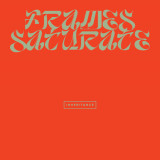
The Czecho-slovakian instrumental trio, Inheritance, invite you to rediscover their sonic journey with the reissue of their previous EPs, "Frames" (2014) and "Saturate" (2016), now elegantly entwined into a single captivating package released for the first time on vinyl, on Weltschmerzen. Comprising of the trio Jakub Volovár (guitar), Alex Strapková (piano), and Peter Kušnírik (drums), Inheritance was active in the mid 2010s in Brno, later unfortunately disbanding due to own personal pursuits.
Frames // Saturate embodies the melancholic and melodic tension characteristic of contemporary post-rock, complemented by the whimsy of piano-led instrumentals with a tint of indie-playfulness and a very slight yet powerful grain of sludge heaviness that can be traced back to Volovár's and Kušnirik's earlier post-metal project, Dawn to Come.
"Frames // Saturate" is first and foremost a compact sonic voyage. Volovár's evocative yet precise guitar work builds complex yet airy scaffolding, while Strapková's piano melodies create a tapestry of moods around it. Both EPs showcase Strapková's piano prowess, transforming each composition into a living organism. Kušnírik's drumming then acts as the steady pulse, guiding you through. These songs encapsulate the kind of mutualism and appreciation for (musical) interdependence that you can only develop throughout the years of practice and playing live.
You can hear how much fun it was for the band to play these songs, and that sense of joy translates directly into your own listening experience. It's the kind of music that makes you pick up an air guitar, (piano, or drums) - and sometimes everything all at once. It is music serious and poetic, yet fun and moving and complex at the same time.
Scout (Amsterdam, 17 februari 2001) heeft in de afgelopen jaren volledig zijn eigen geluid gevonden binnen de Nederlandse popmuziek. In een wereld tussen Hip-Hop en alternatieve Pop ziet de zanger en producer zich als verhalenverteller. In zijn EP "littekens" komt zijn grootse en melancholische geluid tot leven in een verhaal over zijn ervaringen met liefde en mentale gezondheid. Door in zijn eigen slaapkamer te schrijven en op te nemen is de EP doordrenkt met kwetsbaarheid en intimiteit. Hierdoor neemt de opkomende ster de luisteraar mee naar zijn eigen wereld.
Na jaren ervaring te hebben opgedaan op piano pakt Scout in 2016 voor het eerst een basgitaar op en voordat hij het weet schrijft de jonge artiest op zijn kleine studentenkamertje in Delft zijn eigen muziek. Het ging ineens niet meer over noten, rijmschema's en akkoorden: het maken van muziek was uitgegroeid tot zijn therapeutische uitlaatklep. Hieruit volgt in 2020 uiteindelijk zijn self-titled debuutalbum "Scout".
Sinds eind 2022 brengt het opkomend talent consistent muziek uit en vindt hij zijn eigen weg binnen het muzieklandschap. Door steeds meer instrumenten onder de knie te krijgen en meer en meer te leren over muziek en emotie ontstaat een werkelijk nieuw, echt en eigen geluid wat maar met één woord te omschrijven valt: kippenvelmuziek.
Na het uitkomen van zijn EP "littekens" in april 2023 wordt hij benaderd om dit werk uit te brengen op vinyl. Om deze muzikale reis uit te breiden en om nog dieper in de wereld van scout te duiken bevat de LP vier bonustracks. Hieronder valt een akoestische versie van het populairste nummer "herfst", die de kwetsbaarheid van de jonge maker nog verder naar voren brengt. Ook bevat de LP een live versie van "de wereld draait door". Deze versie is opgenomen in beroemd restaurant "De Goudfazant" in Amsterdam. Een speciale plek voor Scout, hier heeft veel van zijn familiegeschiedenis zich afgespeeld. Het nummer komt hierdoor nog meer tot zijn recht door het rauwe geluid van alleen piano en stem. Ook bevat de LP twee extension tracks die het verhaal van de spreekwoordelijke littekens verder uitbreiden. Zo komt Scout in zijn nummer "hartendief" tot de realisatie dat zijn partner hem niet ziet zoals hij haar en komt hij in het nummer "kwijt voor altijd" tot een besluit om het hoofdstuk van deze littekens voorgoed af te sluiten. Deze extension tracks zijn tot op heden alleen te beluisteren op de LP maar zullen in de loop van 2024 ook op streamingdiensten verschijnen. Deze releases zijn de voorzet voor een reeks singles in 2024 die uiteindelijk zullen leiden tot zijn eerste studioalbum in 2025.
Temple, Bassey, MacLaine and now, Hurt; in a world of Shirleys, the name Sophia Ruby Katz has chosen for her music is perhaps prophetic as it captures her stunningly emotive vocal approach. And whilst Shirley Hurt might be the perfect nom de plume for the creative Toronto-based artist, it’s her self-titled debut album which positions her as protagonist of her own universe.
Traversing sonic landscapes, Shirley Hurt’s vocals ebb and flow like lyrical Ley lines tracking the contours of her own well-travelled map. By the age of 18, Hurt had travelled extensively, having lived in upwards of 20 different apartments and houses, as a result never really feeling “at home” anywhere. At this age was when Hurt found herself in New York, dipping her toes into various scenes and musical realms. The first and only place she ever felt at home, and a partial home-base for her, she travelled between Toronto and New York until the age of 26.When the project she was working on in New York reached a dead-end she returned West, moving in with musicians Harrison Forman (Hieronymus Harry, Zones) and Patrick Lefler (Roy, Possum). Being surrounded by their improvising at all hours, a new approach emerged. “Harrison is a virtuosic guitar player, and I hadn't picked up a guitar in any serious way since I was 16,” she says, “by osmosis I started playing again for fun.” Without agenda, the process grew organically from there.
Hurt and Forman decided to travel across the US and Canada in a trailer for half a year, with the entire album written in the final months of their trip. Hurt had been writing loose ideas here and there but felt blocked creatively. When the pair reached Berkley, they wound up house-sitting for a tuned-in friend who recommended she pray, in a very direct way, to remove the block. “I took her advice and to my surprise it worked. The album was conceptualized and finished within a couple of months.” Shapeshifting in tone and phrasing, Hurt’s music alchemizes the furthest corners of experimental indie folk, pop, and country into a singular sound with elegant unpredictability.
Whilst Shirley Hurt’s lyrical and structural ideas may have emerged on the road, the album was self-produced and recorded at Joseph Shabason (The War on Drugs)’s Aytche studio in Toronto’s West End. It was engineered by Nathan Vanderwielen and Chris Shannon (Bart), and Hurt enlisted collaborators Jason Bhattacharya, Nick Dourado, Patrick Lefler, and Harrison Forman to hone her vision. “I wasn’t sure what was going to happen with the songs until we returned to Toronto,” she recalls. “Joseph and I had been talking about working together after sending across some demos and Jason happened to recommend his studio at the exact same time, so everything came together naturally at that point.”
Whilst her most recent adventures may have seen Shirley Hurt bound for Texas as an official SXSW artist (hand-picked by Gorilla Vs Bear to perform at their own showcase), she currently resides in her native Canada, more specifically rural Ontario, close to friends and family, and is already working on her second album. The ties to lineage are interwoven in the fabric of the music. Hurt’s mother, artist Leala Hewak, instilled a lust for life and innate value of creativity in her from a young age as she explored the role of gallery owner, vintage jewellery show host, mid-century modern furniture expert, real estate agent, painter. Hurt’s father, a civil litigation lawyer and new-wave obsessed music lover with an extensive vinyl collection, introduced Hurt to a wide-range of artists at a young age such as Nina Hagen, Laurie Anderson, Tom Tom Club, and endless others.
In her video for ‘Problem Child’ Hurt’s grandmother walks her through a generationally revered pie-making process. One would be tempted to hear this, and other songs, as autobiographical. Yet, Hurt’s lyrics are rarely pulled from her relationships or personal history––at least not consciously. Rather, they arise from somewhere less tangible or defined. “Lyrics tend to come to me when I am doing non-musical things - washing dishes, brushing my dogs, walking to the grocery store. I have a lot of voice memos on my phone and half-filled notebooks and when I hear something, I have to stop what I'm doing to get the idea down. Usually it’s bits and pieces. It's rare a full song comes to me in one go, but it's great when they do, and those are often my favourites.”
Carving out a space of her own in an all-encompassing universe, Shirley Hurt is the introduction to a long artistic story, and if the journey so far is anything to go by, it will be stippled with evermore unpredictable chapters.
Having met as teenagers touring the late-‘90s North American post-punk scene, guitarist/vocalist Sean Madigan Hoen and drummer Dan Jaquint established an ongoing musical collaboration that for years remained a mostly-private endeavor relegated to cassette-only releases. After living together in Brooklyn, the duo found themselves returning to their home state of Michigan in 2018 where they reconnected with Detroit’s music scene and formed KIND BEAST. Taking its name from the writing of Carl Jung, KIND BEAST is at once a distillation of several decades of electric guitar music and a lyrical exploration of shadow themes and deep-psyche explorations. Described by NPR affiliate WDET as “perfect for late-night freedom cruising on the outskirts of town,” the music is sophisticated and nocturnal, metabolizing ‘70s arena rock and Krautrock as readily as the post-Fugazi cannon on which its members were raised. What commences is a vast blending of rock swagger infused with a distinctly-Detroit eeriness, set to Hoen’s (a widely-published author) imagistic lyrics. Joining Hoen and Jaquint are bassist Sean Bondareff (known for a fifteen-year stint with Mitch Ryder and The Detroit Wheels) and guitarist Martin Rodgers, fifteen years younger than the other members and who has made a name for himself as one of Detroit’s most talented guitarists. KIND BEAST pays little homage to Hoen and Jaquint’s teenage bands (Thoughts of Ionesco and Small Brown Bike, respectively) and finds itself most often compared to mature constituents of the rock/pop pantheon such as Arctic Monkeys, Spoon, and Queens of the Stone Age while discerning listeners pinpoint a deeper influence of the great indie labels of yore (Touch and Go; Dischord).
Denovali presents the second cooperation album of Italian composer, arranger, producer and guitarist ERALDO BERNOCCHI with Berlin-based Japanese violinist, composer, electronic producer and TANGERINE DREAM member HOSHIKO YAMANE.
Eraldo Bernocchi and Hoshiko Yamane have come together again to create their second album - inspired by the Japanese concept of "Sabi". The record is a unique blend of electronic and acoustic music - with Bernocchi’s pulsating textures and Yamane's haunting treated violin melodies weaving together to create a captivating and emotional sonic landscape.
"Sabi" is a Japanese aesthetic that celebrates the beauty of impermanence and decay. It is often associated with the simplicity, austerity, and solitude found in nature, and is said to evoke a sense of melancholy, nostalgia, and reverence for the passage of time. Bernocchi and Yamane's "Sabi" explores these themes through a collection of minimalist compositions that combine electronic and acoustic instruments immersing the listener in a deeply cinematic experience.
The album takes the listener on a journey through a series of atmospheric tracks, sometimes melancholic pieces that evokes the sense of solitude and simplicity often associated with the concept, other times more energetic and uplifting, optimistic ones that celebrates the beauty of transience.
Throughout the record, Bernocchi's electronics work provides a powerful, quite physical, backdrop for Yamane's violin melodies and harmonies , which are at once mournful and hopeful. Together, they again created a sound that is both beautiful and haunting, evoking the sense of nostalgia and reverence that is at the heart of the "Sabi" aesthetic. "Sabi" is a unique and powerful work of art that explores the beauty of impermanence and the passage of time. With its blend of electronic and acoustic elements, it is a record that is both modern and timeless, and is sure to appeal to a wide range of fans of electronic, ambient and experimental music. The artwork again was created by the renowned designer Petulia Mattioli.
Black Truffle is pleased to announce the first LP documenting master khene player Sombat Simla, the label’s first collaboration with Japanese sound artist, field recordist, and researcher Yasuhiro Morinaga. Simla is known in Thailand as one of the greatest living players of the khene, the ancient bamboo mouth organ particularly associated with Laos but found throughout East and Southeast Asia. His virtuosic and endlessly inventive renditions of traditional and popular songs have earned him the title ‘the god of khene’, and he is known for his innovative techniques and ability to mimic other instruments and non-musical sound, including, as a writer for the Bangkok Post describes, ‘the sound of a train journey, complete with traffic crossings and the call of barbecue chicken vendors’. Aided by a group of Thai friends, in 2018 Morinaga travelled to the Maha Sarakham province in the Isan region, arranging to meet Simla in a remote spot surrounded by rice fields. Then and there, Morinaga recorded the solo performances heard on the LP’s first side. At Morinaga’s request, Simla began with a rendition of the train song ‘Lot Fay Tay Lang’. Beginning with long tones that seem to mimic a train horn, the performance soon moves into a rapid chugging rhythm, interrupted at points by vocal exclamations and the remarkable timbre Simla produces by singing through the khene. To listeners unfamiliar with Thai music, the pentatonic scales and rhythmic chug of many of the pieces can have surprising echoes of the rawest American blues. The range of Simla’s performance is astonishing, moving from compulsive rhythmic workouts on single chords and rapid-fire runs of single notes to gentle sing-song melodies, and using a fascinating array of techniques, including a rapid tremolo that sometimes sounds almost electronic. Later the same day, Morinaga followed Simla to a cattle shed where he met percussionist Mali Moodsansee to play some molam (folk songs found in Isan and neighbouring Laos), with Pattardon Ekchatree joining in on cymbal. At times, these molam songs have a wistful, romantic character quite different from the solo pieces. Backed up by the propulsive hand drums, Simla again dazzles with his melodic fluidity, rhythmic drive, and wild displays of unorthodox technique. As Morinaga writes, ‘It felt like they had been playing together so long that their breathing was perfectly in sync, and it was like listening to the precision of James Brown’s funk’. Accompanied by extensive liner notes by Morinaga detailing the day of recording, this is a stunning document of a master musician, seamlessly integrating tradition and innovation.
out of Stock
Last delivered 2 years ago available to reorder, subject to availability
To wrap up the year, W133 has put together its second Various Artist release featuring a diverse lineup of emerging and established artists.
Kicking off the EP is the French producer Monibi, offering a groovy and bass-heavy breakbeat track titled “Mahsa Amini.” This track serves as a call to fight for women’s rights, not only in Iran but around the world.
On A2, San Francisco-based Kudeki showcases her love for tripped-out Techno with “Cursive.” This mesmerizing track, featuring a relentless bassline and a 4/4 kick, creates a spooky atmosphere.
On the flip side, label head Pino Peña teams up with samwho from Rotterdam to deliver a percussive power workout. “Jacarandas,” named after the purple trees in CDMX, definitely has those Latin American vibes and rhythms that will get you moving.
For the closer of the EP, speed dembow heavyweight Siu Mata delivers a fast-hitting tribal bomb called “Dubiquity,” which takes you on a journey through dramatic pads and spaced-out percussions.
The release is, as always, complemented by pictures taken by analogue photographer Freya Gerz and is available on vinyl with fully printed cover sleeves.
out of Stock
Last delivered 2 years ago available to reorder, subject to availability
Terumasa Hino is a representative Japanese trumpet player, his very special 4 records from the earlier catalogues are finally reissued for the very first time. Representing Ode to workman from J Jazz : Deep Modern Jazz From Japan 1969-1984 released on BBE, in his session with local N.Y. musicians, these 4 records are so important pieces in 1970's independent Jazz! After his return to Japan, Terumasa Hino formed a new band to go further. With Hideo Ichikawa, Kiyoshi Matsumoto, and Terumasa Hino, adding to Reggie Workman and Teruo Nakamura. Terumasa Hino’s sensitive and wild play with his one-horn is mind blowing. Gengon powerful and graceful sound and peace and love so deep and full of beauty, these two songs show Terumasa Hino’s fulfillment time at this moment.
Special remarks: 180g, Red Vinyl, Limited to 100 copies.
After the success of 2021’s Ursgal, Mongolian jazz singer Enji returns with her third album Ulaan. The line-up has grown in size with drummer Mariá Portugal and clarinettist Joana Queiroz from Brazil joining the band to create an invigorating blend of grounded Folk and brooding Jazz.
Die Wiederveröffentlichung eines Klassikers: Deer Ticks Debüt-Meisterwerk War Elephant jetzt erhältlich auf "heavy metal grey" Zweifach-Vinyl mit einer Ätzung auf Seite D und dem Original-Cover-Artwork. Ein bedruckter Einleger liegt bei.
John McCauley III hat das Album im zarten Alter von 21 Jahren geschrieben, arrangiert, eingespielt und aufgenommen. Es ist voll von Liedern, die weiser und nuancierter sind, als man für einen jungen Mann in seinem Alter vermuten könnte. Die Texte sind nachdenklich und warmherzig, ganz im Stil von Johns Singer/Songwriter-Helden wie Townes van Zandt, Neil Young und Richie Valens. Das Album endet mit einer Coverversion des 1962 mit dem GRAMMY? ausgezeichneten Songs des Jahres "What Kind of Fool Am I" von Sammy Davis, Jr.
Ein Debütalbum das sich der Genrekategorisierung entzieht und schon jetzt als Klassiker gilt. Ein Barroom-Rock-Album voller Hooks, das mit der eingängigen Düsternis der 90er Jahre in Seattle ebenso verbunden ist wie mit dem Honky Tonk der späten 80er Jahre in Minneapolis und den 70er Jahren in Austin.
Thomas Bartlett ist ein Grammy- und Oscar-nominierter Pianist, Produzent und Sänger, der bereits mit Yoko Ono, Norah Jones, Florence & The Machine und vielen anderen zusammengearbeitet hat. Sein neues Album mit dem Titel Standards besteht aus intimen Solo-Piano-Aufnahmen von Jazz-Klassikern.
"Tenderly" ist natürlich ein Jazz-Klassiker, der von allen Großen interpretiert wurde - aber Bartlett macht dieses Stück zu seinem ganz eigenen: zart, intim und ein wenig melancholisch. Allein mit seinem Klavier zaubert Thomas Bartlett berührende, universelle Momente.
Indie pop quartet Melenas hail from Pamplona, Spain, a picturesque region nestled just south of the Pyrenees. Such beauty can't help but inform the band's songwriting, but Melenas aren't content to just sit placidly & take in the scenery. Since they burst onto the scene in 2016, the band has hit the ground running, playing incessantly both locally & on the stages at national festivals like Primavera Sound & Eurosonic as well as releasing a debut full length (2018's "s/t" album) and a 7-inch single both triple-released on local labels Elsa, Nebula & Snap! Clap! Club. Trouble In Mind is honored to be releasing their new album Dias Raros and is the first label outside of Spain to release Melenas music to the world.Dias Raros hums right from the get-go, peppering their garage-pop punch with elements of lysergic dream pop, melancholic indie rock and strident guitar jangle. The album title translates to "Strange Days" an acknowledgement - according to the band - of "...those days where you spend more time inside than outside. Inside your own self, inside your bedroom and your own universe thinking about your wishes, dreams, memories, obsessions or fears." The lyrics - sung entirely in their native Spanish - reference "those interior dialogues where sometimes you fight to escape from a situation, you wonder what another person will be thinking about or feeling, you gotta say goodbye, or you just enjoy the time by yourself. Days that, for different reasons, you're feeling different, they are strange". Opener "Primer tiempo" buzzes with an urgent organ drone, unfolding into a yearning ballad of modern guitar-pop bolstered by the group's lush harmonies & sets the tone for the rest of Dias Raros. Songs like "No puedo pensar" "3 Segundos" and "Despertar" follow suit, with the rhythm section galloping headlong into an insistent guitar strum, while ballads like the tender "El Tiempo ha Padsado" rely on the band's melodious voices bolstered by a lilting guitar riff and gentle organ swells. Elsewhere mid tempo rockers like the stomping "Los alemanes", the simmering "Ciencia Ficción" and "Ya no es Verano"s insistent jangle recall underground greats like The Pastels, R.E.M. and Shop Assistants. "Vals" ("Waltz") closes the album in 3/4 time, named for the ballroom dance as well as the last name of a close friend - a dedication to her. Its dreamy sway alluding to classic Brill Building songwriting; dusted with melancholy, but lifted by cascading voices, and organ and guitar waves and guitars that twinkle and shimmer over a cracking backbeat. Dias Raros is the perfect introduction to a band bursting with promise, confidently inhabiting their own space built upon the foundation of their influences both geographically and culturally, as well as musically.
One of the very first compositions by Bruno Sanchioni (Age of Love, BBE), released in 88 just at the beginning of the New Beat phenomenon that marked the history of Belgian music.
Along with Confetti's and Amnesia, it was one of the most popular tracks of its time and marked the start of a long and promising career for Bruno Sanchioni. Just 2 years later, he composed the original bassline for the legendary track "Age of Love", which, thanks to Jam & Spoon's remix, was to stamp the electronic music scene for several generations. Based on video clash created by the visionary Lil'Louis, the original slow tempo was enhanced by the highly recognisable vocal "The Story" and a simple but highly effective melody. It was already remixed 10 years later by Viper, with a rhythmic pattern once again inspired by the Chicago pioneers.
25 years on, this track still evokes emotion and still inspires a good number of artists to want to touch it up, and for the track's 35th anniversary it seemed appropriate to pay it a vibrant tribute by offering several remixes split into two different vinyl projects. In a faster, more acid-influenced style, the first project features a remix by DJHS, Manu Kenton and Furax, emblematic artists from the north of France, and is completed by Viper's excellent 98 remix for those who haven't heard it yet. DJHS is behind the legendary acid track 'Spokesman', Manu Kenton is one of the flagship artists of the 'Ghoststyle' label and Furax is behind 'Big Orgus'.
out of Stock
Last delivered 18 months ago available to reorder, subject to availability
Led by the legendary pianist and composer Chick Corea - the venerated 27-time Grammy winner and National Endowment for the Arts Jazz Master - The Elektric Band stormed onto the jazz scene in the mid-1980s, making an immediate and lasting impact on the genre. With their electrifying performances and innovative blend of jazz fusion, the group produced a series of albums that set the bar for excellence in contemporary jazz. Featuring a core lineup of virtuosic musicians - John Patitucci on bass, Dave Weckl on drums, Eric Marienthal on saxophone and Frank Gambale on guitar - the group created a dynamic and electrifying sound that came to define the jazz fusion style. Their collective musicianship was on full display on each album, as they seamlessly blended complex compositions with captivating improvisations. With each outing, the band explored new sonic territories, incorporating elements of funk, Latin and Afro music, and pop sensibilities. Their 5-album studio discography is a masterful tapestry of multi-layered music, showcasing their creativity, innovation, and musicianship. A restlessly creative, eternally youthful and uncommonly generous spirit, Armando Anthony “Chick” Corea left behind an incredibly rich legacy of recorded music when he passed away on February 9, 2021. The music of the Elektric Band continues to inspire and influence musicians to this day, cementing their legacy as one of the most important and iconic jazz fusion bands of all time
For the first time in their diverse second act, they allow themselves to be a rock band, freed of adornment and embellishment. As much as Carlson’s guitar has always been the focal point of EARTH’s music, it’s been surrounded by consistently diverse instrumentation. Here the dialog between Carlson and Davies drumming remains pivotal, underpinned by the sympathetic bass of Bill Herzog (Sunn O))), Joel RL Phelps, Jesse Sykes and the Sweet Hereafter) and thickened by additional layers of guitar from Brett Netson (Built To Spill, Caustic Resin) and Jodie Cox (Narrows). Perhaps the largest left turn on Primitive And Deadly, though, is the prominence of guest vocalists Mark Lanegan and Rabia Shaheen Qazi (Rose Windows) who transform the traditionally free ranging meditations of EARTH into something approaching traditional pop structures.
On “Rooks Across the Gates,” a song stylistically the closest to the folk inspired modality of Angels Of Darkness, Carlson stretches out into some of his most lyrical playing to date, creating an almost symbiotic relationship between his performance and the vocals of old friend Mark Lanegan. “From the Zodiacal Light,” meanwhile, takes the late 60s San Franciscan/freaked-out jazz-rock transcendence of The Bees Made Honey In The Lion’s Skull and quickly re-appropriates that sound into a musky torch song for the witching hour.
This contradictive tension between a band pushing itself ever-forward whilst surveying their history is reflected in the albums twin recording locales. The foundation of the record was laid in the mystic desert highlands of Joshua Tree, California where EARTH recorded hour after hour of meditations on each track's central theme at Rancho de la Luna. Upon returning to Seattle these were edited, arranged and expanded upon at Avast with the help of long-term collaborator Randall Dunn (who was previously at the helm for the Hex, The Bees Made Honey In The Lion's Skull and Hibernaculum sessions).
Big Thief's music, rooted in the songs of Adrianne Lenker, paints in vivid tones "the process of harnessing pain, loss, and love, while simultaneously letting go, looking into your own eyes through someone else's, and being okay with the inevitability of death," says Adrianne.
Masterpiece, Big Thief's debut album, is -lled with characters and visceral narratives, songs that pivot in the space of a few words. Adrianne's voice and guitar playing speak of rich emotional territory with grace and insight. In her words, the record tracks "the masterpiece of existence, which is always folding into itself, people attempting to connect, to both shake themselves awake and to shake o the numbness of certain points in their life. The interpretations might be impressionistic or surrealistic, but they're grounded in simple things.'
Adrianne met her longtime musical partner, guitarist and singer, Buck Meek, in Brooklyn a few years ago, and they quickly formed a creative bond tempered by the experience of traveling and performing for months on end in old dive bars, yards, barns, and basements together. They recorded a pair of duo albums (A-Sides and B-Sides), and Adrianne showcased her songs on a solo album, Hours Were The Birds.
Now, as a full rock and roll band, with Buck on guitar, Max Oleartchik on bass, and James Krivchenia on drums, they bring a steady wildness, giving the songs an even deeper layer of nostalgia. "These guys feel like a pack of wolves at my back," says Adrianne, "they make the songs howl and bark with a fierce tenderness that gives me courage."
After spending last July in an old house that they turned into a studio on Lake Champlain with producer Andrew Sarlo, the resulting collection soars on what Big Thief fan Sharon Van Etten calls "...a real journey, with intelligent stories and twist-and-turn melodies.
These 4 records reissued for the first time, with so rare and rich contents from 1970's Japanese Jazz which is gathering attention globally, were released on Terumasa Hino private label "LOVE RECORDS" and distributed by Japanese major label.
Representing "Ode to workman" from "J Jazz : Deep Modern Jazz From Japan 1969-1984" released on BBE, in his session with local N.Y. musicians, these 4 records are so important pieces in 1970's independent Jazz !
Terumasa Hino and Reggie Workman's second work. As adding two new energetic members, Takao Uematsu and Yuji Imamura, the sound became heavier and more thrilling. Sometimes it leads to dark depression, but sometimes gives a feeling of euphoria, it is still vivid as Afrocentric Jazz. With its quality and rarity, it has been always wanted all over the world.
Introducing Biel Solsona: A Barcelona pianist with a vibrant musical background. His debut solo album, "· i · ", showcases a fusion of jazz, electronic, and cinematic sounds. Featuring Ferran Puertas on double bass and Eudald Font on drums, they weave a mesmerizing tapestry of original compositions where piano harmonies blend seamlessly with synthesizers and rhythmic beats, revealing a unique musical landscape. Their rendition of "Sunday Disco Dawn", an original composition of spanish disco dons Fundación Tony Manero, stands out, taking things into a more spacy direction. Experience the synergy of melodies, discover new textures, and immerse yourself in Biel Solsona's musical universe.
Raze Regal und James Petralli, der eine als E-Gitarrist erfolgreich, der andere Gründungsmitglied und Sänger der Indie-Rock-Legende White Denim aus Austin, Texas, lernten sich 2019 auf einer Tour an der US-amerikanischen Westküste kennen und schlossen schnell eine tiefe Freundschaft, die durch ihre gemeinsame Liebe für den Rock der 60er und 70er Jahre, die Innovationen des Jazzsaxophons und die Kompositionen von Eddie Harris, Joe Henderson und Wayne Shorter, die R & B-Produktionstechniken der 80er und die Energie des New Wave verbunden ist.
Das hier vorliegende Debütalbum der beiden Musiker ist ein zutiefst kollektives Album, in das beide Protagonisten jahrelang Blut, Schweiß und Tränen investiert haben, um eines der seelenvollsten Werke ihrer Karriere zu schaffen.
So strotzt "Raze Regal & White Denim Inc." nur so vor Jazzakkorden, Rockhooks, Soulgesang und Popmelodien, präsentiert sich frei von Retro- oder Throwback-Gefühlen und kann nur von Künstlern stammen, die die populäre Musik so gut kennen, dass sie sich über Referenzen und Hommagen hinwegsetzen können, um etwas angenehm Vertrautes und doch völlig Neues zu erschaffen. Ein Duo das mehr ist als die Summe seiner Teile.
"Smart Ass Black Boy: Redux" ist die zum 10-jährigen Jubiläum neu abgemischte und neu gemasterte Ausgabe des zweiten Studioalbums des Houstoner Rappers Fat Tony und des ersten Albums für Young One Records (einem frühen Partisan-Imprint).
"Smart Ass Black Boy" war eine der am meisten gefeierten Hip-Hop-Platten des Jahres 2013 und wurde schließlich zu einer der beliebtesten Houstoner Rap-Platten der 2010er Jahre. Das Album landete auf den Jahresendlisten von Complex und VICE, während Noisey und Pitchfork die Videos zu "BKNY" bzw. "Hood Party" uraufführten. Es wurde in der First Listen-Serie von NPR vorgestellt, wo es als "refreshing" und "promising" beschrieben wurde, während Pitchfork sagte das Album "absolutely knocks". Robert Christgau gab der Platte eine A-Bewertung ("homespun and imaginative"), und Rolling Stone nannte sie einen "thoroughly enjoyable batch of smart-ass raps". Fat Tony hat seitdem Platten mit Don Giovanni und Carpark veröffentlicht, zuletzt in diesem Jahr "I Will Make a Baby in this Damn Economy".
Das Album enthält einen noch nie zuvor veröffentlichten "BKNY (Remix)" mit neuen Versen von Mr. Muthafuckin' eXquire, Melo-X und GLDNEYE.
[l] B6. BKNY [Remix] (feat. Mr. Muthafuckin' eXquire, Melo-X, and GLDNEYE) (Redux)