The chronicle continues, deepening the legend… Out Under Streets serves as a milestone in the profuse and vastly intangible catalog of Bug Bus Piano – a decade into the cult project's existence, this album stands as its first LP. But Bug Bus Piano, the originator of Hard Ambient, is perhaps better understood as an outlook or world unto itself. At any given moment it is a spirited performance of hyper-ambivalence, a refuge and processing center for personal history, populist strife and achievement, a besieged utopian commune. Out Under Streets is the newest export of this philosophy and perhaps the finest point of entry yet into all that is Bug Bus Piano. Far from didactic, the journey underground and back again concept which structures the record serves as a vehicle to consider what lies beneath the potholes in our pavement and centuries of cracked sidewalk. Every demolition or collapse and each successive failure at putting the pieces back together again. Having received the blessing of Carriswheel, Stern Records is proud to inaugurate itself with a major handmade ambient statement by Bug Bus Piano.
Search:pipe
Black Truffle is thrilled to begin 2025 with a rare solo release from Konrad Sprenger, alias of elusive Berlin composer-producer-instrument builder Jörg Hiller. A prolific collaborator, Sprenger has worked extensively with icons of American minimalism such as Ellen Fullman (with whom her recorded the gloriously eccentric song album Ort) and Arnold Dreyblatt (as a core member of the Orchestra of Excited Strings since 2009), as well as releasing their music on his impeccably curated label, Choose. As an instrument builder and installation artist, he has overseen the creation of a computer-controlled multi-channel electric guitar and, with Phillip Sollmann, a modular pipe organ system designed to be reconfigured from space to space.
In much of Hiller’s work, a scientific approach to acoustic phenomena co-exists with a pop sensibility and a sly sense of humour. Nowhere is this unique combination more in evidence than in his slim body of solo work, beginning with the startling diversity of instrumentation and compositional approaches heard on the short pieces of Miniaturen (2006) and Versprochen (2009), followed by the more single-minded exploration of the computer-controlled electric guitar on Stack Music (2017). Set brings together these various strands of Sprenger’s work into a wildly infectious, playful epic, performed by the composer and the mysterious Ensemble Risonanze Moderne. On the LP’s second side, we are also treated to a guest appearance from longtime collaborator Oren Ambarchi, on whose recent solo releases Simian Angel and Shebang Sprenger has made key production contributions. Ambarchi’s signature stuttering, swirling harmonics weave through a sparkling assemblage of electric guitars, acoustic instruments, percussion and electronics—though, given the deft use that much of Sprenger’s recent production work makes of midi-controlled sampled instrumentation, it’s anyone’s guess where the acoustic ends and the digital begins here.
As soon as the needle drops on the first side, we are inside a musical world that Set will inhabit for its 33 minutes: sparkling guitar harmonics and palm-muted notes, tuned percussion, crisp electronic drum hits, flashes of horns, and untraceable bursts of synthetic sound are arranged into a skittering polyrhythmic framework calling up the detail-rich percussive constructions of contemporary techno filtered through the pointillism of the post-serialist European avant-garde. Behind this shifting mist of particulate sound, winds and strings sound out held chords, reminiscent of Arthur Russell’s Tower of Meaning in their epic yet seemingly aimless drift. The relationship between elements is mysterious, appearing both carefully considered and almost random. Though never straying too far from where it begins, as the piece moves along, it spotlights increasingly bizarre instrument choices (shakuhachi and steel drums, anyone?) as well as momentary liftoffs into motorik propulsion. Set is a fascinating, mercurial thing: at once propulsive and fragmented, essentially static in form yet ever-changing in detail, unabashedly egghead in its construction yet sure to get the feet tapping.
Russian vinyl botherer and producer DJ Vadim has pulled in some serious reggae talent on his 11th album.
It all kicks off with a double whammy of Demolition Man’s classic pipes on the rootsy Fussin N Fighting and the dubby Sometimes, featuring Inja shouting out to the people struggling to rise from dark situations. The mariachi trumpet, married to the smooth chorus vocals, provide a subtle counterpoint to the rapper’s imploring flow. Sultry dancehall’s the order of the day for Call On Me, with Eva Lazarus pushing out a proper earworm of a chorus that plays beautifully off the Jamaican-accented Brummie spit of Serocee. Three tracks in, and Vadim’s already traversed several decades of musical development whilst keeping the narrative pleasingly consistent.
Murder Murder channels the spirit of Damian Marley for a politically-charged reggae hip hop rampage, then the unmistakable voice of Max Romeo pops up on Judgement, a fire and brimstone cut in the great tradition of such offerings. It also showcases one of the main themes of this release: the bringing together of cultures and musicians. Abstract Rude and YT provide rap responses to the veteran, with the production lightly upgrading the familiar sonics with a few echo-electro flourishes here and there.
On (ii), London & Vienna-based duo Bara & Isa present their singular version of devotional music. After meeting at an experimental choir in Café OTO, the duo started collaborating, mostly by exchanging files (initially during the pandemic and now between London and Vienna). (ii) is their debut album which follows a handful of self-released singles and an EP.
Described by the duo as a "sort of document of personal development, and also the struggles of everyday motions", this is music which embraces contradictions. Themes of reflection, acceptance and care sit side by side with notions of spiralling and falling, as Bara & Isa explore the nuances and complexities of quotidian life. Working with a rich sound palette of organ pipes, electric organ, voice notes, field recordings, vocals, harp, chimes, tuning forks, singing bowls, bells and flute, the duo slow-cooked and composed these beautiful songs between 2021 and 2024, mostly by exchanging files. And that's exactly what this music sounds like: a digital call with a loved one, glitching, slowed down, disembodied, yet heartwarming and comforting. Mesmerizing, inviting and bewildering all at once.
“Their music toys with proximity and intimacy, it carries a romanticism which feels forged from a struggle for connection in an isolating world. Tender, precarious folk ballads for a time which struggles to stay in sync.”
Daryl Worthington — The Quietus
“Late Junction 3 airplay”
Jennifer Lucy Allan — BBC Radio 3
Will probably ship earlier than the 14th. Up until Raising Hell, the rap juggernaut we know as Run-DMC was still in its building and breaking-down- doors phase. In 1986 that changed, and in a dramatic way. With their third long-player, the group had reached the mountaintop. It was THE record that proved hip-hop wasn't a fad. Raising Hell marked an important and significant new era for the group. Leaving producer Larry Smith for up-and- coming sonic innovator Rick Rubin (still co-produced by Run's brother Russell Simmons), they began to fully transition not only their own sound, but the sound of the entire genre. Less live playing - with some exceptions - and a slicker, tighter sonic attack. Musical aesthetics aside, though, at their core they stayed true to the essence of hip-hop: two turntables and a microphone, or two. It's impossible to talk about the album without its worldwide smash, 'Walk This Way,' which hit #4 on the Billboard pop charts and saw the group digging in the rock crates to summon Aerosmith in the flesh, combining Steven Tyler's and Joe Perry's musicianship with the group's own take on the '70s classic. The song's video cemented Run-DMC as legit MTV idols, and both groups rode its wave to new heights. Beyond 'Walk This Way,' the platter is full to the hilt with undeniable classic singles: 'You Be Illin''; 'It's Tricky'; 'Peter Piper' and the fashion-world shifting 'My Adidas.' Each song was new proof that Run-DMC's sound was indeed new, but still familiar, and full of the energy, charisma and innovation that drew fans to their first two LPs. Aside from the singles, the reason the album stands up so well is the fact that there is virtually no filler. 'Proud To Be Black' remains a pioneering and underrated cut when people talk about 'conscious' hip-hop. And to make sure they never lost the streets that gave them their start, 'Hit It Run,' 'Son Of Byford,' 'Is It Live' and 'Perfection' all bring it back to the group's early days in the park. Besides the triple platinum status the album achieved, it was more than just a pop smash. It signaled a new era for rap music, and it was
the no-turning- back point for the entire genre. This was the beginning of what we now call the Golden Era, and it still sounds as fresh today as it did three decades ago.
To Celebrate the Release of the Acclaimed Album From Kool Keith « Keith’s Salon » Released in 2021 And produced by Bruno Pronsato. We Put Together a Strong Team to Remix Some of the Tracks! Ben Nevile, Losoul and Flabbergast (Vincent Lemieux Et Guillaume Coutu Dumont). This Is a House Minimal Revisit of the Hip-Hop Hits from Kool Keith. Enjoy...
- 1: Peach Blossom Paradise
- 2: Demon Cicadas In The Night
- 3: The Cold Curve
- 4: Saying Yes To Everything
- 5: Lighthouse
- 6: Revisionist Mystery
- 7: The Meander
- 8: The Wheel Of Persuasion
- 9: Another Tomorrow
- 10: Common Exotic
Prairiewolf make easy listening music for an age of fracture. They almost do it in spite of themselves. No one can seriously question the head music bona fides of the members of this Colorado-based trio.
Guitarist Stefan Beck has already assembled a formidable discography of jewel-toned guitar zone-outs under his Golden Brown moniker. And keyboardist and guitarist Jeremy Erwin and bassist Tyler Wilcox have both made their reputations as chroniclers of the vast world of out-music. Erwin helms the indispensable Heat Warps blog, a performance-by-performance archive of Miles Davis’s labyrinthine electric period. And Wilcox has been covering the ragged edges of psychedelia and experimental rock at Aquarium Drunkard and other publications, not to mention his own virtual basement for heads, the great bootleg blog Doom and Gloom from the Tomb.
These guys come by it honestly. And yet, given their backgrounds, Prairiewolf’s self-titled debut last spring was remarkably free of face-melters, brown acid blowouts, and ascendant spiritual jazz odysseys. Instead, they dropped a record of beautiful, elegant, low-key cosmic groovers that sounded like the piped-in background music to a resort hotel on Jupiter. It was an unlikely psychedelia, brocaded with mid-twentieth century sonic threading from the hi-fi era: vintage synthesizers, smears of spaghetti western, luxe tropical details, the faint schmaltz of space age pop. Imagine something like a Harmonia residency in the airport lounge. And yet somehow it all worked brilliantly. Prairiewolf became last summer’s cool-down standard. After a year woodshedding around Colorado’s Front Range region, the Prairiewolf boys have fired up their trusty Korg SR-120 drum machine for another outstanding collection of suborbital exotica. The appropriately titled Deep Time operates in its own chronology, unspooling at its unhurried pace. All its incongruous period and stylistic references—the new age pulses, Hawaiian steel, shaggy hippie rambles, lysergic guitar spirals, and orchestral synthesizer flourishes—float atop the album’s own singular temporality. Deep Time makes its own time.
From the moment Beck folds his slide guitar, origami-like, into a sound resembling the call of gulls on the tranquil album opener, “Peach Blossom Paradise,” there is a sense of departure from everyday life. The shimmering “Lighthouse” has a similar sunbaked nonchalance, like an afternoon passed day-drinking in a seaside bar. That they named their lush, kaleidoscopic downtempo track “The Meander” pretty much says it all. The ranging, propulsive “Saying Yes to Everything” seems like a nod in the direction of Rose City Band’s brand of wookie krautrock. And the motorik noir of “Demon Cicadas in the Night” also goes hard. Beck and Erwin’s intertwined guitar jam on the eerie album standout “The Cold Curve” evolves into something that sounds like primitive computer music. A genteel bassline from Wilcox on another album highlight, “Revisionist Mystery,” sets the stage for a loopy space jazz turn from guest clarinettist Matt Loewen of Rayonism. The title of post-rock cowboy tune “Another Tomorrow” might refer to the alternative future that so many critics heard in the music of Prairiewolf’s first album. Or it might simply refer to the persistence of time, however deep. Either way,
I’m thankful for the way Prairiewolf make each of their tunes a little oasis or sanctuary, each subsisting according to its own crystalline little logic for a few minutes. It is no simple task to filter out the omnipresent anger and anxiety of everyday life these days. But Prairiewolf are out here making it seem easy.
Brent S. Sirota
- A1: Ghost Riders In The Sky
- A2: Sad Shades Of Blue
- A3: Woman To Woman
- A4: Me And You And A Dog Named Boo
- A5: Judy In Disguise
- A6: I Walk The Line
- B1: I'm Troubled
- B2: Singing The Blues
- B3: Cannonball
- B4: Pipeline
- B5: Paint It Black
- B6: Murder In The Graveyard
- C1: Jeepster
- C2: Wipeout
- C3: Walk Don't Run
- C4: Deep Purple
- C5: Indian Giver
- C6: Boom Boom
- D1: Stupid Cupid
- D2: These Boots Are Made For Walkin
- D3: Love Potion No. 9
- D4: Midnight Confessions
- D5: The 'In' Crowd
- D6: Louie Louie
The Tarantino Experience Reloaded extends the tribute to one of the greatest filmmakers of the last 50 years and his uncanny talent.
- Once Upon A Time
- Come To Me
- Premonition
- Herr Knock
- Ellen's Dream
- Incantation
- Goodbye
- The Inn / Moroi
- Shrine
- A Carriage Awaits
- Come By The Fire
- Destiny
- The Castle
- Covenant
- The Crypt
- Lost
- Hysterical Spell
- Devourance
- The Monastery
- Solomonar
- Increase Thy Thunders
- The Professor
- Dreams Grow Darker
- Possession
- An Arrival
- A Return
- Grünewald
- Despair In My Coming
- A Curious Mark
- Orlok's Shadow
- The Vampyr
- The First Night
- Death, All Around Us
- I Know Him
- The Second Night
- These Nightmares Exist
- A Priestess Of Isis
- Last Goodbye
- Never Sleep Again
- The Third Night
- The Prince Of Rats
- Daybreak
- Liliacs
Oxblood Vinyl[30,04 €]
Robin Carolan's latest soundtrack for Robert Eggers' highly anticipated Nosferatu is a haunting, gothic-infused and meticulously crafted work that draws from a vast palette of sounds, instruments, and inspirations. Following their successful collaboration on The Northman, Carolan reunites with Eggers to bring the legendary tale of Nosferatu to life, infusing the film with a score that is as complex and nuanced as the story itself. With Daniel Pioro, one of Britain's most exciting young classical musicians, at the helm as the orchestra leader and first chair for a vast majority of the recording, the soundtrack features a vast orchestration, including 60 string players, a full choir, various horns and woodwinds, a harpist, and two percussionists. Despite the grandeur of the orchestration, one of the most challenging pieces was the music box used at the film's beginning. Carolan and Eggers struggled to perfect its sound, a process marked by their meticulous attention to detail, which Carolan describes as almost telepathic. Set in the 1800s, Nosferatu allowed Carolan to incorporate contemporary instrumentation, though he made a deliberate effort to ensure the score didn't sound overly modern. Letty Stott, who also worked on The Northman, contributed ancient horns and pipes, enhancing the soundtrack's eerie atmosphere. Additionally, percussionist Paul Clarvis custom-built a toaca-like instrument for added authenticity. Carolan's inspirations for the soundtrack were as eclectic as they were profound. He frequently drew upon the works of Bartok and Coil, while films like The Innocents, Angels and Insects, and Eyes Wide Shut provided cinematic inspiration. Additionally, he explored the more obscure side of Hammer Horror soundtracks and found a deep connection to the music of the Ukrainian film The Eve of Ivan Kupalo, which helped shape the score's otherworldly tone. Carolan intentionally moved beyond the typical horror score, focusing on capturing the tale's melancholy and tragic elements while weaving in a sense of warped romanticism. The result is a soundtrack that not only complements the film but also stands on its own as a testament to Carolan's artistry and the enduring power of collaboration.
- A1: Once Upon A Time
- A2: Come To Me
- A3: Premonition
- A4: Herr Knock
- A5: Ellen's Dream
- A6: Incantation
- A7: Goodbye
- A8: The Inn/Moroi
- A9: Shrine
- A10: A Carriage Awaits
- A11: Come By The Fire
- A12: Destiny
- A13: The Castle
- B1: Covenant
- B2: The Crypt
- B3: Lost
- B4: Hysterical Spell
- B5: Devourance
- B6: The Monastery
- B7: Solomonar
- B8: Increase Thy Thunders
- B9: The Professor
- B10: Dreams Grow Darker
- C1: Possession
- C2: An Arrival
- C3: A Return
- C4: Grunewald
- C5: Despair In My Coming
- C6: A Curious Mark
- C7: Orlok's Shadow
- C8: The Vampyr
- C9: The First Night
- C10: Death, All Around Us
- C11: I Know Him
- D1: The Second Night
- D2: These Nightmares Exist
- D3: A Priestess Of Isis
- D4: Last Goodbye
- D5: Never Sleep Again
- D6: The Third Night
- D7: The Prince Of Rats
- D8: Daybreak
- D9: Liliacs
Black Vinyl[28,78 €]
Robin Carolan's latest soundtrack for Robert Eggers' highly anticipated Nosferatu is a haunting, gothic-infused and meticulously crafted work that draws from a vast palette of sounds, instruments, and inspirations. Following their successful collaboration on The Northman, Carolan reunites with Eggers to bring the legendary tale of Nosferatu to life, infusing the film with a score that is as complex and nuanced as the story itself. With Daniel Pioro, one of Britain's most exciting young classical musicians, at the helm as the orchestra leader and first chair for a vast majority of the recording, the soundtrack features a vast orchestration, including 60 string players, a full choir, various horns and woodwinds, a harpist, and two percussionists. Despite the grandeur of the orchestration, one of the most challenging pieces was the music box used at the film's beginning. Carolan and Eggers struggled to perfect its sound, a process marked by their meticulous attention to detail, which Carolan describes as almost telepathic. Set in the 1800s, Nosferatu allowed Carolan to incorporate contemporary instrumentation, though he made a deliberate effort to ensure the score didn't sound overly modern. Letty Stott, who also worked on The Northman, contributed ancient horns and pipes, enhancing the soundtrack's eerie atmosphere. Additionally, percussionist Paul Clarvis custom-built a toaca-like instrument for added authenticity. Carolan's inspirations for the soundtrack were as eclectic as they were profound. He frequently drew upon the works of Bartok and Coil, while films like The Innocents, Angels and Insects, and Eyes Wide Shut provided cinematic inspiration. Additionally, he explored the more obscure side of Hammer Horror soundtracks and found a deep connection to the music of the Ukrainian film The Eve of Ivan Kupalo, which helped shape the score's otherworldly tone. Carolan intentionally moved beyond the typical horror score, focusing on capturing the tale's melancholy and tragic elements while weaving in a sense of warped romanticism. The result is a soundtrack that not only complements the film but also stands on its own as a testament to Carolan's artistry and the enduring power of collaboration.
- Bruised Orange (Chain Of Sorrow) - Justin Vernon
- Wedding Day In Funeralville - Conor Oberst And The Mystic Valley Band
- All The Best - My Morning Jacket
- Mexican Home - Josh Ritter
- Six O'clock News - Lambchop
- Far From Me - Justin Townes Earle
- Spanish Pipedream - The Avett Brothers
- Angel From Montgomery - Old Crow Medicine Show
- The Late John Garfield Blues - Sara Watkins
- Daddy's Little Pumpkin - Drive-By Truckers
- Unwed Fathers - Deer Tick
- Let's Talk Dirty In Hawaiian - Those Darlins
- A1: Nobuo Yagi - Mi Mi Africa
- A2: Nobuyuki Shimizu - Silver Spot
- A3: Piper - Samba Night
- B1: Haruko Kuwana - Akogareno Sundown
- B2: Aru Takamura - Koi Wa Saikou
- B3: Hitomi Tohyama - Love Is The Competition
- B4: Homma Express -What The Magic Is To Try
- C1: Colored Music - Colored Music
- C2: Shohjo-Tai & Red Bus St Project - Electric City
- C3: Yumi Murata - Krishna
- D1: Eri Ohno - Live Hard, ,Live Free
- D2: Minnie - Rocket 88
- D3: Shoody - Tokyo Melody
2024 Repress
at mule musiq, we've focused on shining light on the many aspects of what electronic music can be, putting out house, techno and ambient releases on our main label, while releasing alternative-leaning dance music through our endless flight imprint. but with the launch of our new label, studio mule, we are stepping away from electronic club music for a bit. the label will not be tied to a specific genre, as we will instead focus on releasing any kind of music that we feel is a little bit different and interesting, but somehow make sense in this day and age. for our first batch of releases, we will be focusing on japanese music.
to be honest, i have been watching the recent rise of global interest in japanese music with a skeptical eye, not sure of how to feel about all these labels overseas licensing great albums that were birthed in our country. but then, i was told by somebody i greatly respect that i should do something similar with mule, and put our own spin on it, which sounded like a good idea to me. after a period of procrastination, i finally got around to doing it. we are starting things off with a compilation of japanese disco, boogie and soul music that we selected from a modern dance music perspective — the kind of songs that we feel would intrigue music fans across the world.
at first, i started seeking authentic-sounding disco that sound like it could have been recorded in the states, but after struggling to get licensing rights for many of those tracks, i started to wonder if that was really the direction we should be going in. when we start new labels or projects, we often come up with the title or artwork first, before deciding on the actual music. we came up with the title midnight in tokyo first, which dictated that we needed to find music that would be a perfect soundtrack to listen to at night in tokyo. we ended up compiling a selection of tracks that you could both listen to at home, and play in clubs at certain time slots. the compilation also ended up sounding a lot more pop than we initially imagined...
during the selection process, we did not care whether the tracks have been reissued already or not, and how rare the original copies of the records were. our sole purpose was to gather a handful of songs from across labels, major or otherwise, that we felt could be listened to for many years to come — even after this whole japanese music trend dies down. although we put together this release mainly for listeners outside of japan, the compilation can also be a chance for japanese music lovers to rediscover the greatness of domestic music, as we did during the process.
the compilation starts off with the afro disco classic 'mi mi africa' by harmonica player nobuo yagi, which was also included in the compilation mastercuts.
'silver top' is a jazzy fusion disco taken from composer, arranger and multi-instrumentalist nobuyuki shimizu's first album, which he released when he was 19. the track features singer epo, whom he worked with many times over the years as an arranger.
'samba night' is by vocalist keisuke yamamoto and his band piper, from their masterpiece second album summer breeze. a delightful city pop number that should appeal to tatsuro yamashita fans.
'akogareno sundown' is a japanese soul classic, sang by singer haruko kuwana (the sister of well-known musi-cian masahiro kuwana). recorded in hawaii and produced by mackey feary band, known for the soulful classic 'a million stars.'
'koiwa saiko (i'm in love)' is a mellow and groovy track by singer aru takamura, the great-grandchild of sculptor kouun takamura, whose son kotaro takamura is a famed poet and sculptor. can be thought of as japan's answer to cheryl lynn's 'got to be real.'
'what the magic is to try' is a cult electropop track by honma express, a project helmed by producer kanji honma. hailed as japan's trevor horn, he is also known as the producer of legendary techno pop band tpo.
'colored music' is a song by colored music, a duo of pianist ichiko hashimoto and her partner atsuo fujimoto, who have gone on tour with ymo. taken from colored music's sole album, the japanese rare groove treasure is a mesh of new wave, synth pop and jazz influences.
the dubby electronic new wave disco 'electric city' is a b side of pop idol group shohjo-tai's debut 12' single, but the girls aren't actually singing on it, making the instrumental one of japan's greatest '80s dance tracks.
'love is the competition' is a breezy disco jam by okinawa-born bilingual artist hitomi tohyama. featured on her album next door, the song's melody seems like an interpolation of the whispers' 'it's a love thing.'
taken from mariah project's diva yumi murata's first album, 'krishna' is a funky and soulful rockin' disco cut.reminiscent of chaka khan's 'i know you, i live you,' 'live hard, live free' is a song by jazz vocalist eri ohno who is known for her work with dj krush and singing on the soundtrack to anime rupin the third.
'rocket 88' is a melancholic disco number by singer minnie. though the track was released through sapporo's independent label paradise records, the superb production quality suggests otherwise.
closing out the 13-track compilation is japanese disco staple 'tokyo melody,' sang by half african and half swedish american singer shoody and backed by tetsuji hayashi's disco band the eastern gang.
Black Vinyl. A trio of Kansas City soul sweepers, from the sprawling midwest burg's storied Cavern, Damon, and Forte concerns. Bump and the Soul Stompers' 1970 sweet soul double sider "I Can Remember" was a tail pipe-dragging, low rider classic in the making, had it ever been released. A few years later Jerald "Bump" Scott took his new group to Cavern's subterranean confines to cut the group harmony masterpiece "Living In The Past," but remained unissued prior to Numero's discovery of the Cavern tapes. As disco was cresting at the top of the next decade, Sharon Revoal tracked her James Brown meets James Bond stepper "Reaching For Our Star"_ the last 45 released on Marva Whitney's peerless Forte label.
Coke Bottle Clear Vinyl. A trio of Kansas City soul sweepers, from the sprawling midwest burg's storied Cavern, Damon, and Forte concerns. Bump and the Soul Stompers' 1970 sweet soul double sider "I Can Remember" was a tail pipe-dragging, low rider classic in the making, had it ever been released. A few years later Jerald "Bump" Scott took his new group to Cavern's subterranean confines to cut the group harmony masterpiece "Living In The Past," but remained unissued prior to Numero's discovery of the Cavern tapes. As disco was cresting at the top of the next decade, Sharon Revoal tracked her James Brown meets James Bond stepper "Reaching For Our Star"_ the last 45 released on Marva Whitney's peerless Forte label.
Color Vinyl[14,08 €]
Reaching For Our Star b/w Run Between The Raindrops (While My Teardrops Fall). A trio of Kansas City soul sweepers, from the sprawling mid west burg's storied Cavern, Damon, and Forte concerns. Bump and the Soul Stompers' 1970 sweet soul double sider "I C an Remember" was a tail pipe-dragging, low rider classic in the making, had it ever been released. A few years later Jerald "Bump" Scott took his new group to Cavern's subterrane an confines to cut the group harmony masterpiece "Living In The Past," but remained unissued prior to Numero's discovery of the Cavern tapes. As disco was cresting at the top of the next decade, Sharon Revoal tracked her James Brown meets James Bond stepper "Reaching For Our Star"_ the last 45 released on Marva Whitney's peerless Fortelabel.
Black Vinyl[14,08 €]
Reaching For Our Star b/w Run Between The Raindrops (While My Teardrops Fall). Semi Opaque Natural VINYL. A trio of Kansas City soul sweepers, from the sprawling mid west burg's storied Cavern, Damon, and Forte concerns. Bump and the Soul Stompers' 1970 sweet soul double sider "I C an Remember" was a tail pipe-dragging, low rider classic in the making, had it ever been released. A few years later Jerald "Bump" Scott took his new group to Cavern's subterrane an confines to cut the group harmony masterpiece "Living In The Past," but remained unissued prior to Numero's discovery of the Cavern tapes. As disco was cresting at the top of the next decade, Sharon Revoal tracked her James Brown meets James Bond stepper "Reaching For Our Star"_ the last 45 released on Marva Whitney's peerless Fortelabel.
- A1: Free Improvisation
- A2: The Drifter
- A3: The Doors Of Perception
- B1: Ballad
- B2: Anticipation
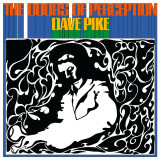
Repress! The Doors Of Perception Is Presented In A Unique Blue Swirl Colored Vinyl Pressing / "The Doors of Perception" is among the most experimental and innovative releases by famed jazz vibraphonist Dave Pike. Recorded in 1966 and released in 1970, the album finds Pike indulging in full-fledged psychedelic jazz, with trippy grooves and a new sound. Produced by Herbie Mann, "The Doors of Perception" features an all-star cast of musicians, including Eddie Daniels, Lee Konitz, Don Friedman, and Chuck Israel. Their talents are complemented by a wide range of sound effects, from echo chambers to piped-in applause to thunderstorms to fuzzy distortion, making for a dynamic and unique listening experience.
Mac DeMarco, formerly Makeout Videotape, is the anti-thesis to your stereotypical singer-songwriter. Disregarding the seriously somber moments, he replaces them with whimsical and youthful spontaneity, whilst retaining the endearing and subtle commentaries that exude his familiarity. Promptly after leaving his Edmonton garage for Vancouver he embarked on a North American tour accompanying fellow Canadians Japandroids on a grand voyage of enlightenment and alcoholic debauchery. DeMarco's a weird cat cultivating an affinity for occult imagery, nudity and social satire. But his most impressive trait is his undeniable and instinctual ability to compose magical pop jangles, of which he'll likely refer to as "jizz jazz". His dusted jams have garnished him accolades that are as ever-increasing as his song writing abilities; his sound rendering comparisons, but in a nomadic fashion alluding no distinct origin. DeMarco's debut solo EP entitled "Rock And Roll Night Club" will ramble into the great unknown guided by Captured Tracks, DeMarco's inner Elvis a tow.
It )Îl!es( had to handle
an endless care for some instants
Three I I I forms an archipelago
This record is made
Of synthesis
modulated,
By encounters
In the last 7 years
Composed by Augustin Soulard,
Life (Vie) Cries (Cri) Insanely linked (À lier)
Bag
(Corne)
&
Pipe
(Muse)
Lise Barkas