2LP 180gm heavyweight 45 RPM Audiophile Edition, Featuring a half speed remaster by Miles Showell at Abbey Road Studios, Housed in polylined inners, Printed insert with sleevenote. The Alan Parsons Project"s million selling album Ammonia Avenue (1984), is re-issued in a variety of formats including this 2LP heavyweight, 45 RPM Audiophile edition. Expertly cut by Miles Showell at Abbey Road Studios on a customised Neumann VMS 80 lathe at half speed using a 1:1 archive transfer from the original SONY 1610 format digital mastertape recorded in 1984. Like other Alan Parsons Project albums, there were a variety of different lead vocalists employed including Chris Rainbow, Colin Blunstone, Lenny Zakatek as well as Eric Woolfson himself. Plus, a selection of session musicians such as guitarists Ian Bairnson and David Paton and drummer Stuart Elliott with arrangements by Andrew Powell.
Suche:pipe
"Purveyor of finest low notes”, Robin Mullarkey is a UK bassist and producer, renowned for his edgy bass playing with the likes of Jordan Rakei, Jose James, Zero 7 and Jacob Collier. His first solo release takes new twists away from the intricately weaved arrangements of his Brotherly project and into new realms of pure improvisation with a selection of the greatest musicians in the country. With Richard Spaven (Loyle Carner, Platinum Pied Pipers) - drums, Dave Okumu (Rosie Lowe, Jamie Woon, Tony Allen) - guitars and ESKA (Grace Jones, Zero 7) on vocals you can begin to imagine the scope of this wild selection of head-nodders and chin-strokers.
4/5* - Jazzwise Magazine
- 1: Crusader
- 2: Rock Of Ages
- 3: Horsemen Of The Apocalypse
- 4: Ready To Fly
- 5: Heroes, Saints & Fools
- 6: Follow The Piper
- 7: We Have Arrived
- 8: No More Lonely Nights
- 9: Swords Of Damascus (Cd Bonus Track)
When Saracen released their debut album ‘Heroes, Saints & Fools’ back in 1981, the UK Rock scene certainly took notice. Their combination of Magnum-like melodies and Uriah Heep intensity and vocal stylings immediately endeared them to fans of the NWOBHM scene, and fans of classic British Rock in general.
All songs and lyrics were written by lead guitarist Rob Bendelow, who left prior to the release of their second album, ‘Change Of Heart’, in 1984. While this sophomore effort still contained a few Bendelow songs, the band had changed direction, moving away from the almost Pomp and NWOBHM of the debut for a more polished and Melodic Rock direction.
Unfortunately, this new direction didn’t resonate with the fans, and the band broke up not long after.
However, Bruce Mee of Now & Then Records had always been a massive Magnum and Saracen fan. Having already convinced Bob Catley to start a solo career in the late 90s, he also had very productive talks with Rob Bendelow. This great friendship resulted in the band reforming and the release of ‘Red Sky’ in 2003. Rob Bendelow and Saracen were back.
Later signing to Escape and releasing several more great albums, Rob Finally retired from the music scene a few years ago, but the band gamely soldiered on, keeping his songs and legacy alive for their many adoring fans.
In an instance of total cosmic kismet, that same Bruce Mee was also co-organiser of the inaugural ‘Tower of Fire’ UK festival, and in 2024 invited Saracen to play the event along with other well recognised names of the scene such as Nitrate, Remedy, Atack, White Skies and Gabrielle de Val. The event was multi-track recorded, and the results of the Saracen set were so good that it was decided to release a very first live album.
The title of the live album is taken from the name of their crushing opening song: ‘Crusader’. And in a further act of unbelievable karma, the magnificent album artwork and design are created by Sebastian Kozak, the very same creative artist responsible for the brilliant artwork on the band’s come-back album ‘Red Sky’ back in 2003.
All but one of the songs that day were from that incredible debut and those 5 songs, along with 3 others previously recorded live by the band, make up this totally amazing live album. For fans of Saracen and NWOBHM, this is a moment we never thought we’d ever see: a brilliant live Saracen album with vocalist Steve Bettney sounding as incredible as he did over 40 years ago.
- World Of Trouble
- Hellbent On Colorado
- Loud And Clear
- Carolina
- The Wicked
- Plains Of Ohio
- Cincinnati
- Runaway Horse
- Overtime
- Funeral Singer
- Our Lady
- Eastern Bluebird
Inspired by the long tradition of radical country and folk artists, longtime friends Sally Buice and Molly Rochelson use their passion for literature and storytelling to craft an album that reckons with the current global fever pitch. The album's 12 introspective, thematically and sonically layered tracks chart a transformative pilgrimage through an inextricably connected world. A woman desperate to save her community from a gas pipeline in "Plains of Ohio," a devout grandmother traveling across the world to Yugoslavia in search of the Virgin Mary in "Our Lady," and a trouble- making Bible College misfit in "Loud and Clear" are just a few of the archetypes listeners meet.
The Cincinnati-based duo cut their teeth as teens busking on Market Square in Knoxville, TN. Produced by Eli LoPinto (Chris Stapleton), the duo opted for a bigger sound and the result is a bonafide, left-of-center indie country record. Path of Totality does not shy away from the weight of political strife and catastrophe, opting instead to boldly confront it, bringing to bear the power to unite us all.
Following her acclaimed 2023 release Flood City Trax, a dreamy, lo-fi take on footwork inspired by the crumbling rust-belt city she calls home, Nondi returns to Planet Mu with her second self-titled album, Nondi…While Nondi… retains some of the hazy, nostalgic atmosphere of Flood City Trax, it pushes her sound in bold new directions. “I made this album to capture the sense of freedom I used to get from music when I was first discovering it all,” Nondi says. “It’s meant to be cute, fun, kinda weird and emotional — but most of all, it’s a presentation of some of the prettiest tracks I’ve made.” Though she hasn’t really experienced club culture where she lives, her impressionistic productions evoke the surreal, lingering sounds of a night out — the melodic haze that hums in your ears as you drift off to sleep. Lo-fi and melodic, yet fluid and free, her music carries a sense of flight and intuitive logic. Nondi’s influences range widely — Actress, Aphex Twin, footwork, and the stranger edges of dub techno are all felt, yet she hallucinates them through her own weathered, dreamlike lens. Her tracks often build from clashing loops that evolve and transform organically, or from familiar genre elements reshaped by her instinct for misty, heart-wrenching melody. Some moments stay closer to genre, like Broken Future 175, a drum-and-bass tear-out that dissolves into lush, blurred chords, or Just Hanging Out, a bruised and beautiful take on 2-step. Lead single Tree Festival feels like a blown-out fusion of rave energy and sped-up new-age bliss, while Death Juke drifts through off-beat vocal samples, pulsing drums and 8-bit FX, reminiscent of early Steve Reich reimagined through a Game Boy. Nondi… is a uniquely moving and exploratory album that expands her sonic world even further. Lo-fi yet luminous, playful yet profound.
Impatience is thrilled to present Leaving Memory, the latest album-length work by Piper Spray and Lena Tsibizova. Leaving Memory is a searing distillation of the duo’s ouevre - it’s eleven prismatic electronic seances combining for a mind warping wormhole with it’s own internal (il)llogic, where pop, ambient, and industrial music convene beneath a rugged HD of digital processing and brain fog. Equally rosy with nostalgia as it is ominously forward looking, Leaving Memory defies easy categorization and makes for an astounding, confounding listen.
By turns violently abrasive and disarmingly touching, Piper and Lena deploy sounds that fracture and disintegrate, burn up and explode, synthetic supernovas that give the record an unmistakable, inimitable texture. Song structures often abide by their own blueprint - heading in one direction before making an abrupt dive elsewhere. Bursts of vibrant colour lurk below layers of grayscale noise. Unidentifiable voices deliver secret messages from the murk. When rhythm’s emerge they ground the tracks to some unknown terrain and invigorate.
Lame Line veers towards the sweeter end of their spectrum, a hazy plaintive repetition increasingly lashed with friction, before Exit erupts with clanging rhythm and shards of distortion. Diagnosis is an almost sweet alt-pop song, Lena’s vocals yearning beneath a dubby shuffle, while Keeper Of The Void’s possessed incantations open up to a ripping, fried climax. Beryl Grey releases the pressure gauge, a gently lilting drift arpeggiating as the sun sets, and Lost Cars sweats through claustrophobic drones and bird song before the clouds part on a serene scene. Leaving Memory closes with Shin, offering a genuinely sweet resolution and a gentle landing back down to earth of either footsteps or fireworks, swelling synthesized horns and woodwinds, a kiss on the cheek for making it out the other side.
On Leaving Memory, Piper Spray & Lena Tsibizova share their uniquely discordant take on freaky music for unsettled minds, an intensely energized set that offers a deeply evocative, unimaginable otherworld for adventurous ears.
Piper Spray and Lena Tsibizova have been producing music together since 2020. Leaving Memory is the first to be presented in the LP format. Piper has previously released music via Orange Milk, Hausu Mountain and Gost Zvuk, as well as his own Singapore Sling Tapes label. Lena works predominantly as a photographer, and together Piper and Lena have released music via radio.syg.ma and Kartaskvazhin. Both make music as part of Air Krew, who have released music on the Echotourist and Motion Ward labels. They’re both currently based nowhere.
Leaving Memory was written, produced and mixed by Piper Spray and Lena Tsibizova, and mastered by Sergey Podluzhniy. Cover photo by Lena Tsibizova, design and layout by Justin Sloane.
- 1: Blue Chip Fever
- 2: Living Data
- 3: Chipset
- 4: Econet
- 5: Delta Waves
- 6: Zarch
- 7: Cog On Cog
- 8: Prismatics
- 9: Energens
- 10: Technology Suite
- 11: Future Free
The new solo album from Cate Brooks is a bright and bold collection of corporate electronica, partly inspired by commercial and TV music of the early to mid 1980s. It captures a moment in time where analogue technologies are just about giving way to computers and digital media.
Brooks is a prolific and accomplished composer and on Prismatics she brings to bear a deep experience and understanding of electronic musical equipment. As well as a seasoned production engineer she is an expert on early analogue synthesizers, so called West Coast systems like Buchla, early digital computer
systems like the Synclavier and contemporary modular systems.
Biog:
Cate Brooks is a solo electronic music artist working under her own name and several pseudonyms. She has released albums on Clay Pipe Music, on her own Café Kaput label and on Ghost Box Records as The Advisory Circle. She is part of The Pattern Forms along with Ed Macfarlane and Edd Gibson of Friendly Fires. She has also worked with vocalist Tim Felton as Hintermass, and with Belbury Poly and John Foxx she is part of The Belbury Circle supergroup.
- 1: Of Willows And Shadows
- 2: Symphonia Arcana
- 3: Child Of Twilight
- 4: Elixir Of Night
- 5: Blackthorn Winter
- 6: Lady Of Light
- 7: Dawn Of Avatars
- 8: Forest Of Forgetting
- 9: The Buried Well
- 10: The Mirror
- 11: Nepenthe
- 12: Tears Of The Dragon
"EYE OF MELIAN open the gates to a different world with their new album Forest Of Forgetting, out February 20th, 2026 via Napalm Records. Named after a powerful primordial singing spirit from the world of J. R. R. Tolkien, EYE OF MELIAN draws inspiration from the master of fantasy and expands on his ethereal concept. Created by Delain’s Martijn Westerholt and featuring Auri’s Johanna Kurkela as a lead vocalist, EYE OF MELIAN’s Forest Of Forgetting is a masterclass in symphonic songwriting so whimsical the real world fades away. Completing the all-star lineup on their debut with Napalm Records are orchestral arranger Mikko P. Mustonen and backing vocalist and lyricist Robin La Joy, blessing twelve lush compositions with immortal life. Mesmerizing from the first gentle notes of opening track “Of Willows And Shadows”, Forest Of Forgetting weaves otherworldly piano melodies and epic strings around angelic vocals worthy of the powerful Valar themselves. “Child Of Twilight” deepens EYE OF MELIAN’s dreamy and bombastic Hollywood movie score approach, carefully building up an exceptionally enchanting atmosphere that carries on into the equally cinematic “Blackthorn Winter”, ever so elegantly broadening the view into the alluring realms the band is melodizing. “Dawn Of Avatars” features Nightwish multi-instrumentalist Troy Donockley on flute and uilleann pipes, as well as hurdy-gurdy fairy Patty Gurdy, before EYE OF MELIAN turns in the direction of heavy metal with a charming rendition of Bruce Dickinson’s anthem “Tears Of The Dragon” (originally released on Balls To Picasso in 1994 after the singer had left Iron Maiden). Forest Of Forgetting also comes with all its tracks as instrumental versions to dwell in the impressive orchestrals alone. With this opulent album, EYE OF MELIAN extends an invitation to faraway lands full of wonder. Forest Of Forgetting unfolds as quite the opposite of its title: utterly unforgettable."
To decay is also to transform. Rusting metal is the visible traces of passing time, as the oxidation process accumulates dampness in our atmosphere and imprints it as unpredictable patterns onto hard iron and steel. Working in construction for a year now, Kensho Nakamura sees rust all the time, clambering up ageing chunks of material. Normally discarded as waste, Nakamura began discerning beauty in the phenomenon, organically spiralling around and consuming some of the very hardest of manufacturing stuffs into unique new forms.
‘Electric Rust’ continues the conceptual electronic composition mode of Nakamura’s previous works with a series of fractured musical dioramas. These scurrying notes, sparse hums, and quivering bleeps explore the topics of rust and the accumulation of time. The music ticks like a clock, drips like a tap, and manifests unknowable inorganic shapes. Recognisable musical snippets of bells, pianos, or murmured voices are buried inside counterintuitive synthetic rhythms and tension.
On ‘wet air’ piano notes tinkle and pipes gargle, digital detritus tap dances and arpeggios stumble. On ‘unique faces’, idle marimbas and malfunctioning animalistic squeaks flounder. This is music from the promethean space between being forgotten and being conceived. ‘Electric Rust’ is a topography of a world of rust, where corroding structures evolve into new — and beautiful — patterns of life.
- Sorry Again
- There's Only One Thing Left To Say
- Tripping Wires
- I Can't Stop Smiling
- The All-Consumer
- Drug Girls
- Rubble
- Labrador
- Hey You, Get Off My Moon
- Medio Core
- What You Left Behind
- Wake Up, I'm Leaving
- Marzipan
- Labrador (Drum Machine Version)
- Diamond Jubilee
- What You Left Behind (Reprise)
- Your Silent Face
- You're So Good To Me
- Seven Seas
- Breaking Lines
2LP-Erstauflage auf farbigem Loser-Vinyl: "BIO PETROL" Disk 1 und "MAGENTA" Disk 2. "¡Simpatico! (Remastered and Expanded)" bringt das lange vergriffene zweite Album von Velocity Girl aus dem Jahr 1994, "¡Simpatico!", mit einem superfrischen Mastering und einer Menge Bonus-Tracks aus der "¡Simpatico!"-Zeit endlich wieder raus. Das Originalalbum klingt besser als je zuvor und wird durch ein komplettes Album mit B-Seiten und Raritäten ergänzt. Velocity Girl wurde um 1989 an der University of Maryland außerhalb von Washington DC gegründet, mit dem Gitarristen Archie Moore (Black Tambourine), dem Gitarristen Brian Nelson (Black Tambourine), dem Schlagzeuger Jim Spellman (Starry Eyes, Foxhall Stacks, High Back Chairs, Julie Ocean, Piper Club), dem Bassisten Kelly Riles (Starry Eyes) und der Sängerin Sarah Shannon (Starry Eyes, The Not Its). Die Band kombinierte englisch inspirierten, lauten Shoegaze-Fuzz mit rauem US-Indie-Rock und klassischem Pop-Songwriting im Stil der 60er Jahre. Eine Killer-Single auf Slumberland und ununterbrochene Tourneen erregten die Aufmerksamkeit der Indie-Rock-Kenner, und bald darauf unterschrieb Velocity Girl einen Vertrag mit Sub Pop auf einer Motorhaube in Hoboken, New Jersey. Nach der Tournee zur Unterstützung ihres Debüts ,Copacetic" verbrachte die Band den größten Teil des Jahres damit, eine Reihe von Songs für ein zweites Album zu schreiben. So hatten sie noch nie gearbeitet - es war eine neue Erfahrung, Zeit und Budget (vom Label!) darauf zu verwenden, ein Album zu produzieren, das kein selbst produziertes Punkrock-Studioalbum war. Nachdem sie ihr neues Material monatelang im lauten Stil von ,Copacetic" gespielt hatten, waren die Bandmitglieder von den Songs begeistert, wollten sich aber von der rauen, amateurhaften Atmosphäre ihrer früheren Alben lösen. Und ihre Einflüsse waren diesmal etwas anders: weniger My Bloody Valentine und Wedding Present, mehr New Order. Jemand bei Sub Pop brachte die Band mit John Porter zusammen, dem ehemaligen Mitglied von Roxy Music, der The Smiths, Billy Bragg, The Alarm und eine Reihe anderer Acts der 80er Jahre produziert hatte. Sie trafen sich während einer Tournee in Los Angeles. Er erklärte sich bereit, das Album in einer dreiwöchigen Session in den Cue Studios in Falls Church, Virginia, zu produzieren. Er war genau das, was die Band brauchte: ein Redakteur, Arrangeur und Zuchtmeister. Als er gnadenlos jeden unnötig wiederholten Takt herausschnitt, merkte die Band, dass sie sich zu einem klareren Sound hingezogen fühlte und fast komplett auf die laute Gitarre verzichtete, zweifellos beeinflusst durch Porters Präsenz. Velocity Girl waren super zufrieden mit dem Ergebnis, und ,¡Simpatico!" kam im Juni 1994 raus. Diese erweiterte Neuauflage enthält eine Reihe von Songs, die einige Monate nach den Albumaufnahmen in den Inner Ear Studios in Arlington, Virginia, aufgenommen wurden. Die Sessions lieferten spielerisch-experimentelle B-Seiten für die Singles des Albums, zwei Cover-Songs (das New-Order-Cover ,Your Silent Face" und ein Beach-Boys-Cover) für eine Single auf Merge Records und einen Compilation-Track.
- A1: Ned Sanchez Ii
- A2: Spezial
- A3: Catalonia Dreams
- A4: Sorry Savage
- A5: Matchstick
- A6: Eraser
- B1: Stay Free
- B2: Bobby Knuckles
- B3: Nikes (No Vacancy)
- B4: Annihilated
- B5: Once Is Never Enough
- B6: Mirage
Die dritte LP der australischen Surf-Pop-Band The Terrys ist selbstbetitelt, selbstbewusst und ihr bisher bestes Album. Der Nachfolger der Erfolgsalben "Skate Pop" (2024) und "True Colour" (2022) wird mit der Single "Catalonia Dream" vorgestellt. Produziert und gemischt von ihren langjährigen Kooppartnern Tasker (3%, Chillint, Tia Gostelow), Paddy Cornwall und Taras Hrubyj-Piper, erweitert die Band ihren Horizont und erzeugt mit integrierten, ätherischen Synthesizern einen schwebenden und eindringlichen Soundtrip. Dieser versprüht selbstverständlich den typischen Terrys-Charme und ihr Lebensmotto: Positiv bleiben, einen Tag nach dem anderen nehmen und mit einem Lächeln und idealerweise einem Bier in der Hand zum Horizont blicken.
Repress
R&S proudly presents brand new signing Felix Manuel AKA Djrum.
Djrum is a perennially acclaimed underground artist, since his first release in 2010 who's quietly built a list of fans that reads like a who's who of contemporary dance music.
As an artist, Djrum has formed a reputation for his unique fusion of a range of genres ranging from jazz, hip hop and dubstep to ambient and techno. His music swells with oceanic bass laded beats, cavernous atmospherics and deeply emotive melodies. An accomplished DJ his compositional approach feels like a natural collage of his influences which has seen him release for the likes of the Zenker Brothers Ilian Tape imprint as well as the influential 2nd Drop label, plus remixes for Ninja Tune and Domino.
Felix now steps up to the plate at R&S with one of his most visionary releases to date. Deeply meditative melodies twist and turn through stuttering rhythms and pulsing low bass, hypnotic pads and woozy atmospherics. Manuel's music somehow manages to retains the urgency and dynamic pressure of the dance floor with the intimacy and elegant detailing of the best headphone music.
A natural fit for R&S, there is a full length Djrum album in the pipeline in 2018 - looks like it's going to be an exciting year ahead.
- 1: Watching From A Distance
- 2: Footprints
- 3: Bridges
- 4: Faces
- 5: Echoes
WARNING celebrates 20 years of their groundbreaking album Watching from a Distance with a deluxe gatefold 2xLP/CD. Led by guitarist and vocalist Patrick Walker, every moment of WARNING's Watching from a Distance feels monumental; the album is widely considered to be one of the most emotionally-driven and profoundly Doom Metal records. From the onset, the album's eponymous opener crawls with a sombre melody that carries the emotional heft of WARNING's musings on love and longing. The band's classic track "Footprints" showcases Walker's ability to match his colossal riffs with a visceral, gut-wrenching vulnerability that was previously unheard of. Walker ruminates about his weakest moments; his vocal deliveries ranging from dejection to despair. The end result is truly "heavy" in every sense of the word - and a timeless take on the genre with thundering drums, lead-pipe backing bass, and swirling guitars. Fast-forward to the present day, and WARNING's introspective sensibilities resonate as hard as they ever have. Watching from a Distance showcases a band and moment in time that honed in on what "Doom" could really be. "I leave behind me the ruins Of the fortress I swore to defend I leave behind me foundations, I'll leave you a man I'll need you to mend And through all the battles around me I never believed I would fight, Yet here I stand a broken soldier, Shivering, naked, in your winter light" Short: WARNING celebrates 20 years of their groundbreaking album Watching from a Distance with a deluxe gatefold 2xLP/CD. FFO: Yob, My Dying Bride, Katatonia, Candlemass, Pallbearer, Pagan Altar, Khemmis
Wrapped Up In Time is the fourth vinyl release by Night Foundation; the solo project of Intermedia artist and Noir Age label owner Richard Vergez. An existential suite of sounds comprised of analogue synth and drum machine, guitar, clarinet, tape loops and other assorted space racket.
The LP offers solo, instrumental passages punctuated by duets with Noir Age alumni: Underground vocal legend Little Annie reputable for her past collaborations with Coil, Nurse With Wound, Swans and countless others, lends her lived-in pipes for Blue Garage; along with Belgrade-based sound artist Zhe Pechorin for Night Blooming Jasmine; a tribute to our passed brother David Lynch.
Both rhythmic and expansive, Hinterland searching; Wrapped Up In Time is a processing of grief, memory, and the current state of our revolving loop of life. Recorded in South Florida, 2024-2025.
Mastered by Giuseppe Ielasi of Senufo Editions.
For fans of: Coil, King Tubby, Dead Can Dance, Scorn, Sabres of Paradise, and Vicious Pink
Limited edition of 100 on black vinyl with full color matte jackets
- 1: The Barbarian
- 2: Take A Pebble
- 3: Knife-Edge
- 4: The Three Fates A. Clotho B. Lachesis C. Atropos
- 5: Tank
- 6: Lucky Man
Supergroups existed before Emerson, Lake & Palmer formed in 1970. And, as we all know well, many came after. But few, if any, matched the English trio’s chemistry and its elevated combination of virtuosity, vision, and verve. Having influenced a multitude of followers, ELP’s prowess was obvious from the start. The band’s self-titled debut stands as a towering statement of creative imagination, execution, and discipline more than five decades after its original release.
Mastered at MoFi’s California studio, housed in a Stoughton jacket, and pressed at Fidelity Record Pressing, Mobile Fidelity’s numbered-edition 180g 33RPM LP of Emerson, Lake & Palmer presents the benchmark album in audiophile sound. Clear, dynamic, and balanced, this collectible edition honors the perfectionist approaches that both informed the playing and recording of the record.
Distinguished with black backgrounds, this reissue brings to light the epic scope, tonal depth, and mind-bending degrees of musicianship on display. Aspects — textures, nuances, effects, melodies, tempo changes — that go hand-in-hand with the trio’s compositions and interplay are rendered amid broad soundstages and delivered with pinpoint detail. Whether you’ve owned multiple copies of this touchstone or seeking out your first version, you’ll relish the presence, separation, imaging, and crispness that help make every song come across as if the group has set up shop in your listening space.
Opening the door to the seemingly infinite possibilities of progressive rock while steering clear of excess, Emerson, Lake & Palmer achieved a rare feat in that its complex, cerebral music didn’t prevent it from attaining mainstream success. The gold-certified effort launched the career of a band that would sell tens of millions of records. It also landed a Top 50 single in the form of the ballad “Lucky Man,” whose vocal harmonies, folksy strumming, multi-tracked instrumentation, and breakthrough Moog solo almost feel quaint in the face of the other fare on the album.
Comprised of genre-defying originals and hybrid arrangements of two classical pieces, the album Rolling Stone originally and rightly said is “best heard as a whole” matches outrageous ambition with the otherworldly skills of three musicians who remain among the finest to ever pick up their respective instruments. While Emerson soon drew the lion’s share of headlines for his ability on keys — clavinet, Moog, piano, Hammond organ, and pipe organ included — Greg Lake’s aptitude on guitar and bass, along with well as Carl Palmer’s monster talents behind the kit, created a three-headed hydra that devoured everything in front of it.
That extends to the radical reinterpretation of Bela Bartok’s “The Barbarian” that begins the LP, a performance that in less than four-and-a-half minutes runs the gamut from distorted to churchy to angular and blustery. More classical flourishes, keyboard wizardry, hard-rock heaviness, and gothic signatures emerge throughout “Knife-Edge,” which reimagines music by Leos Janacek and J.S. Bach — and ultimately invites you to explore a cathedral of sound teeming with separate bursts of keys and percussion.
And did someone say “drumming”? Check out Palmer’s monster salvo on “Tank,” a rhythmic showcase that marches out with knee-bent notes and mirror-reflected passages. Or dive into the mythological suite “The Three Fates.” Replete with three parts and Emerson playing the pipe organ at Royal Festival Hall, it shoots off sonic fireworks via sophisticated arpeggios, jazz improvisations, dancing counter-meters, sizzling chords, and a few explosions. Please don’t hold anyone at MoFi responsible if your system cannot handle it; this is heady stuff.
Indeed, everything on Emerson, Lake & Palmer is there for a purpose. Whether you aim to attempt to dissect all of the notes, shifts, and polyrhythmic bluster or just want to absorb this album as one living, breathing organism, this version invites you to do both as many times as you desire.
2025 Repress
At last, we get doused from the source; four priors of reissued gems and newer beauts now land us at the quintus maximus: the inaugural Spray on Spray. It’s large and in charge, as we pull back the velvety curtain to reaffirm the exquisite curator is just-as-exquisite a melody maker. OT Rails adjusts the prog antenna to broadcast 3 anthems from the great big dance satellite in the sky, including a collaboration with French cuties Baraka. You’ve had your trad, now dance!
The title track struts along its psychedelic catwalk with a sexy house swagger, unlocking a wobbly stack of pineal-tickling melodies en route. The angels soon sing in positiva harmony, before the piano-lude calls for a tight embrace with those closest to you on the dancefloor. Raise those hands aloft, you know what’s coming; that hard house’d snare roll soon erupts and, before you know it, you’re soaring like the white dove you are. Why does it feel so good?
Spray then switches channel to Ceathair, coaxing the prog spirit from the motherland as the psilocybinised breaks wisp through the undergrowth. The vibe is bouncy, as the diva croons and bassline sings, before the vista opens and the sprayed piper summons you home. Open that third eye, súil eile.
Our swan song is reserved for Baraka and Spray, conjoining their tech trance powers on Think Of Me. The trio up the pace for the grand finale, rolling the tight groove from the off while igniting its hybridised trance rump with hypnotic fervour. The friendly mantra floats heavenly above throughout, absorbing you in a semi-lucid ecstatic state. It’s a whirlwind of dancefloor energy from beginning to end, and Spray wouldn’t have it any other way.
- 1: Prólogo
- 2: Voador
- 3: Tótó
- 4: Un Cruce
- 5 24: 10
- 6: Lontananza
- 7: Solo O Con Color
- 8: Chengyu
- A1: The Road In
- A2: Innocent Trot
- A3: Anticipatory Step
- A4: Prickly Pathway
- A5: Outside The Old Abode
- A6: Weeping Windows
- A7: Dark Hallway
- A8: Moving Through
- A9: Dusty Harmonium
- A10: Torchlit Doll
- A11: Raving Pipes
- A12: Hand Of The Doll
- A13: Coffee And Toast
- A14: Tentative Departure / Hunting Over The Hills
- B1: Doll’s Big Eyes
- B2: Magic Vapours
- B3: Haunted Path
- B4: Bitten And Bewitched
- B5: Asylum Corridors / Asylum Cell
- B7: Loonies’ Let Out
- B8: Spreading | Madness
- B9: Night Run / Doll’s Dance
- B11: Flaming Eyes
- B12: Ghostly Reflections
Limited black vinyl. One pressing only. 700 copies worldwide. NON-RETURNABLE.
Full colour sleeve with unseen pics of Ron Geesin in his studio with Marianne Faithful, who was
supposed to provide the spooky voices but was so (allegedly) smashed out on various drugs she had no voice.
Wow! So you’re telling me Ron Geesin made this kooky electro jazzy score to a really unusual
British folk horror weirdy film that is also sometimes called Madhouse Mansion or Asylum of
Blood?
So what we have here is a unique and unreleased British horror score like no other - because
Ron Geesin made it and also because he used trad ideas and modern sonic developments at the
same time. So it’s bonkers. Half the pressing will go immediately to the Trunk mailing list, the
last 300 for the rest of the world. Be quick…
- 1: Mic Czech
- 2: Fuck The Police
- 3: Jeighdean (Approximate)
- 4: Grim Up North
- 5: Nancy
- 6: Abok?S Angelika
- 7: Fuck Life
- 8: Festival Era Extract
- 9: Altamont Blues
- 10: Skinhead Reggae
- 11: Theodora?S Angelika
Debut solo album from DC polymath Jack Abok. When not making zines and visual art, singing for Des Demonas' or drumming AND singing for SEXFACES, Abok's busied himself by bringing this, his most personal and ferousious vision, to (immortal) life with VAMPYRES FROM AFRICA. 11 tracks of electro punk, melding Abok's massive love for the delta blues, post punk, Krautrock and hip hop. Or, in his own words: VAMPYRES FROM AFRICA MANIFESTО: 1. Ideas > skill 2. Don't be a musician 3. Cool > smart 4. It's not about money or being liked, it's about expressing ourselves. 5. Bands should have an expiration date 6. Fuck originality! 7. Don't stop creating And Syd's Angelika Piper at the Gates of Dawn: "All movements is accomplished in six stages And the seventh brings return The seven is the number of the young light It forms when darkness is increased by one Changel return / success Going and coming without error Action brings good fortune Sunset"
- A1: This Time I’ve Got A Reason
- A2: Fuzz’s Fourth Dream
- A3: Sleigh Ride
- A4: You Won’t See Me
- A5: Rich Man, Poor Man
- A6: What’s In My Head (Demo)
- A7: Sunderberry Dream
- A8 21: St Century Schizoid Man
- A9: ’Til The End Of The Day
- A10: I Just Want Your Everything
- A11: Spit (Demo)
- A12: Red Flag (Demo)
- A13: Rat Race (Demo)
- A14: Loose Sutures (Demo)
- A15: Pipe (Demo)
- A16: Time Collapse (Demo)
- A17: The 7Th Terror (Demo)
- A18: Jack The Maggot (Demo)
- A19: The Preacher (Demo)
- A20: Let It Live (Demo)
- A21: Bringer Of Light (Demo)
- A22: Say Hello (Demo)
- A1: La Belle Et La Bete
- A2: Fuck Forever
- A3: A'rebours
- A4: The
- A5: Pipedown
- A6: Sticks And Stones
- B1: Killamangiro
- B2: 8 Dead Boys
- B3: In Love With A Feeling
- B4: Pentonville
- B5: What Katy Did Next
- C1: Albion
- C2: Back From The Dead
- C3: Loyalty Song
- C4: Up The Morning
- C5: Merry Go Round
- D1: Gang Of Gin
- D2: 352 Days
- D3: Do You Know Me - Radio
- D4: My Darling Clementine - Radio
- D5: Why Did You Break My Heart/Piracy
Produziert vom kreativen Kopf der The Clash, Mick Jones, und mit einem Gesangsbeitrag von Kate Moss, fängt Down In Albion die Atmosphäre seiner Ära ein - die Gerüche, die Stimmungen, den Zeitgeist - und blickt zugleich nach vorn. Das Ergebnis ist ein zeitloses Werk, das die menschliche Erfahrung sowohl dokumentiert als auch tröstet. Neben den ursprünglichen 16 Songs enthält die Jubiläumsausgabe fünf ausgewählte Stücke aus dem Archiv der Band, von denen einige - trotz ihrer Bootleg-Bekanntheit unter Fans - hier erstmals offiziell veröffentlicht werden. "Gang Of Gin" und "352 Days" entstanden in derselben Phase wie das Album und waren ursprünglich als mögliche B-Seiten gedacht, wurden jedoch nie veröffentlicht. "Why Did You Break My Heart/Piracy" erschien damals auf der B-Seite der Single Albion. Die Songs "Do You Know Me" und "My Darling Clementine" stammen aus der von Fans geliebten BBC Radio 1 Session mit Zane Lowe vom Oktober 2004, die den kreativen Grundstein für Down In Albion legte. Babyshambles wurde 2003 gegründet, als Pete Doherty vorübergehend aus The Libertines ausgeschlossen war. Schnell entwickelte sich das Projekt zu einem alternativen kreativen Ventil, das ihm erlaubte, neue Themen in einer spontanen, offenen musikalischen Umgebung zu erforschen. In Zusammenarbeit mit Bassist Drew McConnell, Drummer Adam Ficek und Gitarrist Patrick Walden gelang es der Band, die elektrische Energie einer Gruppe einzufangen, die immer am Limit segelte - künstlerisch, kulturell und persönlich. Down In Albion ist erfüllt von klarem, zeitlosem Songwriting, das zwischen intensiven Emotionen und lebendigen Erzählungen wechselt. Diese Jubiläumsausgabe würdigt nicht nur die rohe Mischung aus persönlichen Erfahrungen und gesellschaftlichen Beobachtungen, sondern ehrt auch Patrick Walden, der Anfang des Jahres verstorben ist. Sein unverkennbares Gitarrenspiel prägt das Album tief - und sein Porträt, fotografiert von Hedi Slimane, wurde in das neue Cover mit einem speziellen UV-Glanzdruck integriert. Von dem scheinbar nihilistischen, in Wahrheit aber hoffnungsvollen "Fuck Forever", über die chaotische Energie von "Pipedown" und "8 Dead Boys", den Witz von "What Katie Did Next", die Romantik von "In Love With A Feeling", bis hin zur melancholischen Hymne "Albion" - das Debüt von Babyshambles bleibt ein mitreißendes, emotionales und kreatives Meisterwerk.
- A1: Night Whisper (Trance - 1992)
- A2: Eliana (Totem - 1985)
- A3: Nomad (Trance - 1992)
- B1: Stefania’s Song (Still Chillin’ - 2005)
- B2: Seducing Hades (Luna - 1994)
- C1: Zone Unknown (Zone Unknown - 1997)
- C2: Silver Desert Cafe (Tongues - 1995)
- C3: Totem (Totem - 1985)
- D1: Dancing Path Chaos (Initiation - 1988)
- D2: Labyrinth (Luna - 1994)
- D3: Shavasana (Still Chillin’ - 2005)
Ground-breaking percussive ambient recordings from Gabrielle Roth & The Mirrors, inducing altered states of consciousness through ecstatic dance. "Selected Works from 1985 to 2005" finally available on Time Capsule
Despite featuring an extraordinary cast of musicians (with credits including Pharoah Sanders, Miles Davis, Sun Ra, Santana and Milton
Nascimento) and selling hundreds of thousands of albums, the music of Gabrielle Roth & The Mirrors remains largely unheard beyond their sphere. Conceived as live, improvised soundtracks to Roth’s transcendental dance workshops, musical acclaim was never on the agenda.Instead, for a passionate dancer and spiritual polyglot like Gabrielle Roth, movement was a means through which to channel a wide spectrum of teaching, from experimental psychology to psychedelic counter-culture. It was from this heady mix that she devised a movement meditation known as 5Rhtyhms, which came to define her life’s work.
As “guide and catalyst”, Roth would dance to inspire the percussion-led instrumentals that would in turn fuel her 5Rhythms workshops, stimulating a secular form of ecstatic dance with roots in Native American shamanic traditions, Afro-Brazilian Candomblé and Yoruba drumming. Using anything from a Sioux pony drum to East African kihembe and Japanese Kabuki drums, Gabrielle’s lawyer-turned-drummer husband Robert Ansell set the foundational rhythms for The Mirrors’ recordings, each of which would then feature a rotating cast of friends and professional musicians.
“The secret of everything we’ve done is that we never told anybody what to play,” Robert shares. “Instead of our albums being a musical vision of one person like me or Gabrielle, they were the musical vision of a whole bunch of people.”At times the recordings have a Middle Eastern flair, at others, West African and spiritual jazz modes come to the fore. Hints of kosmische musik, proto-house and electronic ambience are laced like LSD through the organic rhythmic structures. This was kaleidoscopic ambient music to stir the body and free the mind.
In practice, the task of synthesising these different elements fell to Scott Ansell, Robert’s son and a recording engineer whose credits now include Nile Rogers, Duran Duran, Grace Jones. With meticulous attention to detail he captured and translated the dynamic energy of each drum onto record. Their sessions became legendary, and with access to the best studios in the NYC, The Mirrors sparkled.
Despite being initially overlooked by the burgeoning ‘80s New Age market, which preferred pipes and gongs to The Mirrors’ heavy-grooving drums, Robert Ansell set up Raven Recording to self-release the music, creating a vast sonic archive of sixteen albums over almost forty years. The breadth of Raven’s catalogue is such that curator Pol Valls had to cut an initial selection of sixty-six tracks down to the eleven featured here. What crystallises is a stunning, mind-altering collection which spans, in Pol’s words, “a variety of genres, styles, and vibes within their catalogue, whether it is emotional, esoteric, spiritual, melancholic, hypnotic, dark, or at times a combination of these elements together.”Music for immersive and intimate environments, Gabrielle Roth & The Mirrors were born from the dance. In the hands of the right DJ, at the right time, in the right place, they might just return there.
"Marionette presents Mélodies pour Clairons, the debut album by multidisciplinary artist Ioa
Beduneau. Based in the South of France, Ioa’s world is rooted in creation - building intricate
self-playing installations and handmade DIY electronics. His practice is driven by a desire to
connect, challenge, and open up dialogues around disability and other social constructs.
Proudly identifying as a disabled artist who is attuned to how our bodies interact with the world,
Ioa brings a fresh and inimitable perspective to electronic and electroacoustic music.
On Mélodies pour Clairons, Ioa contemplates lifeforms using modular synths, channeling
principles of physical modeling and bioacoustics. Ideas begin on paper and evolve into sound,
forming an abstract yet intentional sonic ecosystem. Clairons refers both to a musical instrument
and to a loved one with whom this music was shared, serving as a kind of sound diary during
the stillness of the pandemic. The movement of air, pressure, resonance, and the physical
properties of the clairon (a medieval trumpet) are reimagined and manipulated on this album,
resulting in impressionistic and deeply moving compositions with poetic sensibility. Organic
ASMR tones, synthesized bird calls, and pirouetting melodies of pipes and bells score an
imaginary biodome where chaos and harmony coexist. Striking and singular, these works
embody the kind of boundary-pushing music that defines Marionette."
Spazio Nero -- Spazio Disponibile's side branch for forceful techno movers -- proudly welcomes fellow Roman artist Cosimo Damiano. Known for his bold takes on dark electronics, sparse acid and fluid new wave interpretations he here drops a versatile pack of fierce, yet playful high energy techno.
For his last solo record ‘Through a Room’, Bill Nace shifted his usual saturated guitar sound and added tapes, hurdy gurdy, doughnut pipe, bird calls and the mysterious Japanese taishōgoto. Setting up for the final night of his three day residency at OTO with only the taishōgoto soundchecked, Nace hoped that Parker would arrive with his small soprano as its opposite. “I’ve been interested in state change, you know, playing until there’s a shift in time.” Known for his development of multiphonics to produce a constantly shifting pattern, Evan Parker has evolved an instantly recognizable sound - his work the soprano most distinct. Happily, it was the soprano Evan brought with him and as soon as the two start to play they entwine - taking off in a double helix of keys and reed primed for endless reconfiguration. Space warps under the velocity of playing, the pitch rising unrelentingly. It felt like unending lift off in the room, sheer energy until the last note makes remember your feet have been on the floor the whole time. Total time bending shredding.
–
"They had never played together before. They had never even met each other before this springtime 2024 concert at London’s Café Oto.
Evan Parker, circular breathing maestro of the saxophone, a legend in the universe that is Free Improvisation since the late 1960s and Bill Nace, one of the most intriguing experimental “noise” guitarists of the 1990s/2000s underground scene.
For those of us who have been enamored by the live and documented work of both these gents, this Café Oto duo was a must-hear event. It could have gone anywhere musically and that would have been totally fine. Particularly with Evan having a history of being thrown into a variety of challenging collaborations throughout his career, employing the learned elegance of trust in his own sensitivity to listening, responding, leading, following, sparring, intertwining, dialoguing, creating in the instant and, essentially, dignifying the non-hierarchical grace of chance.
The aesthetics of socialist consideration in Evan Parker’s playing, in his community of expanded and personal technique, for a younger player such as Bill Nace, strikes an exemplary model. This notion of respect would be entirely the reason Nace, when offered a residency at the most critical “new music” room in England, would request to play in duo with Parker.
Bill Nace came to prominence mostly during the apex of experimental music activity in and around Western Massachusetts in the early days of the aughts, with a focus on visual art and free improvisation guitar action. He could be found in the daytime hours, his head hanging down over a notepad, penning fine-tuned illustrations and abstract line drawings, while in the evenings he’d be attending any number of basement noise gigs, many of which he’d be participating in. His guitar style came across as being informed as much as by the physicality of his writing utensils in friction to the page as it was to his hearing and redefining of radical recordings ranging anywhere from the Black Unity Group to Black Flag.
Utilizing various metal files and other small cylindrical objects Bill would allow his guitar and amplifier to be in tandem with the improvisatory movements of his body as the instrument balanced, intentionally and, at times, precariously, upon his lap. The performances came across thrilling and daring and they would be mostly in the context of venues nothing more than a low-ceilinged damp and dank New England basement, a clutch of people hanging onto rusty pipes or sitting up on dilapidated washer/dryer machines, the shards of Bill’s “file guitar” sounds ringing out like the most alive music on Earth.
By the time Bill reached Café Oto in early 2024 he had relocated to Philadelphia all the while releasing a succession of collaborative LPs on his Open Mouth label to present his developing progression of solo and collaborative work. He also would find himself considerably engaged with playing the electric taishōgoto, a keyboard-activated string instrument from Japan which can exist as a one, two, four, five, or six string oblong sound object. Bill’s approach to the taishōgoto would not be too unlike his approach to the traditional electric guitar, though no outboard implements such as files, sticks, and rocks are utilized. The similarity would lie wholly with Bill’s full immersion of high velocity action-playing where, with the taishōgoto, an electric drone beauty occurs. The flurry of sonics and resultant harmonics emanating from the amplifier (which Bill opts to dial into with borderline loud-as fuck volume settings) furthers the meta-mantra properties of the instrument in an astounding display of drone dynamism.
This sound world of Bill’s two-stringed taishōgoto on this Café Oto night worked beautifully with Evan Parker’s improvisatory saxophone conceptions. The duology achieved instant lift off at ground zero only to find it’s eventual finale as if it were organically ordained. Time seemingly morphed from its ancient human construct of control, rendered inconsequential to the torrential transcendence of the room wildly activated by the magic resonance of the multi-directional pan-spatial sonance of the music as if it were some beatific blessing. It was one of those nights where art as a liberating force of spirit gifted the listeners with an offering of exaltation and joy. It was entirely mystical and mind blowing. A night of Total Music."
Thurston Moore, London, 2025
Recorded in concert at the University of Sheffield in March 2025, Reality Is Not A Theory is the first collaboration between Mark Fell and Pat Thomas. Major figures in British experimental music since the 1990s, Fell and Thomas have developed their rigorous practices from radically different backgrounds and perspectives: where Fell’s singular take on synthetic abstraction emerged from Sheffield’s electronic underground, Thomas is a virtuoso improvising pianist steeped in jazz and modernist art music who has simultaneously worked with sampler-based electronics for decades. As the record’s wonderfully academic subtitle explains, we are presented here with two sides of ‘algorithmic and improvised music for computer and piano’, exemplifying both players’ insatiable search for new (and sometimes uncomfortable) playing situations.
The performance begins with Fell’s electronics close to the timbres of acoustic percussion, attacks that suggest wood, metal or glass threaded along a rapid pulse while Thomas focuses on the lowest registers of the piano, deadening the strings. As Fell’s electronics start to ring out and occupy more harmonic space, Thomas turns to wide, repeated clusters, which slowly expand into patterns of chords. Like in his recent solo recordings and his trio work with Joel Grip and Anton Gerbal, Thomas’ playing combines extreme dissonance with a deep lyrical sense. Fell’s work gradually shifts its focus toward drum sounds, drawing on the microtemporal processes that have characterized his practice in recent decades. Heard together with Thomas’ probing piano, the computer sounds call up unexpected associations with the klangfarben antics of improv drummers like Paul Lovens or Tony Oxley. Throughout its second half, the music grows increasingly frenetic, as Thomas sounds out rapid, irregularly repeated figures and beautifully sour chords in the upper register, while Fell’s percussion develops into angular pan-pipe-like feedback and waves of glissandi.
With great confidence and patience, Fell and Thomas often let their individual contributions remain rhythmically distinct and unsynchronised, allowing unexpected correspondence and coincidence to guide the music’s development. Recorded in a hall named after Sheffield steel manufacturer and Master Cutler Mark Firth, the location might suggest a model for understanding how Fell and Thomas interact here: two workers in the same workshop, each immersed in their own part of the production process. Arriving in a striking sleeve designed by Mark Fell, with liner notes by Francis Plagne, Reality Is Not A Theory is an invigorating document of the meeting of two mavericks of contemporary music.
- Fire (Luke 12:49)
- Nature Is A Song
- Springtime (In Australia)
- Mass-Emmanuel
- Messe Du Saint Esprit
- Light (John 8:12)
- O Brother (Matt. 7:1-5)
- Mary Was Here
- Teenager's Chorus
- O Great Mystery (John 6)
- Christ Our King (Col. 1:13)
- Keshukoran
FIRE VINYL[24,79 €]
Fire of God's Love ist das legendäre Album der australischen Nonne Schwester Irene O'Connor aus dem Jahr 1973 - eine aufrichtige, gefühlvolle und unbewusst psychedelische Songfolge, die der Selbstreflexion und dem Erwachen des inneren Geistes gewidmet ist. Das Album ist eine Sammlung von originellen spirituellen Folksongs, die von O'Connor geschrieben und mit Gitarre, E-Orgel, Drumcomputer und ihrer engelsgleichen Stimme interpretiert wurden. Es wurde von ihrer Mitschwester und Toningenieurin Sister Marimil Lobregat auf erstaunlich futuristische Weise aufgenommen und abgemischt. Freedom To Spend bietet die erste autorisierte Neuauflage dieses heiligen Grals seit 1976; das Album wurde mit Sorgfalt und Bedacht aus den besten verfügbaren Quellen restauriert und remastered. Als junge römisch-katholische Nonne im Orden der Franziskanerinnen von Maria begann Schwester Irene 1953 ihre musikalischen Aktivitäten, als sie von Sydney in ein Kloster in Singapur zog und begann, Kinder mit Lernschwierigkeiten zu unterrichten. Nachdem sie sich eine Akustikgitarre zugelegt und drei einfache Akkorde gelernt hatte, blühten Irenes Lieder dank der Begeisterung der Kinder auf. Durch einen glücklichen Zufall arbeitete ein Elternteil eines Schülers bei einem kommerziellen Radiosender in Singapur, und Irene wurde eingeladen, im Studio des Senders aufzutreten und aufzunehmen. Sie ging hin, trug ihre Ordenstracht und hatte ihre Gitarre dabei, und nahm dort 1965 ihren ersten eigenen Song auf. Unter dem Pseudonym Myiriam Frances, um innerhalb ihres Ordens anonym zu bleiben (,Nonnen machten so etwas nicht", bemerkte O'Connor), veröffentlichte Phillips Ende der 1960er Jahre eine Reihe von Platten von Schwester Irene. Im Kloster in Singapur lernte Schwester Irene Schwester Marimil Lobregat kennen, eine Mitbrüderin aus dem Franziskanerorden, die Anfang der 1960er Jahre von den Philippinen auf die Insel gezogen war. Mehr als ein Jahrzehnt später trafen sie sich, wie durch göttliche Fügung, in einem anderen Kloster in Point Piper in Sydney wieder. Marimil, ebenfalls Musikerin und Klangenthusiastin, arbeitete als Audio- und Videotechnikerin beim Catholic Radio and Television Centre in Homebush im Westen Sydneys. Schwester Irene, die treu an ihren musikalischen Fähigkeiten feilte, und Schwester Marimil schmiedeten den Plan, sich an mehreren Sonntagnachmittagen im Zentrum zu treffen und die Lieder zu komponieren, die später auf ,Fire of God's Love" erscheinen sollten. Die Lieder von ,Fire of God's Love" werden von Schwester Irene mit ihrer engelsgleichen Sopranstimme gesungen (mit Texten in Englisch, Latein und Malaiisch) und von Schwester Marimil produziert und auf einem Teac 3340S 4-Spur-Tonbandgerät aufgenommen. Marimil trug maßgeblich dazu bei, die unheimliche Jenseitigkeit zu zaubern, die das Album durchzieht. Die kristallklare Stimme von Schwester Irene wird exquisit von einem schimmernden Mosaik aus Hall und analogen Synthesizer-Klängen umhüllt, während sie wie eine Glocke in der Dunkelheit erklingt und so lange nachhallt, bis die Wahrheit oder das Göttliche erscheint. Themen wie Barmherzigkeit, Gnade, Licht und Geheimnis werden von sanften Akustikgitarrenklängen und ewigen Pianotönen untermalt, die sich langsam auf vibrierenden Fäden drehen. Bei den Songs mit Keyboards spielte Schwester Irene alle Parts live in Echtzeit, einschließlich der Basspedale. Die Drum Machine wurde von derselben Orgel erzeugt, die sie spielte, und gleichzeitig ausgeführt. All dies trägt zu einer Atmosphäre erhöhter Präsenz bei, einem organischen Blitz, der tief aus dem Unterbewusstsein kommt. Entstanden aus Ideen, die in einem ruhigen Kloster und abgeschieden von weltlichen Einflüssen entstanden sind, wird der liturgische Rahmen des Albums durch die innige Hingabe zweier Schwestern gefiltert - ihre eigene Interpretation von Popmusik, befreit von Anmaßung und oberflächlichem Glamour. Der Titel des Albums stammt, wie viele seiner Songs, aus einem Bibelvers, in diesem Fall Lukas 12:49. Aber Schwester Irene und Schwester Marimil haben ihn in einen Raum gebracht, in dem alle spirituell Suchenden die Übertragung oder: ungewöhnliche Hermeneutik schätzen können. Die Texte sprechen universelle Bedürfnisse, Wünsche und Sehnsüchte an: ewige Liebe und Zuneigung, ein Ende der Einsamkeit, eine neue Form der Erleichterung, Befreiung von der Angst vor dem Tod. Anstelle von Hymnenformeln bedient sich Schwester Irene, vielleicht unbeabsichtigt, der damals modischen Folk- und Psychedelic-Musik, um eine Predigt zu halten, die sich wie Liebesbriefe an eine göttliche Präsenz liest und über jede formale Religion hinaus zur Seele spricht. ,Fire of God's Love" ist ein inspirierendes Archiv früher elektronischer Experimente zwischen zwei befreundeten Frauen und Mystikerinnen, eine Dokumentation ihrer göttlichen Energie, die auf disziplinierte Weise kanalisiert wurde. Bei seiner Erstveröffentlichung war es weder ein durchschlagender Erfolg noch ein Misserfolg, sondern wurde vor allem mit Neugierde aufgenommen. Die beiden haben nie wieder gemeinsam Musik gemacht, und in den 50 Jahren seitdem zieht ihre einmalige Zusammenarbeit weiterhin Zuhörer an, die sie in Plattenläden entdecken (sei es die Originalpressung von Phillips oder die klanglich überlegene Neuauflage von 1976 bei Alba House Communications) oder eher über YouTube, als zufällig entdeckter und heiß diskutierter Kultklassiker. Heute lebt Schwester Irene in Sydney, Australien, und freut sich, dass ein neues Publikum in ihrer Musik mit Schwester Marimil einen Sinn findet. Ihre Geschichte ist ein Beweis dafür, dass man nicht viel braucht, um ein visionäres, zeitloses Album zu schaffen: ein Tonbandgerät, Freundschaft und ,The Fire of God's Love", um den Weg in die Zukunft zu ebnen. Das kann ein spiritueller Freund sein oder ein irdischer Begleiter direkt neben einem. Sister Irene O'Connors ,Fire of God's Love" wird am 14. November über Freedom To Spend auf Vinyl, CD und als digitale Ausgabe veröffentlicht.
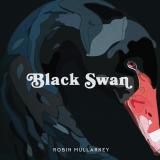
Soft Centre is the new album by Iko Chérie, the solo project of French-born, London-based multiinstrumentalist Marie Merlet. She blends dub-inflected textures, pop tinged vocals, reverbdrenched guitars, Casio drones, and warm experimental noises - creating her own intimate, fragile sound. Self-produced and largely performed by Merlet, the album grew from an introspective process, with many sketches recorded in transit between tours. The result is a deeply personal work, balancing light and dark in a Lynchian dream-pop haze. Songs such as We Smoke That Peace Pipe and Bilbao shimmer between vulnerability and resilience, while the single Ghosted Ghosters of the Holy G captures the immediacy of a one-take dub bass. Some pieces retain the quality of improvised snapshots (Intelligent Women, Half a Metaphor) while others reveal her meticulous production process and songwriting craft (Tears in the Sea, Luciférine). Merlet defines Soft Centre as alive in radical tenderness, unguarded, open, and vivid. Influenced by Clarice Lispector"s prose, Diane di Prima"s poetry and Rachel Carson"s environmentalist writing, as well as Marie"s fascination with a vintage Roland Space Echo, the album is an invitation to connection that she describes as "... hopefully a meditation into healing." A versatile musician trained in classical piano, jazz, and electroacoustic composition, Merlet has long moved between different worlds of sound. She has worked with Laetitia Sadier in Monade, performs with Gina Birch (The Raincoats), Malphino, Yama Warashi, and several other groups. She recently appeared as guest singer on the latest Stereolab album. Her debut solo LP, Dreaming On (Elefant Records, 2015), revealed her singular melodic instincts; with Soft Centre she ventures further inward, shaping her own distinctive voice in experimental pop.

- Gato Negro
- Shake It Off
- Hey Ya!
- Teenage Shutdown
- Doublewide (Country)
- Team Man
- Can Pipe
- Rubber Biscuit
- Born With A Tail (Country)
- Devil's Food
- Sail On
- Kid's Got It Comin
- Eastbound & Down
- Then I'm Gone
- Flyin' Into The Mid-Day Sun
- End Of An Era
Neuauflage zum Jubiläum, welches vor 20 Jahren ! Eine Sammlung seltener Köstlichkeiten und böser Leckereien aus den Anfängen der Supersuckers bis zum Jahr 2005! Devil's Food ist eine Sammlung schwer zu findender, vergriffener Singles und bisher unveröffentlichter Titel der Supersuckers, die nun in einem praktischen und attraktiven Paket kompiliert sind, sodass man nicht Millionen von Bitcoins bei irgendwelchen Sammler-Nerds im Internet ausgeben muss, um an diese Schätze zu kommen. Insgesamt 16 Songs, darunter Coverversionen von "Hey Ya" von OutKast, "Teenage Shutdown" von Electric Frankenstein, "Rubber Biscuit" von The Chips, "Sail On" von The Commodores und "Eastbound & Down" von Jerry Reed. Außerdem gibt es Country-Versionen von Songs, die ursprünglich auf dem 1995 erschienenen Supersuckers-Album "The Sacrilicious Sounds of the Supersuckers" zu finden waren (das derzeit ebenfalls von Sub Pop zum 30-jährigen Jubiläum neu aufgelegt wurde). 2025 gibt es das Album auf klassischem schwarzem Vinyl!
- Super Combo Los Famosos - El Bailador De La Esquina
- Sexteto Manaure - Bajo El Trupillo Guajiro
- La Protesta De Colombia - El Campesino
- Sonora Guantanamera - Sal Y Agua
- Orquesta Salsa Panamericana - El Fantasma Salsero
- La Integracin - Hecho Y Derecho
- Galileo Y Su Banda - No Me Conviene Tu Amor
- The Latin Brothers - Llorars
- Piper Pimienta Y Su Orquesta - El Sufrido
- Fruko Y Sus Tesos - Soy Tu Dueño
This curated collection highlights hard-to-find salsa 45s from the Discos Fuentes vaults-deep cuts that have long flown under the radar but still light up dance floors today. These tracks, once pressed in small numbers, feature top tier musicianship, fiery brass, unforgettable grooves, and lyrical gems that reflect the rich diversity of Colombia's musical landscape. Among the featured artists are: Super Combo "Los Famosos" with their irresistible barrio anthem 'El Bailador de la esquina', capturing the spirit of Cali's street life, Sexteto Manaure, delivering a poignant son that blends regional pride with poetic nostalgia, La Protesta de Colombia, a revolutionary Barranquilla outfit that gave a young Joe Arroyo his early spotlight and channeled the rebellious pulse of the times. This compilation also includes a range of studio experiments and covers-where artists like Piper Pimienta, Galileo y Su Banda, and La Integración reimagined beloved hits, from boleros to vallenatos, through a distinctly Colombian salsa lens. These obscure gems, long scattered across dusty crates and forgotten jukeboxes, now find new life. They speak not just to the past, but to a timeless rhythm that still moves dancers and dreamers alike.
- 1: I'm Not Getting Excited - Live
- 2: Great No One - Live
- 3: Whatever - Live
- 4: Mars, The God Of War - Live
- 5: Future Me Hates Me - Live
- 6: Introduction
- 7: Jump Rope Gazers - Live
- 8: Uptown Girl - Live
- 9: Bird Talk
- 10: Happy Unhappy - Live
- 11: Out Of Sight - Live
- 12: Thank You
- 13: Don't Go Away - Live
- 14: Little Death - Live
- 15: Dying To Believe - Live
- 16: River Run - Live
The anticipation is there in Elizabeth Stokes’ solo guitar riff under the opening lines of “I’m Not Getting Excited”: a frenetic, driving force daring a packed Auckland Town Hall to do exactly the opposite of what the track title suggests.
As the opener of The Beths’ Auckland, New Zealand, 2020 expands to include the full band, the crowd screeches and bellows. It’s a collective exhalation, in one of the few countries where live music is still possible.
The album title, and film of the same name, deliberately include the date and location, lead guitarist Jonathan Pearce says. “That’s the sensational part of what we actually did.” In a mid-pandemic world, playing to a heaving, enraptured home crowd feels miraculous.
In March 2020, everything seemed on track for another huge year for The Beths. Home after an 18-month northern hemisphere tour, they had just finished recording sophomore album Jump Rope Gazers and were primed for more extensive touring. But within days, New Zealand’s lockdown split the band between three separate houses. All touring was cancelled.
“It was existentially bad,” Stokes says. As well as worrying about economic survival, they lost something crucial to the band’s identity: live performance. “It's a huge part of how we see ourselves... What does it mean, if we can't play live?”
The band found an outlet through live-streaming, returning to the do-it-yourself mentality of their early days to connect with a global audience. The album and film have their genesis in that urge to share the now-rare experience of a live show, as widely as possible.
The fuzzy-round-the-edges live-streams pointed the way aesthetically. Native birds, wonkily crafted by the band from tissue paper and wire, festoon the venue’s cavernous ceiling while house plants soften and disguise the imposing pipes of an organ. The presence of the film crew isn’t disguised: much of the camerawork is handheld; full of fast zooms and pans.
With much of the material still fresh, the band was less focused on re-invention than playing “a good, fast rock show”, Pearce says. The tempo is up on crowd favourites “Whatever” and “Future Me Hates Me” (released as a live single on its third anniversary) as both band and audience feed off the mutual energy in the room.
Certain songs have taken on special resonance post-Covid. Pearce has found “Out Of Sight”, a tender rumination on long-distance relationships, hits particularly hard with live audiences.
Album closer “River Run” visibly brings Stokes to tears as a mix of achievement and relief kicks in. “You can finally relax at that point … You play the last note, breathe out a sigh and look up - and you’re in a giant room full of people happy and smiling.”
- A1: 5 A.m
- A2: Black Cat
- A3: Luck And Strange
- B1: Breathe (In The Air)
- B2: Time
- B3: Fat Old Sun
- C1: Marooned
- C2: A Single Spark
- C3: Wish You Were Here
- C4: Side B: Vita Brevis
- D5: Between Two Points With Romany Gilmour
- D6: High Hopes
- E1: Sorrow
- E2: The Piper’s Call
- E3: A Great Day For Freedom
- F1: In Any Tongue
- F2: The Great Gig In The Sky
- F3: A Boat Lies Waiting
- G1: Coming Back To Life
- G2: Dark And Velvet Nights
- G3: Sings
- H1: Scattered
- H2: Comfortably Numb (Encore)
LP 4x12"[92,23 €]
23 Live-Tracks von der gefeierten Luck and Strange Tour auf 4 LPs in 2 Doppel-Gatefolds und Schuber. Enthält ein 24-seitiges Booklet mit Fotos von der Tour. Produziert von Charlie Andrew und David Gilmour.
Die Tour begleitete Gilmours fünftes Soloalbum Luck And Strange, das #1 in Großbritannien, Deutschland (seine erste #1 dort), Polen, den Niederlanden, Tschechien, der Schweiz, Portugal und Österreich erreichte.
Die Shows begannen mit zwei ausverkauften Warm-up-Shows im Brighton Centre, bevor sie für sechs ausverkaufte Abende in den Circus Maximus in Rom umzogen, gefolgt von der gleichen Anzahl in der Londoner Royal Albert Hall, bevor sie für ausverkaufte Abende im Intuit Dome und der Hollywood Bowl in Los Angeles in die USA zogen und mit fünf ausverkauften Abenden im Madison Square Garden in New York endeten.
Alle dreiundzwanzig Termine waren ausverkauft, und da keine neuen Shows in Sicht sind, sind »The Luck And Strange Concerts« die beste und einzige Möglichkeit, den Meister seiner Kunst auf der Bühne zu erleben.
- A1: Oasis - Fade Away
- B1: The Boo Radleys - Oh Brother
- A1: The Stone Roses - Love Spreads
- B1: Radiohead - Lucky
- A1: Orbital - Adnan
- B1: Portishead - Mourning Air
- A1: Massive Attack - Fake The Aroma
- B1: Suede - Shipbuilding
- A1: The Charlatans & The Chemical Brothers - Time For Livin
- B1: Stereo Mc's - Sweetest Truth (Show No Fear)
- A1: Sinéad O'connor - Ode To Billy Joe
- B1: The Levellers - Searchlights
- A1: Manic Street Preachers - Raindrops Keep Fallin' On My Head
- B1: Terrorvision - Tom Petty Loves Veruca Salt
- A1: The Massed Pipes And Drums Of The Children's Free Revolutionary Volunteer Guard & The One World Orchestra - The Magnificent
- B1: Planet 4 Folk Quartet - Message To Crommie
- A1: Terry Hall & Salad - Dream A Little Dream
- B1: Neneh Cherry & Trout - 1, 2, 3, 4, 5
- A1: Blur - Eine Kleine Lift Musik
- B1: The Smokin' Mojo Filters - Come Together
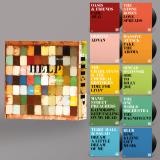
Zum 30-jährigen Jubiläum des legendären HELP-Albums veröffentlicht War Child Records eine streng limitierte 7”-Box-Edition (nur 500 Exemplare, einzeln nummeriert, mit bislang unveröffentlichten Fotos).
Das 1995 in nur einem Tag aufgenommene und von Brian Eno gemischte Album gilt bis heute als bedeutendstes Charity-Album aller Zeiten. Es vereinte Größen wie Oasis, Blur, Radiohead, Massive Attack, Portishead, Neneh Cherry sowie das Superprojekt The Smokin’ Mojo Filters (Sir Paul McCartney, Paul Weller & Noel Gallagher).
Das Album entstand als Reaktion der Musikindustrie auf den Jugoslawienkrieg und brachte mehr als £1,25 Mio. für die Kinder in Bosnien ein.
Ein unverzichtbares Sammlerstück – Musikgeschichte und Charity vereint in einer einzigartigen Edition.
“Oh damn I got fired suddenly, replaced by a hydraulic pump with life long guarantee”.
The undefinable Kaboom Karavan returns to the dusty Belgian roads with a total Fiasko! - or a full blown disaster if you will (seen from a minimalist perspective), although one that might be the antidote to the sterilised and scattered world that increasingly surrounds us. Fiasko! represents a musical chaos that feels both ecstatic, fun, as well as deeply melancholic. Like an overwhelming moment where the world seems to touch you on all senses. This is music for a new underground of black tie workers raising up to the dullness of societal norms by connecting to their inner child. It’s protest music towards the new normal, where the rules are thrown out of the window and unpredictable sense of joy prevails. Shortly said, Fiasko! Is contemporary exotica made by a madman with too much time on his hands.
As usual, Kaboom Karavan releases contains a conglomerate of strange, mostly home made instrumentation, which will be too long to list here. To shorten it down… Bram Bosteels himself, the captain of the ship, plays all kinds of acoustic instruments, guitars, electronics and uses his voice. Additionally we have Bart Maris on trumpet, tuba and trombone. Stefaan Smagghe plays violin and sarangi. Lastly we have Raphael de Cock on such typical instruments as igir, jadagan and uillean pipes. All that remains to be said is: Bring your neighbour, let yourself loose and have some fun. Listen to Fiasko!
2025 Repress
Portland was produced by our mate Dave Clark aka Sparky and was the first record we released in 2002, about a year before the first ever Numbers party took place.
Originally recorded live to tape using an MMT8, a Microwave II, and an ESi32 in the summer of 1998, it was released on an old label of ours named Stuffrecords and formed part of a somewhat rambling compilation called STUFF001. We hastily stuck this record out without any proper distribution, because at the time we didn't know any better. Despite this the record did pretty well, selling 500 copies to a few select stores who had faith in what we were doing.
Fast forward a year or so to when Numbers kicked off and the track became one of the first bonafide anthems in the club. It was our tune and it would tear the roof off at any of our parties.
A couple of years later, we booked DJ Pete, aka Substance, to play. We're talking about the record in the pub when he suddenly informs us that Ricardo Villalobos is crazy about it and even charted it. This was a deep, almost Drexciyan electro track and here was the king of crazy experimental minimal house music caning it in his DJ sets.
Not long after that night, the Numbers label was up and running and the idea to re-release Portland with a remix from Mr Villalobos was brought up almost as a kind of pipe-dream. Now in 2013, with a little help from Gerd Janson, it has finally happened. Recorded live in one take and clocking in at over 30 minutes long, it's cited as an "experiment" by Ricardo. Designed to play at two speeds, at 33rpm its almost like an early 90s Black Dog track stretched out to infinity, whilst at 45rpm, it's a club-ready groover with an almost Dopplereffekt rhythm to it - the sort you could imagine sneaking into a DJ Assault or Godfather Ghettotech mix. Somehow, it also manages to be classic Villalobos.
To finish off the record Dave gave us a two unheard tracks from those original Portland sessions in 1998. The malevolent electro of 'Jigsaw' would instantly have become another Numbers anthem if only Dave had let us hear it ten years ago, and closer track 'Wilson St' heads down an ambient route.