The phoenix symbolizes a new beginning. The fire burns off the last vestiges of the past as the bird spreads its wings and takes flight into the future. The Polyphonic Spree harness the flames of rebirth on their 2023 full-length offering, Salvage Enterprise. Led by frontman, founder, producer, multi-instrumentalist, and visionary Tim DeLaughter, the group embark on their next season. They're reverent of their history, yet they're also ready for an even brighter tomorrow. "Across all of the music I've done, lyrically there's a sense of desperation and a moment of convincing myself I'm going to make it through regardless of how the music dresses up," notes Tim. "On this one, I struggled with the amount of vulnerability I was experiencing and was willing to share both musically and lyrically, but ultimately decided to let it play out. Now that it's done, I'm happy with the dance between the two. It's a `rising-from-theashes' record." Salvage Enterprise beckons complete immersion. Opener "Galloping Seas (Section 44)" affixes softly strummed acoustic guitar to an orchestral hum as Tim urges, "Hold on through the galloping seas." "We're all galloping through rough waters," he says. "I tried to describe the process as well as I could and encourage people to keep their heads above the storm and the waves. Ride it out. It's going to be okay. It starts off very calm and introspective, and you can envision where it's going." Flute echoes over nimbly plucked guitar during "Shadows On The Hillside (Section 48)" as keys twinkle. A glorious harmony amplifies the nostalgia of "Hop Off The Fence (Section 49)." It concludes with "Morning Sun, I Built The Stairs (Section 52)." Optimism strains through his hopeful intonation, "I learned to fly, the more that I become a new reason, I want to try," uplifted by boisterous horns and cinematic strings. It crashes into an Ennio Morricone-style crescendo bolstered even higher by operatic vocals. "There is an arc of leaving the world behind, stripping your old self away, and becoming new again," he offers. "You're shedding off this old world, and you're heading into the future. It's an epic ending. You've made it. You're going to be alright." In the end, The Polyphonic Spree are the soundtrack to that light at the end of the tunne
Buscar:play out music
- Desperate Love
- Crying's Just A Thing You Do
- Lucky Penny
- Hunting For Sugar
- On The Lips
- Undivided Heart & Soul
- Bloodhound Rock
- Style (Is A Losing Game)
- Jubilee
- Under The Spell Of City Lights
- Let's Get Out Of Here While We're Young
JD McPherson presents what he calls "A truly romantic garage rock record". Undivided Heart & Soul produced by Dan Molad (Lucius) & McPherson, and developed largely in the studio (that studio being the historic RCA Studio B in Nashville), carries a sense of immediacy and irreverence. Putting the hands of Dan Molad on the wheel of the record ensured that the music didn't take too many expected turns. "Having toured with Lucius and befriended Dan, I knew he was the guy to push my buttons and challenge me to try new things. He's a tireless worker. He's constantly tinkering away on something... and music just falls out of him." The vintage recording equipment and instruments still housed in RCA Studio B greatly informed the direction of the record. "Each night, at the end of tracking, someone would invariably say, "You wanna put vibes on this?", speaking of the old RCA Vibraphone. I mean, you can hear THAT vibraphone on Roy Orbison's "Crying"... we couldn't keep our hands off of it. It guided some of the songs into some strange and wonderful places. "Lucky Penny" took such a cool turn once Ray (Jacildo, keys) added some to it. We wrote several songs on the piano that Floyd Cramer played "Last Date" on. We were soaking up so much of the phantom energy in that room, it led to some incredible sonic territory." "Most folks know
As the title suggests, the recording Tenorlee finds Lee Konitz, the great American saxophonist,
playing exclusively on tenor. It was a spontaneous decision, and a tribute to his dear friend,
Lighthouse All-Star saxophonist Richie Kamuca, who had passed away just days before Konitz
entered the studio for these sessions. Konitz classically trained on the clarinet, but switched to jazz
saxophone after being enamored by Lester Young. By 1945 the 18 year old Konitz was performing
professionally. He made a staggering 150 albums as a band leader over the course of his long and
storied career. He played and recorded with everyone from Dave Brubeck, Charles Mingus, Ornette
Colman, Elvin Jones, and Gerry Mulligan, to Elvis Costello, Brad Mehldau and Charlie Haden.
Between 1948 and 1950, he was a member of Miles Davis’ group, and participated in the recordings
that would eventually be collected and released as Birth of The Cool. With a trio featuring Lighthouse
All-Star alum Jimmy Rowles on piano and Michael Moore on bass, Kontiz called out old and familiar
songs. The intention was to “let the tunes happen” as only finely tuned jazz musicians of certain
experience can. Of note is “Lady Be Good” which finds Konitz and Rowles quoting Lester Young’s
solo from the 1936 recording with Count Basie. From 1978, originally on the Choice label, this album
has been remastered and is presented here as the artist intended, with its original title, track order and
album artwork, for the first time since its original release. Remastered by Alex McCollough at True
East Mastering. Vinyl cut by Jeff Powell at Take Out Vinyl.
The Blips self titled debut, 'The Blips', struck lightning when Little Steven's Underground Garage declared "Inside Out" The Coolest Song In The World in the spring of 2021. And here we are with The Blips, 'Again'. Back with more boogie, beast and beauty
This band swaggers like The Stones, Haggards like Merle, and snots like Mike Ness. 'Again' carries you on a not-too-long trip through a varied landscape of far out, well made and dusty rock songs that stick to your black boots and go with you when you go. While there are four different lead singers and writers throughout this album, it is apparent 'Again' is executed by a band, rather than disparate musicians playing along on a track in a cold studio. A band that sweats. The Blips haven't "grown" or "matured" with their "sophomore effort" --These ideas don't apply to the Blips. The band is wholly made up of veteran front men of some of the most revered bands of the Birmingham rock scene. Making records is what all of these guys do on the regular. Once upon a time, The Blips came together, rose above, braved the elements, forced the issue, carried the weight and dealt with the demons that require the making of a record. And now they have done it . . . 'Again'.
This brand new EP from the Cornish improv noise / post-rock / shoegaze trio is their first release since their acclaimed second album Sleepover, which came out at the end of 2021. It features two long tracks and vocals from their Sonic Cathedral bandmate Lorena Quintanilla from Lorelle Meets The Obsolete. “One of our recording sessions resulted in a couple of tracks that had a very different energy to what we’ve recorded to date because there was less of a motif-based approach to them, which made them kind of scenic,” explains Mildred Maude guitarist Matt Ashdown. “We felt like they were the best opportunity we’ve had for doing a collaboration. We’ve played a few shows with Lorelle Meets the Obsolete and really clicked – we love what she does in that band and also as J. Zunz – so we asked her to do both tracks. It feels completely right – a natural pairing.” “I love collaborations and this one was really special,” adds Lorena. “I feel honoured to be part of this EP. I always enjoy seeing Mildred Maude, I feel that one can grasp eternity during their sets. With ‘Half The Sky’, the vocal melody and lyrics came out immediately, I felt like I was in a room jamming with them and everything was slowly flowing and growing. As for ‘Shifting’, it was another story. It is such a beautiful song, and I didn't want to mess it up. They liked one of the takes I sent, so I kept on that track for the first part and for the end I looped vocals on my DL4.” “Vocals change everything and give it a different air of completeness, but Lorena understands our music, so she was able to maintain its looseness,” concludes Matt. “We’re stunned by what Lorena has done; she’s given both tracks a different life
Most of Gen X-ers who grew up in the mid-1980s Indonesia must have seen Soedjarwoto Soemarsono, known with his nom de guerre “Gombloh” performing on a state-run television station, playing some of his biggest hits from that era, pop gems like “Kugadaikan Cintaku (I Pawn Off My Love)”, “Setengah Gila (Half-Crazy).”
But of course, it is not fair to judge Gombloh only from these hits. Dig deeper and you will find buried treasure in his early stuff from Indra Records, and there are many of them.
His album with the band Lemon Tree’s Anno ‘69 (yes, that’s the name of the band) is all remarkable, but what he did for Chandra Records was no less spectacular. How can you go wrong with songs like “Kebyar-Kebyar”, the unofficial national anthem for Indonesia, dan “Berita Cuaca” one of the better epic songs in a catalogue full of epochal songs? These were all long out of print and in our journey to source the original master for these albums we met Bob Djumara of Nirwana Records, the Surabaya, East Java-based label which broke Gombloh into the mainstream in the mid-1980s. Almost all albums Gombloh recorded for his early labels, Indra Records and Chandra Records were critically acclaimed, but commercially they bombed, big time. Nirwana Records came up with an ingenious plan. What if they recorded Gombloh performing live and release it as is. After all, the first song in Gombloh debut record Nadia & Atmospheer is him strumming on his guitar backed by the cheering of a crowd, who could be heard going wild when he hurled that epithet “bastard” at the end of the song
The end result is a brilliant recording which despite being recorded live the sound quality so pristine leading many to doubt the claim of being live. Regardless, Nirwana shipped a decent number of units and Gombloh could buy his first car, a Katana Jeep, with money from the royalty.
One of the best things about Live Gila is its perfect sequencing, beginning with Gombloh’s social commentary on the rich’s debauched lifestyle of preying on young boys and girls, one of the most popular subjects allowed by the censoring machine of the New Order authoritarian government. The second song “Untuk Persada” is a soaring ode to the nation. For this song, Gombloh could be heard drawing his inspiration from The Police, which was undoubtedly popular in the early 1980s, even in a faraway port city like Surabaya.
Listening to this record as a whole (we omitted the last song from the original master tape “Bagimu Negeri” which sounds too jingoistic), we could not help but point to some of similarities it has with Bob Dylan’s Blood on the Tracks. Not a single composition in this record sound indigenous (the Malay-influenced rock of Panbers or Koes Plus come to mind); they all sound modern and effortlessly catchy, and had it not been for the language, this album could be mistaken for a musical output from someone growing up in Laurel Canyon or Southern France.
There are only limited copies of vinyl records in the second-hand market today available for Gombloh music, if at all. For his ardent fans, they have to scavenge for old cassettes to continue to be able to enjoy his music and have to pay top dollar for that. In Indonesia, where he was a superstar in the early 1980s, Gombloh was largely forgotten. With this project, we can only hope that the time is ripe for Gombloh to reemerge and now, more than ever, his music could speak to a bigger audience.
- A1: Star (Ricardo Villalobos Master)
- A2: Custard Last Stand / Amo1 Ambient Version (Ricardo Villalobos Master)
- B1: Make My Love Grow (Ricardo Villalobos Mix Down)
- B2: Black Apple Pink Apple (Ricardo Villalobos Remix)
- C1: Make My Love Grow (Ricardo Villalobos Make My Love Groove Remix)
- C2: Softlanding (Ricardo Villalobos Remix)
- D1: Dealer (Ricardo Villalobos Remix)
tom Ravenscroft at 6music amongst others. And now, in true AMO1 creative fashion they are presenting an off-shoot release of that album, one completely reimagined by the man, the myth: Ricardo Villalobos.
Much has been written and talked about when it comes to producer/DJ Ricardo Villalobos over the years.
The mercurial Chilean-German artist has consistently redefined the boundaries of techno and electronica over the past 30-years as a producer, whilst also traversing the world and expanding minds as a DJ who can equally delight as he does challenge.Like a great jazz drummer (he was a percussionist before discovering mixing records), Villalobos has not so much as broken “the rules” of structure as just created his own unique approach. One that is often surprising, ever open-minded, and clearly lead by whatever happens to be inspiring him at any given moment. Watching him work or hearing him play music always feels live and free. He’s an artist. And that is exactly how this (perhaps unlikely) collaborative album has come to light – but then this is Ricardo, so maybe we should all know by now that anything is possible.
Villalobos explains, “In my scientific search for some electroacoustic musical landscapes, the offer of remixing ‘Black Apple Pink Apple’ was just perfect for me… In general, the song writing is so very good and particular, with all the instruments played into a sequencer, so it was very inspiring to strip down these pop songs into my dubby extensions, taking only the drums, bass, and vocals of the song.” Expanding further, “After delivering the first remix, Mo and myself came up with the idea of reimagining the whole album in a new way, mixed simple with other ears and my inspirations, with a new and different point of view of what instruments are important to hold the song to bare itself.”
It says a lot, and somehow captures the essence of Ricardo’s approach to music (and life), that one remix soon evolved into a whole plethora of reimagined works, driven by a creative slipstream and a clear connection to the songs created by A Mountain of One.
Mo Morris provides more insight into his own connection with Villalobos, “I lived in Berlin back in 2002-04 and used to religiously go to dance to Rici at the after (after) hours parties: little, tiny events. And he just used to blow my mind, I hadn’t heard anything like it before (or since). Ultra-modern and forward thinking.”
Mo continues, “A good friend connected to Ibiza happenings introduced me to Ricardo as it transpired that he was a fan of our early material, so I sent him some demo’s when we were in the studio creating ‘Stars Planets Dust Me’ and he loved ‘Black Apple Pink Apple’. The relationship and collaboration grew from there really, and I hope that this release is still at the start of what we can all create together.”
Focussing in on the album at hand – ‘Ricardo Villalobos reimagines: Stars Planets Dust Me’ – we are treated to a concept listen that guides us from dreamy daytime Balearic pop – staying very true to the original songs – all the way through to completely original deep dubby techno excursions. And to Villalobos fans, it will perhaps surprise (and hopefully delight) how light a touch he has provided to the opening tracks, focussing more on enhancing the sonics, and allowing the originals to shine brighter through remastering and mixing down. It’s in these moments that we see Ricardo as a pure music fan, needing not overly change or alter what’s already been created, but simply doing what he can to maximise what’s already there.
What will certainly delight Ricardo fans are the four full ‘klub’ remixes provided of ‘Black Apple Pink Apple’, ‘Make My Love Grow’, ‘Softlanding’ and ‘Dealer’ that each boldly explore the outer regions of the dancefloor in a way that only Villalobos can.
Mo rounds off, “From an electronic and sonics standpoint he’s kind of out there on his own. It’s such a unique sound. Weatherall also had this, and Harvey has that unique flavour, and also people like Nils Frahm and Max Richter have this gift. It’s not an easy thing to produce. Ricardo has his own personal cosmic trademark.”
Indeed he does. Take a trip with him around the stars and planets and see for yourself.
After a string of two dozen brilliant albums beginning in the 1950’s, clarinetist, saxophonist, flutist,
composer and arranger Jimmy Giuffre stopped recording. For nearly ten years he focused solely on
live performance. This album, Music for People, Birds, Butterflies and Mosquitoes, marked his return
to the studio after his self imposed hiatus. Known for developing forms of jazz which allowed for free
interplay between the musicians, Giuffre began his career as an arranger for Woody Herman’s big
band in the late 1940s. Playing primarily saxophone, he became a central figure in the West Coast
cool jazz scene of the 1950’s, with the Lighthouse All Stars in Hermosa Beach, CA. In the late 50’s, he
began working within different configurations of the trio format, on what he called “blues-based folk
jazz.” A prime example being his piece "The Train and the River" famously featured in 1958 Newport
Jazz Festival concert film, Jazz On A Summer’s Day. The trio here is completed by drums and bass
with Giuffre trading seamlessly between tenor saxophone, clarinet, flute and bass flute. The twelve
original compositions are very much in Giuffre’s signature style. The melody explorations have an
eastern vibe, and are played in hushed tones with an almost chamber music like quality. From 1973,
originally on the Choice label, this album has been remastered and is being presented here as the
artist intended, with its original title, track order and album artwork, for the first time since its original
release. Remastered by Alex McCollough at True East Mastering. Vinyl cut by Jeff Powell at Take Out
Vinyl.
Frozen reeds presents the only recorded duo playing of two legendary musical figures. Derek Bailey and Paul Motian – two longstanding pioneers of distinct strains of improvised music – came together for a brief period of collaboration in the early 1990s. Tapes of their two known live performances (one at Groningen’s JazzMarathon festival in the Netherlands, the other a year later at New Music Cafe, NYC) were recently unearthed in the Incus archives, and their contents will surprise and delight fans of both supremely idiosyncratic musicians.
The Groningen concert (1990) is released on vinyl, while the New York date (1991) is included with the digital download, free of charge for all purchasers. A conversation between Bill Frisell and Henry Kaiser on Bailey, Motian, their intertwined backgrounds, and the significance of these recordings is included as sleeve-note insert.
“This is one of those moments that we’re always hoping for, and it's so rare. And it's so hard to talk about, because it's so beautiful. It's like you're seeing some new species of plant that you never knew existed or something.” – Bill Frisell
Each player bringing decades of crucial experience to their encounters – with histories taking in vast swathes of the development of jazz and free improvisation – these fleeting shared moments provide some of the most riveting playing in the career of either.
There is precious little recorded evidence of Motian as a free improviser, but his mastery is beyond any doubt in these recordings. From knife-edge precision to textural haze, Motian’s palette is astounding, but perhaps even more impressive is his confidence in the non-idiomatic conversation itself. Pushing far beyond the established vocabulary of free percussion, his playing allows a measured degree of repetition to take form, giving rise to almost song-like structures. The covert influence of the drummer’s work on the post-rock genre (just taking its first nascent steps in the early 1990s) is made overt here.
In turn, Bailey allows some of his most unashamedly melodic passages to unfold without a mote of his trademark contrariness or antagonism. Patterns that would be acerbically disrupted elsewhere are allowed to settle, with variations of note and timbre introduced more gradually than is typical of his playing. When forceful changes in dynamics or tone do arrive, they do so in such close tandem with Motian’s rhythmic and textural transitions as to beggar belief. The guitarist’s duos with percussionists (Jamie Muir, Han Bennink, John Stevens…) arguably provide some of the highlights of his discography. ‘Duo in Concert’ represents a strong addition to the list.
An elegant sense of construction pervades the sets, as the duo ably fulfil the promise of free improvisation: carving out hugely compelling, expertly balanced, and thrillingly paced music as if from thin air.
- I'm A Ramblin' Man
- Rainy Day Woman
- America
- I May Be Used (But Baby I Ain't Used Up)
- Amanda
- Me And Bobby Mcgee
- Trouble Man
- Mamas Don't Let Your Babies Grow Up To Be Cowboys
- Good Ol' Boys (Theme From Dukes Of Hazard)
- Bob Willis Is Still The King
- Are You Sure Hank Done It This Way
- Suspicious Minds
- Honky Tonk Angels
- Good Hearted Woman
- I've Always Been Crazy
- Luckenbach, Texas (Back To The Basics Of Love)
- I Ain't Living Long Like This
This performance by Waylon Jennings was no April Fool's joke. This was the "new" Waylon, both personally and professionally. He had kicked a 20-year drug habit, split with RCA and signed a new deal with MCA Records. He discovered a passion for songwriting, teamed with legendary producer Jimmy Bowen, and produced some of the best work of his 30-year-plus career. He credited his wife and soul mate, Jessie Colter, for much of his inspiration. This was Waylon's second trip to the ACL stage, but the one that best captures the raw edge and driving urgency that pushed country music way past its Nashville boundaries starting in the mid-1970's. He was described as the leader of the country "Outlaw" movement, which he often dismissed as just another marketing scam, but there's no denying that he turned the music on its head and took it way beyond its rural southern roots. This West Texas boy who worked as a DJ and started his own band at 14, then later played with Buddy Holly, left an indelible mark on the music he loved. He was a class act, this man called Hoss. -Terry Lickona (Producer Austin City Limits®)
First heard by global audiences on Sahel Sounds' Music from Saharan WhatsApp series, Malian guitar hero Bounaly (the stage name of Ali "Bounaly" Traore) makes his full-length debut with "Dimanche à Bamako" ("Sunday in Bamako"). Recorded live on location, the music on "Dimanche à Bamako" is a mix of regional favorites, traditional standards, and originals. Long songs with looping rhythms, pounding kick, and electric shredding guitar, punctuated by shout outs to the guests of honor. A raw and frenetic take on Northern Mali desert sound, playing for the diaspora at a Bamako wedding.
- A1: From The Sun
- A2: Swim And Sleep (Like A Shark)
- A3: So Good At Being In Trouble
- A4: One At A Time
- A5: The Opposite Of Afternoon
- A6: No Need For A Leader
- A7: Monki
- A8: Dawn
- A9: Faded In The Morning
- A10: Secret Xtians
- B1: Swim And Sleep (Like A Shark)
- B2: Faded In The Morning
- B3: So Good At Being In Trouble
- B4: Swing Lo Magellan
- B5: Puttin' It Down
- B6: Two Generations Of Excess
- B7: Waves Of Confidence
Unknown Mortal Orchestra came to life in basements and bedrooms, the musical vision of Portlander-via-New Zealand Ruban Nielson that fused guitar-god riffs, choppy percussion, soul and funk. II, the sophomore album from UMO, emerged in an era rampant hedonism and isolationism and became the blueprint for everything Nielson has become renowned for. It was, and is, the solidification of Unknown Mortal Orchestra as an endlessly intriguing, brave and addictive band. Ten years on, it's back with an expanded edition. Written during a punishing, debauched touring schedule during which Nielson feared for both his sanity and health, II illustrates the emotional turmoil of life on the road, painting surrealist, cartoonish portraits of loneliness, love and despair. These conflicting themes are evident immediately; on the album's sleeve is an unnerving image of Janet Farrar, the famous British witch, Wiccan, author and teacher of witchcraft. The chilling refrain of opener "Into The Sun" sees Nielson deliver the line "Isolation can put a gun in your hand," softly, his words starkly intelligible above a warm, slow-burning melody that quickly brands itself onto your brain. His playful imagery ("I'm so lonely I've gotta eat my popcorn all alone") mirrors the melody, before a solo that borders on psychotropic ends II`s introduction. UMO is unafraid to dig deeper than the rest, their intoxicating, opiate groove bringing rock'n'roll's exaggerated myths to life. And as it unfolds, II does find Nielson reenergized. "One At A Time" and "Faded In The Morning" boast dizzying choruses and instrumentals; these crusty hunks could have been excavated from a lost 1960s treasure trove. "Monki" unravels over seven minutes like the yarn from a stoner's cardigan with an eye-frying pattern. "Dawn" is a minute of disconcerting noise that stands out between the nooks and crannies of the choruses, guitar solos, groove-heavy bass and drums that were recorded live by newly-recruited drummer Greg Rogove and Kody Nielson in a move away from the electronic percussion employed on album one. II closes with "Secret Xtians," a tender observational puzzle that fizzes to a satisfied end. In celebration of the album's 10th anniversary Nielson's complete collection from the II era is finally available in one compilation, and features the five acoustic tracks from the Blue EP as well as two additional B-sides. Unknown Mortal Orchestra was once Nielson's closeted concern. With an album that uses his singular musical imagination and extraordinary talent to parade his emotions with unyielding honesty, it is now a fully realized band operating at the peak of its powers ten years on.
GER "Wir suchen nach Glitzer, nach dem hellsten Geröll und Blitzen. Wer sich heute Nacht verliert, wird sich nicht finden. Ihr sucht in uns die Perfektion der Generation Maximum.." An was noch glauben. Mit ihrem dritten Album Generation Maximum nehmen CULK den Druck von einer Generation, die den Horror der Gegenwart wie durch Magie doch noch zu etwas Positivem wandeln - und richten ihn bewusst auf diejenigen, die ihre Zukunft zerstört haben. "... Ihr sucht in uns die Revolution, bürgt uns auf, was ihr nicht leisten wollt. Wer sich heute nicht mehr wehrt, wird übrigbleiben." Generation Maximum ist sicherlich kein Album, bei dem im SUV laut mitgegrölt wird, weil der Refrain so schön in die Sonnenuntergangsstimmung passt. Niemand klatscht vor Freude über den nächsten Waldbrand die Hände zusammen. Stattdessen beobachtet Sängerin Sophie Löw ihre Umwelt durch ein Brennglas und nimmt die Zuhörer:innen mit auf eine lyrische Rückblende der letzten zwanzig Jahre, in denen sie selbst vom Kind zur Zeugin wurde. Das selbstbetitelte CULK Debut (2019) erschien beim Wiener Label Siluh Records, einer der verlässlichsten Quellen für spannende Indie-Musik in all seinen Facetten. Vom Spiegel-Magazin gab es dazu das Attribut "Suchtsound". Mit ihrem zweiten Album "Zerstreuen über Euch" (2020) schuf die Gruppe ein famoses Konzept-Album. Es wurde von vielen Seiten als eine Kampfansage an tiefverwurzelte patriarchale Strukturen gedeutet und schaffte es u.a. in die TOP 5 der Jahresbestenliste des Spiegel-Magazins. Mit "Generation Maximum" übernimmt Jakob Herber die Rolle des Bassisten von Gründungsmitglied Benjamin Steiger. Herber ist von Anfang an ein wichtiger Wegbegleiter im engen Zirkelder Band, Sängerin/Gitarristin Sophie Löw hat im August 2022 als SOPHIA BLENDA ihr Solo-Debüt-Album "Die neue Heiterkeit" veröffentlicht. "Die neue Heiterkeit" ist eines der stärksten deutschsprachigen Pop-Statements der jüngeren Zeit" - Spiegel. Für ihr neues und nun drittes Album "Generation Maximum" hat sich die Band mit dem Produzenten Wolfgang Lehmann, vormals Wolfgang Möstl, zusammengetan, der unter anderem für seine Arbeit mit Voodoo Jürgens, Clara Luzia, Jungstötter, Dives uvm. bekannt ist. Und bringen es musikalisch nach draußen zu den Menschen, die vor lauter Existenzkämpfen fast vergessen hätten, die Revolution zu starten ("Generation Maximum"). Kein Ausbaden. Generation Maximum ist ein progressiv lauter werdendes "Nein" zur auferlegten Bürde, ein Appell an mehr Verletzlichkeit ("Eisenkleid") "Jede Rüstung erzählt von Verletzlichkeit. Stärke zeigt, wer Narben teilt." und weniger Elend im Privaten wie im Öffentlichen. Letztlich aber auch eine Suche nach einer neuen "Ode an die Freude" und Mut um uns. "Wir erheben Stimmen, auf dass sie für immer klingen. Wo sollen wir heute Zukunft finden?" Wer genau hinhört, findet sie: Lieder über unausgesprochene Träume, die durch epische Gitarrenklänge und Löws entrückten Gesang näher wirken, als sie eigentlich sind. LP klassisch schwarzes Vinyl.
With their third album Generation Maximum, CULK take the pressure off a generation that magically transforms the horror of the present into something positive after all - and deliberately direct it at those who have destroyed their future."... Ihr sucht in uns die Revolution, bürgt uns auf, was ihr nicht leisten wollt. Wer sich heute nicht mehr wehrt, wird übrig bleiben." Generation Maximum is certainly not an album to be bawled along to loudly in the SUV because the chorus fits so nicely into the sunset mood. No one claps their hands together in joy over the next forest fire. Instead, singer Sophie Löw observes her environment through a burning glass and takes the listeners on a lyrical flashback of the last twenty years, during which she herself went from child to witness. The self-titled CULK debut album (2019) was released on the Viennese label Siluh Records, one of the most reliable sources for exciting indie music in all its facets. Spiegel magazine gave it the attribute "addictive sound". With their second album "Zerstreuen über Euch" (2020), the group created a fabulous concept album. It was often viewed as a declaration of war against deeply rooted patriarchal structures and made it to the TOP 5 of the Spiegel magazine's best of the year list and gained the band a following in various scenes and audiences. With "Generation Maximum", Jakob Herber takes over the role of bass player from founding member Benjamin Steiger. Herber has been an important companion from the beginning. Singer/guitarist Sophie Löw released her solo debut album "Die neue Heiterkeit" as SOPHIA BLENDA in August 2022. "Die neue Heiterkeit" is one of the strongest German-language pop statements of recent times" - Spiegel. For their new and now third album "Generation Maximum", the band teamed up with producer Wolfgang Lehmann, formerly Wolfgang Möstl, who is known for his work with Voodoo Jürgens, Clara Luzia, Jungstötter, Dives and many more. And they take it musically outside to the people who almost forgot to start the revolution because of all the struggles for existence ("Generation Maximum"). No payback Generation Maximum is a progressively louder "no" to the burden imposed, an appeal for more vulnerability ("Eisenkleid") "Every armour tells of vulnerability. Strength shows who shares scars" and less misery in private as well as in public. But ultimately also a search for a new "Ode an die Freude" and courage around us. "Wir erheben Stimmen, auf dass sie für immer klingen. Wo sollen wir heute Zukunft finden?" Wer genau hinhört, findet sie: Lieder über unausgesprochene Träume, die durch epische Gitarrenklänge und Löws entrückten Gesang näher wirken, als sie eigentlich sind. RIYL Nu Wave, Independent, Shoegaze
GER "Wir suchen nach Glitzer, nach dem hellsten Geröll und Blitzen. Wer sich heute Nacht verliert, wird sich nicht finden. Ihr sucht in uns die Perfektion der Generation Maximum.." An was noch glauben. Mit ihrem dritten Album Generation Maximum nehmen CULK den Druck von einer Generation, die den Horror der Gegenwart wie durch Magie doch noch zu etwas Positivem wandeln - und richten ihn bewusst auf diejenigen, die ihre Zukunft zerstört haben. "... Ihr sucht in uns die Revolution, bürgt uns auf, was ihr nicht leisten wollt. Wer sich heute nicht mehr wehrt, wird übrigbleiben." Generation Maximum ist sicherlich kein Album, bei dem im SUV laut mitgegrölt wird, weil der Refrain so schön in die Sonnenuntergangsstimmung passt. Niemand klatscht vor Freude über den nächsten Waldbrand die Hände zusammen. Stattdessen beobachtet Sängerin Sophie Löw ihre Umwelt durch ein Brennglas und nimmt die Zuhörer:innen mit auf eine lyrische Rückblende der letzten zwanzig Jahre, in denen sie selbst vom Kind zur Zeugin wurde. Das selbstbetitelte CULK Debut (2019) erschien beim Wiener Label Siluh Records, einer der verlässlichsten Quellen für spannende Indie-Musik in all seinen Facetten. Vom Spiegel-Magazin gab es dazu das Attribut "Suchtsound". Mit ihrem zweiten Album "Zerstreuen über Euch" (2020) schuf die Gruppe ein famoses Konzept-Album. Es wurde von vielen Seiten als eine Kampfansage an tiefverwurzelte patriarchale Strukturen gedeutet und schaffte es u.a. in die TOP 5 der Jahresbestenliste des Spiegel-Magazins. Mit "Generation Maximum" übernimmt Jakob Herber die Rolle des Bassisten von Gründungsmitglied Benjamin Steiger. Herber ist von Anfang an ein wichtiger Wegbegleiter im engen Zirkelder Band, Sängerin/Gitarristin Sophie Löw hat im August 2022 als SOPHIA BLENDA ihr Solo-Debüt-Album "Die neue Heiterkeit" veröffentlicht. "Die neue Heiterkeit" ist eines der stärksten deutschsprachigen Pop-Statements der jüngeren Zeit" - Spiegel. Für ihr neues und nun drittes Album "Generation Maximum" hat sich die Band mit dem Produzenten Wolfgang Lehmann, vormals Wolfgang Möstl, zusammengetan, der unter anderem für seine Arbeit mit Voodoo Jürgens, Clara Luzia, Jungstötter, Dives uvm. bekannt ist. Und bringen es musikalisch nach draußen zu den Menschen, die vor lauter Existenzkämpfen fast vergessen hätten, die Revolution zu starten ("Generation Maximum"). Kein Ausbaden. Generation Maximum ist ein progressiv lauter werdendes "Nein" zur auferlegten Bürde, ein Appell an mehr Verletzlichkeit ("Eisenkleid") "Jede Rüstung erzählt von Verletzlichkeit. Stärke zeigt, wer Narben teilt." und weniger Elend im Privaten wie im Öffentlichen. Letztlich aber auch eine Suche nach einer neuen "Ode an die Freude" und Mut um uns. "Wir erheben Stimmen, auf dass sie für immer klingen. Wo sollen wir heute Zukunft finden?" Wer genau hinhört, findet sie: Lieder über unausgesprochene Träume, die durch epische Gitarrenklänge und Löws entrückten Gesang näher wirken, als sie eigentlich sind. LP klassisch schwarzes Vinyl.
With their third album Generation Maximum, CULK take the pressure off a generation that magically transforms the horror of the present into something positive after all - and deliberately direct it at those who have destroyed their future."... Ihr sucht in uns die Revolution, bürgt uns auf, was ihr nicht leisten wollt. Wer sich heute nicht mehr wehrt, wird übrig bleiben." Generation Maximum is certainly not an album to be bawled along to loudly in the SUV because the chorus fits so nicely into the sunset mood. No one claps their hands together in joy over the next forest fire. Instead, singer Sophie Löw observes her environment through a burning glass and takes the listeners on a lyrical flashback of the last twenty years, during which she herself went from child to witness. The self-titled CULK debut album (2019) was released on the Viennese label Siluh Records, one of the most reliable sources for exciting indie music in all its facets. Spiegel magazine gave it the attribute "addictive sound". With their second album "Zerstreuen über Euch" (2020), the group created a fabulous concept album. It was often viewed as a declaration of war against deeply rooted patriarchal structures and made it to the TOP 5 of the Spiegel magazine's best of the year list and gained the band a following in various scenes and audiences. With "Generation Maximum", Jakob Herber takes over the role of bass player from founding member Benjamin Steiger. Herber has been an important companion from the beginning. Singer/guitarist Sophie Löw released her solo debut album "Die neue Heiterkeit" as SOPHIA BLENDA in August 2022. "Die neue Heiterkeit" is one of the strongest German-language pop statements of recent times" - Spiegel. For their new and now third album "Generation Maximum", the band teamed up with producer Wolfgang Lehmann, formerly Wolfgang Möstl, who is known for his work with Voodoo Jürgens, Clara Luzia, Jungstötter, Dives and many more. And they take it musically outside to the people who almost forgot to start the revolution because of all the struggles for existence ("Generation Maximum"). No payback Generation Maximum is a progressively louder "no" to the burden imposed, an appeal for more vulnerability ("Eisenkleid") "Every armour tells of vulnerability. Strength shows who shares scars" and less misery in private as well as in public. But ultimately also a search for a new "Ode an die Freude" and courage around us. "Wir erheben Stimmen, auf dass sie für immer klingen. Wo sollen wir heute Zukunft finden?" Wer genau hinhört, findet sie: Lieder über unausgesprochene Träume, die durch epische Gitarrenklänge und Löws entrückten Gesang näher wirken, als sie eigentlich sind. RIYL Nu Wave, Independent, Shoegaze
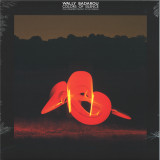
Synth pioneer and musical polymath, Wally Badarou is a genius. But you know that already. A vinyl version of his majestic Colors Of Silence has been craved by the Balearic cognoscenti ever since its low-key 2001 release. Indeed, when we first started work on Be With, we asked some pals with exquisite taste what their dream release would be. We asked Balearic legend Moonboots and, without hesitation, he said Colors Of Silence by Wally Badarou. We didn't know Wally had made this album. And most still don't. But that's about to change.
Colors Of Silence is ostensibly a new age album. As ever though, Wally's sophisticated synth textures and expressive keyboard runs are so full of character, so full of life, that this work of art transcends any easy genre categorisation. It's simply stunning, throughout. It sounds like A.r.t. Wilson or Suzanne Kraft, with traces of CFCF and Jonny Nash. But it was made a good decade earlier than the work of these modern giants. Sometimes, it doesn't seem far from some Larry Heard albums.
Island Records founder Chris Blackwell's friend Nathalie Delon asked Wally to provide music for the yoga DVD she was to release. Lack of time on both sides made them agree on using "quality demos" Wally had in his ideas bank. It's understandable why Colors Of Silence remains somewhat of a lost gem. As Wally explains: "Total lack of promotion made it an 'intimate' release, which was exactly what I was looking for: just a buzz-maker and time-buyer that would allow me to concentrate on the real thing as soon as I'd have time, which could also turn into a rare collecting item later, once the final versions made their way to success. You never know."
Over the years, Colors Of Silence has become a true cult record for the ambient/Balearic heads.
The beguiling but brief "Dance In The Dust" is the shuffling, hyper-percussive, hypnotic opener. It gives way to the deep serenity of "Amber Whispers". It's a gliding, divine, mini melodic masterpiece. It'll make you swoon in its extreme beauty. The bright and breezy "Where Were We" follows, a tropical, reggae-tinged bounce through the islands.
The uptempo groove is maintained on the keys-drizzled soca-funk of "The Lights Of Kinshasa" before Side A is rounded out with "Pictures Of You". It starts with stately, melancholic, unadorned piano and this alone would make for a beautiful song. But Wally always gives us that bit extra and he effortlessly introduces warm, dreamy pads and minimal, slo-mo percussion to augment a frankly stunning piece of work.
Ushering in Side B, Wally's mesmeric piano playing is to the fore again, in the intro to uber-chilled "Serendipity For Two". The playing becomes more mellifluous as the track progresses and adds warmth through exotic percussion, woodwind, sweeping synths and digi-drums. It has echoes of, er, Echoes. It segues seamlessly into the more propulsive, wavy "Smiles By The Millions". If you're not nodding and grinning along widely to the gently throbbing bassline underpinning this, we can't help you. The meditative "Higher Still" follows, cinematic in feel and ever so slightly sinister with the strings. It sounds particularly Badalamenti-esque, if you ask us.
That unmistakable, almost peculiar Badarou funk - so lyrical, so texturally rich and so rhythmically spacious - is all over "Oriental". Next up, "Days To Wonder" brings the serenity back, insistent yet melodic keys, as if played in a place of worship, coupled with birdsong, conjure a kind of instant nostalgia for halcyon days of youth. The contemplative "Dawn Of Europa" is a sombre, beatless, ambient journey whilst the glorious, too-brief "Crystal Falls" features soft percussion and sparkle before fully glistening with some gentle head-nod beats. Wally brings this incredible collection to a mellow, tender close with the graceful "Purple Lines".
There can be few artists more under-appreciated given their vast influence than Wally Badarou. His solo work practically defined the sound of the Balearic DJs of the 1980s, and thus the more sophisticated sound of dance culture thereafter. A synth specialist, Badarou was the long-time associate of Level 42. He was one of the Compass Point All Stars (with Sly and Robbie, Barry Reynolds, Mikey Chung and Uziah "Sticky" Thompson), the in-house recording team of Compass Point Studios responsible for a series of albums in the 1980s recorded by Grace Jones, Tom Tom Club, Mick Jagger, Black Uhuru, Gwen Guthrie, Jimmy Cliff and Gregory Isaacs. Badarou's keyboard playing could also be heard on albums by Robert Palmer, Marianne Faithfull, Herbie Hancock, M (Pop Muzik), Talking Heads, Manu Dibango and Miriam Makeba. He also produced Fela Kuti. Phew!
Meticulously remastered and cut by both Simon Francis and Cicely Balston respectively, it has been pressed to the highest possibly quality at Record Industry in Holland. Special thanks must go to Apiento from Test Pressing who first introduced us to Wally and facilitated all those early zoom meetings. It couldn't have happened without his help. Not least on pulling the art together, too, which features striking original photography by Mads Perch. Benji Roebuck of Roebuck Press did his thing brilliantly in art working the whole package to completion. All in all: essential.
These songs came to be a record accidentally and unintentionally. They were written sporadically over a tumultuous two years riddled with more valleys than mountaintops. We considered it a victory when we could actually make ourselves get together to write, even if we struggled to produce anything of any quality. Creativity was tough amidst half-hearted business relationships, being dropped from our label, inconsistent touring, and filing personal bankruptcy. It took a toll on everything: our confidence, our outlook, our health, our happiness. In late 2015, our friend Brandi Carlile invited us to Seattle to play a couple of shows in her hometown. It was there that we explained all that had transpired with our career, how we were barely staying afloat. It was also there that she told us she would be producing our next record. Once we saw that this fantasy could actually become a reality, the frantic search for enough songs to make an album began. To our surprise, we had many things to say, and though some were difficult to write and slow to reveal themselves, we pushed onward. The songs here carry a common thread of what remained when we felt like we’d lost everything. It was in the hardest times that we saw the core of where our music and our souls originate. We still had our homes, our family, our friends, and our fans. This is not a record about rising from the ashes. Rather, it is a deep look into ourselves in an attempt to put out the flames. These songs are our catharsis; an effort to forgive, an effort to heal, an effort to look back into the darkness with newfound light and undeterred fearlessness, an effort to redeem ourselves. The damage was done, but our hearts remained.
- 1: You Have Arrived
- 1: 2Neil Finn - Here Comes The Season Again
- 1: 3My Calendar Lied
- 1: 4Annabella Lwin - It Felt Like A Dream
- 1: 5Puddles Pity Party - Maids Can't Mop Up Memories
- 1: 6Coming Apart At The Seams
- 1: 7Erik Paparozzi - I Passed It By
- 1: 8Alan Bishop - Security Guard
- 1: 9Screen Time
- 1: 0Miranda Paparozzi - Cats And Dogs
- 1: Neil Hamburger And A.j. Lambert - Sleeping For Free
- 1: 2Bonnie
- 1: 3If This Long Season
- 1: 4Natalie Peyser - Check-Out Time Is A.m
- 1: 5Sugar Packets
Neil Hamburger presents a new work from the songwriting team of Gregg Turkington and Erik Paparozzi. Seasonal Depression Suite is an album-based musical, sung by an all-star cast whose voices embody various guests stuck in a perfectly average chain-hotel, wallowing in self-pity and paranoia, re-living personal catastrophes both real and imagined, or simply trying to use the hotel vending machine. Expert music played by an all-star band, to boot! To sing these parts, a once-in-a-lifetime all-star cast was assembled - including Neil Finn (Split Enz, Crowded House, Fleetwood Mac), Annabella Lwin (Bow Wow Wow), Alan Bishop (Sun City Girls), Bonnie Prince Billy, acclaimed singer/performance artist Puddles Pity Party, voice actress Natalie Peyser, J.P. Hasson (Pleaseeasaur), enigmatic vocalist (and Frank Sinatra"s granddaughter) A.J. Lambert, Paparozzi himself and, of course, Neil Hamburger. Among the many musicians accompanying the cast were Scarlet Rivera (Bob Dylan"s Rolling Thunder Revue), Danny Heifetz (Mr Bungle), Bär McKinnon (Mr Bungle), Prairie Prince (The Tubes), Atom Ellis (Dieselhed), Jason Schimmel (Secret Chiefs 3), and Alex Jules (The Monkees band) - an international assemblage whose talents give Seasonal Depression Suite its epic sweep. With all hands on board, Turkington and Paparozzi created their own kind of masterpiece, like Sinatra"s late-period concept album Watertown fused with the misfit comedy of Neil Hamburger - a work that looks at a cast of characters both ordinary and bizarre, as they make their way from one grievance to another, traveling from place to place, hoping to live, while waiting to die.
Jaya The Cat are a US band from Boston now based in Amsterdam with a
loyal worldwide following
Touring constantly, they play an original mix of reggae, punk rock and ska music,
from booze fuelled anthems to chilled out dance tracks to political commentary.
This will be their fifth album and the first to have a full UK release.
More Fun Than An Open Casket Funeral is Accused's second full-length release from 1987 The Accused created a genre of music called "splatter- rock" which was screaming, speeding punk/ metal. Led by their blood thirsty, knife- wielding, avenging mascot, Martha Splatterhead, The Accused plays an original style of ghoulishly fused punk and thrash metal. Their lyrics range from politics to horror, death & destruction. First reissued on Unrest Records back in 2011, More Fun Than An Open Casket Funeral has been out-of-print on wax for years and now due to popular demand it's being repressed on vinyl and packaged in a gatefold sleeve with a huge 60x60cm poster!
Australia post-punk duo The Native Cats - bassist Julian Teakle and singer and electronics operator Chloe Alison Escott (who released solo album Stars Under Contract via Chapter in 2020). Spiritual forebears to the current wave of speak-singing post-punk a la Dry Cleaning and Sleaford Mods, The Native Cats have grown a sizable cult following from their home in Tasmania (Australia's remote and chilly island state) since the late 2000s. Their minimal bass and drums rumble is offset by Chloe's lyrics which twist, confound and linger. The band have toured the US and played Memphis' legendary Goner Fest, been written up by the likes of Stereogum, NPR and Brooklyn Vegan, and performed at the Sydney Opera House. In 2020, they were riding a growing wave of recognition and admiration following their best run of records to date, culminating in killer double A-side single Two Creation Myths. But the pandemic and Australia's extended lockdowns brought with them a period of intense loneliness, isolation and despair. Chloe's confidence as a lyricist, singer and performer was at an all-time low. Even in those low times, the apparition of Native Cats LP #5 just kept on calling out. Julian never stopped recording instrumental demos and emailing them to Chloe. Chloe never stopped writing, and even began revisiting lyrics that had previously felt too raw or revealing to include.. Small moments of inspiration grew into more substantial ones. The band committed to weekly songwriting sessions, started to accept invitations to perform again, and had crowds fall instantly in love with their new songs. Recorded with producer Ben von Fürstenberg, The Way On is the Way Off takes a meticulous, painterly approach to the band's heavy, scorching songs. Every element is chosen for its thematic resonance and emotional impact. Chloe's lyrics arise from deep-rooted trauma and identity issues she is finally facing head-on, as well as reflections on post-punk history and lineage - the title of the album is drawn from the rules and principles David Thomas wrote for his band Pere Ubu. With the setbacks and self-doubt now a distant memory, The Way On is the Way Off is everything The Native Cats believed it could be when its completion seemed impossible, and everything they have been working towards since the day they began.