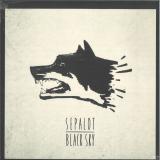
On this album the former "Chasing Clouds" have accumilated into the eponymous "Black Sky"; these drifting soundclouds have swallowed a bulk of Sepalot´s sunny nature; his trademark relaxed attitude gave way to instrumental melancholy and pugnacity. "Before I started recording I listened to lots of The Doors songs. I found the suicidal aspect in their music very exciting. I totally inhaled it." Sepalot reports. "The breakage, the grid, the dirt - that was my inspiration. I was thirsty for the energy of pureness." In order to capture this roughness Sepalots first production steps were drafting soundsketches - often more than 100 in a row. This is then is followed by a sorting procees with many drafts going immediately into the trashcan. The survivors create the first basic draft.
There is something waiting in the wings. Don´t fear the storm, come outside with us... "Black Sky" is here.
Clemens Brentano: "These sounds are a wonderfull living breath of darkness"
A fresh breeze of color, groove, and charm marks the first outing of OKAY OKAY, a new label from Germany that celebrates playful, soulful, and dance-ready sounds beyond genre borders.
With Marmelade Dew EP, Gelée serves up a vibrant debut full of disco shimmer, Italo-house warmth, and a sweet dose of pop sensitivity. It’s a record that feels both nostalgic and daring, sun-kissed melodies meet tight rhythm work and carefree emotional drive.
From early-morning club sets to slow-burn afterhours, Marmelade Dew EP is an invitation to smile, move, and surrender to simple pleasure. A lovingly crafted 12″ for those who like their house music playful, tactile, and just a little bit sticky.
Hate Love Trio made a low-key debut last year on this label with the slow, dreamy, dance-pop charms of 'Chan-O-Rama'. We have found out little more about the producer or producers behind it but here they or he or she returns with a full-length album of elegant and inventive downtempo and Balearic that starts off with those singles. Elsewhere, slow, mournful rhythms and melodies encourage inward reflection. 'Loosey Goosey' is a funky dancer for grown-ups, 'Billie Brownie' merges dub pacing with sunny guitar echo and 'Sunday I Don't Know' is a shimmering, jazz-flecked neo-classical warmer for intimate moments. An accomplished and adventurous album that is as good for the mind as it is body and soul.
The breakout underground star of the past year, the deservedly hyped Thought Leadership returns with another X ideas: the deck this time chooses the suit of Cups. This new collection is closer to the Post-Punk tonality of Pentacles, than the breezy Balearic Jazz of Swords. Gone are the brushed drum samples and airy synths and in their place are BIG guitars, 808 thumps and a decidedly more prominent use of bass as a melodic device.
As the suit of Cups reflects the emotional heart of the Tarot, presented within are a further X pieces, this time displaying the full range and fervour of Thought Leadership.
You know the drill by now. Originally out on cassette only, we present the first ever vinyl issue. It's a hideously limited pressing of 300 for the world, so don't sleep on this.
Side A explores the emotional levels of consciousness; angst, joy, love, sorrow, relief, regret – they are all represented across the first seven tracks, and often within the same piece. XXI kicks us off with a huge tumbling D minor passage, layers and layers of guitar front and centre, whilst the drums pound away in the distance. Release is provided with a gorgeous G Dorian section, where we hear the bass take flight with a high melodic line.
We’re still in familiar Durutti Column meets Dif Juz territory here, but things switch up with XXII. This piece showcases a darker, more angular palette of guitars; think Alan Rankine (The Associates), or Deb Demure (Drab Majesty) in the unexpected harmonic shifts, knotty arpeggiated patterns and heavy, goth-adjacent modulation. A real love letter to 45+ years of darkly inclined guitar heritage.
XXIII enters the fray with tight, thumping 808s and Marr-esque guitar figures; and again, the bass providing heavy melodic counterpoint to the guitars. Enter chiming, lyrical lead phrasing, reminiscent of the eternal opening to "Everybody Wants To Rule The World". Another accidental perfect pop moment from the Thought Leader. Whilst on the topic of Tears For Fears, XXIV comes swinging out of the gate with some serious Sophisti-chug; we’re reminded of "Shout" in the A section, before being beautifully juxtaposed in the B section with more Vini-eqsue patterns, reminiscent of his timeless classic, Another Setting.
XXV gives us welcome pause to take stock midway through the A side. No drums this time, but instead a heartbreaking conversation between two guitars; think Kevin McCormick and David Horridge’s masterful Light Patterns, or perhaps even the early solo-Bill Connors mid-70s cuts for ECM. The moment of quiet reflection passes, and is quickly shattered by the thudding march of XXVI – this piece comes across like The Associates playing "Wicked Game"; heavy, moody, and utterly compelling. XXVII ends our journey across Side A with more Marr-inspired playing; one for the heads and already featured on mixes, this one is real testament to the vision of Thought Leadership.
Side B again takes us on a trip through three long-form semi-improvised pieces. XXVIII is like those classic Jonny Nash, early Melody As Truth releases, slowly unfurling, additional details introduced deliberately piece by piece, this idea builds across 7+ minutes culminating in some utterly joyous ebow fireworks at the end – well Balearic.
XXIX again, like XXV before it, dispatches the drums with a focus purely on melody and mood. The piece feels like a lost Save Room Theme from the Resident Evil series, pure golden age Capcom Sound Team vibes. Unadulterated aural nostalgia for hours spent with a PS1 in haze of hash.
XXX completes this majestic voyage with another Modal exercise; this time the Thought Leader has opted for the Lydian Mode. Beautifully dreamy, undeniably Soundtrack-y, and arguably the most concise distillation so far of everything this project stands for; drum machines, guitars, pedals, one-take improvised solos – XXX has the lot, and is surely destined for greatness.
So, another X epic statements for guitar, homespun with the humblest of means, for all the dreamers out there. The first ever vinyl release of IV Of Cups has been carefully remastered by Be With's engineer Simon Francis to ensure it sounds better than ever after its initial tape release. Cicely Balston's expert skills have made sure nothing is lost in the cut at Abbey Road Studios whilst the records have been pressed to the highest possible standard at Record Industry, in Holland. The original tape cover artwork, so crucial to Thought Leadership's striking visual aesthetic, has been rejigged for vinyl issue here at Be With.
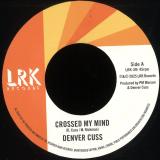
Denver Cuss presents her first 7" single release and her debut with UK independent label LRK Records.
'Crossed My Mind' backed with 'You Don't Get It' is out on streaming services on the 30 January, with the 7" out on the 27th February. It follows her 2024 album 'Leaving Me', which was described as "a nostalgic masterpiece" - Sommer Zeit magazine, earning a feature in Rolling Stone Germany, and a series digital singles, which have been played on the Craig Charles Funk & Soul Show on BB6 Music as well as Noble & Heath's Soho Radio show.
Denver is an Irish, London-based musician and producer, who makes classic R&B and Soul-influenced music, having graduated as the prize-winning jazz vocalist from the London College Of Music. She has since stepped into a world of live and session singing, alongside her solo project, delving deep into girl-group harmony, Northern Soul and classic Rhythm and Blues.
For this release, she captures the essence of '60s record-making, working with collaborator/producer PM Warson and engineer Ed Deegan at the all-analogue Gizzard Recording in East London. Backed by some of London's finest young musicians, she cut her vocal live, bypassing the trend for layered productions and imitation, in favour of a direct, live and soulful approach, direct to tape. The result is two of the most authentic '60s Pop/Soul sides you're likely to hear this year
About Alec Pace’s “Respiro 22:16”
Breath as rhythm. Breath as memory. Respiro 22:16, the debut album by Alec Pace, is a world suspended between intimacy and impact — where personal confessions are carried by low-end frequencies and fragile melodies are shaped into physical space.
Written, produced and mixed between London and Turin, this record reveals Alec Pace not only as a producer but as a storyteller through sound. Layer by layer, his voice, guitars, piano, synthesizers, drum machines, samplers, and field recordings converge to form a sonic diary — one that whispers, cracks, shimmers and erupts.
The album moves fluidly between dream pop, modern UK bass, breaks, jungle, and club music, yet its essence lies in emotion: love, memory, anticipation, release. Each track is a breath, an exhale, a fragment of something lived.
“The30th” opens with nostalgic warmth, darkness and breaks; “For You (Hello)” captures the tender rush of a love song over a drum & bass heartbeat; “Venus Winds” floats in a balance of techno pulse and harmonic light. “Angular Invariance” reshapes the floor beneath your feet, while “Respiro” pauses to listen inward — piano and air, fragile and close. “Anticipation” closes it all with a forward surge: emotional, propulsive, unresolved.
Respiro 22:16 is not just a collection of tracks, but a portrait of an artist learning to breathe out loud.
Alec Pace said:
“This album is about putting myself out there — letting every sound, chord and rhythm breathe,” says Pace. “Respiro is both a personal archive and a release.”
“Respiro 22:16” is available across all platforms on Friday 6th March 2026.
Since first forming in 2016, London's High Vis have steadily polished their palette of progressive hardcore with shades of post-punk, Brit pop, neo-psychedelia, and even Madchester groove, mapping a middle ground between hooks and fury, melodies and mosh pits. Singer Graham Sayle describes their third album 'Guided Tour' as an axis of competing forces: "It's trying to be a hopeful record, while also being incensed." Rounded out by drummer Edward 'Ski' Harper, guitarists Martin MacNamara and Rob Hammaren, and bassist Jack Muncaster, the band's deep roots in the UK and Irish DIY hardcore scenes have kept them grounded but growing, inspired equally by restlessness and righteous anger. As Sayle puts it, "Everyone's scratching, everyone's working all the time, and their idea of relaxing is just getting fucked and avoiding reality. This album is an escape from that."From its opening seconds of a cab door slamming, a car revving away, and a baggy rhythm swinging to life, 'Guided Tour' sounds like a band reaching for new heights, bristling with energy. Recorded across a few weeks at Holy Mountain Studios in London with producer Jonah Falco and engineer Stanley Gravett, the results feel dynamic and dialed-in, like anthems burned into sense memory through sweat and repetition. Harper cuts to the chase: "We had a clear idea going in, every moment got used. Maybe when we're 60 we can sit around and get a drum sound right, but for now it's about getting things done."The album's 11 songs span the spectrum of contemporary guitar music, sharpened by experience, camaraderie, and societal frustrations. From swaggering street punk ("Drop Me Out," "Mob DLA") to jangling indie sneer ("Worth The Wait," "Deserve It") to heavy alt ("Feeling Bless," "Fill The Gap") to shoegazey spoken word ("Untethered"), the group's chemistry transmutes any style to their unique intensity. Sayle champions this evolving fusion: "For years coming from hardcore, we had pretty clear boundaries - other scenes were separate worlds. Now things are getting more blended, drawing from different places."Nowhere is this sentiment flexed more boldly than on "Mind's A Lie," a dance- punk anthem inspired by Harper's love of house, garage, and pirate radio. Stabs of sampled female vocals (by celebrated South London singer and DJ Ell Murphy) build into a razor wire rhythm of low-slung bass, tense drums, and sparkling guitar before Sayle's staunch voice starts barking harsh truths ("Face to face with all I've known / I can't call these thoughts my own"). After a sudden breakdown, the track regroups and takes off, cruising into the horizon in a haze of chiming guitars and Murphy's ascendant voice, from the streets to somewhere beyond.
ARCHIVE veröffentlichen am 27. Februar 2026 ihr 13. Studioalbum Glass Minds über ihr eigenes Label Dangervisit / PIAS. Nach dem monumentalen Triple-Album Call to Arms & Angels (2022), das europaweit Top-10-Erfolge feierte und in einem triumphalen Konzert in der Pariser Accor Arena mündete, kehrt die Band mit einem Werk zurück, das intime Tiefe und epische Weite meisterhaft verbindet.
Musikalisch schlägt Glass Minds eine Brücke zwischen minimalistisch-introspektiven Klangwelten und treibenden, genreübergreifenden Arrangements – von hypnotischem Electro-Pop (Wake Up Strange) über motorische Gitarren-Power (Look At Us) bis hin zu tiefen Ambient-Atmosphären. Ergänzt wird das Album durch starke Gäste: Rapper Jimmy Collins verleiht „Heads Are Gonna Roll“ eine schneidende Intensität, während Lisa Mottram auf Songs wie „Glass Minds“ oder „The Love The Light“ ihre hypnotische Stimme einbringt.
Glass Minds markiert eine neue Schaffensphase in den drei Jahrzehnten von Archive. Von der Melancholie eines „So Far From Losing You“ bis hin zur Euphorie von „Shine Out Power“ demonstriert das Kollektiv seine ungebrochene Innovationskraft. Begleitend startet im Frühjahr 2026 eine große Europatournee mit Konzerten u. a. in Amsterdam, Paris, Hamburg und London.
A decade ago, Taylor Swift was already a world-renowned and dominant force in the pop world. In 2014, she was on a world tour that took in a stop at Tokyo Saitama Arena on June 1st and the recording of it captures the electrifying energy of her sold-out performance during the iconic "Red" world tour. This live album showcases Swift at her early peak and delivering heartfelt ballads and powerful pop anthems with her signature charm and stage presence. Fan favourites resonate with emotion and live energy, while quieter moments like 'All Too Well' highlight her storytelling prowess. The Saitama Arena crowd adds to the magic throughout.
ALBUM Obongjayar's forthcoming sophomore ‘Paradise Now’, is an ambitiously fresh global prospect, with roots grounded in his own wide-ranging world of influences. It’s everything from pop to punk, dance to Afrobeat, funk to folk, refracted through a thrilling new perspective. “I wanted an album that I could listen to from start to finish on a night out.” But he still considers it something of a Trojan Horse. Recorded between London and LA with UK alt-rap mainstay Kwes Darko ( Pa Salieu, John Glacier) and Grammy-winning production trio Beach Noise (Kendrick Lamar, Baby Keem, Bakar), the record is as emotionally complex and broad as Obongjayar has ever been, even within its contagious candy coating.
Black Moon Mother blends light and heavy soundscapes that pull from elements of Psych-Rock, Pop, Doom Metal and Shoegaze. Formed out of a Nashville music collective in 2017, the band put together a demo EP that became their live set, kickstarting their musical journey. At the beginning of 2018, Black Moon Mother began writing new material and continued the show-a-month ritual, while adding a new song to the live set one by one. January 2020 brought Black Moon Mother to Dark Art Audio in Madison, TN where they worked with engineer and producer Mikey Allred. Their newest album Illusions Under the Sun showcases an expanded musical depth and songwriting maturity, while exploring themes of nature, purpose, and perspective.
Spider Taylor crawls over to Dark Entries with Surge Studio Music, an album of archival gay pornographic soundtracks. James Allan Taylor was born into a working-class family in Los Angeles in 1951. Nicknamed “Spider” by his father due to his frantic energy, Taylor was a natural-born guitarist, gifted with perfect pitch and a voracious musical appetite.
Throughout the 70s, he expanded his musical repertoire, playing in bands ranging from country to post-punk, like his outfit Red Wedding, while always looking for new sounds and styles to explore. During this period, Taylor also partnered with his soulmate and musical collaborator, Michael Ely. They were part of a wave of bold, young, gay couples living openly together in the years immediately following the Stonewall Riots. In the early 80s, while working at the West Hollywood gay sex club Basic Plumbing, Taylor met Al Parker, the legendary pornographic actor and director, who recruited Taylor to produce the soundtrack for a film he was working on. Parker’s partnership with Steve Scott running Surge Studios produced some of the most popular all-male films of the era. Spider’s music was a natural fit for Surge, and throughout 1985 and 1986, he composed the soundtracks for five films produced by the iconic studio. Assisted by engineer Steve Conrad and armed with a drum machine and some synths, Spider’s compositions for film veer from the expansive, reverb-drenched “Rainforest” to the Miami Vice-esque chugger “Tech.”
While Spider thought of this work as little more than a gig, tangential to his real craft, enthusiasts of VHS-era nostalgia and vintage erotica will be brought to bliss. Surge Studio Music will be available on both LP and CD, the latter of which includes a 20-minute version of “Strange Places…Strange Things!” as a bonus track. The album’s cover art was designed by Gwenael Rattke, and features stylish images from Surge Studios releases. Also included is an insert featuring liner notes by Will Lewis, a longtime friend of Spider. The music is released from Spider’s estate by Michael Ely, Spider’s partner of 43 years. The shadow of AIDS lingered over Surge; Steve Scott passed from AIDS-related illness in 1987, and Al Parker succumbed in 1992. In 2014, when it became legal for same-sex couples to marry in Arizona, Spider and Michael finally became wedded. Spider would pass away from liver cancer six months later.
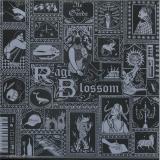
Born Bad Records knew exactly what it was doing when it signed this Nantes-based trio, whose sharply defined sound and raw authenticity stand out. With Rage Blossom, Île de Garde unveils an EP charged with palpable tension, somewhere between dark pop and psycho-wave. A catalogue of modern misdeeds, a David Lynch-like backdrop where Sylvia Plath’s poetry might cross paths with the controlled excesses of Fever Ray.
The EP opens with “Fear The Sun,” its Mike Oldfield-esque soundscapes plunging us into an apocalyptic and unsettling world. “Homicide Volontaire” follows with meticulous narration, a technical exercise evoking the anger and defiant lucidity of a Virginie Despentes. The hallucinatory hit “To Death” snaps like an anthem to collective dancing in the face of the inevitable. Since we’re going to die, let’s dance! On the B-side, “Ageless Woman” weaves together a half-mythological, half-mysterious text, carried by haunting backing vocals. “Birthday Girl,” featuring Kuntessa, radiates an ironic and joyful riot-grrrl energy, an uninhibited celebration of women’s liberation. Finally, “Boy,” a small post-punk jewel, closes the EP with an ending as surprising as it is delicate.
The group’s genius also lies in the complementarity of its musicians. Morgane Poulain anchors the drums with a dynamic that is both subtle and narrative, airy yet jagged. Cécile Aurégan, the architect behind a multitude of synths, builds powerful sonic landscapes, layer upon layer. Klara Coudrais, the band’s poetic figurehead, elevates her texts with a rich and plural vocal palette, giving life to several characters who vibrate with intensity. The band’s writing, hovering between darkness and light, echoes a kind of visceral poetry, exploring the seasons of the soul with authenticity and force.
With this EP, Île de Garde establishes itself as a band to watch closely, capable of translating on stage both the raw energy and the fine craftsmanship that define their music. An immersive journey, full of tension, urgency, beauty, and electric flashes.
Île de Garde, a Nantes-based trio with sharply drawn sonic contours and raw authenticity, unleashes its full arsenal on Rage Blossom, an EP radiating palpable tension between dark pop and psycho-wave. A catalogue of modern misdeeds, a David Lynch-like setting where Sylvia Plath’s poetry would meet the controlled excesses of Fever Ray. An immersive journey of tension, urgency, beauty, and electric sparks.
Opening track “Fear The Sun” plunges us into an apocalyptic and unsettling landscape. “Homicide Volontaire” continues with meticulous storytelling, a crime vignette evoking anger and the fierce lucidity summoned by a situation with no way out. The hallucinatory trance of “To Death” snaps like an anthem to collective dance in the face of the inevitable. Since we are going to die, let’s dance! “Ageless Woman” blends a half-mythological, half-mysterious text, carried by hypnotic backing vocals. “Birthday Girl,” featuring Kuntessa, releases an ironic and joyful riot-grrrl spirit, an uninhibited celebration of feminine liberation. Finally, “Boy,” a small post-punk case study, closes the EP with a simple, sensitive truth.
The three musicians propel and relay one another in this breathless race. Morgane Poulain drives the drums with a dynamic that is both subtle and narrative, airy yet staccato. Cécile Aurégan, architect of multiple synths, builds powerful sonic landscapes, layer after layer. Klara Coudrais, the storyteller, elevates her texts with a rich and multifaceted vocal palette, giving life to all their characters, both mythical and ordinary. The band’s writing, between darkness and light, proclaims a visceral poetry, exploring the seasons of the soul with authenticity and strength.
Already in its title, Plume Girl’s debut thoroughly lets things go and takes them in – all at once. “In the End We Begin” is the first solo full-length from Sowmya Somanath, a Hindustani classical singer/composer and half of alt-pop duo Felt Out. Plume Girl’s music takes inspiration from the semi-regular musical form of the rāga (translated as ‘tinting’), invoking mood and atmosphere, each rāga thought to have its own distinct nature and personality, brought to life through improvisation. String swells and Somanath’s searching vocalisations envelop every track’s own blissful chamber. Exploring imagined binaries along the way — eastern vs. western, traditional vs. experimental, acoustic vs. electronic, Sowmya sees music as a curious dialogue between divine Self and an invisible reality. Beneath the illusion of a chromatic world, there remains a blissful oneness.
Plume Girl’s songs sit between ambient Hindustani music and emotionally-encumbered pop. In front of backdrops comprising sundrenched drones or glitches, sketched out beats, and criss-crossing glissandi or flutes, Somanath both murmurs intimately and spirals upwards into soaring choruses. The lyrics ponder innermost thoughts, never more literally than on the blissful emo folk closing track: ‘In my heart I know / what’s in my heart / I know what’s in my…’
“When I began writing this music, I was fresh off of an experience that completely twisted my reality,” explains Somanath. It was the end of a years-long relationship, and the blossoming of a long-buried love hidden in plain sight: “a best friend of a decade, my musical partner, someone who had always seen me completely…At once, I felt grief and loss. At once, excitement and love.”
Andrew Weatherall never wakes up in the morning and decides to start a new album that day. Instead, recording music is a continuous process usually working with different collaborators and seeing where the muse takes him. Somewhere down the line the rewards of a collaboration will coalesce into a body of work between thirty minutes and an hour long and he will put a call into the Rotters' team to say he has a new release ready to go.
We were visiting the studio catching up on new tracks in various states of readiness when he offered up some remixes of tracks from his recent "Ruled by Passion…" he'd been sent by fellow musicians. Tim Fairplay, Andrew's partner in The Asphodells, Sean Johnston from A Love From Outer Space and Scott Fraser live and work in the area and all popped in at various points.
Andrew's black book reads like the who's who of contemporary music but rather than plunder it for remixers he'd let drop the idea of a remix with friends and neighbours. These plus a couple a swaps with musical friends who were new to the concept of remixing, gave Andrew an hour of music he thoroughly enjoyed listening to.
It goes without saying none of the tracks are duds but our ears always prick up when Justin Robertson's take on "Beglammered" ups the heart rate or Daniel Avery's own unscrewing of "… the Axis" ruffles the neck hairs. We've stopped arguing in the office about which is the best track. They all are.
A rising artist of the French electronic scene, Naajet asserts her identity with The Night Starts Now, a four-track EP that celebrates the freedom and intensity of the night. Co-founder of the Bande de Filles collective and known for her explosive universe blending House, Hardgroove and Breaks, as well as for the unique energy inherited from her dance background, Naajet delivers here a sonic manifesto conceived as an ode to club culture and to the present moment.
“I imagined this EP as an anthem to the world of the night. The night offers us unparalleled freedom, an outlet that allows us to be ourselves, to create, to love. The Night Starts Now captures this celebration of the present moment and this declaration of independence.” Naajet Opening the EP, “Ready To Shine” unfolds radiant House nourished by Pop and 90’s sounds. With a clear and ascending rhythm, the track combines euphoria and introspection. “I composed this track as a joyful and introspective journey that prepares us to embrace the night. For me, it is a call to accept our wounds, to transform them into light and strength, so that we may shine brighter when we enter the club,” explains Naajet. Between ethereal vocal lines and shimmering pads, the track acts as a ritual of entering the night, inviting us to turn wounds into strength and to shine on the dancefloor. The second track of the EP, “Sugar”, embodies the effervescence of the club. Carried by a hypnotic voice and an effervescent rhythm, the track celebrates the communion of bodies and the liberating energy of dance. “It is an ode to dance and to bodies coming together. This track speaks of those moments when, on the dancefloor, boundaries fall: we sweat together, we free ourselves together, and energy flows from one body to another,” says Naajet. A true concentrate of intensity, “Sugar” captures the moment when sweat, rhythm and abandon merge into a collective movement towards freedom.
With “I Can Be Anything”, Naajet changes register and flirts with deeper, even techno textures. Built on a throbbing pulse and sharp synths, this track is meant as a manifesto of identity. “I really wanted to propose a track that claims our right to free and plural expression and sexuality. I Can Be Anything is about our multiple identities, our ability to reinvent ourselves and to refuse any form of formatting,” she says. Between club intensity and political resonance, “I Can Be Anything” questions our multiple facets and embodies the assertion of an elusive and free self. Closing the EP on an euphoric note, “May It Never End” stands out with its broken rhythms and powerful synths. The track conveys the transcendent energy of the end of the night, when dawn arrives but we refuse to leave the collective trance. “I wanted to put into music this feeling of infinite energy, when time is suspended and the party seems to never have to stop. It is this euphoric vertigo that connects us all in the same breath, this utopia of a night that would never end,” says Naajet. A true apotheosis, this track embodies the utopia of an eternal night.
DJ, producer and co-founder of the Bande de Filles collective, Naajet has established herself with a singular universe where House, Hardgroove and Breaks blend, nourished by her background as a dancer and an instinctive sense of groove. For the past three years, she has performed on French and European stages – from Berlin to Amsterdam, via Geneva and Oslo – and has made her mark in clubs such as Rex Club, Le Sucre and Badaboum, as well as festivals like Nuits Sonores and Kolorz. On the production side, she has released several acclaimed EPs on renowned labels such as Shall Not Fade and Monki & Friends. In 2025, she takes a new step with the launch of her label SWEAT Records and a residency at Le Sacré in Paris, affirming her role as an ambassador of a free and intense club culture. She also collaborates with the waacking company MADOKI, for which she composes and mixes projects at the crossroads of dance and music. With The Night Starts Now, Naajet confirms her status as an essential artist of the new electronic generation1
To mark 10 years since SOPHIE’s game-changing singles collection PRODUCT, Numbers are celebrating with a special edition featuring 11 songs across Deluxe Vinyl and Compact Disc.
This anniversary release includes bonus tracks, track-by-track slide posters, and a SOPHIE PRODUCT Card. Physical editions are now available for pre-order and released on 11th July 2025.
SOPHIE classics ‘BIPP’, ‘LEMONADE’ and ‘VYZEE’ are joined by two immaculate PRODUCT-era songs ‘OOH’ and ‘GET HIGHER’ recorded and produced at the time, each with colourful single artwork completing the set.
‘OOH’ is one of SOPHIE's earliest productions that has been through several revisions since 2011. It was one of three original tracks that Numbers had signed when SOPHIE uploaded the song alongside 'BIPP' and 'ELLE' to her Soundcloud, and while it had been through several iterations and speed changes, this finalised version was completed by SOPHIE in 2019.
SOPHIE once described ‘OOH’ as “hi tech club dance pop”. Musically speaking, the earworm hook is carved out by her signature portamento-infused synths and candy-coated lyrics, a firm cult classic approved by AG Cook and Charli XCX. Initially titled 'MAKE RESPECT', the track was first performed live by SOPHIE in 2011 to a handful of lucky people at a beach afterparty surrounding Sonar Festival, Barcelona and later that year at Manhattan's New Museum. The vocal was recorded as the first track in the same one-day recording session as SOPHIE's debut single 'NOTHING MORE TO SAY', released on the Huntley & Palmers label, where Sophie's songwriting was performed by the London vocalist Jaide Green.
The genesis of the ‘OOH’ and ‘NOTHING MORE TO SAY’ recording session is lore-worthy in its own right: after watching Jaide Green perform live with Olly Murs during the sixth series of The X Factor in 2009, SOPHIE reached out and invited Jaide to record in her home bedroom studio.
‘GET HIGHER’ was born during joyous sessions in 2013, when SOPHIE’s beat was introduced to the vocalists Cassie Davis and Sean Mullins. The track feels like a visionary precursor to ‘Vroom Vroom’, and doesn't sound out of place next to the sub-clang intensity of SOPHIE’s ‘HARD’ and ‘MSMSMSM’. Striking a playful balance between blissed-out hyperpop and club-ready Atlanta trap, it showcases SOPHIE’s signature, laser sharp sound design. Originally released as a bonus track on the Japanese CD edition of PRODUCT, ‘GET HIGHER’ has remained a hidden gem.
A groundbreaking producer, songwriter and performer, SOPHIE's visionary approach reshaped the landscape of pop and electronic music. Emerging in the early 2010s, SOPHIE introduced a hyper-detailed, futuristic sound defined by metallic textures, elastic basslines, and an uncanny blend of synthetic and emotional tones. Collaborating with artists including Charli XCX, Madonna, Vince Staples and Arca, SOPHIE helped pioneer a new pop movement while challenging conventions around identity, genre and production. SOPHIE's work continues to resonate deeply, leaving a lasting impact on a generation of artists and listeners alike. Discography: PRODUCT (2015), OIL OF EVERY PEARL'S UN-INSIDES (2018), SOPHIE (released posthumously, 2024).
Grace & Raffaella is the first collaborative release by ML and Vittoria Totale. Over nine tracks, the album strikes a deceptively minimalist tone, taking in a ton of musical as well as literary references. An elegy on a journey back to the present, with all the hushed intensity of an informed fever dream, Grace & Raffaella has a magic-realist feel. Its vocal parts serve as loopy self-fulfilling prophecies. Cut off from the sun, the gorge grows darker. Using an electroacoustic sense of spacing, as well as abstracted current-day club influences, with scraps of background noise fading in and out, this album's use and treatment of a snippet-like narrative is its core aesthetic. A digital gleam drenches the spoken bits into instances of subtle surrealism. Like a kitchen sink drama stripped of all deadweight. We are on the edge of relinquishing all control here. Rip up your diary and let go of the language of the old ones. Grace & Raffaella is a seductive slice of modern hyper-pop that defines its own intentions over and over again.
Sterns Edits returns after the sell-out success of its debut edition with another two catalogue reworks from Ben Gomori. This time he turns his attention to Burkina Faso's much-loved taxi-driver- turned-singer, Amadou Balake´.
Balake´ ('porcupine' in Mandinka) is Burkina Faso's proudest musical export, and in 2013 he recorded his final album before passing away: 'In Conclusion'. The record saw him revisit some of his most popular tracks from his remarkable 50-year career, backed by an eight-piece Burkinabe´ band who took the country's traditional sounds and brought them into a contemporary light.
Gomori retains the essence of the original recordings - which were mostly captured in one take - and marries them to vigorous afro-house stylings. 'Bar Konon Mousso (Musicien C'est Pas Quelqu'un)', in which Balake´ tells of a bar lady being unimpressed by his profession, gets a gentle push towards the modern dancefloor, its wonderful sax lines resplendent. 'Massa Kamba' is taken for a drive down the more traditional route, with commanding drums bolstering the original grooves and a marvelous triple harmony brass section at its core. Balake´'s freewheeling style suits the hypnotic feel of the edits to a tee.
Sterns Edits is an official collaboration between African music stalwarts Sterns Music and London's Ben Gomori.
Throughout 2025, Tresor Records will reactivate Detroit house and techno originator Blake Baxter's vast Tresor catalogue digitally in chronological order, starting with 1992’s Dream Sequence, closely followed by his 1995 album, Endless Reflection. To inaugurate and celebrate this retrospective of one the genre’s true founders, an artist whose connections to Tresor go back to the very beginning, the label announces a special 12” release, Dream Sequence X, featuring remastered tracks from the early days and highlighting the harder side of his output.
Initially inspired by post-punk and funk, Baxter started making music as early as 1985. By 1991 he had already released several seminal records on classic labels like Underground Resistance, KMS, and Incognito, as well as providing multiple tracks to the groundbreaking UK compilation Techno! The New Dance Sound of Detroit, which was many European listeners’ introduction to the genre, solidifying the term techno, and launching the international careers of many of the contributors.
1992 saw Baxter make the first trip to play Tresor, on the first UR Europe tour ever, thereby pioneering the now legendary Berlin-Detroit Connection. This visit led to a long and fruitful partnership with the club’s new-fledged label beginning with Mills', Banks' & Hood’s X-101 and Baxter’s Dream Sequence, from which the first four tracks on the new 12” come.
Whilst he would become more renowned for his signature seductive vocals and a smoother music style closer to house music, these early tracks are heavier, classic 90s techno, revealing the influence of industrial, post-punk and pop of the time. Indeed the collection is something of a time capsule: jacking 909 drums, intense, ravey synth stabs, samples from classic soul breakbeat and the Speak & Spell voice synthesizer; classic sounds and styles of the era all make appearances on the record. All tracks have been remastered by Manmade Mastering breathing a new vitality and sharpness for the modern dancefloor.
In a world where longevity is difficult and superlatives are too easily deployed, it is still difficult to overstate the long-lasting influence that Blake Baxter has had on modern music. His visionary output can be heard across modern electronic and pop to this day and with this series of remasters, there has never been a better time for the world to hear it at source.
With Stronger, her third EP, Mira Ló continues her rapid ascent within the French electronic scene. A cathartic project born from a period of personal upheaval, this EP is both a cry of resilience and a celebration of club culture as a space for healing. The Paris-based queer producer and DJ turns pain into creative force, and the dancefloor into refuge, release, and rebirth. Across four emotionally charged tracks, Stronger traces the contours of a club where one rises through the energy of the beat, the warmth of a caring community, and the affirmation of self through sound and movement. “This EP is my response to a very dark period in my life. I chose to turn pain into strength, to stand back up through music, and to reconnect with joy, intensity, and the collective. Each track follows a movement, of a body rising, a heart beating stronger, a soul regaining its light. Stronger is also a tribute to those who carried me when I could no longer stand on my own. It's proof that even in chaos, we can rebuild together.” Mira Ló The first chapter of this inner journey, “Riser” is a house track filled with enveloping melodies, ethereal pads, and organic chords that create a suspended sonic space. Its steady pulse and warm basslines evoke a rising from within. “I wanted this track to feel like a build-up, like breathing again. It's about that moment when you feel you're ready to rise once more, even after a fall, like a gentle but powerful wave,” says Mira Ló. With its R&B textures, pop-infused touches, and radiant production, “Brighter” glows with warmth. It captures the return of inner clarity, the rediscovery of joy and ease. Made to bring people together, it’s Instagram | Youtube | TikTok | SoundCloudboth immediate and heartfelt. “It’s a song about shining again, after the dark. I wanted something full of light and simplicity, a track that speaks to the heart and makes you want to dance without thinking.” A personal and introspective nod to the French Touch, “Higher” is driven by filtered basslines and hypnotic grooves. It channels a sense of euphoria that builds gradually, almost meditatively, like a joyful vertigo. “This track is about finding euphoria again, that moment when music lifts you beyond yourself. I grew up with the French Touch, and this is my way of coming back to it with my own voice.” Closing the journey, “Louder” is the most assertive track on the EP. Inspired by the UK bassline and garage scene, it bursts with percussive, punchy energy. This is where everything comes into full light, bold, unapologetic, and free. “I wrote Louder as a statement: I’m here, I exist, and I won’t stay silent anymore. It’s about partying as self-affirmation, as a joyful, powerful scream of identity. Meant to be played loud. Very loud.” Mira Ló, born Ana Lopez, is a queer producer and DJ based in Paris. Drawing from the full spectrum of club music, her sets and productions blend melancholic emotion with a unique, high-energy, euphoric touch - inspired by artists like Disclosure, salute, and Sammy Virji. From her early days playing in Parisian bars and intimate clubs, she quickly rose to the lineups of top French venues and festivals such as Peacock Society, Marvellous Island, and Lollapalooza - extending her reach across Europe and even to Chicago. She’s carved out a strong place for herself within the new wave of the French electronic scene, leaving a lasting impression with every appearance. In 2023, she released her debut EP Memories and was featured in Apple Music’s “Women In Electronic” series. That same year, she became a resident at Sacré in Paris, before unveiling her second EP Tribute To Chicago in 2024. She returns in 2025 with her third release, Stronger - once again proving she’s one of the most promising artists shaping the future of electronic music.
"For Toronto outsider pop auteur Saya Gray, music is a glittering mosaic of endless influences. Her debut album is akin to a sonic chimera; its limbs assembled from disparate, but complimentary musical organisms. Does she make pop? Folk? Rock? R&B? The moment you think you’ve got her pinned, she’s gone like a flash.
Gray’s often collage-like sonicspheres, blanketed with layers of riffs upon layers of electronic chatter, demonstrate the limitless potential of music as an art form.
Saya Gray has received support from Pitchfork, The Guardian, The Times, Colors, The New York Times, BBC Radio 1, BBC Radio 6, NTS, Fader and has recently recorded an incredible Tiny Desk session to be release around her new album. "
A heavyweight library record delivered straight from the Gods; truly, we are all blessed: Dubmaster Dennis Bovell presents cLOUD mUsIc. A miraculous set of loose limbed, slinky funk-forward dub on the A-Side with totally blunted, spaced out trippiness on the grooving versions gracing the flipside.
A pioneer of dub and progenitor of lovers rock, genius producer-arranger Dennis 'Blackbeard' Bovell's prolific and eclectic career encompasses a huge range of music: from dub poetry to lovers rock, afro-beat to post-punk, disco to pop and beyond.
His production work encompasses such diverse figures as Ryuichi Sakamoto, The Slits, Fela Kuti, Linton Kwesi Johnson, The Pop Group, Janet Kay, Saada Bonaire, Orange Juice, Golden Teacher, I Roy, Maximum Joy, Steel Pulse and more.
cLOUD mUsIc features 8 new, deep, never-heard heaters, initially created for upstart UK library label FOLD. Dennis had written some music under the influence of Cloud-watching and presented it to FOLD with a view to them presenting it as Library Music to be utilised by anyone interested in having music for incidentals, films, TV and advertising etc.
cLOUD mUsIc represents Dennis expressing himself freely and inviting others to join and express themselves. As Dennis explains: "Library music is what makes the difference between creating for specific reasons and creating for your own individual enjoyment. cLOUD mUsIc was created whenever I felt the urge to create music that I wanted to, with no pressure. It was recorded at various times and in various studios around the world with various musicians’ assistance. Much sonic indulgence with many different recording devices."
Another DINTE tape curated by cult WFMU show and blogger Bodega Pop; Gary Sullivan's long-running project rooted in a passion for digging for music in bodegas and cell-phone stores across NYC's boroughs. This edition focuses in on late 1990s and early 00s hip-hop & rnb from across Southeastern Asia.
"While on a work trip to Chicago in the mid-2000s, I was craving a bowl of pho. A bit of sleuthing led me to hop on the red line "L" up to Argyle Street, ground zero of Chicago's Little Saigon. In the 1960s, Chicago restaurateur Jimmy Wong invested in property on Argyle Street with a vision to build the city's new Chinatown, a kind of mall with pagodas, trees, and reflecting pools. In 1971, the Hip Sing Association, a labor/criminal organization, established itself in the area, and along with Wong, they bought up 80% of the buildings on a three-block stretch of the street. Wong reportedly broke both hips in an accident, leaving his dream to wither; in 1979, Charlie Soo of the Asian American Small Business Association brought it back to life.
Soo expanded the area into a vibrant mix of Chinese, Vietnamese, and other Southeast Asian businesses, pushing for renovations, including an Argyle station facelift and the Taste of Argyle festival. At the time I exited the station and crossed the street to get a better look at a shop with a poster for A Vertical Ray of the Sun in the window, the area was home to some 37,000 Vietnamese residents.
Opening the door, I was gobsmacked by a cavernous Southeast Asian media store, bigger than any I'd been to in Dallas, Montreal, New York, or Seattle. I spent some time at the bins, pulling out collections by some of my then-favorite singers — Giao Linh, Khánh Ly, Phương Dung — before approaching the register to ask the young woman behind the counter if the they carried any Vietnamese rap. It was a longshot, I knew, but if such a thing existed on physical media and anyone carried it, it would be this place.
'Have you heard Vietnamese rap?' she replied, her tone of voice and facial expression betraying a comically exaggerated level of distaste. I admitted my ignorance but assured her that I had long cultivated a high threshold for cheesy pop music of all kinds and genuinely tended to like hip hop from around the world.
She rolled her eyes and pointed to an area I had missed. I walked toward a far corner of the store and knelt over a small box on the floor sparsely populated with CDs, VCDs, and cassettes. I pulled out half a dozen Vietnamese hip hop compilations and a strange-looking CD with a cavalcade of odd typefaces in a queasy multitude of colors: THAILAND RAP HIT, it boasted, with 泰國 "燒香" 勁歌金曲 below it. The information on the back provided an address in Kuala Lumpur and the titles in Thai and English translation. The first track included three simplified Chinese characters after the English-language version of the title, "The Chinese Association": 自己人.
WTF was going on here? Walking back to the register, I waved the CD, asking "What's up with this one?" She gave me a look. I placed it on the counter so she could bask in the cover's full glory. She shrugged. "I'm guessing it's Thai rap?" She looked disappointed in me when I said I'd take it.
It turned out to be a Malaysian pressing of half-Chinese Thai hip hop artist Joey Boy's third album, Fun Fun Fun from 1996, and it completely changed my sense what the genre could sound like. The rapper's self-assured, effortless, silly-but-cool rapid-fire delivery weaved in and out of the most bizarre, antic beats I'd ever heard. The six Vietnamese hip hop CDs were a mixed bag, mostly "serious" sounding mimicry of US rapping over predictable production, but the highs were very high. When I got home and listened to it all, I made a point to find as much hip hop from this part of the world as I could.
The tracks collected here provide a limited but potent reflection of the two-decade ascendency
and ultimate world-takeover of hip hop, as it displaced rock and its endless variants for millions of listeners. This not a fair and balanced overview of regional production: I've only included tracks from Cambodia, Indonesia, Myanmar, Philippines, Thailand, and Vietnam. Nor is this a biggest or most important artists collection; instead, I've tried to recapture the pure visceral thrill of that first time I heard Joey Boy, choosing bangers that sound like nothing else, from nowhere else."
Emerging during the early stages of the recording industry in Japan, the ryūkōka style adopted western classical, blues & jazz elements into traditional and classical Japanese music.
This collection of 1920s & 30s ryūkōka recordings follows on from the Kouta Katsutaro tape we put out a couple of years back, and further captures the hauntingly unique sound of a cultural merging that was starting to reflect itself via popular song, ahead of the widespread influence of western pop music during post-war US occupation.
"Death Is Not The End are on a mission to expand the musical archive, with compilations of everything from Jamaican doo wop to pirate radio idents and adverts weaving new threads into the history of music. Longing For The Shadow: Ryūkōka Recordings, 1921-1939 goes back to the beginnings of the recording industry in Japan, and a style merging traditional Japanese forms with western pop and classical. Swooning orchestrations and prominent vocals capture some of the melodrama and bombast found in US and European music of the time, but beds of plucked and strummed instruments give an ordered elegance, tying it firmly to Hogaku tradition. Not much has been written about Ryūkōka, and a 2017 book by Hiromu Nagahara gives some clue as to why, arguing that although popular with the public, it was dismissed by critics both for its adoption of western sounds and its dwelling on Japanese traditional styles. Close to a century later, those are some of the qualities that make this compilation so fascinating." - The Quietus
Flanked by a team of collaborators - including Nick León, more eaze, Ultrafog and Kissen - Ben Bondy captures the Kwia-pop zeitgeist on 'XO Salt Lif3', sluicing down dappled emo and downtempo grooves with log drum thwacks, tempered field recordings and sandblasted shoegaze guitars.
Forget what you think you know about Ben Bondy; like Naemi's fuzzy 'Breathless Shorn', ‘XO Salt Lif3’ is a decisive shift away from the ambient world and towards contemporary underground pop. Last year's amapiano-tinted loosie 'Bend' serves as the album's opener and is the best taster, its slick DSP squelches, granulated drones and sub rumbles immediately swapped out for breezy acoustic guitar riffs, tuned log drum hits and Bondy's own Autotuned vocals. When Bondy turns down the temperature a little, letting the orchestral synth arrangements slip into fuller view on 'Halfmoon', a collaboration with Nick León and Aussie producer Lovefear, it's tempered by low slung emo riffs and mumbled sweet nothings.
By the time we hit 'Dreamseed', Bondy's in full swing, offsetting slow breaks and multi-tracked vocal harmonies with full-spectrum shoegaze power chords that cut into the mix like a chainsaw, with crunchy amp crackle foreshadowing the Bark Psychosis-like drop. Bondy hits a cruise when More Eaze helps out on 'There Is A Place'. Maurice's unmistakable pedal steel draws us in, used by Bondy to add an Americana accent to his euphoric fusion of amapiano and indie pop. It's music that'll make perfect sense if you've caught one of Bondy's notorious DJ sets, where you might hear anything from American Football and Jessica Pratt next to Gwen Stefani, Skinny Puppy or Sneaker Pimps. It’s this chaotic, open-hearted approach - which also plays a part in the Shineteac material - that makes 'XO Salt Lif3' so effortlessly enjoyable.
The Éthiopiques series returns! Essential archive recordings from an extremely fruitful period in Ethiopian music.
Before “Swinging Addis” took over the world, there was Moussié Nerses Nalbandian — the Armenian-born composer who shaped modern Ethiopian music. Mentor, arranger, and pioneer, he laid the foundations of Ethio-jazz.
This Éthiopiques volume revives his forgotten legacy, recorded live by Either/ Orchestra First issue ever with new exclusive photos and in depth liner 8-page insert.
“Ethiopian jazzmen are the best musicians that we have seen so far in Africa.
They really are promising handlers of jazz instruments.”
Wilbur De Paris
(1959, after a concert in Addis Ababa)
አዲስ፡ዘመን። *Addis zèmèn* **A new era.**
The time is the mid-1950s and early 1960s, just before "Swinging Addis" bloomed – or rather boomed – onto the scene. Brass instruments are still dominant, but the advent of the electric guitar, and the very first electronic organs, are just around the corner. Rock’n'Roll, R’n’B, Soul and the Twist have not yet barged their way in. Addis Ababa is steeped in the big band atmosphere of the post-war era, with Glenn Miller's *In the* *Mood* as its world-wide theme song, neck and neck with the Latin craze that was in vogue at the same period. Life has become enjoyable once again, with the return of peace after the terrible Italian Fascist invasion of Ethiopia (1935-1941). The redeployment of modern music is part and parcel of the postwar reconstruction. *Addis zèmèn* – a new era – is the watchword of the postwar period, just as it was all across war-torn Europe.
The generation who were the young parents of baby boomers** were the first to enjoy this musical renaissance, before the baby boomers themselves took over and forever super-charged the soundtrack of the final days of imperial reign. Music is Ethiopia's most popular art form, and very often serves as the best barometer for the upsurge of energy that is critical for reconstruction. Whether it be jazz in Saint-Germain-des-Prés or the *zazous* who revolutionised both jazz and French *chanson* after the *Libération*, be it Madrid's post-Franco Movida, or Dada, the Surrealists and *les années folles* that followed World War I, the periods just after mourning and hardship always give rise to brighter and more tuneful tomorrows. Addis Ababa, as the country's capital, and the epicentre of change, was no exception to this vital rule.
**Two generations of Nalbandian musicians**
Nersès Nalbandian belonged to a family of Armenian exiles, who had moved to Ethiopia in the mid-1920s. The uncle Kevork arrived along with the fabled "*Arba Lidjotch*", the** "*40 Kids*", young Armenian orphans and musicians that the Ras Tafari had recruited when he visited Jerusalem in 1924, intending to turn their brass band into the official imperial band. If Kevork Nalbandian was the one who first opened the way of modernism, pushing innovation so far as to invent musical theatre, it was his nephew Nersès who would go on to become, from the 1940s and until his death in 1977, a pivotal figure of modern Ethiopian music and of the heights it. Going all the way back to the 1950s. Nothing less. And it is Nersès who is largely to thank for the brassy colours that so greatly contributed to the international renown of Ethiopian groove. While the younger generations today venture timidly into the genealogy of their country's modern music, often losing their way amidst a distinctly xenophobic historiographical complacency, many survivors of the imperial period are still around to bear witness and pay tribute to the essential role that "Moussié Nersès" played in the rise of Abyssinia's musical modernity.
Given the year of his birth (15 March 1915), no one knows for sure if Nersès Nalbandian was born in Aintab, today Gaziantep (Turkiye/former Ottoman Empire) or on the other side of the border in Alep, Syria... What is certain is that his family, like the entire Armenian community, was amongst the victims of the genocide perpetrated by the Turks. Alep, the place of safety – today in ruins.
Before Nersès then, there was uncle Kevork (1887-1963). For a quarter of a century, he was a whirlwind of activity in music teaching and theatrical innovation. *Guèbrè Mariam le Gondaré* (የጎንደሬ ገብረ ማርያም አጥቶ ማግኘት, 1926 EC=1934) is his most famous creation. This play included "ten Ethiopian songs" — a totally innovative approach. According to his autobiographical notes, preserved by the Nalbandian family, Kevork indicates that he composed some 50 such pieces over the course of his career. This shows just how much he understood, very early on, the critical importance of song as Ethiopia's crowning artistic form. Indeed, for Ethiopian listeners, the most important thing is the lyrics, with all their multifarious mischief, far more than a strong melody, sophisticated arrangements or even an exceptional voice. (This is also why Ethiopians by and large, and beginning with the artists and producers themselves, believed for a long time — and wrongly — that their music could not possibly be exported, and could never win over audiences abroad, who did not speak the country's languages).
Last but not least, one of Kevork's major contributions remains composing Ethiopia's first national anthem – with lyrics by Yoftahé Negussié.
Nersès Nalbandian moved to Ethiopia at the end of the 1930s, at the behest of his ground-breaking uncle. Proficient in many instruments (pretty much everything but the drums), conductor, choir director, composer, arranger, adapter, creator, piano tuner, purveyor of rented pianos,... he was above all an energetic and influential teacher. From 1946 onwards, thanks to Kevork's connexion, Nersès was appointed musical director of the Addis Ababa Municipality Band. In just a few years, Nersès transformed it into the first truly modern ensemble, thanks to the quality of his teaching, his choice of repertoire, and the sophistication of his arrangements. It was this group that would go on to become the orchestra of the Haile Selassie Theatre shortly after its inauguration in 1955, which was a major celebration of the Emperor's jubilee, marking the 25th anniversary of his on-again-off-again reign.
At some point or other in his long career, Nersès Nalbandian had a hand in the creation of just about every institutional band (Municipality Band, Police Orchestra, Imperial Bodyguard Band, Army Band, Yared Music School…), but it was with the Haile Selassie Theatre – today the National Theatre – that his abilities were most on display, up until his death in 1977. To this must be added the development of choral singing in Ethiopia, hitherto unknown, and a sort of secret garden dedicated to the memory of Armenian sacred music, and brought together in two thick, unpublished volumes. Shortly before his death (November 13, 1977), he was appointed to lead the impressive Ethiopian delegation at Festac in Lagos, Nigeria (January-February 1977).
His status as a stateless foreigner regularly excluded him from the most senior positions, in spite of the respect he commanded (and commands to this day) from the musicians of his era. Naturally gifted and largely self-taught, Nerses was tirelessly curious about new musical developments, drawing inspiration from the very first imported records, and especially from listening intensely to the musical programmes broadcast over short-wave radio – BBC *First*. A prolific composer and arranger, he was constantly mindful of formalising and integrating Ethiopian parameters (specific “musical modes”, pentatonic scale, and the dominance of ternary rhythms) into his “modernisation” of the musical culture, rather than trying to over-westernise it. It even seems very probable that *Moussié* Nerses made a decisive contribution to the development of tighter music-teaching methods, in order to revitalise musical education during this period of prodigious cultural ferment. Flying in the face of all the historiographical and musicological evidence, it is taken as sacrosanct dogma that the four musical modes or chords officially recognised today, the *qǝñǝt* or *qiñit* (ቅኝት), are every bit as millennial as Ethiopia itself. It would appear however that some streamlining of these chords actually took place in around 1960. It was only from this time onward that music teaching was structured around these four fundamental musical modes and chords: *Ambassel*, *Bati*, *Tezeta* and *Antchi Hoyé*. A historical and musical “details” that is, apparently, difficult to swallow, especially if that should honour a *foreigner*. Modern Ethiopian music has Nersès to thank for many of its standards and, to this day, it is not unusual for the National Radio to broadcast thunderous oldies that bear unmistakable traces of his outrageously groovy touch.
Even before the launch of the Concorde MkII, we have always studied the feedback of our customers and how they utilize our products.
Skilled DJs demand specialized tools that can help them push their creativity to the edge – consistently testing the boundaries in the realm of performance.
Understanding this and reflecting our extensive experience in industrial design and technological know-how, we present the Ortofon VNL cartridge – a model tailored uniquely to the unrelenting demands of modern turntablists and portablists.
The VNL features and improvements
? Extra resistance to hardcore scratching and back spinning
? High tracking performance for both DVS usage and real vinyl
? Optimal balance of output and of sound quality
Technological improvements have been applied for the benefits of all users:
- Ultrasonic welding of the components ensures high rigidity and freedom from resonances.
- Robotic assembly of stylus assembly offers high precision and uniformity of industrial production.
VNL Premounted
Expertly paired and premounted on our popular black SH-4 Headshell, the VNL Single cartridge is compatible with any standard DJ turntable and tonearm.
The quality of the SH-4 headshell is sturdy and rigid, with high quality tonearm terminal connections. One of the standout features of the VNL Premounted cartridge is its versatility. The universal mount fitting allows it to be used with a wide range of S-shaped tonearms, making it a great option for DJs who use multiple setups. The ergonomic design of the headshell includes a long finger lift that is easy to pick up and use, making it ideal for busy DJ sessions. And with its plug and play design, the VNL Premounted cartridge is ready to go right out of the box!
Features:
?Premounted on Ortofon SH-4 Black headshell
?Universal mount fitting a wide range of S-shaped tonearms
?Correct Baerwald alignment with the major part of tonearms with universal mount
The VNL Premounted is supplied with the stylus VNL II premounted on the VNL cartridge body.
3 different feels to fine-tune your performance
To match the multiple applications of modern DJs, the VNL is interchangeable with 3 different styli with suspension types of varying feel and rigidity:
- Stylus VNL I compliance, dynamic lateral 16 μm/m N - Flexible
- Stylus VNL II compliance, dynamic lateral 15 μm/m N - Rigid
- Stylus VNL III compliance, dynamic lateral 14 μm/m N - Firm
DJs can easily identify which stylus type best suits their individual DJ style and enables their absolute best performance capability.
All three VNL styli variants are available separately.
The VNL SINGLE PACK is supplied with the stylus VNL II premounted on the VNL cartridge body.
Output voltage at 1000Hz, 5cm/sec. - 6 mV
Channel separation at 1kHz - 20 dB
Frequency response 20 Hz - 20 kHz -2/+4 dB
Tracking ability at 315 Hz at recommended tracking force:
VNL I 100 μm
VNL II 90 μm
VNL III 90 μm
Compliance, dynamic lateral:
VNL I 16 μm/m N
VNL II 15 μm/m N
VNL III 14 μm/m N
Tracking force range - 3 - 5 g
Tracking force recommended - 4 g
Internal impedance, DC resistance - 750 Ohm
Internal inductance - 450 mH
Recommended load resistance - 47 kOhm
Recommended load capacitance - 200-600 pF
Cartridge weight - 6,5 g
Replacement stylus units: VNL I, VNL II, VNL III
Antiskating: for best backcueing performance use “0”
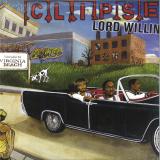
The first act signed to The Neptunes' newly formed Star Trak label was a Virginia based duo known as the Clipse. The first single “Grindin’” impacted the streets with its bare boned but infectious drum beat in the same way that “Sucker MC’s” did almost 20 years earlier. These brothers - Pusha T and Malice combined with The Neptunes groundbreaking production sent a clear message to the rap world – “we are not the same” (as rapped by Malice on his opening verse on “Cot’ Dam”). Clipse brings an authentic Virginia sound into the game and created a movement, with not only their darkly layered raps but The Neptunes as well. Pharrell Williams and Chad Hugo were able to combine their cyberpunk production with just the right group to create a street masterpiece. Following in the footsteps of such rap criminologists as Kool G Rap, Nas, Jay-Z, and Mobb Deep, the Clipse offer the Virginia hustler's viewpoint with clever, hard-hitting lyrics that is sprinkled throughout the entire album. With so many standout tracks on Lord Willin’ the album starts pulling no punches. On Track 1 simply (or maybe not) titled “Intro” you get a very personal and deep testament of crack and the drug game, a theme that is throughout this album…HEAVY. Songs like “Virginia” or “I’m Not You” (featuring Jadakiss, Styles P and Roscoe P Coldchain), have lyrics that play as a musical notes alongside The Neptunes tailored beats. “Young Boy”, “Comedy Central”… all fit perfectly alongside “When the Last Time” and “Cot Dam” as each song plays its part as chapters to the Lord Wilin’ masterpiece. “Gangsta Lean” (another one of the albums standout tracks) features a slightly lighter feel while paired with Pharrell's trademark falsetto hook. The truth of it is, it’s hard to just pick one track, or point out which is the albums star. Each song on Lord Willin’ is essential to making it the classic that it is. The Neptunes (who were busy turning out every other Pop hit on the radio) crafted an album that was deemed an instant classic, and cemented Clipse as Rap’s newest superstars.
Hot on the heels of Luv (LuvLuv) comes a sublime new Drum Chums from midland's madlads Wrekin Havoc.
Over the years we've shared great tunes, fun times and A-grade dance floor debauchery with these permanent party people (our first encounter almost exactly like that Spiderman pointing meme) so it made more sense than we usually do to invite them aboard the V*nga bus for some Balearic-Disco edit excellence.
Things kick off with the sexy throb of 'Shine A Light', a stonewashed funk workout complete with Paisley guitars, Troutman bass grunts and some big time blue-eyed soul vocals. It's a bit like an extended and unheard collaboration between George Michael and Tears For Fears recorded immediately after a particularly heavy night at Future. Unsurprising perhaps that this one's been getting a whole lot of love from DJ Harvey.
'Mars Bar Party' grabs you by the hips from the first bar of its swaying Mediterranean house rhythm, then tugs at every single one of your heartstrings with melancholic pads and a silken vocal croon. Fuuuuuuckin' hell! Sorry, was totally bewitched by the primal power of piano house magic - it's like John Rocca was in the room for a second. Armed with an awesome arrangement and clocking in at ten massive minutes, this may be the ultimate Balearic house journey.
If all this wasn't enough to have you stocking up on 5-HTP and sinus rinse, those crafty cats close the set out with the shimmering disco euphoria of 'Leccy Meet Her'. The bottom end pulses endlessly, Cowley synths trill and a crystal clear Vox soar above, sending us far off into mirrorball orbit. If this isn't a hit at Horse Meat, we'll neck a bottle of poppers and never eat a tomato again.
Each and every track Wrekin Havoc touch is a pearler, but we're particularly chuffed with ourselves for snapping this top trio up.
D.D. Mirage return with new single “Echoes”, a lovers meditation featuring North Carolina’s Teddy Bryant, who delivers a velvet vocal performance steeped in yearning and late night reverie. The chorus “the things you do for love echo in my mind all night” hits the melancholy sweet spot, wrapped in the rich and authentically 80s sounding production we’ve come to expect from D.D. Mirage.
The Sydney based duo, now expanded into a full four piece live band, continue to stretch their sound beyond the Balearic and Dub tinted palette of their debut Exotic Illusions released earlier this year. With production assistance from Jono Ma, they capture a lush, cinematic space where street soul sentiment meets modern dream pop psychedelia, the kind of record that slips perfectly between Sade, Tom Tom Club and a lost Compass Point B-side. Flip the record for the Introspective Dub: a drifting, dubbed out companion that strips back the vocal to its echoes and lets the rhythm bloom.
Following live appearances at Dark Mofo and SXSW Sydney in 2025, D.D. Mirage round off the year with a live performance at Victoria’s Strawberry Fields festival mid November.
Renée was born out of The Hague-based rock ‘n roll band René And His Alligators, founded by René Nodelijk in 1959. Throughout the 60s they were moderately successful both on stage and in the studio and served as an inspiration for many bands associated with the burgeoning beat scene in the coastal city. From 1967 onwards they performed under a few different names before going on a hiatus. In 1977 he made a comeback, this time joined by his wife Anja Nodelijk, née Exterkate. To reflect this fresh feminine impulse the band name was changed to simply Renée and recorded four full-length albums and a host of singles before disbanding in 1982 to make way for Anja’s solo career.
Reaching For The Sky from 1980 is their second and has been likened to many different things: Fleetwood Mac, Dire Straits, or even a fantasy collaboration between Pat Benatar’s guitarist, Heart’s Ann Wilson, and Steely Dan. Sprinkle some reggae and funk in the mix and it is no surprise that some of the tunes on this album ended up in niche YouTube algorithms, a Japanese book about obscure records, and in DJ sets by big names like Prins Thomas, who even released an extended edit of “Change Your Style” on a 12” single. This is obscure sophisti-pop at its best. Reaching For The Sky is available as a 45th anniversary edition on translucent magenta coloured vinyl.
In 1978 a newly formed Augusta, Georgia group Marshall, Donovan and Broomfield chose to record cover versions of two songs previously recorded in 1973 and 1974 respectively by Florida siblings group Cornelius Brothers and Sister Rose. These Eddie Cornelius penned songs “Let me Down Easy” and “Since I Found My Baby” would form both sides of Marshall, Donovan and Broomfield’s first 45 single, released on group founder John Marshall’s own Augusta label. The flipside “Since I Found My Baby” would eventually gain popularity across the pond with aficionados of the UK modern soul scene of the early 1980’s and beyond.
John Marshall began his musical career in a high school group called The Fabulous Gardenias who recorded the doowop ballad “It’s You, You, You” backed with the up-tempo R n B mover “What’s The Matter With Me” released on Tommy Brown’s local Liz label (named after his wife future Motown recording artist, Liz Lands) in 1961.The Fabulous Gardenias featured John Marshall, the late Atlanta alumni Calvin Arnold, “Little” Joe Jones Jr (later of the Tams) and a fourth guy only remembered as Harold. John Marshall later sang with another Atlanta group The Tams of “Hey Girl Don’t Bother Me” fame from 1970 through to 1978.
Later in 1978, John Marshall having relocated to Augusta, GA the previous year was casually emptying the contents of his mailbox outside his home when a car suddenly pulled up. The driver called out “Hey I recognize you, you’re John Marshall you used to be with the Tams!” The driver continued to introduce himself as John Donovan stating that he too was a singer, followed by an impromptu performance, and hey! sure enough he could sing! A later introduction to Charles Broomfield (John Marshall’s next-door neighbour at that time) would lead to the formation of the group Marshall, Donovan, Broomfield with the addition of Mary Marshall and Pat Donavan (the then, two John’s respective wives) as backing vocalists. The previously mentioned group’s first release the John Donovan led “Let Me Down Easy/Since I Found My Baby” was recorded at the now defunct Jam Studio’s in Atlanta. Upon release, the “Let Me Down Easy “side received considerable local radio play but only led to the group performing a handful of local shows. On the strength of the group’s first release a second 45 release followed in 1980 “Let’s Dance/That’s Love” both sides of this 45 were penned by Charlston, South Carolina native, Harold Thomas who John Marshall knew from his time with the Tams, Thomas having once been part of Bill Pinkney &the Original Drifters and later the Tams management teams. This second 45 never gained the same local attention of “Let Me Down Easy” and after three years together the Marshall’s, Donovan’s and Charles Broomfield went their separate ways. John Marshall lost contact altogether with his former group members and left the music business taking up employment at International Paper Mill until his retirement in 2013.
Due to the current resurgence in popularity of “Since I Found My Baby” with copies regularly selling for four figure sums, Soul Junction have reacquainted ourselves with John Marshall to you bring you “Since I Found My Baby” backed with “Let Me Down Easy” with the addition of the excellent and lesser, known stepper “That’ Love” making this an excellent value 45 release.
“Everything flows – nothing remains, there is only an eternal becoming and changing” is a well-known formulation of the river theory of the Greek philosopher Heraclitus, also known as panta rhei (ancient Greek: πάντα ῥεῖ, “everything flows”). This teaching states that everything in the universe is subject to constant change and that nothing stays the same forever. The metaphor of the river illustrates this: You can't step into the same river twice because both the river and you are constantly changing. The water is constantly flowing, but the river stays in one place. Thus, reality is constantly changing, even if sometimes perceived as constant.”
„Same Same but Different.“ Always different – always the same. Chill-Out DJ Heraklit
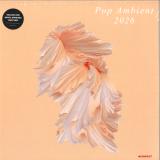
For the 26th time, the most consistent of all ambient compilations, in a constant flux of static change, is released on Kompakt. Joining good friends from the early days and reliable confidants are some new additions to the non-hierarchical charts of contemplative rapture culture.
Leading the way is Micå, a Japanese electronic musician whose finely chiseled, graceful musical style has made it onto the new collection with two pieces. Also making his debut is Richard Ojijo, a seasoned sound engineer known, among other things, for his long-standing collaboration with the artist Marcel Odenbach and the Cologne-based label Magazine. Oskø aka Max Hytrek, a multi-talented newcomer to Kompakt and the music scene, debuts with his rapturously ecstatic piece "Ar Vag." He's followed by Sebastian Mullaert, appearing for the second time—this time teamed up with Sebastian Lilja aka Hush Forever. After his surprise return last year after a 20 year hiatus, we are delighted that Tetsuo Sakae aka Pass Into Silence is back again this year with one of his distinctive sound gems. As are Dirk Leyers (Closer Musik) and Mikkel Metal. 18 tracks are featured on this CD. "Erlösung" (Redemption) is the title of Segensklang's closing track. A kind of ambient bolero into infinity. Or at least until next year...
And what would Pop Ambient be without the iconic, artistic cover design of Veronika Unland, who once again, in her unmistakable way, says through the digital flower: The eye always listens...
A surefire Salsoul classic and comfortably one of the label's finest moments, the self-titled LP from The Strangers was originally released in that golden year of 1983 and is one of the greatest albums of the post-disco era. It’s one of Be With's favourite ever LPs and it's a complete honour to be giving it our reissue treatment.
Still strangely overlooked but not for much longer, The Strangers contains flawless tracks with truly top tier production and includes the eternal Paradise Garage favourite "Step Into My Dream."
Are they Strangers to us? Well, no, they shouldn't be. The Strangers were a US electronic-funk studio concept group comprising Edward "Tree" Moore, Howard King and Hubert Eaves III, all key members of Mtume and Gary Bartz NTU Troop and, in the case of Eaves, one half of D-Train.
Now I KNOW you're gonna dig this!
We kick off with the dope electro-funk of "Wanna Take Your Body" which features Gary Bartz on sax (!) and becomes more sensational and irresistible the longer it plays. The wonky super-bomb "Let Me Take You Home" has a punk-funk, post-Prince feel, driving and delicate all at the same time while "Show Me How You Like It" is pure FUNK, the groove just pure fire.
Side B is perfection. It kicks off with the NTS favourite "Love Rescue", a track so slick it positively SLAPS out the gate and, while it bangs throughout, the vocals and melodies elevate this to the status of EMOTIONAL POP.
Next up, "Step Out Of My Dream" swaggers forth, the undisputed masterpiece that was huge with the London DJs and UK Soul fraternity; it's not hard to see why. It's a gliding, smooth, soulful piece of once-in-a-lifetime magic.
Paul Murphy’s Claremont 56 label welcomes a genuine legend of UK music to its roster – Chaz Jankel, the man whose dizzying musicality and love of soul, funk and disco did much to shape the sound of Ian Dury’s Blockheads band in the late 1970s and early ‘80s.
A virtuoso keyboardist with a deep love of Black American music, Jankel’s arrangements and compositional skills were key to the success of their records, the funkiest of which not only became crossover pop hits – see ‘Hit Me With Your Rhythm Stick’ and ‘Reasons To be Cheerful, Part 3’ in particular – but also saw heavy rotation in now iconic New York clubs including the Paradise Garage and Studio 54.
This continued during the formative years of his solo career, with ‘My Occupation’, ‘Questionnaire’ and ‘Glad To Know You’ (later famously re-edited and dubbed out for nu-disco dancefloors by Todd Terje) all becoming club hits. The great Quincy Jones also covered Jankel’s infectious single ‘Ai No Carrida’, while experimental, club-ready synth-jam ‘3,000,000 Synths’ was also influential during the early years of the electro movement.
For his Claremont 56 bow, Jankel has delivered an all-new workout recorded earlier this year, the simply titled ‘Rhumba Jam’. A typically warm, groovy and rolling affair, it features Jankel delivering infectious, stretched-out Rhodes electric piano solos over toasty bass, clipped guitar licks, warm bass, accordion-style synth motifs and a densely layered Rhumba rhythm. While relaxed and sun-soaked, it also has bags of Balearic dancefloor potential.
Murphy remixes under his now familiar Mudd alias, leaning into the track’s languid Balearic vibe while keeping a firm focus on the dancefloor. Beginning with an enticing mix of metronomic drums and jangly acoustic guitars, Murphy slowly layers up key elements of Jankel’s original – think rubbery bass, rhythmic handclaps, mazy synth sounds and those wonderful, stretched-out solos. It’s a version that pays due reverence to the quality of Jankel’s musicianship, production and arrangement while subtly extending it and reframing it for 21st century Balearic dancefloors.
Magnificent Fall, The Notwist's new rarities compilation, compiles some special and wild moments from this unique German indie group's rich history. They've always snuck gorgeous songs and thrilling remixes onto split singles, extended plays, and other formats, across their career, and pieced together here – compiled thoughtfully, with sensitivity to flow and the listening experience – these thirteen selections work as a kind of ‘shadow narrative’ of The Notwist, an alternative index of the possibilities this shape-shifting group uncovered during their time together.
They've been smart to let go of chronology when sequencing Magnificent Fall, so the songs here move across phases and stages of The Notwist's career, helmed by brothers Markus and Micha Acher. This approach makes plenty of sense, as this music compiled here abstracts from two impulses – to push forward and not repeat what has come before, while building from the group's very specific musical language. Just one example: the loveliness of the instrumental “Avalanche”, from 2020's Ship, follows elegantly from the happy-sad glitch-pop of “Blank Air”, from a 2010 split with former member Martin Gretschmann's project Console. Different phases, different memberships, shared concerns.
The Notwist have always been interested in and open to community, and one of the many ways they reach out to others is through the remix. There are three here, sent back to The Notwist from different corners of the world, both aesthetically and geographically: Grizzly Bear take on “Boneless”, Ada tackles “Run Run Run”, and Odd Nosdam submerges “Sleep” in noise and clatter. Another connection, of course: Odd Nosdam is part of The Notwist's extended family, through Markus and Micha Acher's 13 & God project with fellow Anticon artists Themselves and Subtle.
So, the music on Magnificent Fall traverses varying terrain – abstract hip-hop, chamber pop, sweet and simple folk song, indietronica, free-floating improvisation. There are several unreleased songs, as well, drawn from across the group's history. Core to it all, though, the thing that makes The Notwist so singular, is the thumbprint of the Acher brothers, their gently poetic way of moving through the world and welcoming other musicians and artists into the fold, expressively and with generosity.
Historically aware without being nostalgic, Magnificent Fall is the perfect way to introduce The Notwist's reissue programme with Morr Music, too, including a box set, and the group's eight albums, documenting their three-and-a-half decades of music and community-making. Looking back to move forward? It's a very good idea.
SOPHIE’s ‘OOH’ and ‘GET HIGHER’ are now available as a double A-side 12" vinyl. This release follows the single-series packaging format used for the other singles from PRODUCT: one track and slide image per side, black vinyl in a black inner sleeve, screen-printed with a white SOPHIE logo housed in a clear archive bag.
Earlier in 2025, Numbers marked 10 years since SOPHIE’s game-changing singles collection PRODUCT, with a special edition featuring 11 songs across Deluxe Vinyl and Compact Disc.
SOPHIE classics ‘BIPP’, ‘LEMONADE’ and ‘VYZEE’ were joined by two immaculate PRODUCT-era songs ‘OOH’ and ‘GET HIGHER’ recorded and produced at the time, each with colourful single artwork completing the set.
‘OOH’ is one of SOPHIE's earliest productions that has been through several revisions since 2011. It was one of three original tracks that Numbers had signed when SOPHIE uploaded the song alongside 'BIPP' and 'ELLE' to her Soundcloud, and while it had been through several iterations and speed changes, this finalised version was completed by SOPHIE in 2019.
SOPHIE once described ‘OOH’ as “hi tech club dance pop”. Musically speaking, the earworm hook is carved out by her signature portamento-infused synths and candy-coated lyrics, a firm cult classic approved by AG Cook and Charli XCX. Initially titled 'MAKE RESPECT', the track was first performed live by SOPHIE in 2011 to a handful of lucky people at a beach afterparty surrounding Sonar Festival, Barcelona and later that year at Manhattan's New Museum. The vocal was recorded as the first track in the same one-day recording session as SOPHIE's debut single 'NOTHING MORE TO SAY', released on the Huntley & Palmers label, where Sophie's songwriting was performed by the London vocalist Jaide Green.
The genesis of the ‘OOH’ and ‘NOTHING MORE TO SAY’ recording session is lore-worthy in its own right: after watching Jaide Green perform live with Olly Murs during the sixth series of The X Factor in 2009, SOPHIE reached out and invited Jaide to record in her home bedroom studio.
‘GET HIGHER’ was born during joyous sessions in 2013, when SOPHIE’s beat was introduced to the vocalists Cassie Davis and Sean Mullins. The track feels like a visionary precursor to ‘Vroom Vroom’, and doesn't sound out of place next to the sub-clang intensity of SOPHIE’s ‘HARD’ and ‘MSMSMSM’. Striking a playful balance between blissed-out hyperpop and club-ready Atlanta trap, it showcases SOPHIE’s signature, laser sharp sound design. Originally released as a bonus track on the Japanese CD edition of PRODUCT, ‘GET HIGHER’ has remained a hidden gem.
Housewives, househusbands, ladies, gentlemen, and everyone in between… Avril A is ready for relaunch.
A - V - R - I - L
Never released Hi-NRG, synth-pop, wonky rock n' roll from a queer Manchester underground icon of the 80s and 90s.
By day, Avril Eventhal was a housewife in North Manchester's Orthodox Jewish community. By night, she was the fabulous Avril A, a larger than life cabaret performer who found a loyal audience in gay venues across the country and was adored for her outrageous live shows.
With her signature leopard print dress and feather duster in hand she delivered an unforgettable song and dance routine - as it was billed, “an audio-visual assault on the audience”.
She celebrated her unconventional style, finding joy and space for creative reinvention with the queer community.
Avril died in 2017, leaving behind a massive archive of material documenting every aspect of her career in songwriting and performance. For two years, Memory Dance has been working with Avril's niece and family on a digitisation and restoration project bringing these audio recordings back to life.
In the late summer of 1994, Upadhmanyia (John Mackaay & Michel Rehatta) invited Leo Verhoef (LFU) to collaborate on a track. They met a few more times afterward at a power station converted into a studio in IJsselstein, The Netherlands. "Hasiya" was quickly born and was already in stores by early November 1994. John & Leo drove to house club iT in Amsterdam, where they gave the track to DJ Marcello, resulting in an iT hit! The track was quickly picked up by DJs worldwide, and Richie Hawtin used it in a live set in Denver on November 19th of that year, which can be heard on SoundCloud (Hasiya is mixed around 43:00). The track was also a huge hit on dance floors in England and Spain.
In late 1994, Hasiya appeared on a CNR Music EP titled "Welcome To The Club," along with four other hits from producers like Pete Lazonby, The Shaker, and Drum Club. A double CD of the same name followed in early 1995, released in Belgium, featuring Hasiya alongside artists like Robert Miles, Digital Express, Aura, Natural Born Grooves, and other hits of the era. In early 1995, Arcade released "House Party '95 the Kinky Klubmixx," mixed by Koen Groeneveld & Addy van der Zwan. The same CD was released in Scandinavia as "House Party '95 (5)." Hasiya flourished among the most popular house tracks of the time. The record spent three weeks in the Dance Music Mega Top 30 and peaked at number 22 around the holidays of late 1994.
For 31 years, Hasiya was only available on record, CD, tape, or YouTube. Starting November 21, 2025, it will be resurrected from the underground into the world of digital downloads and streaming. The 2025 Remaster, along with five new mixes, will be widely available, including a limited vinyl release of 350 copies. The 30 test pressings have already been received with open arms by various DJs and received immediate support from Eris Drew and Octa Octa during ADE.
Because Hasiya was created in 1994, the only available remix material is the original DAT tape, which, thankfully, was still stored in an old box in a dusty attic. Most of the sounds for the new versions have been recreated and re-recorded.
Rehatta's Reanimated Mix:
This remix - created by one of the two founders of Upadhmaniya - combines driving, percussive beats with a thrilling, progressive break featuring ascending, dizzying strings. This trick returns shortly afterward to rev things up again. An accessible remix for dance floors worldwide.
LFU 2025 Version:
This straightforward, raw techno version with a touch of acid is ready to rock dance floors. LFU's updated version of the 1994 original, which he created with Michel & John, will undoubtedly remain a head shaker from here on out.
John Consemulder Metaphysical Mix:
With a pumping groove and a funky bassline as an intro, John Consemulder's remix immediately strikes a chord. A refined and elegant approach to the original, with sounds as mysterious and exciting as the flowing lava in the 'Gruta das Torres' - a cave in the Azores - the setting where this tech-trance remix was created.
Davje Remix:
Davje's version begins with the typical club and hard-trance bassline of the late '90s. You're drawn into a trance journey where beat changes sometimes try to throw you off track. Davje's creative Hammond organ interpretation of the Hasiya theme surprises and transports you back to the hippie era by the end of his remix.
Bojcot Remix:
Junglist Bojcot creates an exciting, nuanced, and mathematical remix with a beat that feels like jungle and half-tempo. He conjures up the sounds of LFU's 2025 Version, creates a bassline that sounds like a disturbed bumblebee, and adds a surprising string section. Massive!