"analogis Phono-Pre-Amplifier »easy Phono«
MM-Cartridge only - RCA & DIN connectors
Gold plated RCA connectors, incl. Ground connection screw
External power supply unit"
Technical data:
Cinch & DIN 5-pin:
Input 5 mV / 100 kOhm 1 kHz. Max. Inpunt 30 mV
Output 450 mV / 100 kOhm / 1 kHz
Frequency range: 18 Hz – 20.000 Hz
External Voltage Distance: >50 dB.
Size: 100 x 65 x 35 mm
External Power Supply:
Primary 230 V~ / 50 Hzm / 8,7 W
Secundary 12 V= / 300 mA / 3,6 W
Stand By Power Consumption: <0,3
"analogis Phono-Vorverstärker »easy Phono«
MM-Entzerrer-Vorverstärker - Cinch & DIN Anschlüsse
Cinch-Anschlüsse vergoldet, inkl. Masseschraube
Externes Netzteil"
Buscar:primary 1
Book[47,27 €]
"For A Fleeting Moment" is the result of the dialogue between the Swiss photographer Simone Kappeler and the Japanese musician Tomotsugu Nakamura initiated by IIKKI, between March 2023 and May 2024.
Tomotsugu Nakamura is a musician and graphic designer residing in Tokyo, Japan. His primary artistic practice is to compose music with some fragments of minimal acoustic and electronic tones and some field recordings. In Concert, he he has played with various genre of musicians and his works have been released by Kaico, Audiobulb Records, and more recently by the French label LAAPS.
Born in 1952 in Frauenfeld (Switzerland) where she lives and works, Simone Kappeler started taking pictures at the age of 11. After studying German literature and art history, she studied photography at the Zurich University of the Arts. During a three-month trip to the United States in 1981, she took her first pictures using cheap cameras, especially the Diana camera.
Hasselblad, Leica, Diana, Brownie, Polaroid, disposable camera, expired or infrared films, since 1970, Simone Kappeler has explored all types of photographic techniques. Her work, experimental and poetic, reveals to us the curiously foreign world that surrounds us.
Since 1982, ongoing projects in southern France and the Grisons.1982/83, studio in New York, conceptual photography and Super 8 films. 1983/84, theater photographer, Schauspielhaus Zürich. 2009, six-week photographic study of Japan, 2015 studio in New York. Her work was the subject of a first monograph: "Seile. Fluss. Nacht. Fotografien 1964–2011", edited by Hatje Cantz and is regularly exhibited in Galleries and Museum in Europe and United States.
For A Fleeting Moment is her first book gathered exclusively a part of her wide polaroid works from 2011 to 2023.
Fine Art Book, Ltd. to 700 copies:
Hardcover book printed on Glossy Modern Paper 170g/m2 // 104 pages, 19cm x 22.5cm, 66 photos // Front cover points and back cover logo embossed // Selective UV varnish // Hand-numbered.
"For A Fleeting Moment" is the result of the dialogue between the Swiss photographer Simone Kappeler and the Japanese musician Tomotsugu Nakamura initiated by IIKKI, between March 2023 and May 2024.
Tomotsugu Nakamura is a musician and graphic designer residing in Tokyo, Japan. His primary artistic practice is to compose music with some fragments of minimal acoustic and electronic tones and some field recordings. In Concert, he he has played with various genre of musicians and his works have been released by Kaico, Audiobulb Records, and more recently by the French label LAAPS.
Born in 1952 in Frauenfeld (Switzerland) where she lives and works, Simone Kappeler started taking pictures at the age of 11. After studying German literature and art history, she studied photography at the Zurich University of the Arts. During a three-month trip to the United States in 1981, she took her first pictures using cheap cameras, especially the Diana camera.
Hasselblad, Leica, Diana, Brownie, Polaroid, disposable camera, expired or infrared films, since 1970, Simone Kappeler has explored all types of photographic techniques. Her work, experimental and poetic, reveals to us the curiously foreign world that surrounds us.
Since 1982, ongoing projects in southern France and the Grisons.1982/83, studio in New York, conceptual photography and Super 8 films. 1983/84, theater photographer, Schauspielhaus Zürich. 2009, six-week photographic study of Japan, 2015 studio in New York. Her work was the subject of a first monograph: "Seile. Fluss. Nacht. Fotografien 1964–2011", edited by Hatje Cantz and is regularly exhibited in Galleries and Museum in Europe and United States.
For A Fleeting Moment is her first book gathered exclusively a part of her wide polaroid works from 2011 to 2023.
Fine Art Book, Ltd. to 700 copies:
Hardcover book printed on Glossy Modern Paper 170g/m2 // 104 pages, 19cm x 22.5cm, 66 photos // Front cover points and back cover logo embossed // Selective UV varnish // Hand-numbered.
Vom 60s-infizierten, ungestümen Garage-Rock, den The Horrors auf ihrem 2007er-Debüt zelebrierten, ist ihr nunmehr drittes Album "Skying" meilenweit entfernt. Schon an der Länge der Songs lässt sich der Wandel ablesen: Auf "Skying" gibt es kein Stück mehr, das kürzer als vier Minuten wäre. Stattdessen schreitet die fünfköpfige Londoner Band weiterhin auf dem Pfad voran, den sie mit ihrem für den Mercury Prize nominierten zweiten Album "Primary Colours" von 2009 eingeschlagen hat: elegische und ausladende Kompositionen von beeindruckender Intensität. Das Tempo ist noch reduzierter, befremdende Soundelemente bleiben weitestgehend außen vor und eine fast feierliche Erhabenheit wird zum Leitmotiv dieses akustischen Glanzstücks. Zur völligen Entfaltung kommt der Sound der Band auf der Single "Still Life", die wie die Hymne einer versunkenen Popära wirkt, in der sich der Wave-Sound der 80er aufmachte, die Stadien zu erobern. Auch Stücke wie "I Can See Through You" oder "Endless Blue" spielen mit musikalischen Zitaten - ohne dabei in die Retrofalle zu tapsen.
In the late 90s, the bands that Mike Badger had been part of vanished in the rear-view mirror. The La’s and The Onset were no more. With a young family and his tin-can sculptures emerging as his primary source of income, the evenings in Allerton (south Liverpool) found him quietly strumming his acoustic guitar, careful not to disturb the sleeping children. Weekends often led to the Penny Lane Wine Bar and later to Henry Epstein’s residence, a haven for revelry after closing time. A place where acoustic guitars adorned the walls, and impromptu musical sessions unfolded. In the midnight hours at Henry Epstein’s house, Paul Hemmings conceived the idea of compiling an album featuring Mike’s new tunes, which seemed to carry a basic “pastoral” theme reflective of settled domestic life. Demos were recorded on a porta-studio, and the album, initially titled “Naked and Beyond,” was crafted with starkness and simplicity, adorned with selected embellishments contributed by associates who shared drinks and stages. Recording took place at “The Lab” studio just north of the city, utilizing a Teac 24 Track machine and the warmth of analogue recording. The studio featured an old Italian “Eko” acoustic guitar, a classical guitar, Louis Johnson’s cello arrangements, and Tommy Scott’s backing vocals. Once the core of the album was laid down, the journey continued to Anglesey, to Henry Priestman’s “Gossamer Dome” Studio, where a baby grand piano, Farfisa organ, and “Parrot” accordion were added to enrich the songs with colors, harmonies, and magic, all against the backdrop of a sea view. The front cover of the album was adorned with an objet d’art created from a spiraled frying implement, part of Mike Badger’s “Lost and Found” exhibition. As the need to release the album arose, Mike Badger and his collaborators established their own label, “Viper,” and secured a distributor. The album, titled “Volume,” reflected its creation – from its initial sound considerations to the organic body of work composed in recent years. The recording process, though thorough, embraced imperfections, as Mike Badger believed that completeness emerged from these flaws, giving the performance its distinct character. The spirit of the performance took precedence over perfection, resulting in a product that felt genuine, unfettered, and honest – created simply because it was meant to be made. Now the album turns 25 it is released on vinyl for the first time via Nine X Nine Records.
Blue[26,47 €]
Second in a series of reissues from Pierre Jaubert’s Parisound studio archive on Strut Record IS Lafayette Afro Rock Band's elusive funk/Afro original album, 'Soul Makossa' originally released in 1973. Transparent blue colored LP
In 1971, an undocumented seven-member Afro-American ensemble known as the Bobby Boyd Congress made a transformative journey from the United States to France. Bandleader Frank Abel recollects, "We sensed that the soul and funk market was saturated back home, and our original plan was a brief 6-month stint in Paris. Surprisingly, we ended up staying for a decade." Upon lead singer Bobby Boyd's return to the U.S., the group rebranded as Ice and crossed paths with independent producer Pierre Jaubert, a seasoned studio professional with credits on groundbreaking recordings alongside Charles Mingus, John Lee Hooker, and Archie Shepp, among others.
Drawing inspiration from Motown's work ethic, Jaubert initiated regular rehearsals with Ice. He recalled, "I didn't want to mimic Berry, but with seven talented musicians collaborating daily, something unique emerged." The band, residing in Paris and immersed in the African-dominated Barbesse district, began infusing African elements into their music frequently performing with Paris-dwelling Camaroonian and legendary composer Manu Dibango.
Rechristening themselves Lafayette Afro Rock Band, the group's musical direction shifted towards predominantly instrumental compositions, characterized by a weightier, more intricate Afro-funk sound. Their debut recording under this new moniker, 'Soul Makossa,' made a powerful impact with a dynamic rendition of Dibango's classic, coupled with the intense break of 'Hihache' and the contagious 'Nicky.' Initially released by Musidisc in France and later in the U.S. via Editions Makossa, the album omitted the title track due to publishing clearance issues.
Despite modest sales upon its initial release, the album's enduring influence became evident as hip-hop culture surged in the '80s, establishing it as a primary source for samples and riffs. The iconic 'Hihache' break found fame in Biz Markie's 'Nobody Beats The Biz,' and tracks from the album were lifted by LL Cool J, The Beatnuts, Kruder & Dorfmeister, and numerous others.
The vinyl os the first release in archival series celebrating the legacy of Robert Hunter, primary lyricist for Grateful Dead and main collaborator/songwriting partner for Jerry Garcia. Deluxe reissue of 1974 debut solo album. This Deluxe Edition introduces a freshly remastered version of the original album alongside 16 previously unreleased recordings, including alternate versions of album tracks and several session outtakes. All the music has been remastered from the original master tapes by GRAMMY® Award-winning engineer David Glasser using Plangent Processes tape restoration and speed correction.
Nestled beside the sea and a cluster of palm trees, La Malvarrosa, the neighborhood in Valencia where Cooper resides, derives its name from a fusion of "Malva," meaning mauve, and "Rosa," meaning pink. Here, La Malvarrosa serves as the primary backdrop for the recordings, symbolizing two distinct colors and artistic approaches.
These hues become the emblematic colors of a fictitious flag from an imagined island located on a forgotten expanse of ocean. From this ethereal site, melodies emerge, seeking to unravel the essence of certain insular music while intertwining with Cooper's post-everything sensibilities and Kòlar's minimalist electronics. "Mauve/Pink" navigates the delicate balance between playfulness, intricacy, and simplicity, blurring boundaries between tradition and innovation, reality and imagination, change and repetition.
The album serves as a showcase for contrasting methodologies and viewpoints, acting as a sonic document of an ongoing conversation between generations, where Cooper and Kòlar's efforts illuminate a boundless creative process and timeless aesthetics.
East of Ely is Miracle Mile's first album since 2012 - It was largely written on the Suffolk coast and later recorded between London and Norfolk - Both Trevor and Marcus found bucolic bliss in coastal retreat - The detachment informed the writing process and limited the palette to primary colours - You won't be dancing but we hope that the songs offer some kind of balmy relief to your day.
"Trevor Jones finds the poetry in real life; Marcus Cliffe anchors it in the sweetest pop. Gorgeous as ever. You may cry." - The Sunday Times
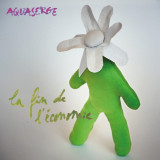
It’s burning, everything is catching fire, and Aquaserge are singing and dancing on the embers of a world contemplated in a rear-view mirror. A world which is hyper-connected, yet forgets its primary emotions.
This seventh album by the band is an ecological poem, where present and past collide. A resolutely rock-sounding album, laced with electronics, experimental pop songs and audio archives. Along the way, the listeners will encounter traces of Oulipo (the famous experimental French literary movement founded in the ’60st), Dada and free jazz. They will cross paths with the ghosts of Ennio Morricone, Walter Benjamin and Marguerite Duras, with the shadows of Kim Gordon and Brigitte Fontaine. And other audacious and exciting melanges, in the pure tradition of Aquaserge.
The album was arranged and produced by Benjamin Glibert, the band’s guitarist and main composer.
The recording took place in a house located in the french countryside (where Aquaserge’s mobile studio was installed). The mix was done at Studio St Guidon in Brussels, the album was mastered by the legendary Dominique Blanc-Francard at the Labomatic studio in Paris.
The members of the band’s current line-up all took part in the recording: Audrey Ginestet (vocals, bass, guitar, etc.), Benjamin Glibert (vocals, guitar, keyboards, etc.), Olivier Kelchtermans (saxophones, keyboards, vocals, etc.), Manon Glibert (clarinets, vocals, etc.) and Julien Chamla (drums, vocals, etc.).
On a cold December's night, we packed the Paradiso in Amsterdam, ending our tour in glorious fashion. This night felt like a homecoming show, marking my seventh time headlining the "pop temple". The "creme de la crème" line up included one of my oldest friends Marnix. Slider returned on keys for this tour, having been a crucial member of our musical family for years. We brought out the big guns for these shows, having a crazy variety of classic keys on stage. These included an electric grand, clavinet, multiple synths and multiple electric pianos. Needless to say, the stage was pretty full! Willem being the powerhouse he is, raised the bar as usual. An amazing drummer and an amazing singer! Last but not least, returning to Paradiso with Xander felt incredible. Him and I have been doing this even before I descended down to earth and became Jett Rebel. All of us are friends and being on stage with these people is a privilege and a blessing. You'll be able to hear the crowd's excitement in the way we play. My primary goal was to make it feel like you were actually there. I live for this...
- A1: Desafinado 1:57
- A2: Se Todos Fossem Iguais A Você 3:35
- A3: Fotografía 2:48
- A4: Outra Vez 1:55
- A5: Lamento No Morro 2:10
- A6: Mulher, Sempre Mulher 2:00
- A7: Chega De Saudade 2:00
- A8: Um Nome De Mulher 2:08
- A9: A Felicidade 2:45
- B1: Insensatez 2:25
- B2: O Amor Em Paz 2:22
- B3: Chega De Saudade 3:28
- B4: Corcovado 2:32
- B5: Meditaçao 2:57
- B6: Este Seu Olhar 2:38
- B7: Tereza Da Praia 2:47
- B8: Samba De Uma Nota Só 1:39
Brazilian songwriter, composer, arranger, singer, and pianist/guitarist Antônio Carlos Jobim, known in Brazil as Tom Jobim, was a primary force behind the creation of the bossa nova style. Moreover, his songs (most of which had lyrics by poet, diplomat and bohemian Vinícius de Moraes) have become true classics and have transcended the genre, as they continue to be played and recorded by countless singers and instrumentalists within Brazil and throughout the world. This release contains a representative collection of Jobim's songs in classic versions performed by some of the most remarkable bossa nova artists, and in many cases presenting Jobim himself as accompanist, conductor or arranger. 180-GRAM VIRGIN VINYL - 17 TRACKS - LIMITED EDITION
2LP Repress!
Yosi Horikawa makes music quite unlike anything you've heard, music that reflects not only the appeal of rhythm and melodies but also the power and hidden musicality of everyday sounds. In that sense Horikawa is not just a producer or musician or sound artist: he is a world builder whose materials constantly surround us, though we rarely stop to appreciate them. Horikawa honed this approach for more than a decade, travelling far and wide to record forests, beaches, cities and people while never missing an opportunity to also find sounds closer to his home in Tokyo.
'Spaces' is Horikawa's new album, following from 2013's 'Vapor' released via London-based label First Word. This time the album is released on Borrowed Scenery, a new label setup by Horikawa and close collaborator Daisuke Tanabe to enable them to operate free of constraints.
The album features 11 songs that combine field recordings and sound design with a range of stylistic touch points: the fluid intricacies of hip-hop, the precise efficacy of IDM, the euphoric physicality of dance music, the humanity of acoustic instrumentation. Each song blends a primary sound source with a certain style, with titles often hinting at the origins of the sounds – "Moldy Vinyl," "Vietnam," "Fluid," "Swashers," "Nubia" – or the mood the music evokes. What ties it all together is Horikawa' s deeply personal understanding of what constitutes music, an understanding shorn from the commercial and stylistic structures of music as a commodity.
'Spaces' is a deeply human experience, and through Horikawa's approach music feels as natural as breathing. Horikawa has collaborated with French producer Fulgeance, American singer Jesse Boykins III and fellow Japanese experimentalist Daisuke Tanabe. His music has been supported by Gilles Peterson and Benji B. Outside of music Horikawa is an in-demand sound engineer and speaker designer who has worked with J-WAVE, Kengo Kuma, Mitsubishi and Sound & Bar Howl in Tokyo.
(by Laurent Fintoni / Original Cultures)
Primary Wave Music und Legacy Recordings, die Katalogabteilung von Sony Music Entertainment, sind stolz darauf, die Wiederveröffentlichung der ersten beiden Alben des legendären R&B-Künstlers - "Luther" und "This Close to You" - bekannt zu geben und damit Musikliebhaber und Fans von Luther Vandross weltweit zu begeistern. Ursprünglich bei Cotillion Records erschienen, werden diese bahnbrechenden Alben nun zum ersten Mal seit über vierzig Jahren wieder im Handel erhältlich sein. Beide Alben können ab sofort in verschiedenen Konfigurationen vorbestellt werden, darunter Vinyl, CD und Digital. Die Wiederveröffentlichung erfolgt zeitgleich mit dem auf dem Sundance Film Festival vorgestellten Dokumentarfilm "Luther: Never Too Much", der als einer der am meisten erwarteten Dokumentarfilme des Jahres 2024 gepriesen wird und seinen ikonischen Status in der Musikwelt unterstreicht. Im Juni 1976 veränderte sich die R&B-Landschaft für immer mit dem Debütalbum "Luther" von Luther Vandross, das sein außergewöhnliches Gesangstalent, seine Songwriting- und Produktionsfähigkeiten unter Beweis stellte. Das Album enthielt den Hit "Funky Music (Is A Part Of Me)", den Luther Vandross und David Bowie für Bowies kultigen Film "Young Americans" zu "Fascination" umarrangierten, wobei Vandross' Einfluss durch seinen Hintergrundgesang und seine Arrangements deutlich wurde. Außerdem wurde "Everybody Rejoice (A Brand New Day)" aus dem preisgekrönten Musical "The Wiz" aufgenommen, was die einzige Aufnahme von Vandross' Interpretation des Songs darstellt. Am 23. März 1977 verzauberte Vandross' Album "This Close to You" mit seiner Band Luther die Zuhörer mit gefühlvollen Melodien und tiefgründigen Texten und festigte damit seinen Status in der Musikwelt
Genesis' album Nursery Cryme, released in November 1971, marked a significant moment in the band's evolution and showcased the burgeoning talents of their new drummer and vocalist, Phil Collins, plus guitarist Steve Hackett.
Nursery Cryme saw the band take a more aggressive direction of some songs, with substantially improved drumming. The opening piece, "The Musical Box" combined the band's trademark mix of twelve-string guitars with harsh electric guitars and keyboards. The song, a macabre fairy story set in Victorian Britain, became the inspiration for the album cover, and went on to be a live favorite.
This album played a pivotal role in establishing the band's progressive rock sound and laid the foundation for their future success.
Although Peter Gabriel remained the band's primary vocalist, Collins' distinctive voice began to shine through on tracks like "For Absent Friends" and "Harlequin." Collins' vocals added a new dimension to the band's sound, blending seamlessly with Gabriel's, and hinting at the vocal prowess that would later define his solo career. His emotive and versatile singing style contributed to the album's overall charm.
Nursery Cryme is regarded as a crucial stepping stone in Genesis' discography, and with time, became recognized as a progressive rock classic. The album received acclaim for its adventurous and intricate compositions, combining elements of folk, rock, and classical music. Genesis' signature storytelling lyrics, often filled with surreal and whimsical imagery, captivated listeners and added depth to the music.
Critics praised the band's musicianship, with particular attention to the intricate guitar work of Steve Hackett and the melodic basslines of Mike Rutherford.
All the hallmarks of a top-notch Analogue Productions reissue are here for you to savor: Mastered directly from the original master tape by Chris Bellman at Bernie Grundman Mastering and cut at 45 RPM. Pressed on 180-gram vinyl at Quality Record Pressings, and housed in tip-on old style gatefold double pocket jackets with film lamination by Stoughton Printing.
Black[22,27 €]
Second in a series of reissues from Pierre Jaubert’s Parisound studio archive on Strut Record IS Lafayette Afro Rock Band's elusive funk/Afro original album, 'Soul Makossa' originally released in 1973. Transparent blue colored LP
In 1971, an undocumented seven-member Afro-American ensemble known as the Bobby Boyd Congress made a transformative journey from the United States to France. Bandleader Frank Abel recollects, "We sensed that the soul and funk market was saturated back home, and our original plan was a brief 6-month stint in Paris. Surprisingly, we ended up staying for a decade." Upon lead singer Bobby Boyd's return to the U.S., the group rebranded as Ice and crossed paths with independent producer Pierre Jaubert, a seasoned studio professional with credits on groundbreaking recordings alongside Charles Mingus, John Lee Hooker, and Archie Shepp, among others.
Drawing inspiration from Motown's work ethic, Jaubert initiated regular rehearsals with Ice. He recalled, "I didn't want to mimic Berry, but with seven talented musicians collaborating daily, something unique emerged." The band, residing in Paris and immersed in the African-dominated Barbesse district, began infusing African elements into their music frequently performing with Paris-dwelling Camaroonian and legendary composer Manu Dibango.
Rechristening themselves Lafayette Afro Rock Band, the group's musical direction shifted towards predominantly instrumental compositions, characterized by a weightier, more intricate Afro-funk sound. Their debut recording under this new moniker, 'Soul Makossa,' made a powerful impact with a dynamic rendition of Dibango's classic, coupled with the intense break of 'Hihache' and the contagious 'Nicky.' Initially released by Musidisc in France and later in the U.S. via Editions Makossa, the album omitted the title track due to publishing clearance issues.
Despite modest sales upon its initial release, the album's enduring influence became evident as hip-hop culture surged in the '80s, establishing it as a primary source for samples and riffs. The iconic 'Hihache' break found fame in Biz Markie's 'Nobody Beats The Biz,' and tracks from the album were lifted by LL Cool J, The Beatnuts, Kruder & Dorfmeister, and numerous others.
Tyler Pope's latest EP is an absolute belter, and the primary concern these four tracks are asking of you is right up front: Pay Attention to the Bass. And, honestly, with a sense low-end like what's on display here, how could you not? This new release from Pope-a dance veteran who's also known as a full-time member of LCD Soundsystem as well as a collaborator with artists like Hercules & Love Affair and Pantha Du Prince-arrives on his always eclectic Interference Pattern label, an imprint that has previously spanned left-field electronic sounds, noise rock, and avant-R&B. As such, Pay Attention to the Bass is anything but straightforward, with ricocheting rhythms and alluring textures that are as easy to get lost in as they are to move your body to.
Listeners familiar with last year's Make Each Other Happy EP, which embraced dark disco grooves and crisp percussion, will be delighted at the new curveballs on display here: "Why Must I" euphorically merges the propulsive charge of UK funky with delicious piano-house stabs, while "OKay" anchors itself around a rubbery bass line like a lost cut from the Remain In Light sessions. The flip side gets dark and dank with it, as "Close the Door" echoes with spooky clatter and dubby wobbles before sprightly vibes break through-and the closing cut "Where r they Hiding" goes full-on tunnel techno with it, conjuring a mood that recalls the haunted house music of Sandwell District as well as the cold-sweat futuristic visions of jungle. With Pay Attention to the Bass, Pope expands his sound wider than ever, and it just so happens that it's an absolute blast to listen to as well.
Dire Straits never made a big to-do about its final run. In classic understated British fashion, the band simply let its music speak for itself. And how. Originally released in September 1991, On Every Street became the group's swan song – a lasting testament to the influence, musicianship, and integrity of an ensemble whose merit has never been tainted by cash-grab reunions or farewell treks. It remains an essential part of the Dire Straits catalog and a blueprint of the distinctive U.K. roots rock the collective played for its 15-year career.
Sourced from the original master tapes, housed in gatefold packaging, and pressed at RTI, Mobile Fidelity's 180g 45RPM 2LP set of On Every Street presents the album like it has always been meant to be experienced: in reference-grade audiophile sound. Recorded at AIR Studios in London and produced by Dire Straits leader Mark Knopfler, it features all of the band's sonic hallmarks – wide instrumental separation, visceral textures, seemingly limitless air, broad soundstages, atmospherics that you can almost reach out and feel. Each element is made more vibrant, physical, and lifelike on this collectible reissue, which marks the first time this 60-minute work has been available at 45RPM speed.
Afforded generous groove space and black backgrounds, the songs from On Every Street burst with nuanced details and vibrant colors. Dire Straits' playing appears to float, their intricate performances organized amid hypnotic, fluid, three-dimensional arrangements. Mobile Fidelity's definitive-sounding set also brings into transparent view Knopfler's finely sculpted guitar lines, expressive tones, and laid-back vocals – as well as the balanced accompaniment from his band mates. Here's a record on which you can hear the full blossom and decay of individual notes, and imagine the size and shape of the studio. It is in every regard a demonstration disc. And it happens to be filled with timeless fare.
Remarkably, On Every Street almost never came to light. Dire Straits initially dissolved in September 1988 after touring behind its blockbuster Brothers in Arms and suffering the departure of two members. At the time, Knopfler professed his desire to work on solo material; bassist John Illsley also explored side projects. But Knopfler's decision in 1989 to form the country-leaning Notting Hillbillies reignited a spark to reconvene his primary band and craft a fresh batch of songs. Six years removed from Brothers in Arms, Knopfler, Illsley, keyboardist Alan Clark, and keyboardist Guy Fletcher teamed with A-list session pros – steel guitarist Paul Franklin, percussionist Danny Cummings, saxophonist Chris White, guitarist Phil Palmer included – to create what still stands as an unforgettable farewell.
The platinum record brings the band full circle in that it returns Dire Straits to a quartet formation; finds the group refreshingly out of step with the era's prevailing trends; and sees Knopfler and Co. knocking out song after song with the deceptive ease of a punter tossing back a pint at a pub. That subtle cool, clever poise, and innate control – signature traits that no other band ever matched – dominate On Every Street. Knopfler's clean, virtuosic six-string escapades unfurl with dizzying melodicism and economical efficiency. Led by his winding fills and focused solos, Dire Straits traverse a hybrid landscape of rock, jazz, country, boogie, blues, and pop strains with near-faultless prowess.
More than any other entry in the group's oeuvre, On Every Street welcomes quick detours down back alleys and into the depths of human souls. What makes it more brilliant is its staunch refusal to cater to commercial expectations or take advantage of prior successes; every passage feels true, every measure echoed in the service of song. It's evident in the humorous satire of "Heavy Fuel," closeted desperation of the witty "Calling Elvis," and shake-and-bake bounce of "The Bug." It pours from the album's darker corners, as on the high-and-lonesome melancholy of the title track and bruised emotionalism of "When It Comes to You."
Hinting at the open-minded approaches and boundless curiosity he'd embrace as a solo artist, Knopfler doesn't limit himself when it comes to style or subject matter. Look no further than "You and Your Friend," a shuffle whose all-inclusive lyrics encourage an array of interpretative meanings. Another of the album's deep cuts, "Iron Hand," comes on as one of the band's most memorable moments – the narrative addressing the abuses of power at the 1984 Battle of Orgreave during the U.K. miners' strike. Given cinematic heft by the expert production, the true-fiction account puts into perspective the richness, poetry, and depth of On Every Street.
"Every victory has a taste that's bittersweet," sings Knopfler on the title track. At least that bittersweetness seldom sounded so damn good on record.
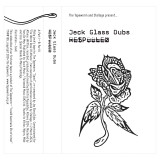
The Tapeworm celebrates its 15th anniversary in 2024. Its first tape was 2009's "Spool" by the much-missed Philip Jeck. To honour his memory, Jay Glass Dubs unwinds "Spool" in a new hour-long composition using Jeck's tape as his primary sound source. This tape was commissioned for "The Worm Rose Of Athens", two evenings of performances curated by Stellage, 1-2 March 2024, Athens. Written, recorded, produced and mixed by Dimitris Papadatos, Athens, 2024. With special thanks to Mary Prestidge.
Black Marble Vinyl[33,57 €]
THEOPHONOS (ex-Serpent Column) and Profound Lore Records present “Ashes in the Huron River” to be released on LP/CD/Digital Feb 09, 2024. The new LP is named in honor of the local woods and riverlands that continue to inspire the studio project. This record is an account of a life spent in the rotten heartlands of neoliberal capitalism and a tribute to the vibrant underground music cultures that thrived before the second half of the last decade.
Expanding on the directness of “Nightmare Visions”, “Ashes” is grander in scope, and is internally regarded as a more focused analogue to 2019’s “Mirror in Darkness”. Hafsteinn Viðar Ársælsson’s dark and intricate illustrations once again accompany the music with striking depictions of abandoned landscapes, arranged to evoke a sense of catastrophe and unwilling transformation.
Primary musical influences include Death Grips’ “Jenny Death” (which the record homages in its gradient-like structure, its centerpiece “Still You Haunt Me” even acting as a reimagined “On GP”), the downtuned hyperaggressions of Morbid Angel’s “Gateways to Annihilation”, and the cinematic, raw intimacies of Pelican’s “The Fire in Our Throats Will Beckon the Thaw.”