It was not only in Brittany that progressive rock bands went under the radar in the 1970s This was the case with the New Zealand quintet Dragon, born in 1972 in Auckland. Author of two albums released by Vertigo, certainly appreciated by amateurs, the group unfortunately did not meet with the expected success in its country of origin, which led it to emigrate to Australia from 1975. From there, they would spin the perfect love with the kangaroo public and the rest of the world in the 80s. Since then, between splits and reformations, they are still touring! But let's come back to this second album "Scented Gardens For The Blind" published for the first time in 1975 and today emerged from the shadows by the Replica and Musea labels. Note that from the first title, they try to get out of the shackles of progressive pop with Ivan Thomson's keyboards which push the combo to venture towards very English lands that the Zombies then Argent knew how to borrow. It is both marked by the 70s and a real desire to seduce the charts. What they did next in Australia. For the time being, on most of the album, the work remains a paragon of progressive rock marked by long guitar solos and beautiful flights of keyboards. Masterfully reissued.
Cerca:progress
Devilish is an album surrounded by a darkest atmosphere, its lyrics show urges experienced in our century, such as the constant degradation of the Amazon rainforest and the population increasingly affected by psychological illnesses such as anxiety and depression At the same time, it opens windows of escape for an imaginary world inspired by games, series and fiction books. In their second album with the new lineup, Mayara Puertas (Voice), Rene Simionato (Guitar), Castor (Bass) and Amilcar Christofaro (Drums) transcend the sound of extreme metal with maturity, incorporating progressive metal, influences from Brazilian music and symphonic elements.
The album also honors Brazilian heroes with a participation of Andreas Kisser (Sepultura) in the track "Buried Alive", and a tribute to Rickson Gracie the resilient fighter of Jiu Jitsu considered one of the greatest legends in this sport, the theme of the track "Warrior". The band also mobilized several musicians related to indigenous causes in their country to collaborate on the song "Uatuma", making an appeal for the preservation of the Amazon in a song that flows in an powerful way with the speeches of the indigenous leader Raoni Metuktire and tribal rhythms. For the cover art, the band had Marcelo Vasco, a Brazilian illustrator who has already created artworks for Slayer, Dimmu Borgir, Soulfly among others.
On their long-awaited debut album Morning Ritual, Chartreuse have found the light in the darkness, sifting through the ruins of an anxious age in order to find the hope in it "There's a strange optimism in pulling all of your negative traits out, revising and reviewing them, and then putting them back, in order," says Mike Wagstaff, of the band's intricate, gorgeous songwriting. Chartreuse resist easy definition. The Black Country four-piece have been close friends since they were at college. In 2013, Mike and Harriet Wilson started playing folk music together ("We were not good at all," laughs Harriet), and a year later, they added a rhythm section, with the addition of Mike's brother Rory on drums and Perry Lovering on bass. Mike and Rory live together in Kidderminster in the West Midlands, while Harriet and Perry live just ten minutes away. They are very close friends and the songwriting is an extension of this intimacy. Their songs might find Harriet singing Mike's lyrics, or vice versa. "It takes a lot of trust, because the songs are not short of emotion," says Harriet. Morning Ritual has been a long time coming, with Chartreuse honing their craft over the course of four well- received EPs and the standalone 2022 single 'Satellites', a collaboration with Orlando Weeks. Having experimented with partly producing their previous EPs, Mike stepped up as sole producer on 2021's 'Is It Autumn Already?'. But they had big decisions to make. Should they build on the tracks from the last EP, and turn it into a full-length album? Would they work with a producer, or would Mike do it himself? They had more than enough new material to start an album from scratch, and Mike was ready to produce it. The framework for Morning Ritual was starting to take shape. "It was a natural progression," says Perry
The first album on ohne kommerziellen Wert comes from label co-founder Stute. After several appearances with hard-hitting club material on the OHNE EP series, Stute’s debute LP “Petra” demonstrates a beyond-genre approach that shows a different and more introverted side of the Hamburg-based producer. Far from being a collection of stand-alone gems that have accumulated over the years, the 12 stages of “Petra” sound like they were formed in a single cast. It is a personal and intimate journey through a unique man-machine mindset that has been manifested in music and sound.
Stute isn’t new to the game, but he has been producing under the radar for far too long. He started DJing and producing more than 20 years ago and found himself progressively drawn to different genres like Hip Hop, Breakbeat, Drum & Bass and Techno. And all of those experiences culminate in “Petra”, where Stute maneuvers his production skills through a wide range of styles and tempi somewhere between leftfield and rave. Urgent techno coldness, promising downtempo dystopia, restless acid dreams, floating breakbeat pleasure or hopeful leftfield romance – every track represents a different phase of a long-time companionship with music and making music, resulting in “Petra” being filled with conflict and drama as well as bliss and belonging.
Like all of Stute’s releases, his first LP is shaped by a very high level of production paired with a rare sensitivity for harmonies and arrangements. Every sound is made from scratch with analogue equipment – heavy dragging beats surrounded by glistening synths and bleeps built on a pure love for music and hardware. “Petra” sounds unlikely complete: nothing is missing, nothing is overdone. Nevertheless… or maybe because of that, the 12 arrangements offer you enough space to conjure up images of distant worlds or let you turn inwards to dive deep into your inner self.
‘A Concrete Pasture’ by Coen Oscar Polack is the follow-up to ‘Haarlemmerhout’ (2020), an album named after a park close to his home in Haarlem in the Netherlands. ‘A Concrete Pasture’ brings Polack’s interest in exploring the larger world around him back into his music. Polack is a magician in combining field recordings from all over the world, be it a temple in Bangkok, the Dutch Wadden Islands or a the percussive Gamelan instruments, and electronic processing of these recordings. With all these ingredients he creates a vivid, nostalgic, futuristic but familiar world of sounds and emotions.
At first, the colors of the recordings seem scattered, the sounds unrelated, but there is a deeper train of thought running through the music. It is the persistent impression of a travelogue; of places, family and friends, helping Polack in co-creating his music. In ‘Cuore Nero’, nostalgic powerchords are composed into tapestries of ambient-noise, ‘Unseen Shores’ uses a recomposed recording of Polack’s children on the Dutch island of Schiermonnikoog and develops into visceral, almost spiritual music, and a field recording of Wat Po in Bangkok in ‘Phra Buddhasaiyas’ becomes a luminous homage that the incorporated guitar sound burns into your skull.
While listening, it becomes evident that Polack is being reflective in auditive images and memory, giving a meaning to a music that is liberated of its formalities and charged with a poignant imagery by transformation, one that is bright and lucid and respects the process from recording until ornamentation.
The longest piece of the album ‘Kraaiennest’, starts with the recording of a Hong Kong traffic light, later to be cut up and transformed into a technoid Musique Concrète piece, with a slow progression into a warm crescendo-decrescendo themed electroacoustic piece, which takes on a life on its own. The finale is Polack on this tenor saxophone putting a stamp on the completion of his work, a performance reminiscing of the raw expressiveness of Albert Ayler.
‘A Concrete Pasture’ points to a landscape, or to a person’s current situation in life. Coen Oscar Polack did himself justice by writing an elegant, vibrant album, a tribute to his reflection of reality, his aesthetics, and with raw authenticity and skill, leaving a great space for the audience’s imagination.
Das Progressive/Cinematic Metal Projekt Mayfire wird durch Leidenschaft für Songwriting und Filmemachen getrieben. Mayfire wurde im Spätsommer 2019 gegründet und ist ein außerordentlich ambitioniertes Projekt, das Musik und filmische Visuals wie nie zuvor kombiniert. Mit Elementen von den frühen Pionieren des Progressive Metal wie Dream Theater bis hin zu den modernen Giganten wie TesseracT und Skyharbour, mit aufsteigenden Melodien von Bands wie In Flames und Ghost. Der Ehrgeiz lautet: Ein episches/ larger than life Erlebnis, durch eine visuelle Story vorangetrieben, geeignet für die großen Szenen und zukünftige Plattformen wie Metaverse und VR u.a. Moderner, melodischer & cineastischer Metal, inspiriert von Künstlern wie: Dream Theater, Ghost, Leperous, In Flames und mehr. Inspiriert von Visionären wie: James Cameron, Denis Villeneuve, George Lucas und anderen.
Repress!
Veteran Drum & Bass producer Zero T returns to The North Quarter as he teams up with blind jazz pianist Andre Louis (PKA Onj) on their conceptual album Kilburn.
Having fortuitously discovered that they are neighbours in autumn 2021, Zero T & Onj began writing music together almost immediately. The duo's chemistry was undeniable as Kilburn was written over the course of just three months. With Kilburn being historically known for its large Caribbean and Irish communities, and Zero T being Irish and Onj of Caribbean heritage, it felt undeniable to dedicate the album after the London area it was written in.
The result is a rich, versatile collection of tracks, showing off intricate rhythms along with smooth chord progressions, perfectly marrying the worlds of both artists and their Jazz, R&B and Jungle influences. The darker, heavy side of Zero T’s sound is present on 'Some Type of Way' and 'We Juggle Different', both featuring Neo Soul singer Terrell King. More delicate, soulful tracks include “Everyday Struggles” featuring Jordan Max, “Rodeo Drive” featuring Mercy's Cartel and “Darkness” featuring Steo. Other featured vocalists are the iconic Ursula Rucker, Manchester's T-Man and Ms Nayé. The album also includes a collaboration with Nu Jazz duo Unitsouled, who previously appeared on Zero T’s debut release on The North Quarter Baby Grand.
Gombloh’s forgotten masterpiece
What if you have Brian Wilson and Bruce Springsteen rolled into one? And what if he came of age as an poor buskers in in Surabaya, Indonesia, but then summoned enough strength to record six albums that flew in the face of everyone in the country’s rock scene back in the early 1980s?
Genius, be they Brian Wilson or Soedjarwoto “Soemarsono” Gombloh, don’t conform to rules written for us mere mortals. They have their own way of doing things and in the case of Gombloh, writing music, conducting recording session and spending cash from his music, must be conducted on his own terms and his terms only. Studio time was expensive back in the early 1980s, yet Gombloh could be three-hour late for his session, and while engineers, session musicians and producers were jittery about the prospect of another botched session, Gombloh took his time for a nap before the recording begun.
Yet, some of his greatest works came into being in the wake of this napping session. Recording session for Sekar Mayang is no exception, despite the fact there’s foreboding sense of doom with Gombloh being unsure about the possibility of selling enough units to help his label break even. This is, after all, this is his last record with his band Lemon Tree’s. No one knew that Gombloh was operating with all his cylinders running and what came out of this Indra Record session, in the waning days of 1980, were some of the best compositions ever committed to magnetic tapes (to wax, if now you’re holding this on vinyl).
This is Gombloh at the peak of his creative genius. You can argue that his debut album Nadia & Atmospheer (what’s with the spelling mistake?) is the most sprawling and complex album (both sonically and thematically), but Sekar Mayang certainly had the best songs and I can make the argument that this album’s 10 songs are strong contenders for biggest hits in blues, country, psychedelic rock charts. “Prahoro & Prahoro” is one of those impossible song which appears to have sprung from a bottomless well of inspiration, encompassing King Crimson’s sprawling epic, Deep Purple’s deepest blues and Genesis’ most progressive tendencies. Or “Sekaring Jagat”, which begins as Lennon-McCartney lullaby before launching a thousand ships traveling to the end of the rainbow with children choir singing heavenly melodies backed by droning harpsichord and synclavier, while a buzzing Hammond B3 tightly locks with Gombloh’s guitar strumming.
For many of his fans, Gombloh is known as generous man of the people. A Robin Hood type if you please. He spent his royalty checks to buy foods for beggars and buskers and dish out some more to buy undergarments for Surabaya’s prostitutes. In Sekar Mayang, Gombloh went full Springsteen mode in “Mitra Becakan,” a social commentary that cut so deep you can end up with tears in your eyes and lump in your throat (even if you don’t understand any of its Javanese language lyrics). This is one the most devastating social commentary ever recorded for a pop song, and even if you discount the greatness of its musical composition, you chalk this up as a great social-realism poetry. His years of hanging out with pedicab drivers, street vendors and street-bound prostitutes certainly gave him enough insight into their (in)human condition.
Yet, a record this stellar was largely forgotten. First, this record was a flop upon its release in 1981. Indra Records reportedly only did one pressing on cassette tape and be done with it. For those who were lucky enough to have come across one of songs from this album on the radio were likely growing up in East Java, where Gombloh had a massive cult following early in the 1980s. Nothing was heard from this record again.
There were only a handful of cassette tapes from the first pressing found on second-hand market and I recently stumbled upon one online with a price tag of Rp 50 million (US$3,500). It’s no longer available now.
In Sekar Mayang, Gombloh harbours an obsession for a long-lost utopia, Java’s distant past, where farmers have their barn full of rice and corn, where blacksmith working around the clock making tools and children singing and dancing in their seminaries. Or the fact that he opens the song with stanza from Serat Weddhatama, arguably the most monumental poem in neo-classic Javanese literature, could be his pledge of allegiance. The question for him is should a modern-day Indonesia, rife with poverty, corruption and environmental degradation not be an anathema to that utopia?
In the end, you don’t need to be someone fluent in Javanese to enjoy this majestic record. And if this record turns out to be the last in Elevation Records catalogue and we shut down this label tomorrow, we will be very happy. Mission accomplished!
GER "Wir suchen nach Glitzer, nach dem hellsten Geröll und Blitzen. Wer sich heute Nacht verliert, wird sich nicht finden. Ihr sucht in uns die Perfektion der Generation Maximum.." An was noch glauben. Mit ihrem dritten Album Generation Maximum nehmen CULK den Druck von einer Generation, die den Horror der Gegenwart wie durch Magie doch noch zu etwas Positivem wandeln - und richten ihn bewusst auf diejenigen, die ihre Zukunft zerstört haben. "... Ihr sucht in uns die Revolution, bürgt uns auf, was ihr nicht leisten wollt. Wer sich heute nicht mehr wehrt, wird übrigbleiben." Generation Maximum ist sicherlich kein Album, bei dem im SUV laut mitgegrölt wird, weil der Refrain so schön in die Sonnenuntergangsstimmung passt. Niemand klatscht vor Freude über den nächsten Waldbrand die Hände zusammen. Stattdessen beobachtet Sängerin Sophie Löw ihre Umwelt durch ein Brennglas und nimmt die Zuhörer:innen mit auf eine lyrische Rückblende der letzten zwanzig Jahre, in denen sie selbst vom Kind zur Zeugin wurde. Das selbstbetitelte CULK Debut (2019) erschien beim Wiener Label Siluh Records, einer der verlässlichsten Quellen für spannende Indie-Musik in all seinen Facetten. Vom Spiegel-Magazin gab es dazu das Attribut "Suchtsound". Mit ihrem zweiten Album "Zerstreuen über Euch" (2020) schuf die Gruppe ein famoses Konzept-Album. Es wurde von vielen Seiten als eine Kampfansage an tiefverwurzelte patriarchale Strukturen gedeutet und schaffte es u.a. in die TOP 5 der Jahresbestenliste des Spiegel-Magazins. Mit "Generation Maximum" übernimmt Jakob Herber die Rolle des Bassisten von Gründungsmitglied Benjamin Steiger. Herber ist von Anfang an ein wichtiger Wegbegleiter im engen Zirkelder Band, Sängerin/Gitarristin Sophie Löw hat im August 2022 als SOPHIA BLENDA ihr Solo-Debüt-Album "Die neue Heiterkeit" veröffentlicht. "Die neue Heiterkeit" ist eines der stärksten deutschsprachigen Pop-Statements der jüngeren Zeit" - Spiegel. Für ihr neues und nun drittes Album "Generation Maximum" hat sich die Band mit dem Produzenten Wolfgang Lehmann, vormals Wolfgang Möstl, zusammengetan, der unter anderem für seine Arbeit mit Voodoo Jürgens, Clara Luzia, Jungstötter, Dives uvm. bekannt ist. Und bringen es musikalisch nach draußen zu den Menschen, die vor lauter Existenzkämpfen fast vergessen hätten, die Revolution zu starten ("Generation Maximum"). Kein Ausbaden. Generation Maximum ist ein progressiv lauter werdendes "Nein" zur auferlegten Bürde, ein Appell an mehr Verletzlichkeit ("Eisenkleid") "Jede Rüstung erzählt von Verletzlichkeit. Stärke zeigt, wer Narben teilt." und weniger Elend im Privaten wie im Öffentlichen. Letztlich aber auch eine Suche nach einer neuen "Ode an die Freude" und Mut um uns. "Wir erheben Stimmen, auf dass sie für immer klingen. Wo sollen wir heute Zukunft finden?" Wer genau hinhört, findet sie: Lieder über unausgesprochene Träume, die durch epische Gitarrenklänge und Löws entrückten Gesang näher wirken, als sie eigentlich sind. LP klassisch schwarzes Vinyl.
With their third album Generation Maximum, CULK take the pressure off a generation that magically transforms the horror of the present into something positive after all - and deliberately direct it at those who have destroyed their future."... Ihr sucht in uns die Revolution, bürgt uns auf, was ihr nicht leisten wollt. Wer sich heute nicht mehr wehrt, wird übrig bleiben." Generation Maximum is certainly not an album to be bawled along to loudly in the SUV because the chorus fits so nicely into the sunset mood. No one claps their hands together in joy over the next forest fire. Instead, singer Sophie Löw observes her environment through a burning glass and takes the listeners on a lyrical flashback of the last twenty years, during which she herself went from child to witness. The self-titled CULK debut album (2019) was released on the Viennese label Siluh Records, one of the most reliable sources for exciting indie music in all its facets. Spiegel magazine gave it the attribute "addictive sound". With their second album "Zerstreuen über Euch" (2020), the group created a fabulous concept album. It was often viewed as a declaration of war against deeply rooted patriarchal structures and made it to the TOP 5 of the Spiegel magazine's best of the year list and gained the band a following in various scenes and audiences. With "Generation Maximum", Jakob Herber takes over the role of bass player from founding member Benjamin Steiger. Herber has been an important companion from the beginning. Singer/guitarist Sophie Löw released her solo debut album "Die neue Heiterkeit" as SOPHIA BLENDA in August 2022. "Die neue Heiterkeit" is one of the strongest German-language pop statements of recent times" - Spiegel. For their new and now third album "Generation Maximum", the band teamed up with producer Wolfgang Lehmann, formerly Wolfgang Möstl, who is known for his work with Voodoo Jürgens, Clara Luzia, Jungstötter, Dives and many more. And they take it musically outside to the people who almost forgot to start the revolution because of all the struggles for existence ("Generation Maximum"). No payback Generation Maximum is a progressively louder "no" to the burden imposed, an appeal for more vulnerability ("Eisenkleid") "Every armour tells of vulnerability. Strength shows who shares scars" and less misery in private as well as in public. But ultimately also a search for a new "Ode an die Freude" and courage around us. "Wir erheben Stimmen, auf dass sie für immer klingen. Wo sollen wir heute Zukunft finden?" Wer genau hinhört, findet sie: Lieder über unausgesprochene Träume, die durch epische Gitarrenklänge und Löws entrückten Gesang näher wirken, als sie eigentlich sind. RIYL Nu Wave, Independent, Shoegaze
GER "Wir suchen nach Glitzer, nach dem hellsten Geröll und Blitzen. Wer sich heute Nacht verliert, wird sich nicht finden. Ihr sucht in uns die Perfektion der Generation Maximum.." An was noch glauben. Mit ihrem dritten Album Generation Maximum nehmen CULK den Druck von einer Generation, die den Horror der Gegenwart wie durch Magie doch noch zu etwas Positivem wandeln - und richten ihn bewusst auf diejenigen, die ihre Zukunft zerstört haben. "... Ihr sucht in uns die Revolution, bürgt uns auf, was ihr nicht leisten wollt. Wer sich heute nicht mehr wehrt, wird übrigbleiben." Generation Maximum ist sicherlich kein Album, bei dem im SUV laut mitgegrölt wird, weil der Refrain so schön in die Sonnenuntergangsstimmung passt. Niemand klatscht vor Freude über den nächsten Waldbrand die Hände zusammen. Stattdessen beobachtet Sängerin Sophie Löw ihre Umwelt durch ein Brennglas und nimmt die Zuhörer:innen mit auf eine lyrische Rückblende der letzten zwanzig Jahre, in denen sie selbst vom Kind zur Zeugin wurde. Das selbstbetitelte CULK Debut (2019) erschien beim Wiener Label Siluh Records, einer der verlässlichsten Quellen für spannende Indie-Musik in all seinen Facetten. Vom Spiegel-Magazin gab es dazu das Attribut "Suchtsound". Mit ihrem zweiten Album "Zerstreuen über Euch" (2020) schuf die Gruppe ein famoses Konzept-Album. Es wurde von vielen Seiten als eine Kampfansage an tiefverwurzelte patriarchale Strukturen gedeutet und schaffte es u.a. in die TOP 5 der Jahresbestenliste des Spiegel-Magazins. Mit "Generation Maximum" übernimmt Jakob Herber die Rolle des Bassisten von Gründungsmitglied Benjamin Steiger. Herber ist von Anfang an ein wichtiger Wegbegleiter im engen Zirkelder Band, Sängerin/Gitarristin Sophie Löw hat im August 2022 als SOPHIA BLENDA ihr Solo-Debüt-Album "Die neue Heiterkeit" veröffentlicht. "Die neue Heiterkeit" ist eines der stärksten deutschsprachigen Pop-Statements der jüngeren Zeit" - Spiegel. Für ihr neues und nun drittes Album "Generation Maximum" hat sich die Band mit dem Produzenten Wolfgang Lehmann, vormals Wolfgang Möstl, zusammengetan, der unter anderem für seine Arbeit mit Voodoo Jürgens, Clara Luzia, Jungstötter, Dives uvm. bekannt ist. Und bringen es musikalisch nach draußen zu den Menschen, die vor lauter Existenzkämpfen fast vergessen hätten, die Revolution zu starten ("Generation Maximum"). Kein Ausbaden. Generation Maximum ist ein progressiv lauter werdendes "Nein" zur auferlegten Bürde, ein Appell an mehr Verletzlichkeit ("Eisenkleid") "Jede Rüstung erzählt von Verletzlichkeit. Stärke zeigt, wer Narben teilt." und weniger Elend im Privaten wie im Öffentlichen. Letztlich aber auch eine Suche nach einer neuen "Ode an die Freude" und Mut um uns. "Wir erheben Stimmen, auf dass sie für immer klingen. Wo sollen wir heute Zukunft finden?" Wer genau hinhört, findet sie: Lieder über unausgesprochene Träume, die durch epische Gitarrenklänge und Löws entrückten Gesang näher wirken, als sie eigentlich sind. LP klassisch schwarzes Vinyl.
With their third album Generation Maximum, CULK take the pressure off a generation that magically transforms the horror of the present into something positive after all - and deliberately direct it at those who have destroyed their future."... Ihr sucht in uns die Revolution, bürgt uns auf, was ihr nicht leisten wollt. Wer sich heute nicht mehr wehrt, wird übrig bleiben." Generation Maximum is certainly not an album to be bawled along to loudly in the SUV because the chorus fits so nicely into the sunset mood. No one claps their hands together in joy over the next forest fire. Instead, singer Sophie Löw observes her environment through a burning glass and takes the listeners on a lyrical flashback of the last twenty years, during which she herself went from child to witness. The self-titled CULK debut album (2019) was released on the Viennese label Siluh Records, one of the most reliable sources for exciting indie music in all its facets. Spiegel magazine gave it the attribute "addictive sound". With their second album "Zerstreuen über Euch" (2020), the group created a fabulous concept album. It was often viewed as a declaration of war against deeply rooted patriarchal structures and made it to the TOP 5 of the Spiegel magazine's best of the year list and gained the band a following in various scenes and audiences. With "Generation Maximum", Jakob Herber takes over the role of bass player from founding member Benjamin Steiger. Herber has been an important companion from the beginning. Singer/guitarist Sophie Löw released her solo debut album "Die neue Heiterkeit" as SOPHIA BLENDA in August 2022. "Die neue Heiterkeit" is one of the strongest German-language pop statements of recent times" - Spiegel. For their new and now third album "Generation Maximum", the band teamed up with producer Wolfgang Lehmann, formerly Wolfgang Möstl, who is known for his work with Voodoo Jürgens, Clara Luzia, Jungstötter, Dives and many more. And they take it musically outside to the people who almost forgot to start the revolution because of all the struggles for existence ("Generation Maximum"). No payback Generation Maximum is a progressively louder "no" to the burden imposed, an appeal for more vulnerability ("Eisenkleid") "Every armour tells of vulnerability. Strength shows who shares scars" and less misery in private as well as in public. But ultimately also a search for a new "Ode an die Freude" and courage around us. "Wir erheben Stimmen, auf dass sie für immer klingen. Wo sollen wir heute Zukunft finden?" Wer genau hinhört, findet sie: Lieder über unausgesprochene Träume, die durch epische Gitarrenklänge und Löws entrückten Gesang näher wirken, als sie eigentlich sind. RIYL Nu Wave, Independent, Shoegaze
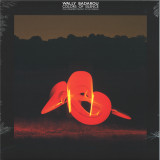
Synth pioneer and musical polymath, Wally Badarou is a genius. But you know that already. A vinyl version of his majestic Colors Of Silence has been craved by the Balearic cognoscenti ever since its low-key 2001 release. Indeed, when we first started work on Be With, we asked some pals with exquisite taste what their dream release would be. We asked Balearic legend Moonboots and, without hesitation, he said Colors Of Silence by Wally Badarou. We didn't know Wally had made this album. And most still don't. But that's about to change.
Colors Of Silence is ostensibly a new age album. As ever though, Wally's sophisticated synth textures and expressive keyboard runs are so full of character, so full of life, that this work of art transcends any easy genre categorisation. It's simply stunning, throughout. It sounds like A.r.t. Wilson or Suzanne Kraft, with traces of CFCF and Jonny Nash. But it was made a good decade earlier than the work of these modern giants. Sometimes, it doesn't seem far from some Larry Heard albums.
Island Records founder Chris Blackwell's friend Nathalie Delon asked Wally to provide music for the yoga DVD she was to release. Lack of time on both sides made them agree on using "quality demos" Wally had in his ideas bank. It's understandable why Colors Of Silence remains somewhat of a lost gem. As Wally explains: "Total lack of promotion made it an 'intimate' release, which was exactly what I was looking for: just a buzz-maker and time-buyer that would allow me to concentrate on the real thing as soon as I'd have time, which could also turn into a rare collecting item later, once the final versions made their way to success. You never know."
Over the years, Colors Of Silence has become a true cult record for the ambient/Balearic heads.
The beguiling but brief "Dance In The Dust" is the shuffling, hyper-percussive, hypnotic opener. It gives way to the deep serenity of "Amber Whispers". It's a gliding, divine, mini melodic masterpiece. It'll make you swoon in its extreme beauty. The bright and breezy "Where Were We" follows, a tropical, reggae-tinged bounce through the islands.
The uptempo groove is maintained on the keys-drizzled soca-funk of "The Lights Of Kinshasa" before Side A is rounded out with "Pictures Of You". It starts with stately, melancholic, unadorned piano and this alone would make for a beautiful song. But Wally always gives us that bit extra and he effortlessly introduces warm, dreamy pads and minimal, slo-mo percussion to augment a frankly stunning piece of work.
Ushering in Side B, Wally's mesmeric piano playing is to the fore again, in the intro to uber-chilled "Serendipity For Two". The playing becomes more mellifluous as the track progresses and adds warmth through exotic percussion, woodwind, sweeping synths and digi-drums. It has echoes of, er, Echoes. It segues seamlessly into the more propulsive, wavy "Smiles By The Millions". If you're not nodding and grinning along widely to the gently throbbing bassline underpinning this, we can't help you. The meditative "Higher Still" follows, cinematic in feel and ever so slightly sinister with the strings. It sounds particularly Badalamenti-esque, if you ask us.
That unmistakable, almost peculiar Badarou funk - so lyrical, so texturally rich and so rhythmically spacious - is all over "Oriental". Next up, "Days To Wonder" brings the serenity back, insistent yet melodic keys, as if played in a place of worship, coupled with birdsong, conjure a kind of instant nostalgia for halcyon days of youth. The contemplative "Dawn Of Europa" is a sombre, beatless, ambient journey whilst the glorious, too-brief "Crystal Falls" features soft percussion and sparkle before fully glistening with some gentle head-nod beats. Wally brings this incredible collection to a mellow, tender close with the graceful "Purple Lines".
There can be few artists more under-appreciated given their vast influence than Wally Badarou. His solo work practically defined the sound of the Balearic DJs of the 1980s, and thus the more sophisticated sound of dance culture thereafter. A synth specialist, Badarou was the long-time associate of Level 42. He was one of the Compass Point All Stars (with Sly and Robbie, Barry Reynolds, Mikey Chung and Uziah "Sticky" Thompson), the in-house recording team of Compass Point Studios responsible for a series of albums in the 1980s recorded by Grace Jones, Tom Tom Club, Mick Jagger, Black Uhuru, Gwen Guthrie, Jimmy Cliff and Gregory Isaacs. Badarou's keyboard playing could also be heard on albums by Robert Palmer, Marianne Faithfull, Herbie Hancock, M (Pop Muzik), Talking Heads, Manu Dibango and Miriam Makeba. He also produced Fela Kuti. Phew!
Meticulously remastered and cut by both Simon Francis and Cicely Balston respectively, it has been pressed to the highest possibly quality at Record Industry in Holland. Special thanks must go to Apiento from Test Pressing who first introduced us to Wally and facilitated all those early zoom meetings. It couldn't have happened without his help. Not least on pulling the art together, too, which features striking original photography by Mads Perch. Benji Roebuck of Roebuck Press did his thing brilliantly in art working the whole package to completion. All in all: essential.
Kacy & Clayton first met Jeff Tweedy in the backroom of the Fillmore Auditorium in San Francisco in September 2016. The band had been invited to open for Wilco on night 4 of their annual 5-night run. While waiting for their soundcheck, Jeff appeared through a curtain backstage and introduced himself. In the conversations that followed, Kacy Anderson, Clayton Linthicum and Jeff Tweedy discussed their mutual appreciation of Davy Graham and Jeff’s understanding of Saskatchewan’s geography. Those conversations would eventually blossom into an invite to stop by Wilco’s studio, the Loft, a visit they made only weeks later. In January 2017, Kacy & Clayton returned to the Loft with a rhythm section and a batch of new songs. Over the course of 8 days, the band recorded 9 songs with Jeff Tweedy producing and Loft house engineer Tom Schick at the helm. These 9 songs are what would become the band’s fourth album, The Siren’s Song. While writing and recording The Siren's Song, Kacy & Clayton found inspiration in the music of Sammi Smith, The Everly Brothers, Link Wray's chicken shack LPs, country records with harpsichords, The Sir Douglas Quintet, Gene Clark, Jeannie C. Riley, as well as British traditional singers like Peter Bellamy and the Watersons. The Siren's Song is a product of these influences and an extraordinary progression in the band's own sound.
Everything clicks on Safe to Run, the fourth album from singer, songwriter Esther Rose. It’s the quiet culmination of years spent fully immersed in a developing artistry, and presents Rose’s always vividly detailed emotional scenes with new levels of clarity and control. As with previous work, her songwriting transfigures the chaos and uncertainty of a life in progress, but here she introduces a newfound pop element that attaches unshakably catchy hooks to even the darkest stretches of the journey. Rose takes an unblinking look at her own vulnerabilities as well as more universal concerns, somehow never taking herself too seriously in the process. This manifests as a critique of the insidious sexism of the music industry on “Dream Girl,” but quickly melts into a hazy memoryscape of the dive bar drama and suspended hovering of her early 20s on “Chet Baker.” The song “Safe to Run” (a gorgeous duet with Hurray for the Riff Raff’s Alynda Segarra) directly merges the personal with the global, superimposing feelings of spiritual displacement onto the larger, looming dread of climate grief. Rose breathes in the ecstasy of the natural world in one line and makes fun of herself a few bars later. There are ghosts in the room for most of her songs, but she’s invited them in and is cracking jokes with them over a drink or two. Ultimately all of these new advancements become twinkles of light in the background as they fold into the big picture impact of the songs themselves. Esther Rose translates her world into eleven curious and captivating scenes. While the songs are stunning one by one, absorbing Safe to Run as a whole feels like witnessing something taking shape, experiencing the headspins of the elevation and the slow return to equilibrium as the clouds start clearing.
The sophomore album from NYC musician and singer-songwriter Kyle Avallone, is a collection of nostalgic meditations that take you out of the smoky bar and into the gray daylight of a seaside town. It is a cinematic dreamscape steeped in warm vocals, lush synthesizers, and sweeping steel guitars. Throughout the ten songs, tender narratives play like home movies on a living room wall, revealing little worlds and distilled memories.
Recorded at Studio G in Brooklyn with Jeff Berner (Psychic TV), Avallone reaches beyond the lo-fi sleaze of his 2020 debut, Last Minute Man, for a higher fidelity and grander sound palette. “After making a record by myself on an old four-track tape machine, it felt like a natural progression to go into a proper studio and play music with my friends". The core band consists of Mark Perro (The Men) on keys and Russell Hymowitz on bass, who both sing backing vocals, along with David Christian on drums. On several tunes, pedal steel played by Jon “Catfish” DeLorme (The Nude Party) dances around Avallone’s baritone voice, delivering a twang that is distinctively more New York than Nashville.
Inspired by the conversational storytelling of artists like Terry Allen and Lou Reed, Avallone was moved to capture the drama and mystery of his own life experiences. The characters we meet here are flawed. Mistakes are made and lies are told. Love is either lost or on the line. Dreams manifold as both echoes of the past and hopes for the future – the faded glow of childhood impressions in “Down the Hill”; the single mothers’ kitchen table reverie in “Going to the Beach”; the lament for summer’s end in “Vacant Sea”.
A national musical treasure" The Guardian // Steven Adams, formerly of The Broken Family Band releases new album DROPS on Fika Recordings in November 2023. Since calling time on TBFB at the height of their success, Adams has released half a dozen albums under various names (Singing Adams, Steven James Adams, Steven Adams & The French Drops), his witty, incisive lyrics and melodic sensibilities taking in DIY indie rock, folky introspection, and off-kilter pop hooks. Originally from South Wales, Adams now lives in East London. “Every record I’ve made has been in a hurry of some sort” says Adams of his new album, “and with this one I took my time”. DROPS is the first album to be credited to him as a solo artist since 2016’s Old Magick, his first new music since 2020, and his noisiest record to date. Armed with a new batch of material, he began by upping sticks to the Welsh countryside to experiment with drummer Daniel Fordham and bassist David Stewart - both formerly of psych oddballs The Drink. The trio then took the songs to Big Jelly, a converted chapel on the south coast, with co-producer Simon Trought (Comet Gain, Johnny Flynn, The Wave Pictures) to lay down the basic tracks for DROPS. Eschewing a full band set up (“I wanted to concentrate on one thing at a time”), recording sessions in East London followed with Laurie Earle (Absentee) on guitar and Michael Wood (Hayman Kupa Band, Michaelmas) on keyboards. Adams then took the recordings home and to the French countryside, to work alone. “I finally got my head around home recording in 2020, while things were a bit quiet. Once I worked out how to record things I realised I didn’t have to think about time. I could let the songs evolve and change once we had the basic tracks down. After a while I started to think of them as paintings; trying something one morning, painting over it in the afternoon and attempting something completely different… it was about enjoying the process, making some bangers, playing around... and giving Simon the producer a mess to sort out when it came to mixing the record". Whenever Tom from Fika Recordings checked in to see how the album was progressing Adams would reply, “it’s taking ages but it’ll sound like it was recorded in an afternoon”. The result is a dynamic and spirited collection of songs, with Adams's love of 90/00s US underground rock (Pavement's Bob Nastanovich is a fan) to the fore. DROPS is a sonically compelling piece of work: from bleak/exultant opener Out to Sea and the motorik Living in the Local Void to the weirdly funereal Fascists (where Adams imagines the “little skip in our steps” that we’ll have upon outliving some baddies), and Day Trip's psychedelia in miniature. There are also moments of tenderness: the avalanche of empathy on closing track Cheap Wine Sad Face, and I Tried to Keep it Light’s “worse things could happen… I don’t know how, but give me time”. Adams says: “I'm preoccupied by the passing of time and the way it affects how we feel. This record is about time and bewilderment and trying to make sense of things". “…astonishing tenderness in its simplicity … brilliant lyrics.” Q Magazine //“…the tunes are instant and uplifting, but the real wallop comes from the lyrical imagery.” The Guardian // “…barbed modern life chronicles.”
Univers Zero's new album (since 10 years) follows the lineage of 'Phosphorescent Dreams', originally released only on CD in Japan in 2014, and reissued as an LP on the Sub Rosa label in 2019. Lueur is the fruit of two years' work and reflection, the foundations of which were laid by Daniel Denis (keyboards, drums, percussion...), then enriched by the contributions of Nicolas Dechêne (guitars), Kurt Budé (clarinet / bass clarinet) and Nicolas Denis (bass, percussion, vocals), all three present on Phosphorescent Dreams.
With this reduced line-up, Lueur offers a dense journey, rooted in the balance between power and calm, raging and serene sound. A balance, too, between complex arrangements and more contemplative moments. While this album continues the avant-rock tradition of Univers Zero, it also features some very short pieces, more electronic, tribal and haunting sounds, and voice work that is new to the U.Z. universe. Between tradition and subtle evolution, Lueur is a major new contribution to the discography of this band, which will be celebrating its fiftieth anniversary in 2024.
Univers Zero represents one of the longest-living bands in Belgium. It was established in 1974. Drummer Daniel Denis had the brilliant idea to gather together a team of professionals sharing the same taste for music. The band has adopted an instrumental progressive style. Over the last couple of decades, the band has also implemented a series of influences from chamber music - most commonly, chamber music from the 20th century. Even if the line-up changes a lot over the years, the overall sound of UZ remained fairly consistent.
Univers Zero's new album (since 10 years) follows the lineage of 'Phosphorescent Dreams', originally released only on CD in Japan in 2014, and reissued as an LP on the Sub Rosa label in 2019. Lueur is the fruit of two years' work and reflection, the foundations of which were laid by Daniel Denis (keyboards, drums, percussion...), then enriched by the contributions of Nicolas Dechêne (guitars), Kurt Budé (clarinet / bass clarinet) and Nicolas Denis (bass, percussion, vocals), all three present on Phosphorescent Dreams.
With this reduced line-up, Lueur offers a dense journey, rooted in the balance between power and calm, raging and serene sound. A balance, too, between complex arrangements and more contemplative moments. While this album continues the avant-rock tradition of Univers Zero, it also features some very short pieces, more electronic, tribal and haunting sounds, and voice work that is new to the U.Z. universe. Between tradition and subtle evolution, Lueur is a major new contribution to the discography of this band, which will be celebrating its fiftieth anniversary in 2024.
Univers Zero represents one of the longest-living bands in Belgium. It was established in 1974. Drummer Daniel Denis had the brilliant idea to gather together a team of professionals sharing the same taste for music. The band has adopted an instrumental progressive style. Over the last couple of decades, the band has also implemented a series of influences from chamber music - most commonly, chamber music from the 20th century. Even if the line-up changes a lot over the years, the overall sound of UZ remained fairly consistent.
Musa Dagh setzt sich aus Thomas Götz (Beatsteaks), Aydo Abay (ex-Blackmail), Aren Emirze (ex-Harmful) und Produzent Moses Schneider (u.a. Tocotronic/Kreator) zusammen. Musa Daghs selbstbetiteltes Debütalbum ist eine intensive und sphärische Reise durch diverse Genres und entführt die Hörer*innen in eine Welt aus progressiver Heavy- und Alternative-Rock-Musik. Eine pulsierende Noise-Rock-Pop-Schönheit!
Ausbalancierte und dynamische Neupressung des 2018er Debütalbums der Melbourner Jazz-Band Midlife, das bei den Worldwide FM Awards als bestes Album des Jahres nominiert war und Trendsetter wie DJ Harvey, Gilles Peterson, Artwork und Bradley Zero begeistert hat. Mit seiner sensationellen, Genre sprengenden Kombination aus progressiven 70er Sounds mit elektronischem Krautrock, unterlegt mit einer Mischung aus rhythmischem Funk, House und Dream-Pop, ist die LP jetzt schon ein Klassiker der Psychedelic-Jazz-Fusion, der eine süchtig machende Atmosphäre schafft, die live mit wilden Improvisationen unterstützt wird.
An EP based on nostalgic feelings of bygone days. Deep electronic grooves and melodies are mixed with intense emotional musicality that transports you to the past… Resulting in a 'hands up in the air' feeling, where the rush of music bathes you in warmth and remembrance, showcasing Wink’s diverse range of production and artistry on each cut.
"12 months of Longing" begins with a pounding 909 kick that soon gets flooded with funky percussion building up to the 1st break of lush keys and swirling beats. The production continues leading into bouncing bass and a serious groove, that evolves into a rhythmic pause where soaring strings, and melodies build and build leading to an intense crescendo that will blow the roof off.
"Sexy Bot” is a title which suits this sexy tune. It’s journey begins with latin rhythms and is quickly joined with repetitive stabs and ascending pads, that spirals around you, directing the path of music that unfolds into a Detroit inspired musical progression. Symphonic string plucks leads you into a break of serious sexy melodies that explodes into a rolling bassline that will elevate any listener into another sexy feel good echelon.
“Used to Be” quickly guides you to a signature wink acid bassline, that writhes its way to an infectious groove that is soon complimented by a hauntingly smooth analog synth, advancing into a sensual musical progression. Wink then adds his voice to the song, with simple and effective contemplative words “The way I used to be”, endorsing the overall nostalgic feeling of this unique and diverse EP.